
As promised, for the most part we have been keeping our Italy adventures to the confines of Rome rather than ticking off Italian cities the way we originally thought we might. It definitely hasn’t been a bad way to approach things, as there are so many things to do in Rome that you can have (almost) any kind of day you want.
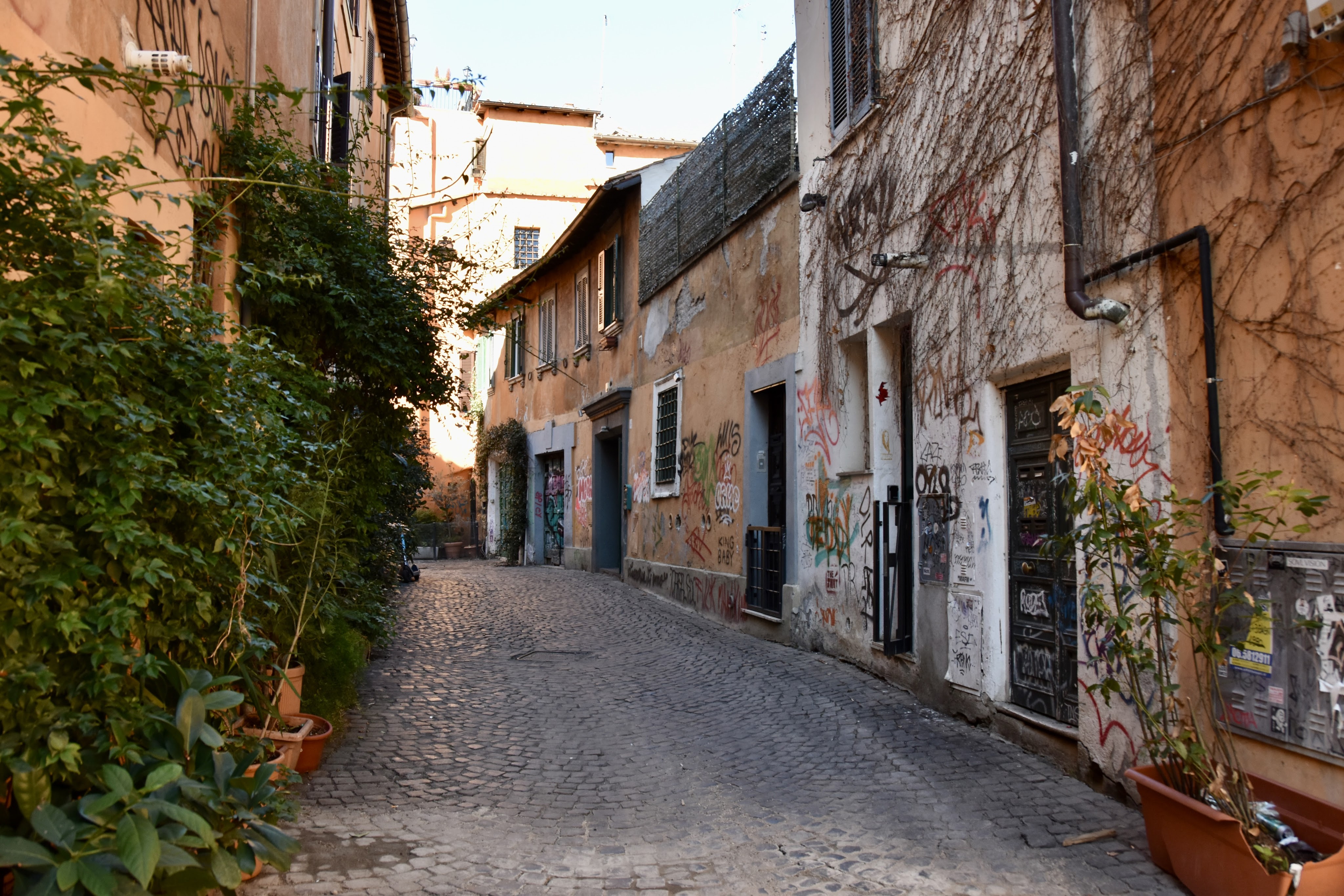
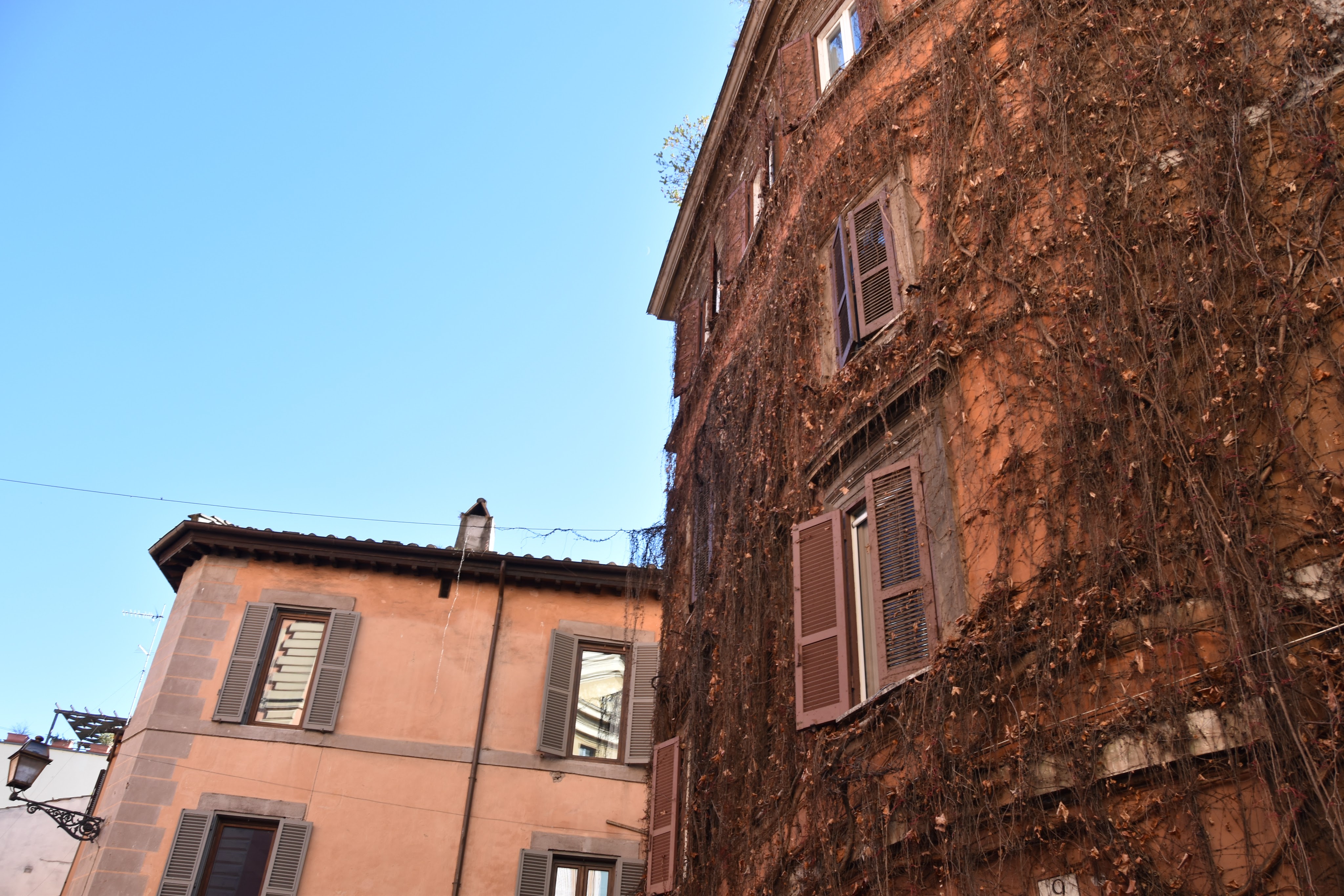
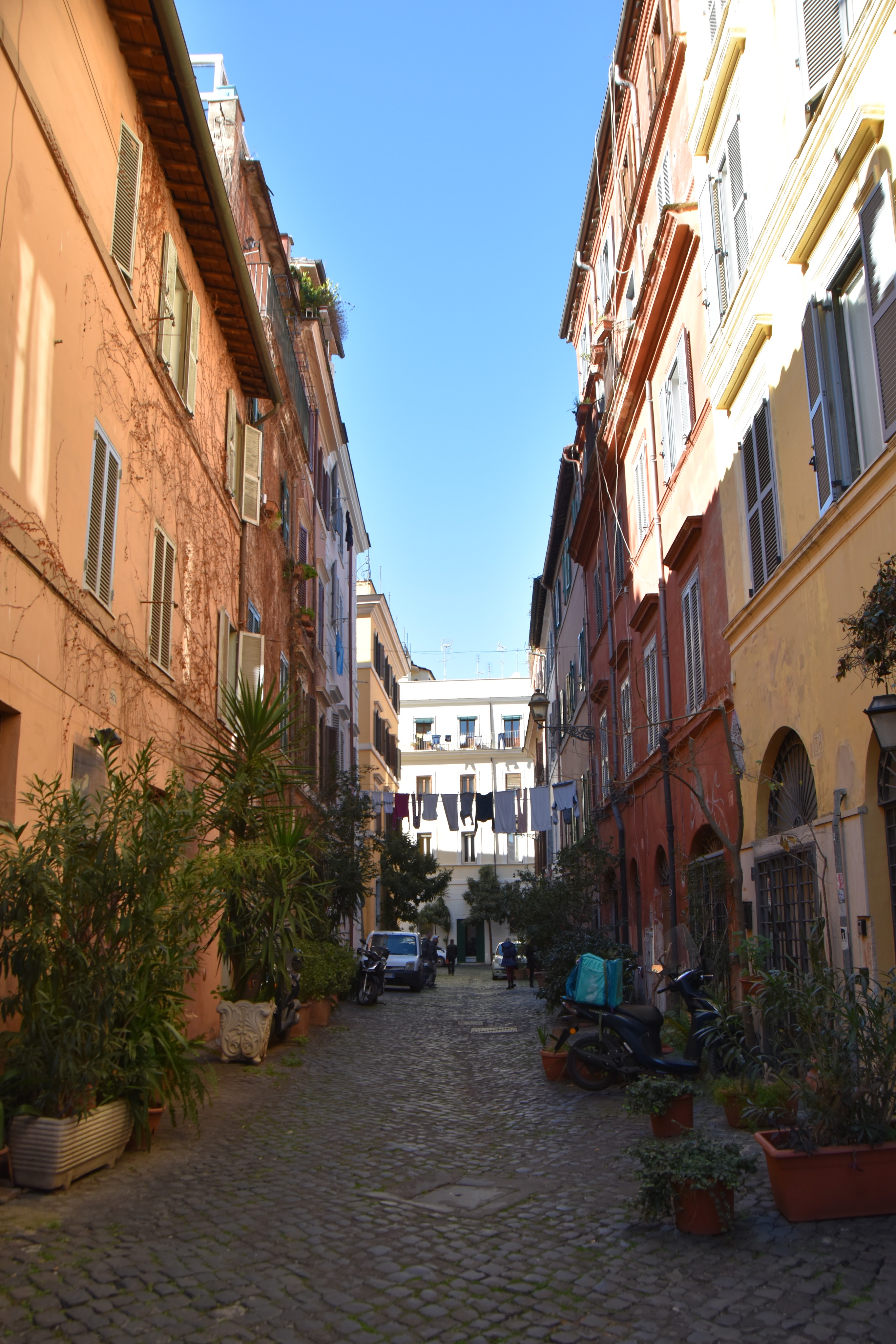
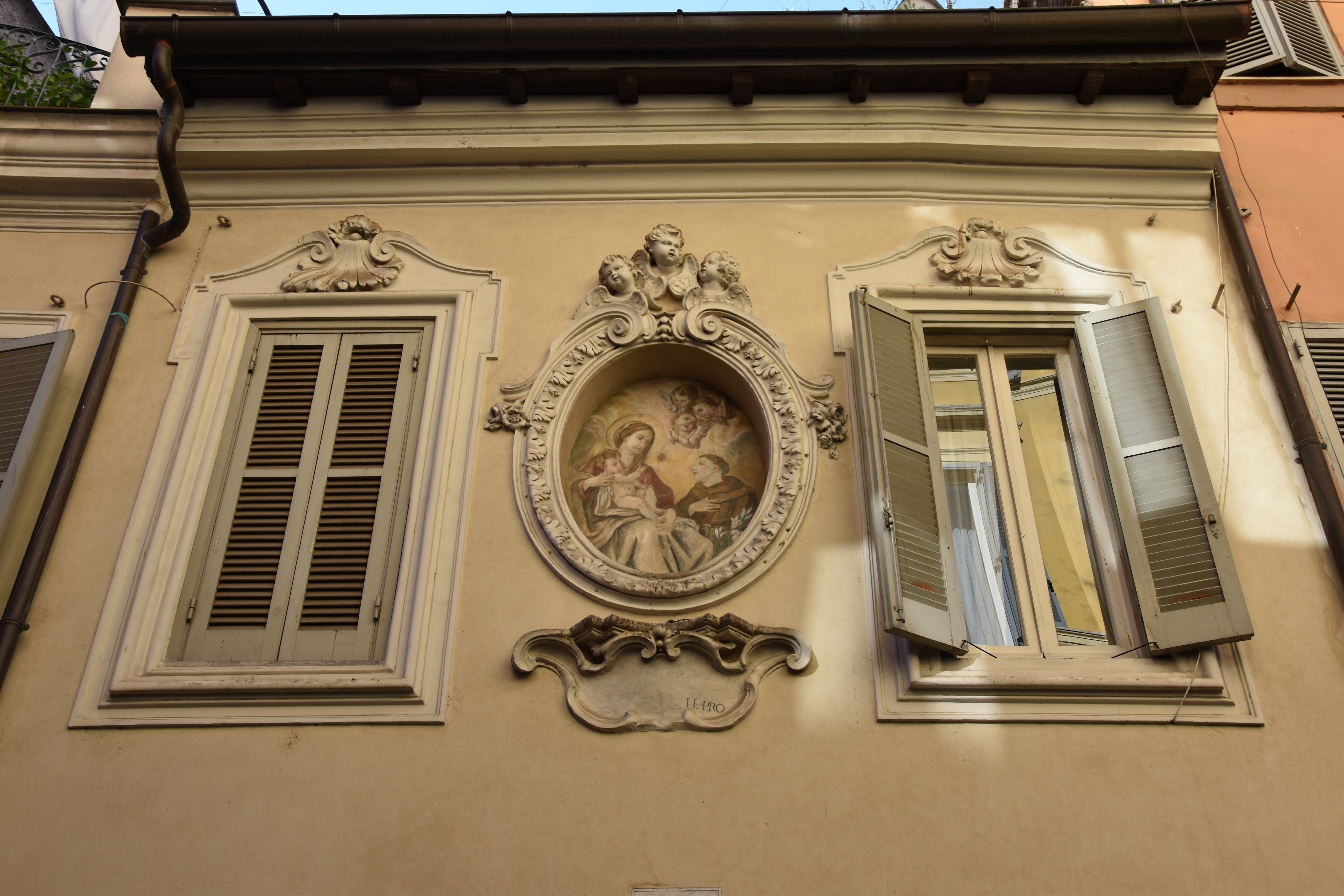
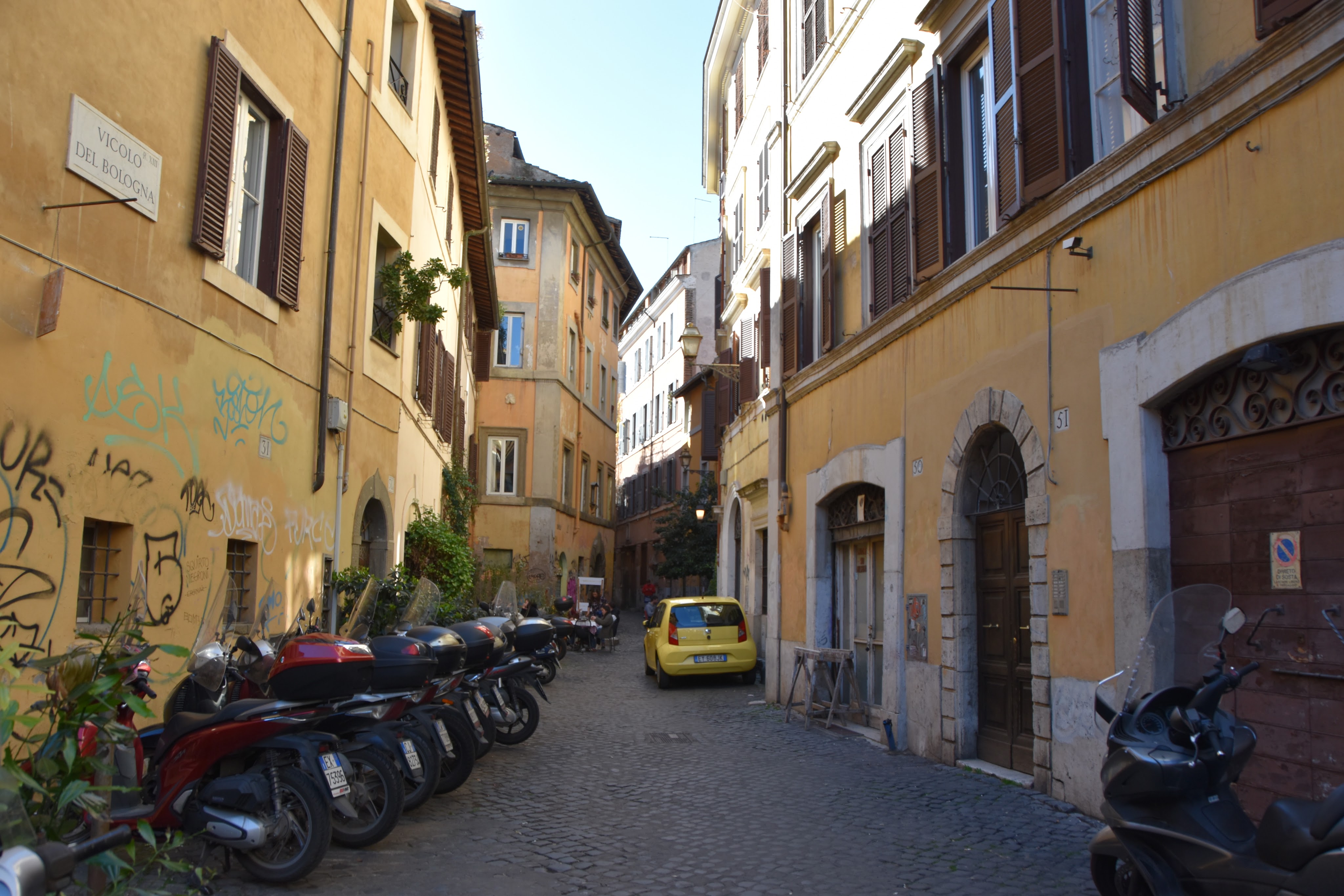
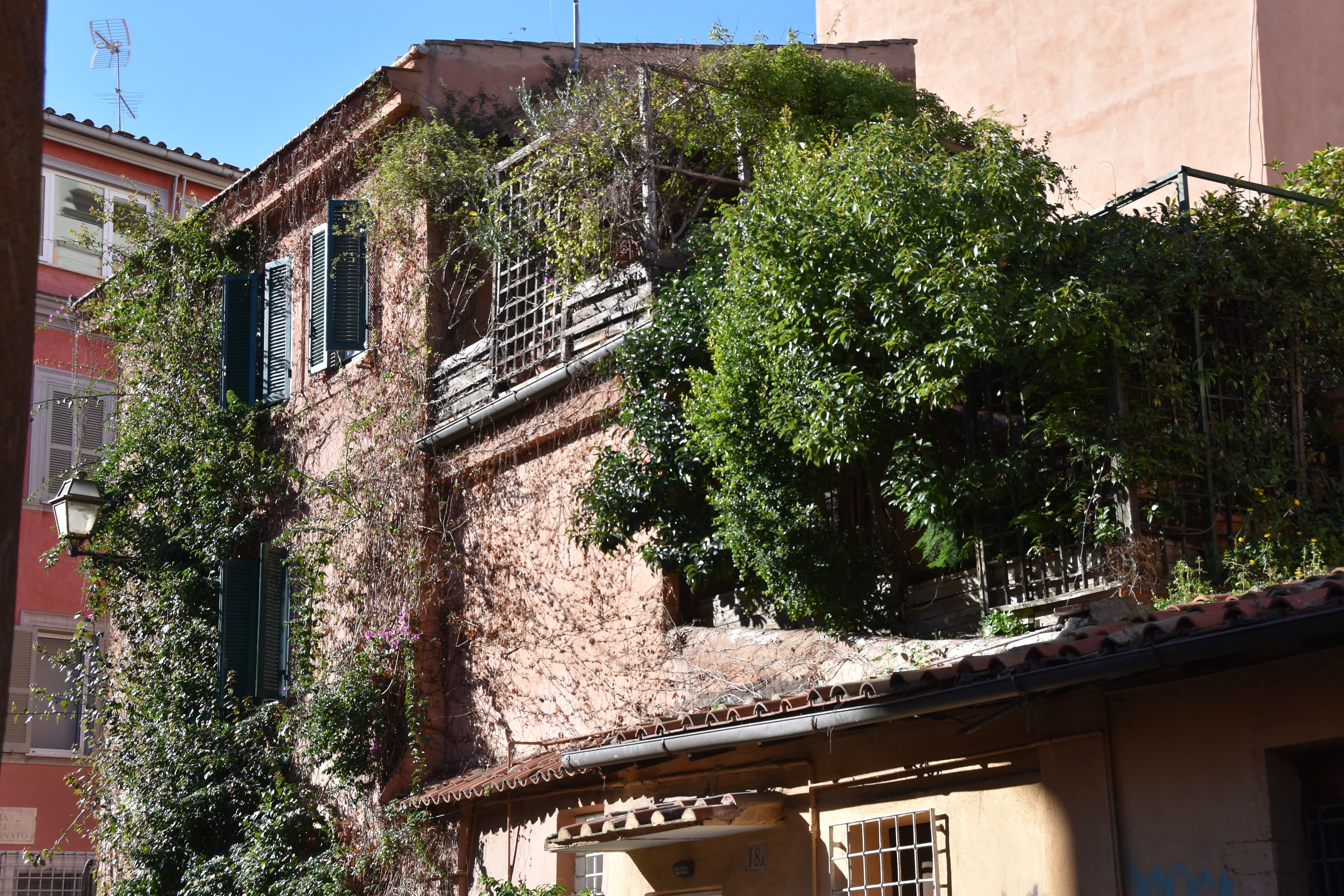
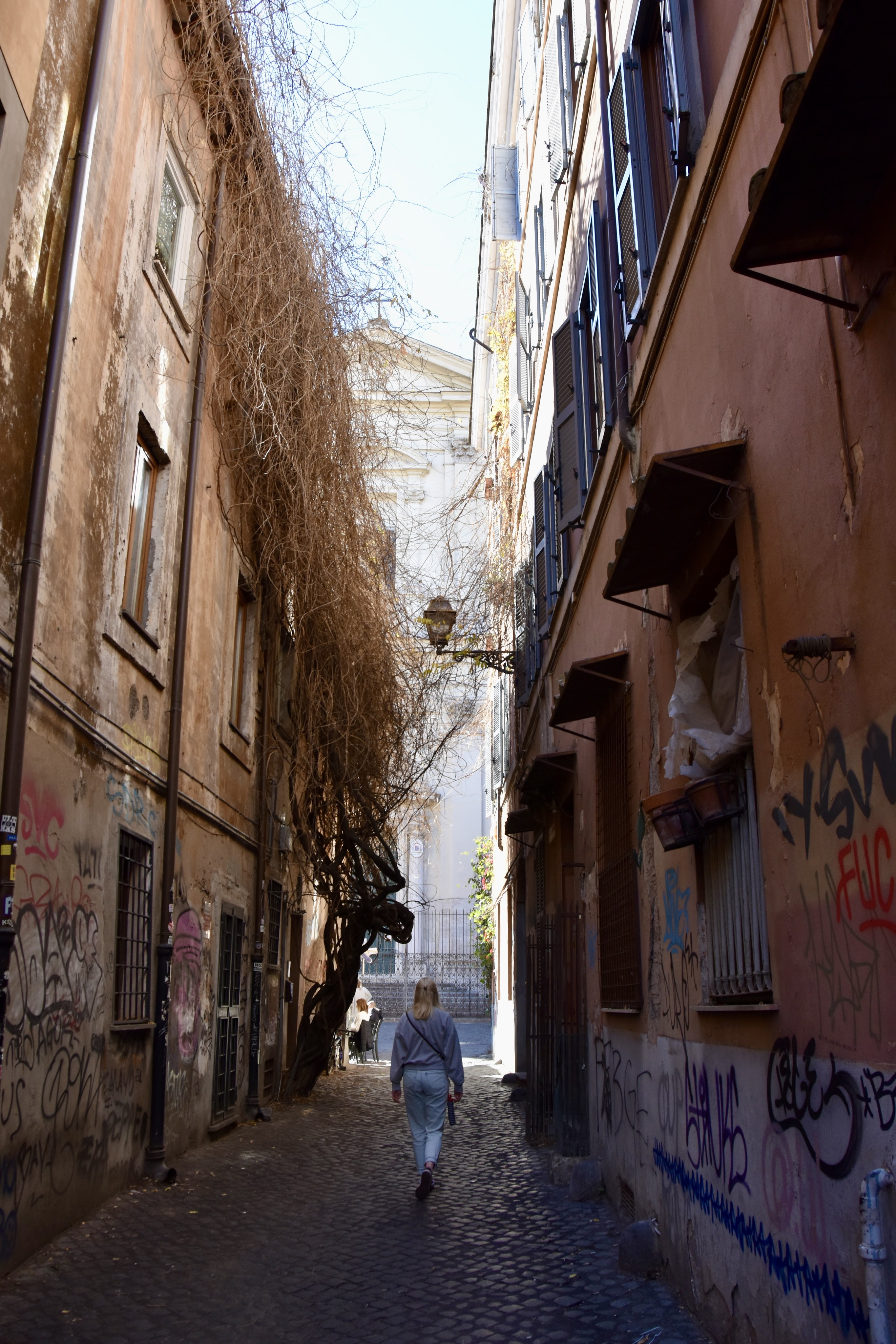
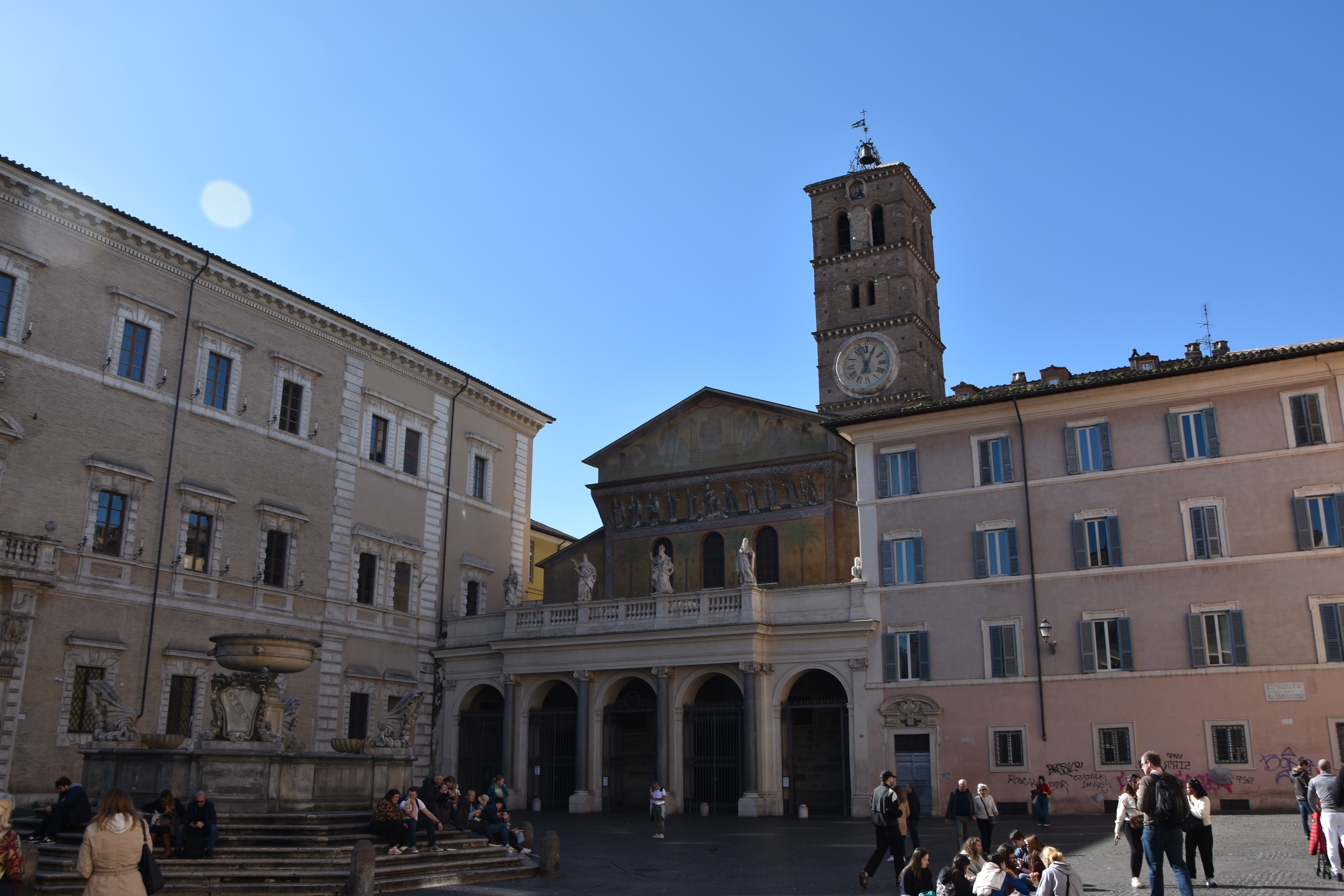
There have been days we have been happy to have a casual wander, not picking out many points of interest in particular. This has included a pleasant afternoon meandering around Trastevere. If you have been watching the recent release One Day on Netflix, this neighborhood can be seen in the scenes with Dex and his mother in Rome. It will be particularly picturesque later in the year when the creeping vegetation is in bloom.
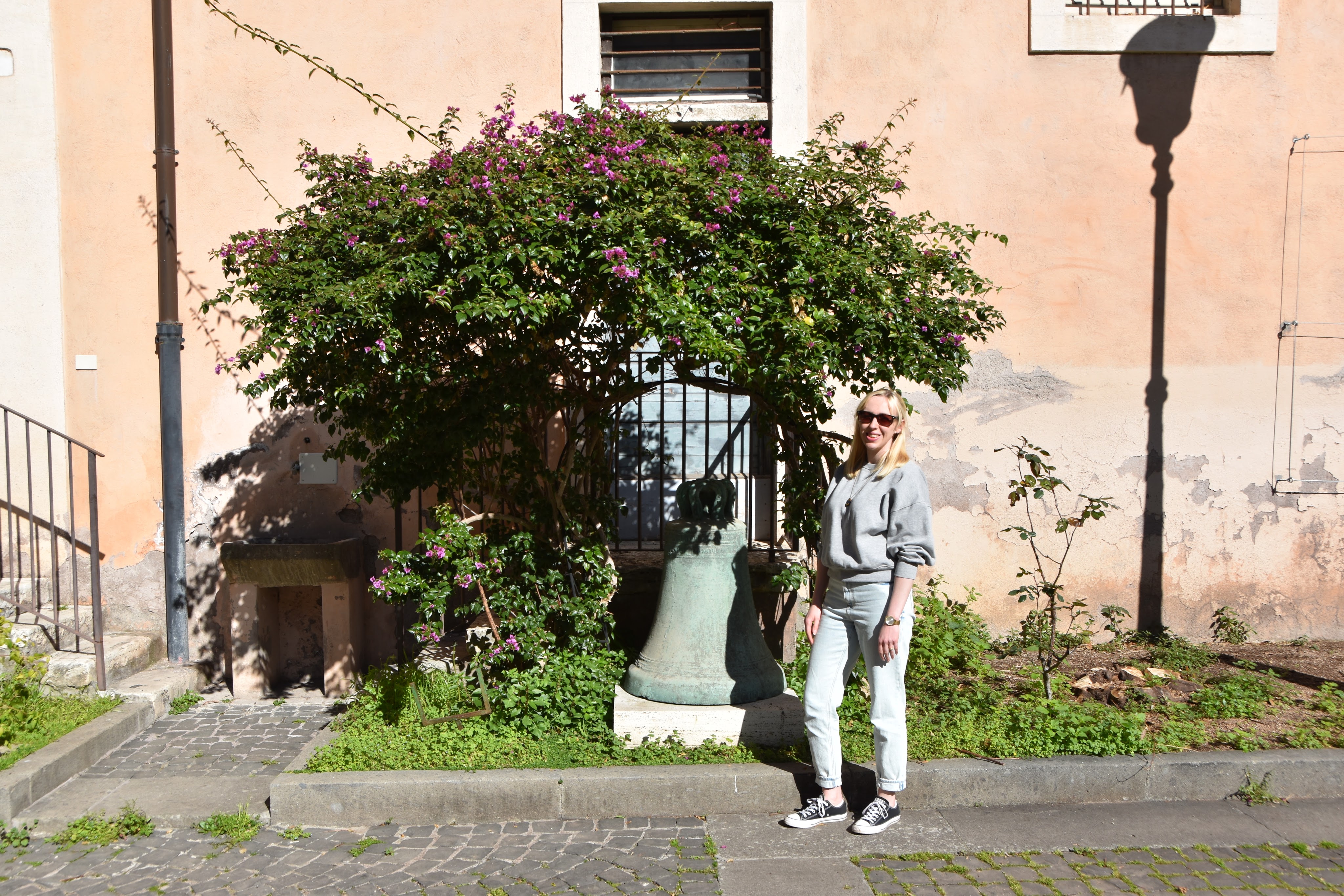

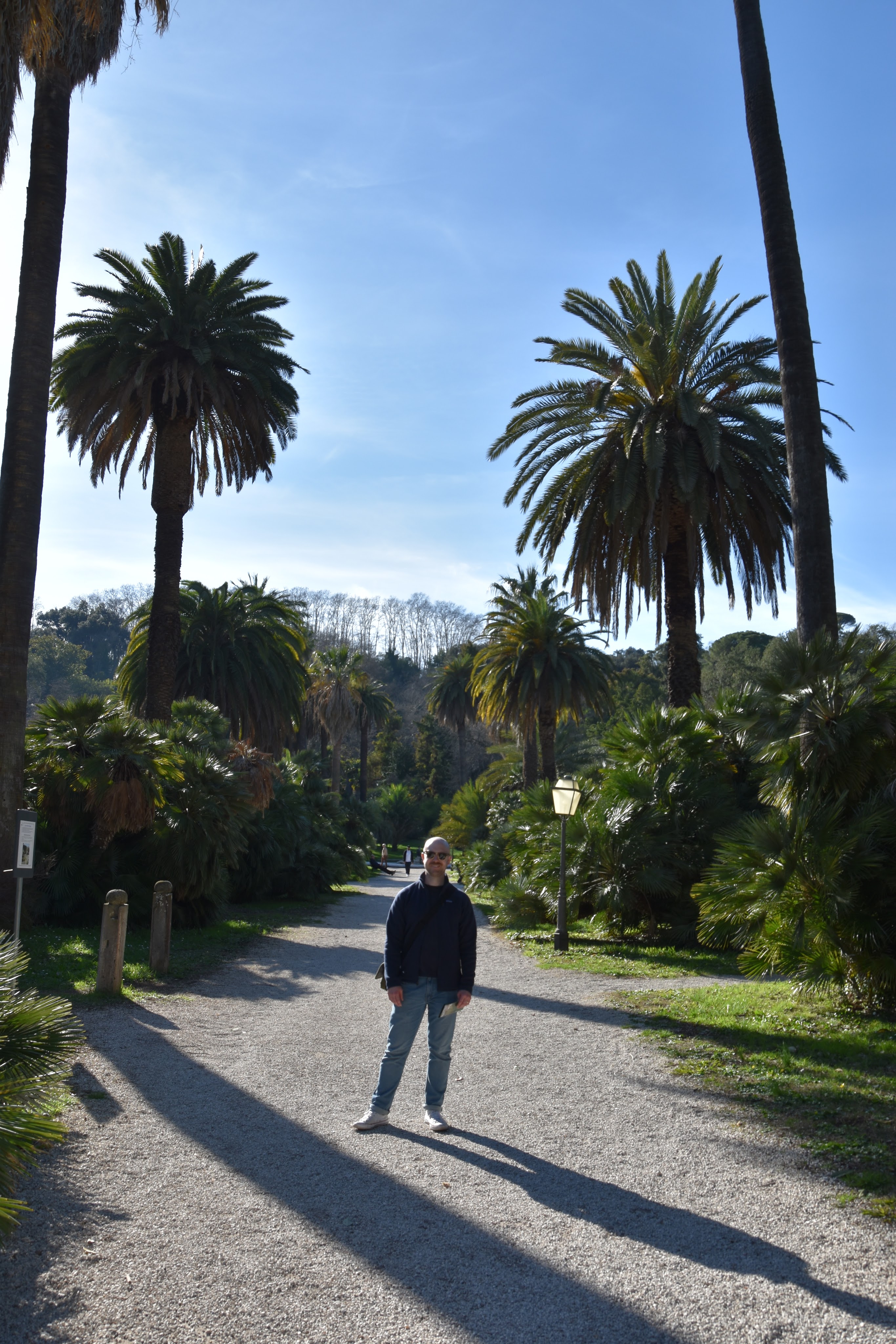
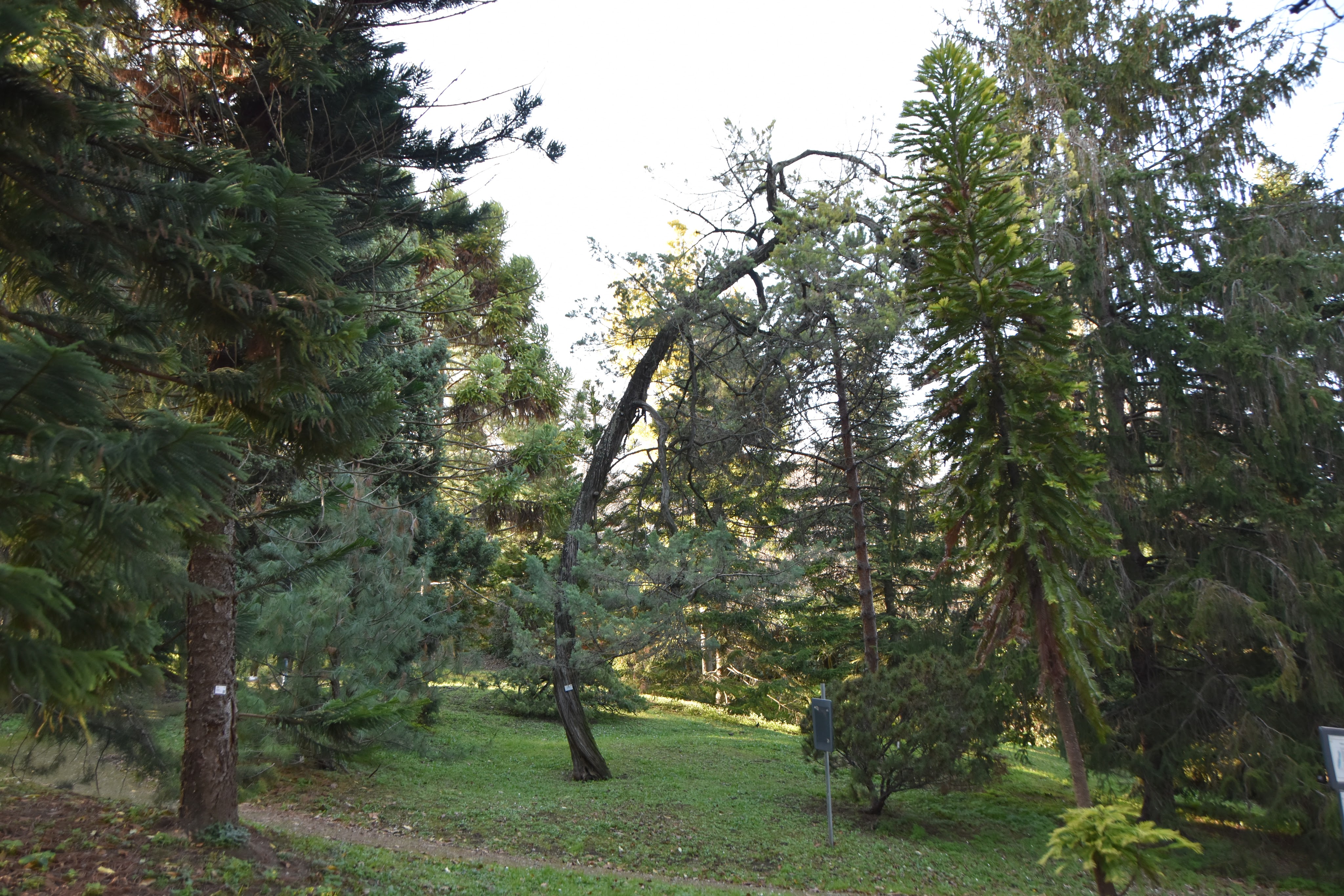
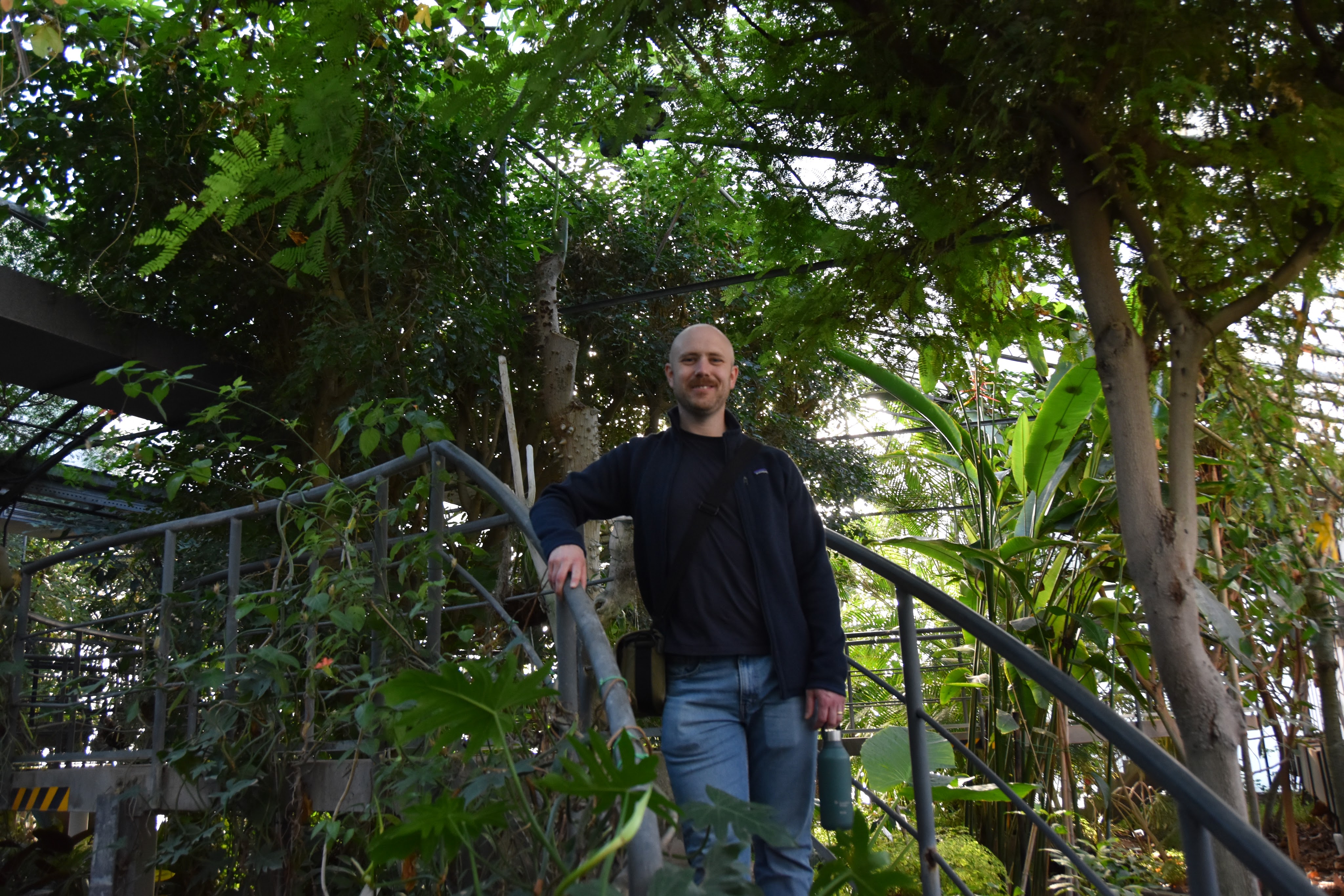
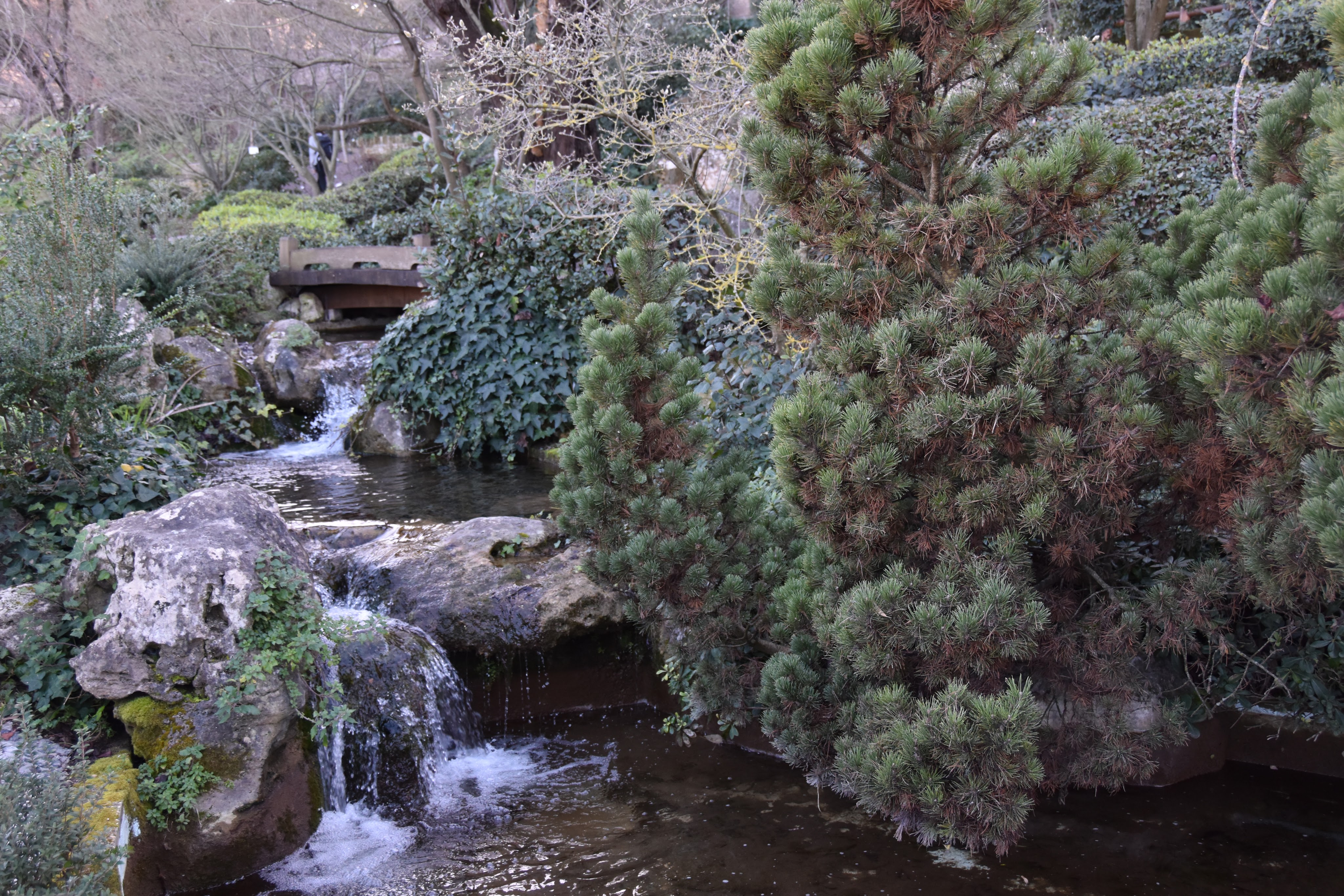
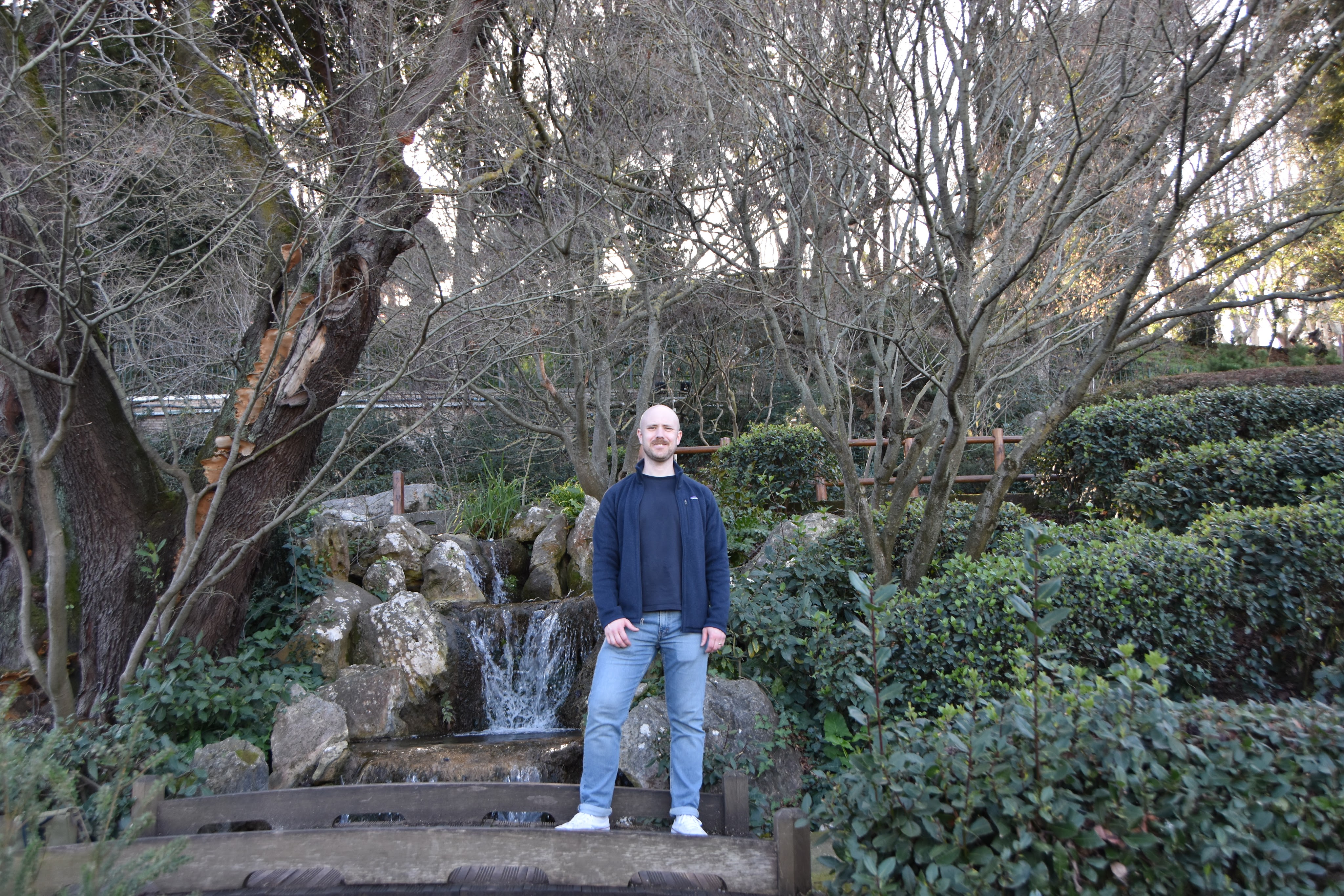
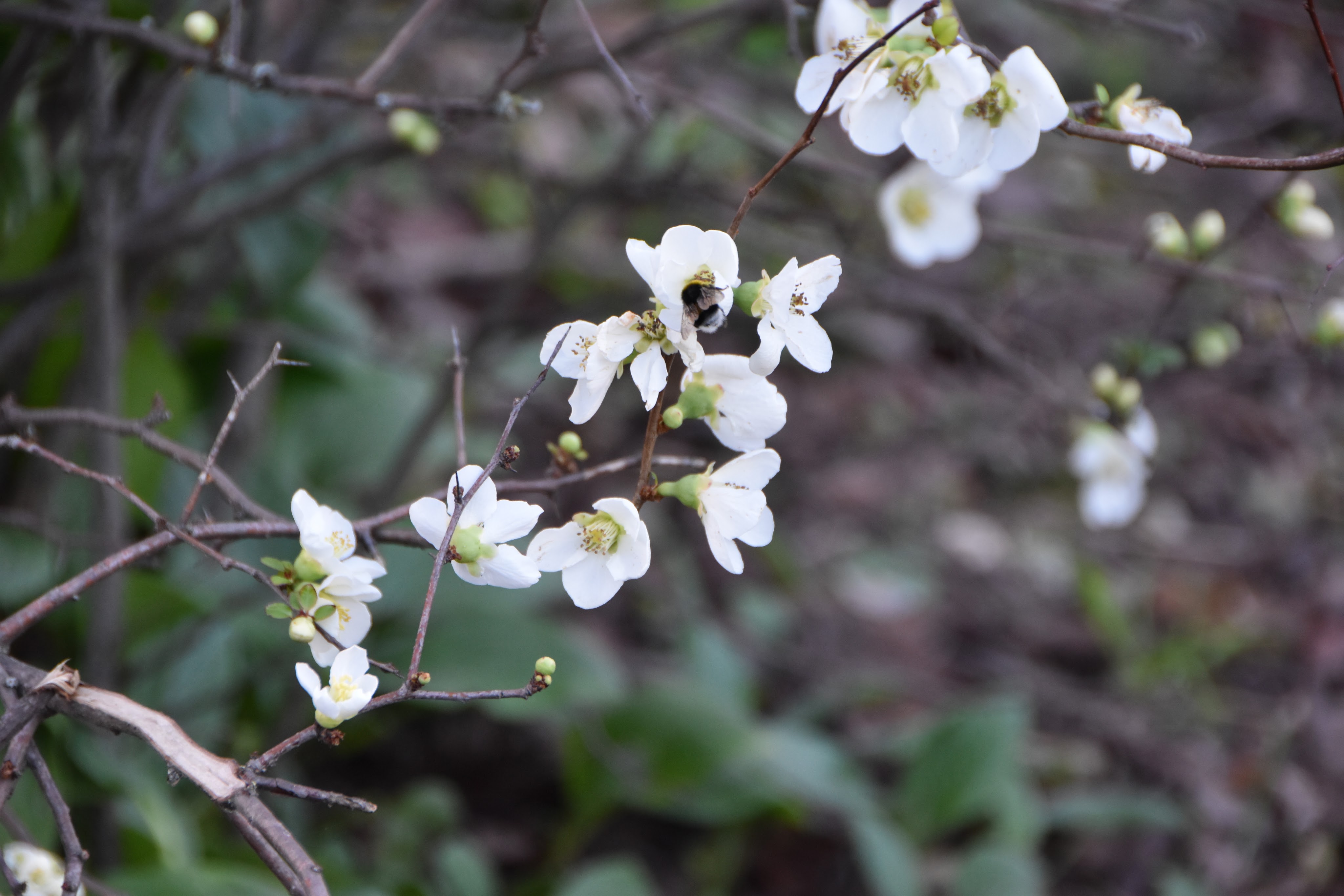
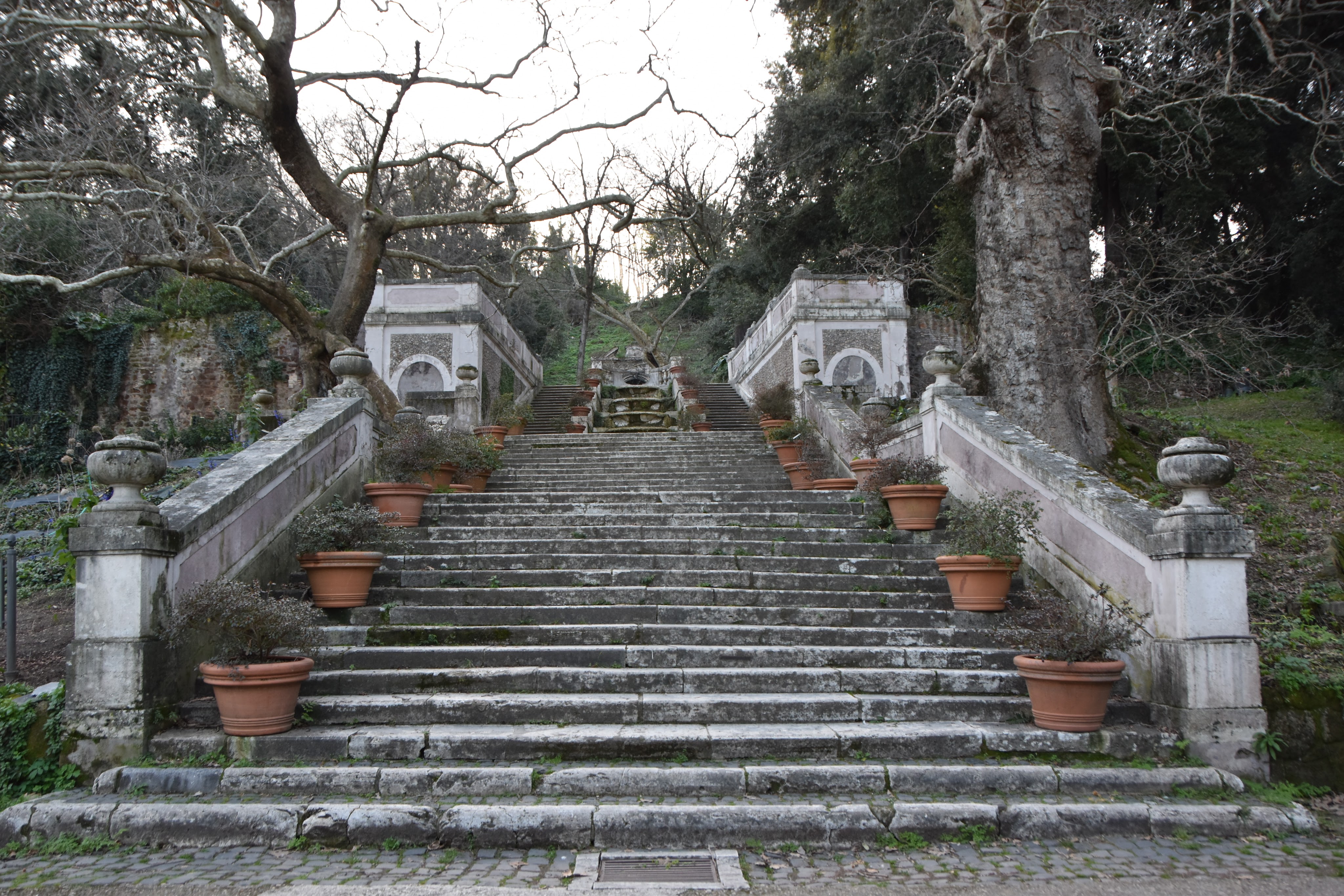
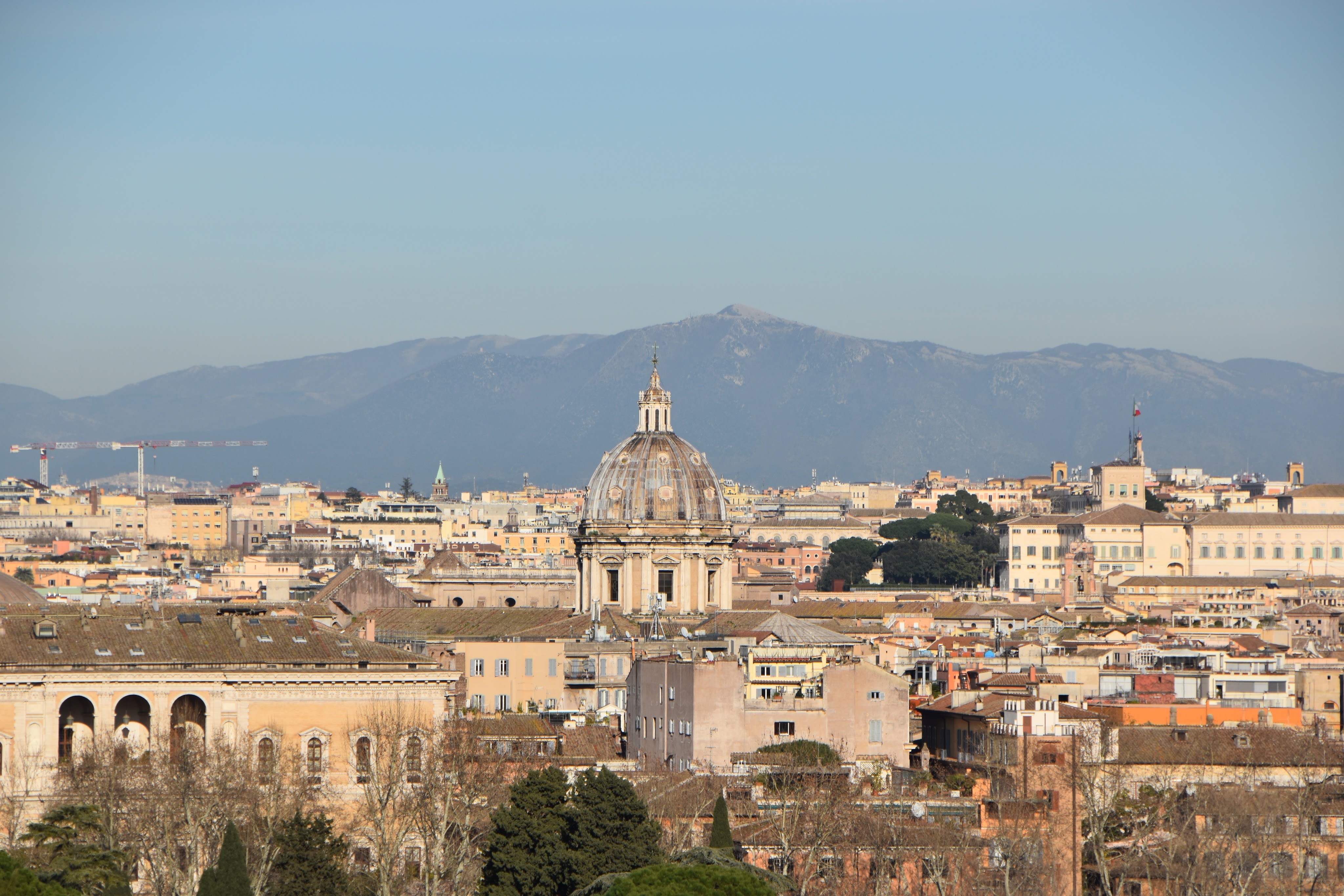
On the recommendation of one of our pasta classmates, we enjoyed a quiet city centre reprieve in the nearby botanical gardens.
We also took our Airbnb host’s recommendation to head to the Appian Way on a Sunday when, she advised us, the road would be closed to traffic. The Appian Way was a strategic Roman military road connecting Rome with Brindisi in the south east of the country. In fact, in reminding myself of the facts for this blog entry, I have (re)learned that Romans were masters in road construction and generally the city of Rome would be the point of origin for all roadways. Hence the phrase, and my former blog title inspiration, “All Roads Lead to Rome”.
As we learnt firsthand, the roads were very much intended for vehicular transport / movement of supplies. Despite the rather inviting name “Appian Way”, which to my ear sounds like a scenic footpath, it is no such thing. We very quickly realised our host’s assertion that it would be car-free on a Sunday was unfounded and essentially found ourselves walking along an A-road with not much scenery, nor pedestrian pathway, to speak of. We’d have likely turned tail had it not been the fact we were incorporating our walk with a trip to the San Sebastian Catacombes, situated along the road.
I was glad we decided to persevere, as this was a really interesting visit. Once again, it was mandatory to join a guided tour, but it was easy to see why. We only saw a small section of the catacombes but they apparently extend to 12 kilometres in total length. With their labyrinth formation, if you took a wrong turn it would be pretty disorientating and a rather creepy place to get lost! This is another place you aren’t allowed to take photographs, so if you’re interested, check out the official site for some.
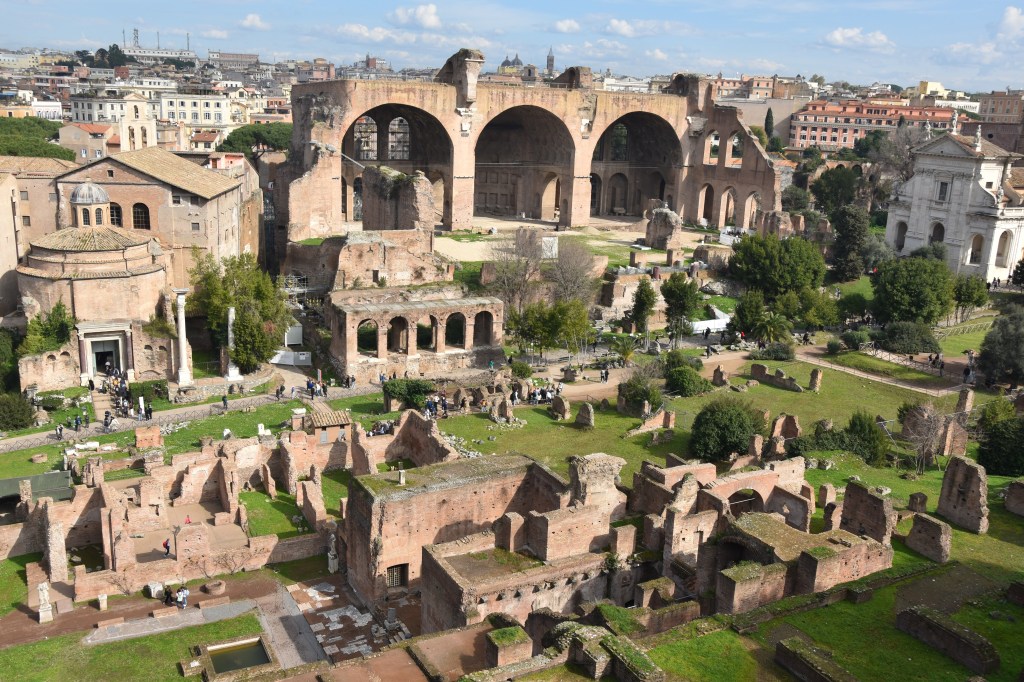
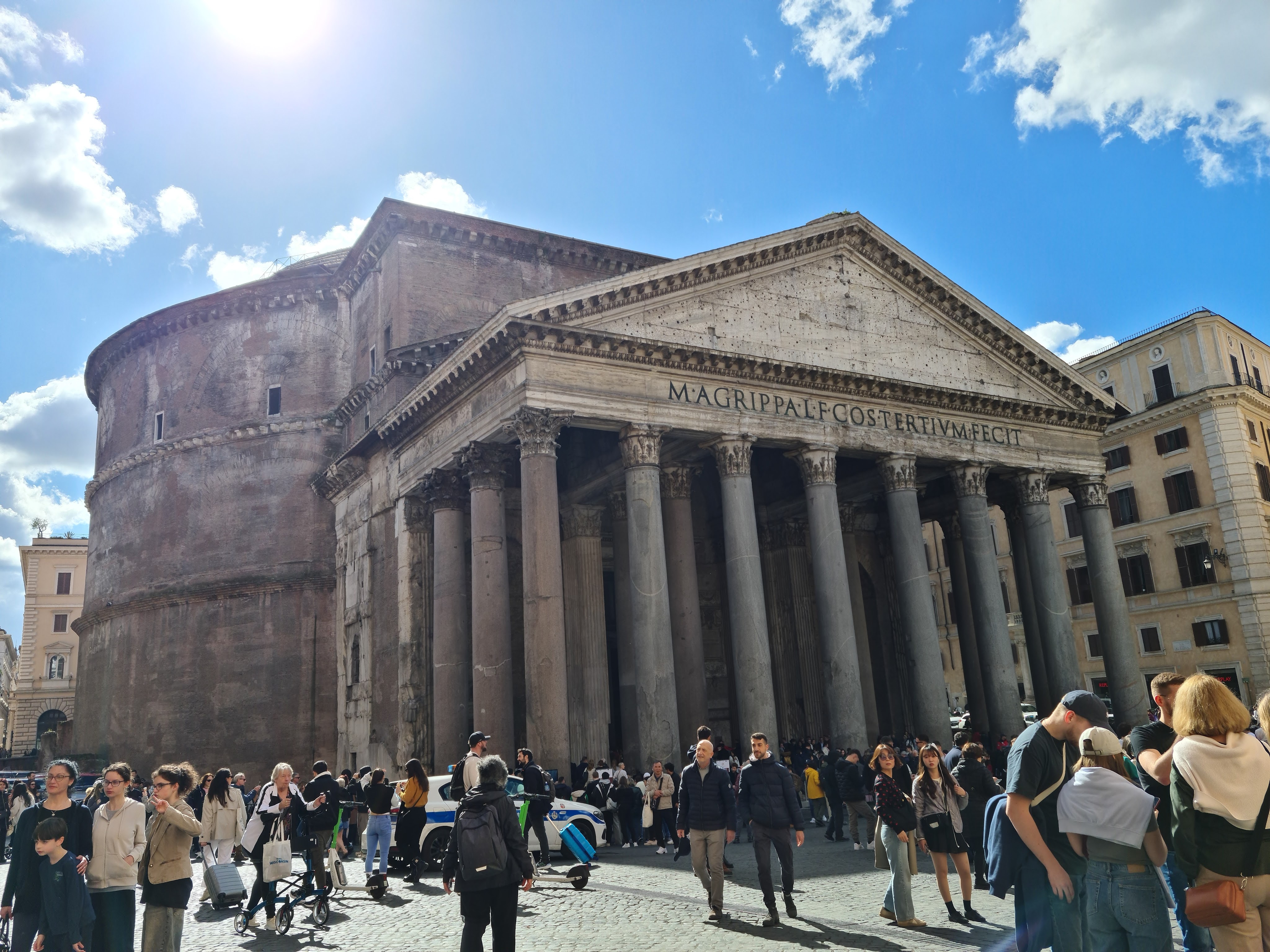
We have also made it up close to the three big hitters of Rome – the Forum and Palatine Hill; the Colosseum and the Pantheon.
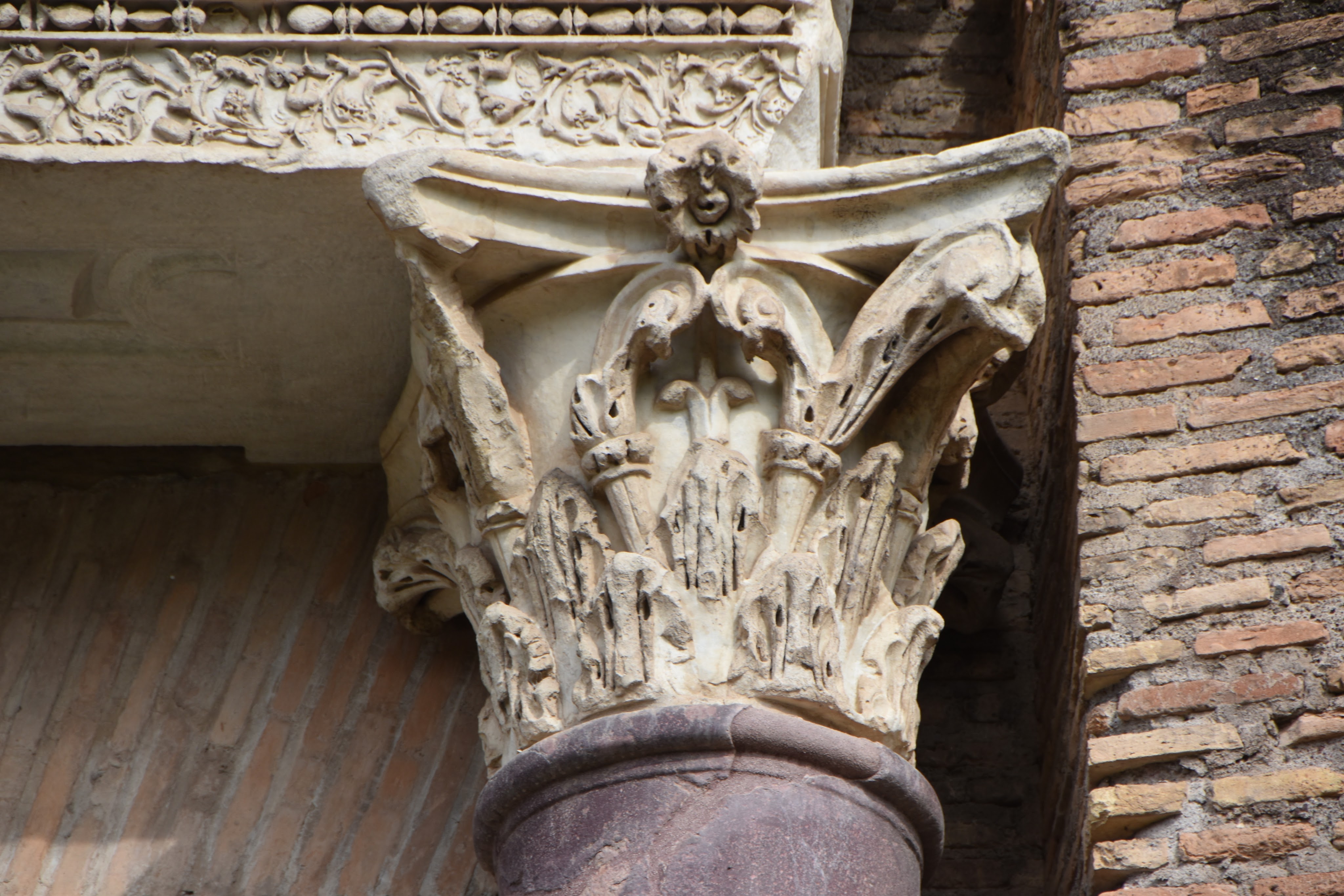
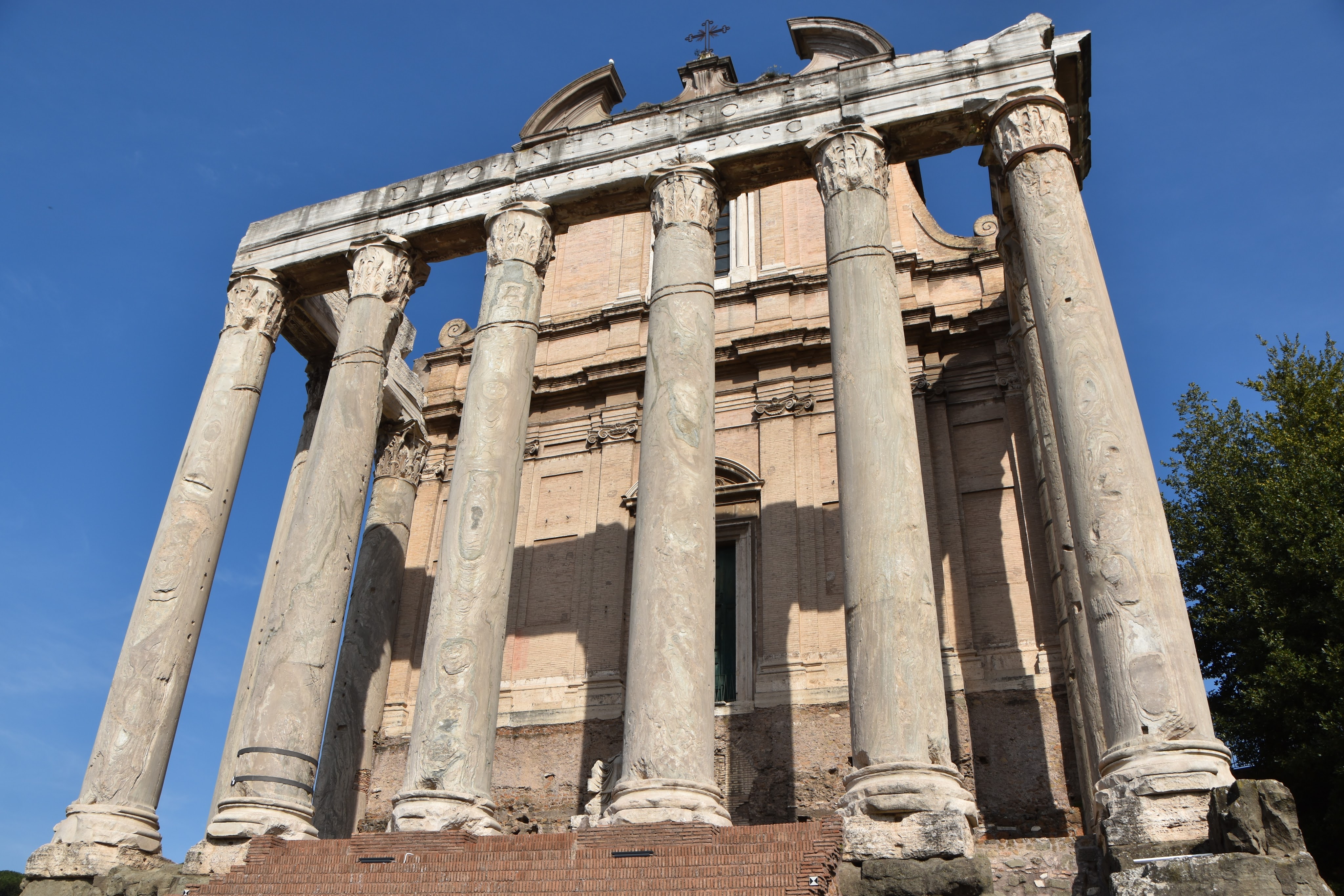
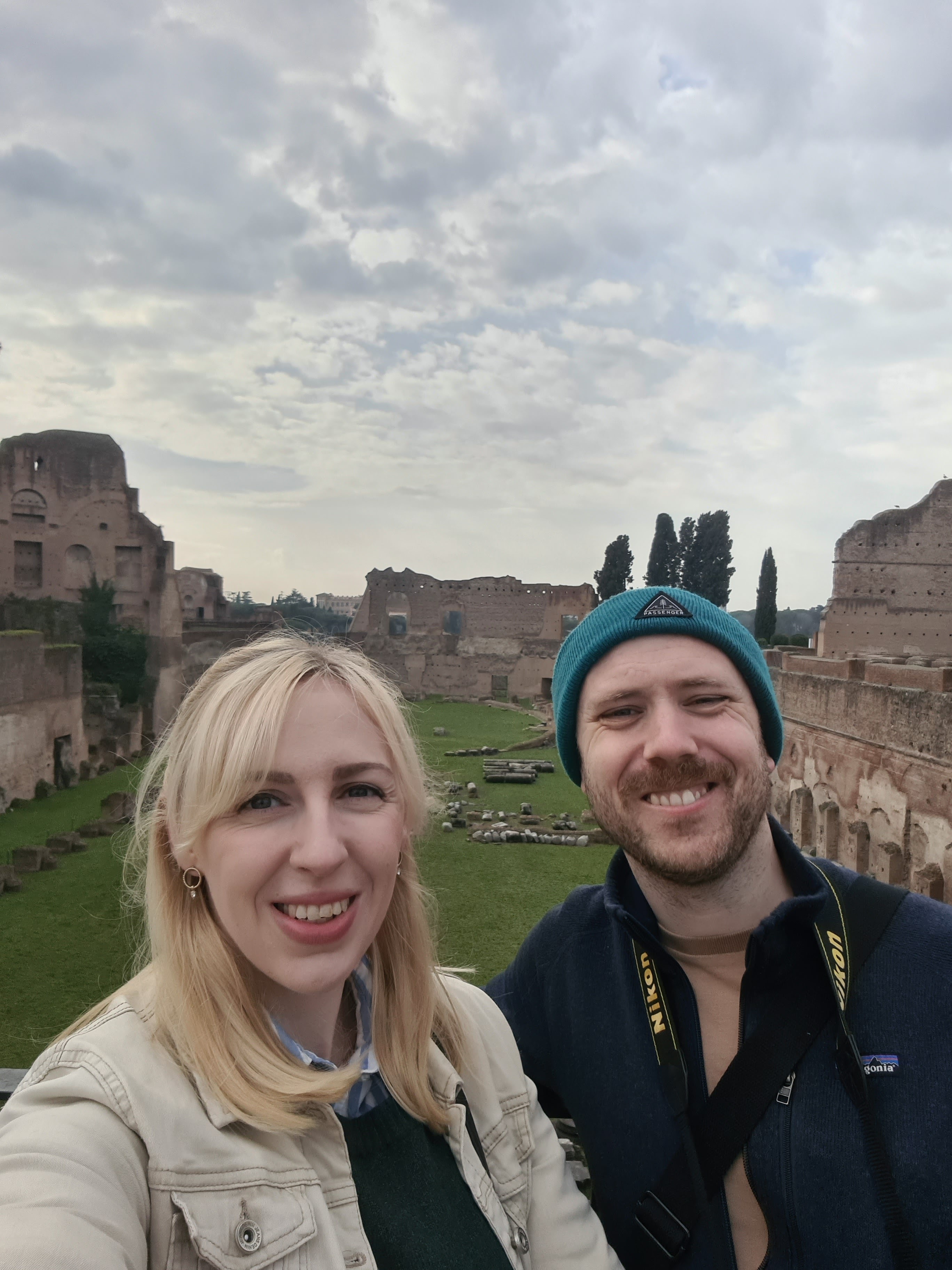
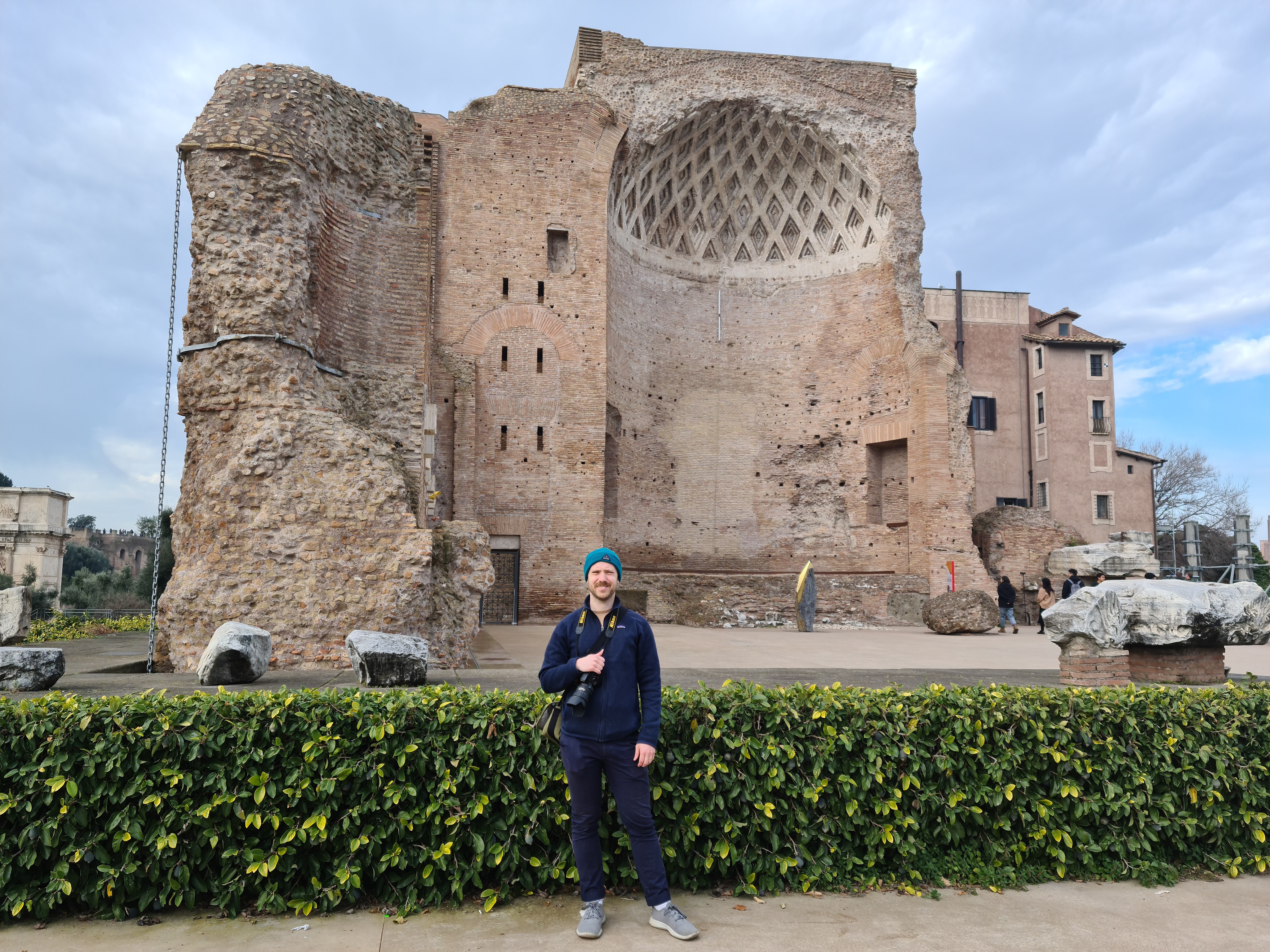
We made the assumption that the Colosseum would probably be busiest in the morning, so decided to start with the Palatine Hill and Roman Forum. This is one of the oldest parts of Rome and an extensive archaelogical site. We lucked out with a rain shower easing just as we were arriving at this largely outdoor location.
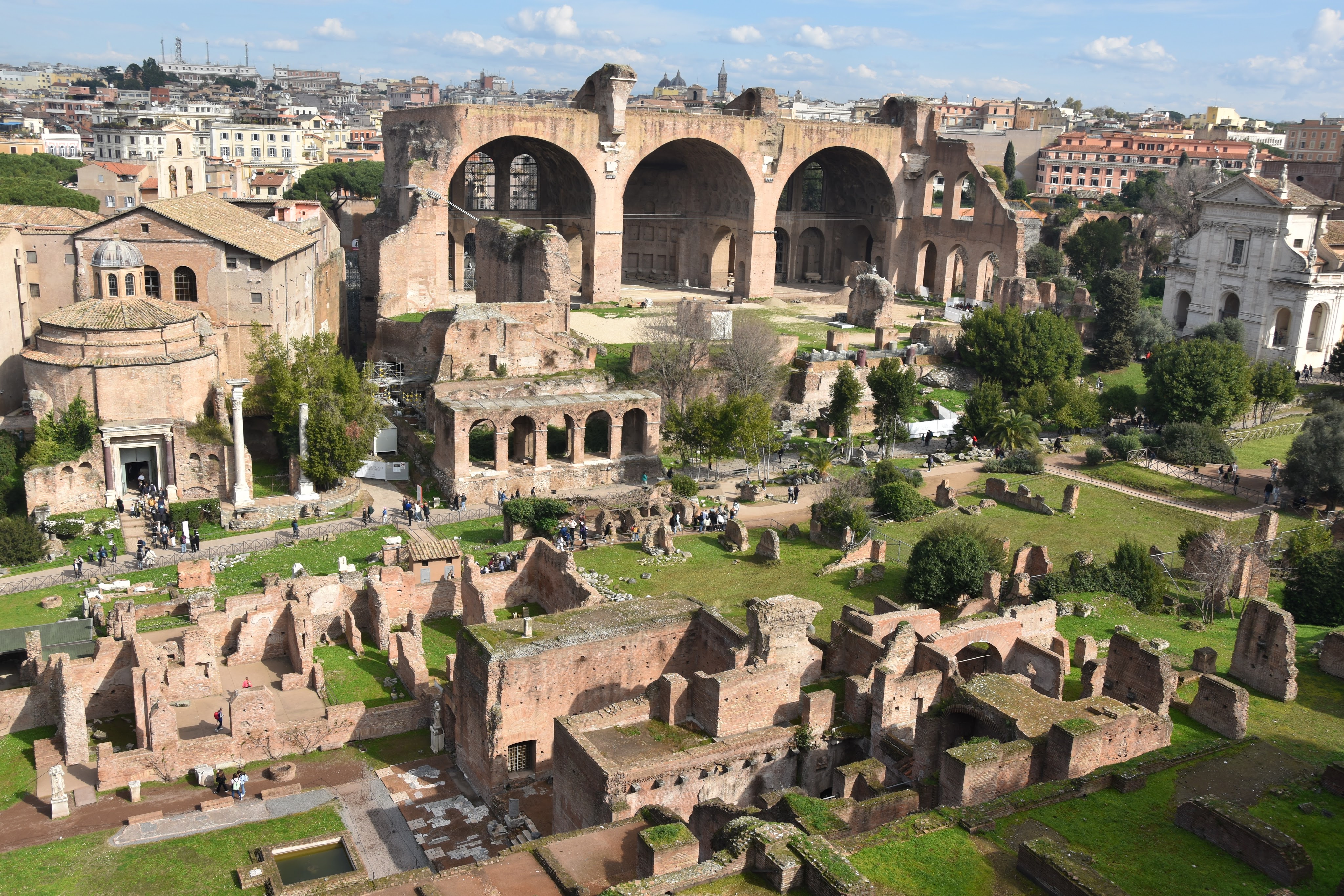
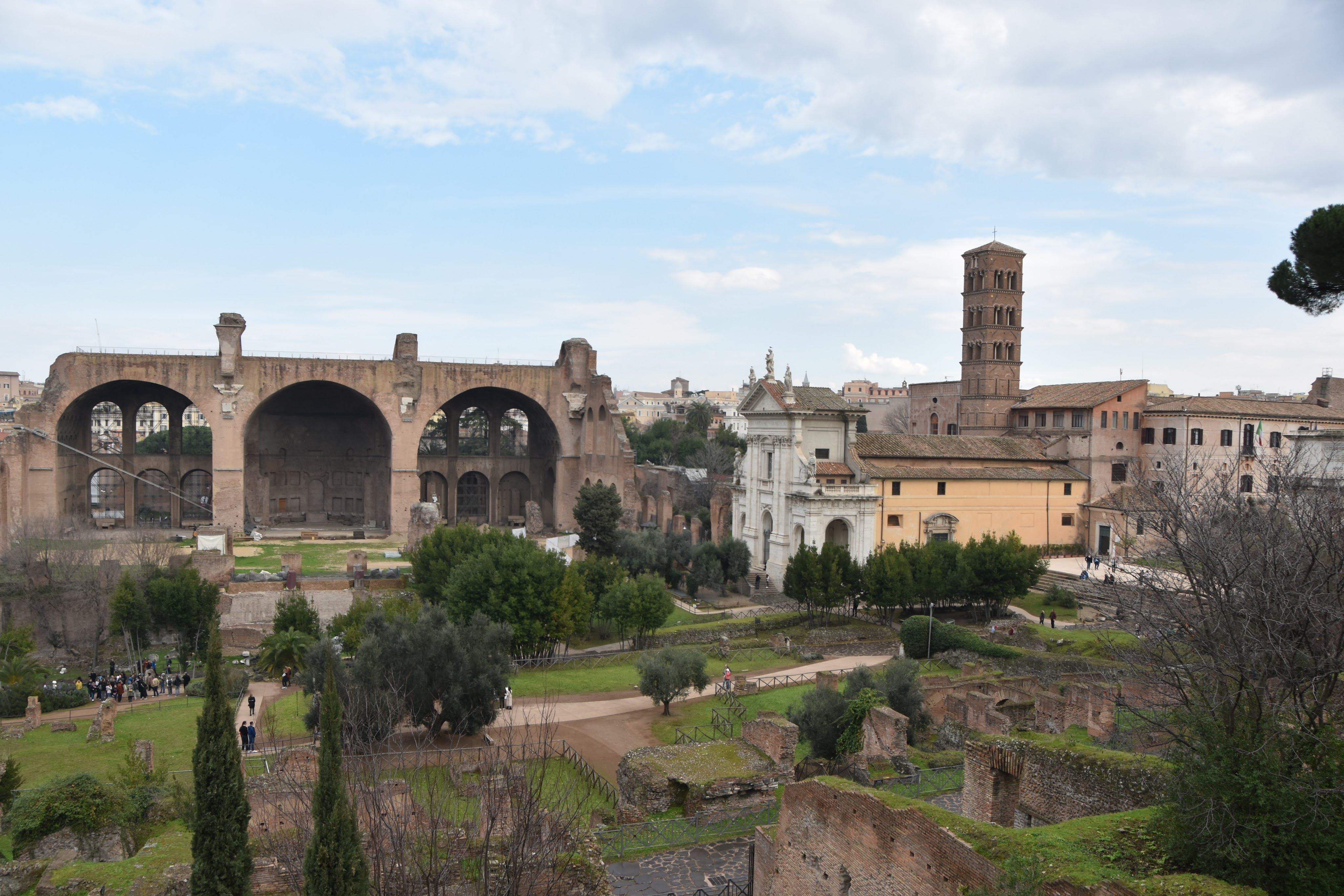
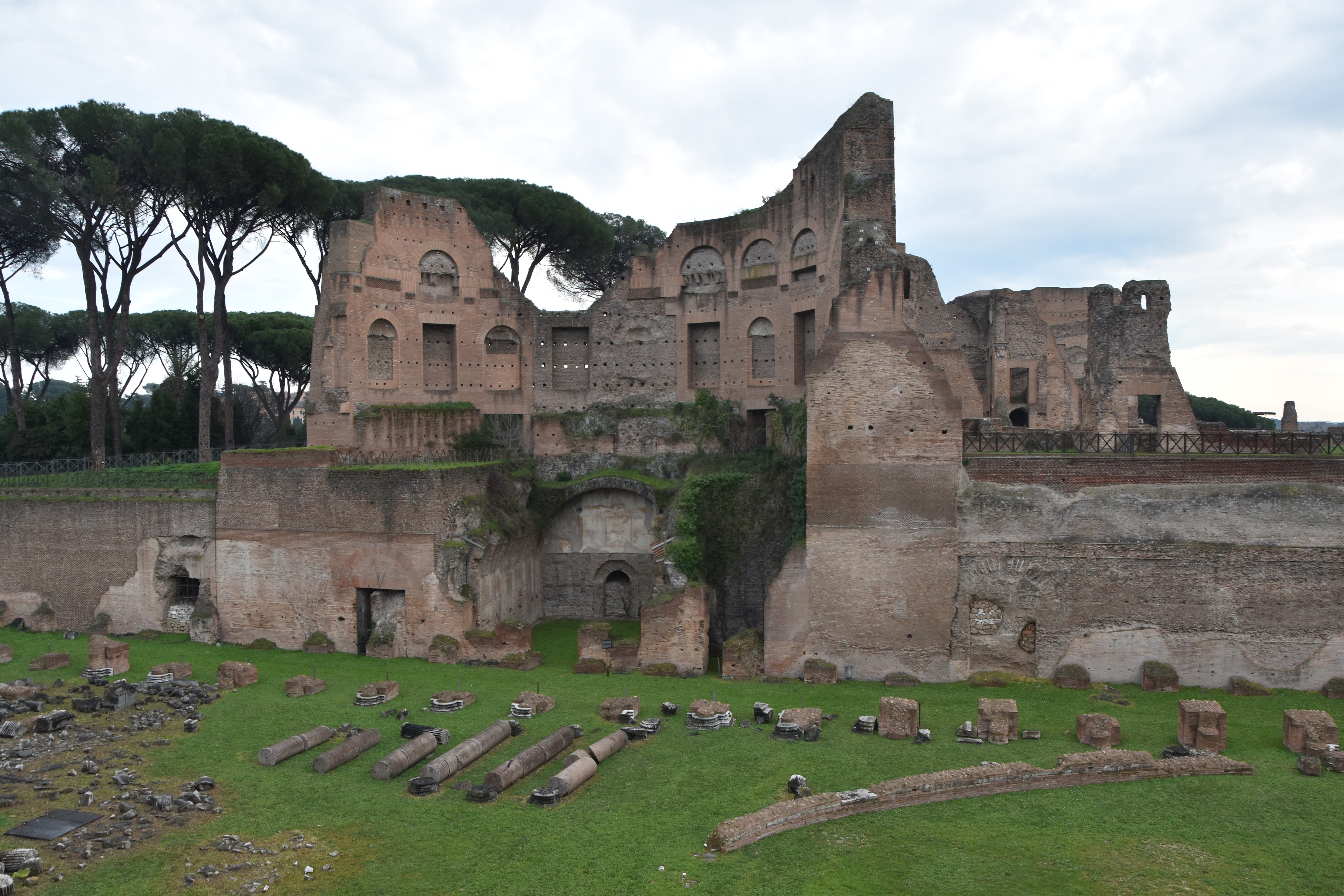
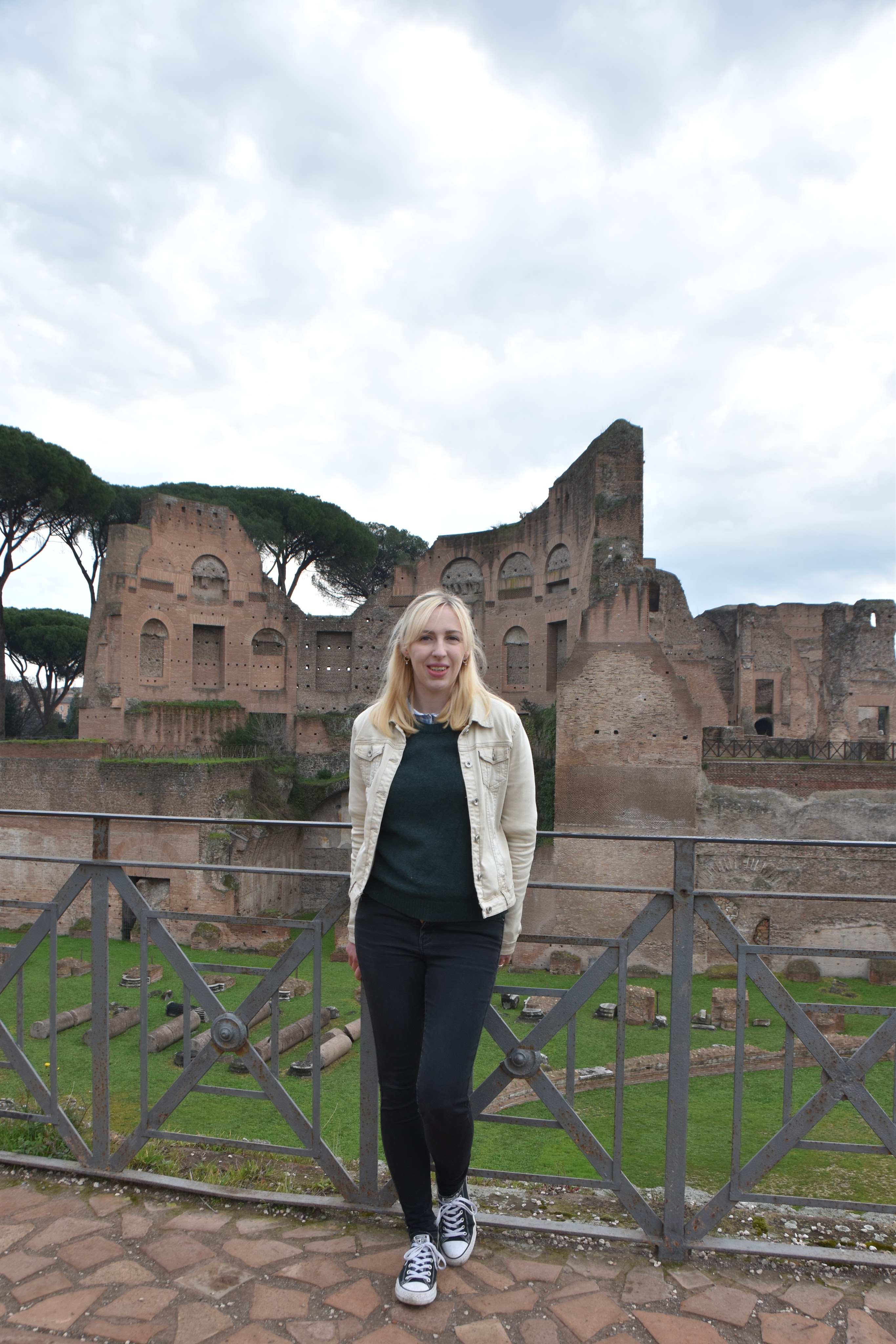
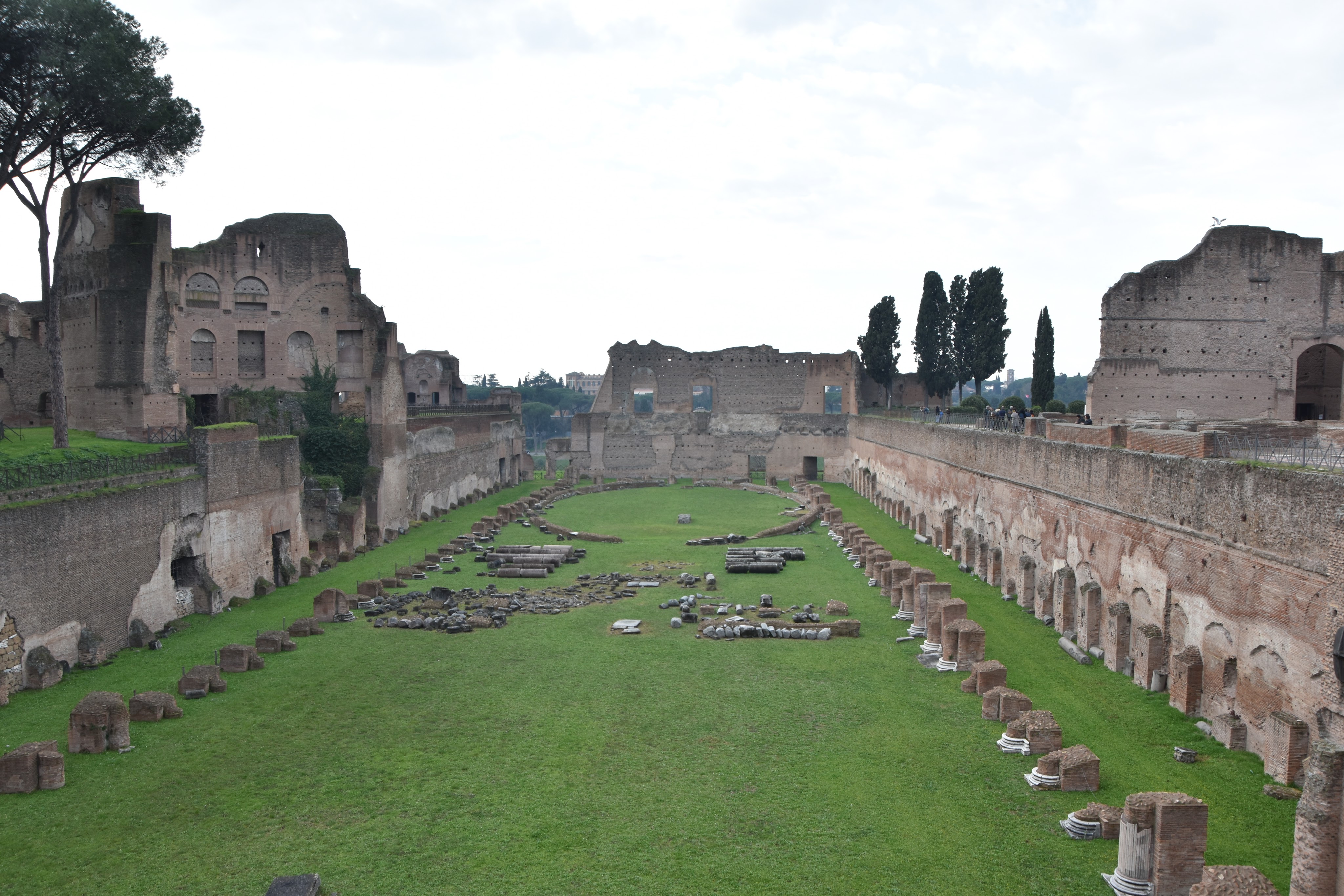
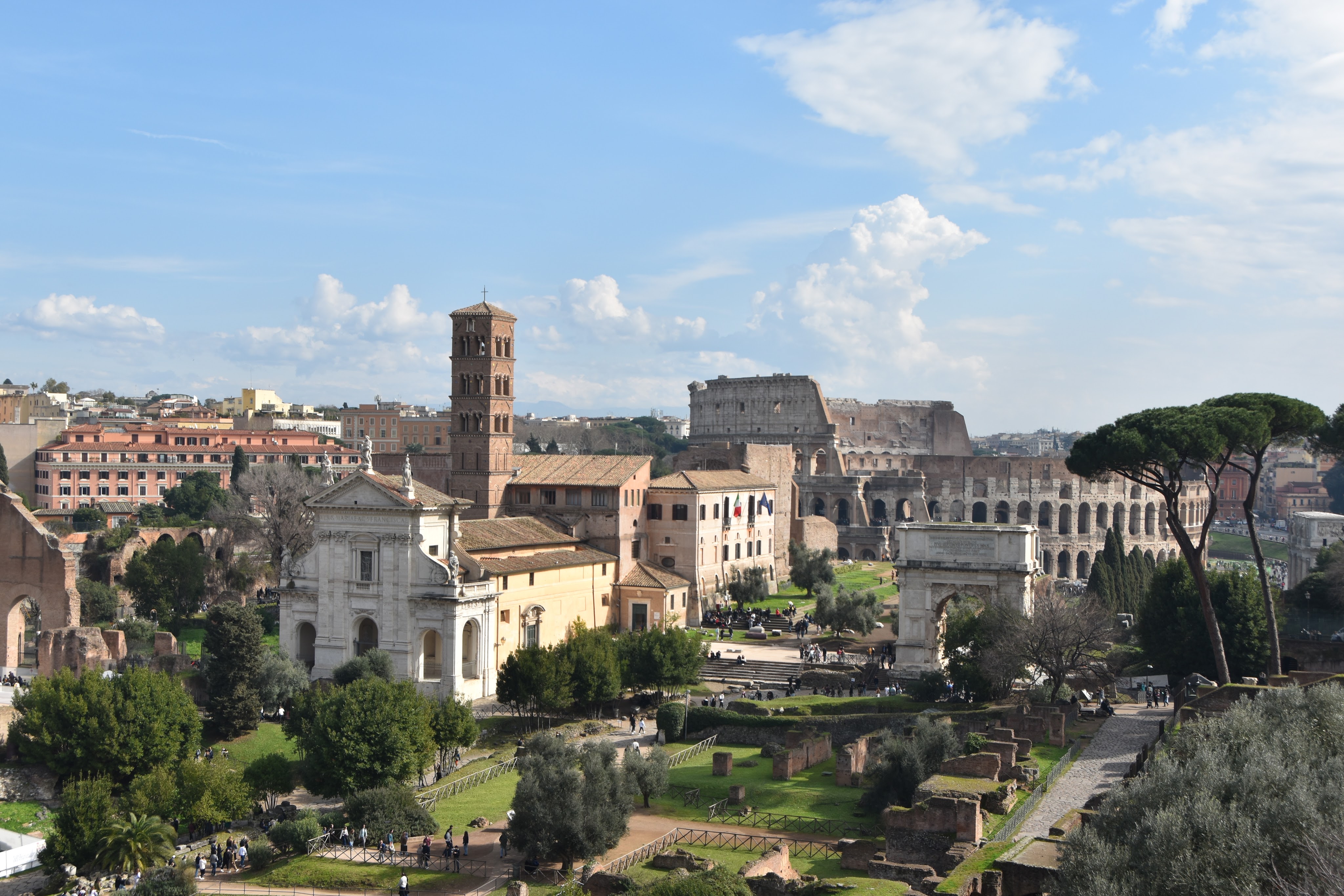
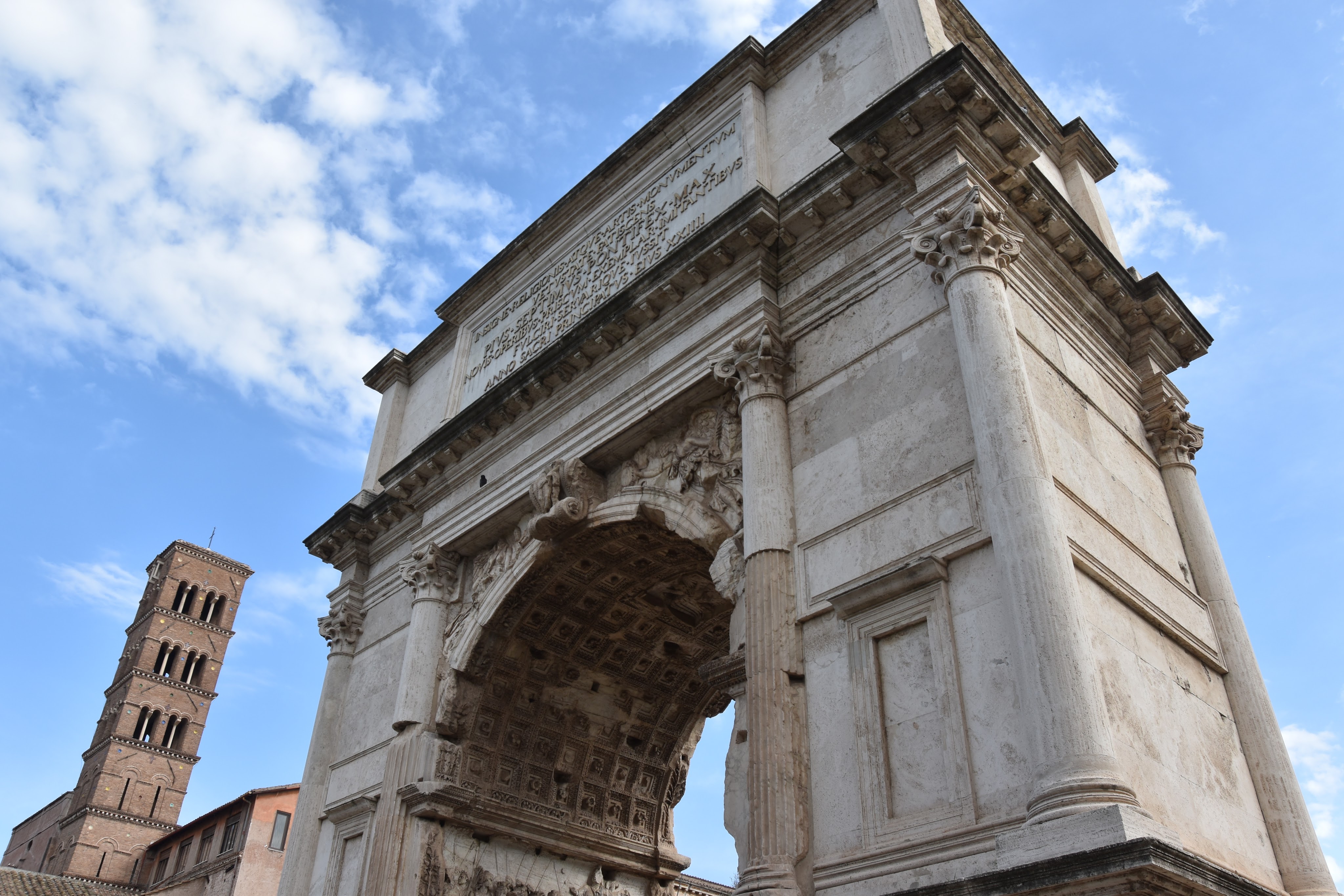
We’d hoped that most half term holidays would be out of the way, and that together with visiting on a weekday rather than a weekend, we could escape the worst of the crowds. Maybe that’s true, but what we hadn’t thought of was the large groups of school class trips. This included some international kids – lucky gits, when I was at primary school, I had to make do with Downie’s Farm and Satrosphere!
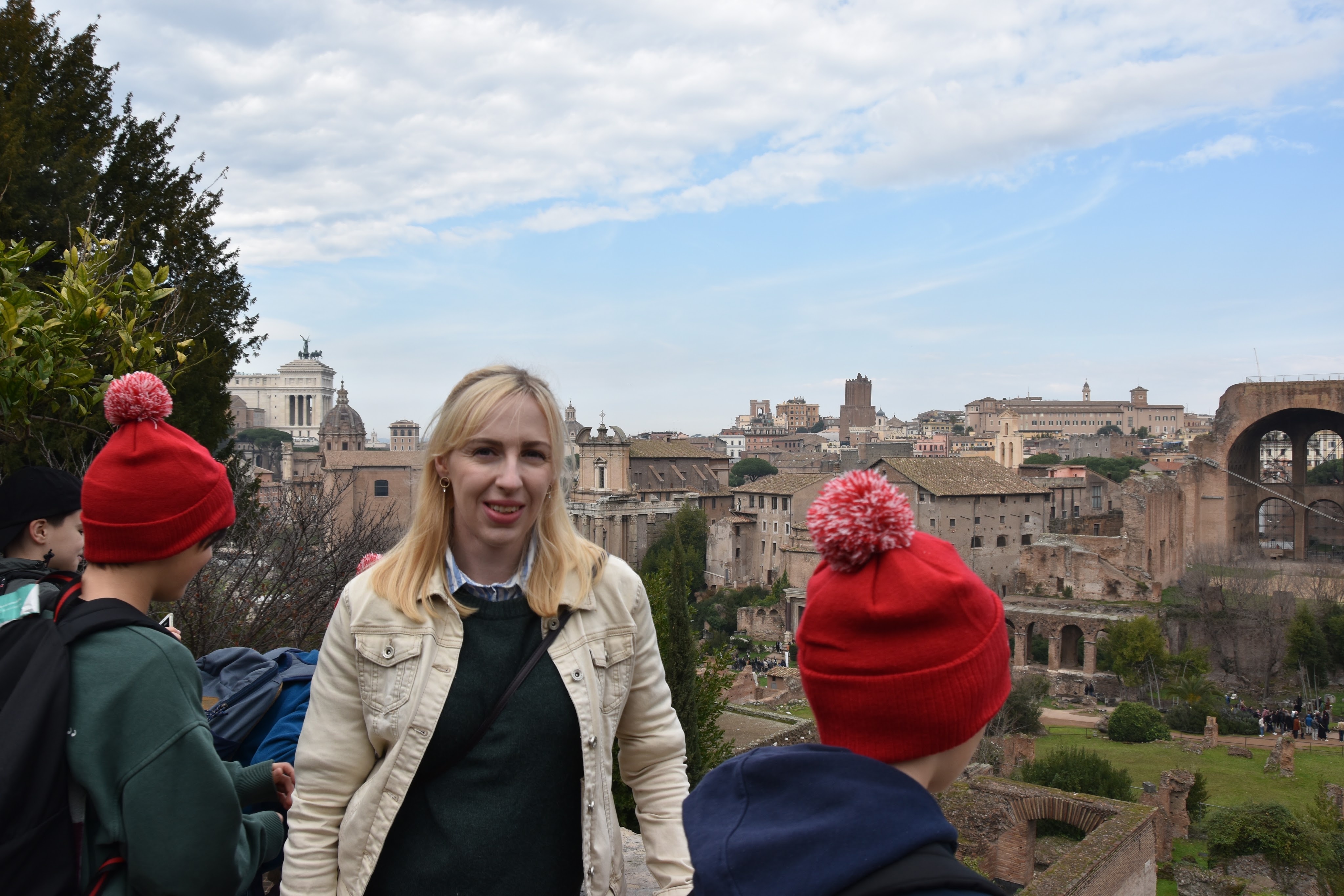
Luckily though the site is big enough to be able to put some distance between yourself and any particularly large groups.
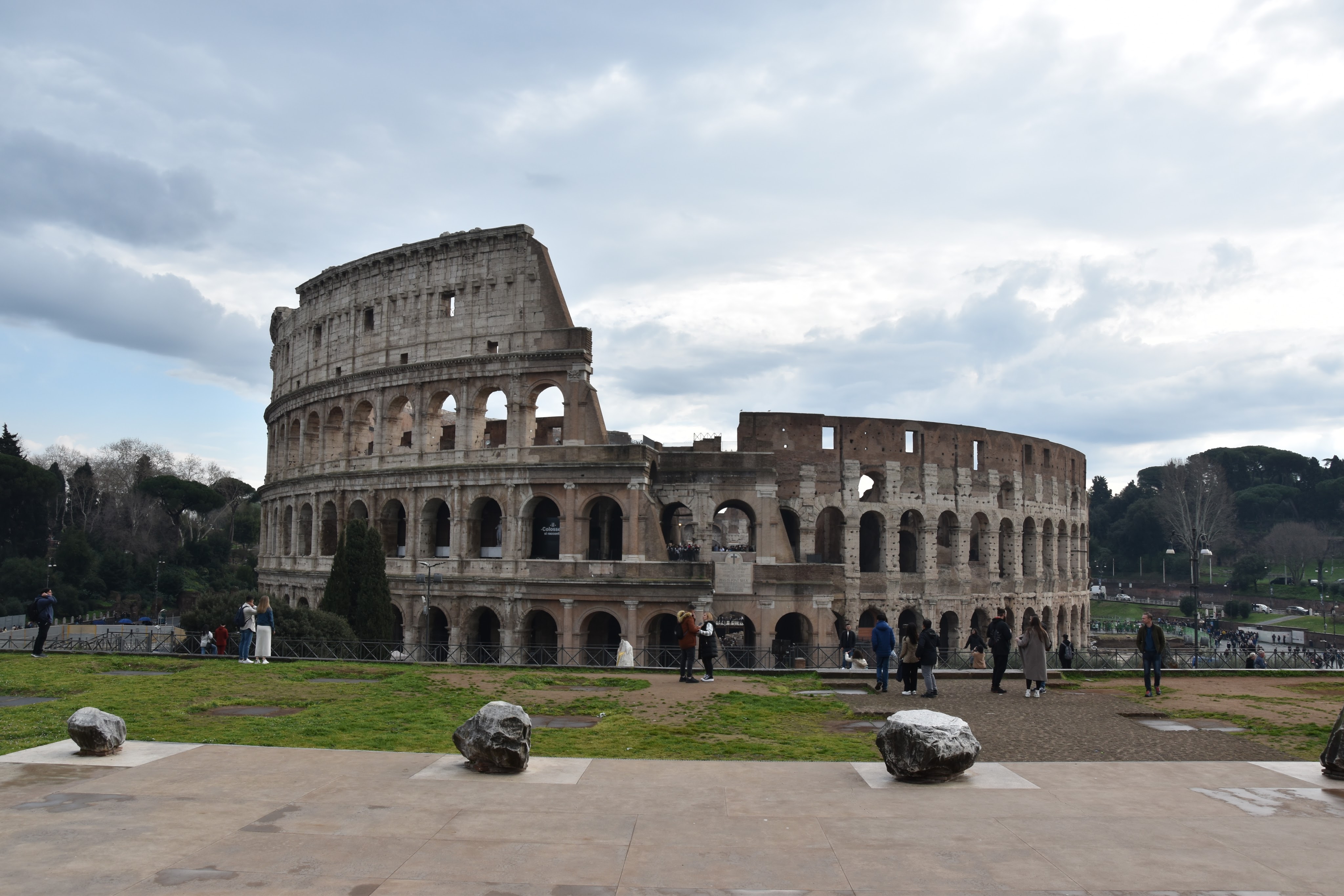
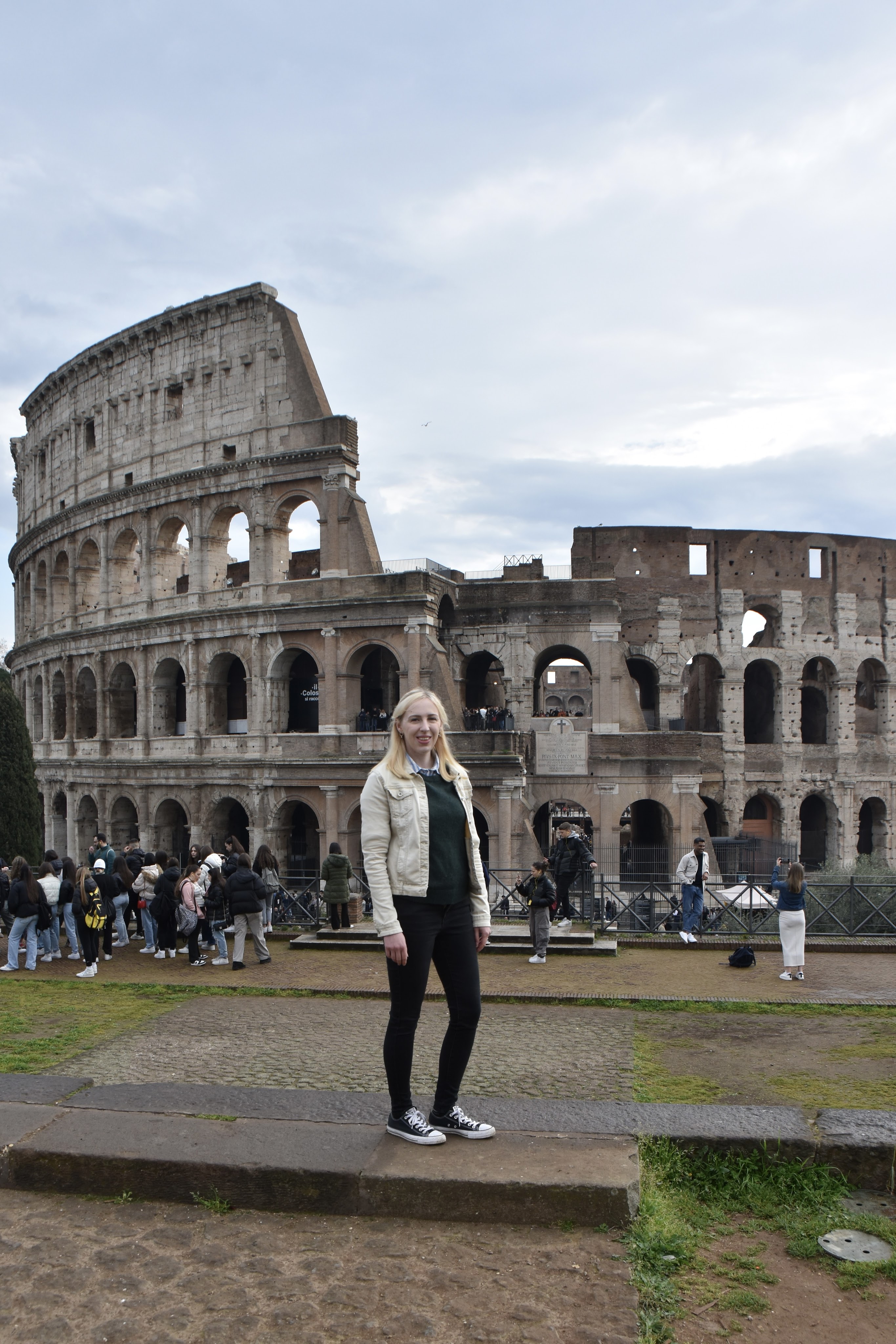

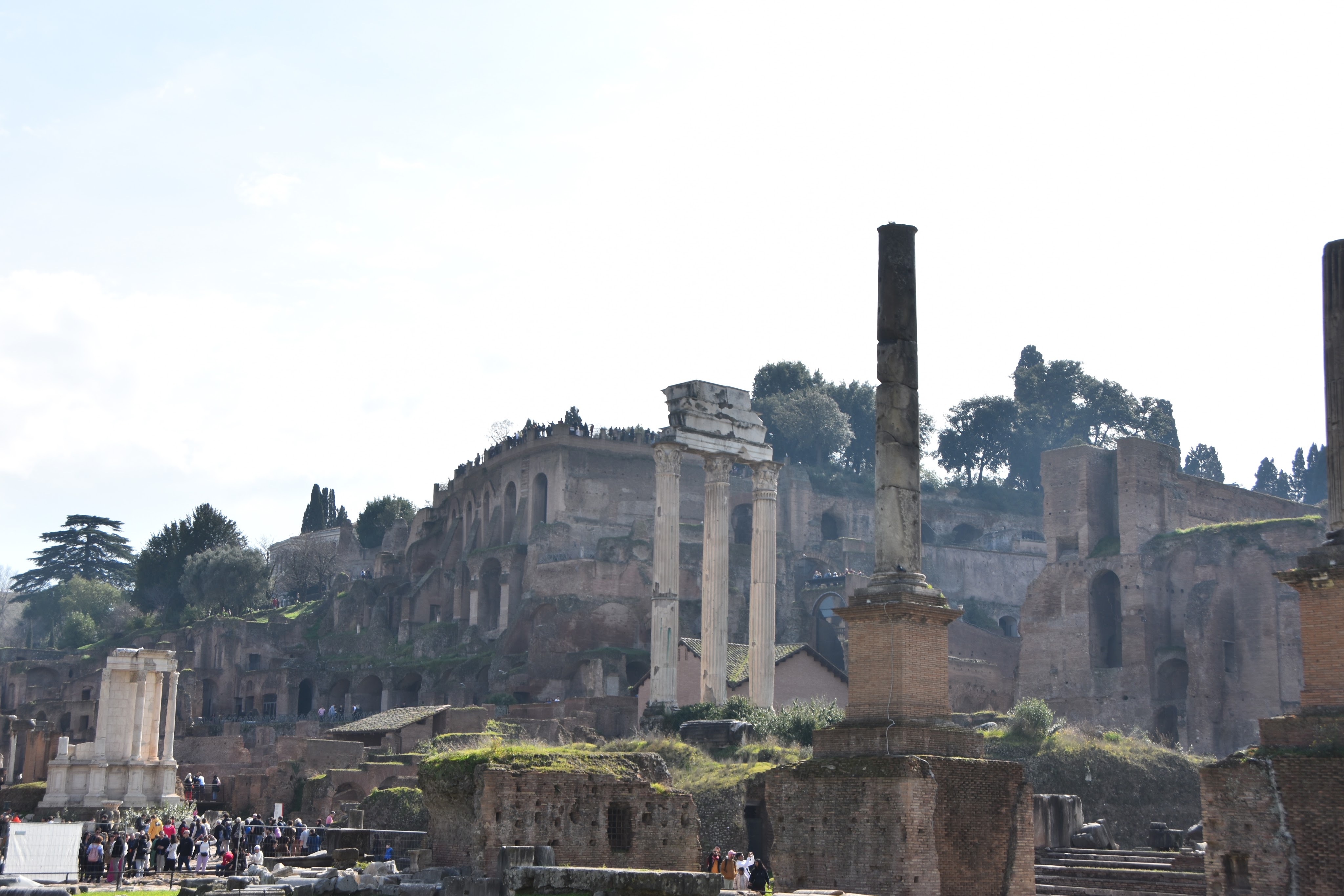
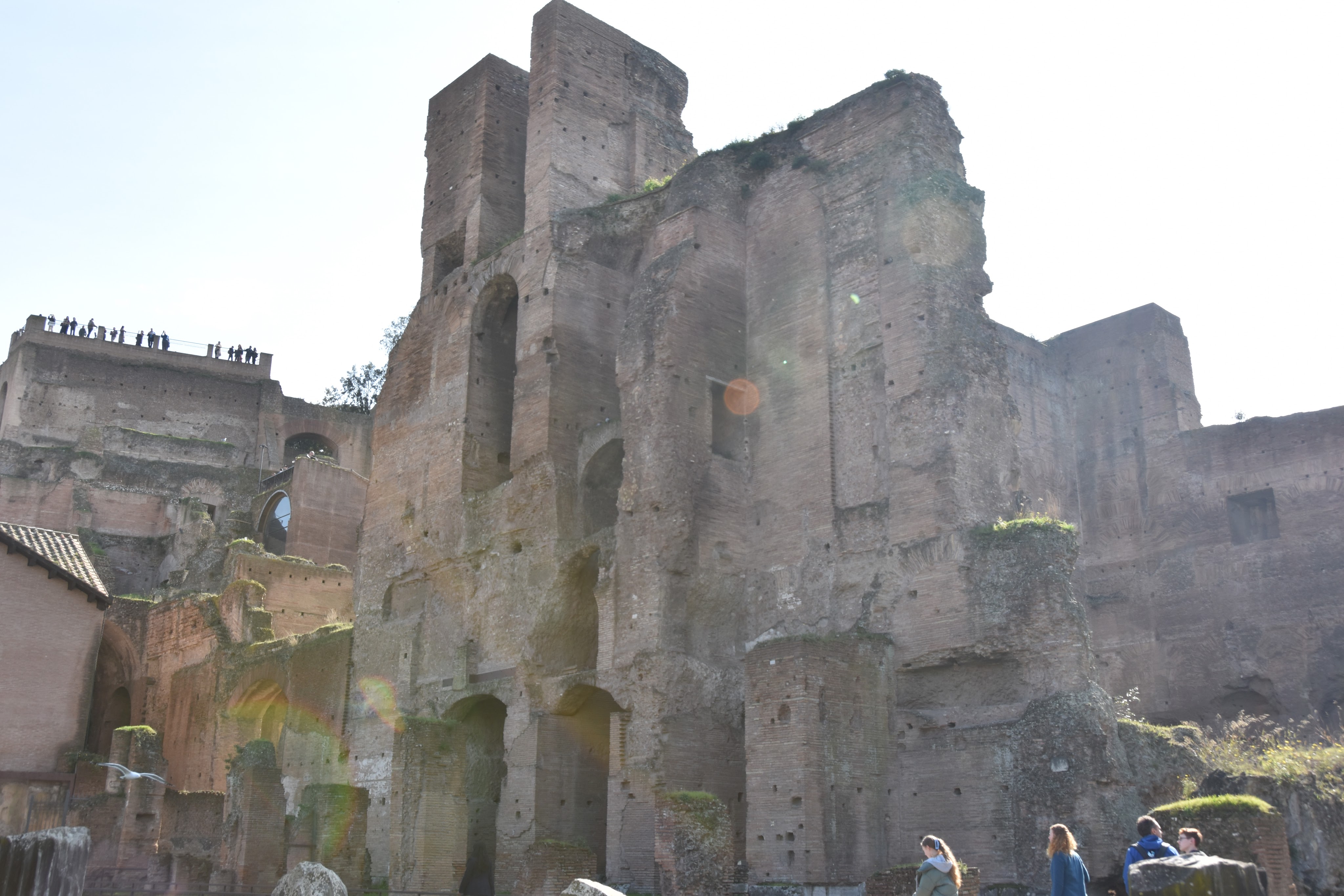
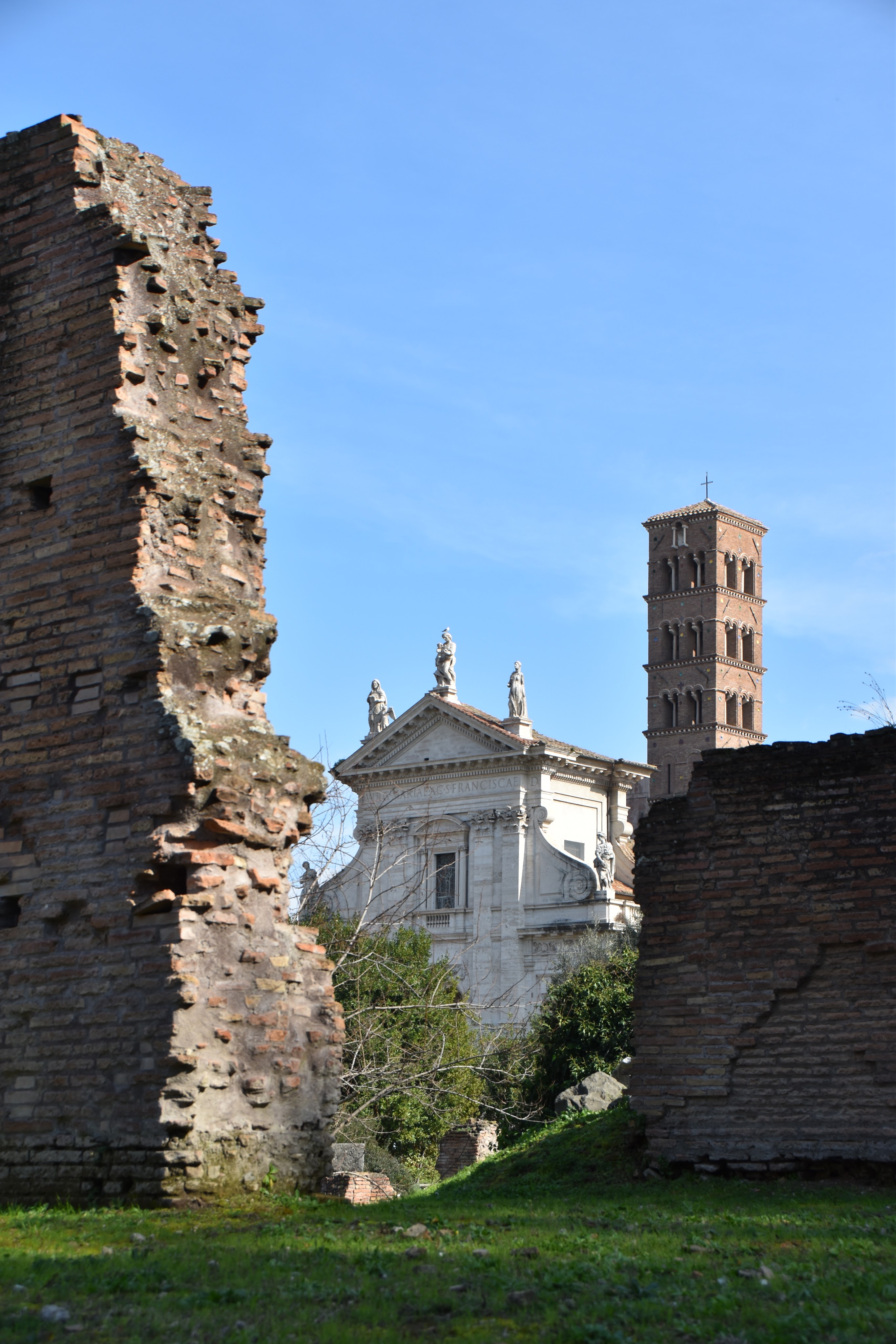
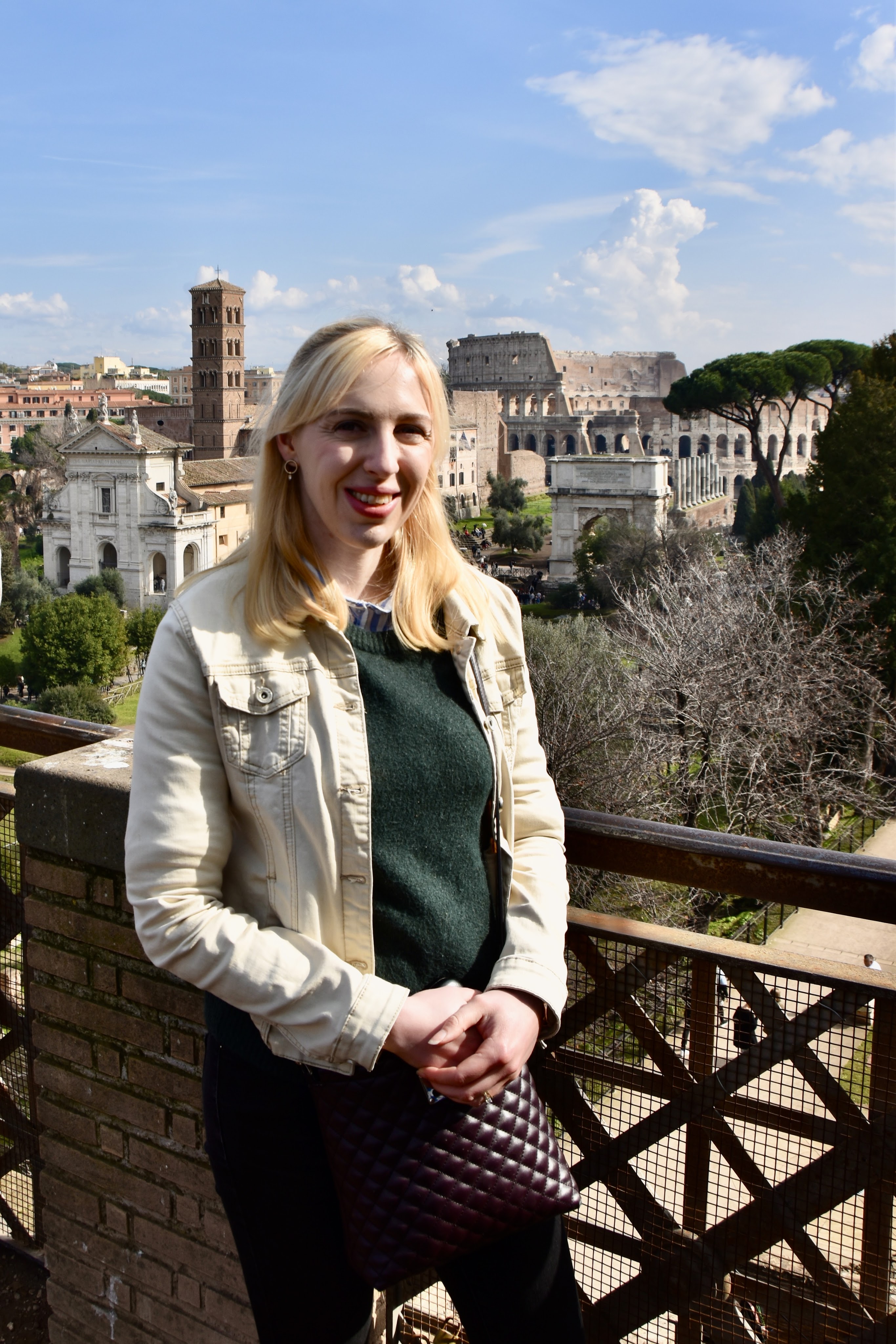
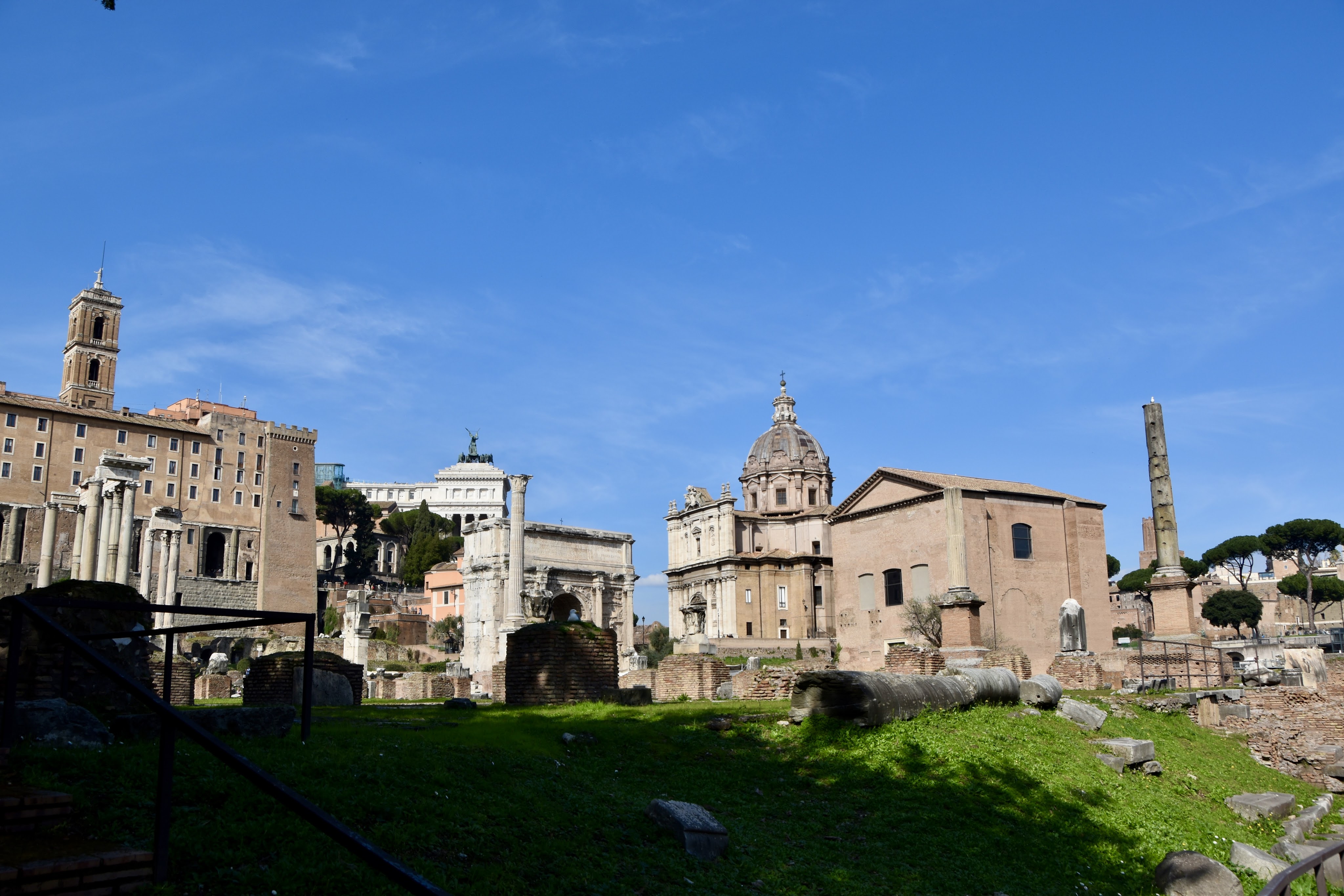
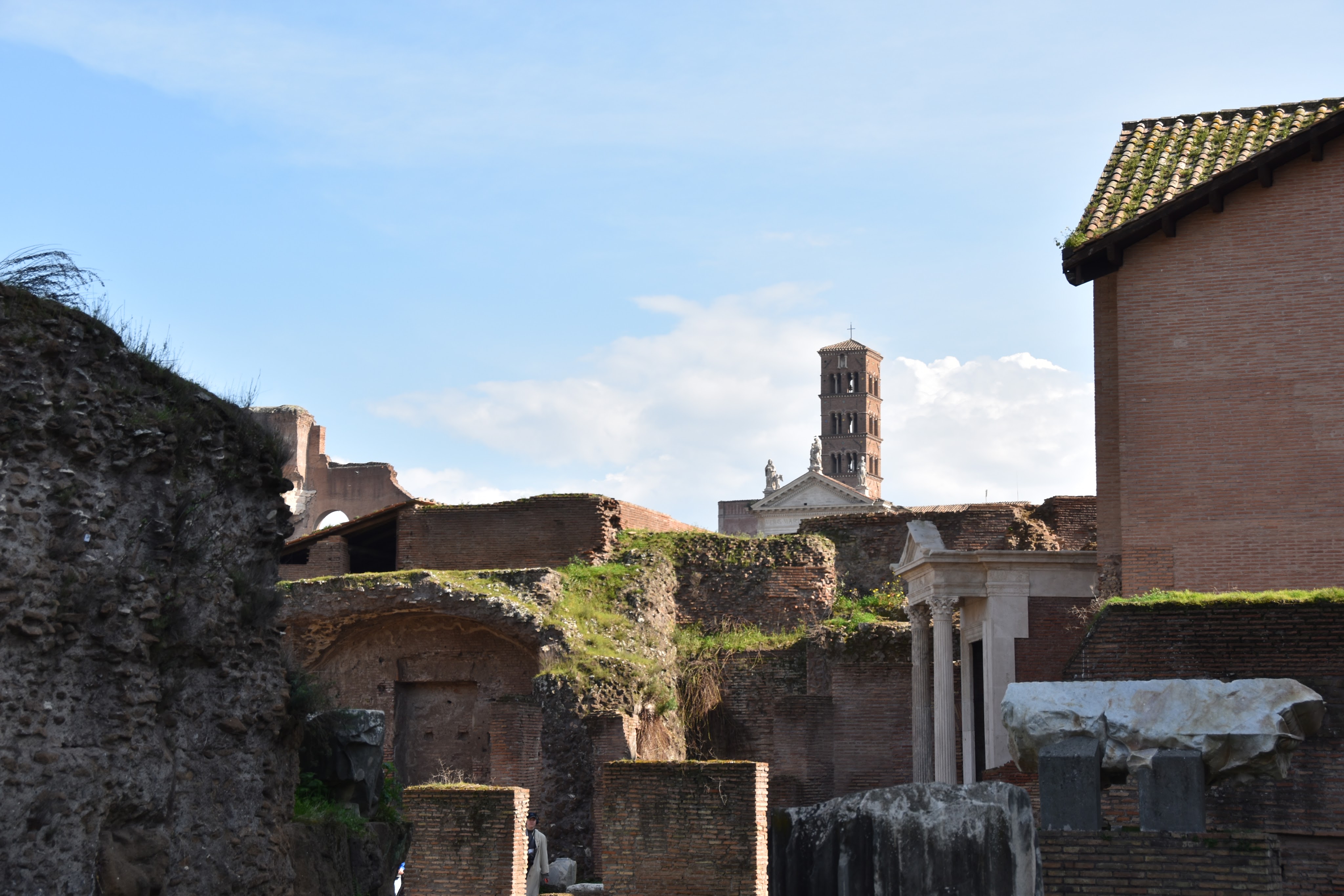
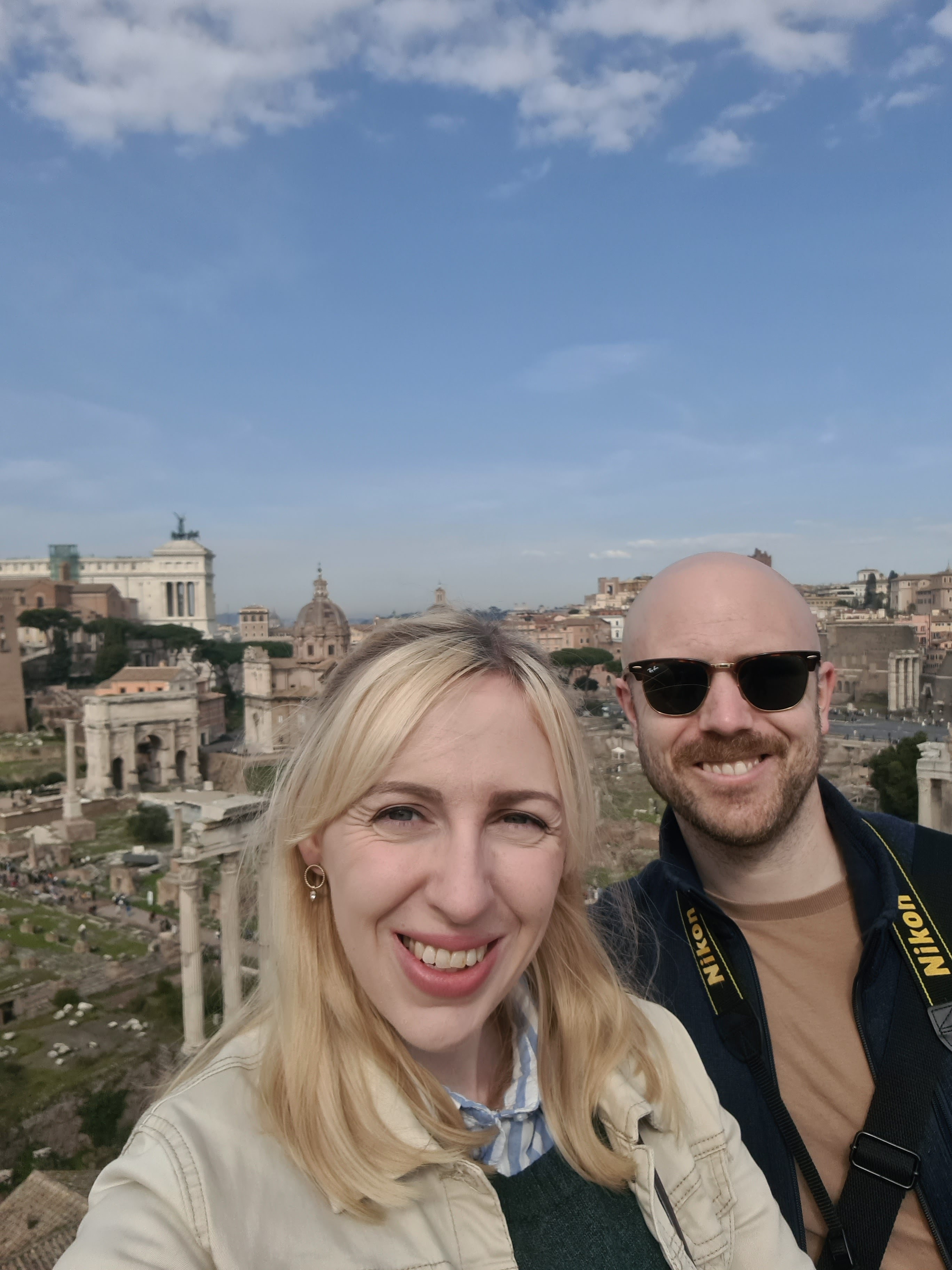
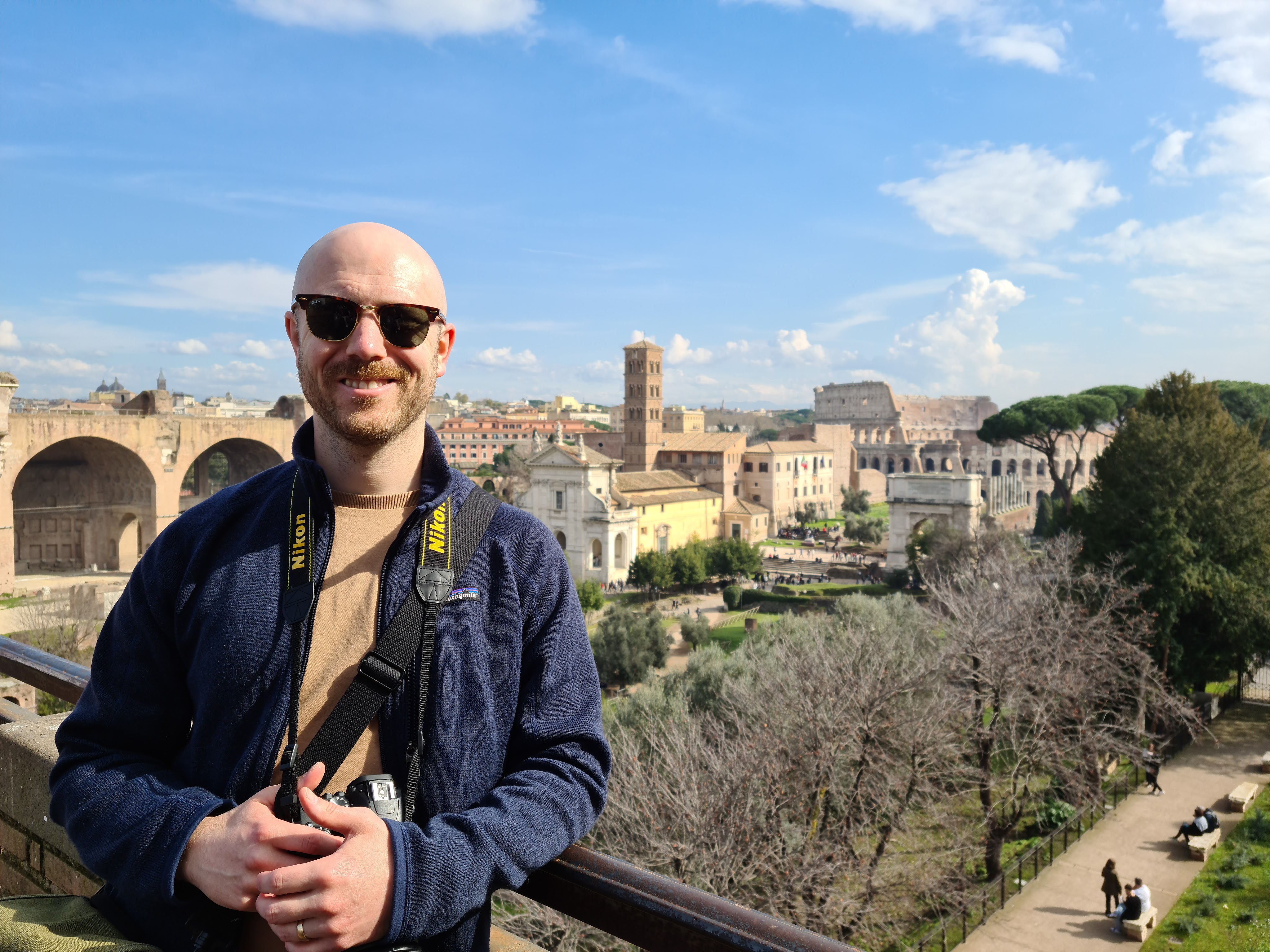

Although we had passed the Colosseum a few times, it was great to be able to finally see that up close. We had been readying ourselves by watching both Gladiator (the movie – I’m still trying to work out how that won a Best Picture Oscar) and Gladiators (the TV show, a current Saturday night favourite – perhaps we should be using this sabbatical year to get in shape to take part next year!).

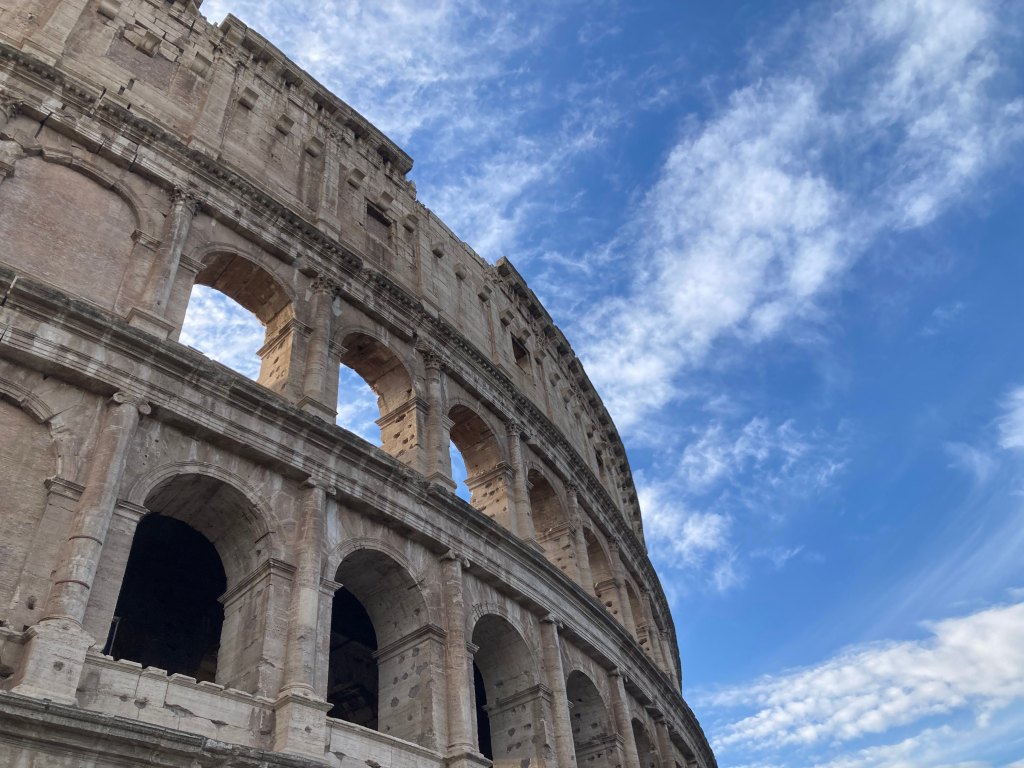
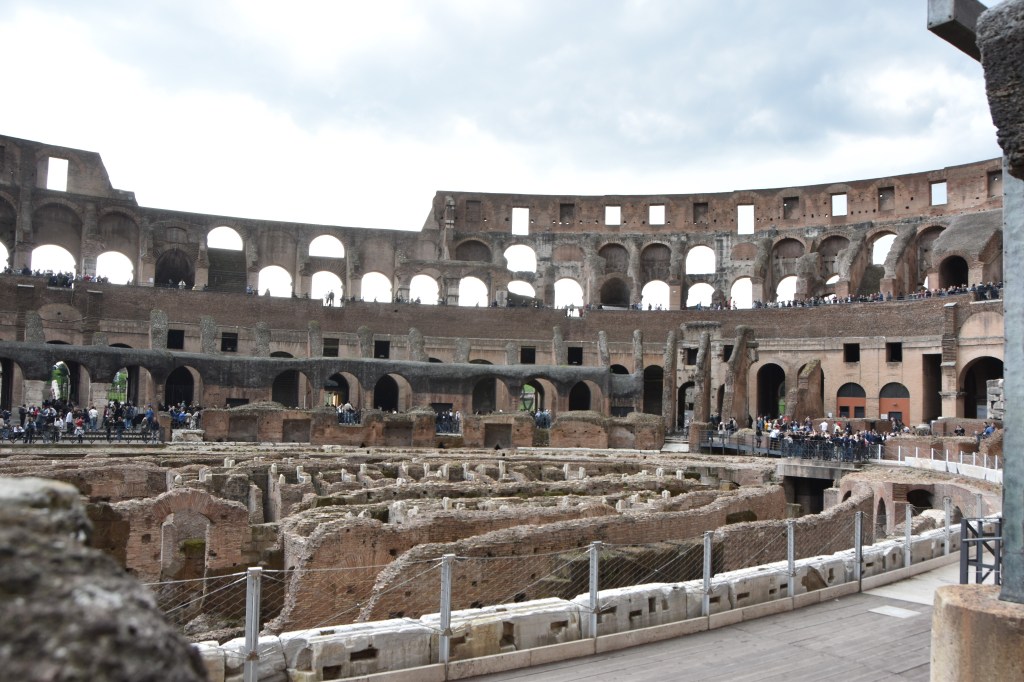
The Colosseum was as impressive inside as it looks from outside. I’d been a bit worried as we hadn’t managed to get the tickets which include access to the arena, and I thought we’d be missing the best bit. In reality though, you can still get close enough to get the impact. And the hordes of other visitors come in handy for replicating the baying crowds.
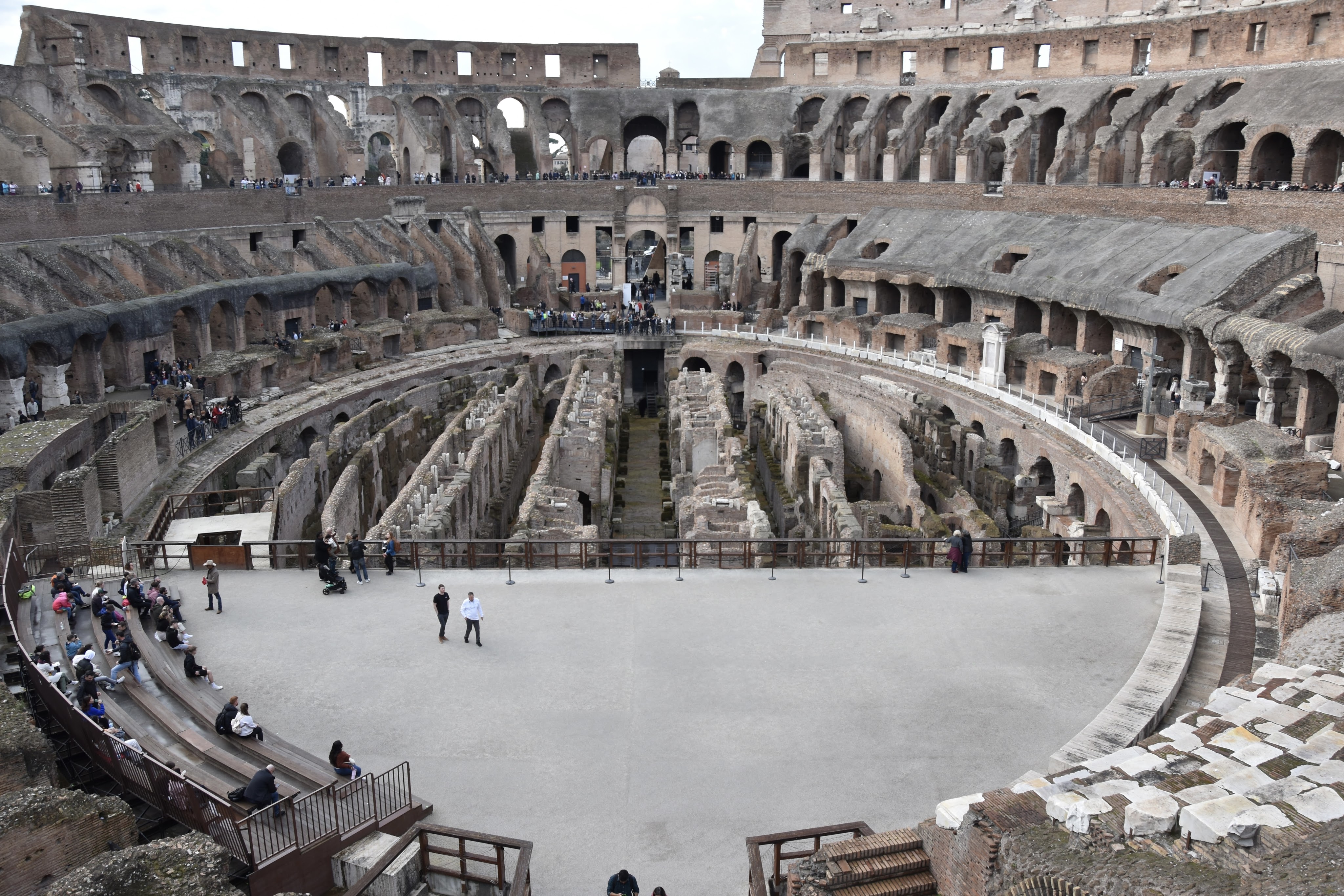
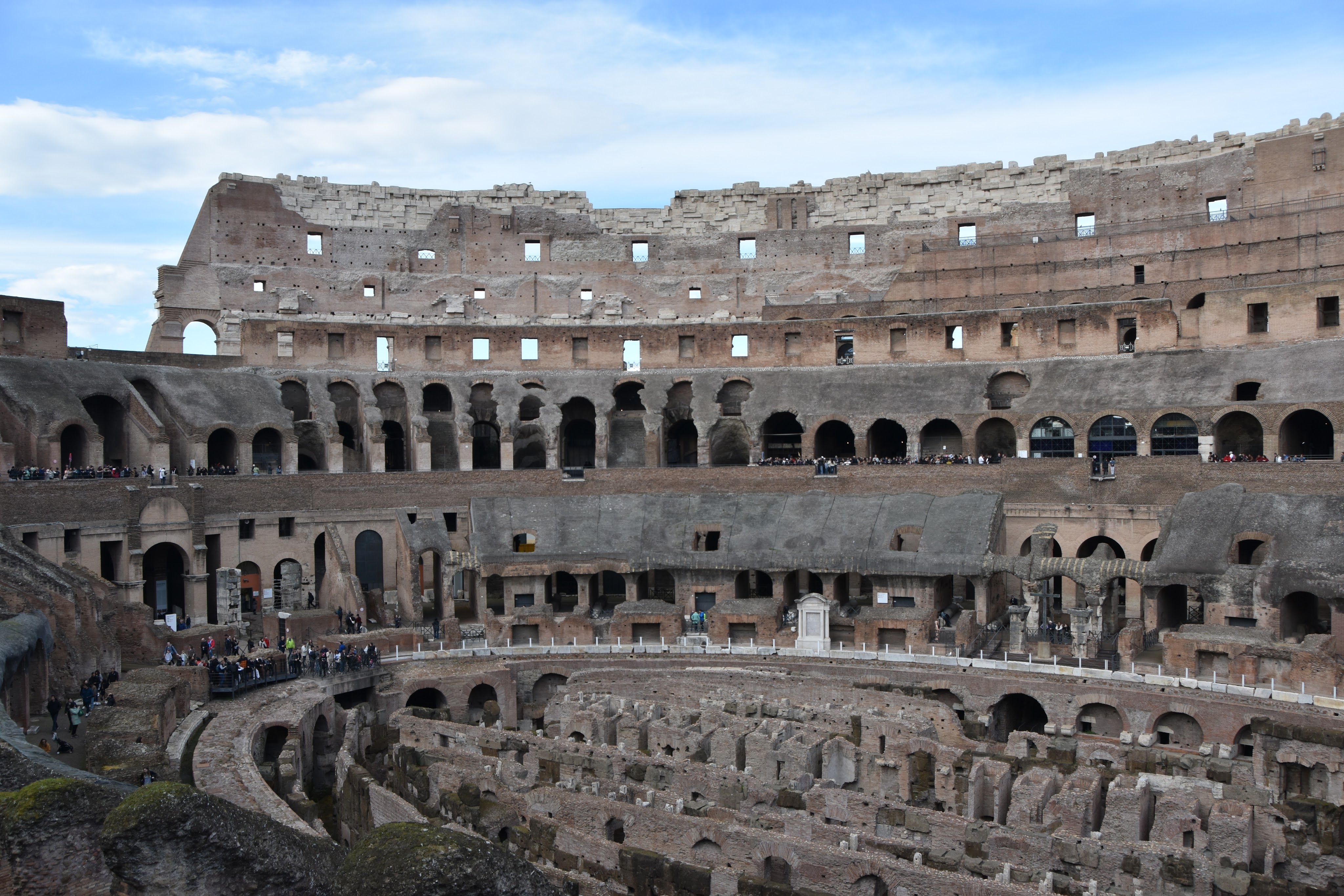
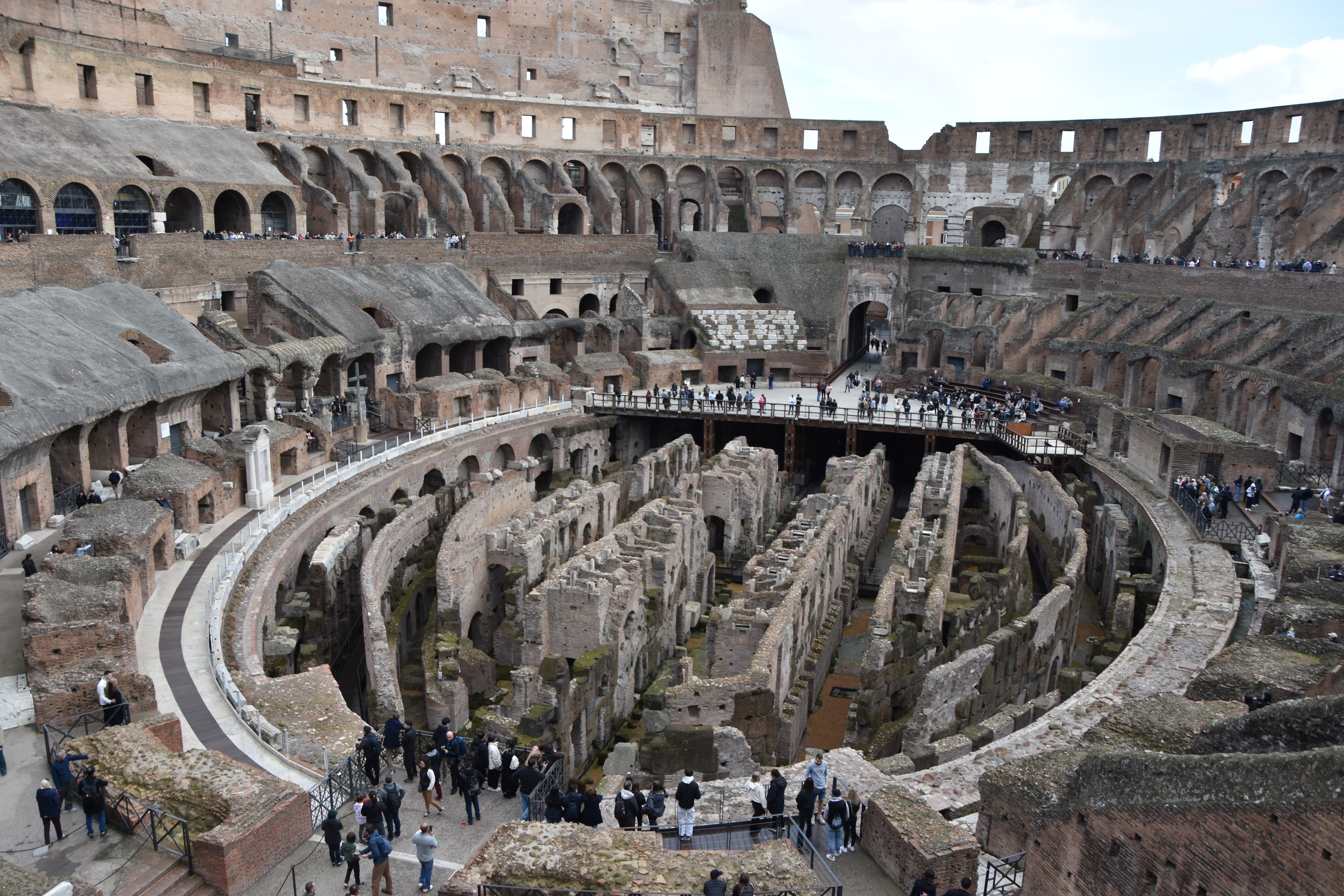
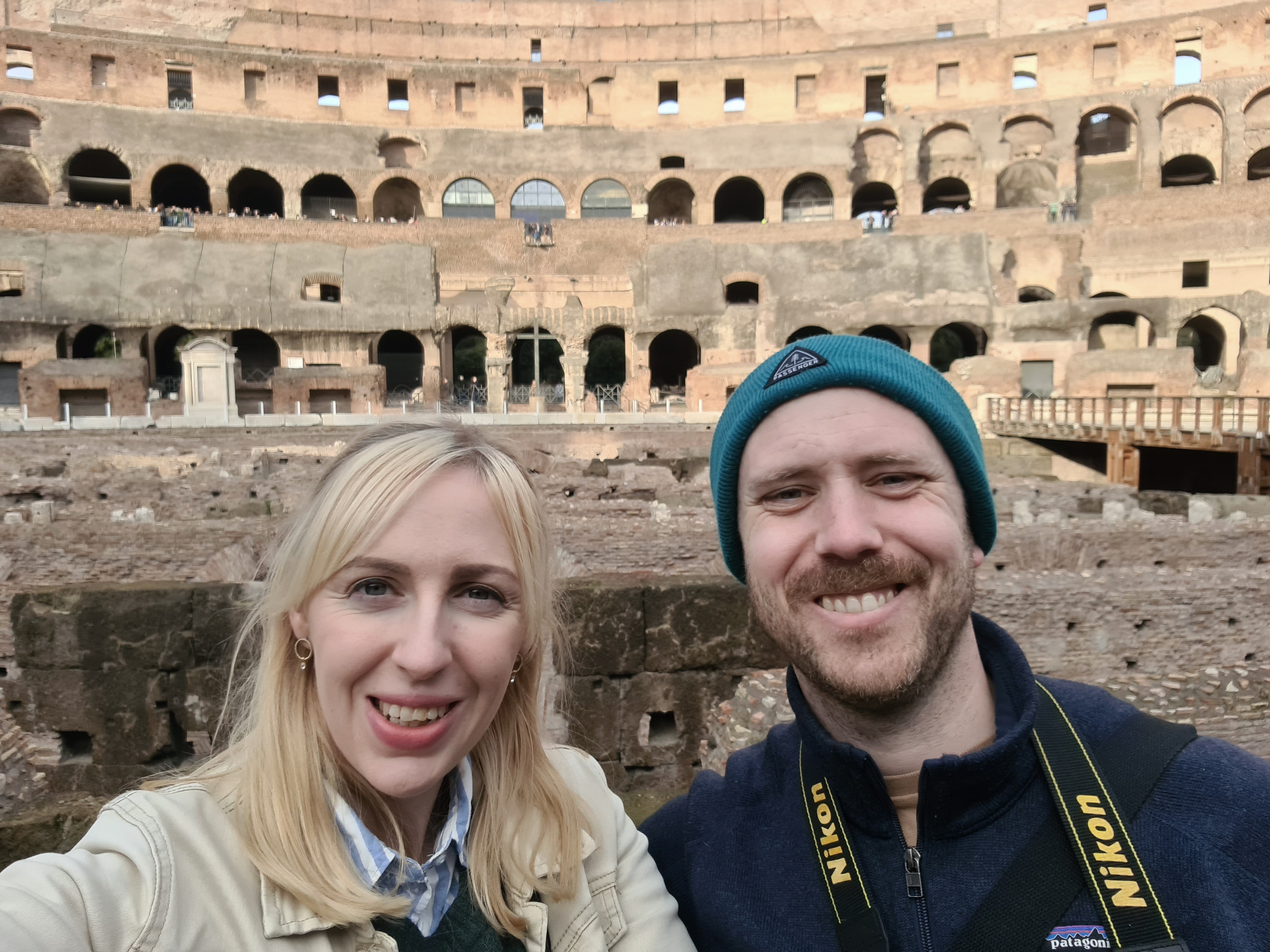
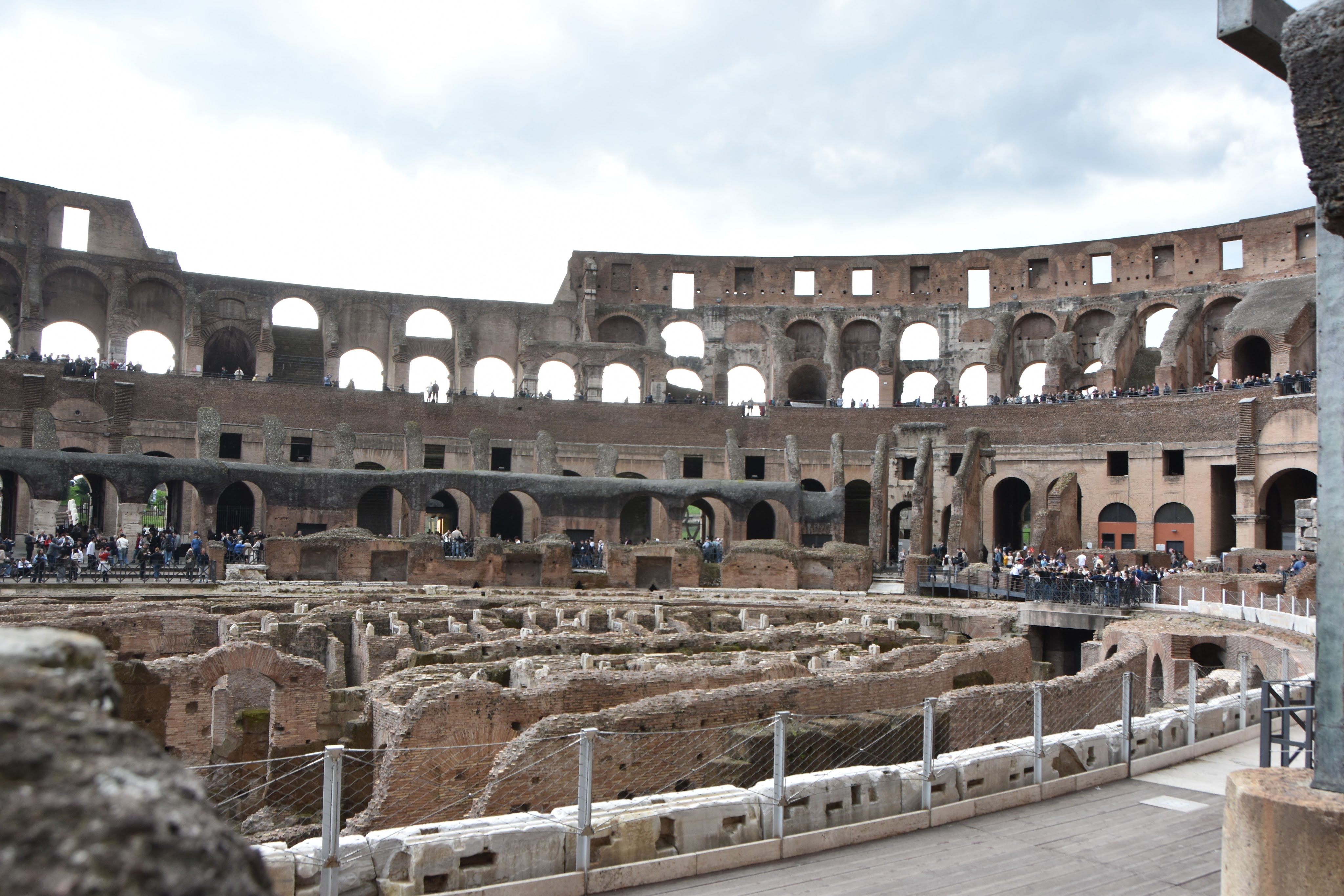
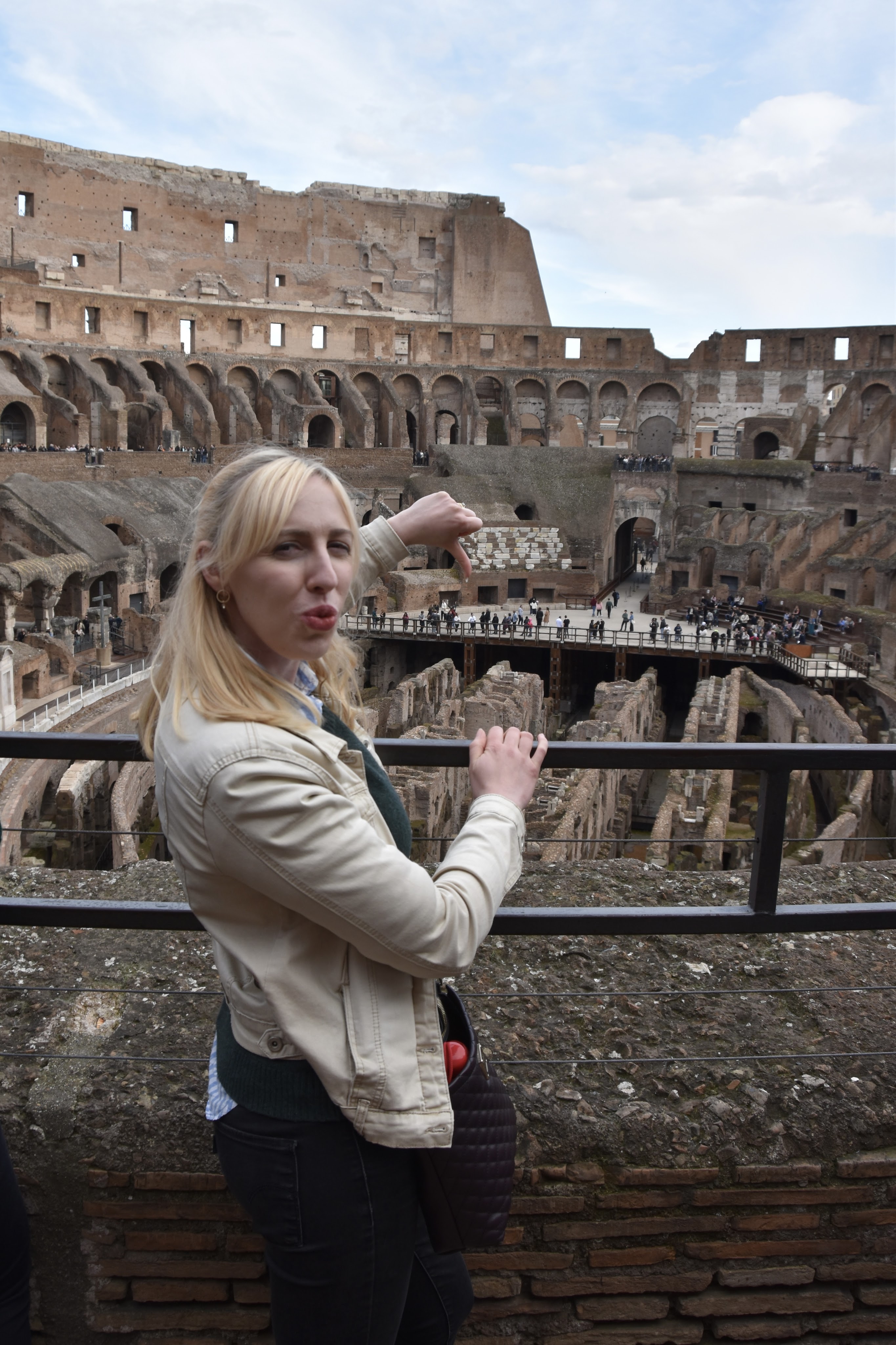
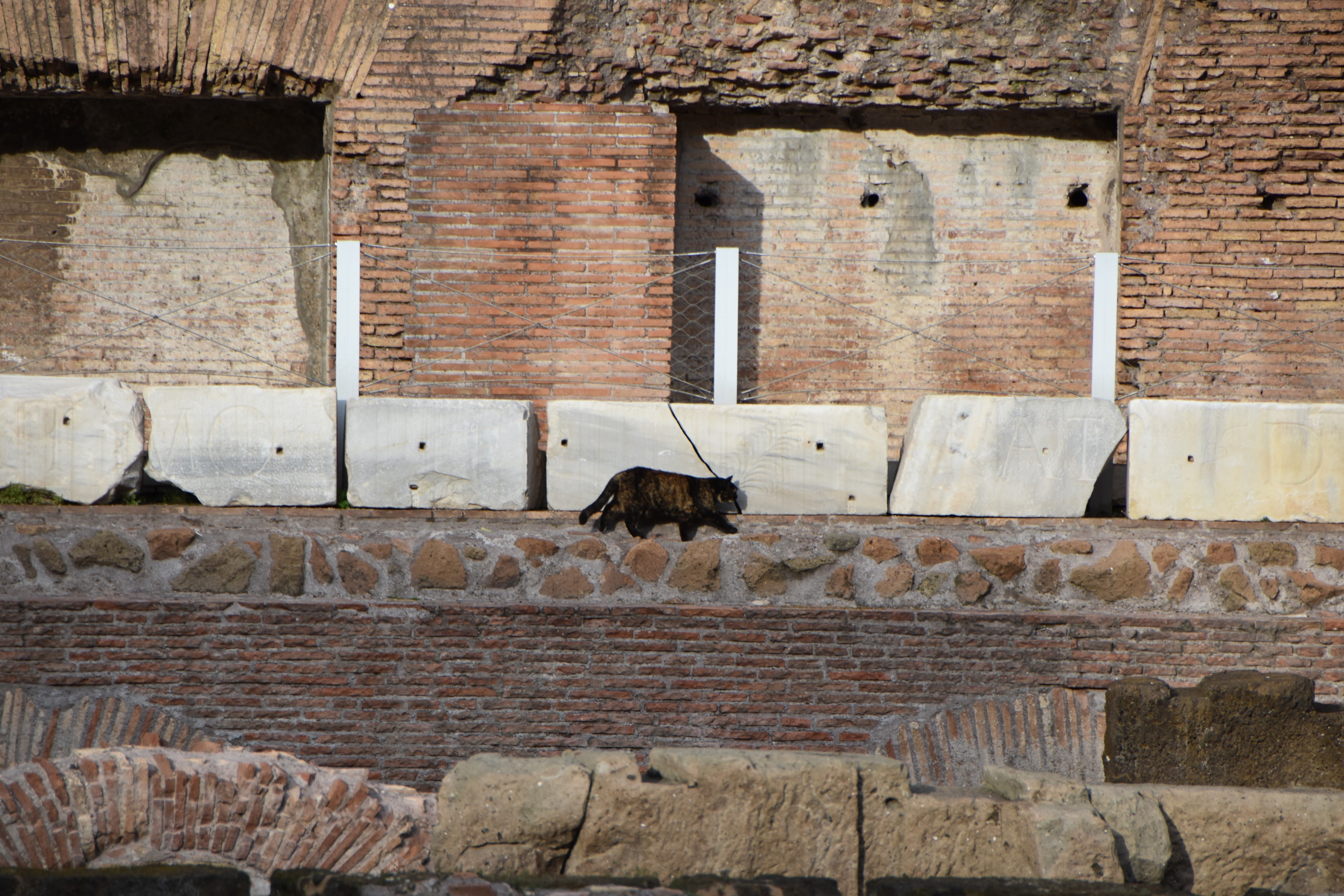
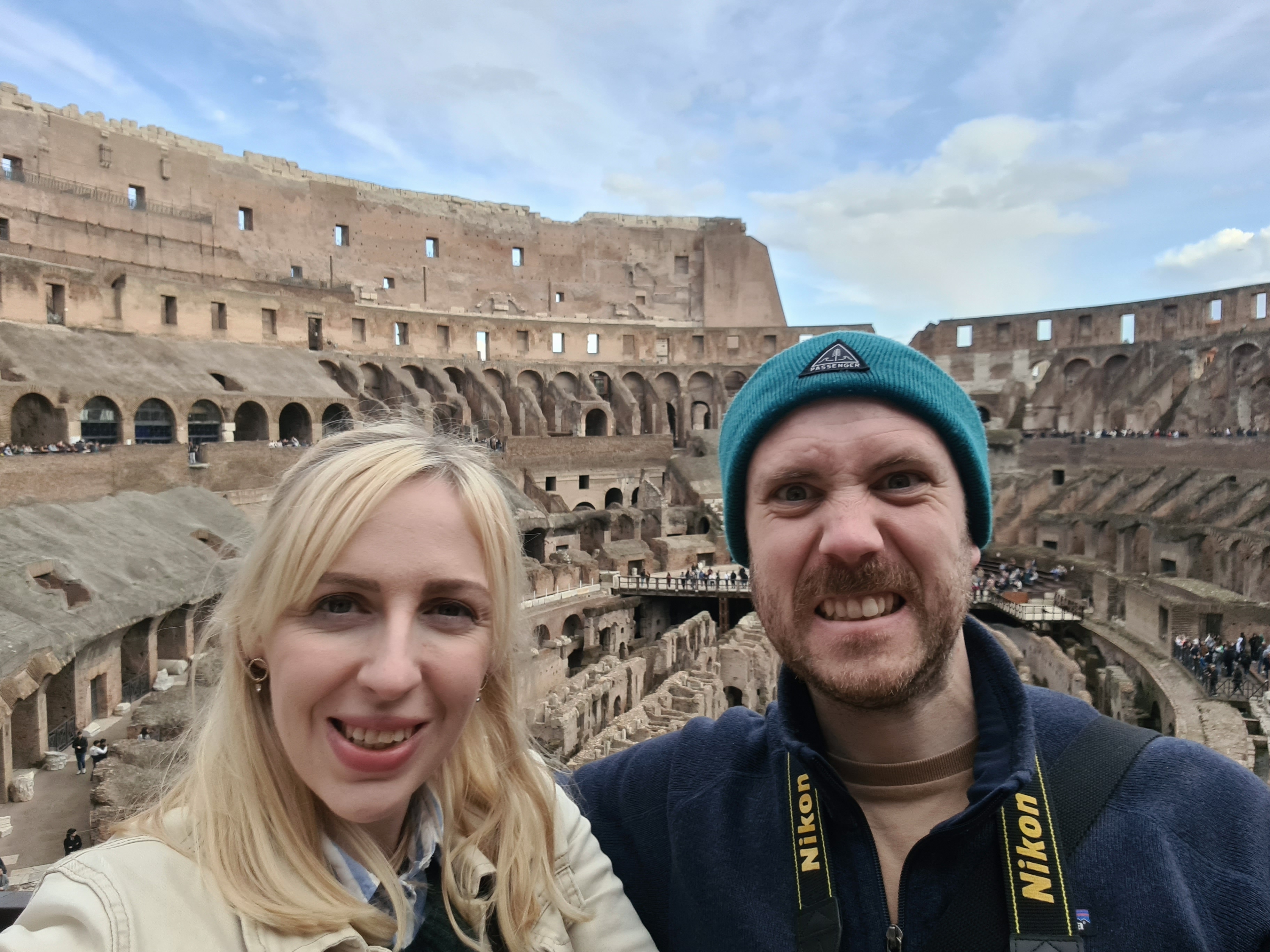
It’s an intimidating enough structure as it is now, I can’t imagine what it would be like fighting for my life on the stage back in the time of ancient Rome. I was interested and surprised to learn that women could also be gladiators and beast hunters. I can’t make my mind up whether this is a good thing given the violence no doubt inflicted on them, but at least they had an opportunity to be glorified in the same way as the men (it does seem to have been a choice rather than against their will).
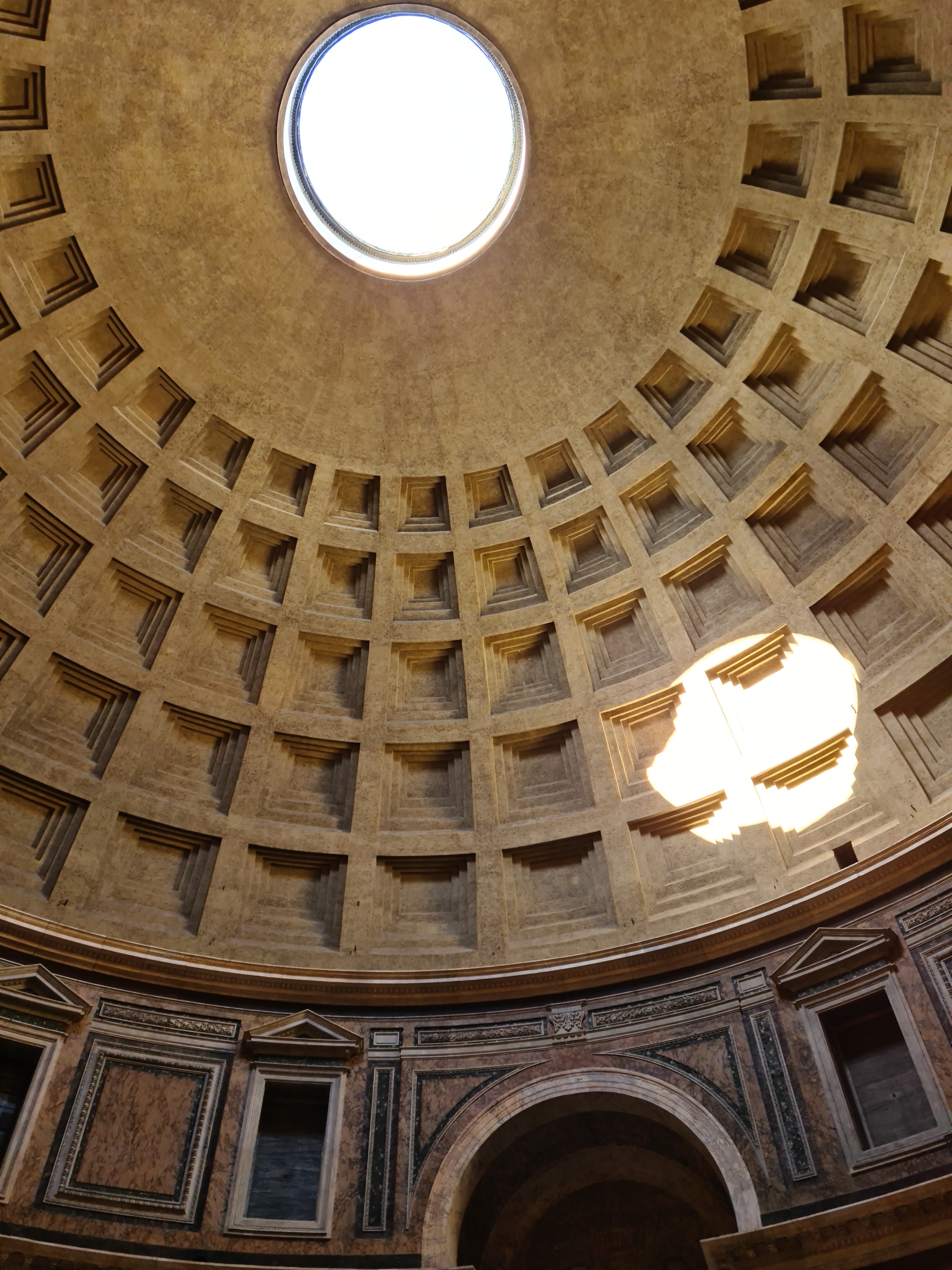
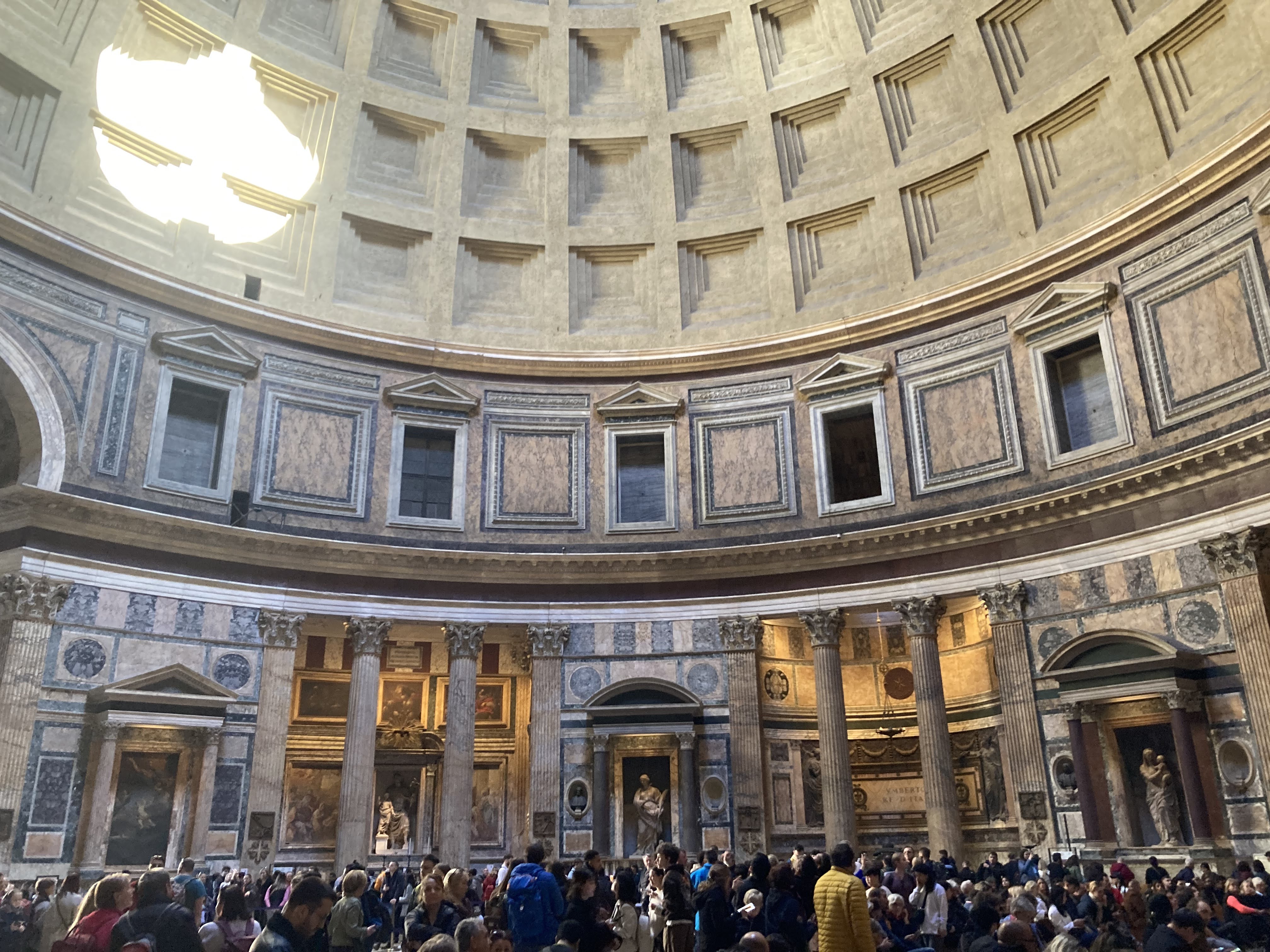
The Pantheon was another iconic building we were pleased to see. Staff and other visitors were probably less pleased to see us, after Ricki dropped his metallic water bottle on the floor. The Pantheon is meant to be a place of silence and if you haven’t heard a metallic water bottle fall on a tiled floor in a domed building, imagine banging a couple of saucepans together in an echo chamber. At least one fellow tourist just about had a heart attack (Ricki has a bit of form with this stunt – there is a chap in Bangkok who is probably still recovering from Ricki waking him up on the skytrain in the same manner last year!).
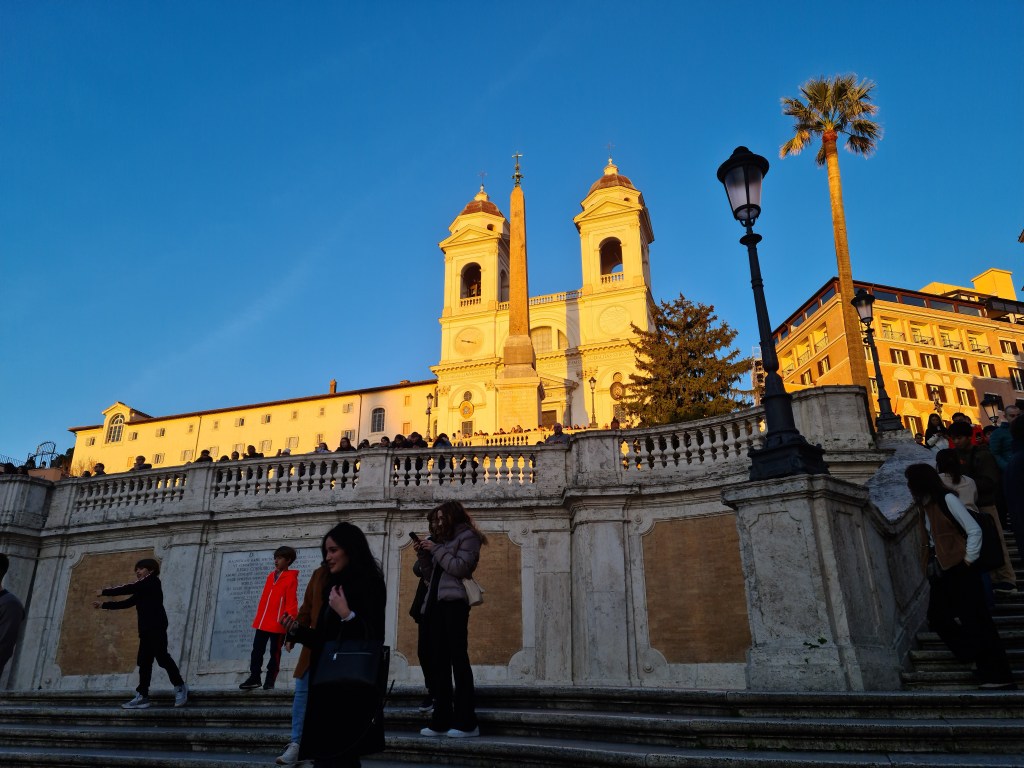
After also passing the Spanish steps a few times, we have also finally climbed to the top, lured by the promise of a metro station. This unfortunately turned out to be a false lead, or rather the metro was there but access closed. At least we were perfectly timed for the golden hour and to see the sun set behind St Peter’s Basilica.


After a few days spent fighting the crowds, we decided to seek out some quieter options.
Again, wanting to avoid the city centre on a weekend, we headed south to the EUR district which appeared to be largely commercial in nature. This is where there is some great fascist-era architecture to be found, erected at the command of Mussilini. Hopefully this will be the only time I use the words “fascist” and “great” in the same sentence!
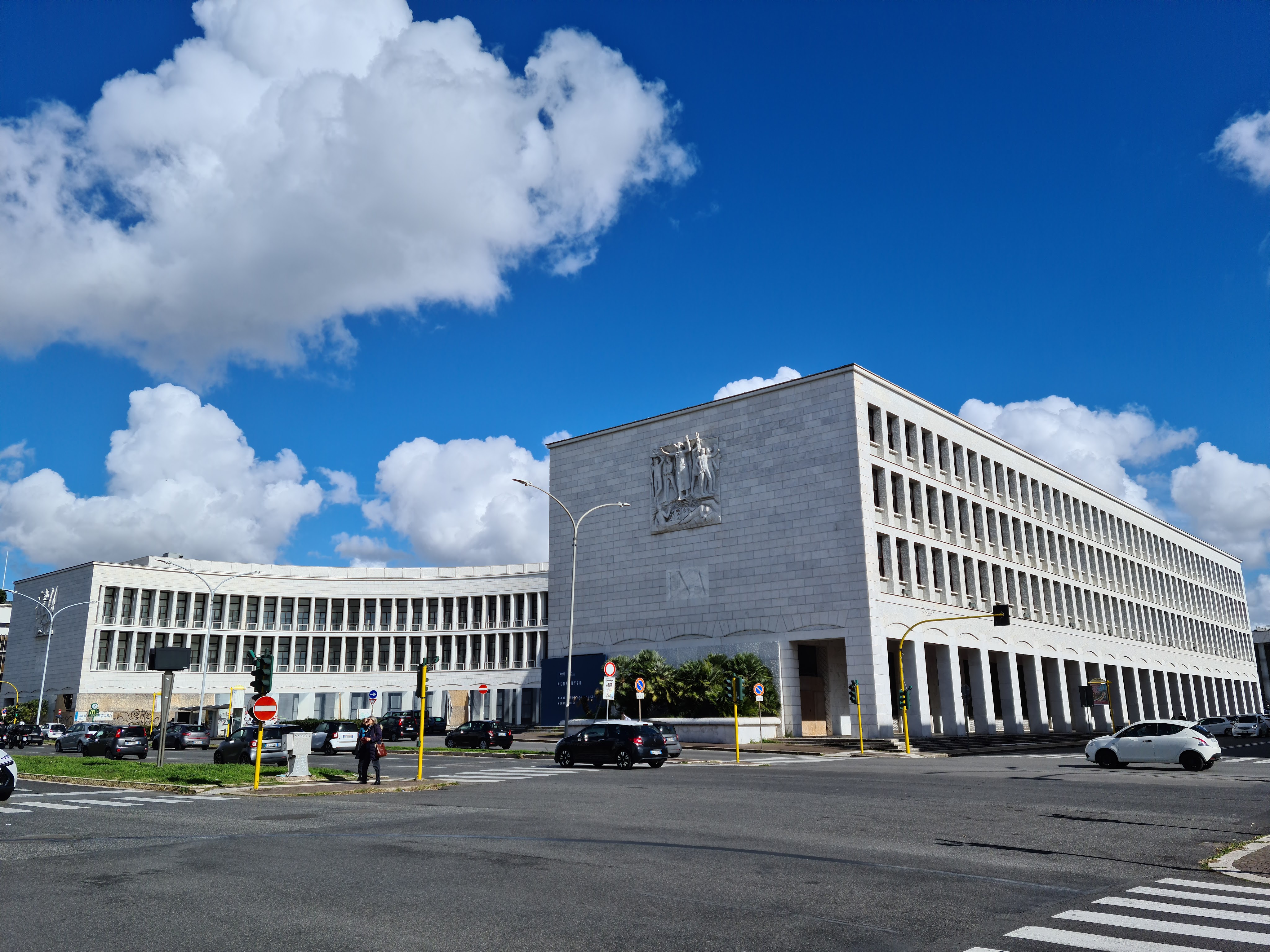
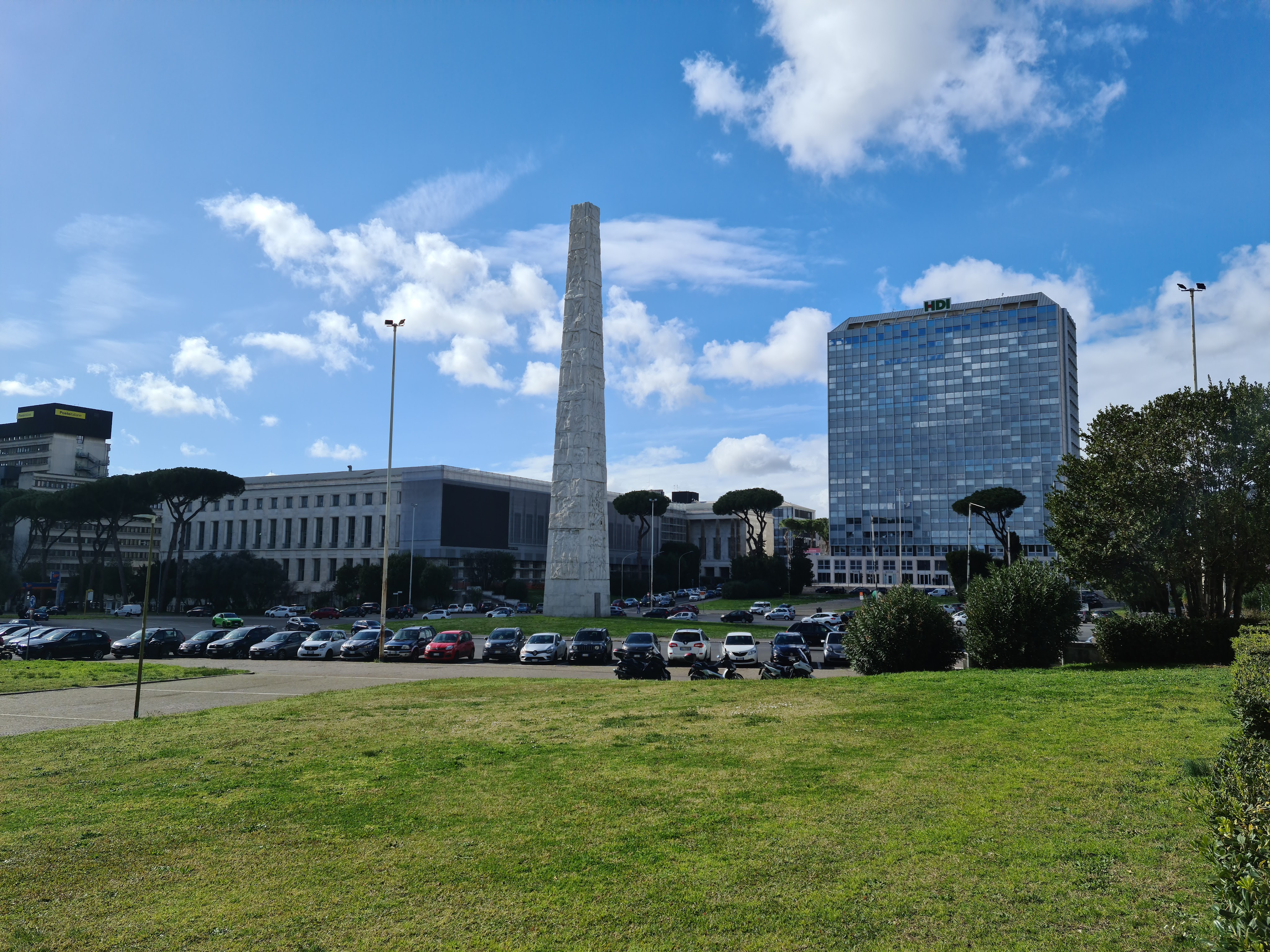
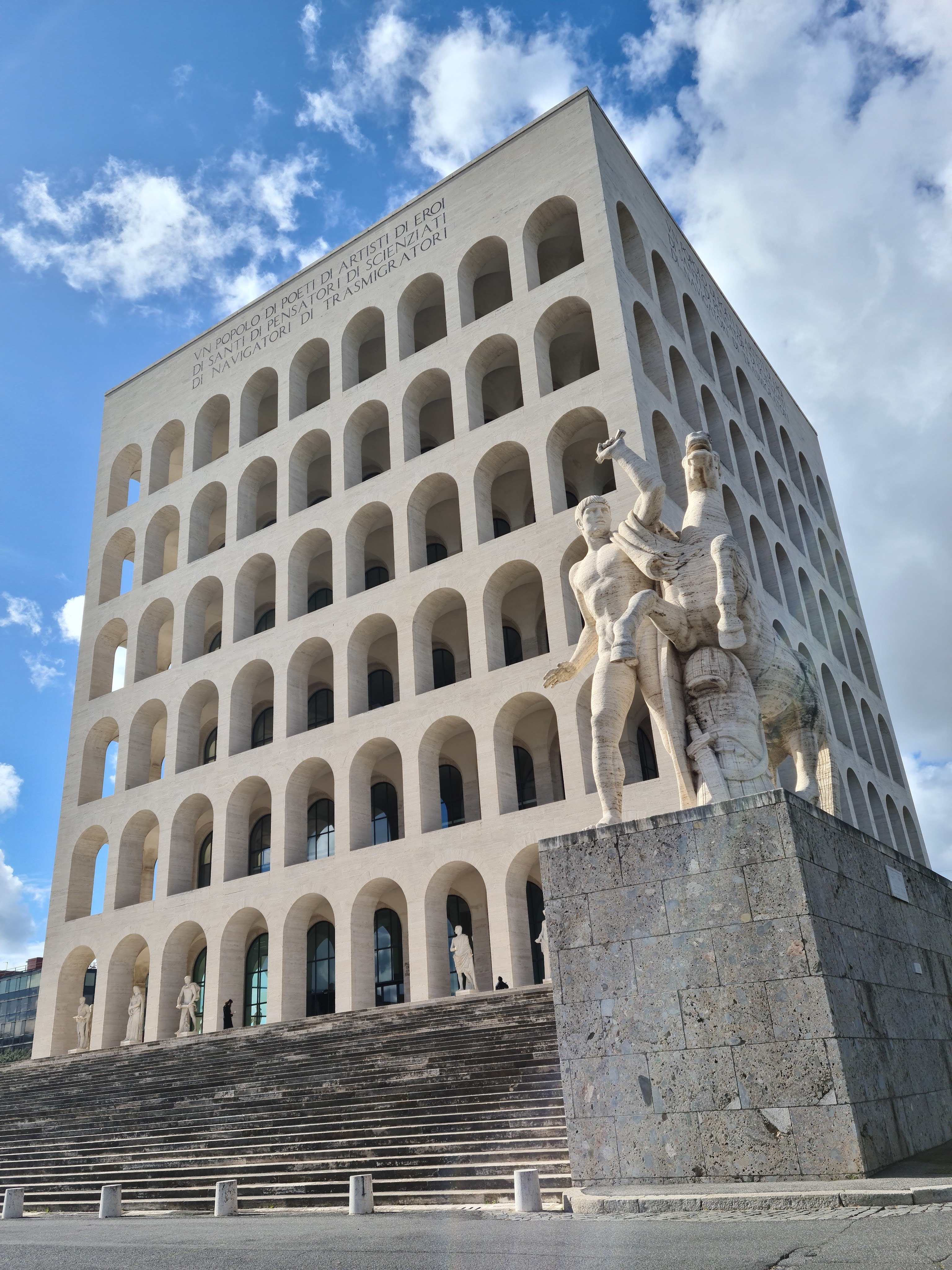
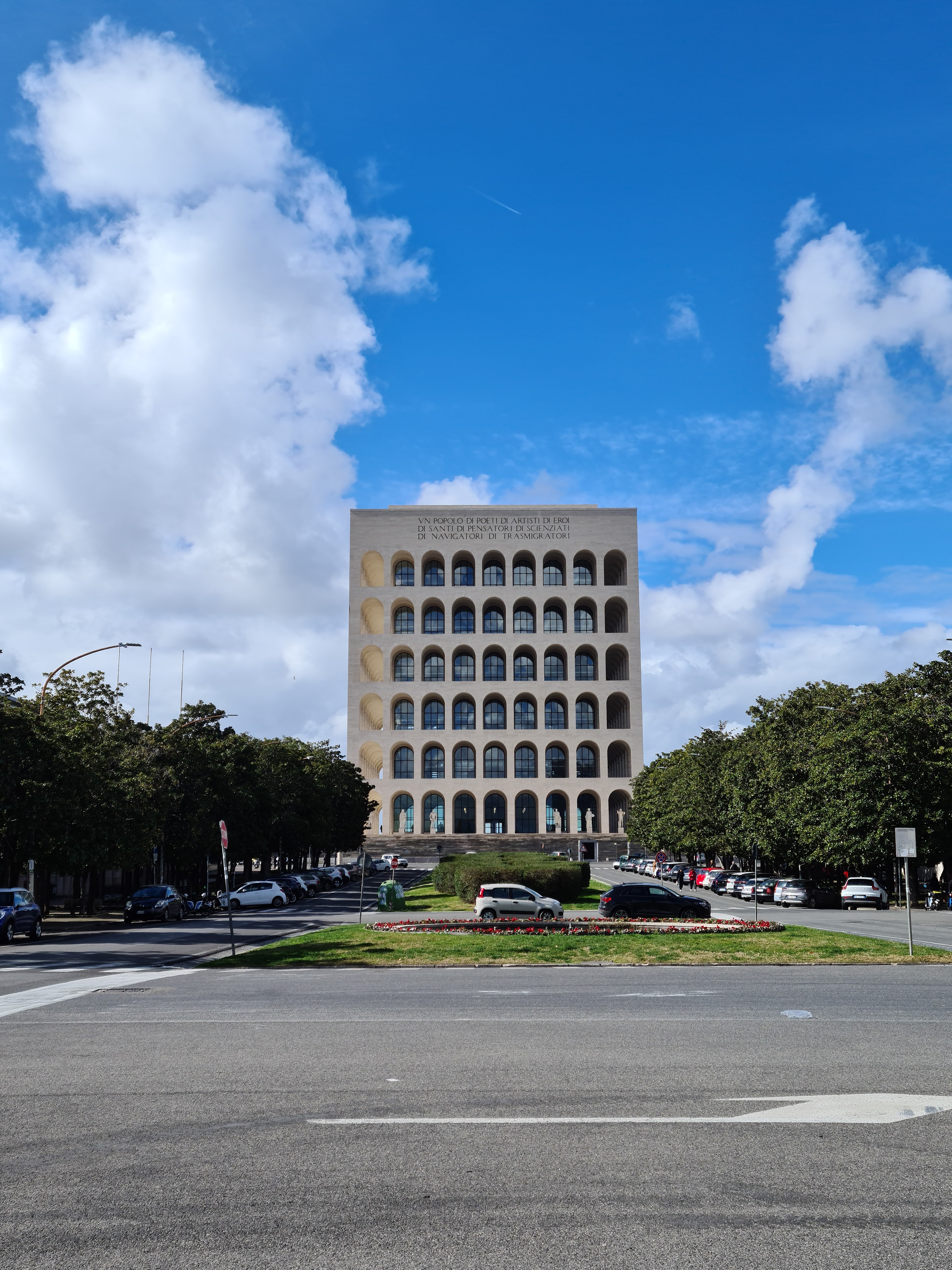
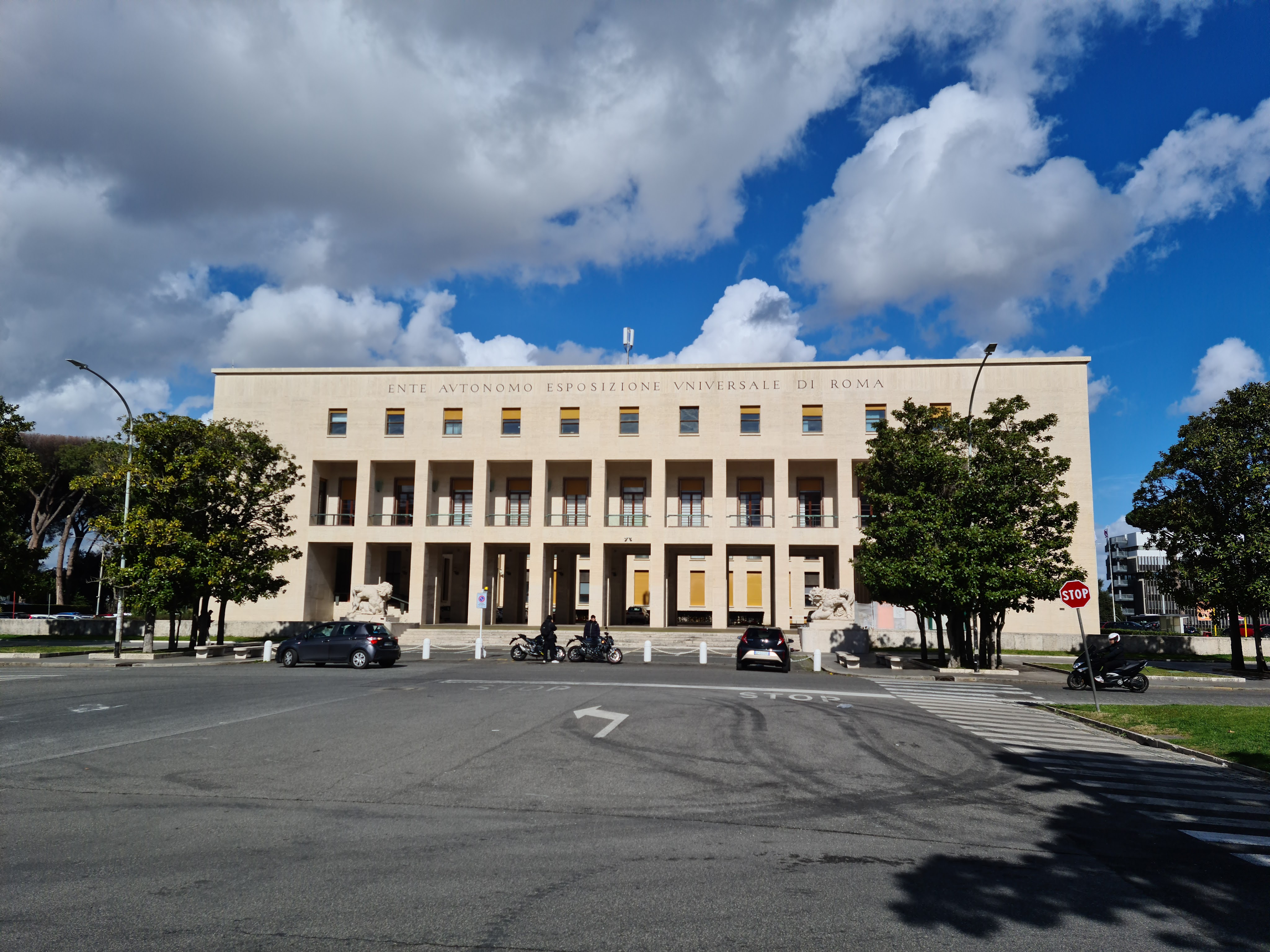
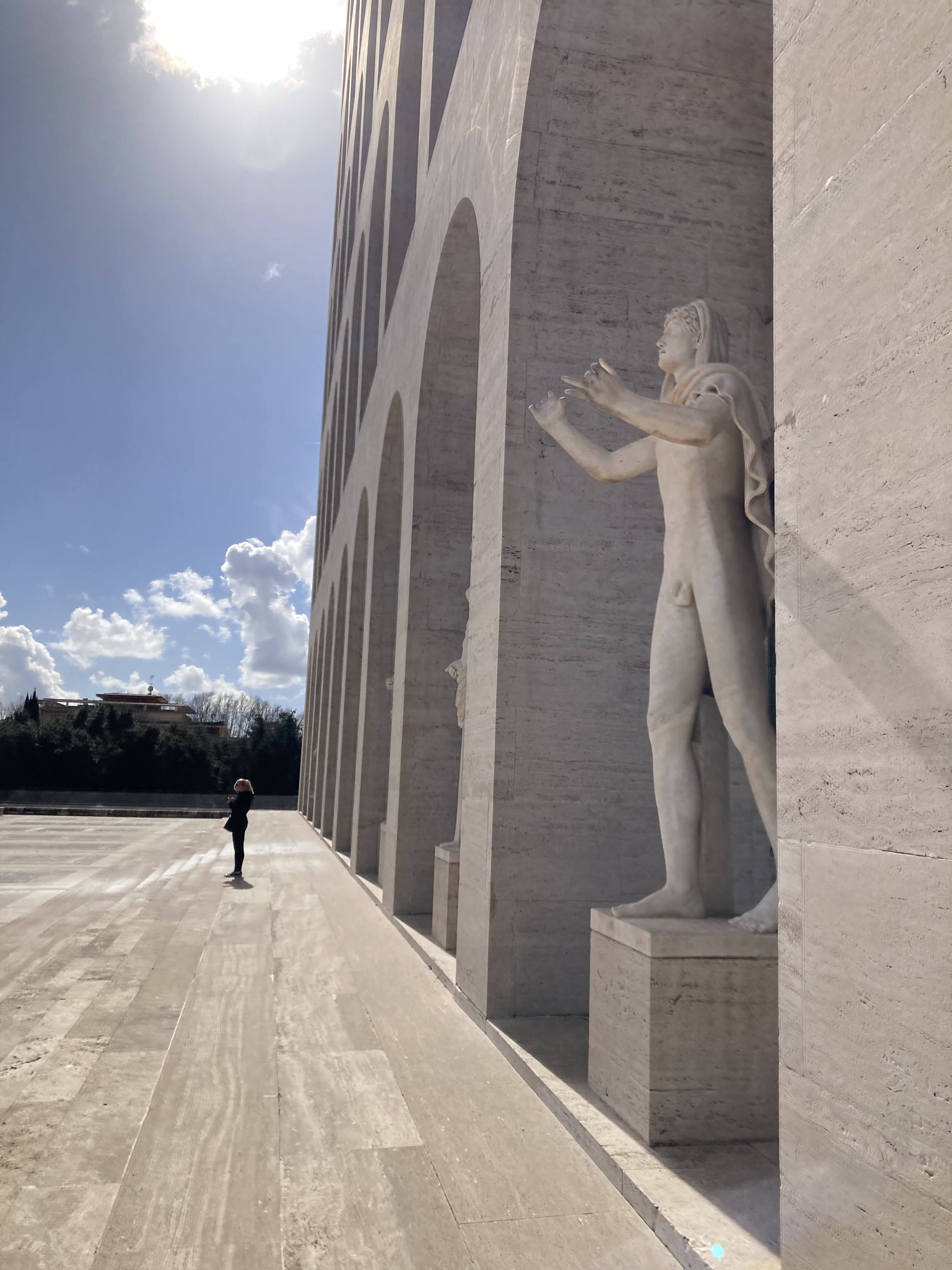
The combination of wide, quiet streets and (relative to ancient Rome) modern buildings made it feel like we’d ventured to an entirely different country, nevermind neighbourhood. While there, we checked out three components of the Museo delle Civiltà – the museums of folklore and traditions; science and middle ages. Well, Ricki checked out all three, I gave up after two and headed back to the metro.
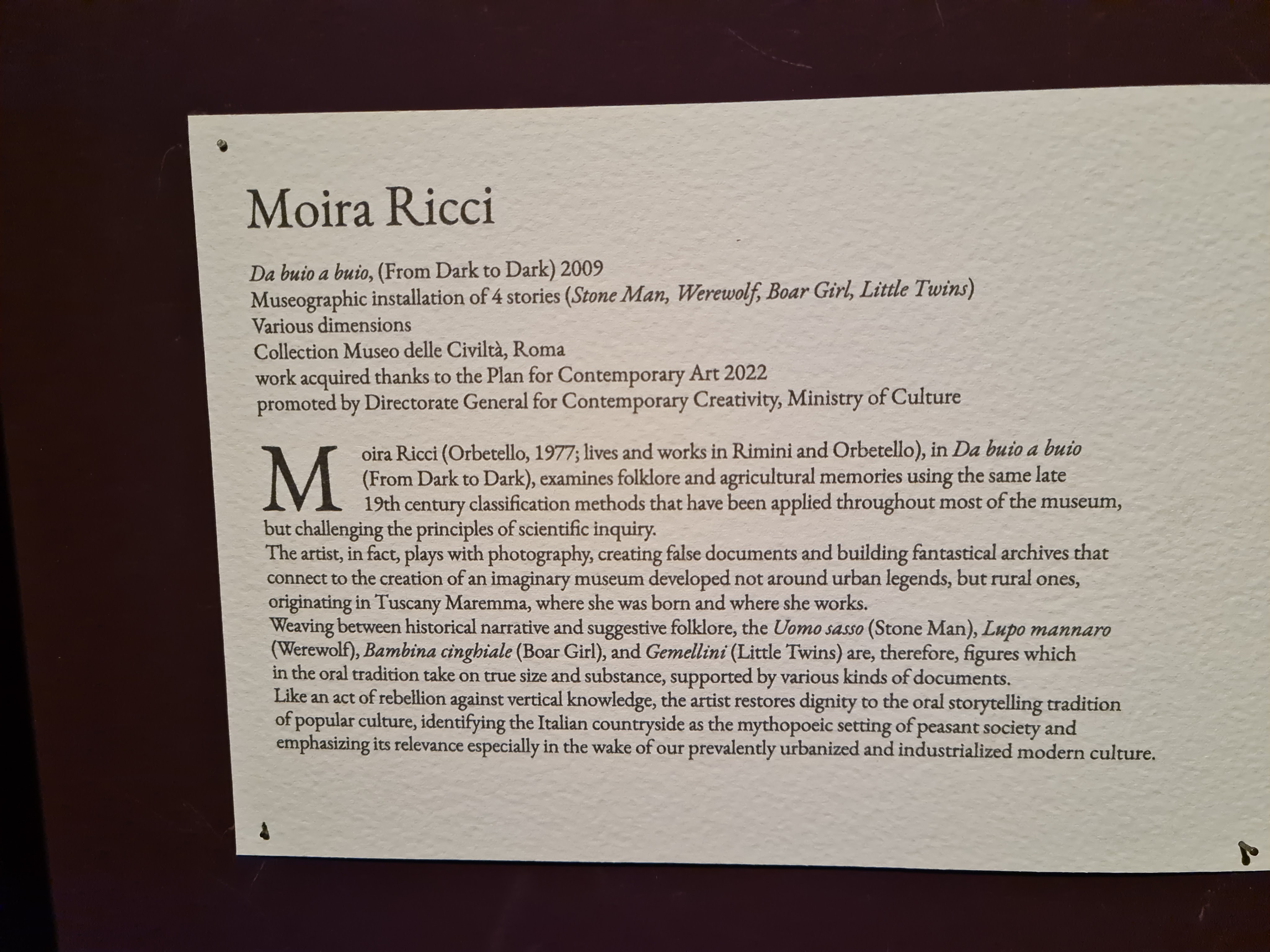
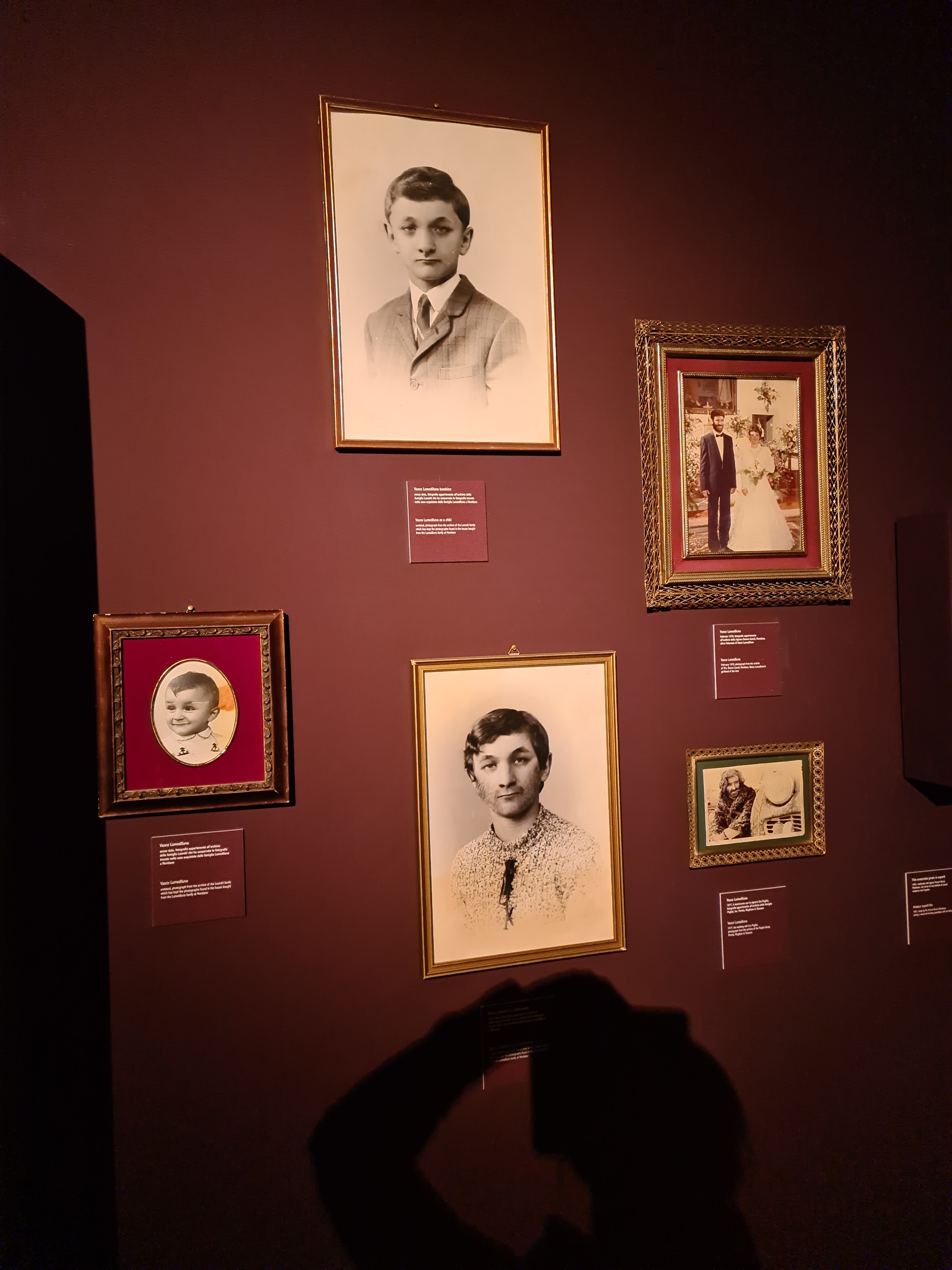
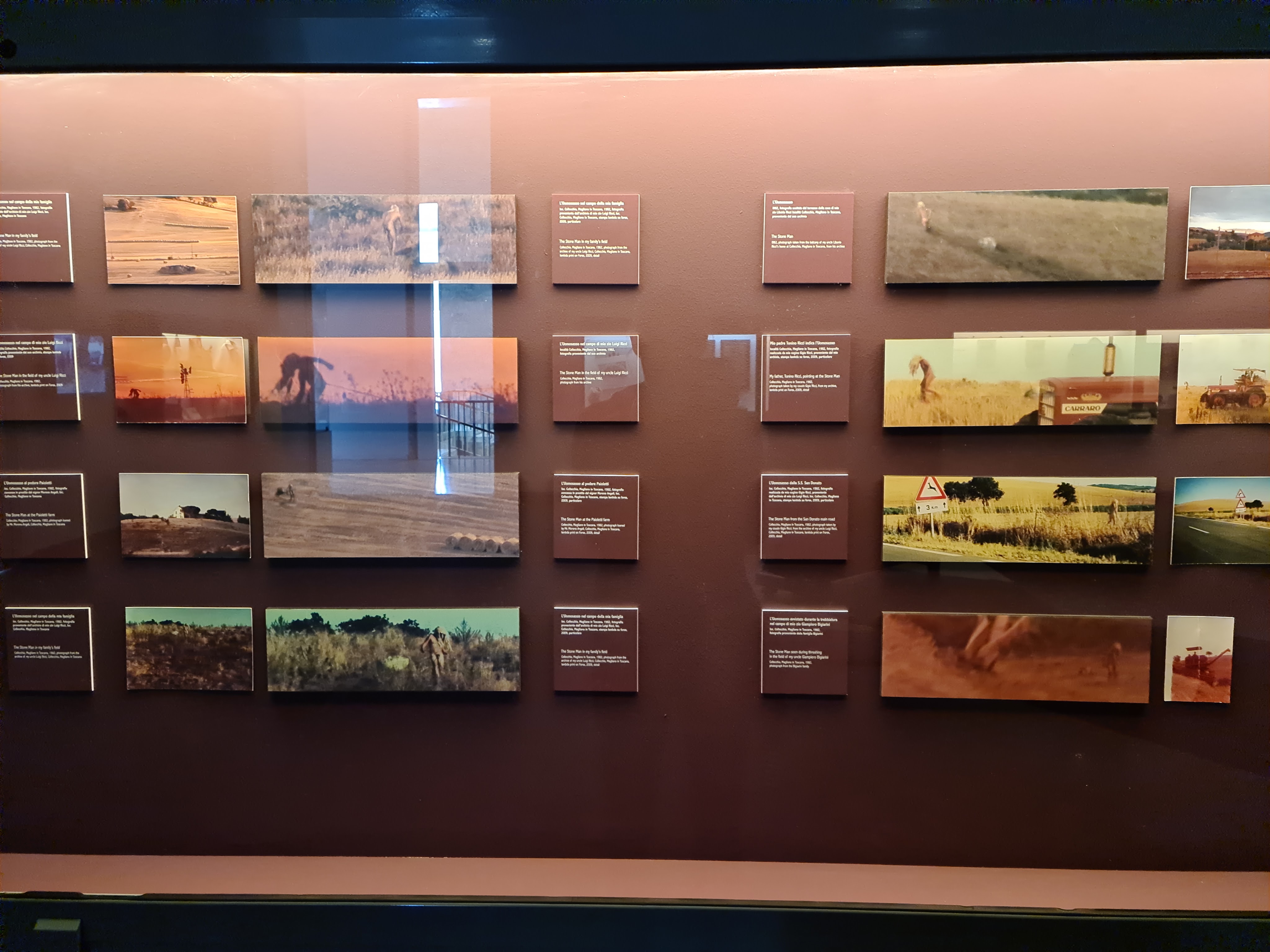
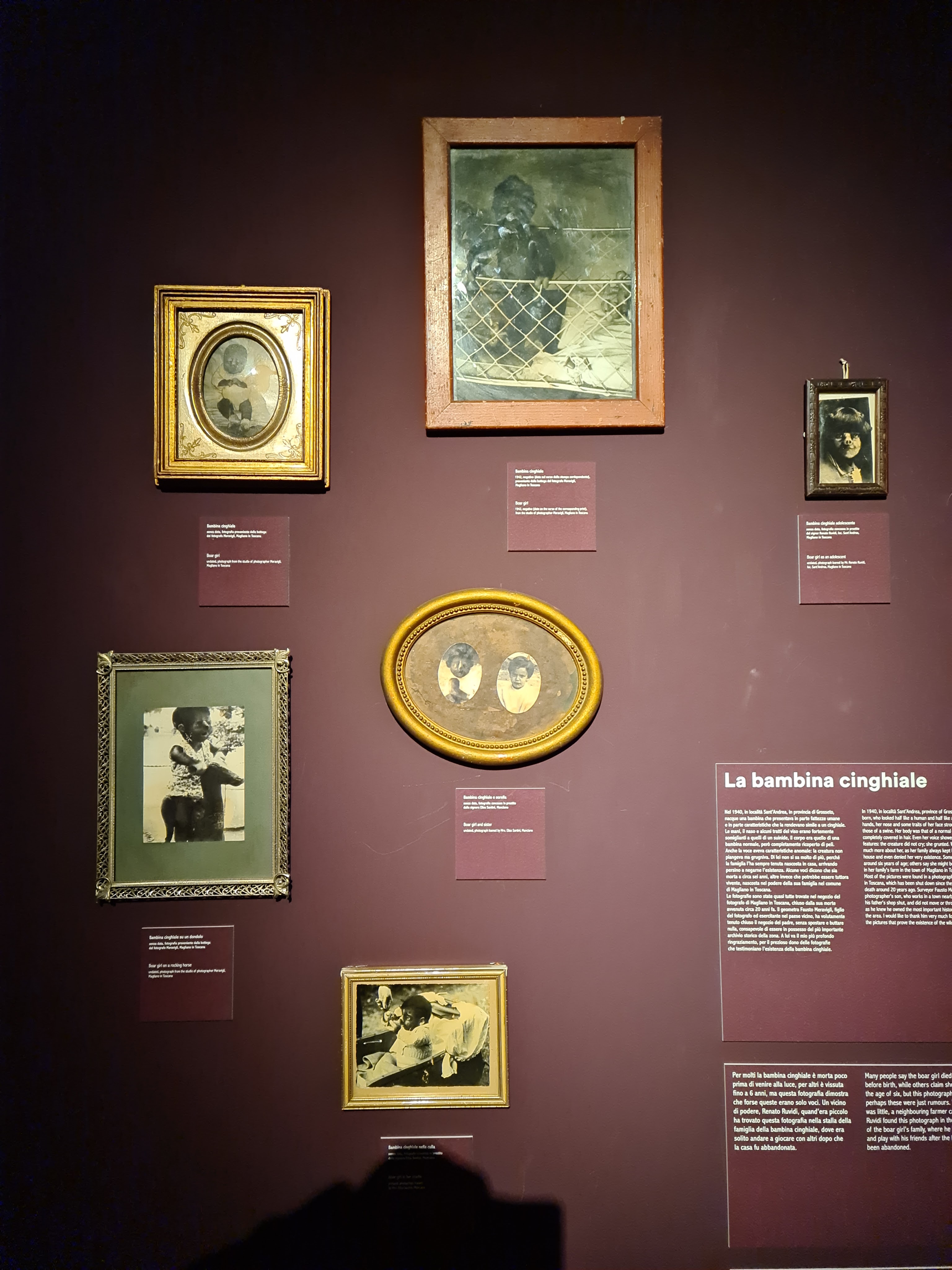
The museum of folklore and traditions was more interesting than I had been anticipating, but I did learn a lesson about making sure I’m reading museum labels in the correct order. The most fascinating pieces I found were about some pretty unique Italians – the little girl who was born looking like a boar; a rumoured werewolf and a strange man who appeared in rural fields, mostly naked while dragging a stone behind him, as you do. I took this all in with great interest, only to subsequently find the introduction to the section, which revealed it all to be an art piece and the documentation was all fake. At least I learnt the truth before filling this blog up with lies!
We did want to make one further trip out of Rome city, and hopped on a train to Tivoli, a town 30km to the north east.


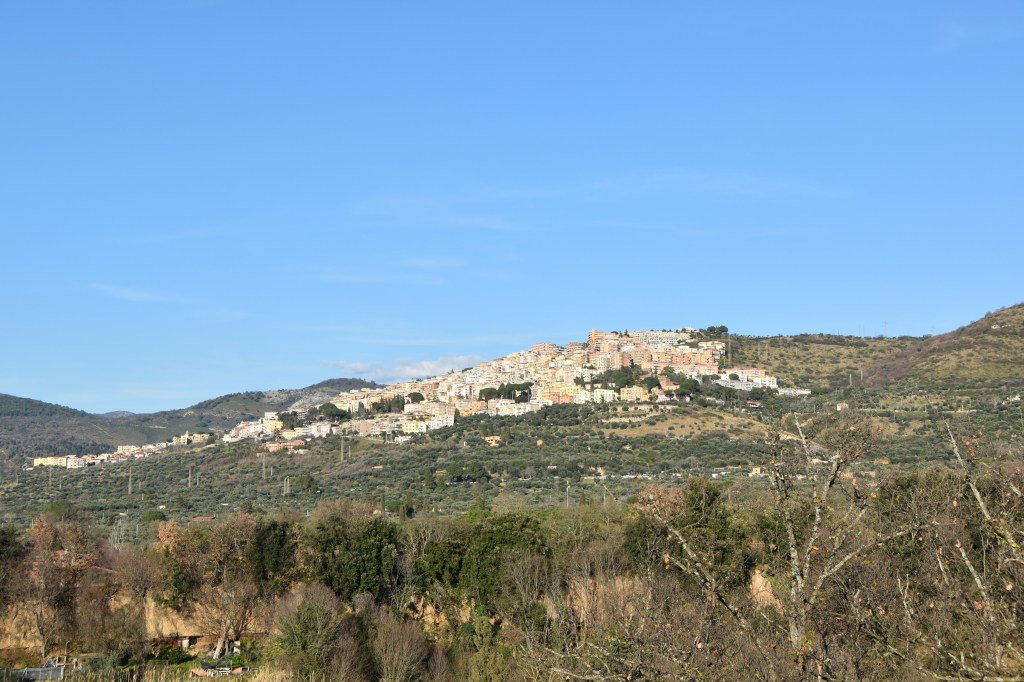
There are two key attractions there which are currently open – sadly a third, Villa Gregoriana, is closed until later this year. The remaining two are the Villa d’este and Villa Adriana (noticing a theme?).
Villa d’este provided no problems at all, it is in the town centre and completely walkable. Villa Adriana on the other hand is an hour’s walk each way, and therefore required us to face our nemesis for the first time this year – local buses. We have some history with these, and Tivoli was no different.
I had done my best to research the bus line to catch, but all blogs/guides I read rather simplistically suggested that we’d be able to catch the bus we needed straight from Tivoli train station. So it was a little frustrating to arrive and find no bus stop to speak of, nor any English speaking station staff. As we started to walk into town, we passed a few bus stops, but unhelpfully these had no signage, and the bus line’s apps didn’t include route maps. We headed instead for Villa d’Este and hoped that the staff there would be able to help.
It turned out the two sites are controlled by the same agency, so getting new directions wasn’t an issue. Feeling a bit happier that all we had to do was get to the nearby piazza and catch the bus from there, we decided to swap our plans round and spend the morning at Villa d’Este before tackling Villa Adriana in the afternoon.
Originally built in the 16th century, Villa d’Este was a summer residence for Cardinal Ippolito II d’Este. It stands as a masterpiece of Italian Renaissance architecture and landscape design, and is particularly famed for its magnificent Renaissance gardens, adorned with numerous fountains, sculptures, and water features.
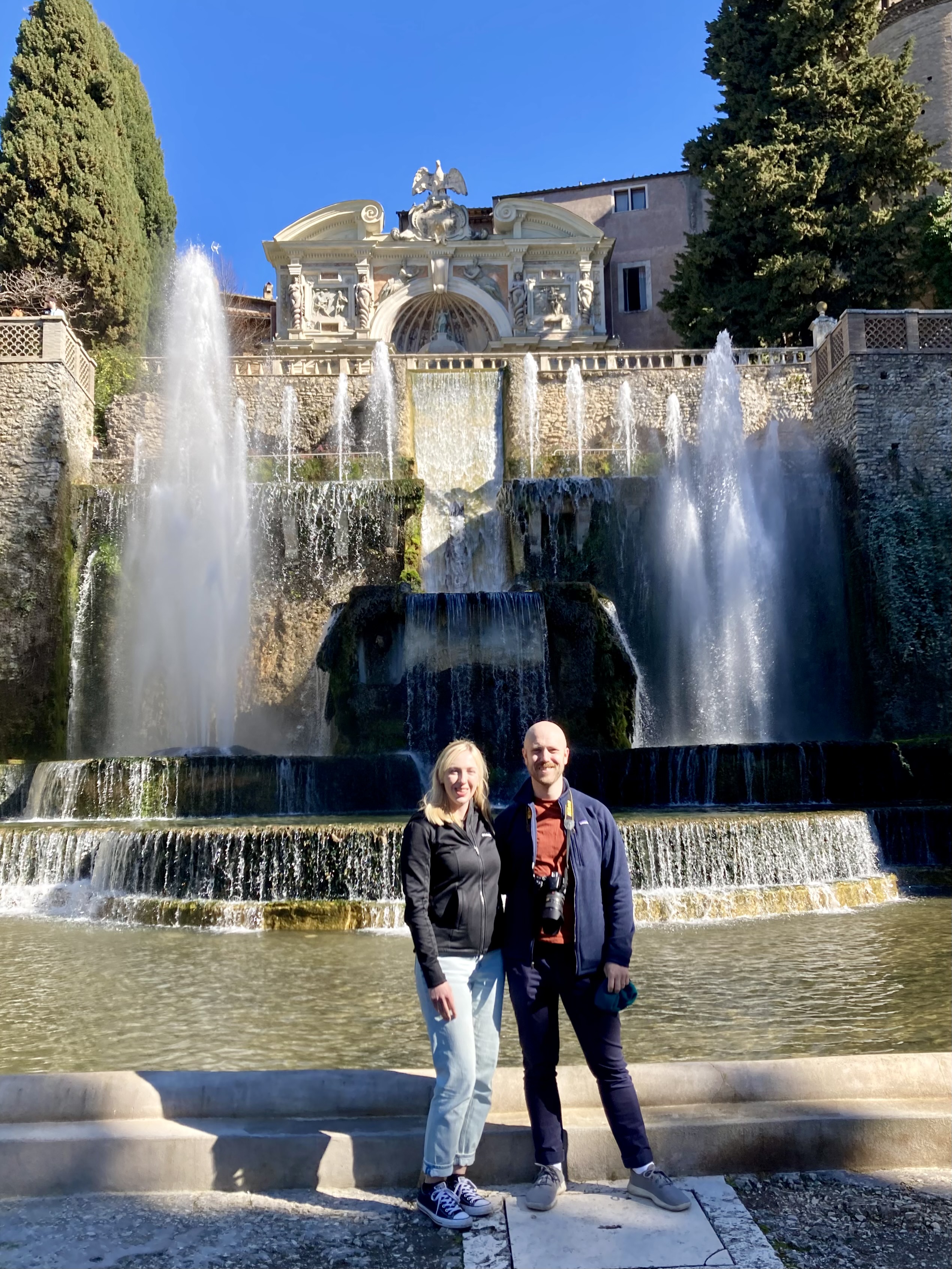
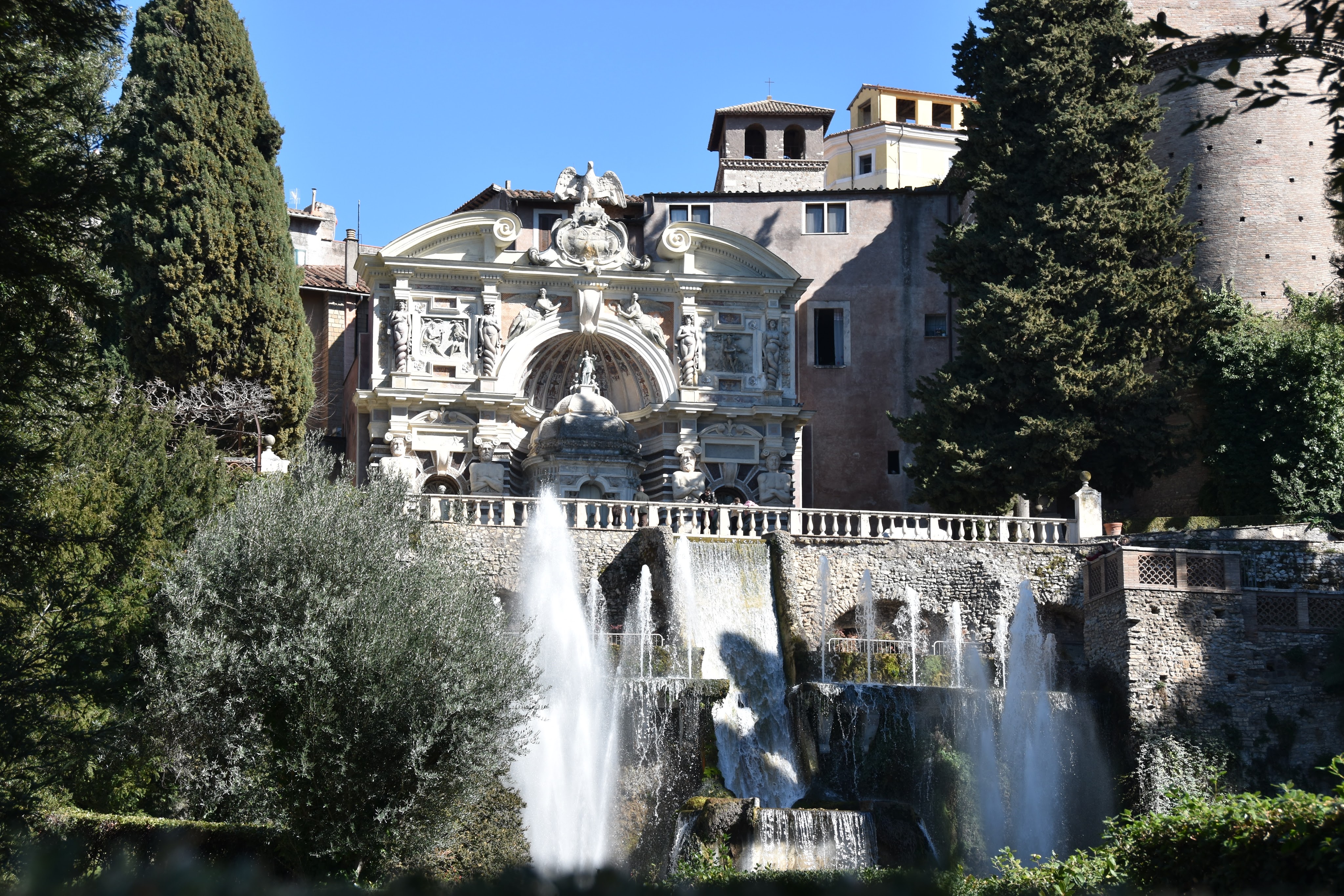
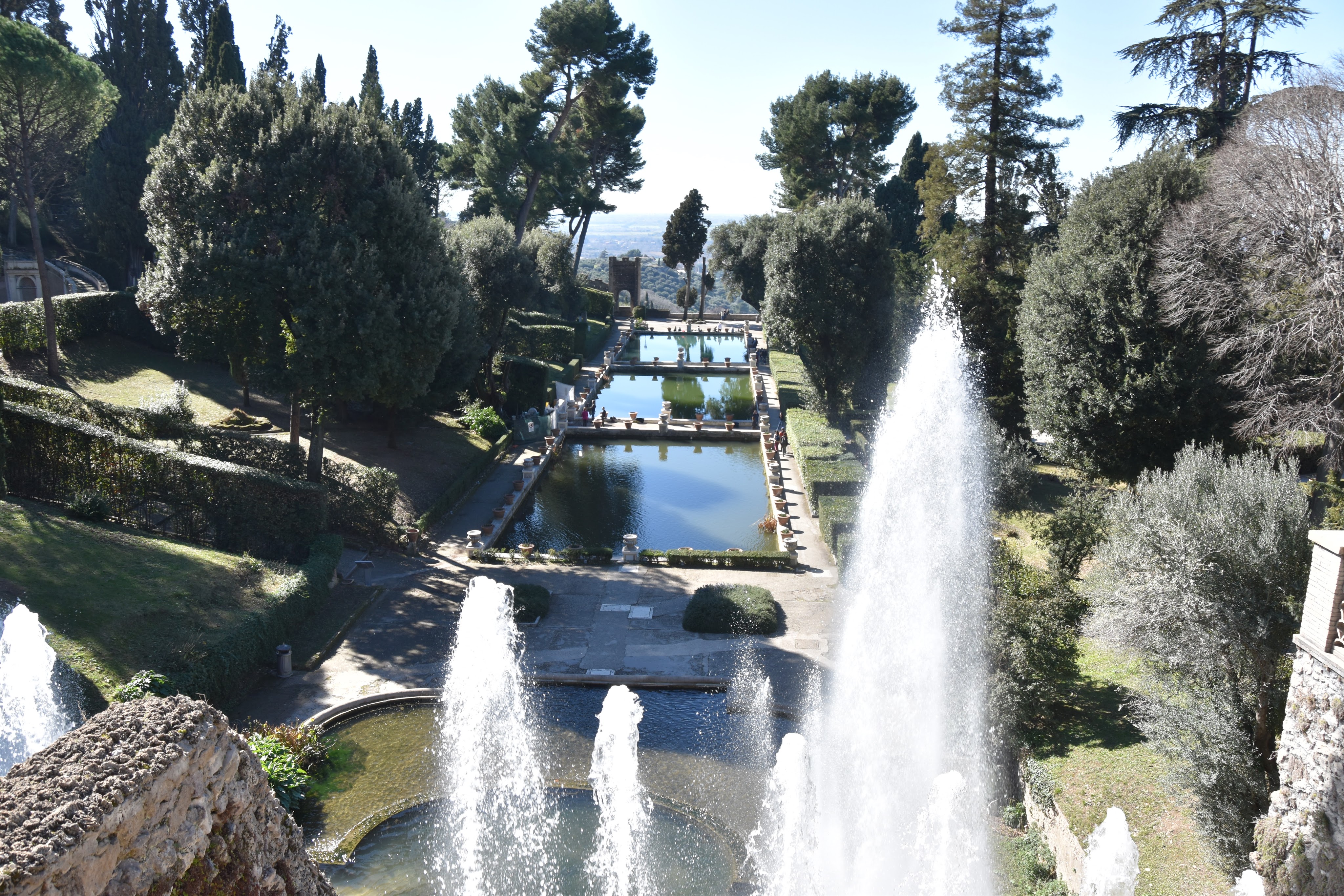
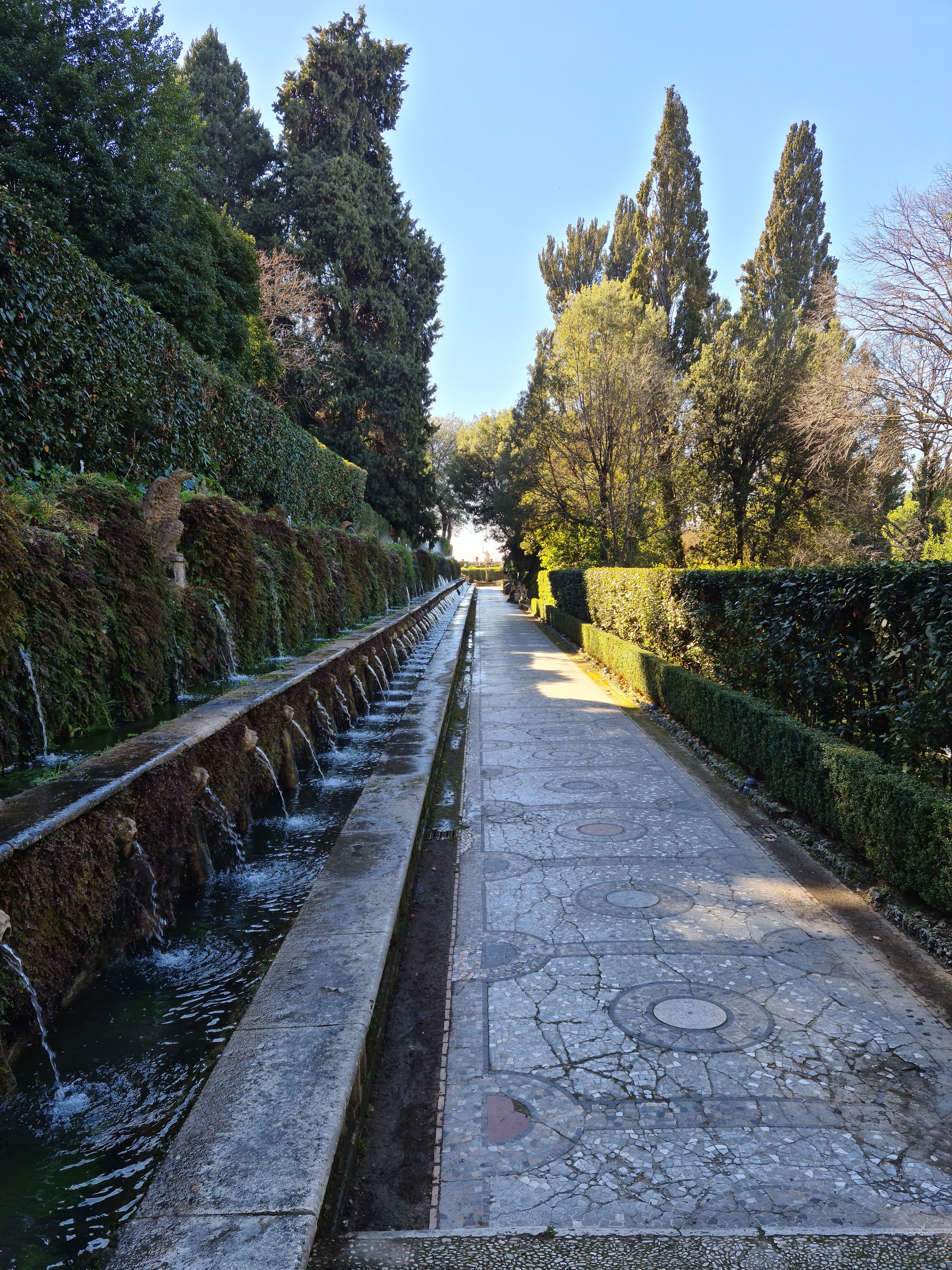
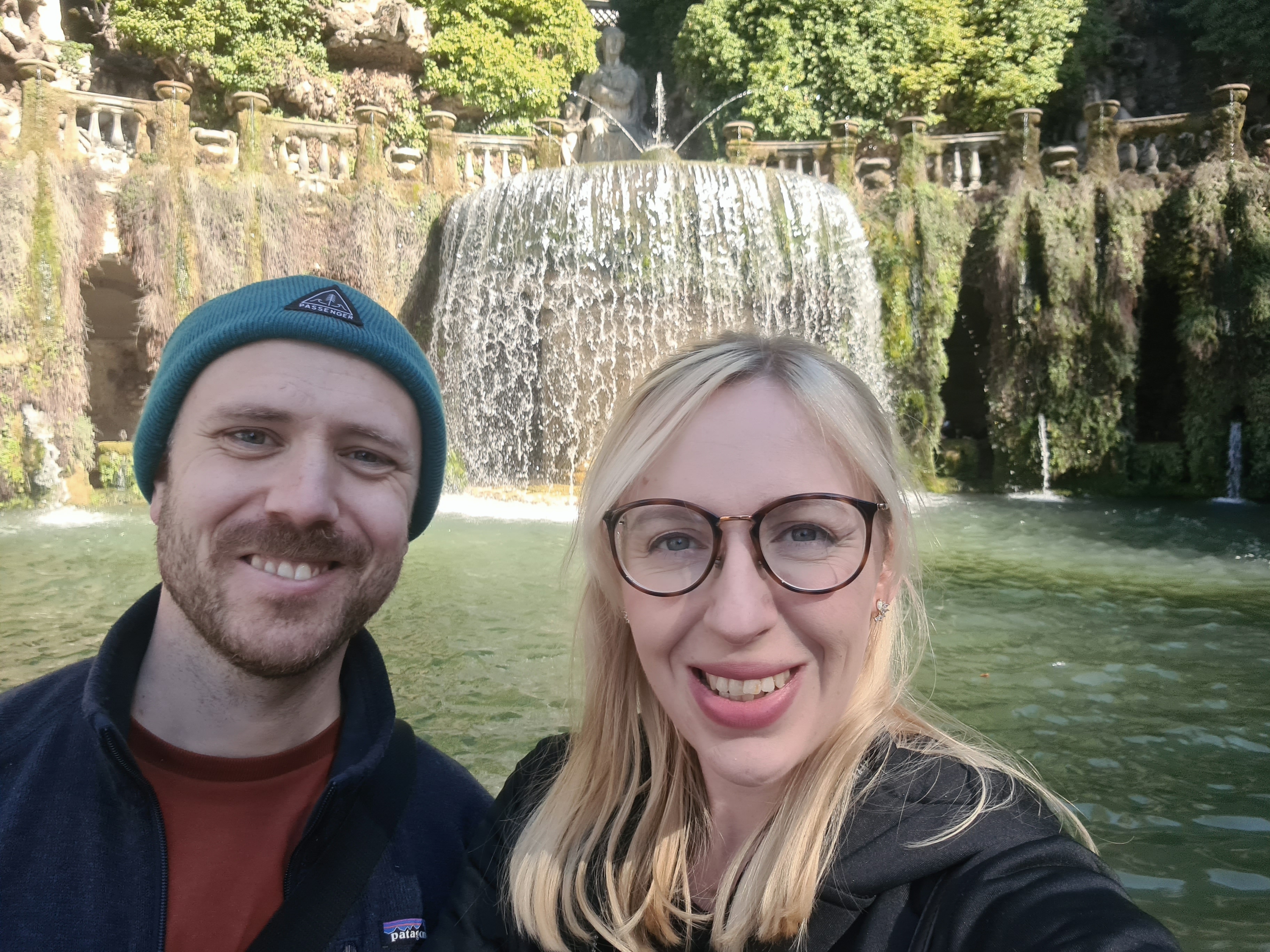
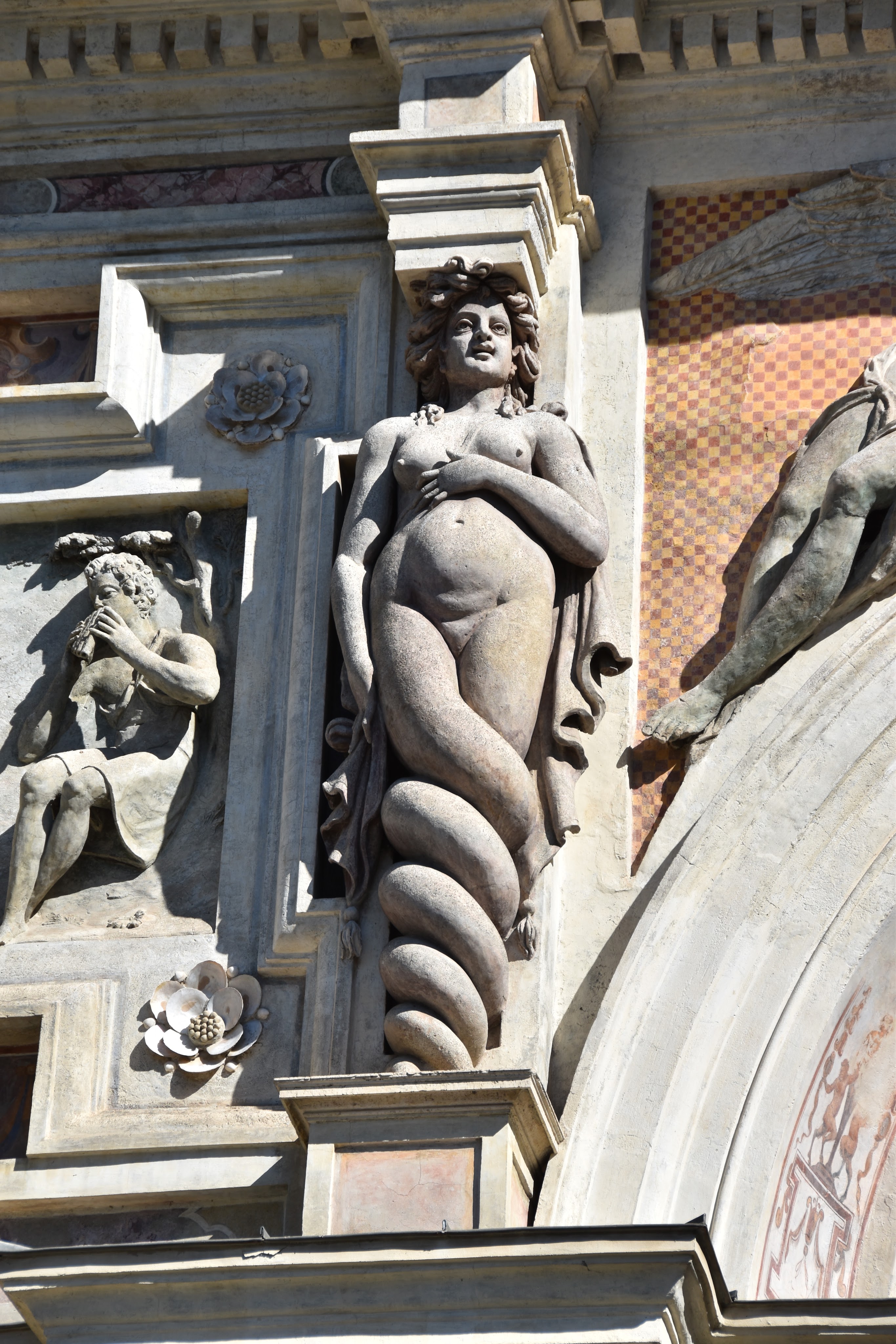

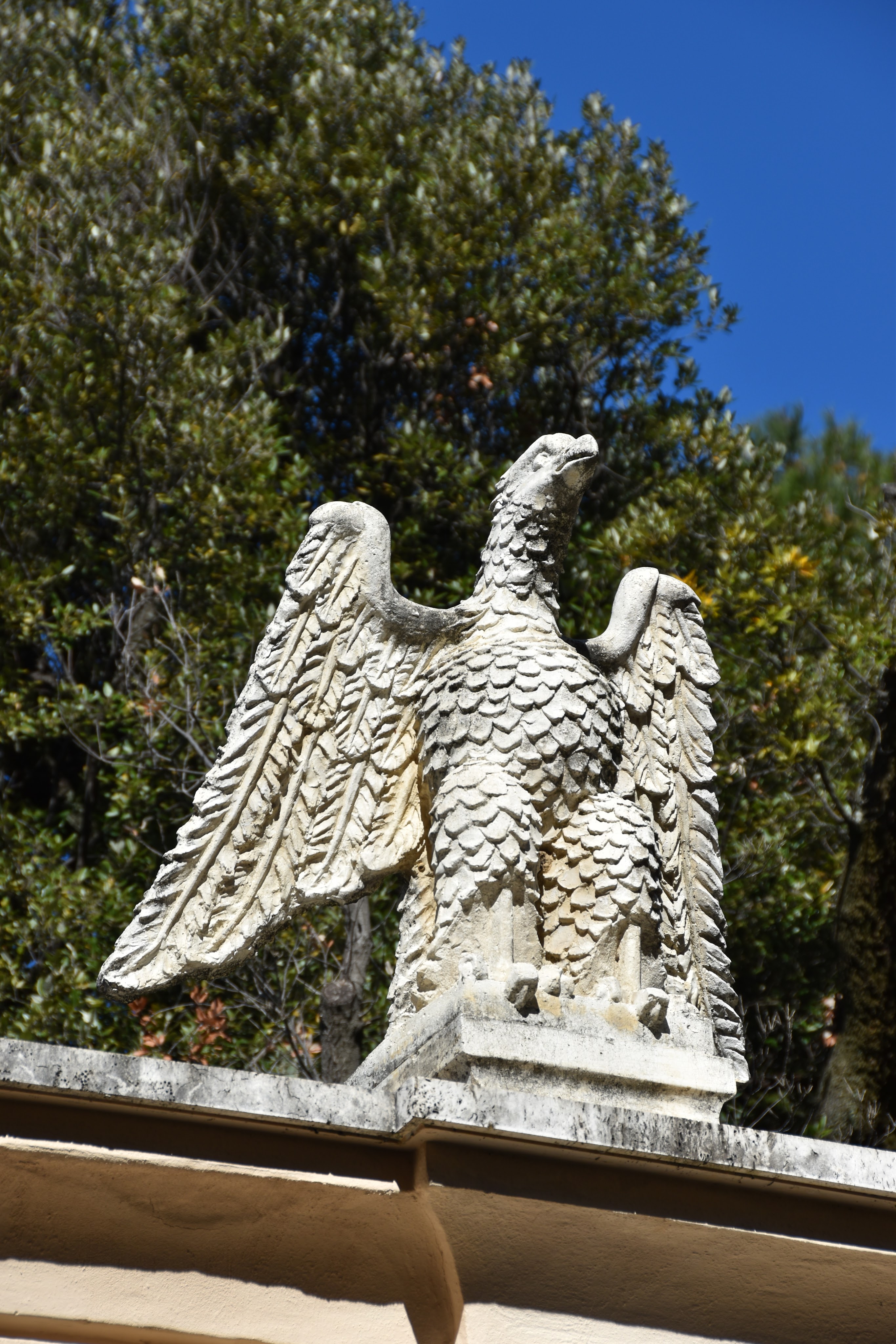

It was an enchanting place to spend the morning, catching the sun’s rays between the trees, listening to the trickling water and admiring the individuality of each fountain.
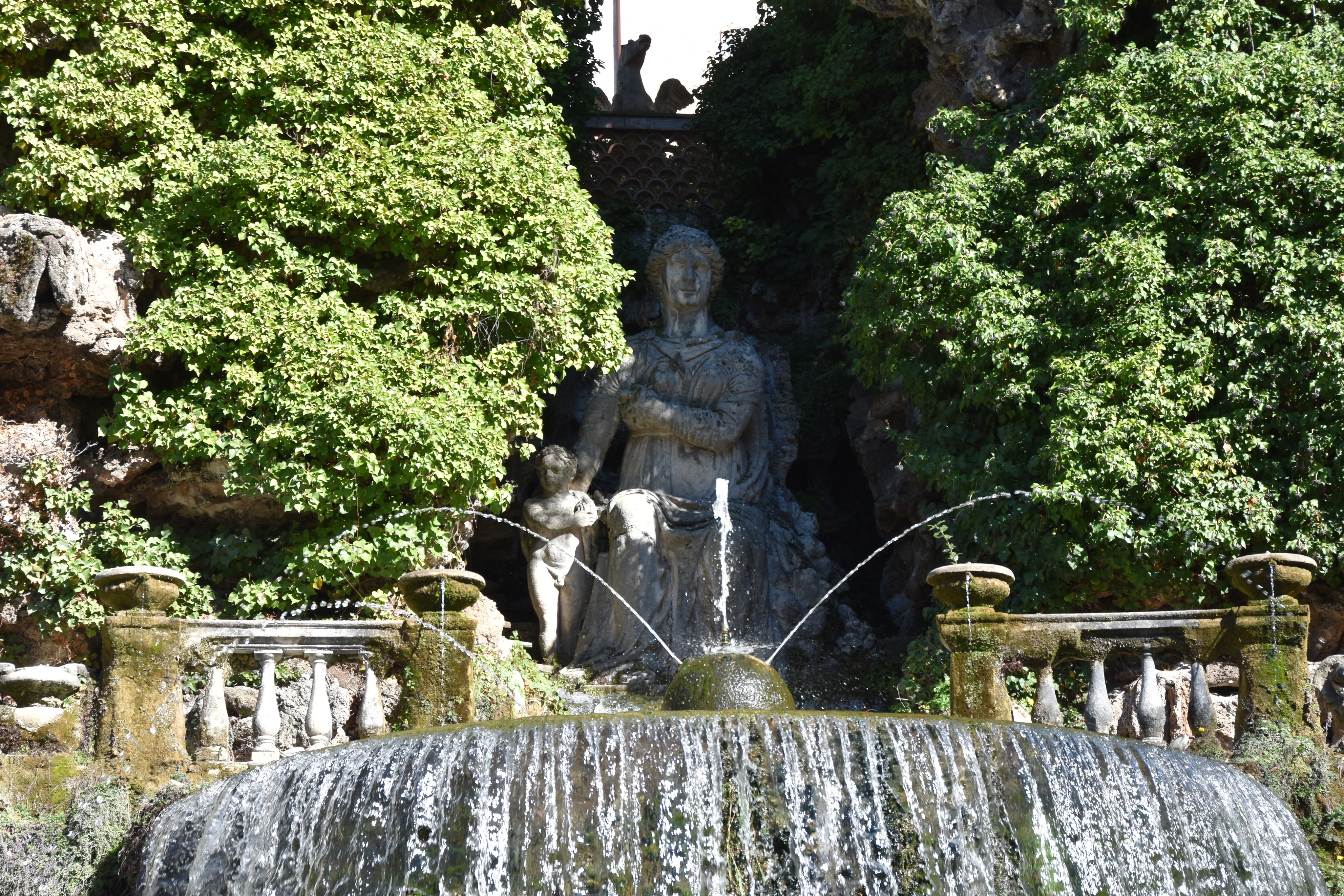
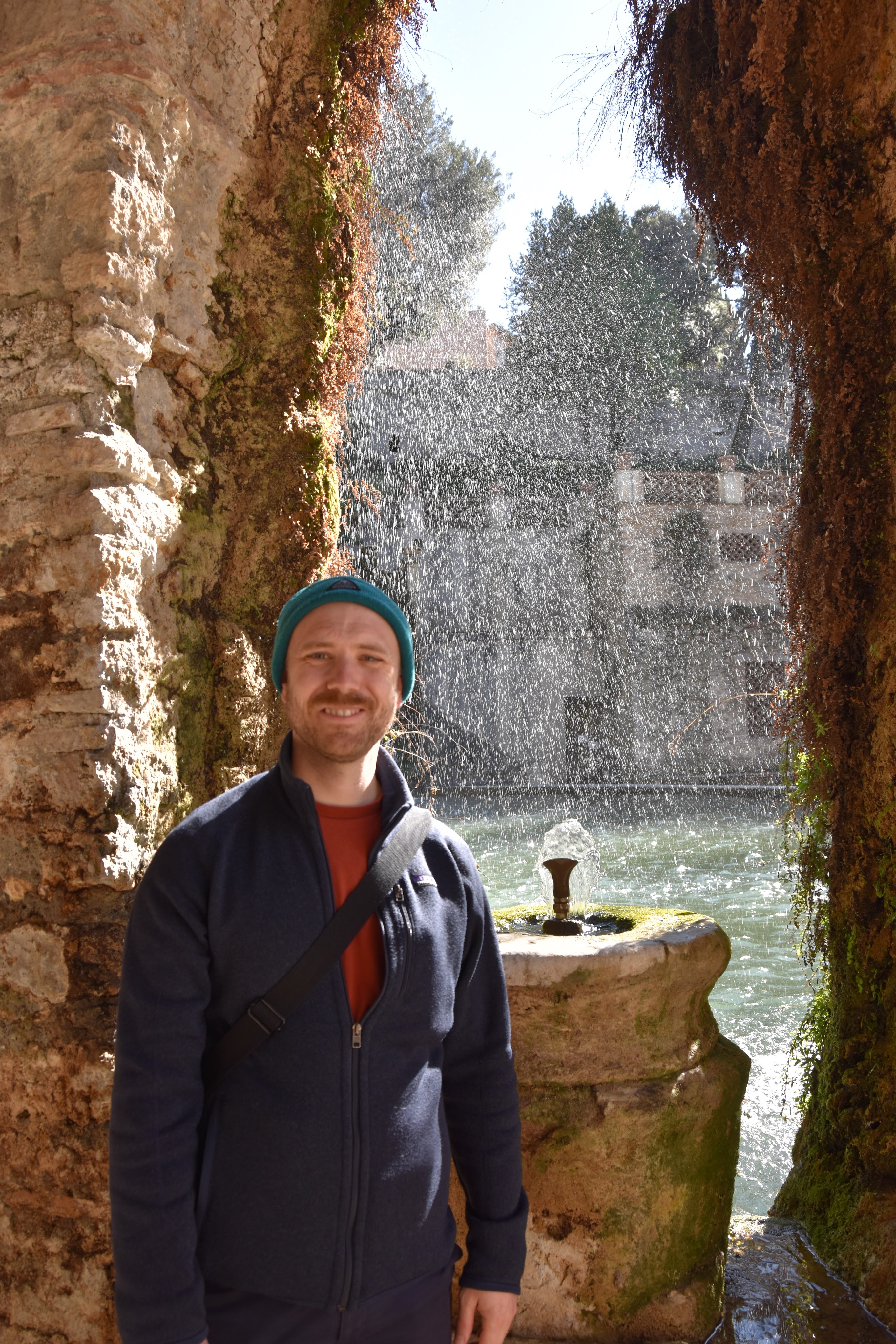
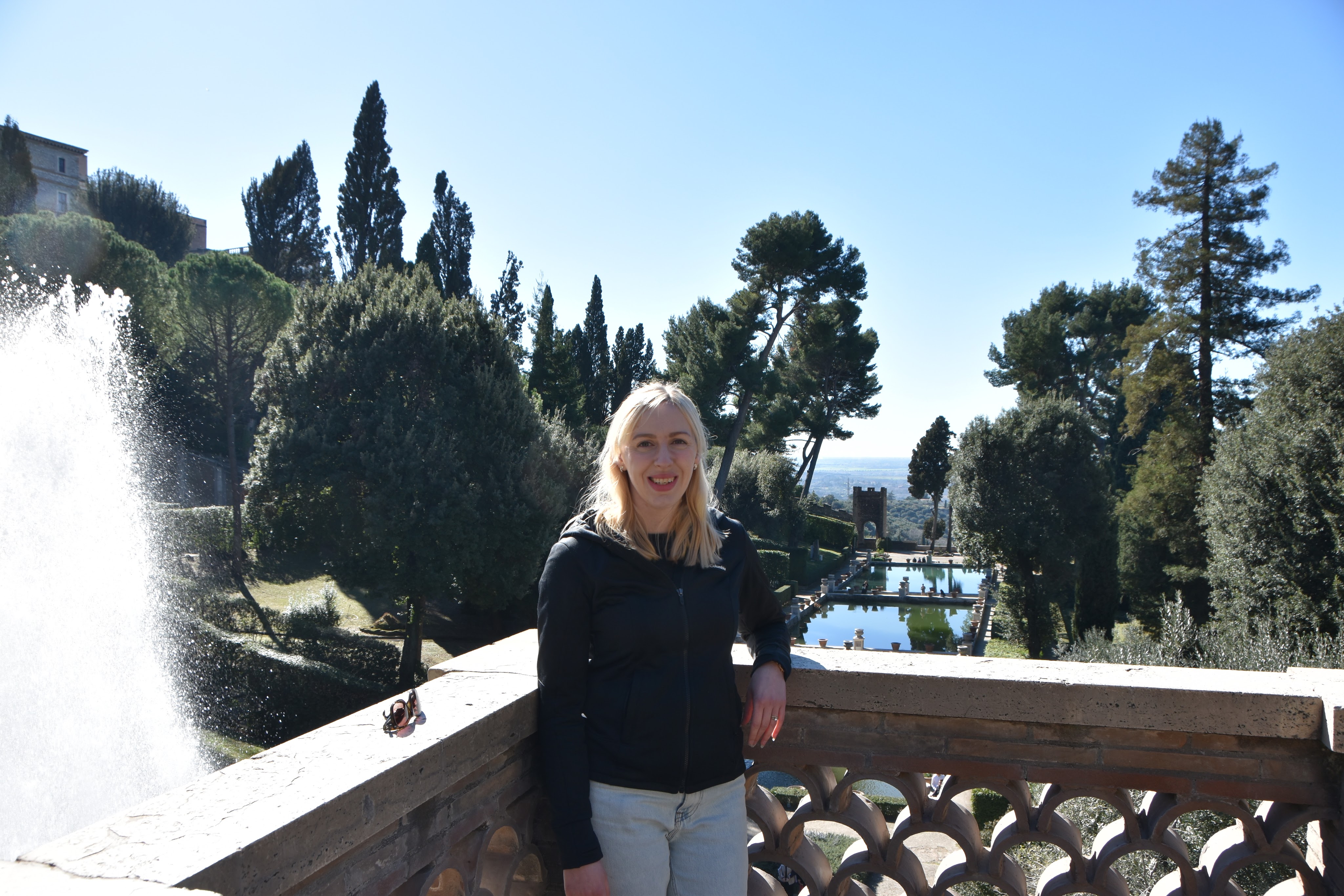
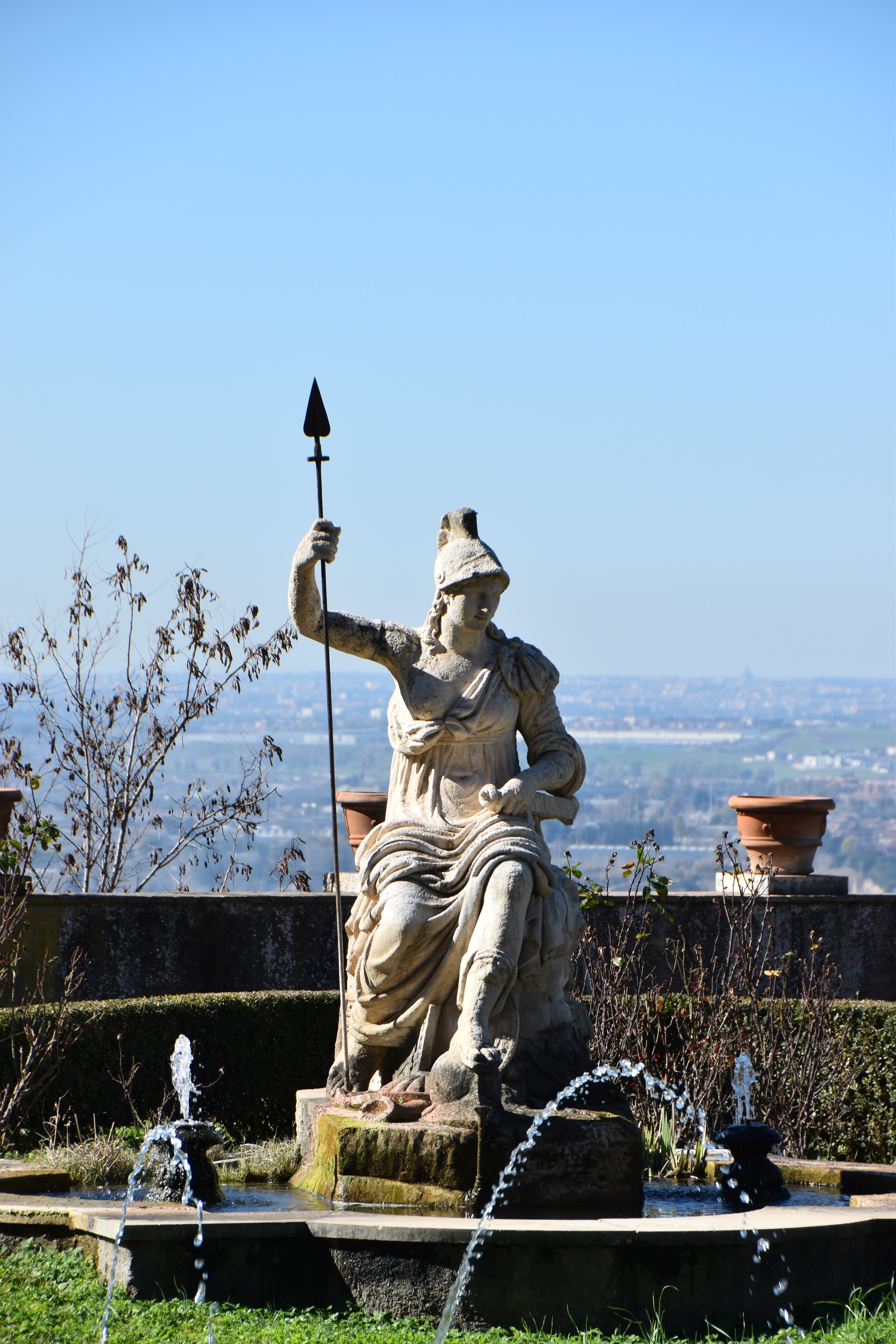
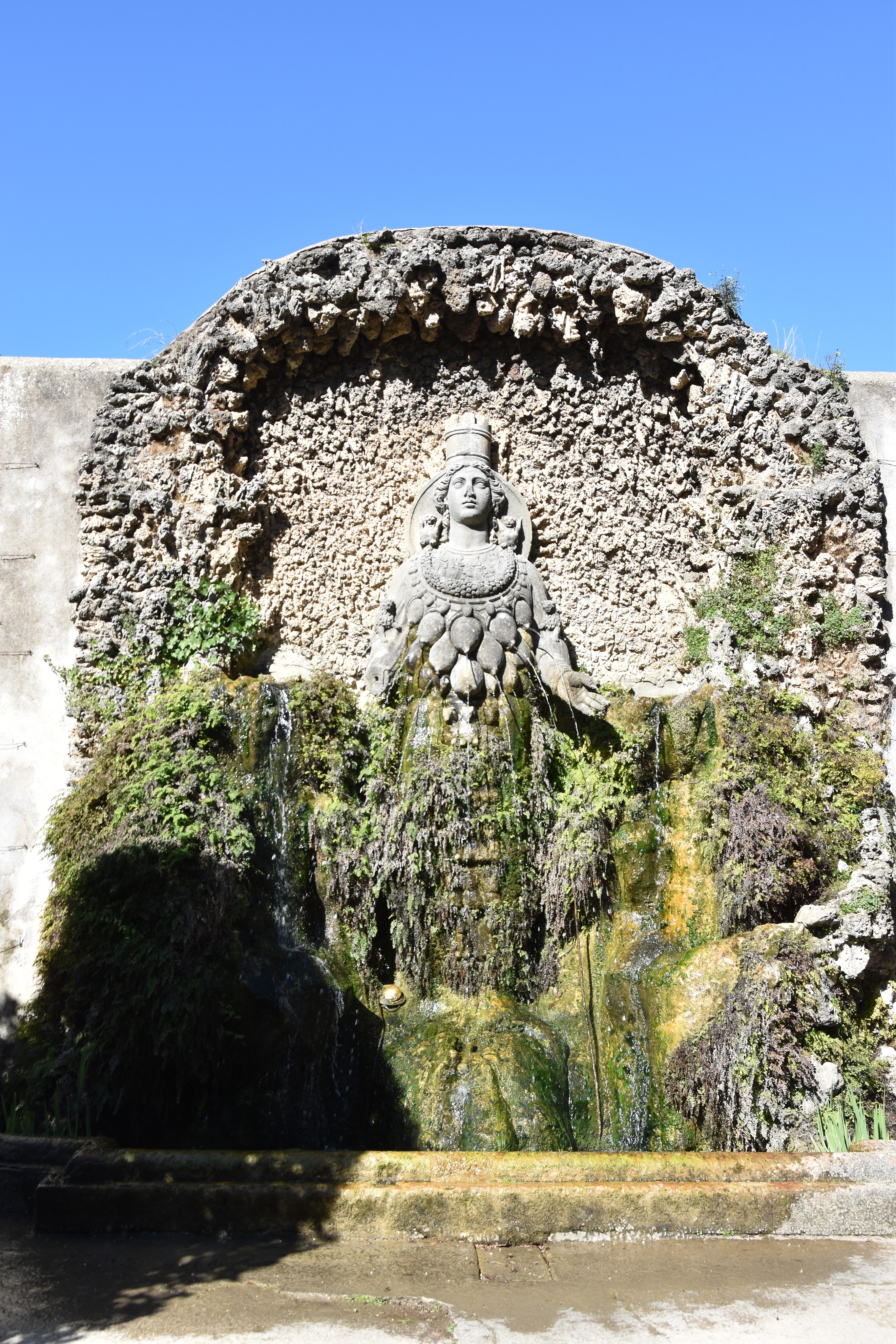
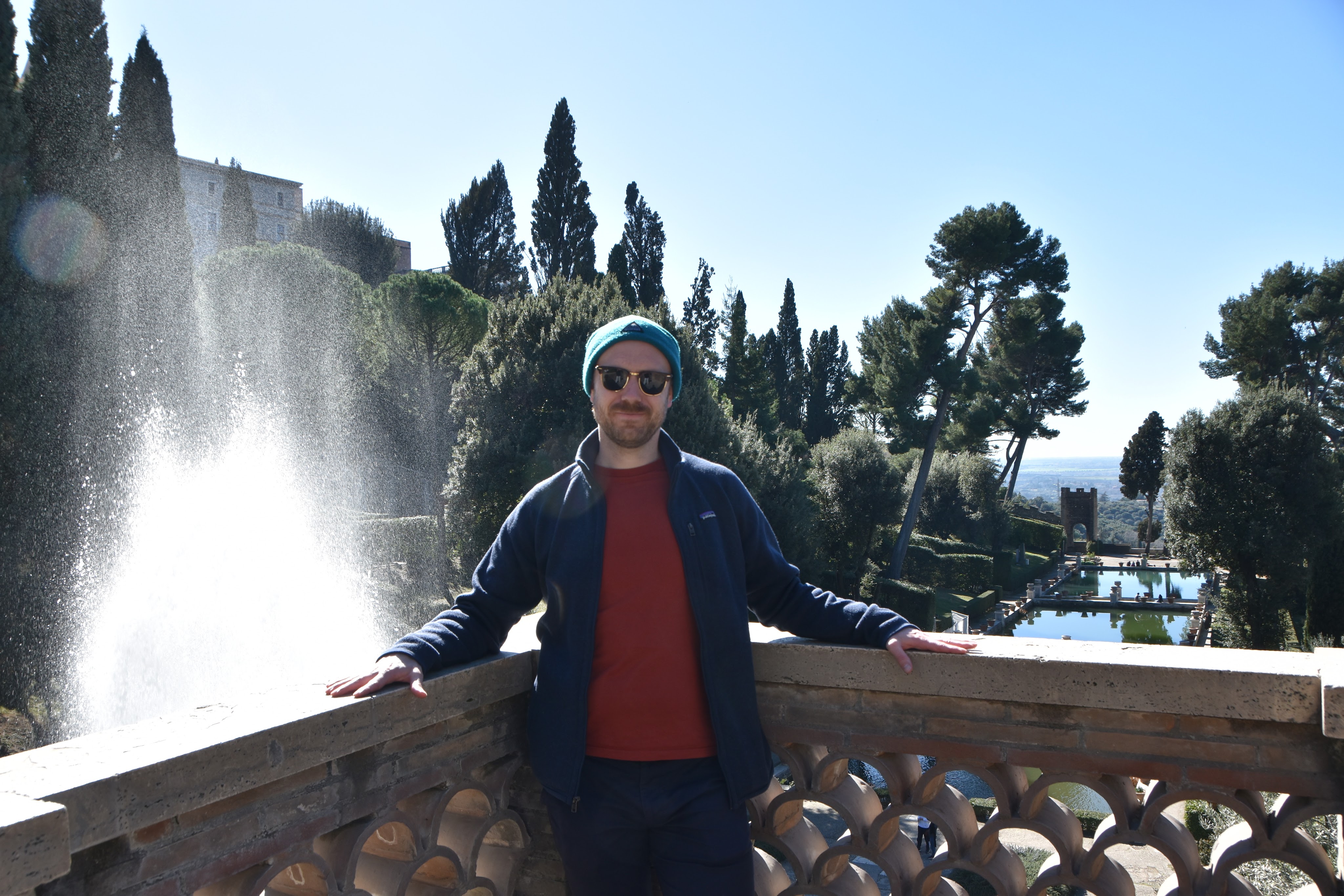
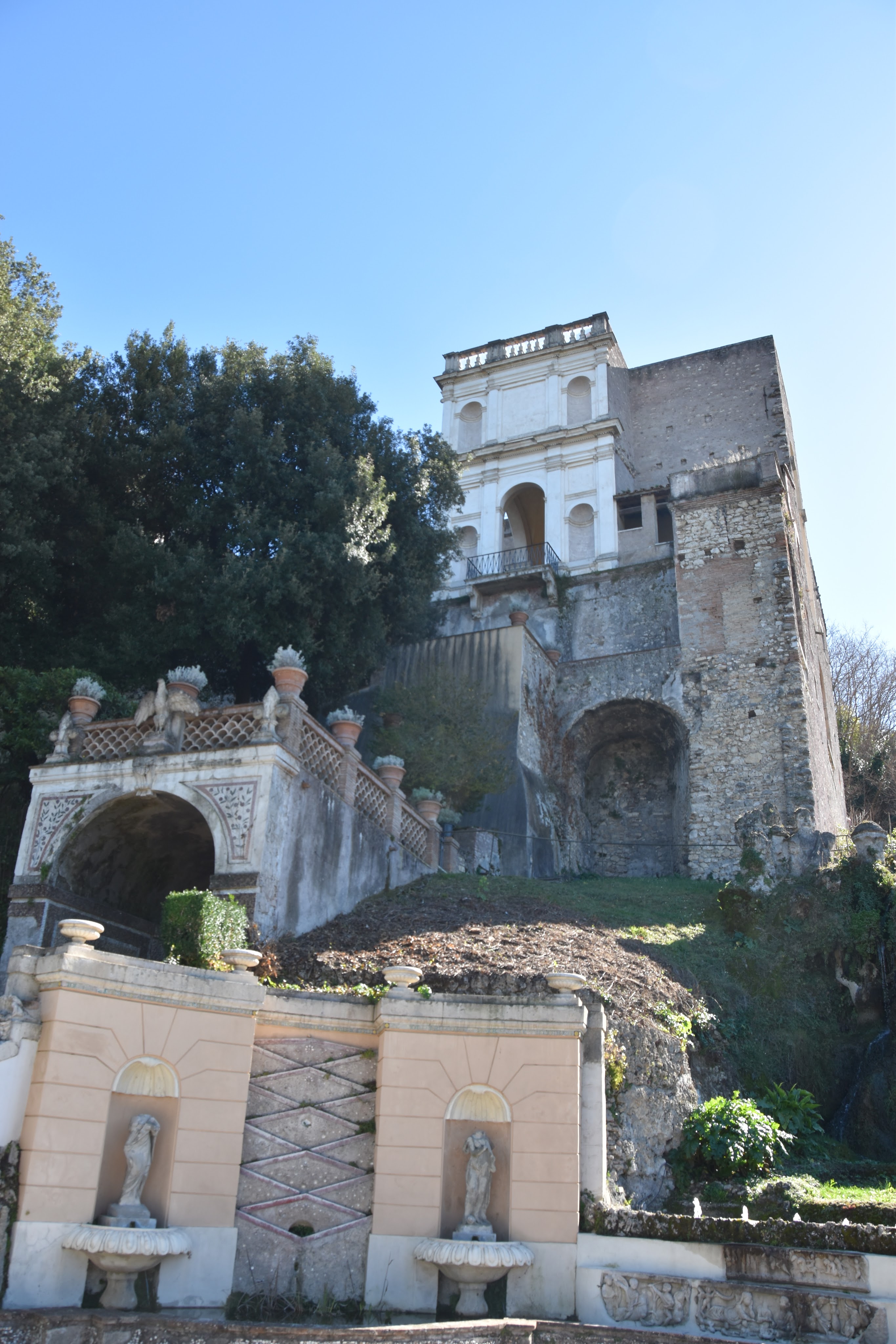
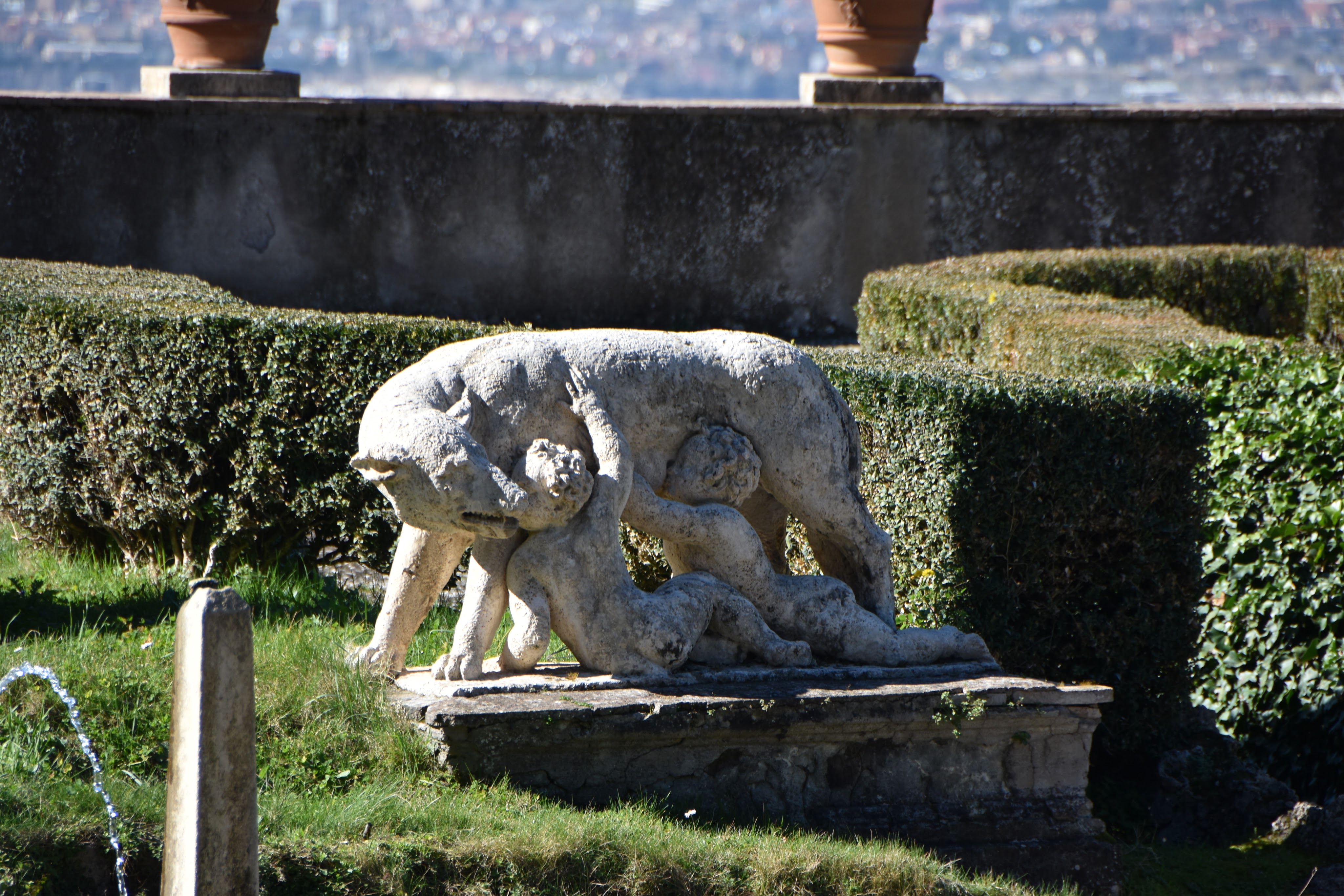
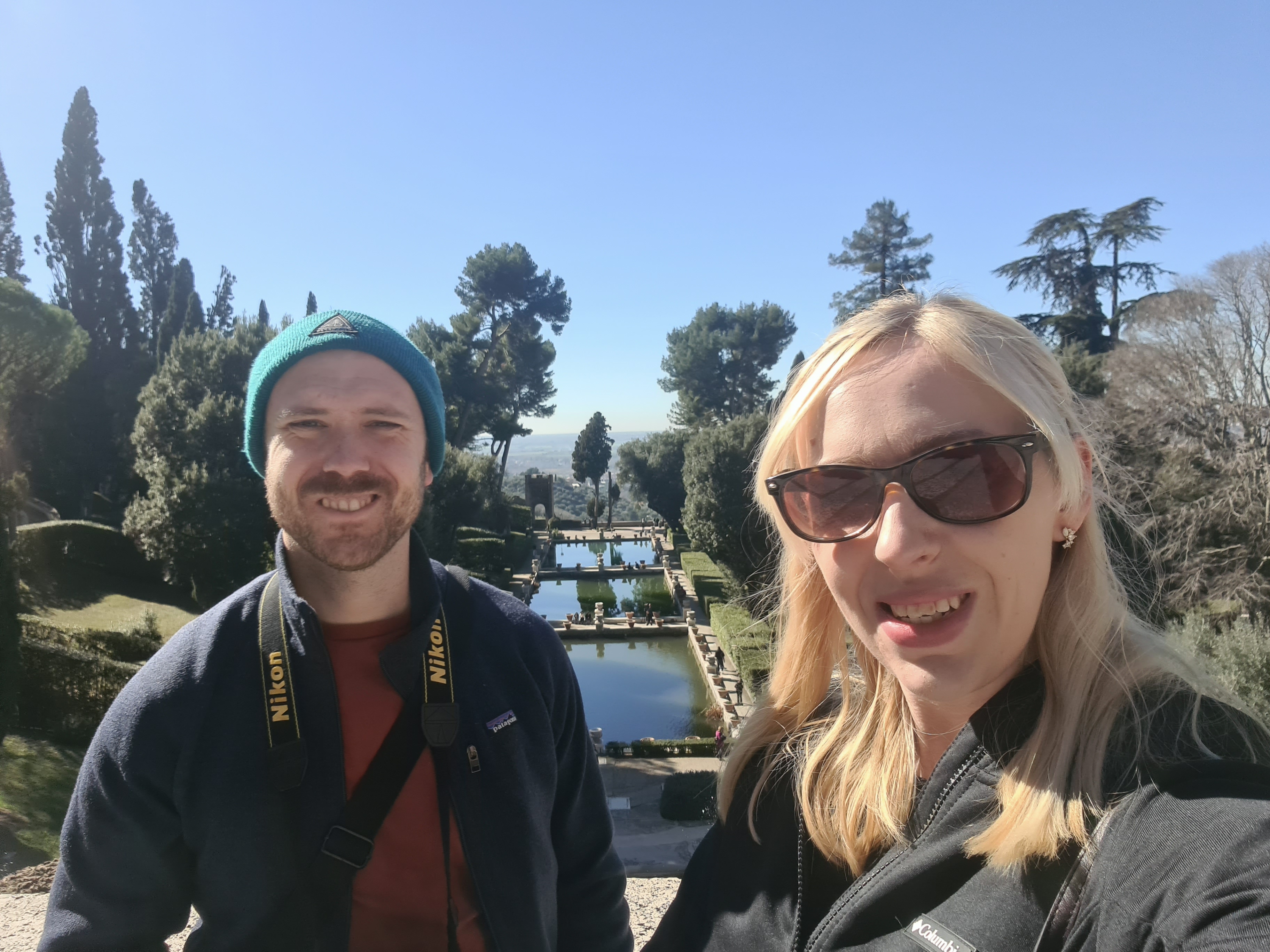
After our brief wander around the house rooms and much of the gardens, we were also particularly well timed to catch the “Organ Fountain”. This runs every two hours, but the staff and visitor materials didn’t seem particularly proactive about letting guests know, so I was pleased I’d read about it beforehand. Although it was definitely more Organ than Fountain. There were certainly more than enough other water features to make up for it though!
And so then for our second attempt to get to Villa Adrianna. Surely with the staff’s instructions, we couldn’t go wrong? Of course we could. Perhaps in over-preparation, I tried doing some more online research, just to make sure we could pinpoint the exact bus stop location at the piazza. By coincidence, I did find a bus that would be carrying on to a stop called Villa Adrianna (which we subsequently discovered was not the one we were meant to take). Now, whether this did in fact arrive at the Villa site, we don’t know. But as the bus seemed to wind further out of town, and overshot the road we thought we would be following, we started to panic a little. Ricki was following the progress on Google maps, and when we started to move beyond a 20 minute walking distance from the Villa (and as the bus started to completely fill with schoolchildren) decided to call it. It was a gamble I was happy to take, and at least gave us a chance to walk off the pizza we ate at lunch.
Thankfully, despite us not getting to Villa Adriana as early in the day as hoped, the remaining hours of the afternoon were plenty of time to explore. I was so glad we made the effort to get there.
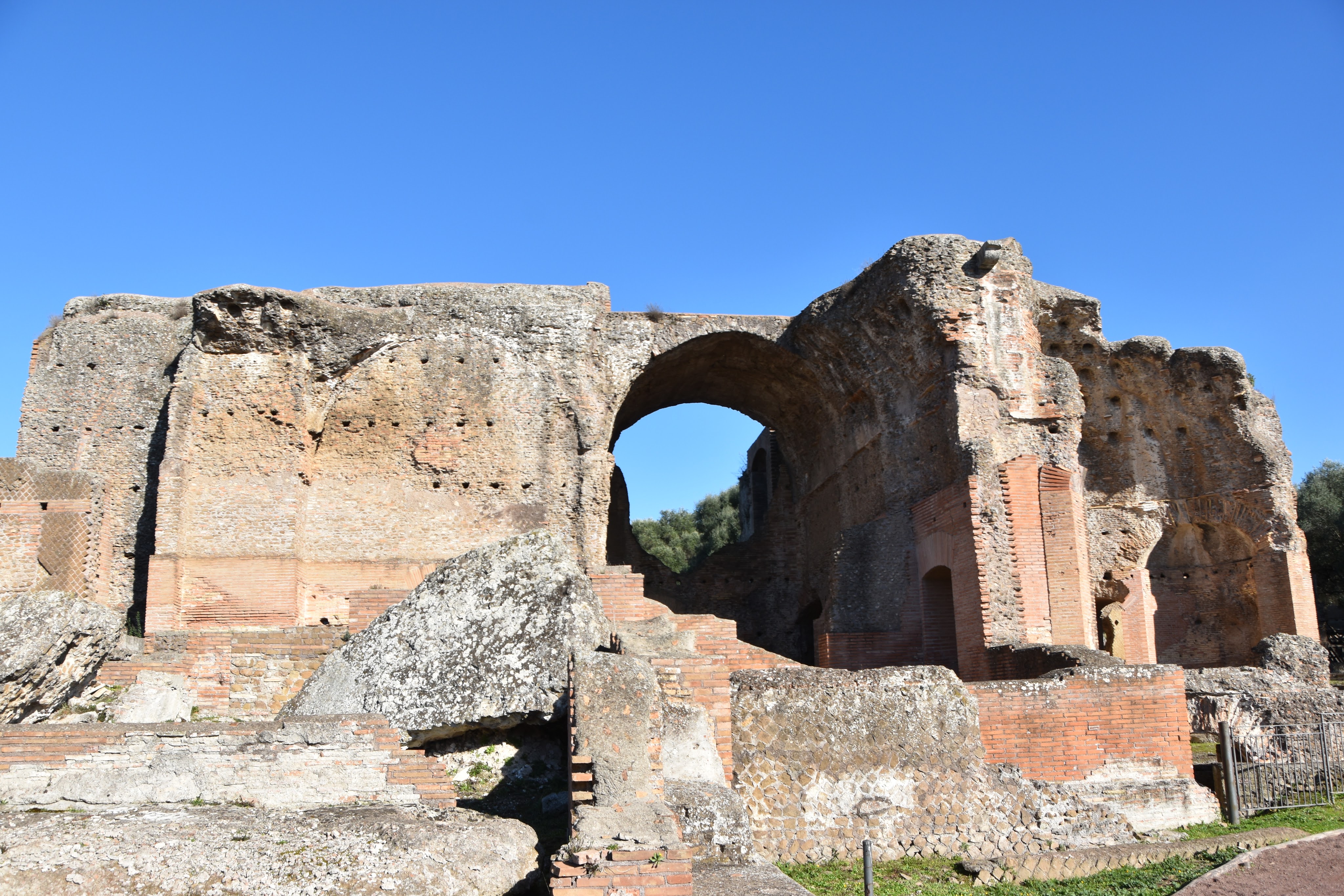
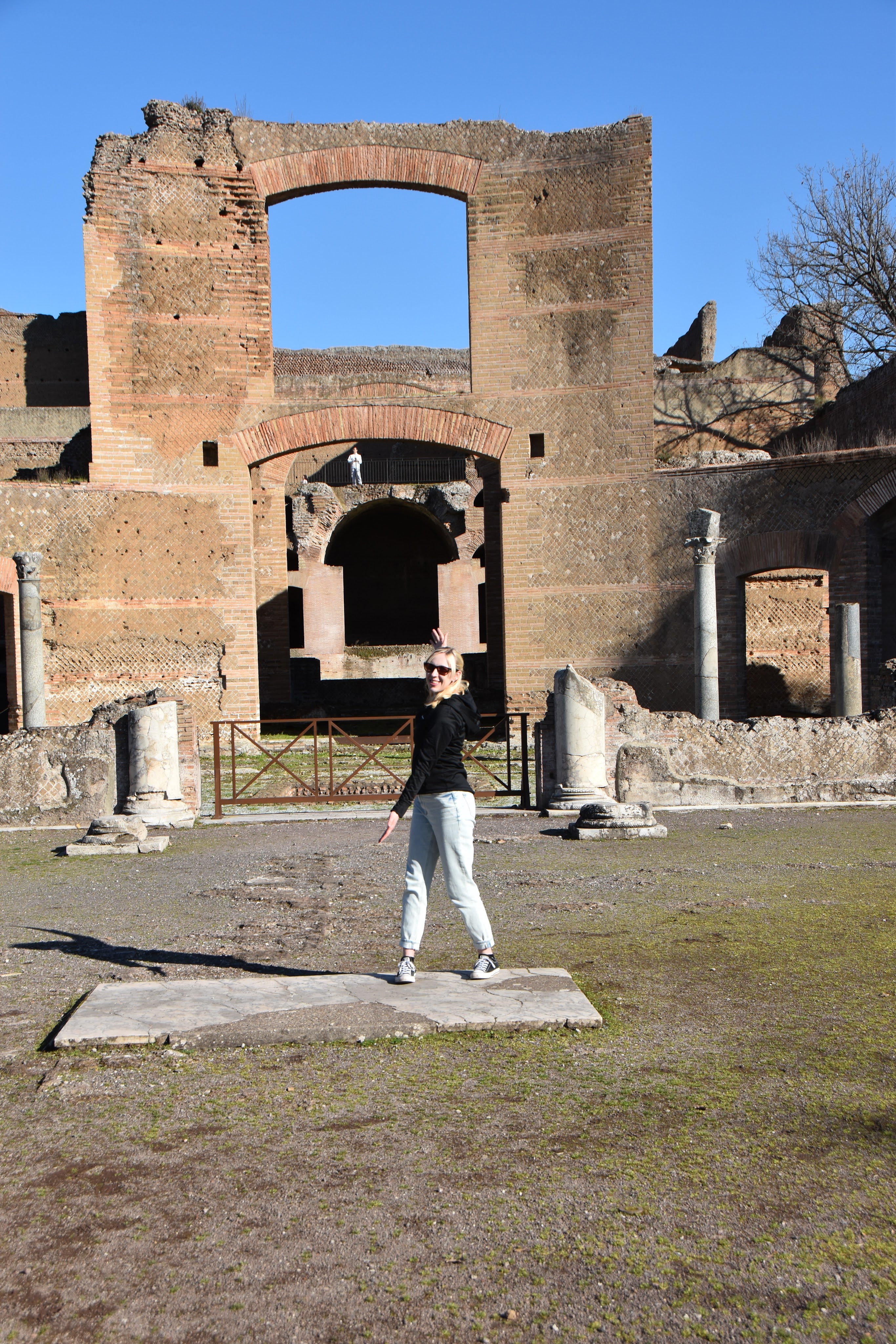
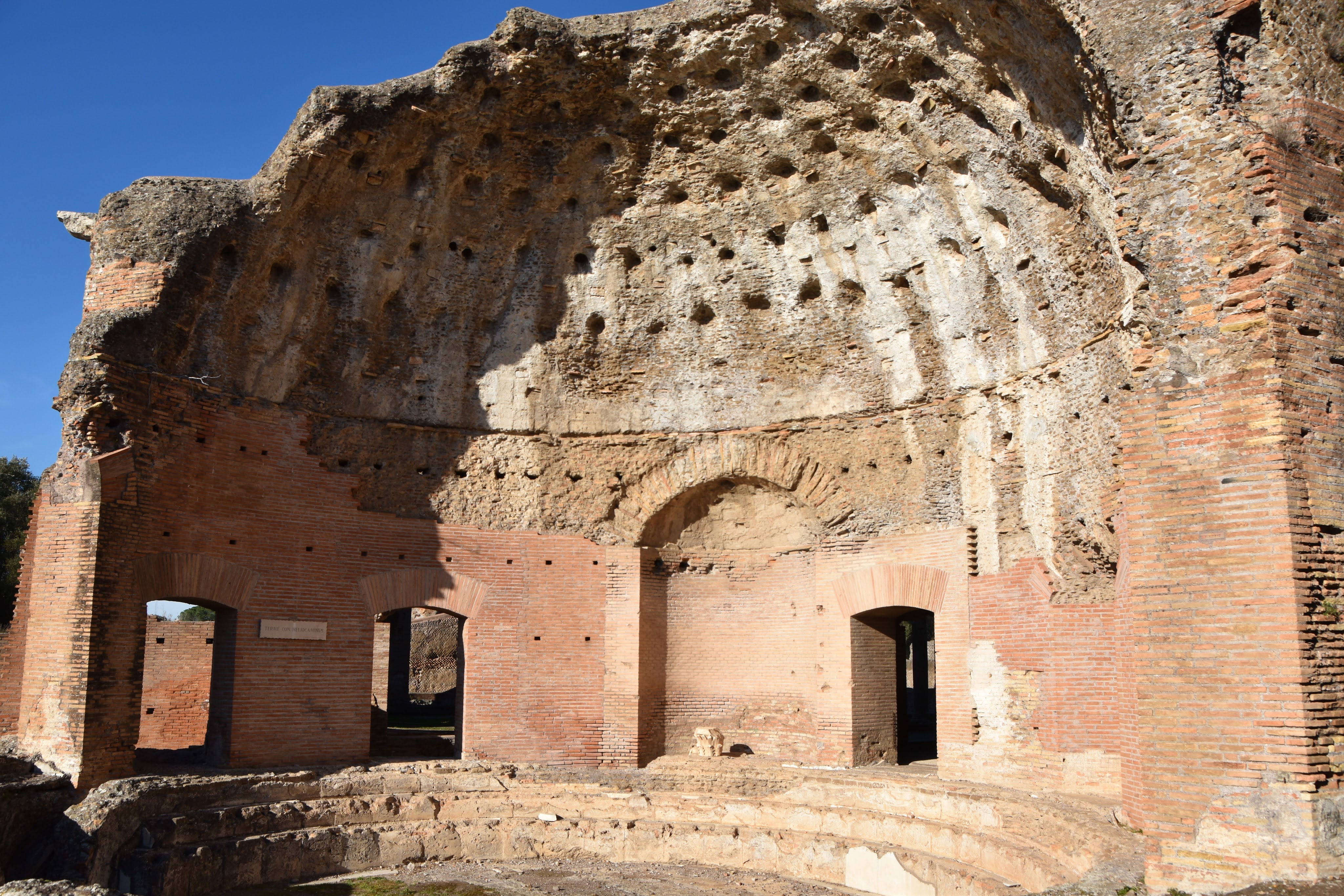
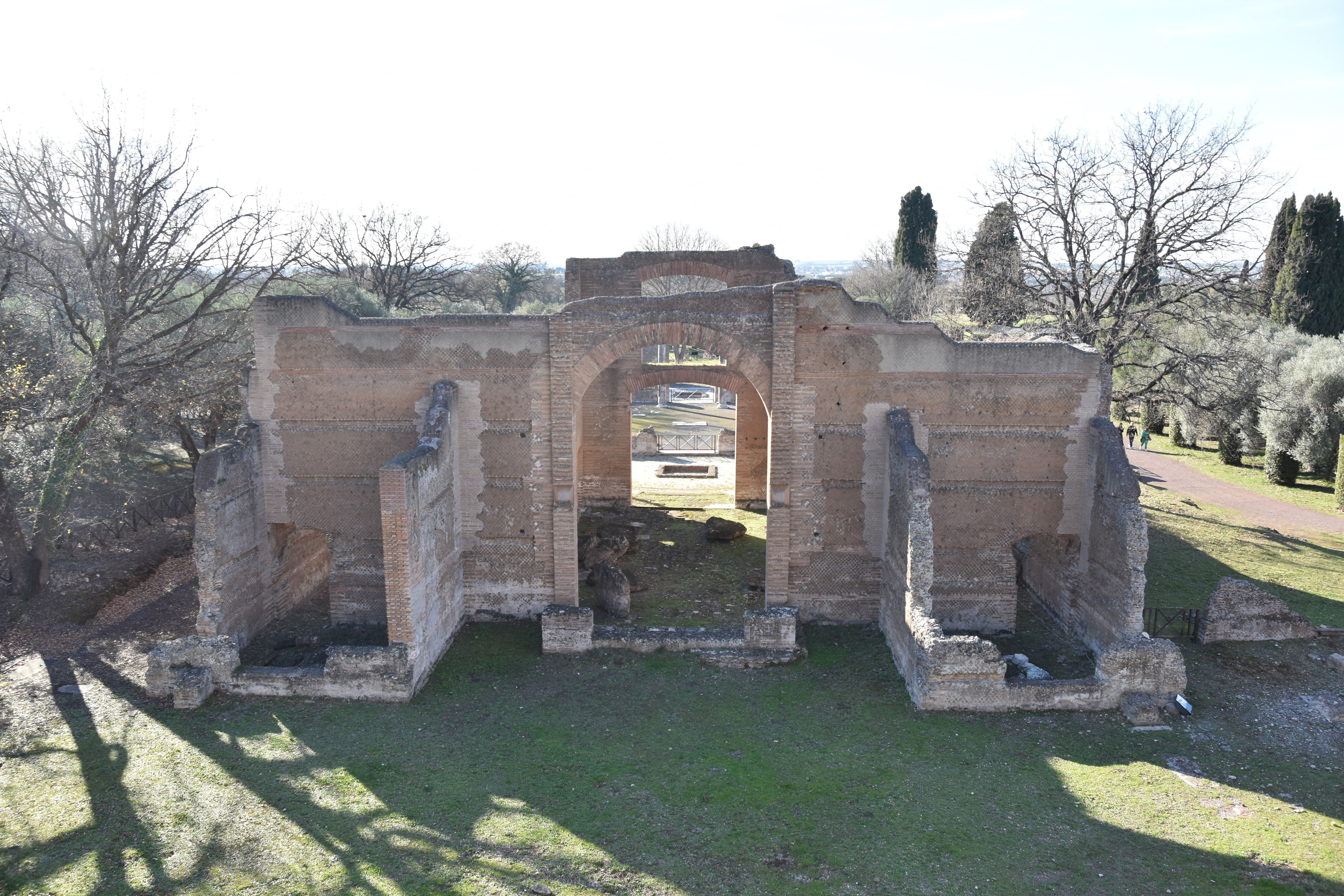
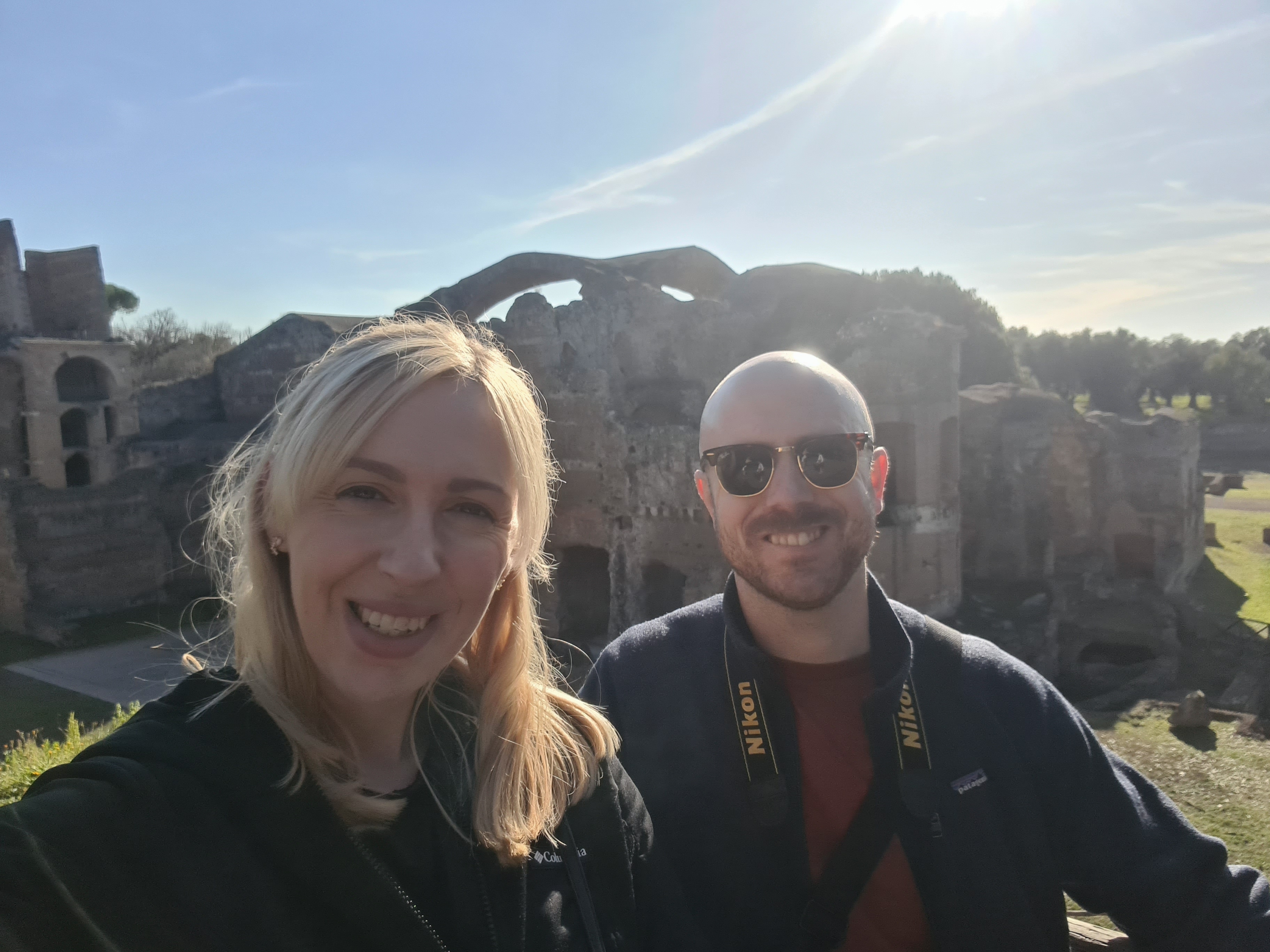
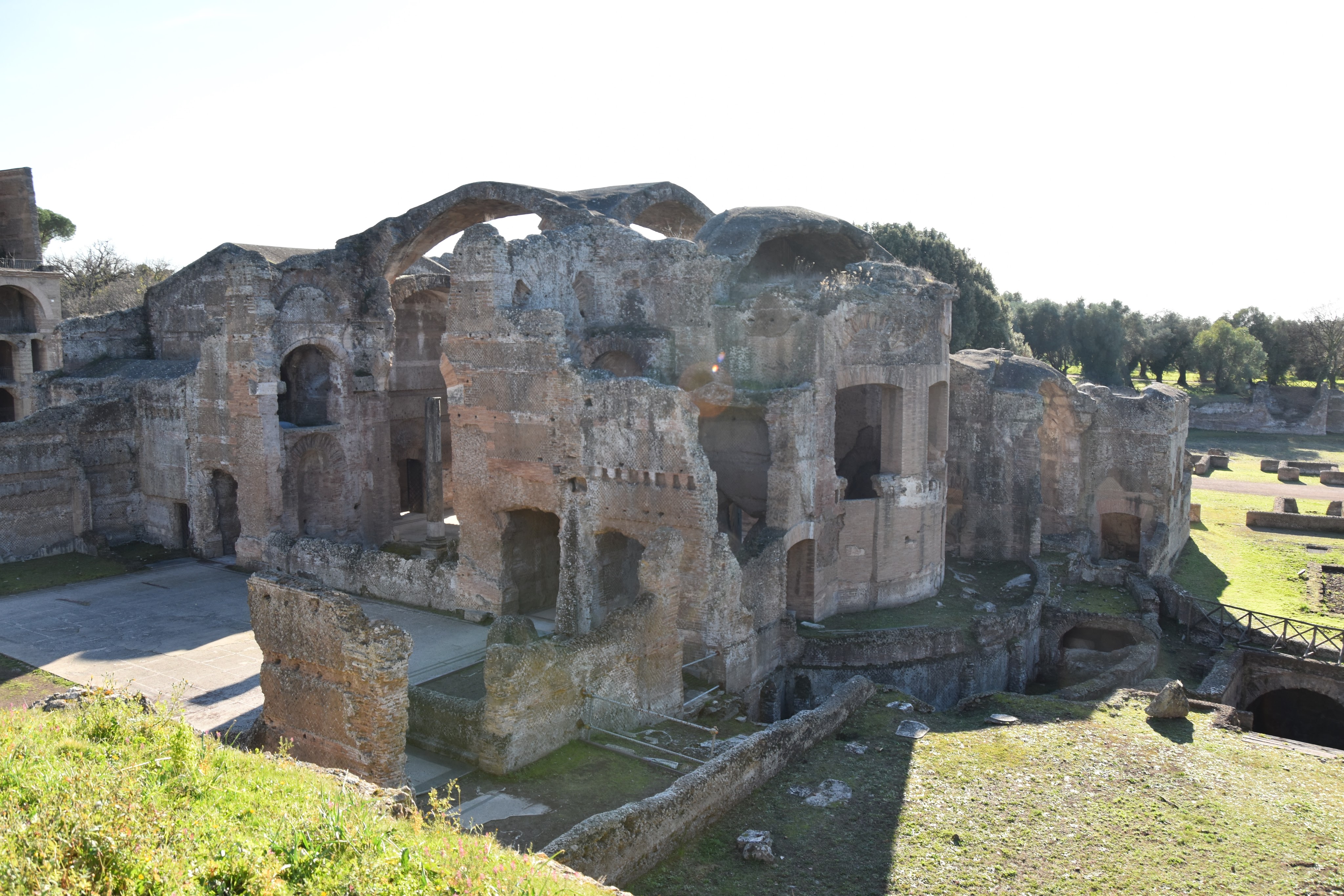
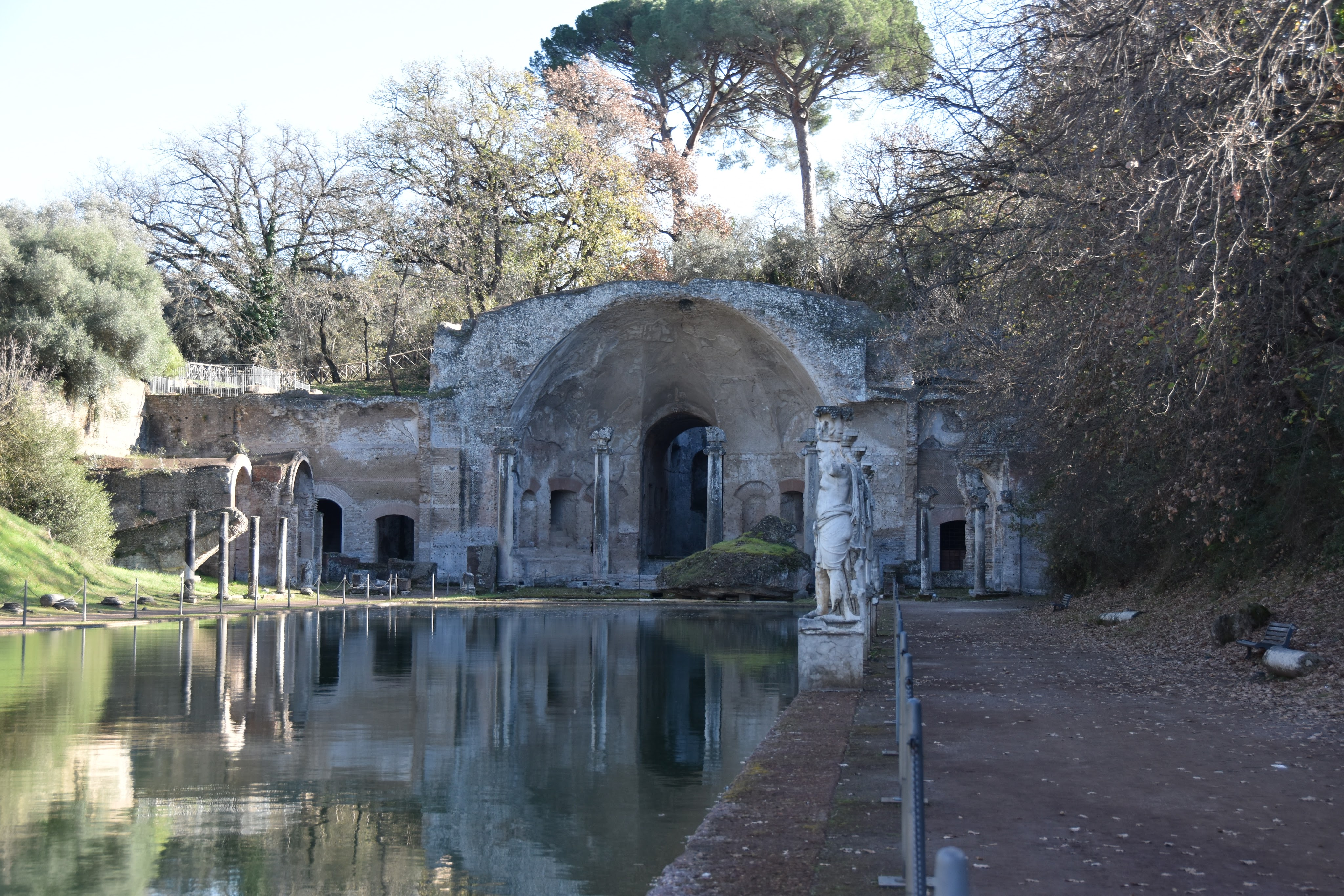
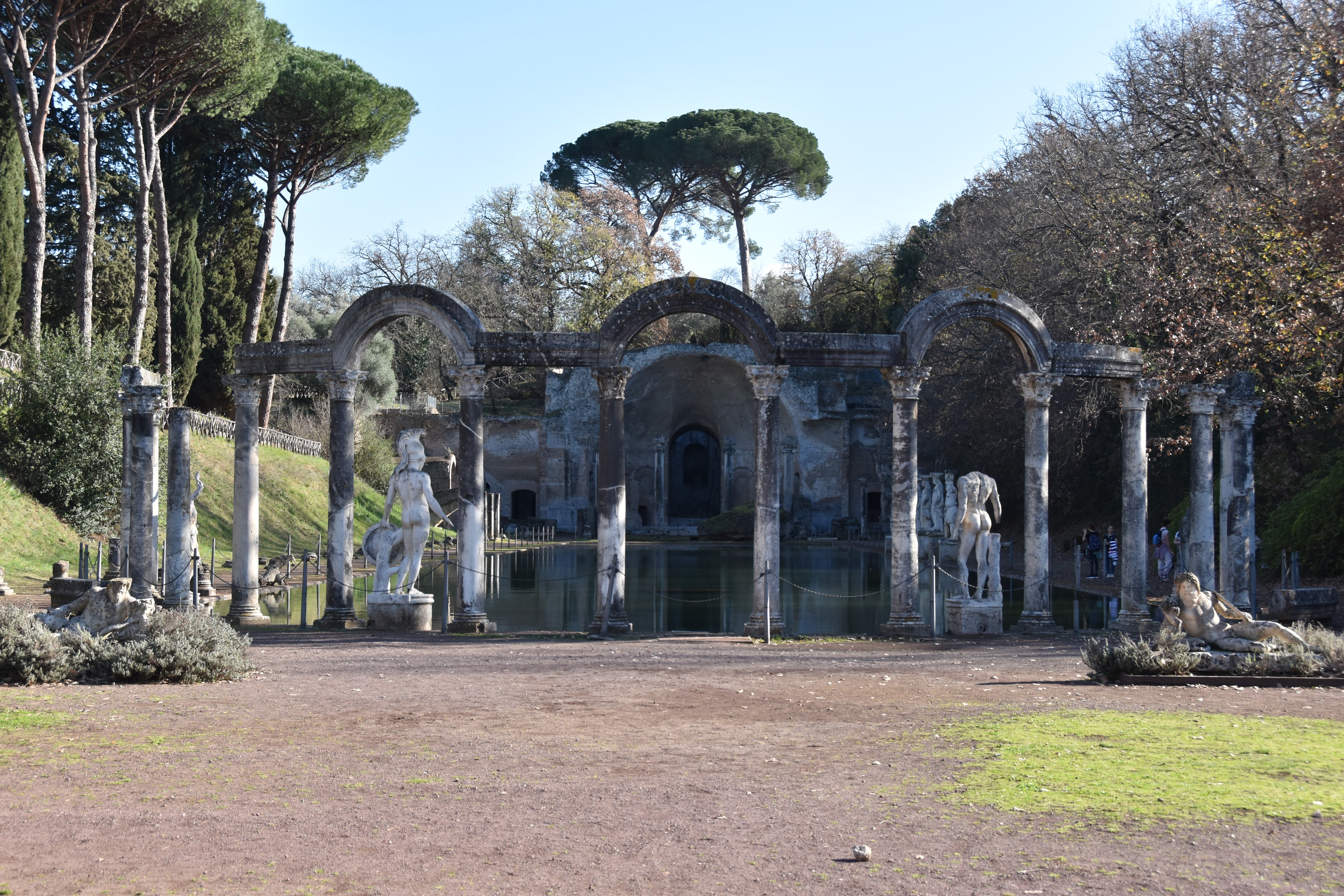
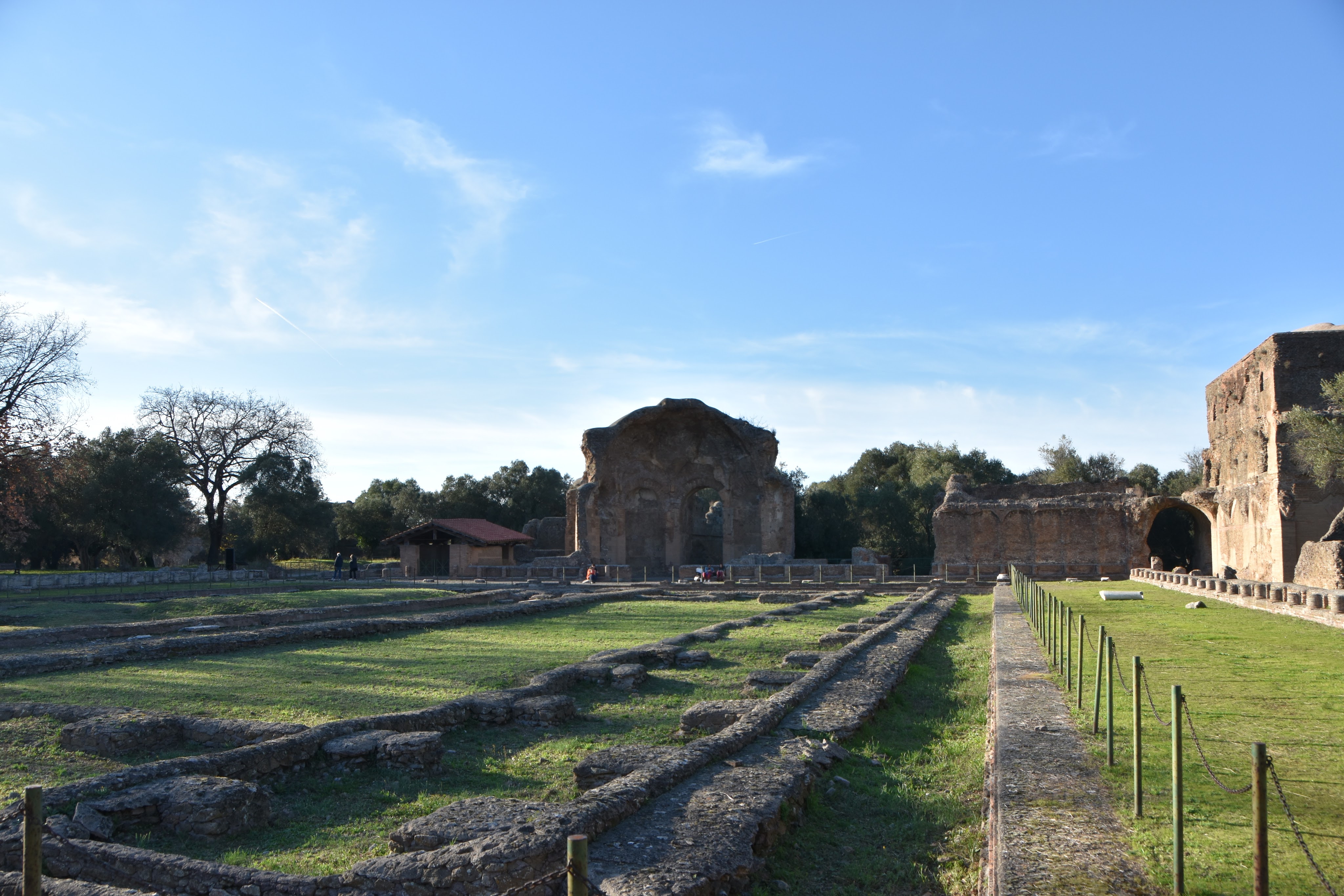
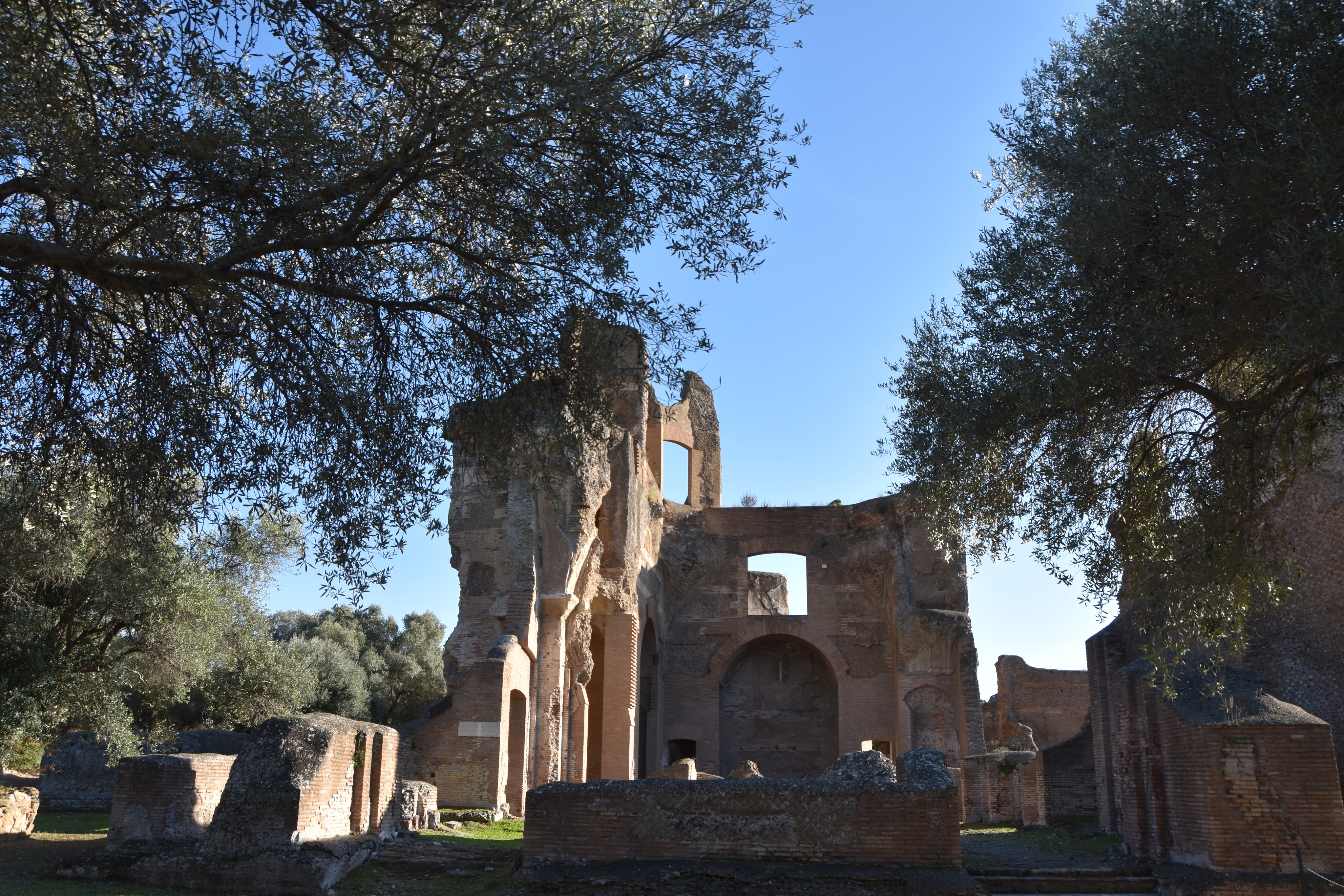
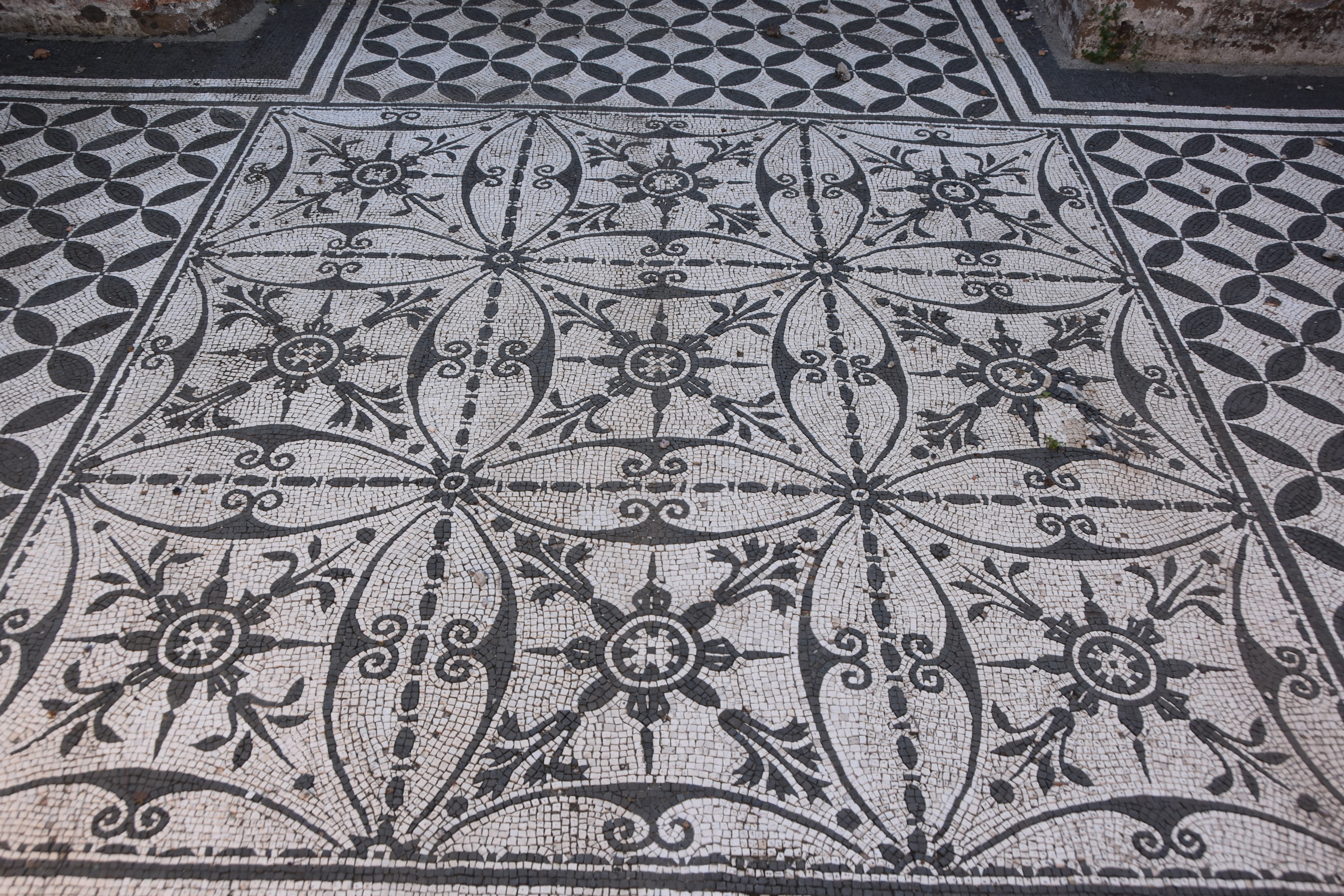
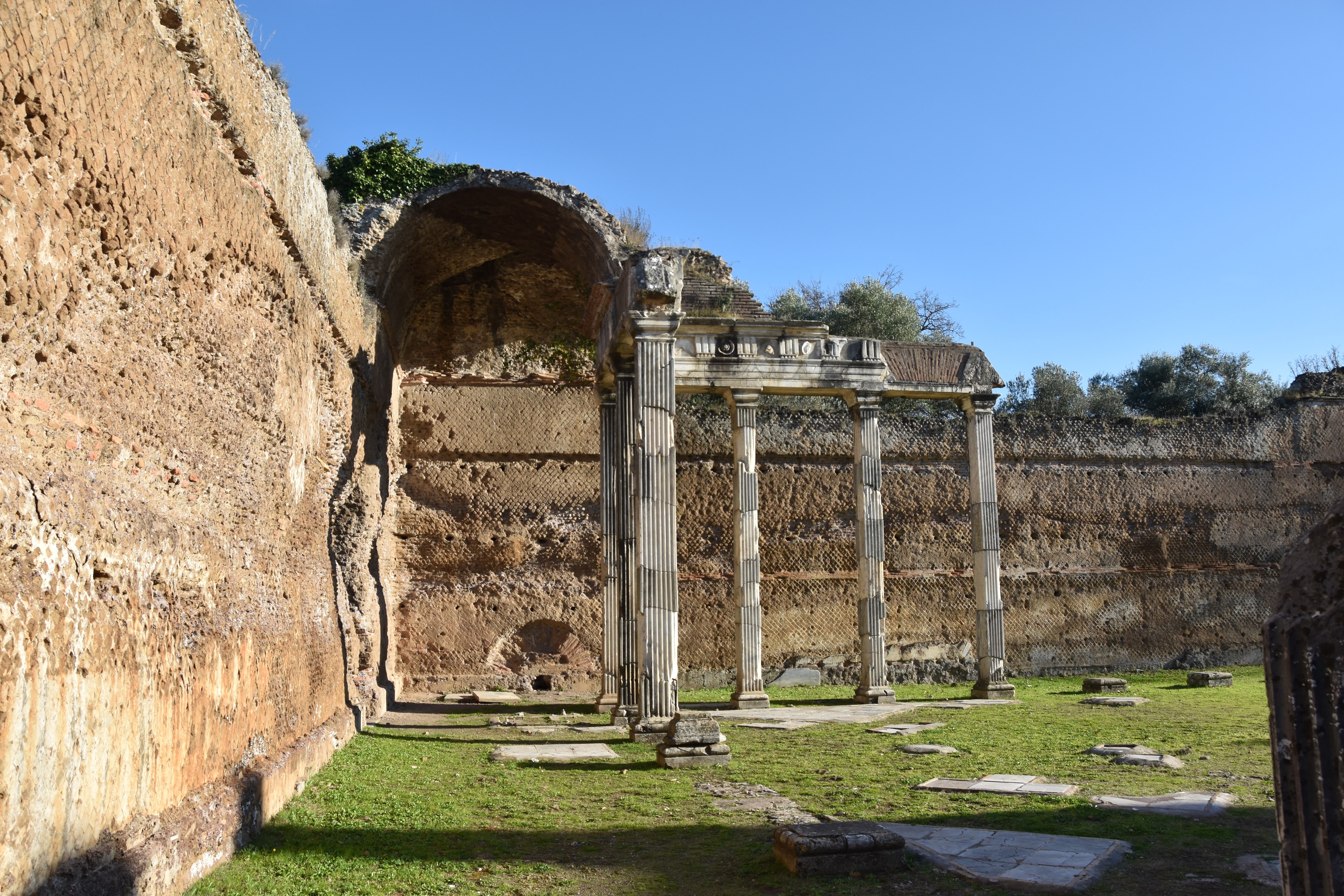
Villa Adriana is an ancient Roman archaeological complex dating back to the 2nd century AD, commissioned by Emperor Hadrian as his imperial retreat. Spanning over 80 hectares, it features the remains of palaces, temples, theatres, and extensive gardens, serving as a testament to the grandeur and architectural sophistication of the Roman Empire.
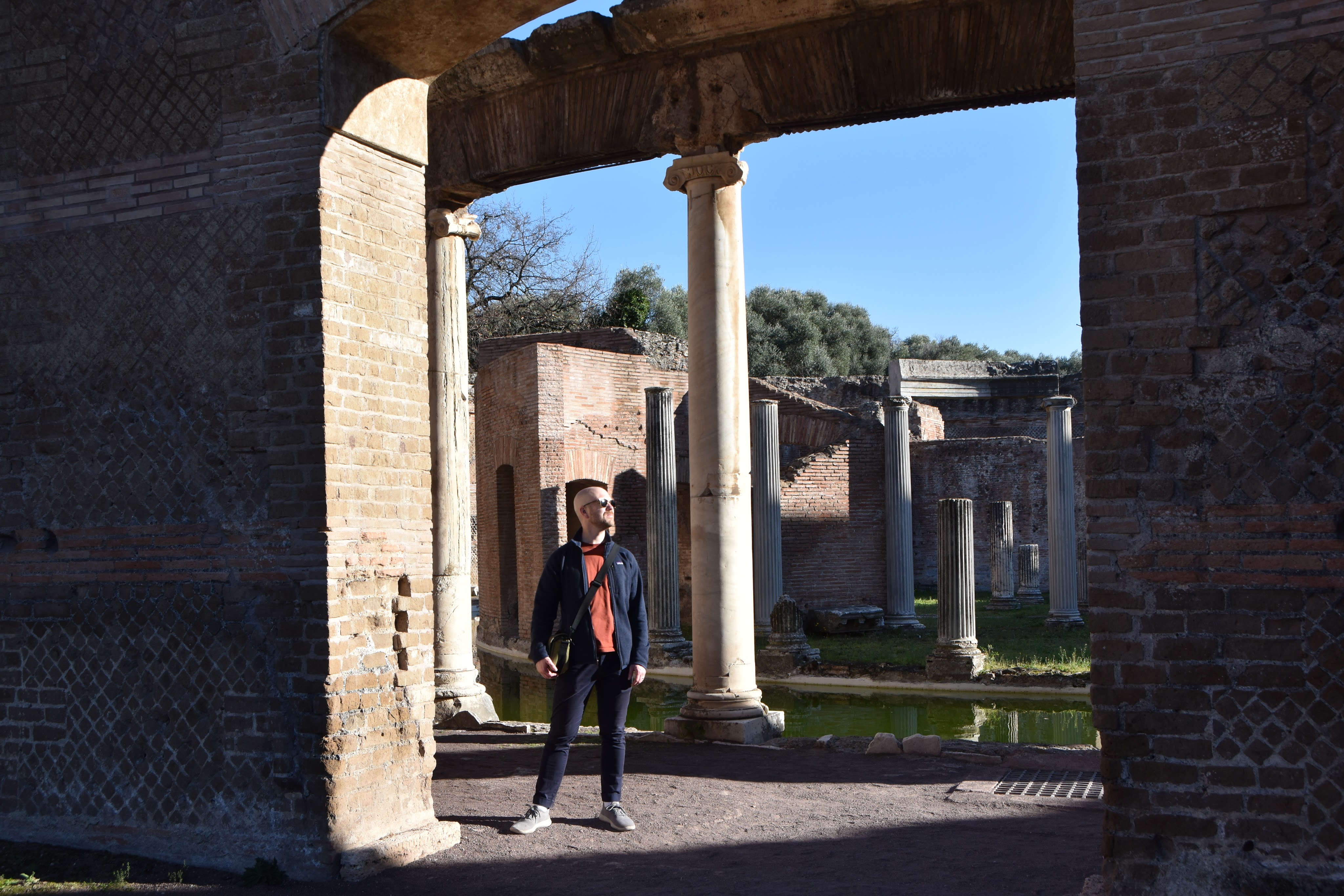
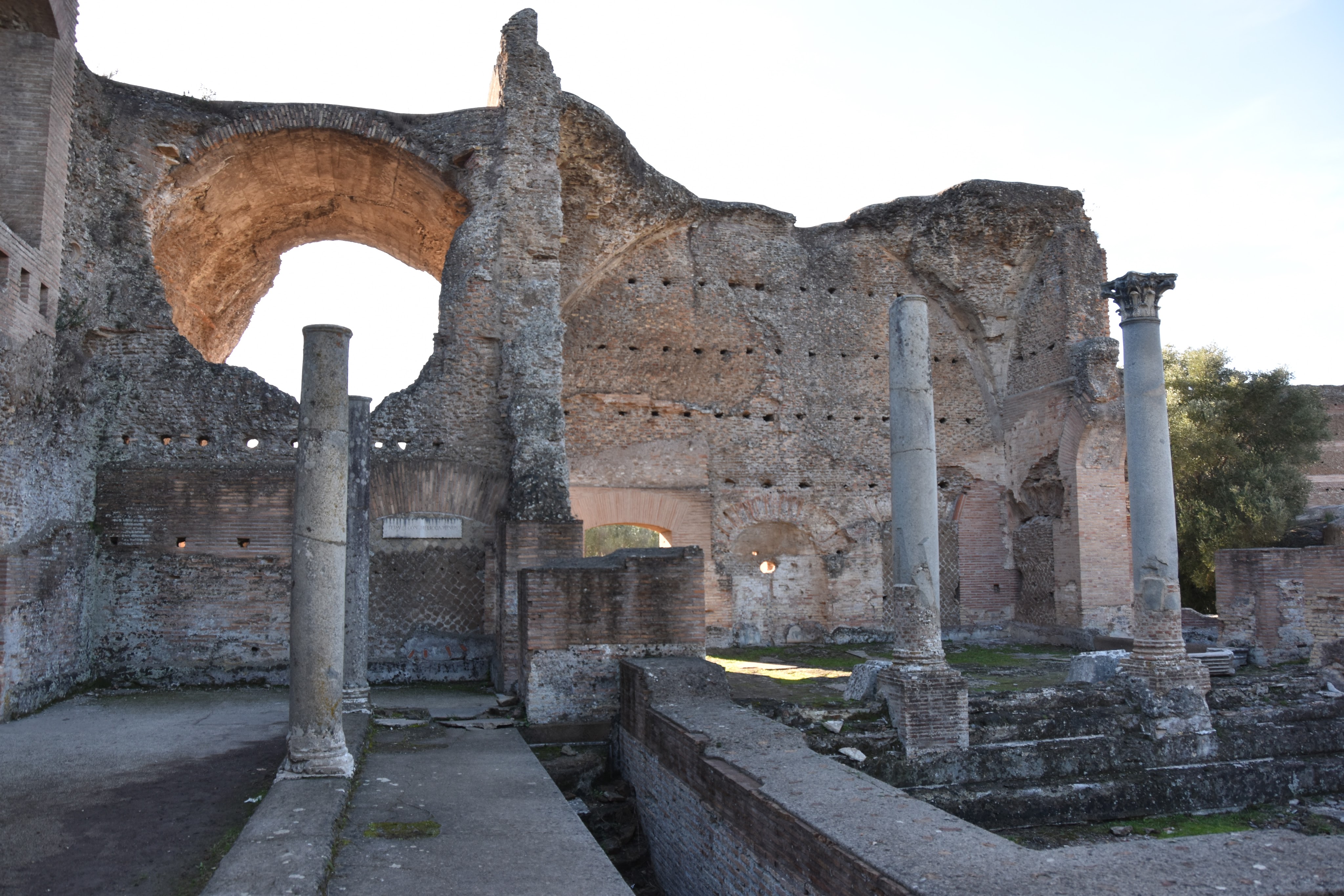
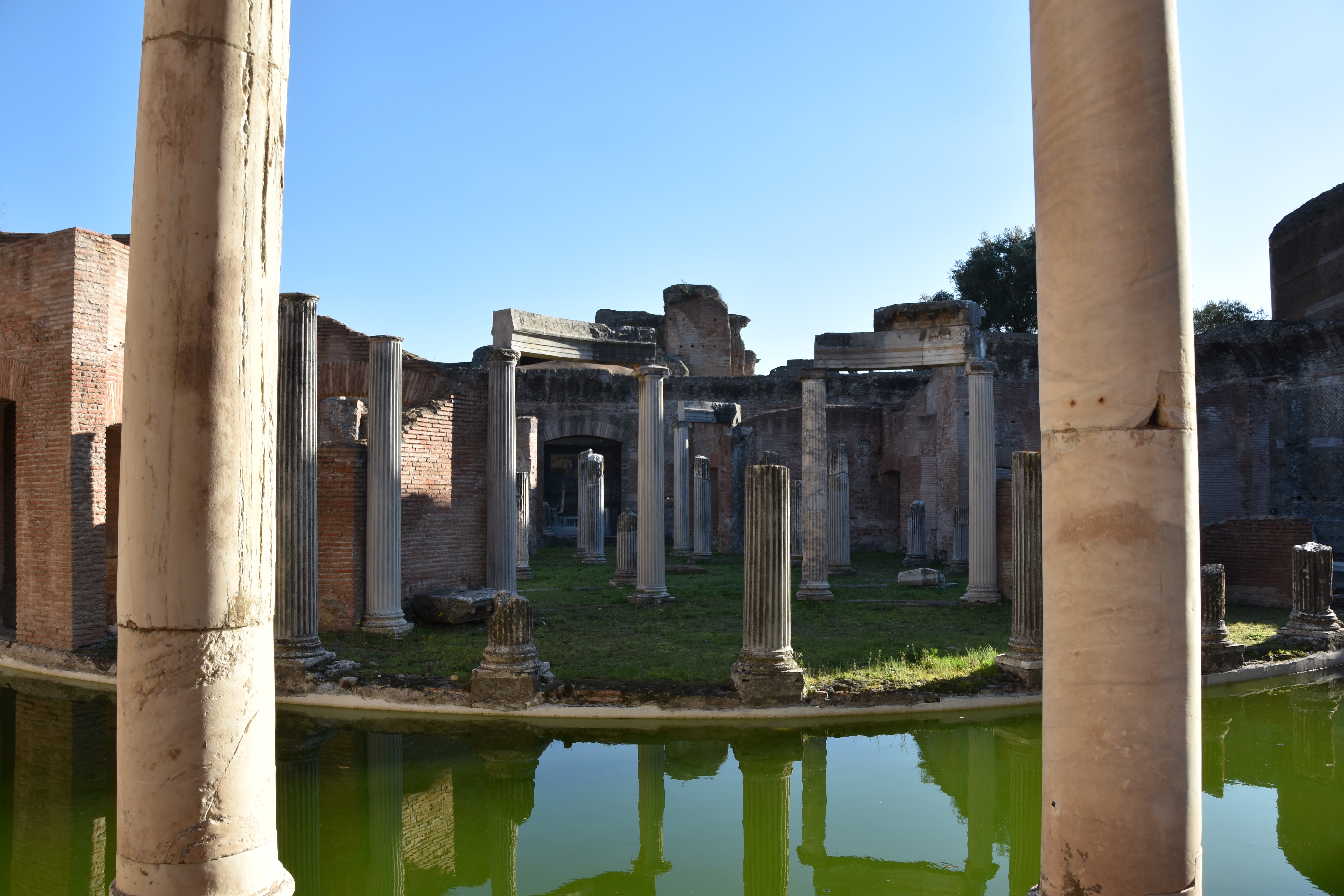
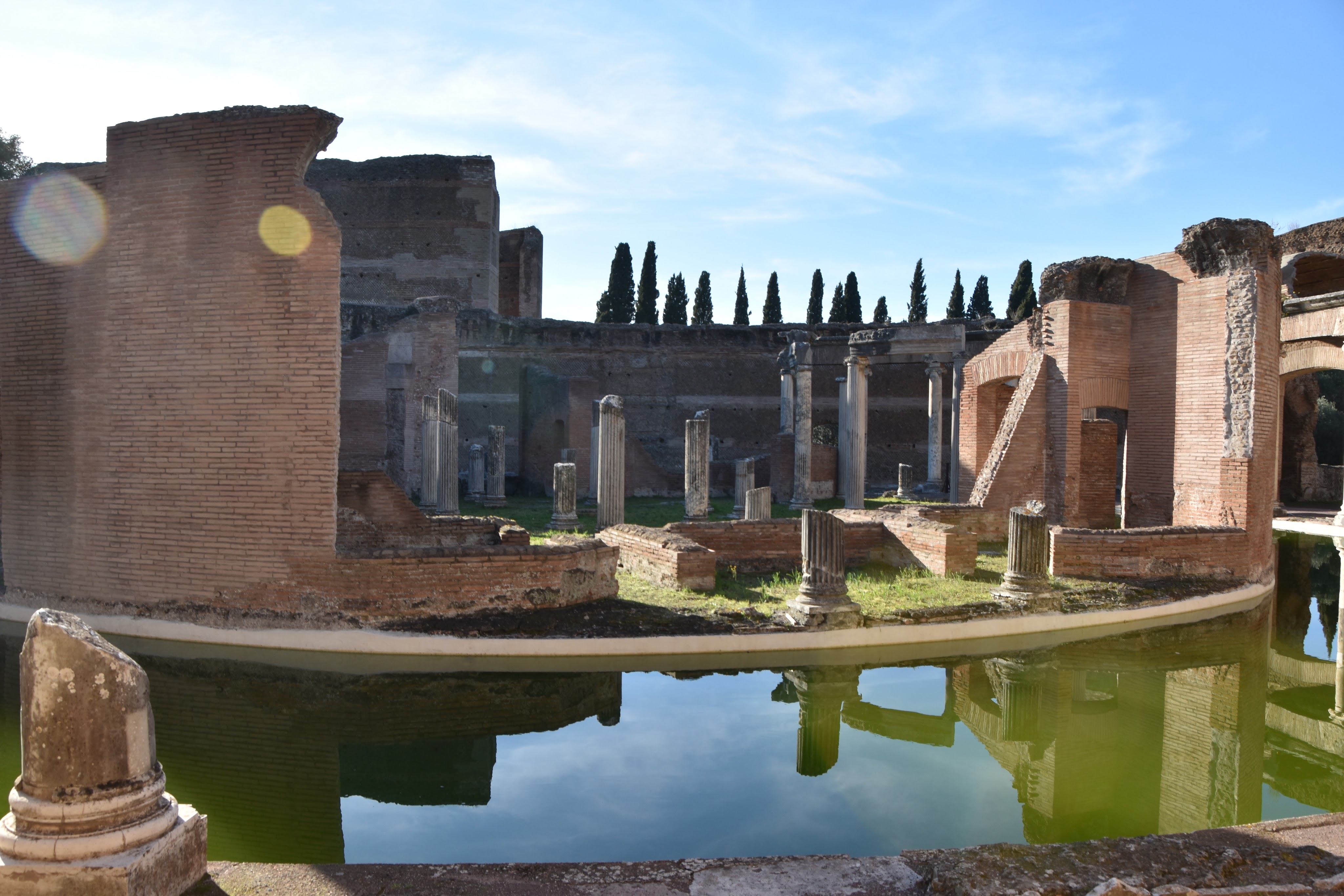
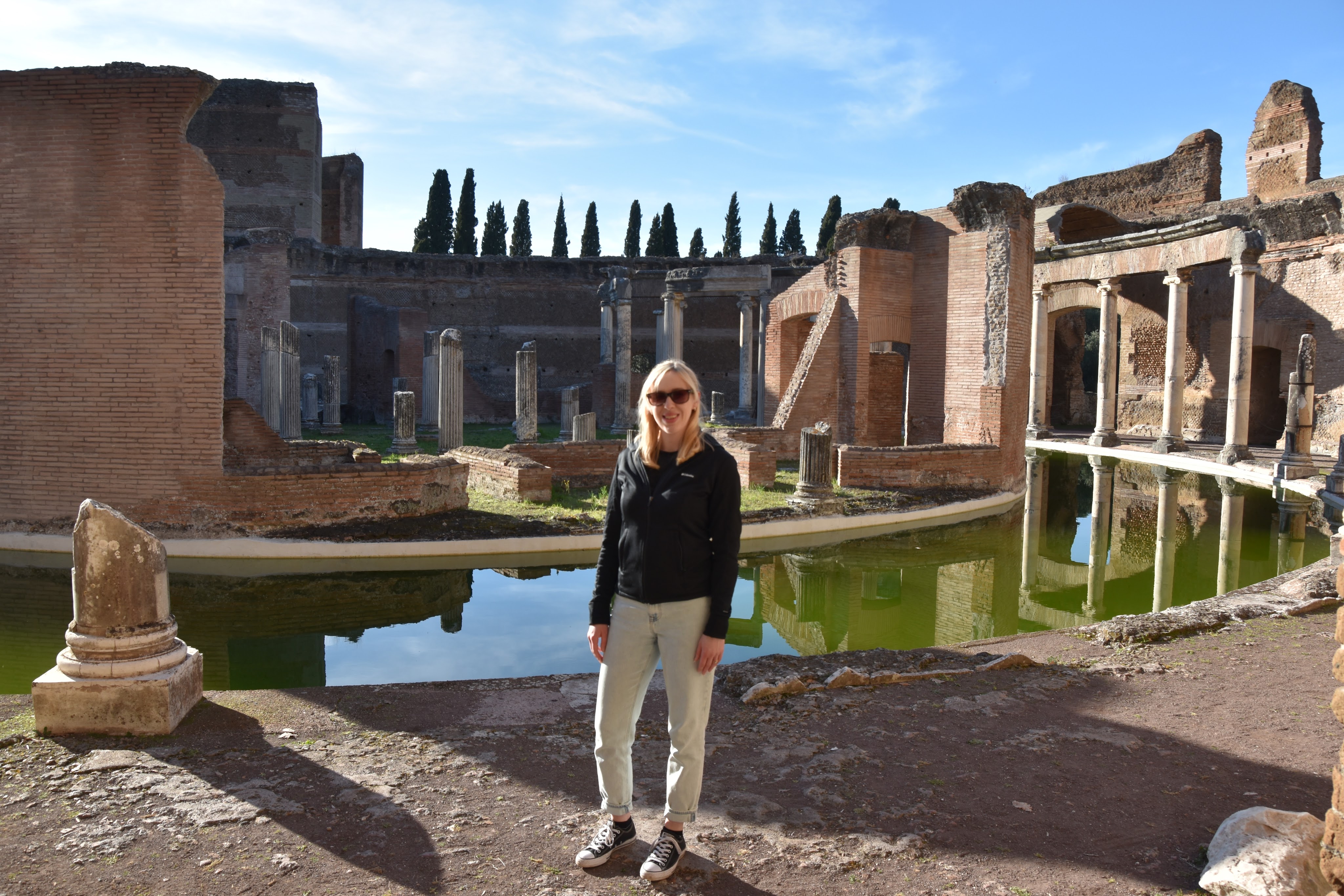
Although frustrating at first, the remote location does work in its favour. It makes a fabulous alternative to the Palatine Hill if you want a less crowded experience, which I certainly won’t say no to. We were sharing the whole complex with only about two school groups and a handful of couples. Away from the noise of the city, it was even easier to imagine we had stepped back in time.


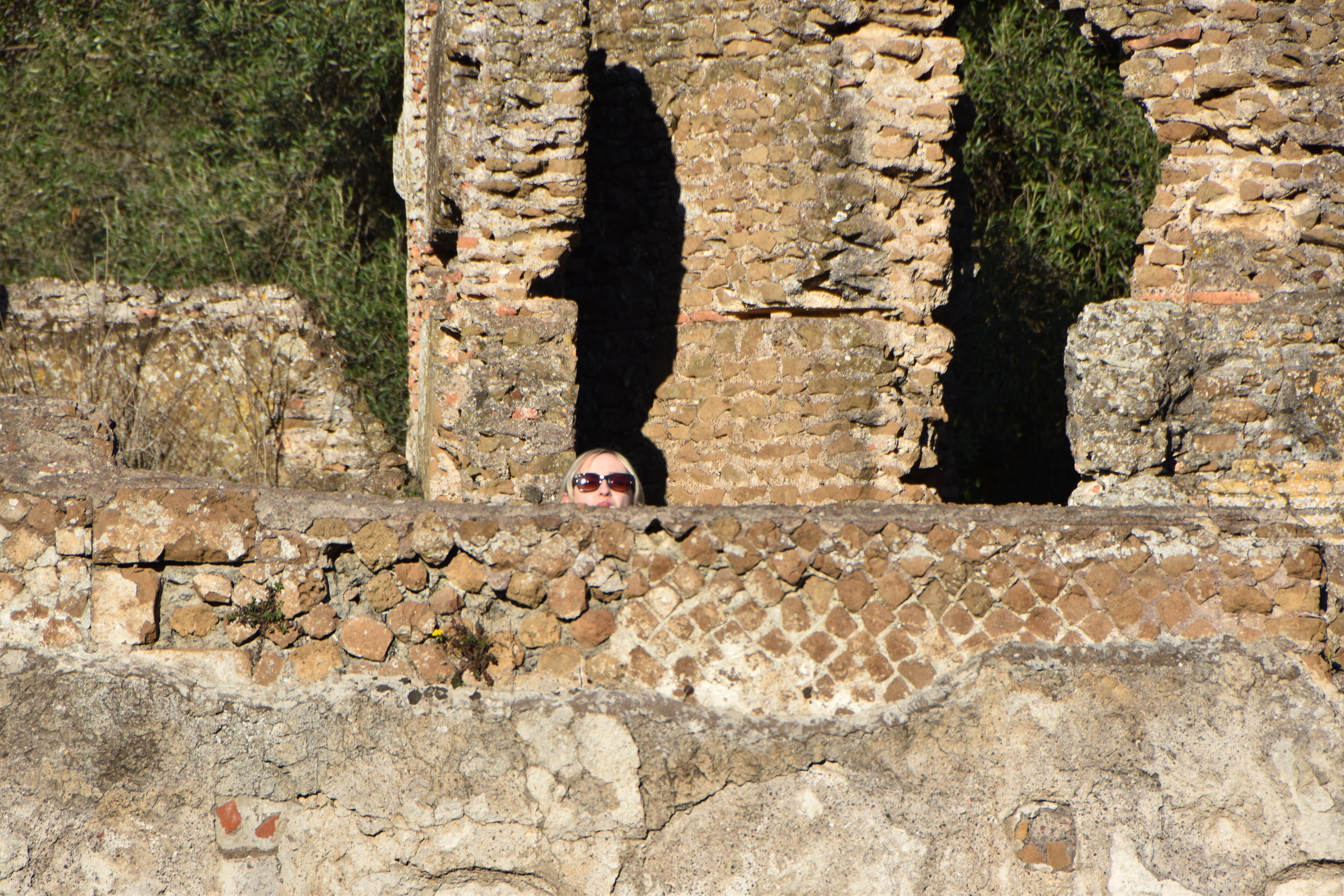
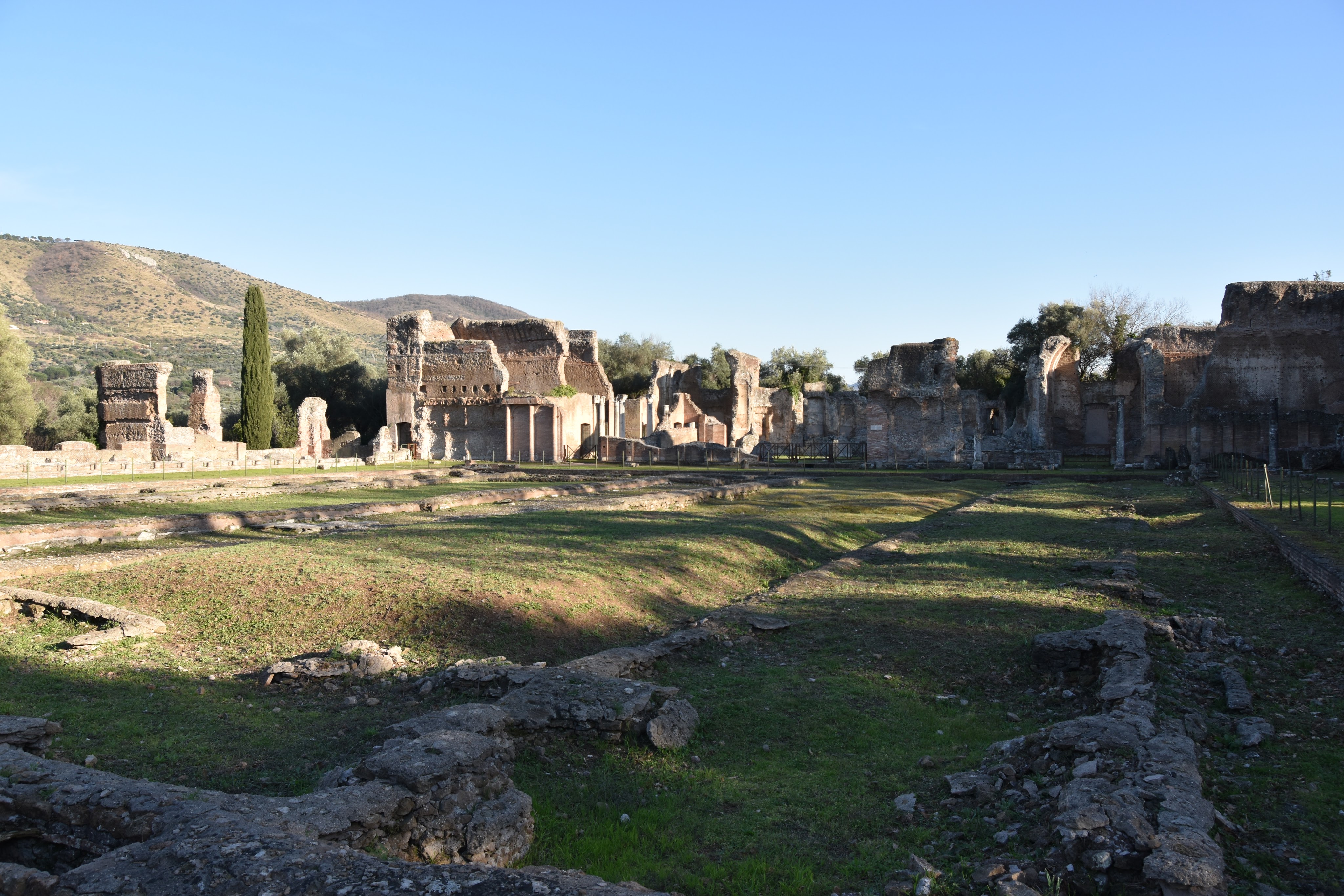
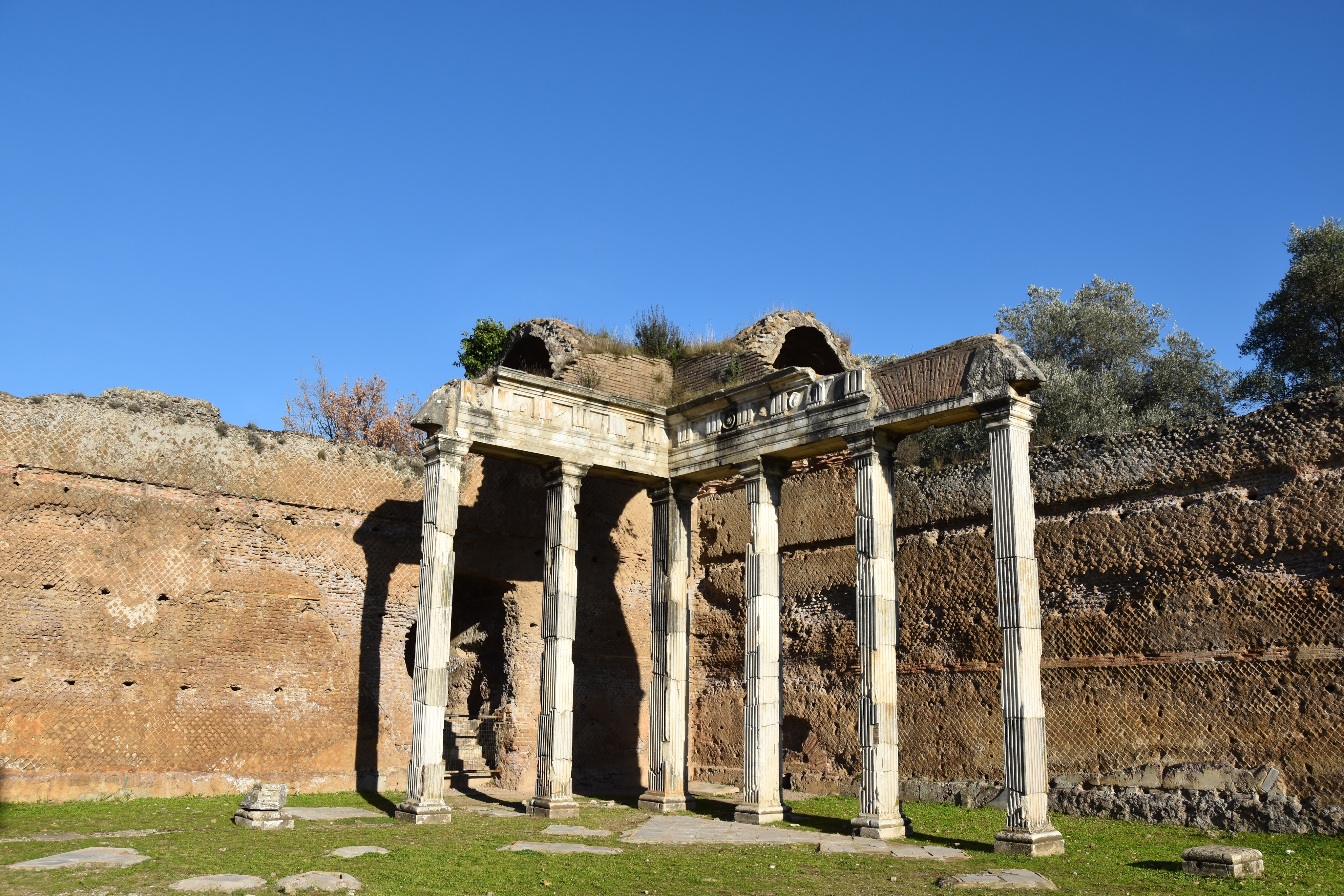
Getting back from Villa Adriana was just about easier than getting to it. There were visible bus stops right at the entrance. As is typical for Europe though, you were meant to have your tickets purchased before getting on. Cue a very patient bus driver who actually waited for us while we tried and failed to buy from a street kiosk (of course card payments weren’t accepted) and then had to scramble to make an app based purchase.
Despite these transport based bumps, we had a very pleasant day in Tivoli and I can definitely recommend it as a springtime escape from the city.
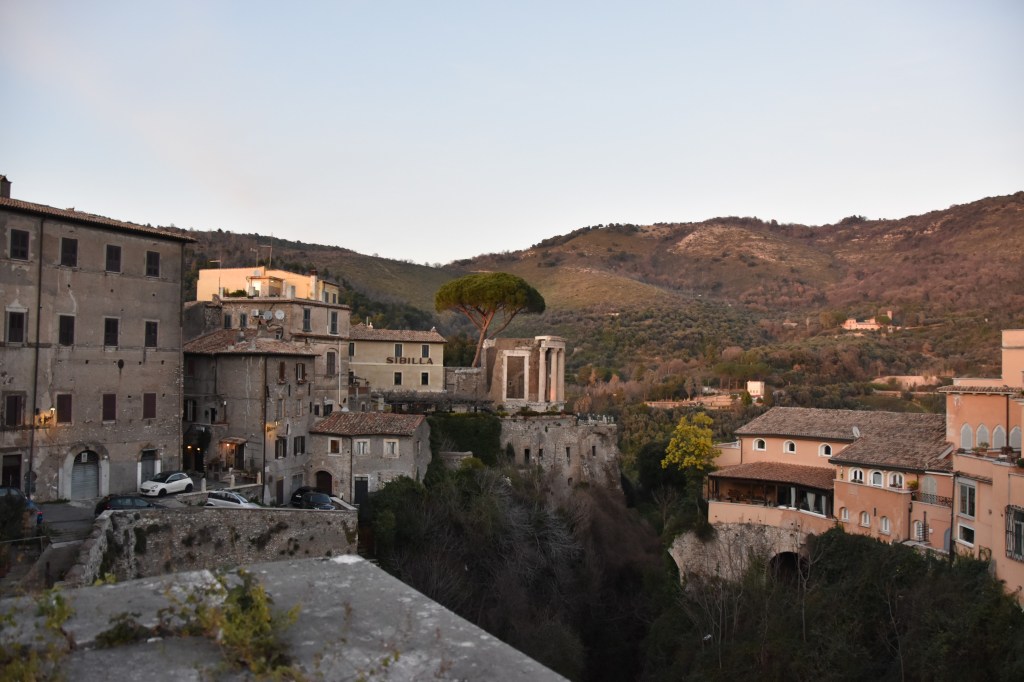
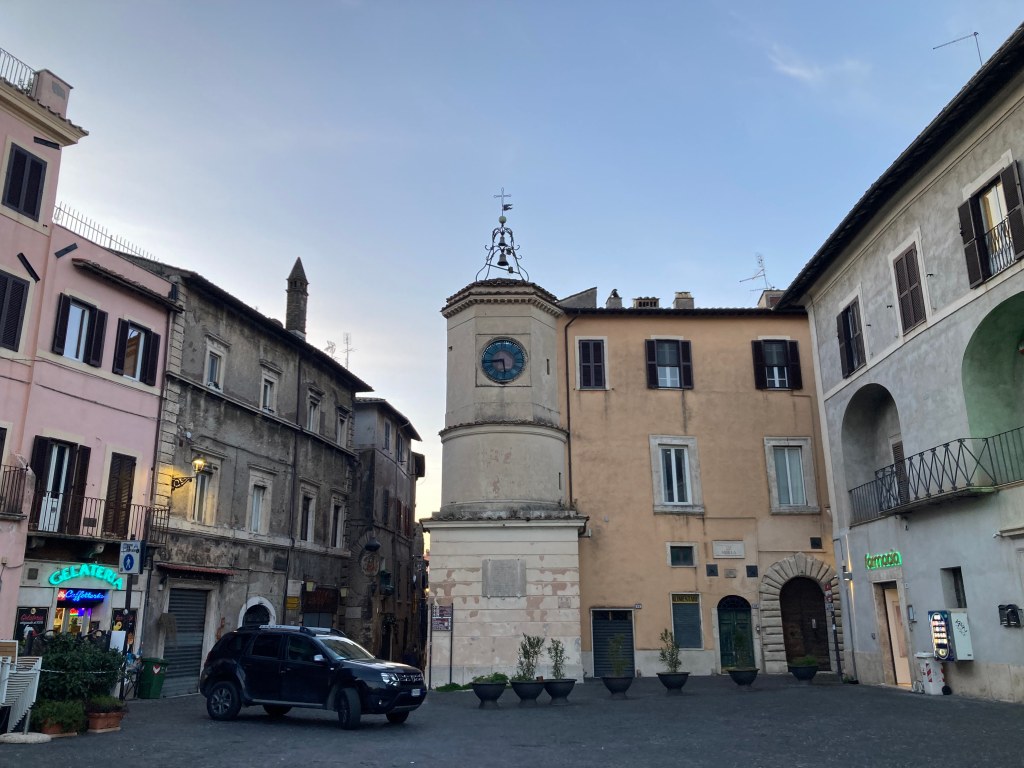
There was one more daytrip I had considered doing when researching Rome and that was to Civita de Bagnoregio, a medieval hilltop village with only 12 permanent residents and closed to cars. Unfortunately though, it is vastly easier to get to with a car (about 50 mins drive to the nearest public car park) than public transport. Collecting a hire car from, or rather driving through, Rome city centre really didn’t appeal though. Public transport was limited to train followed by two connecting buses, which from my online research seemed to be incredibly infrequent this early in the year. Given the issues we had with a much simpler scenario in Tivoli, I’m grateful we didn’t try to press on with this option. We’d potentially still be stranded in the middle of nowhere today! Sometimes there is something to be said for keeping things close.
 A Place Both Wonderful and Strange - Tash & Ricki's Career Break Travels
Leave a comment