

Did anyone else know that the name “Linda” means cute? A bit surprising then that it is a name that is dying out (I haven’t officially confirmed this, but when’s the last time you met a baby named Linda?).
The reason I’m getting into name origins, is that our base in the Argentine Northwest is nicknamed “Salta La Linda” or “Salta the Cute”. My last blog post was a very fleeting glimpse at this provincial capital, so time to give it a more thorough review and confirm whether it lives up to the name.
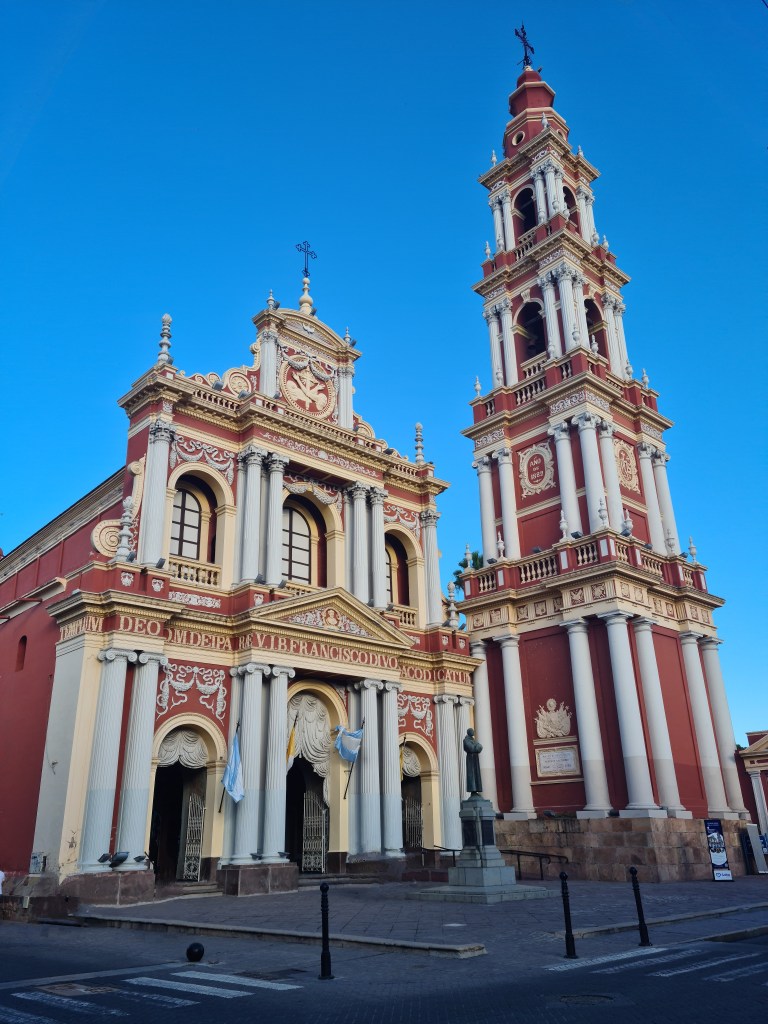
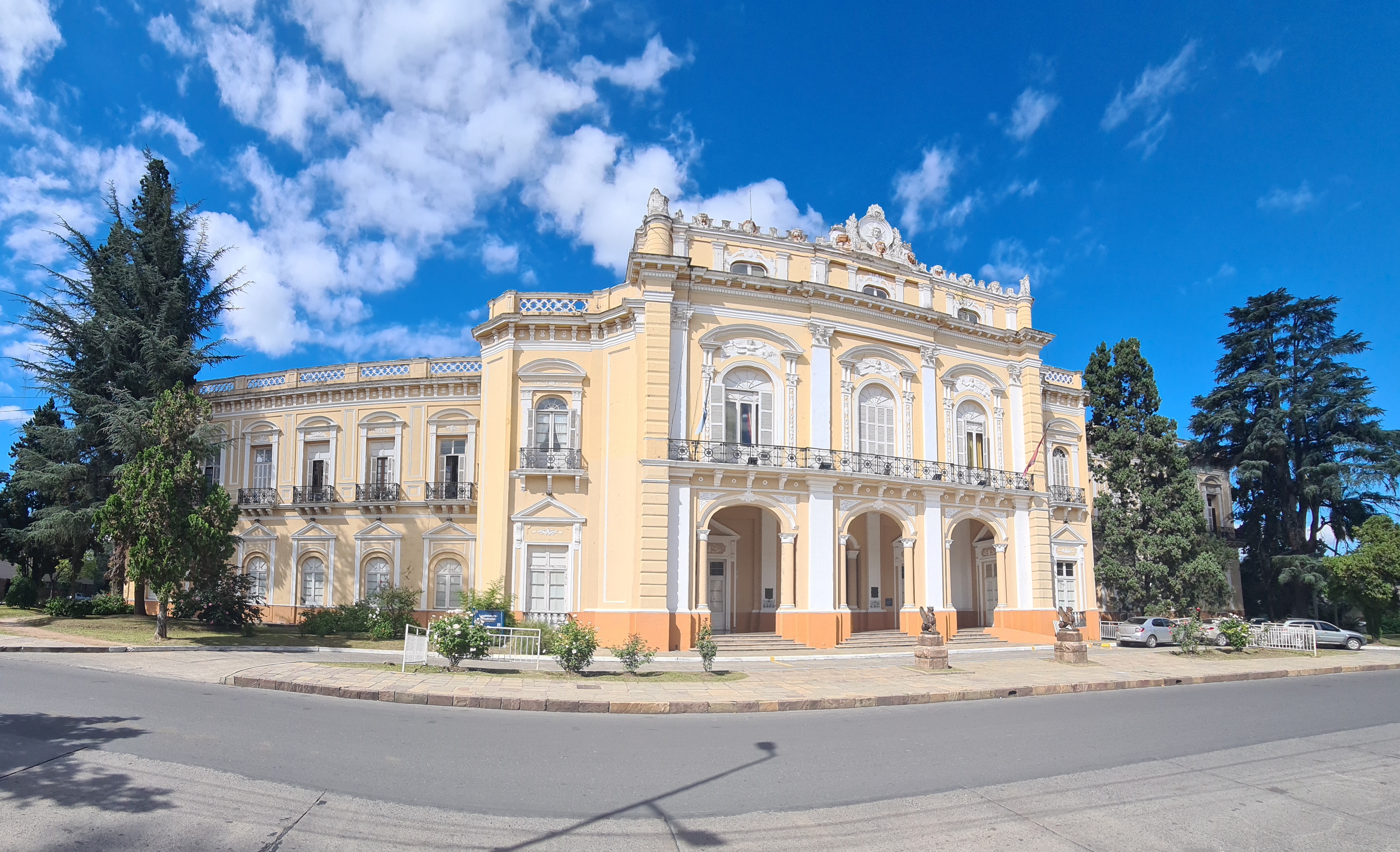
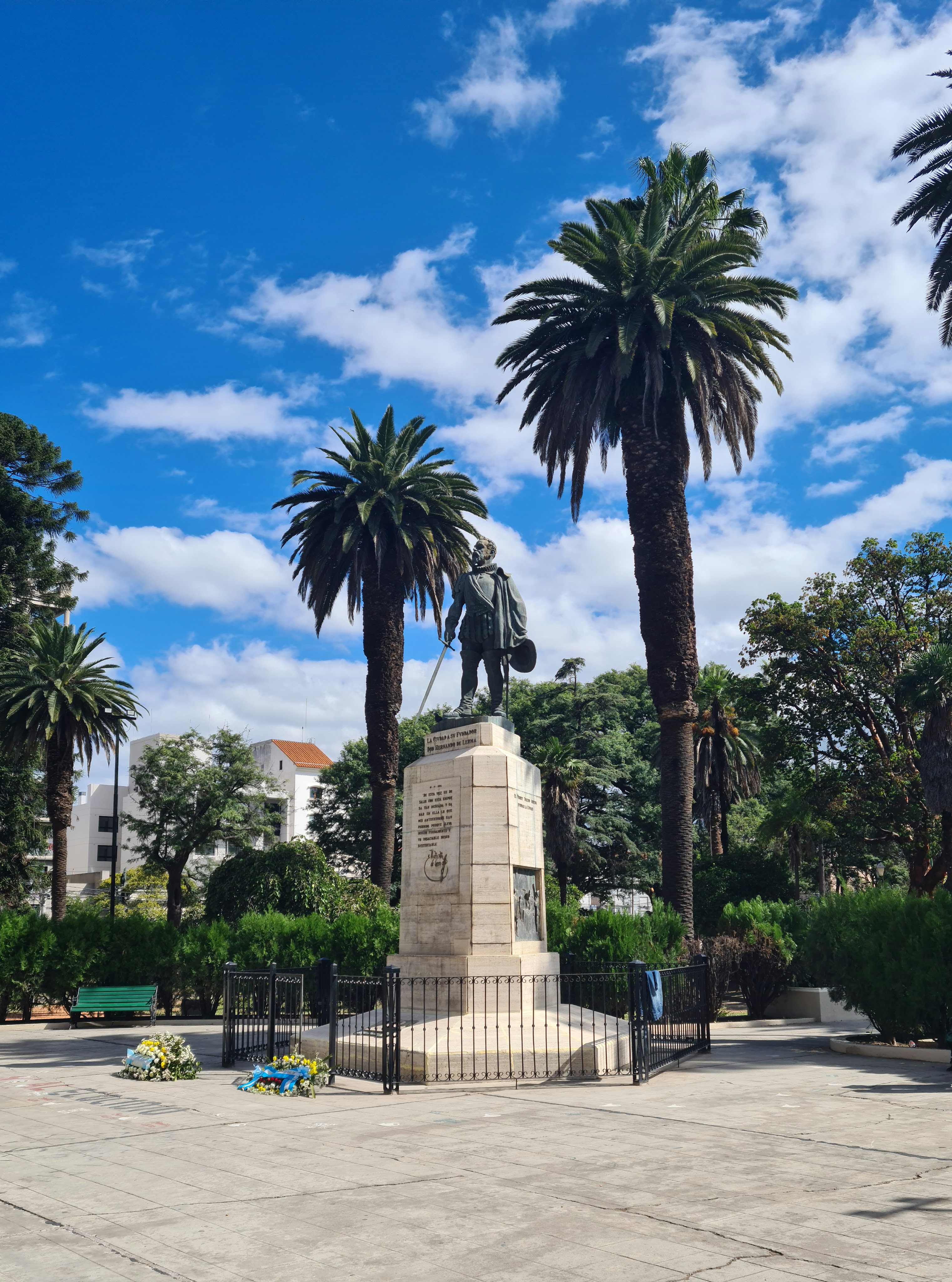
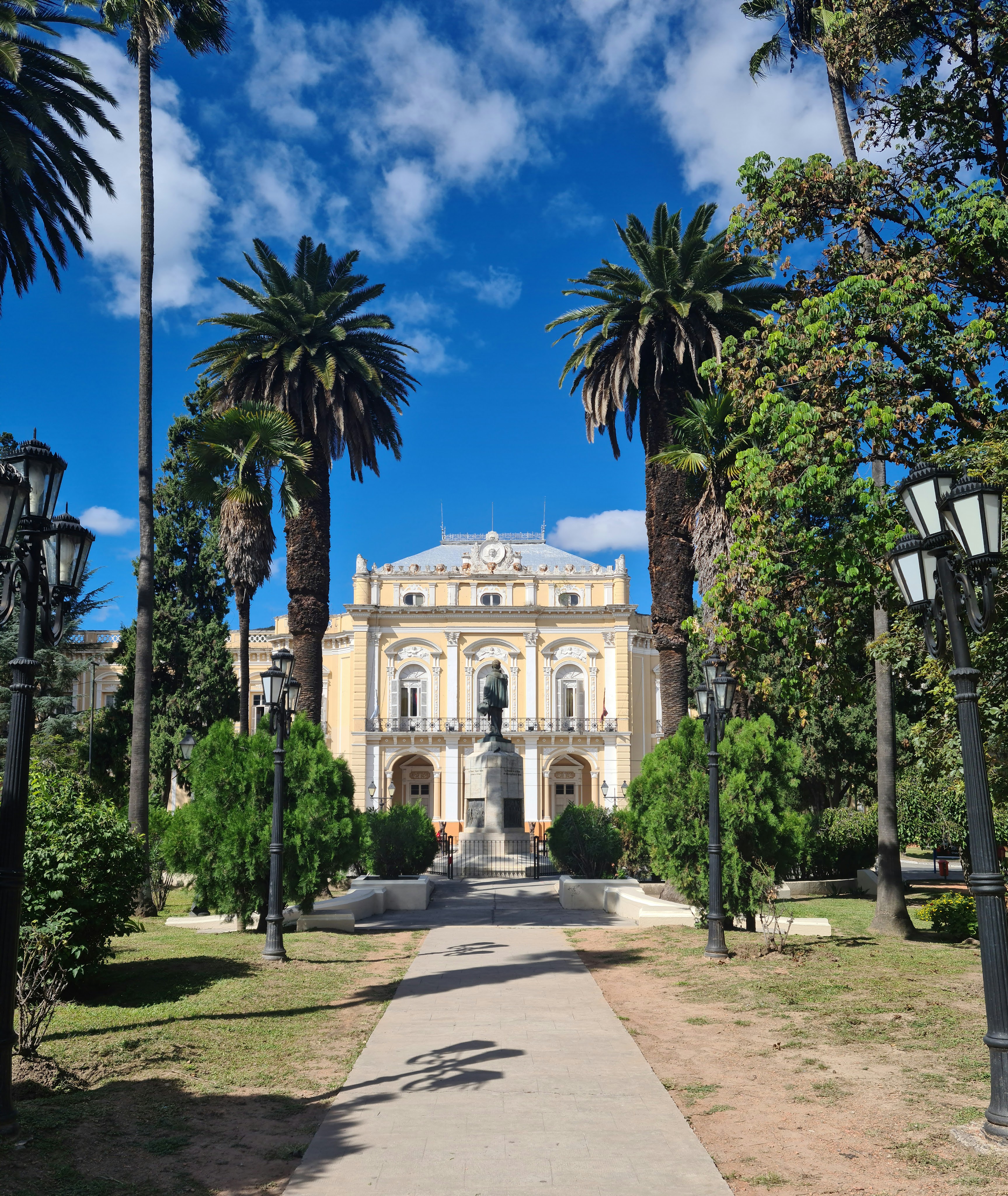
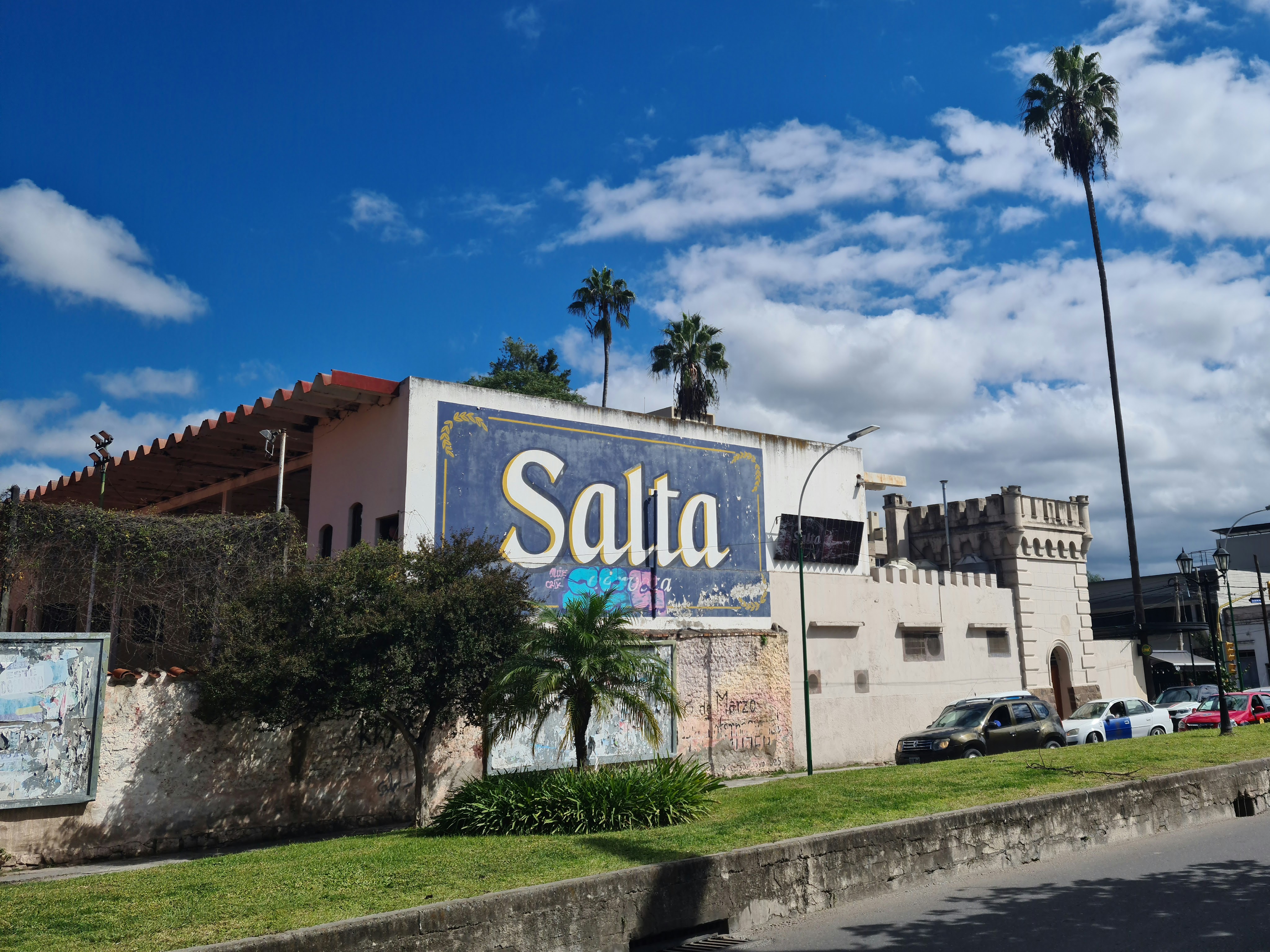
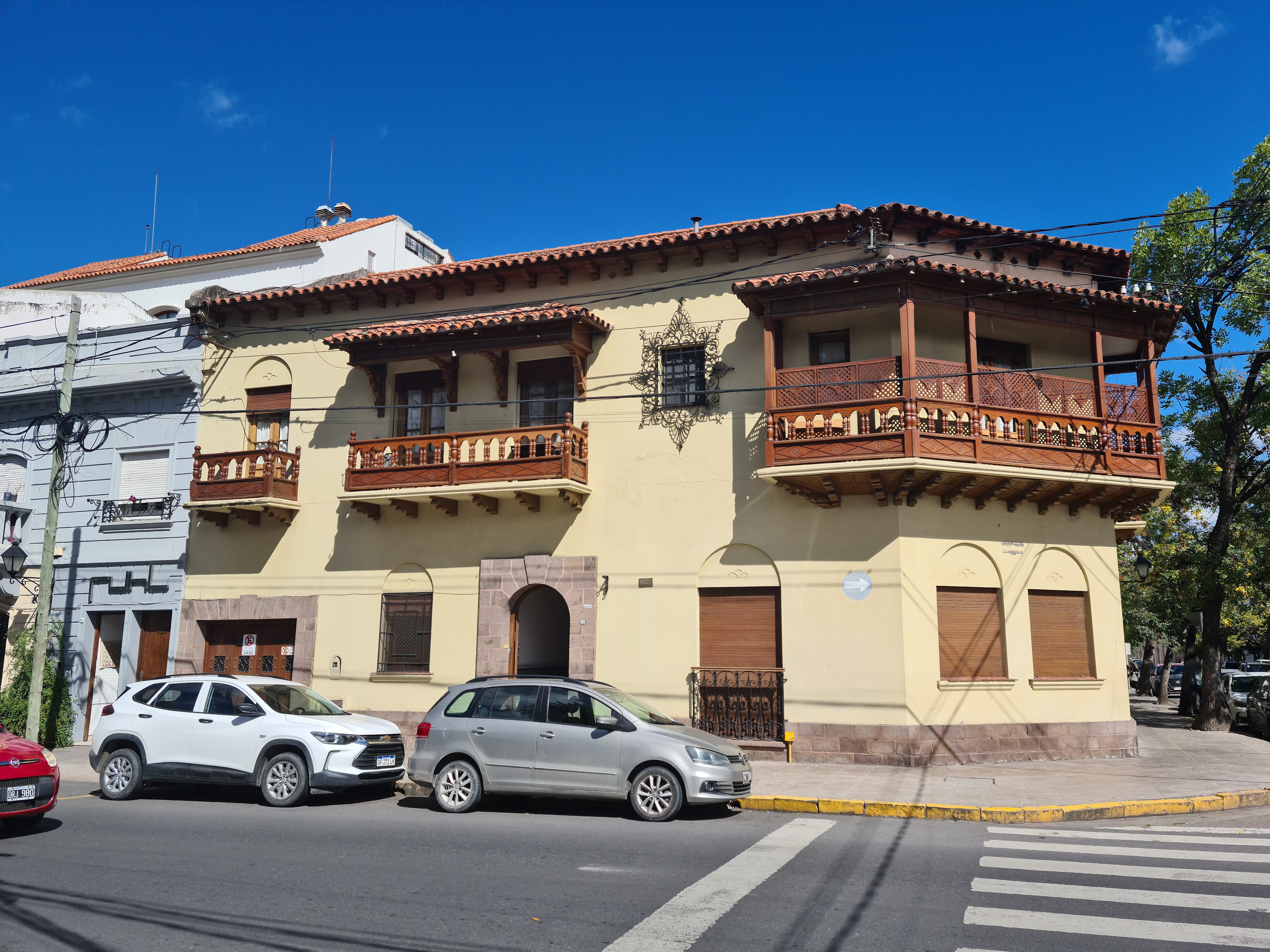
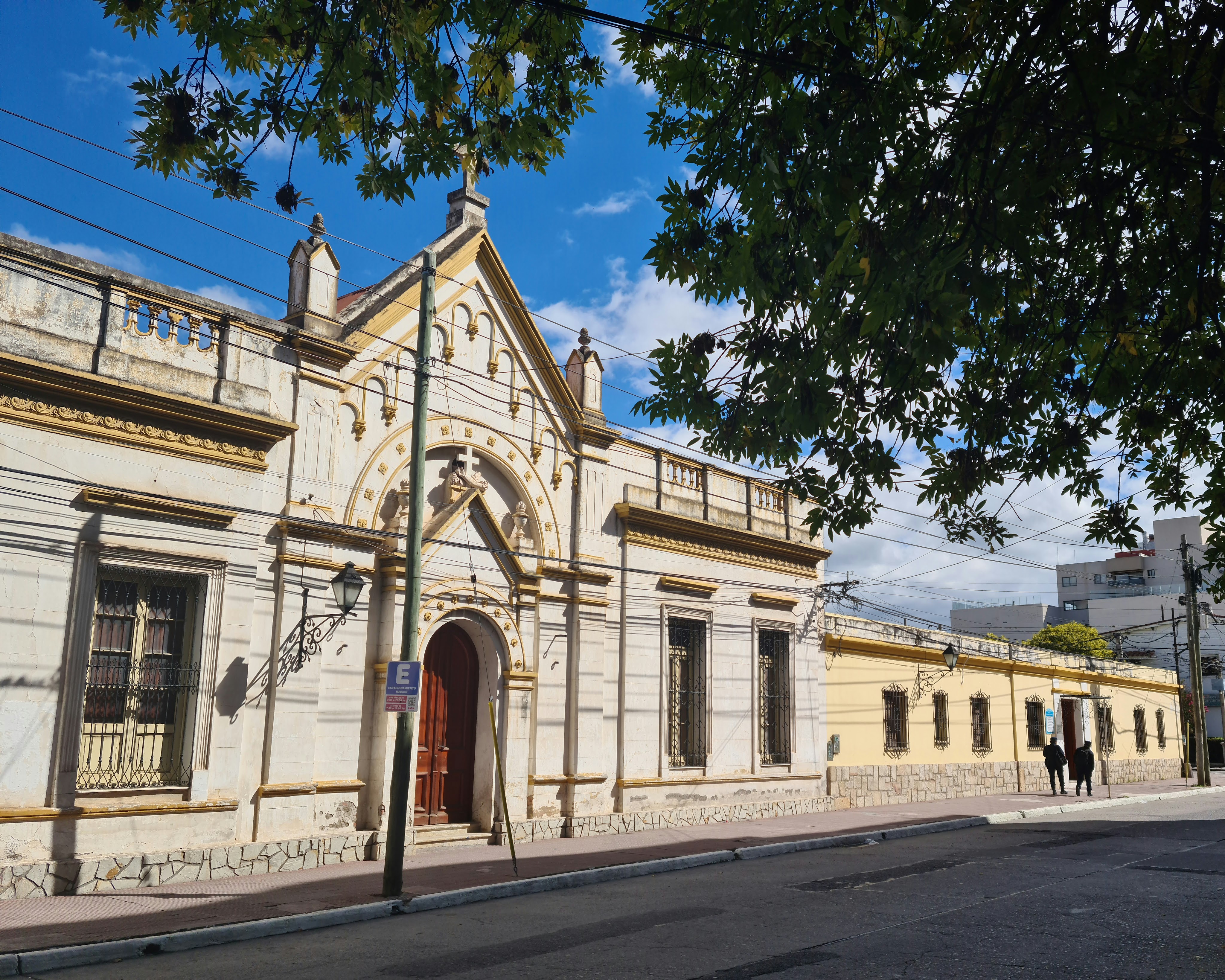

After the wide avenues of Mendoza, Salta felt like a return to typical urban life. Yet at the same time, its colonial centre gave a glimpse to times gone by. Unsurprisingly, the latter is where much of the city’s sightseeing is focussed.
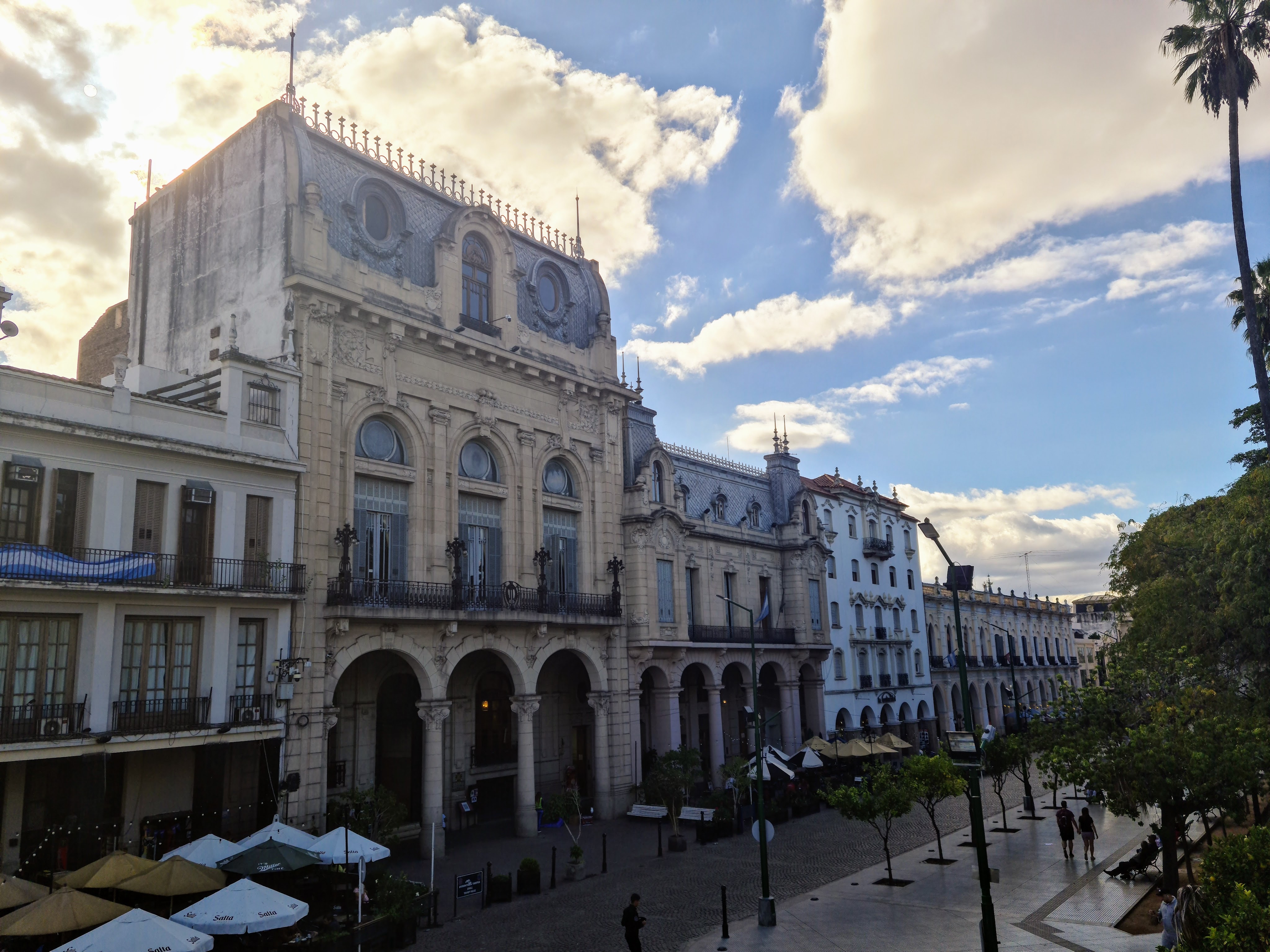
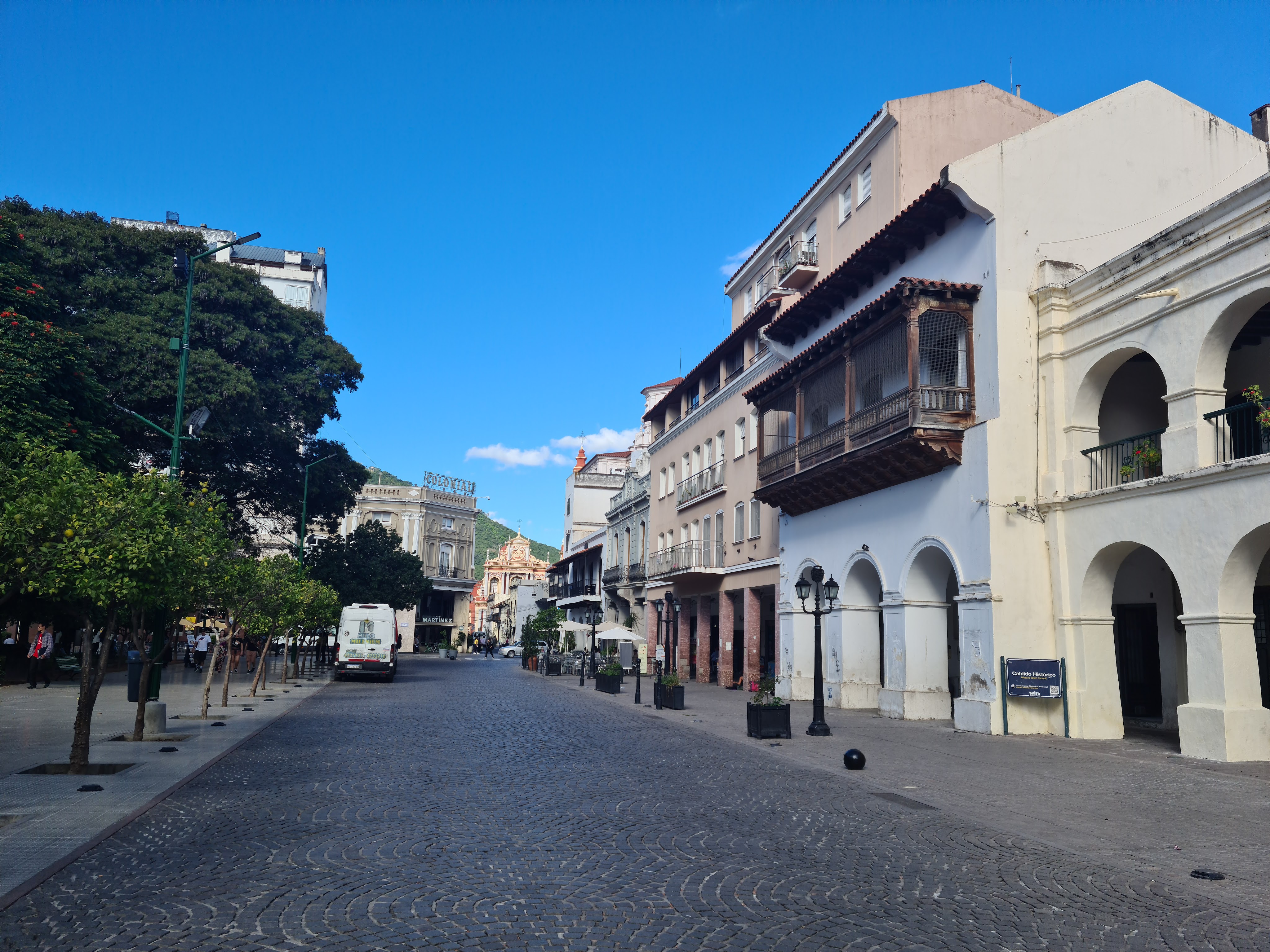
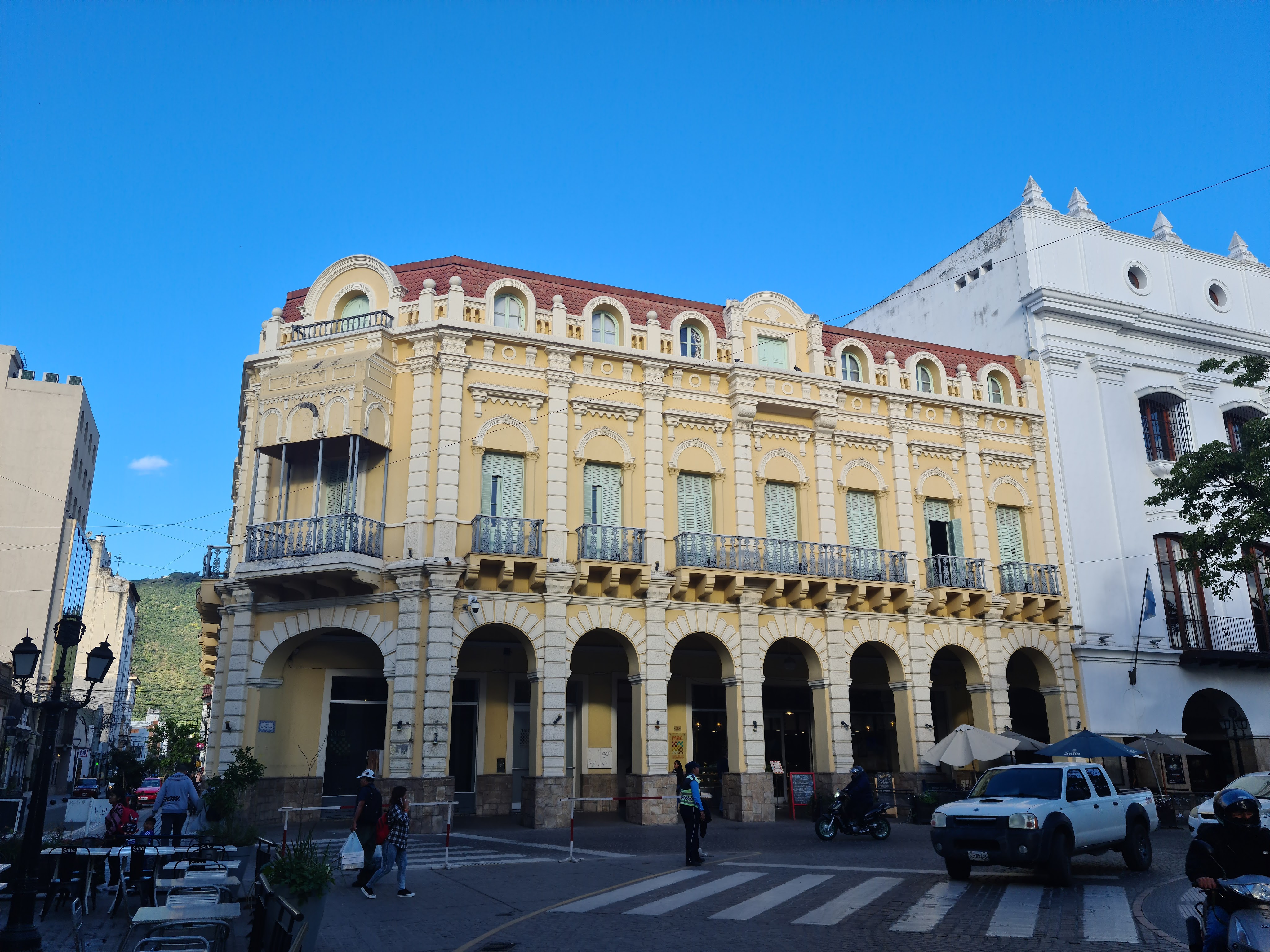
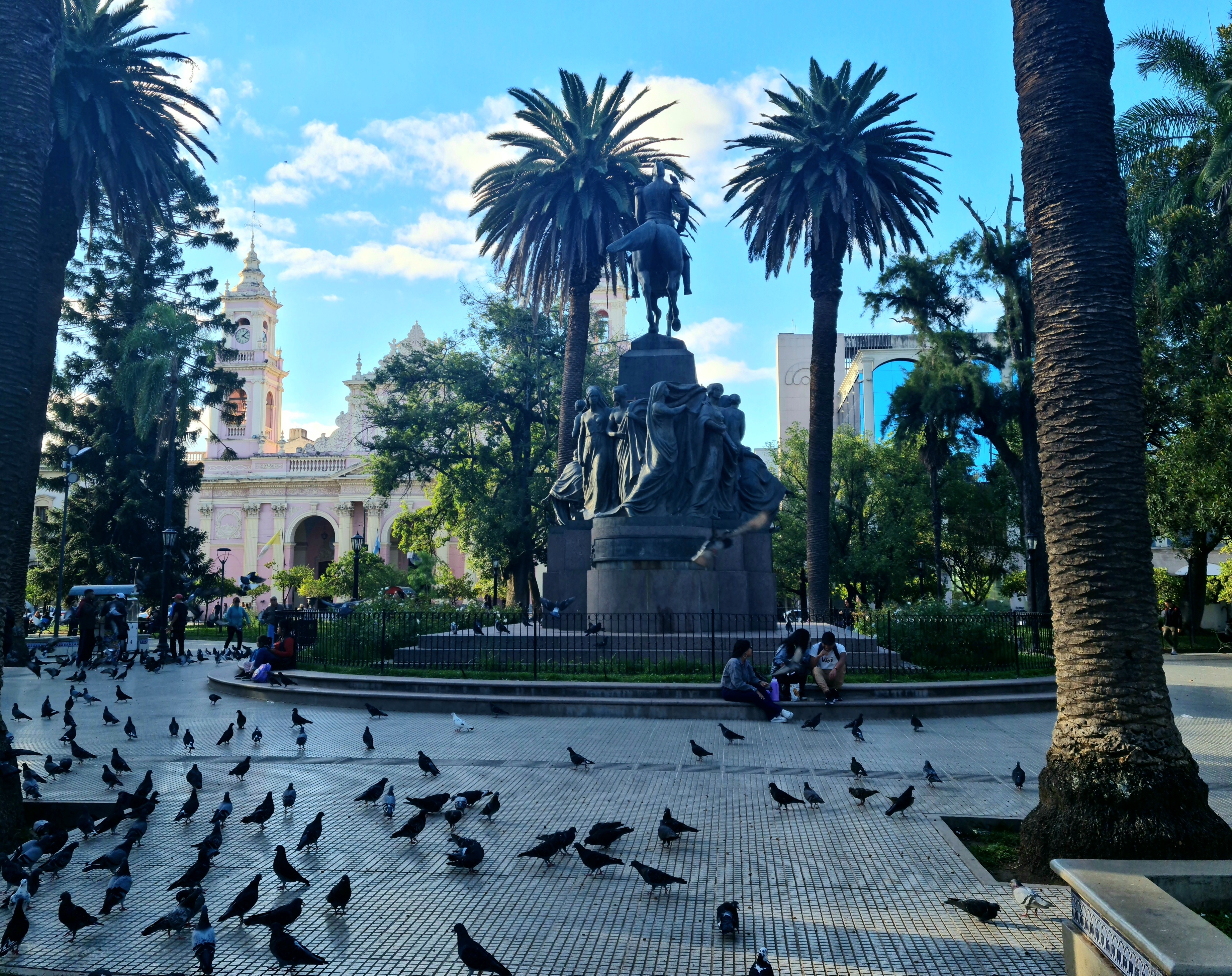
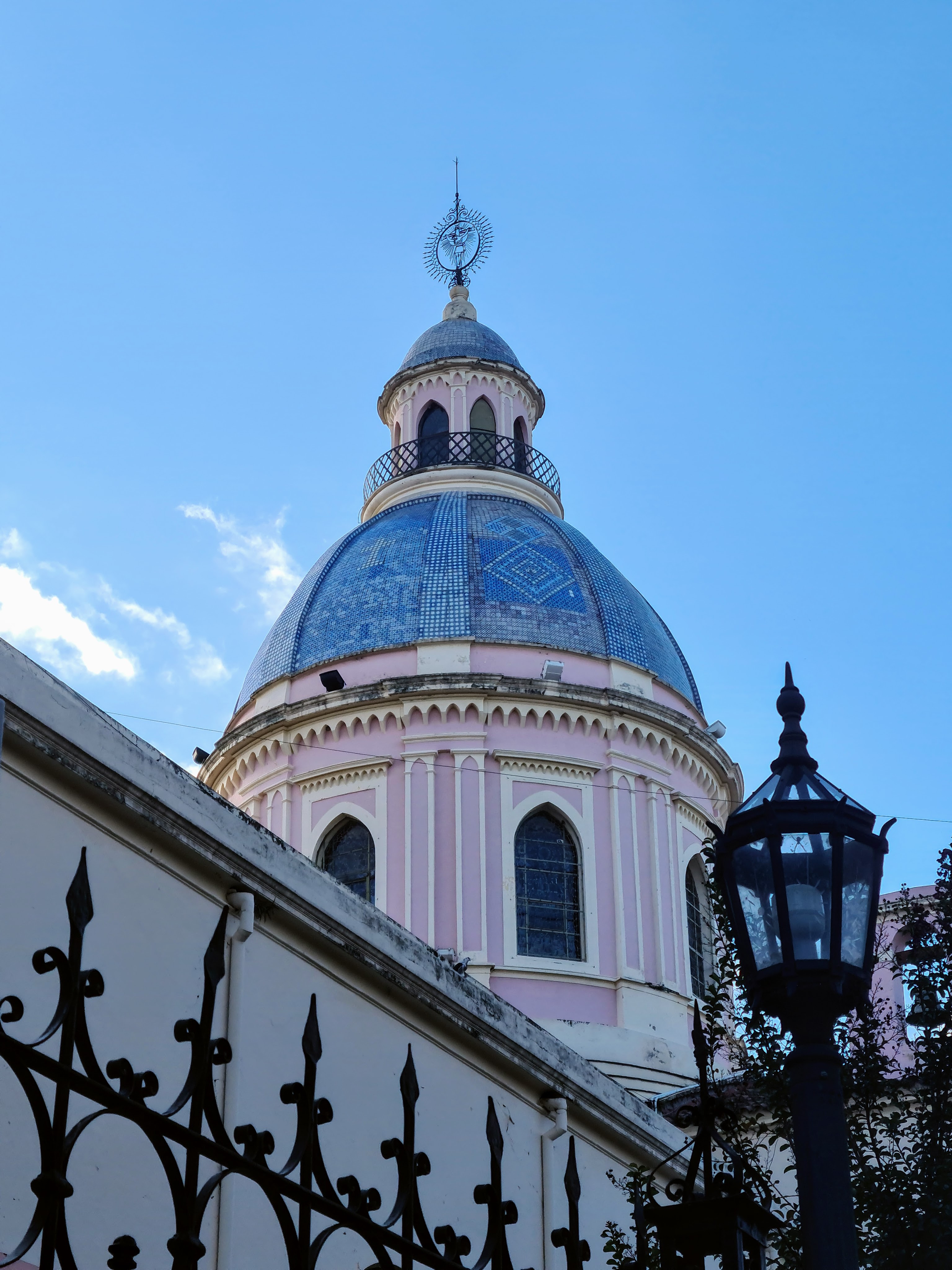
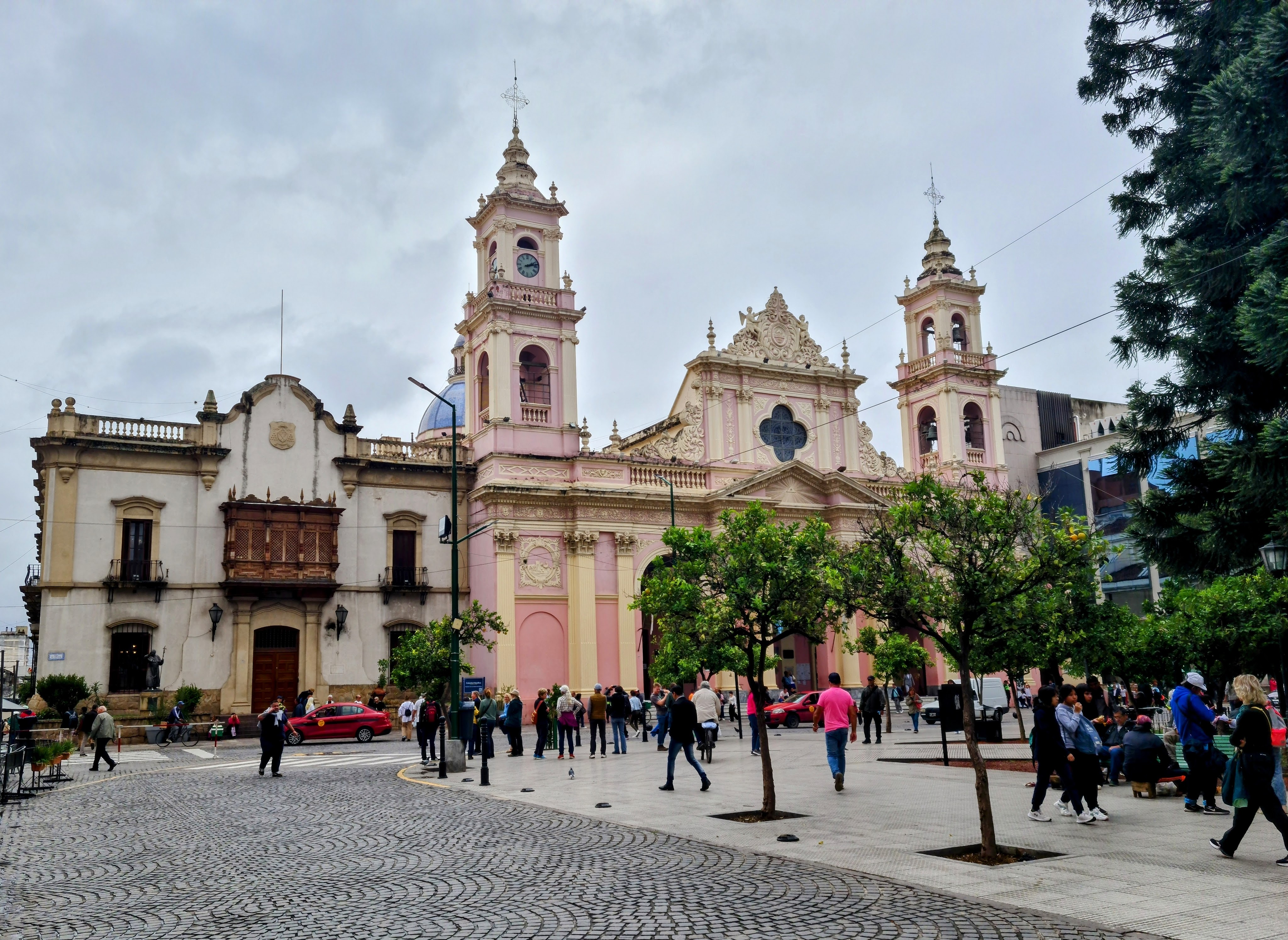
No prizes for guessing that there is a main square with a cathedral. The design for this one was inspired by the architect’s travels to Austria and the love he developed for battenberg cake…
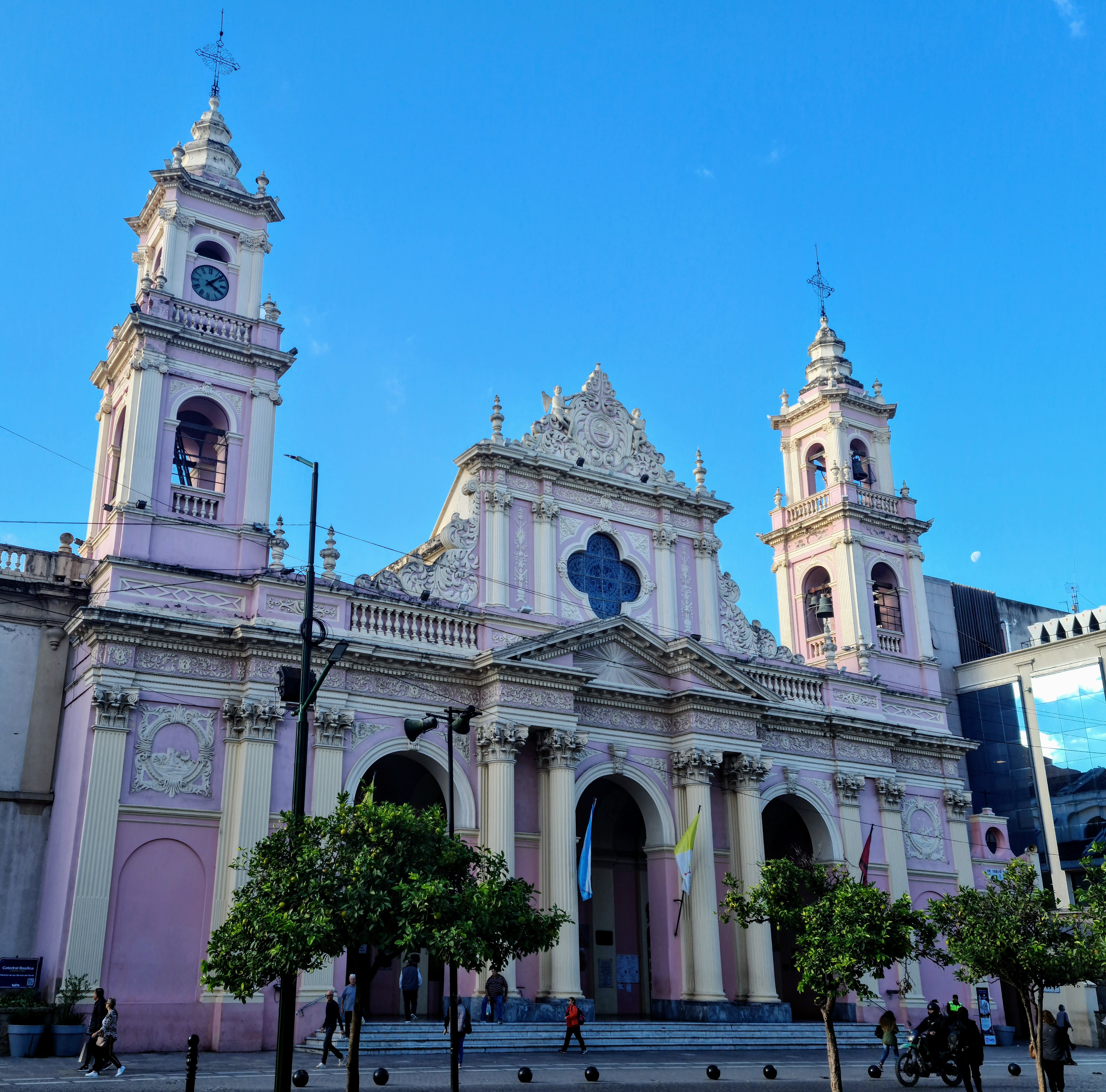
OK, maybe not, but I haven’t yet read anything that says this isn’t the case, so for now I’ll keep this as my working theory.
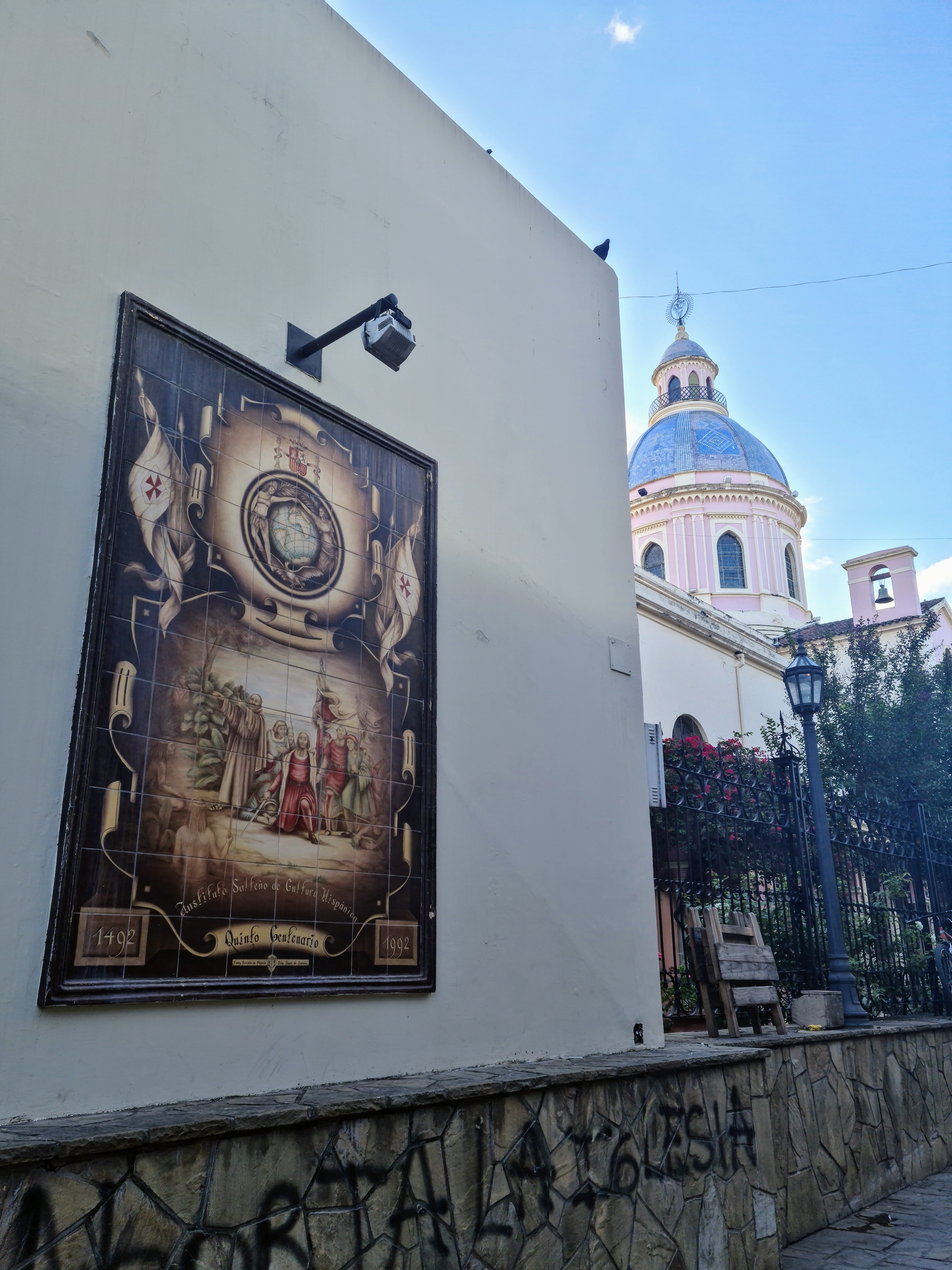
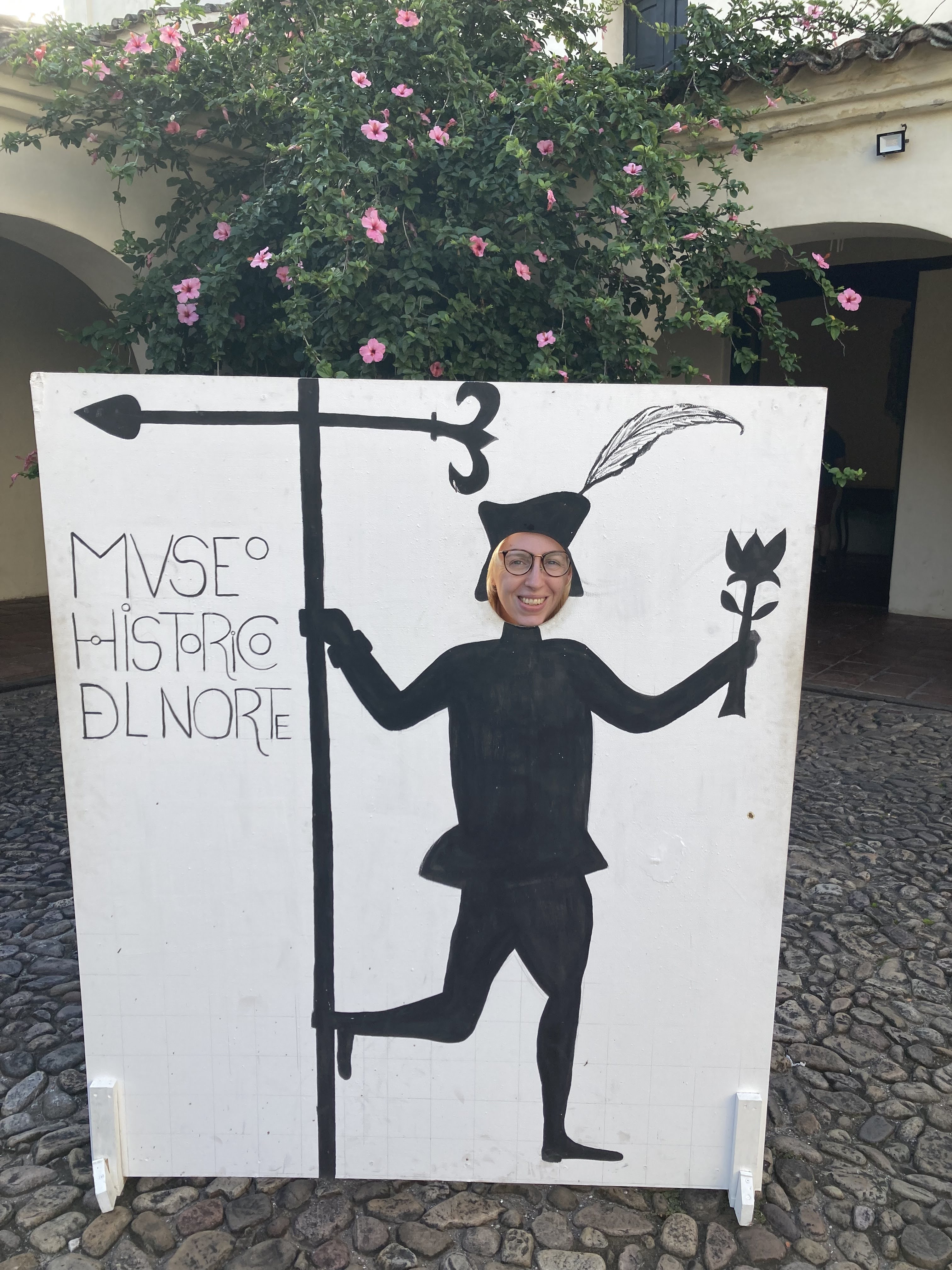
Across from the cathedral, there is the Museo del Norte / Museum of the North where we learnt about the town’s past, including Argentina’s revolutionary history.
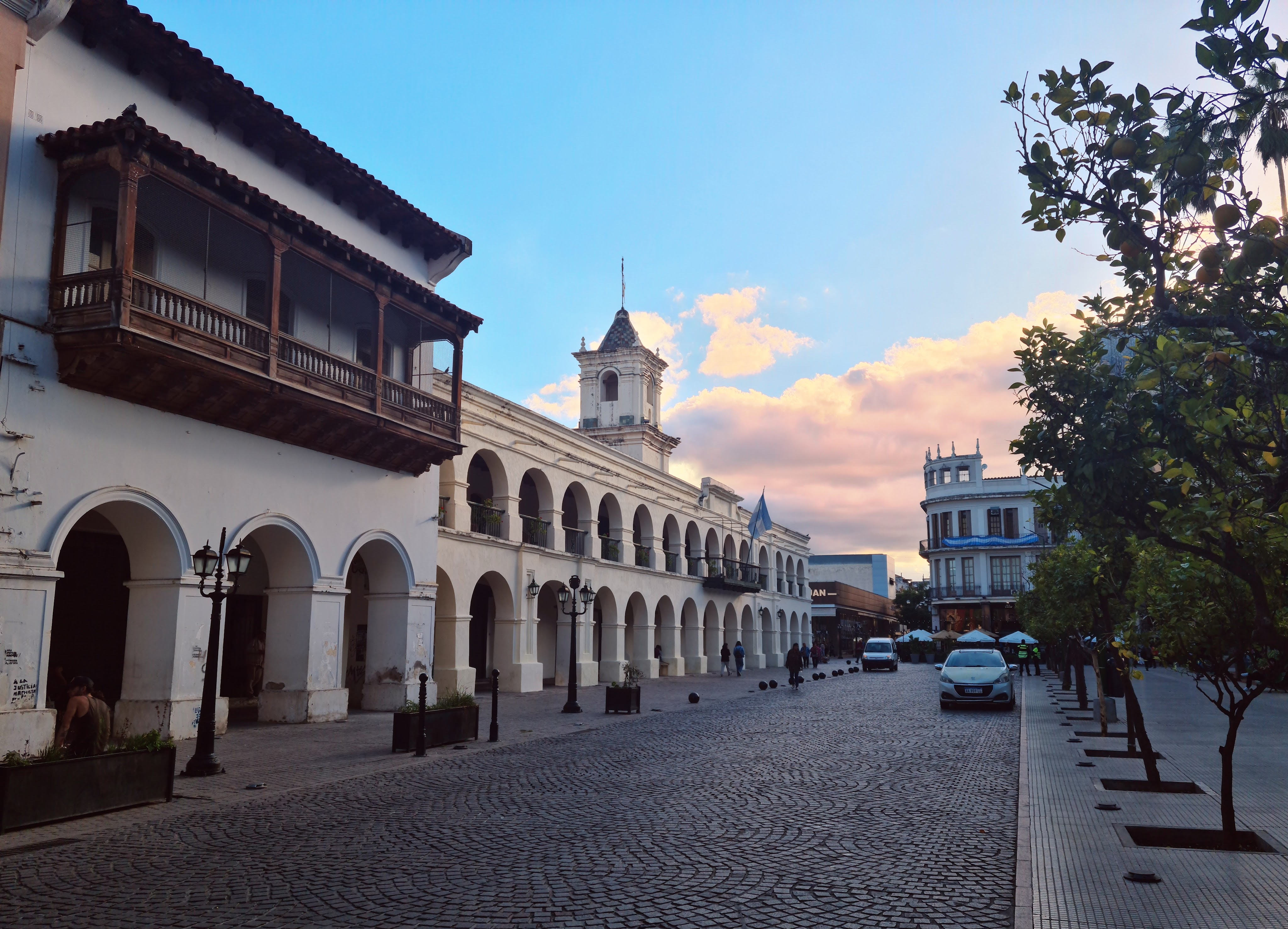
I have to admit, I do often find the content of such museums quite difficult to digest, but at least here I could enjoy the building itself and its views on to the Plaza 9 de Julio.
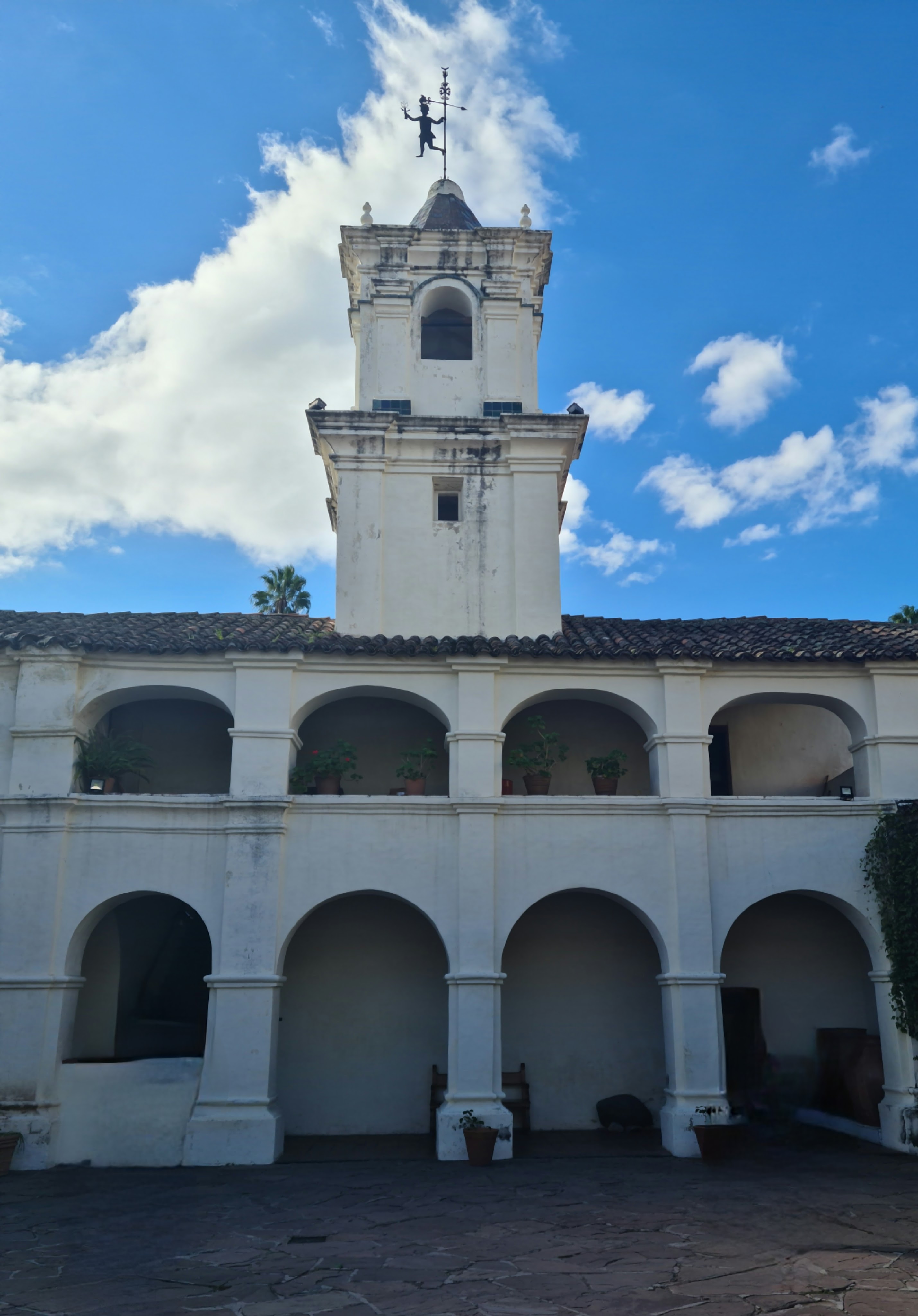
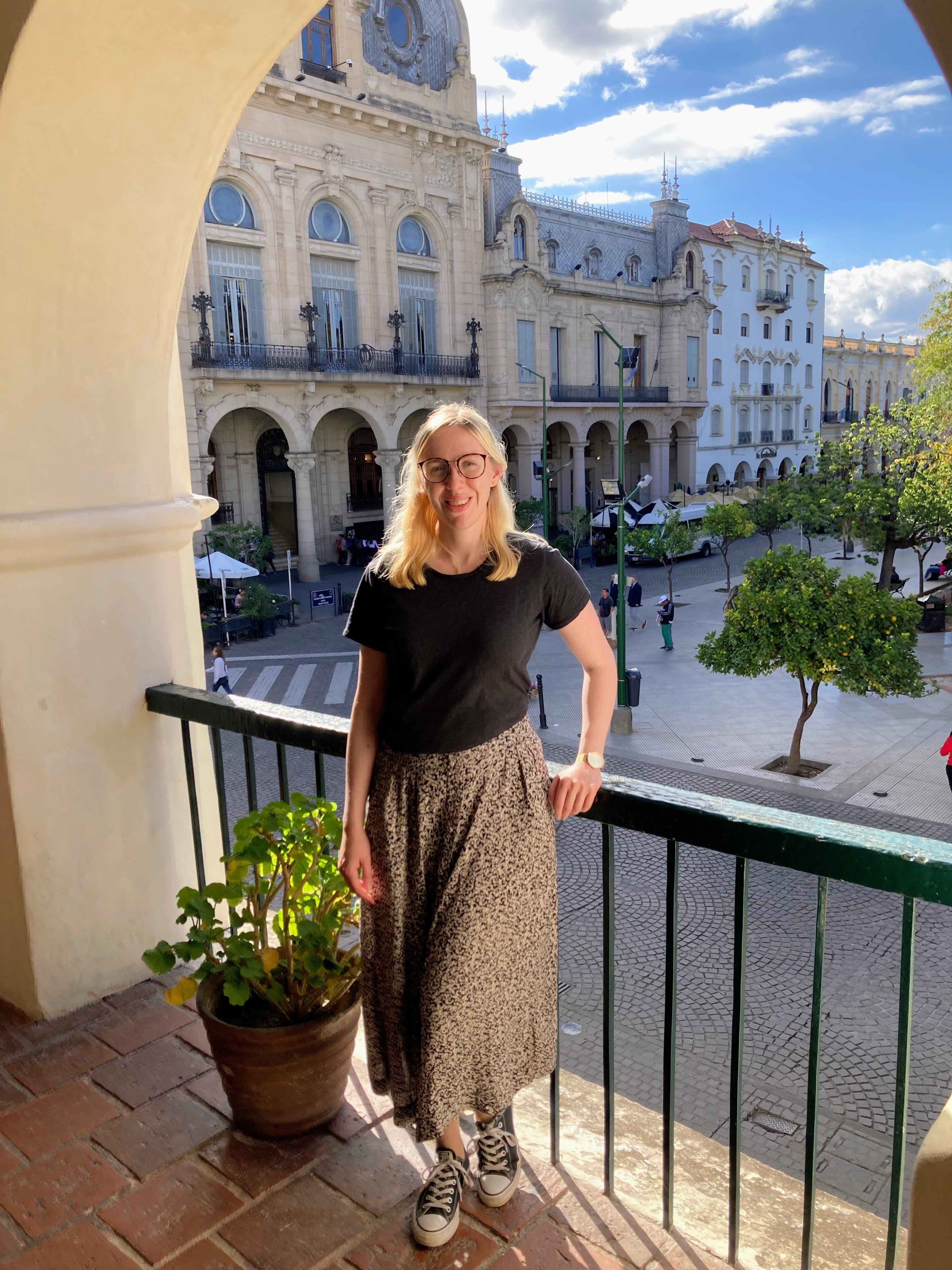
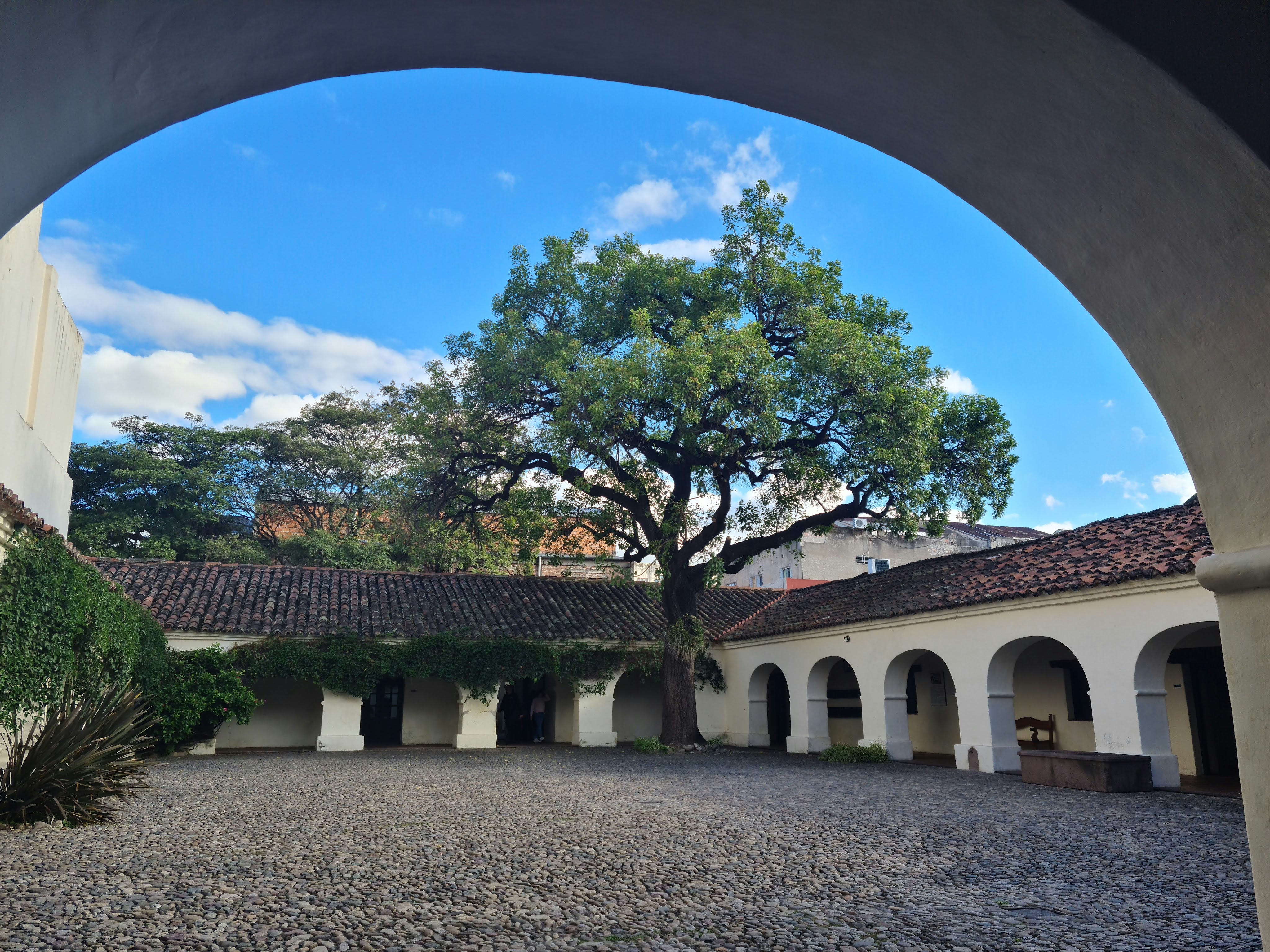
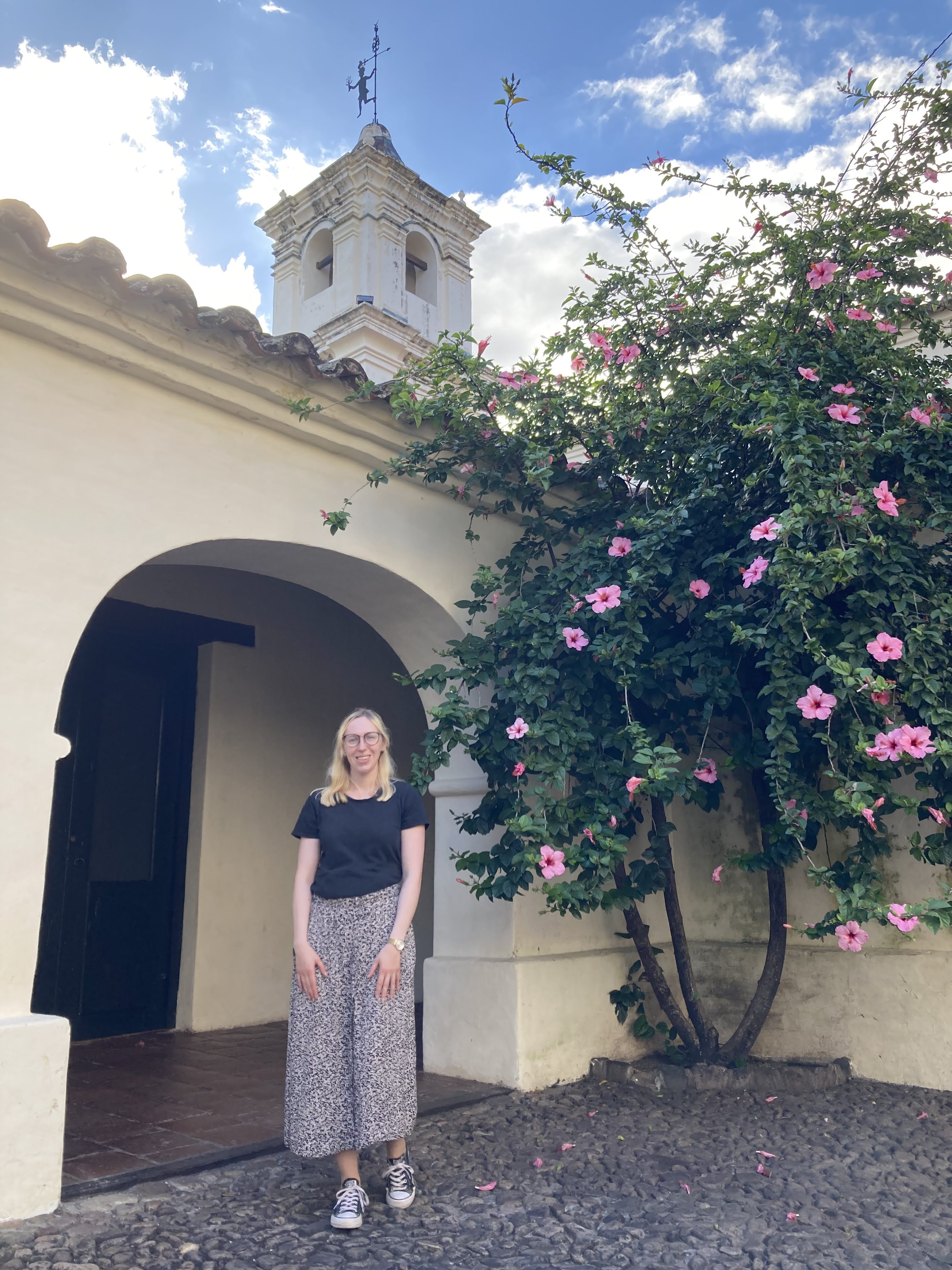
On the west side of the Plaza, the Museo de Arquelogía de Alta Montana (MAAM) / Museum of High Altitude Archaeology appealed more to my macabre tastes. From the name alone, you’d be expecting history and artefacts of some mountain top settlements. Arriving to find an announcement declaring “the child currently on display is…”, you realise this is a slightly different offer. Or should I say offering.
MAAM is focussed on a very specific aspect of Inca life – the sacrifices to the Inca gods, at the dormant volcano, Llullaillaco. This includes many objects of importance to the Inca civilization. Most notably of all though, in 1999, the mummified bodies of three child sacrifices were discovered in a burial chamber near the peak of the mountain. Llullaillaco is situated in the Atacama desert, the second driest place on earth, and together with the cold temperatures at altitude (the summit is at 6,739m), the mummies are considered among the best preserved in the world.
In order to keep them that way, the museum has a climate control system in place to replicate the conditions at the top of Llullaillaco, and only one child is displayed at a time. At our visit, La Nina del Rayo (Lightning Girl) was on display, a six year old girl so named due to scarification on her face and shoulder, believed to be from a postmortem lighting strike.
It was startling to see the body of a child who died in approx. 1500 in such identifiable condition right in front of us. It also evokes a complex range of emotions. On the face of it, the intentional killing of young children seems cruel, but the Incas operated under a different belief system from our modern culture. They genuinely believed that the children were going to a better plane of existence, where they could watch over mortals among their ancestors. They selected those considered physically perfect, and often the children of nobles, so they clearly did consider it to be an honour. The children were drugged until they fell asleep, thereafter suffocating in the burial chamber, and so hopefully it was a peaceful, if early, end for them.1
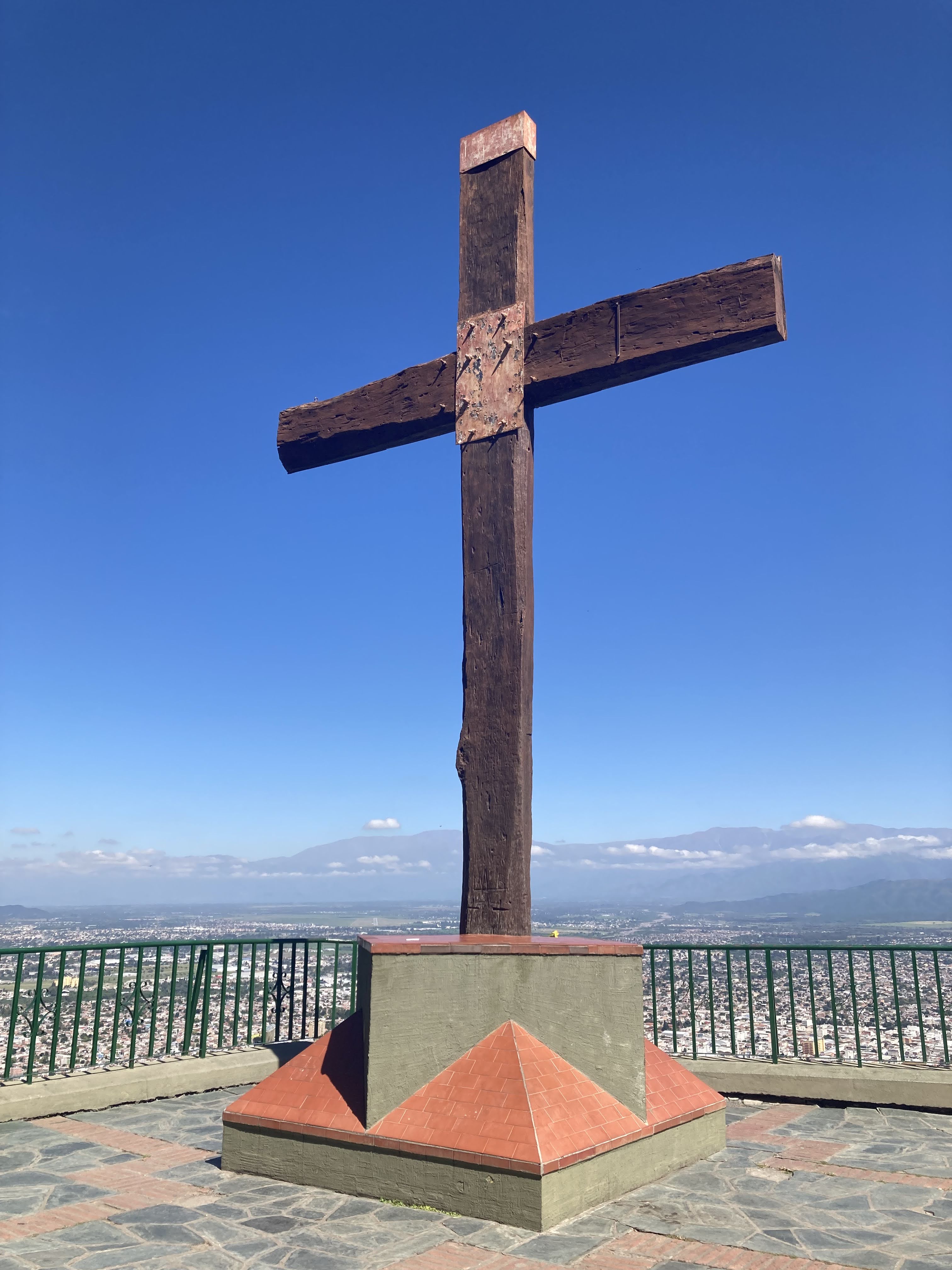
A less unusual activity, at least so it seems for South America, was a trip up Cerro San Benardo where yet another cable car awaits! With temperatures now in a much more comfortable range, for this one we eschewed the easy option and walked to the top, enjoying the sound of birdsong as we went.
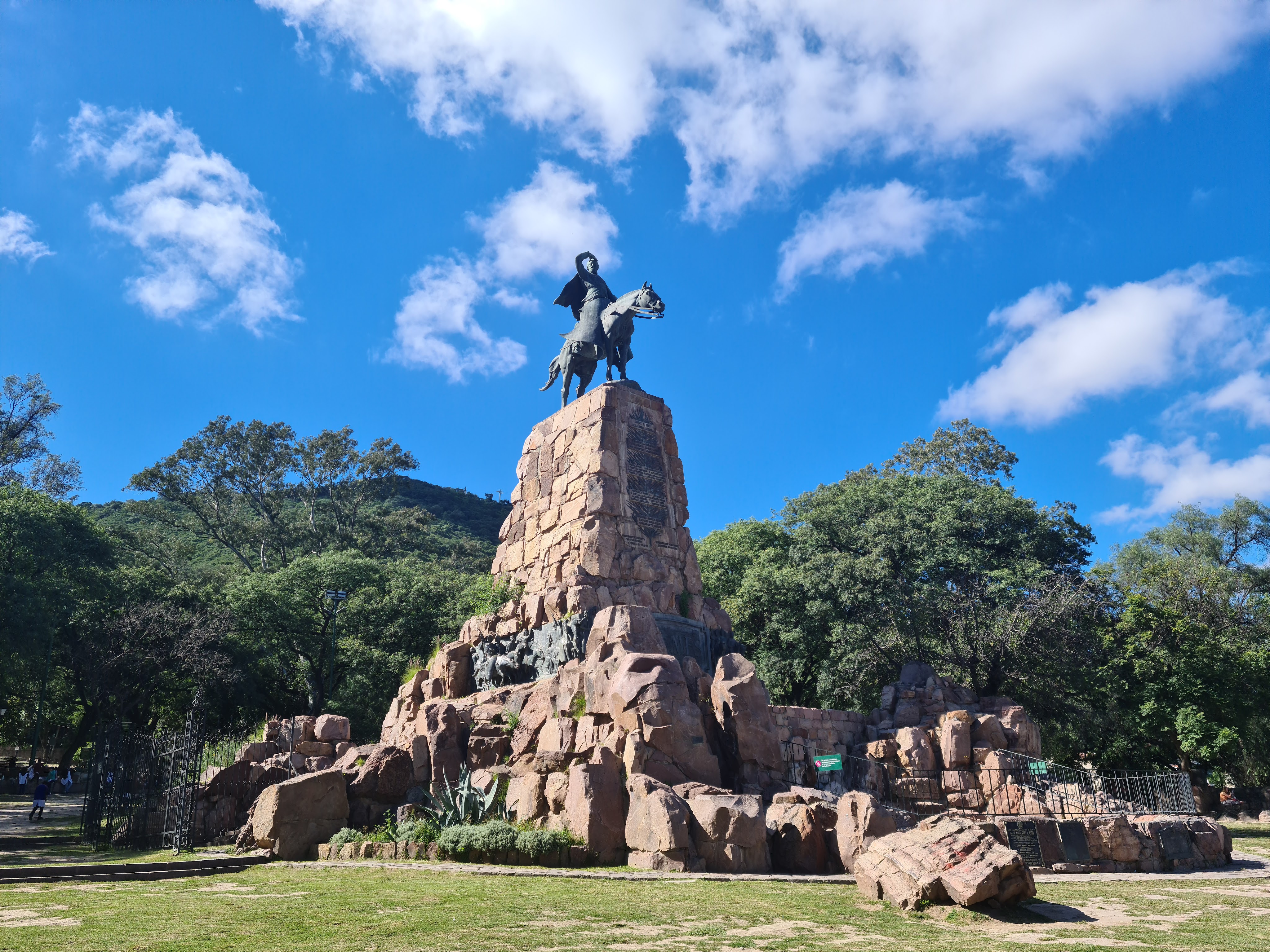


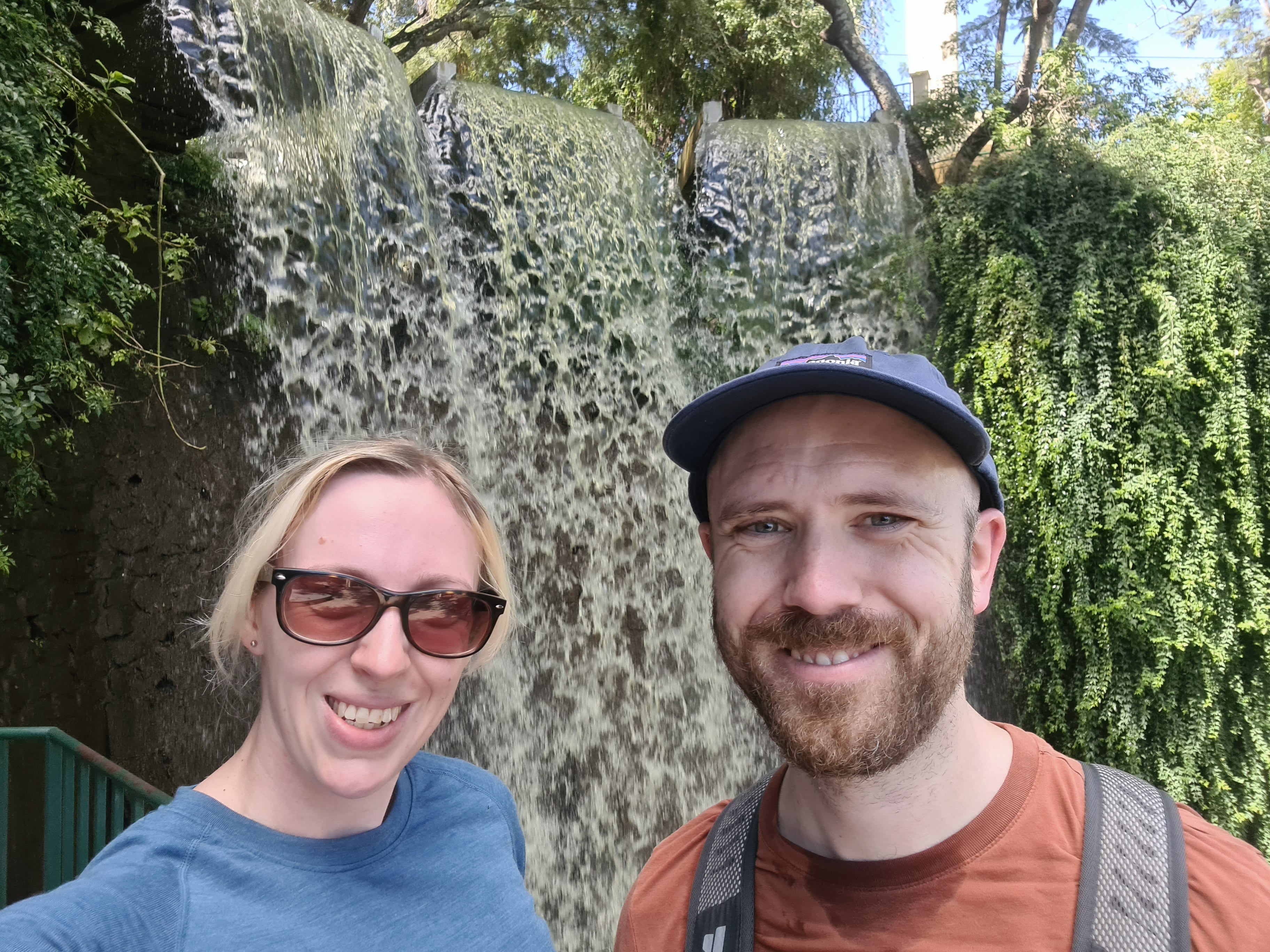
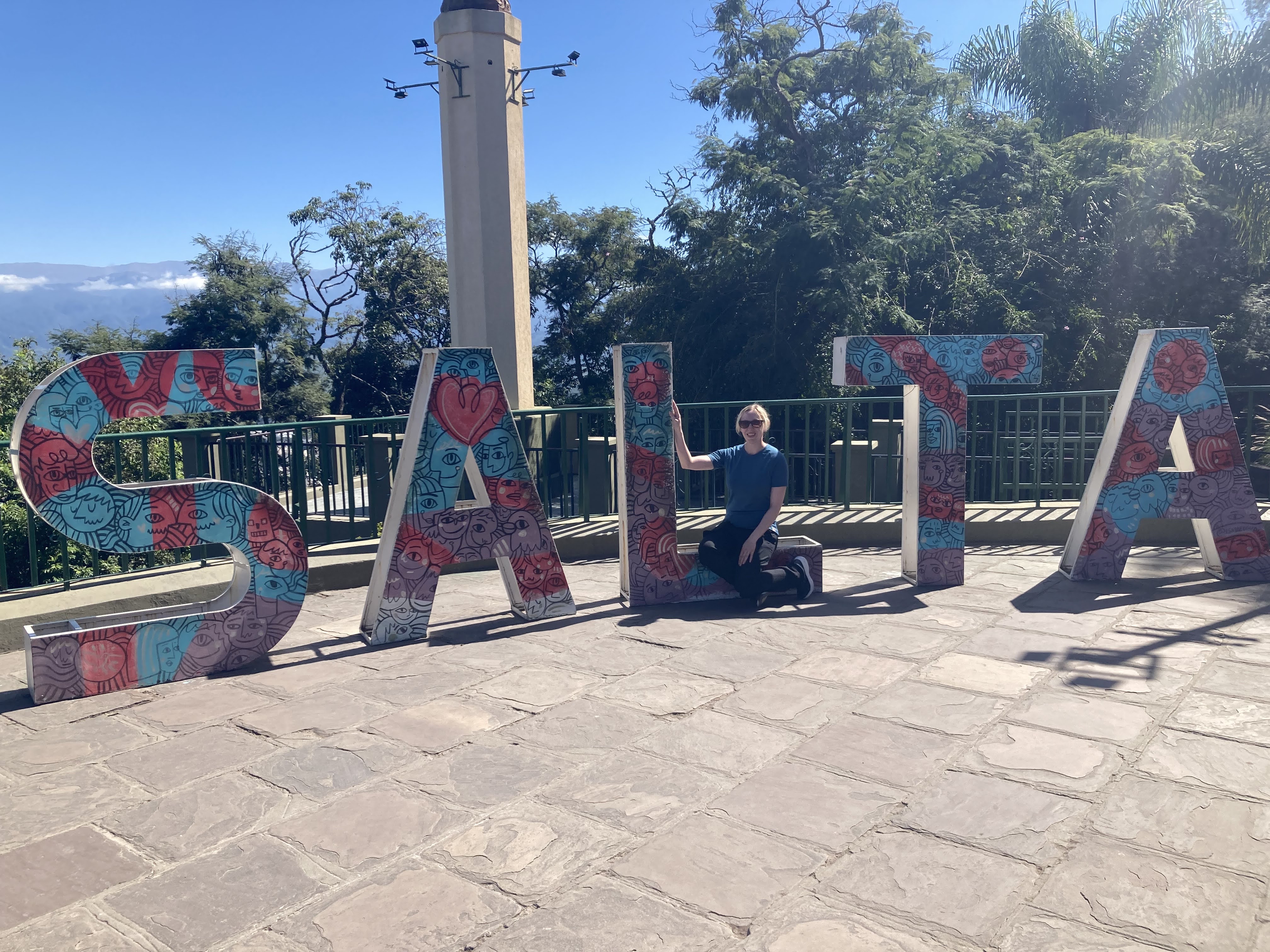
Of course, we were greeted at the top by great views across the city and the ubiquitous city name sculpture. We’d been wondering where Salta’s had been hiding!
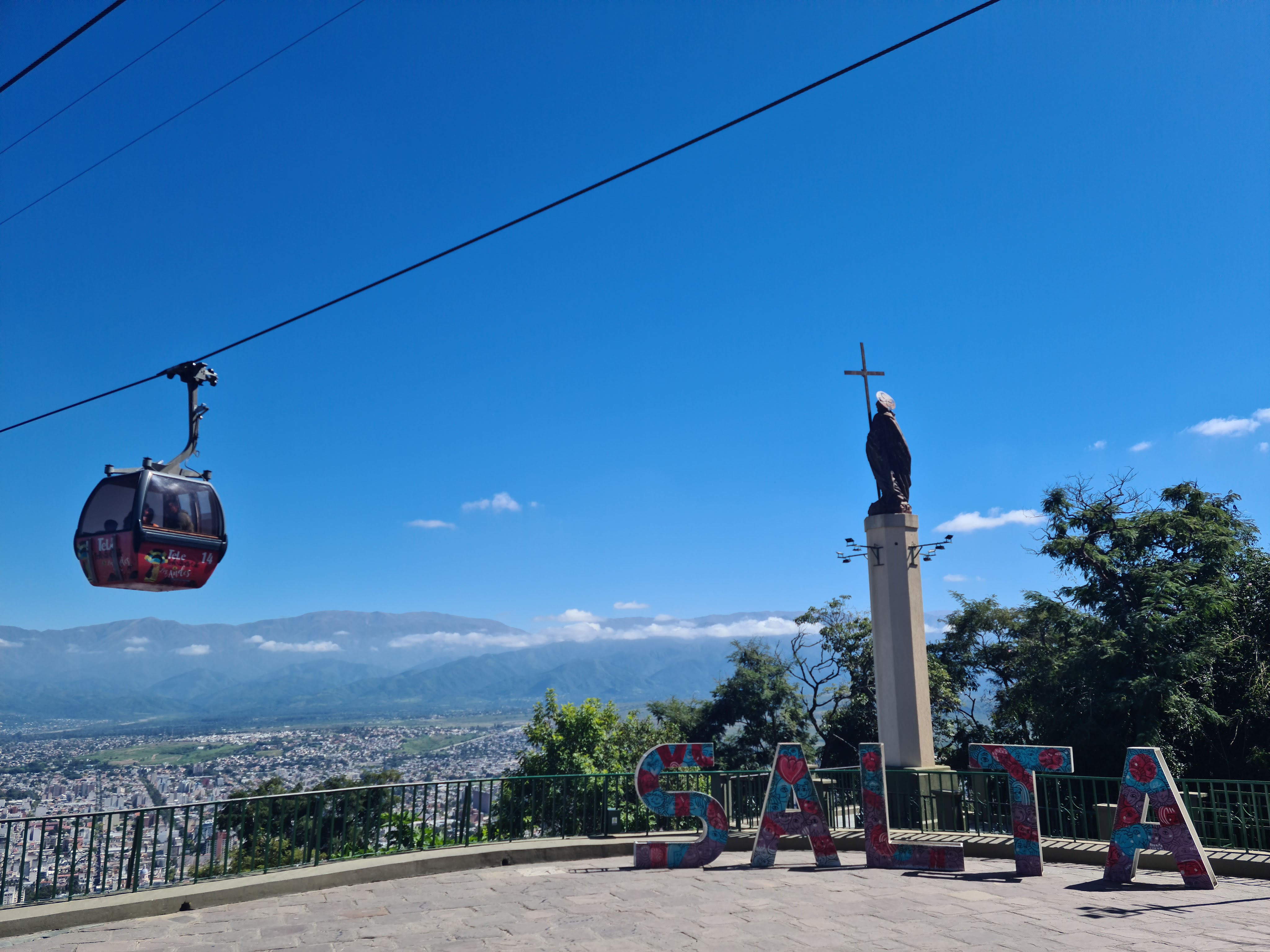
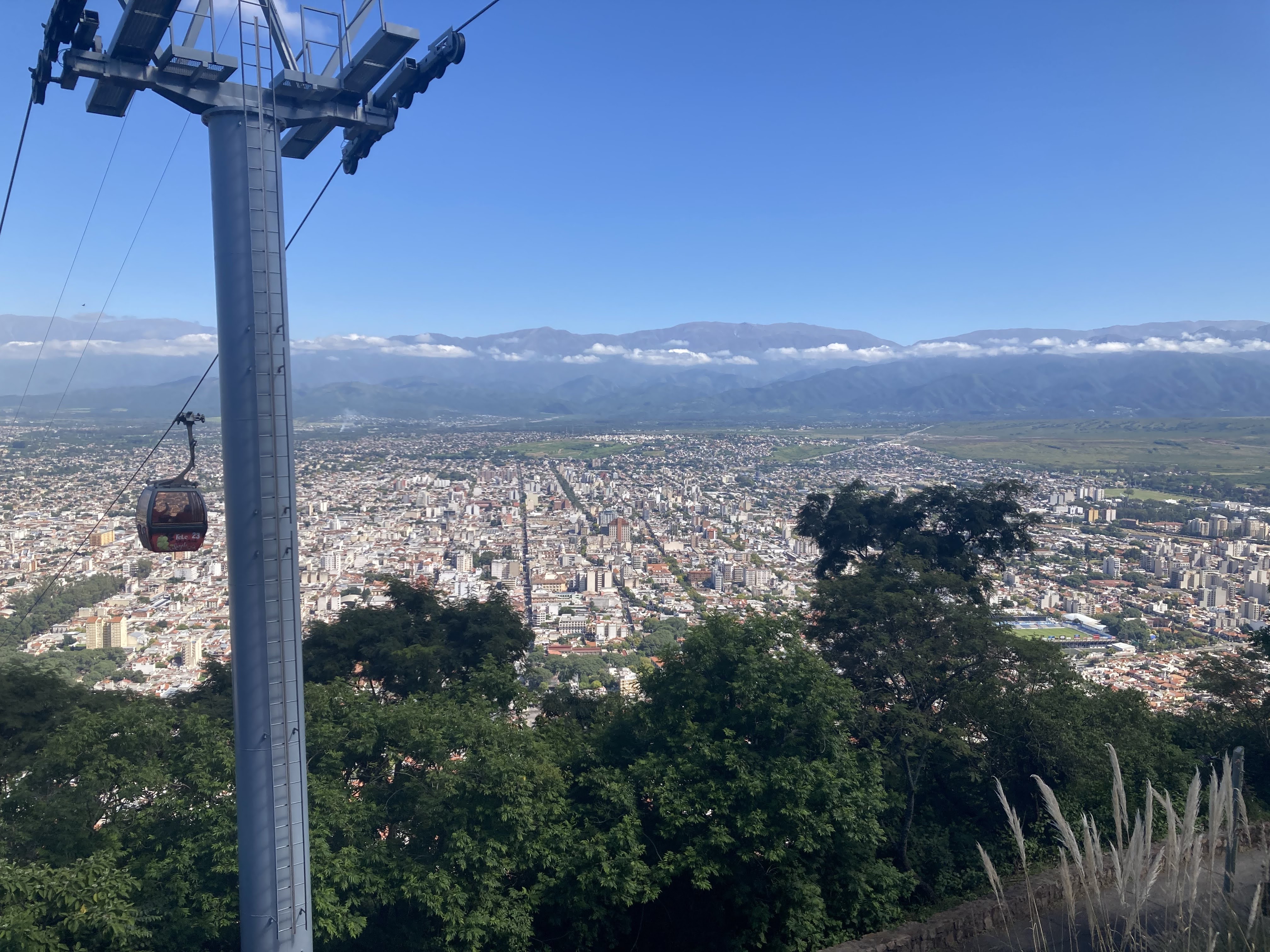
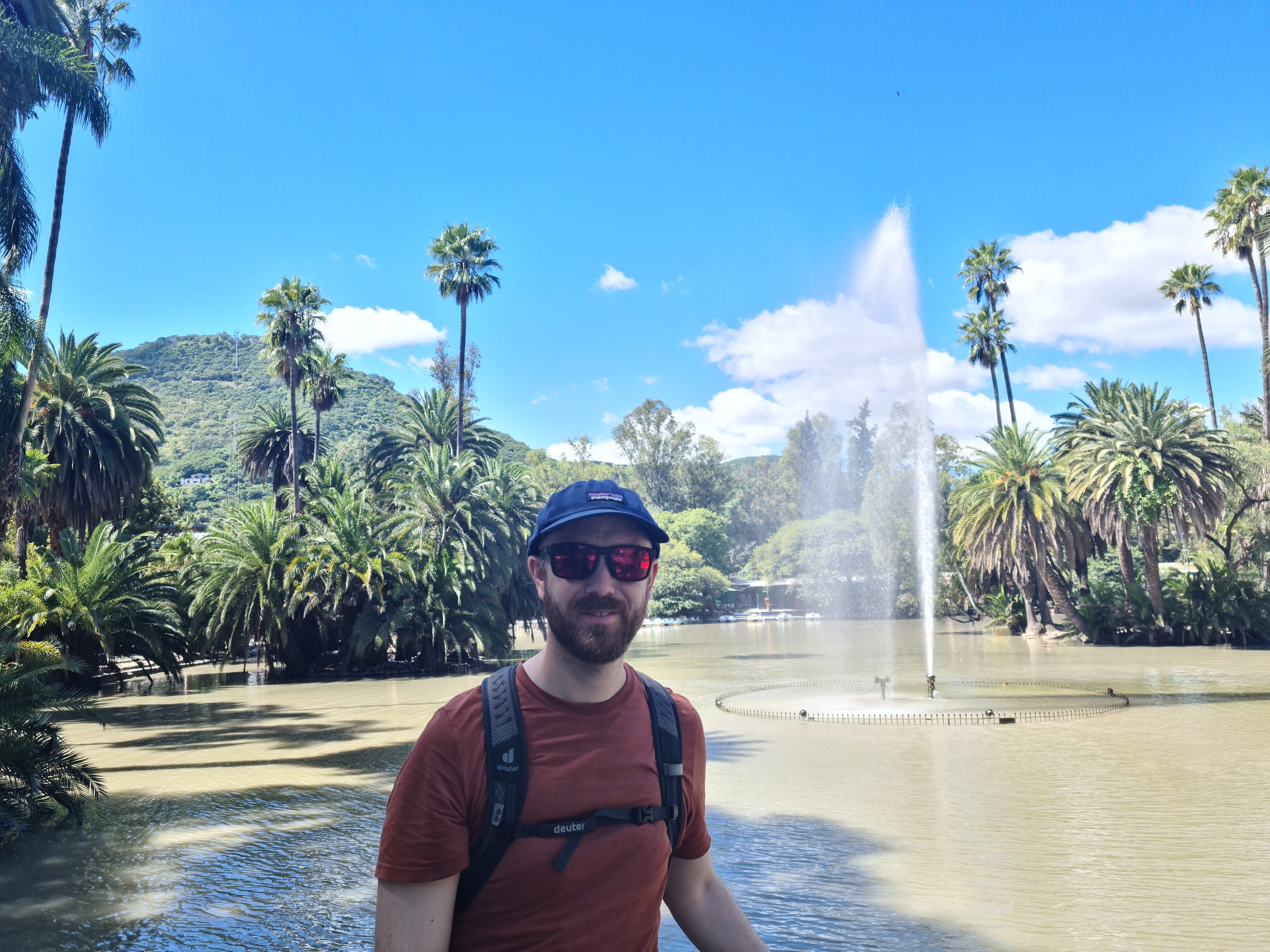
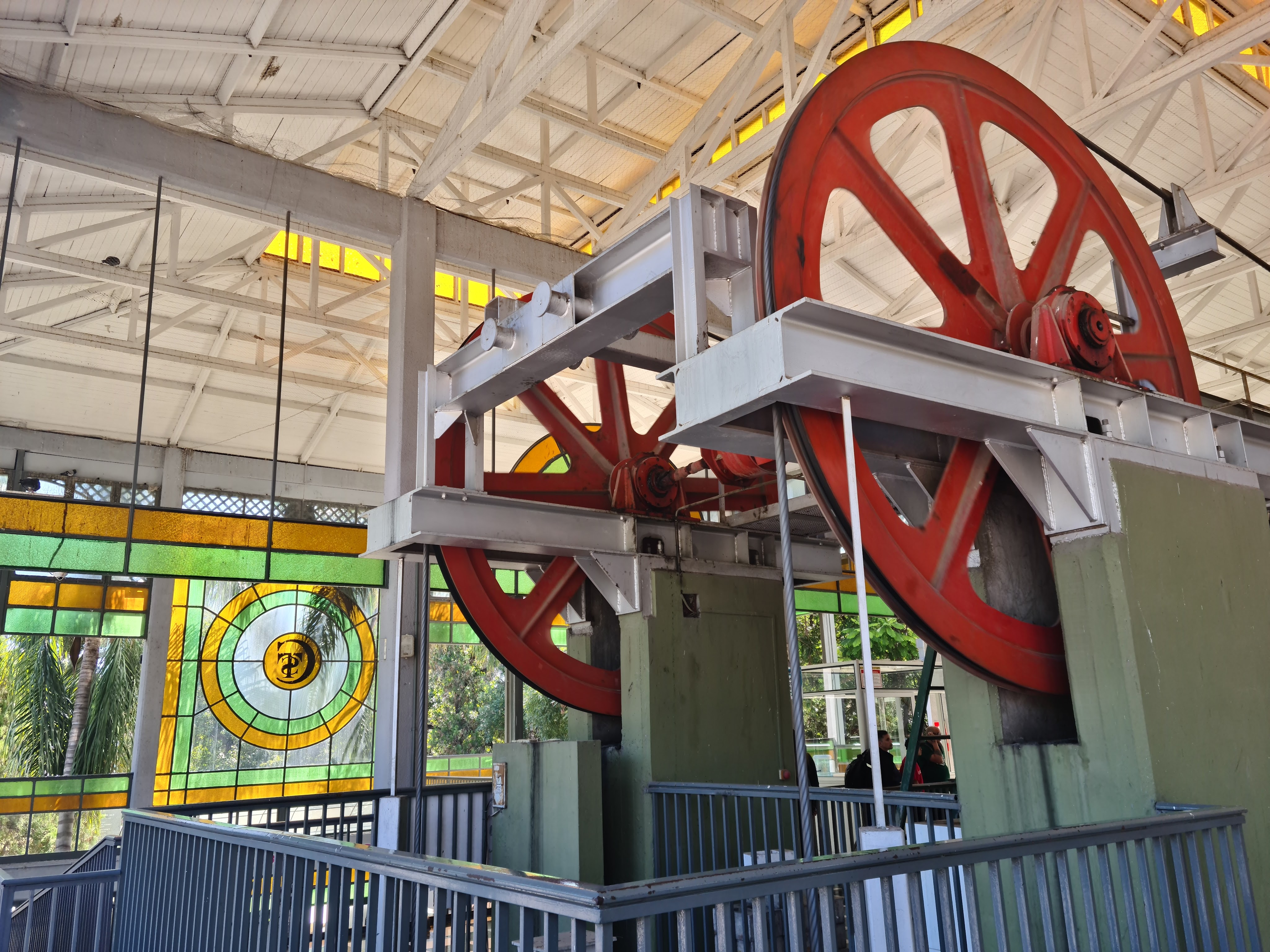
We couldn’t pass on the cable car completely though, so this was how we made our way back down. The great thing about Salta’s, is it takes you out of the hillside area, across some roads, arriving into to a completely different park. It makes a great mode of public transport!

On that note, our second big excursion in Salta province (after the wine valley) was to the Tren a las Nubes, or “Train to the Clouds”. This romantic sounding venture would take us to the world’s third highest railway line, reaching altitudes of over 4,000km. Inaugurated in 1948, the trainline was originally built to connect the northern Argentine provinces with Chile. Its construction is considered a monumental engineering achievement, overcoming formidable challenges such as extreme altitude, rugged terrain, and harsh weather conditions. Initially used for transporting goods, it has since become a tourist attraction, offering travellers a unique journey through the Andes Mountains.
The journey there began at Salta train station at 6.30am where we boarded…a bus. Yes, disappointingly the full rail route from Salta is not well maintained enough to allow a direct service. We would therefore be making our way to the remaining tracks by road. A rail replacement bus service – it’s almost like being back home in the U.K….
On the plus side, I had been expecting a cramped minibus to take us there. Instead we joined a selection of spacious, comfortable coaches. In fact, so well prepared was the tour operator, our guide advised us that not only was there a medic on board each coach, but there was also a spare coach and ambulance following in case of any issues. It sounded more like the support team for a cross-continental race!
The journey north was entirely uneventful though, with several stops to allow us to acclimatise to the altitude, and to give local traders a chance to hawk their wares.

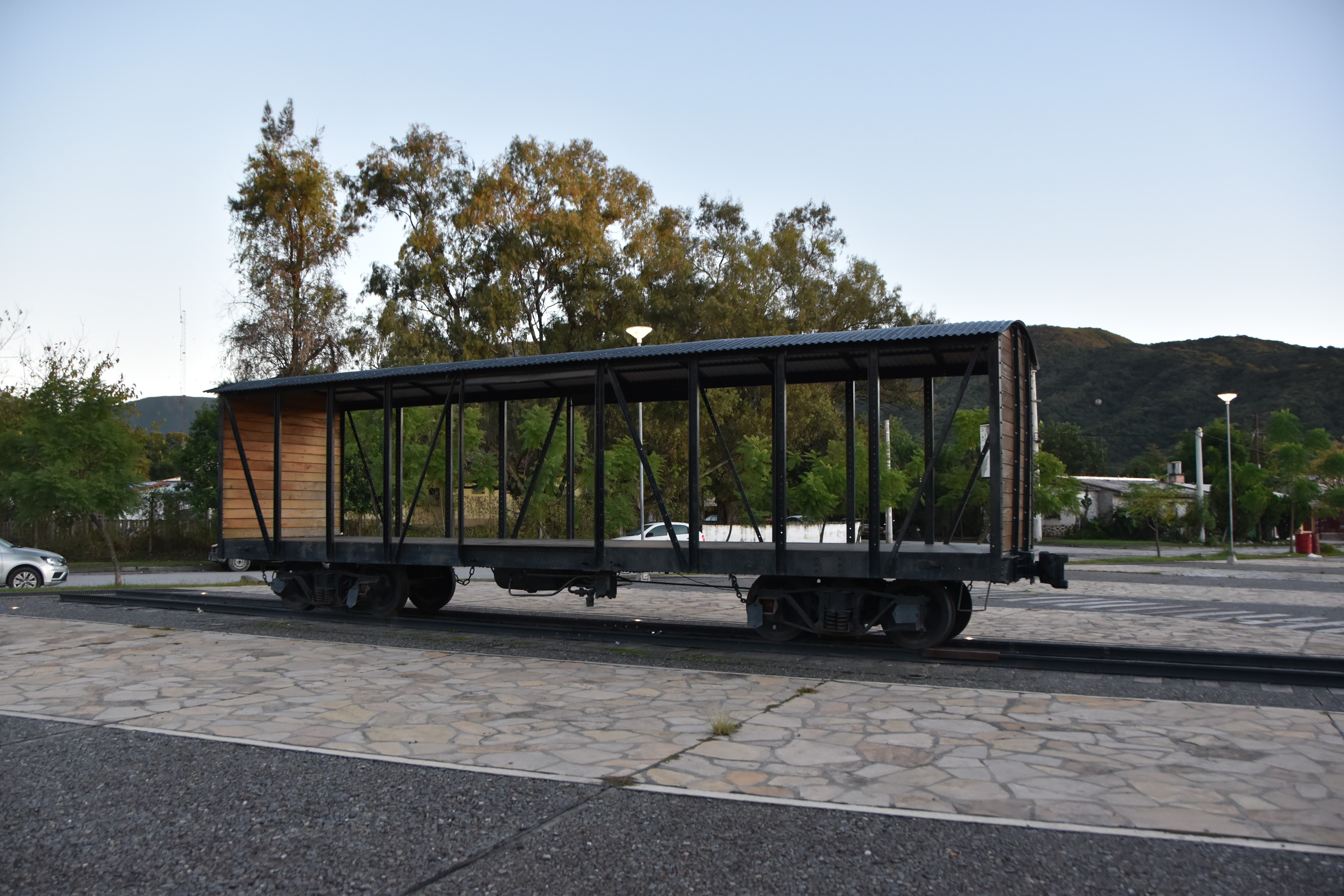
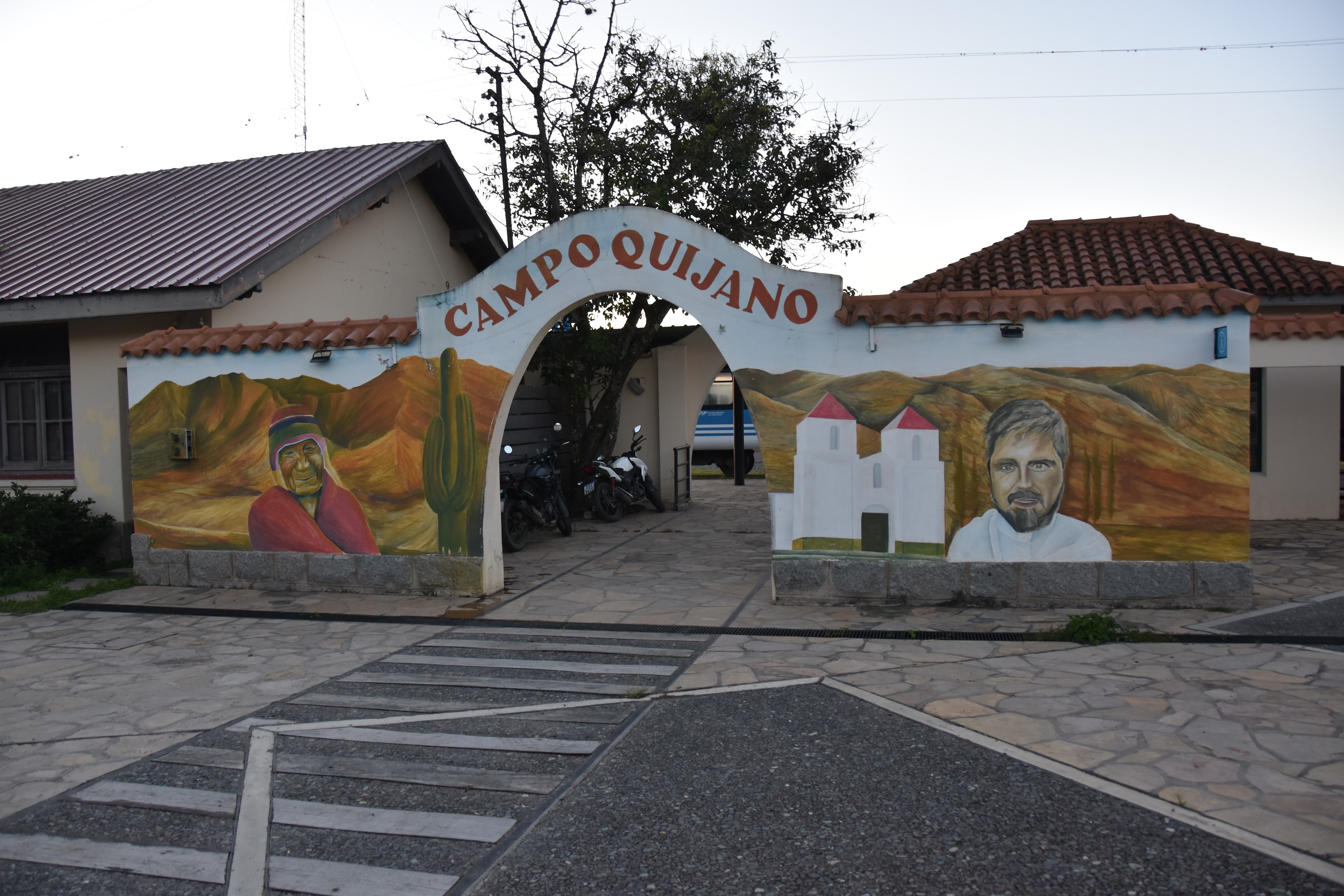

Campo Quijano – where they teased us with a (very rare for Latin America) fully functioning commuter rail station
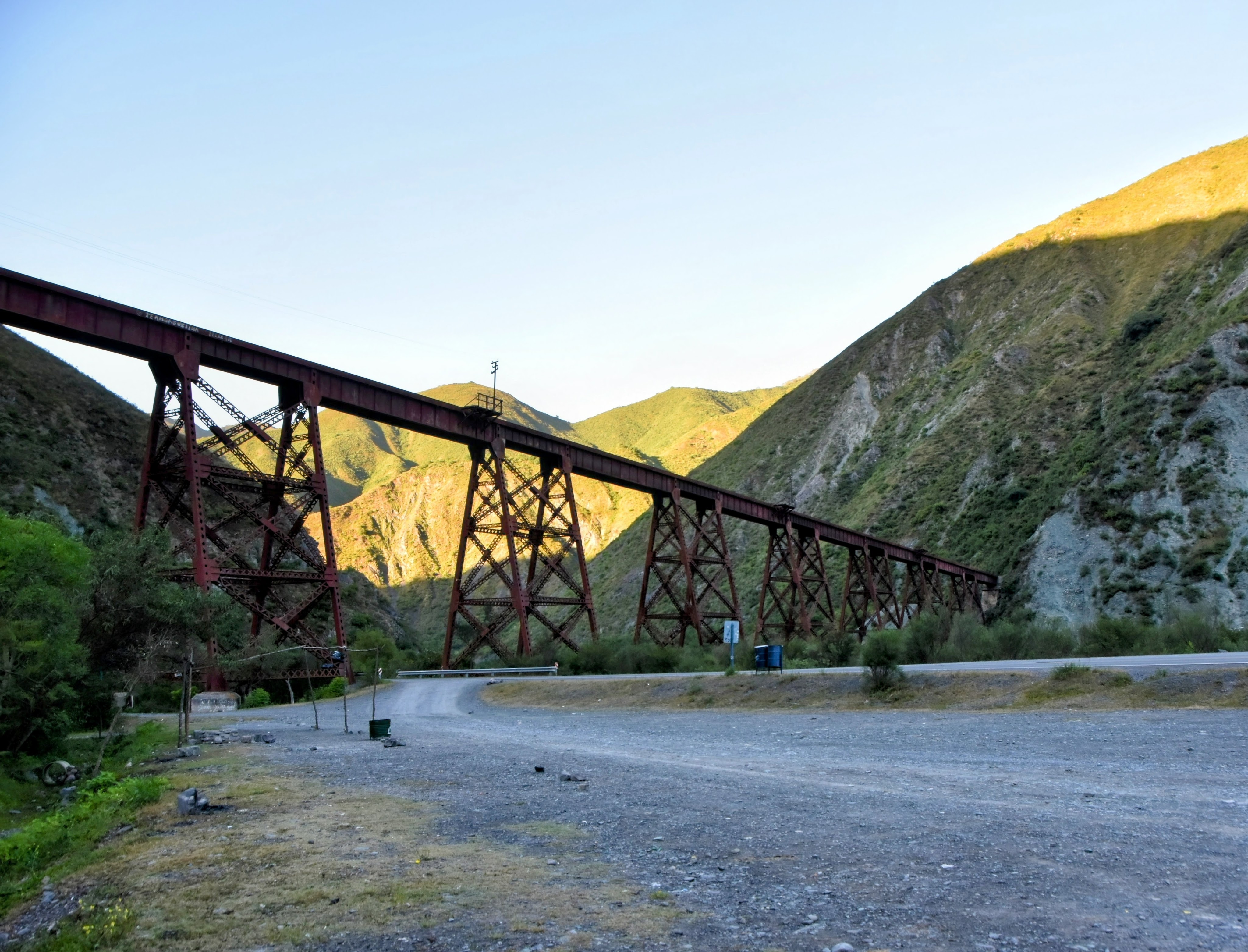
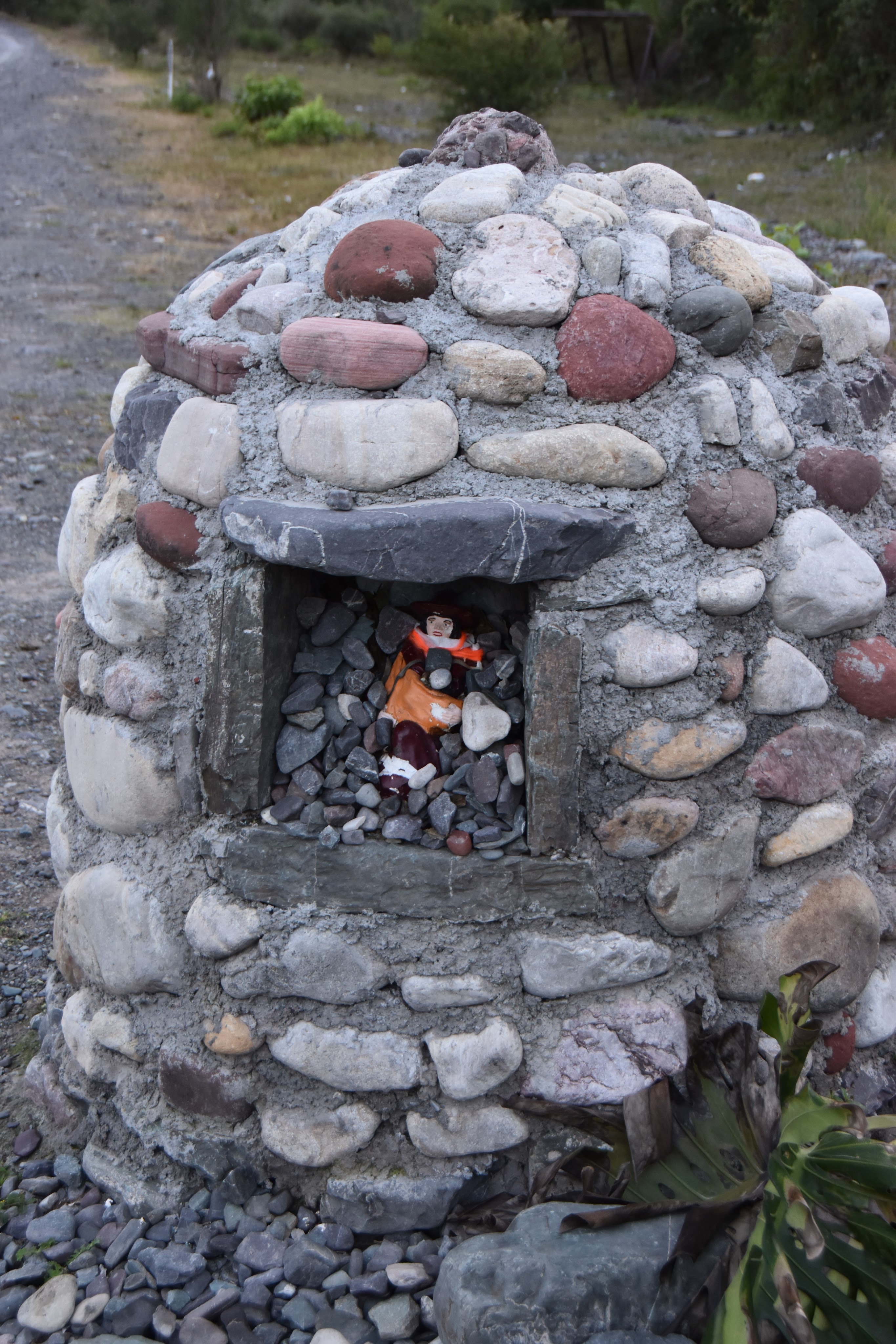
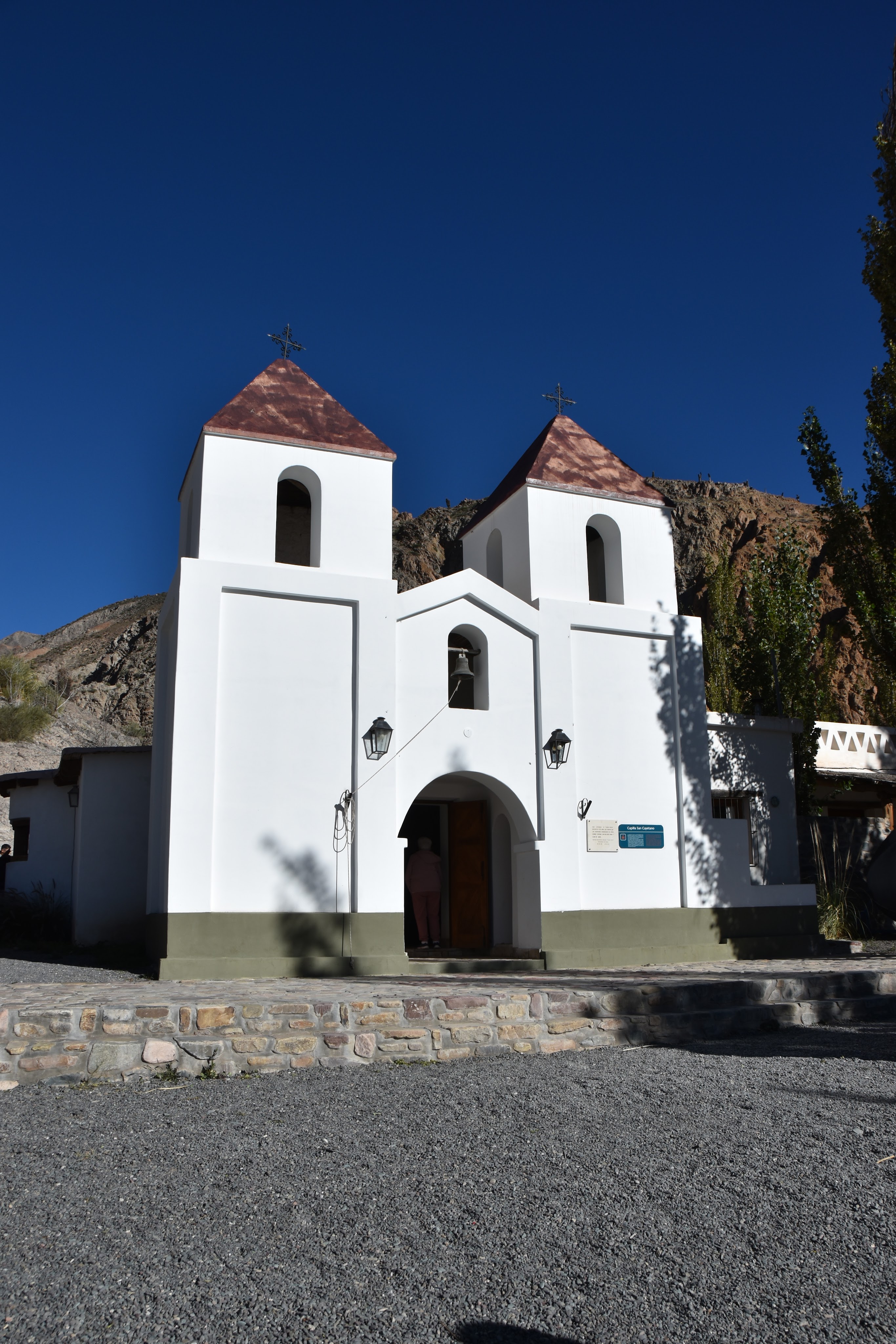
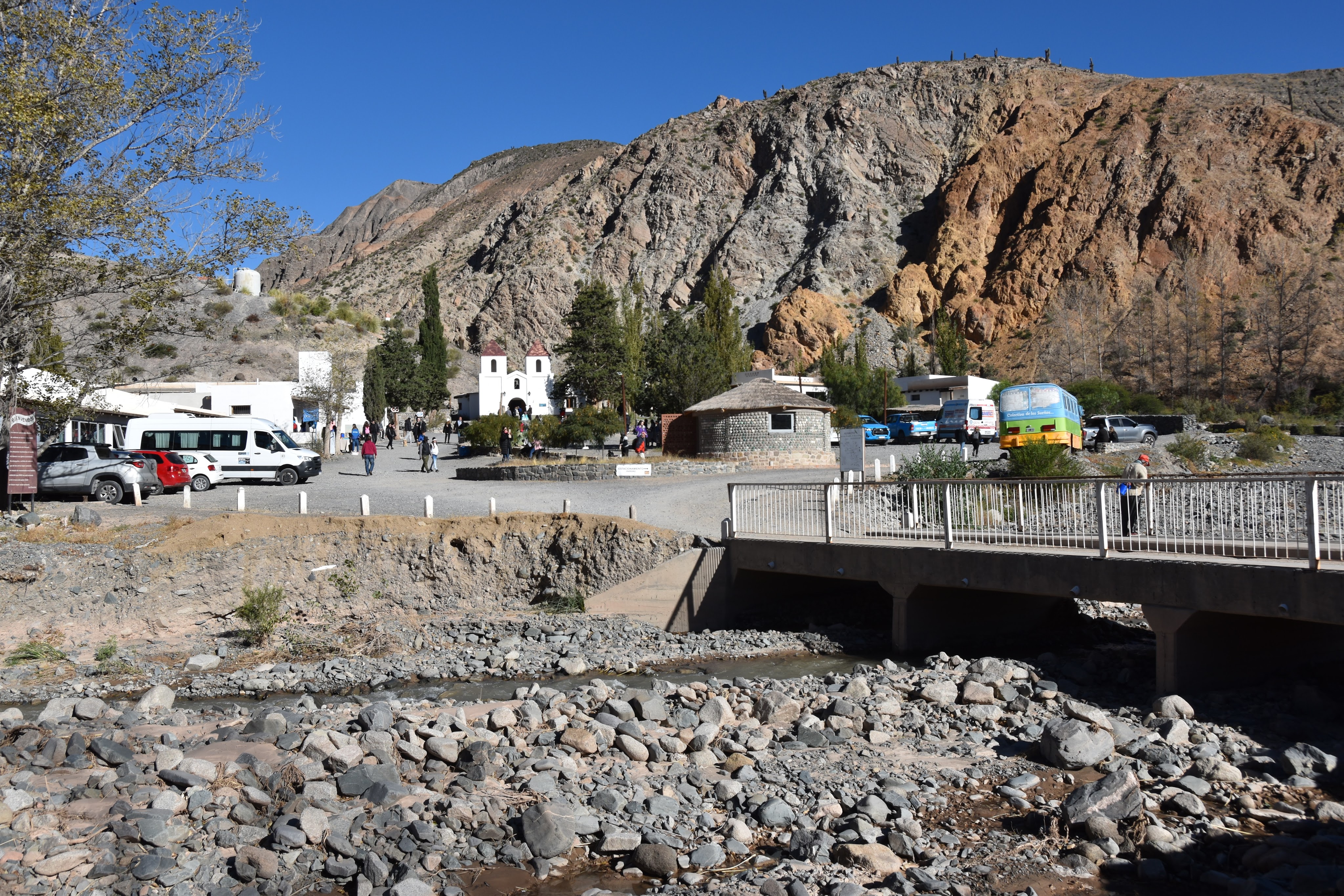
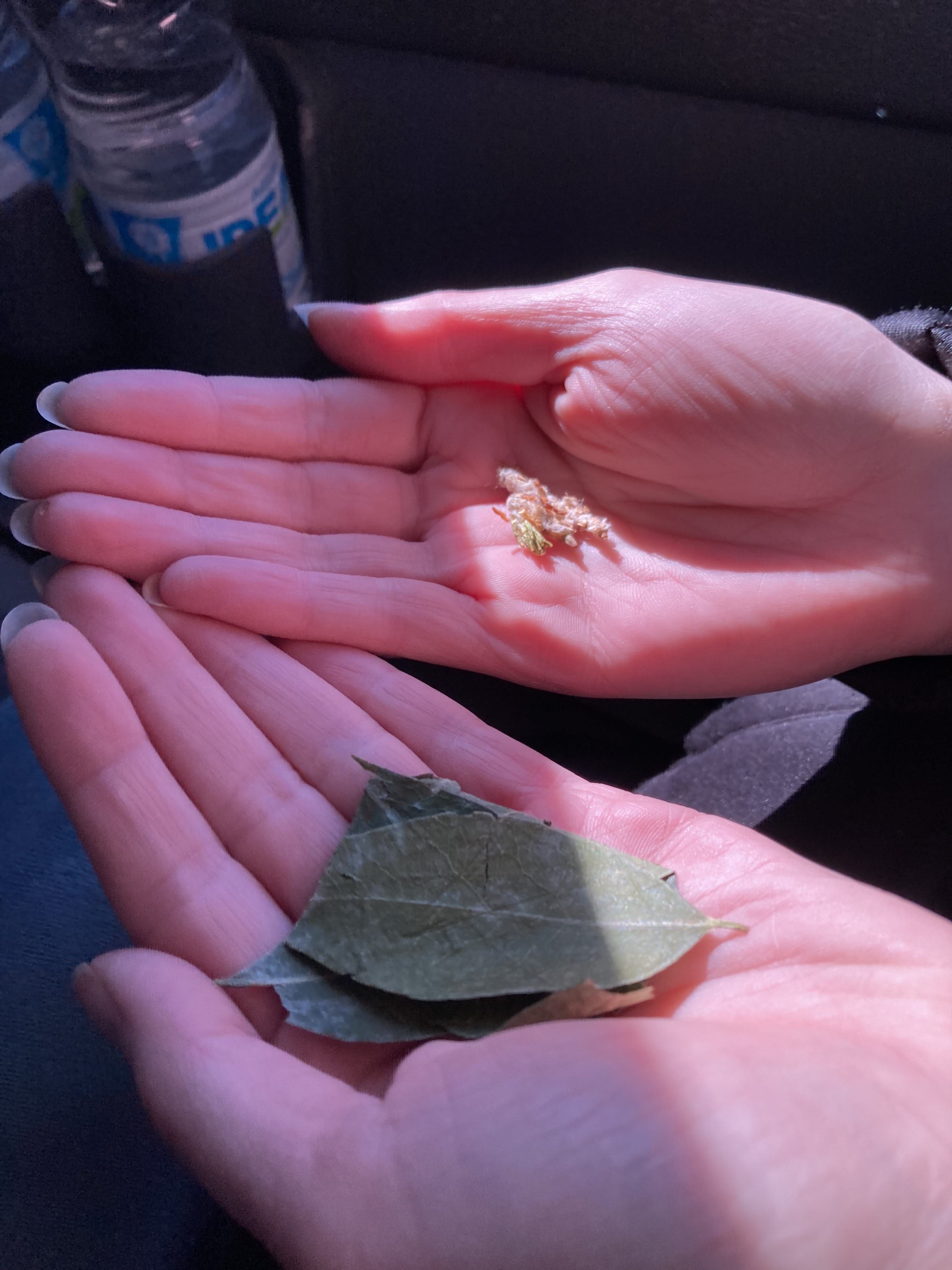
Our guide also provided us with coca leaves to suck on (“do not chew unless you want to have an entirely different problem”) and pupusa to smell, which allegedly helps open up the airways to allow greater oxygen intake.
I don’t necessarily subscribe to alternative medicine, but whether it was the herbs, a placebo effect, or just better tolerance on the day, I was pleased there was no repeat of day one in Bolivia. There was at least one poor person on the train later having to make use of the oxygen tanks, but thankfully it wasn’t either of us.
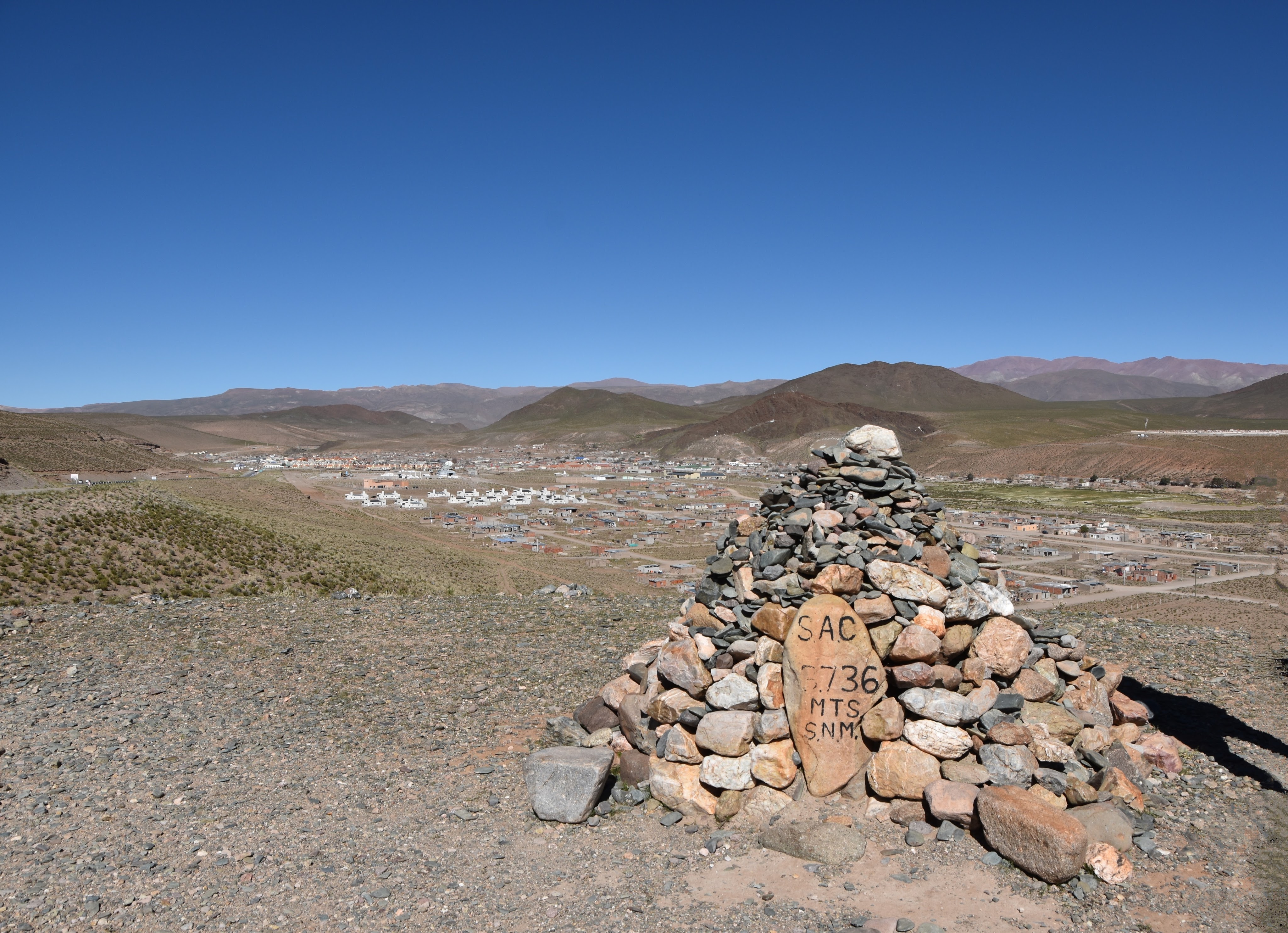
The train itself sets off from San Antonio de los Cobres, a small town of about 5,000 inhabitants.


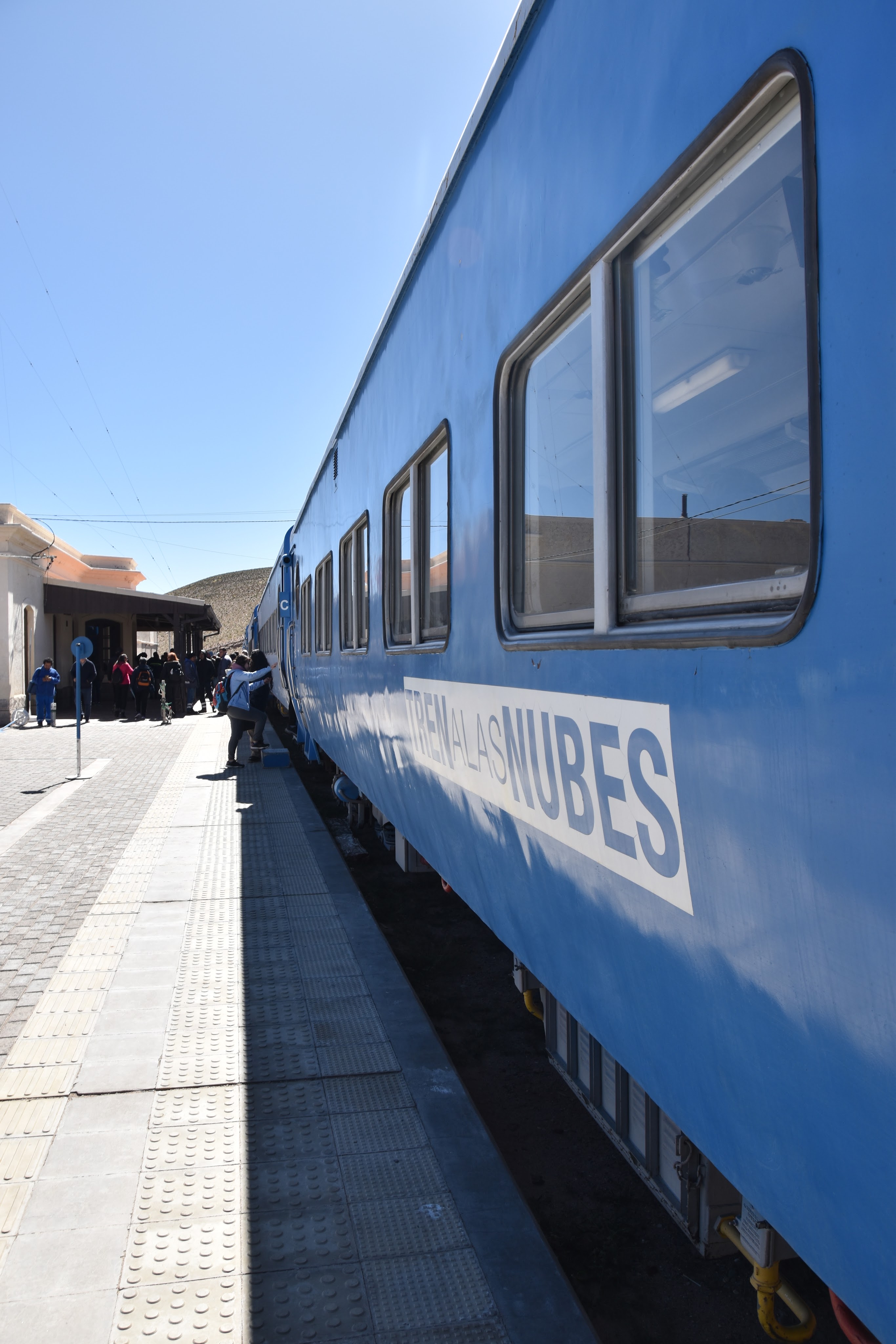
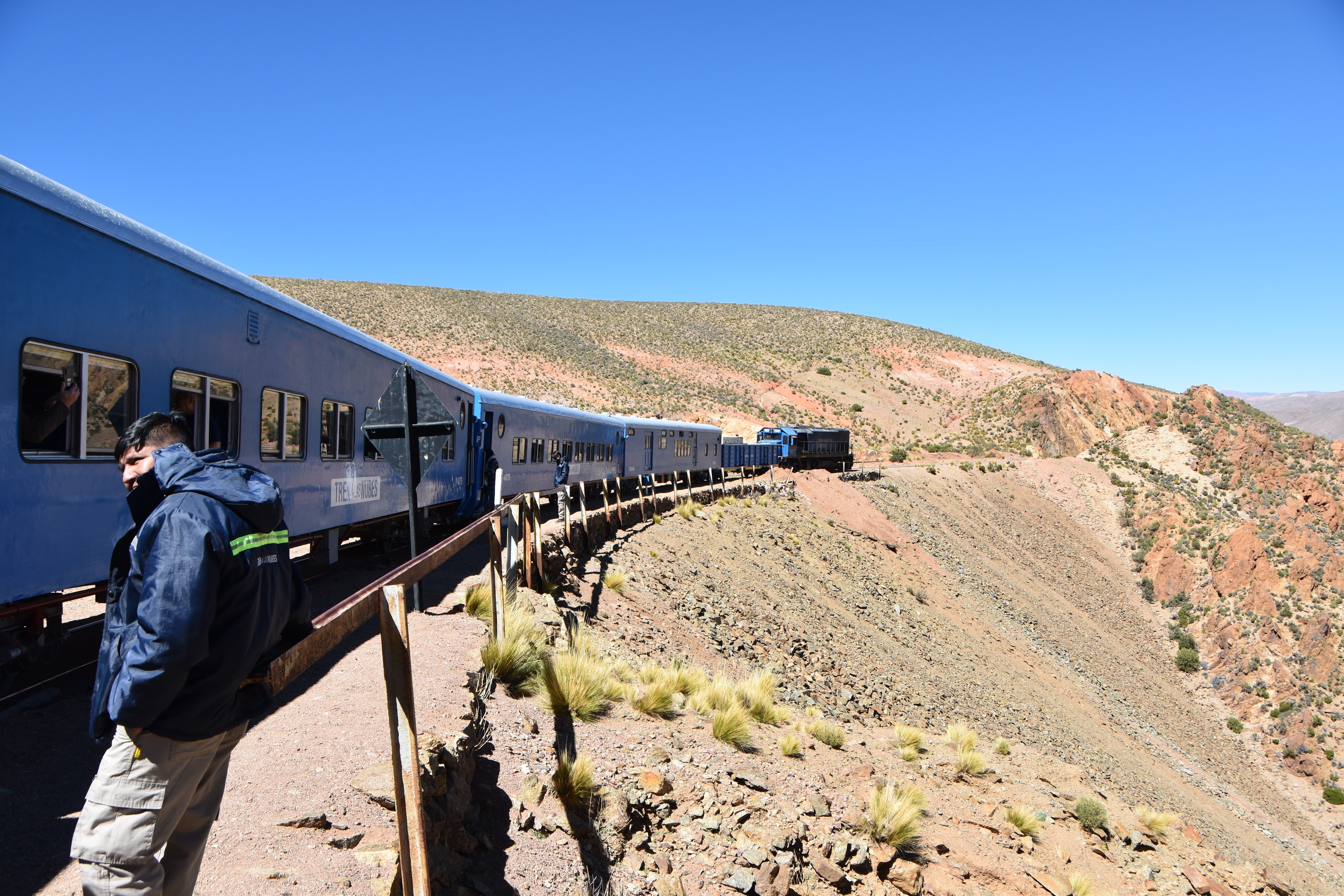
Departing promptly at noon on the dot, it meanders forward at a graceful pace, allowing plenty of time to take in the surrounding Andean vista, and to enjoy seeing the carriages ahead curve round the landscape.
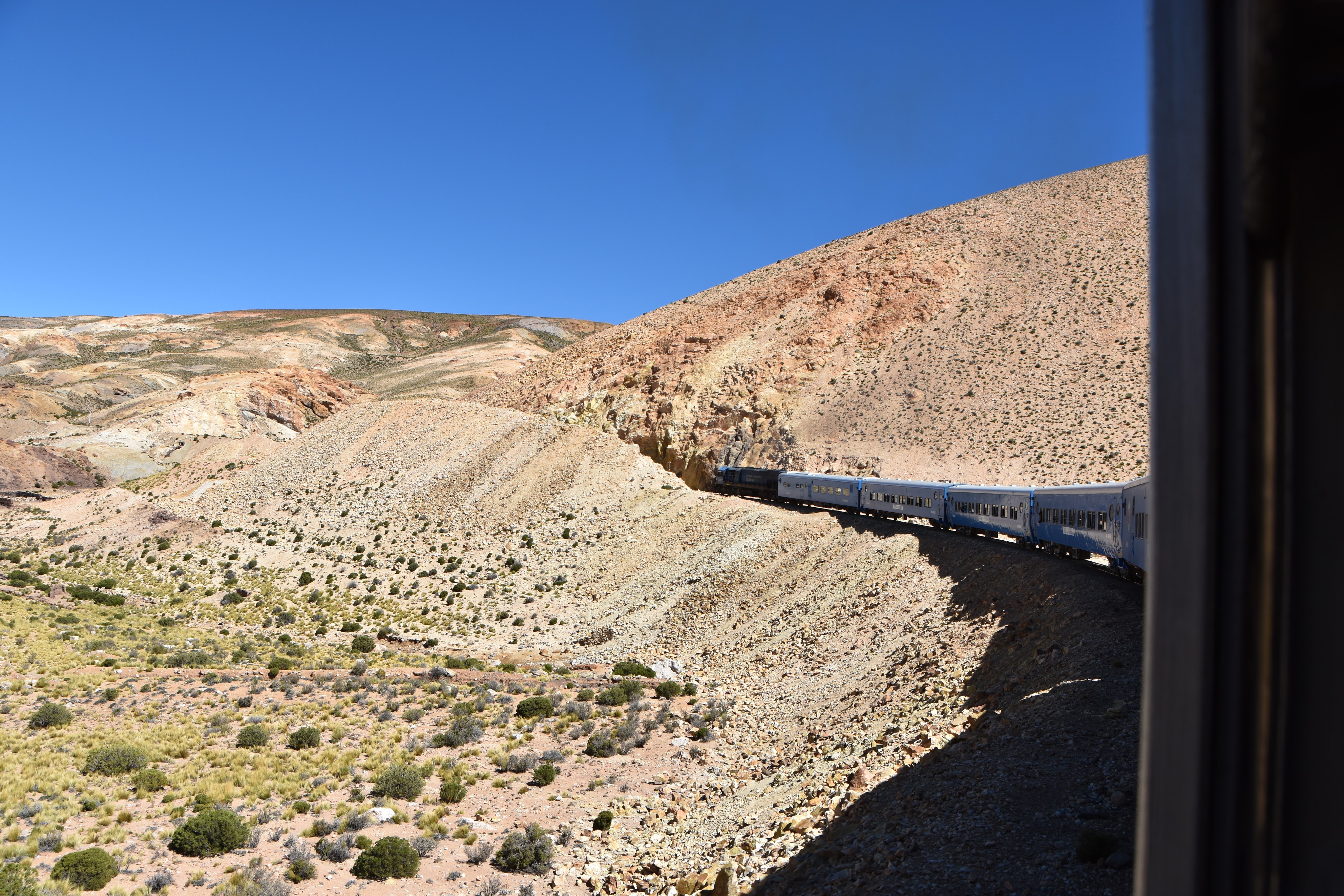
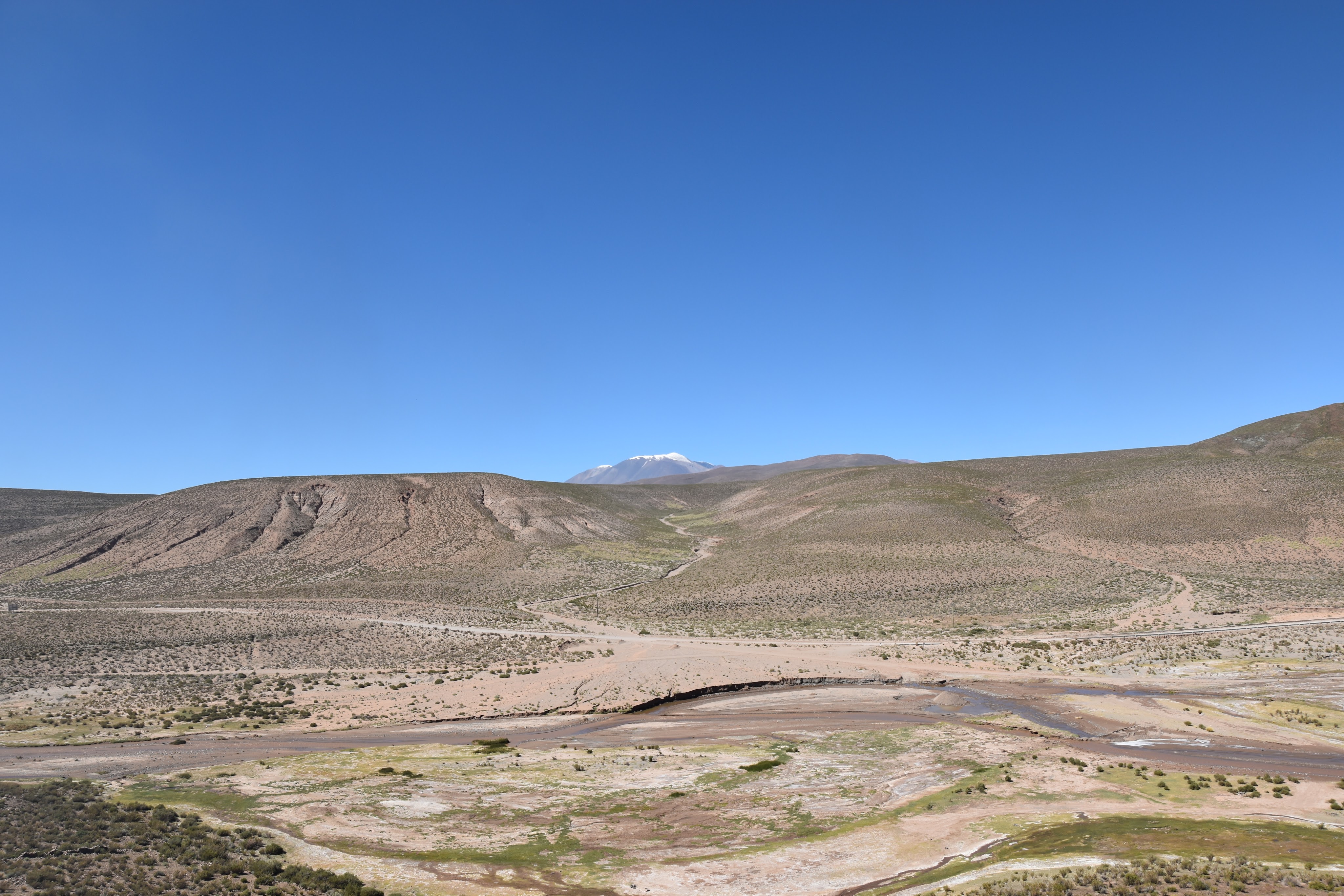
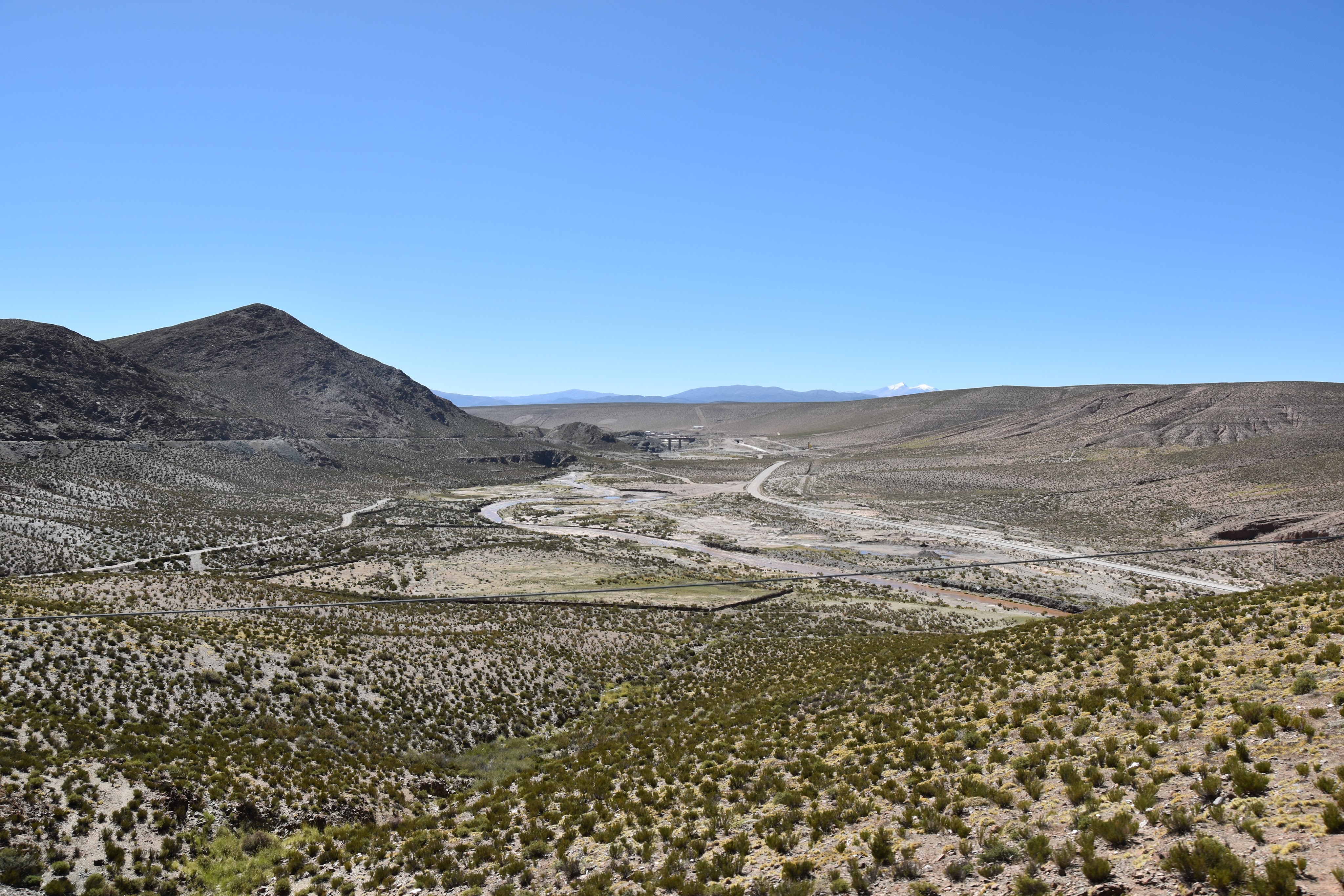
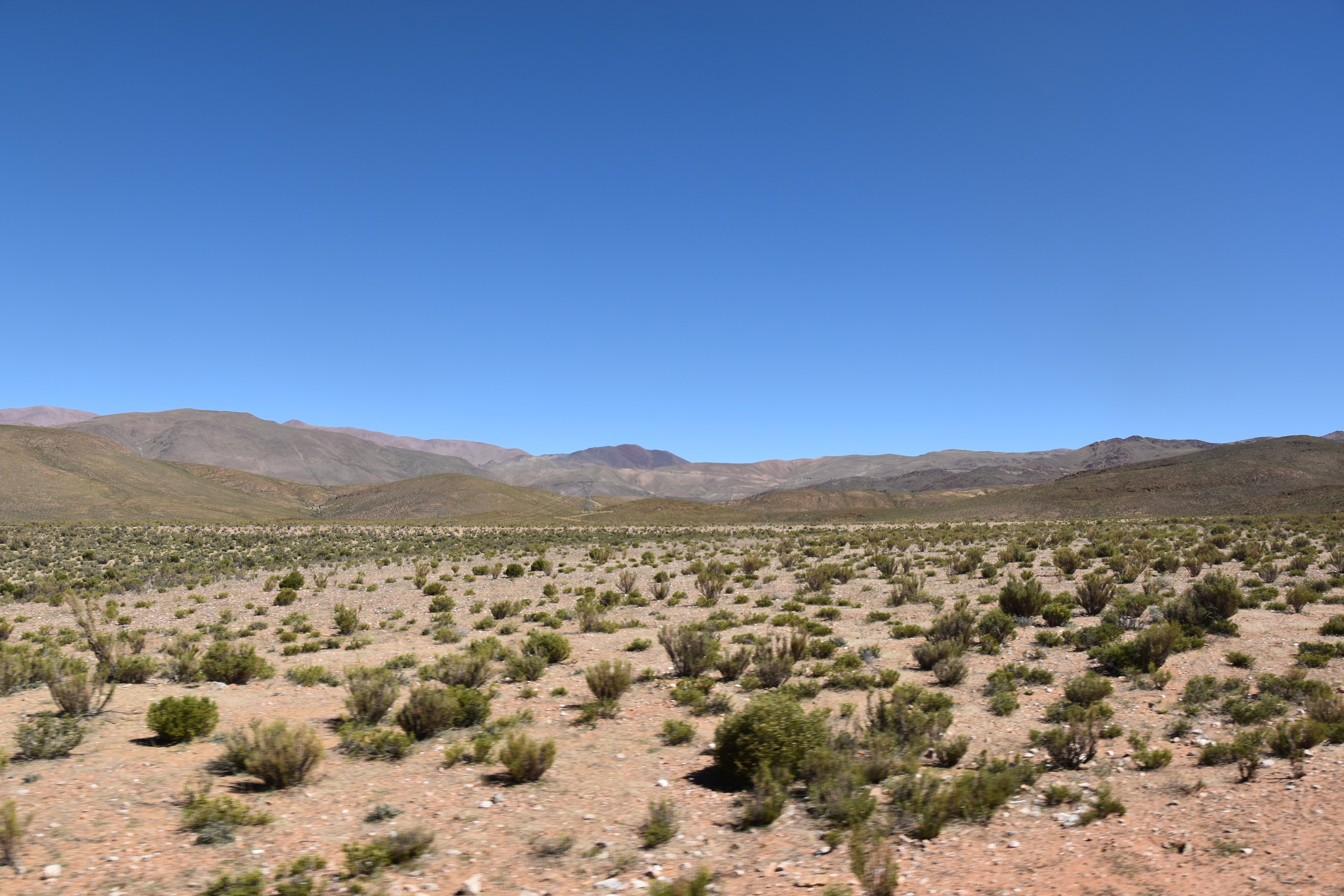
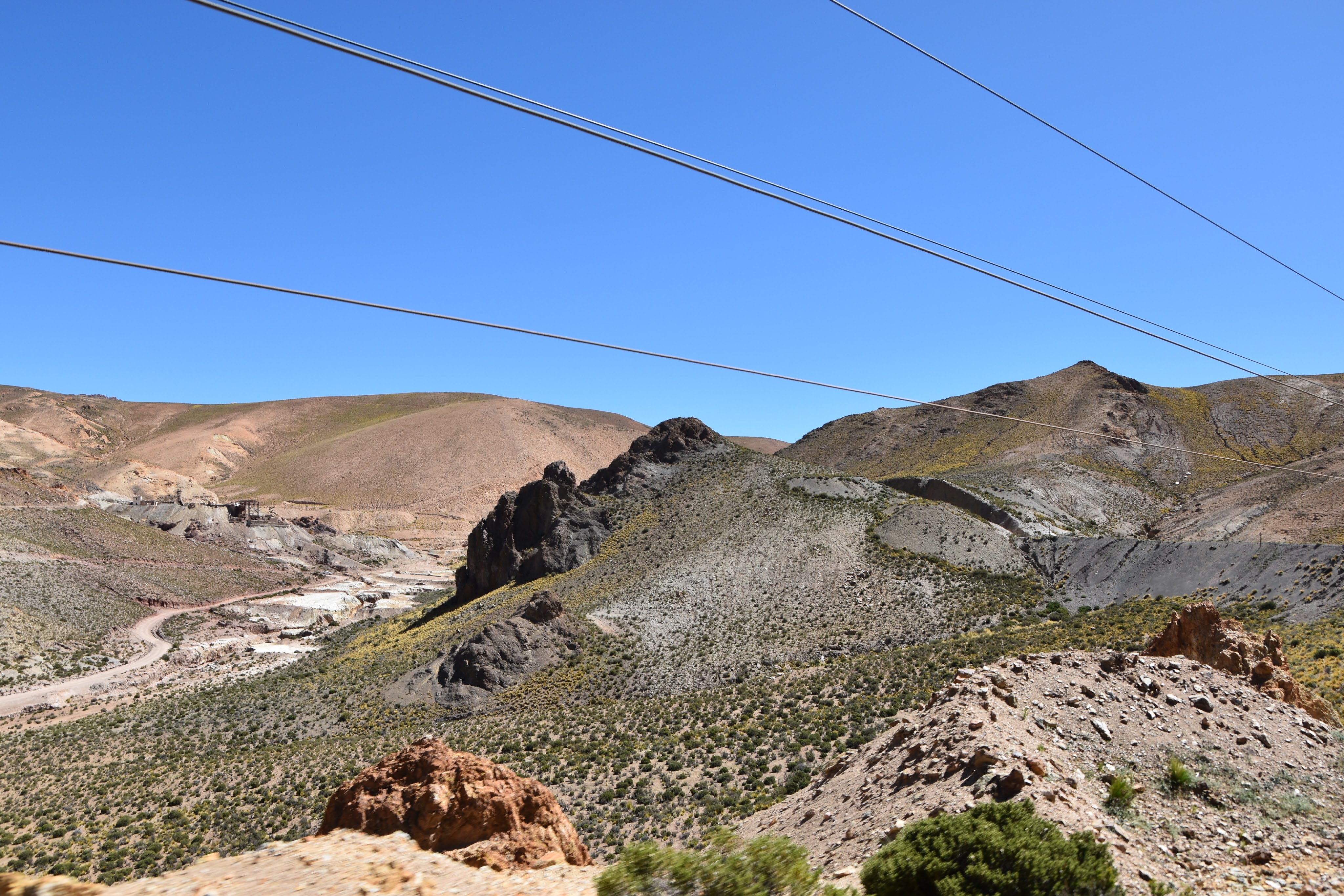
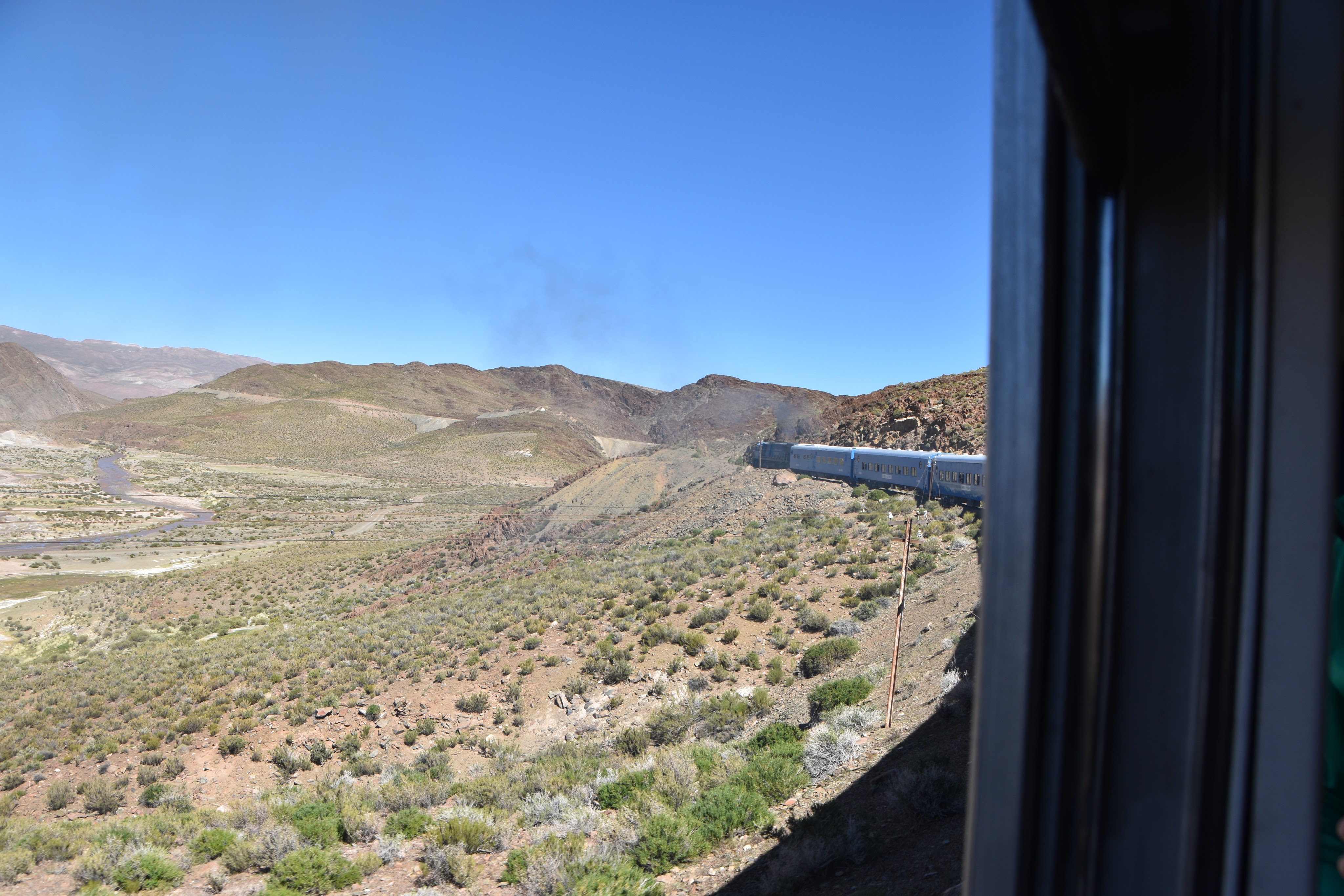
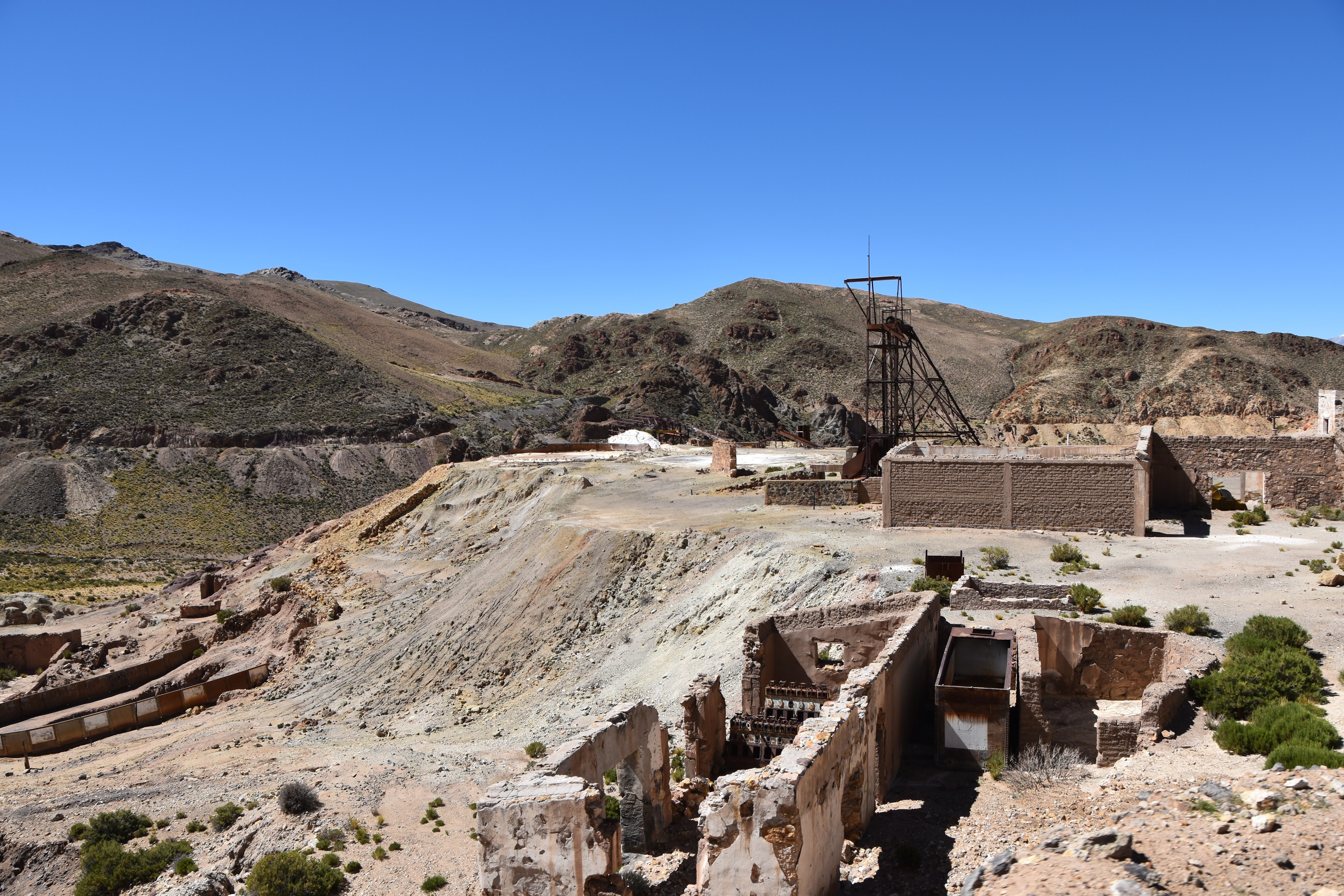
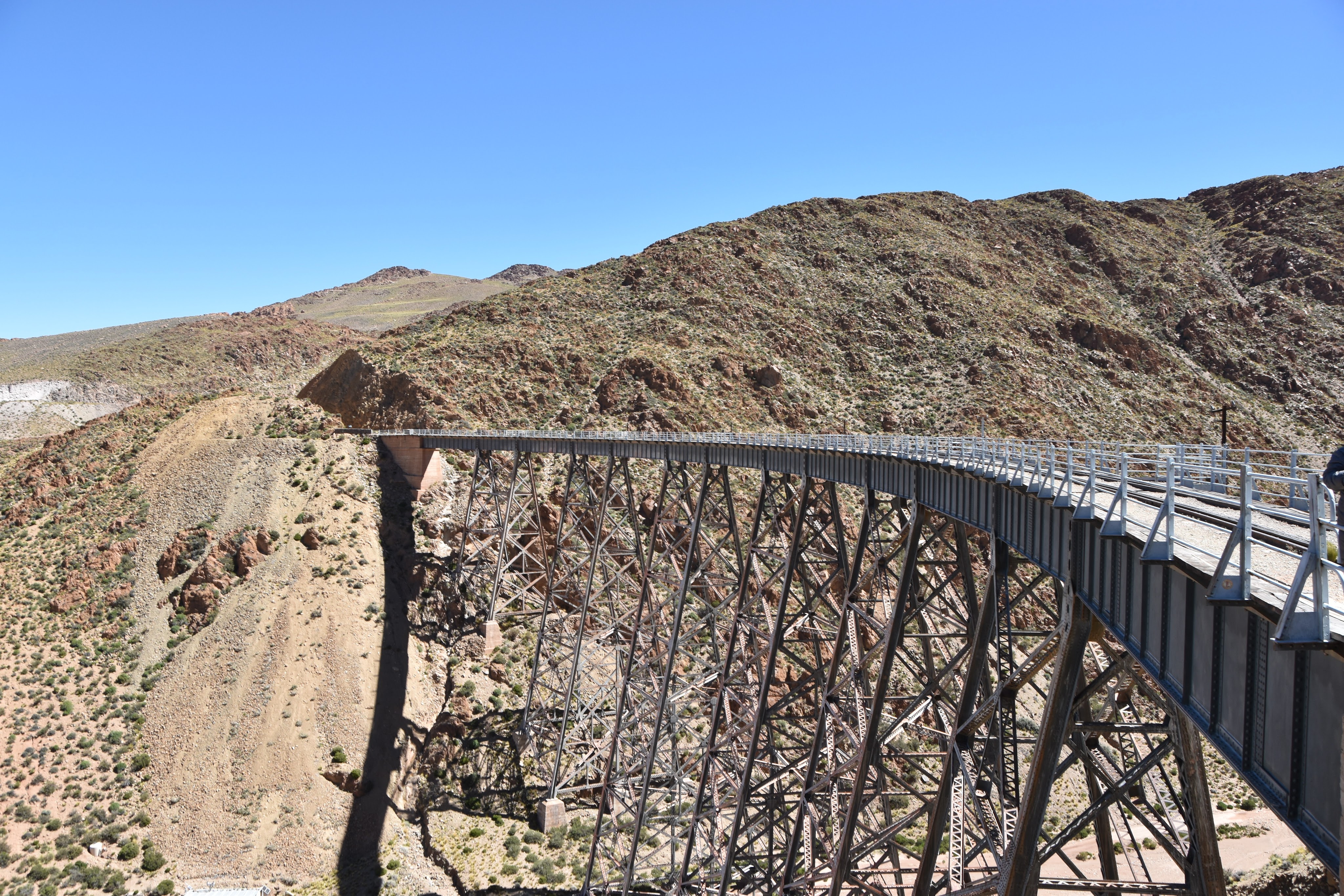
The pinnacle of the trip is the iconic La Polvorilla Viaduct, a stunning engineering feat standing at an elevation of over 4,200 metres above sea level.

As well as enjoying the heights, it is also good fun to watch everyone leaning out of the windows for some great photo opportunities. We were pretty restrained on this front though, neither of us quite ready to risk saying goodbye to our phones or camera just yet.
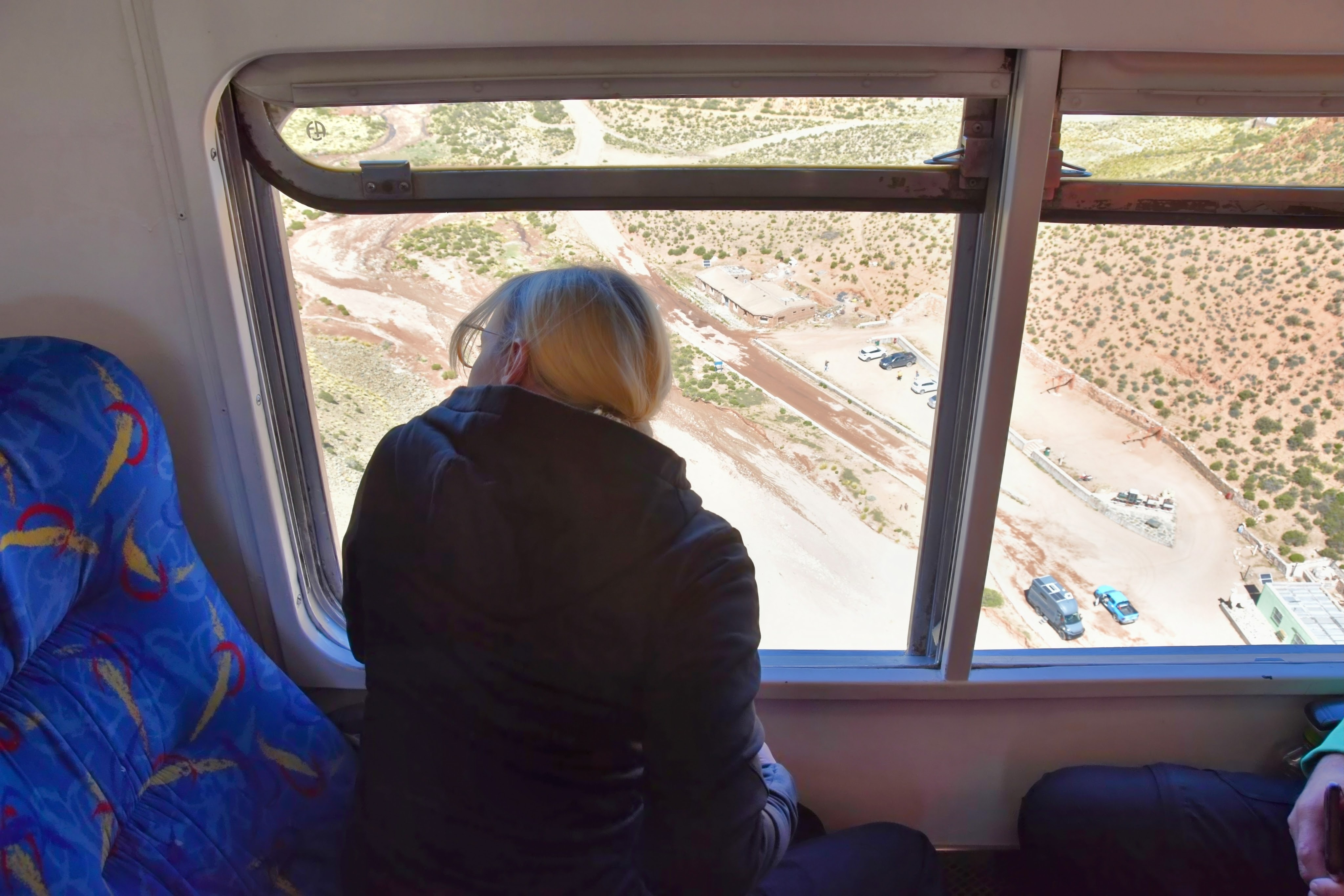
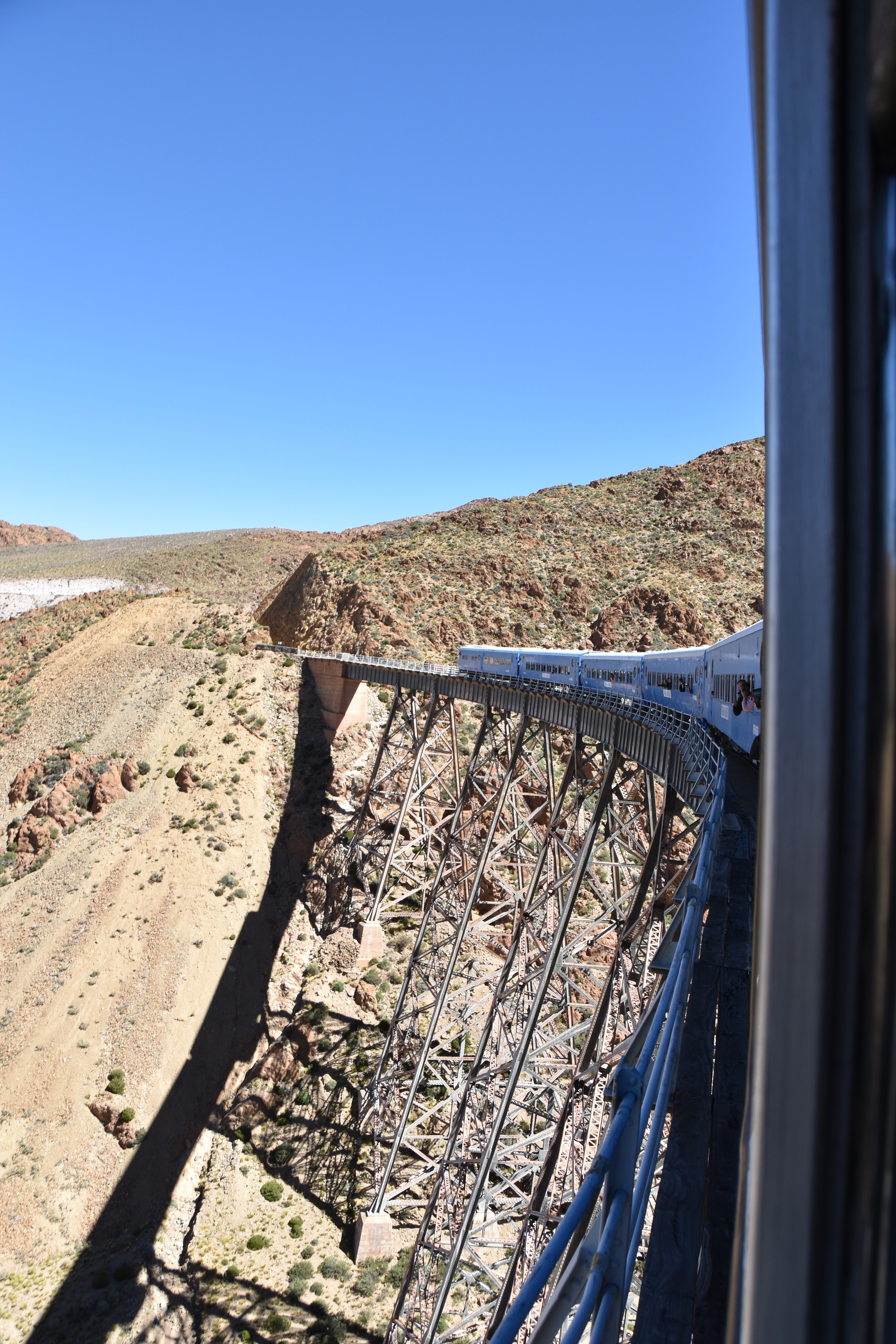
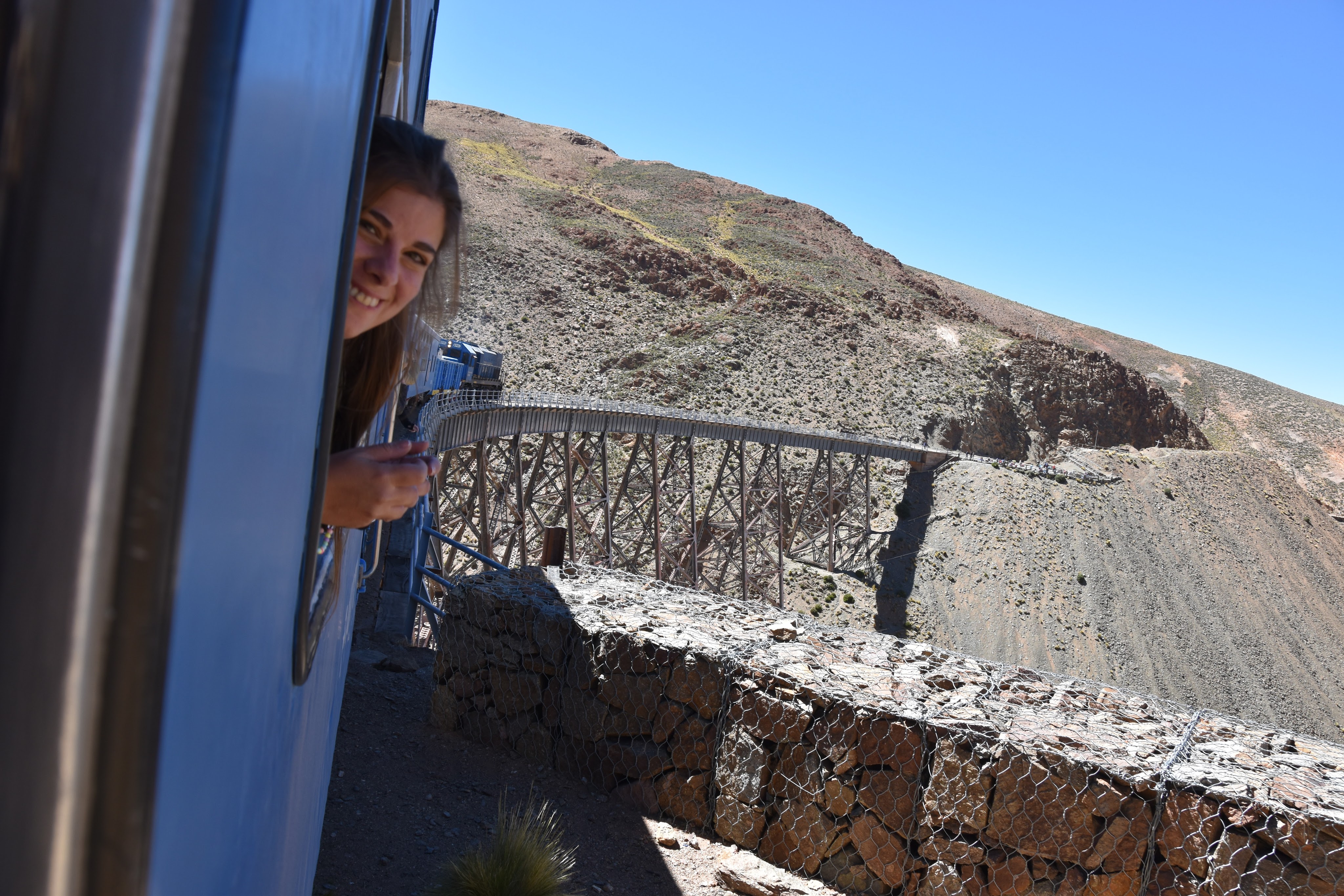
After crossing the viaduct, the train reversed back, pausing for a break at the nearby viaduct viewpoint.
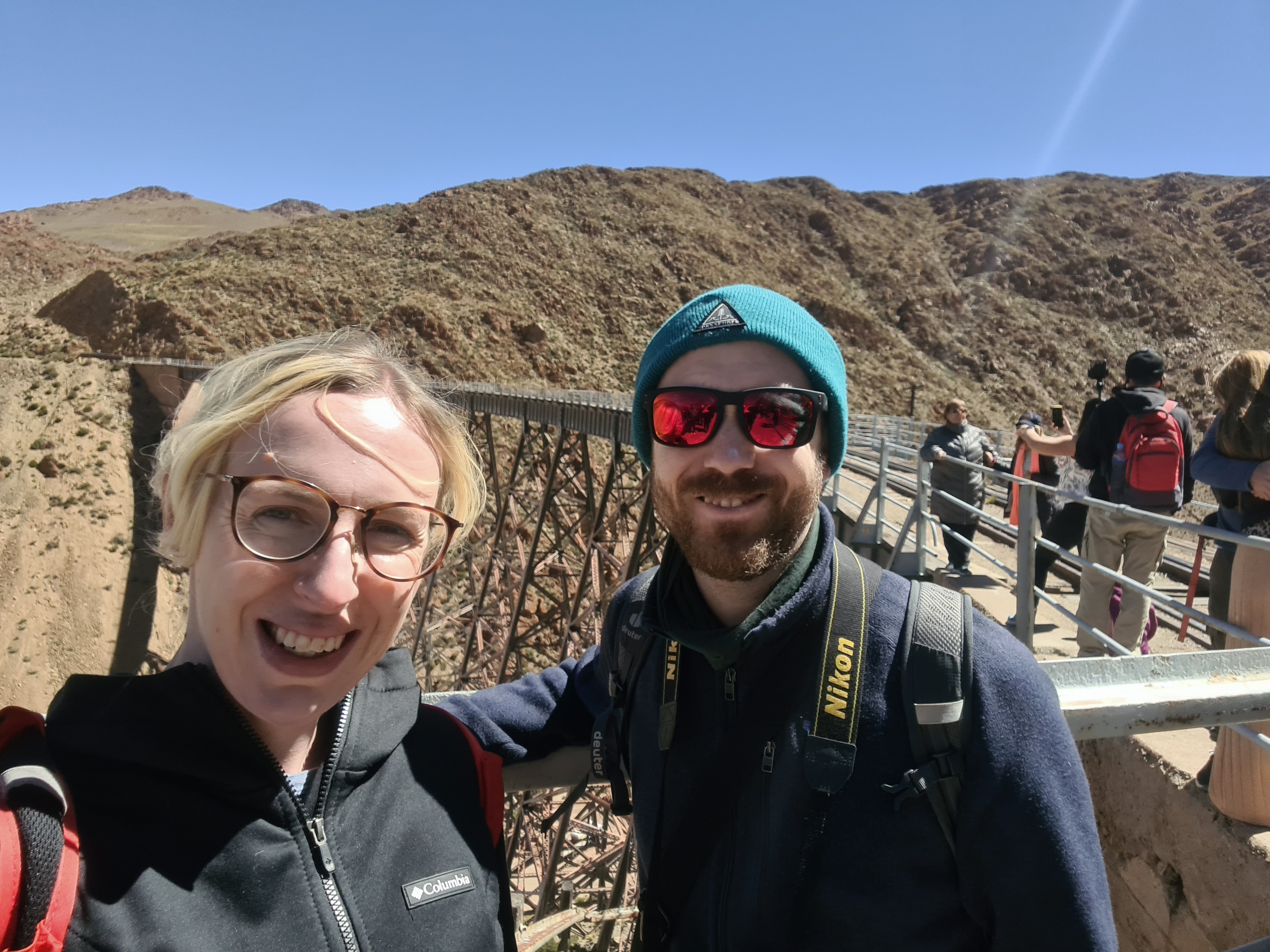
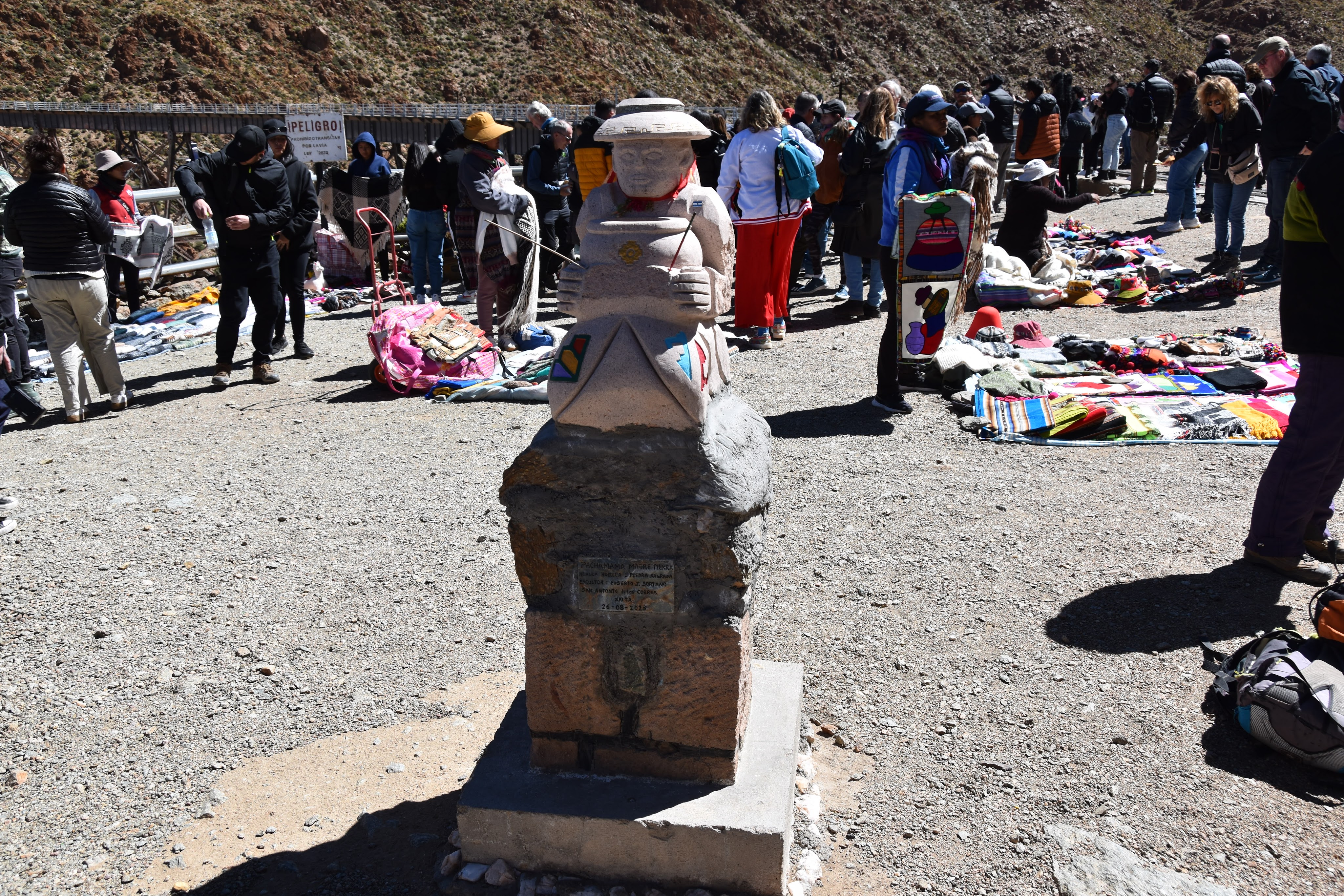
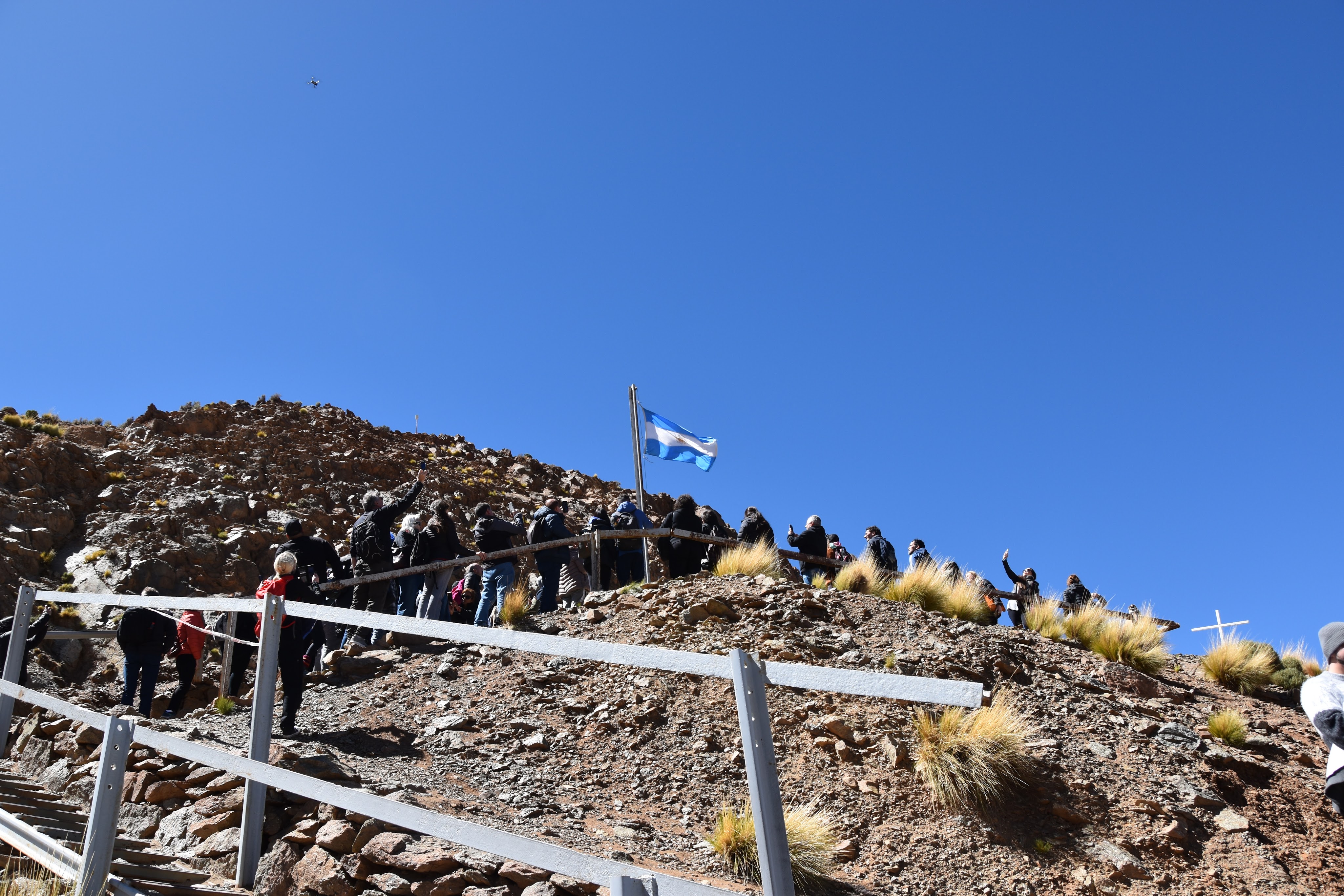
This was where patriots and visitors alike could enjoy the raising of the Argentine flag. Or a goat’s cheese tortilla if that was your preference (I opted for both).
For the journey back to San Antonio, we had to swap seats so everyone had a fair chance to take in the vista, particularly of the viaduct crossing. For the outward journey, we had been lucky enough to be on the left hand side, facing forward which is definitely the best order. In the heat of the afternoon sun, good views or not, everyone seemed to be nodding off on the return leg and it was nice to be able to do this without fear of missing out.
Back in San Antonio, we had about an hour to get some lunch and have a wander round the town.
Sticking to one of the recommended cantinas who would be conscious of the time constraint, we were surprised when the lunch was finished off with a musical accompaniment from the chef herself.
Given the size of San Antonio, it wasn’t hard to get a good lap round the town before we needed to be back at the bus. It was pleasantly peaceful, with residents presumably at work, school or on a siesta break.
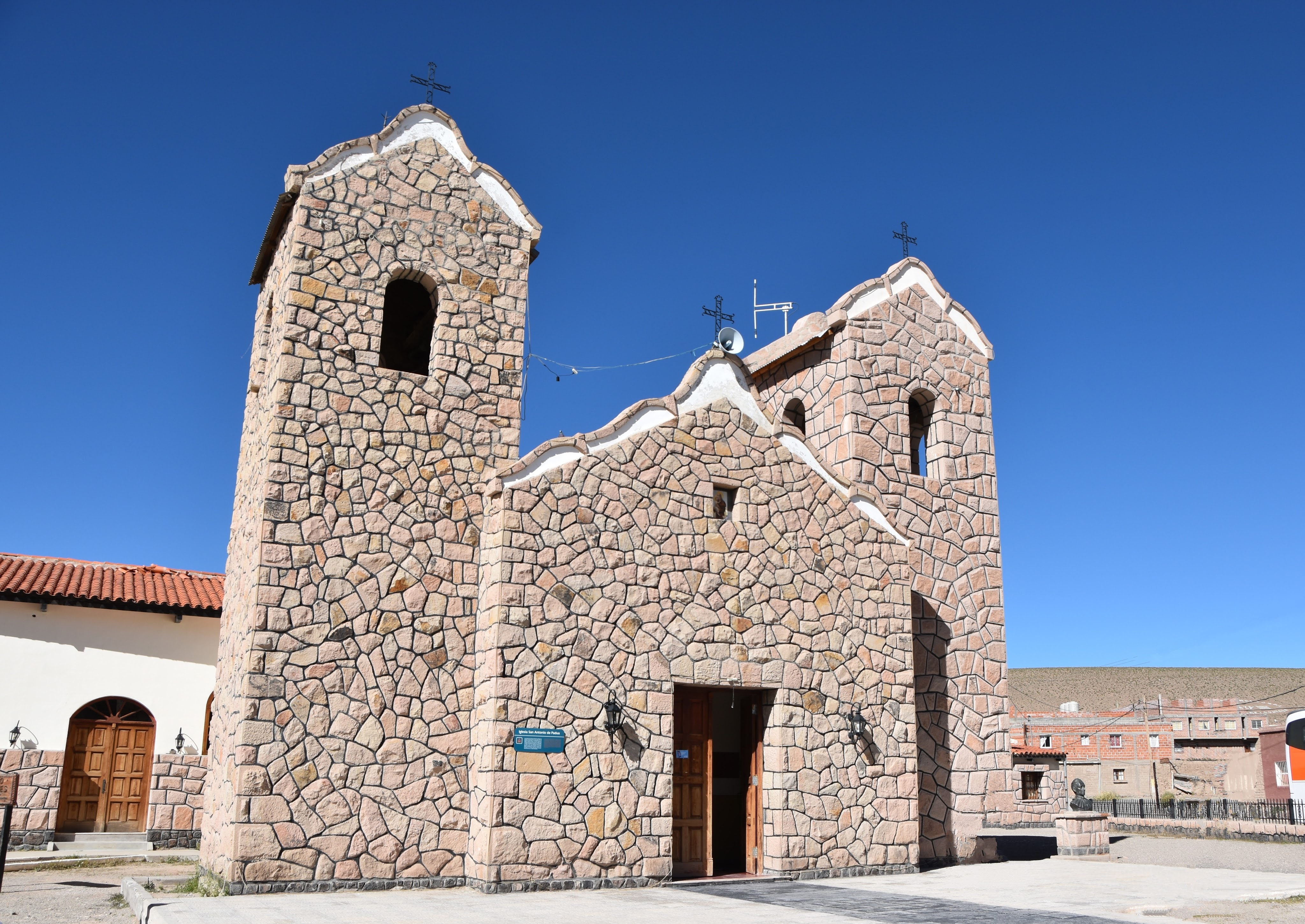
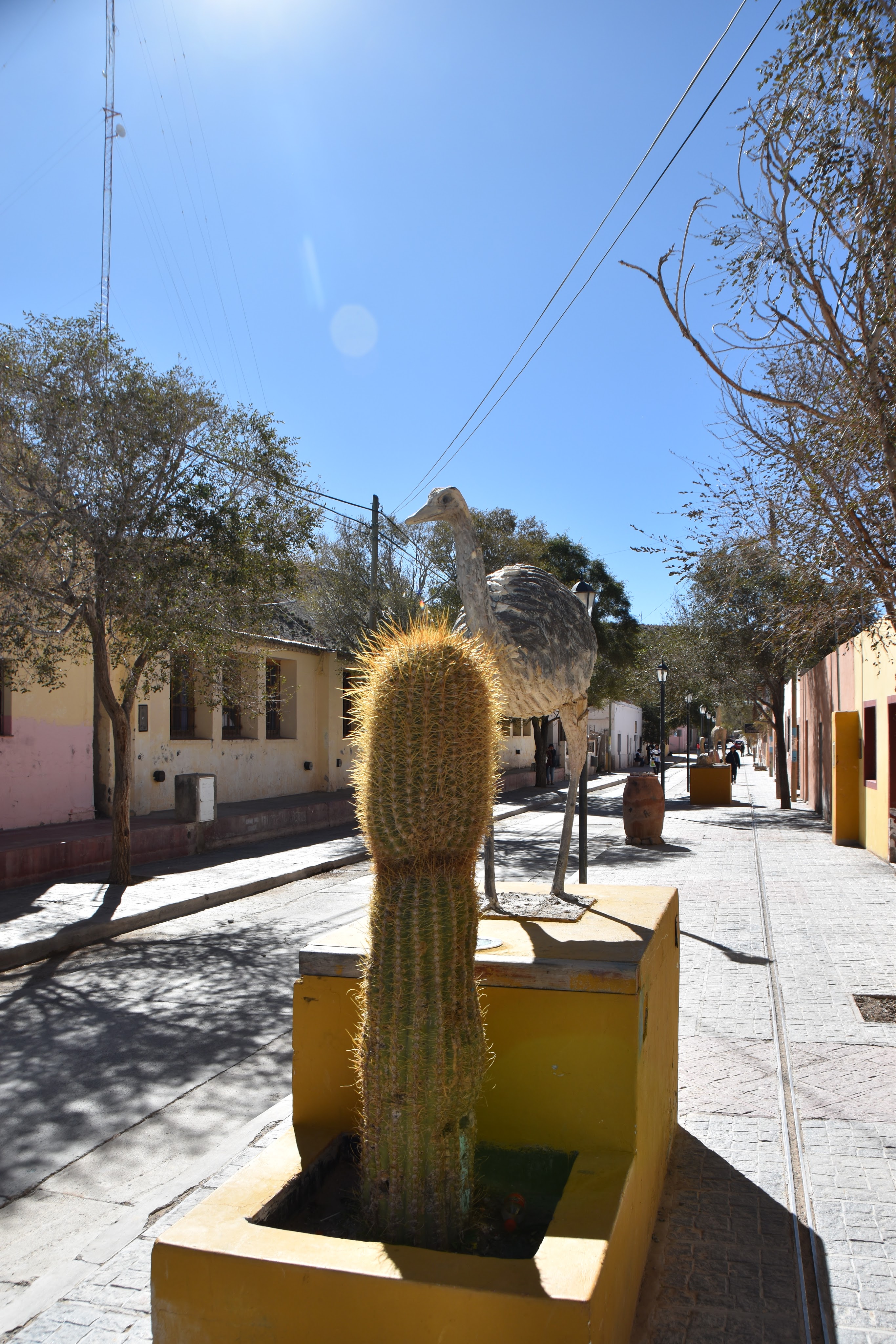
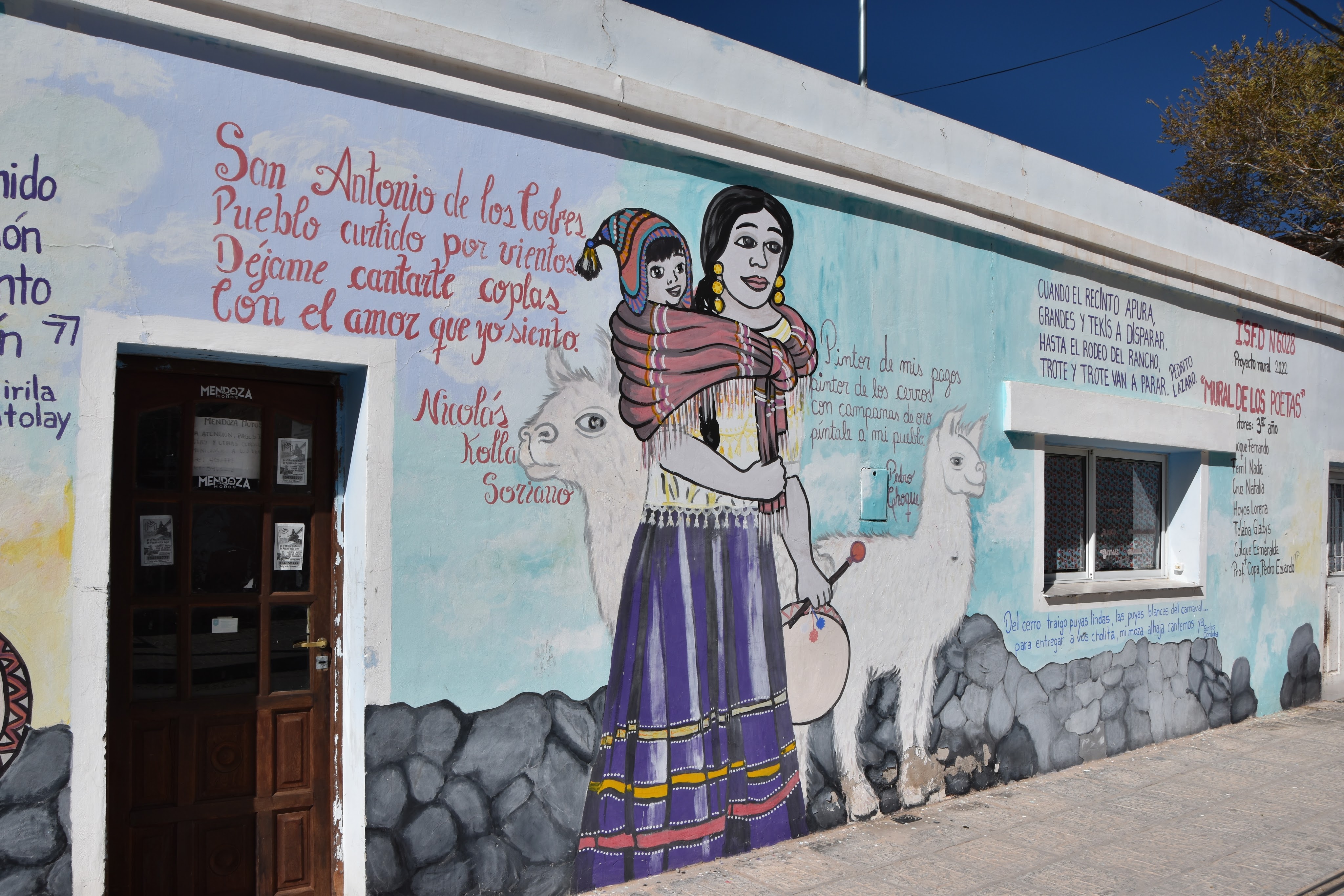


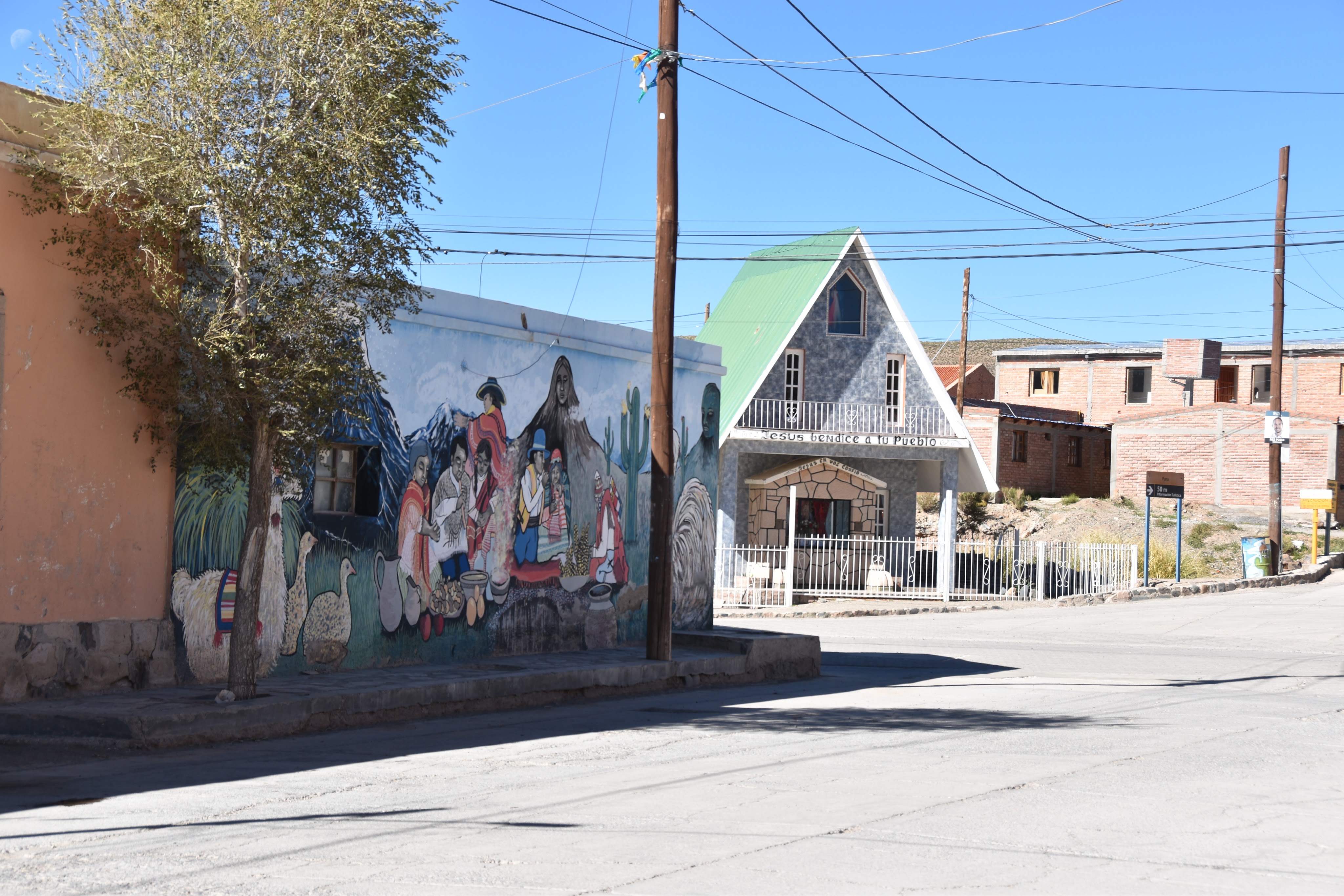
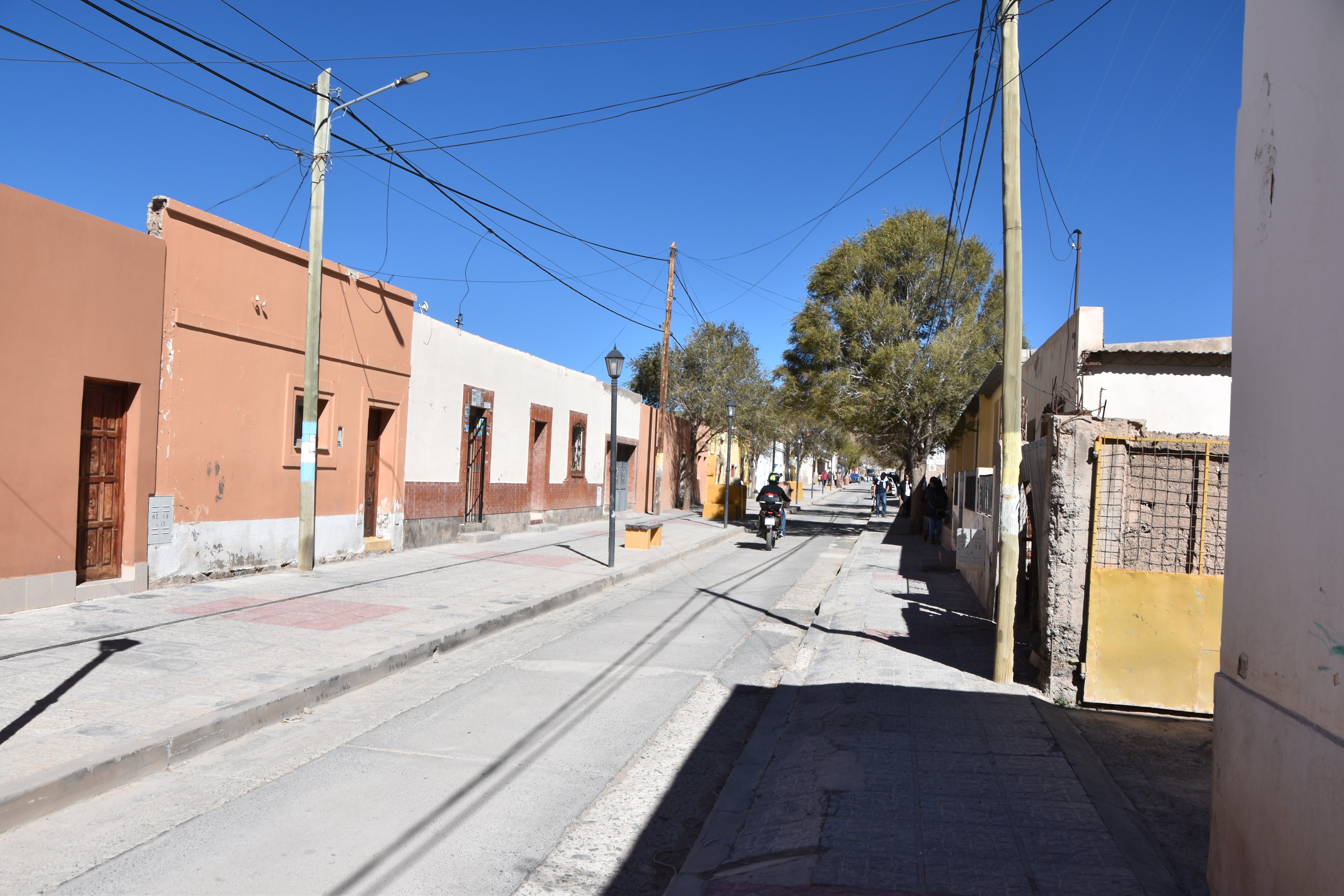
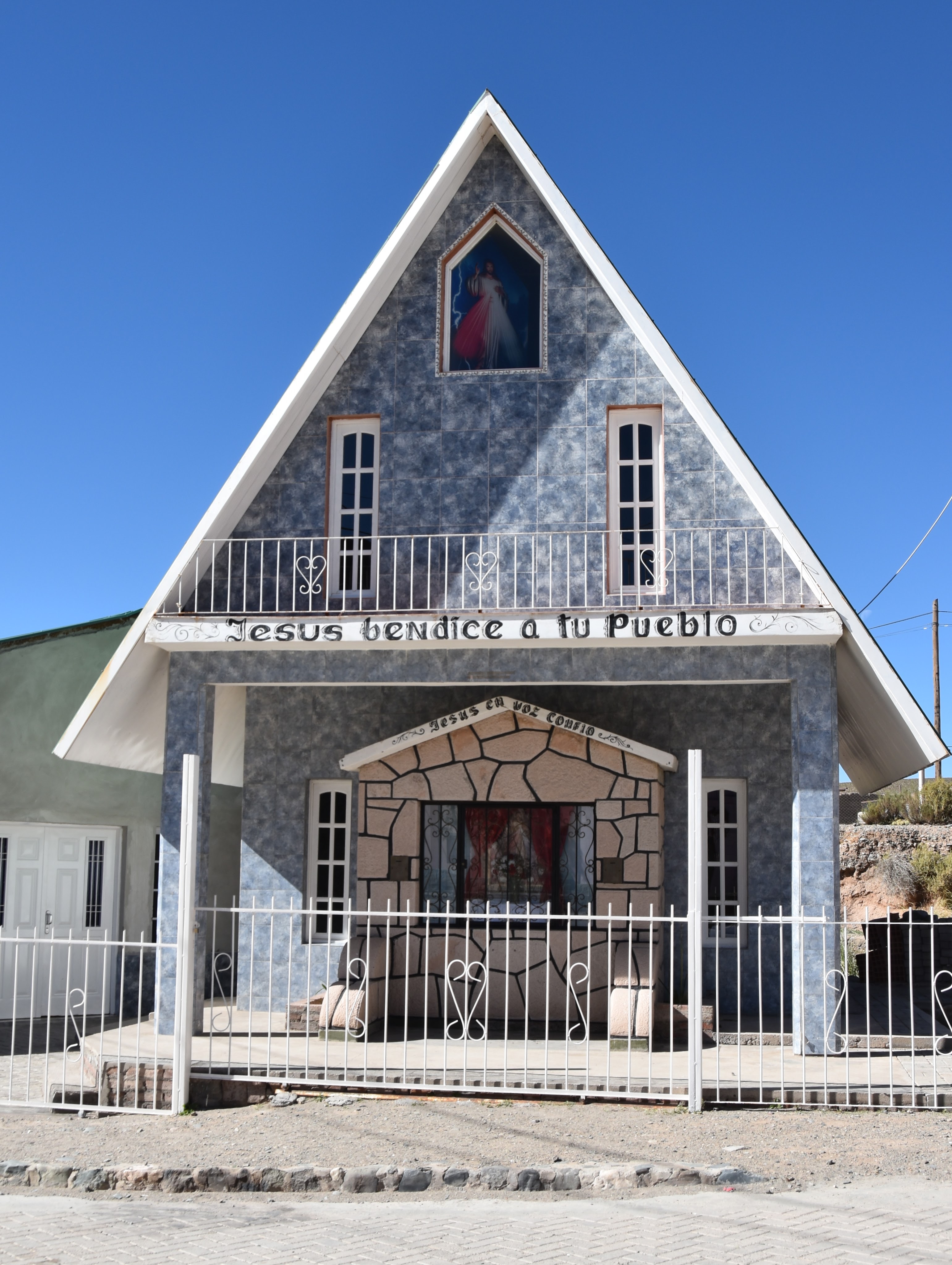
There was only one stop on the way back, at Santa Rosa de Tastil, for a comfort break.
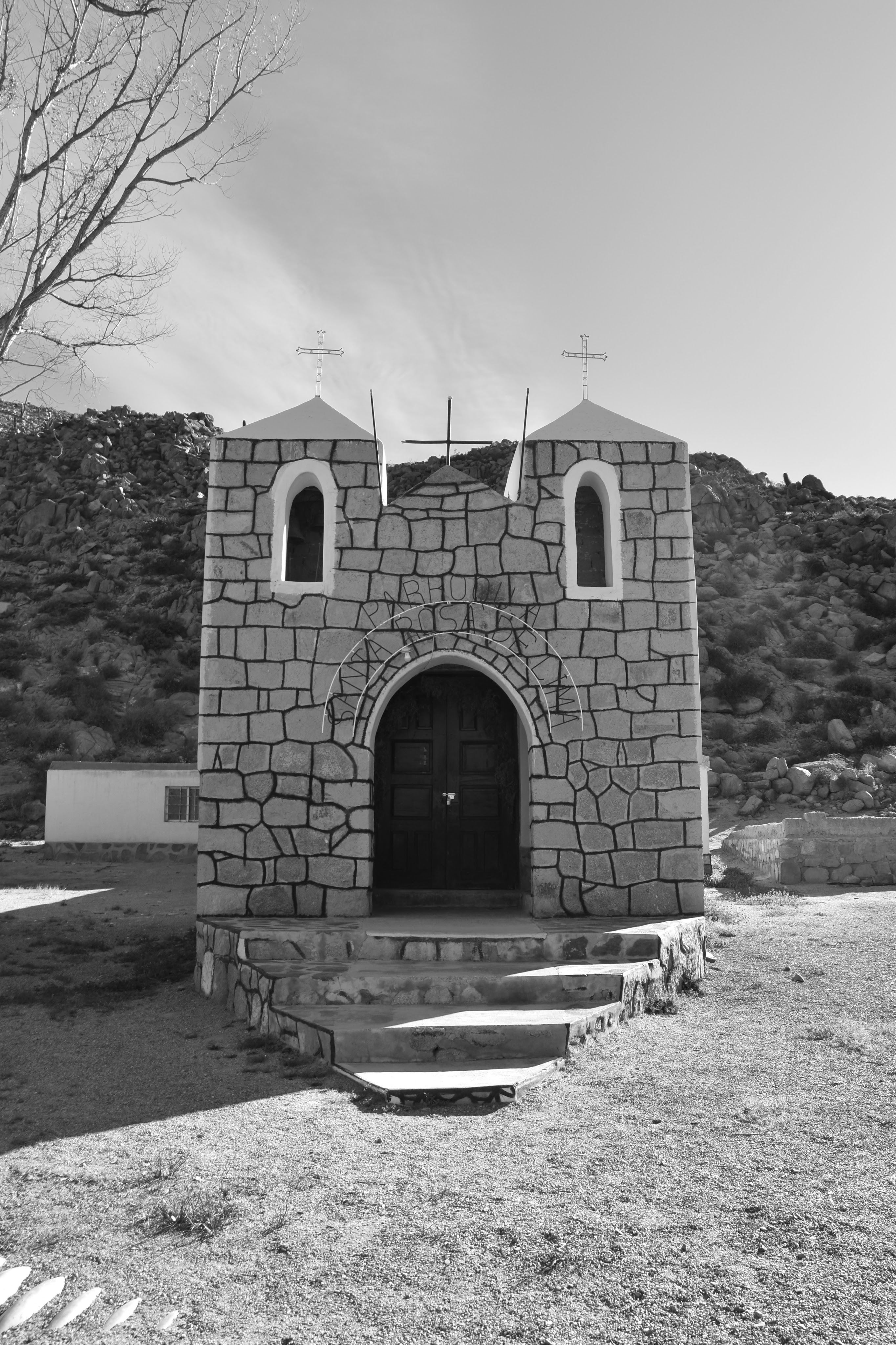
The guide recommended we check out some of the stones in front of the archaeological museum, which had a unique metallic sound when hit. There were a few moments of uncertainty as we got there and found a stone built wall and steps, but no signage. We probably looked like a couple of idiots as we tentatively tapped various surfaces before spotting the correct stones perched quietly on one of the walls.
Despite being an over 12 hour day, it really flew by and we were glad to have seen more of Salta province.
While in Salta capital, we also had an evening at one of the peñas. This is northwest Argentina’s answer to Buenos Aires tango nights. While eating dinner or having a drink, you can be entertained by the traditional folklore singing and dancing.
The idea is it is something of a gaucho dance off. Although there are some partner dances with handkerchiefs and quick feet, echoing the flamenco we saw in Spain, the grand finale tends to be performed by the male showing off his best moves in order to woo a partner.
Unfortunately I missed getting a video of one of the gaucho’s party piece, spinning chains using only his mouth. Definitely not a move to try at home.
Overall we had a great time in Salta. It’s less visited by international tourists than Mendoza, but we managed to get more out of it. It was nice to see lots of Argentine visitors, and was reassuring that the experiences written up above weren’t just tourist traps.
Salta – not just cute, but charming, authentic and full of experiences (yes, Turismo Argentina, I am available for commissions).
Trip Update
Some of our spare time in Salta was spent looking ahead and plotting out the end of our time in South America – although we still have another couple of months yet.
With Brazil being off the cards, we have instead incorporated Central America into our travels. We’ll now be visiting Guatemala, Honduras and El Salvador before finishing up in Mexico City to take advantage of the most economic route back to Europe at the start of August.
I’ve updated the Blog Map, and also managed to work out how to link each pin to respective blog entries.
After a few weeks of making unsuccessful applications for housesit jobs to bridge the gap between Vienna and Central Asia in August, we also had a sudden run of luck and found ourselves with three interviews in one week. It was a little odd having to do some prep work and have video calls with homeowners, but happily the work paid off and we were successful in our top choice. We’ve secured a sit in the outskirts of Vienna, looking after a beautiful rescue dog. Looking forward to experiencing travel in a different way, assuming all goes to plan with the homeowners’ scheduled trip.
Tash’s Treats
Despite tamales being one of the most traditional foods in northern Argentina, it took me a little while to find them on the menu anywhere. Finally we got a chance to taste them at the peña.
These meat and corn flour parcels are wrapped in chalas (corn husks), and make a good appetizer.
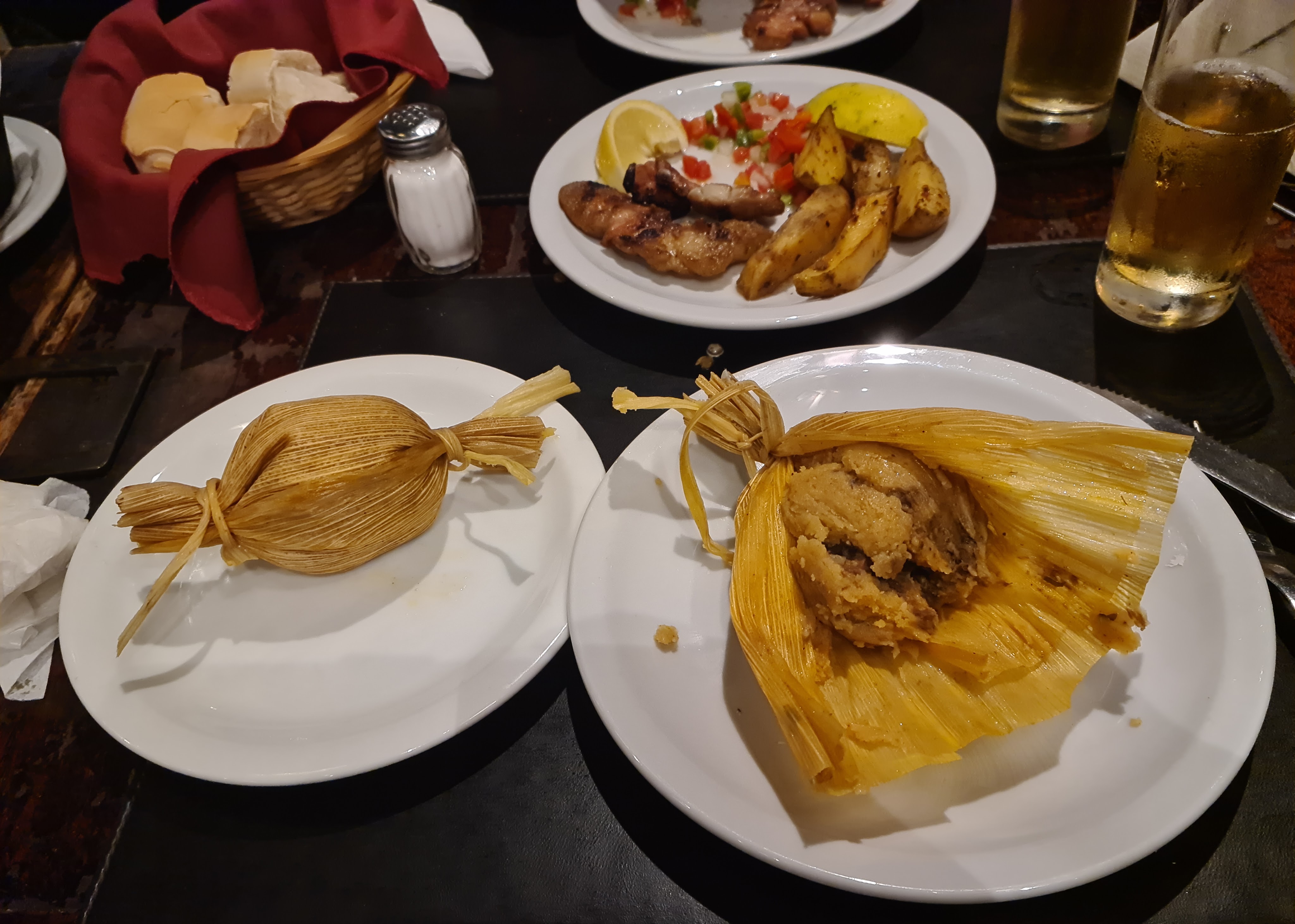
Similarly, humitas are another wrapped snack but made with fresh corn.
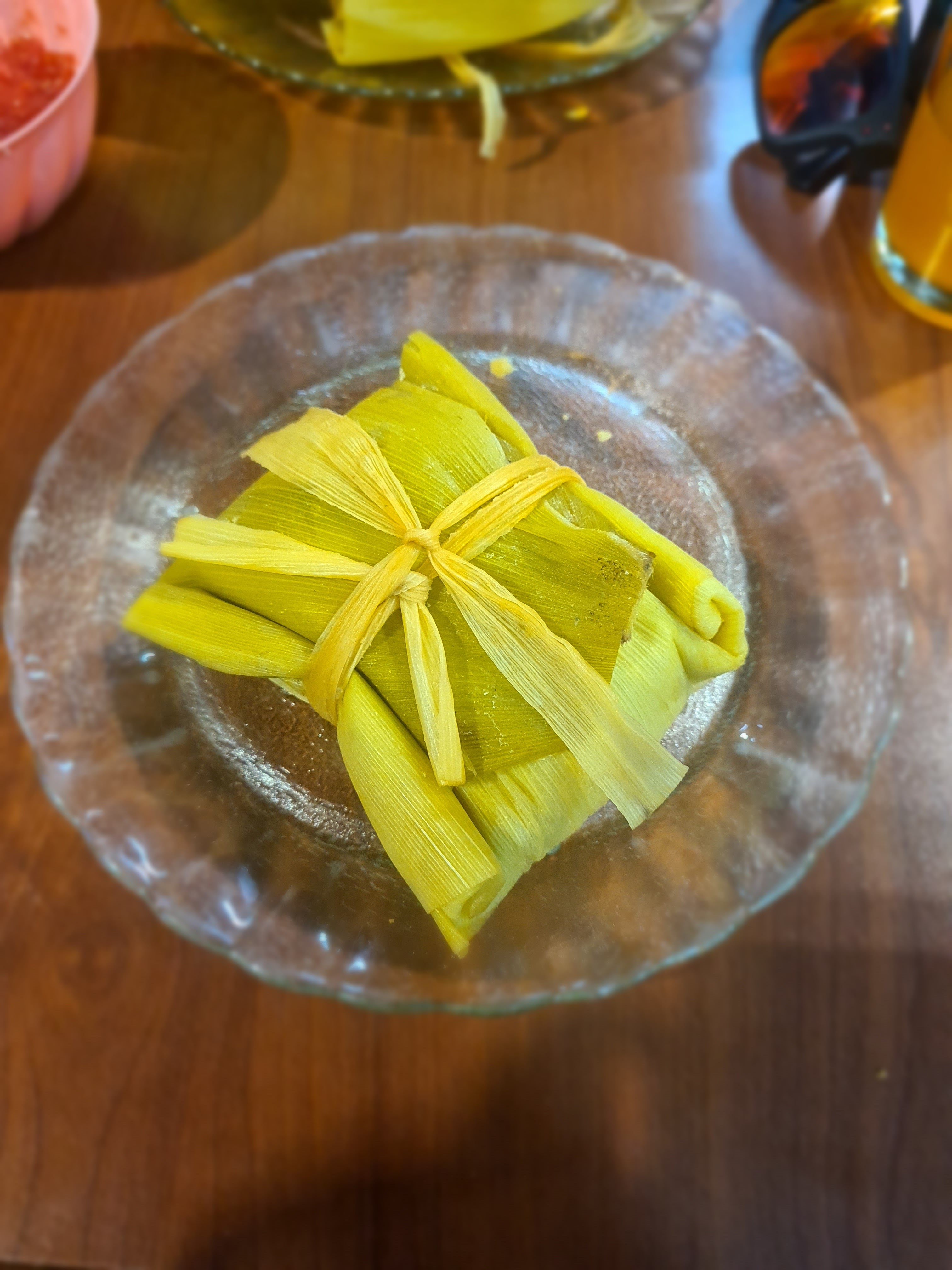
Both tamales and humitas are very soft on the palate, and surprisingly filling. We had our humitas at a market, and the waitress was definitely looking at us like we ordered too many (she was right, we didn’t quite manage to finish them all).
And how could I write about Argentinian food without mentioning steak? We had bought some to cook and eat at home in Mendoza, but treated ourselves to a meal out on our last day in Salta. I doubt we’ll ever again get a deal as good as a tomahawk steak for £20.
Then again, maybe we’ll make the most of it and have a weekly steak dinner until we leave Argentina!
- My subconscious decided to “treat” me to an immersive experience and the night I drafted this post, I dreamt I had been given a drug that would peacefully kill me as soon as I drifted off to sleep. Dream Natasha did not go so willingly. ↩︎
 A Place Both Wonderful and Strange - Tash & Ricki's Career Break Travels
Leave a comment