
We were spending a month in Buenos Aires, and that seemed to fly by even quicker than our months in Málaga and Rome. We absolutely loved our apartment, getting on with a duplex studio better than I thought we might.
Of course the main reason we are in Buenos Aires though is to get out and about, and there was plenty more to see and do beyond my last post.
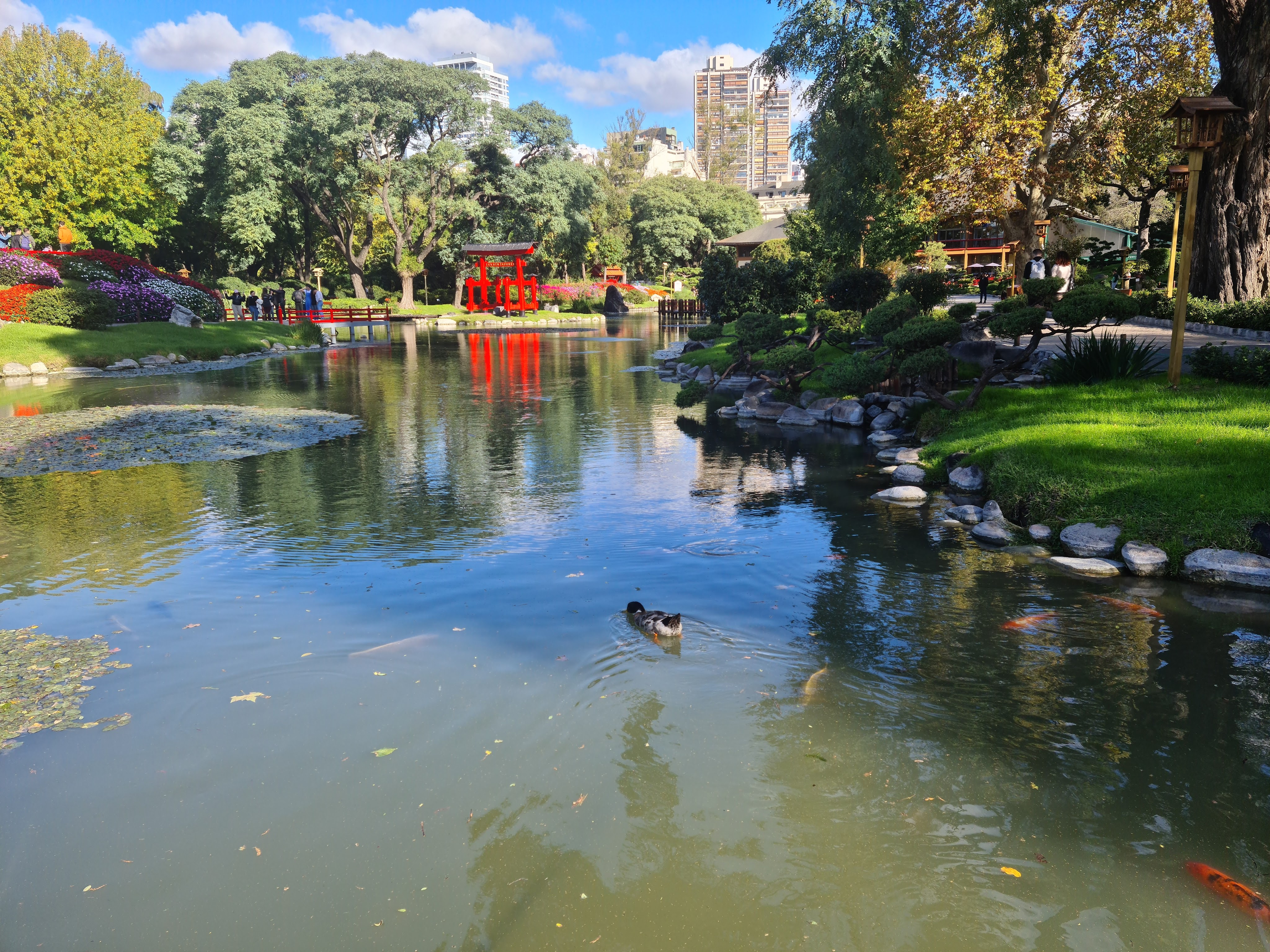
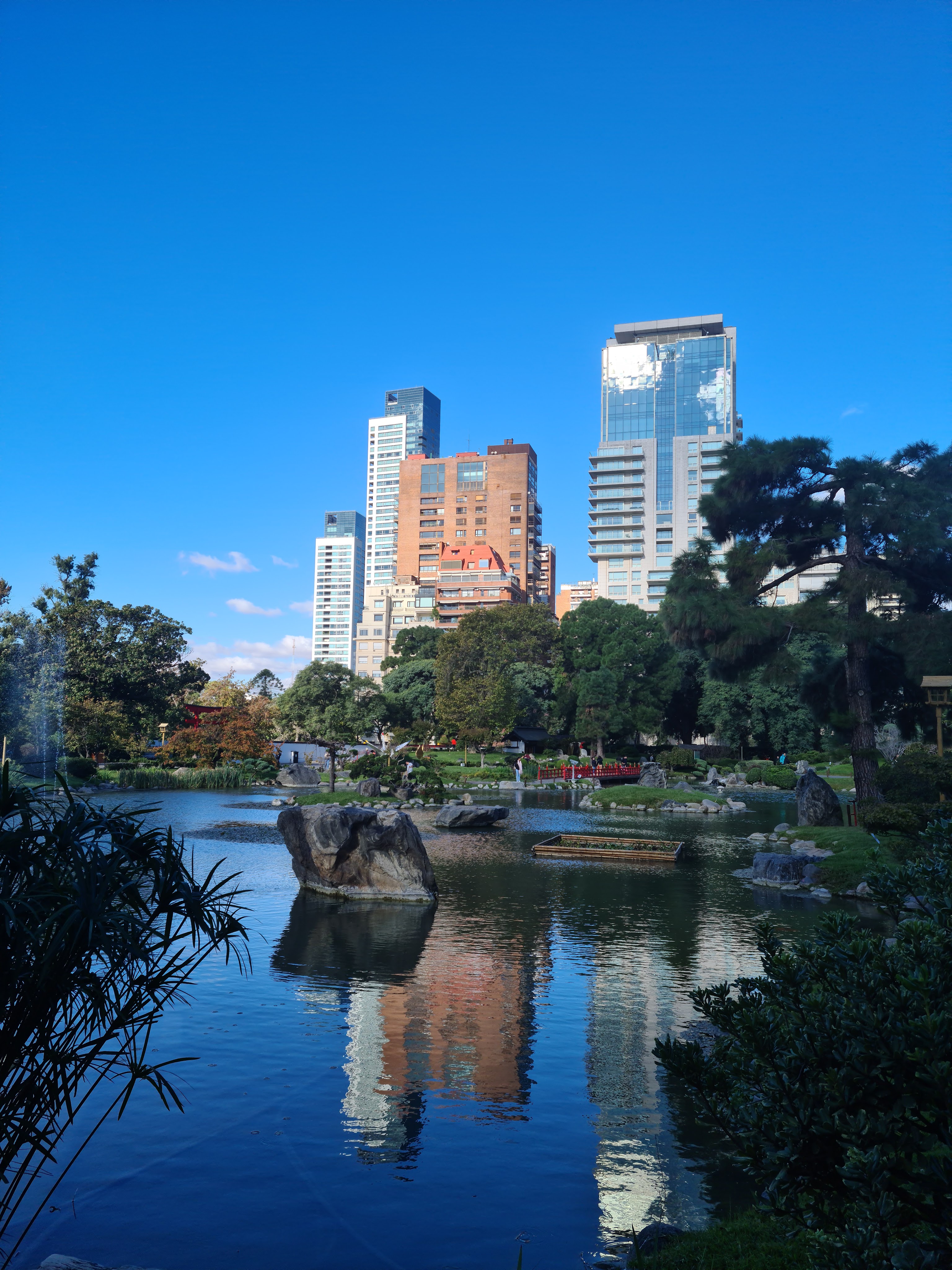
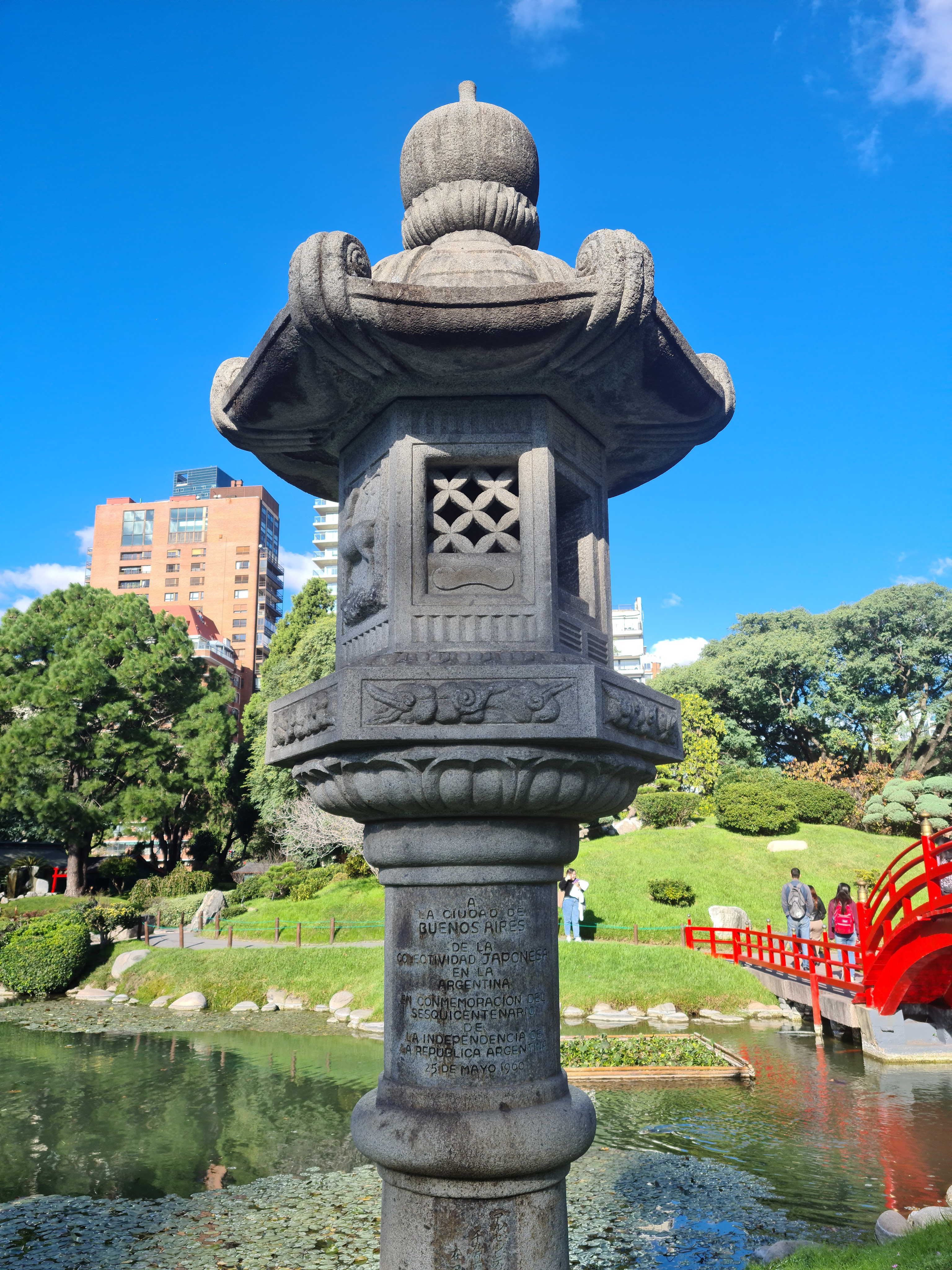
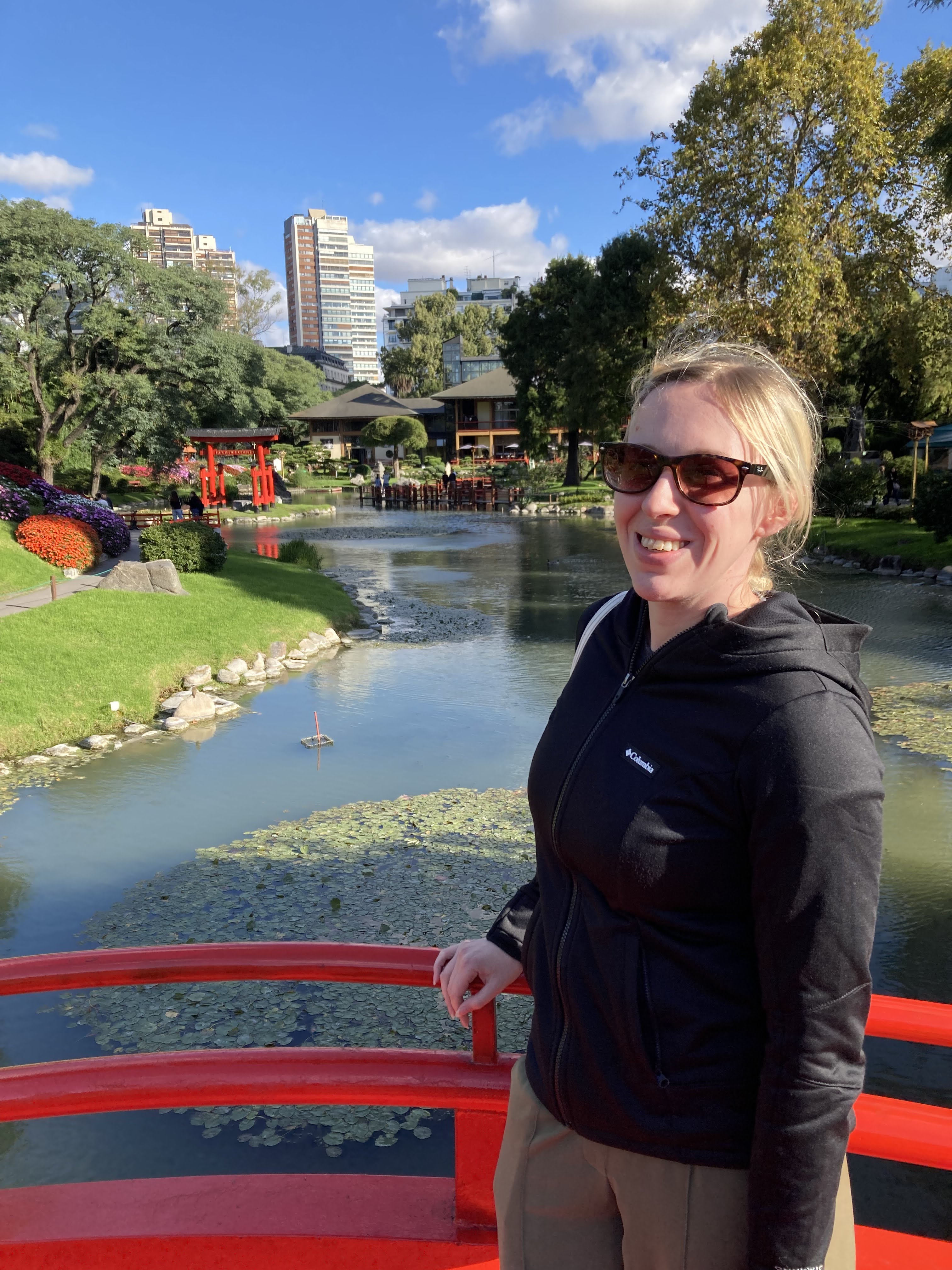
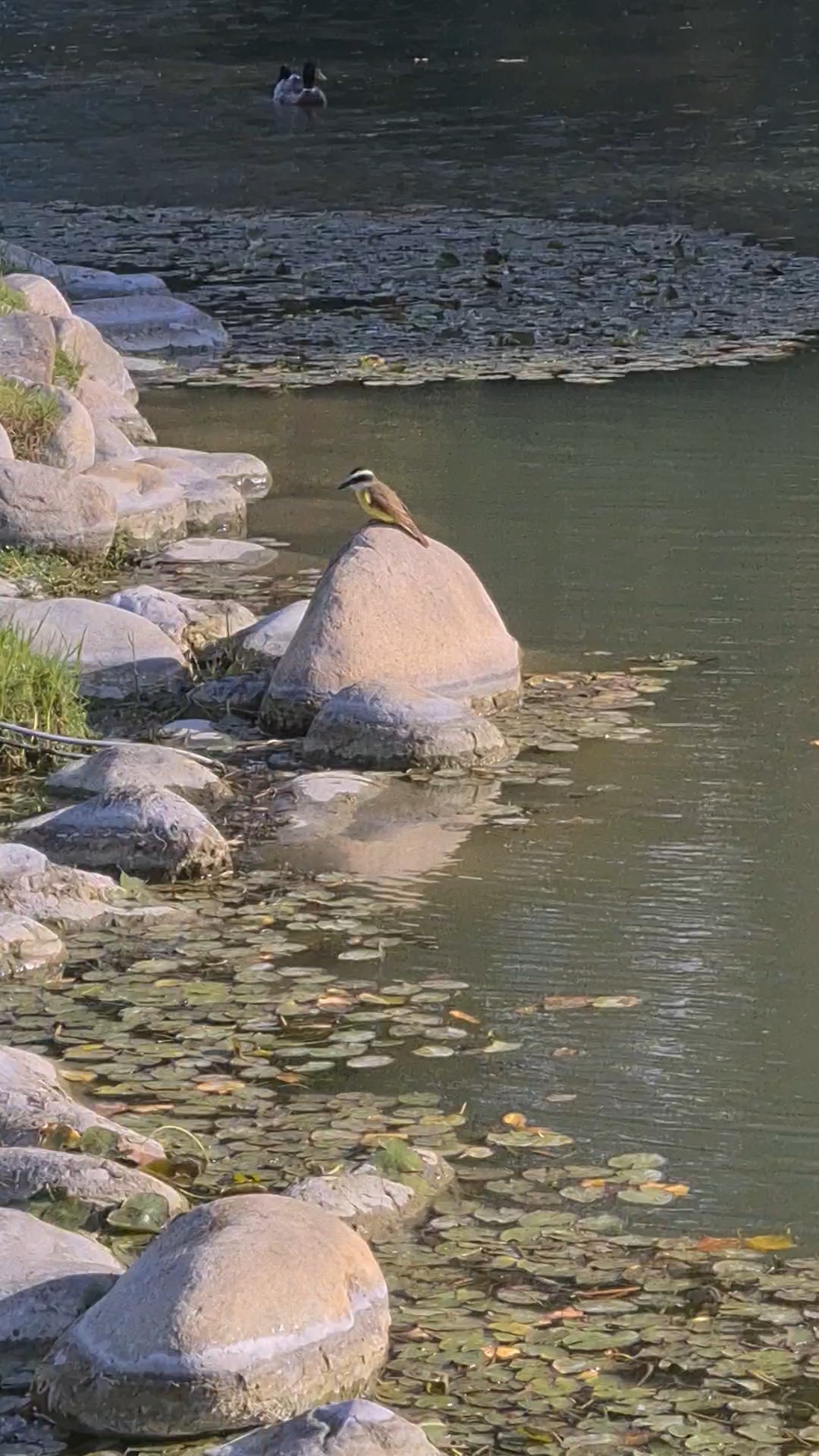
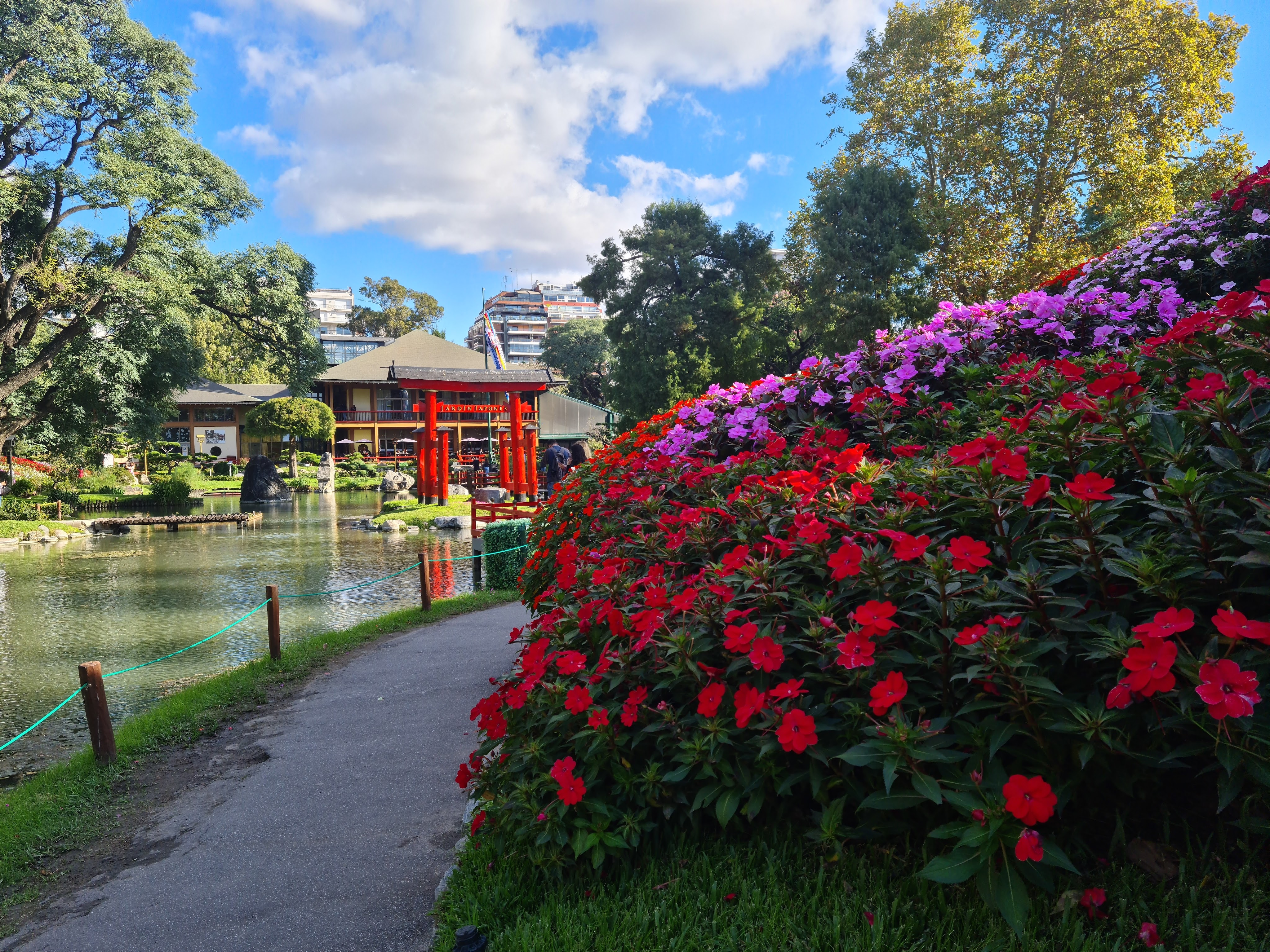
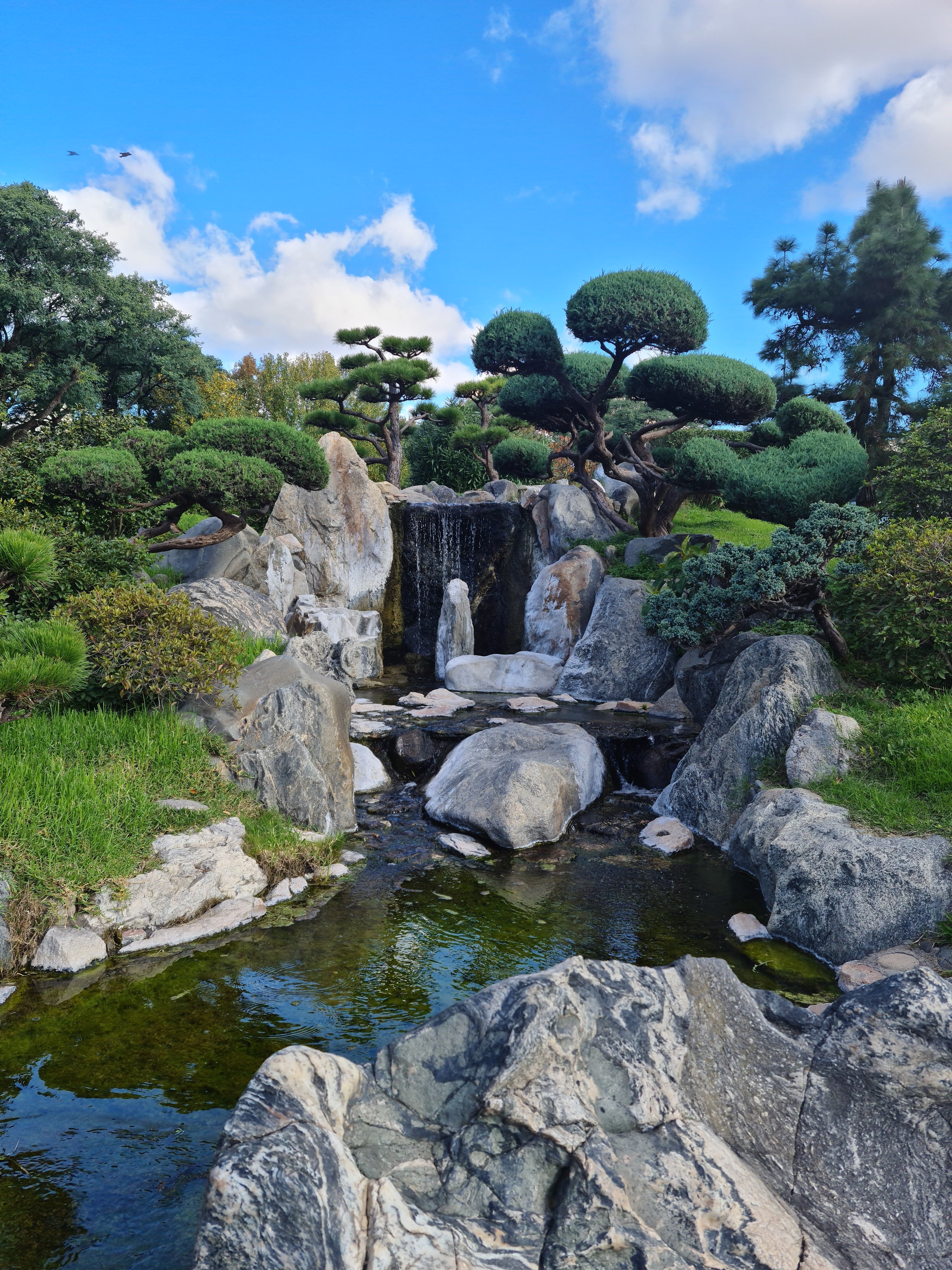
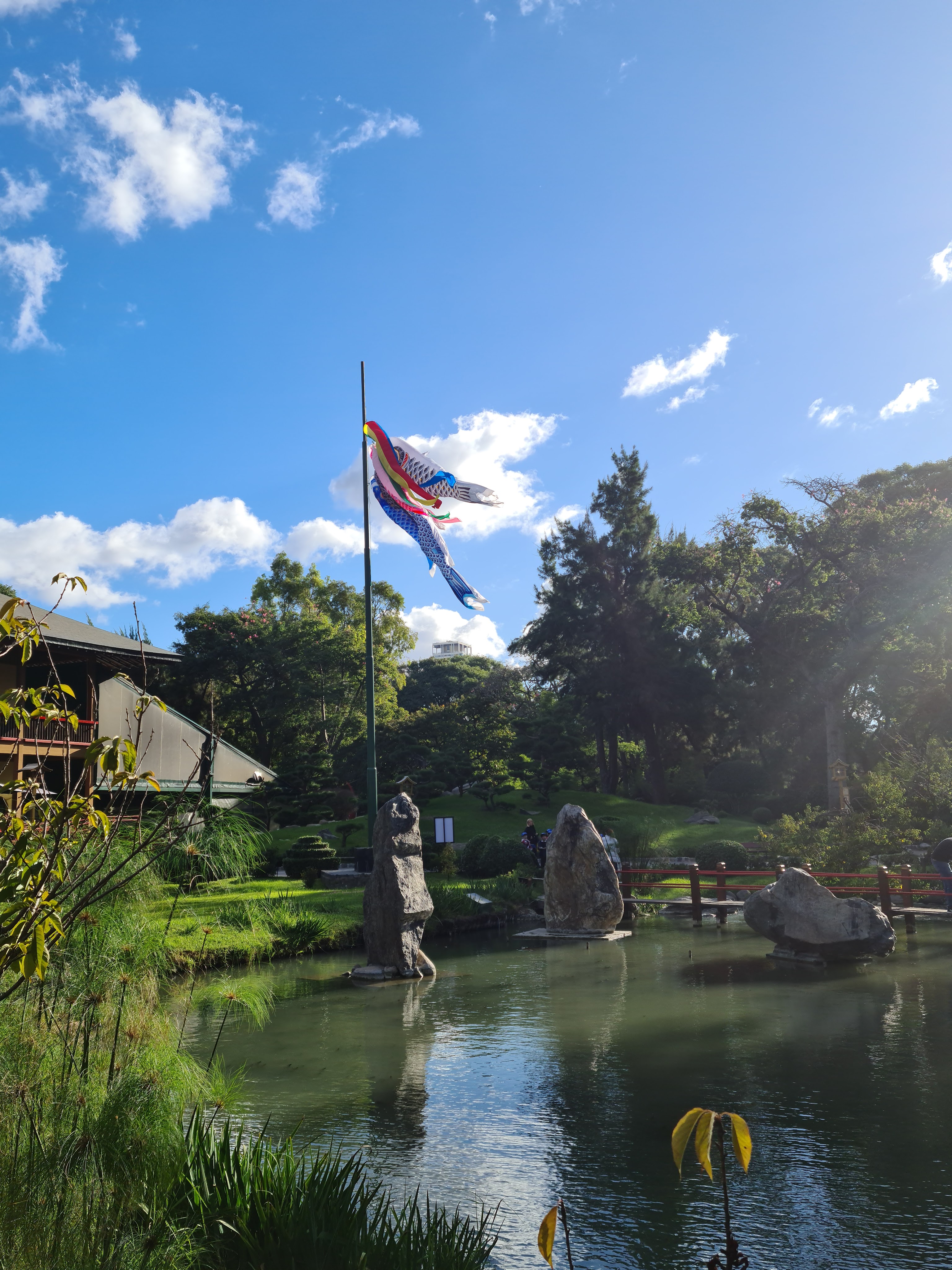
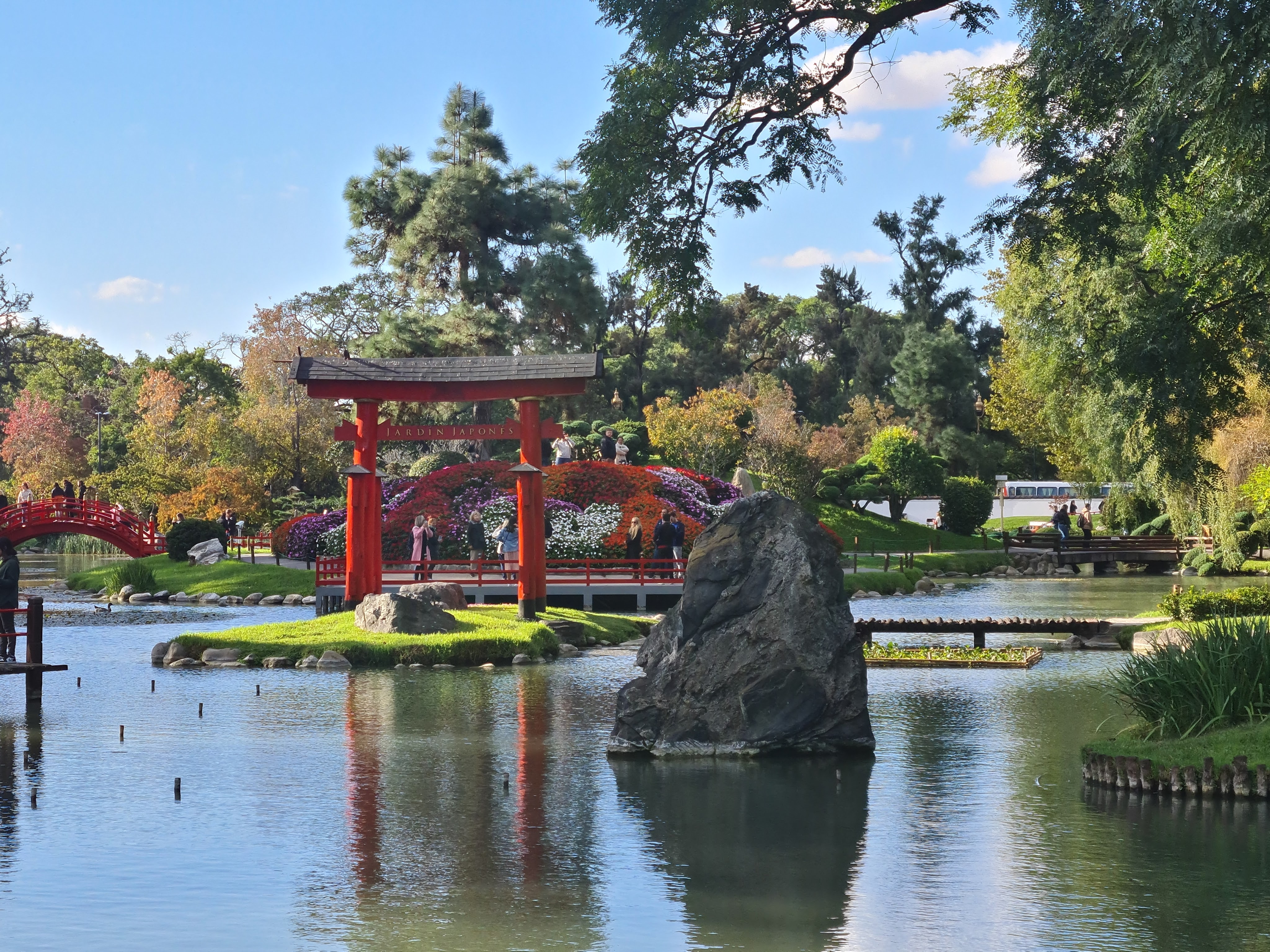
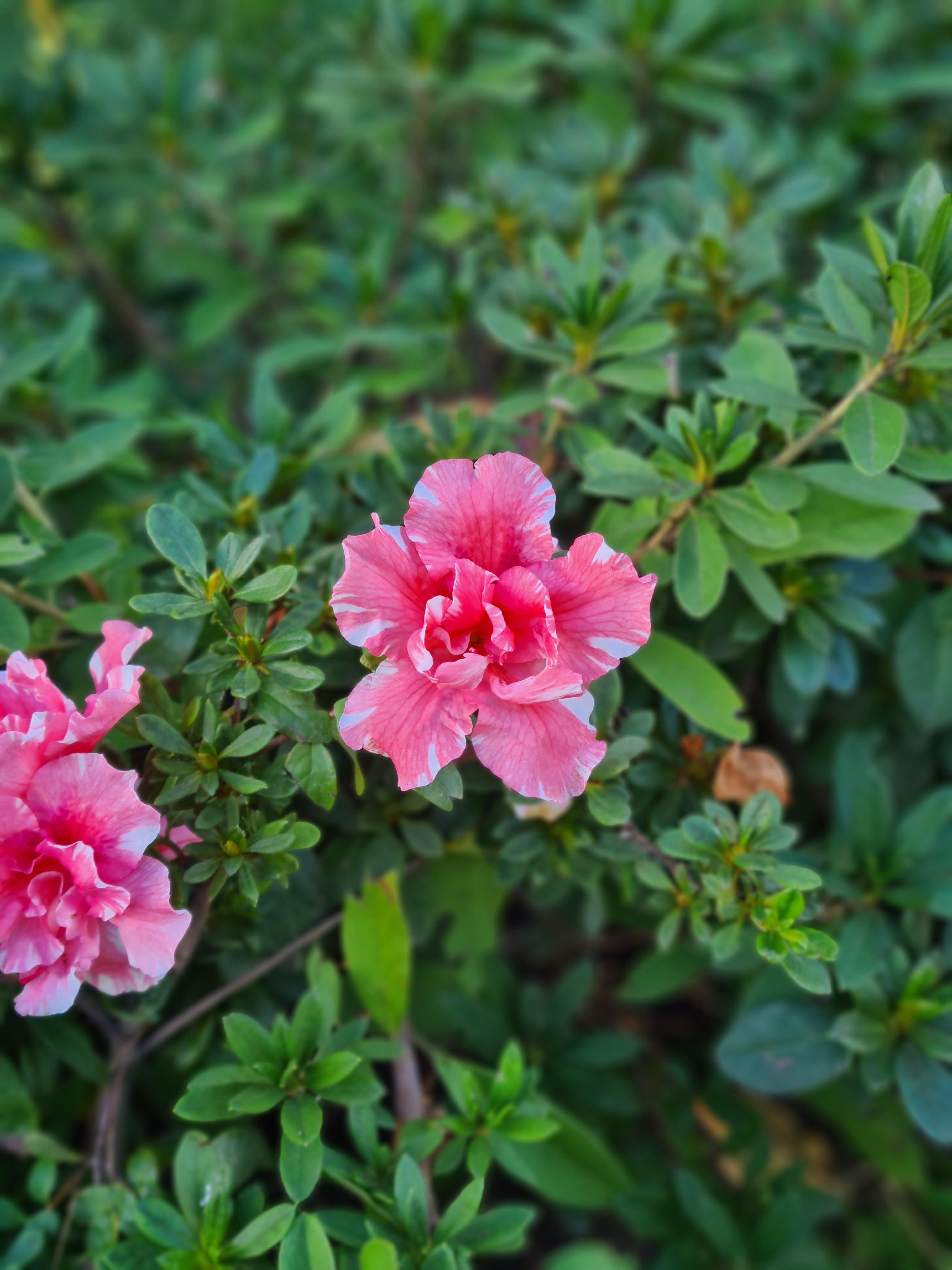
Some of our trips included the Museo Nacional de Bellas Artes, Museum of Latin American Art, and the Japanese Garden. This last stop was a wonderful oasis of vibrant greenery amongst the shiny skyscrapers, although it did take a moment to adjust to how manicured Japanese landscaping is!

On this leg of our travels I have been particularly lamenting our limited luggage space. There are so many great markets in Buenos Aires. Tens of stalls at each market sell art, clothing, antiques and souvenirs. There’s something for everyone, but I’m having to make do with an ever growing, easily transportable fridge magnet collection!
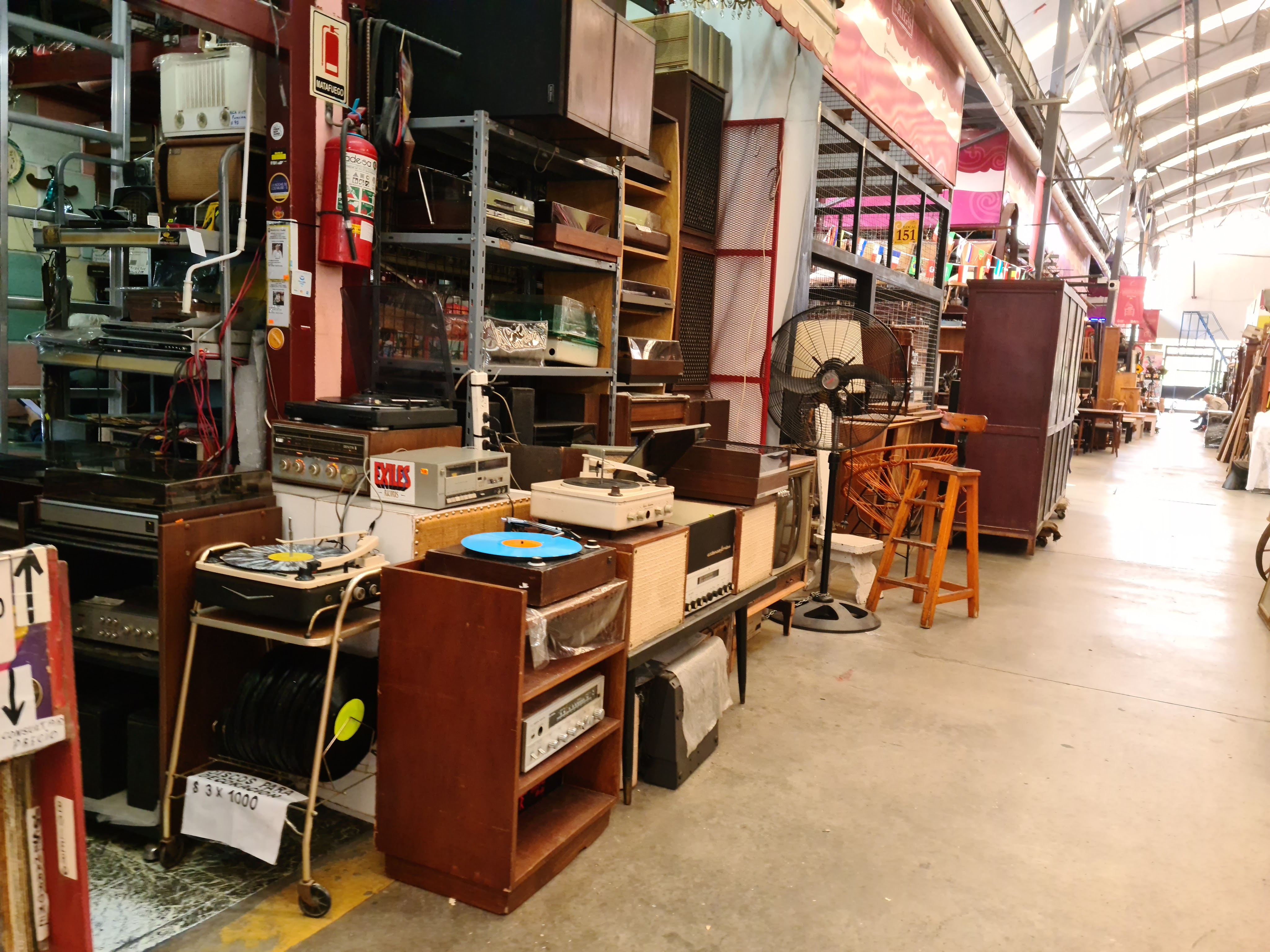

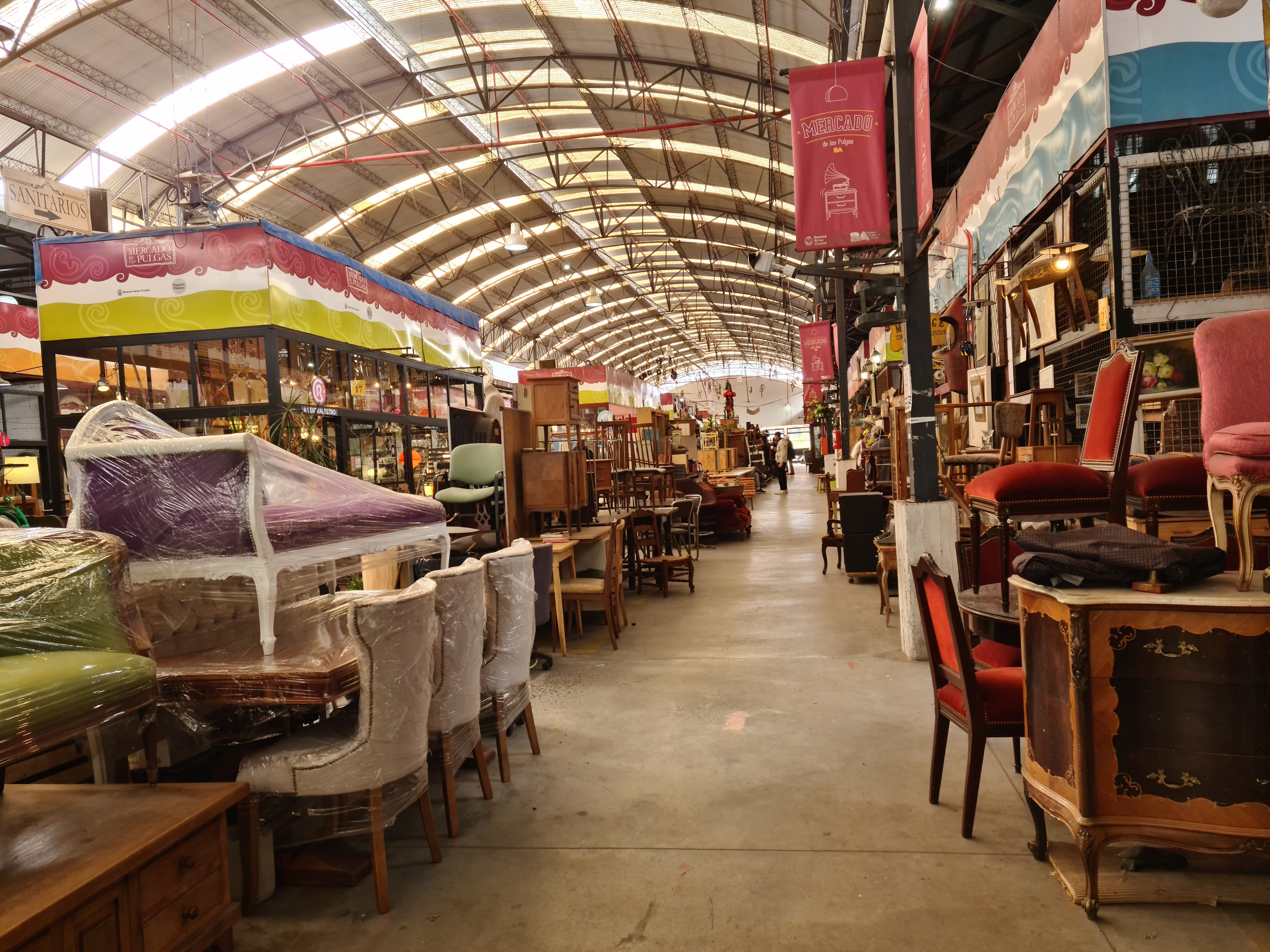
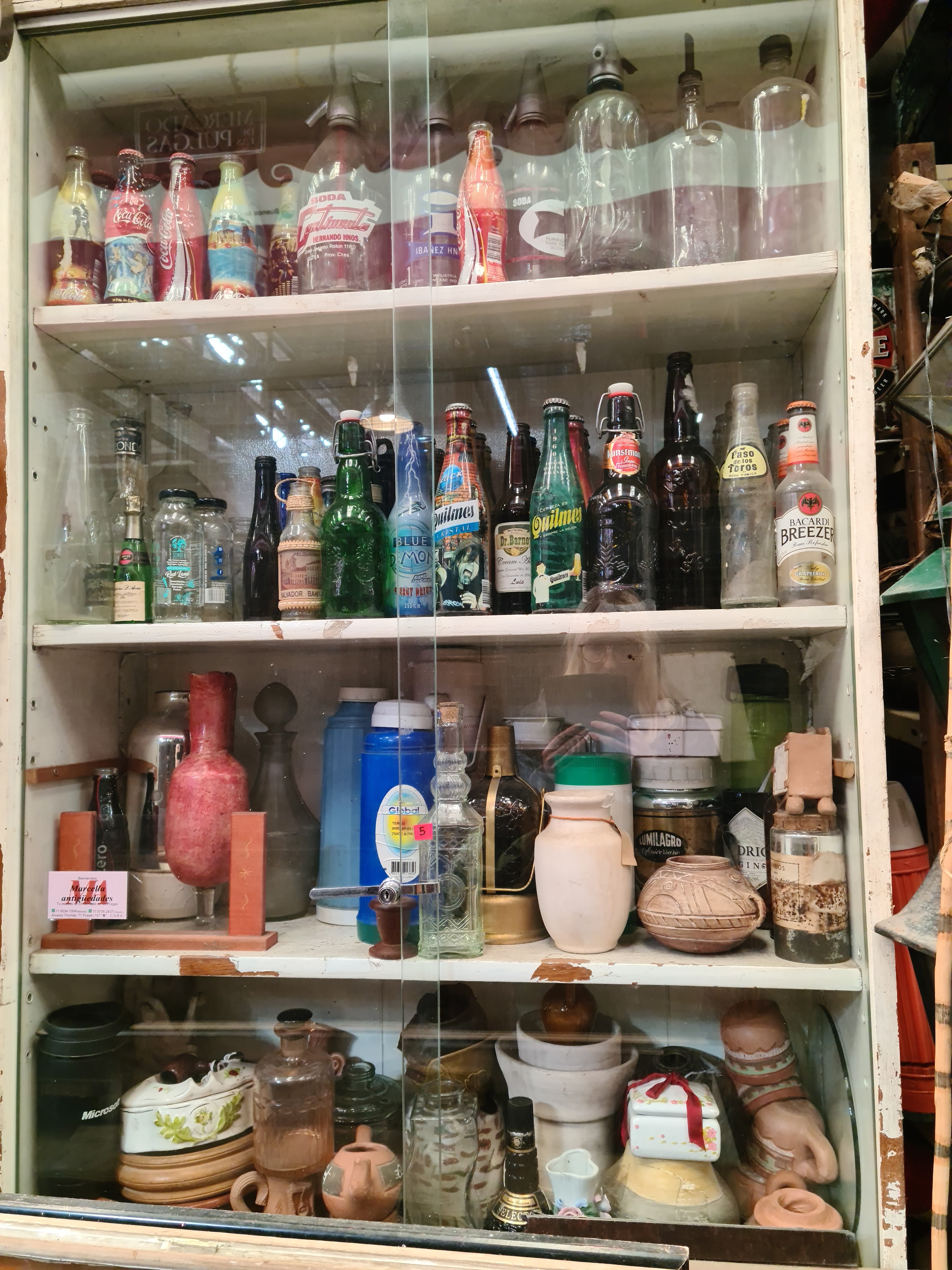
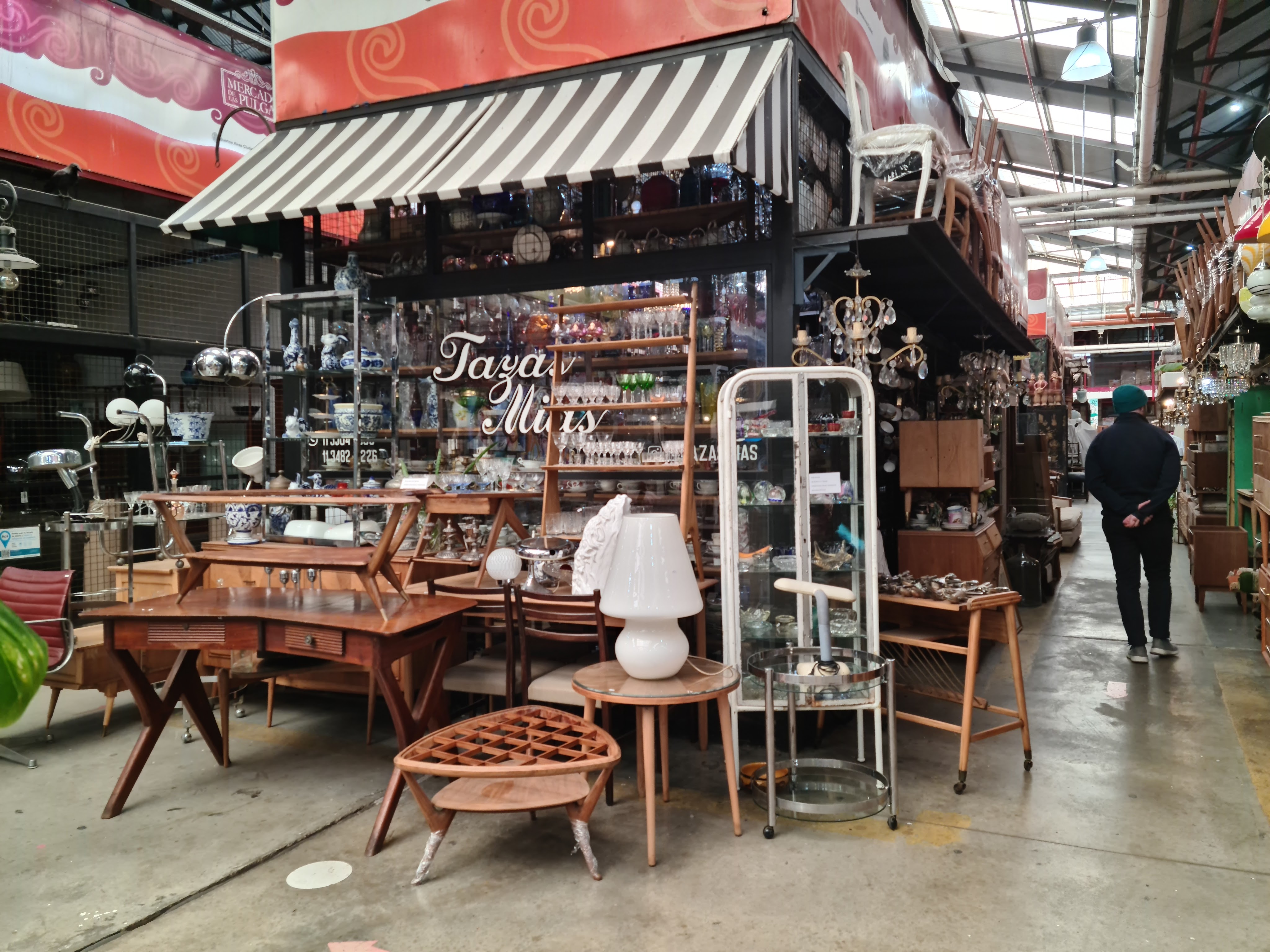
Mercado de Pulgas fleamarket – typewriter or old Bacardi Breezer bottle, anyone?
Both Honduras and La Defensa markets were particularly impressive for their range of unique, handcrafted items.
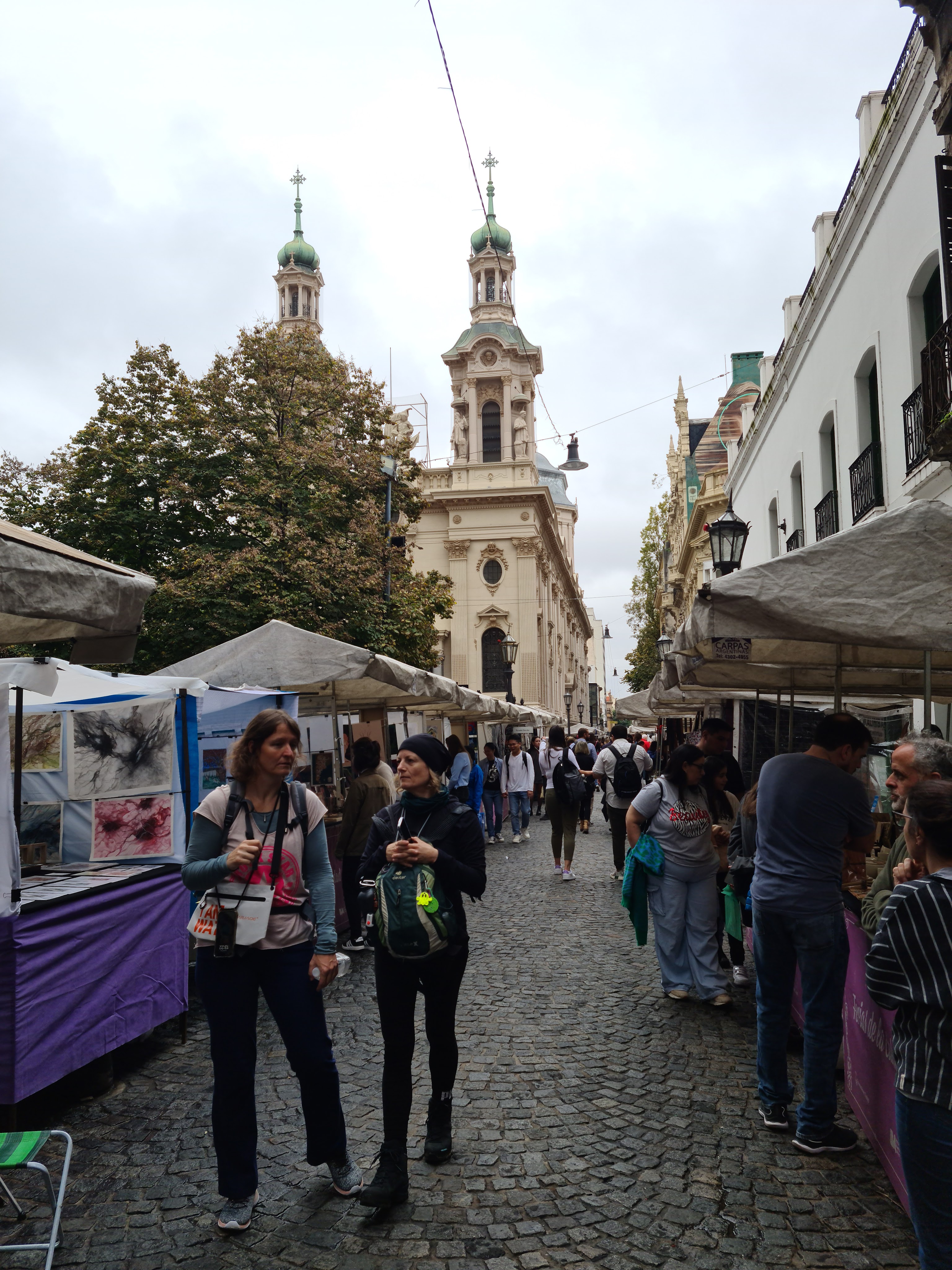
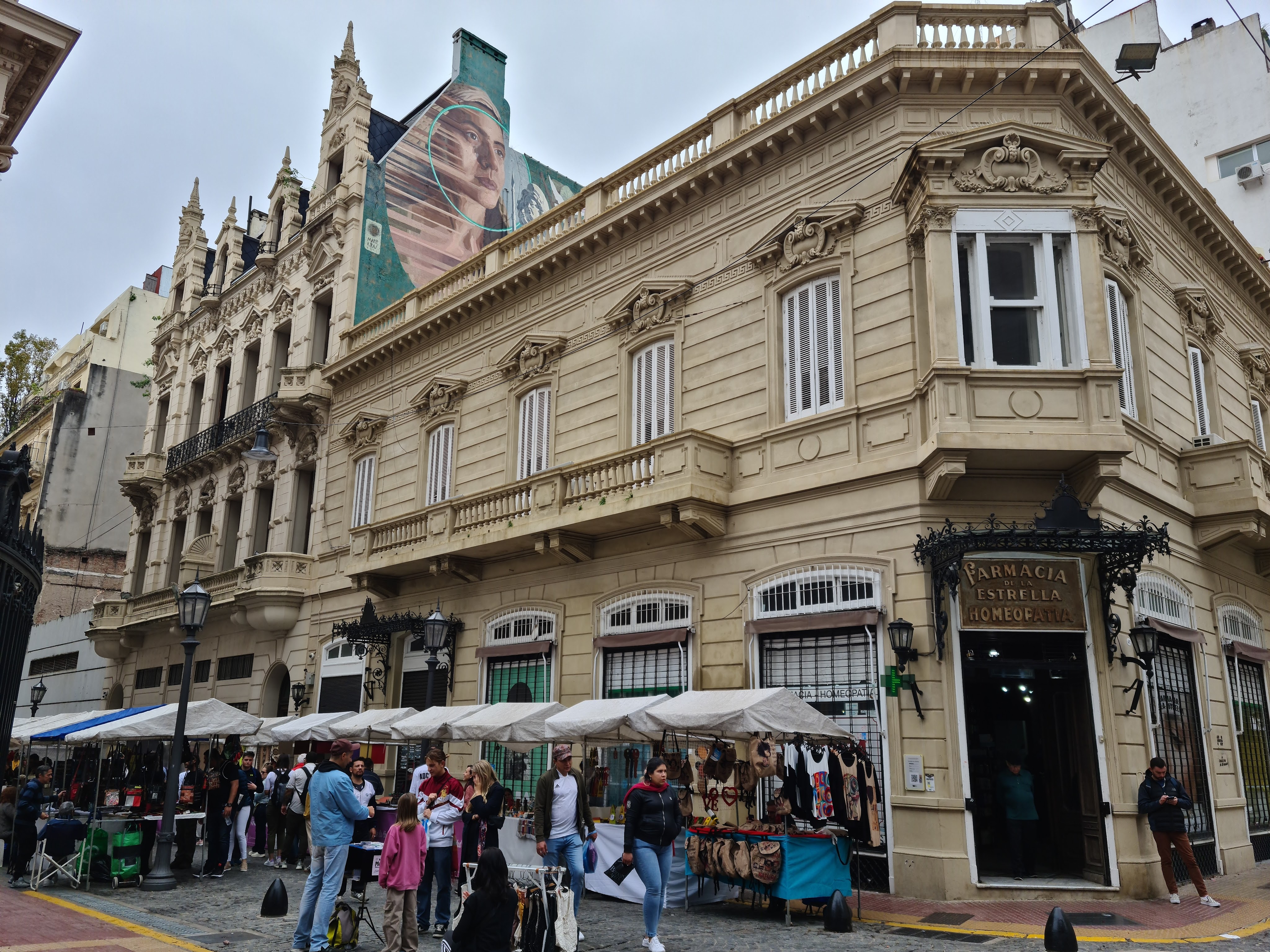
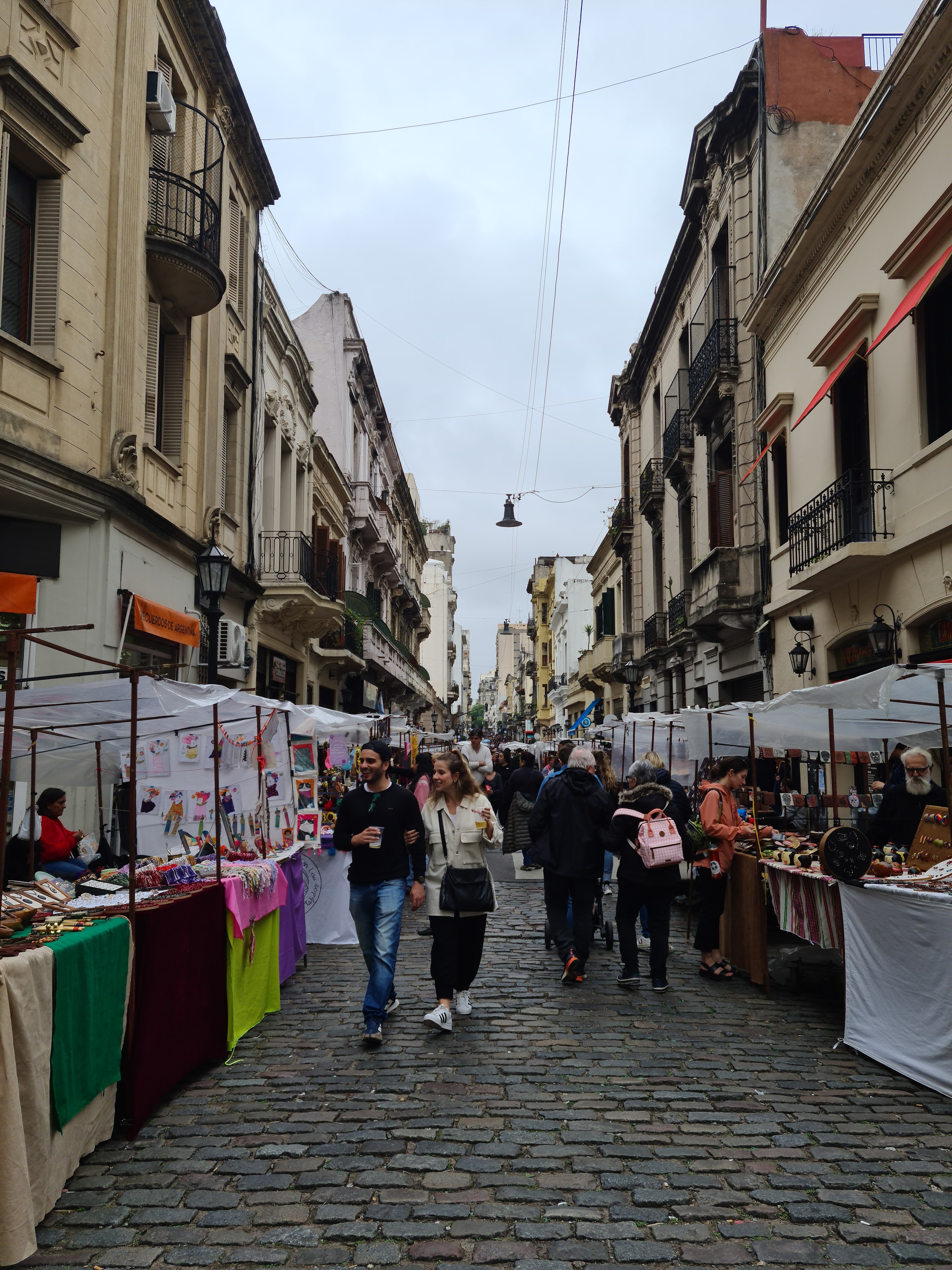
La Defensa street market
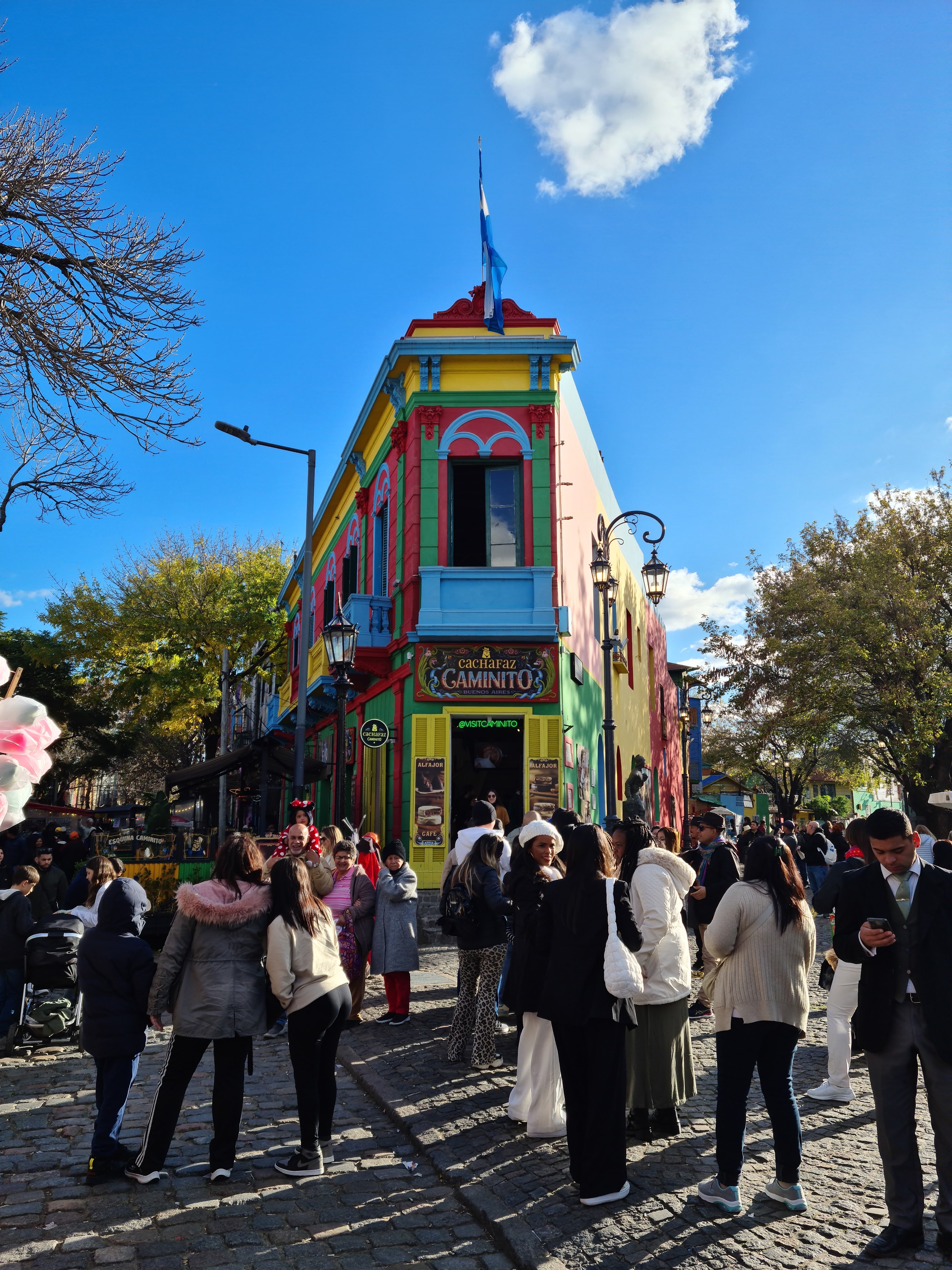
For the considerably more touristy option, we headed to the La Boca neighbourhood, home to the famous street, Caminito. This lively stretch is colourful in both appearance and characters.

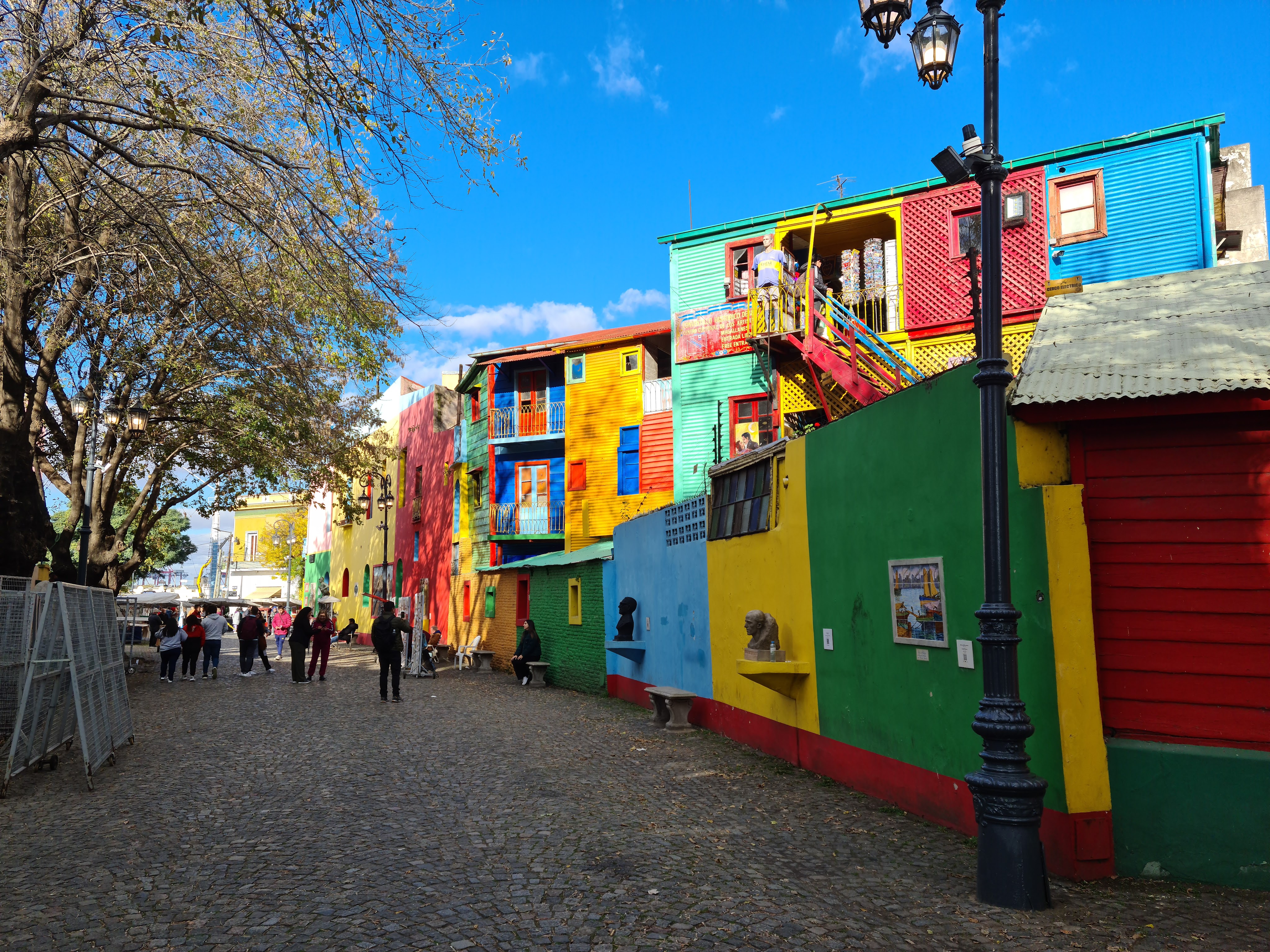
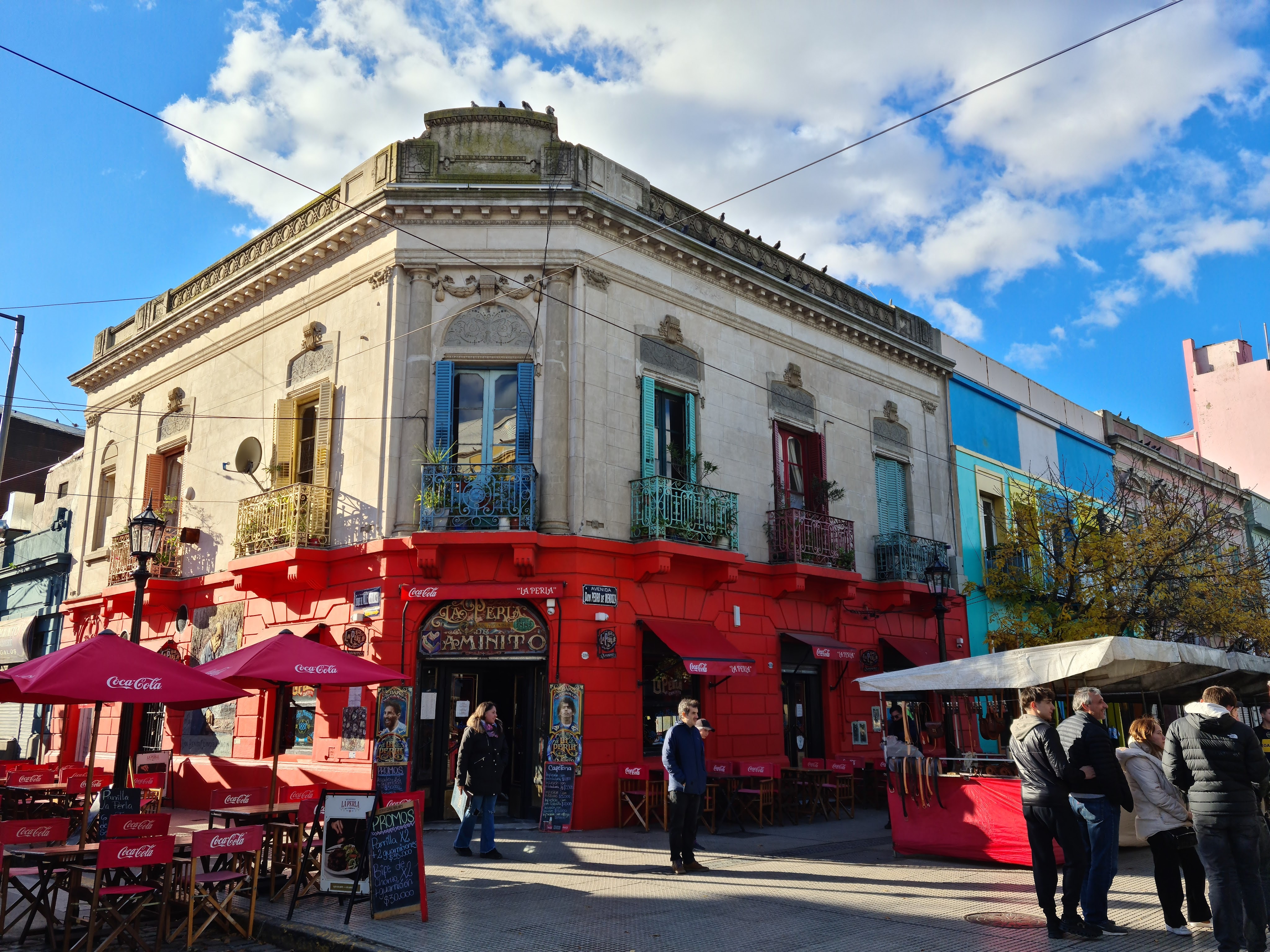
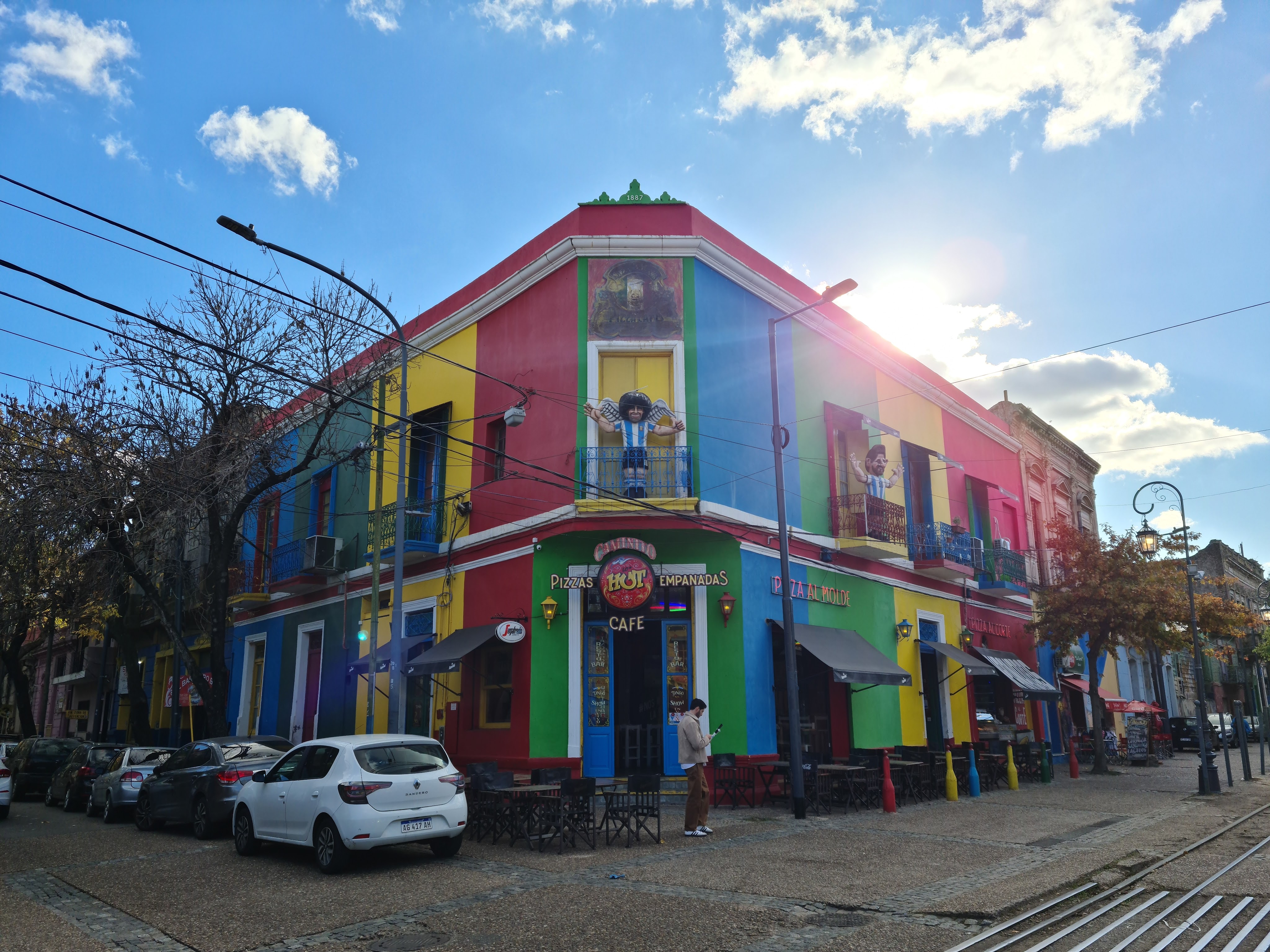
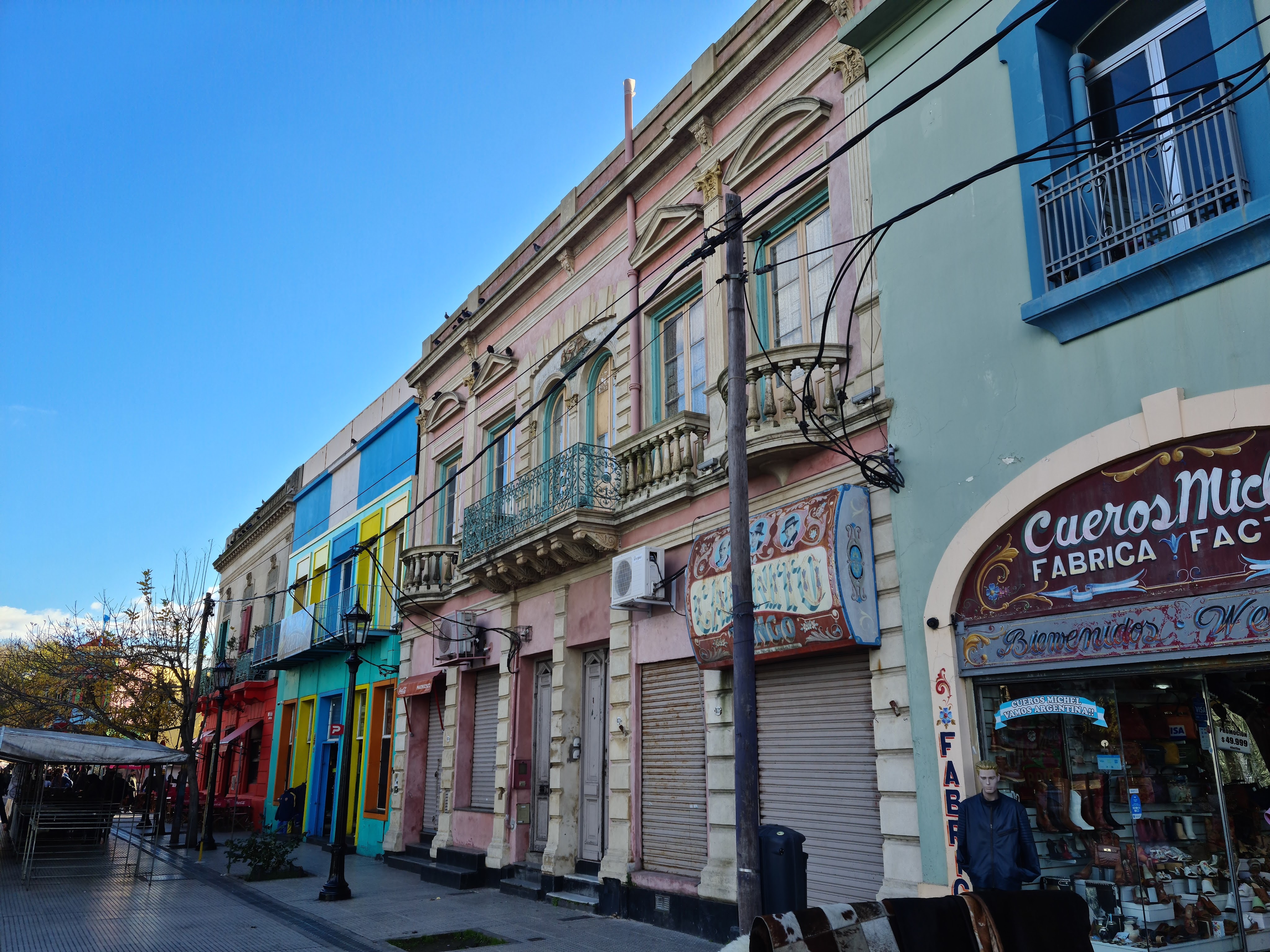
Although tango dancers were in hiding the day we were there, we did spot a couple of dogs dressed in football strips and plenty of gurning statues and stalls of mass produced souvenirs. It’s a must see in BSAS, but once was definitely enough for me.

As we were in the neighbourhood already, Ricki was able to convince me to go to the Museo de la Pasíon de Boquense, the shrine to local heroes, the Boca Juniors football club. Argentinians rarely mention it (*cough*), but they really like football, and are quite good at it…
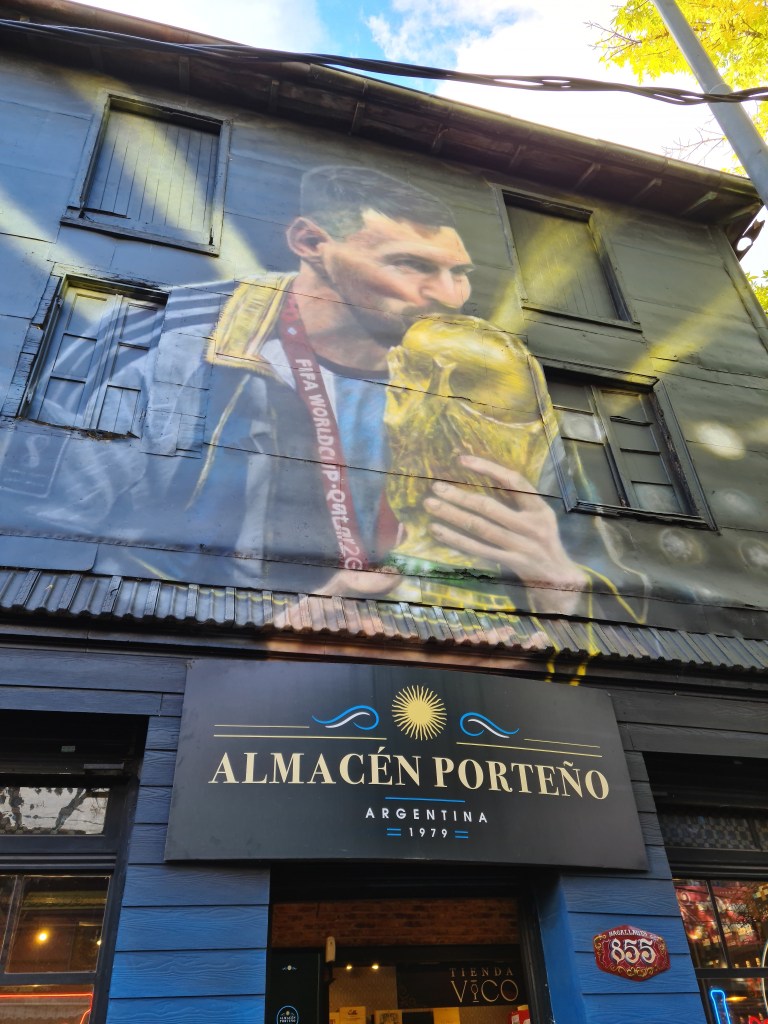

Situated within the stadium itself, it’s full of interesting football memorabilia and the exciting history of the club – if you’re a fan anyway. Similar to the UK, football is a major part of Argentine life, so at least I can comfort myself with considering it a cultural education!

And now for a much anticipated blog debut, I welcome Ricki to the stage to detail his more immersive football experience! (Can you tell he was once a match reporter?!):
When you think of Argentina, one of the very first things you think of is football. Maradona and Messi are gods in Argentina and football means everything to the country, so a visit to Argentina wouldn’t be complete without a chance to experience the atmosphere of a game. In Buenos Aires there is plenty of choice, with eighteen professional clubs, but two clubs in particular tower above them all in their popularity and fame, River Plate and Boca Juniors.
Securing tickets isn’t easy or cheap. After several incidents of extreme violence at games, it’s now only possible to get tickets by becoming a member of the club. For domestic matches, no away fans are allowed in the stadium. The only way to get tickets as a tourist is via an organised tour group and so I’d got tickets with a group to see River Plate play Libertad of Paraguay in the Copa Libertadores at the 80,000 capacity Estadio Monumental. It was a crucial fixture, with River needing a win to secure their place in the second round of the Copa Libertadores, South America’s version of the European Champions League.
As we approached the stadium the crowds built and the streets all around the stadium were cordoned off by police and security. Walking to the stadium involved four different checkpoints with pat downs, ID checks, and multiple ticket checks; security was tight!
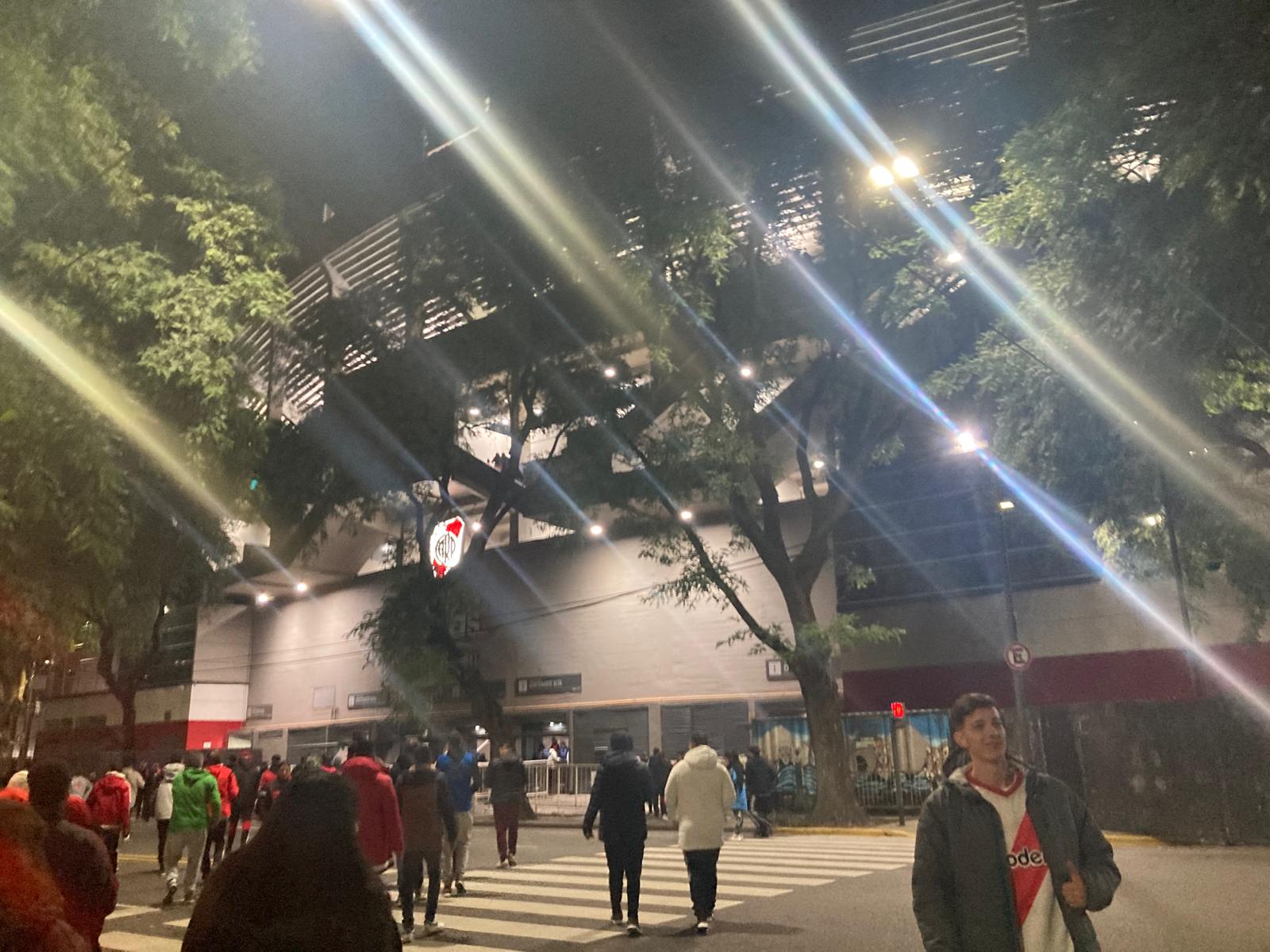
Entering the stadium was incredible though. We arrived an hour before kick-off but already there was plenty of noise and the atmosphere was building. Our group was in a standing area behind the goal on the opposite side from the ultras (the hardcore fans who sing and shout the entire game) and as kick-off approached we were soon being jostled this way and that as people came pouring in to fill the space. People with their kids pushing past to get down to the front, where a load of kids were perched on the metal barriers singing and chanting, vendors balancing bottles of coke and various snacks over their heads working their way through the crowd. It was chaotic, but in a very good way!
Then the game got going and the noise lifted to a whole new level. The singing and chanting was constant the whole game only getting louder when River scored or had a chance on goal. I spent the entire first 45 minutes with a guy’s hands on my shoulders behind me jumping and down shouting the whole time. Think Maradona and his infamous celebration at the 1994 World Cup.
The game itself was a cagey affair. River were on top in the first half but were struggling to open up a resolute Libertad who were sitting deep and slowing the game down at every opportunity. But the stadium erupted in the 41st minute when Migual Borja, River’s Colombian striker, scored to give River a much needed lead before half time. In the second half Libertad, led by the 42-year old Roque Santa Cruz, opened up and it became more tense, with Libertad creating the better chances and starting to get on top. But relief was at hand for the home fans when Borja scored an excellent second goal, rifling a low shot into the bottom corner from the edge of the box in the 84th minute to seal the win.
The atmosphere all game was incredible. If you’ve ever seen Argentina play at the World Cup you know how raucous their fans can be and being inside a stadium of 80,000 people creating that kind of atmosphere was something I’m glad I didn’t miss. It may not have been a classic game, but it was all about sharing the experience with Argentine football fans.
Back to your regular host…
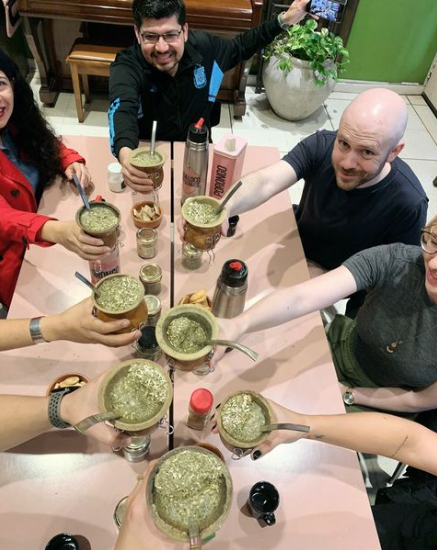
A much more appealing cultural experience to me was mate (“mah-tay”) tasting. If you’ve read that and assumed that, knowing us, it must be an alcoholic beverage, here is where I get to prove you wrong! Mate is in fact a herbal tea, made from yerba mate leaves. Argentina’s love of mate makes Britain’s feelings for breakfast tea seem like a mere interest in comparison. Wherever you go in Argentina, you can often see locals toting around their thermos and mate cup, whether it’s the park, walking along the street, or in the central console of their car. The peculiar thing is though, despite the popularity, this isn’t something you can just walk into a cafe and order. So to try it, we happily went along to another Airbnb experience.
Our host, Coké, was an excellent conversationalist and took us and five other tourists through the process of preparing the hot drink. Essentially your cup is filled three quarters full of the mate leaves, covered and shaken to remove the dust, tipped to one side to create a channel and a metal straw (bombilla) inserted through at a 45 degree angle. This cup of herbs is kept on the go until it loses its flavour. Hot, but not boiling, water is added as and when the drinker is ready for a fix. In fact mate is so ingrained into the Argentine way of life, most kettles have a specific mate setting, specifically 80 degrees.
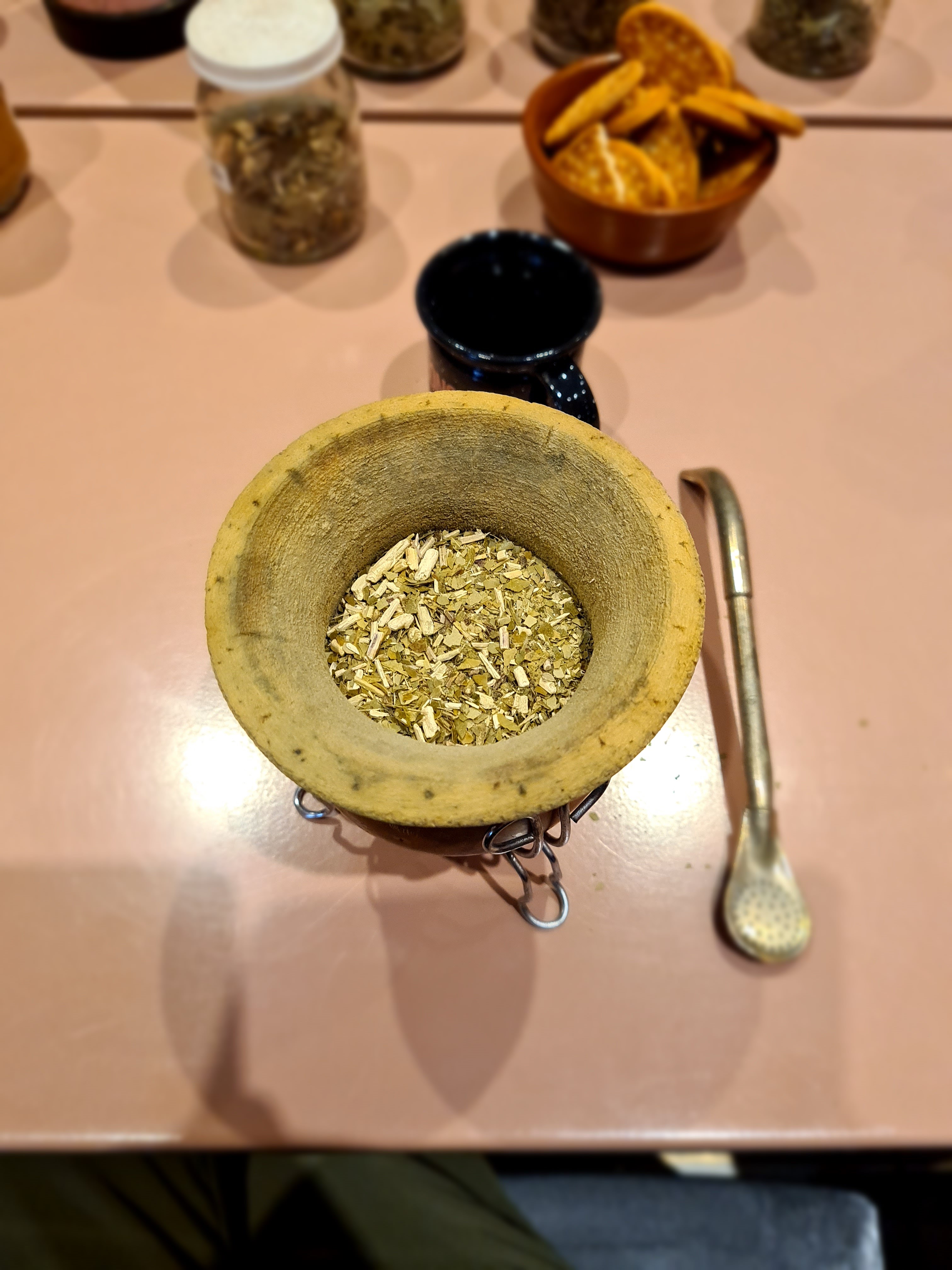
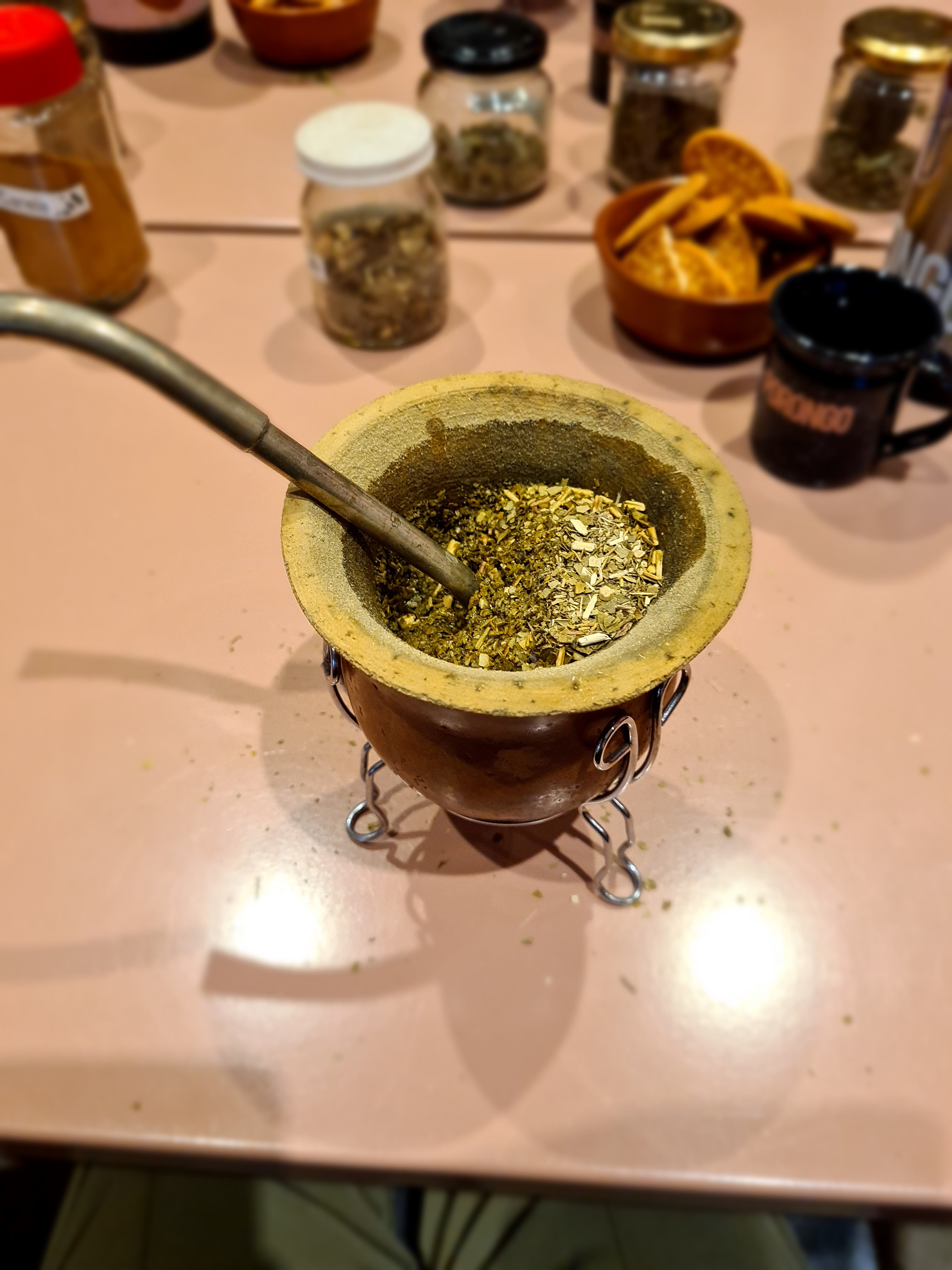
In terms of taste, it is similar to a green tea so probably isn’t something we’d choose on a frequent basis unless it was the only option for a caffeine hit! It could be made more bearable though with the addition of honey and aromats like lavender and chamomile. We also got to try a cold version where the hot water was substituted with grapefruit juice.
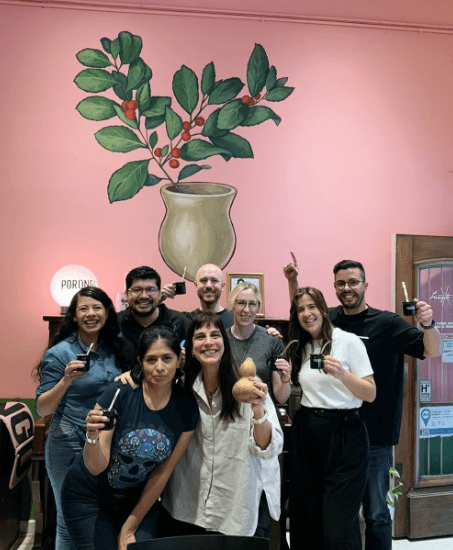
One of the main aspects of mate, and possibly why it is so beloved, is it can be a social ritual in the same way as going out for a tea, coffee or pint. So it was perfect to be able to try it in the company of others, and the group size was ideal for keeping us all in the same conversation. Despite having done several Airbnb experiences over the years, I have to say this is the first time another participant has brought along sweets from their home country to share with the group. This was such a lovely gesture from Luis of Guadelajara, Mexico that we need to pay forward in future! Its also given me several sweets to look out for when we get to Mexico City in a couple of months.
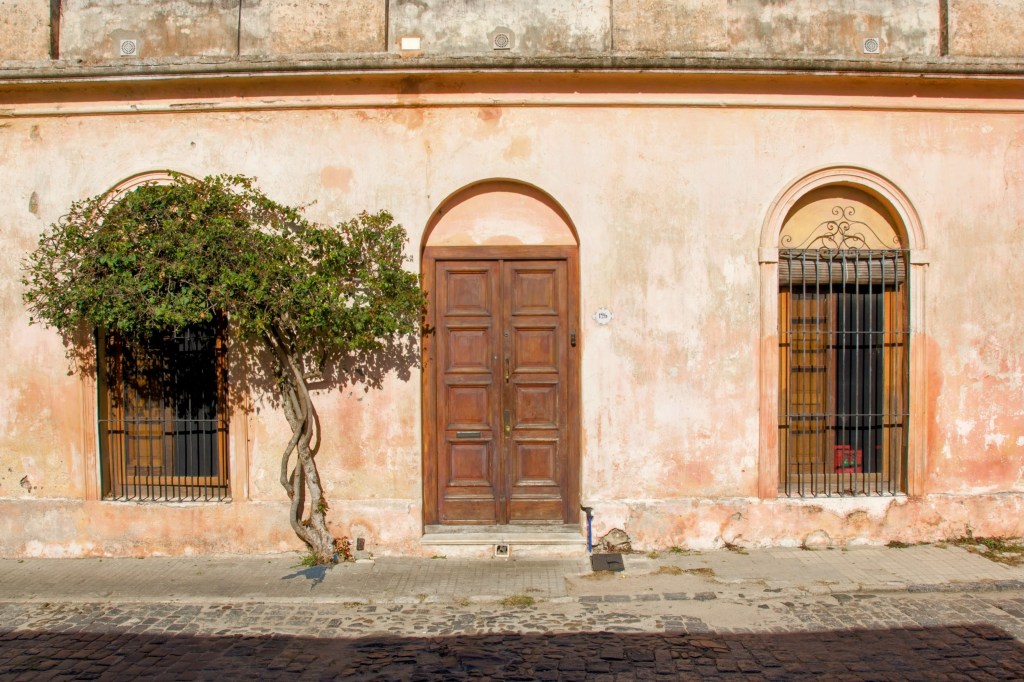
Our final Argentine experience was in fact completely un-Argentine. Being just a ferry ride across from Uruguay, we crossed borders for a day to Colonia del Sacramento. At one point in time I’d been wondering about squeezing in the Uruguayan capital of Montevideo too. Ricki wasn’t too keen though, and by chance we had one day bumped into a couple we had met at the tango class. They’d been across to Uruguay themselves in the intervening period, and were meant to stay in Montevideo and travel on from there. They had been so unimpressed though they had actually returned to Buenos Aires, successfully vanquishing my FOMO in the process.
Colonia is perfect for a day trip. The ferry crossing is around an hour and half across the Río de la Plata. Some claim this makes it the widest river in the world, but geobuffs and pedants consider it to be an estuary instead.
The centro historico of Colonia is very happily a short walk from the ferry terminal so you can get straight into sightseeing, as well as getting to enjoy the coast on three sides.
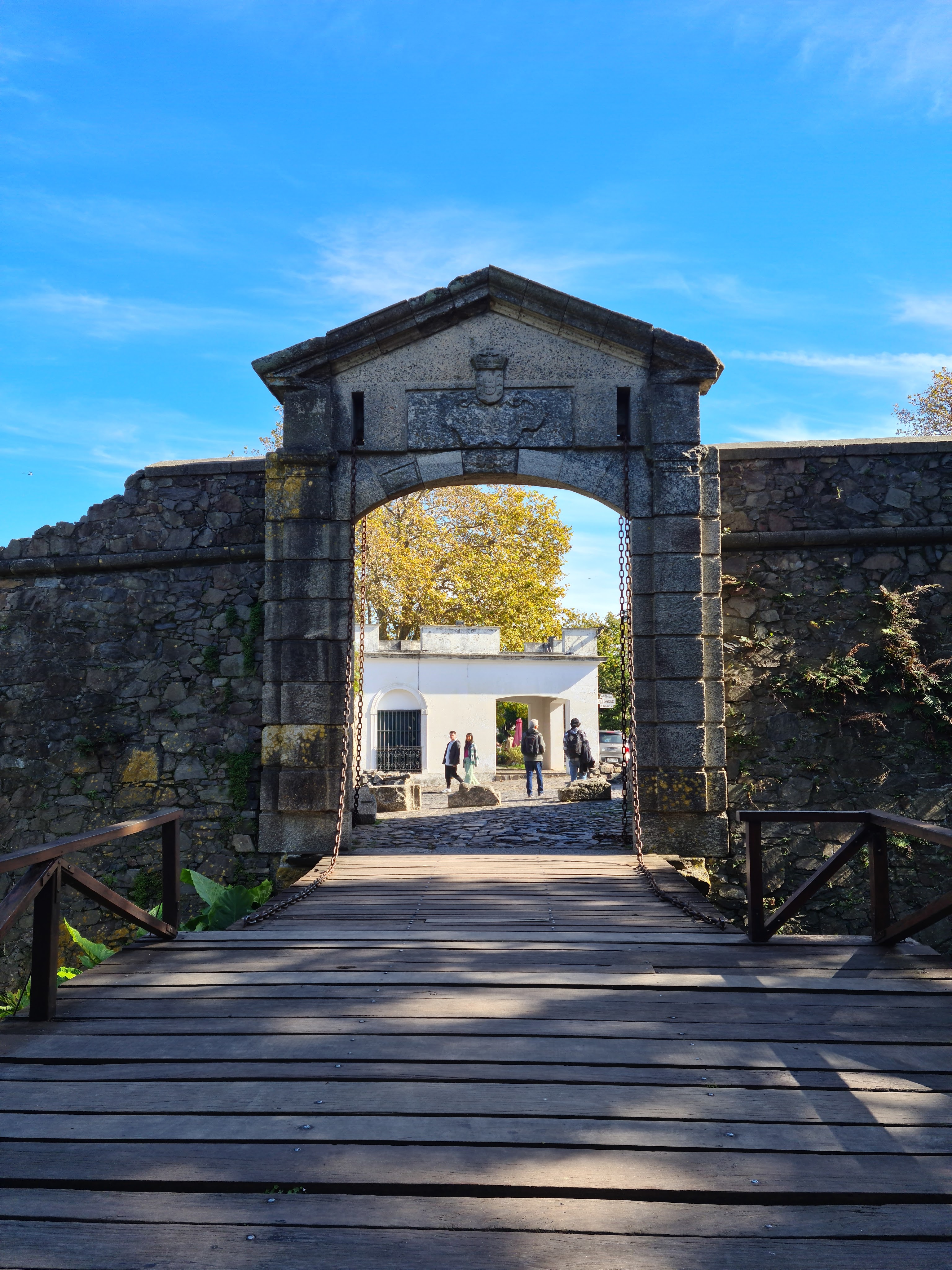
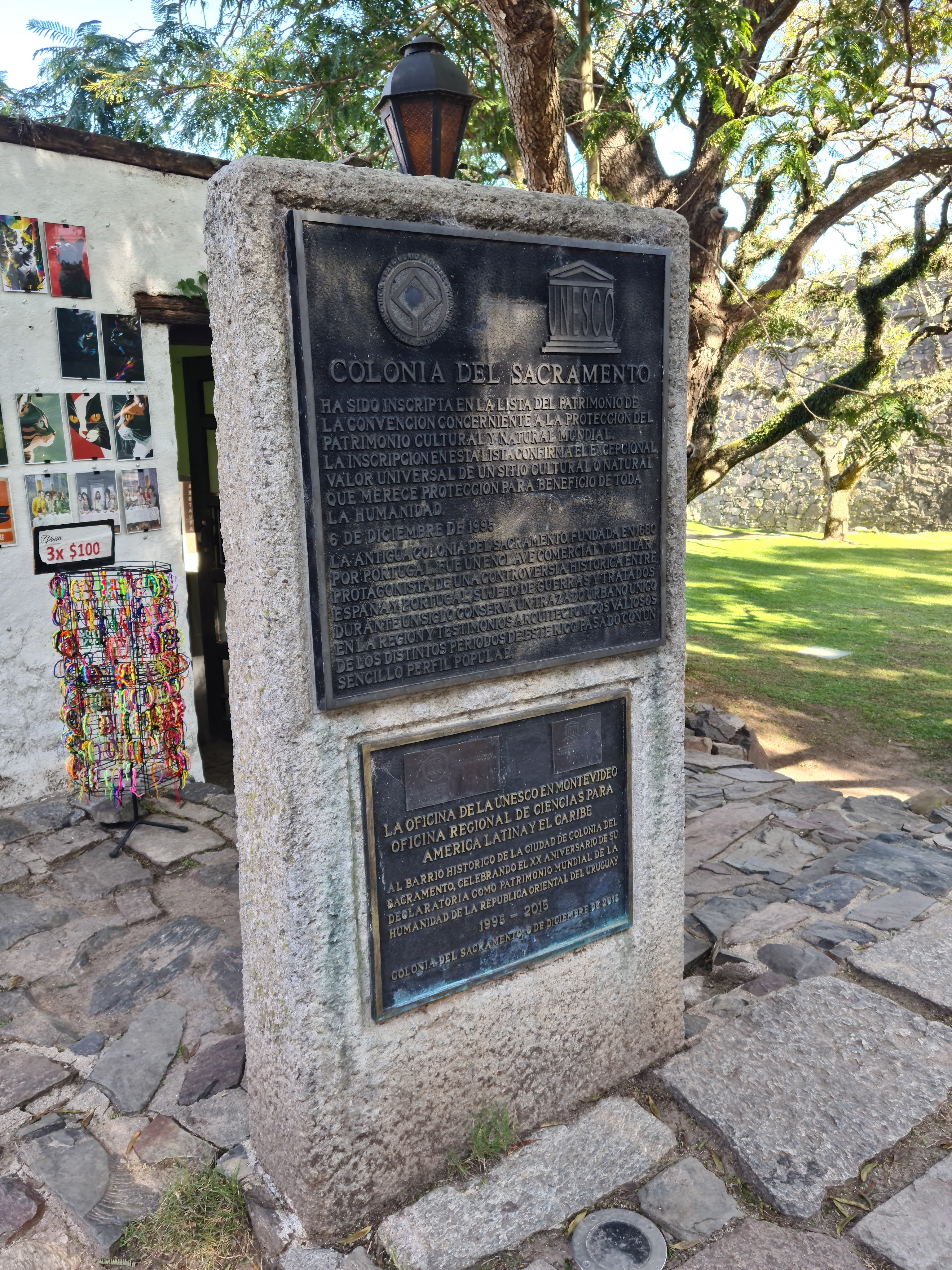
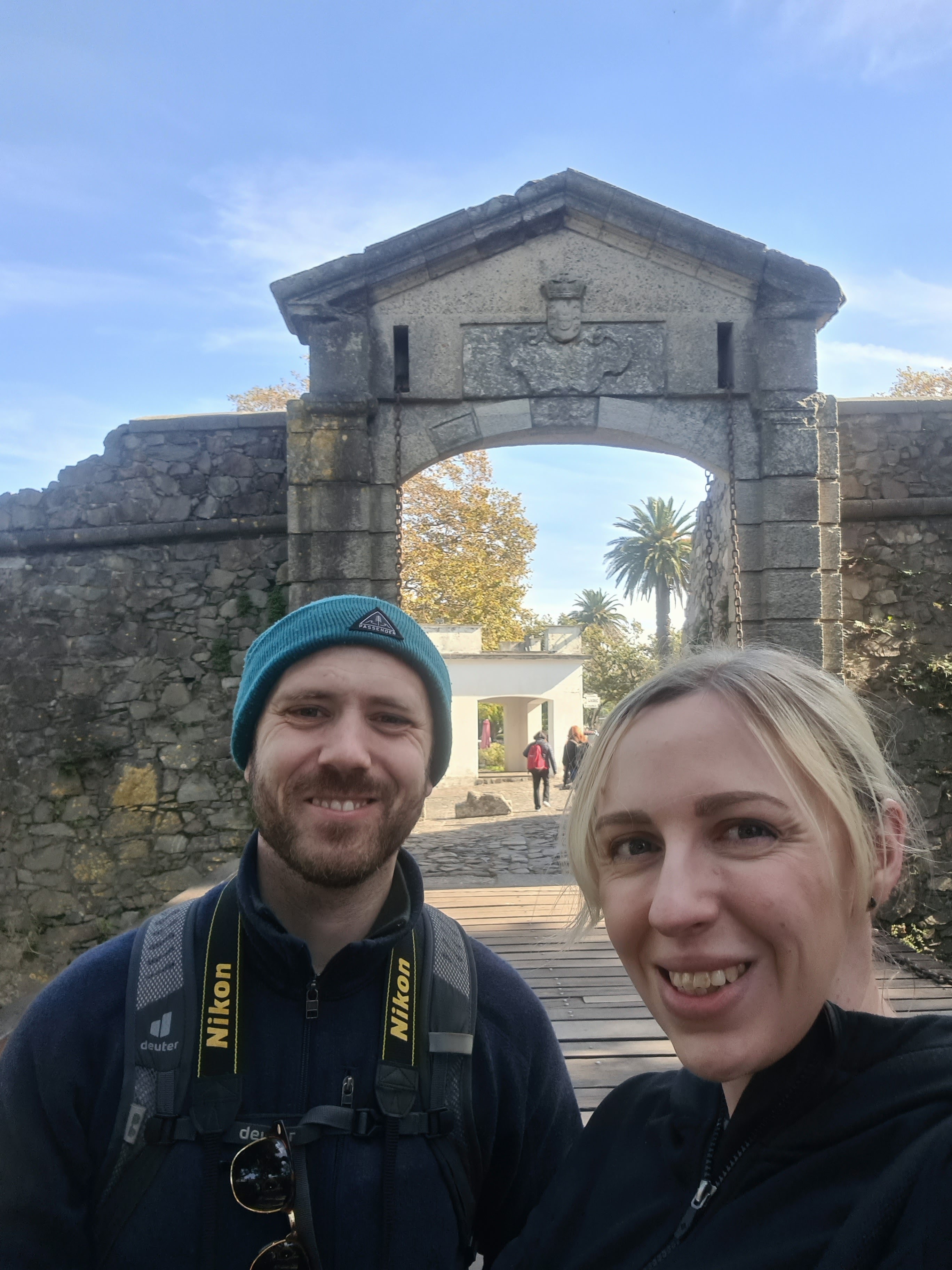
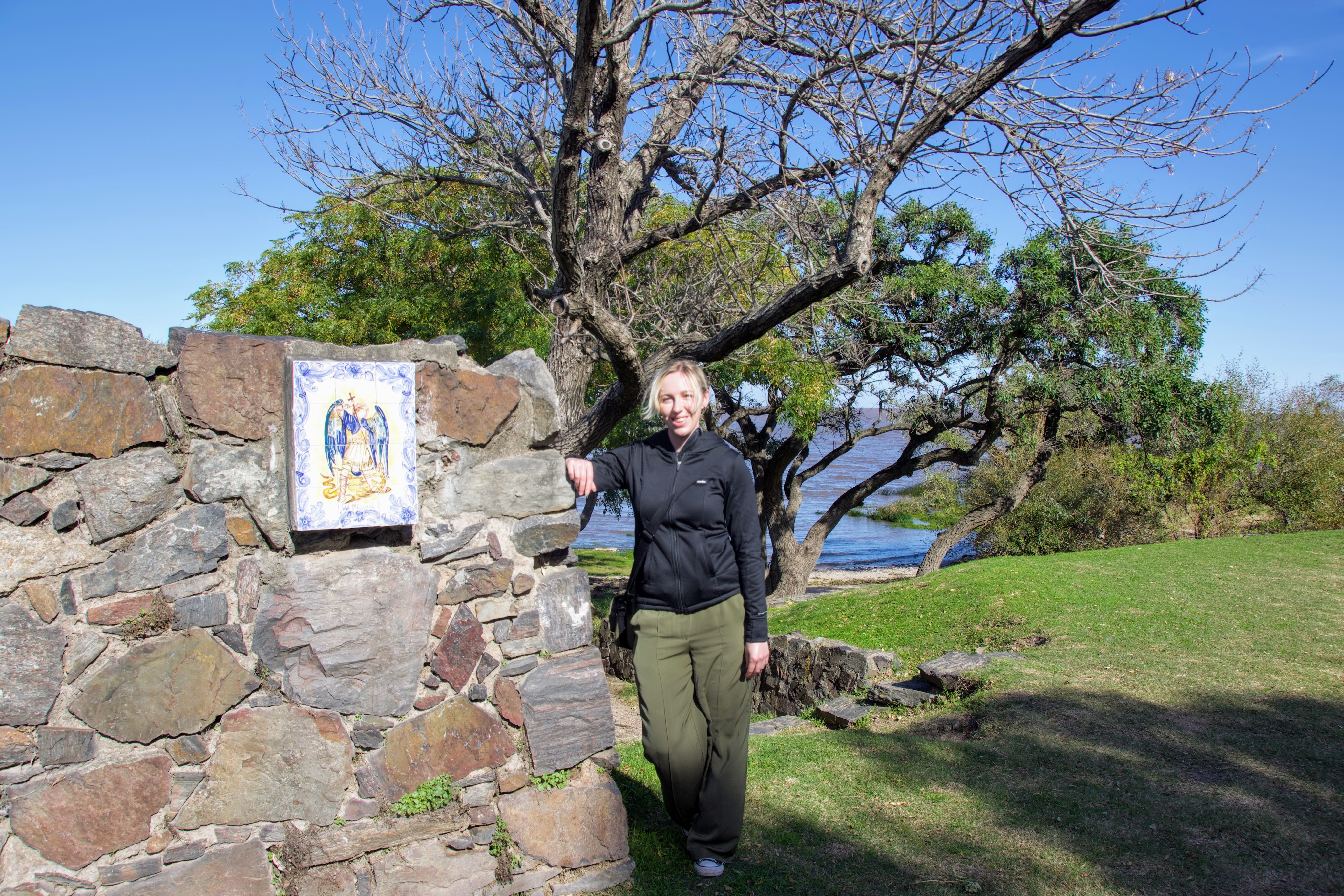
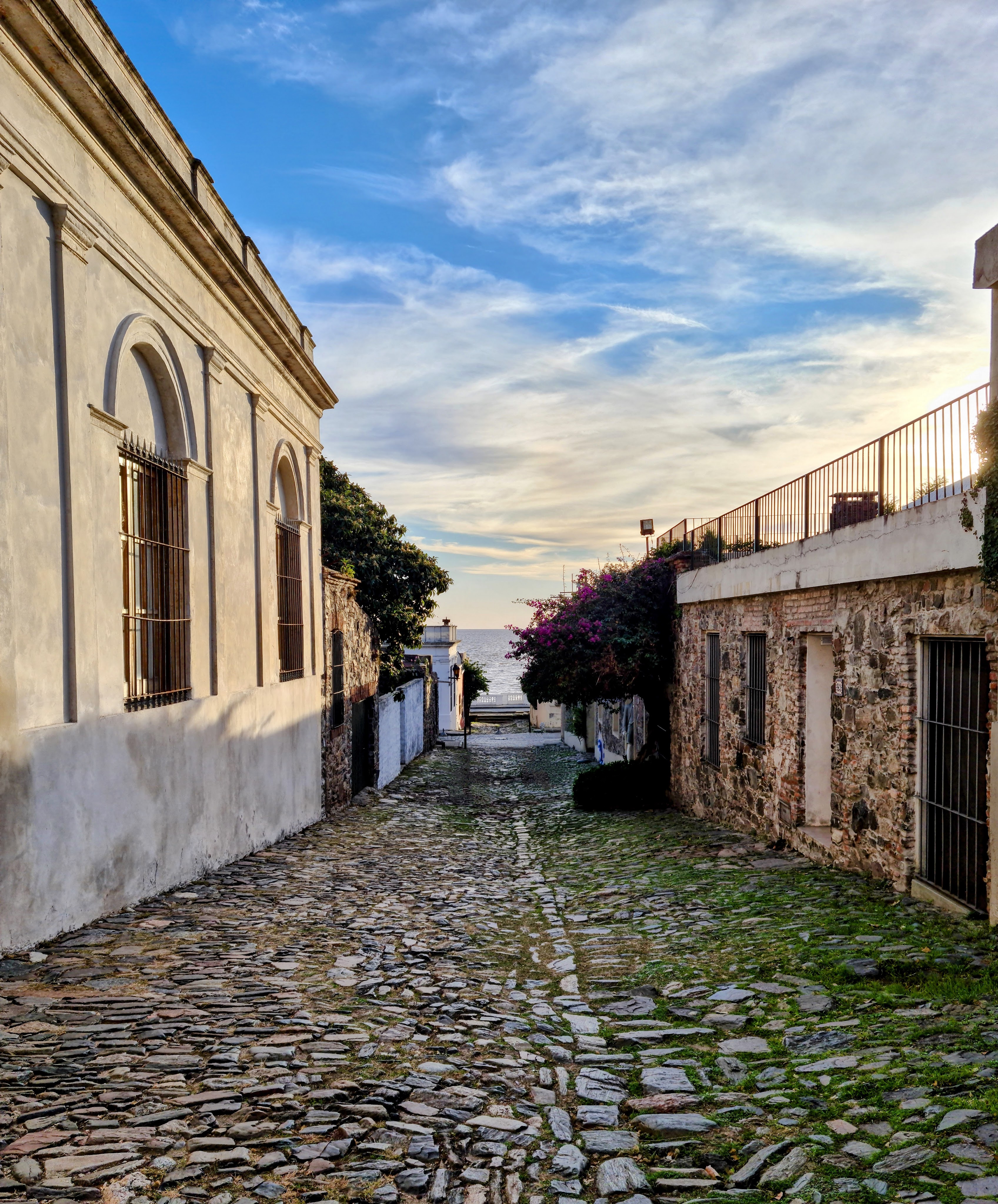
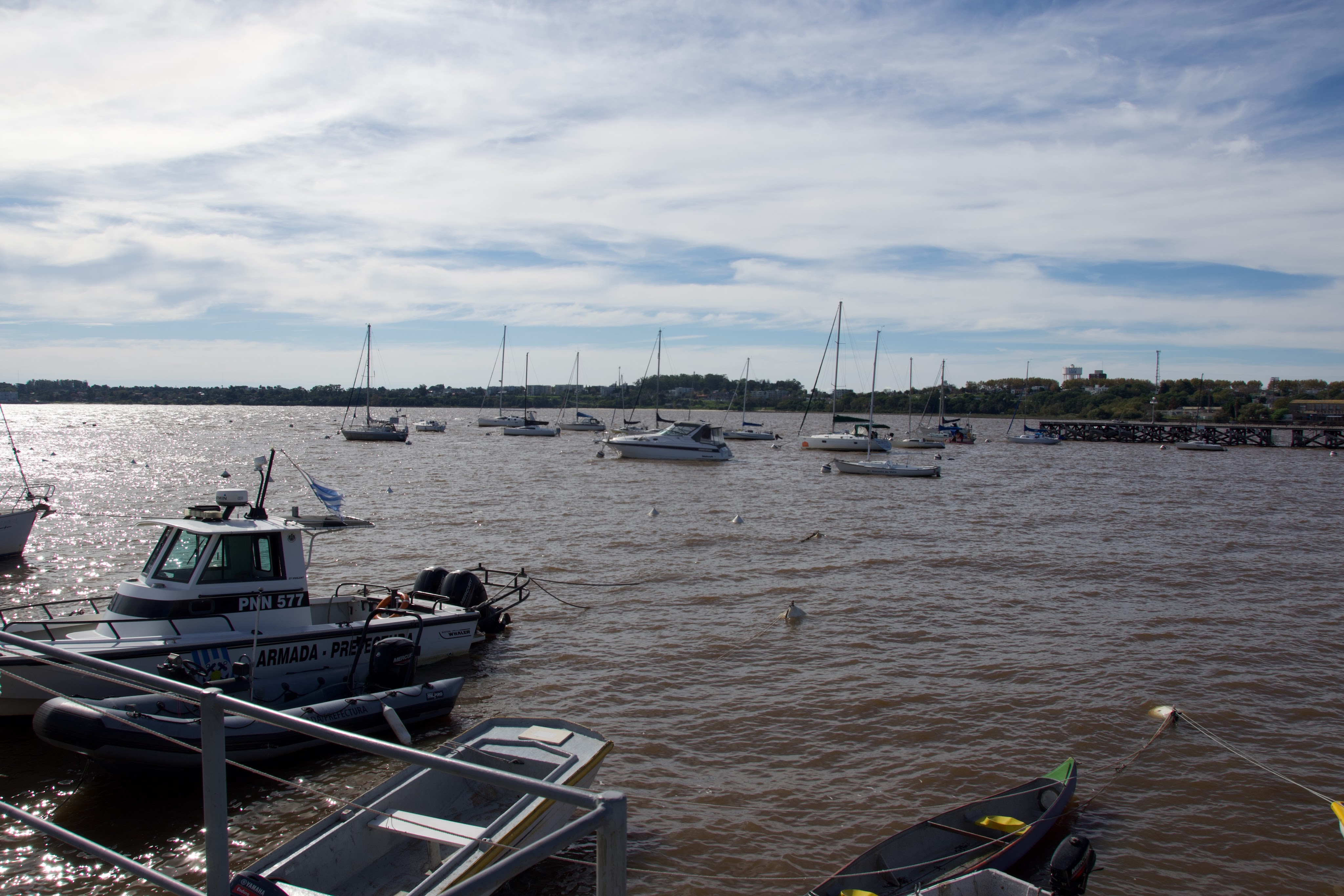
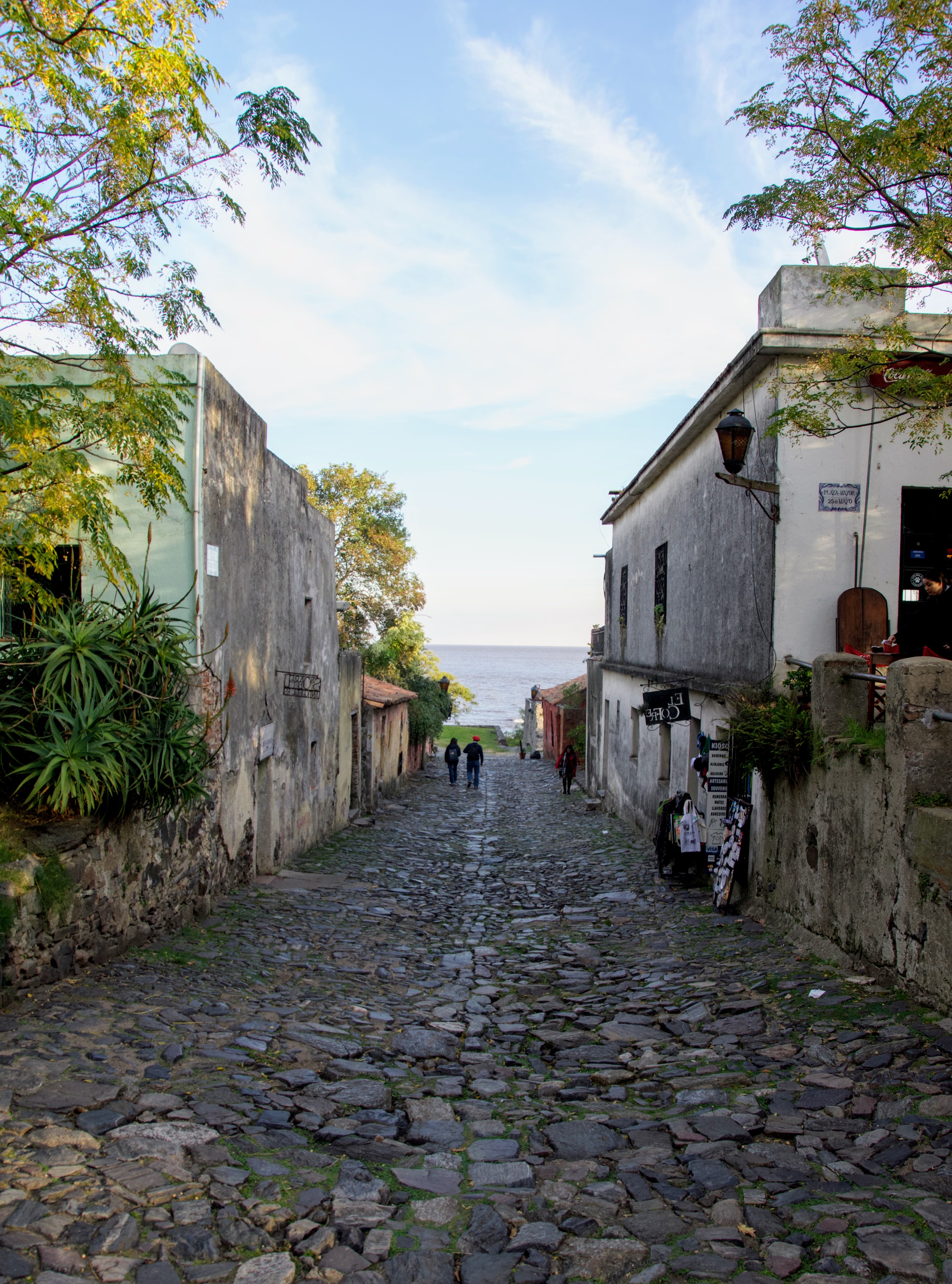
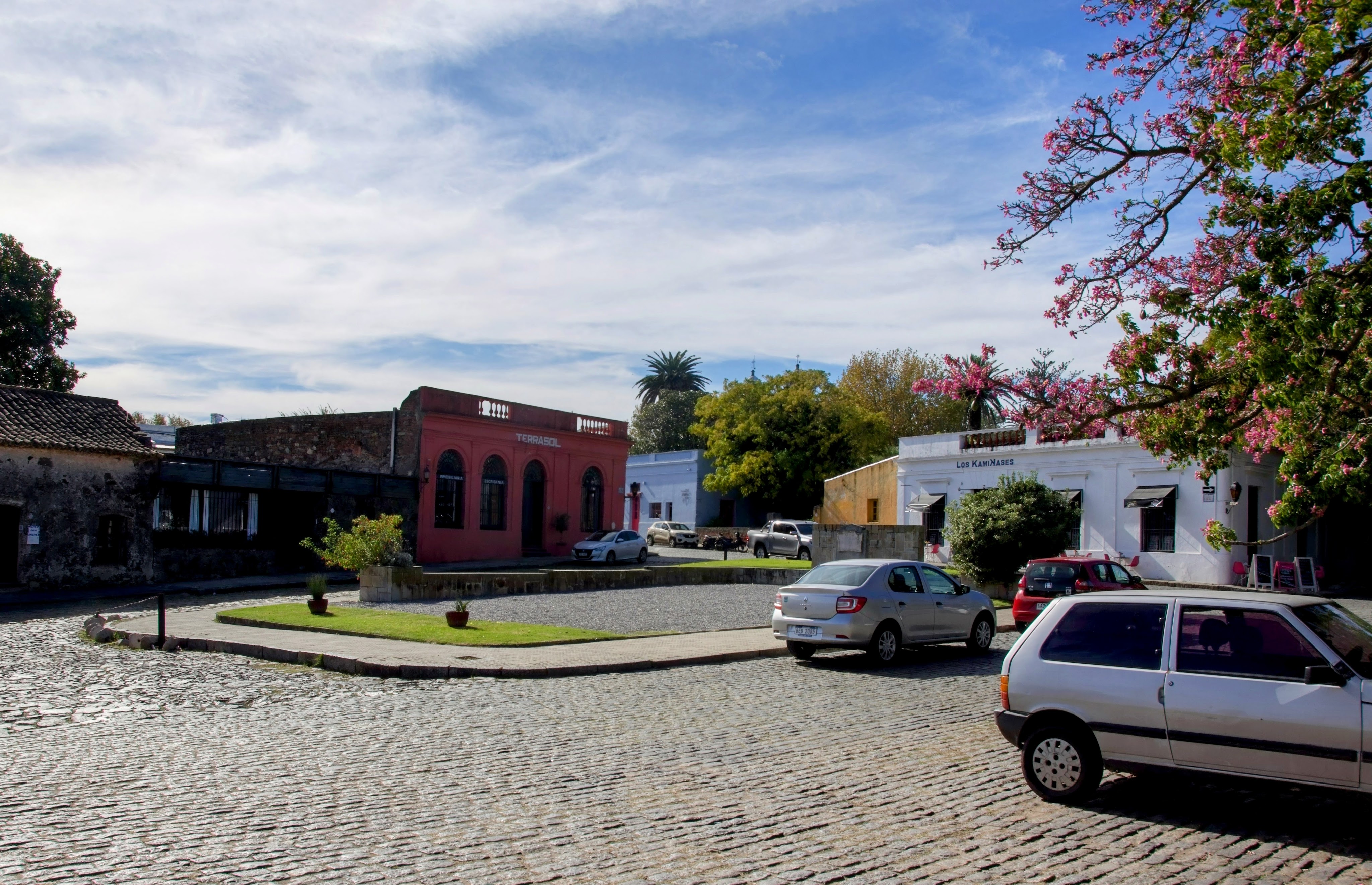
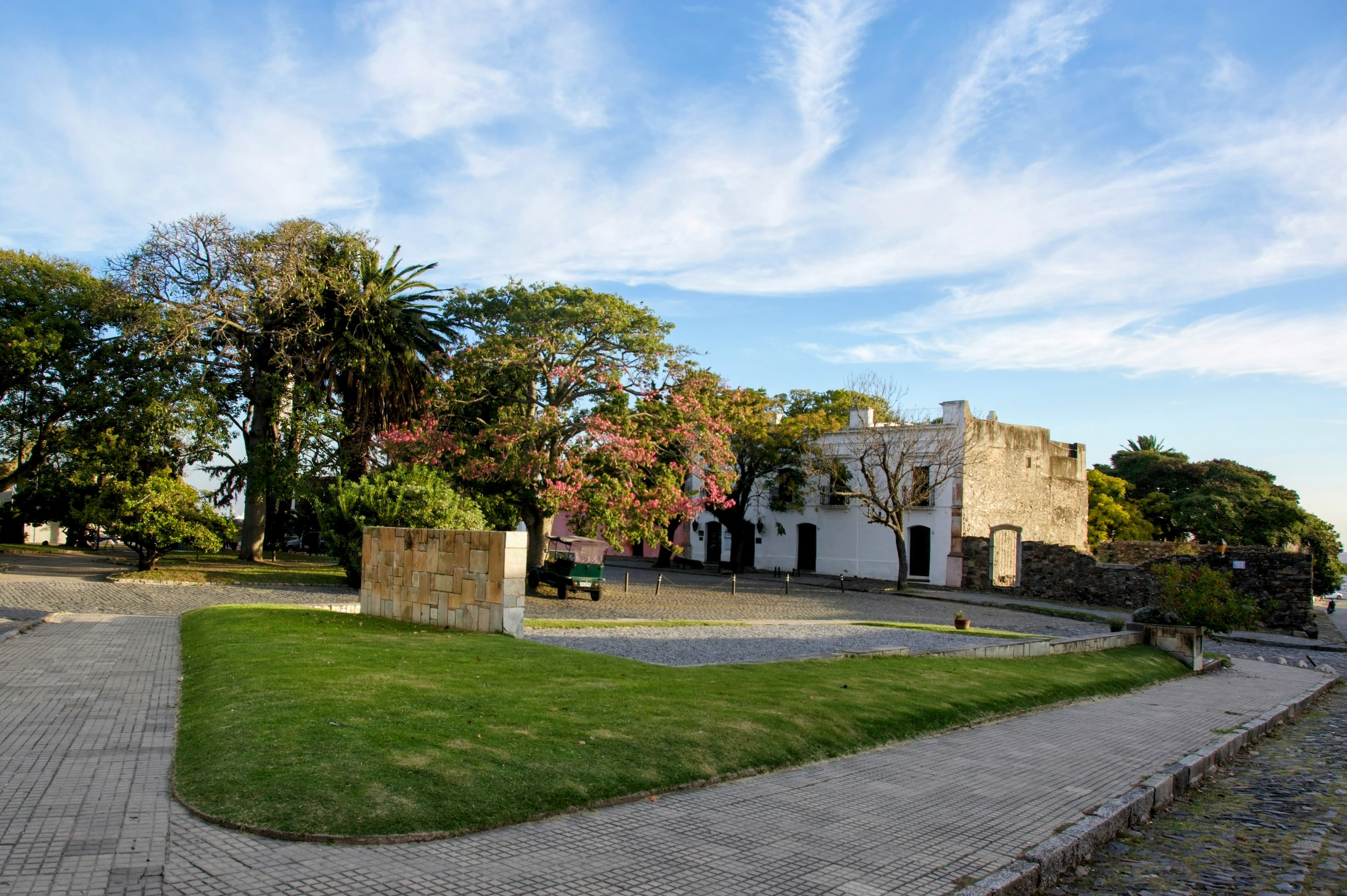
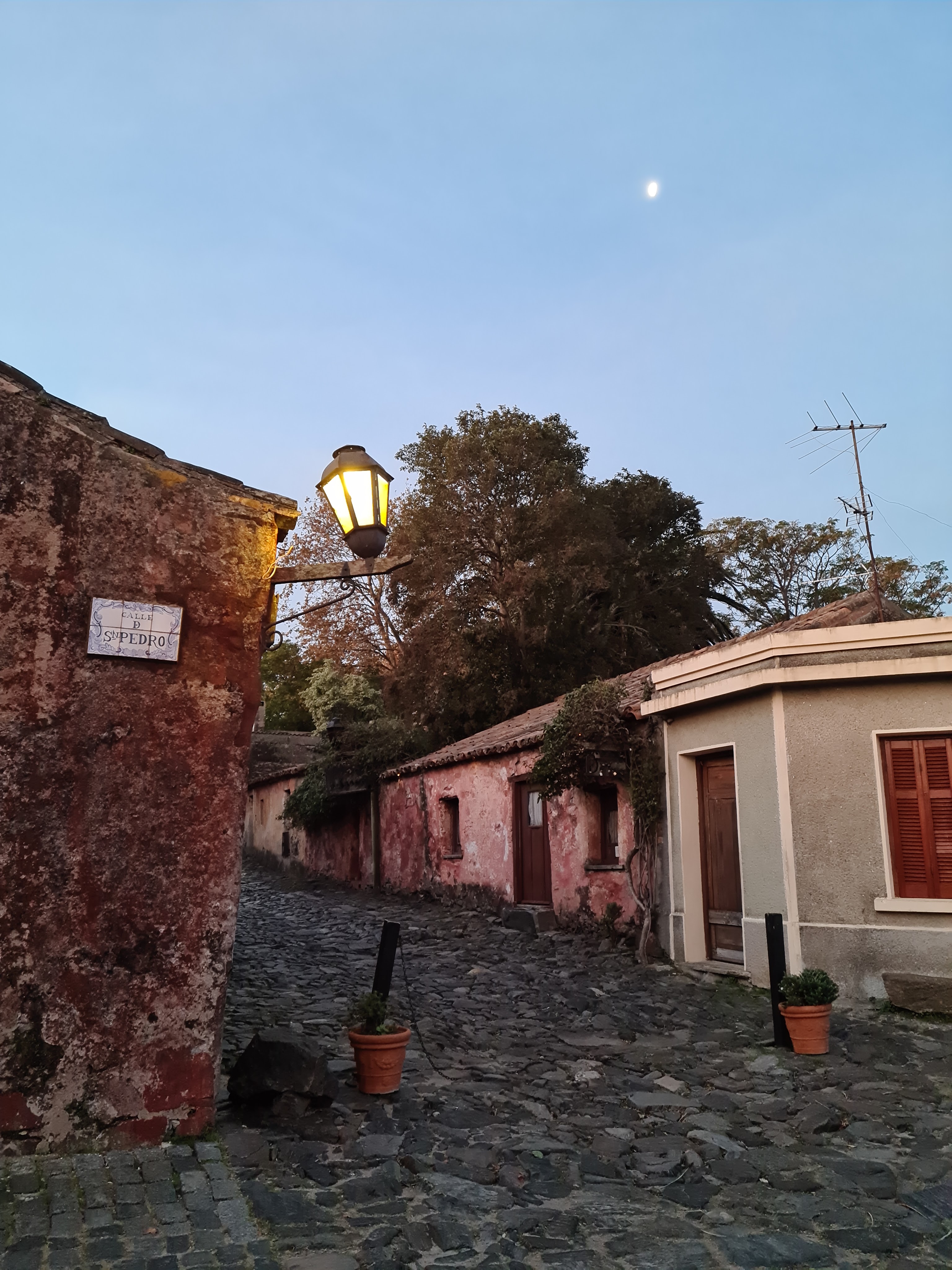
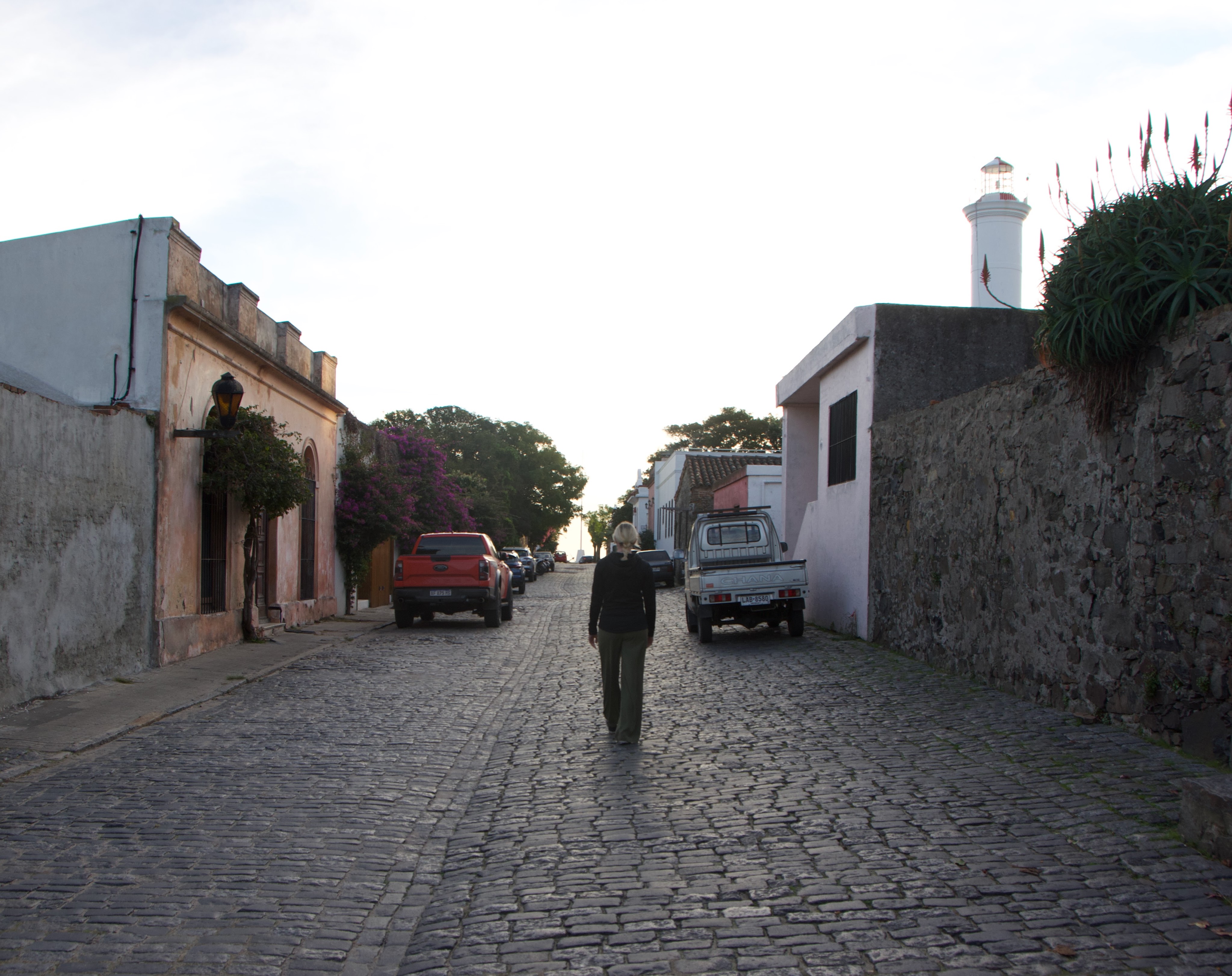
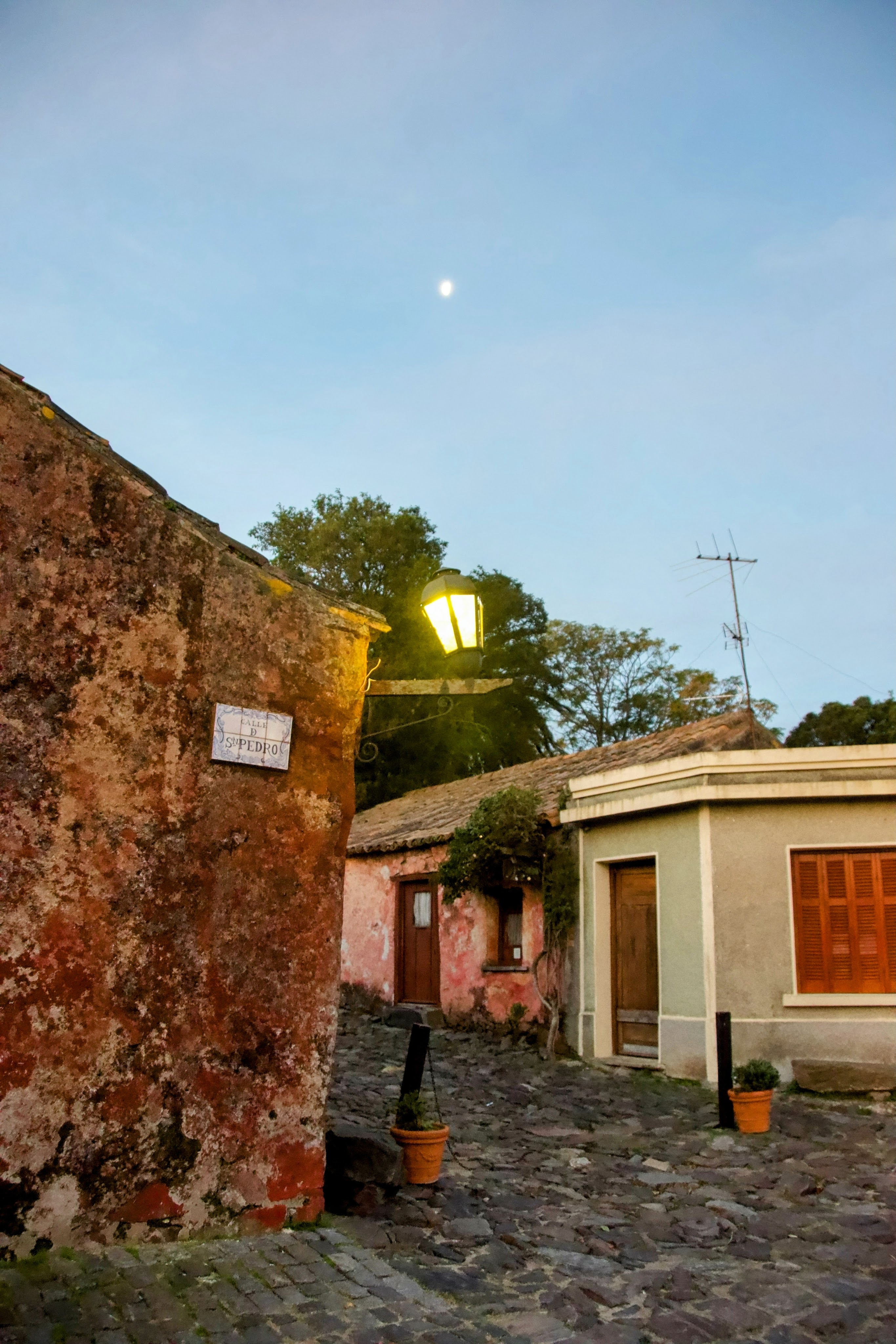
A crisp, sunny day, the weather here was just as autumnal as in Buenos Aires. In Colonia though it takes on extra beauty, perfectly complimenting the colour-washed facades and cobbled streets.
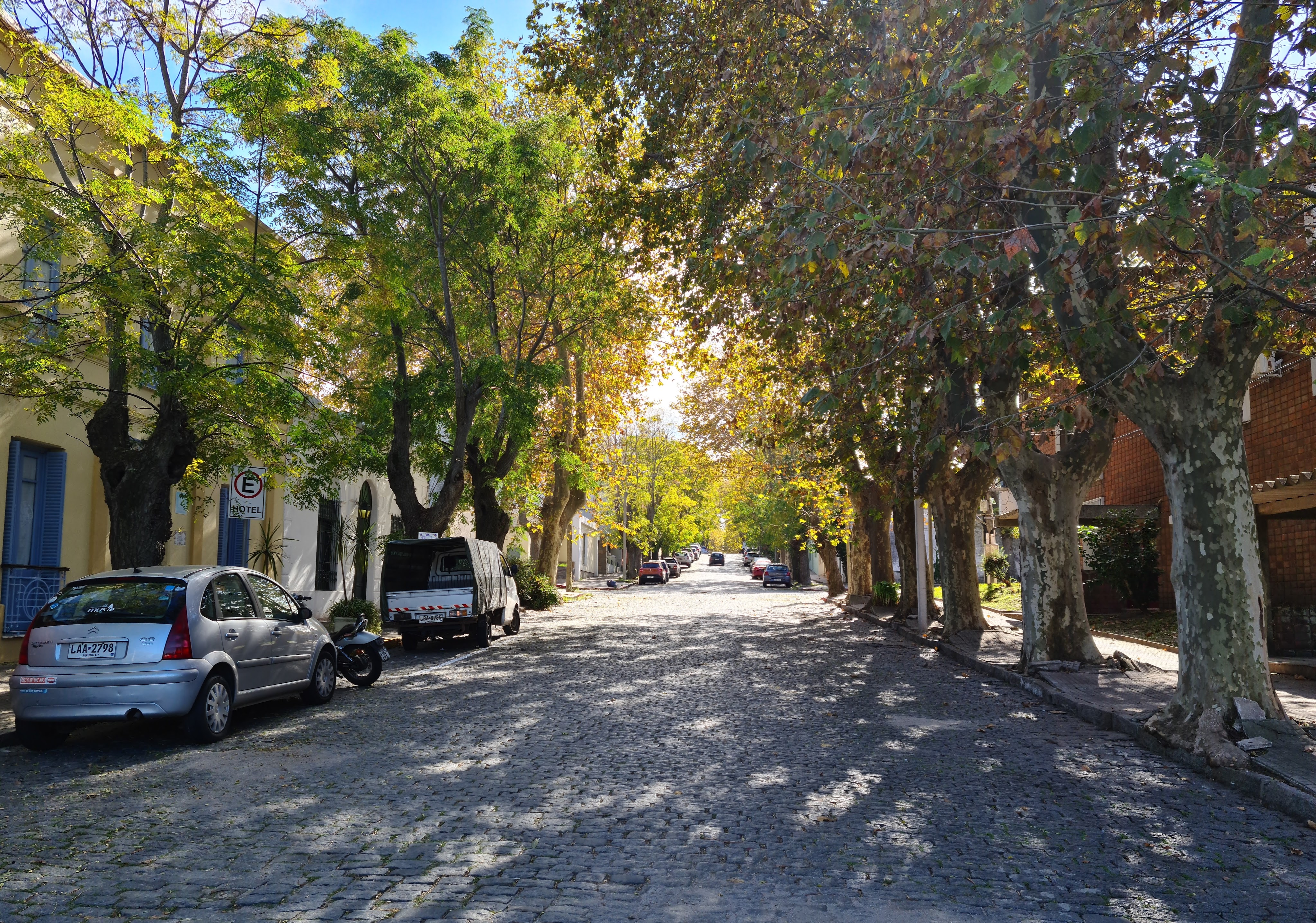
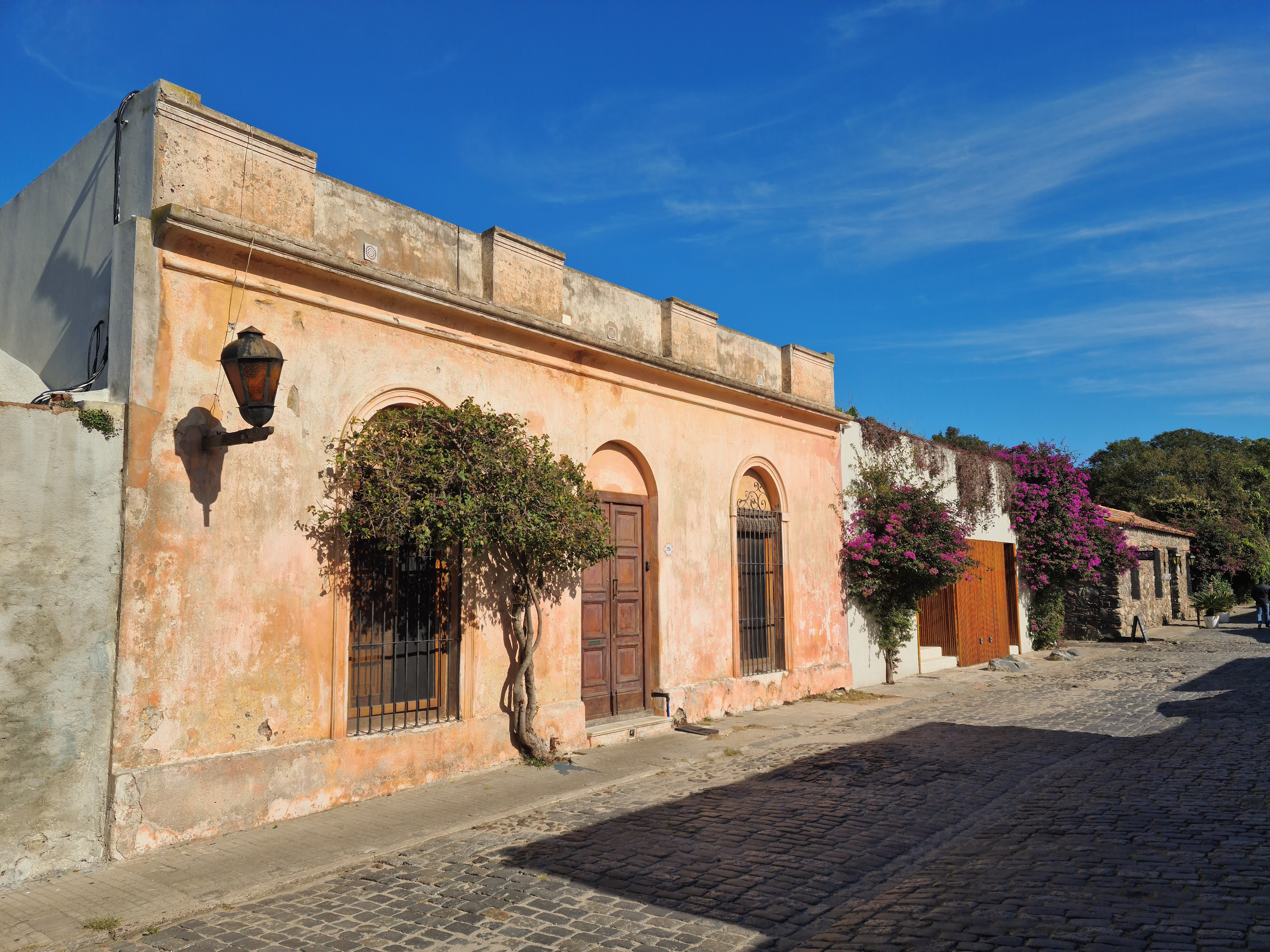
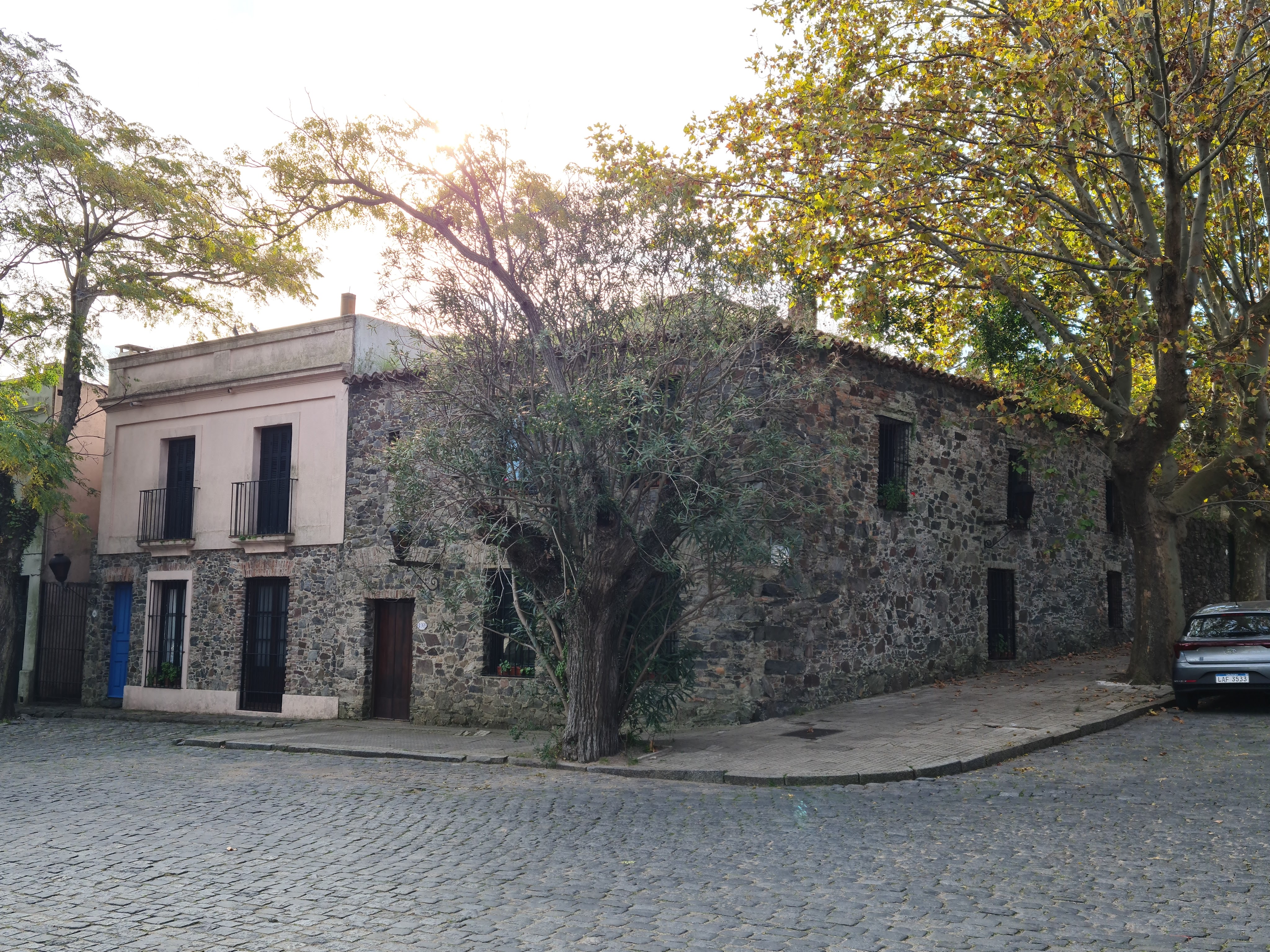
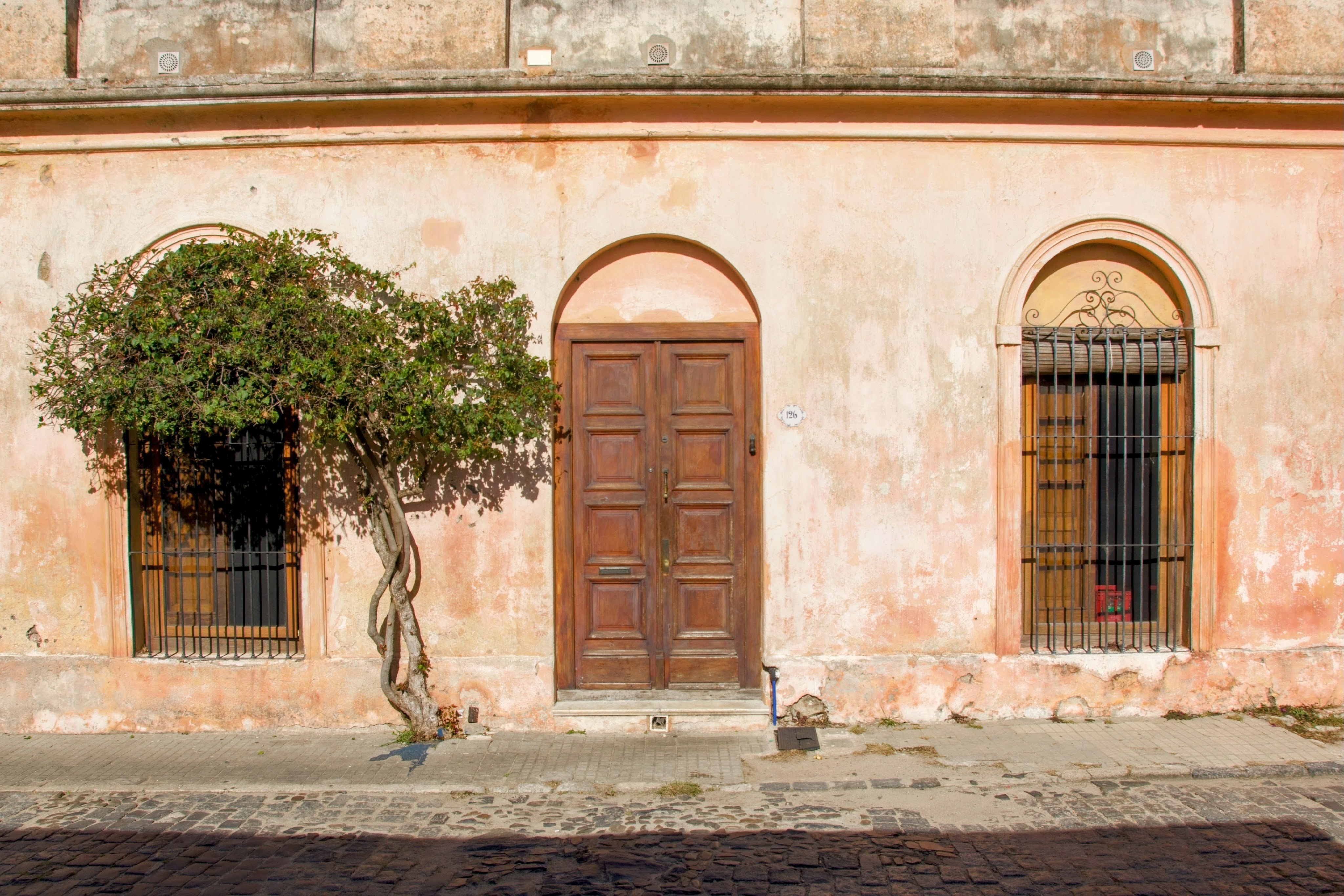
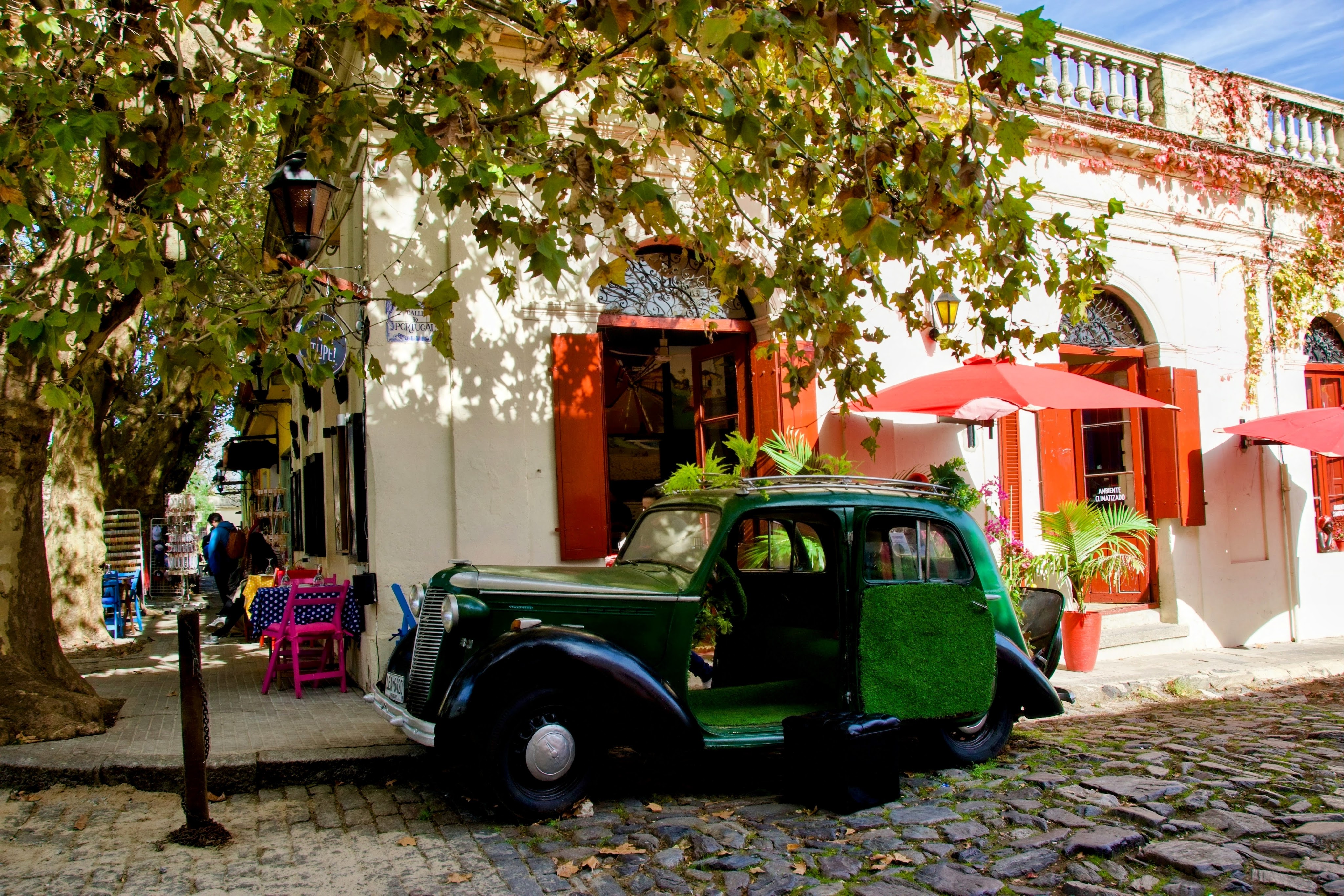
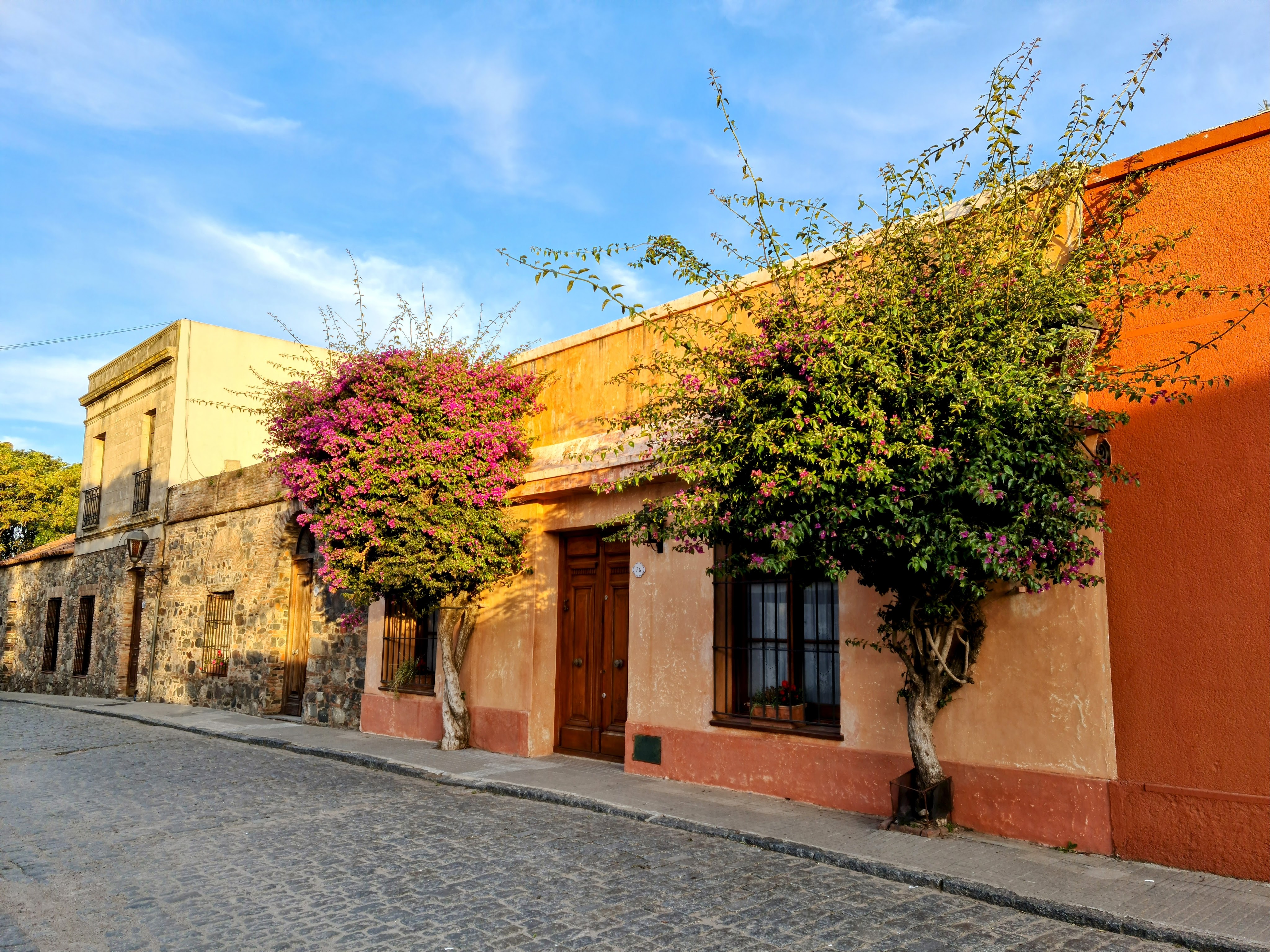
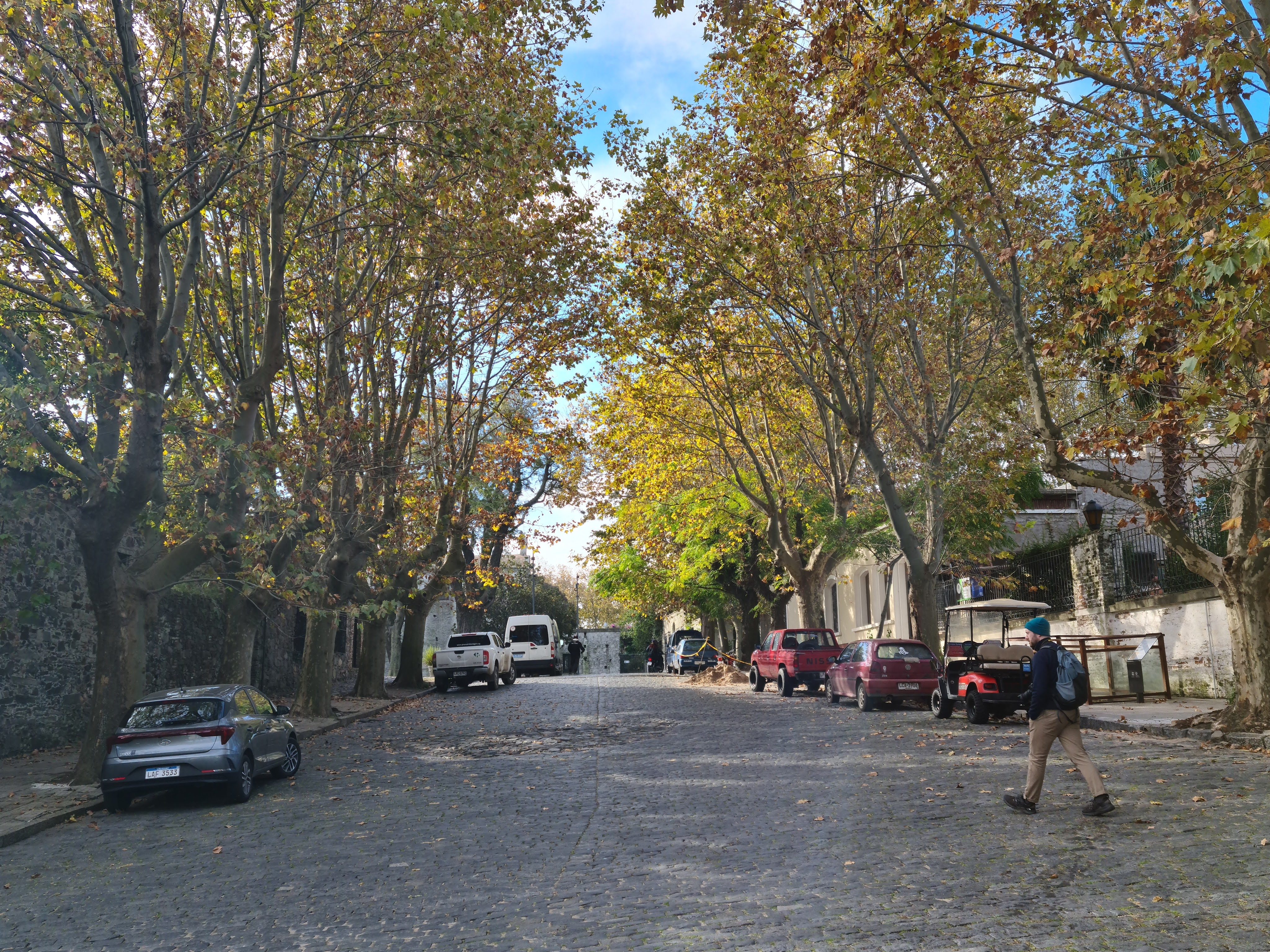
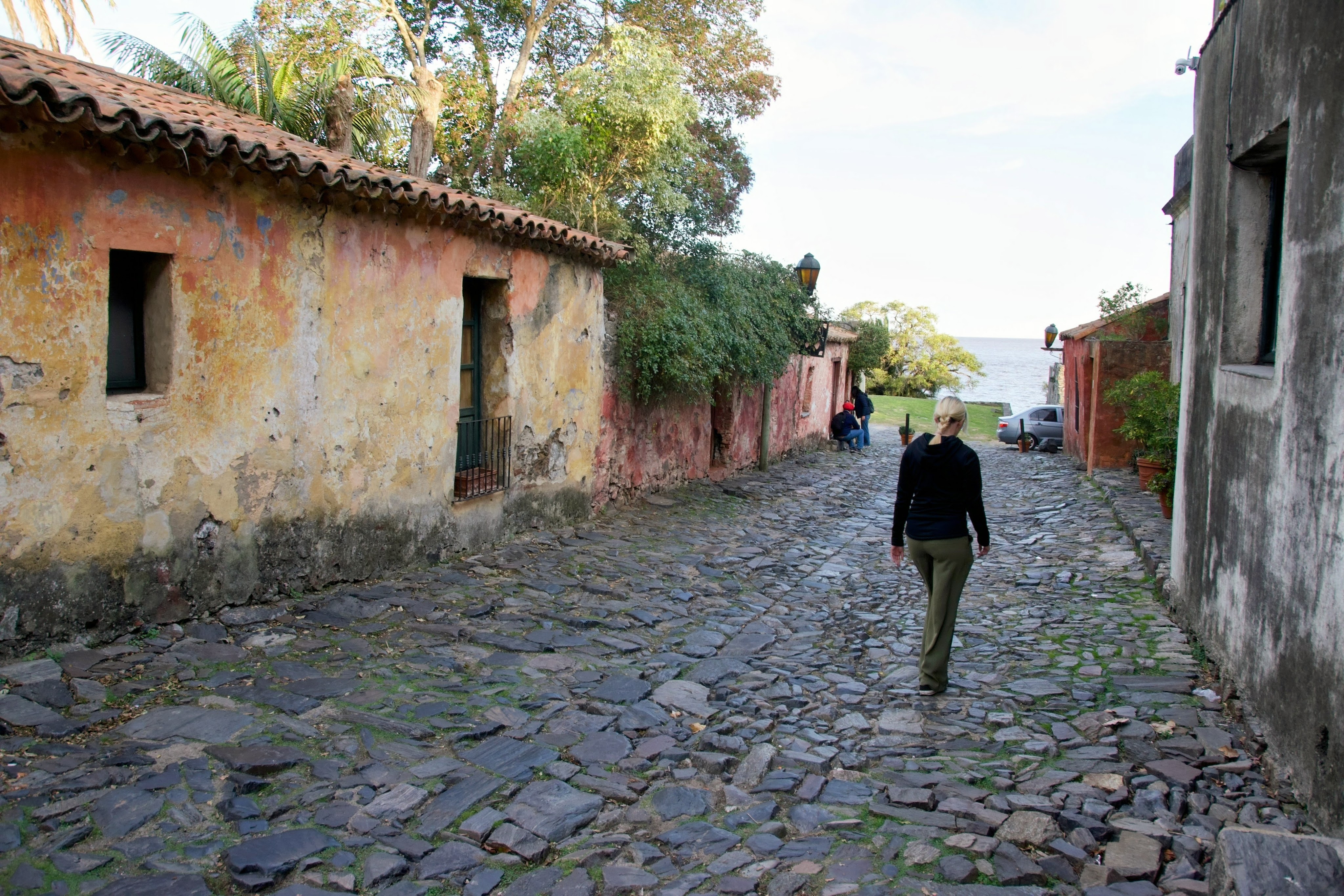
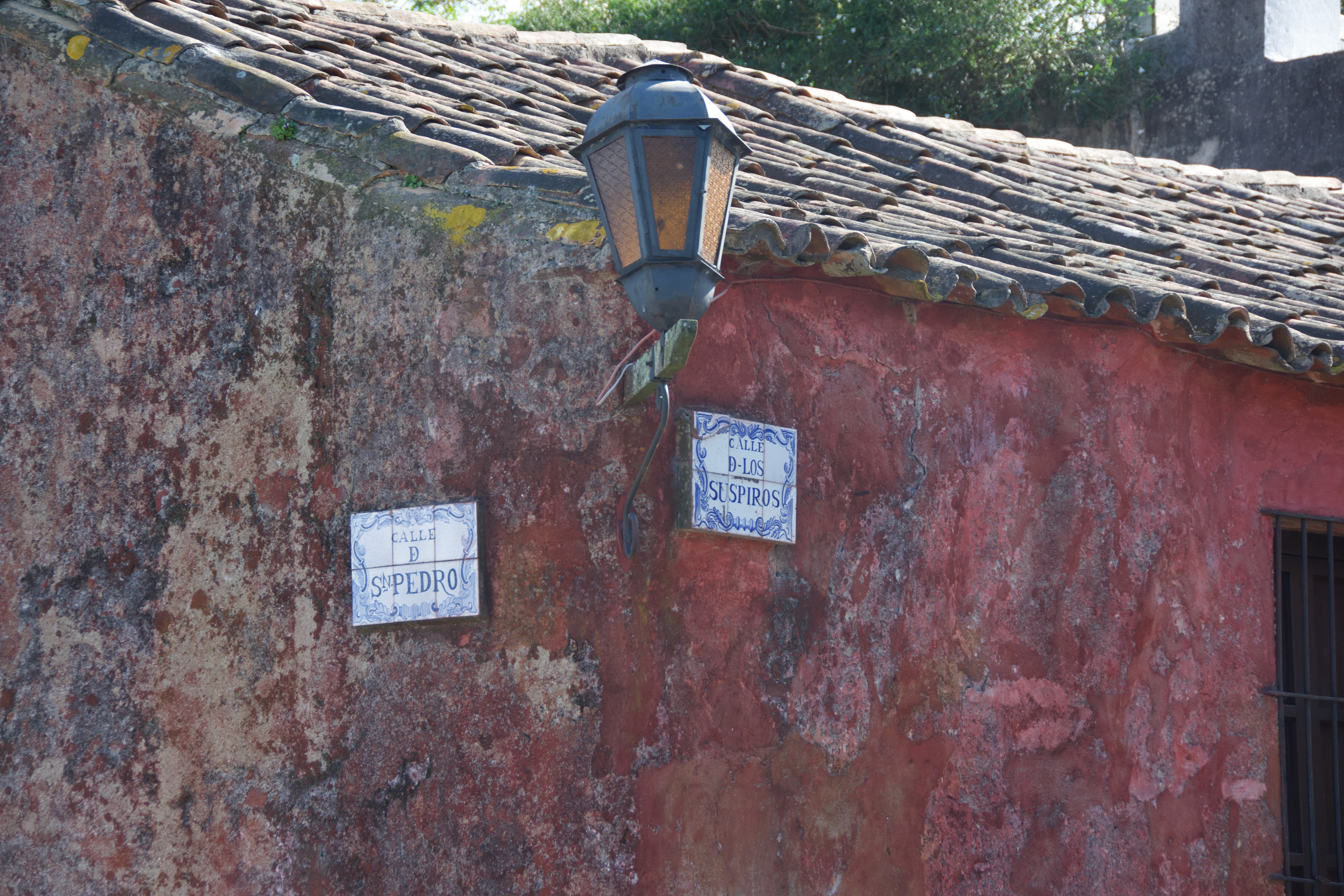
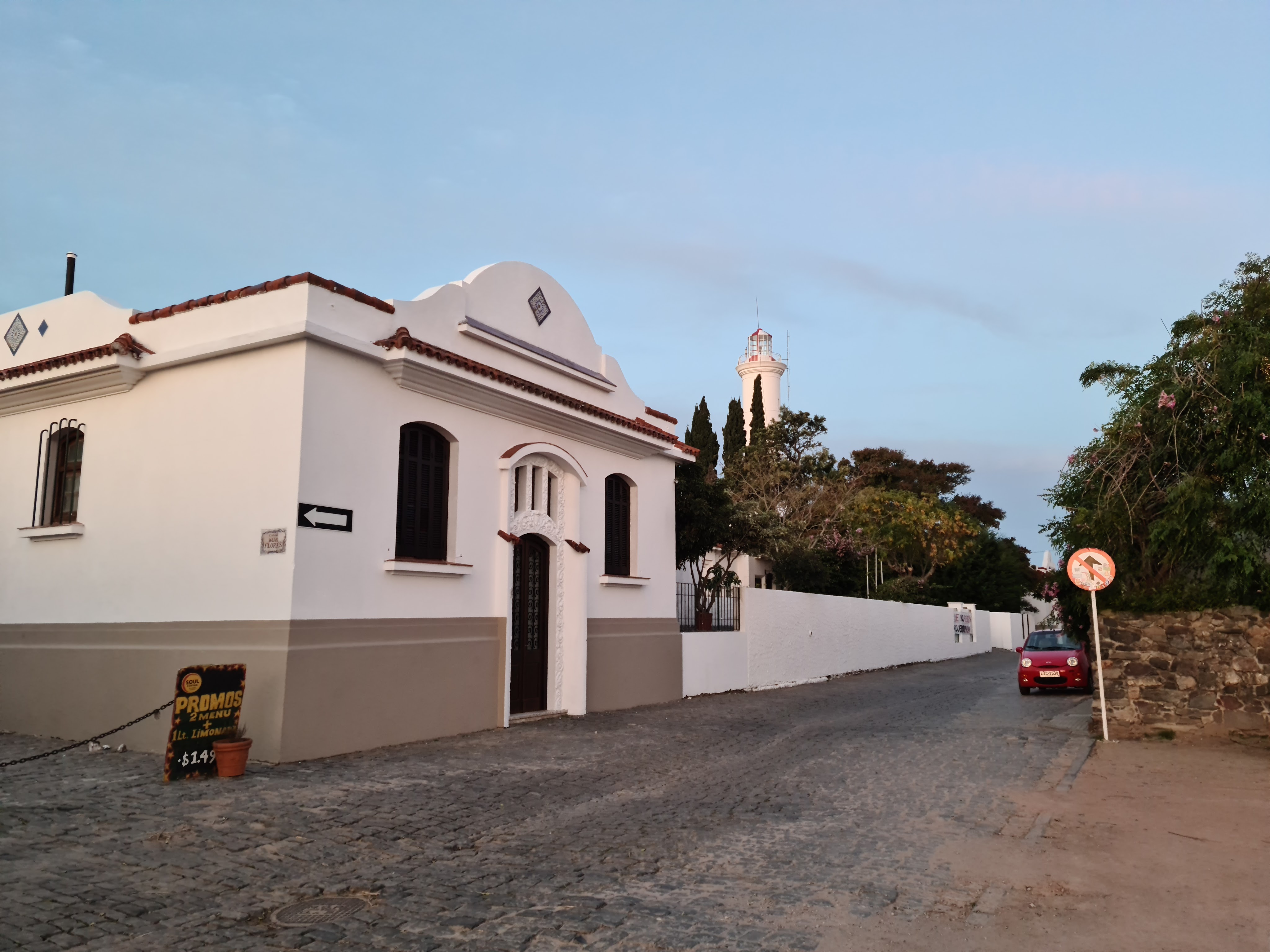
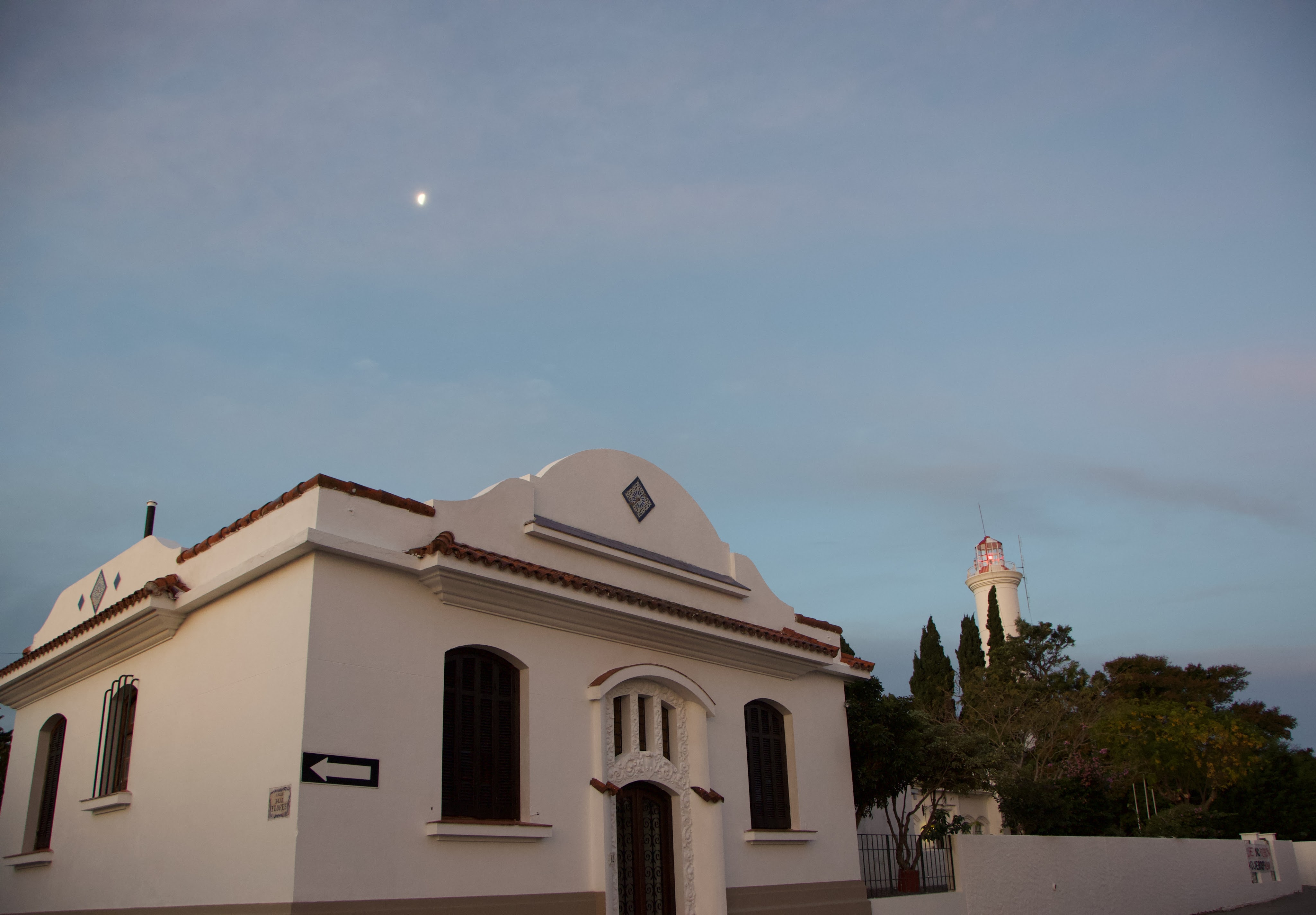
Unsurprisingly given the name of the city, the centro historico is predominantly colonial in its architecture, with an abundance of trees and climbing plants adding an extra dimension.
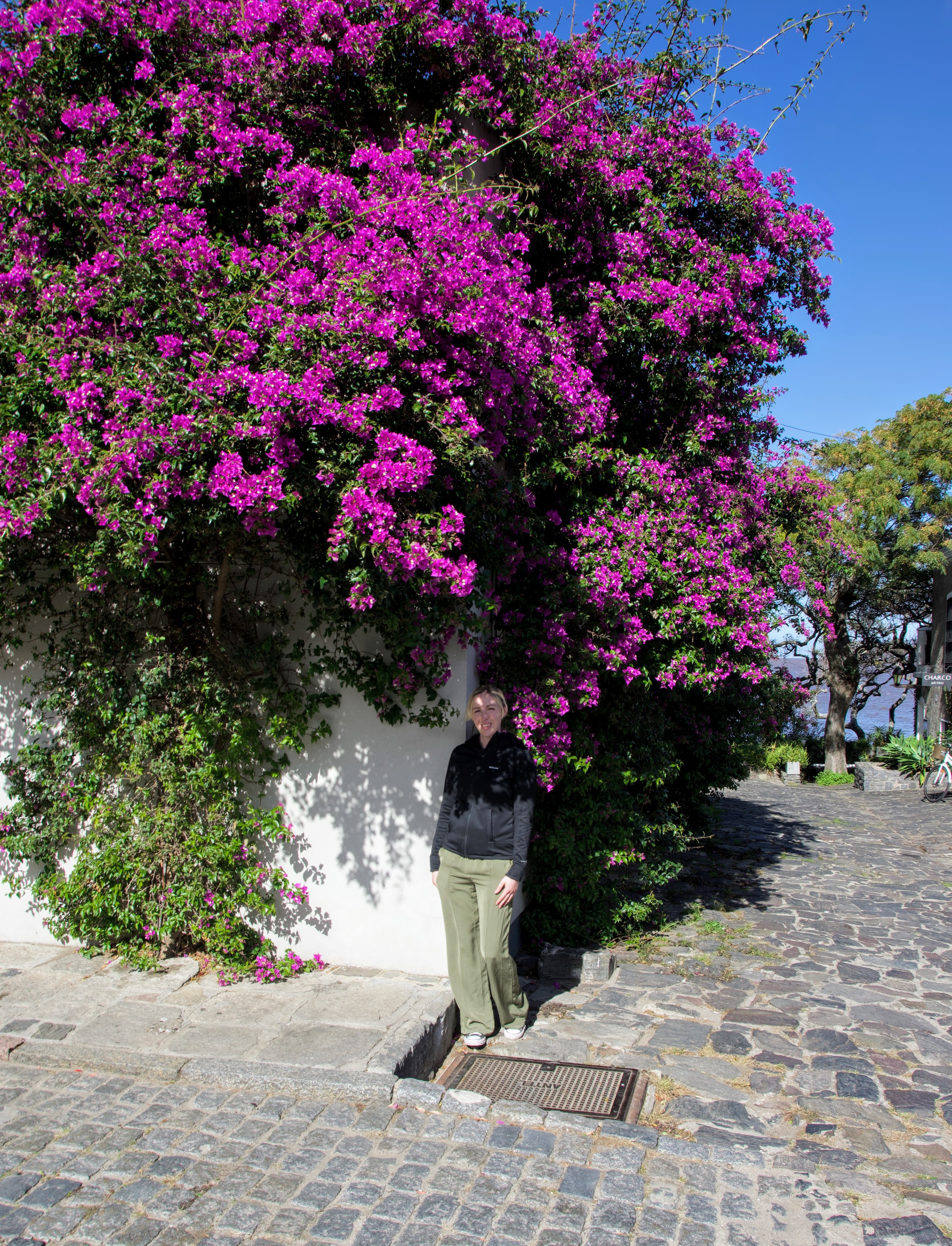
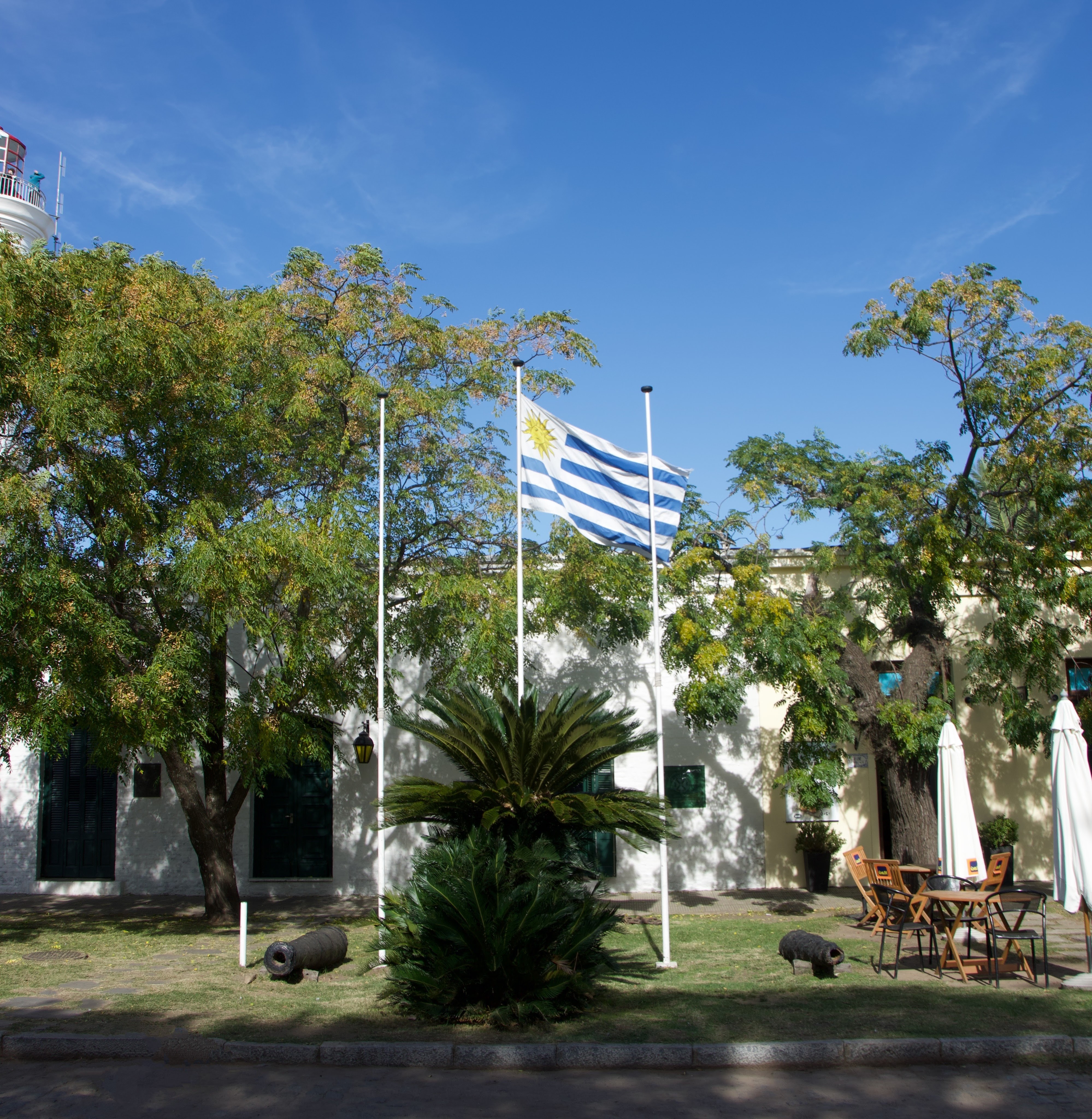
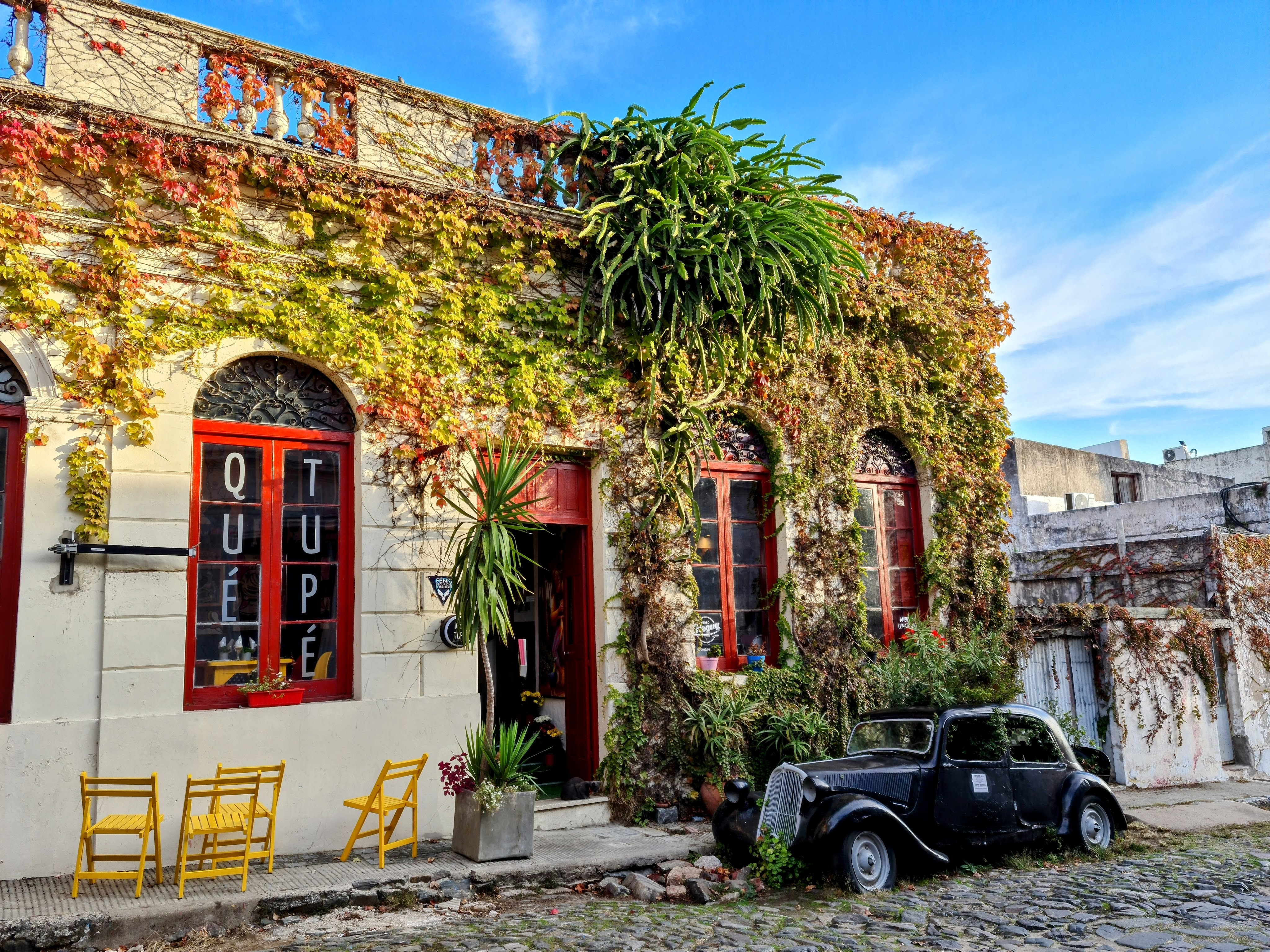
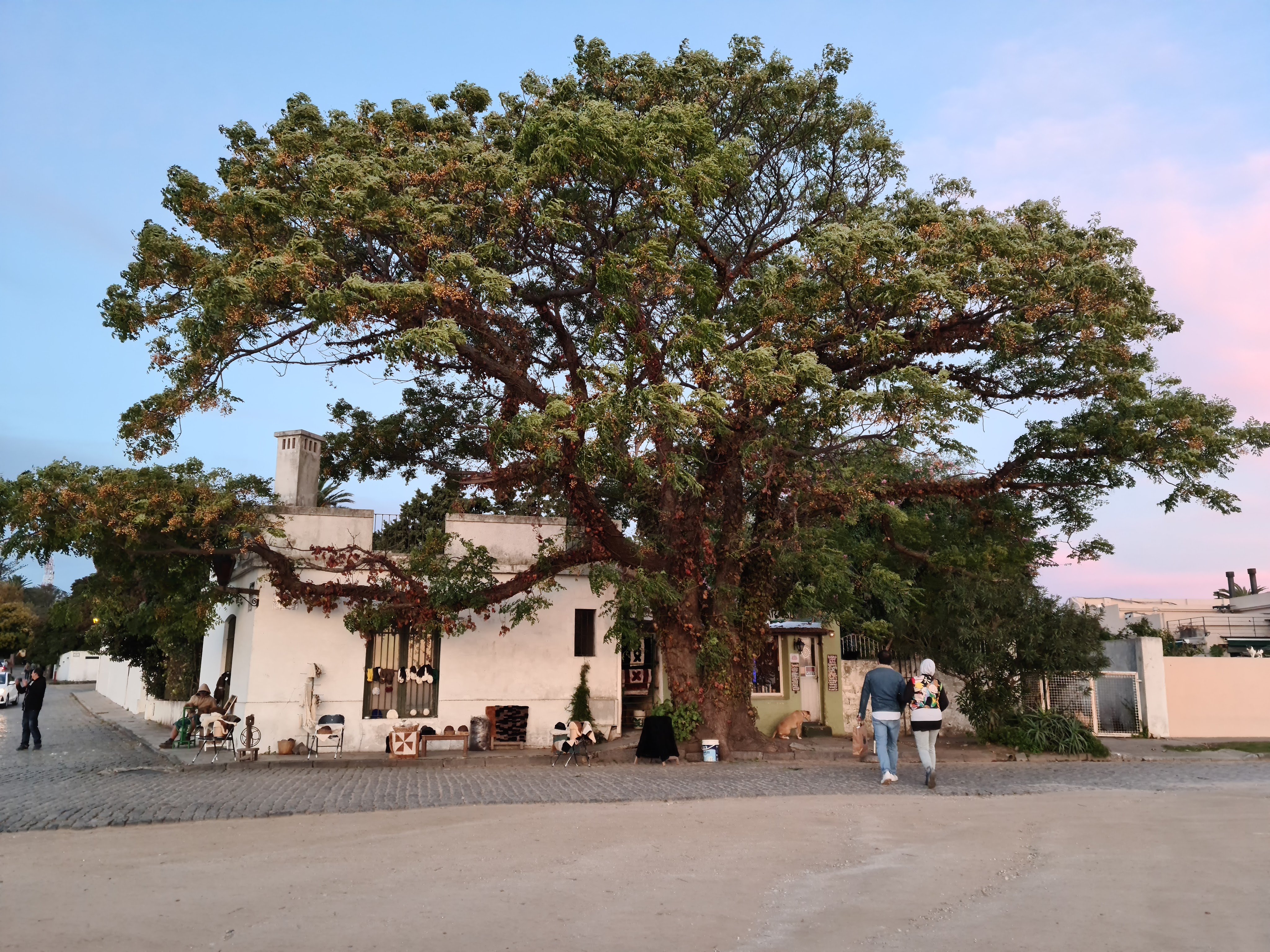
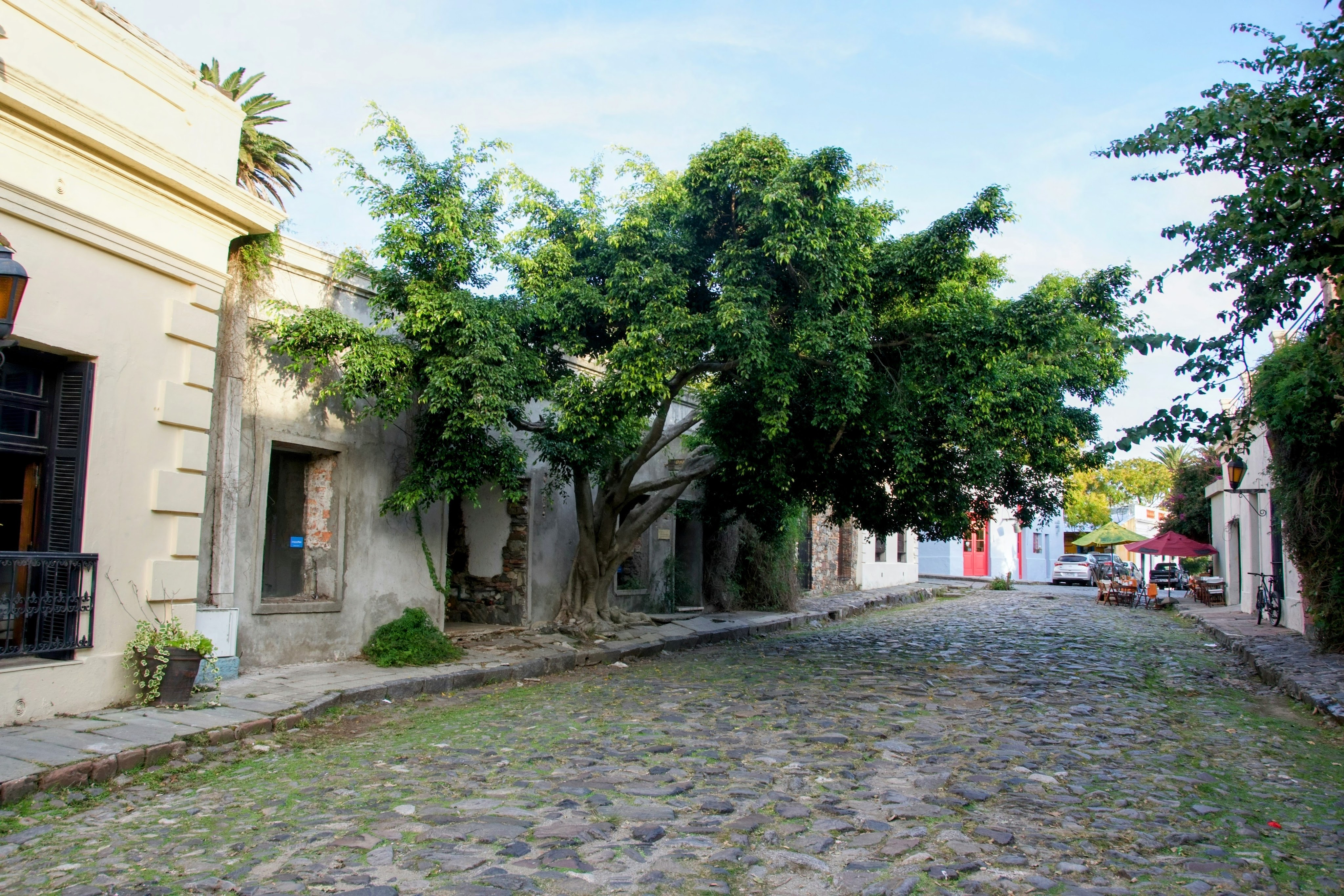
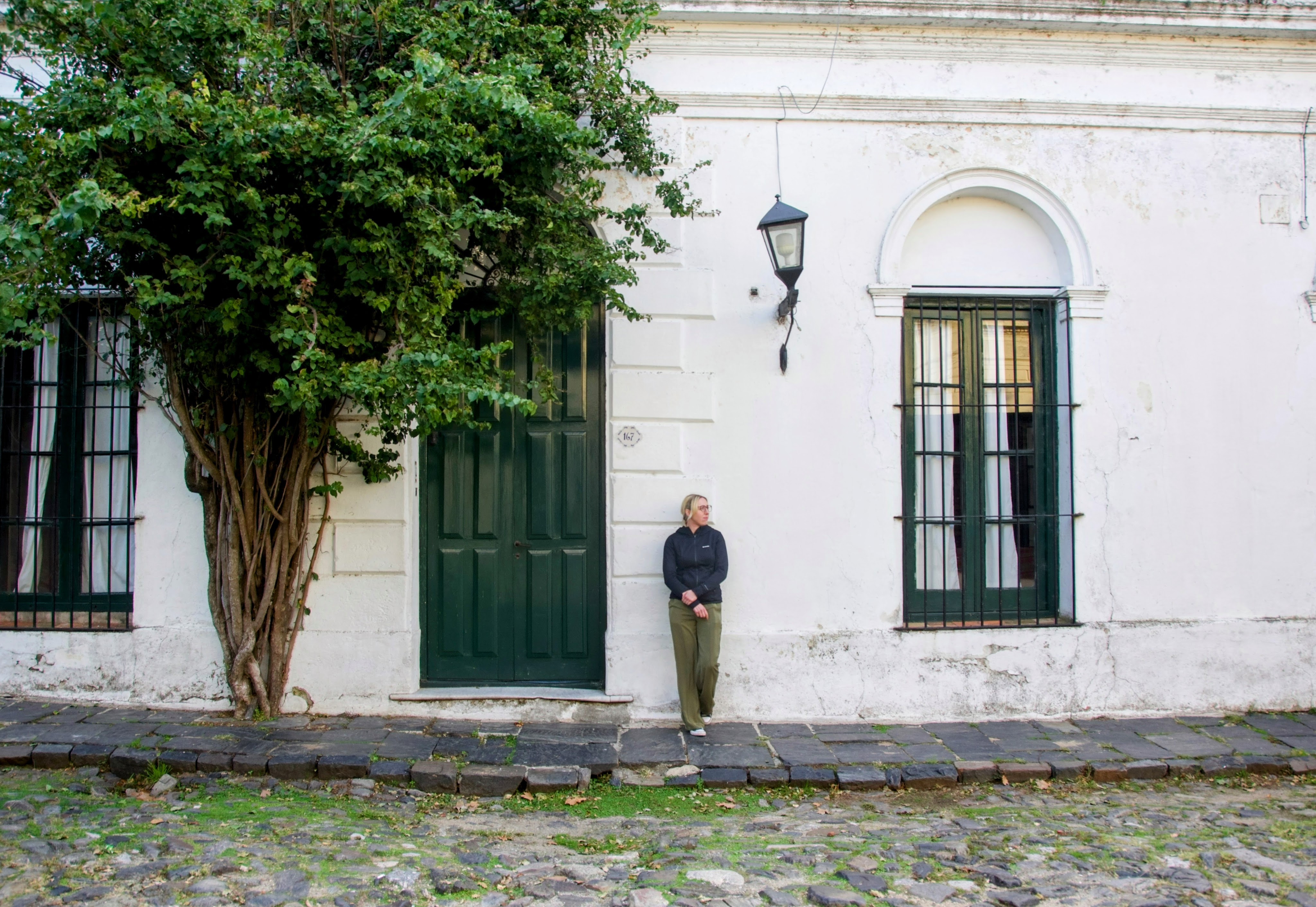
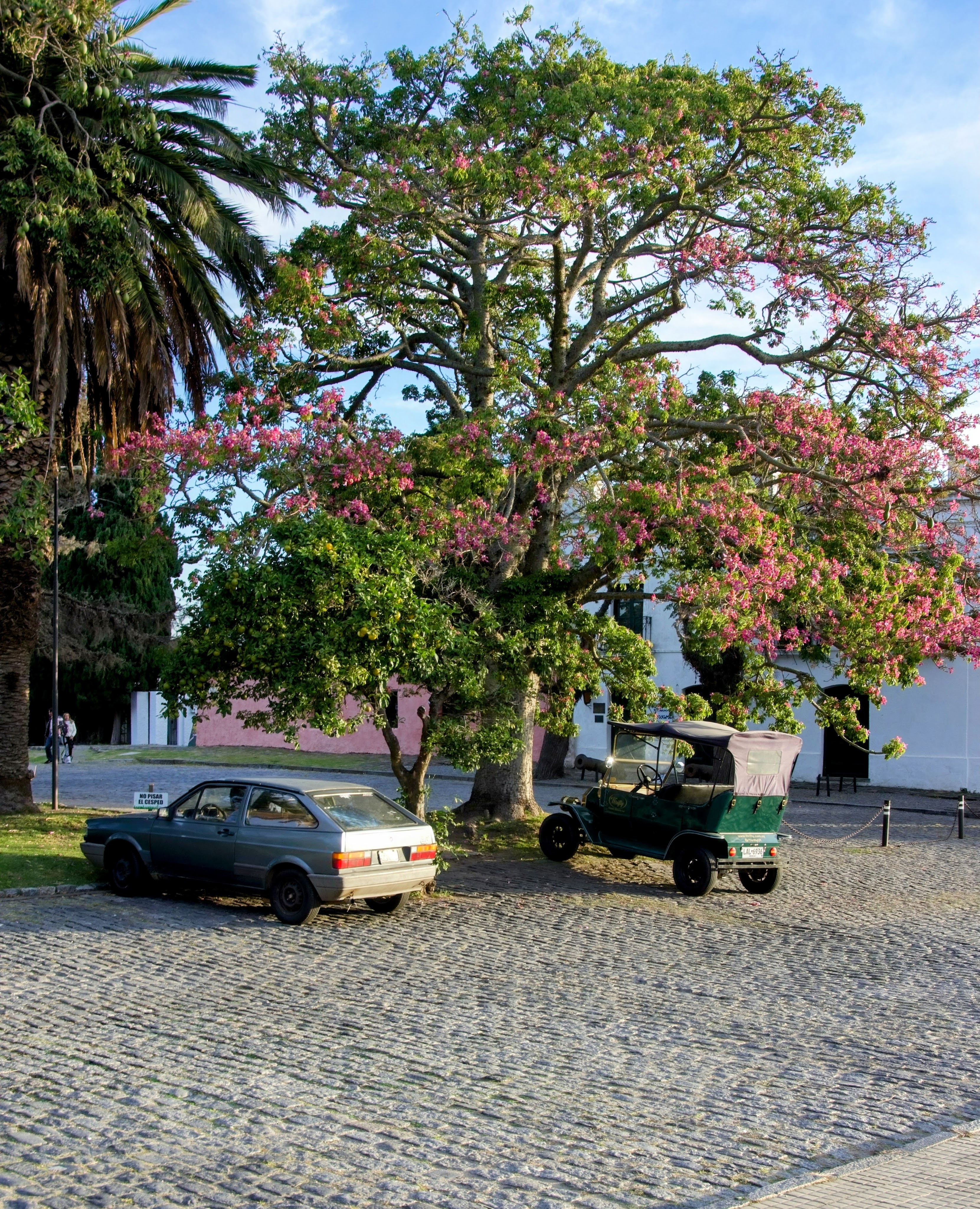
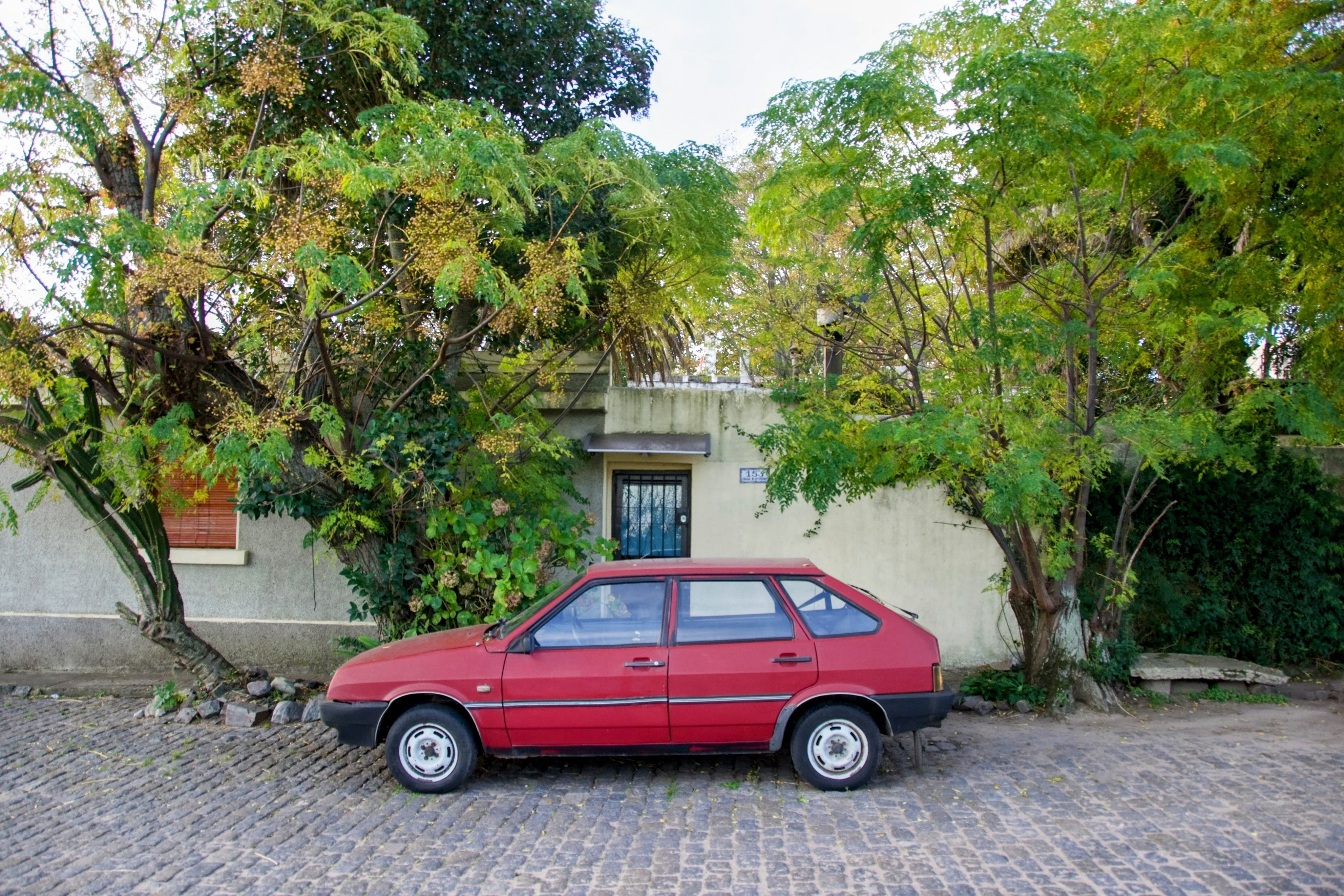
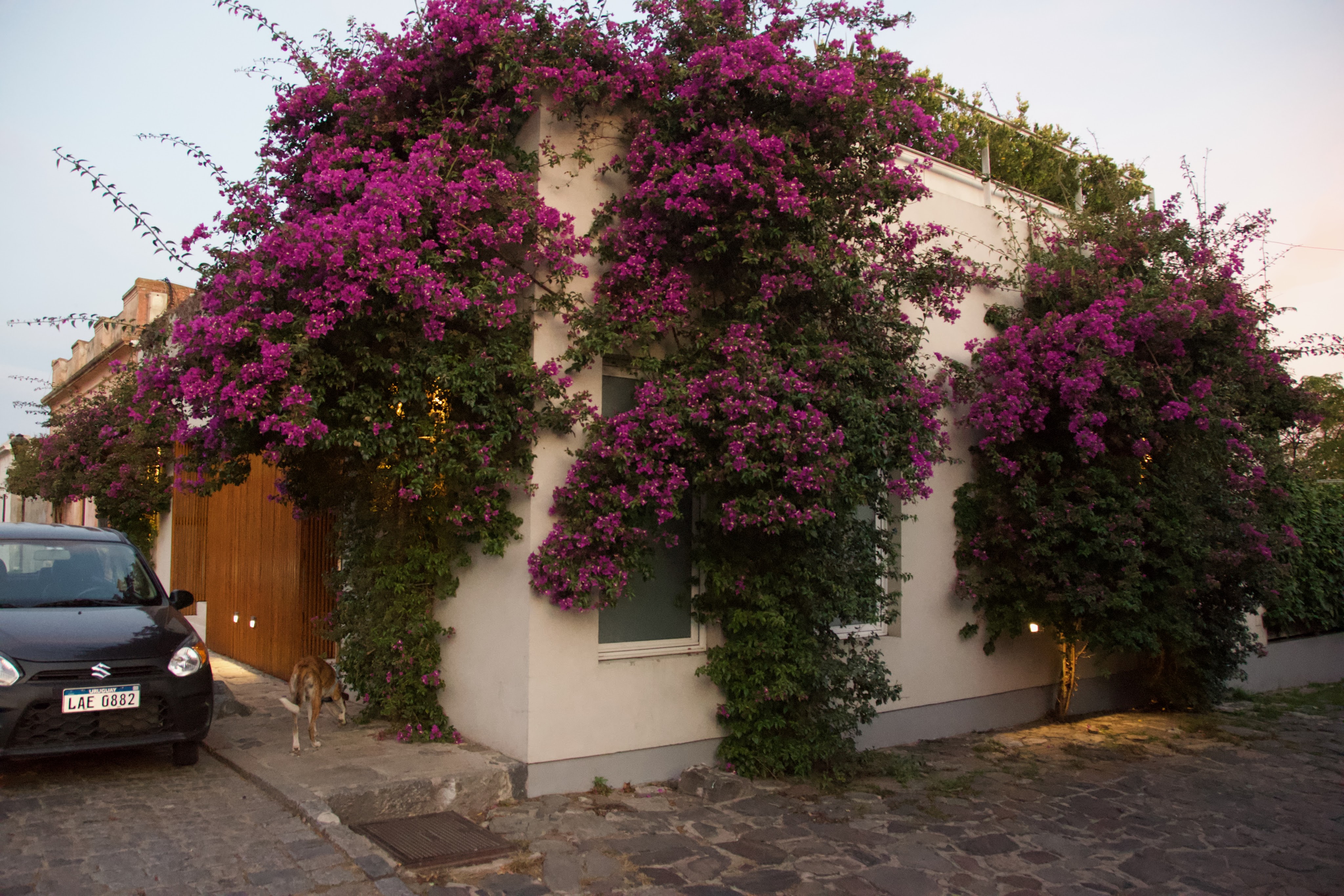
There was a generous handful of visitors on the day we visited, but I can imagine Colonia being absolutely mobbed in the height of summer months and weekends.
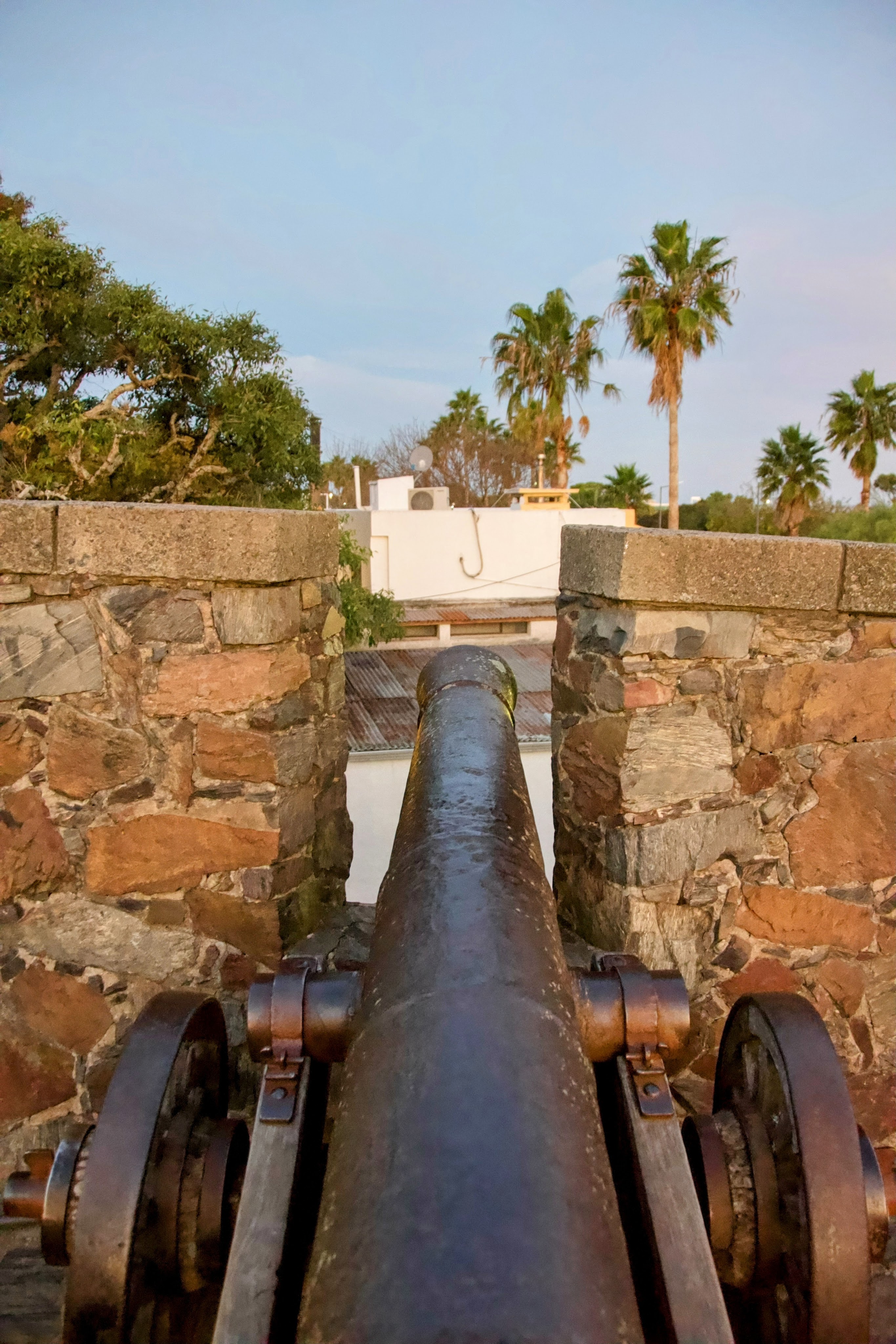
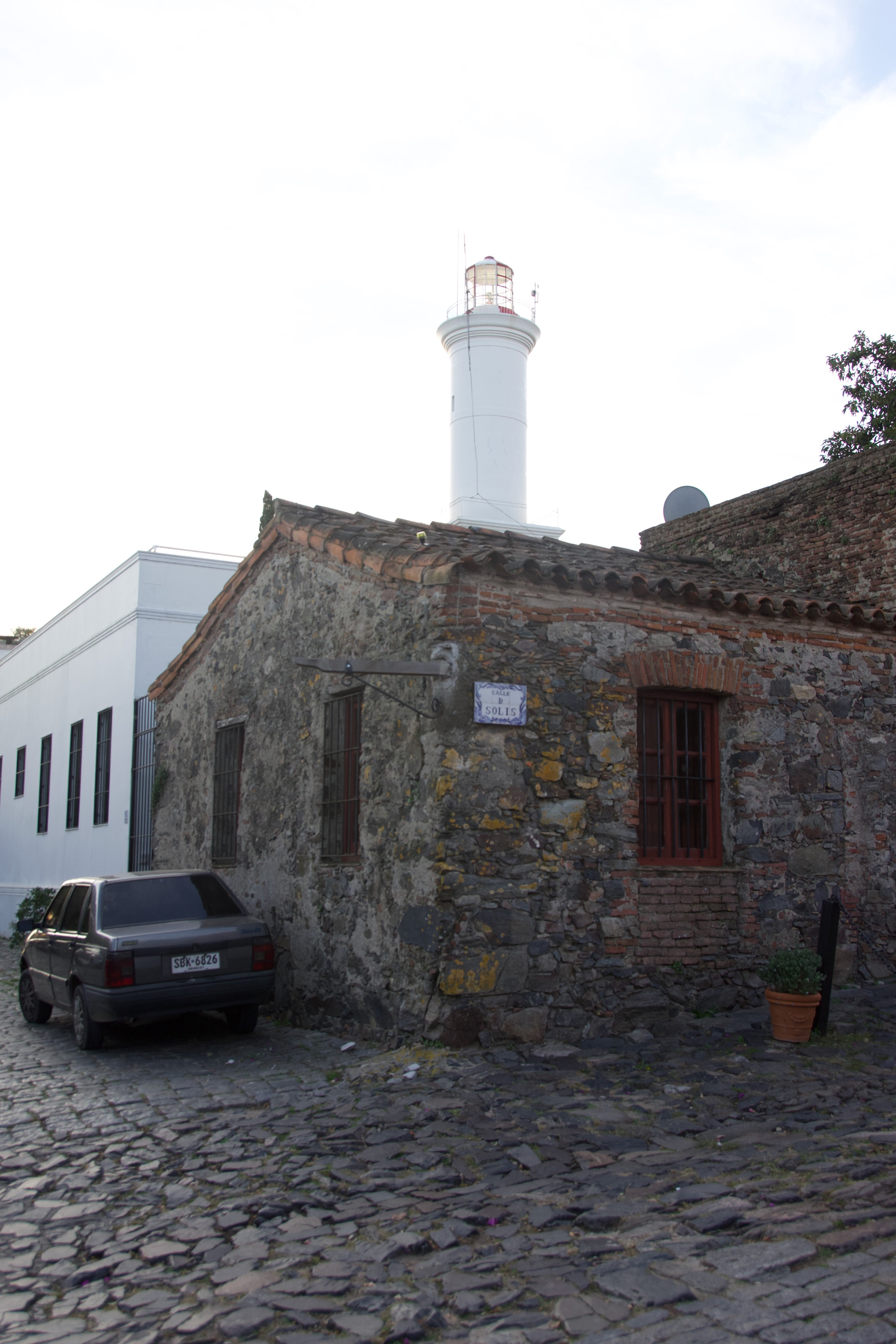
Much of the joy is just wandering around, but there is a selection of museums, particularly focussing on the Portuguese heritage of the city.
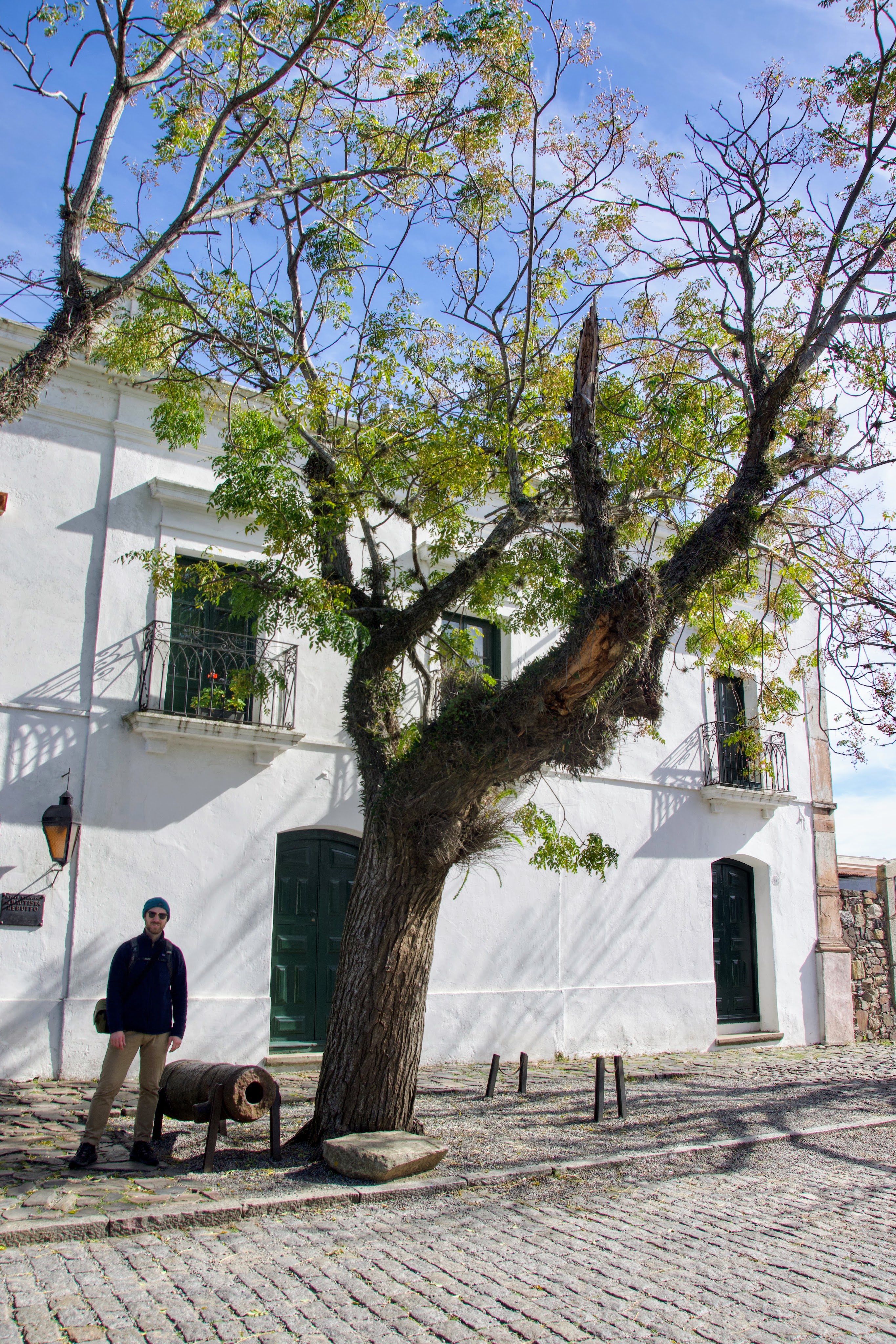


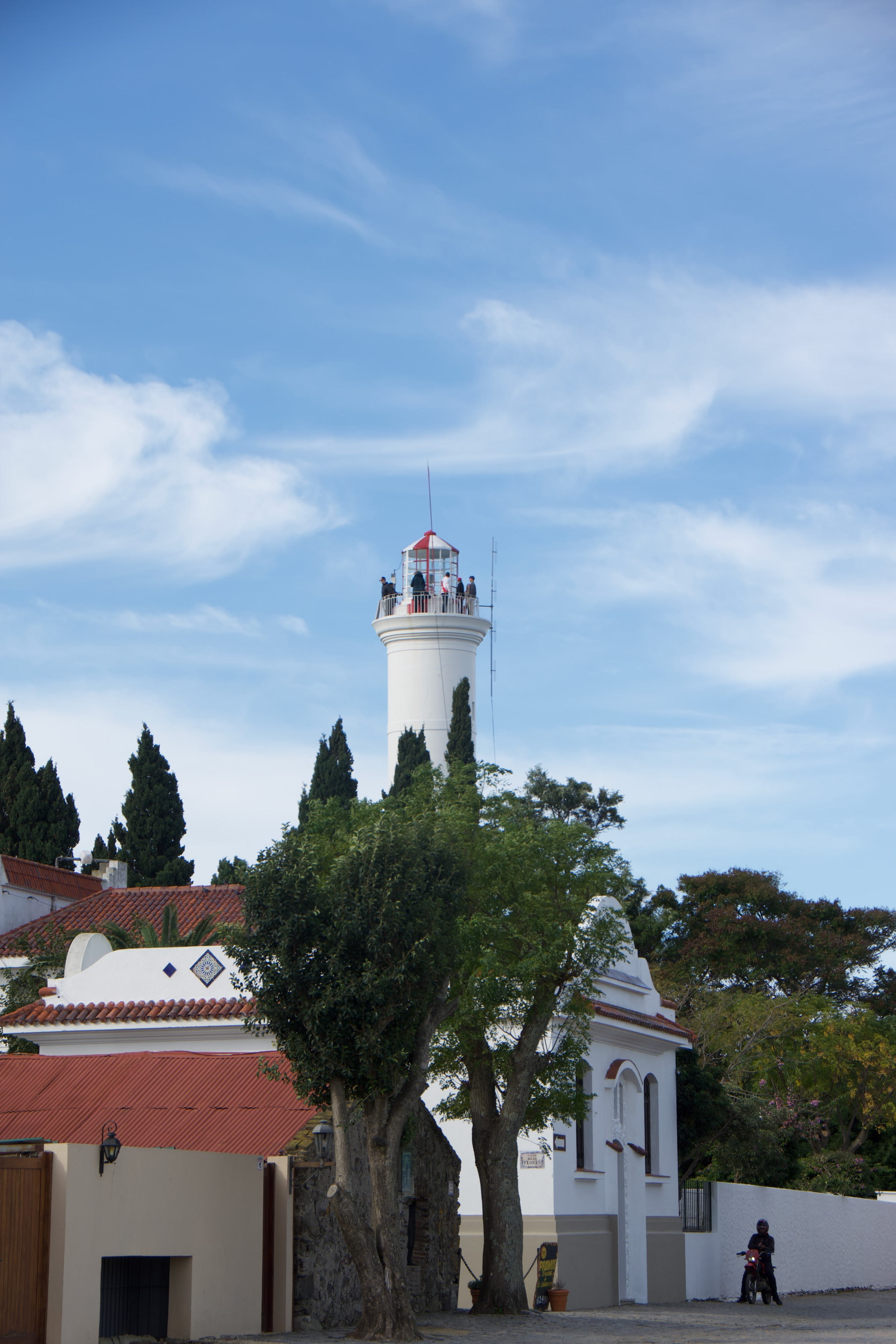
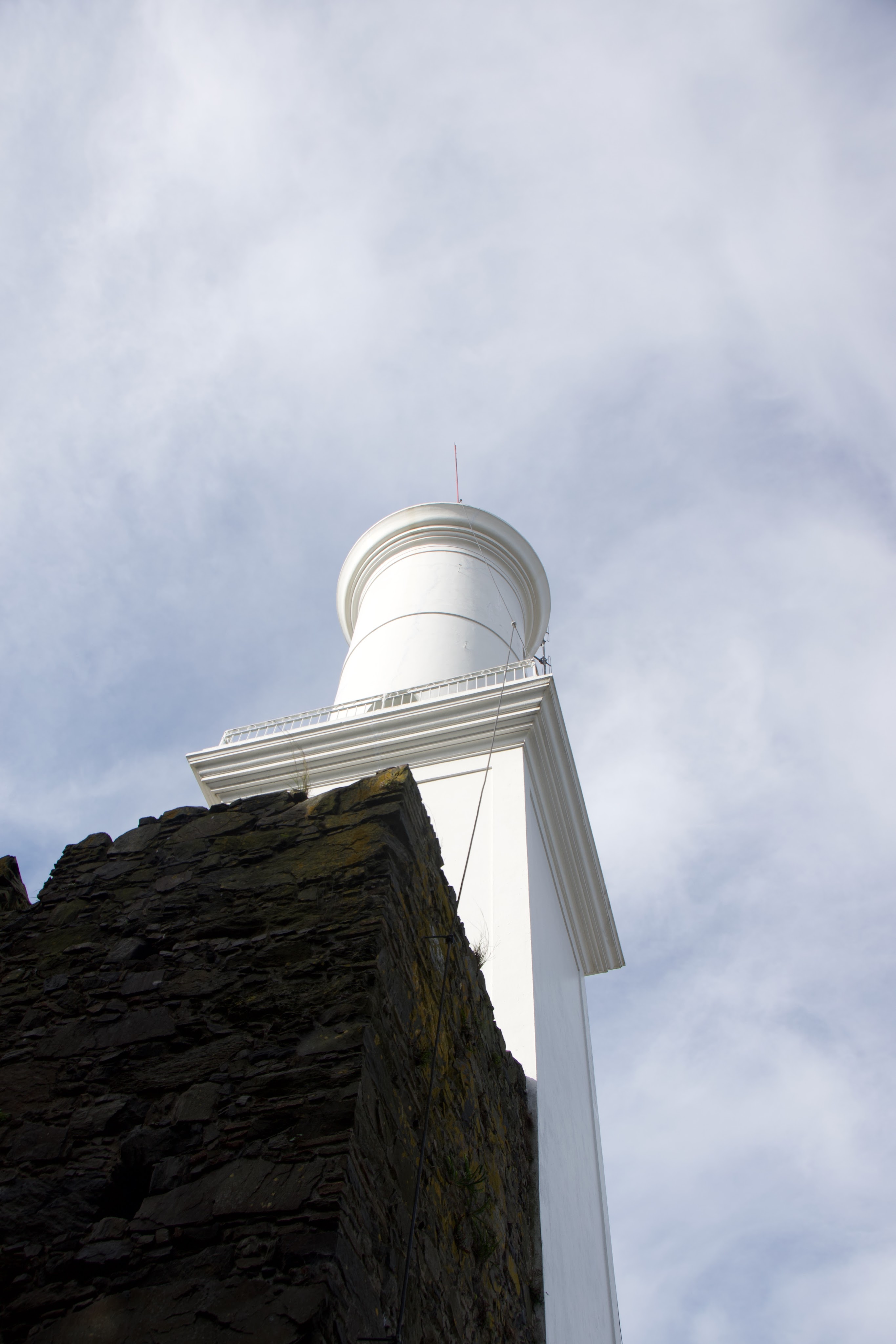
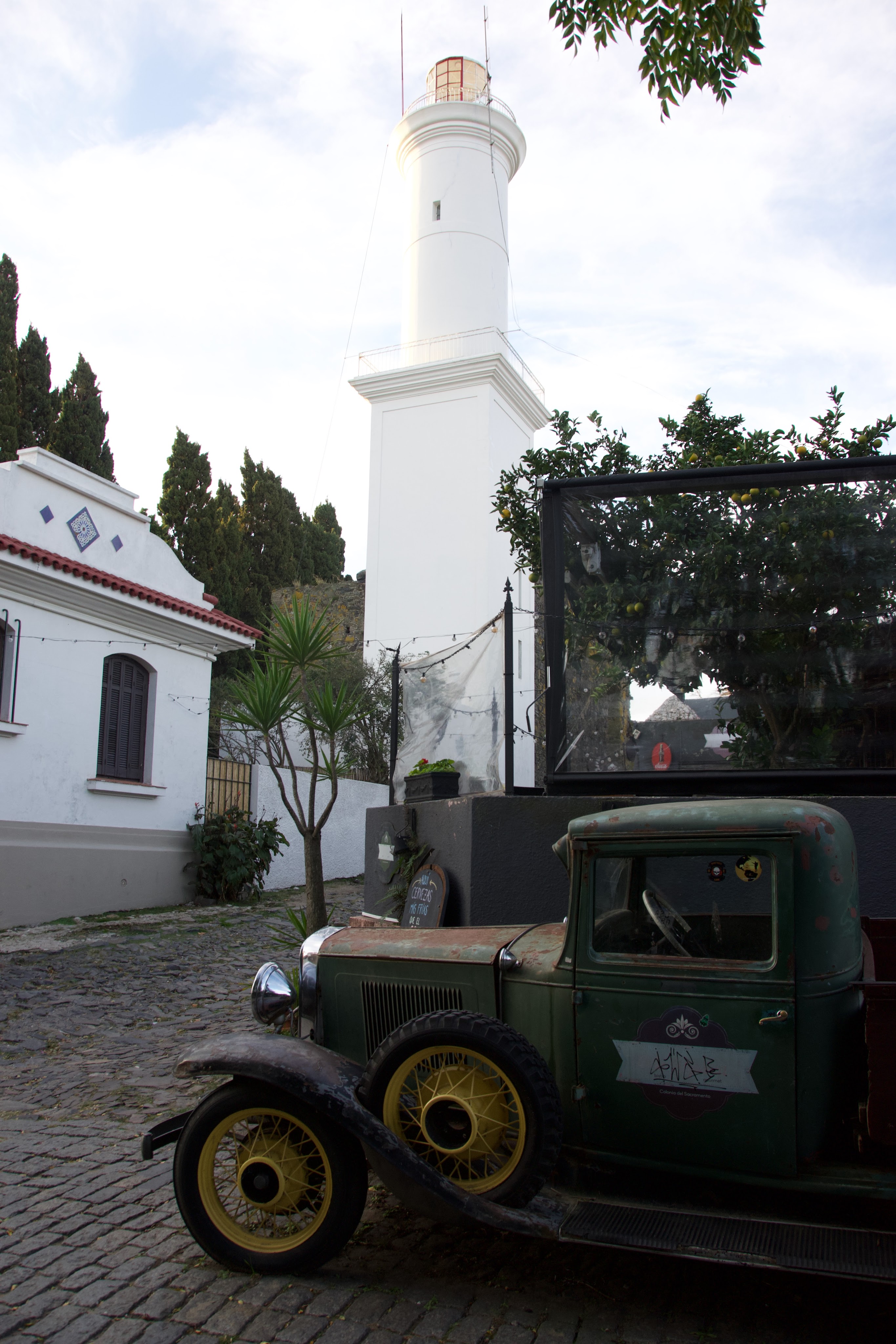
We also got to visit our first lighthouse of the year!
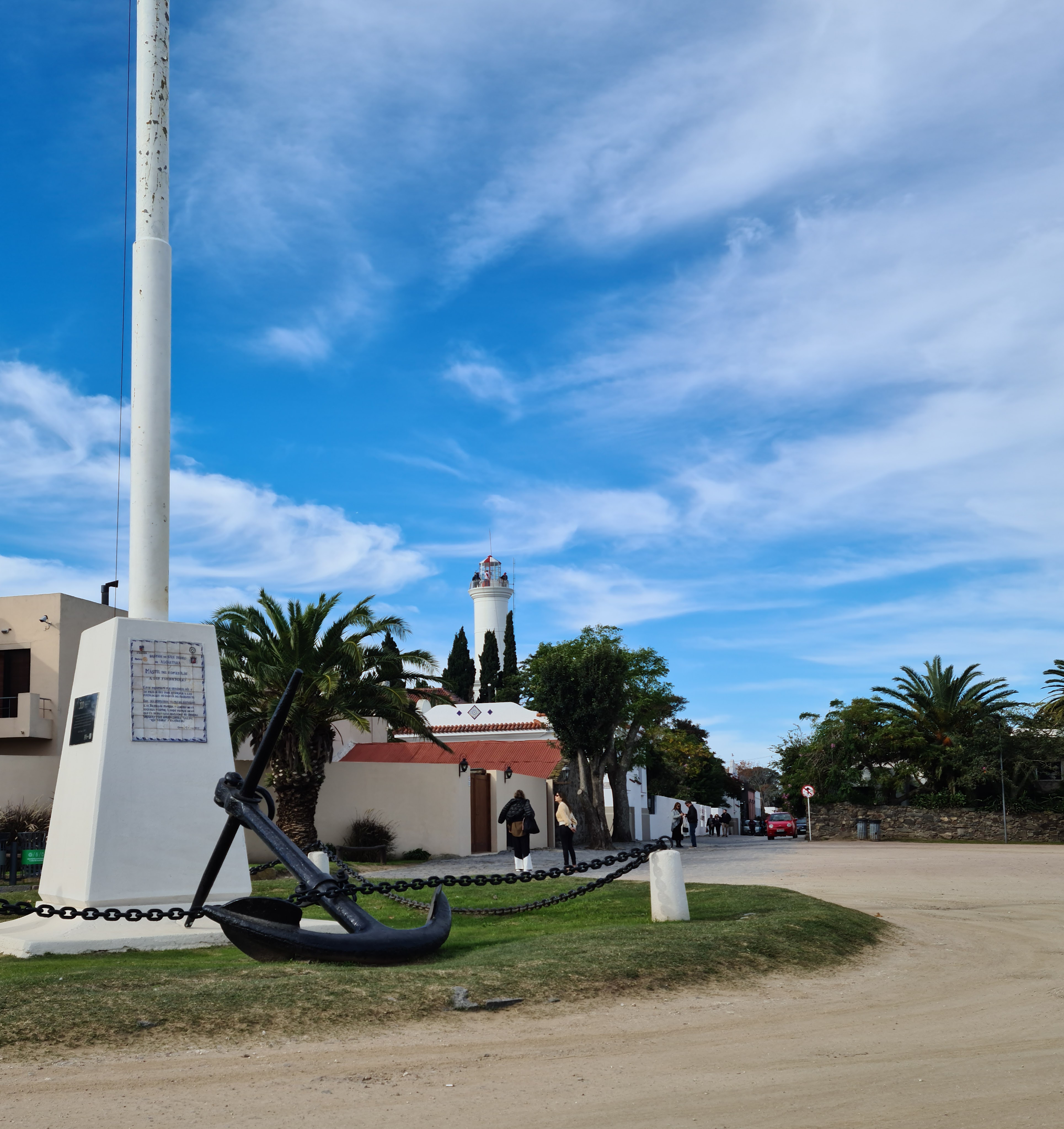
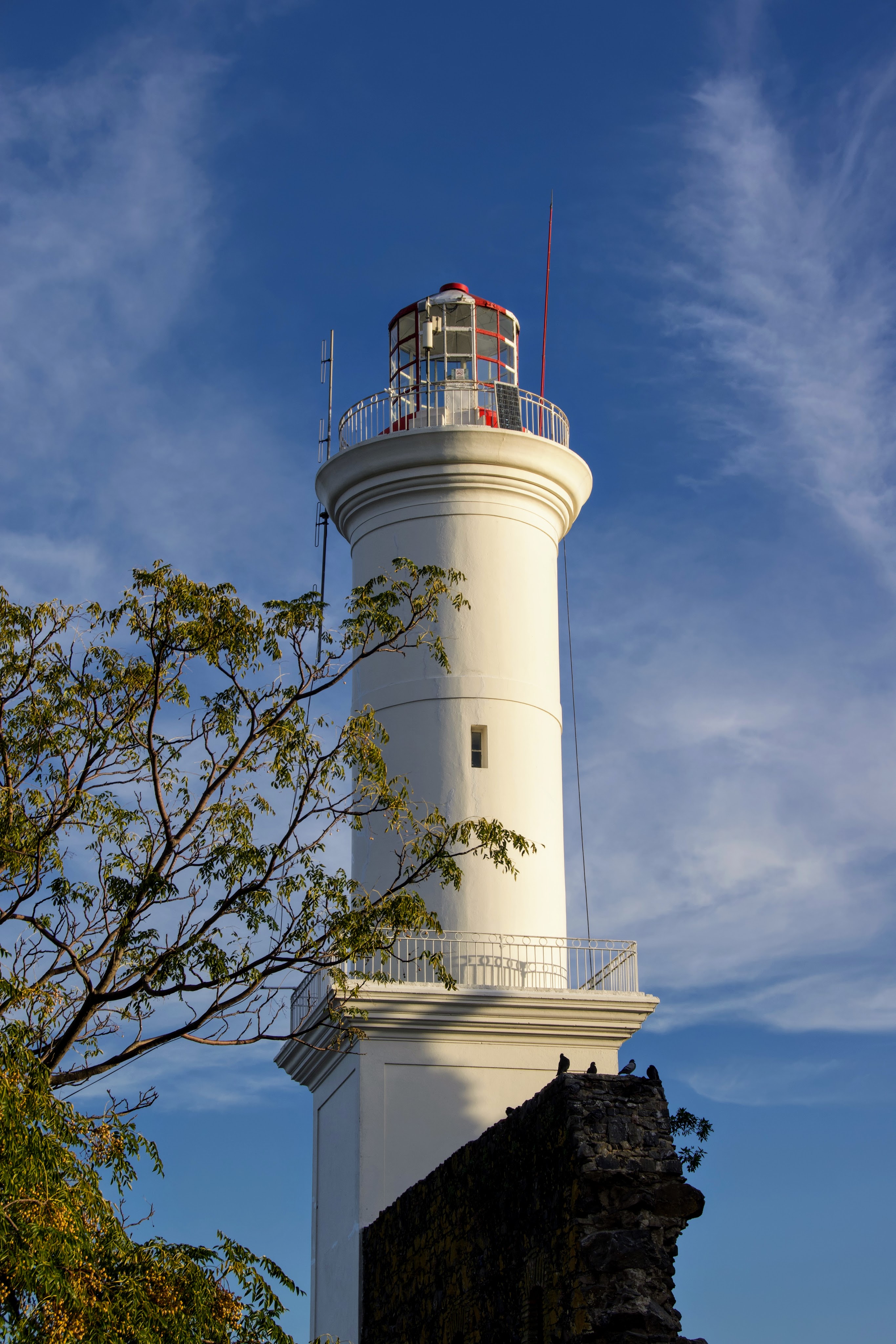

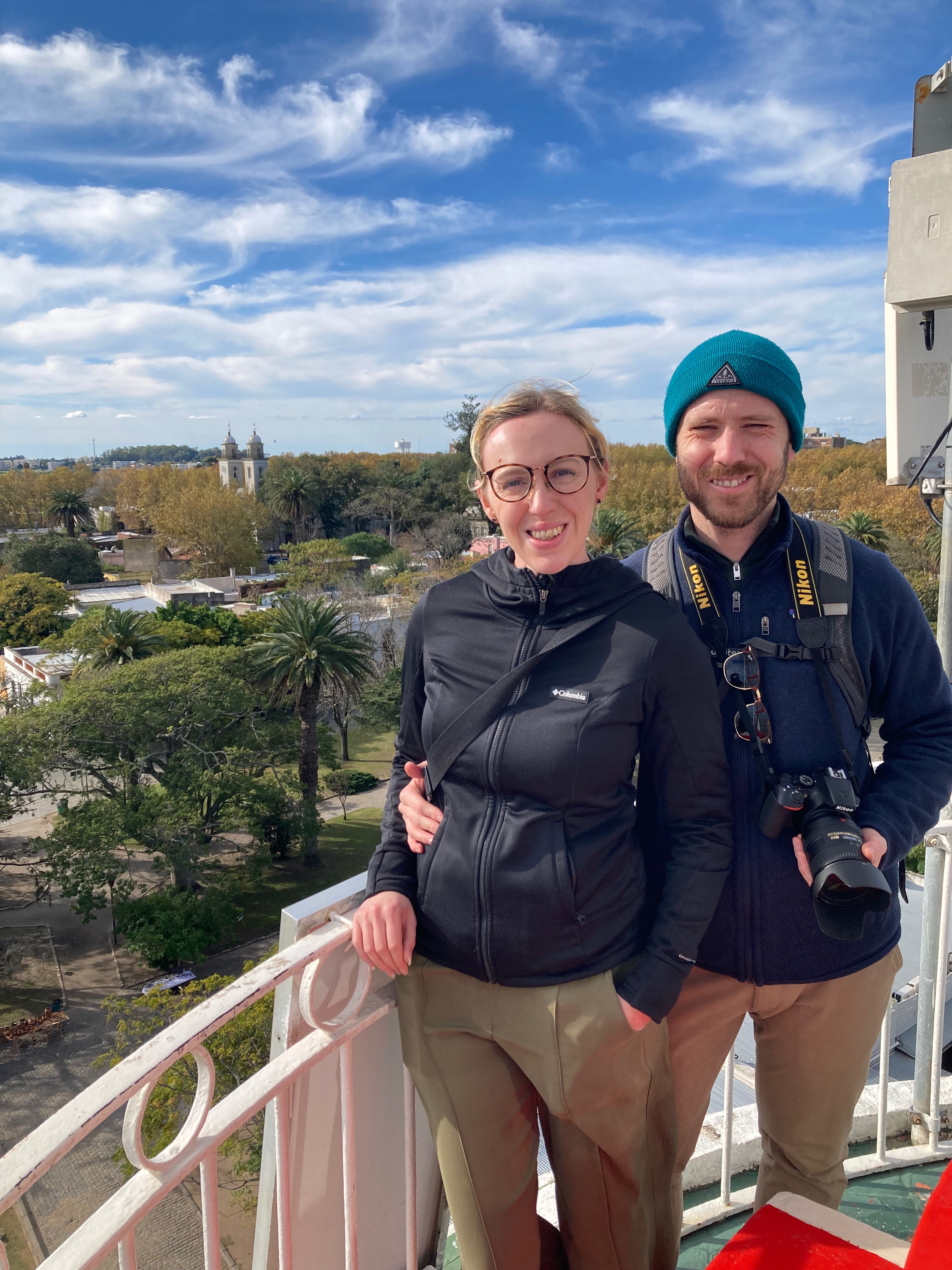

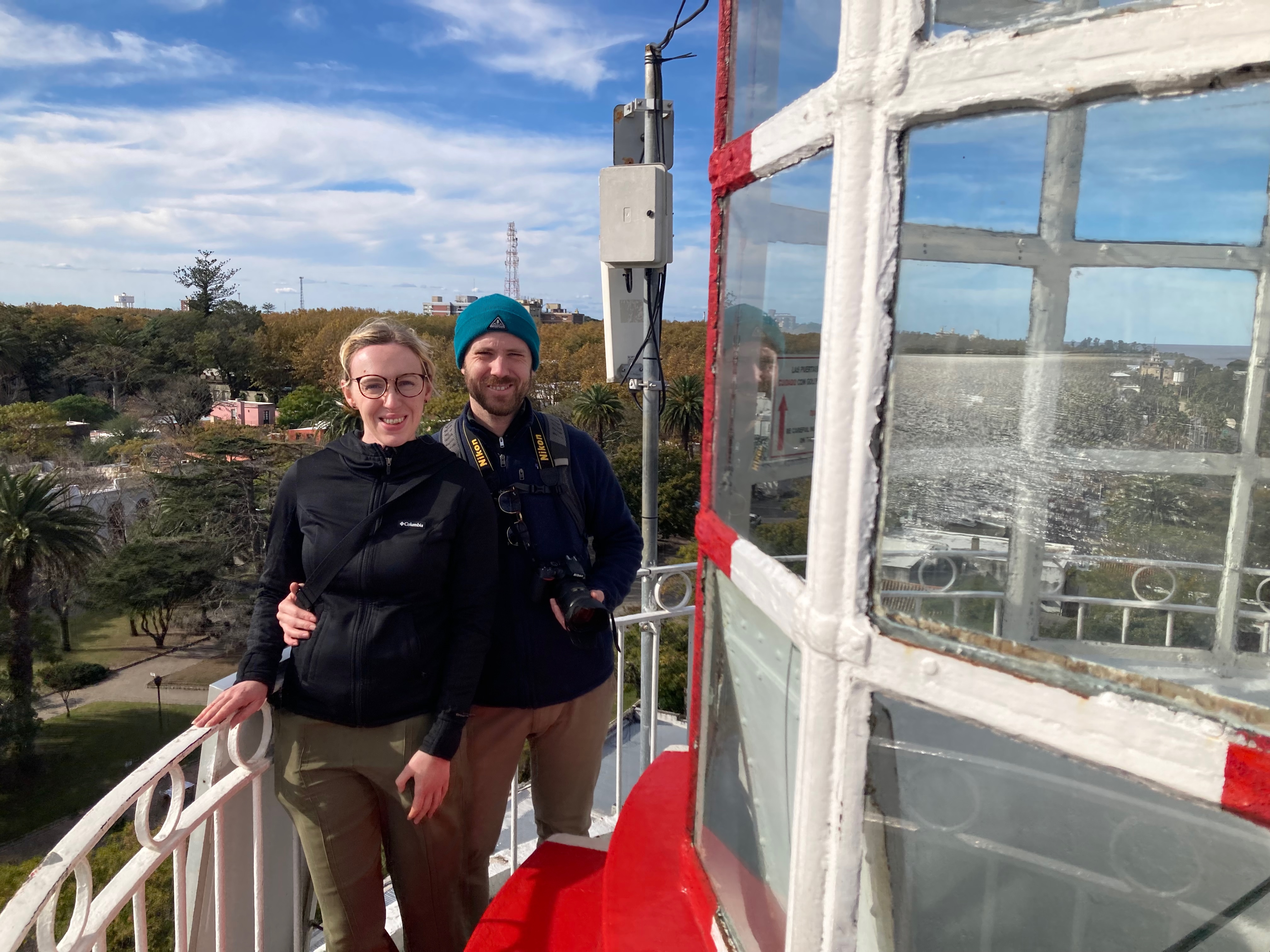
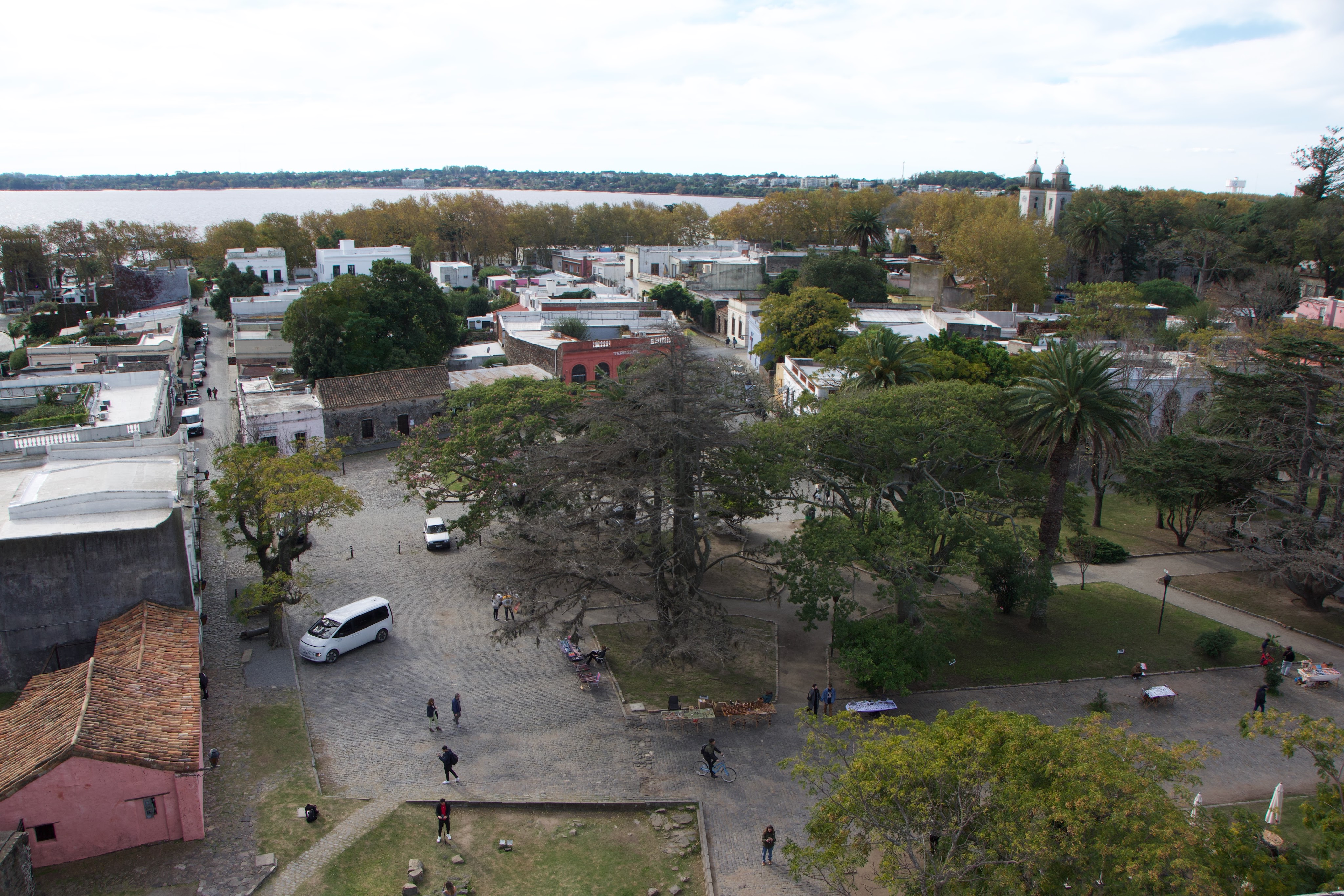
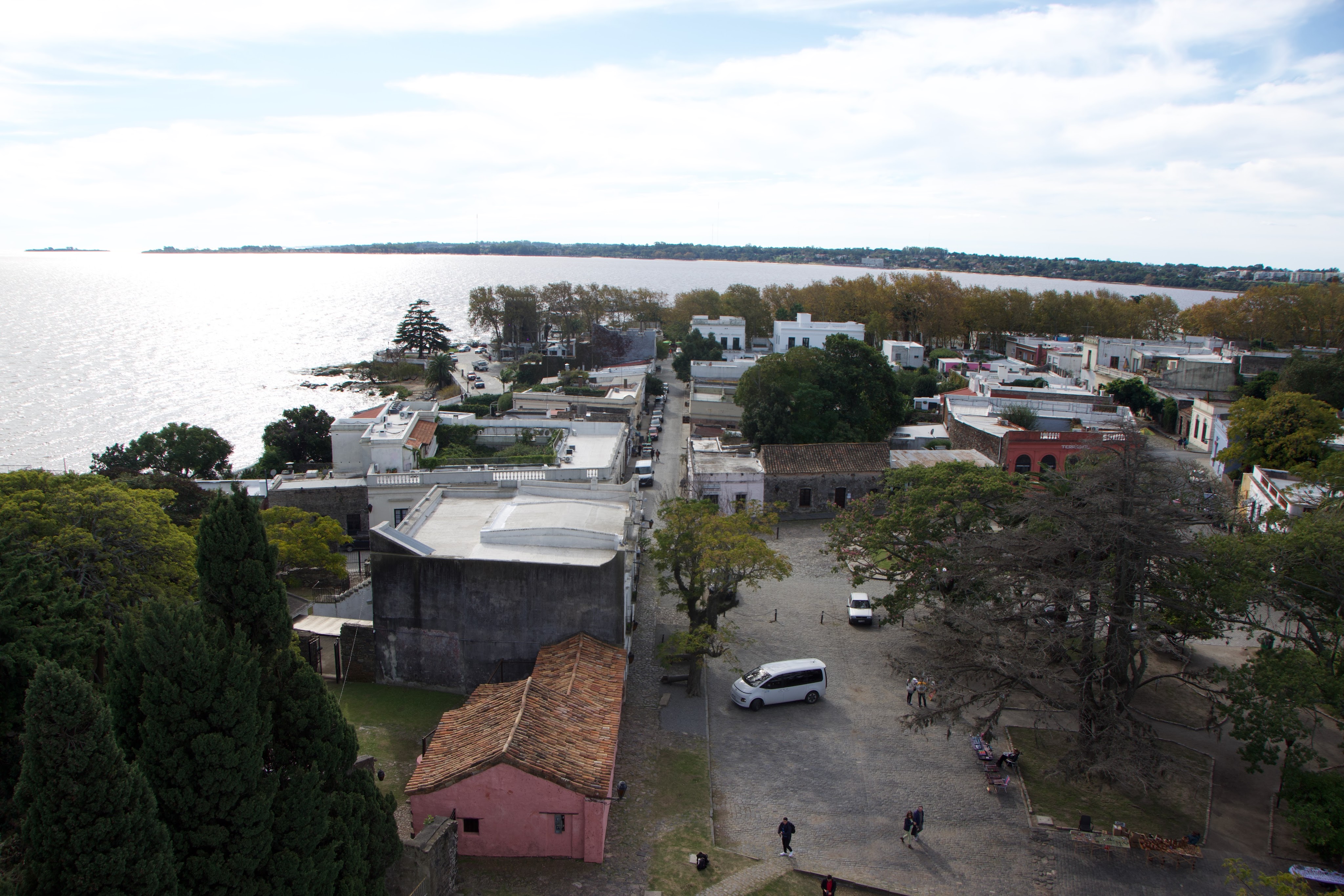
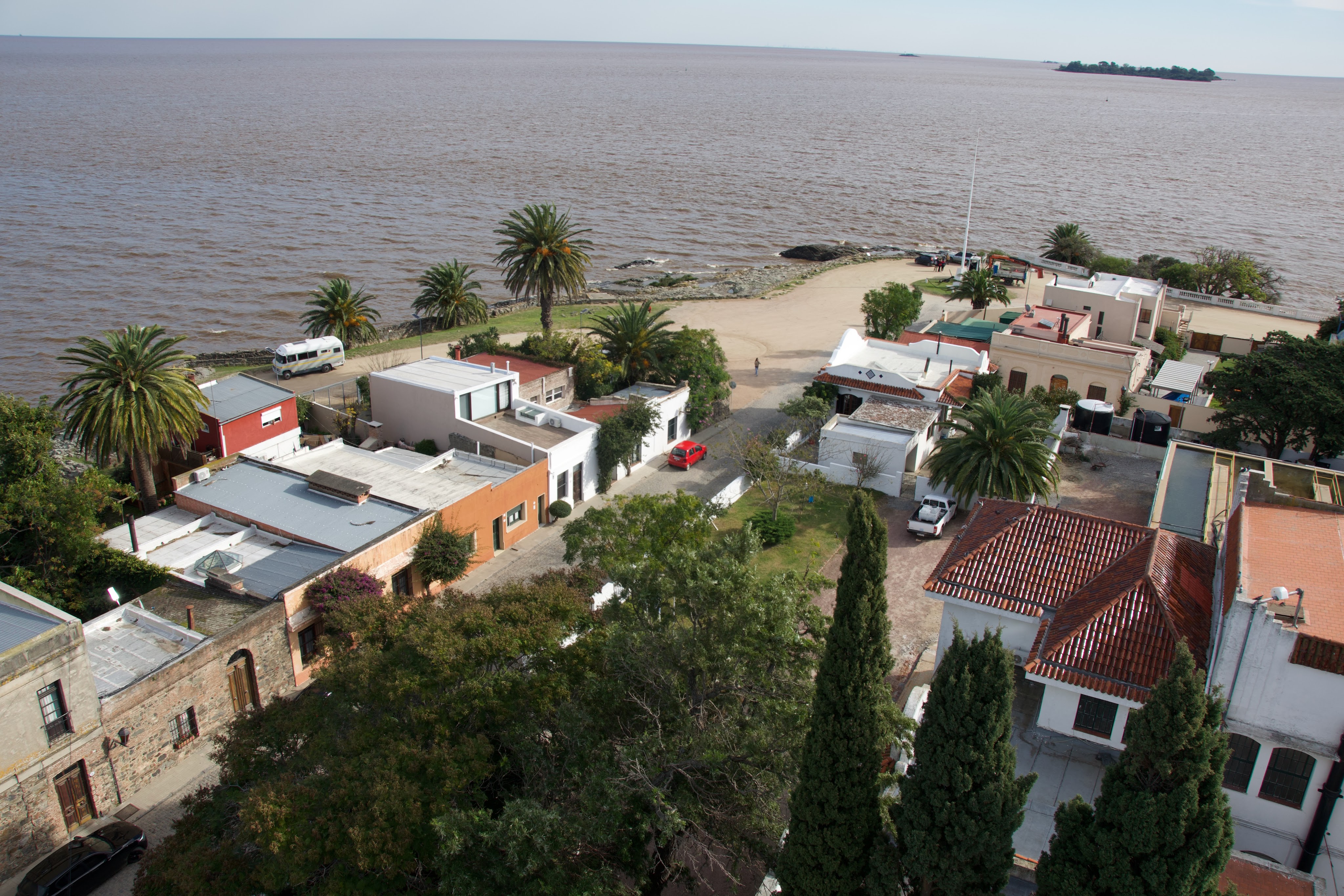
Admittedly with about 8 hours to spare in Colonia, we did worry about whether we would have too much time to fill, and if we should have booked an earlier ferry back. If sticking to the centro historico, you can easily make the most of it in probably about half the time we had.
The coastal vibes of the town are well suited though to taking it easy and just enjoying the fresh air. It also meant we were able to enjoy a leisurely lunch. This became even more leisurely when the neighbouring couple told us they needed to leave to get to a bus, and could we do them a favour and finish their bottle of wine? It was a massive favour to ask indeed, and we very selflessly helped them in their hour of need 😉 Another gesture that I need to work out how to pay forward!
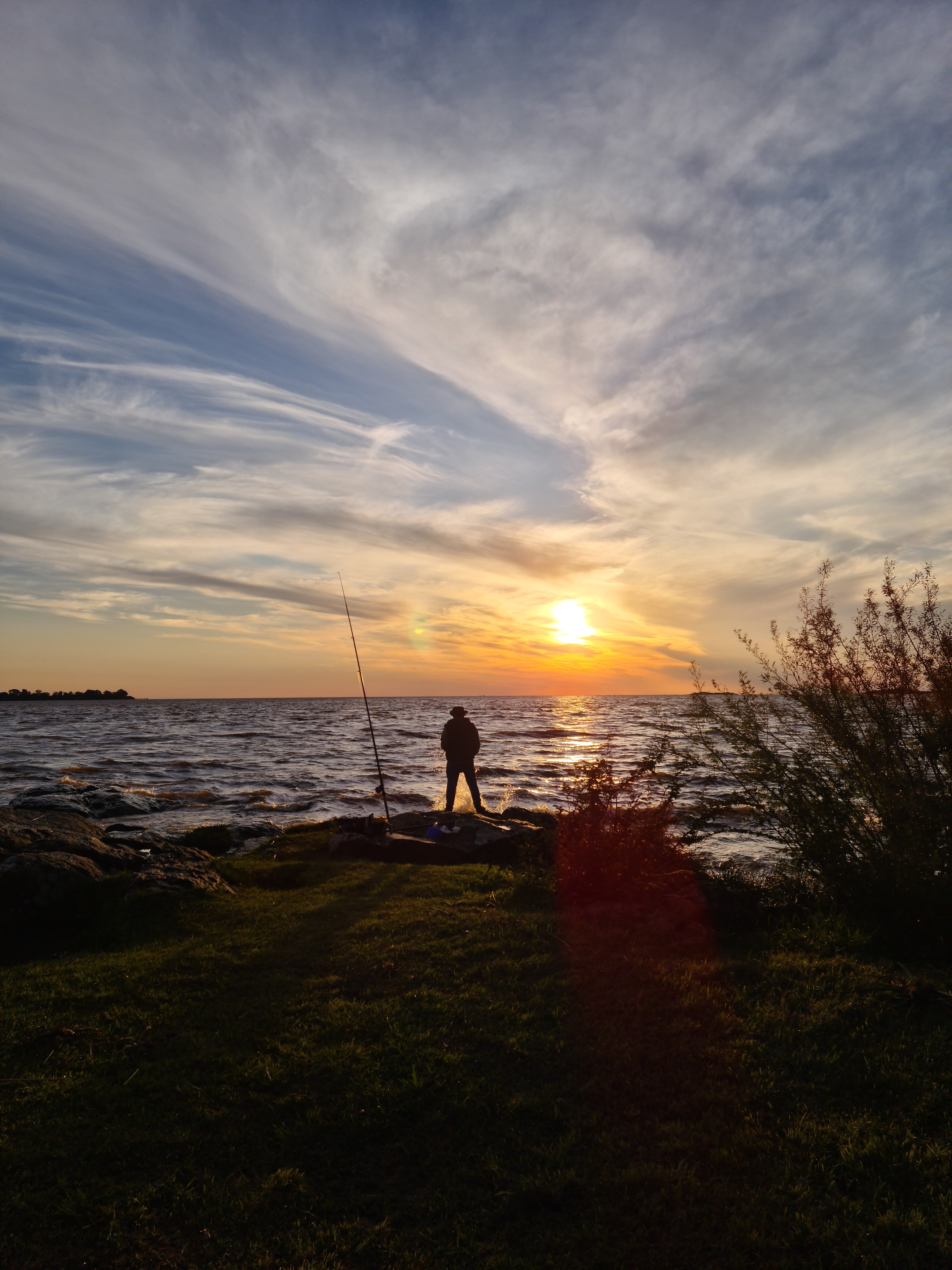
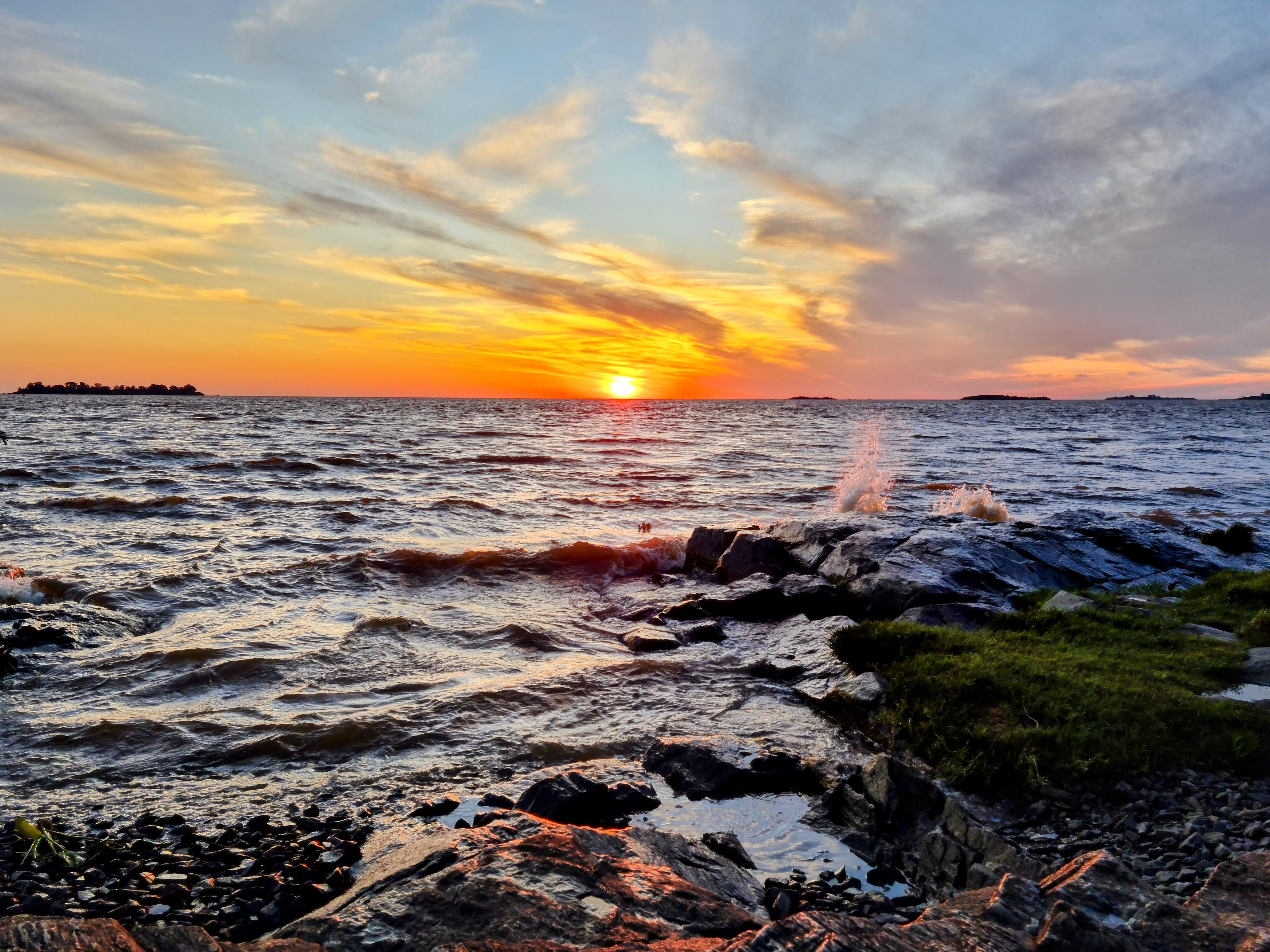
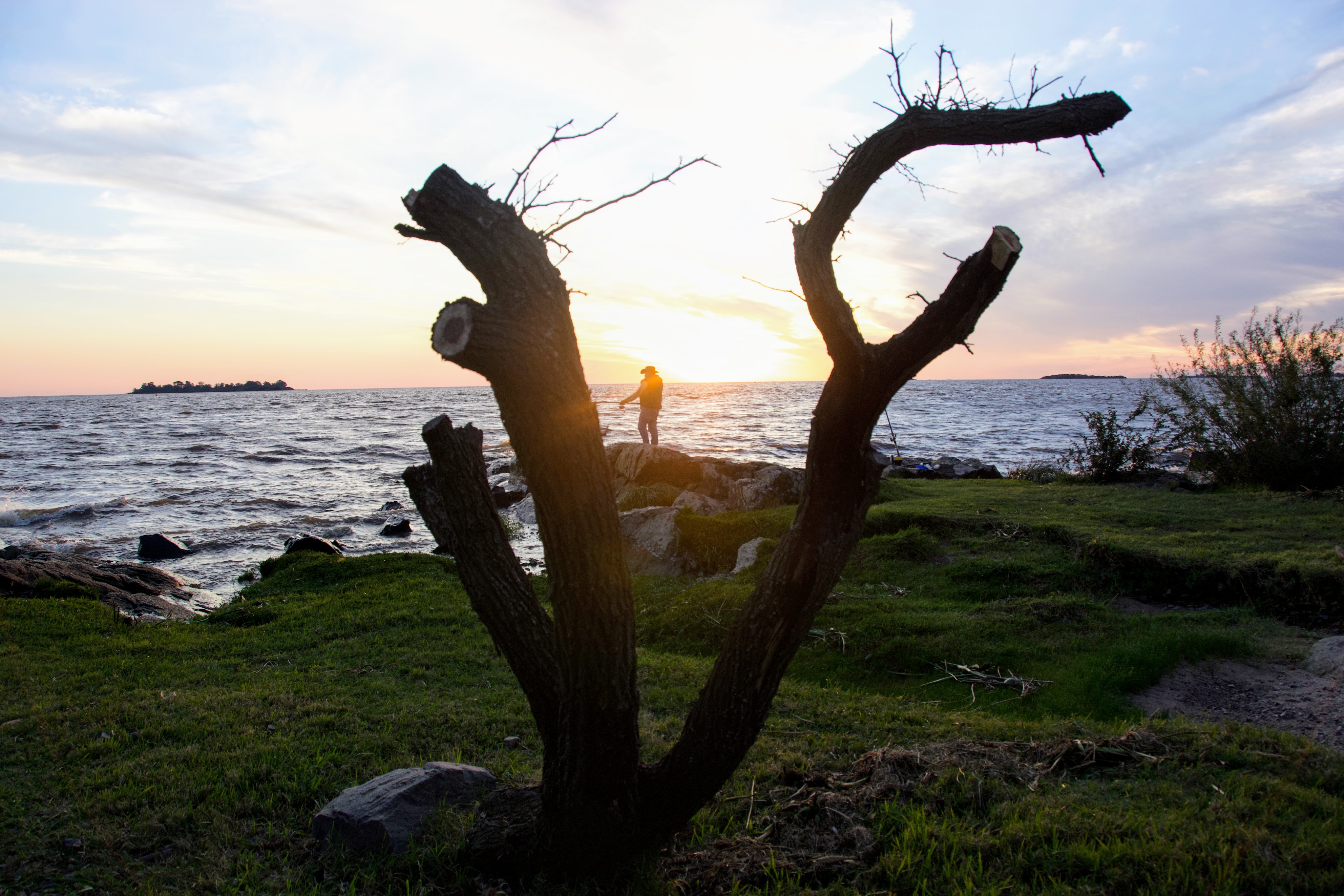
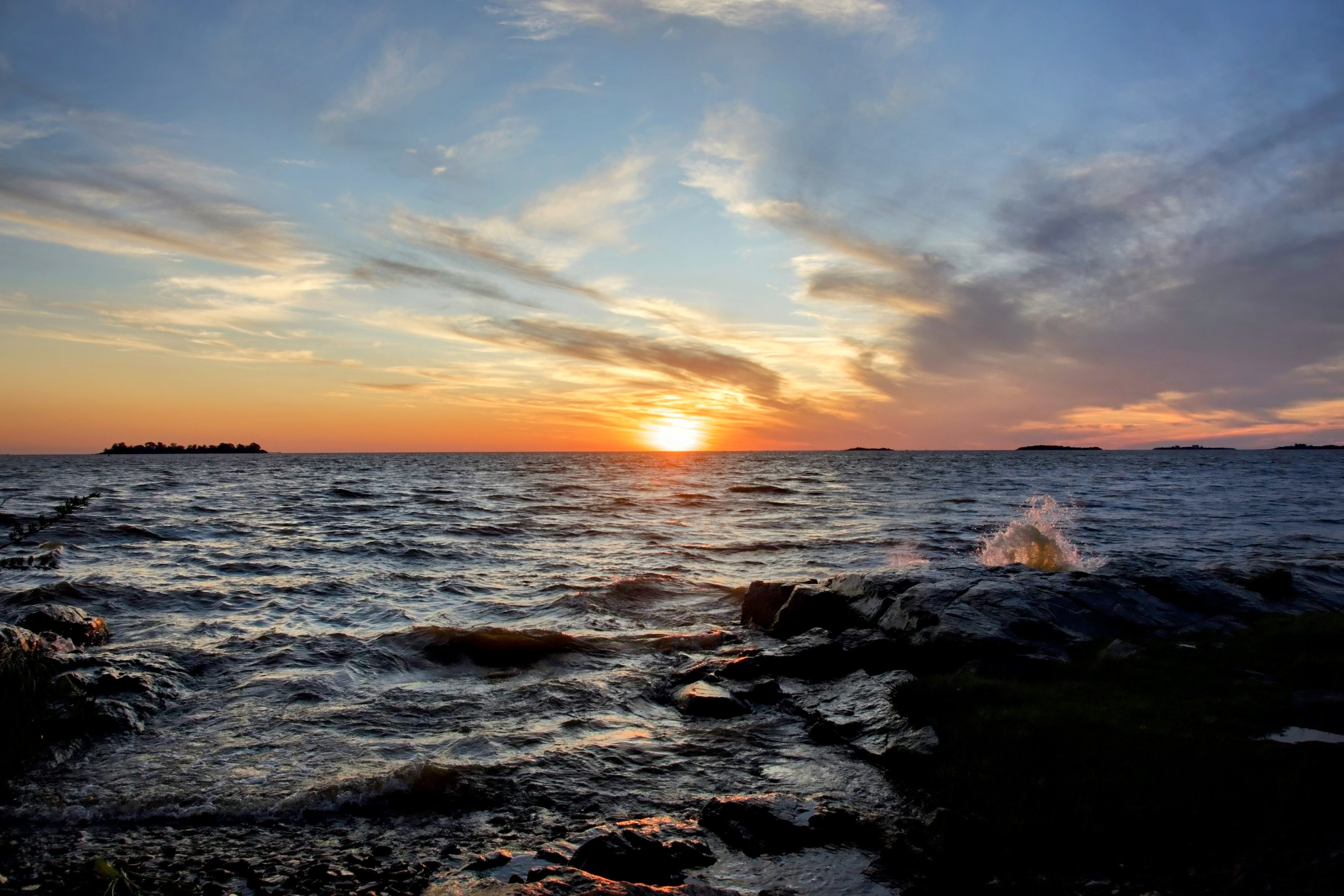
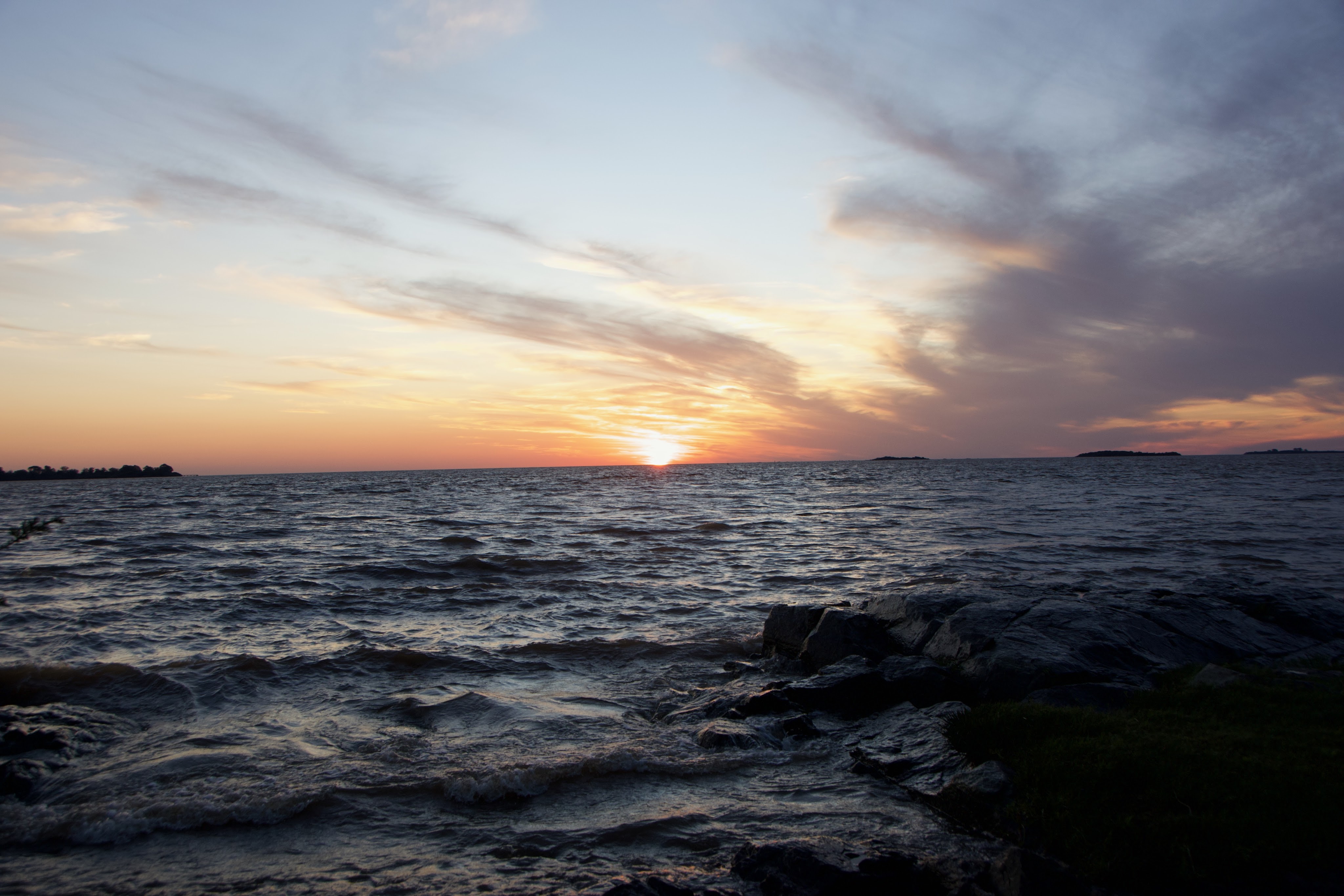
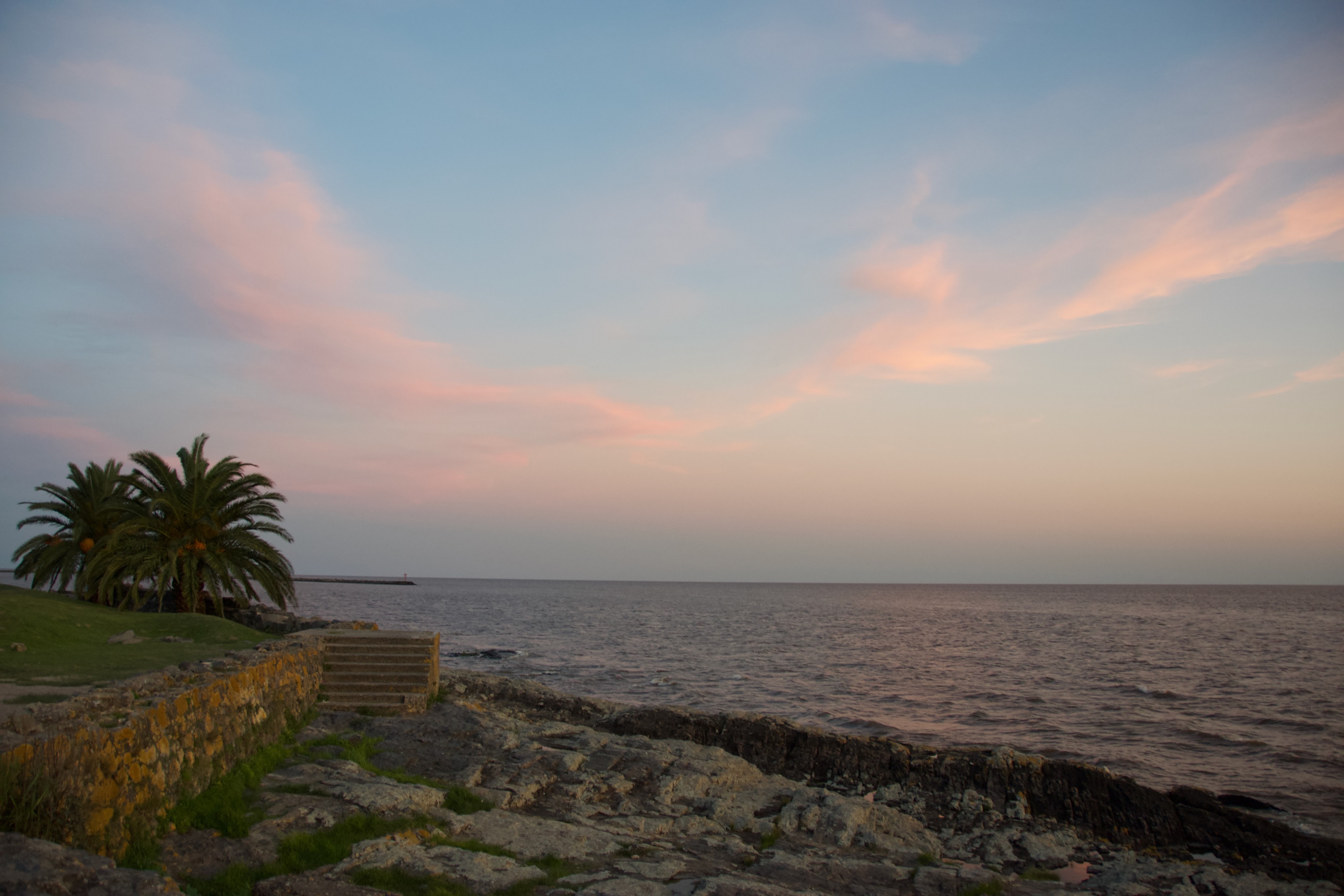
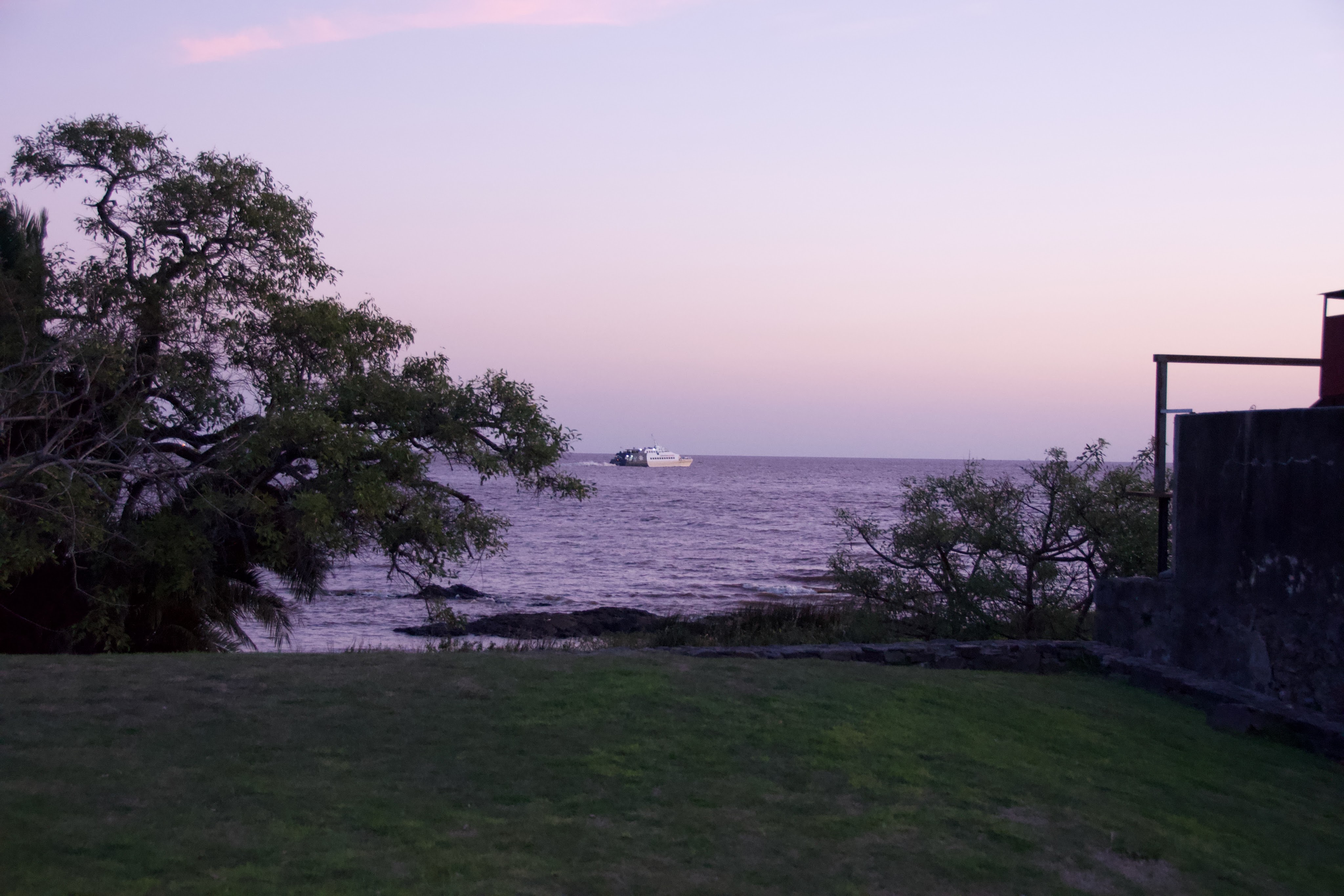
The other benefit to our late departure was that we would be able to catch the sunset over the water. With many daytrippers having presumably already left, or the fact Colonia isn’t a celebrated sunset spot, it was a serene affair. Just us, a handful of others and a fisherman trying to hook some catfish as the waves gently lapped the rocky shore.
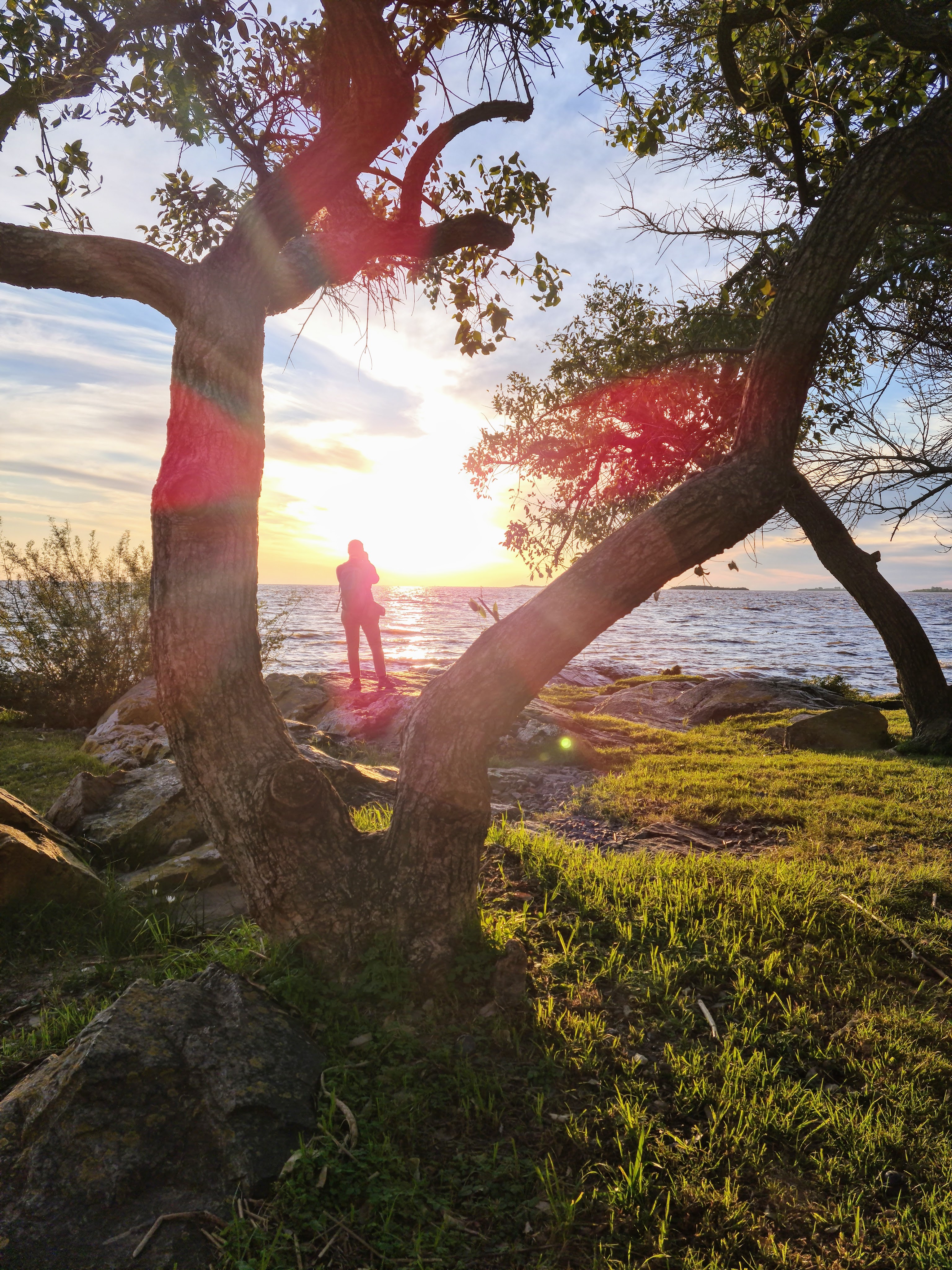

For those visiting Buenos Aires with plenty of time to spare, Colonia del Sacramento is definitely worth escaping the big city for.
Just a few more days and it would be our time to escape Buenos Aires, and Argentina, more permanently.
And to precisely nobody’s disappointment, I didn’t finish off the visit hanging off our balcony singing “Don’t cry for me Argentina”!
 A Place Both Wonderful and Strange - Tash & Ricki's Career Break Travels
Leave a comment