
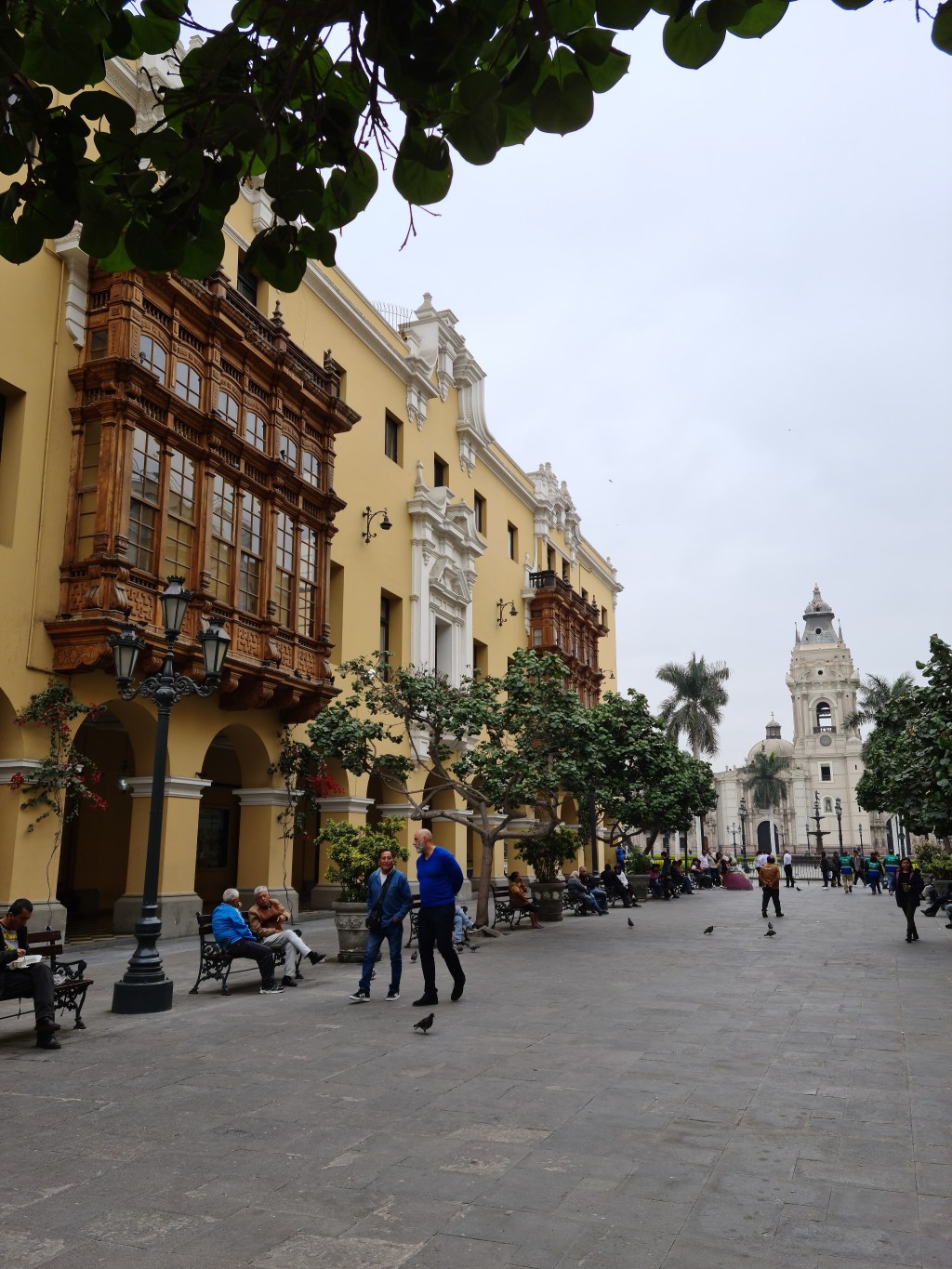
Our 6 weeks in Argentina having come to an end, it was time for us to head to our next country. We were off in pursuit of Paddington, and entering Peru. The deepest, darkest bit would have to wait though. Whereas we finished in Argentina’s capital city, this was where we started Peru, in Lima.
Perhaps unusually for a major city, the most popular neighbourhoods to stay and dine aren’t in the centre of Lima, but around a 20 minute drive away. We stayed in the Barranco neighbourhood, swapping the sound of traffic we’d been contending with in Buenos Aires, for the much more pleasant sound of the sea.
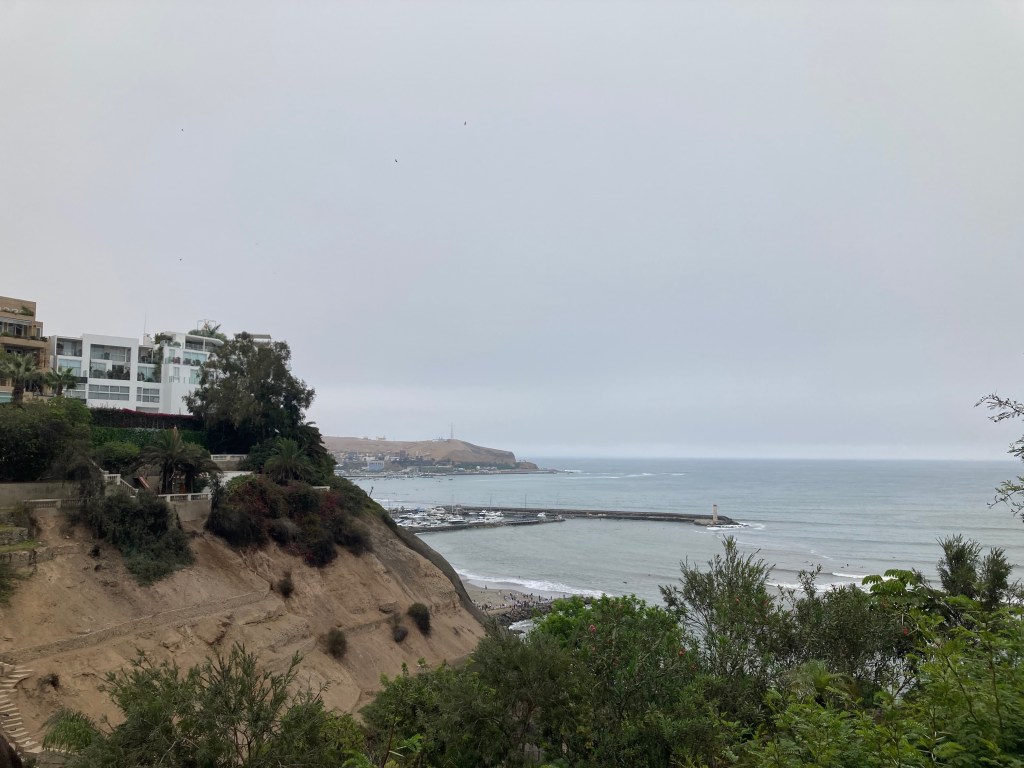
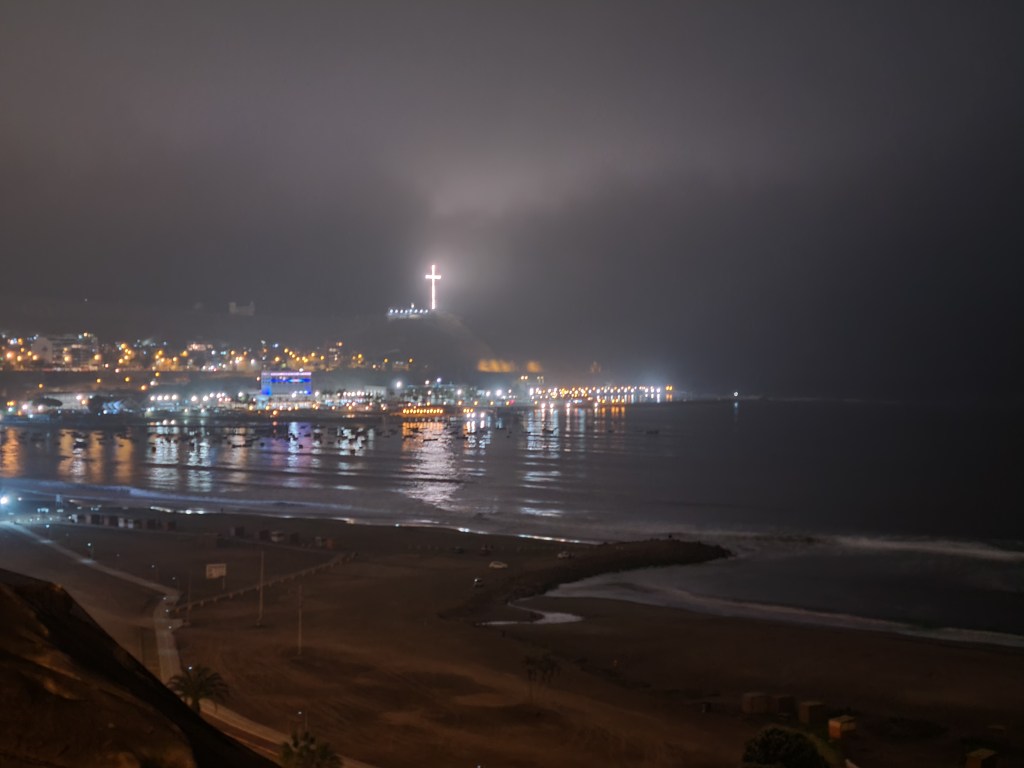
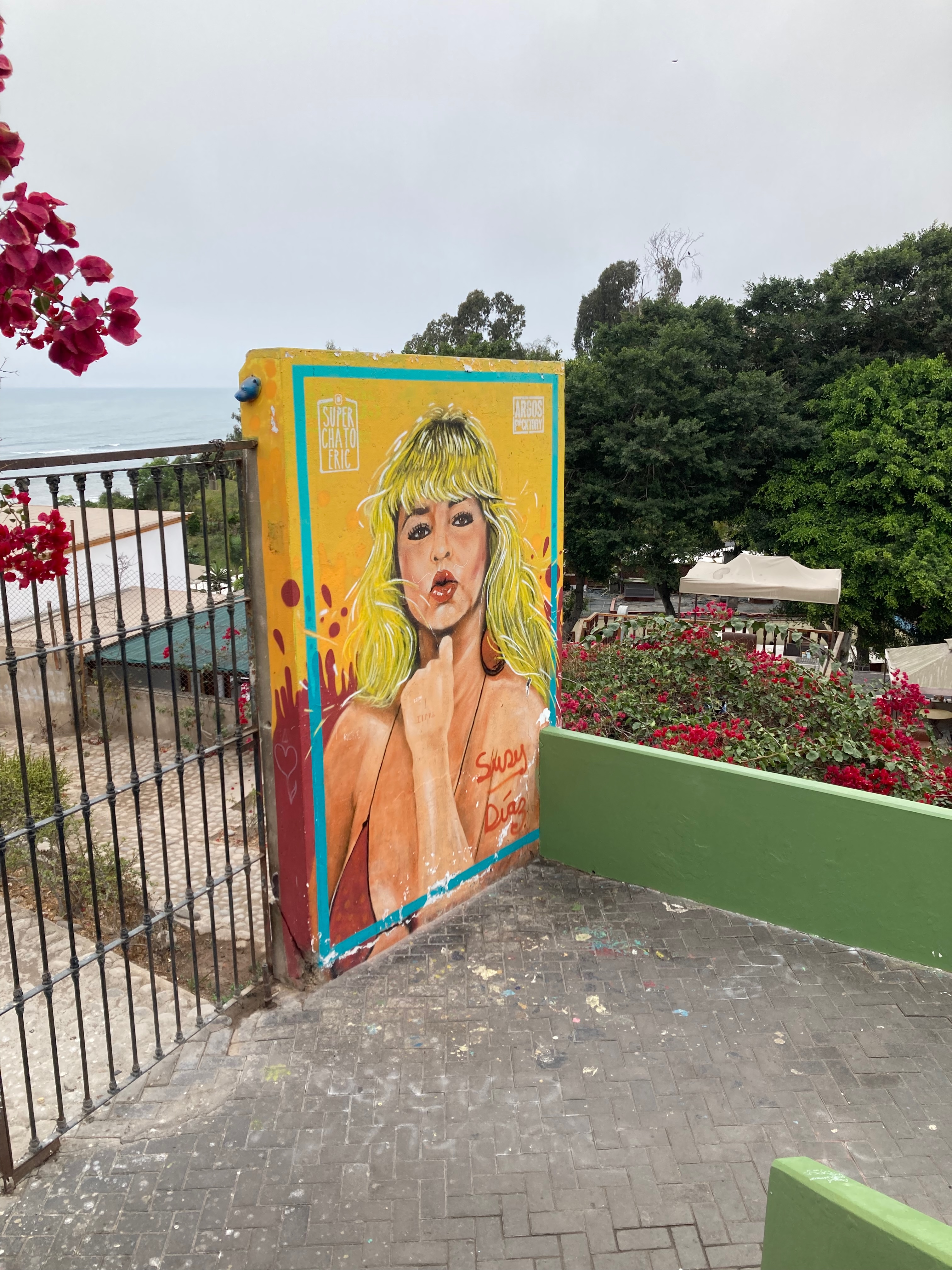
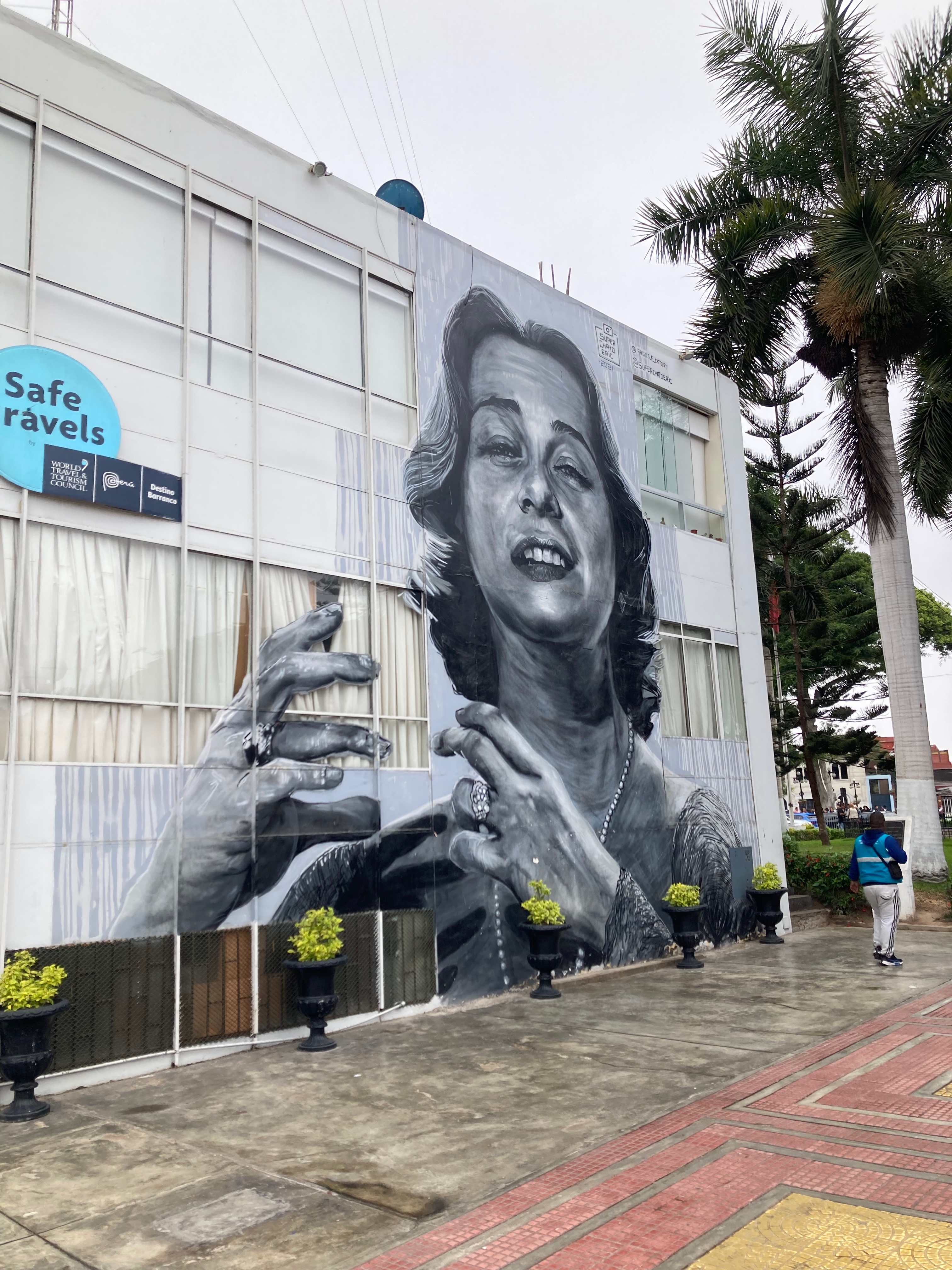
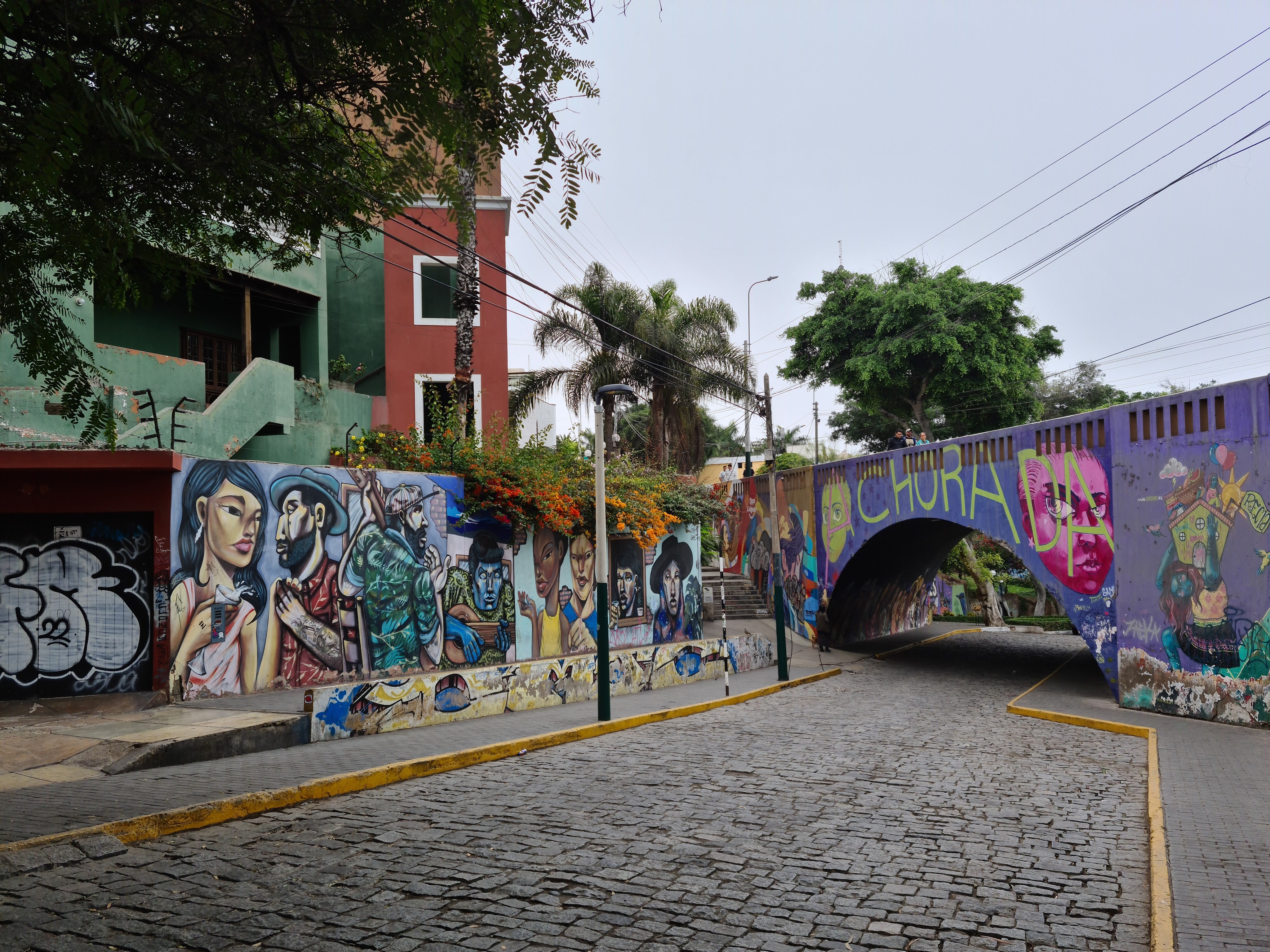
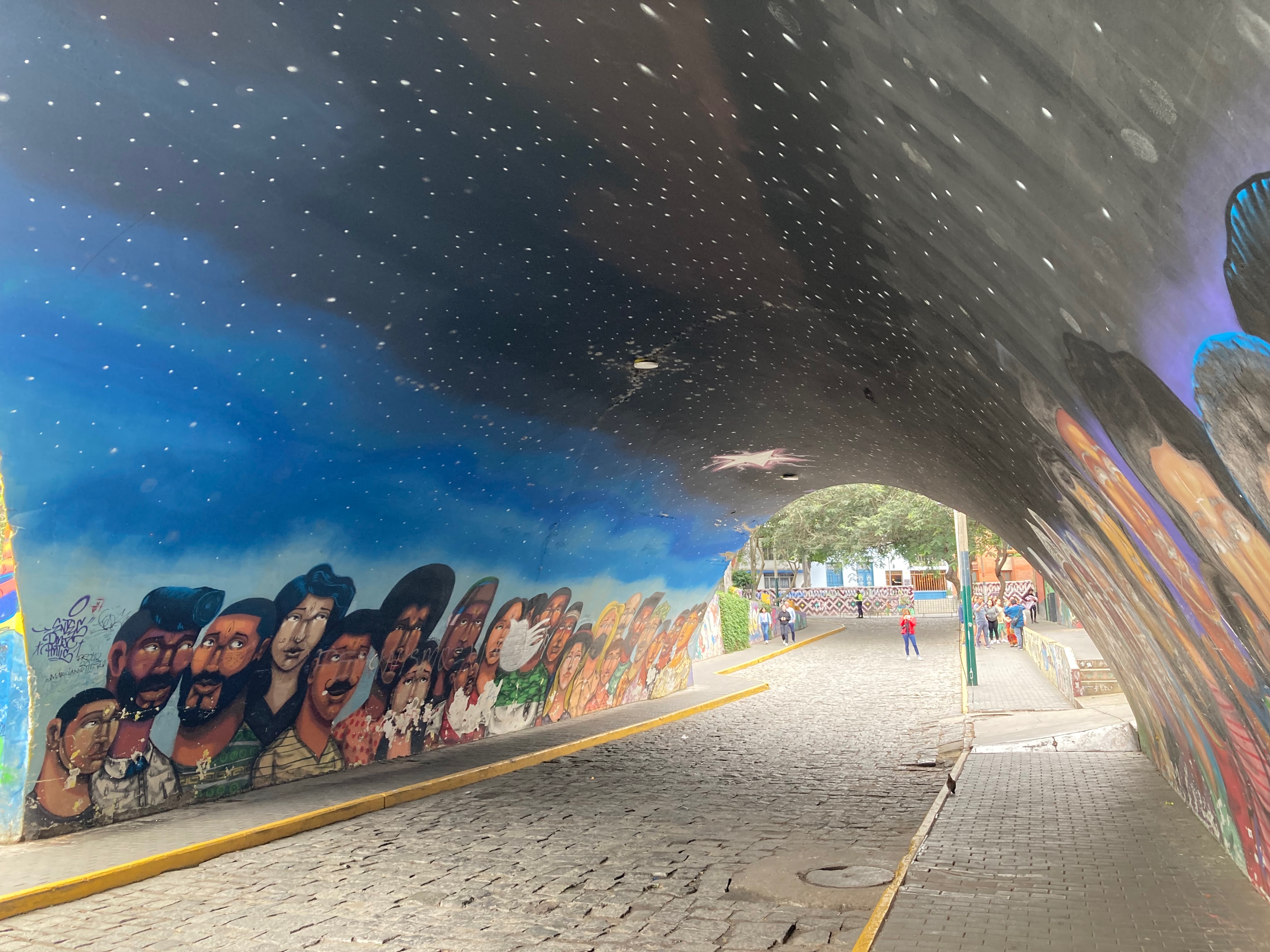
I often find myself wondering how much of my enjoyment of a city comes down to climate, and whether certain places have only captured my reptilian affections for having sunny skies and mid-twenties temperatures. Lima knocked that theory on the head. It was overcast the entire time we were there, and never warm enough to take off my jacket. I was immediately taken with the city though, in particular the Barranco neighbourhood. For a start there were the views of the Pacific ocean. But this was complemented by pops of blue from jacaranda trees and the occasional scent of jasmine. There were also gardens designed for attracting butterflies, and as with so much of South America, some beautiful street art. In short, there were the benefits of a cosmopolitan city, but with some much appreciated touches of nature.
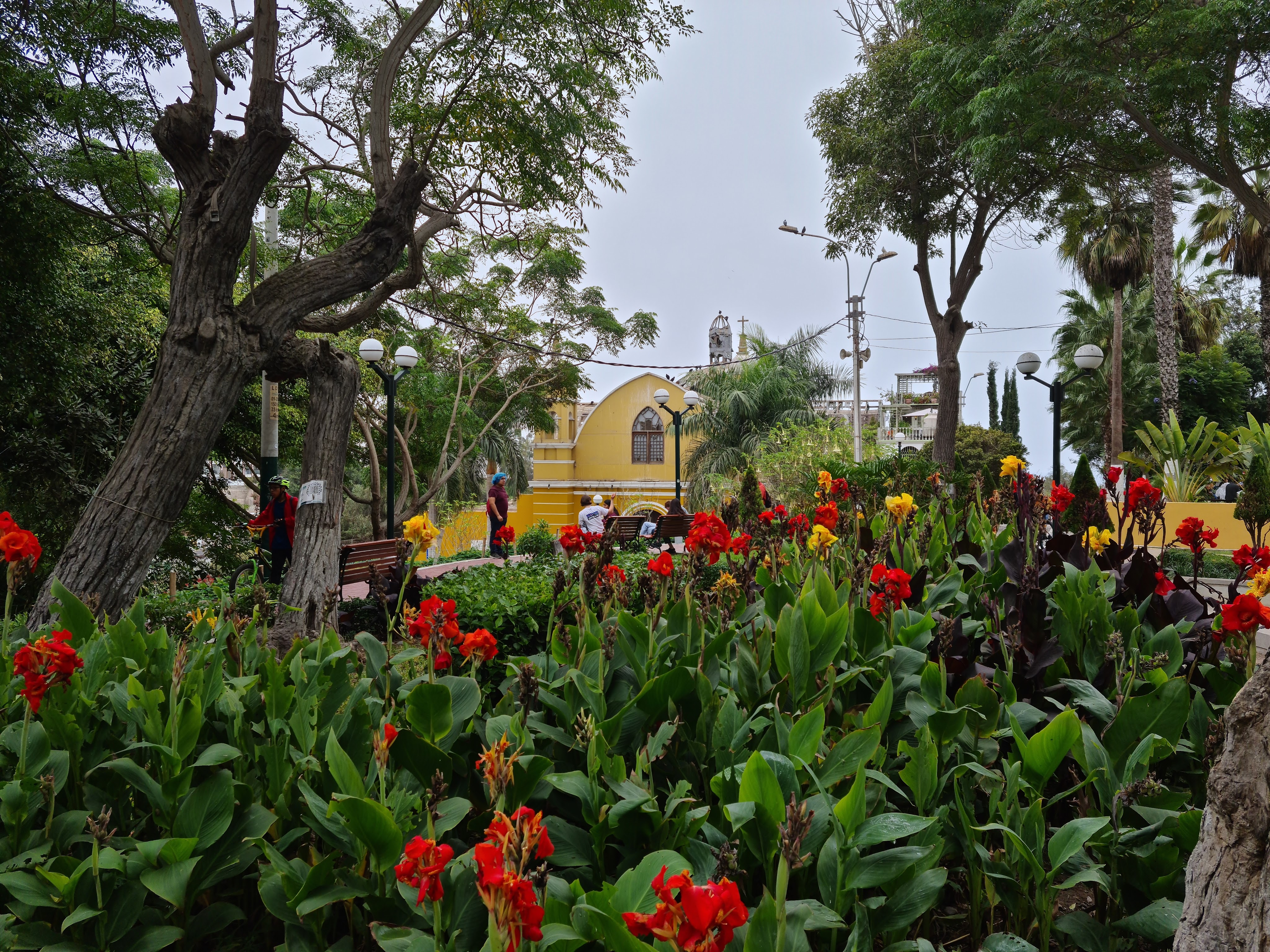
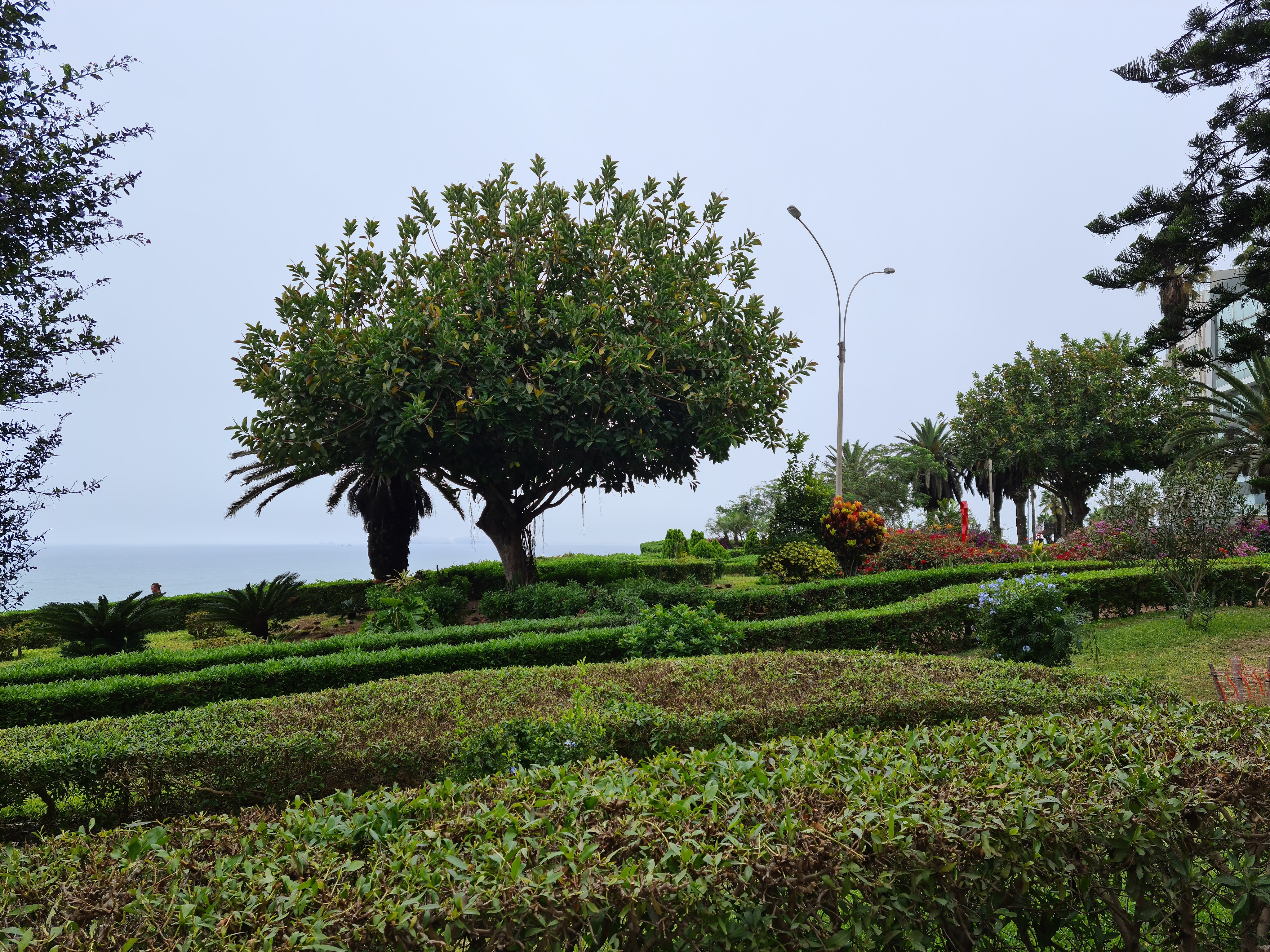
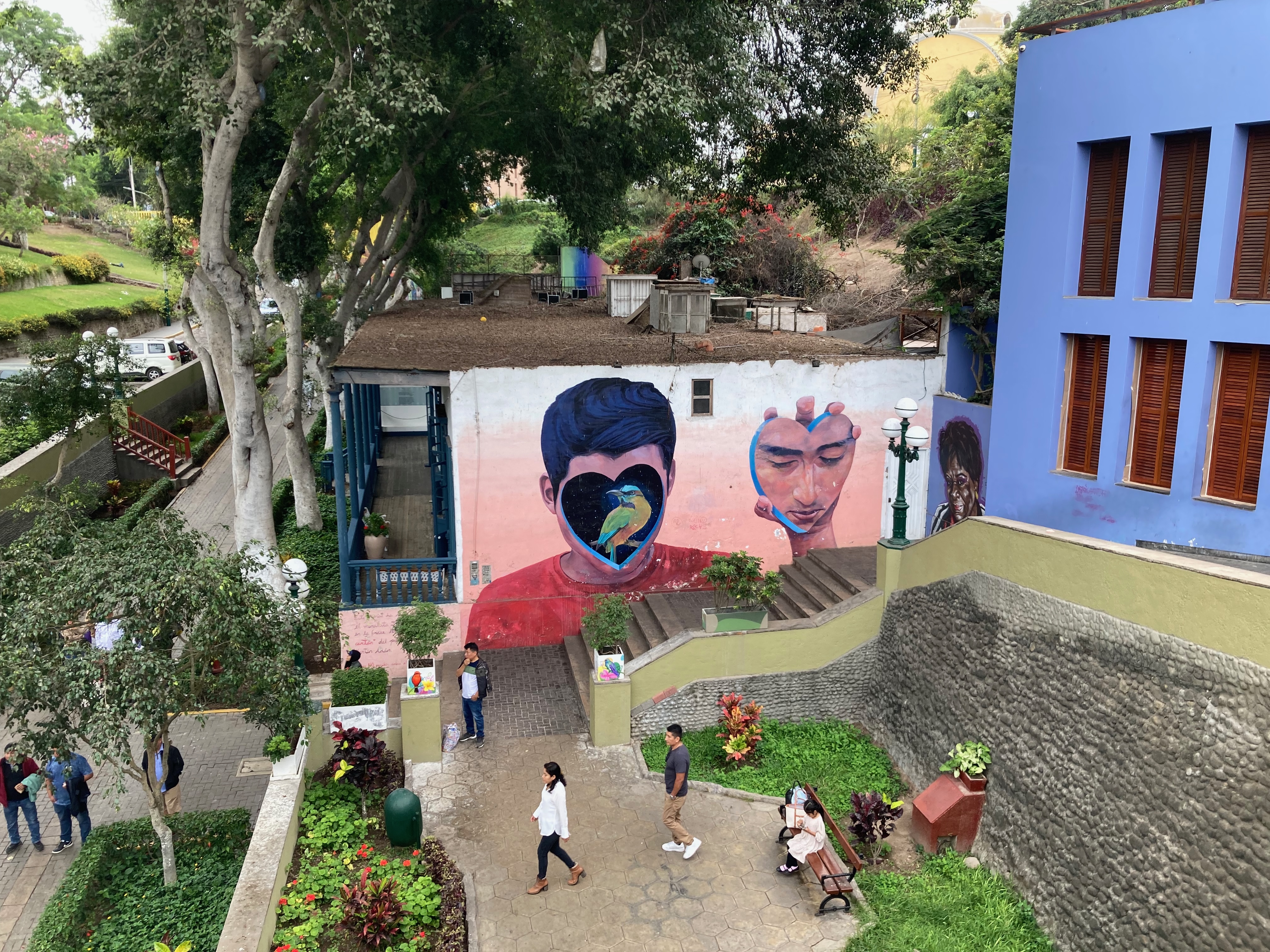
Our first day in Lima was spent exploring this neighbourhood, stopping at the various plazas and traversing the Puente de los Suspiros (Bridge of Sighs).
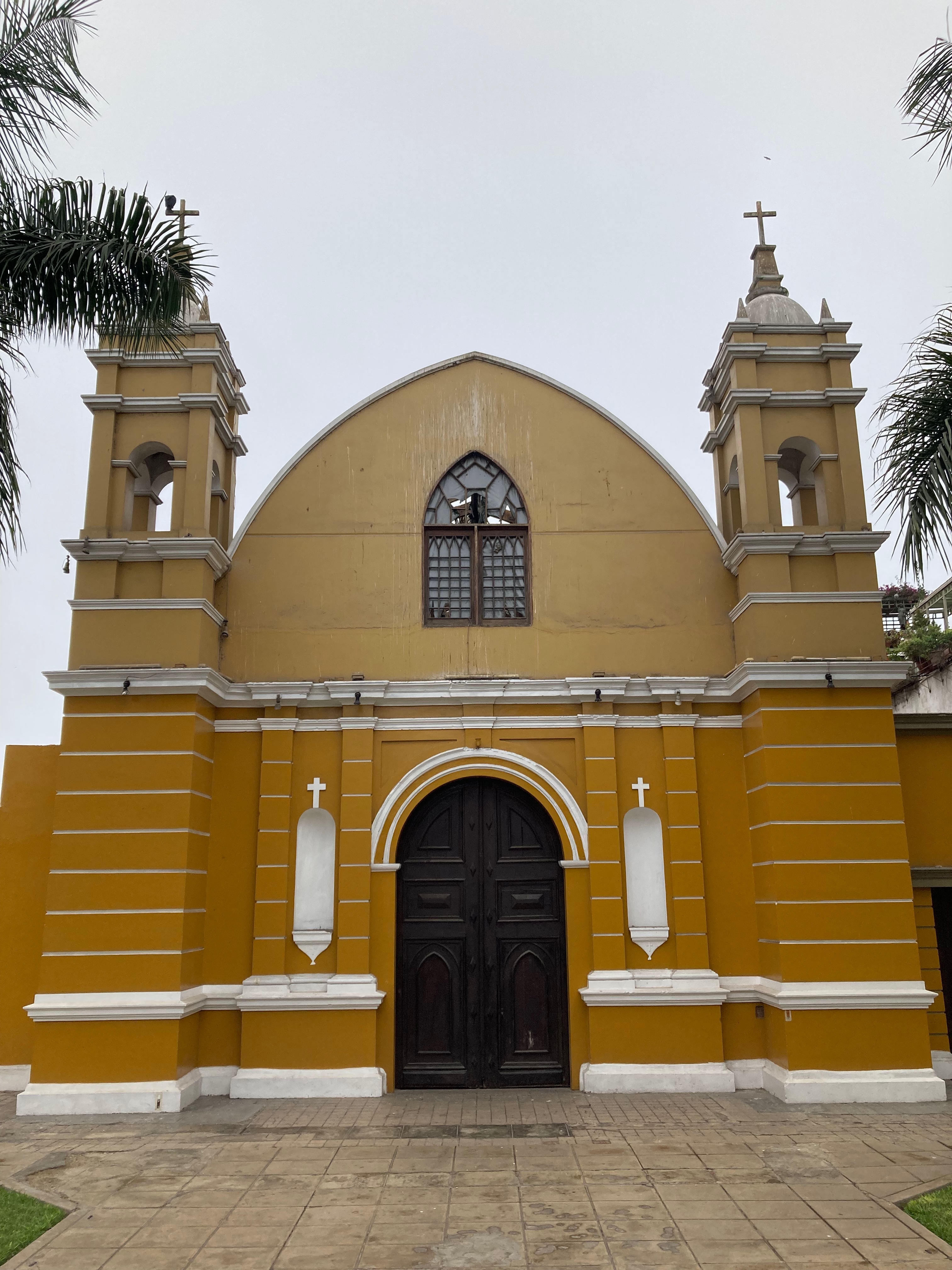
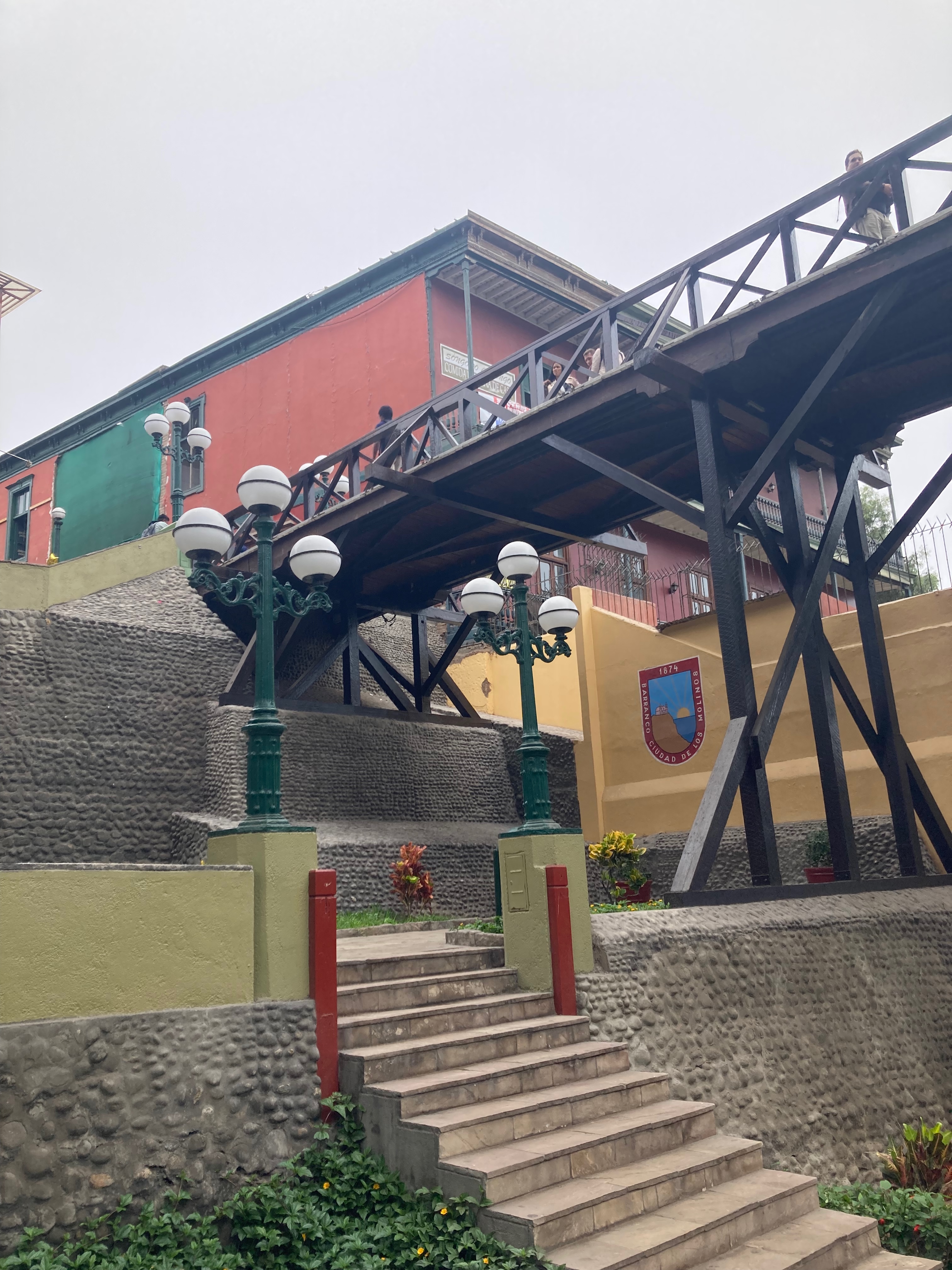
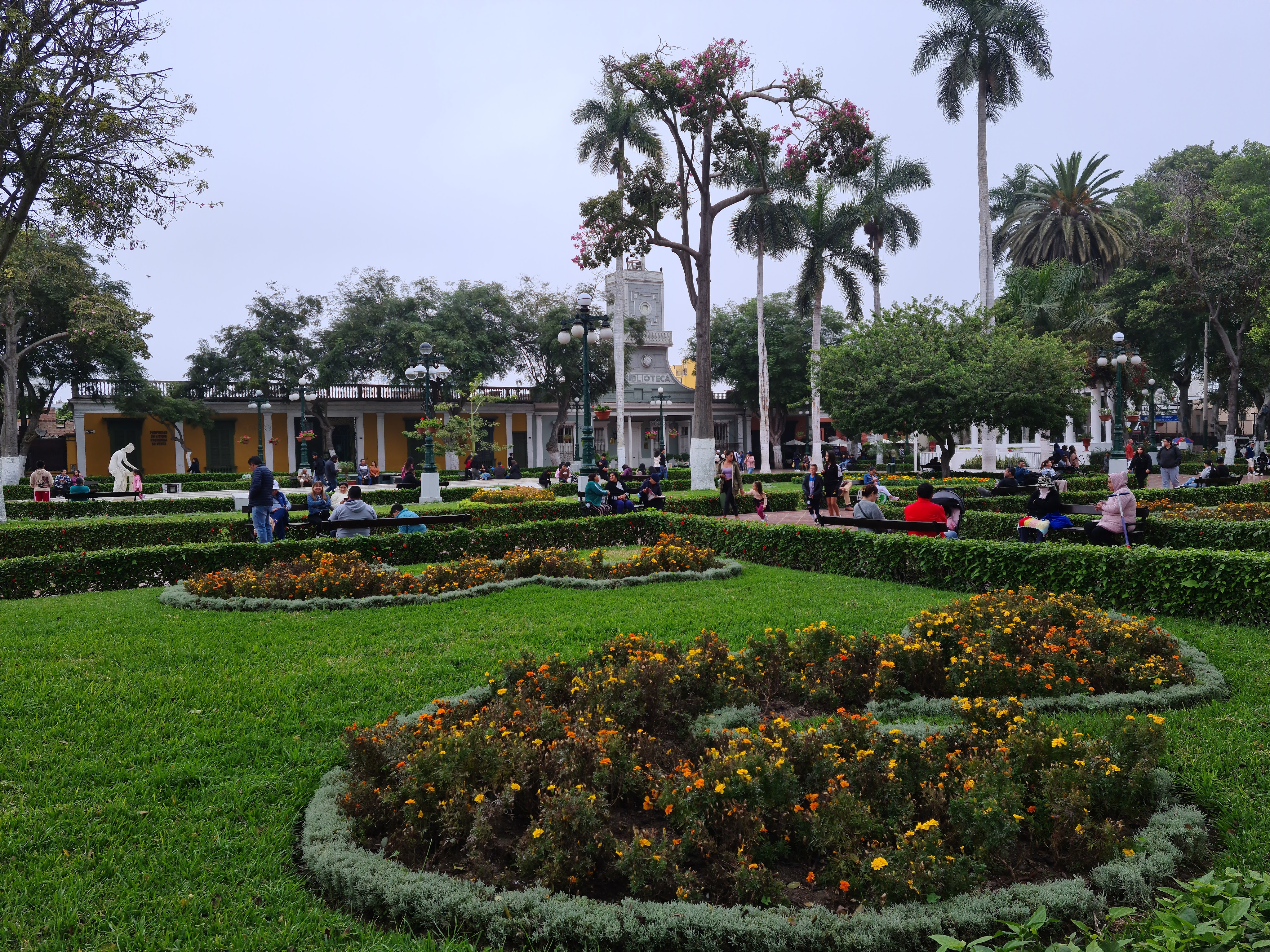
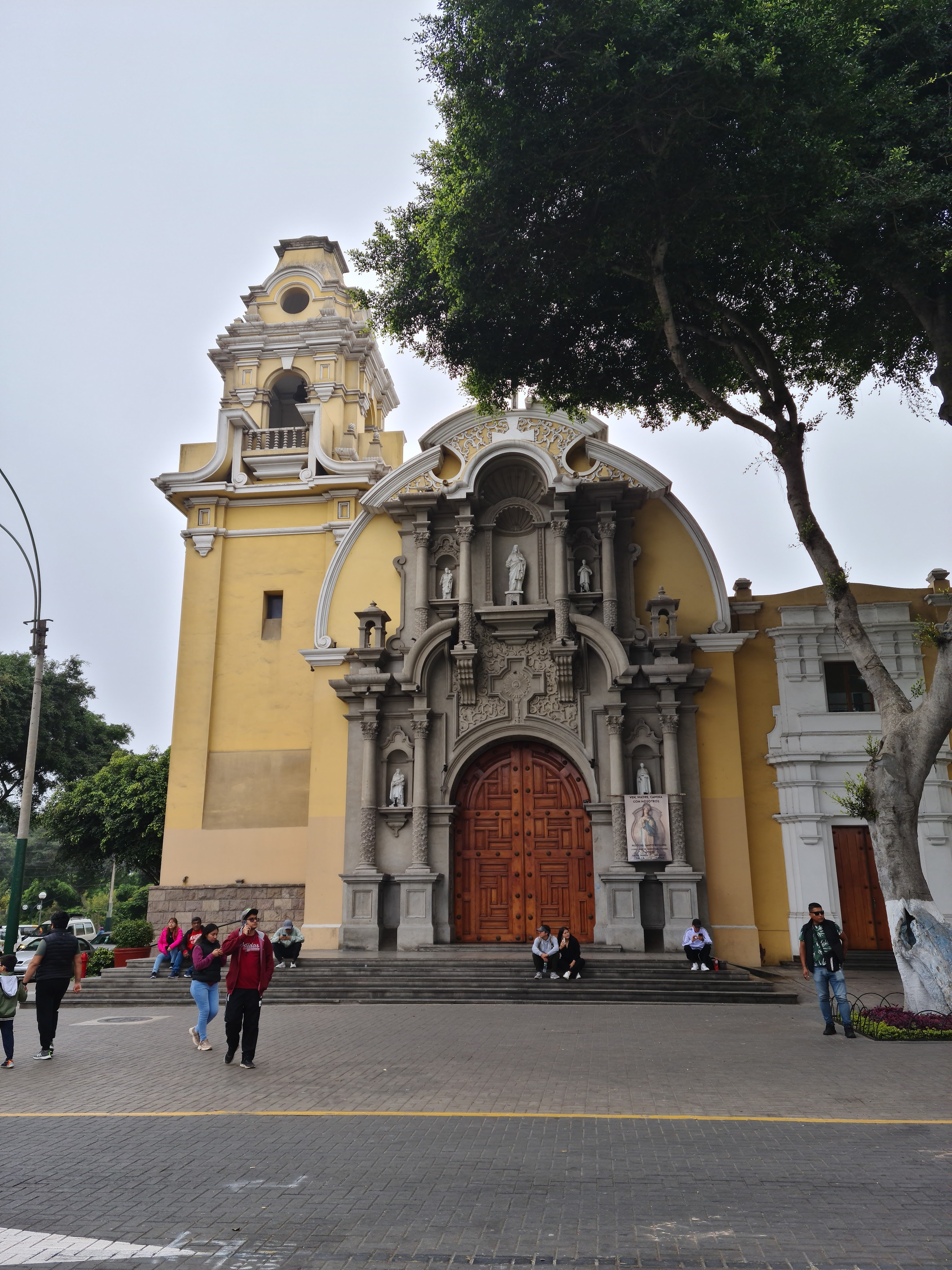

Historically a popular meeting point for poets and lovers, a legend lives on that if you can cross the 30m span without taking a breath, you are granted a single wish. The trouble with such a legend at such a populous spot is that your lungs are definitely close to bursting by the time you navigate everyone idling for selfies!
A stone pathway leads from the bridge down to the sea, so we carried on our walk downwards. Alas it was not the weather for a dip (not that it was putting off the surfers) but it was nice to see throngs of locals enjoying a day at the seaside with family. Many were dressed in white, and some looking rather muddy as if they had been in the sea themselves. I can’t find anything online to confirm it, but as it was a Sunday, I wonder if there might have been baptisms at play.
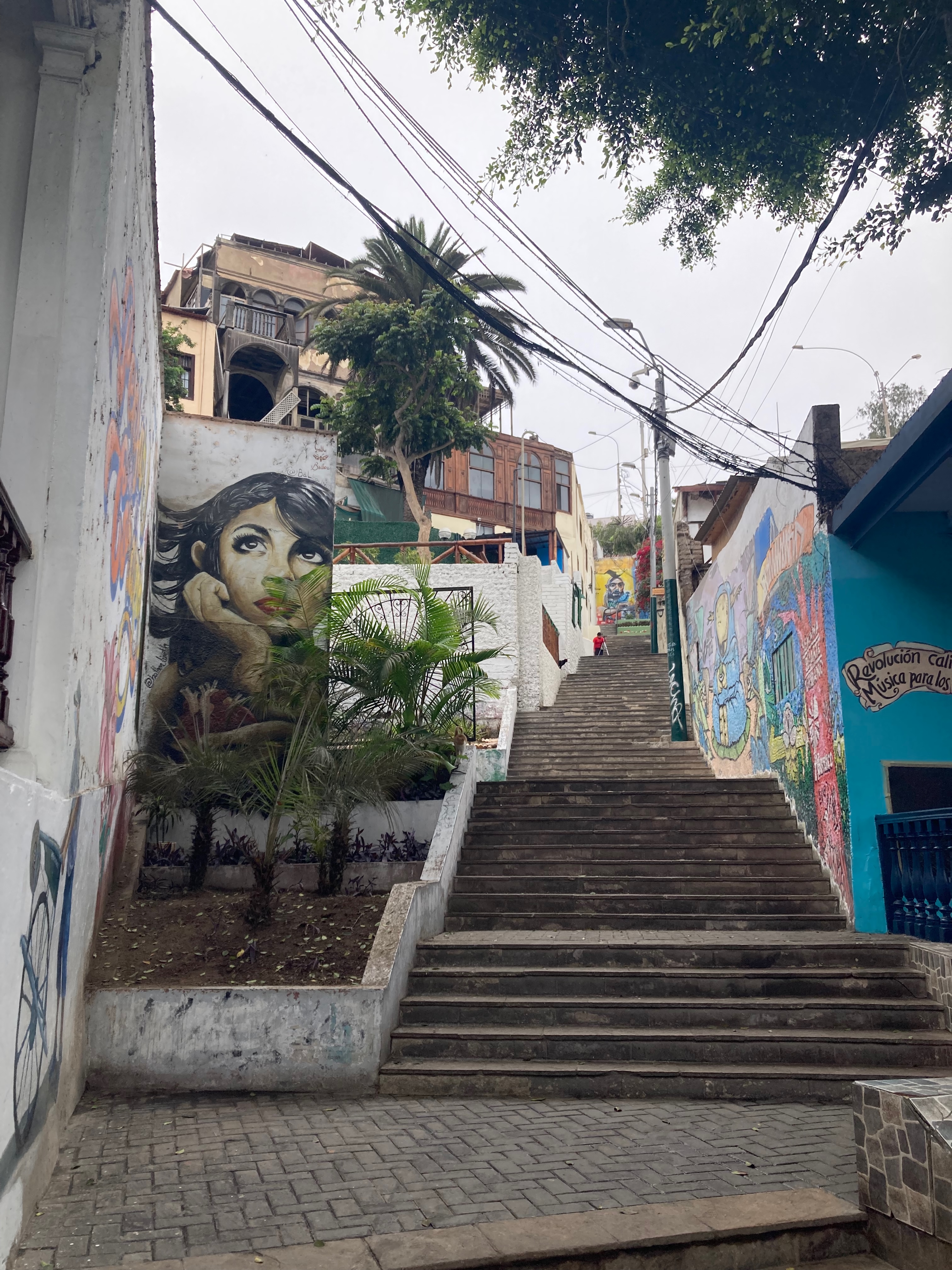
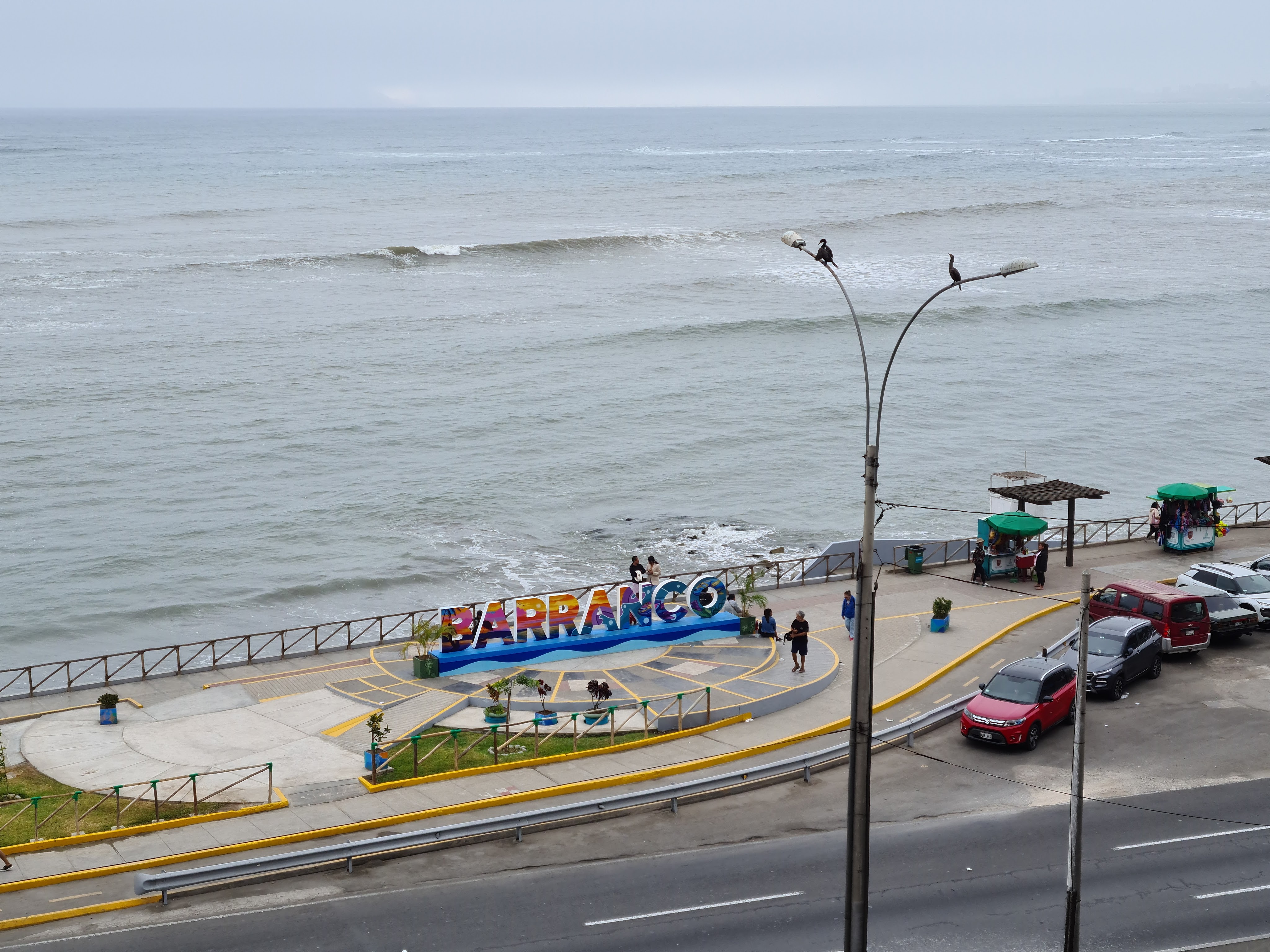
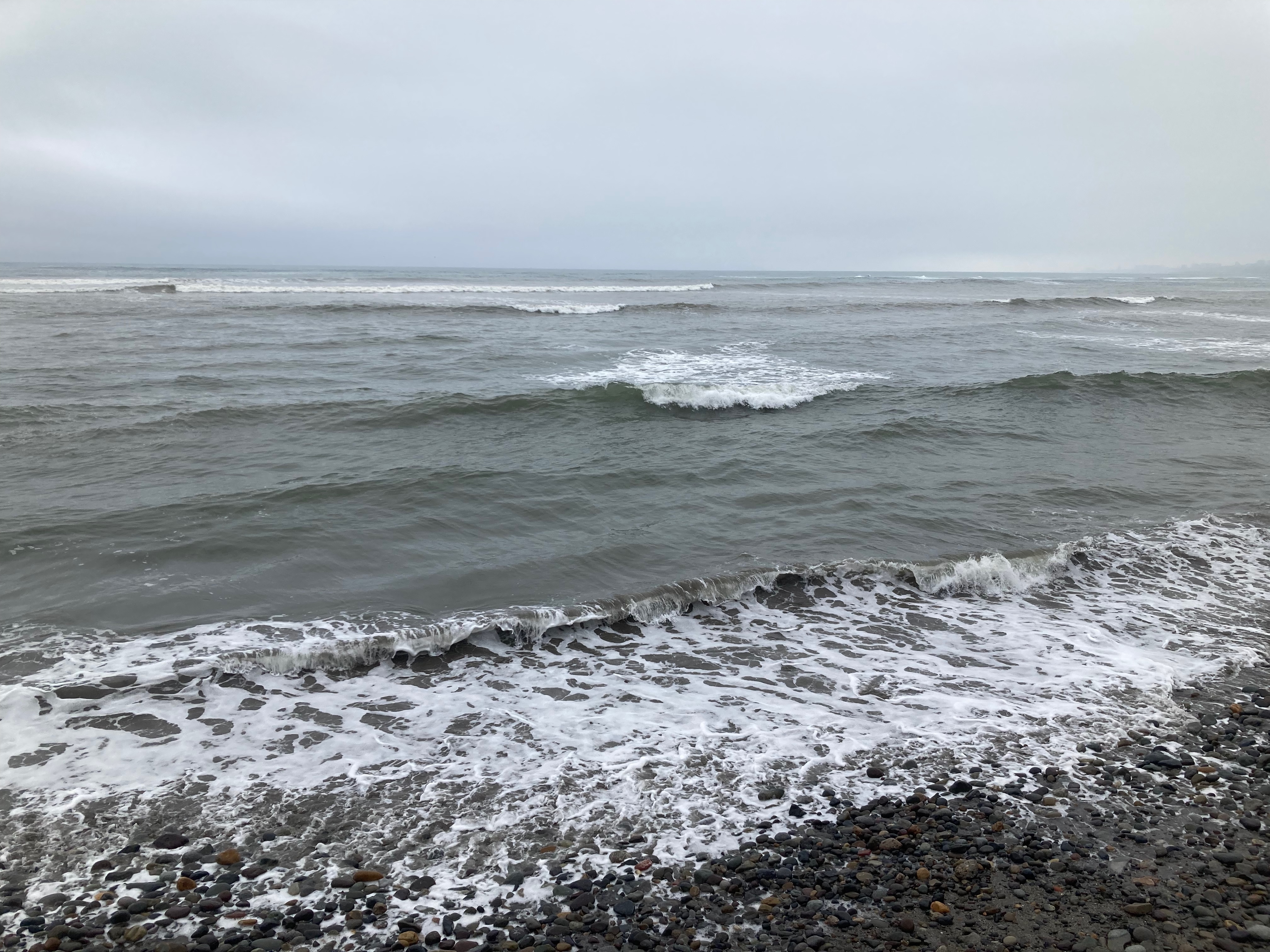
Either that or it’s not just my younger sister who has a history of wearing white and falling in the surf… At least I hope the locals didn’t have a departing flight in a few hours, and their spare clothes locked up in left luggage!
With only one full day left, we used Monday for checking out the city centre. As usual, we hit up the city squares, though were surprised to arrive at the Plaza Mayor to find that the Plaza itself was blocked off. Seemingly the President was in town, and she isn’t the most popular person in Peru, so large gatherings were being prevented.
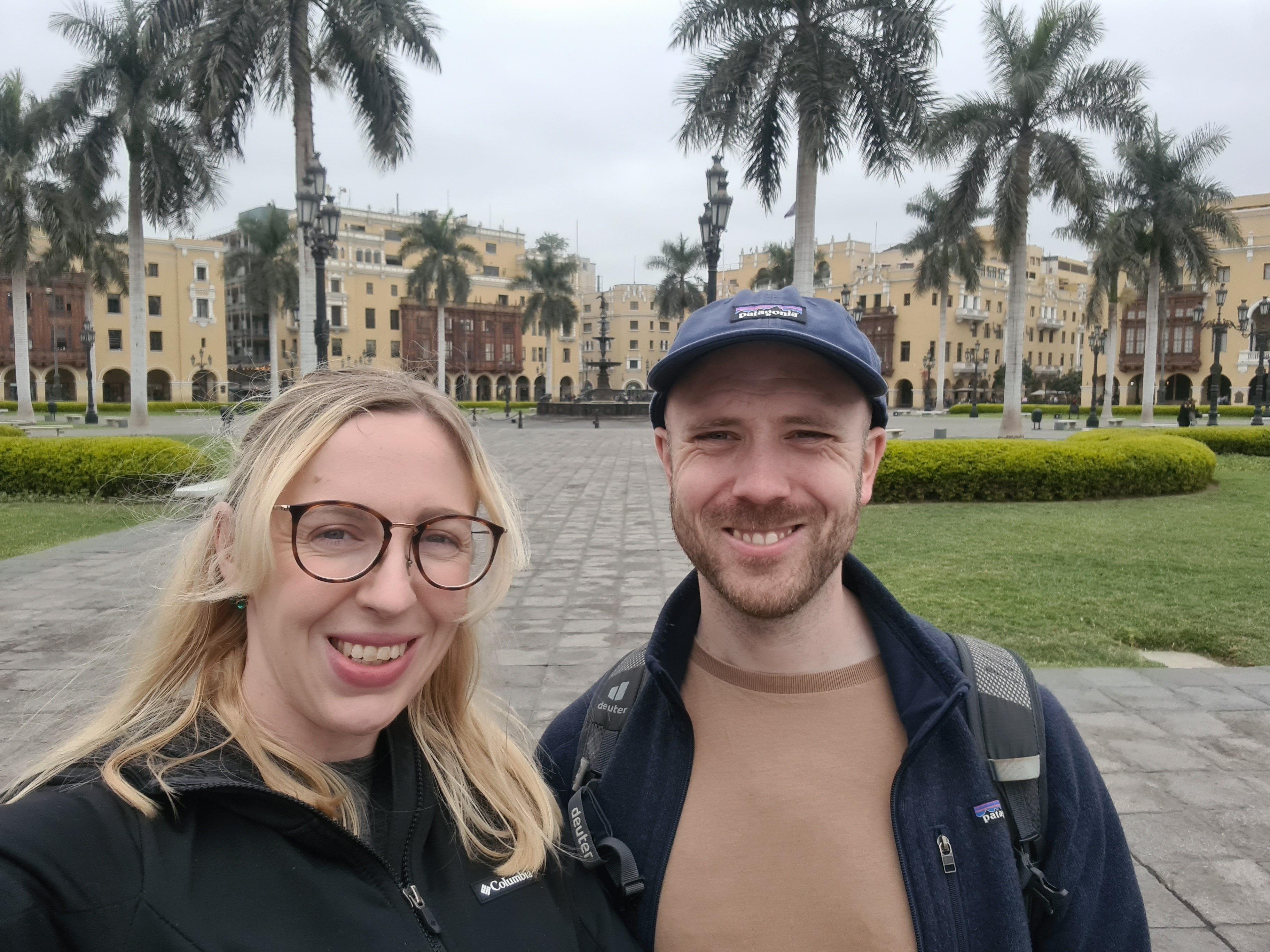
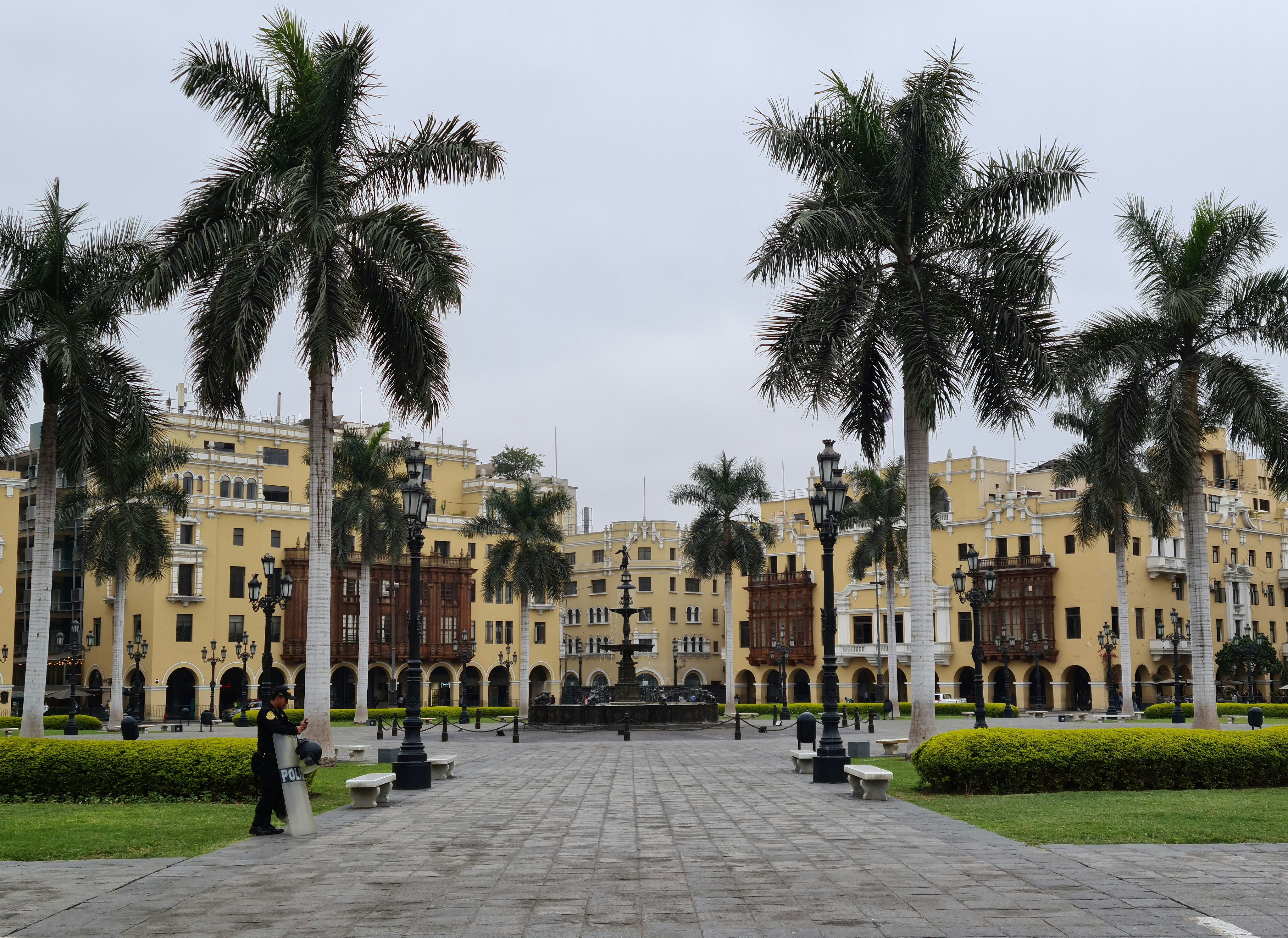
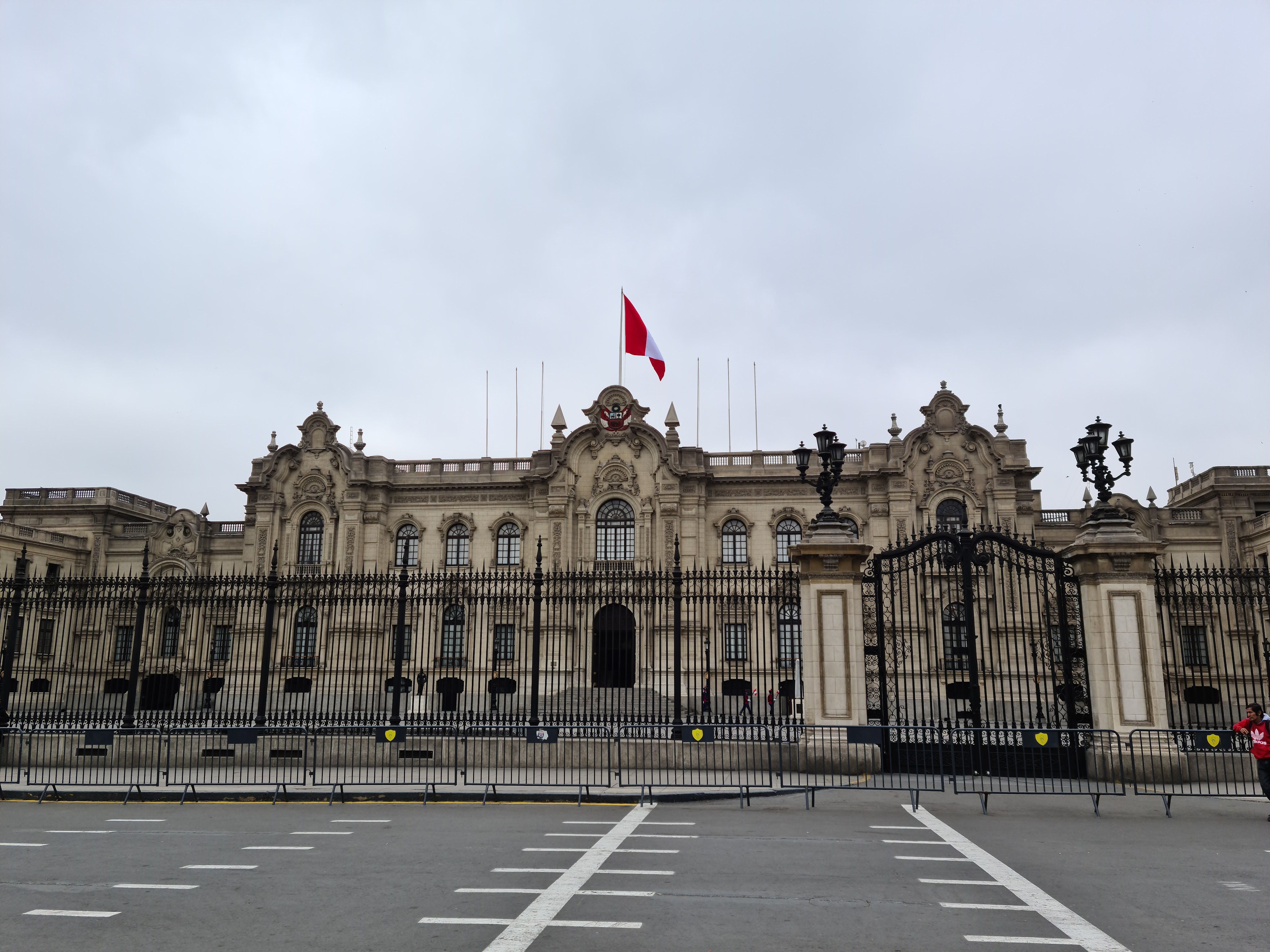
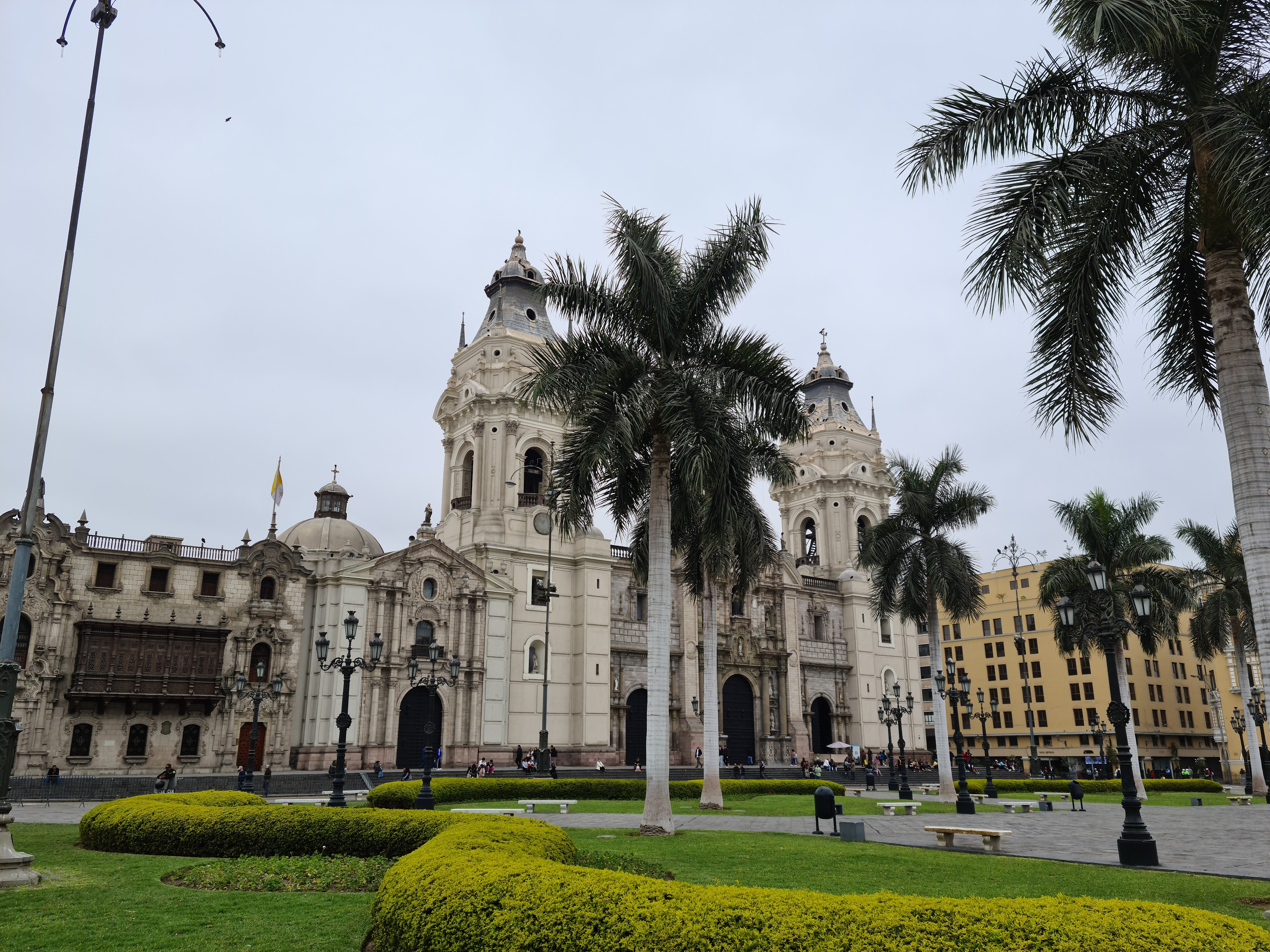
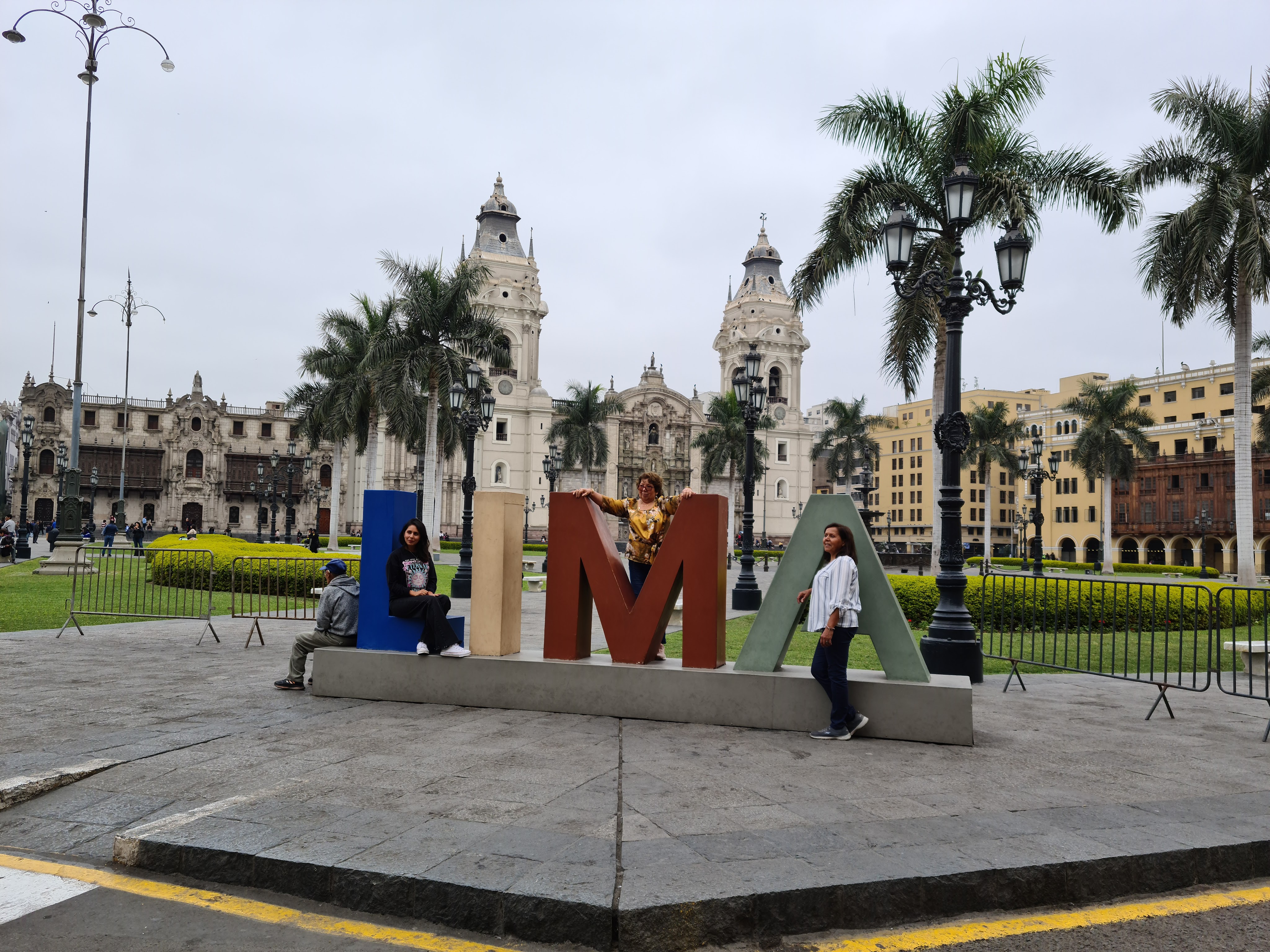
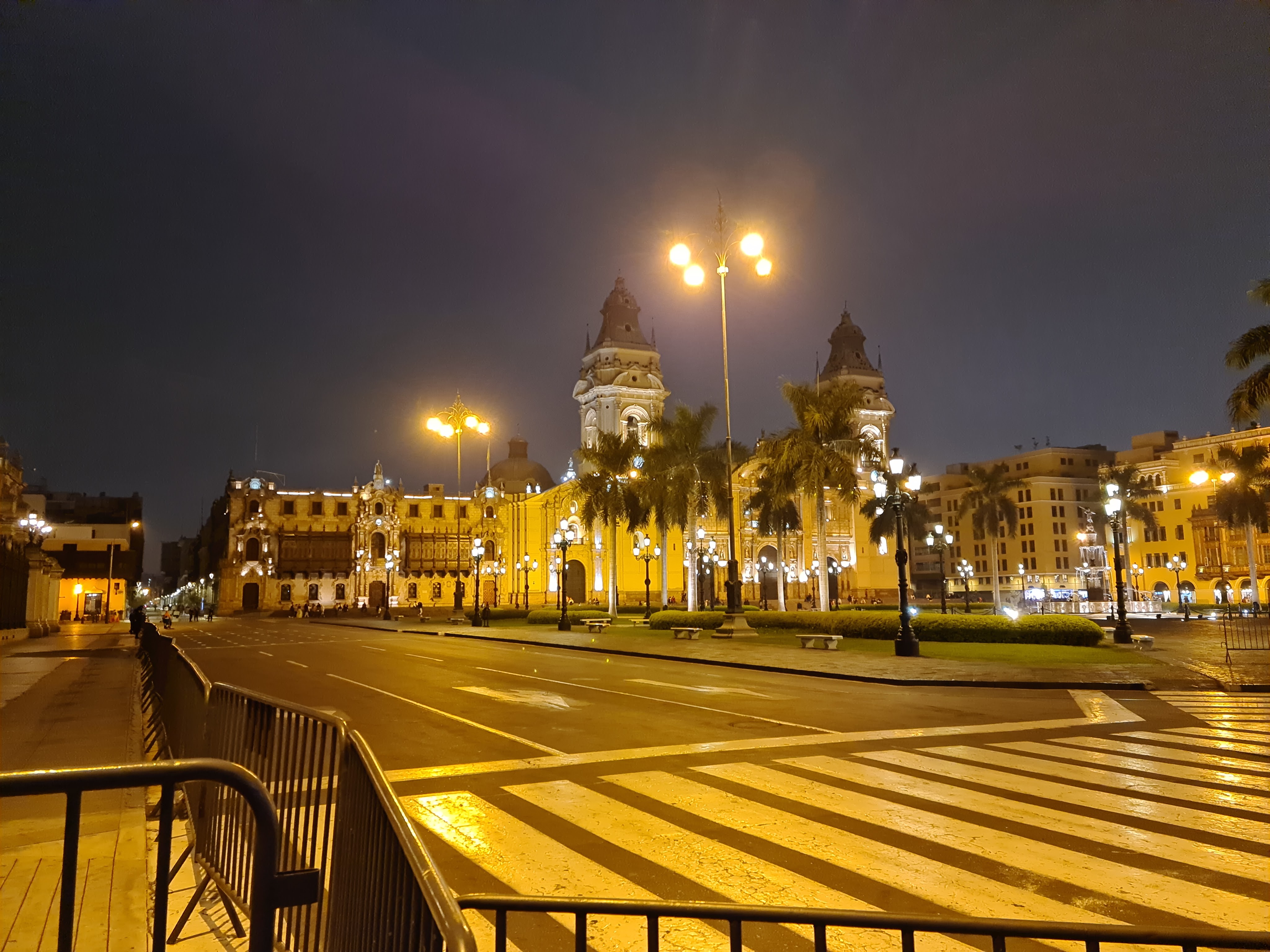
Later, restrictions were even tighter and you couldn’t move across the road directly in front of the presidential palace, blocking the usual simple passage from one side of the square to the other. This was a frustration for our evening tour guide, who managed to negotiate passage for us…under the strange circumstance of us having to cross gradually two by two, watched by armed guards.
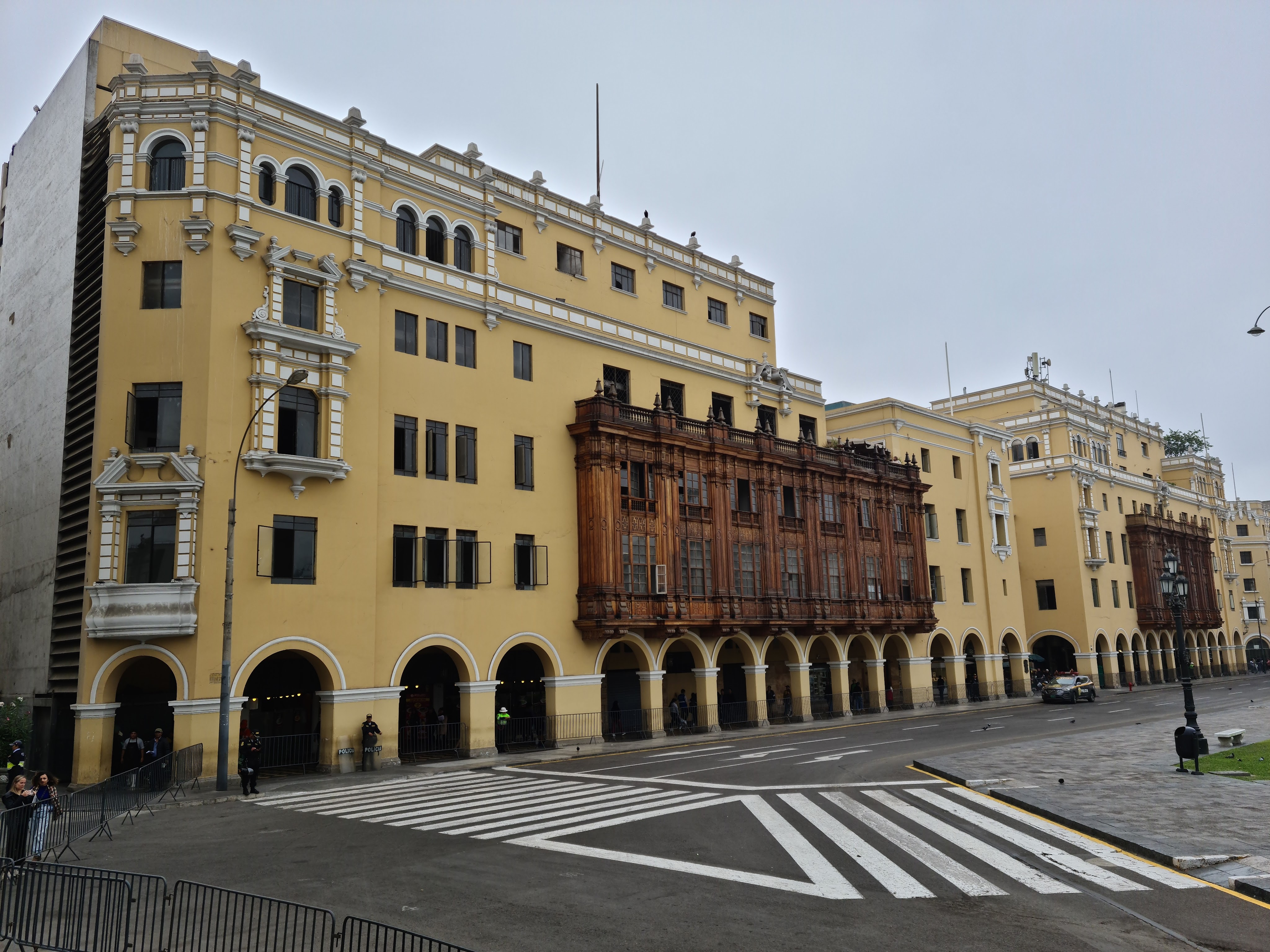
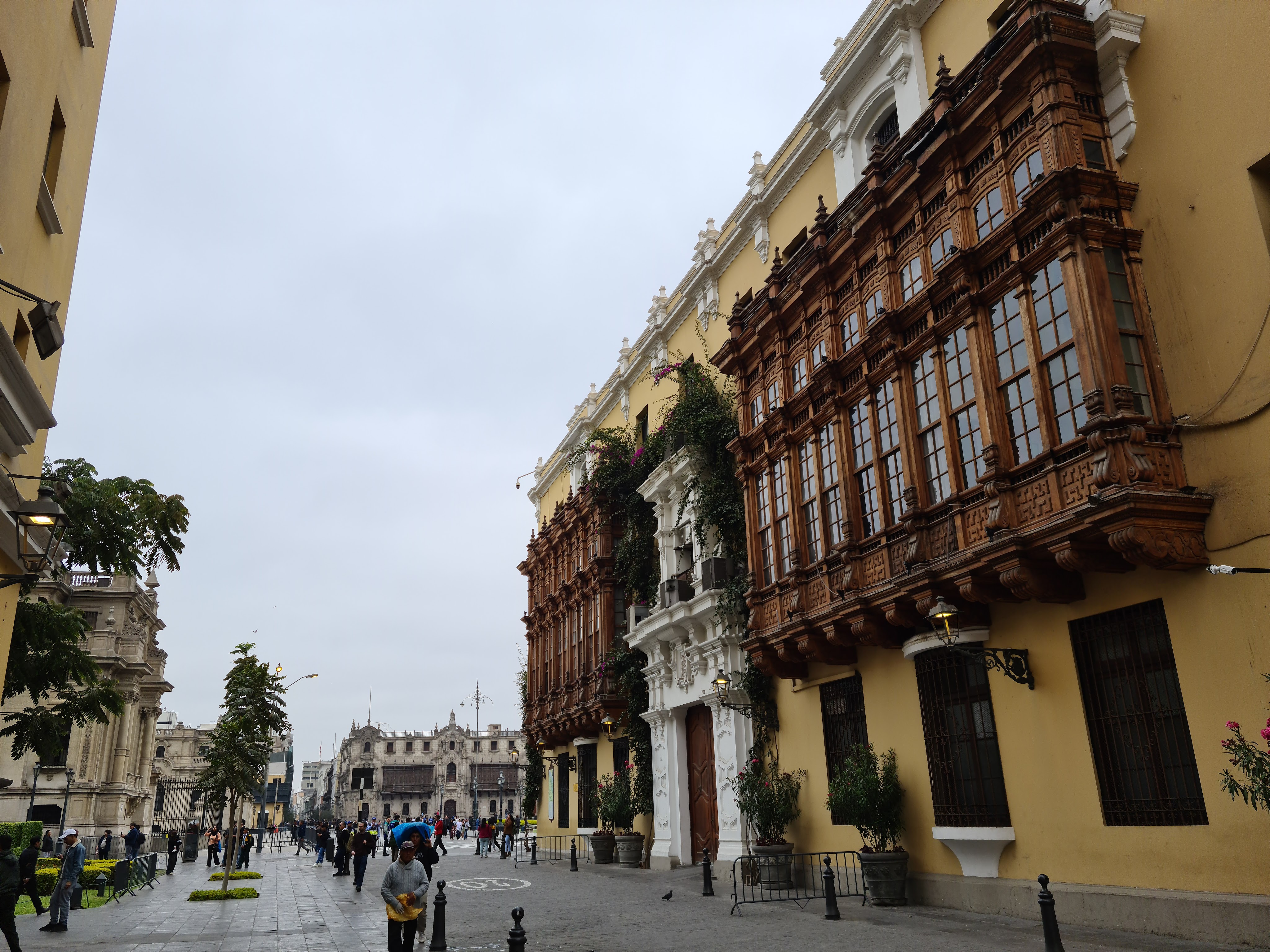
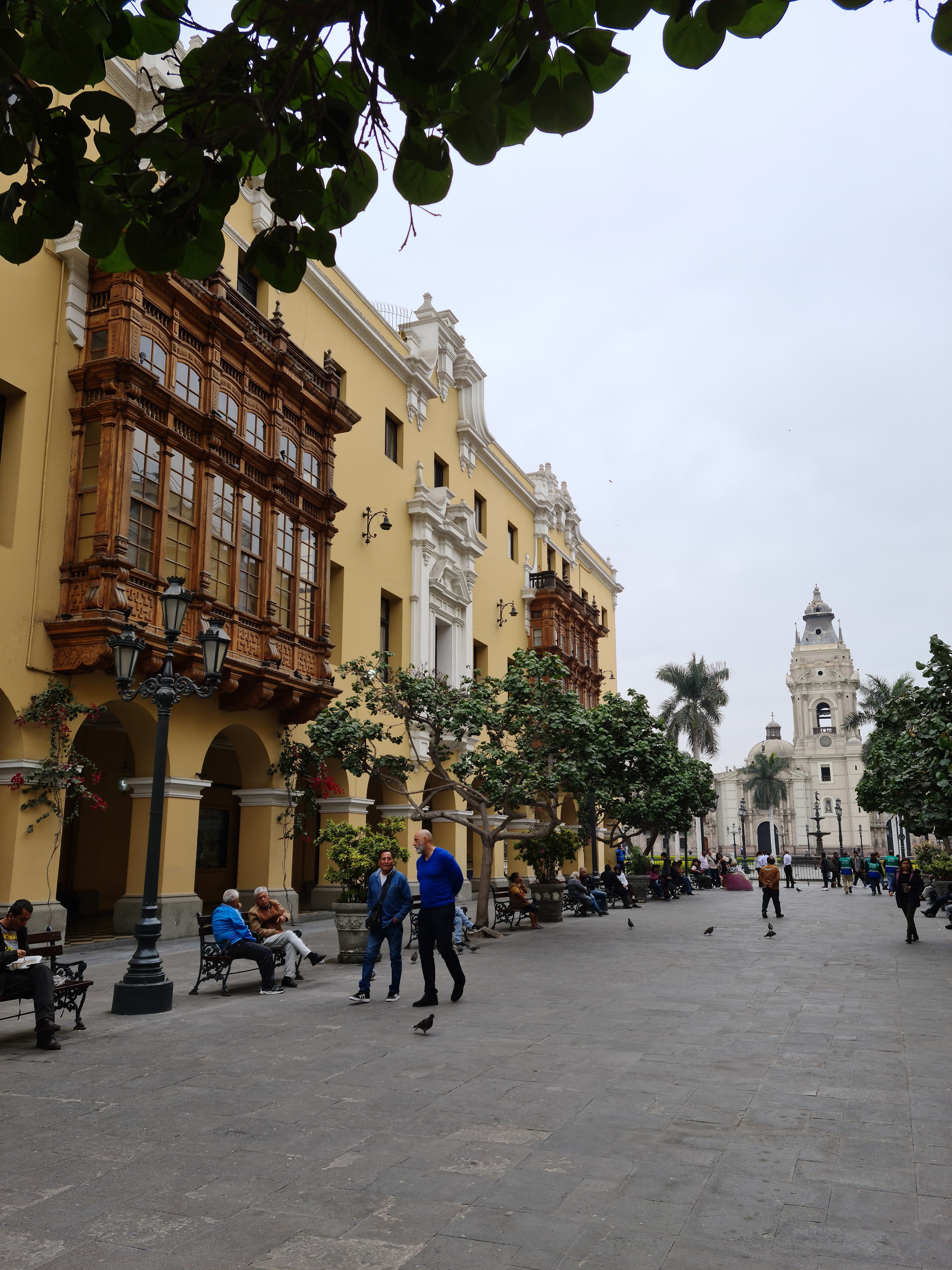
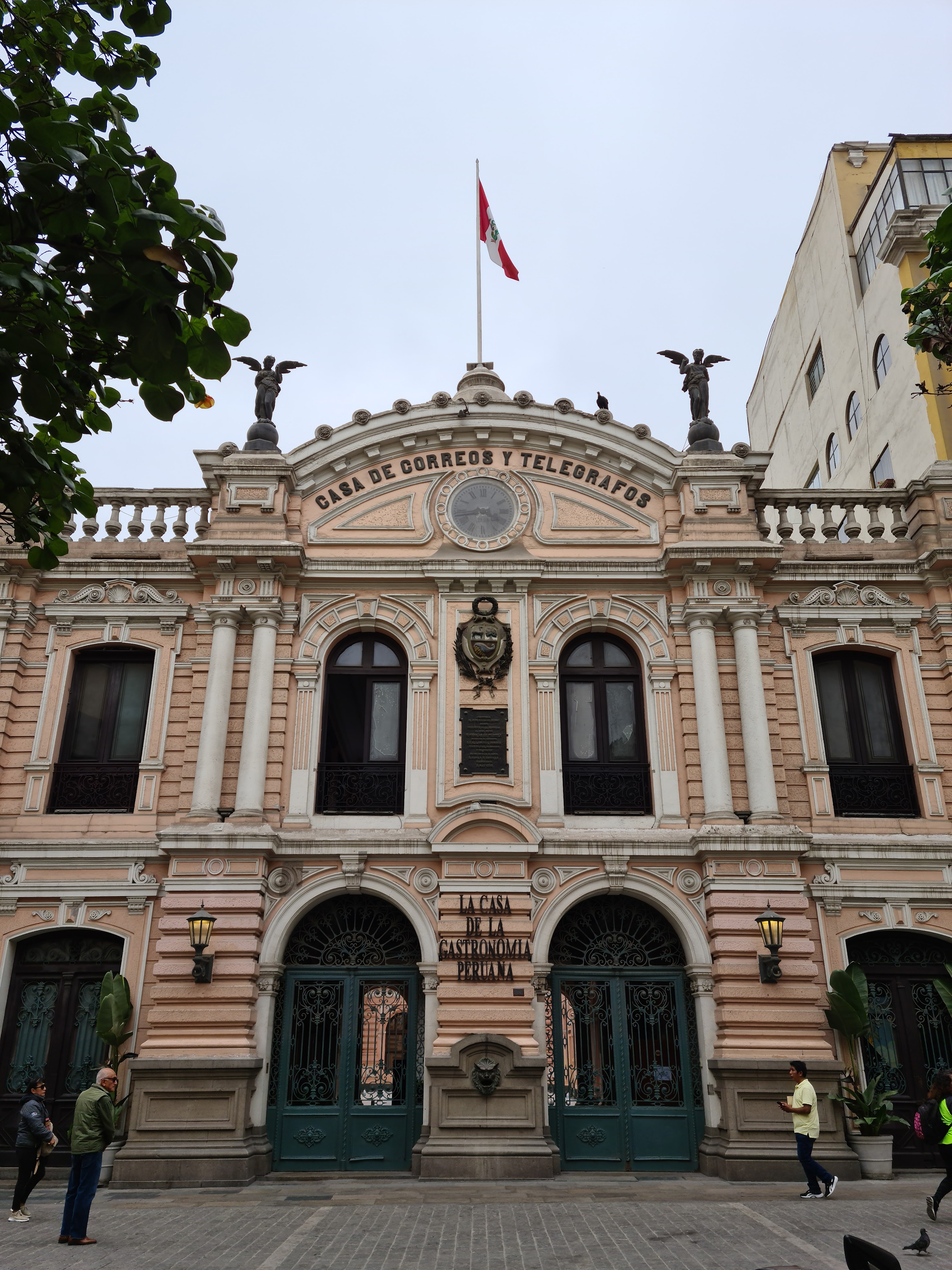
In the middle of the day, we could still move around these edges though and get to see the beautiful cedarwood balconies and building details here and in the rest of the centro historico. Apparently it never rains in Lima, only drizzles, and so the cedarwood doesn’t degrade like it might elsewhere.
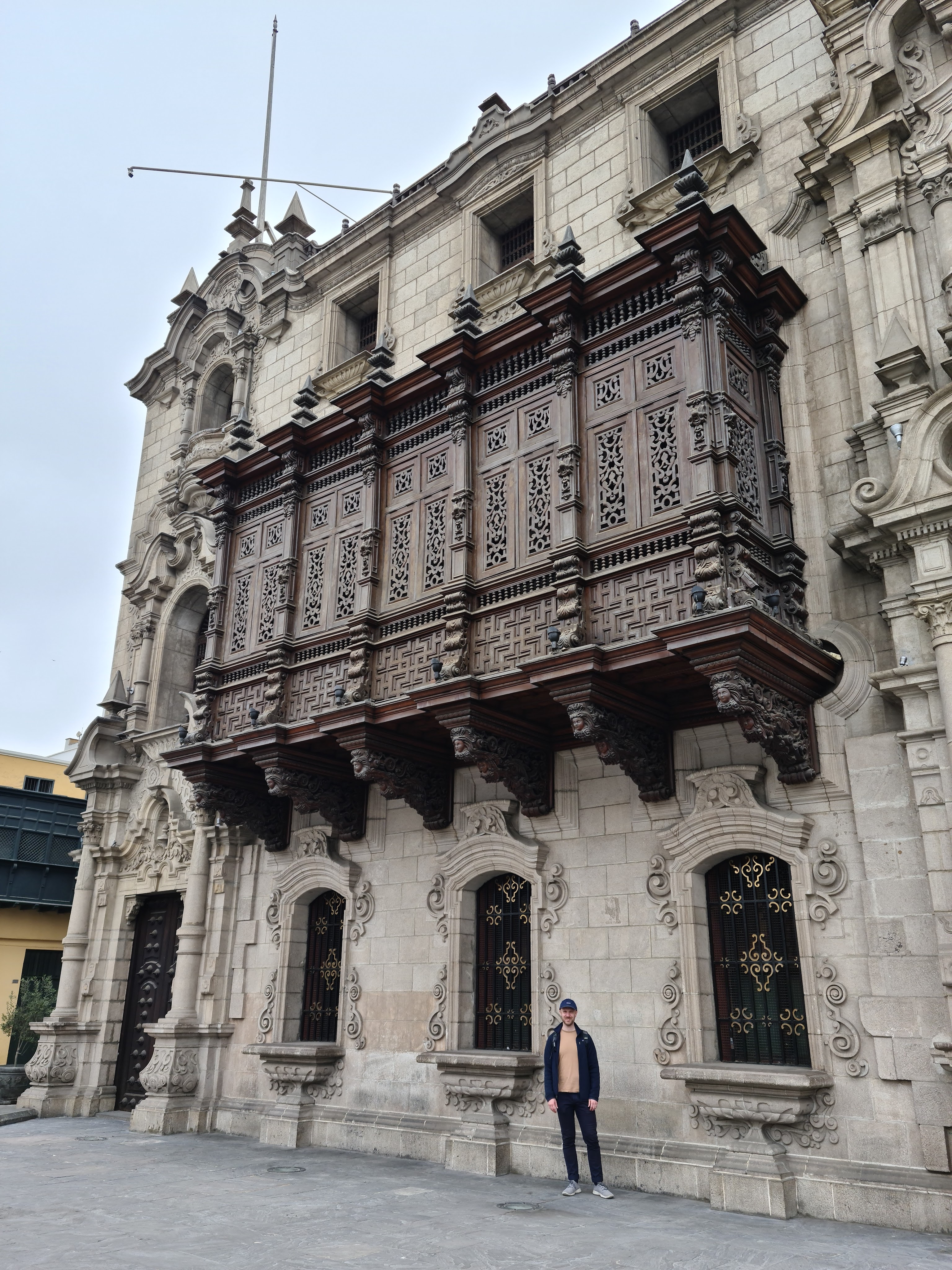
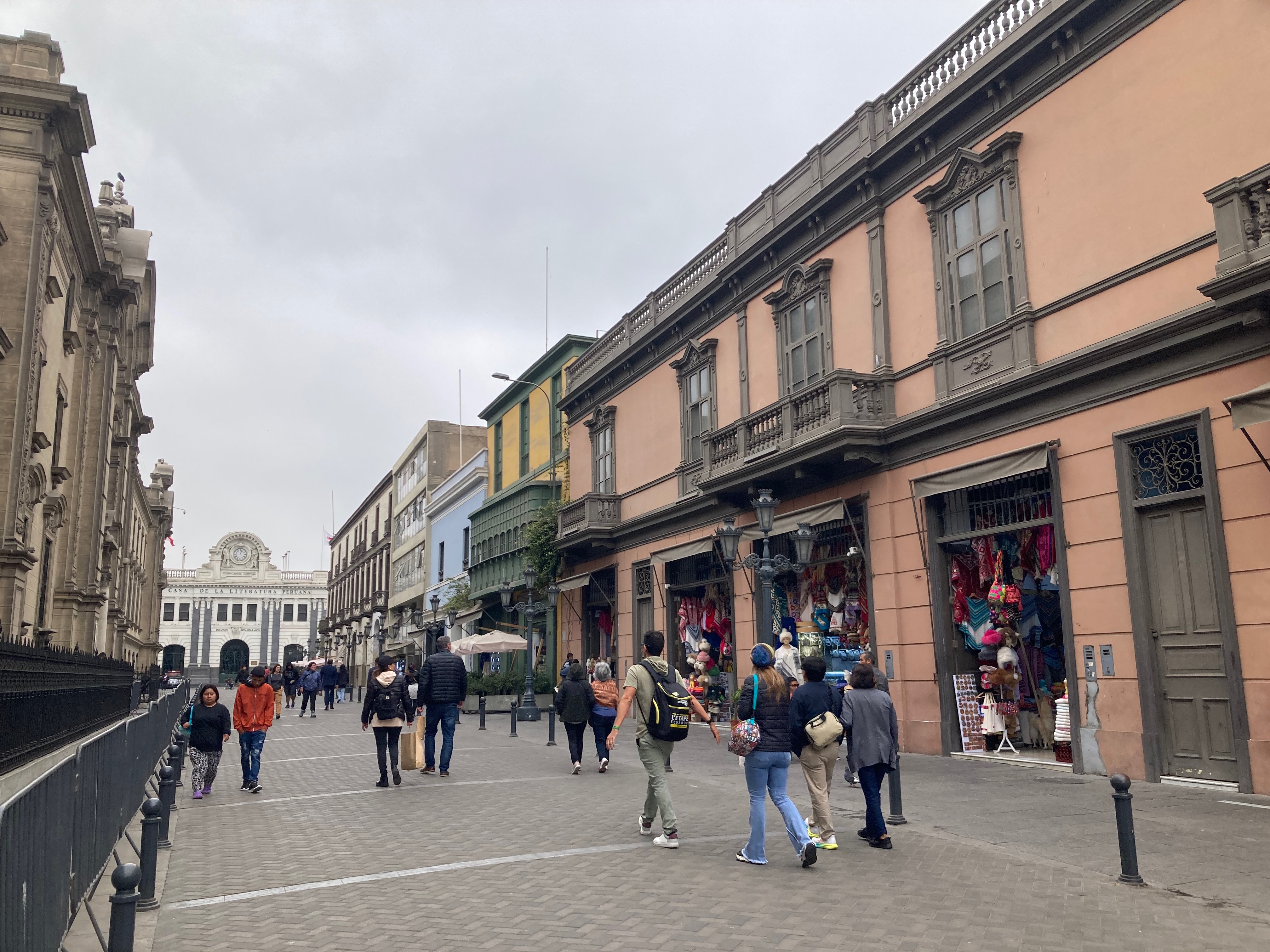
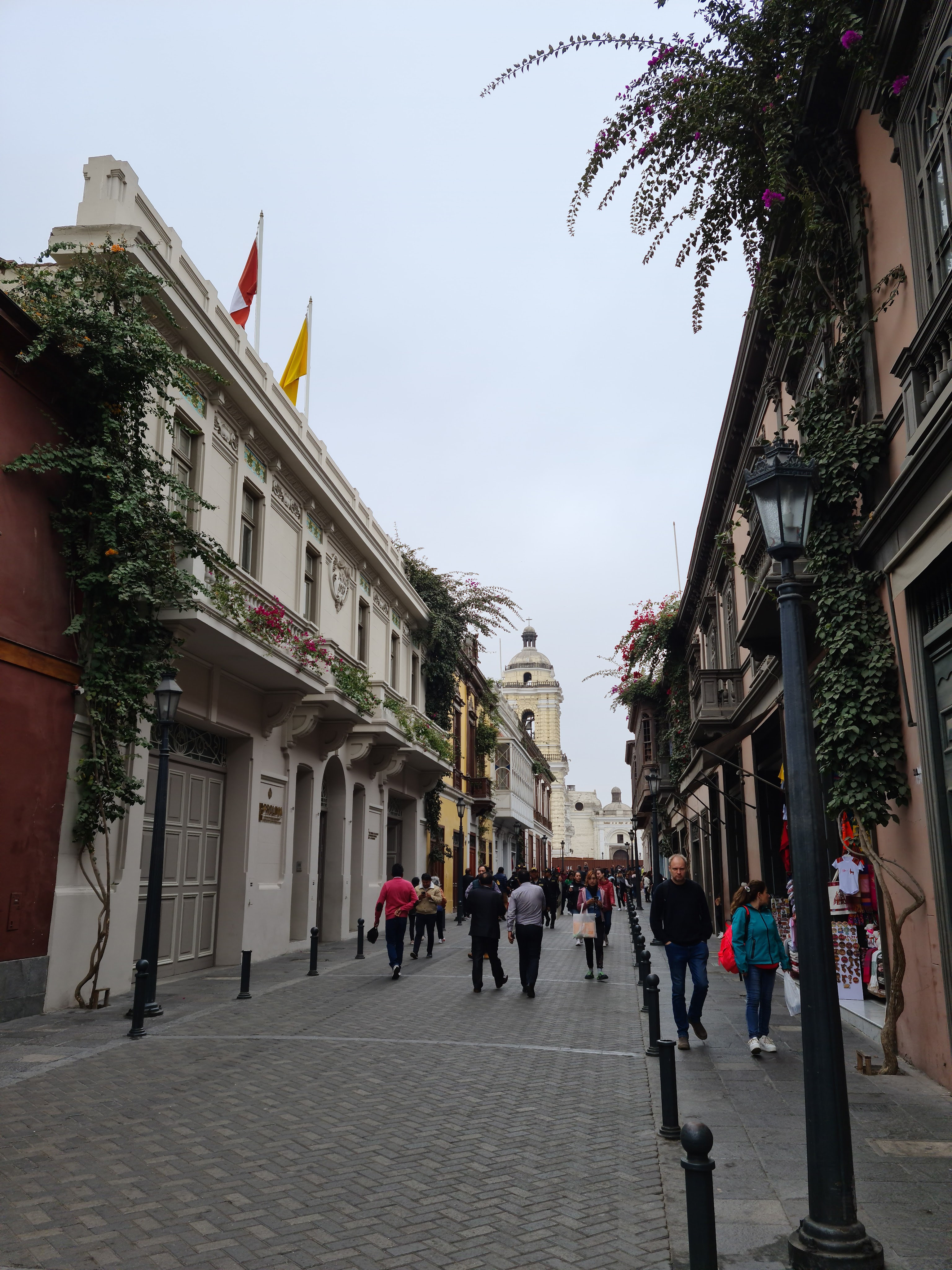
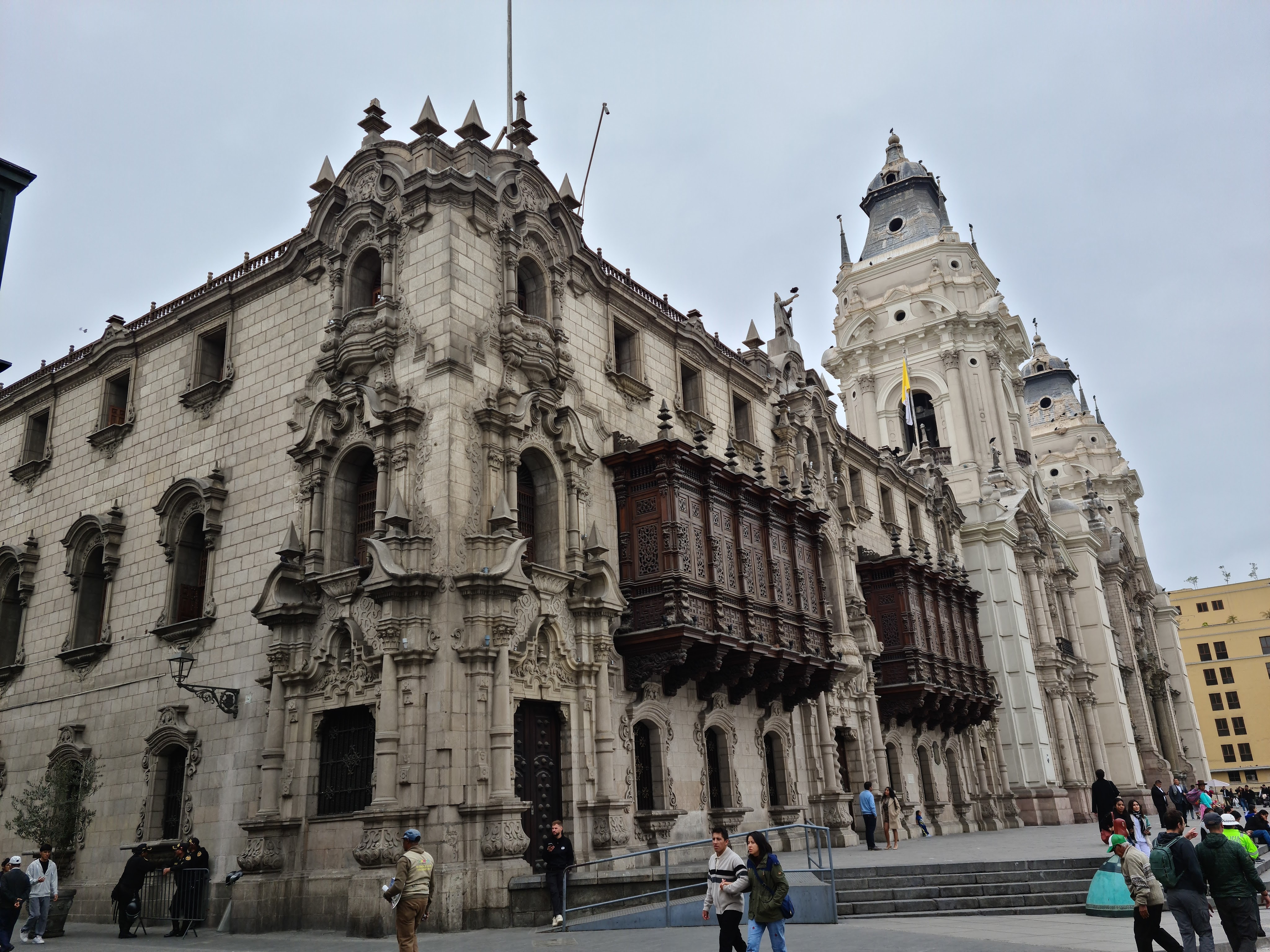
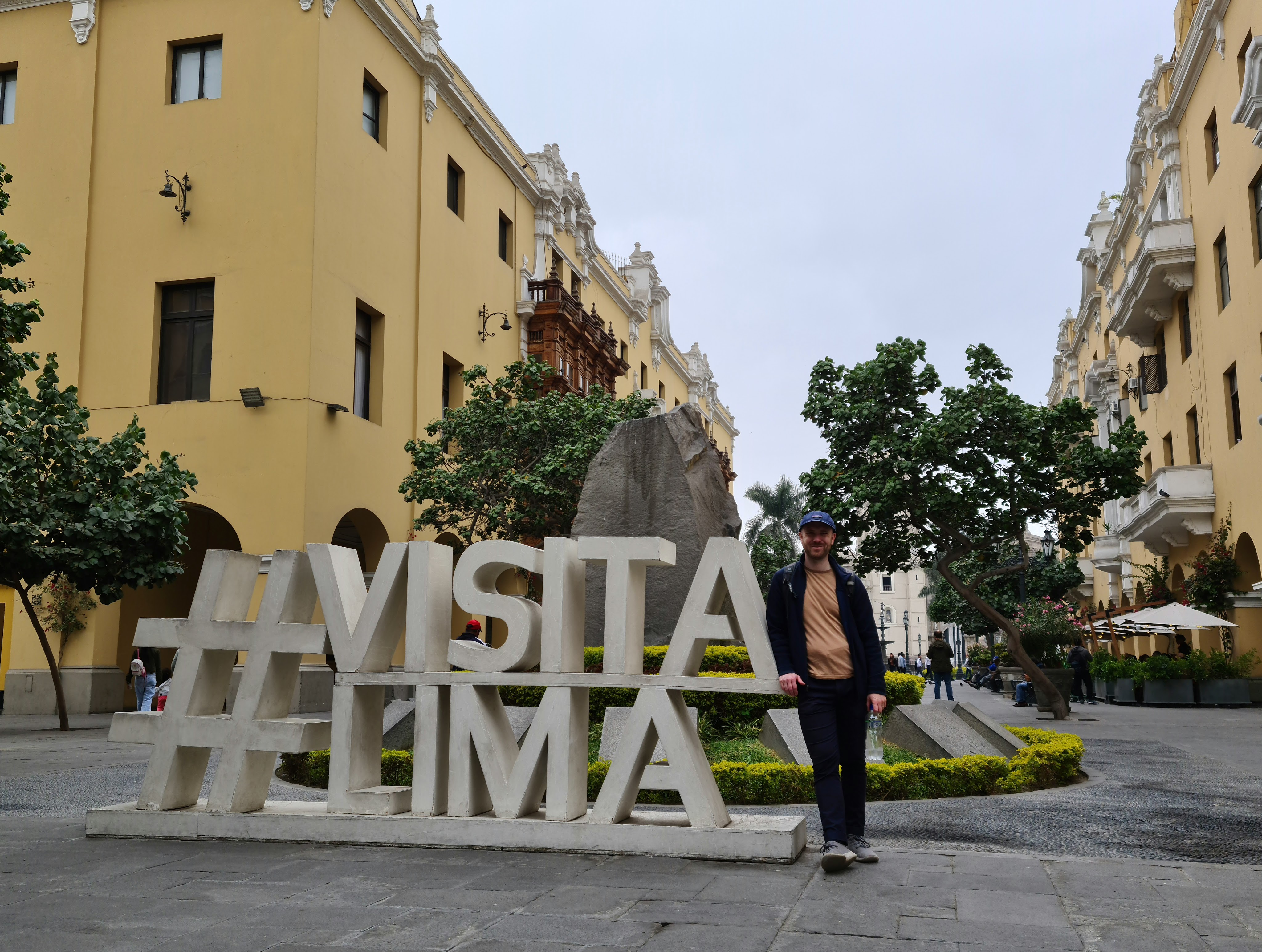
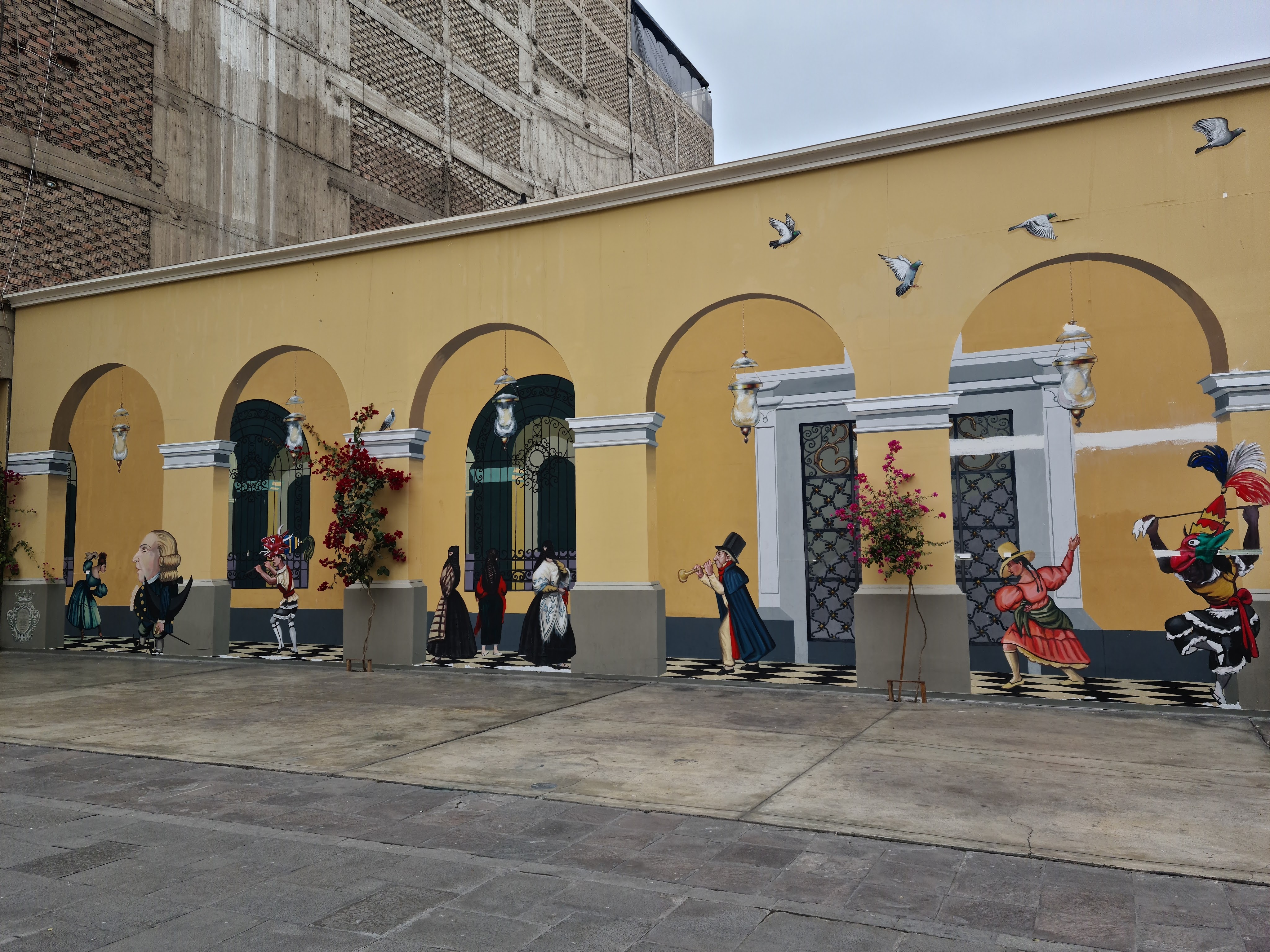
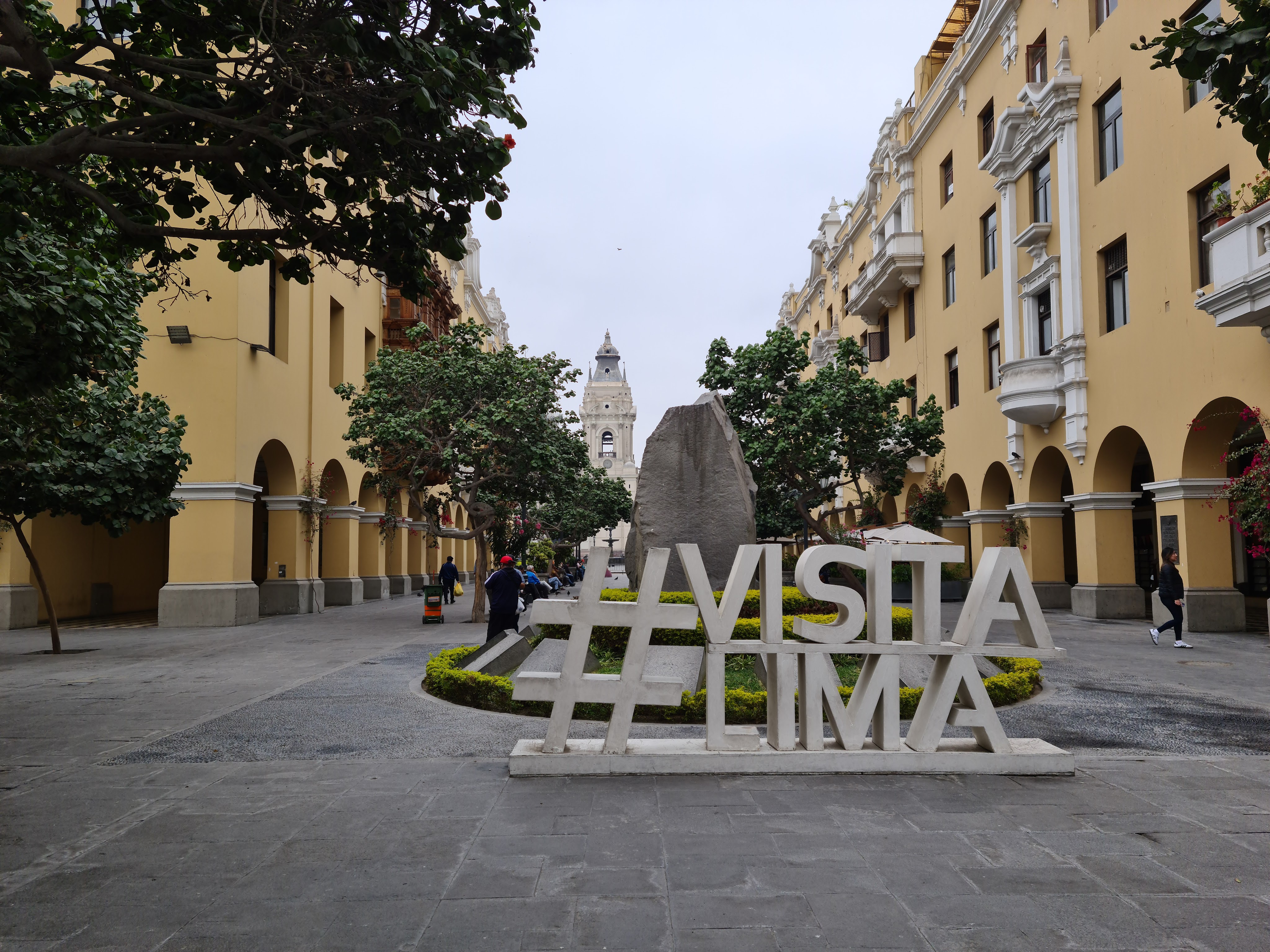

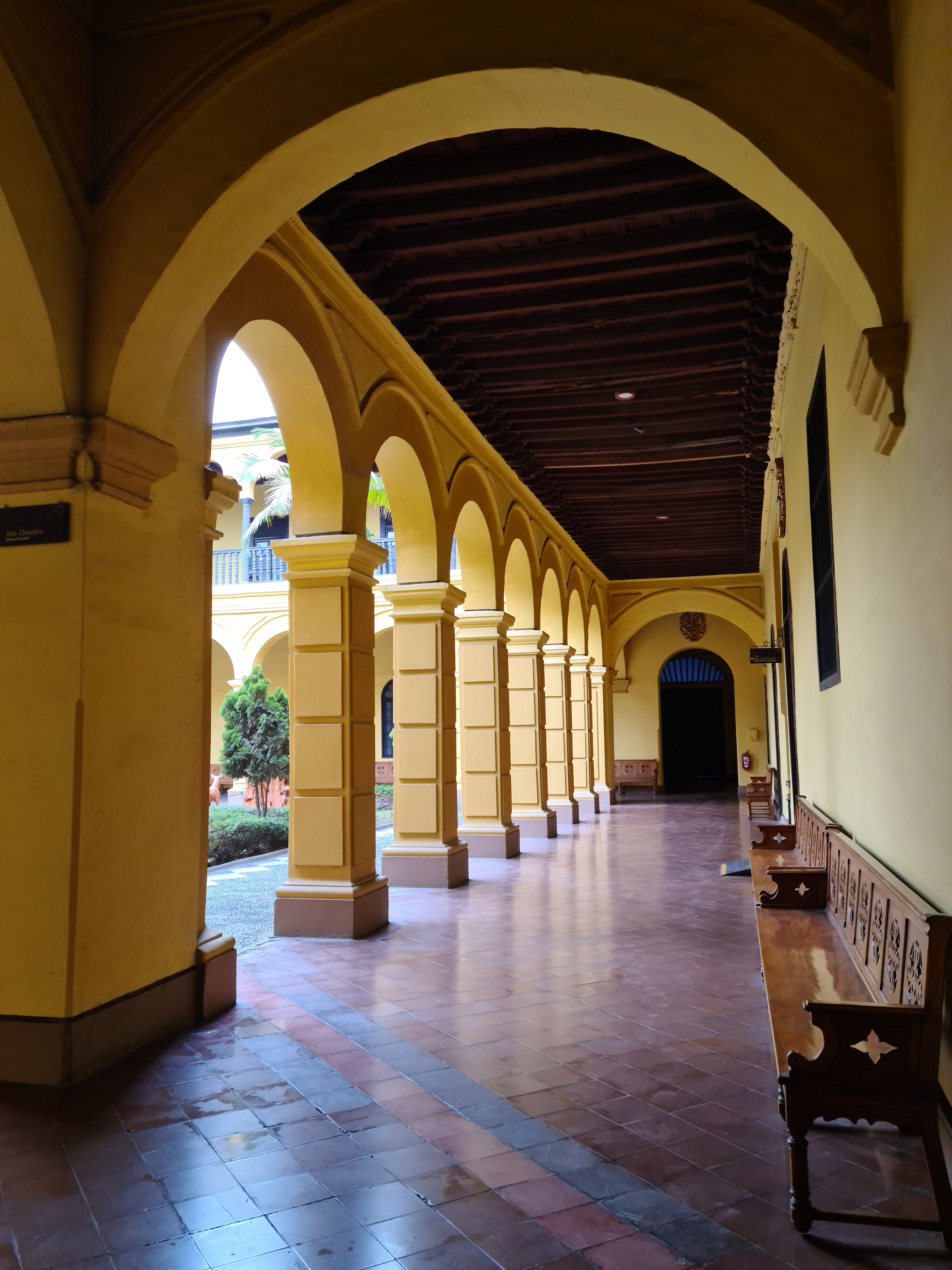
In perfect timing, we arrived at the Convento de San Francisco just as one of the ad-hoc tours was starting. Unfortunately no interior photos are allowed, but it was a beautiful place with more cedarwood detailing, murals, a plant filled courtyard…and most interestingly of all a crypt with ossuary.
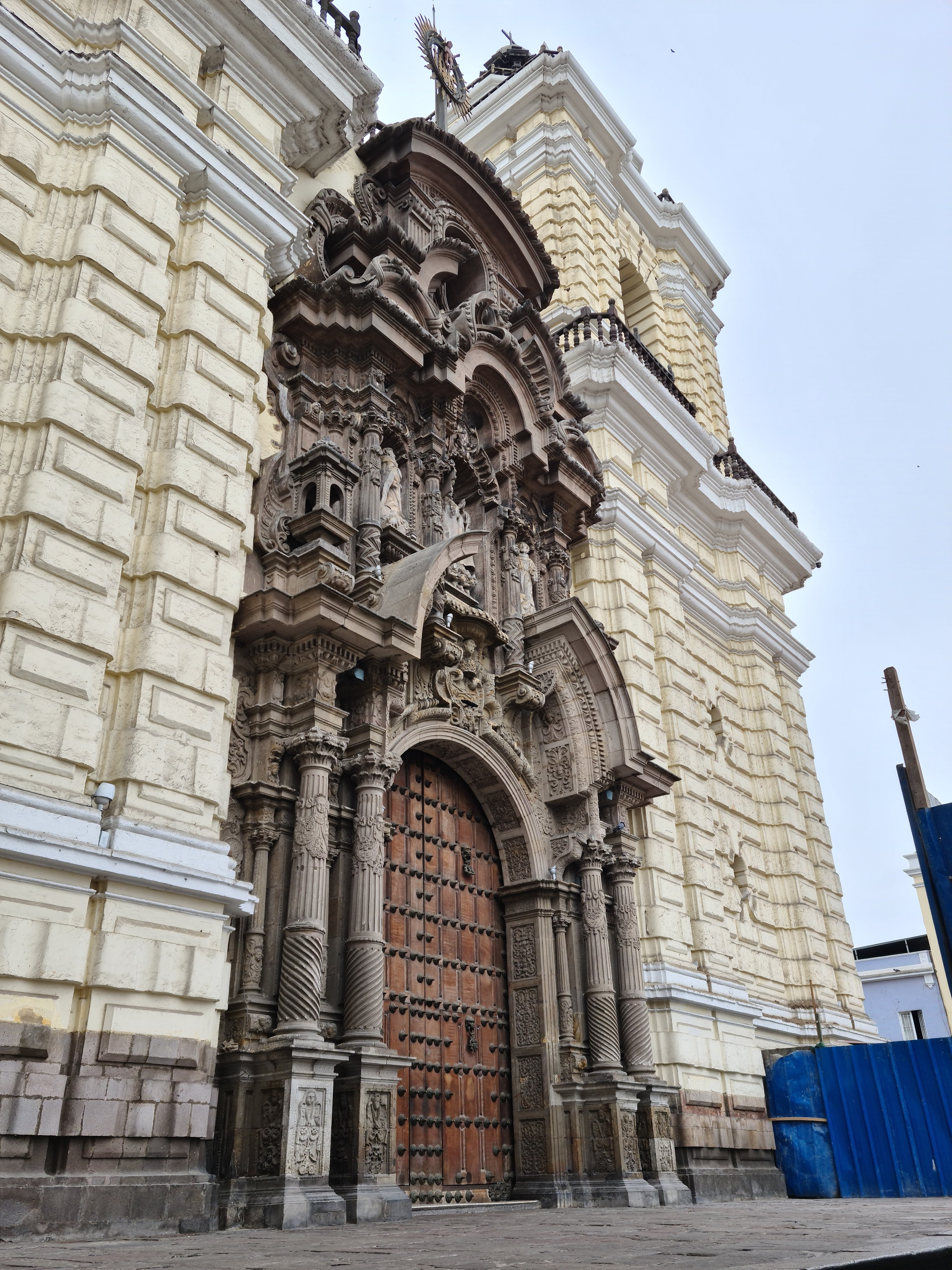
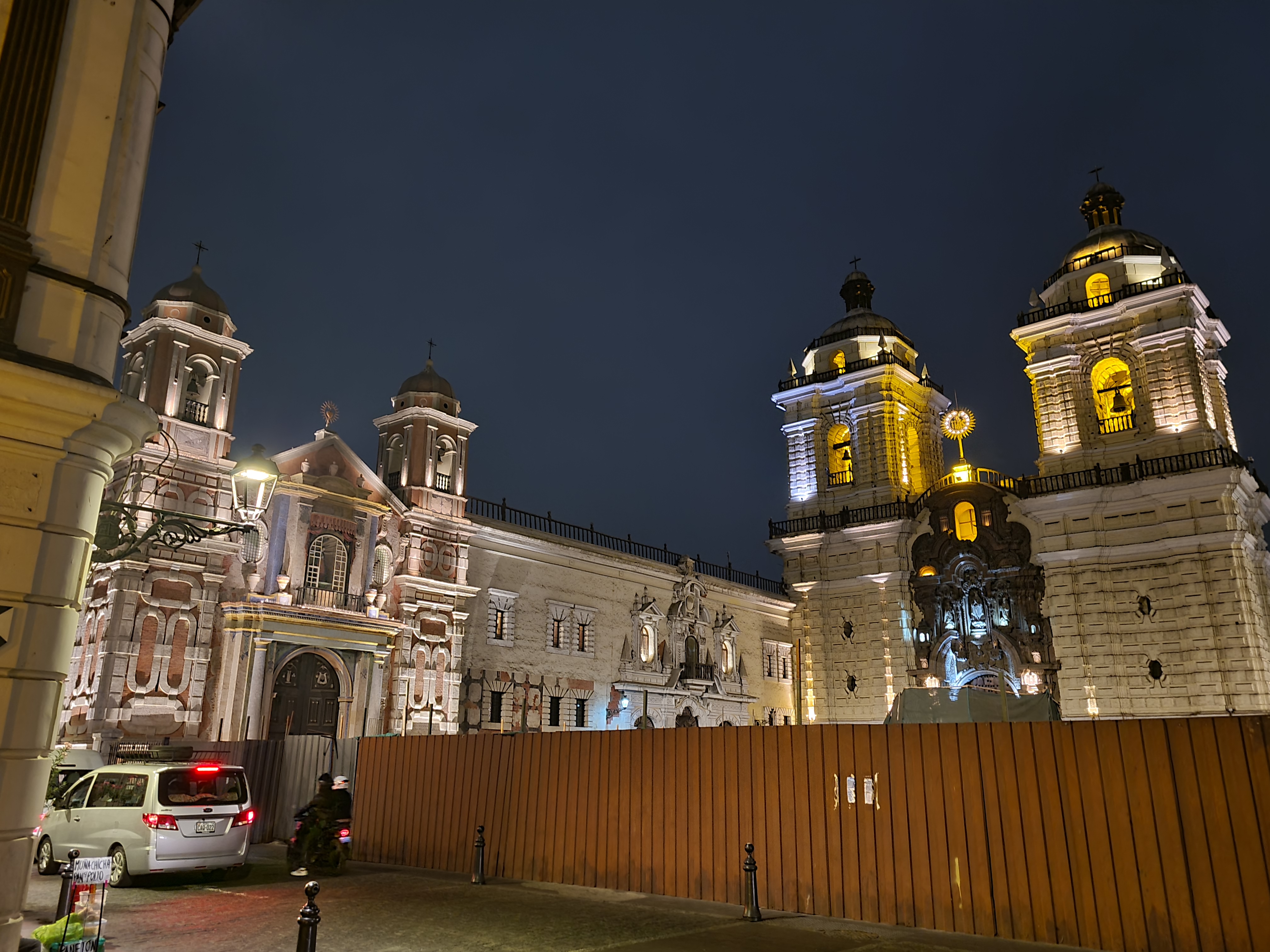
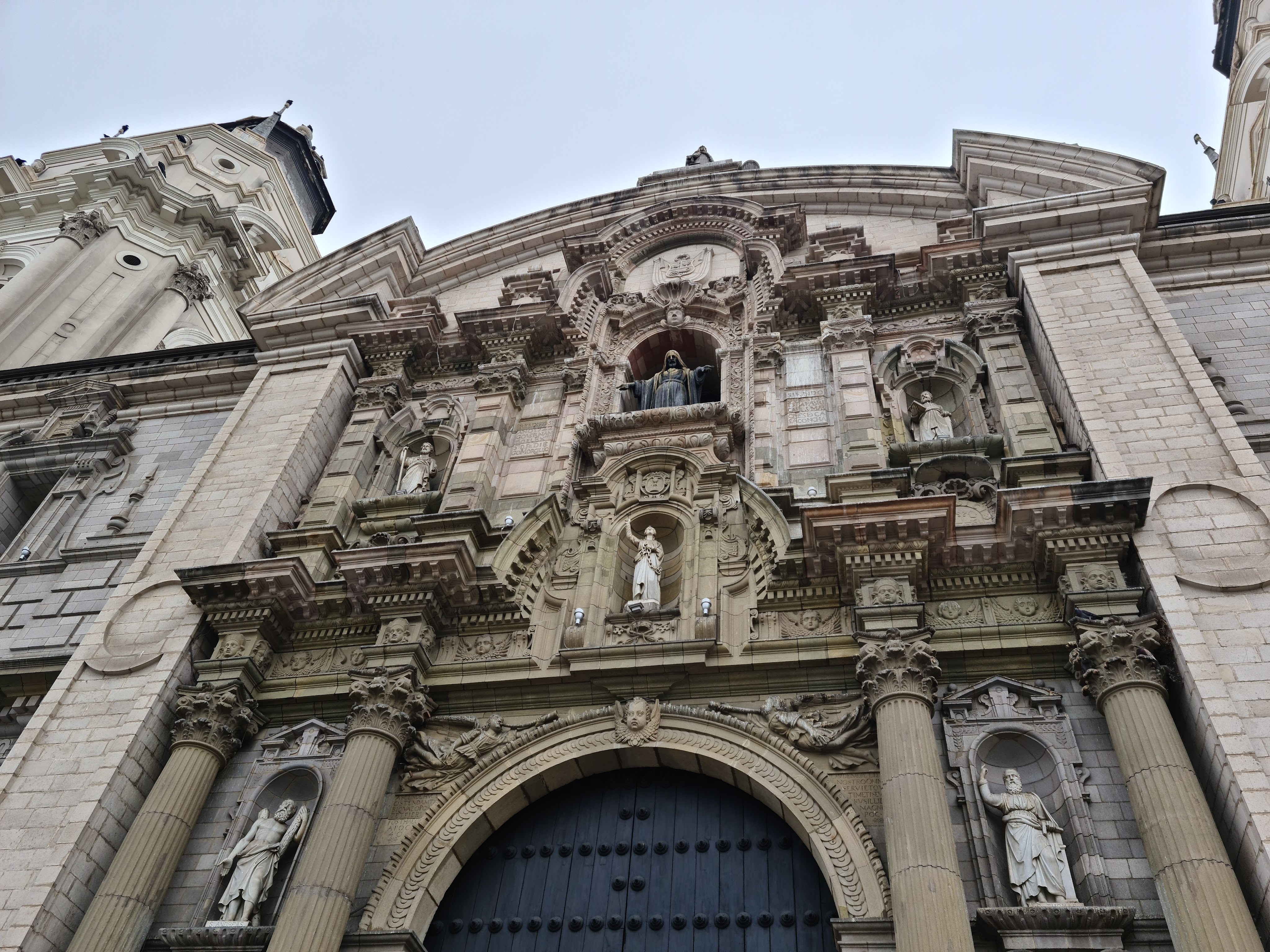
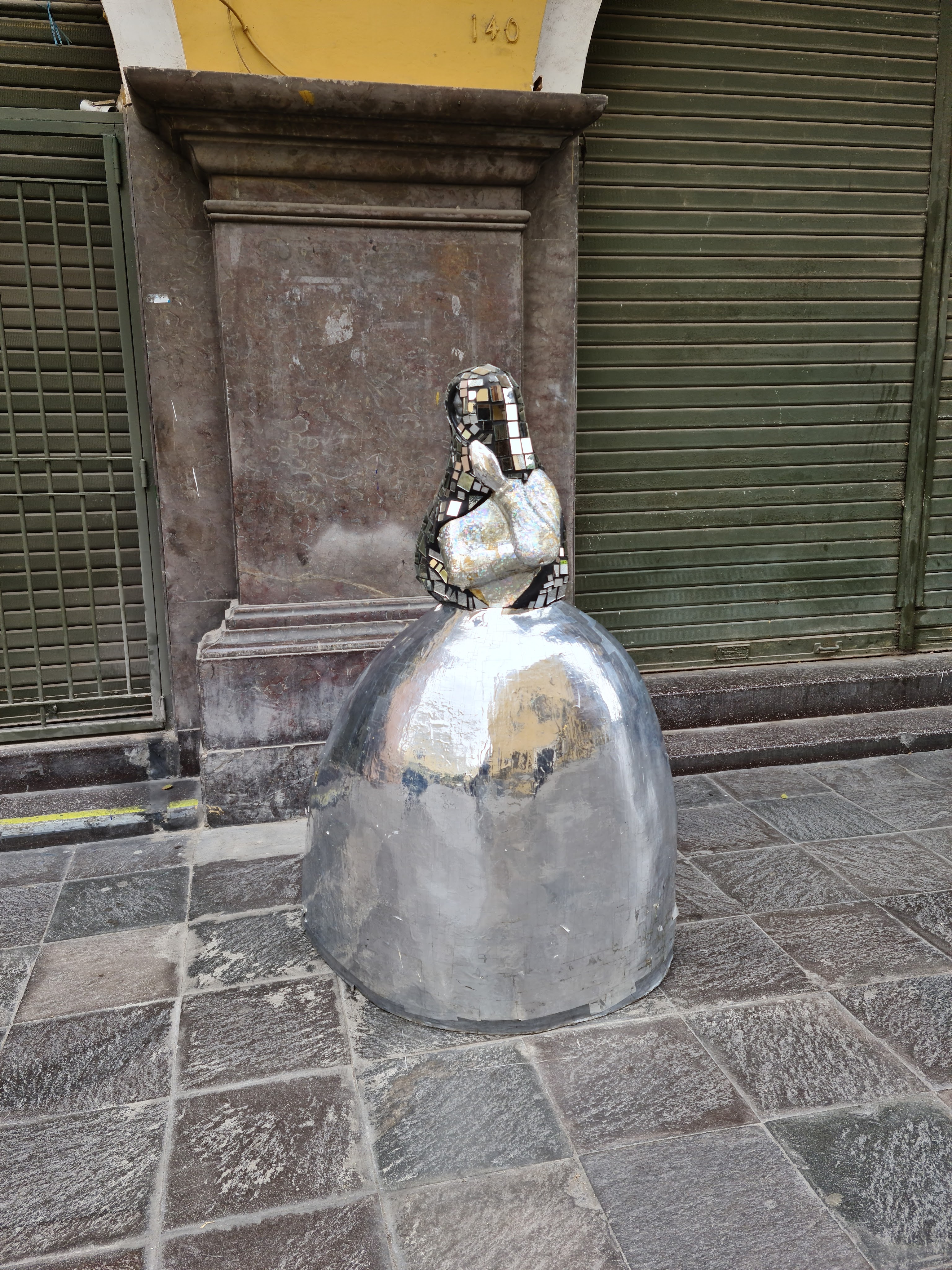
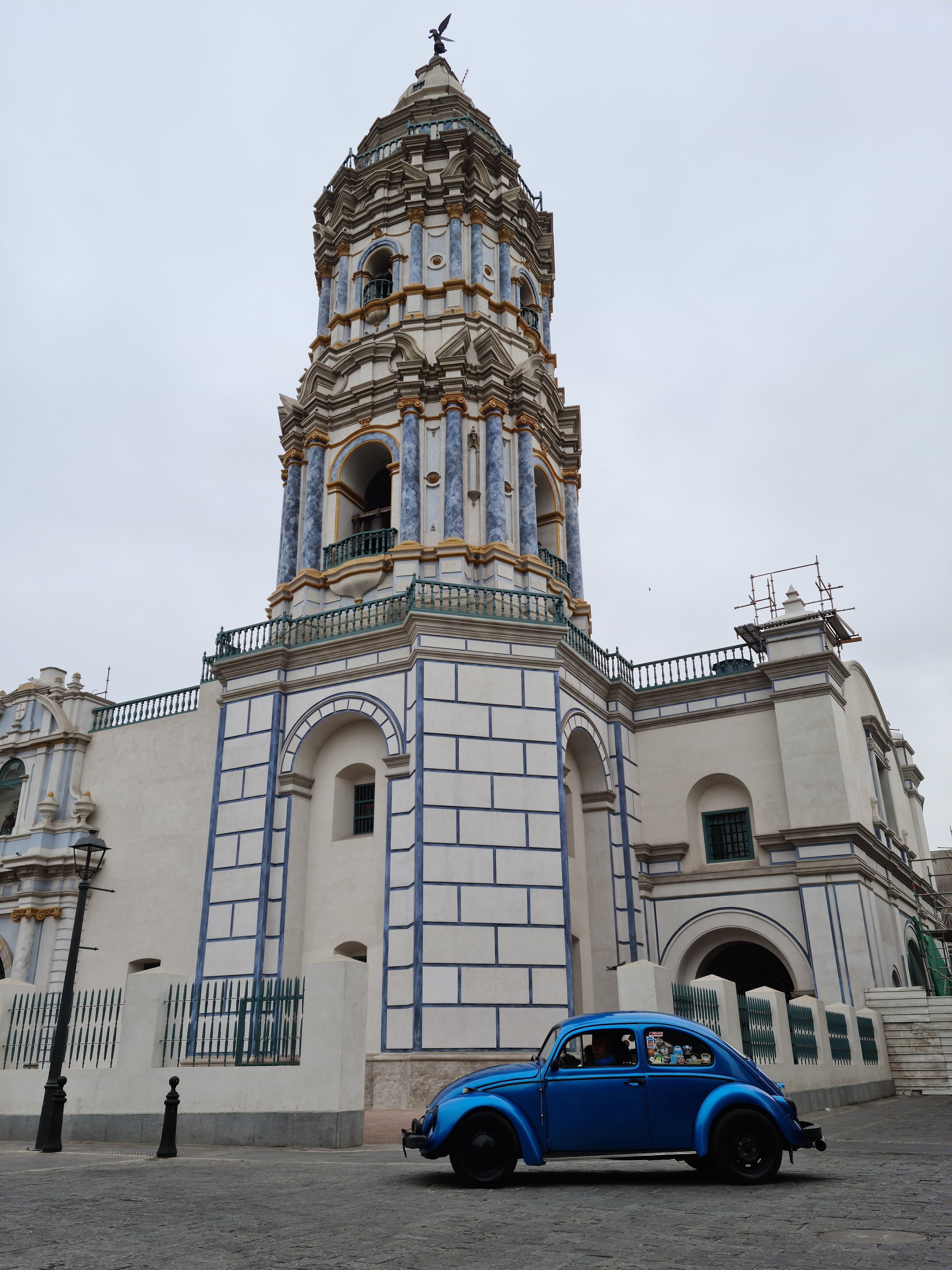
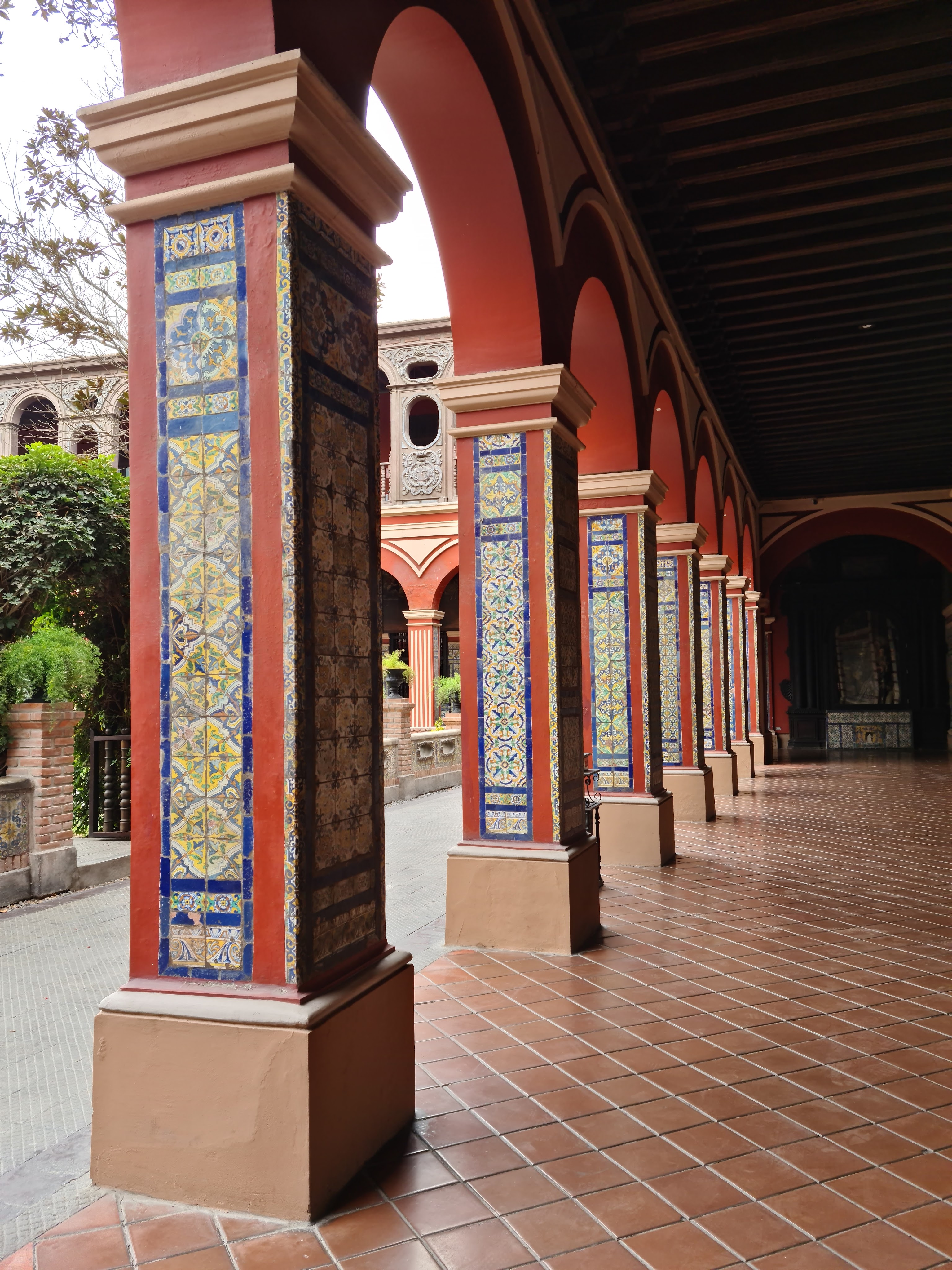
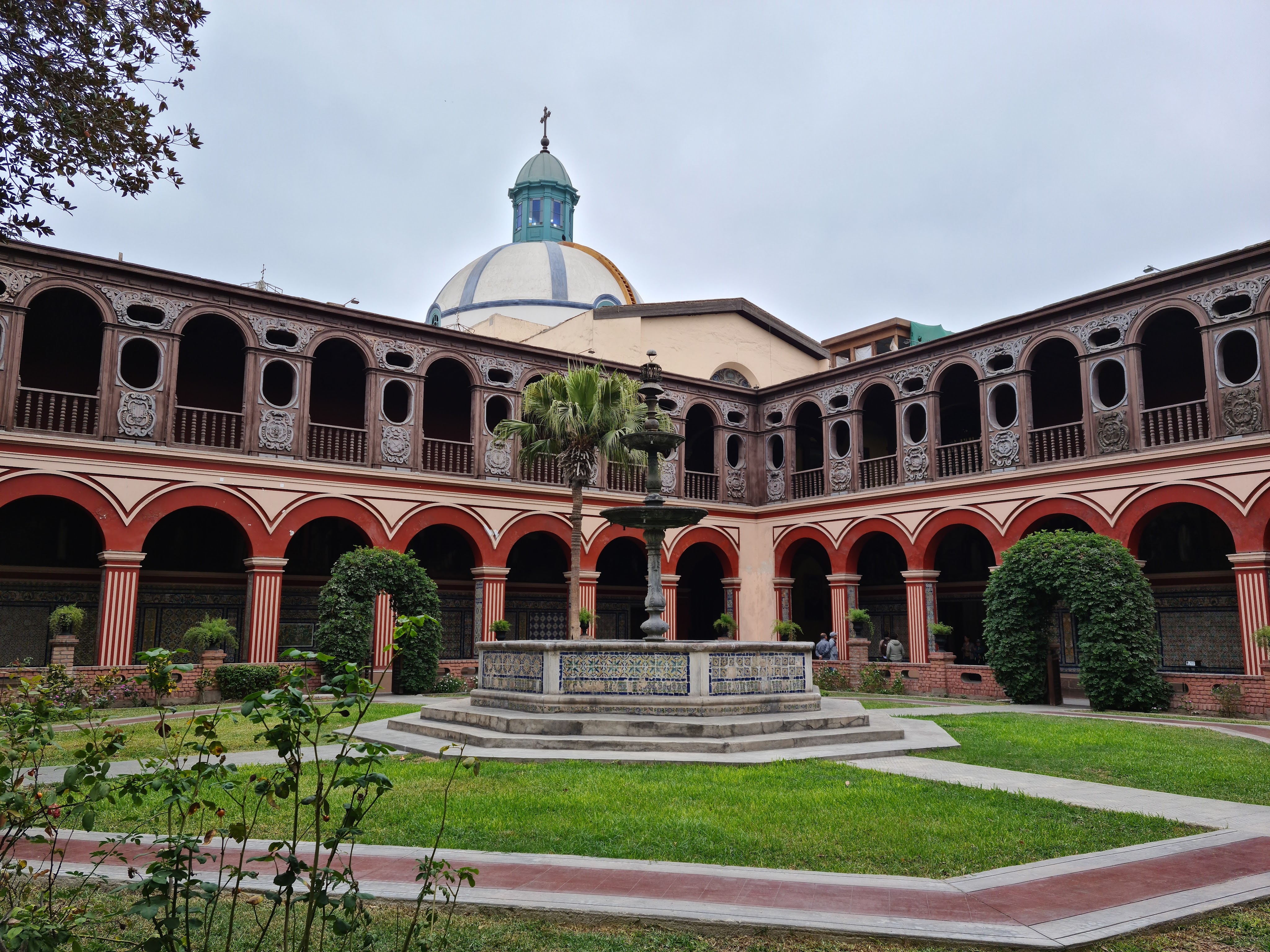
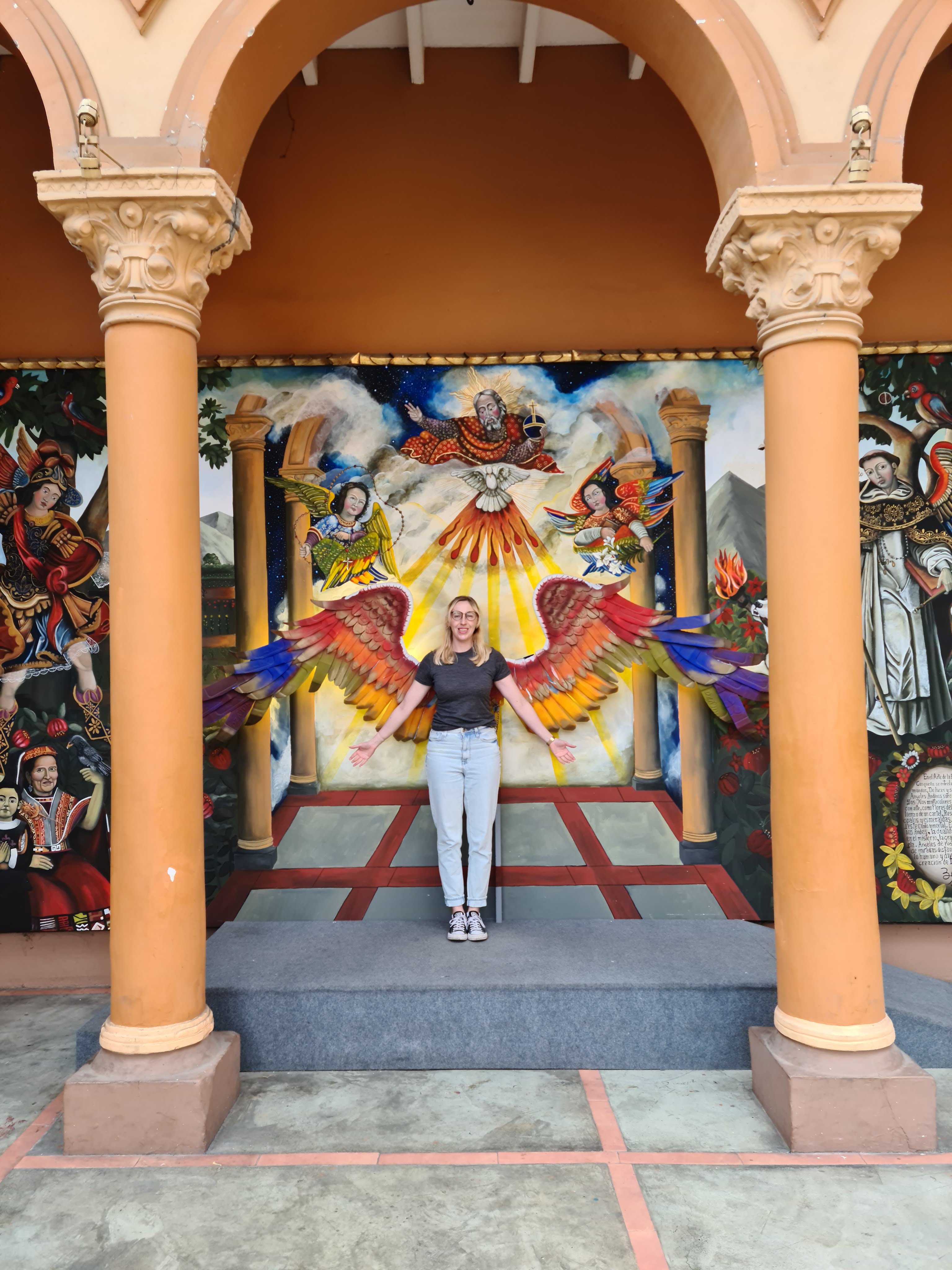
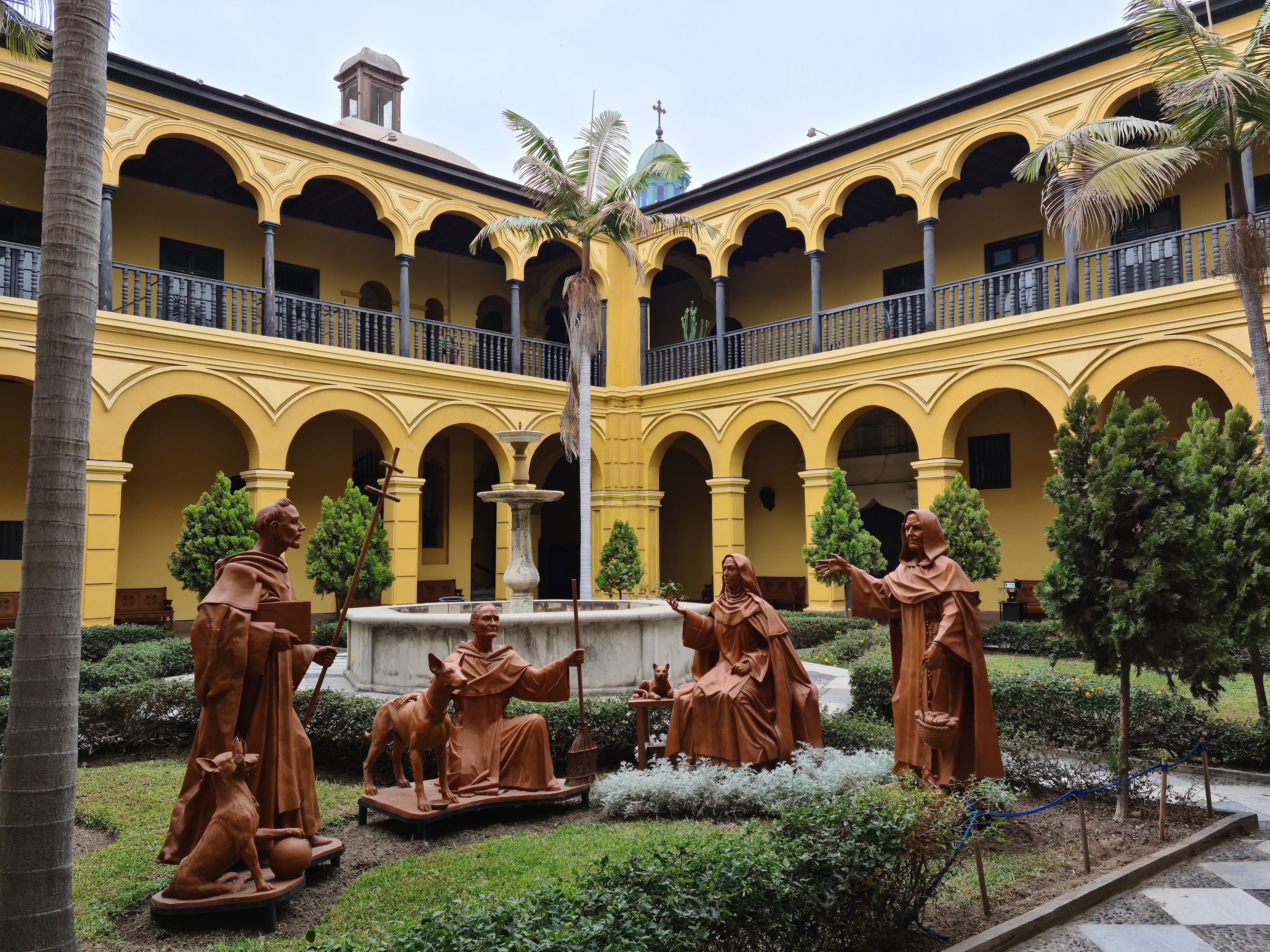
Keeping up the religious sightseeing, we also visited the Basilica and Convent of Santa Maria. This too was an attractive building, with some fun photo ops thrown in too. Compared to the Convento de San Francisco, we also had it virtually to ourselves.


We spent the late afternoon/evening doing our first food tour of the year. We often build these into our holiday itineraries but have avoided doing them most of this year as we’ve been staying in places long enough to figure things out for ourselves. Peru is considered by many to have the best and most varied cuisine in the world though, and with only two days in Lima and a packed itinerary to follow, we didn’t want to miss anything. The tour we picked would also be focussing on the lesser known Peruvian offerings. Fine by us, as we had already got our ceviche and pisco sours in the night before.
Most of what we tried is pictured below.
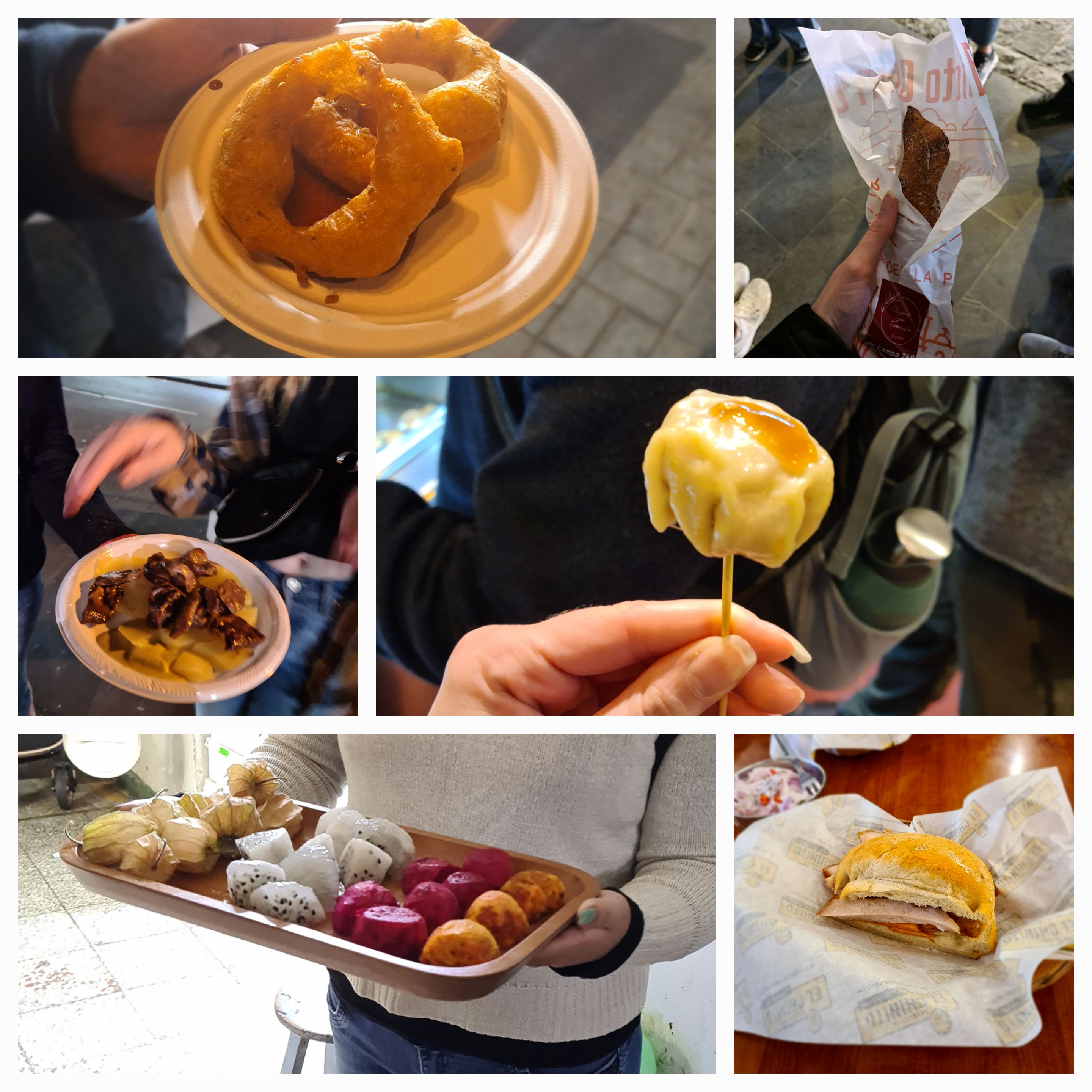
Clockwise from top: Picarones (aniseed flavoured squash doughnuts, served with a syrup), world’s best churro, anticucho (beef heart), Chinese dumpling, assorted fruits, chicarron sandwich


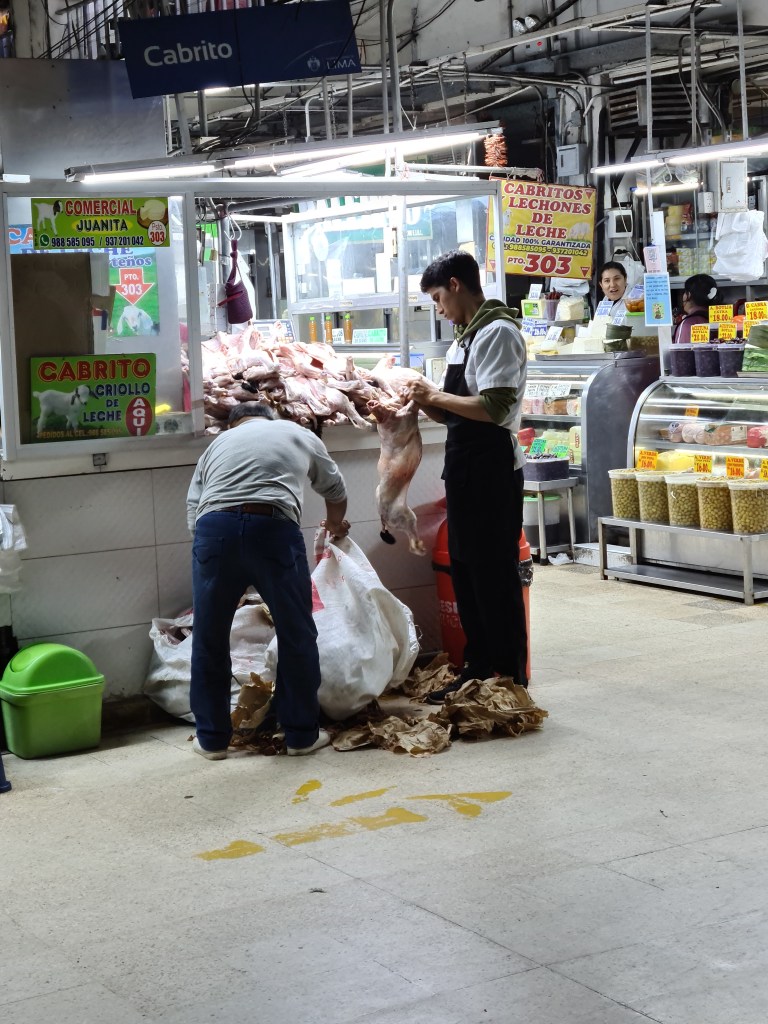
Bonus market pics including purple corn and potatoes. There are 2,000 – 4,000 varieties of potato in Peru (you get a different number from whoever you ask), making it a top foodie country for me indeed! The butchers are handling goat kid.
The highlights though were the fruits from the market (including custard apple and the best physalis/cape gooseberry or “aguaymanto” I have ever tasted) and the churros. The latter were purchased at one of several churrerias on the same street, but the only one to have a queue, which led out the door and past the imitations.
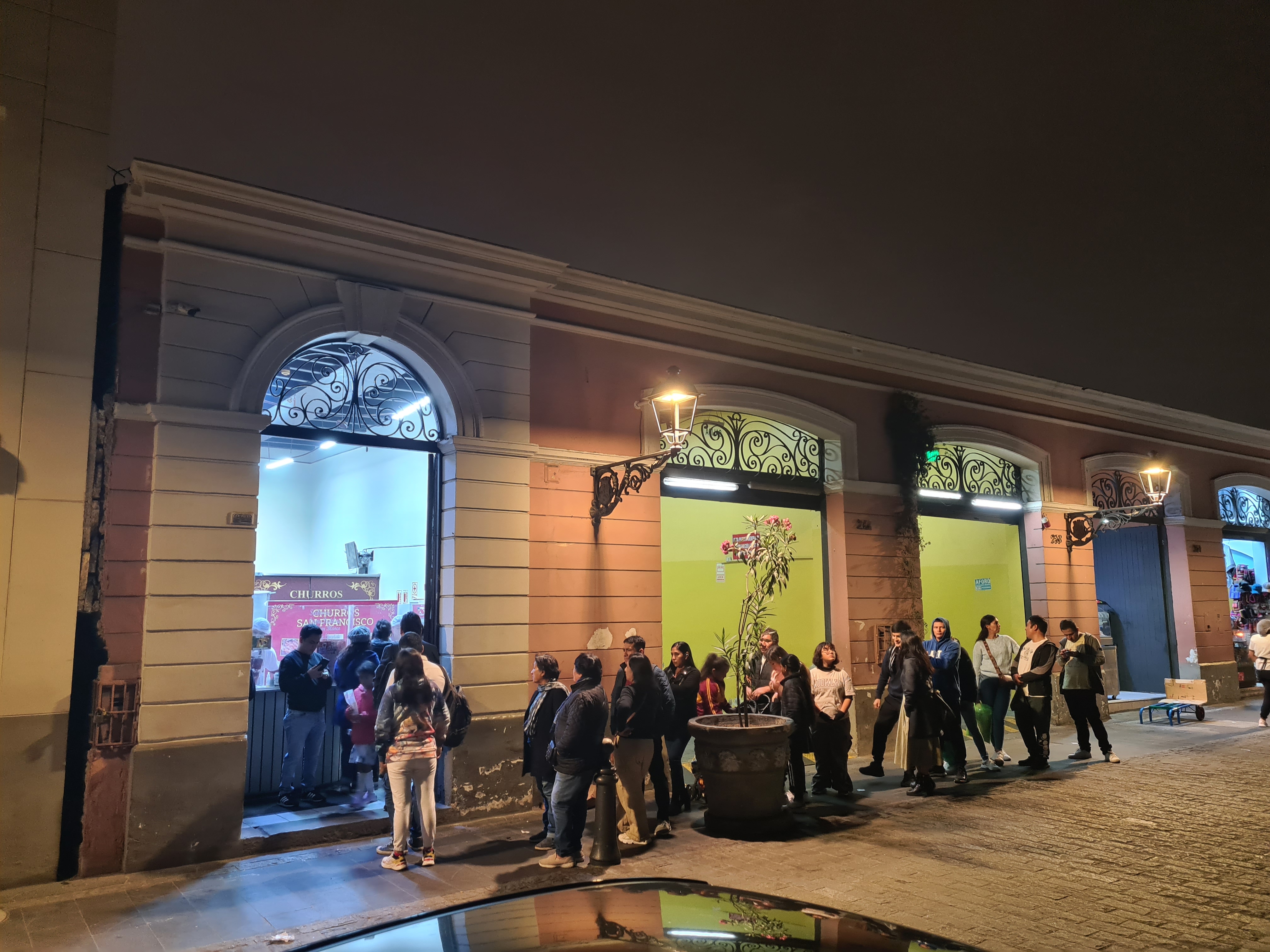
As part of an organised food tour, we didn’t have to wait in the queue, but I think those churros would have been worth it. Unusually they were fried with caramel inside, making them super decadent, but also super hazardous to the tongue!
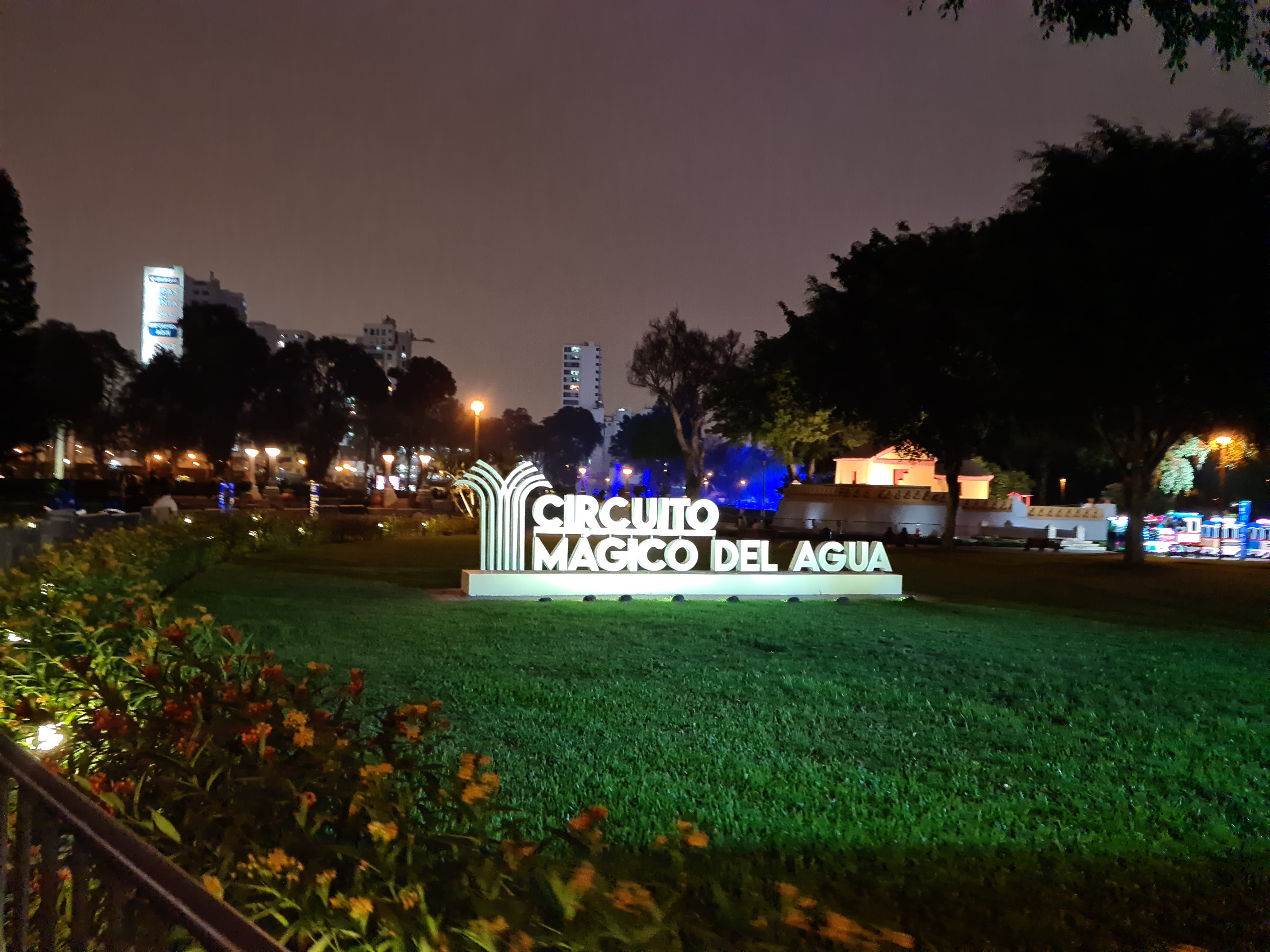
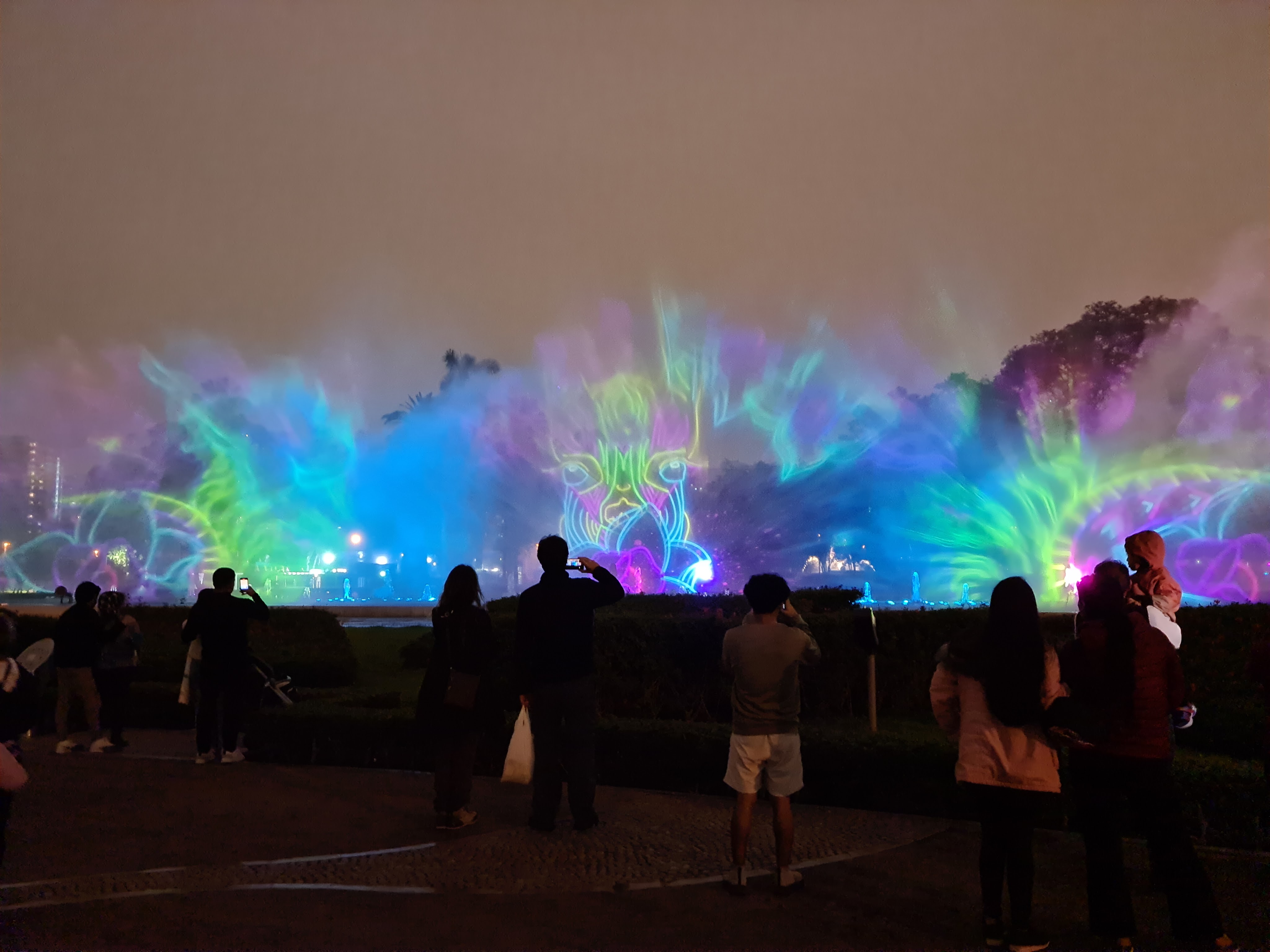
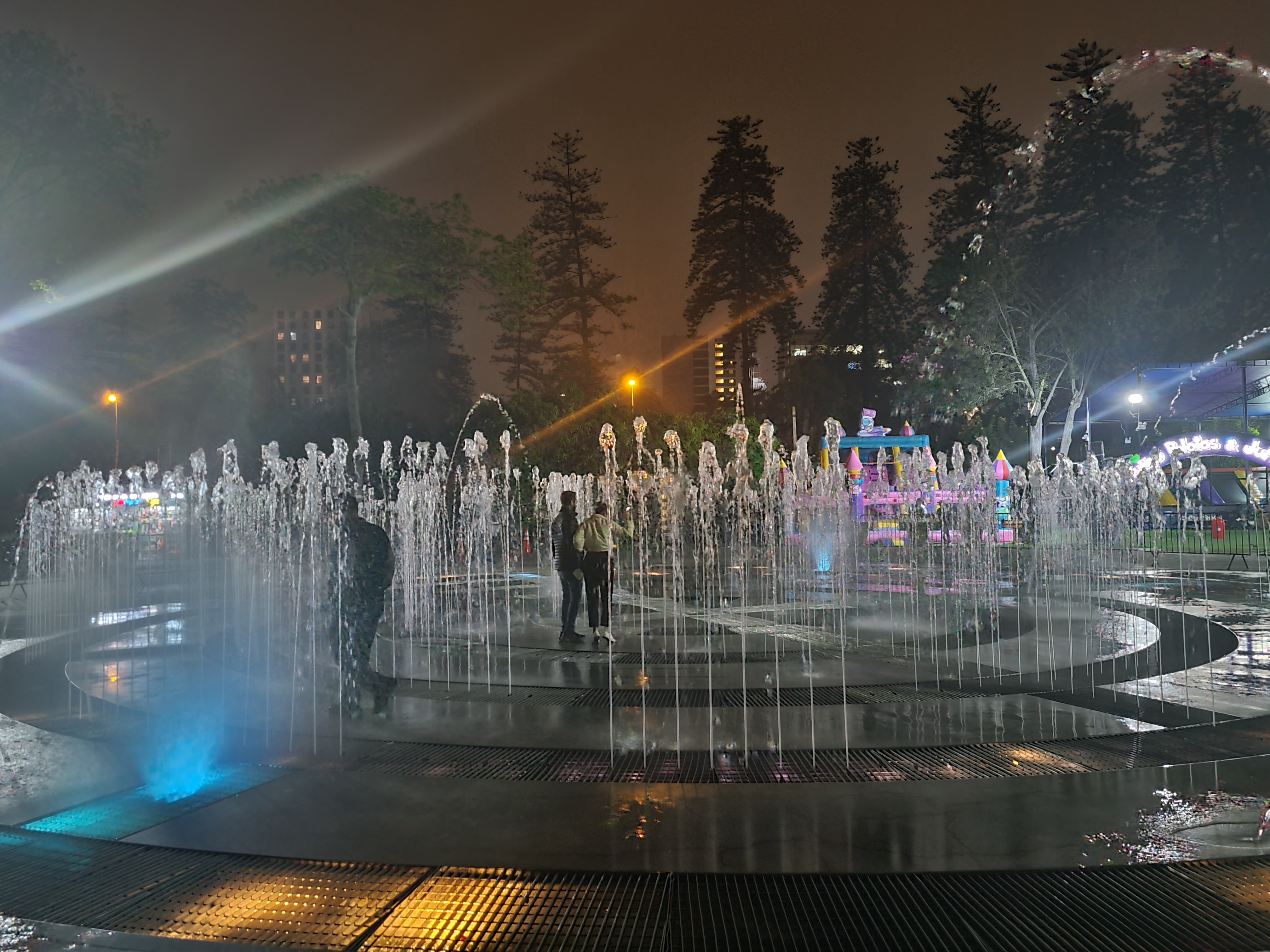
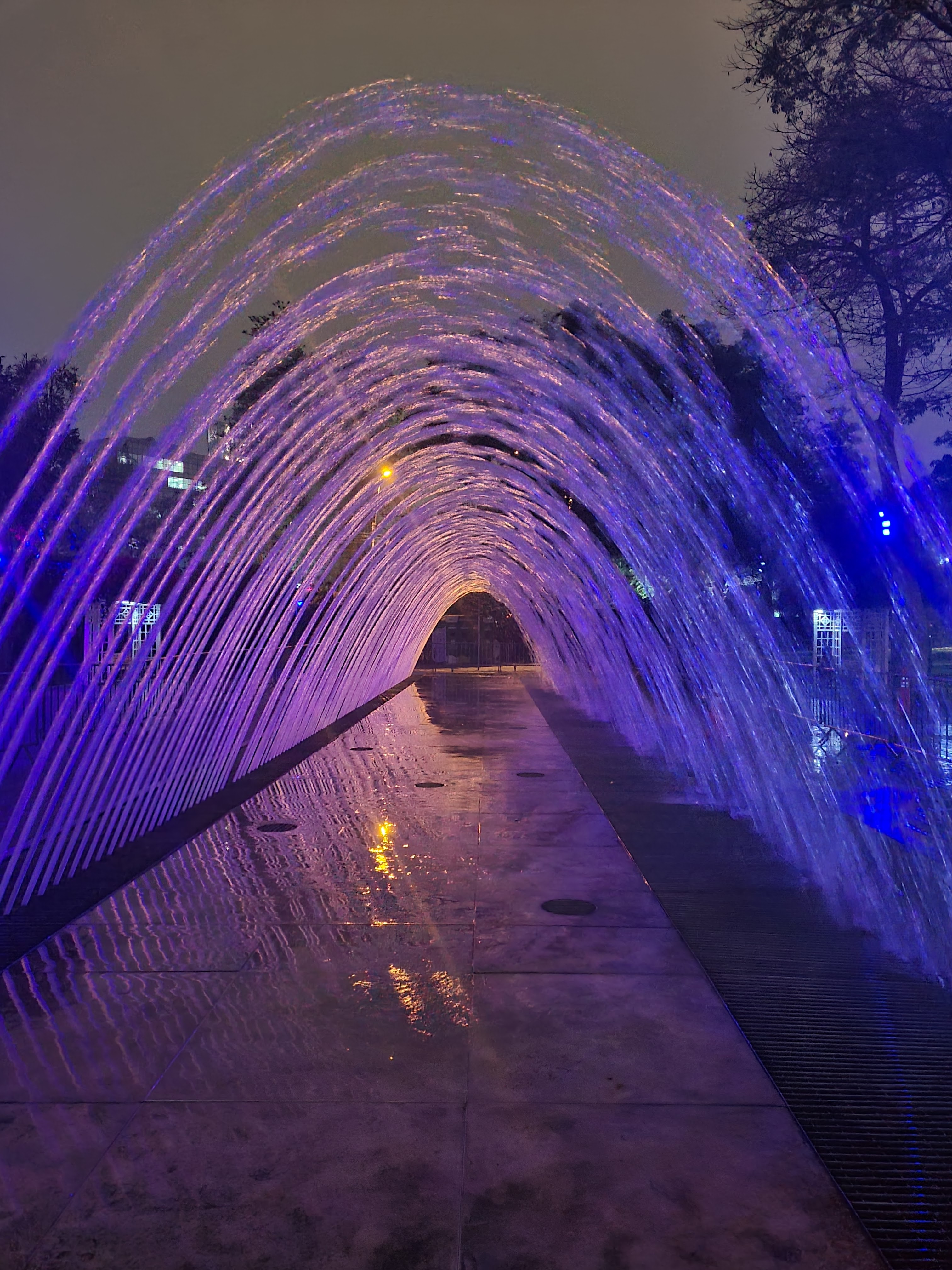
We rounded off the evening with a trip to the Magical Water Circuit which is apparently the world’s largest fountain park (I can only assume there aren’t many!). The pinnacle is the light show against a 120m wide fountain pool.

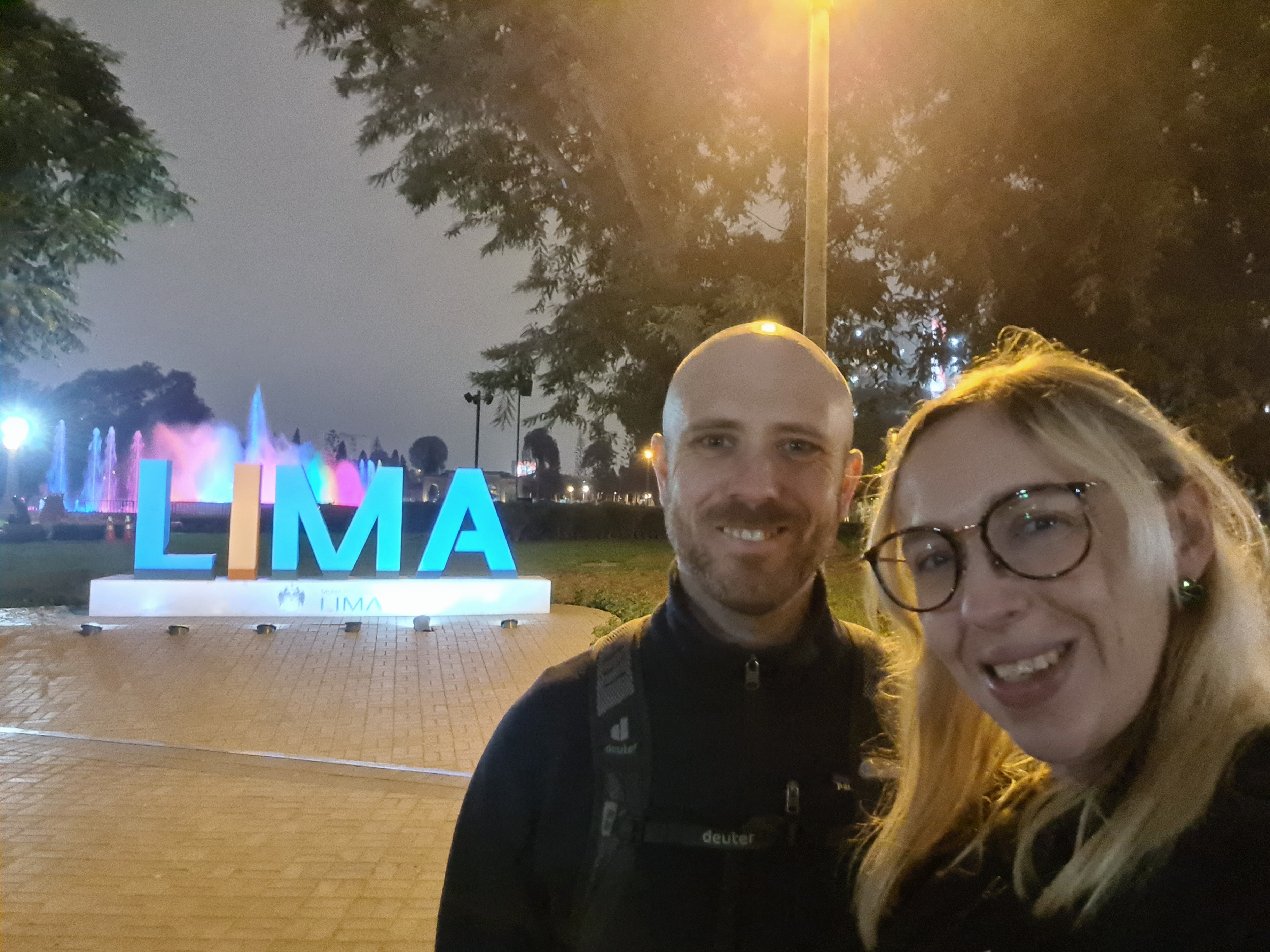
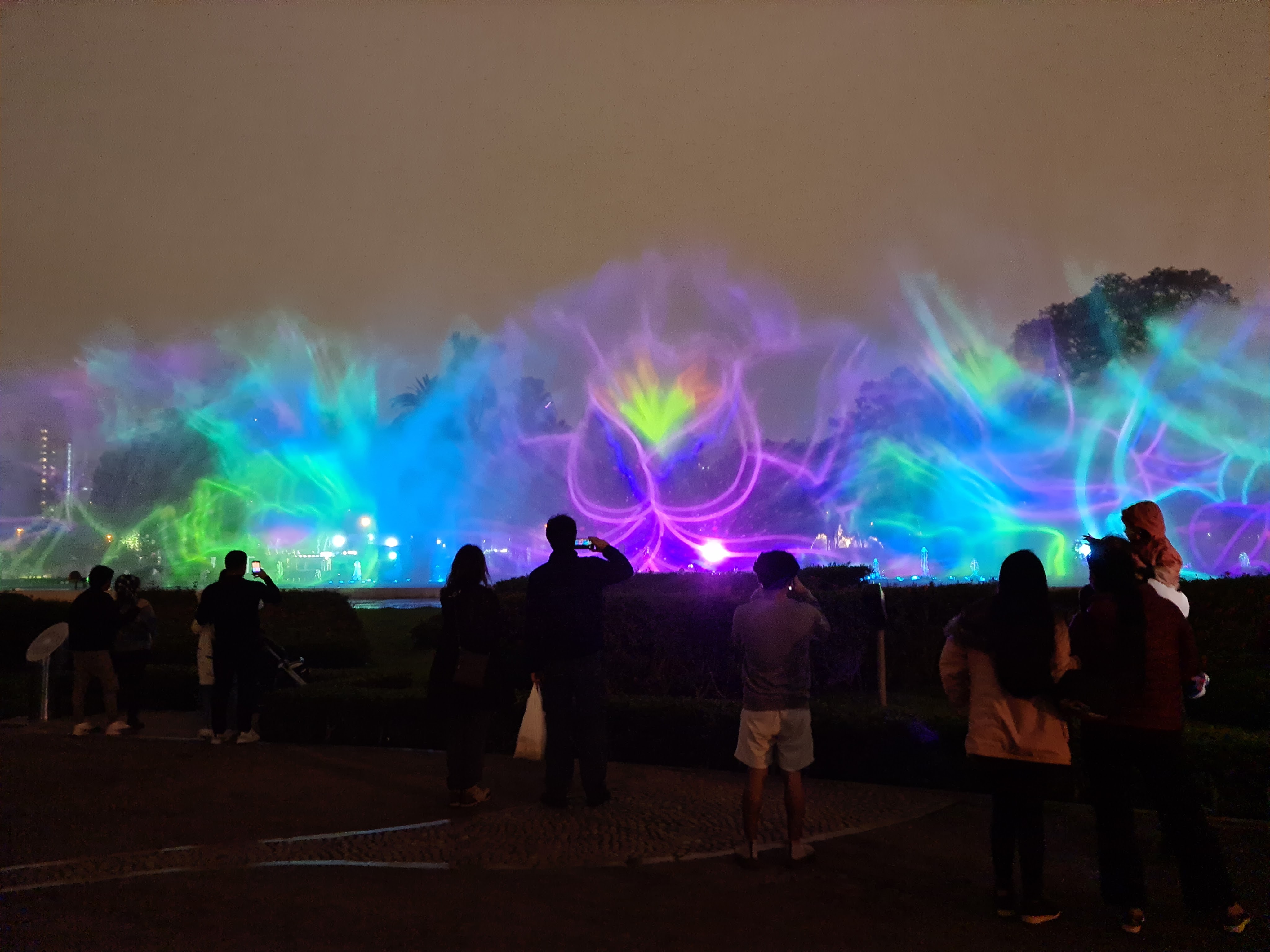
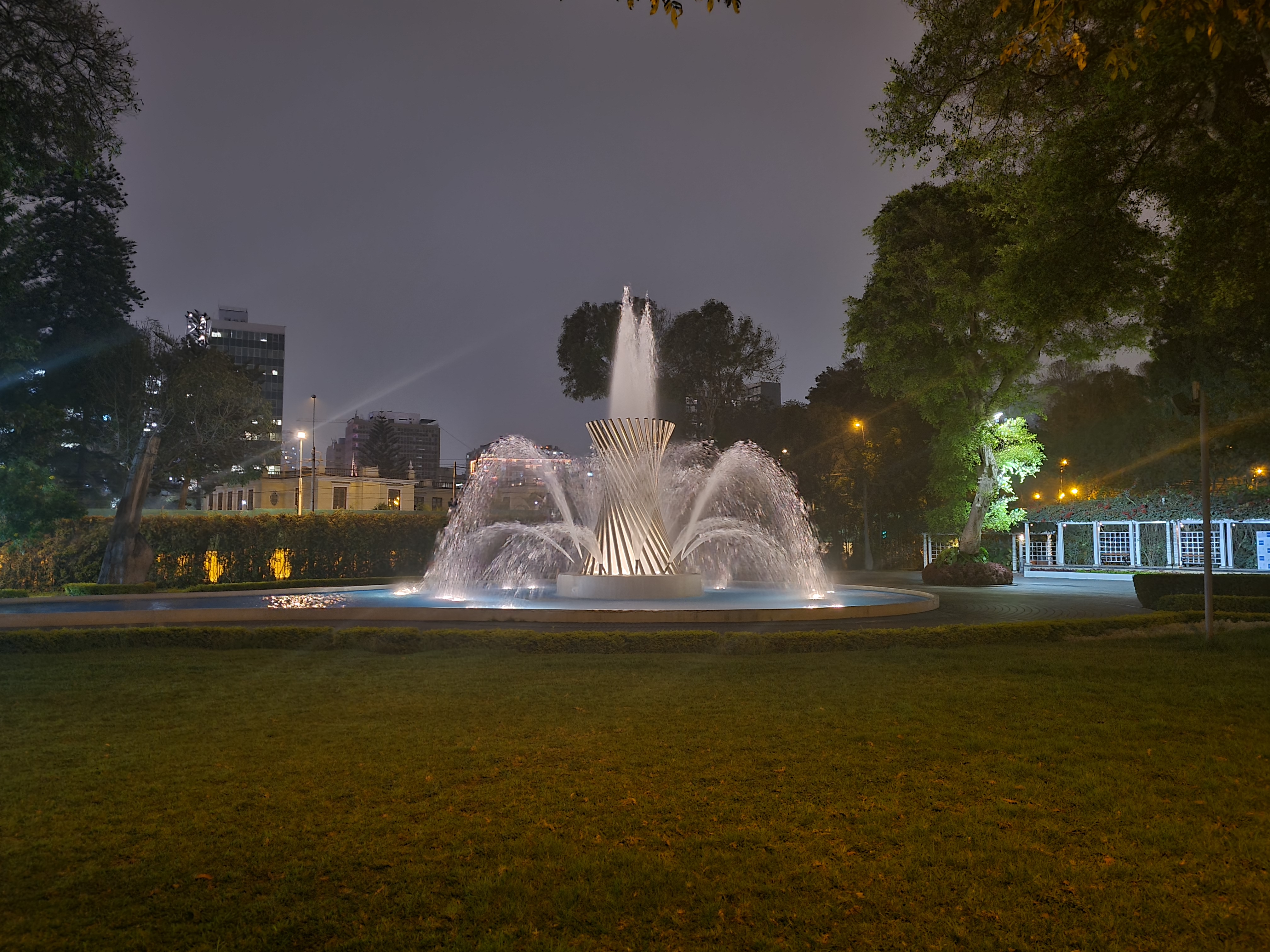
It was a fun way to round off what had a felt like a busy couple of days. This was just a taster though of what a fast paced couple of weeks we were about to embark on.
The next day we were up at 6am, ready for a potential 7am pick up (which would frustratingly turn out to be 7.40am). We were making tracks using Peru Hop, a bus/tour company designed for tourists and travellers. In exchange for a slightly higher price than local buses, we could avoid the chaos of South American bus terminals, have a comfier ride and benefit from recommended stops and activities, as well as an English speaking guide on each bus.
Although it’s important to try to have “authentic” experiences, and I’m happy to be practising our Spanish, some of the stops we would be hitting over the next couple of weeks would only be for a night or two at most. In some cases, only hours. So it was really helpful to be able to have someone that could give us clear directions and save us wasting time faffing around. Not to mention knowing we could both fall asleep, without worrying about strangers grabbing our bags and sneaking off (a real problem on public transport).
I’ll be honest though, I wasn’t quite expecting the militant regime of the first few days. While I had pictured Peru Hop as being a typical, independent coach journey, with the benefit of a friendly person you could direct questions to, it definitely operated more like an organised tour. In order to reach destinations and activities at the required times, understandably the schedule had to be quite regimented e.g. eating at prescribed restaurants/cafes so that orders could be phoned in advance, and only having time to dump your bags at your hotel before heading straight back out again. It’s all for a good cause though – it meant we could maximise our time at each stop, and without Peru Hop there is a good chance we couldn’t have organised some of the things we did on the timeline we had.
So what did we get up to?
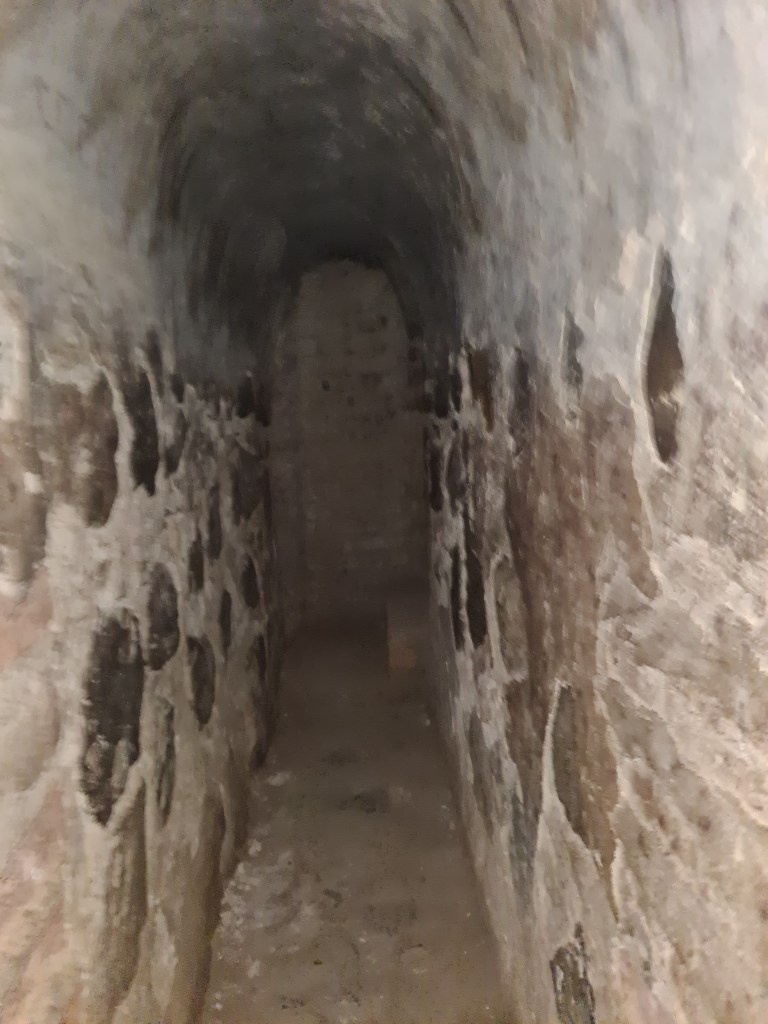
After leaving Lima we had the benefit of a free/included trip to a historic house, now a hotel, where slaves were smuggled in the 17th century.
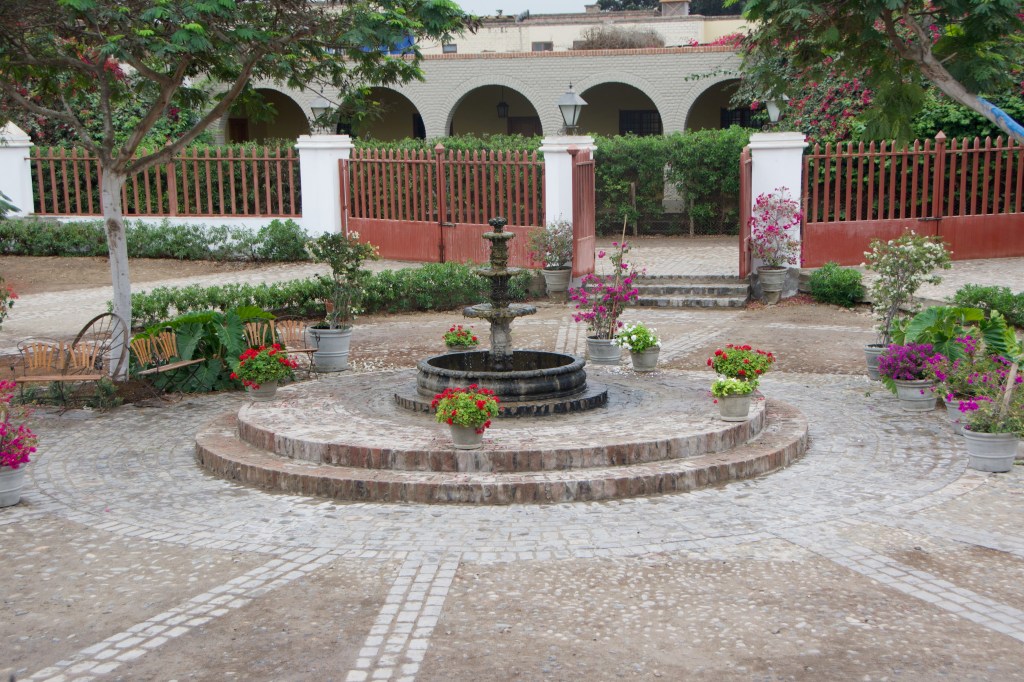
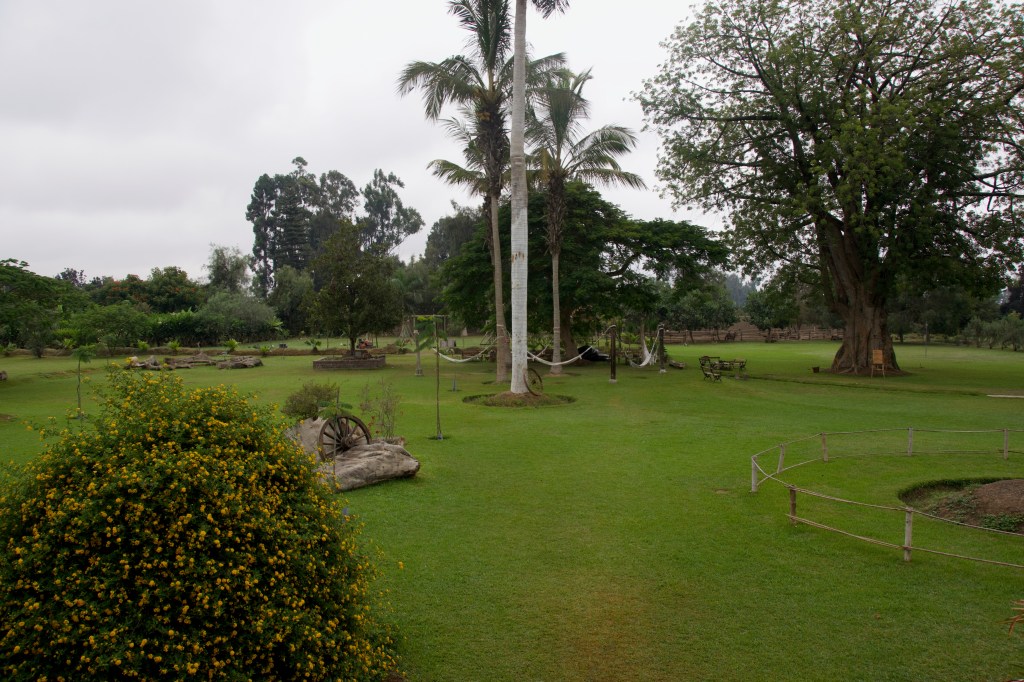
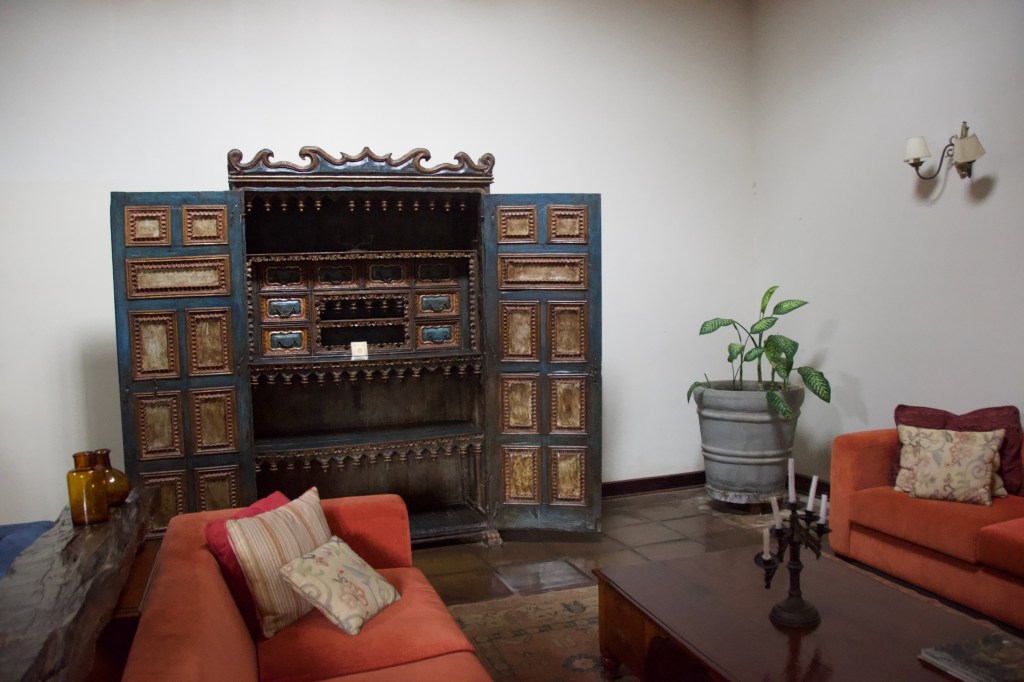
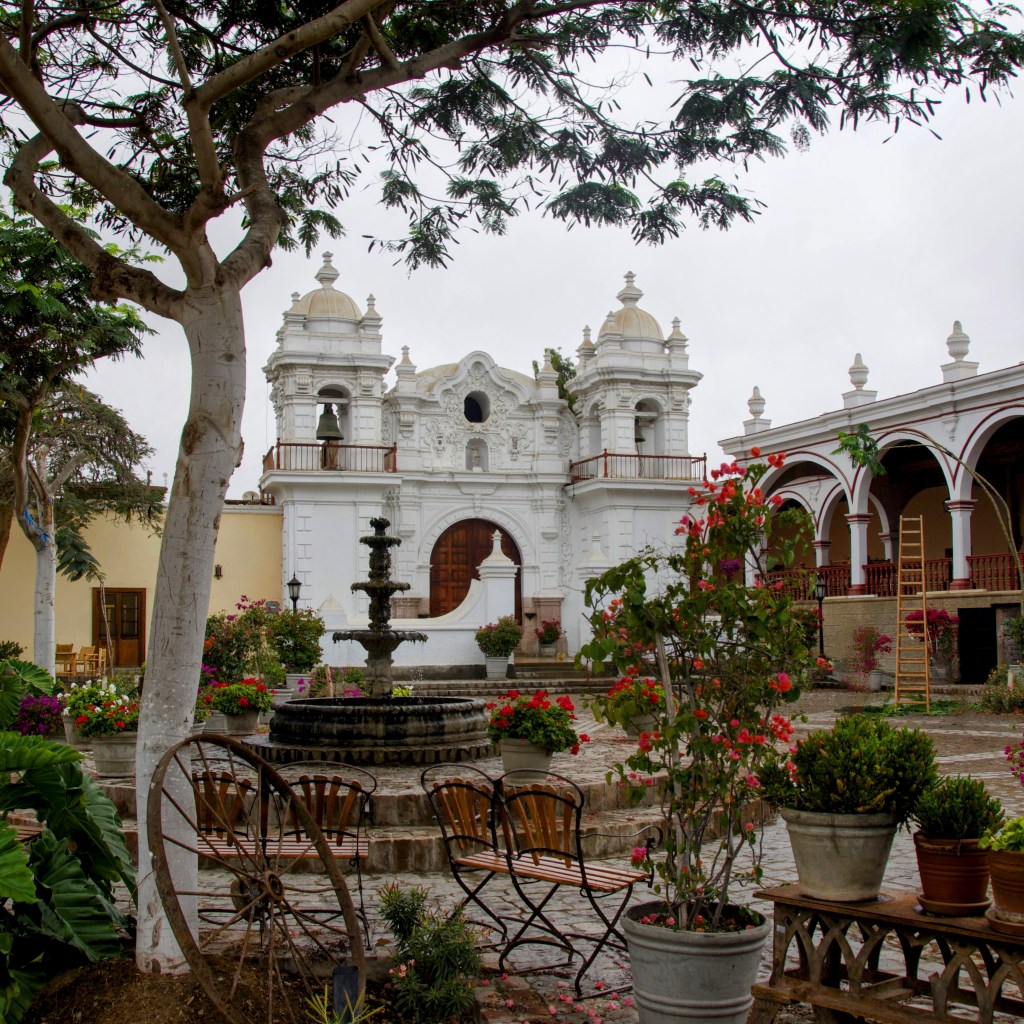
Although a sobering topic to learn about, it’s one which hasn’t come up in our South American travels so far. The underground tunnels were dark and narrow and it was particularly impactful when we were instructed to switch off our torches and see for ourselves the pitch dark the slaves were subjected to when being punished with solitary confinement.

From here though, things would be more light hearted.
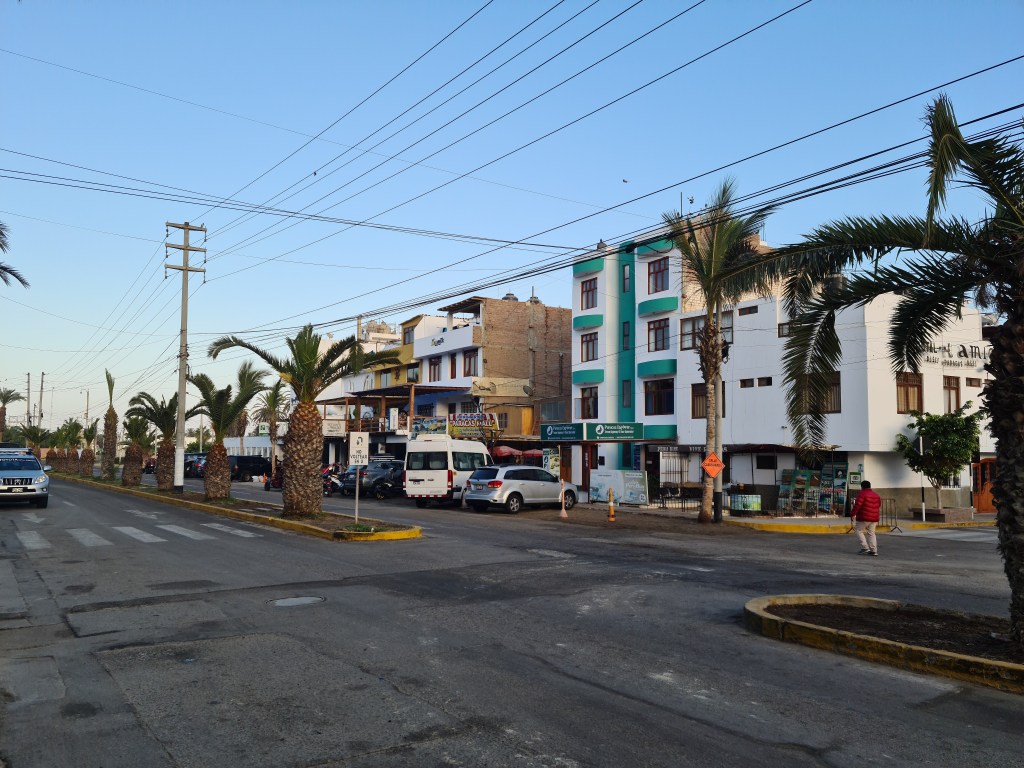
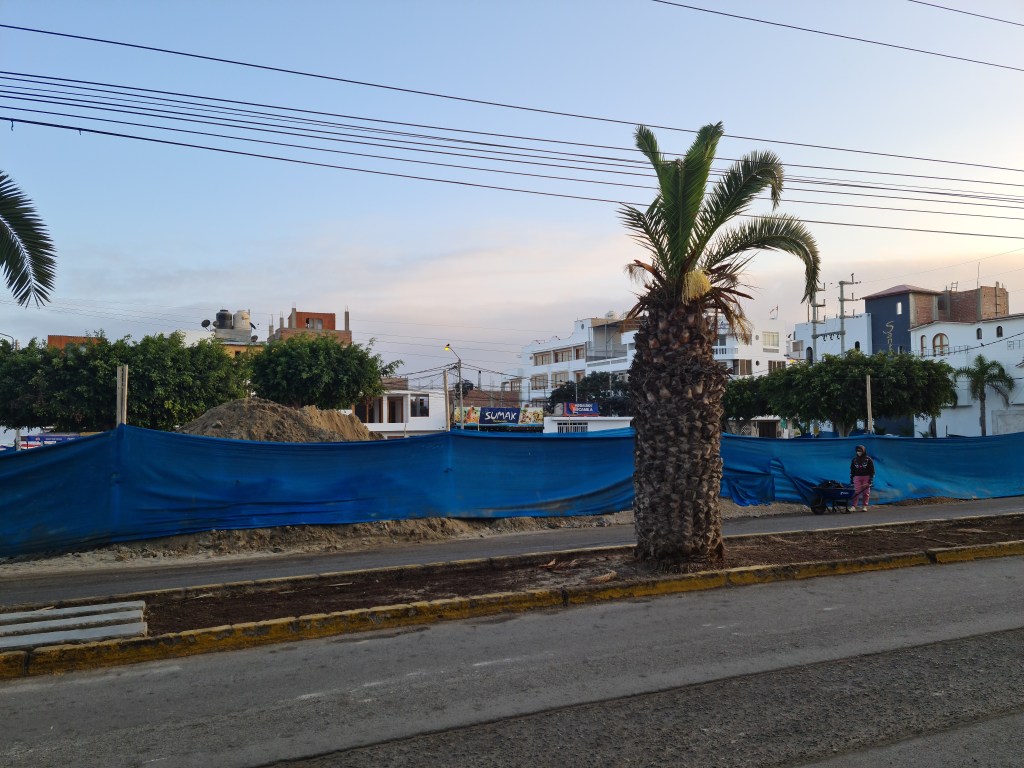
We arrived in Paracas, a coastal resort town in the afternoon. Although the town itself definitely has the appearance of a work in progress, the main draw is the natural landscape. It has the peculiarity of a nature reserve where the desert meets the sea.
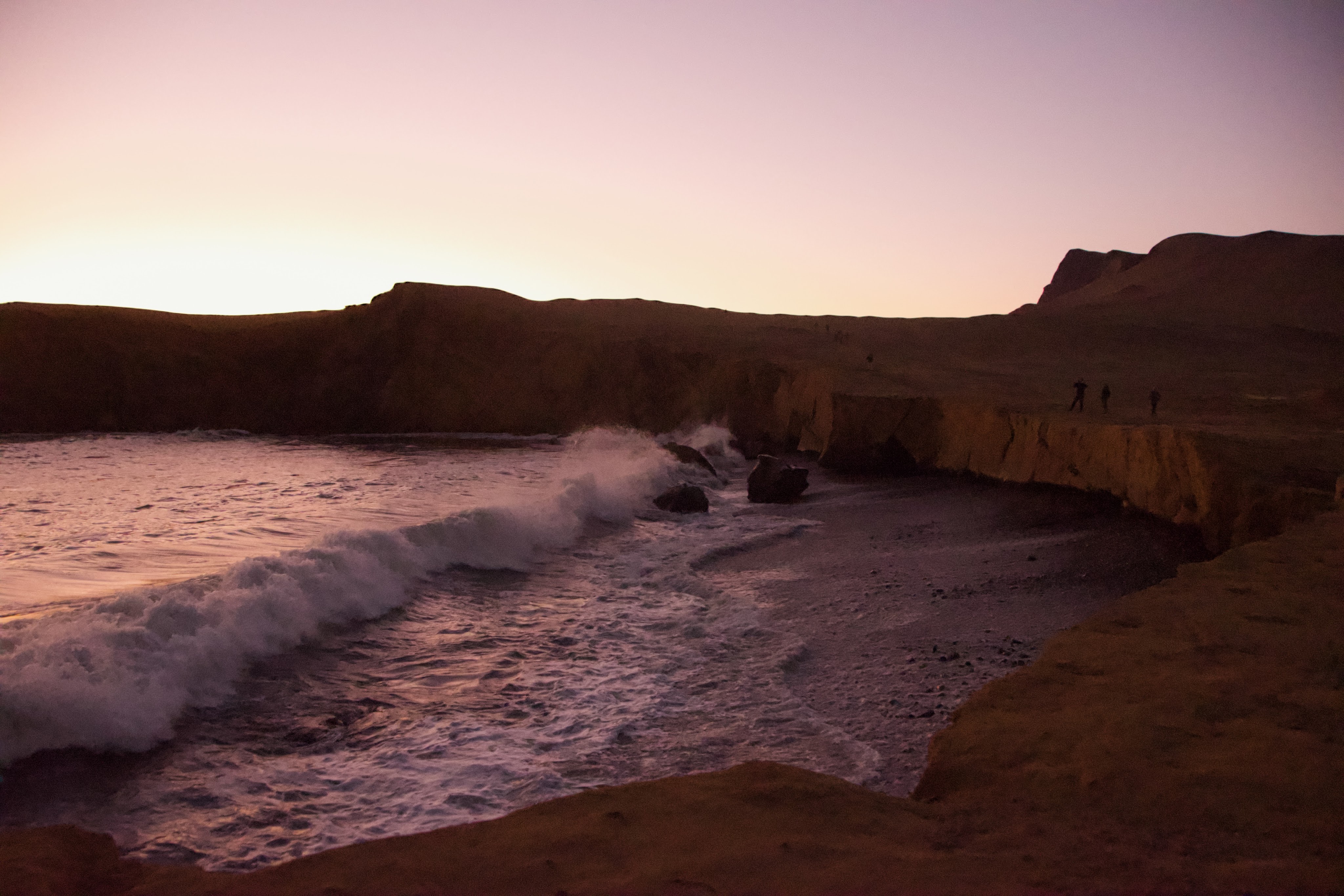
On a good day, with less clouds, the sunset casts the most incredible “golden shadows” against the landscape, so we joined an evening walk to the cliffs.
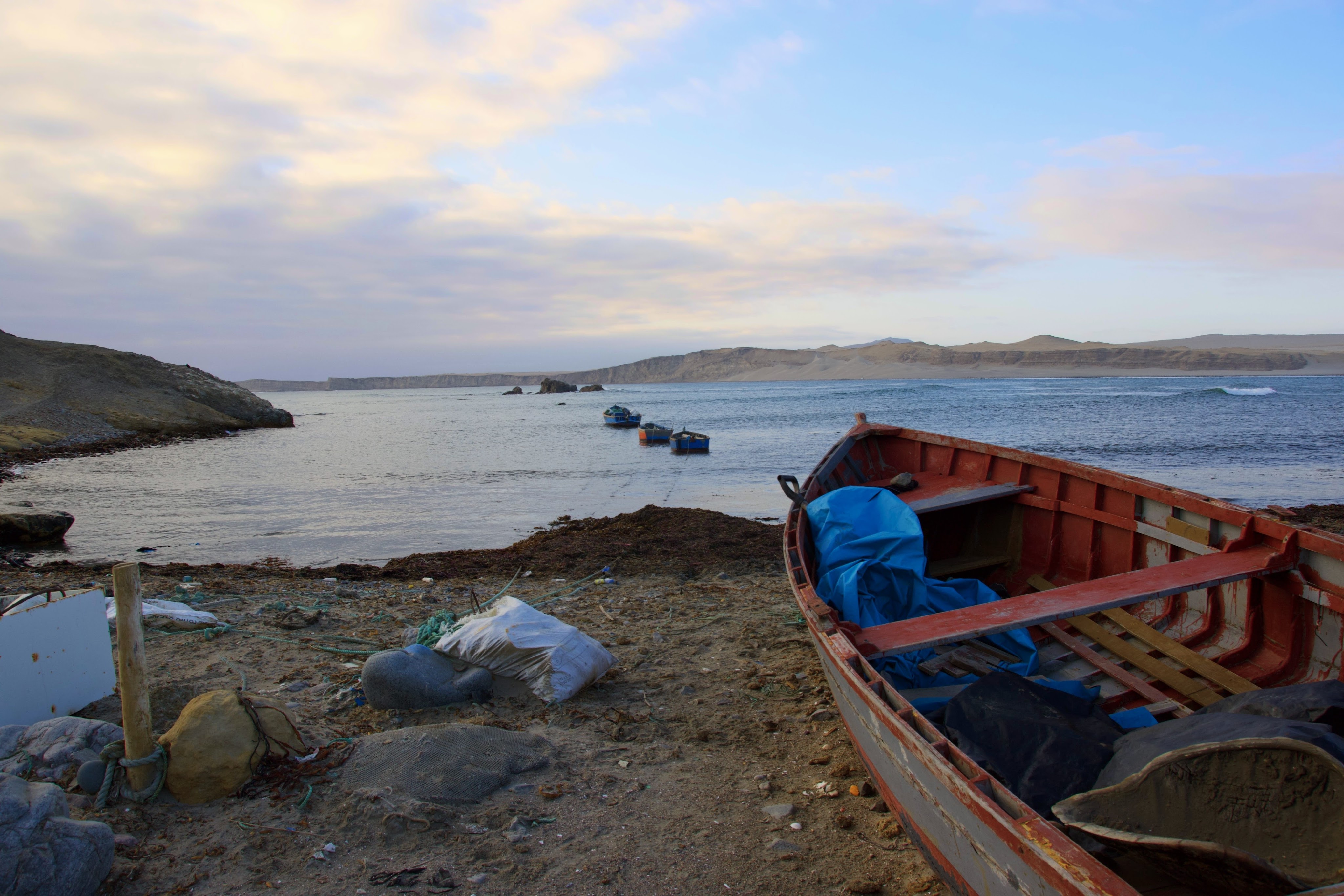
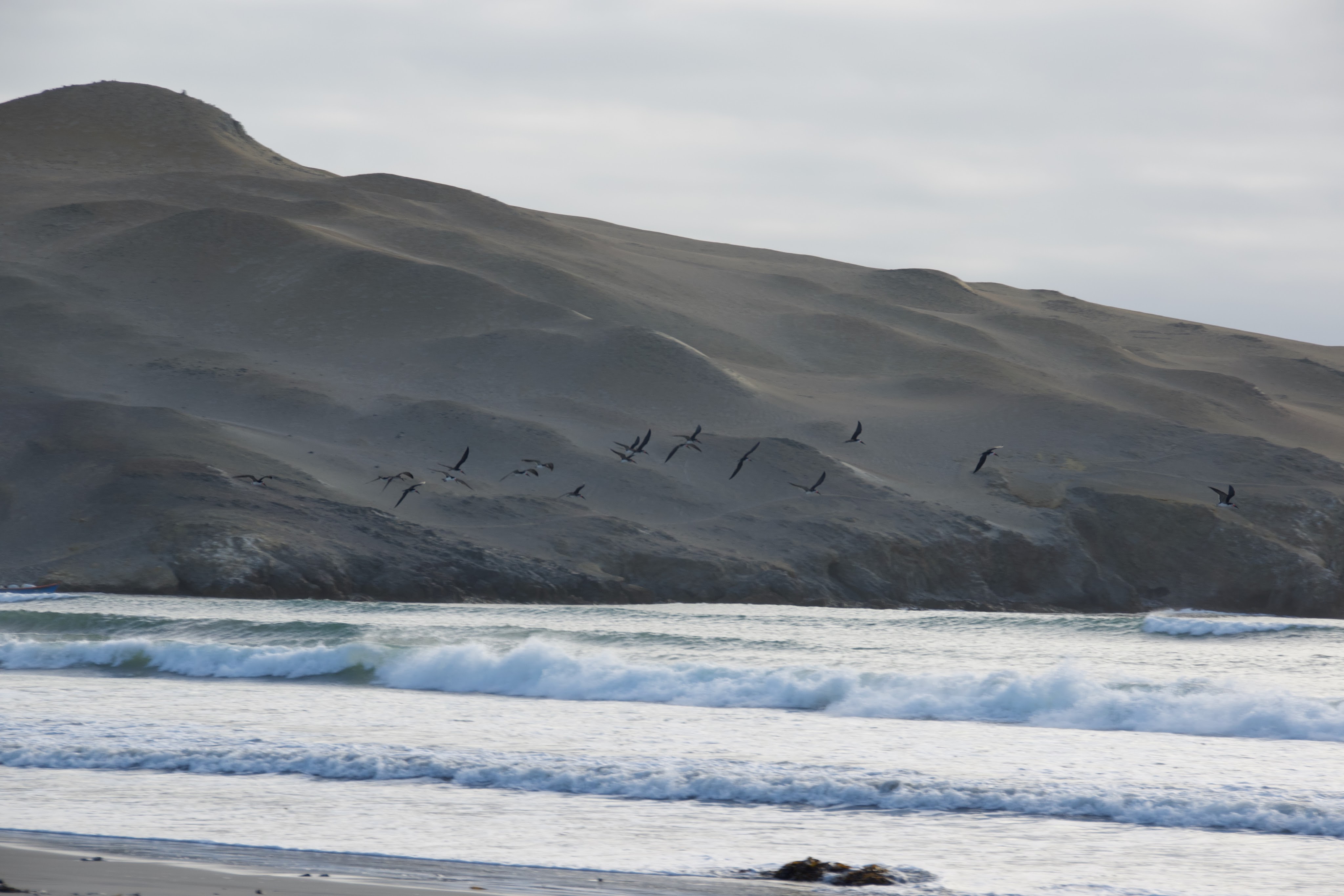

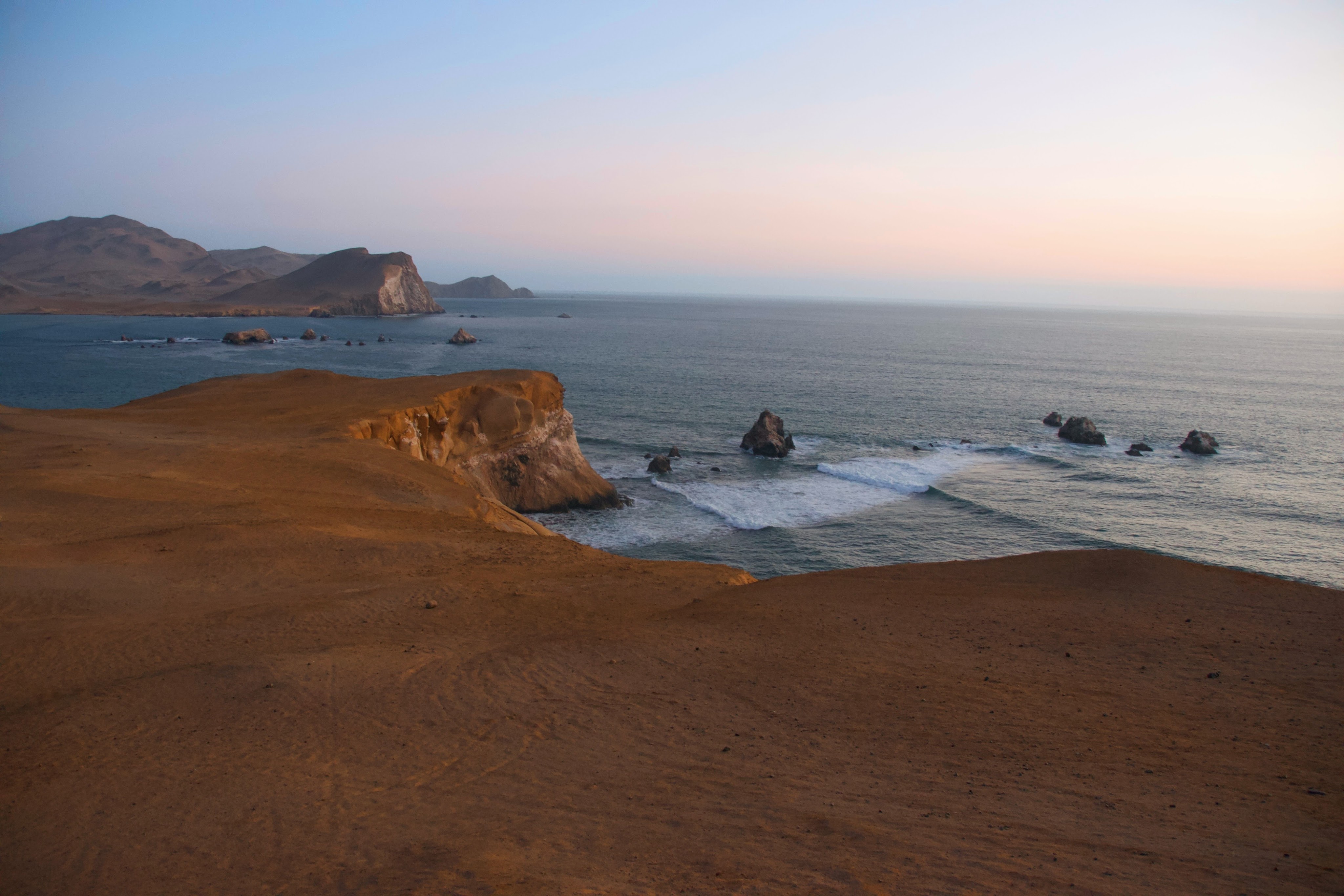
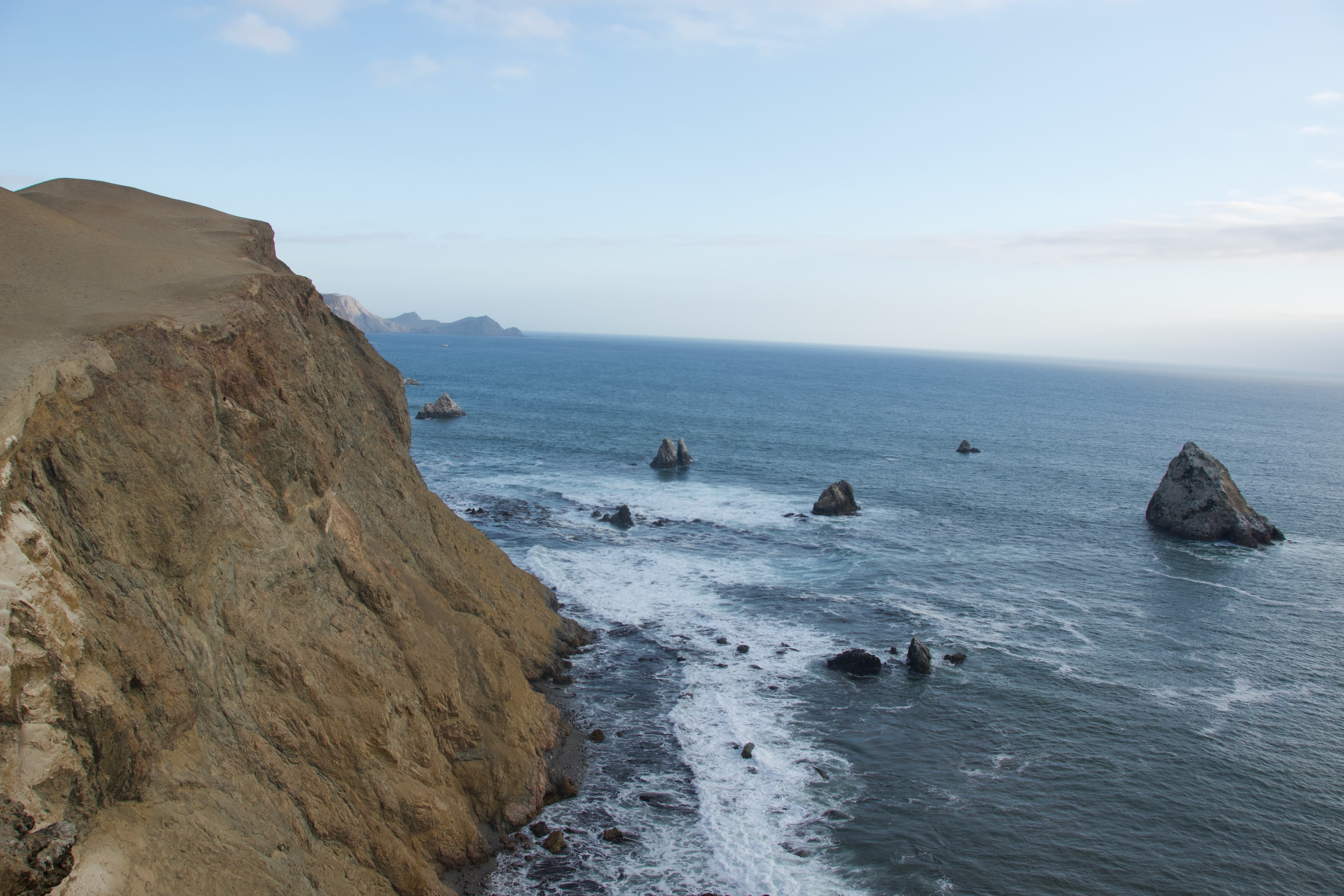
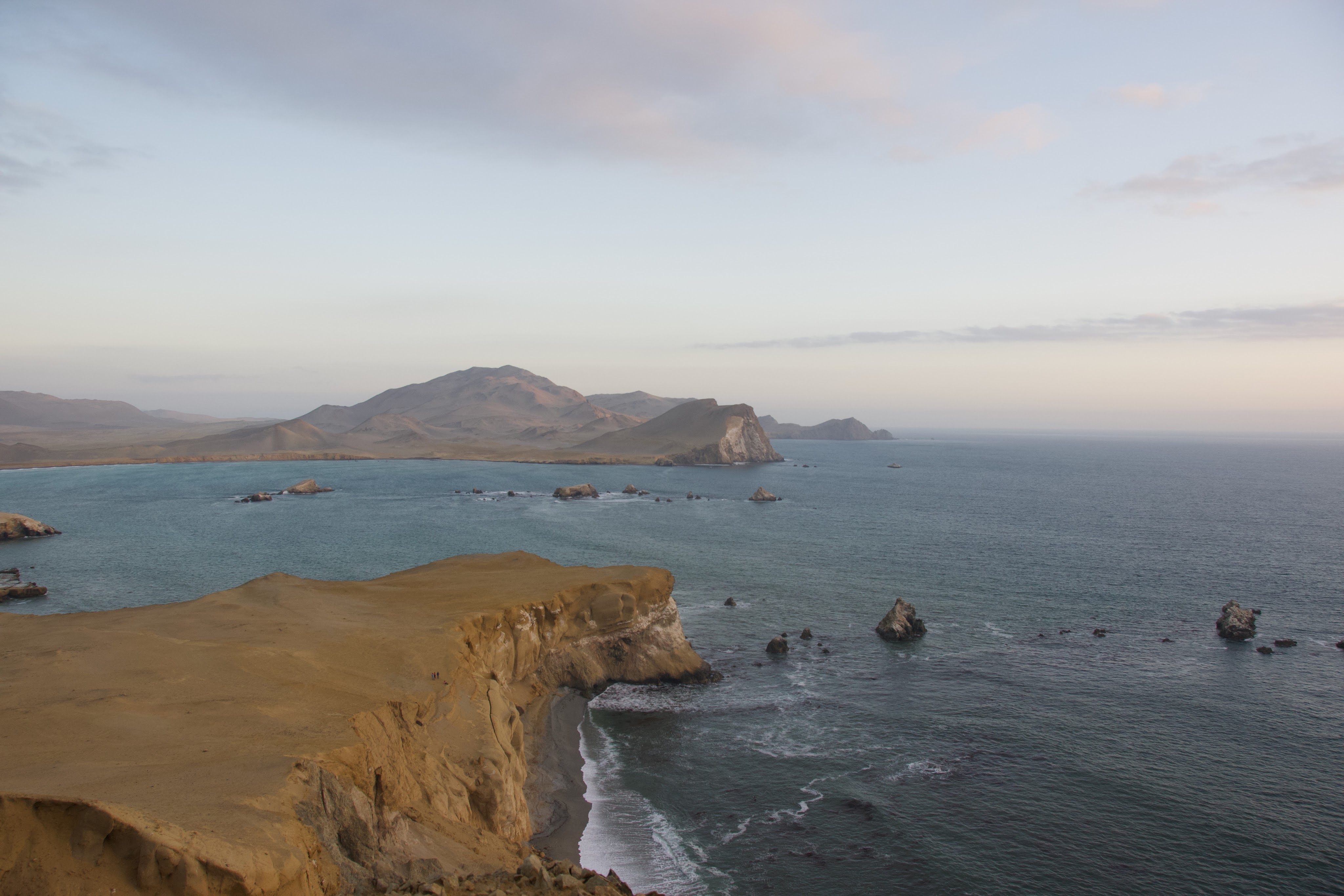
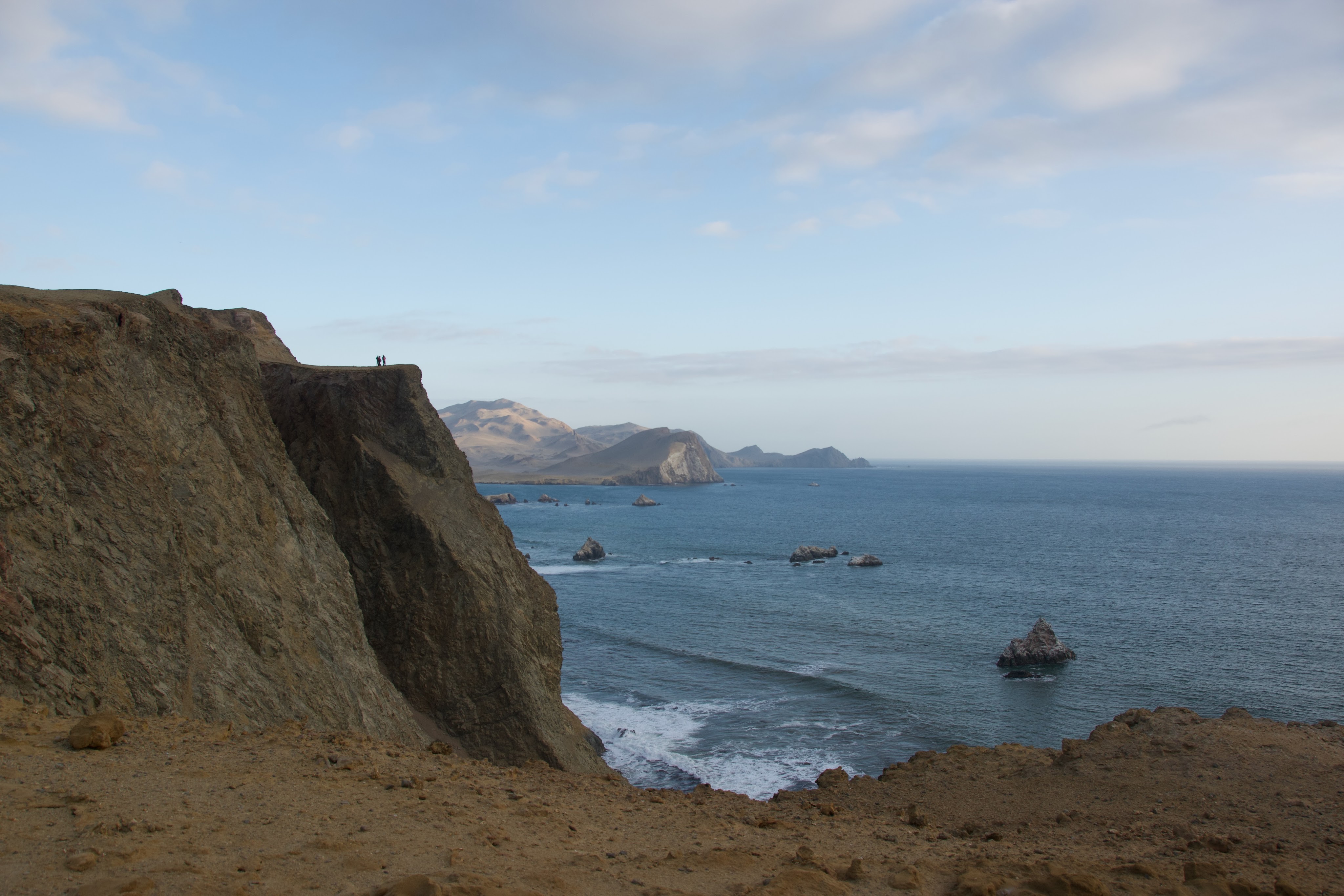
Unfortunately for us, cloud cover blocked the sunset and radiant light.

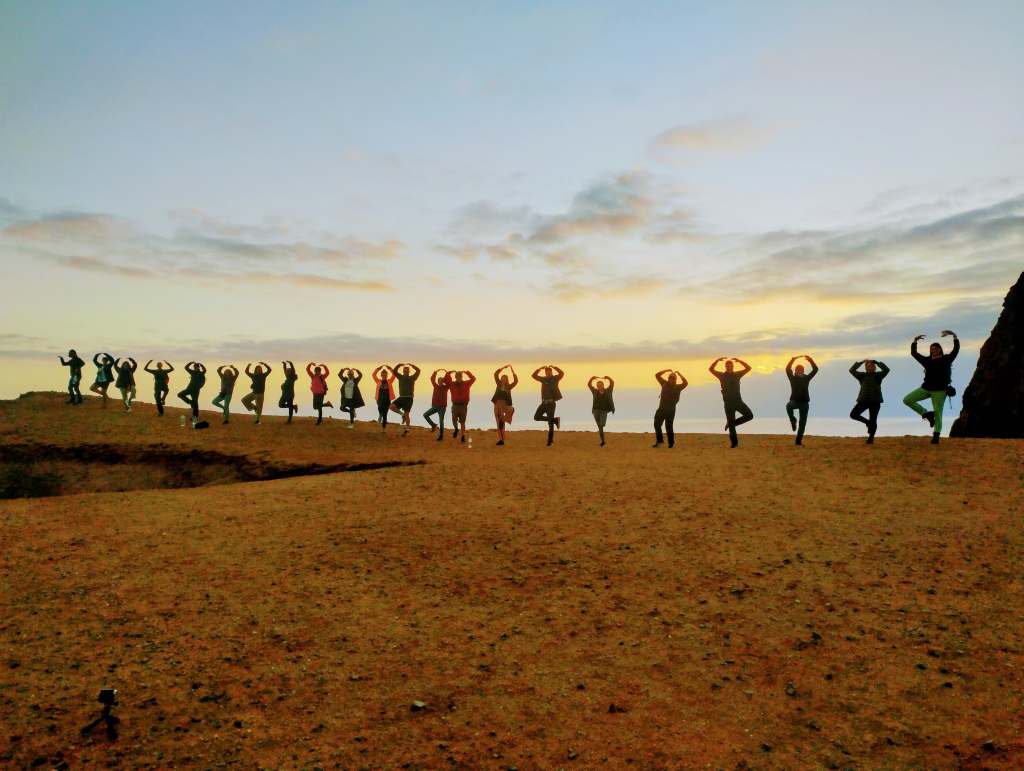
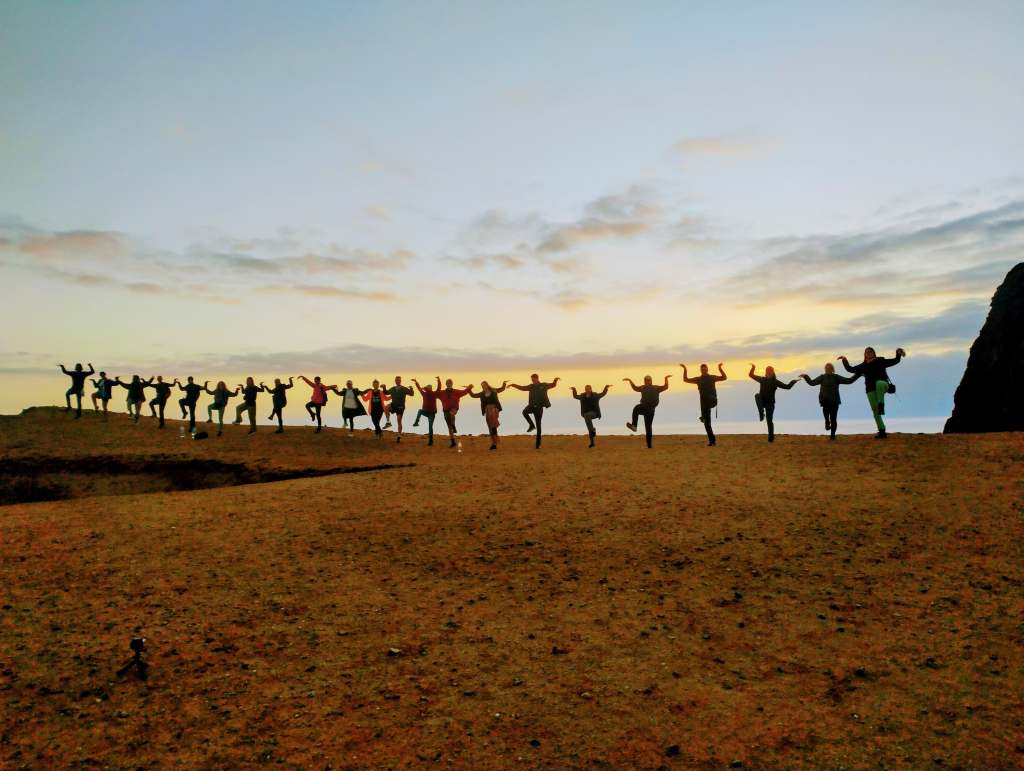
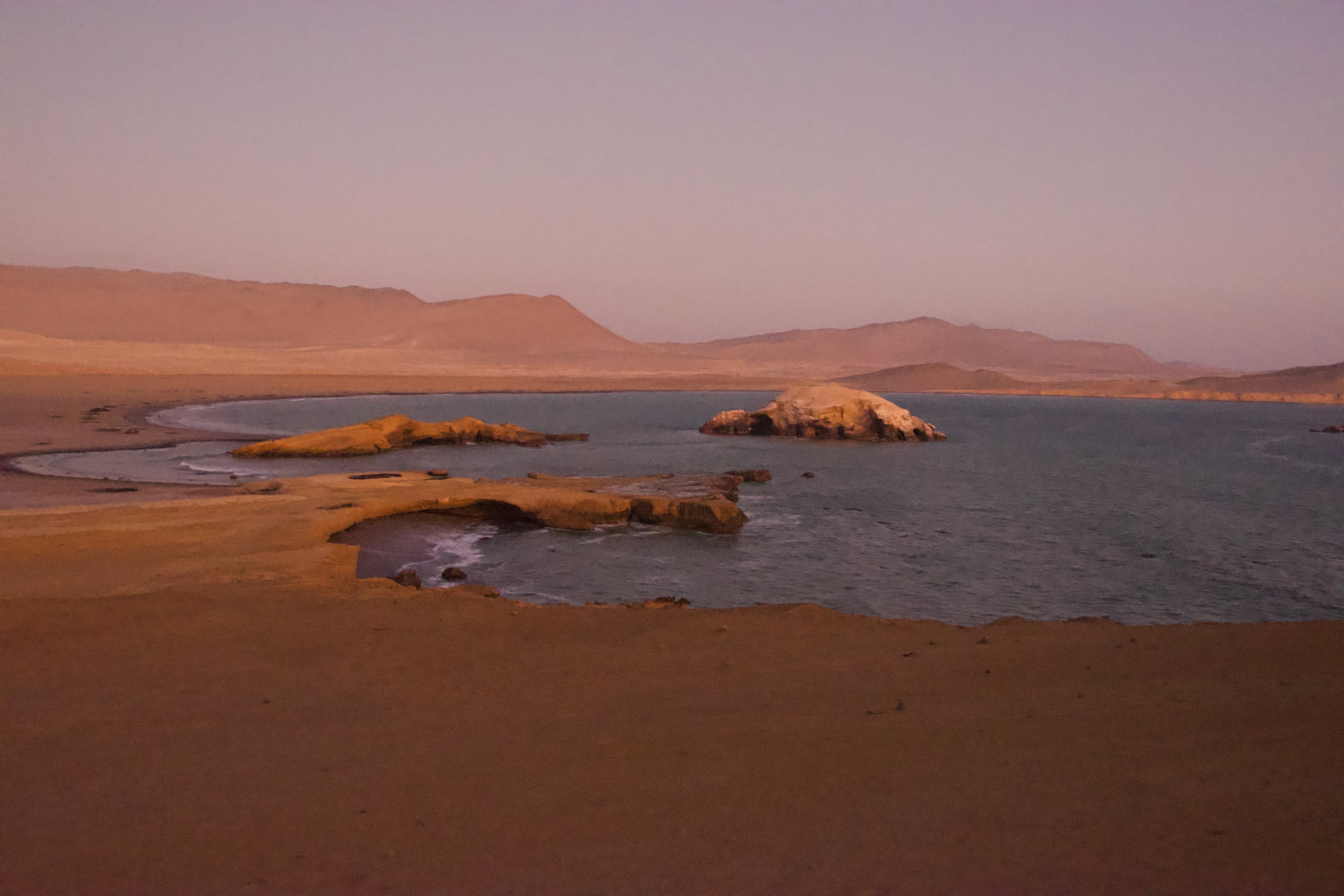
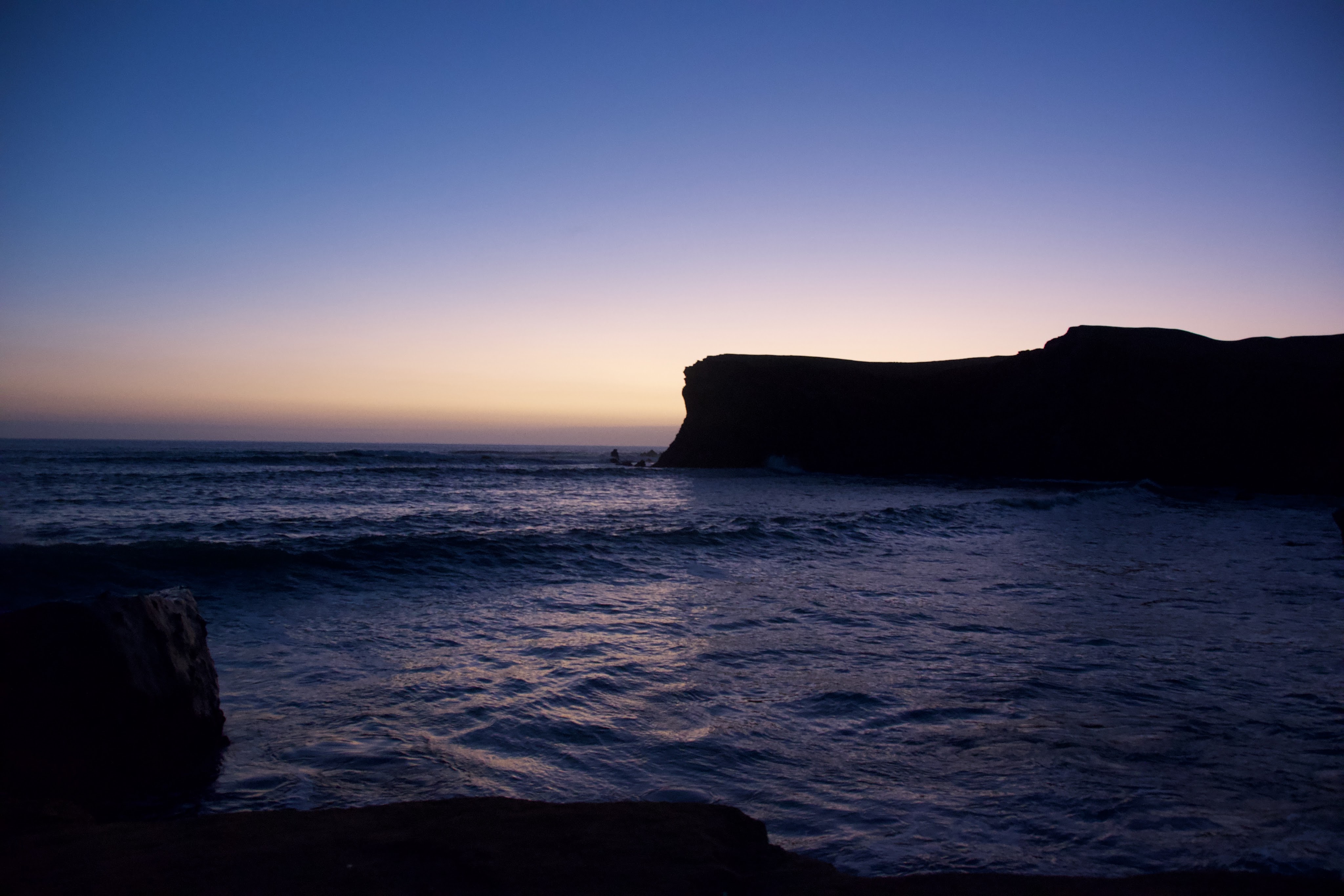
There were still plenty of good views to be had, and the colours after sunset were possibly the most pigmented we’ve seen all year. Plus it was good to be stretching our legs after many hours spent on a bus.
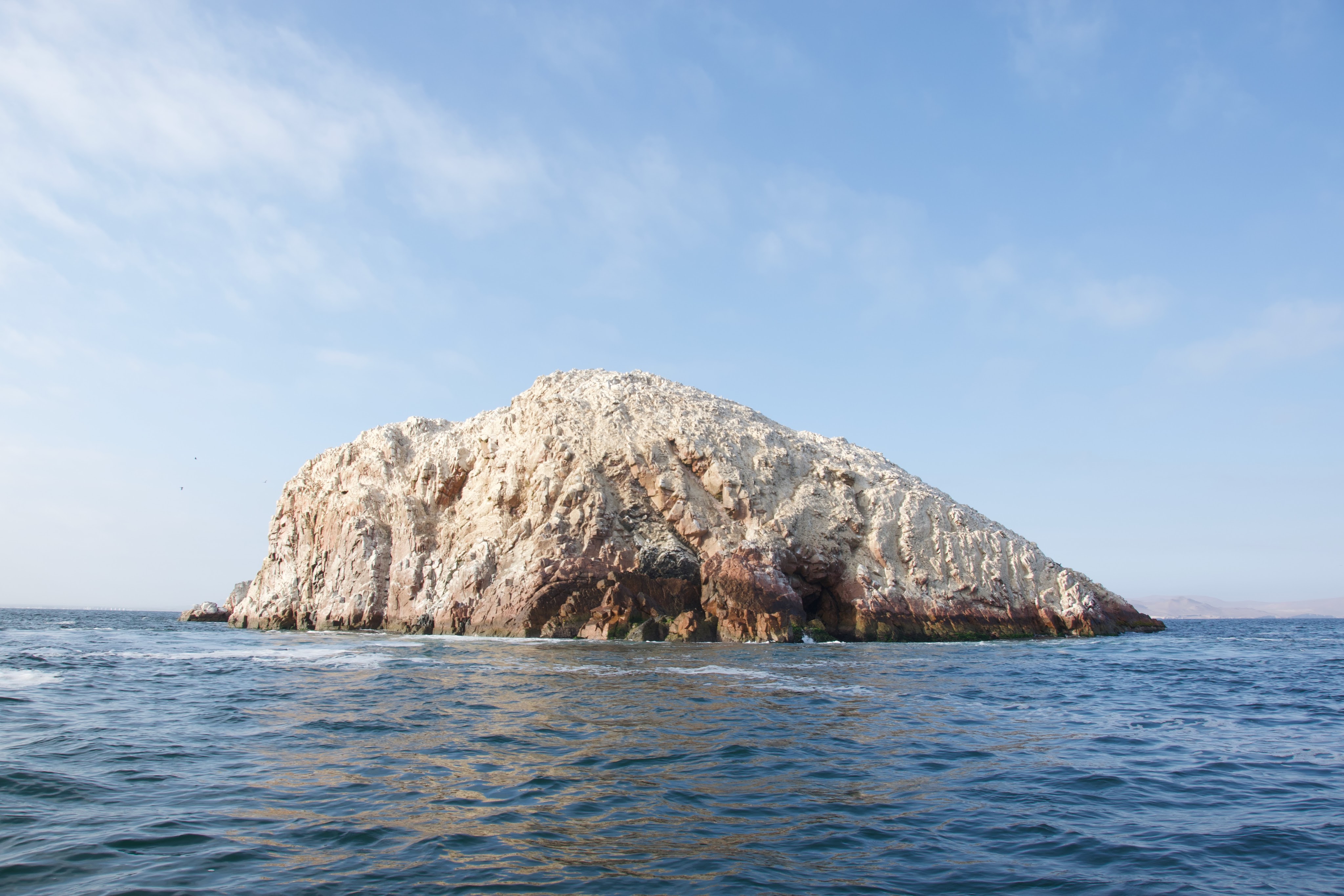
The next day alarms were set again so we could join the first boat tour of the day to the Islas Ballestas. Considered “the Poor Man’s Galapagos”, this was a must do for us as our South American leg isn’t including Ecuador. Appropriately enough for the nickname, we’d considered doing the Galapagos proper this year, but ultimately decided it would add too much cost to a year which already has a number of big ticket items. Islas Ballestas can be a taster for the future!


And what a great taster it was. The sea breeze was a lovely wake up call, but most impressive of all was some great wildlife spots. Spider crabs, seabirds and penguins all on show in their natural habitat. There were even some boobies (sorry, not that kind!).
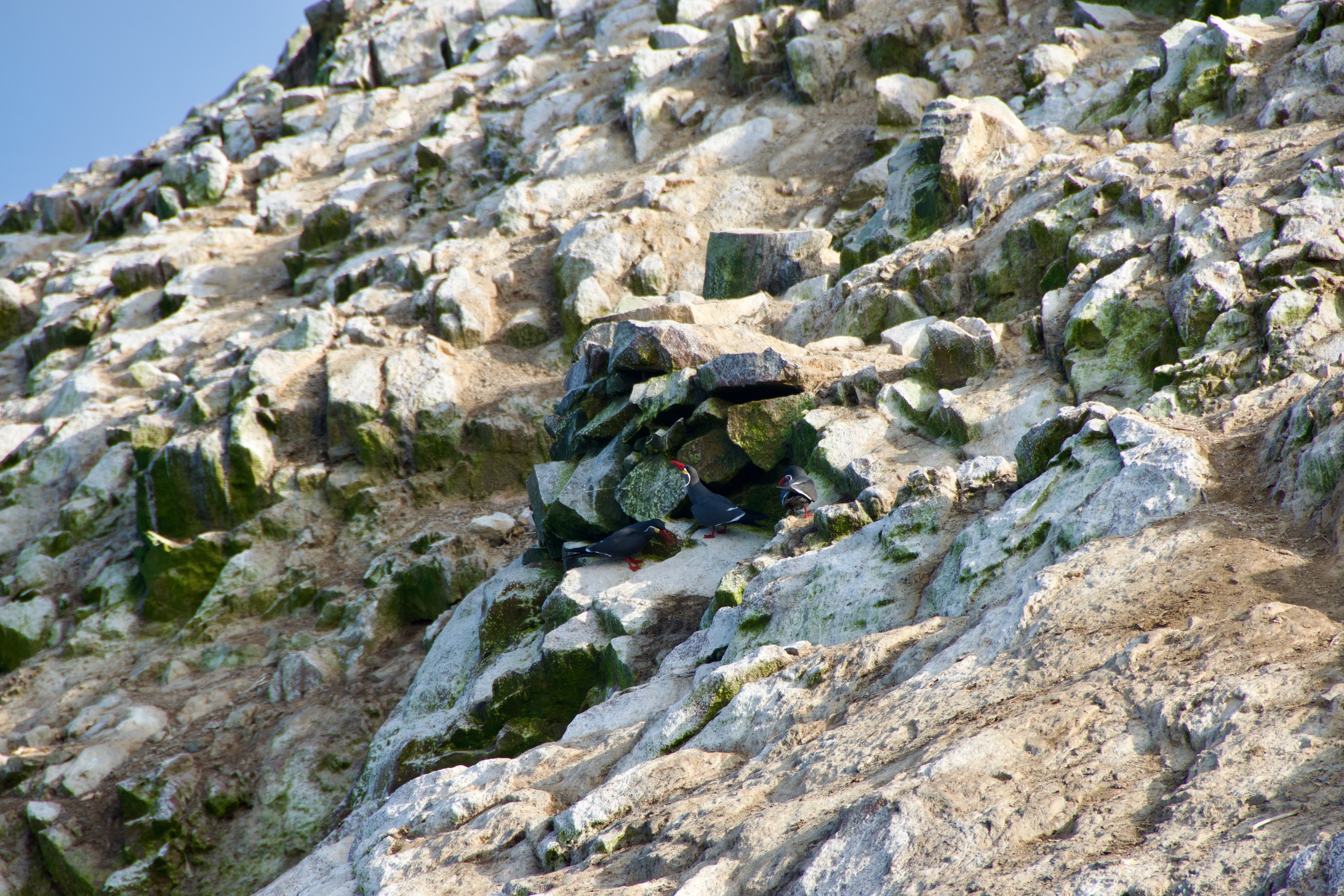
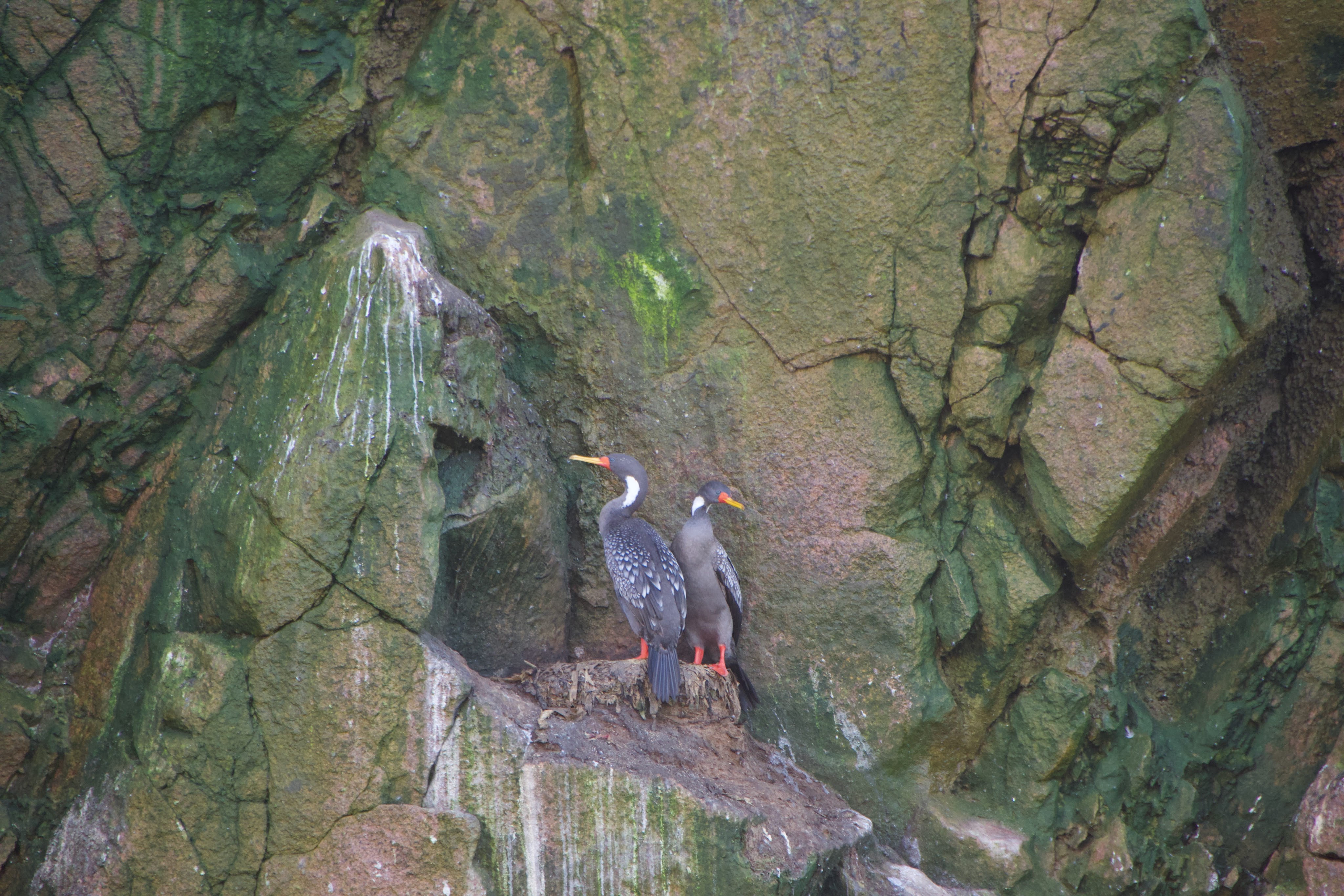
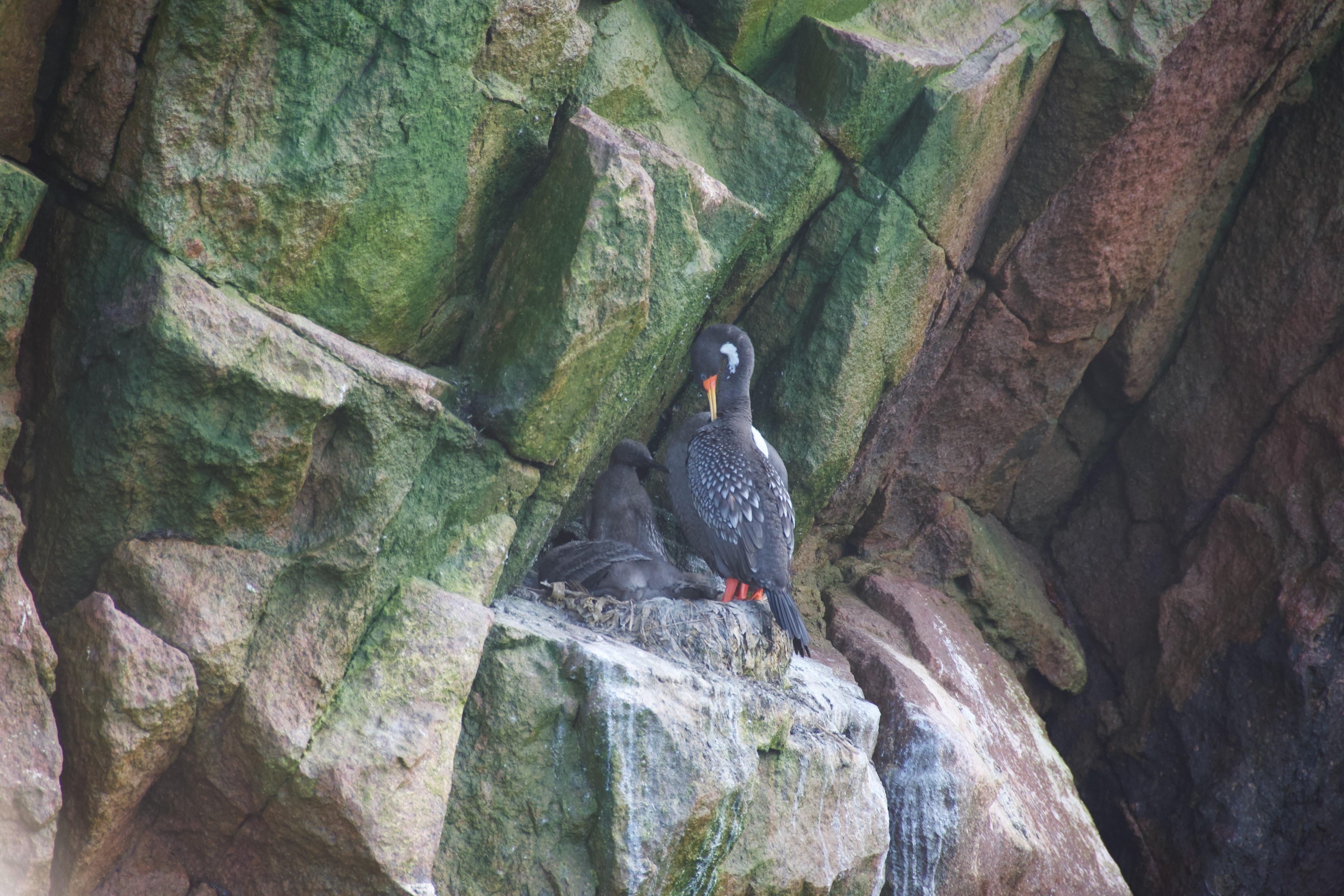
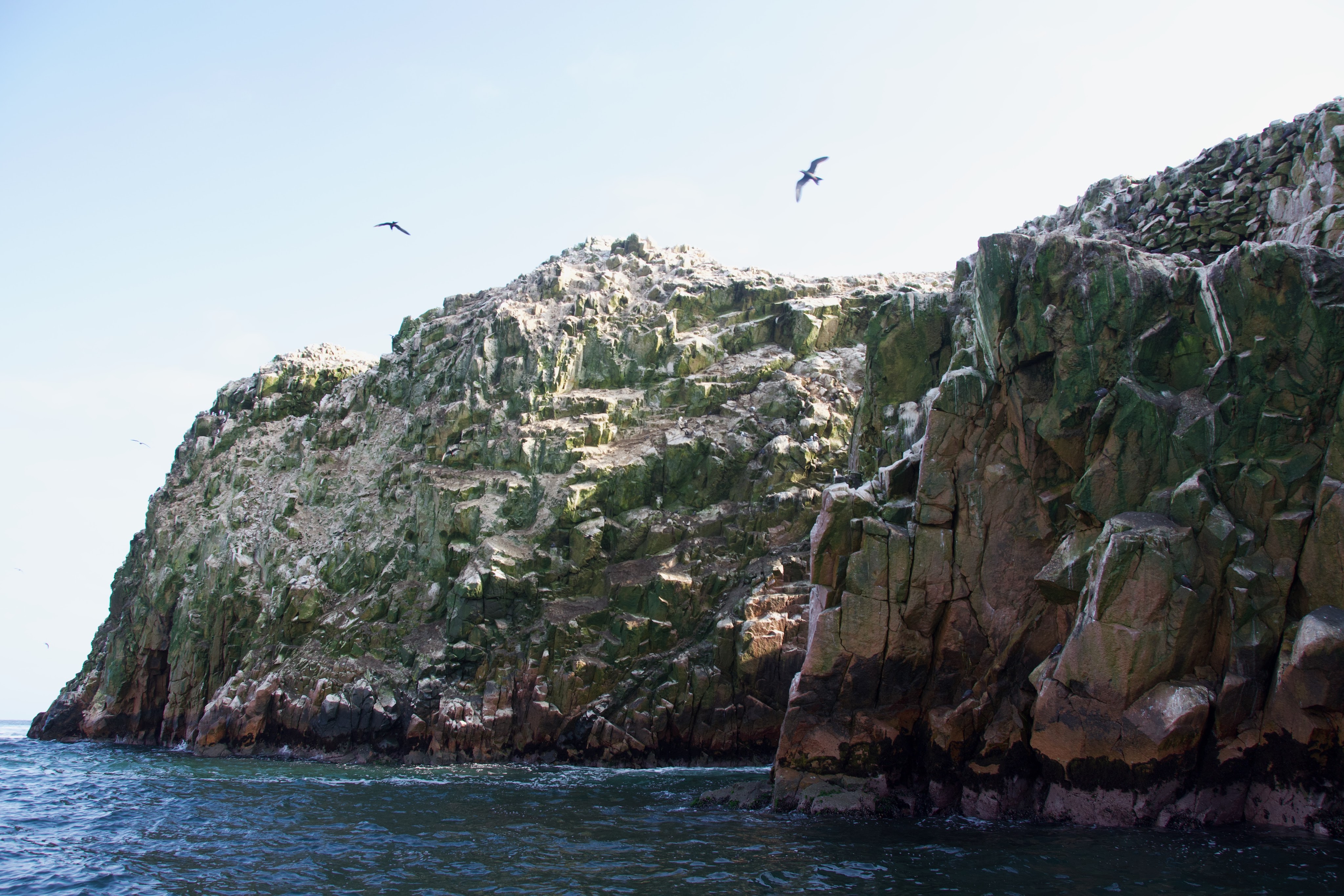

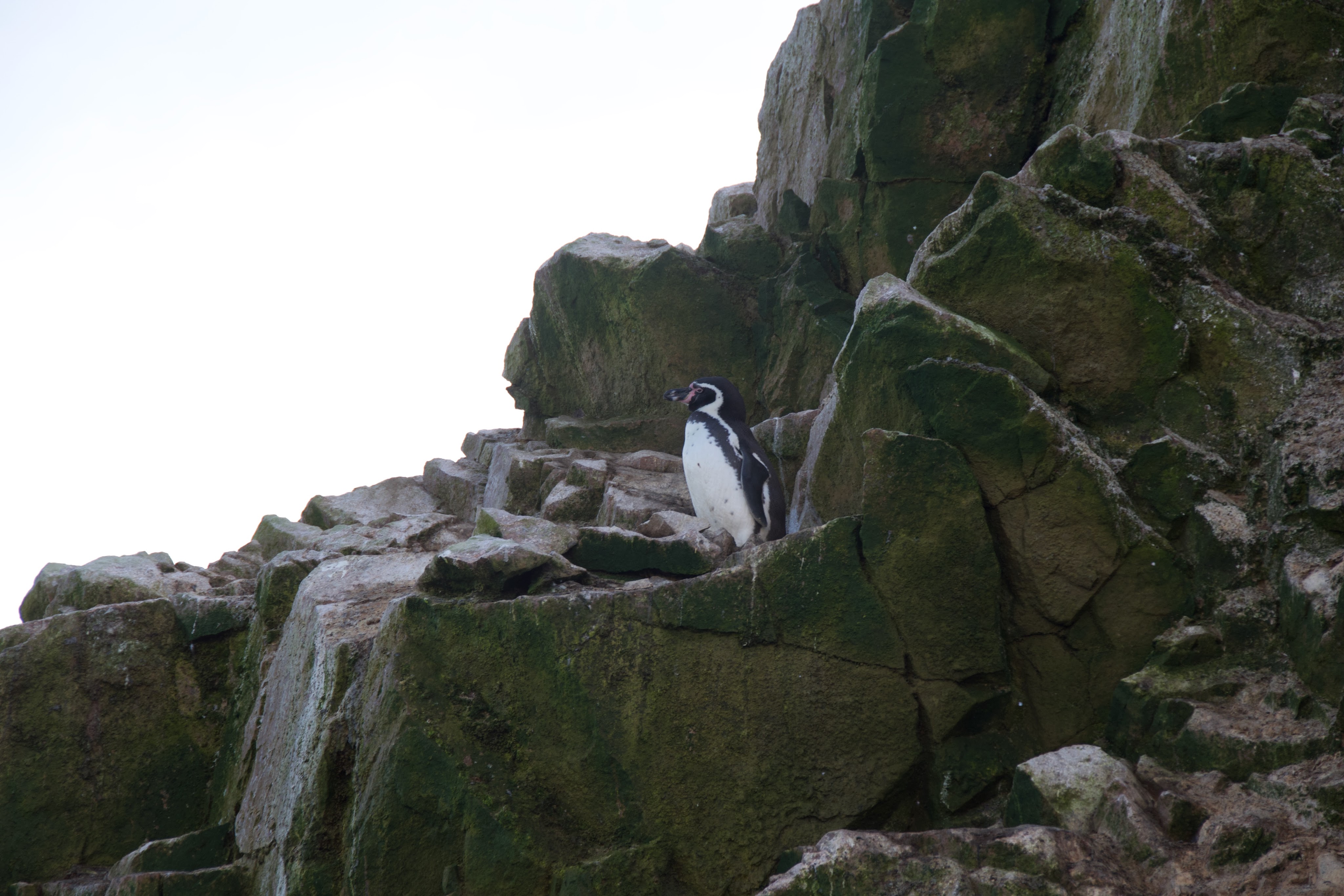
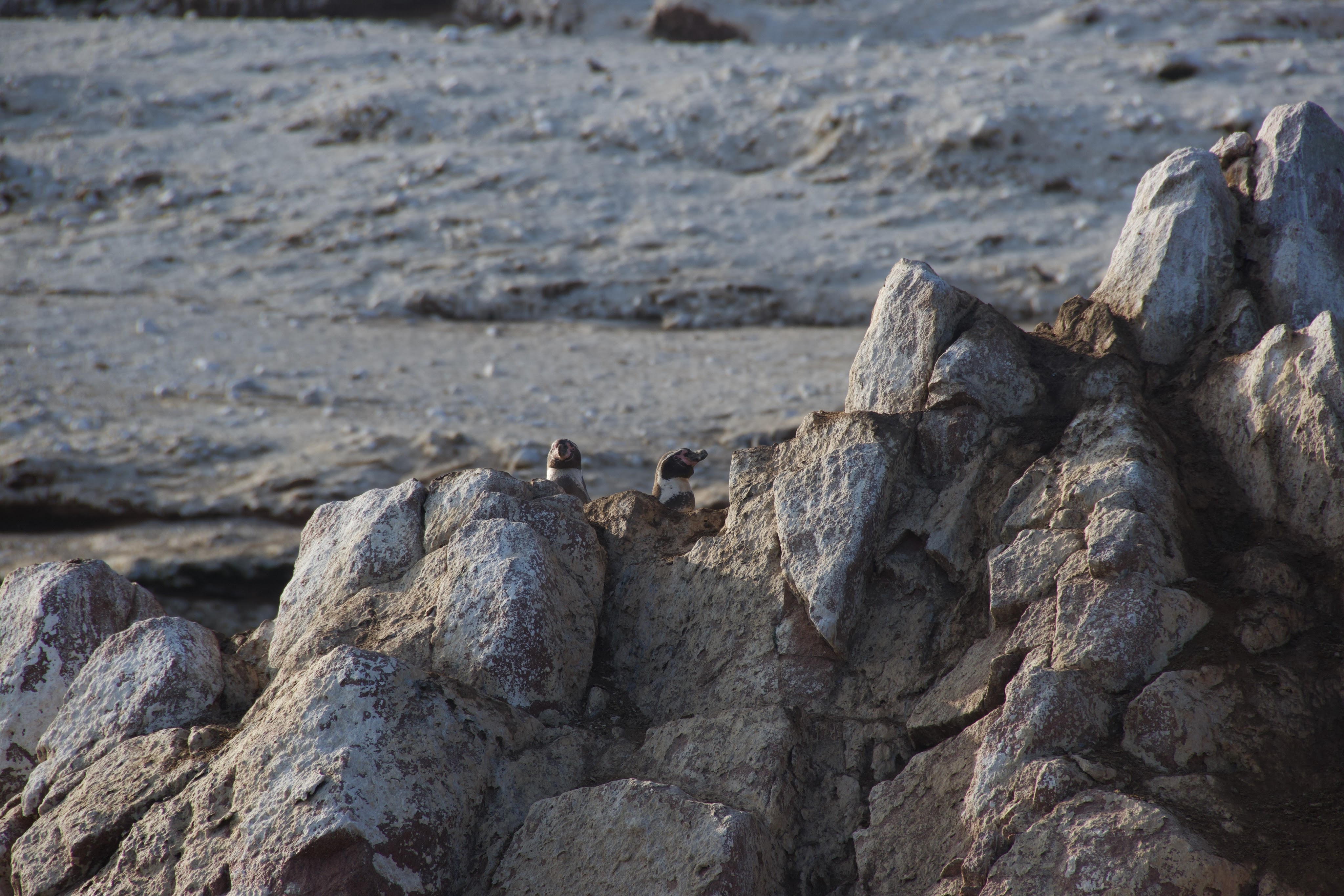
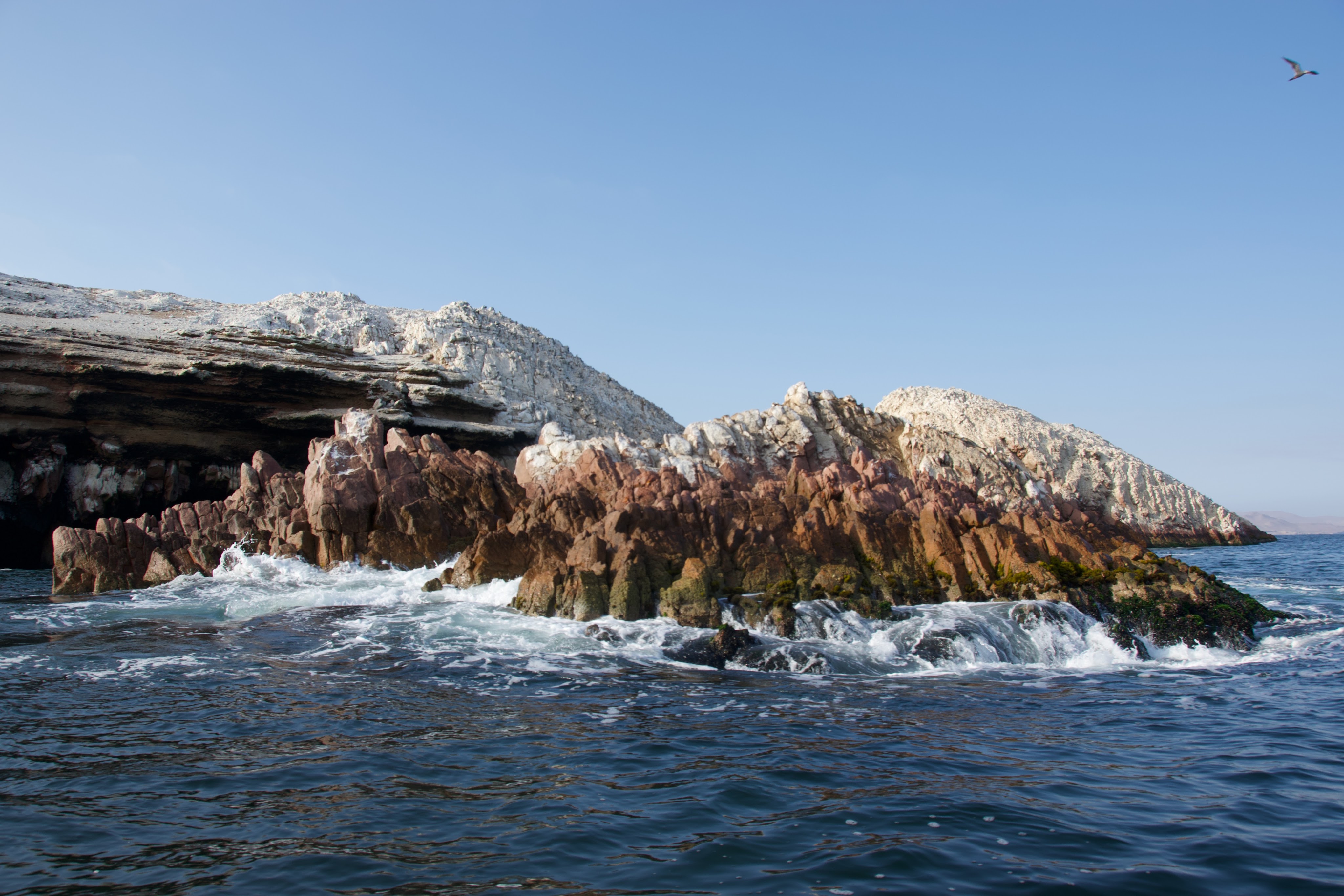

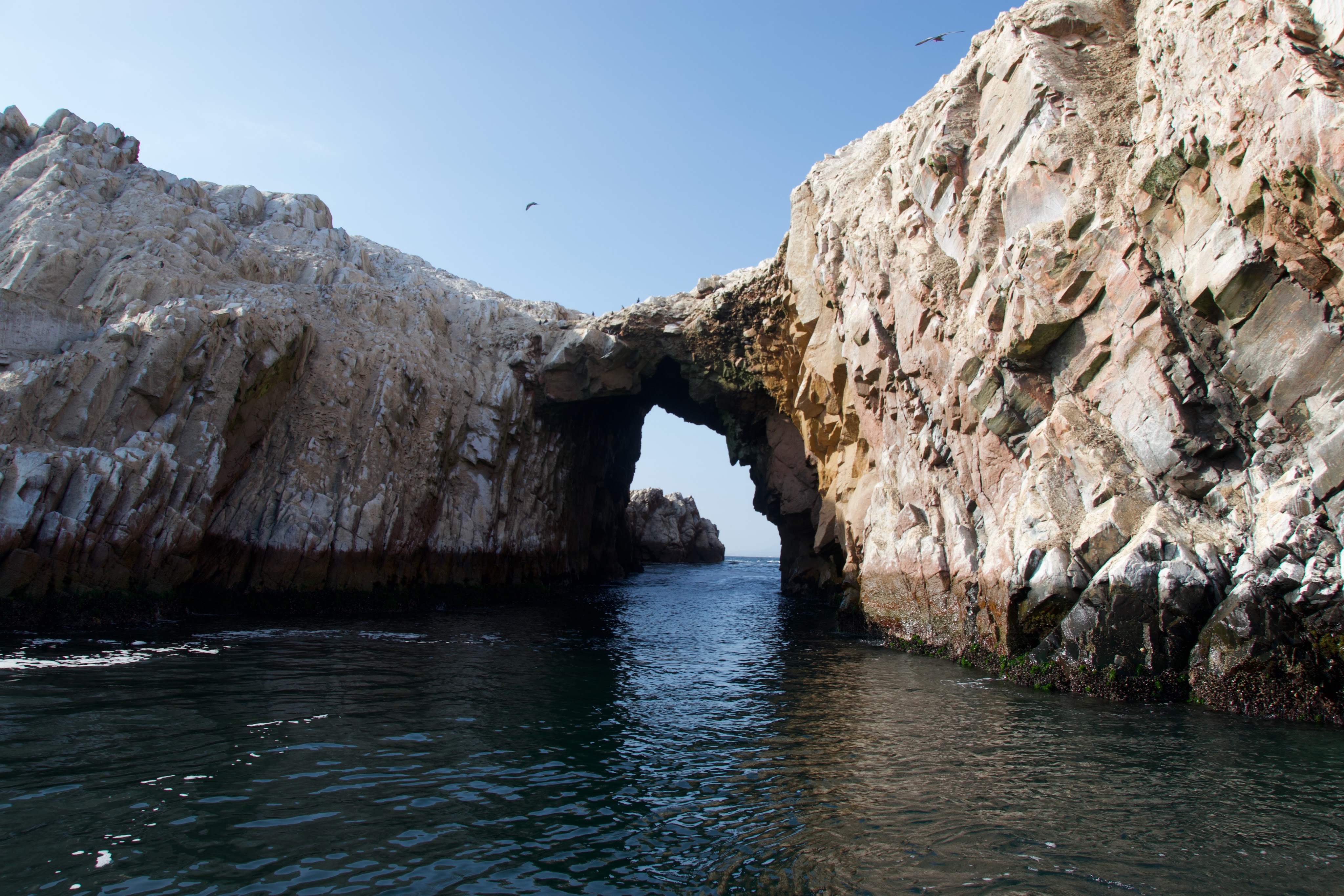
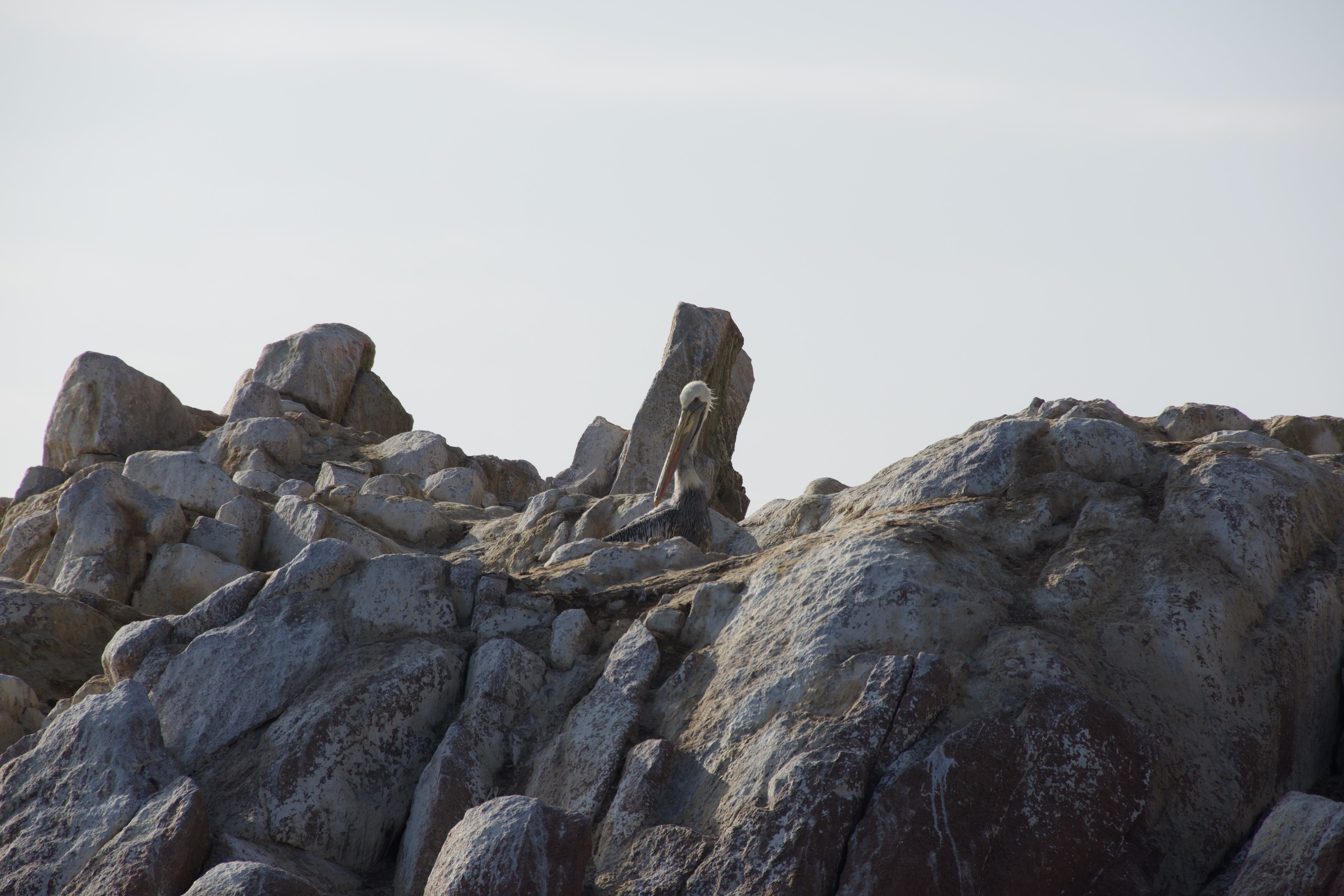
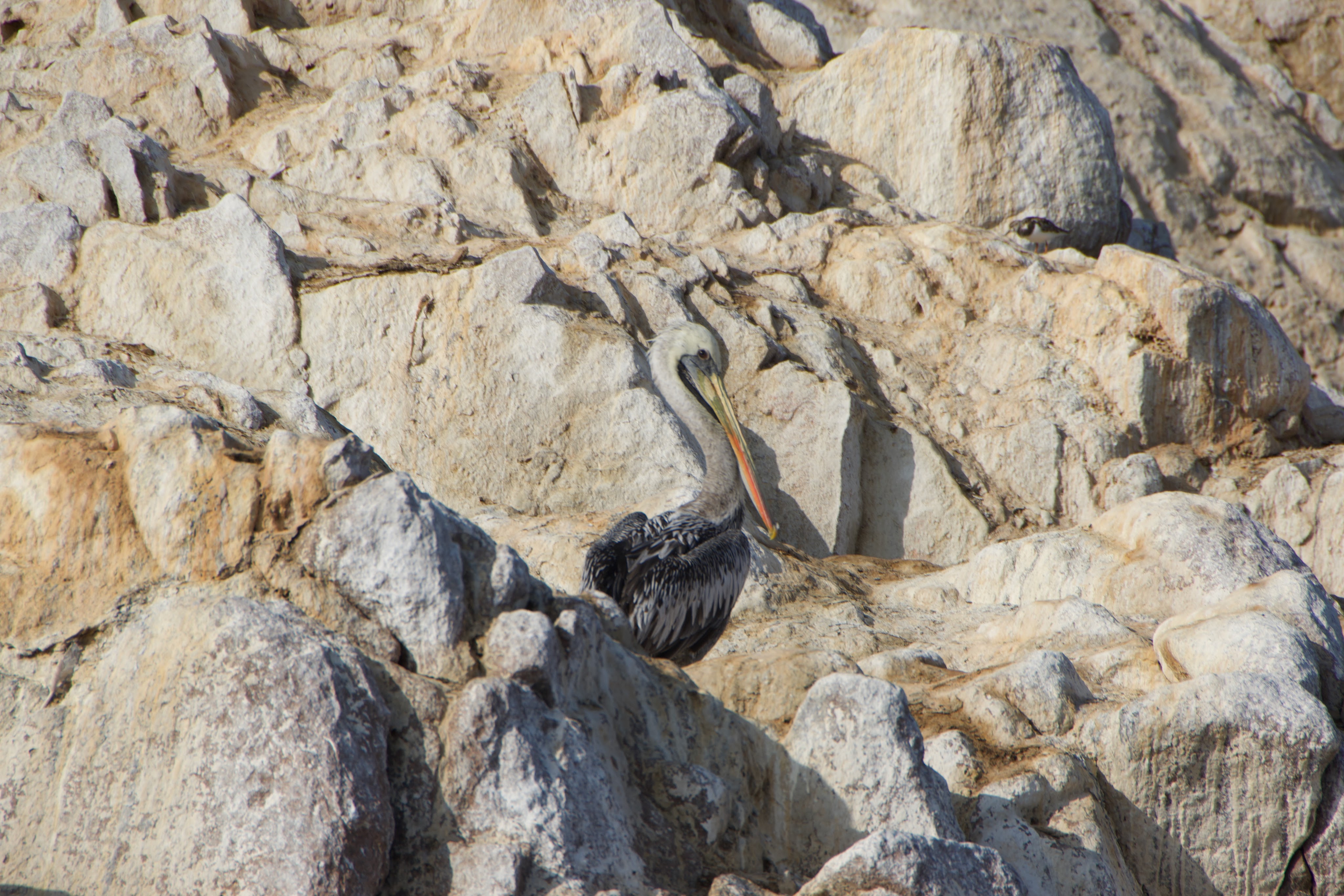
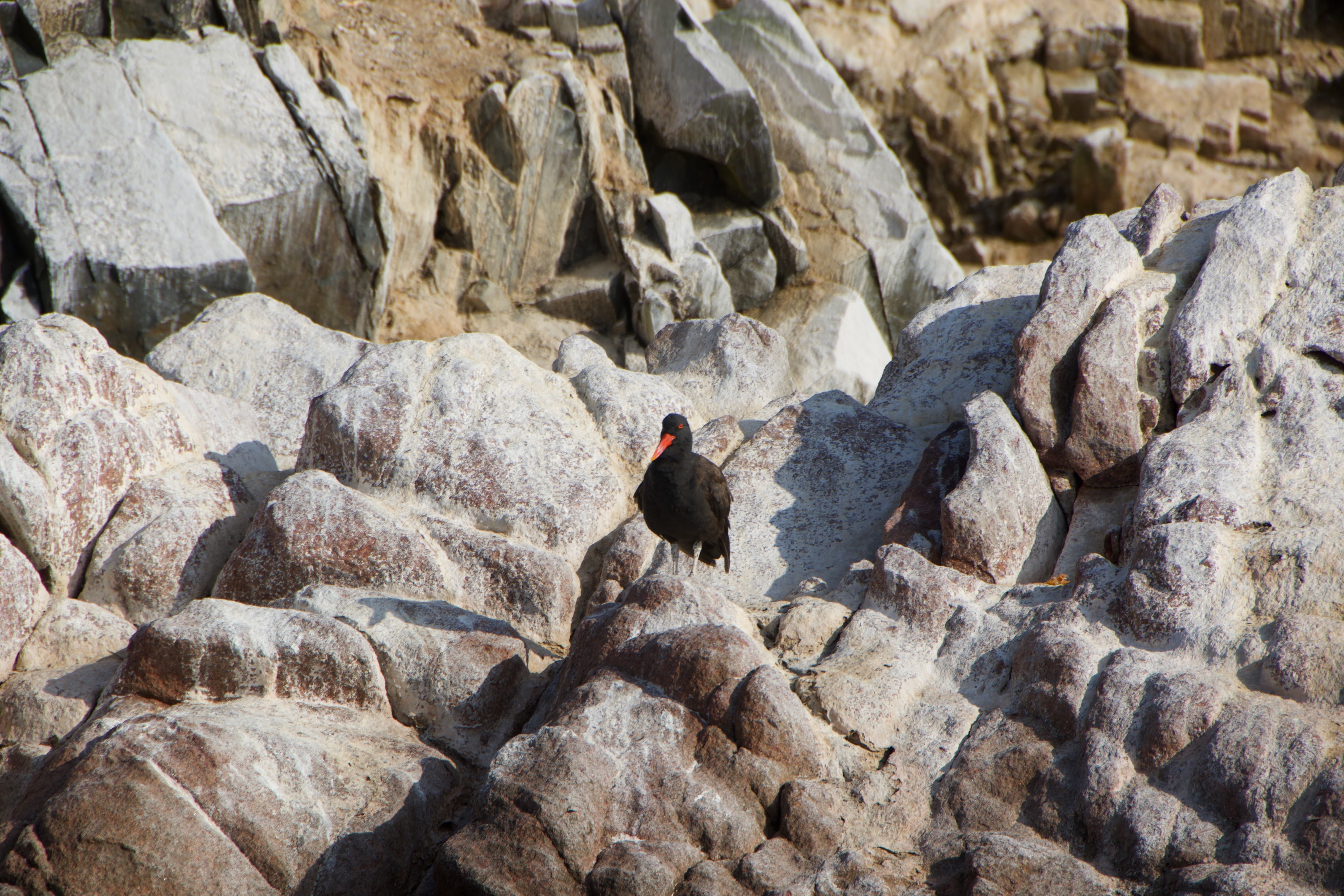
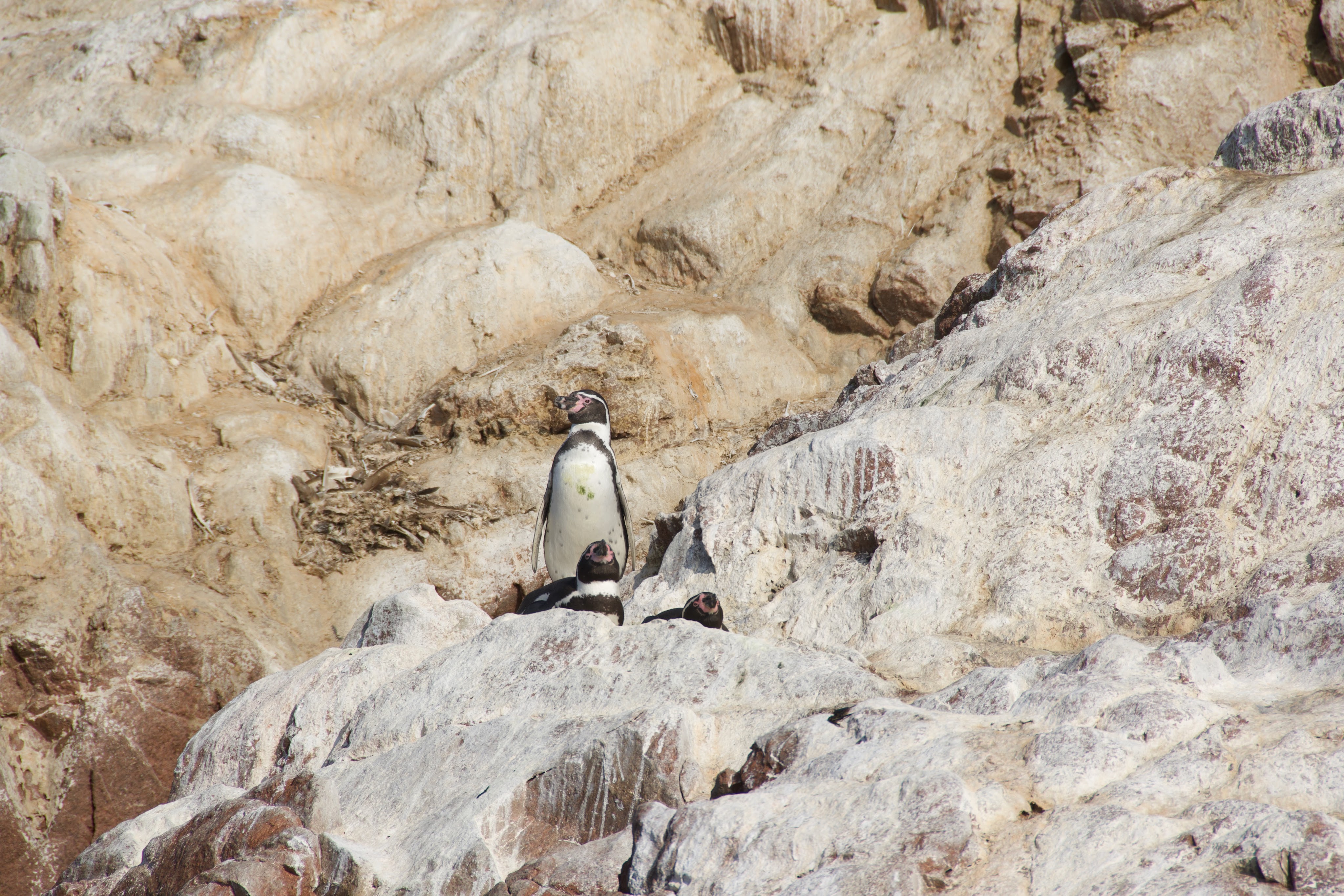
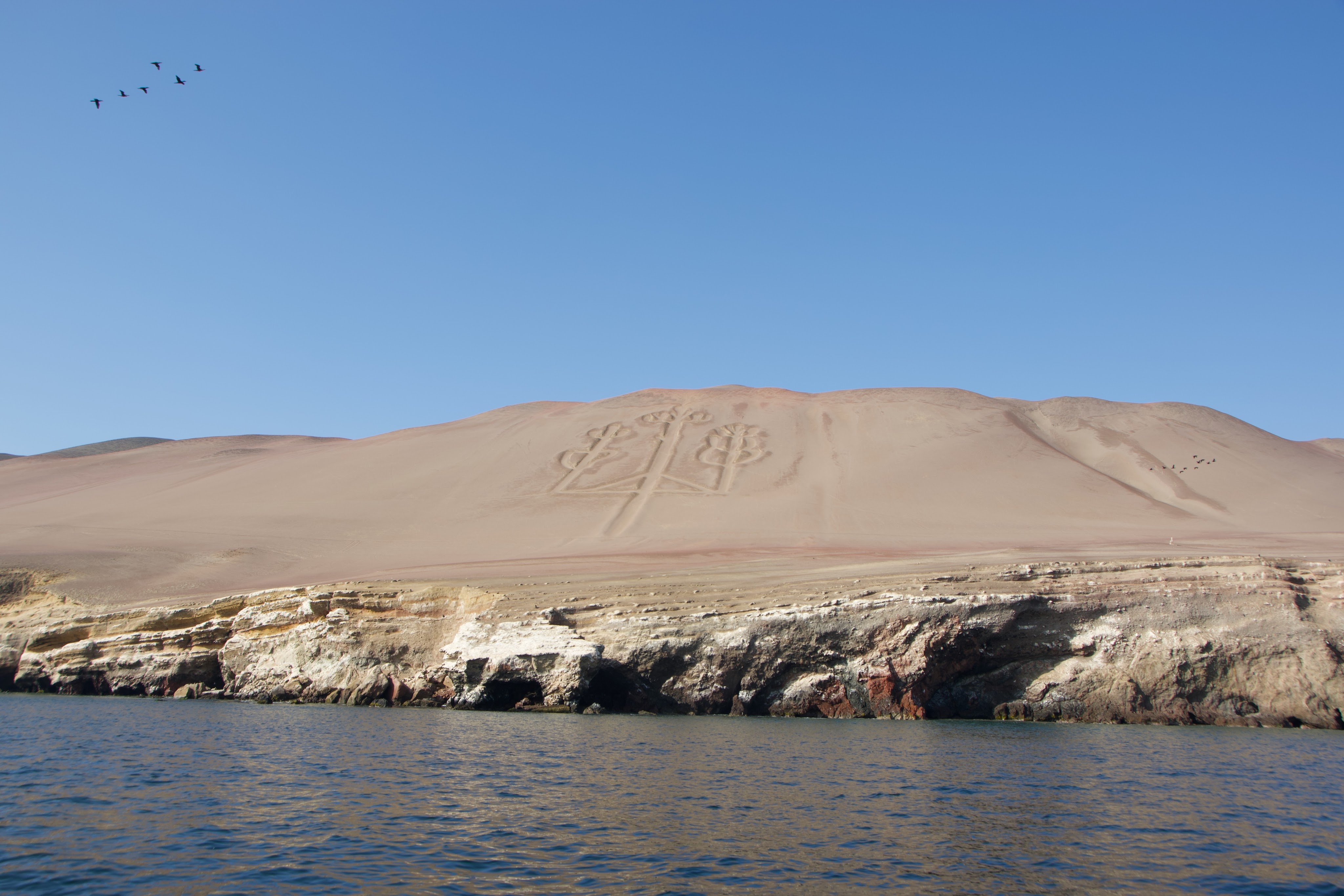
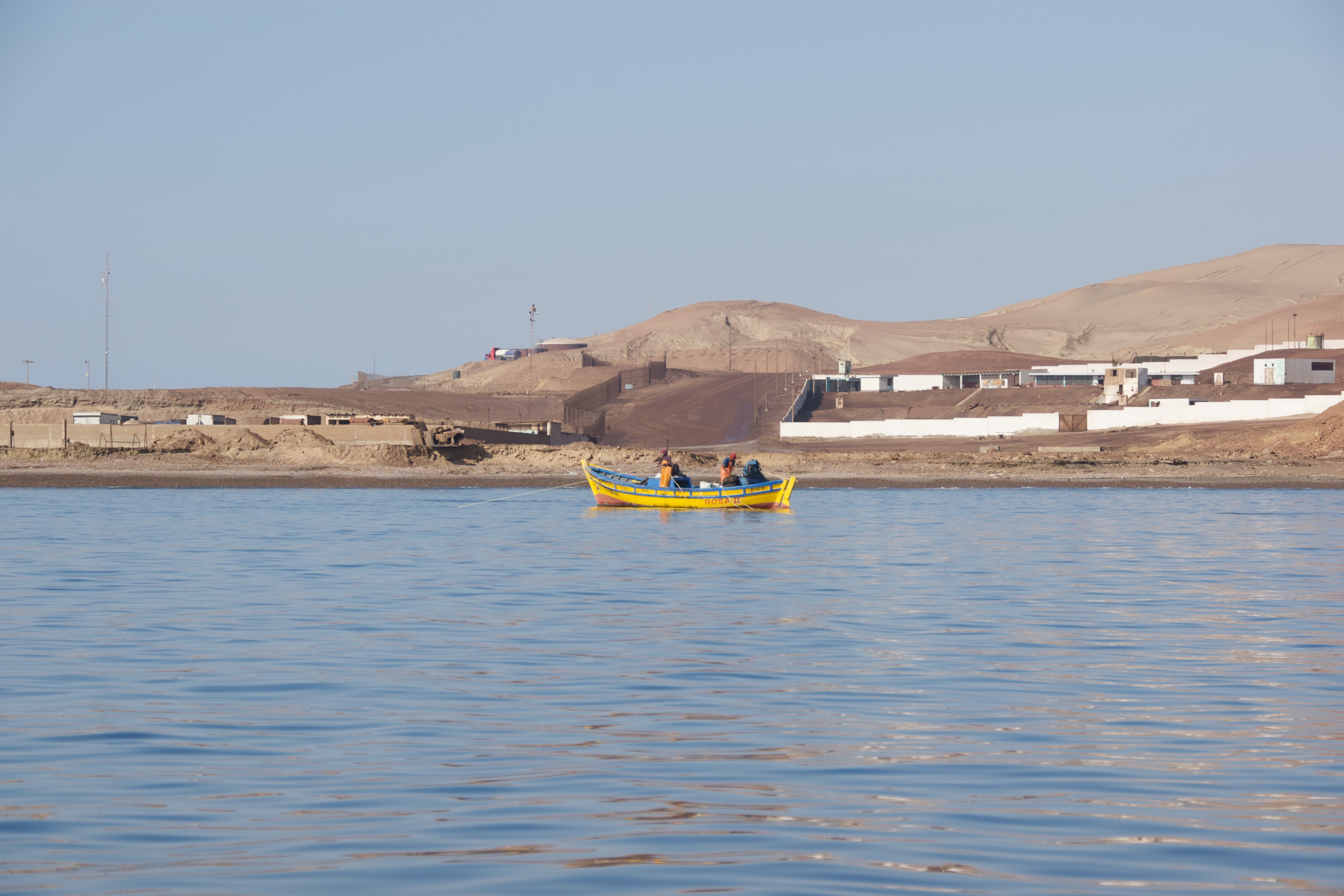
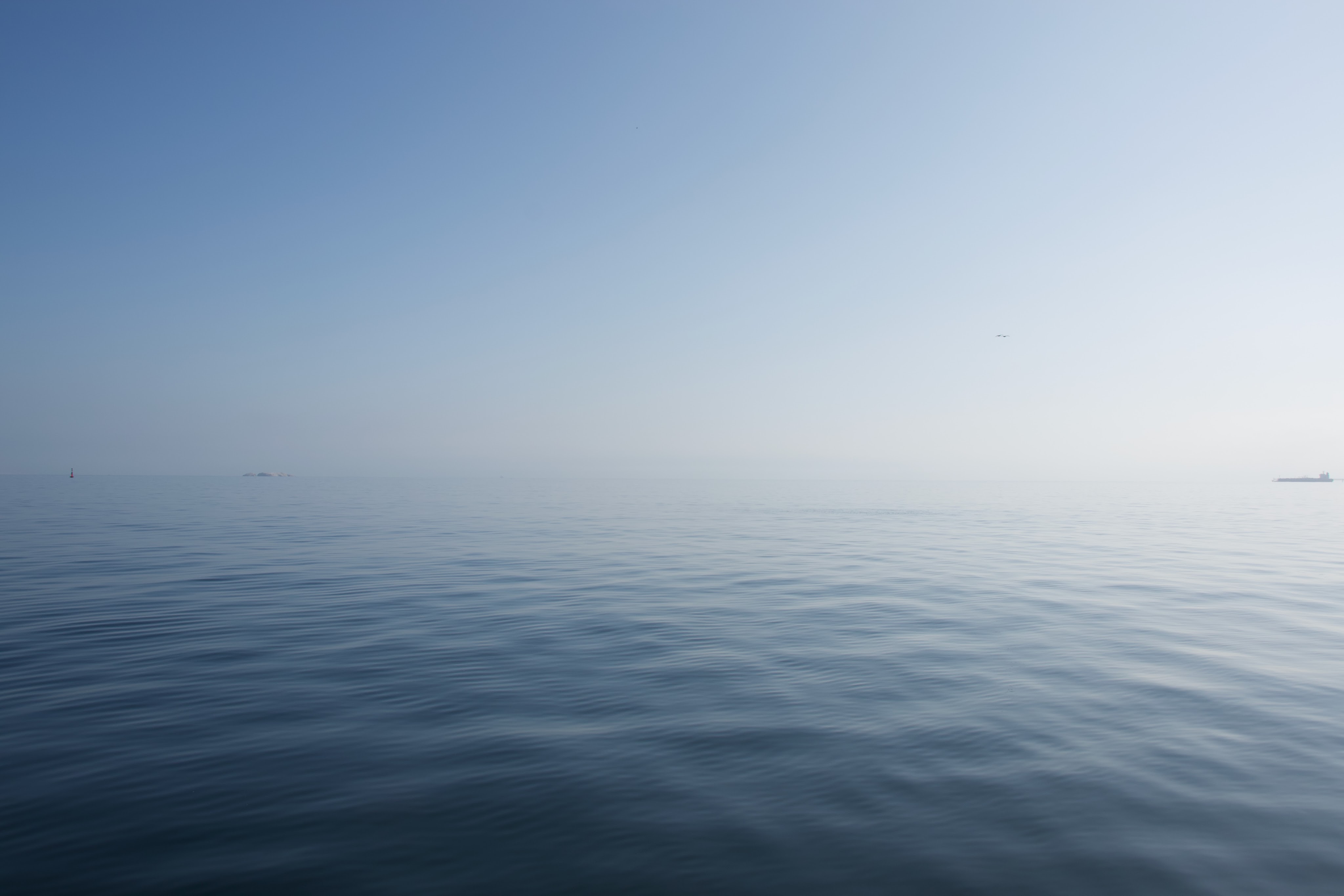
Some people were lucky enough to catch a glimpse of dolphins, but we were happy with a somewhat lumbering sealion.
To underline the militancy of Peru Hop, no sooner were we back on land than we were ushered on to the next excursion. I thought Ricki and I were on the same page, that we would be joining the free bus tour of the national reserve, but when discussing it with the guide, I was caught somewhat unawares when Ricki announced “yes, we’ll pay for the ATV (quad bike) upgrade”.
We would?
Either it was a spur of the moment decision, or astute husband that he is, Ricki had correctly banked on throwing an innocent bystander into the mix so I’d bite my tongue and go along with things (he maintains he “had the conversation in my head…but just forgot to tell you”. I look forward to trying that one myself in future!).
In fairness, I didn’t have much against the ATV idea, having driven one without incident before. I was just trying to keep an eye on purse strings, like the typical Aberdonian I am. And it did sound a lot better to experience the national reserve feeling the air around me, rather than being stuck in a bus which we’d later be moving towns in again.
And so we arrived at the motor shop where we were informed that we would be upgraded again, this time for free, to a dune buggy.
We would?
This gave me more hesitancy, having never looked at, never mind driven, one before. Should I cramp Ricki’s style and just ask to ride as passenger in his buggy?
I didn’t want to risk not even getting a shot behind the wheel though, so just decided to go with the flow. Plus the team were insisting the dune buggies were more comfortable than the ATV, and who looks an upgrade in the mouth?
Again, in militant fashion we were practically thrown into the buggies, with a briefing that was essentially “this is how you turn the engine on”. Somewhere in the 2 minutes between the first successful check of my engine and the second, and just as the lead guide was heading off, my buggy presumably took a loss of confidence in me as a driver and decided it would just stay in park, thank you very much.
Even quicker than before, with all other drivers setting off, my personal belongings and I were thrown into another buggy, and now given the Murray Walker treatment – “Go, Go, GO!!!”
…Go where?! I’d arrived in this town less than 24 hours before, and was now being set loose on it with no sense of direction. Which at least explained the urgency to get me moving, as following the pack was the only way to ensure I didn’t end up driving myself, ahead of schedule, back into Bolivia or some other misadventure.
What I definitely hadn’t anticipated when agreeing to the four wheel drive version of this tour, was that it would include a brief spell on the highway. Let me tell you, nothing makes you feel more vulnerable than being in a small, open air vehicle as an 18-wheeler rumbles by.
You’d think I’d feel better as we came off the highway into the reserve. Instead, my anxieties simply moved from myself to our belongings. I had been all nicely set up in the first buggy, with everything strapped in by seatbelt. Amongst the fracas of moving vehicles though, I hadn’t been given a chance to secure anything other than myself, and as I bumped and sped along, was now having to keep one eye on the road ahead and the other on what I jokingly refer to as Ricki’s baby, the DSLR camera. Woe betide me if that escaped on my watch.
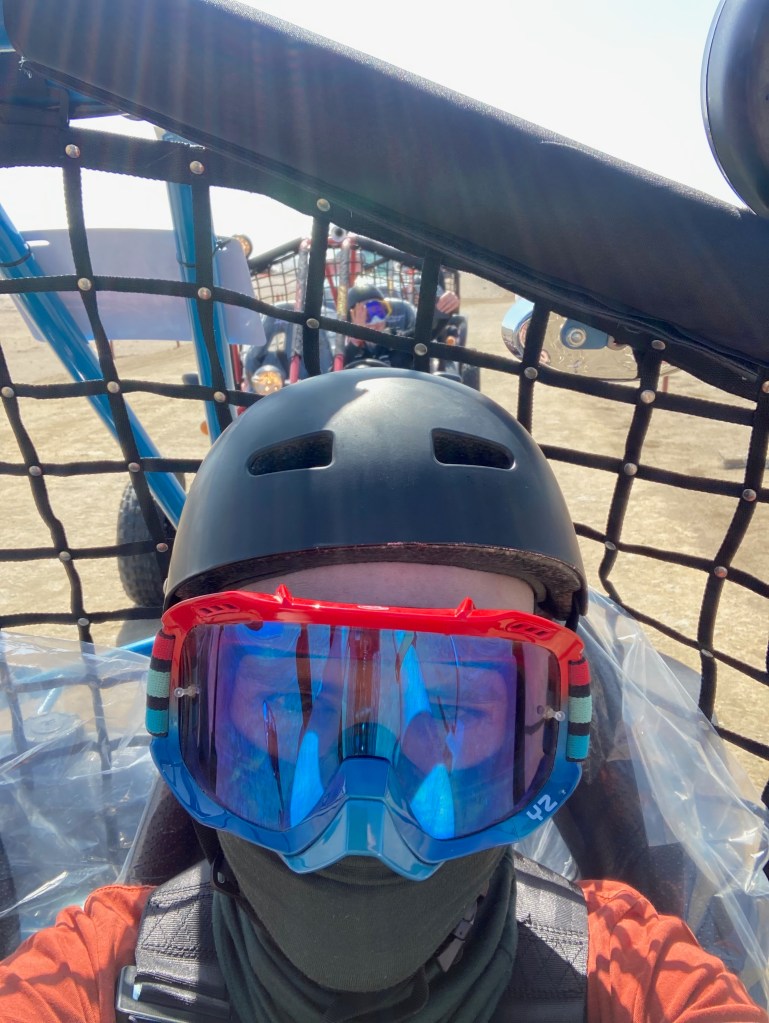

Neither taken while driving!
So it was with great relief that we came to our first photographic stop. After this I was able to enjoy things a lot more.
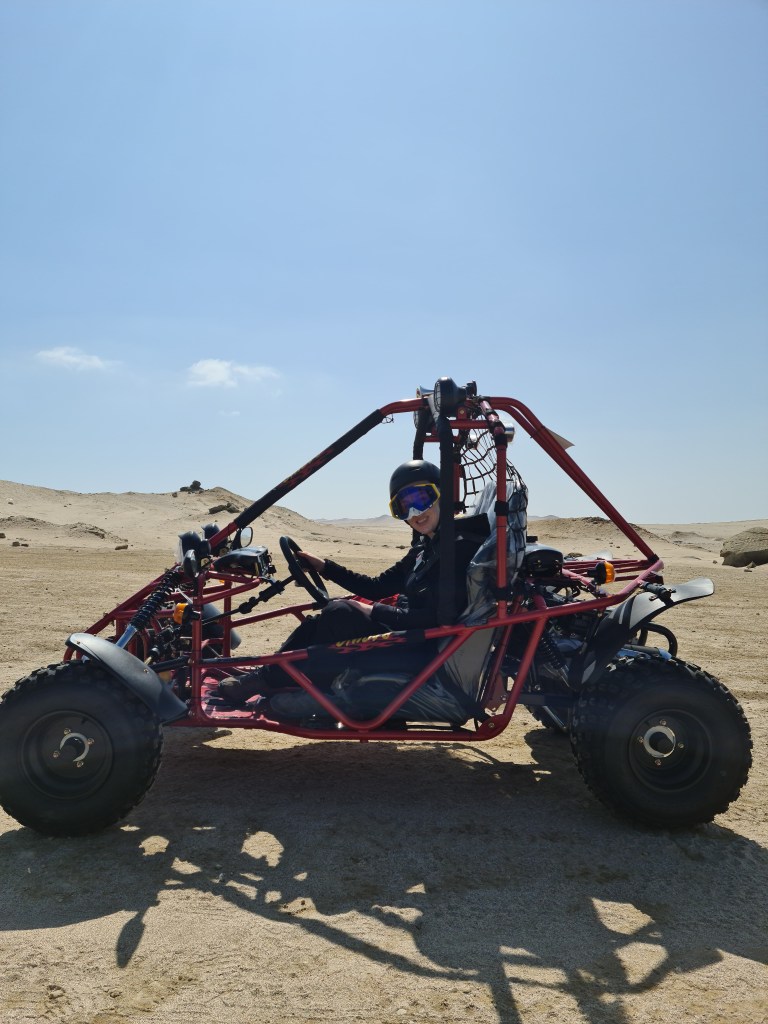
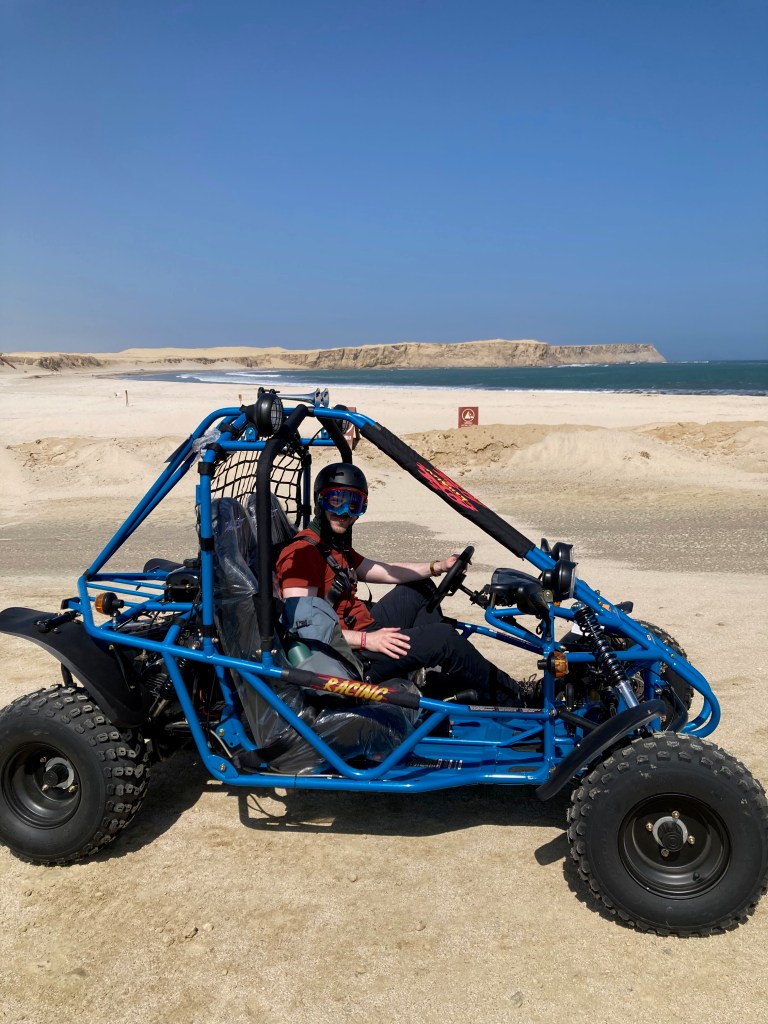
There wasn’t any commentary to the tour, but now that I had time to get baby strapped in, I could just focus on enjoying the drive. The rumble of the engine was incredibly satisfying, and it was as easy as handling an automatic car. Not that anyone had checked whether we held driver’s licences.
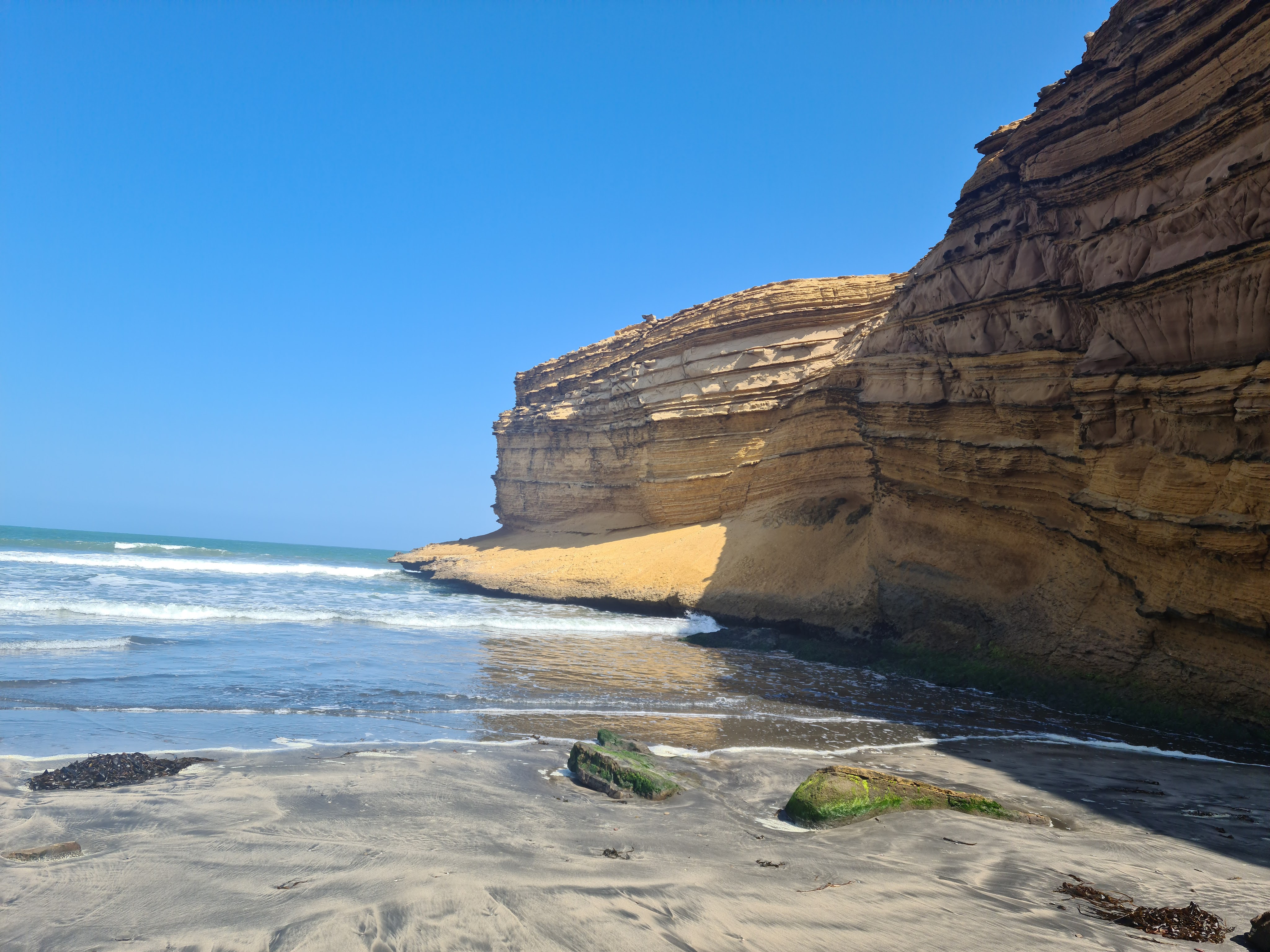

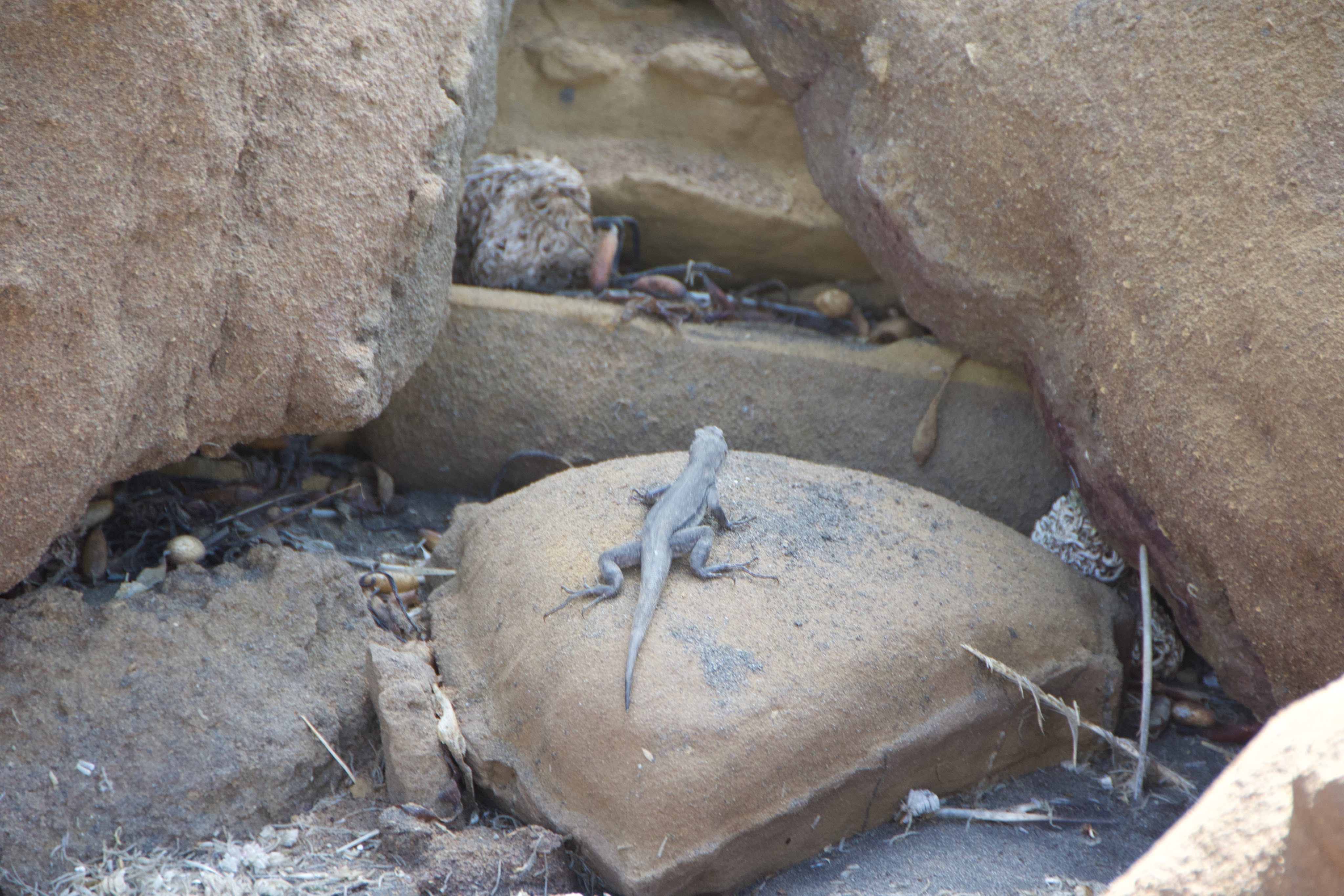
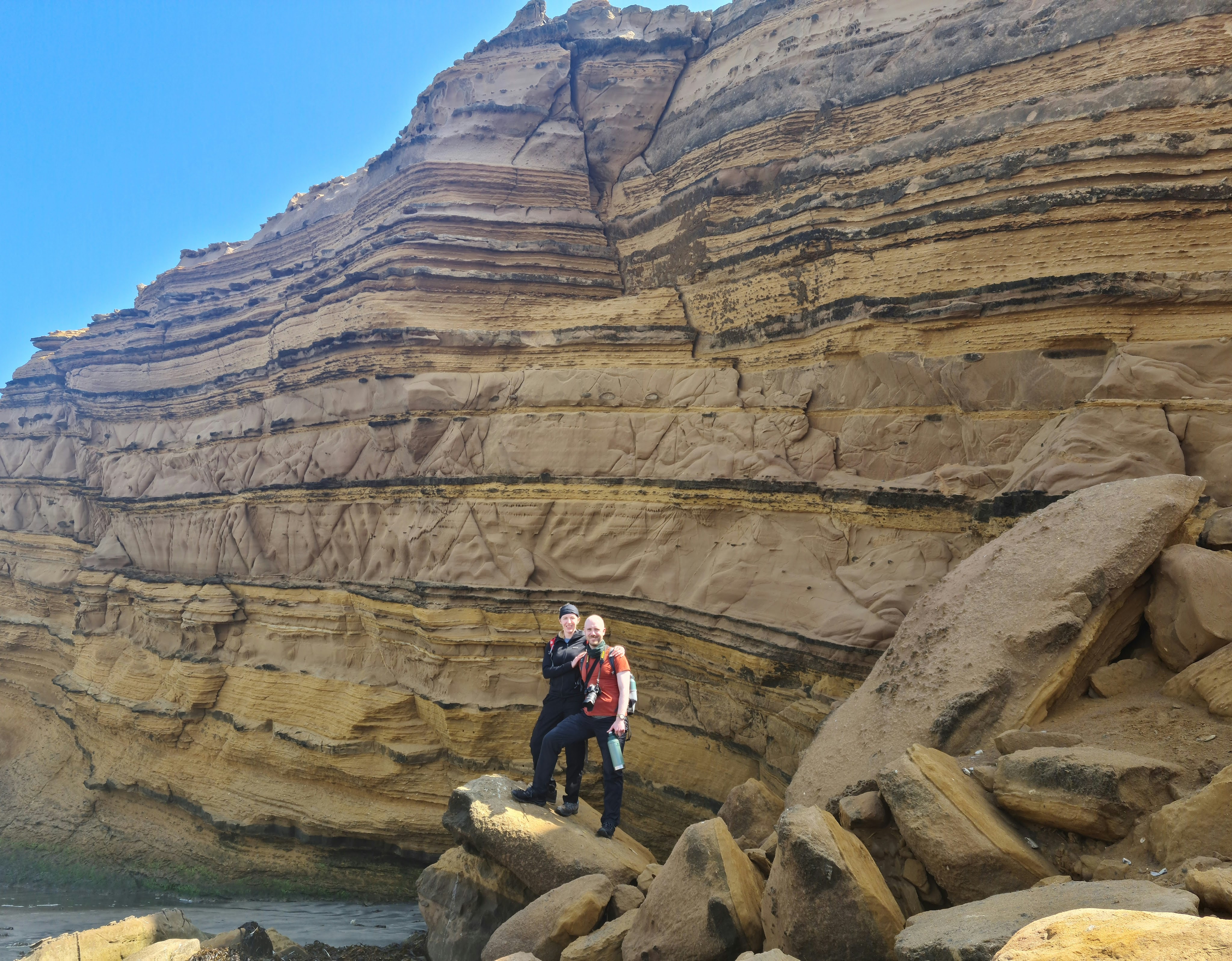
By the end, I was really pleased with our unexpected upgrade. Given the time spent zooming through the dunes, it was definitely more comfortable than a quad bike and I certainly wasn’t eyeing the people cooped up in the tour bus with envy.
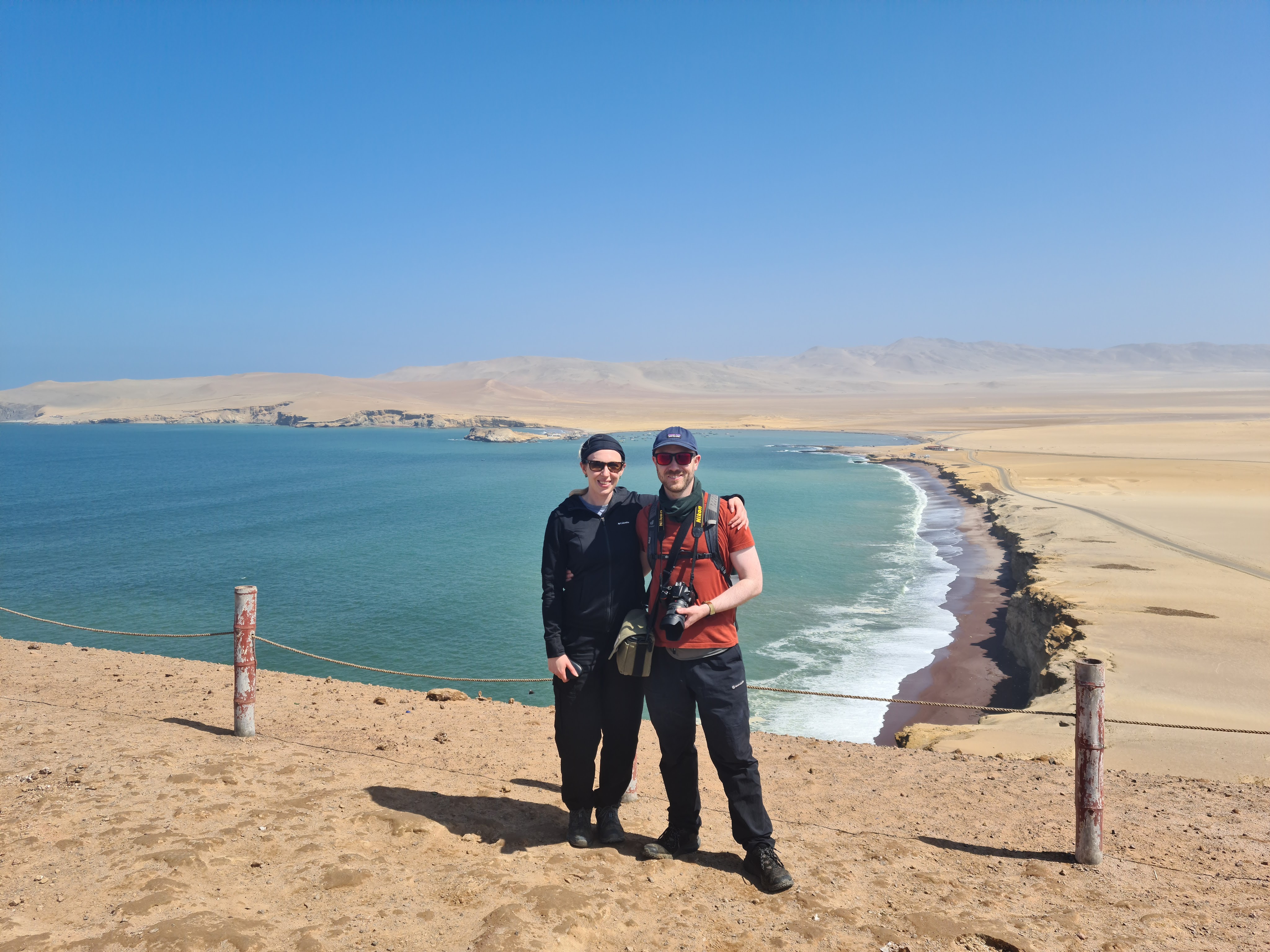
Fast forward to our next destination, Huacachina, 75km to the south east, and it was time to get belted once more into a dune buggy. This was another reason I thought we wouldn’t bother doing it in Paracas. But as the Peru Hop guide explained, it would be very different in Huacachina. This time the professionals would be taking charge of shuttling us in 12-seater buggies up some proper sand dunes.
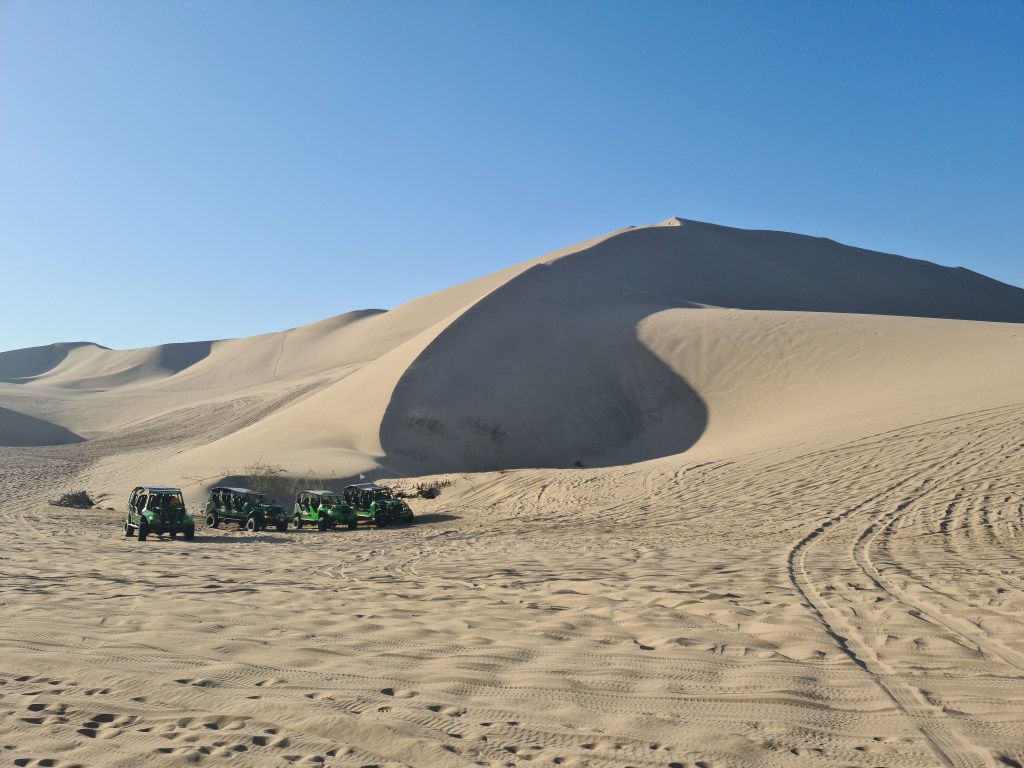
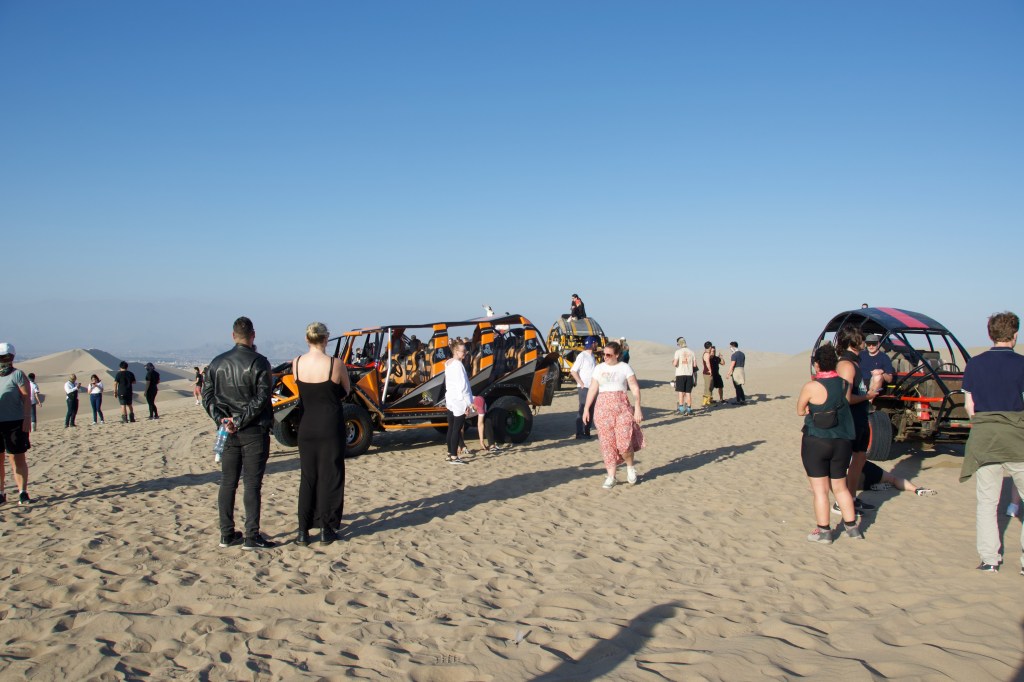
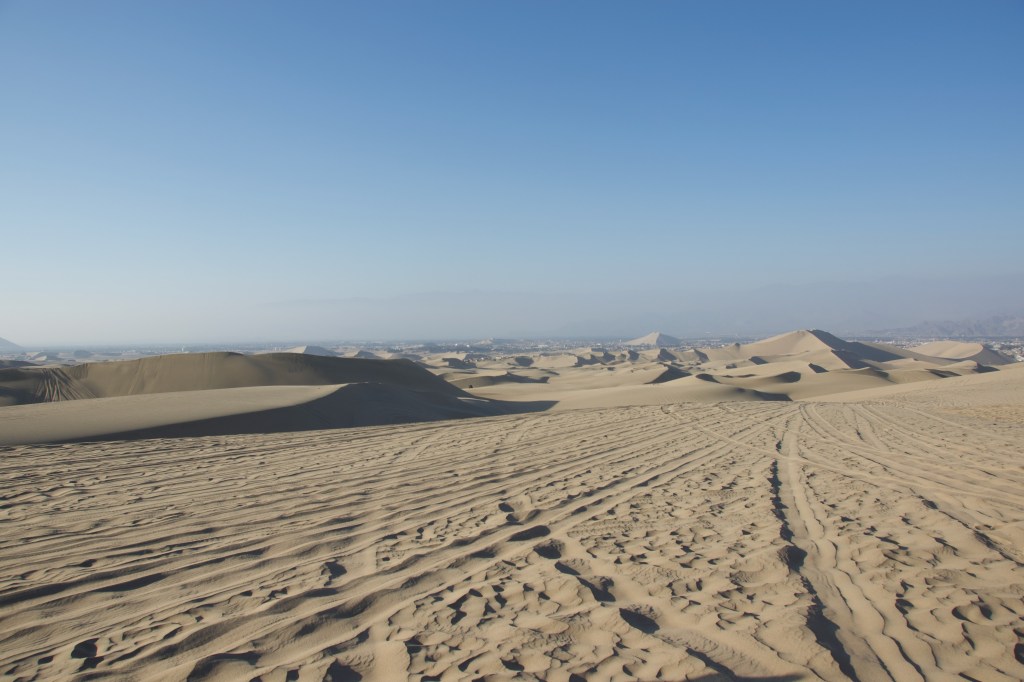
And by shuttle, I mean more like space shuttle than golf shuttle. The Peru Hop guide was right when she said it would be like a rollercoaster. The buggies made light work of zipping up the sand to the top of the dunes. Too quick to notice the height you were climbing, it was always a shock to briefly see the yellow expanse below, before hurtling downwards. We could have done it for hours if given the chance.
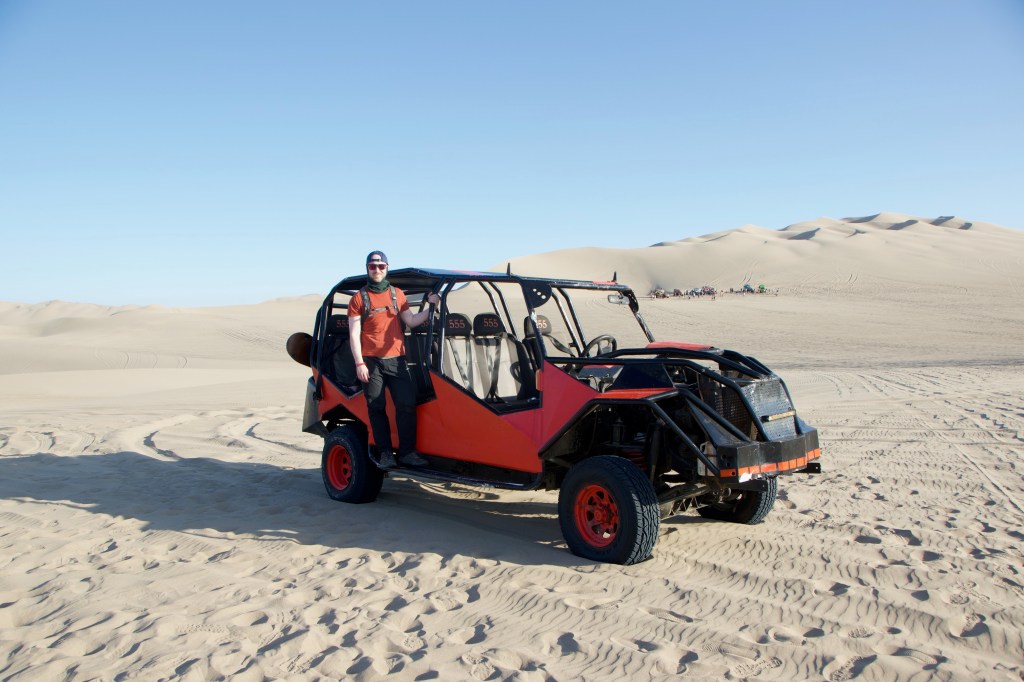
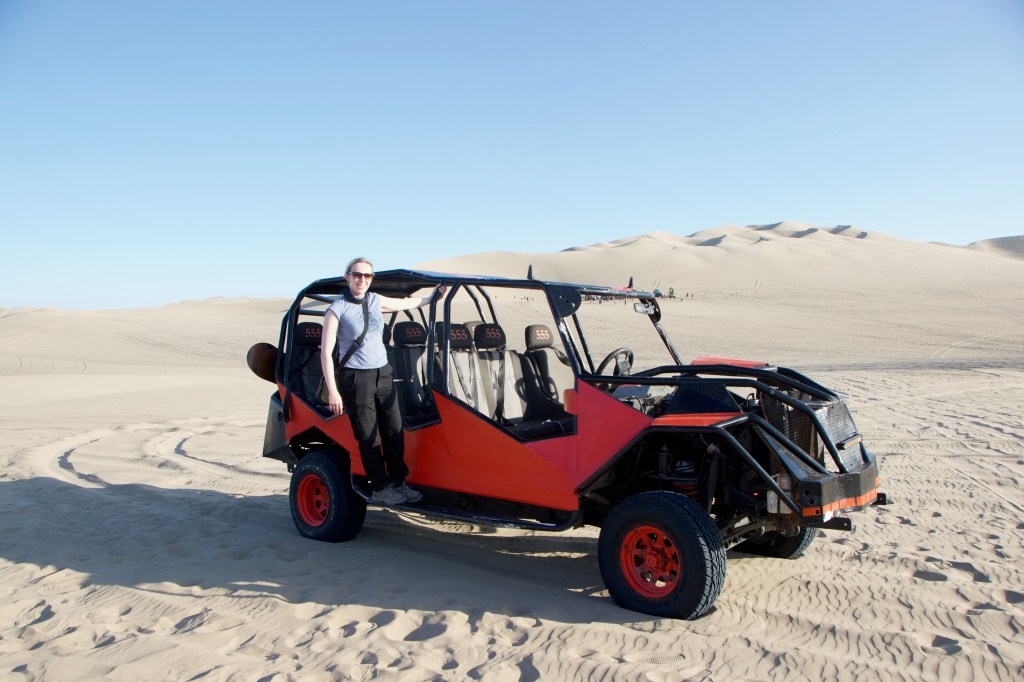
In between the buggying, we were also given breaks for sandboarding.
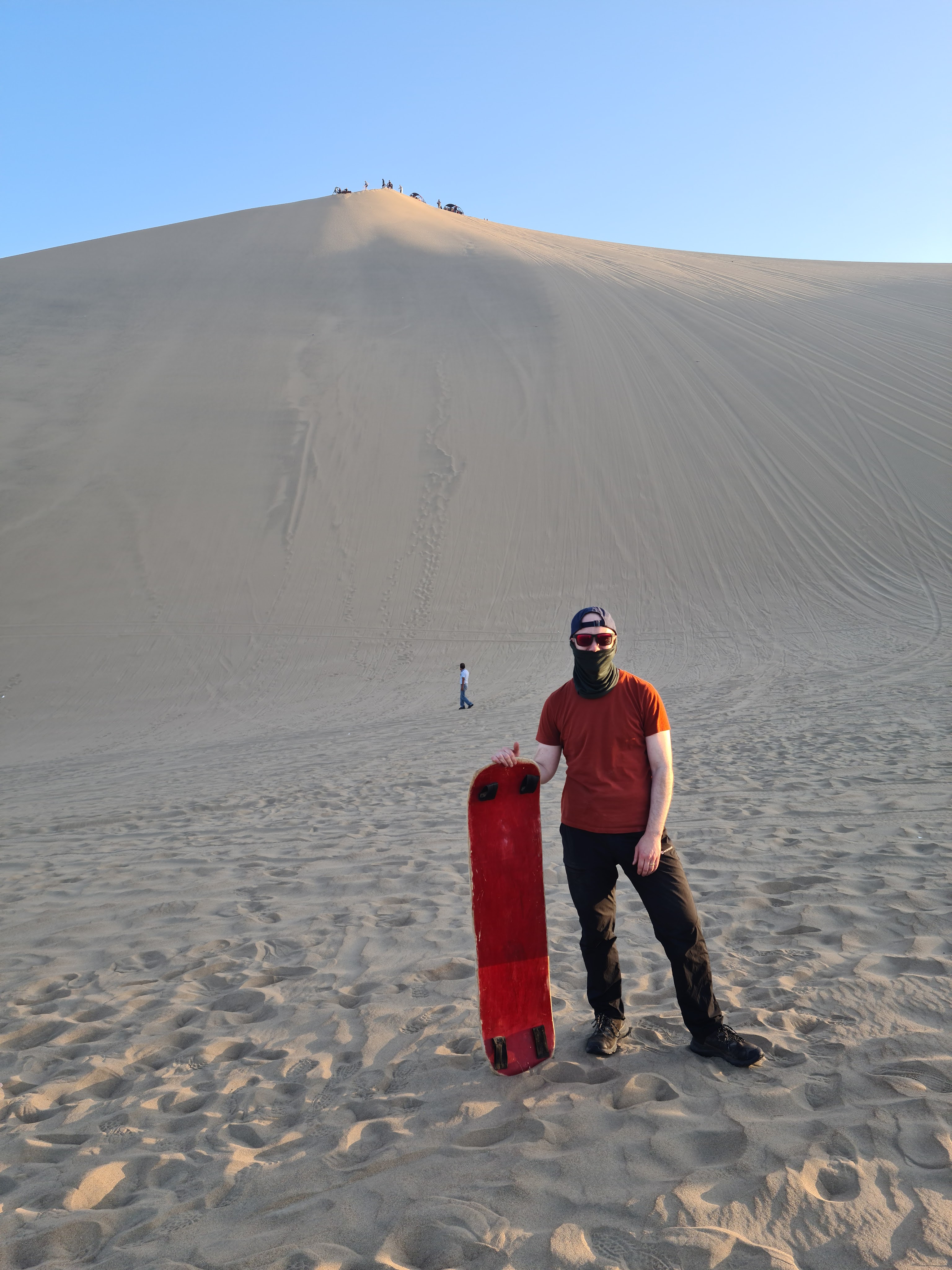
This was a little tamer, as it was all done on our belly. In theory you’re meant to keep your feet on the ground behind you for braking. The first dunes were pretty easygoing though, so I think we were all sneaking our feet up a bit for some momentum.
Gradually we were led to higher and higher dunes. The final one was a little deceptive, and actually didn’t look too bad from the top. The guides were absolutely insisting at this point we keep our feet down though. And for good reason. Once we got going, we realised the gradient was much steeper than what we’d experienced so far. The braking speed was more than enough. I’m not sure if it was the speed, or a change in terrain, but by the time we reached the bottom, it felt like our bones were shaking, the vibrations of the board were so strong.
Rounding the day off watching the sunset from the dunes, I think we were all very disappointed to return to town, and joked about doing it again next morning.
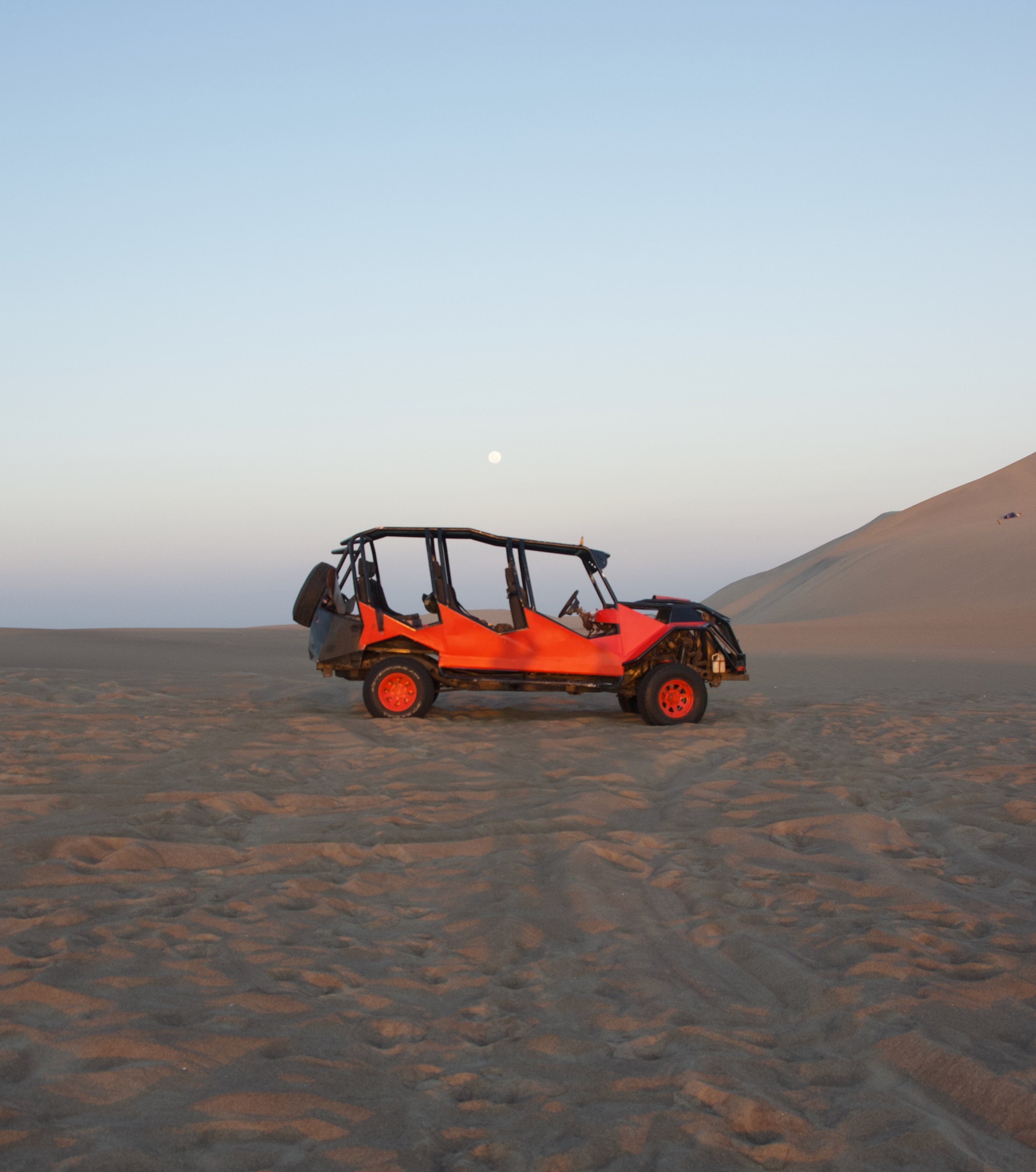
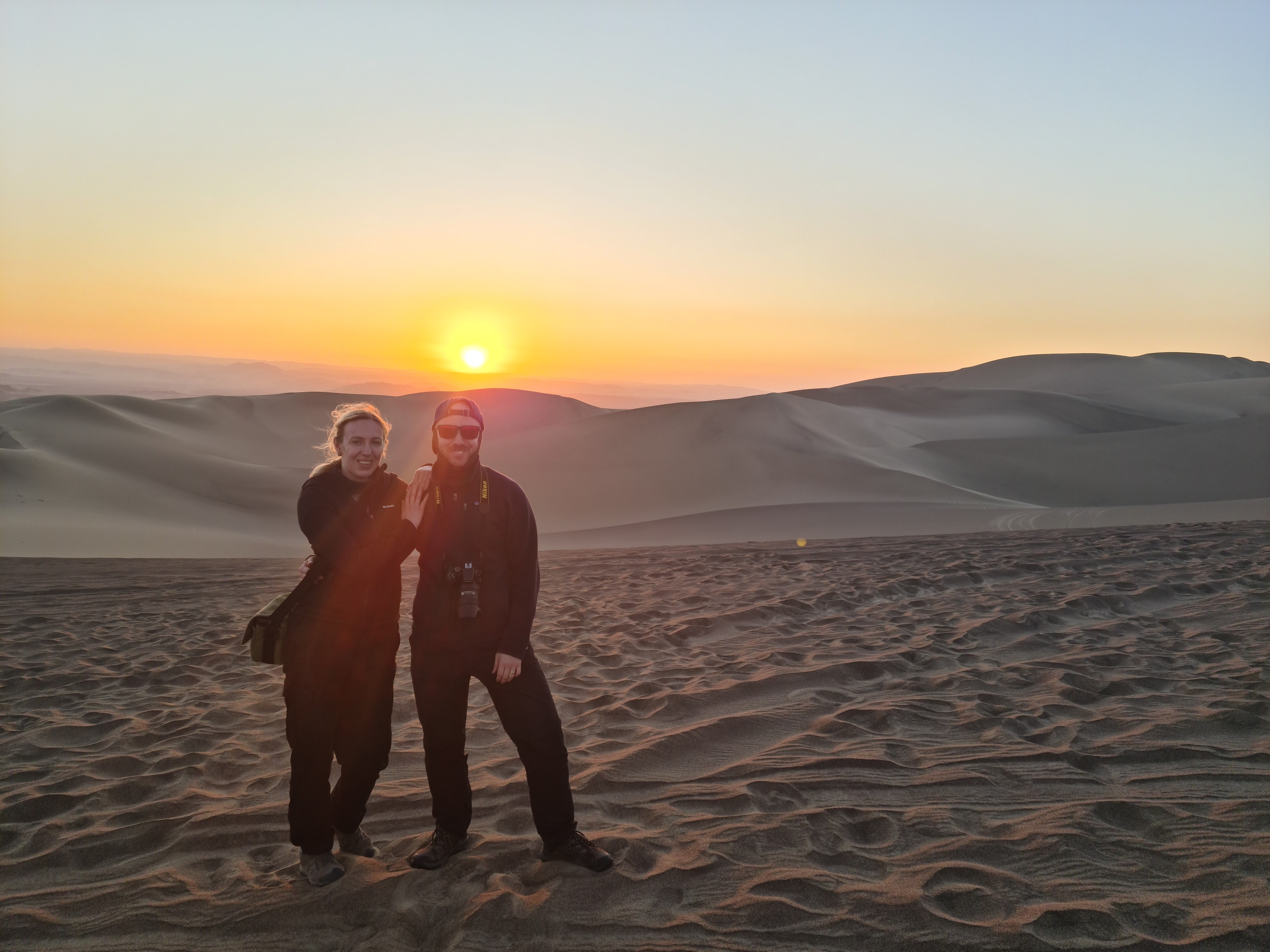
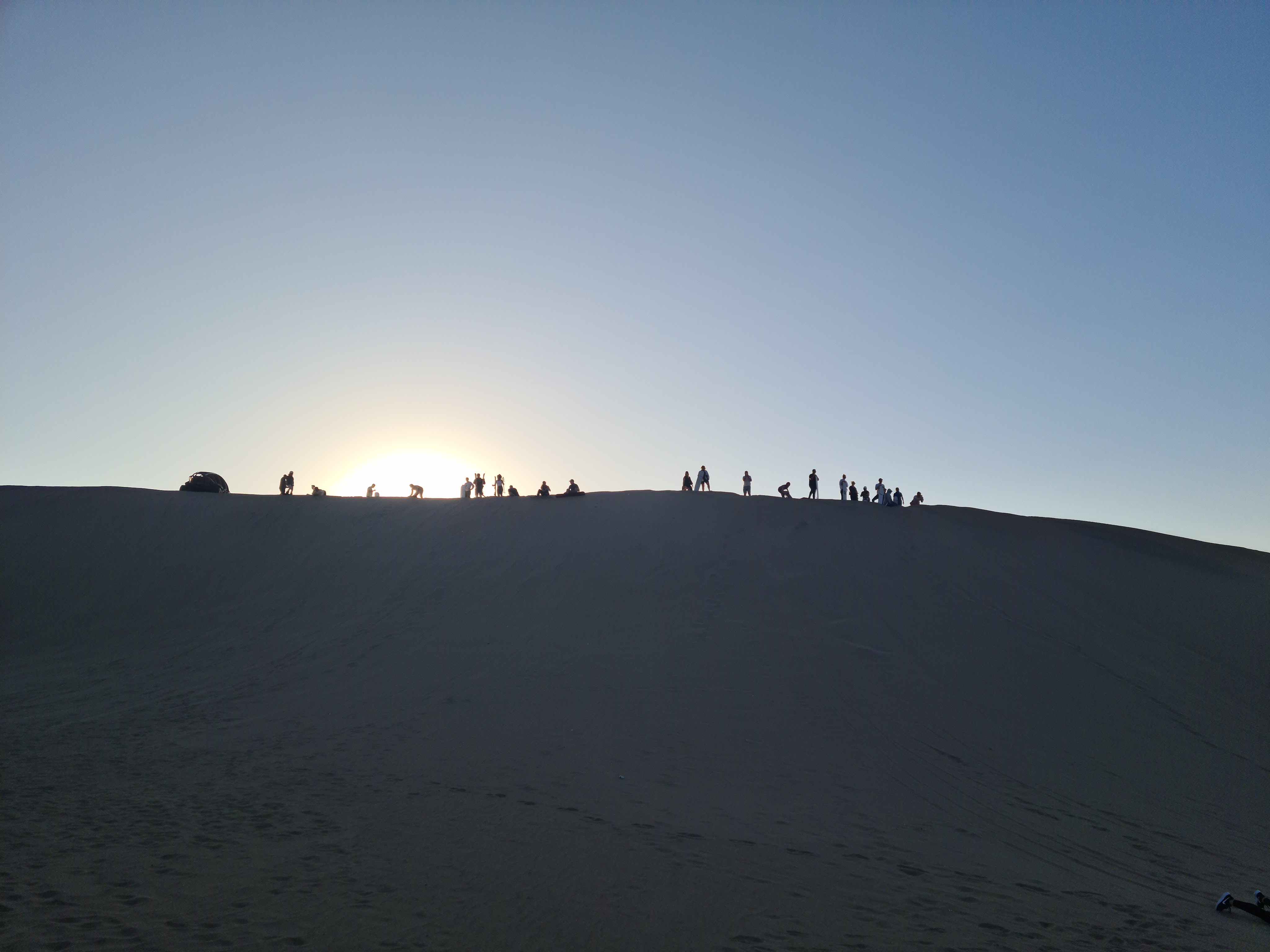
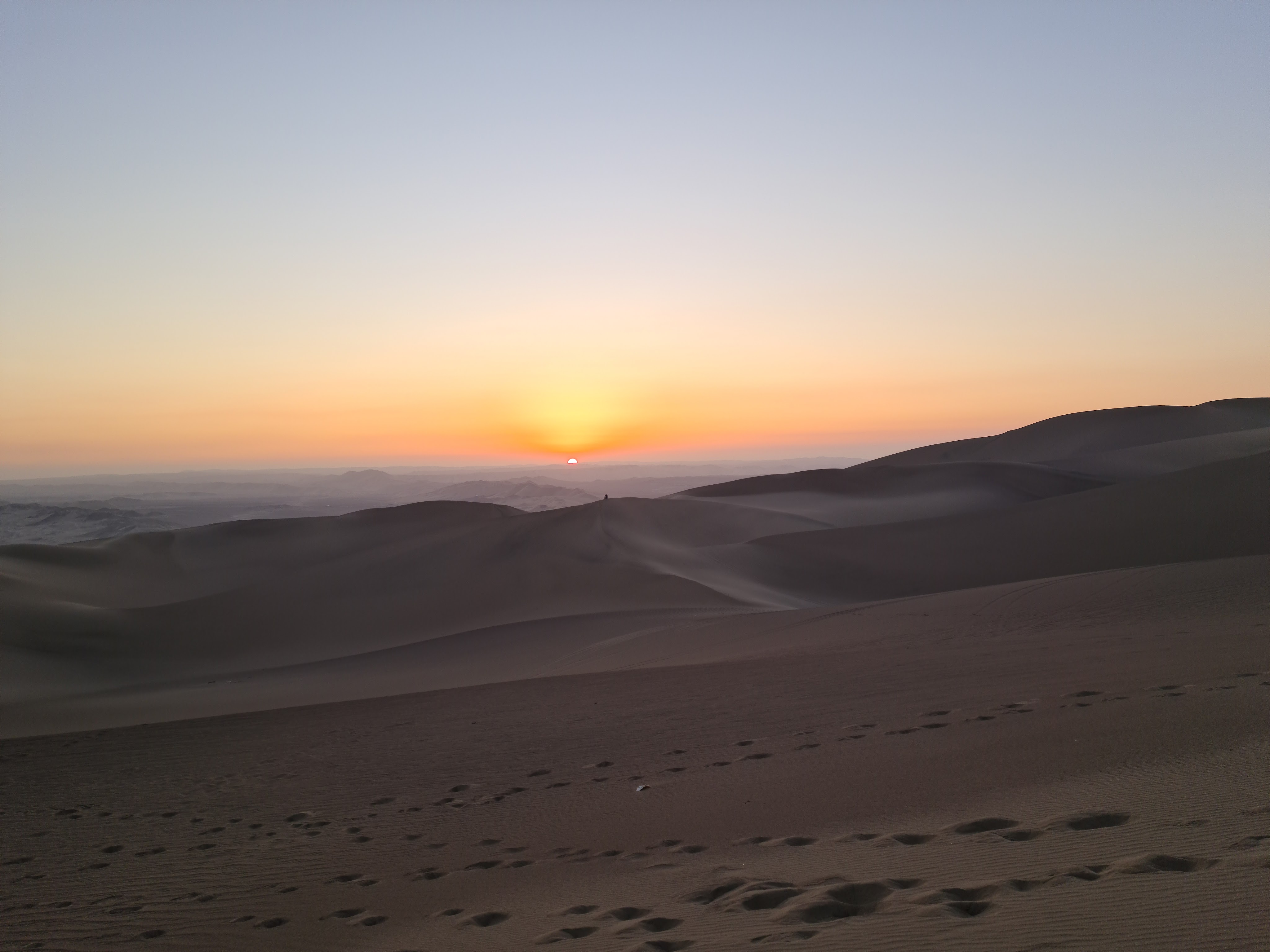
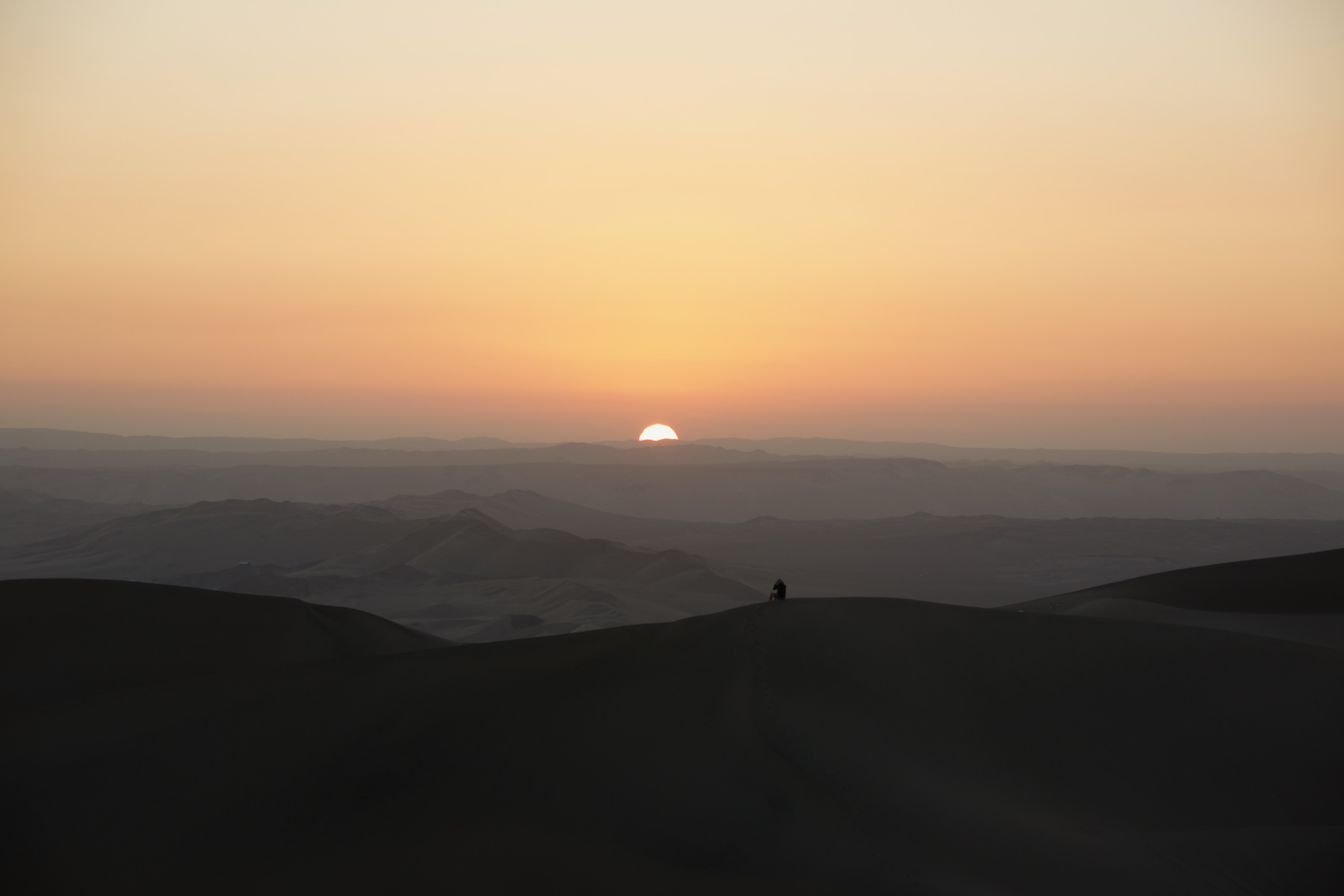
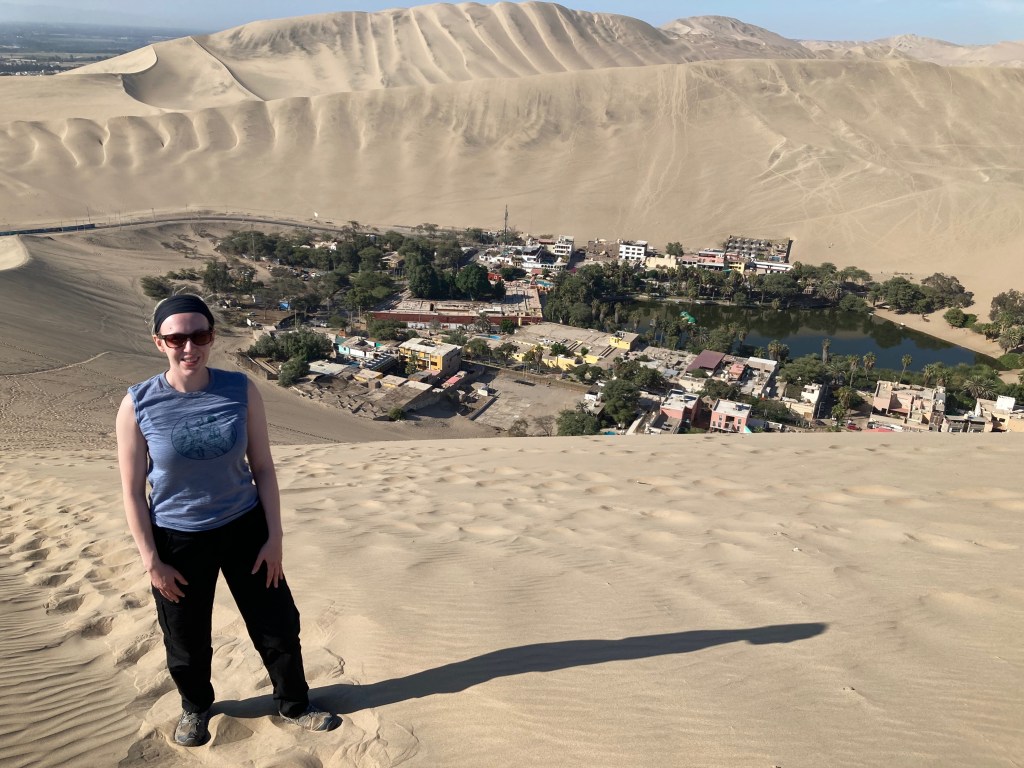
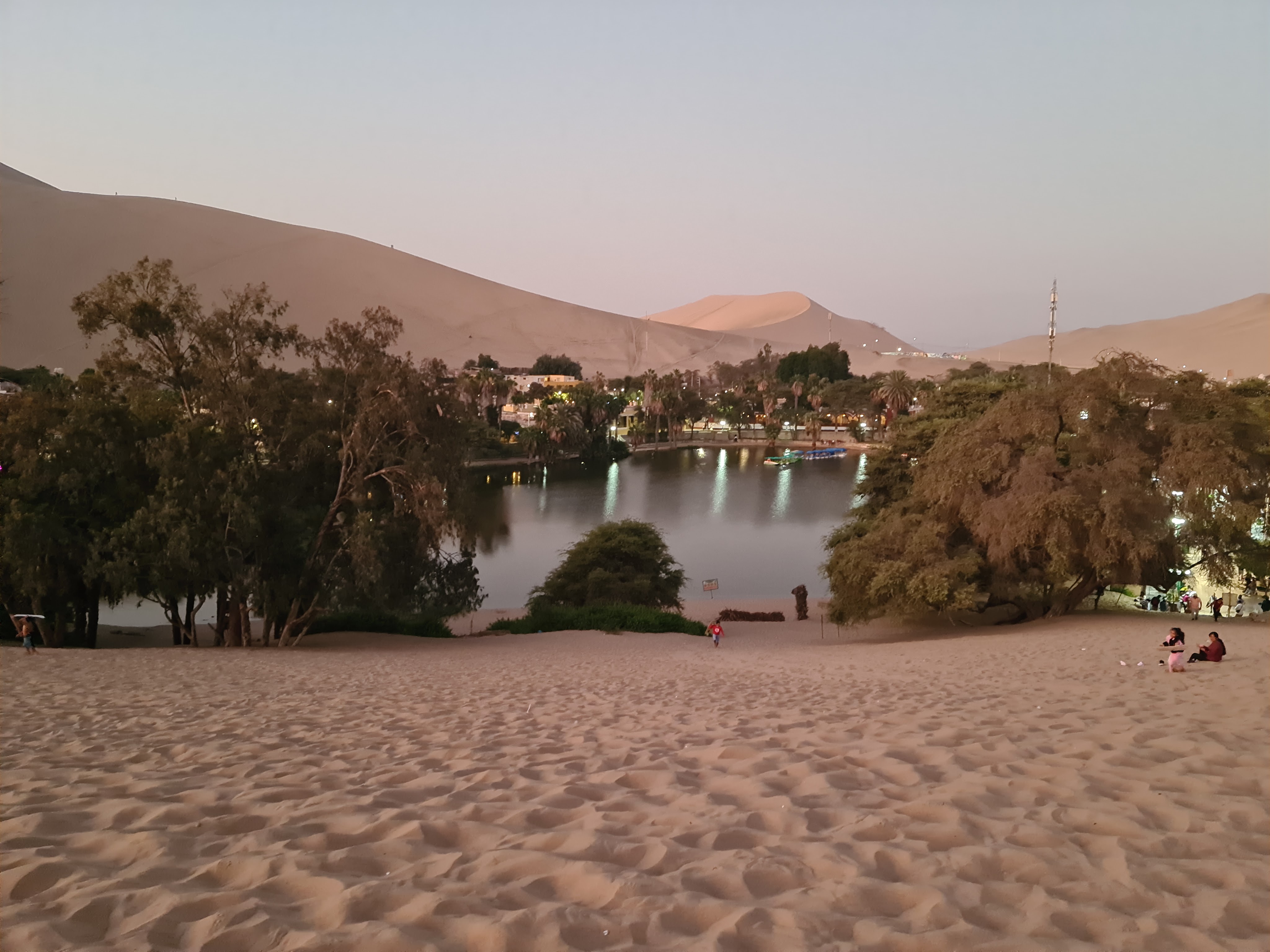
In actual fact, Ricki and I would return to the dunes in the morning, but sadly only on foot. We were keen to climb the dunes immediately surrounding Huacachina this time so we could get the full perspective. Huacachina is a literal oasis in the desert, and how many of those do you get to see?

Although these dunes weren’t too high, the sand made the climb more than enough of a challenge. I started to pray there wouldn’t be any on our forthcoming Inca Trail trek.
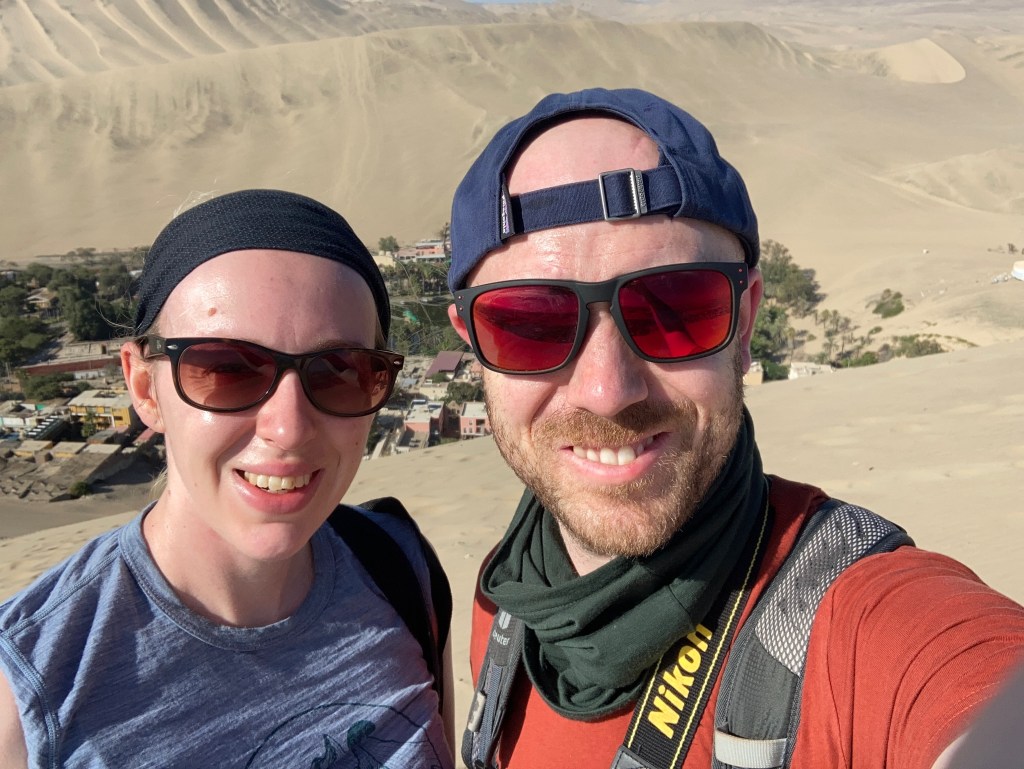
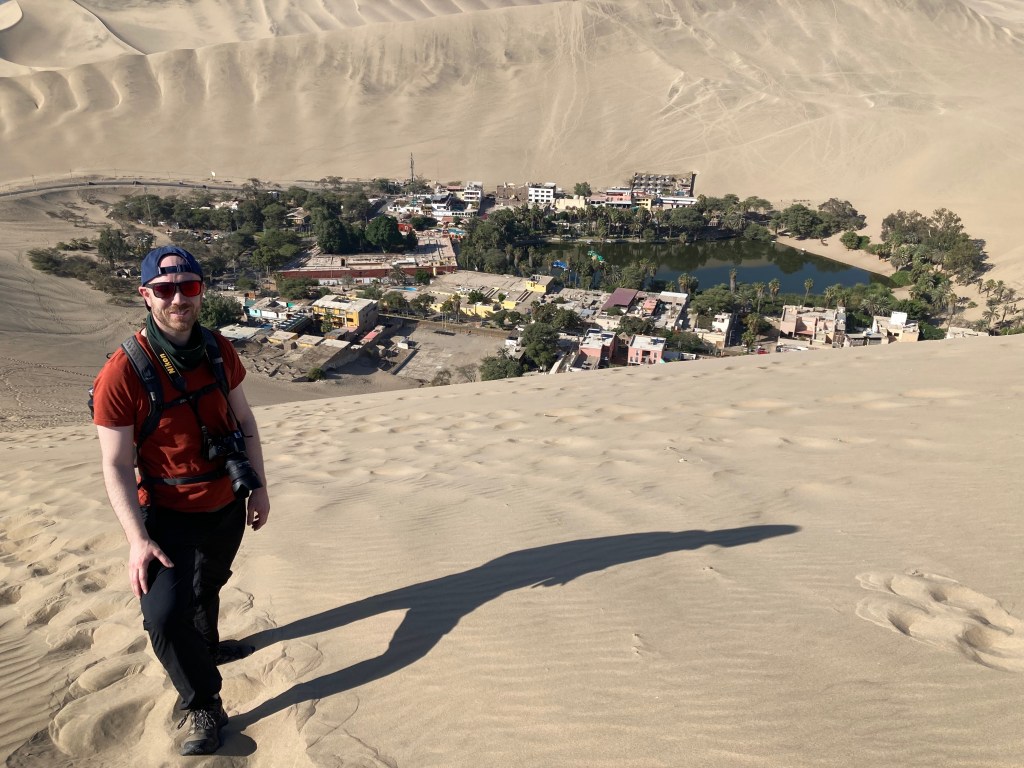
After a walk round the lagoon, freshening up and getting some breakfast, it was already time to wait for our departing bus.
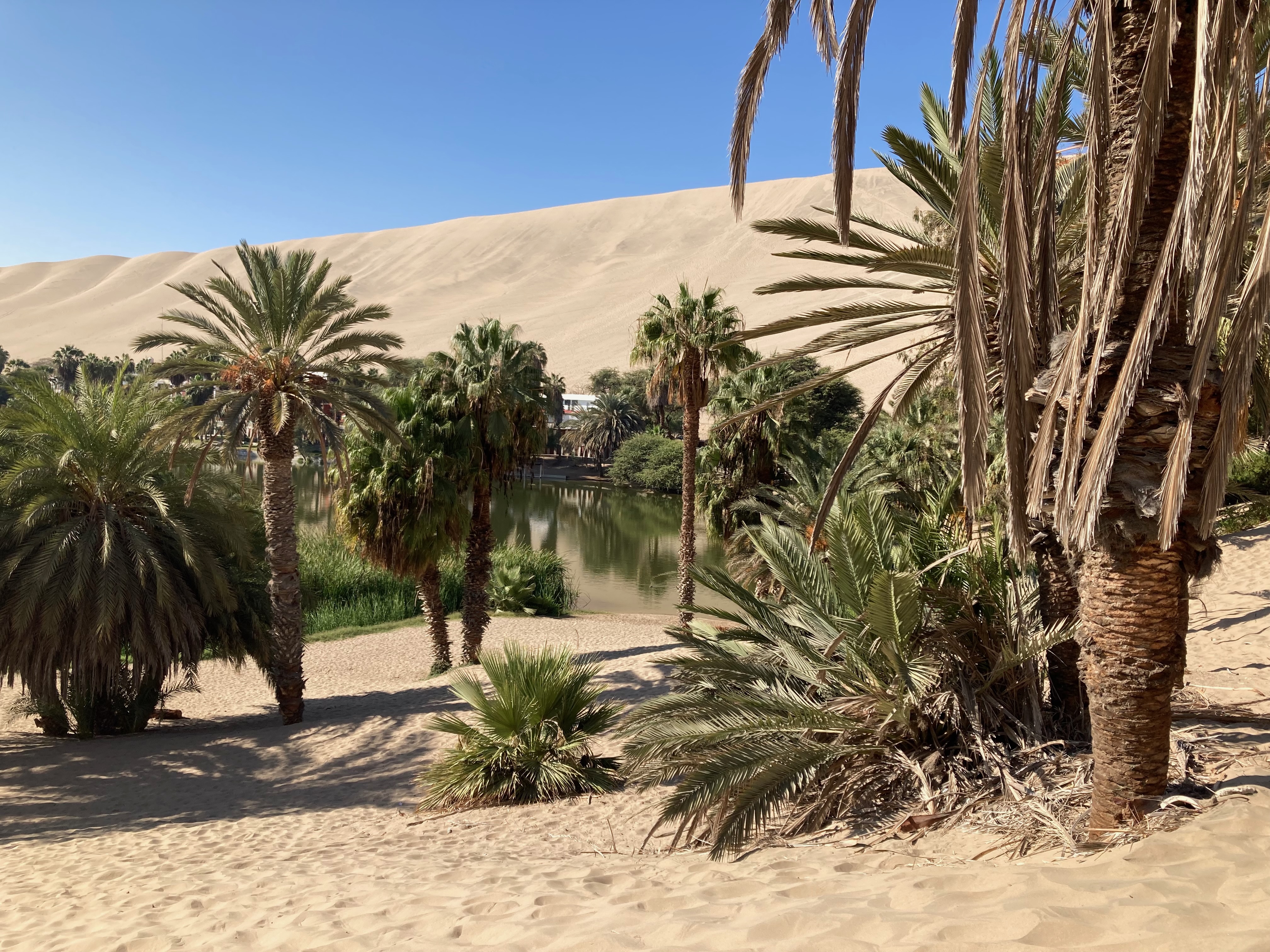
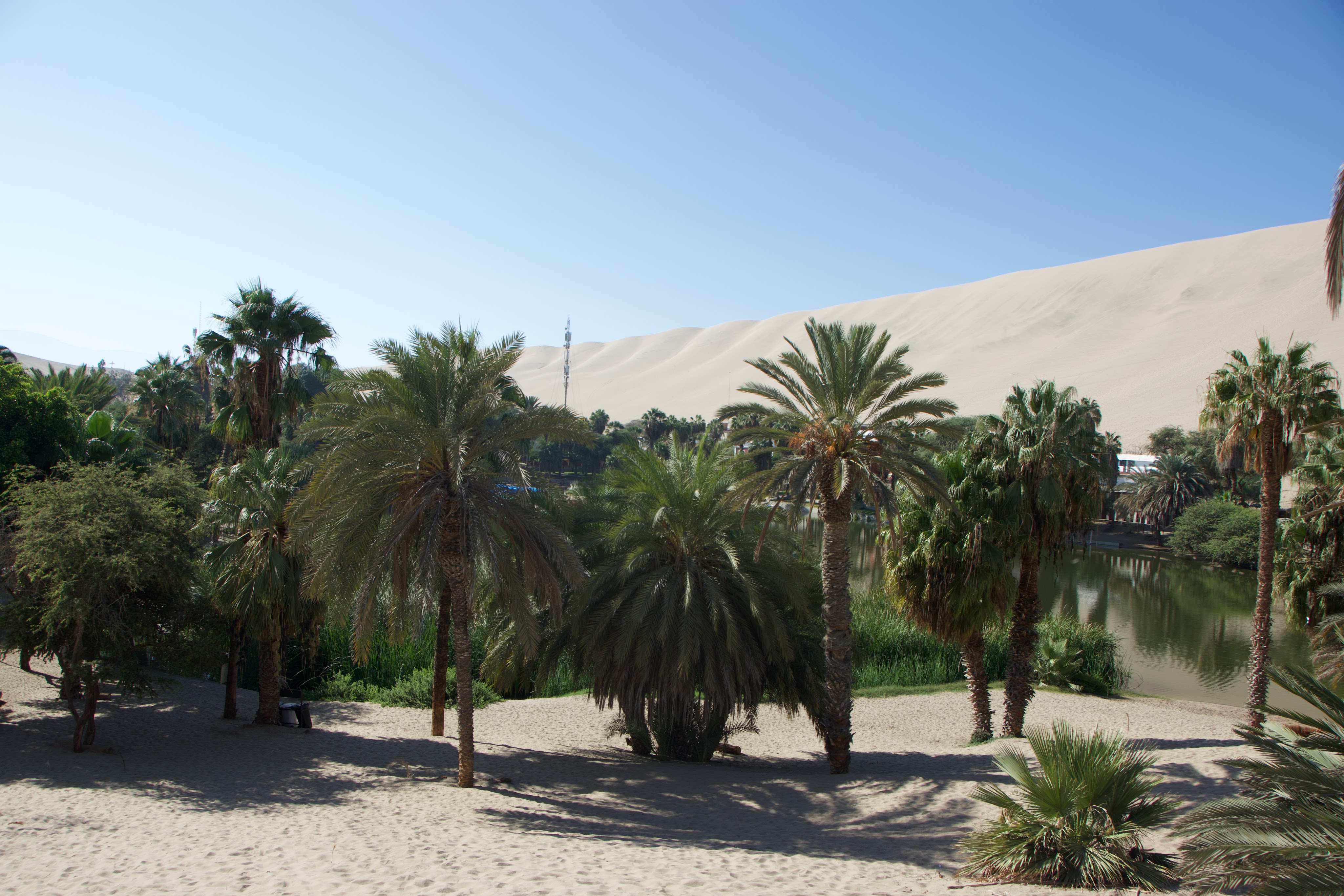
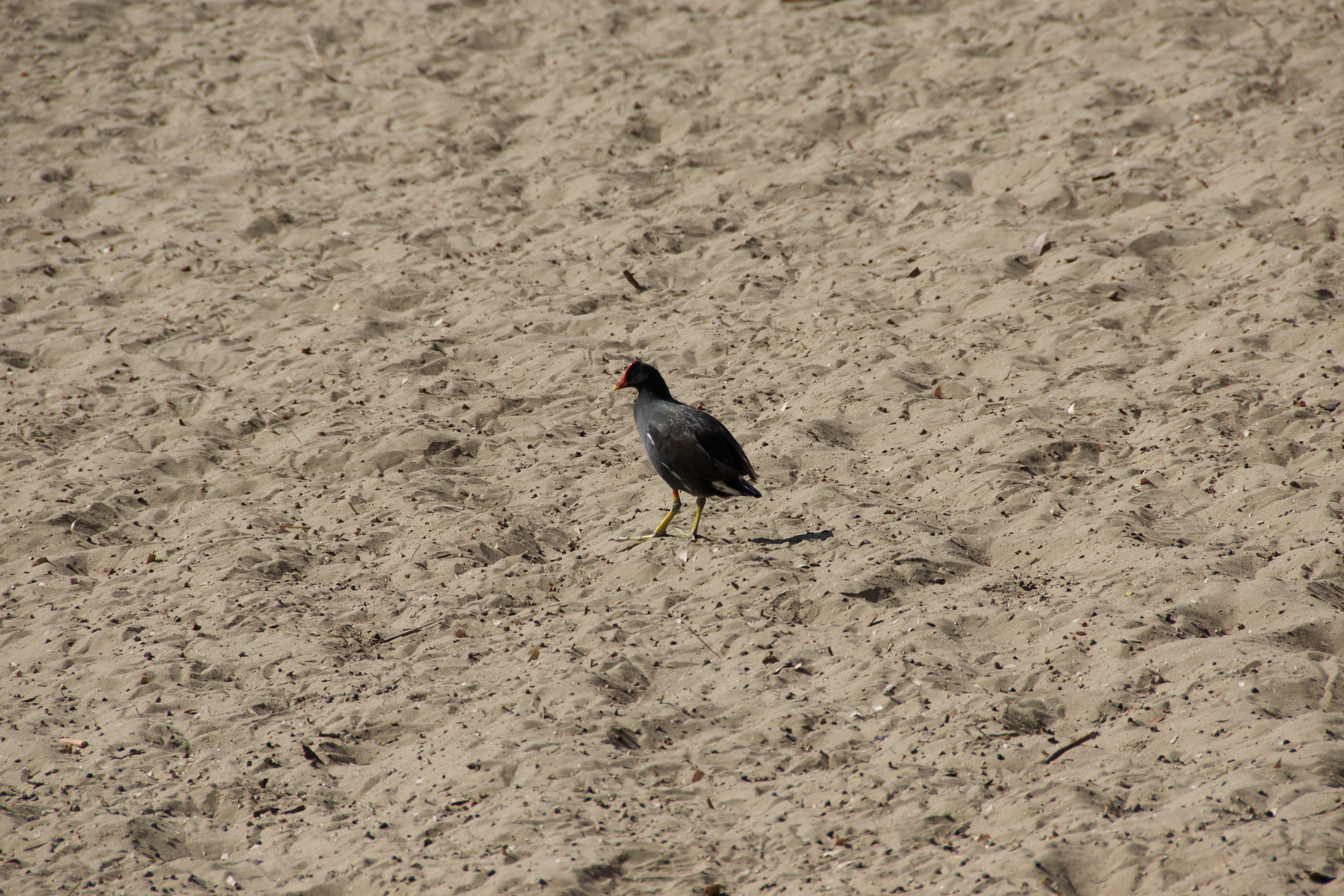
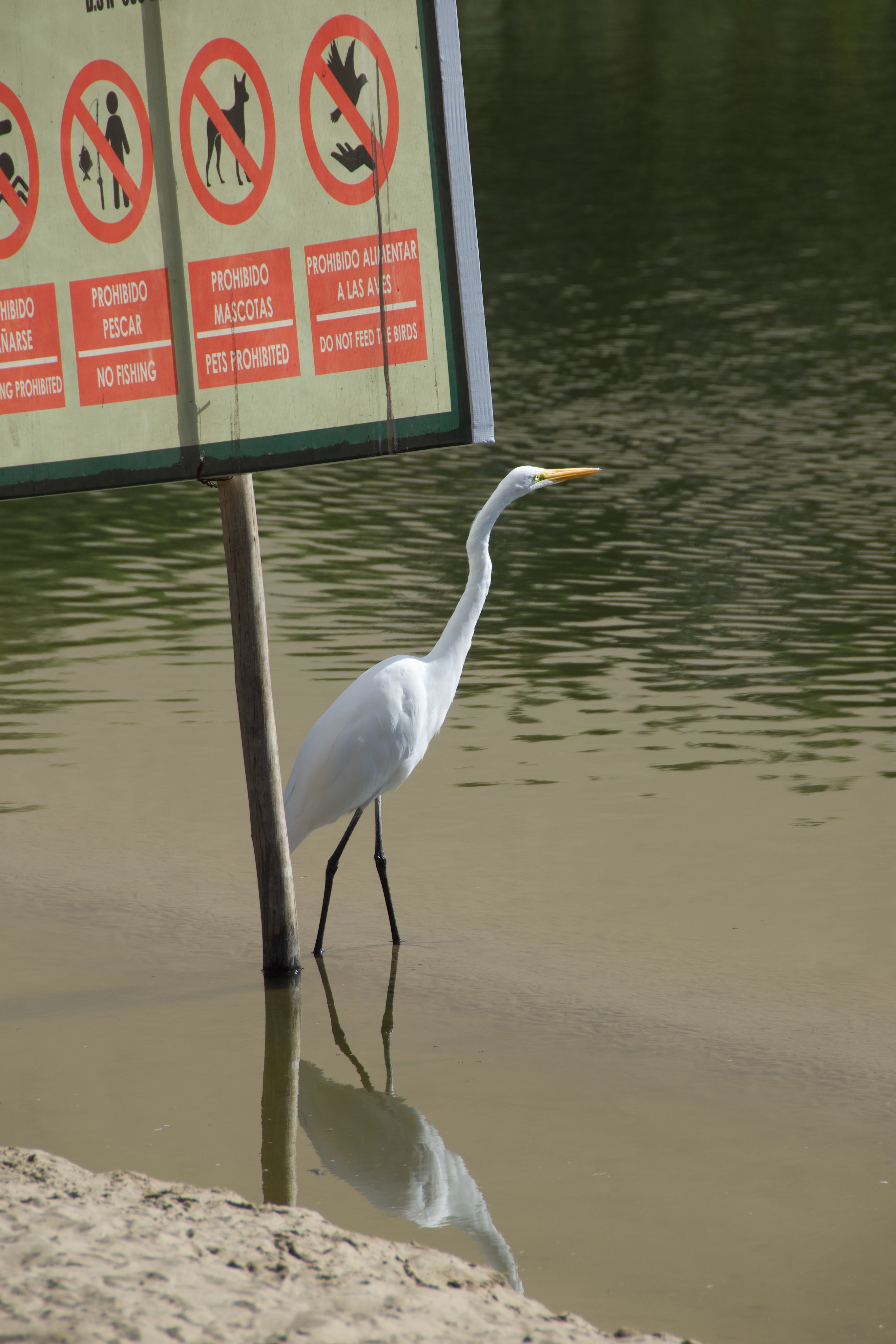
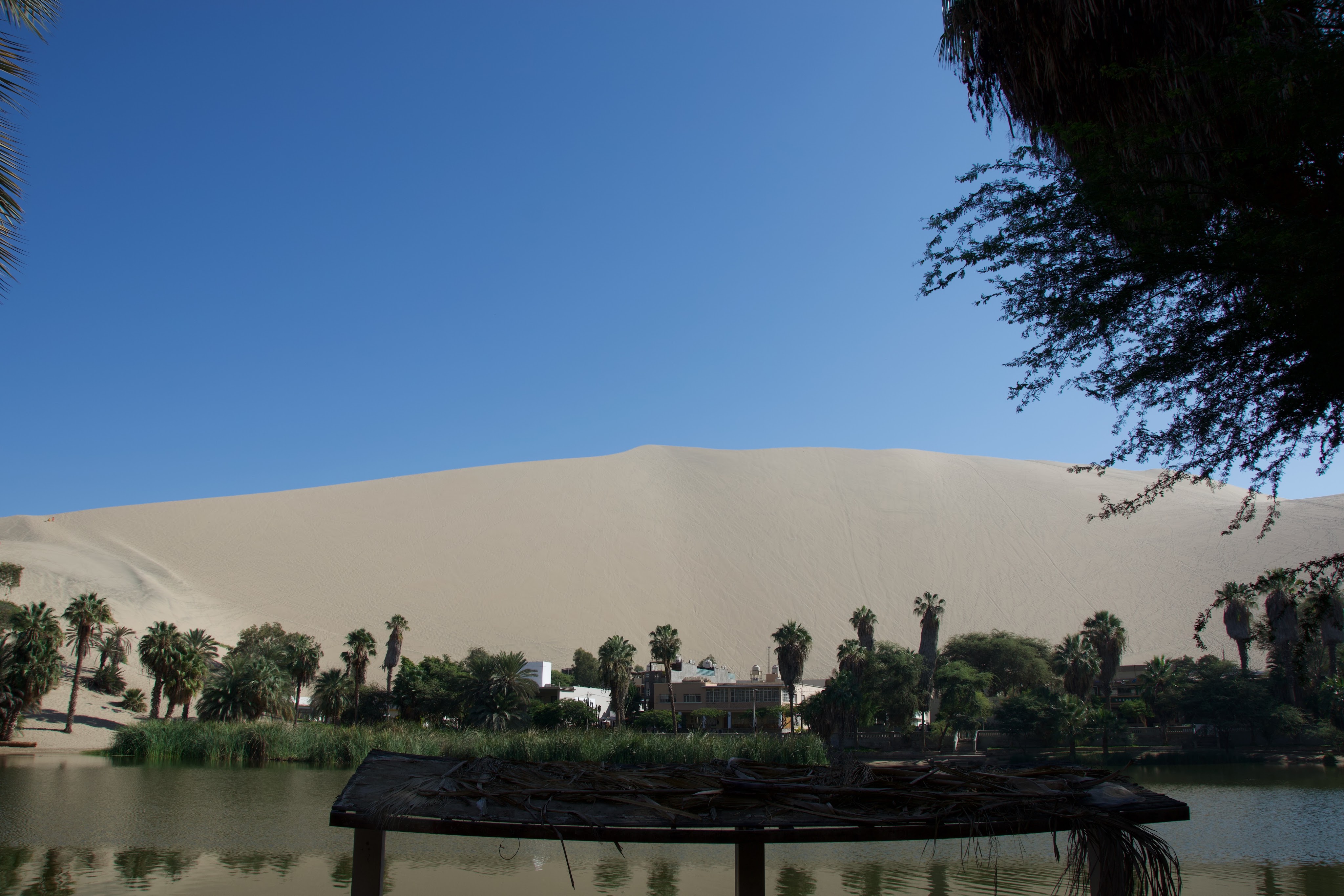
Bottom image shows the ridge we walked up to/along from the lagoon
Huacachina is a deceptive little place.
It looks like it should be as calm and tranquil as the central lagoon, but is actually a bit of a party town in certain places. No more so than the Peru Hop meeting point, the Wild Rover Hostel. It felt like we had landed right in the middle of a club 18-30 advert as the young backpackers were dragging themselves out of bed at midday, hitting the beers and water polo and no doubt making plans for the beer pong and Tinder party later. On a wholesome note, there was a manager going round successfully signing people up for an “Oasis clean up”, so I guess they were earning their excesses!
Feeling very aged indeed, it was time to board the bus. I was pleased the scenery was starting to improve, as from Lima it had been quite grey and monotonous. Now it was pleasant to see plenty of greenery and a few vibrant looking towns.
We stopped for a break after a couple hours in Nazca, famed for the geoglyphic lines adorning the desert sands. Covering an area of nearly 1,000 sq km, their origins are a mystery, but with over 300 different figures, it must have been a real labour of love.
Given the scale of them (some are 30m wide and stretch for 9km), they are best seen from above and a handy observation tower would let us see the grand total of 3.
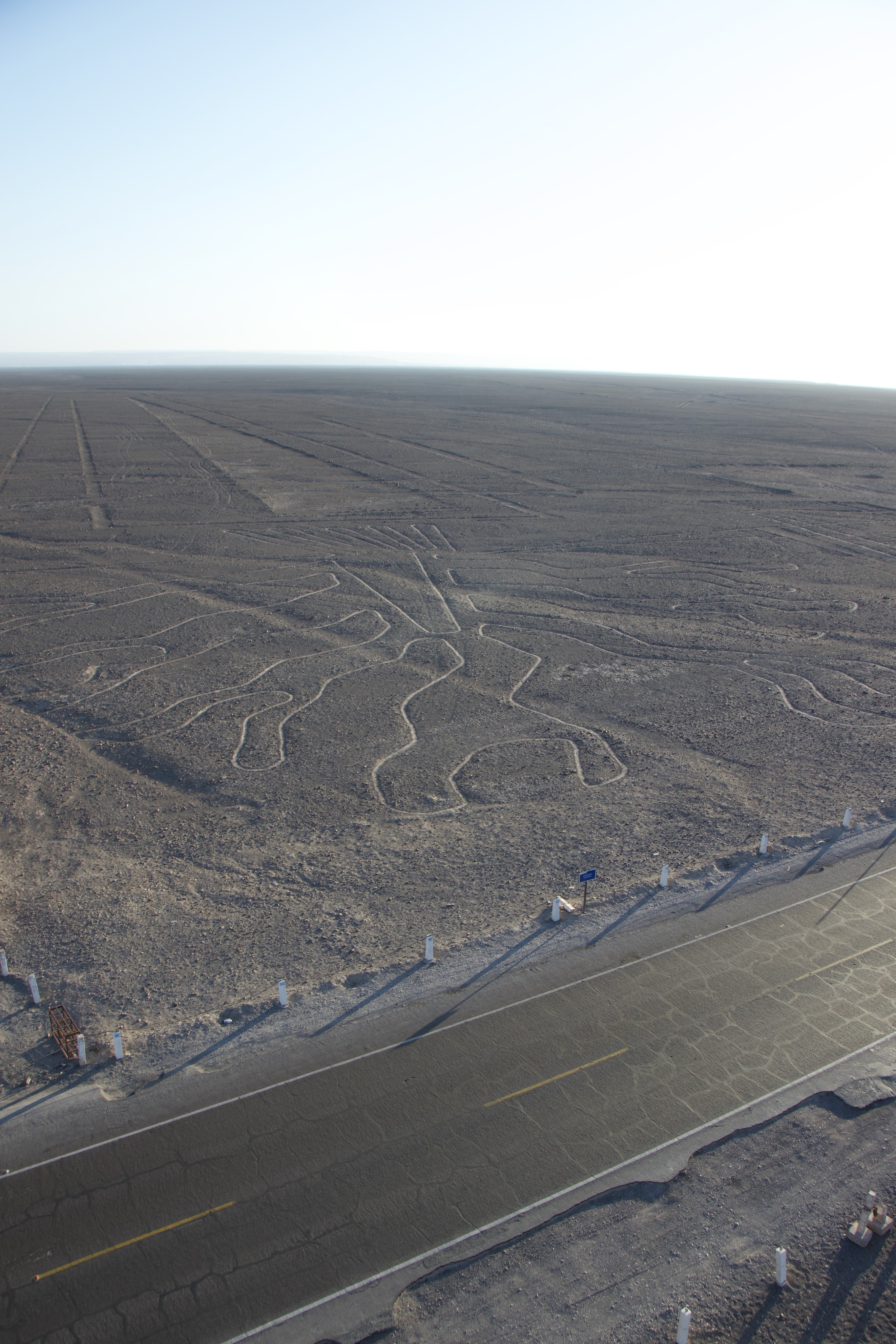
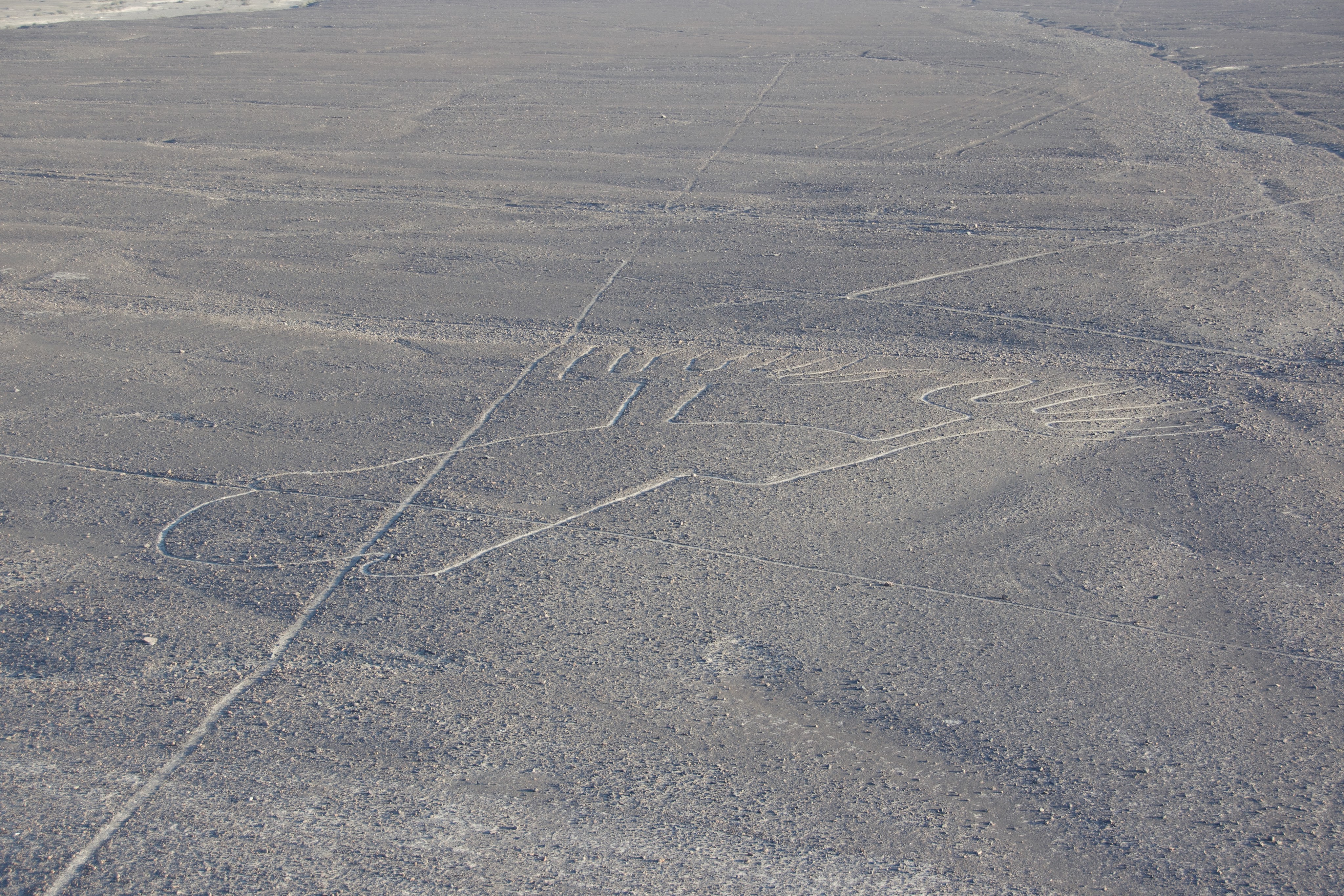
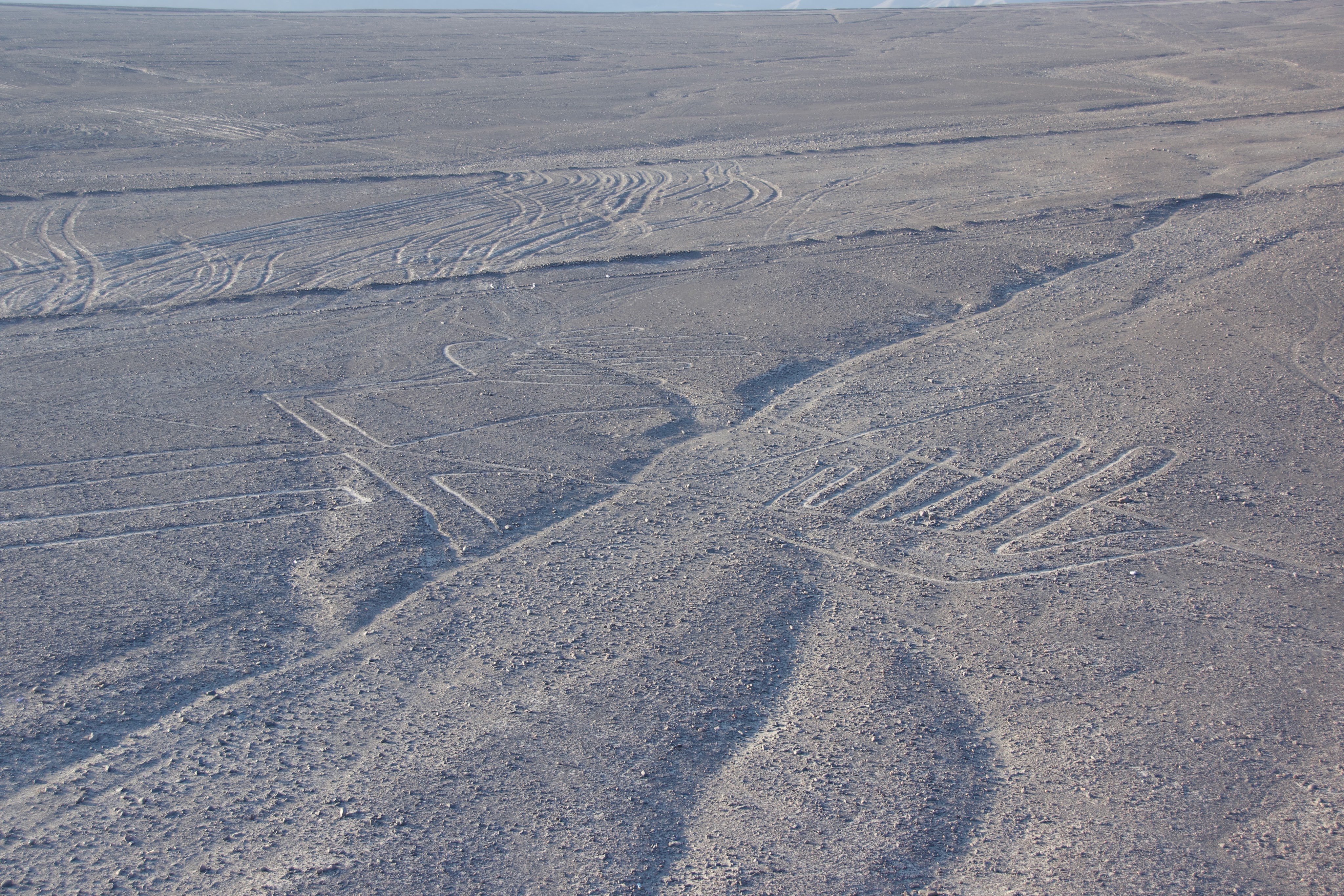
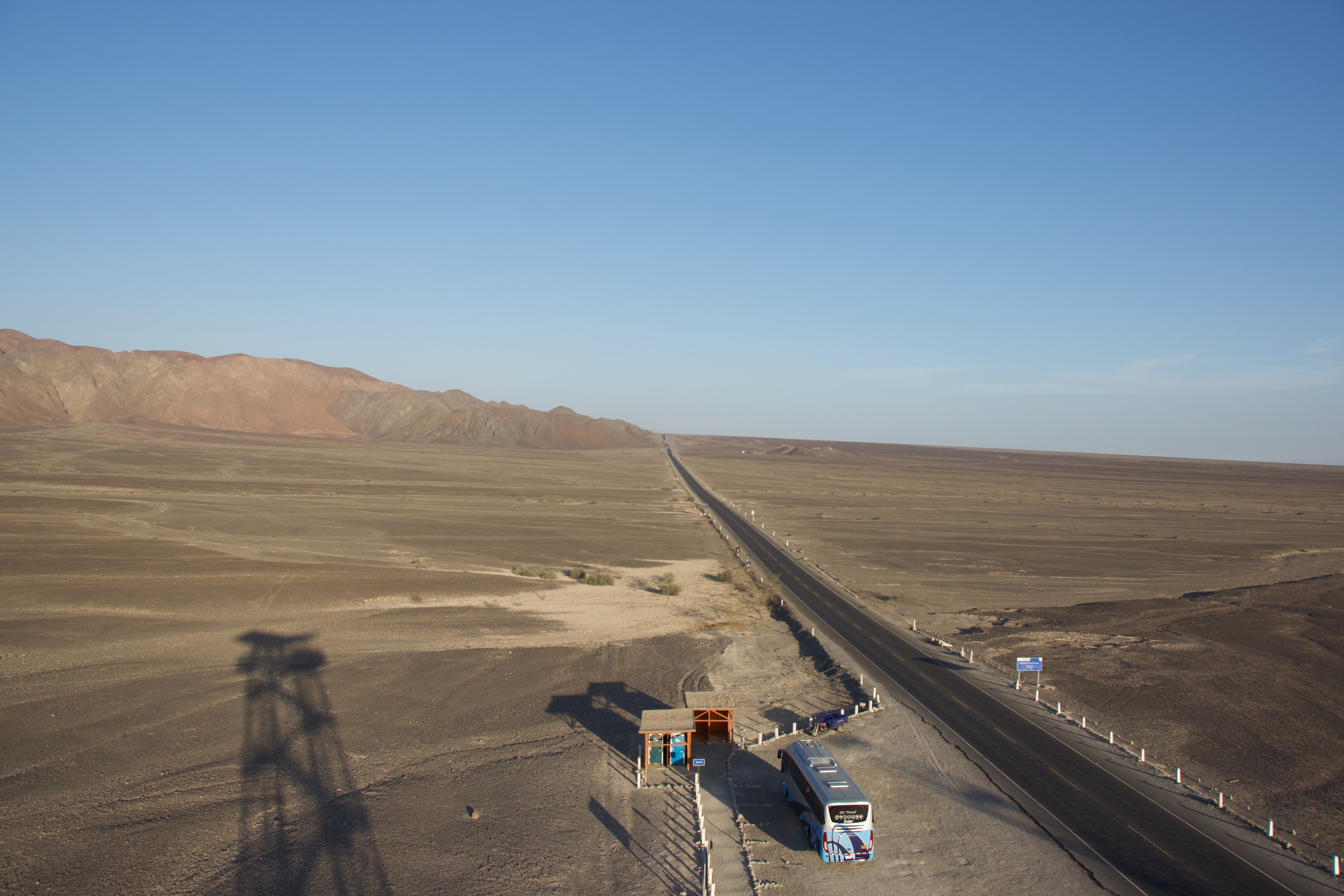
The absolute best way to see the lines is on a private flight. To do that though would have meant yet another early start, and we’d have missed our morning in Huacachina. We are trying not to absolutely cram this year, so made the tough decision to give this a pass, knowing we’d at least get to see a sample of the line work.
From there, it was back on the bus for an overnight drive to Arequipa. We’d been dreading this, but both managed to get some sleep before arriving in Arequipa at the ghastly time of 5.30am. Not having thought to book ourselves a hotel room from the night before, we would have to wait it out in the lounge of Peru Hop’s partner hostel until the “White City” started to wake up.
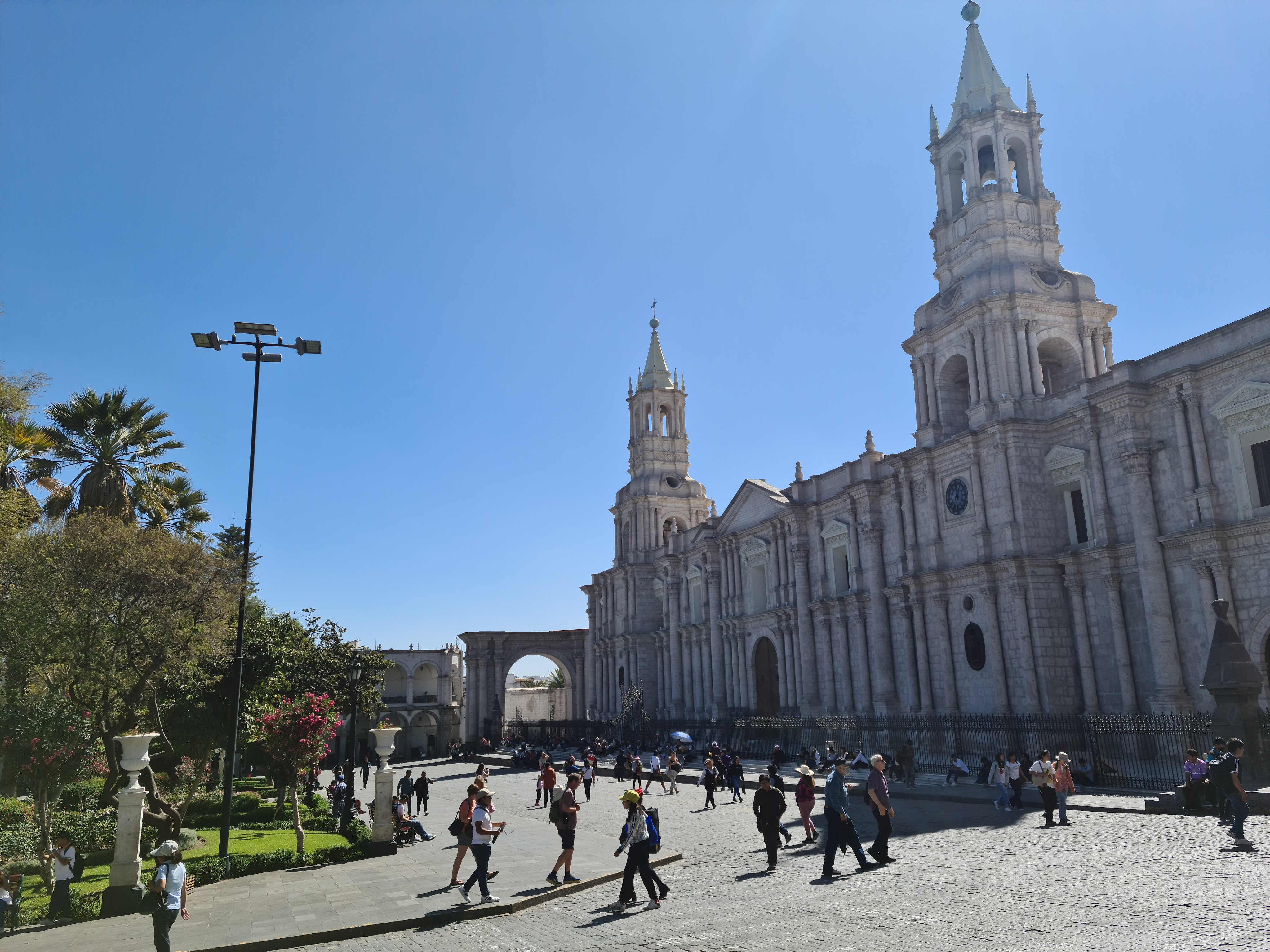
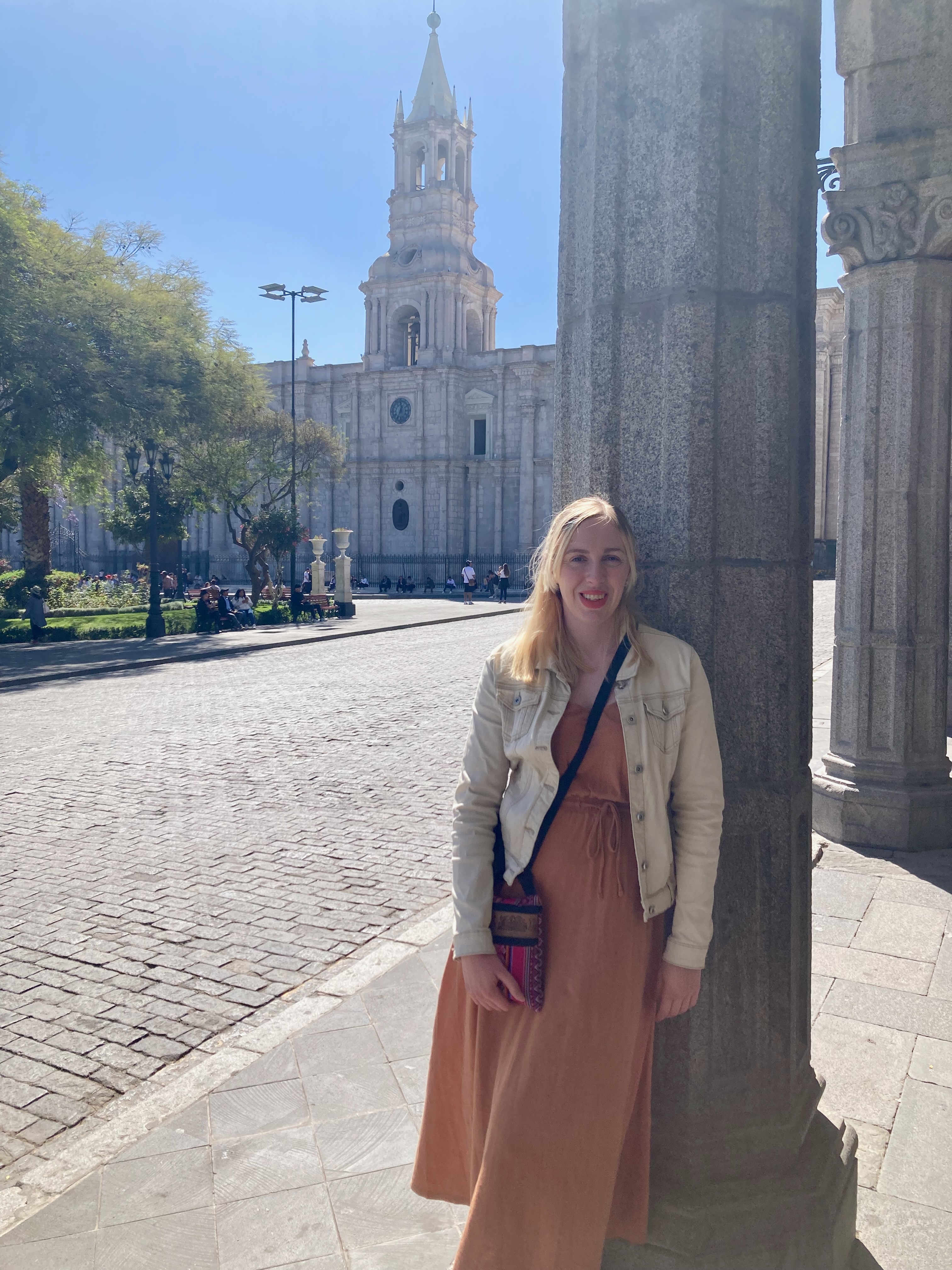
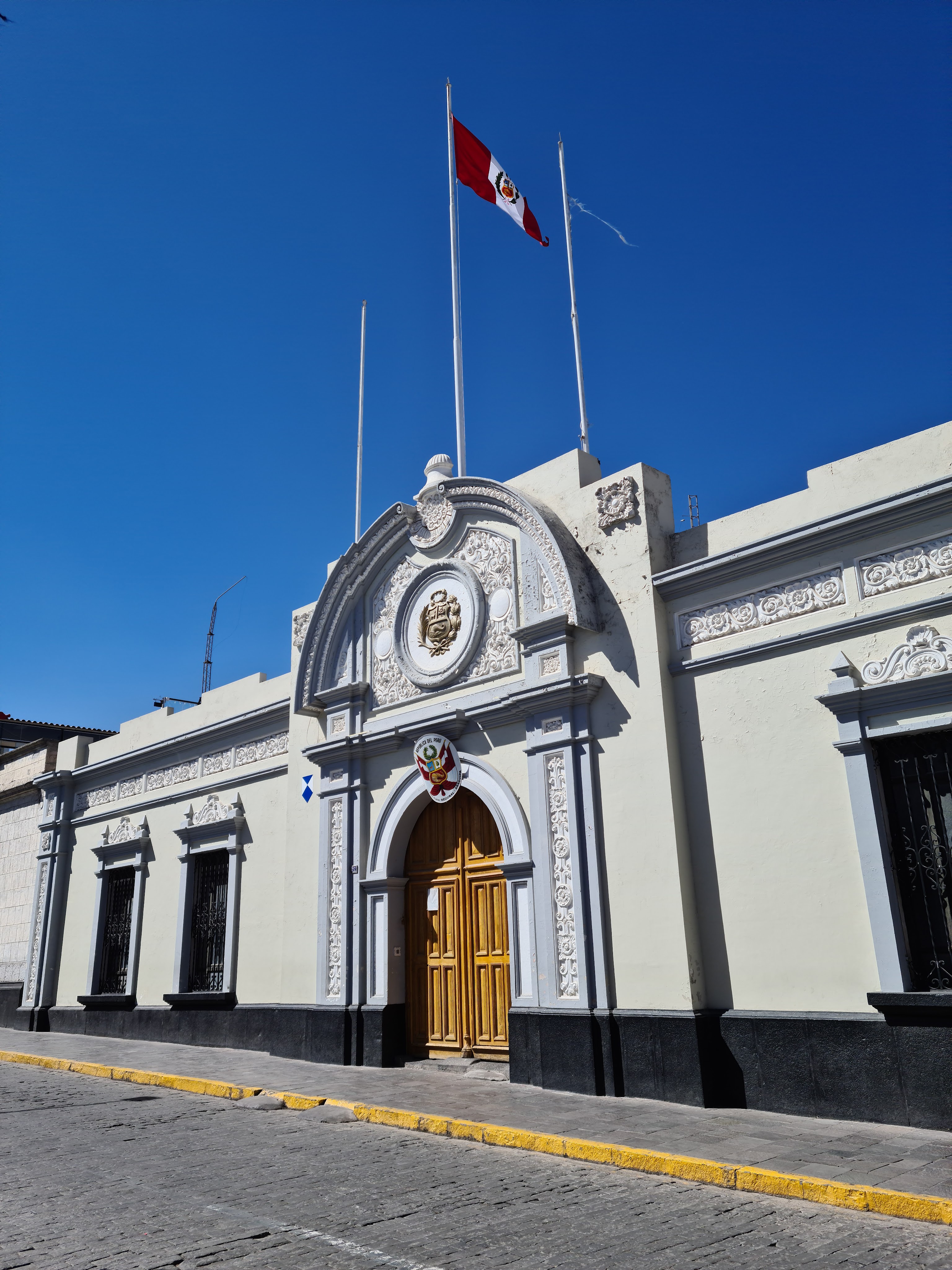

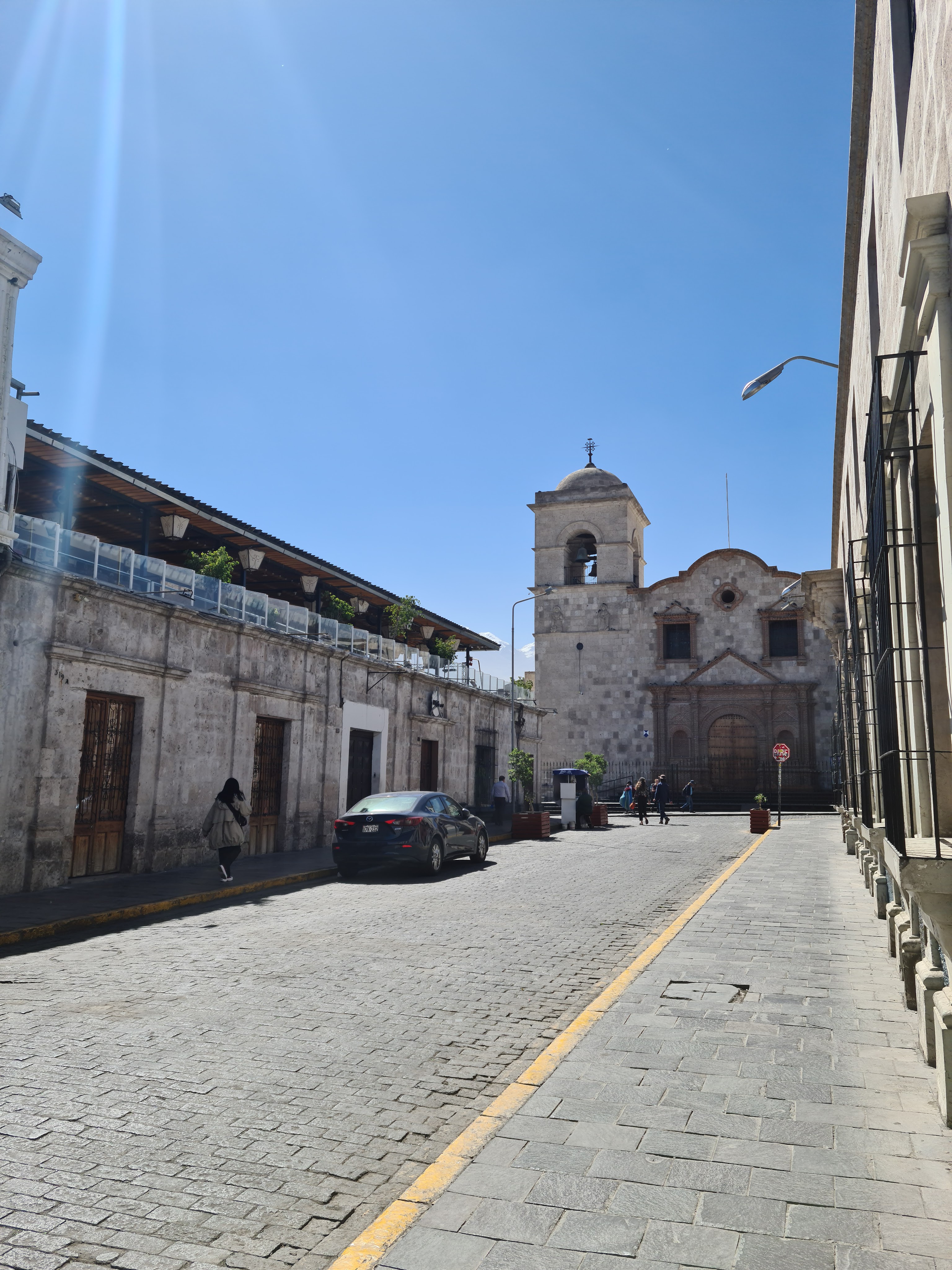
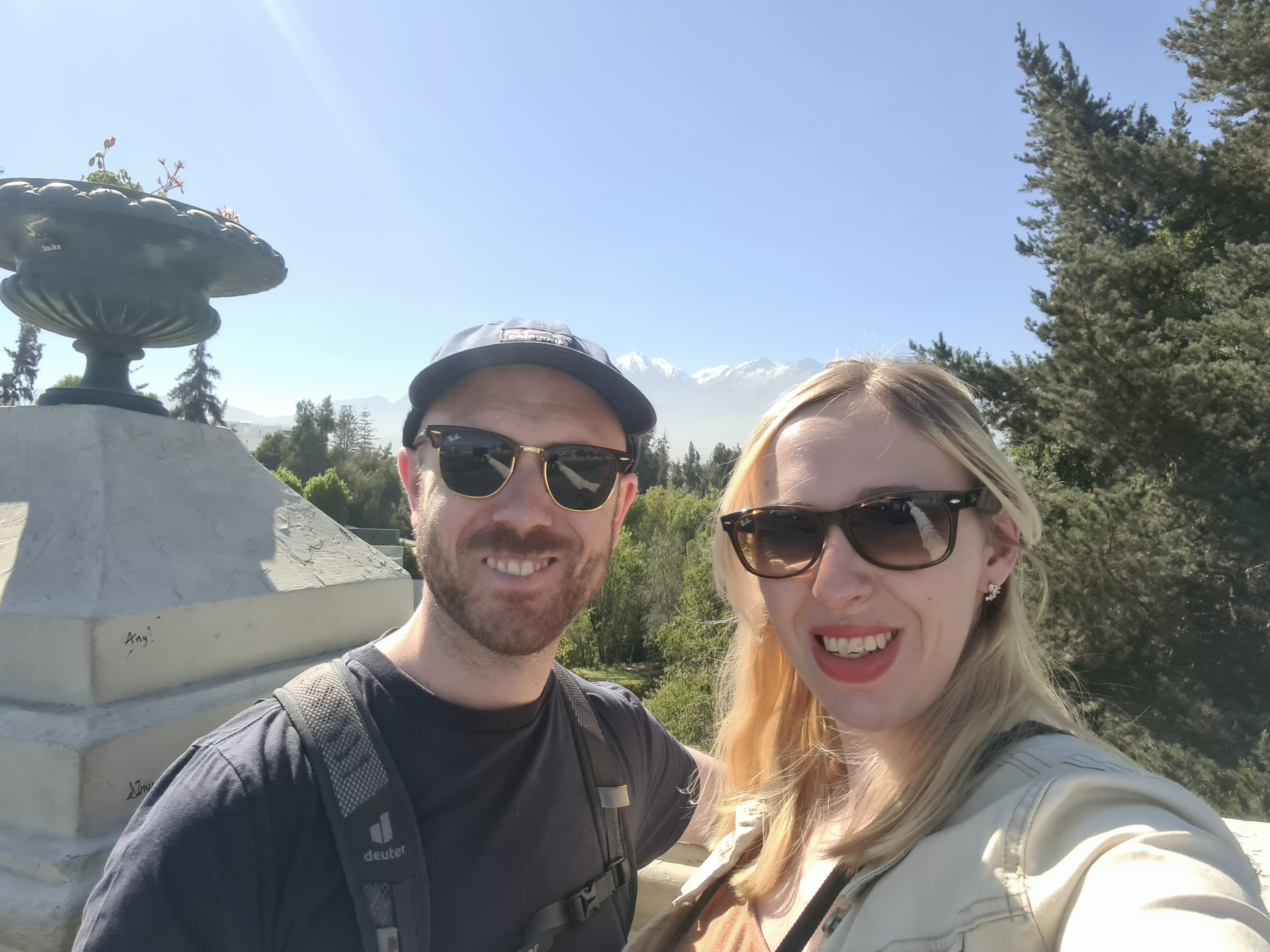
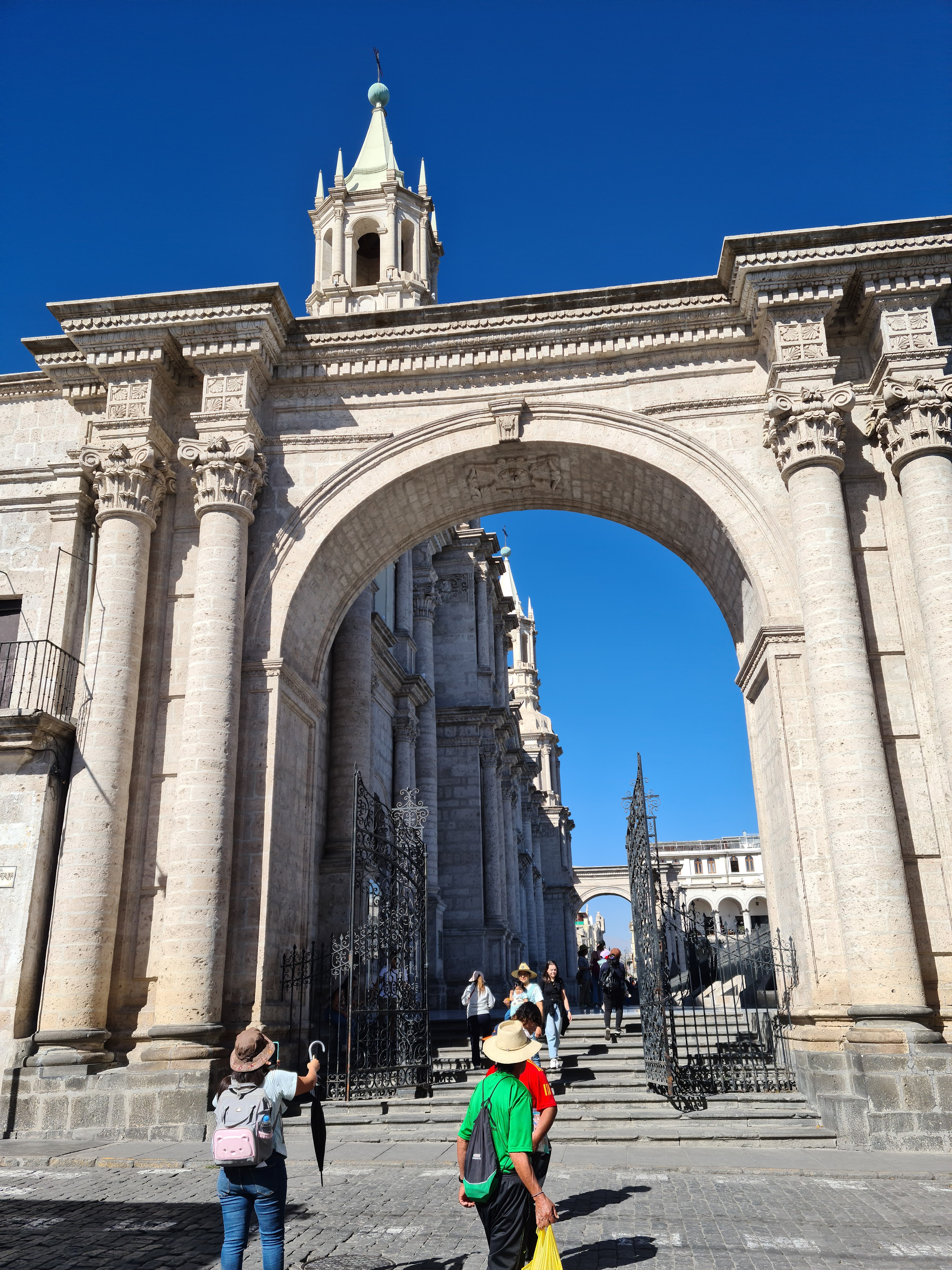
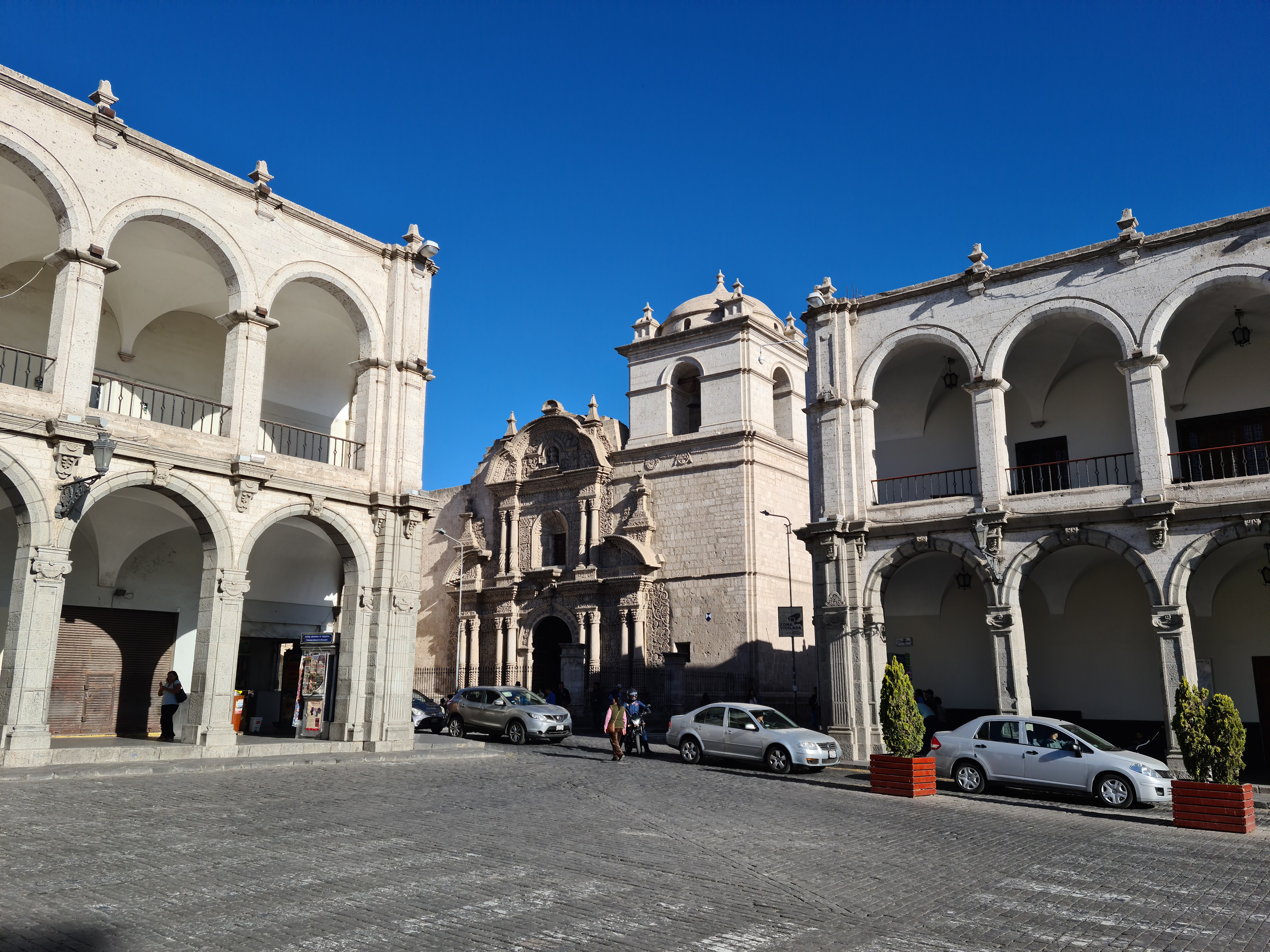
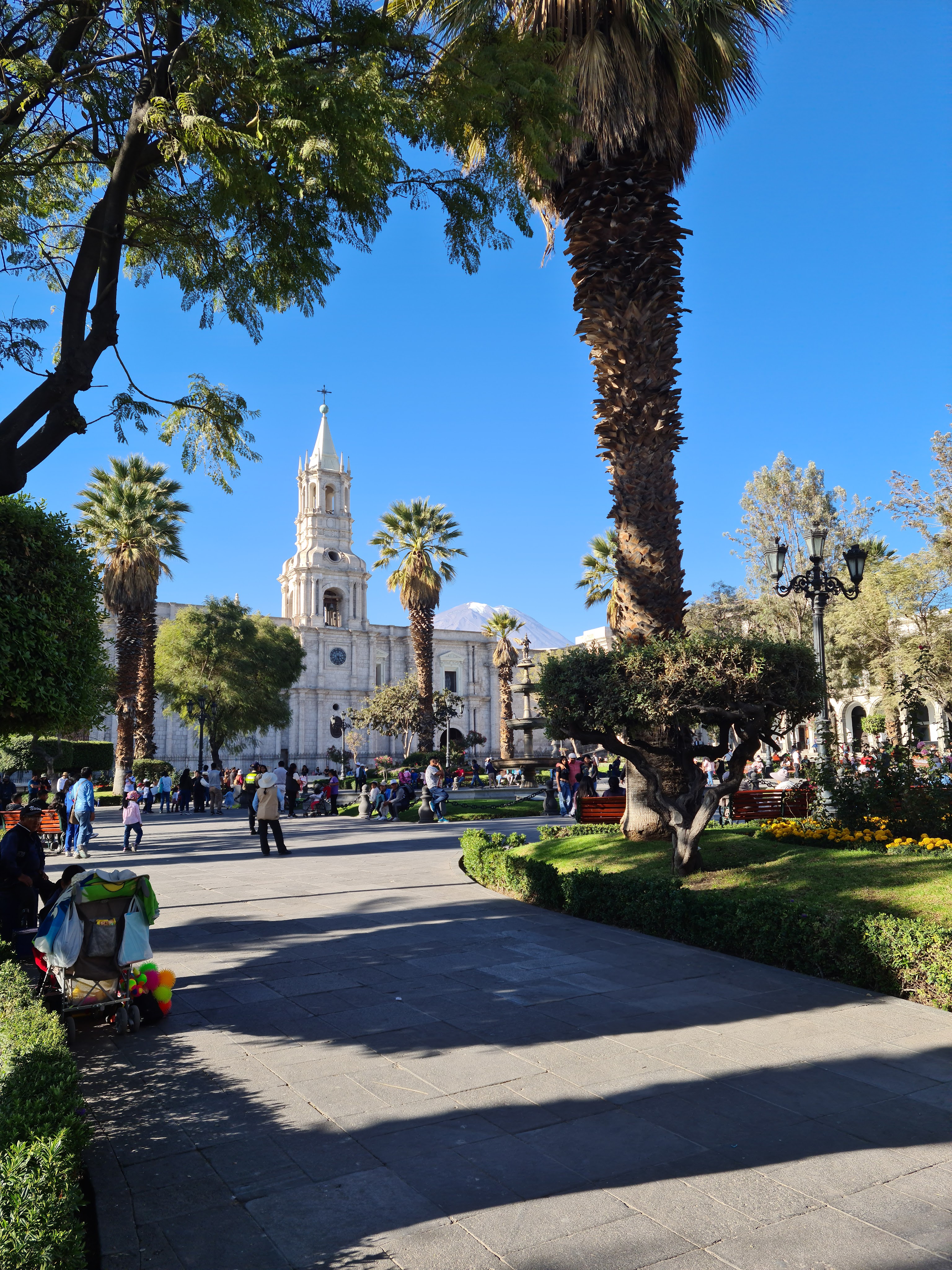
Never before in my life have I been counting down to a convent’s opening hours. That was the situation we found ourselves in, after being the first customers through a nearby cafe’s doors.
That said, I was a little hesitant about our visit to the Monasterio de Santa Catalina, given the monastery we had visited just a few days earlier in Lima. This year has already been quite the collection of Christianity. It was quite incredible though.
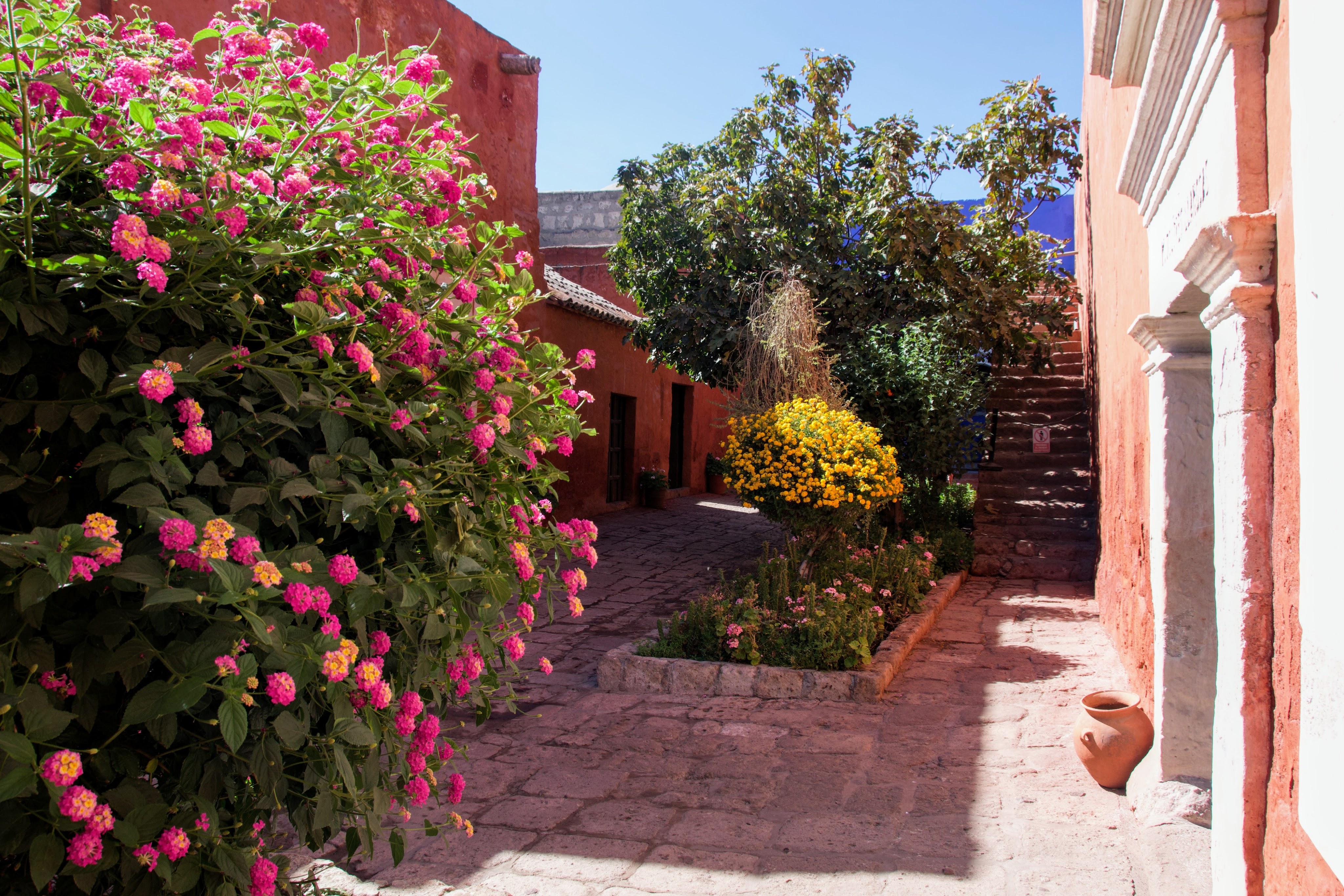
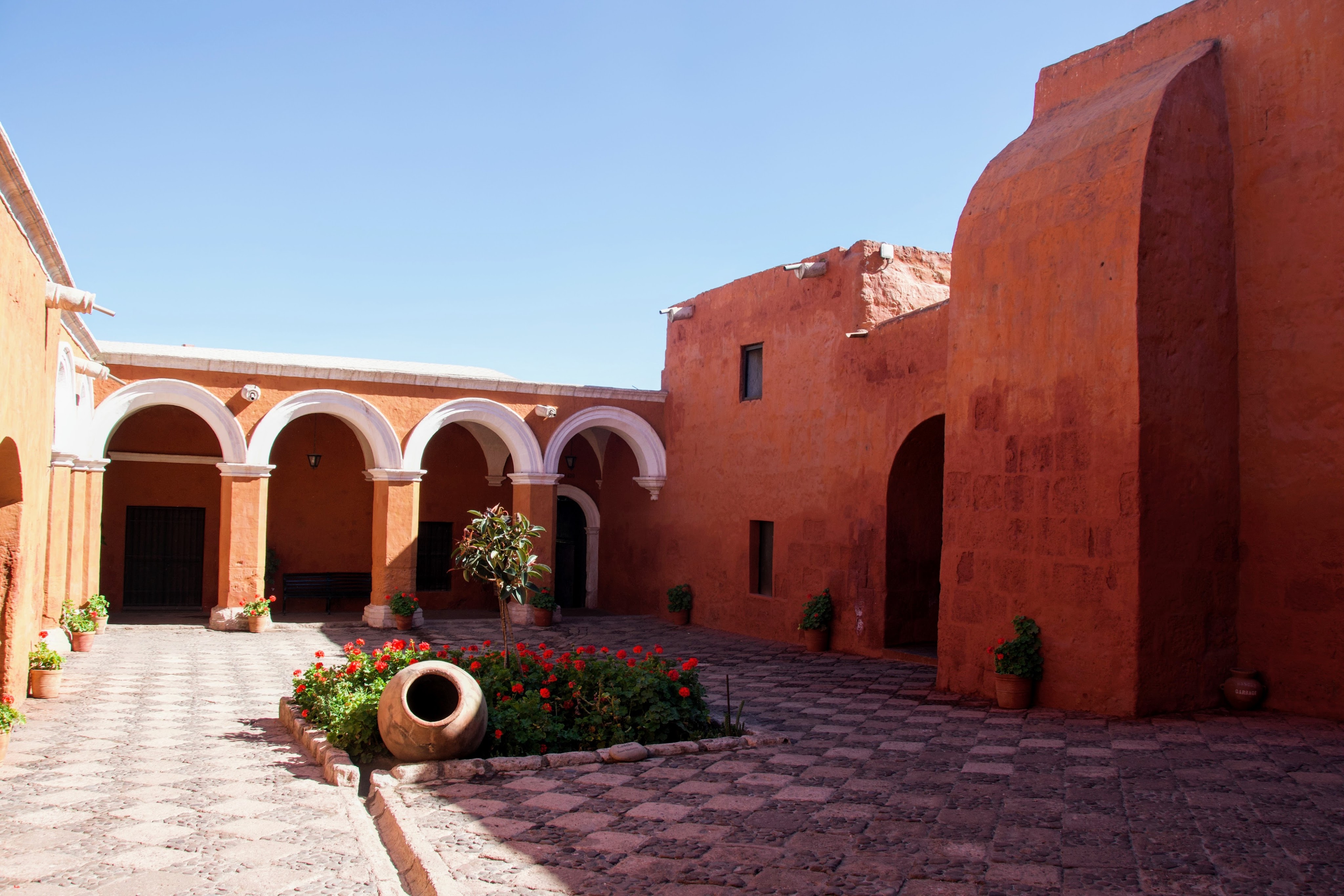
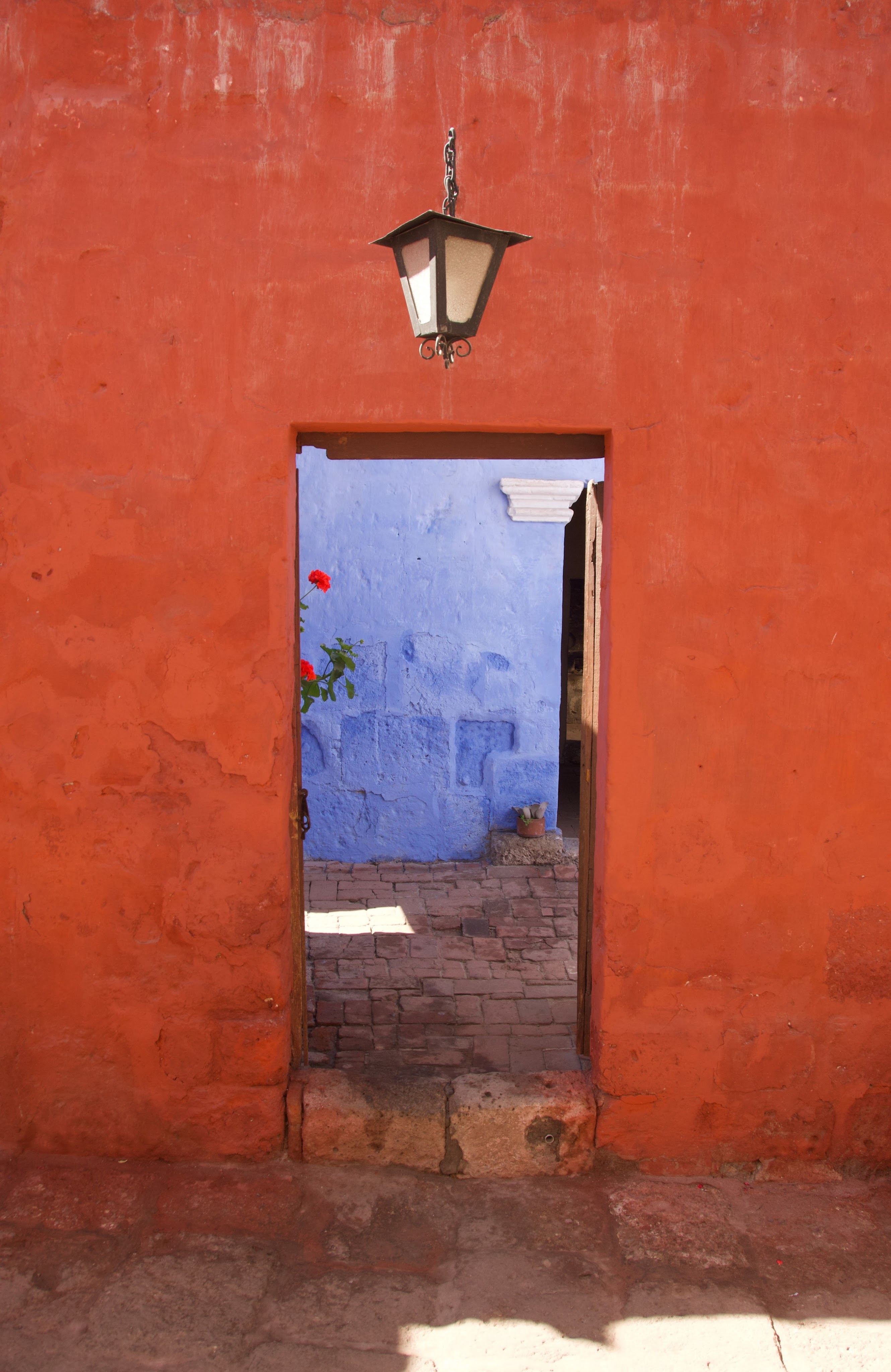
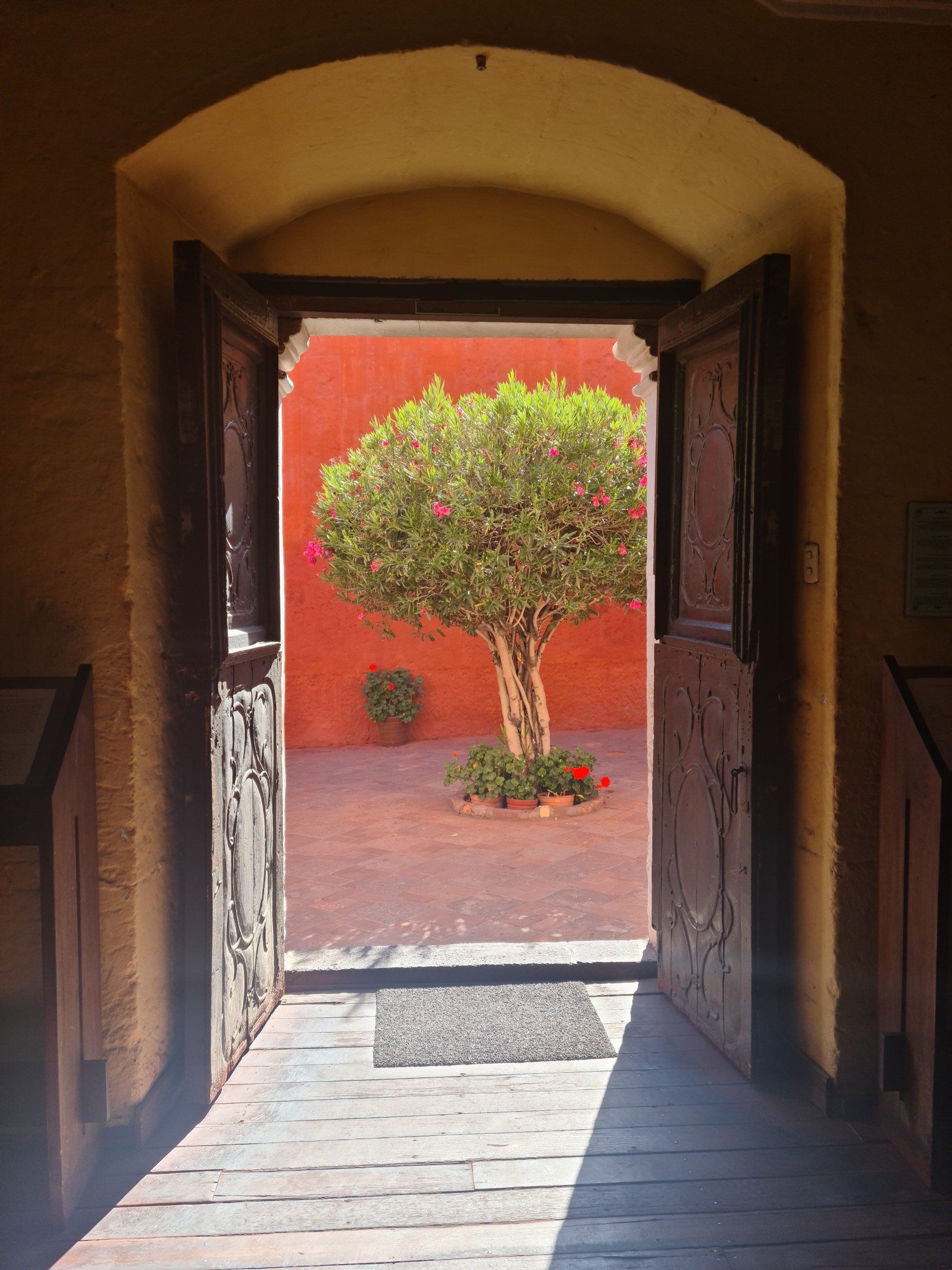
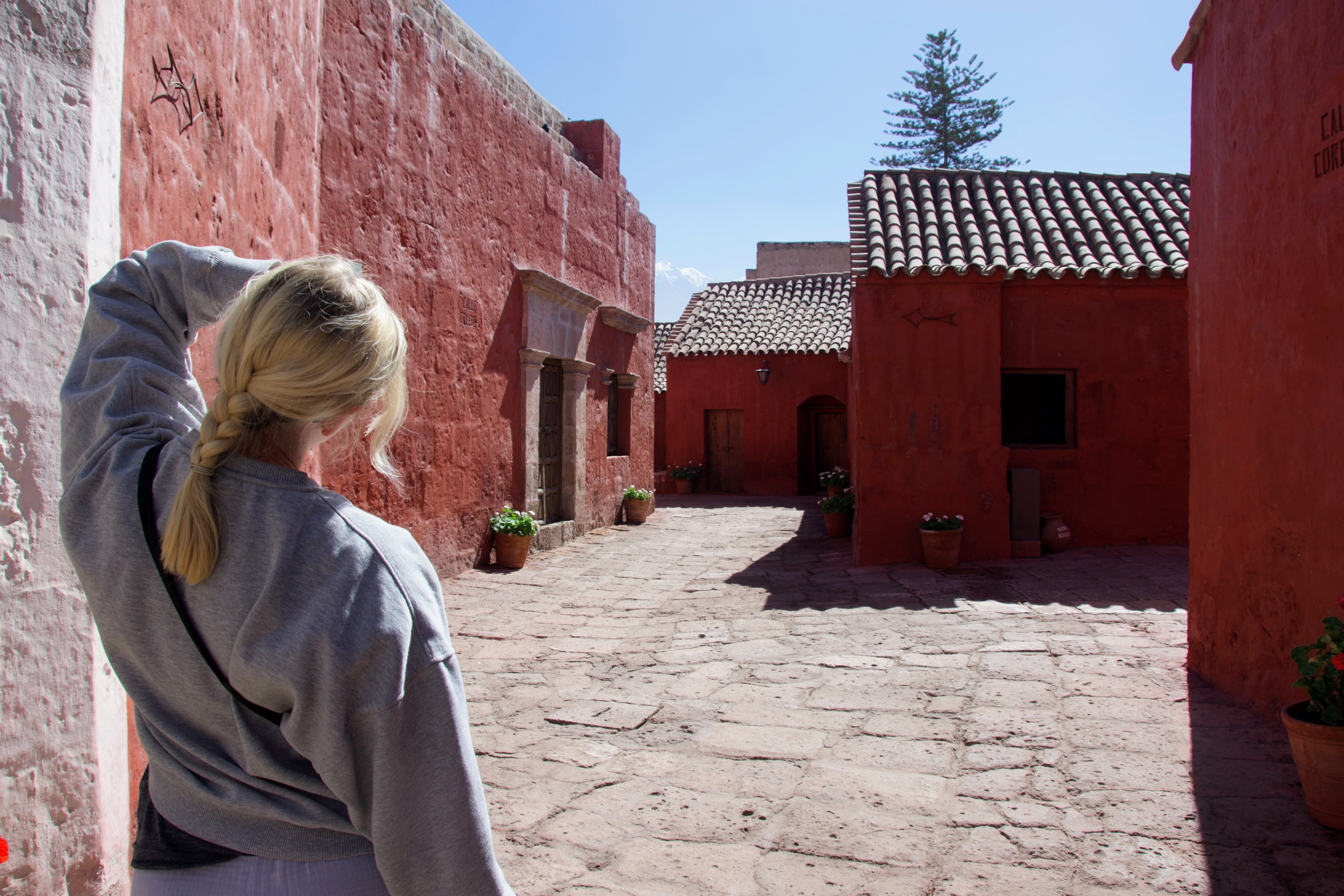

Despite its central location, thick walls kept the noise of the city out. The scale of it was unexpected too, large enough to be divided up into “streets”, with many chambers and plazas. It felt like being in a mediterranean village.
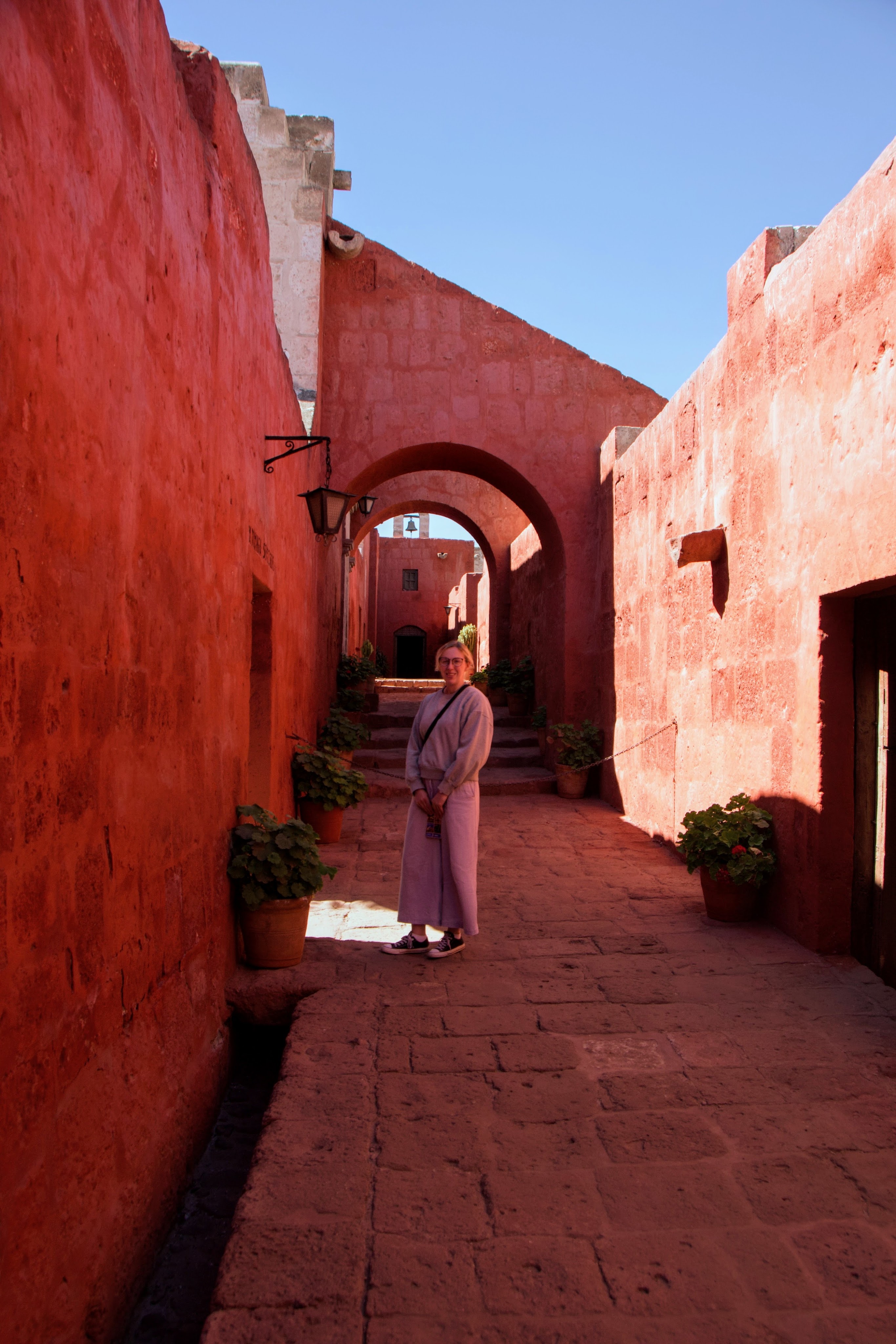
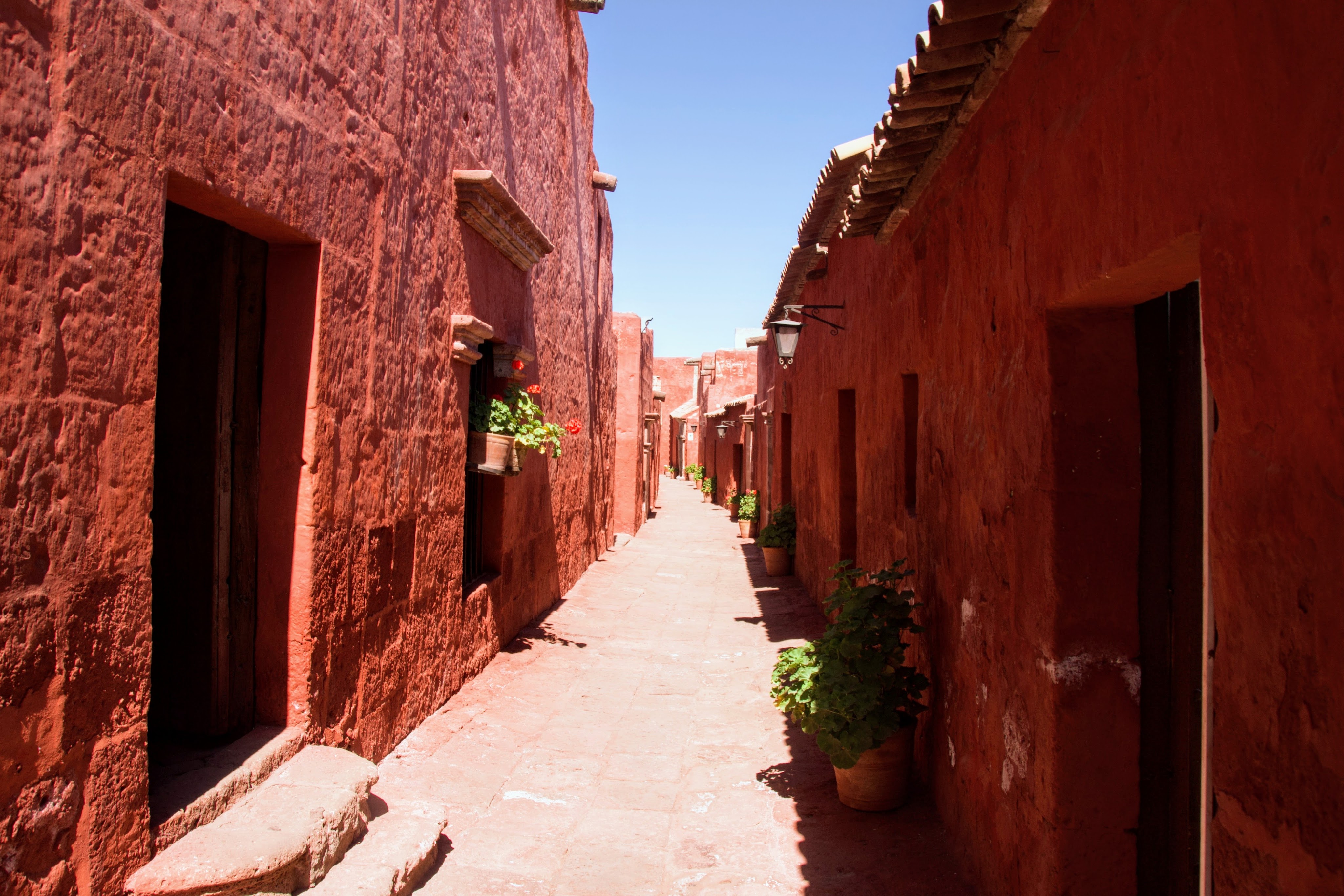


Some of the nuns’ chambers, although starkly furnished, were spacious with multiple rooms like a presidential suite. Suddenly taking the veil didn’t seem quite so unappealing!
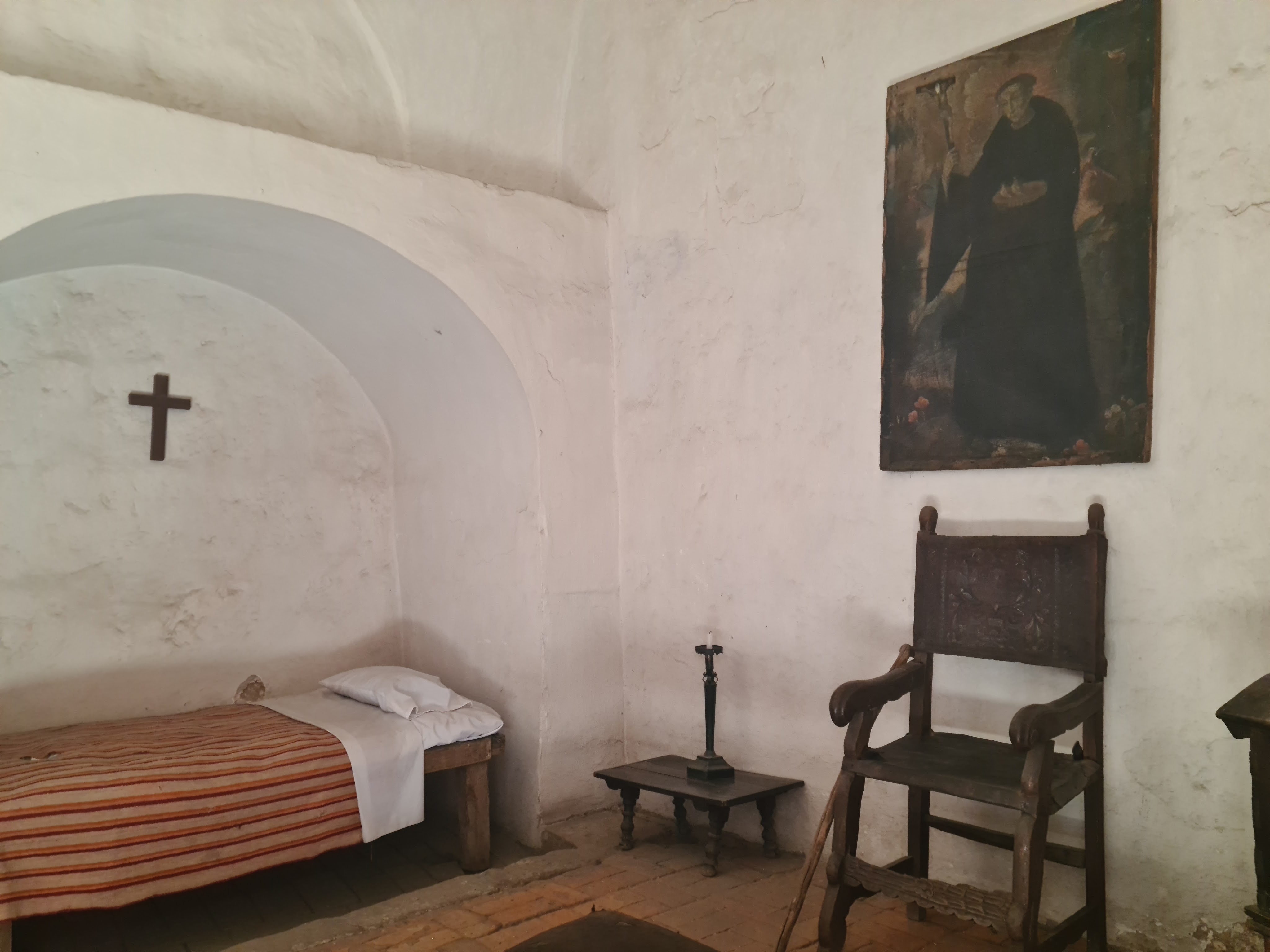
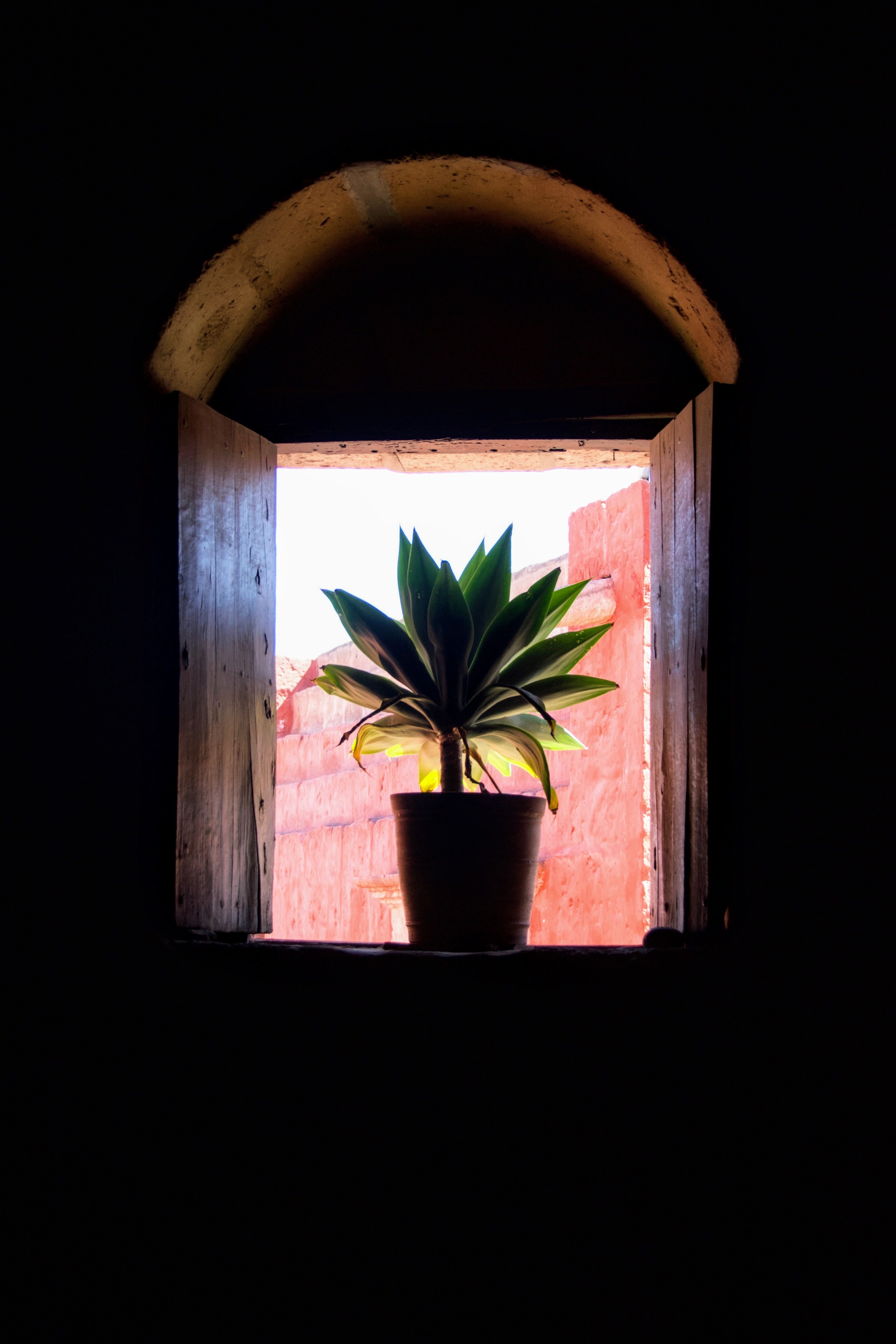
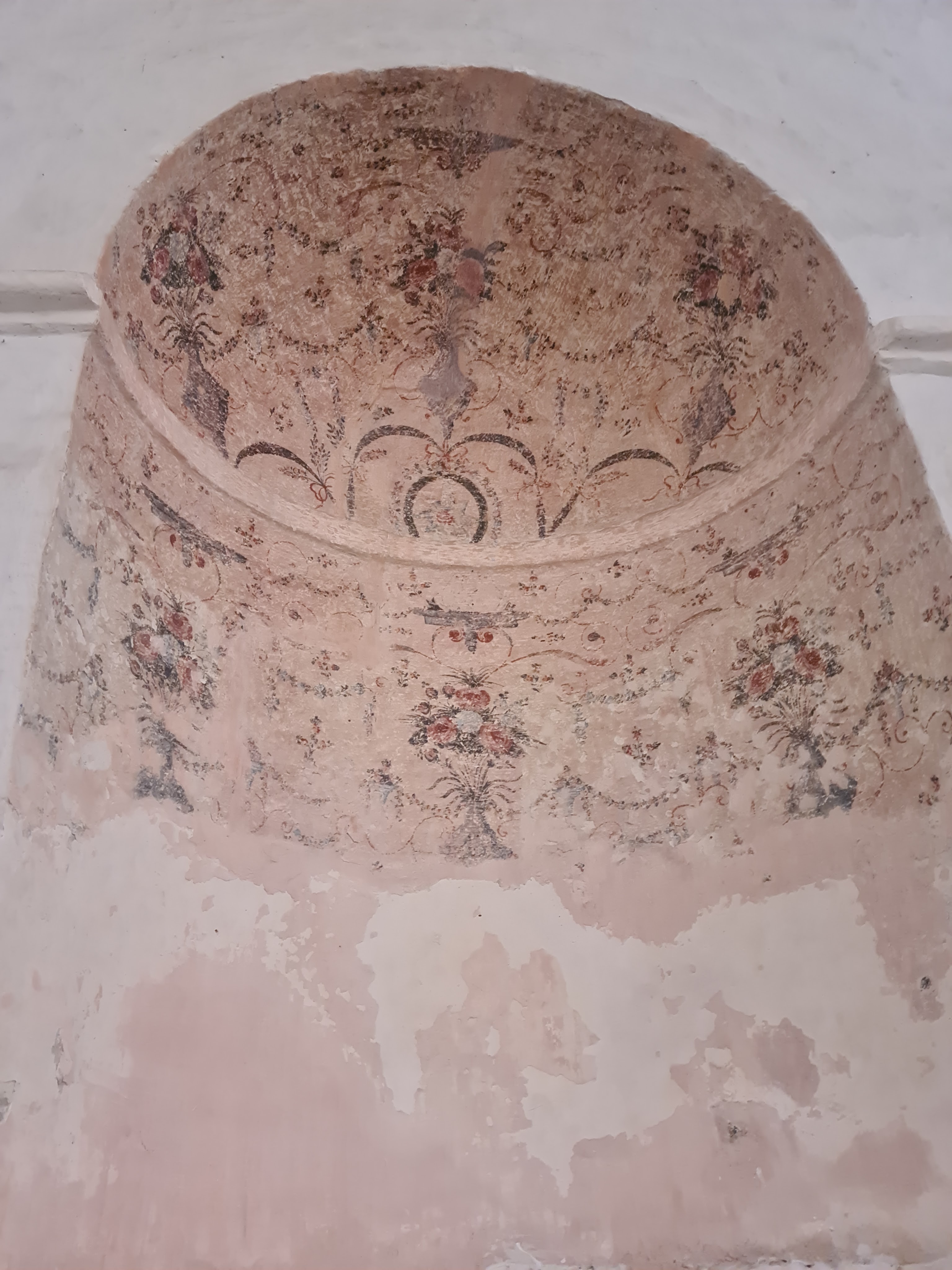
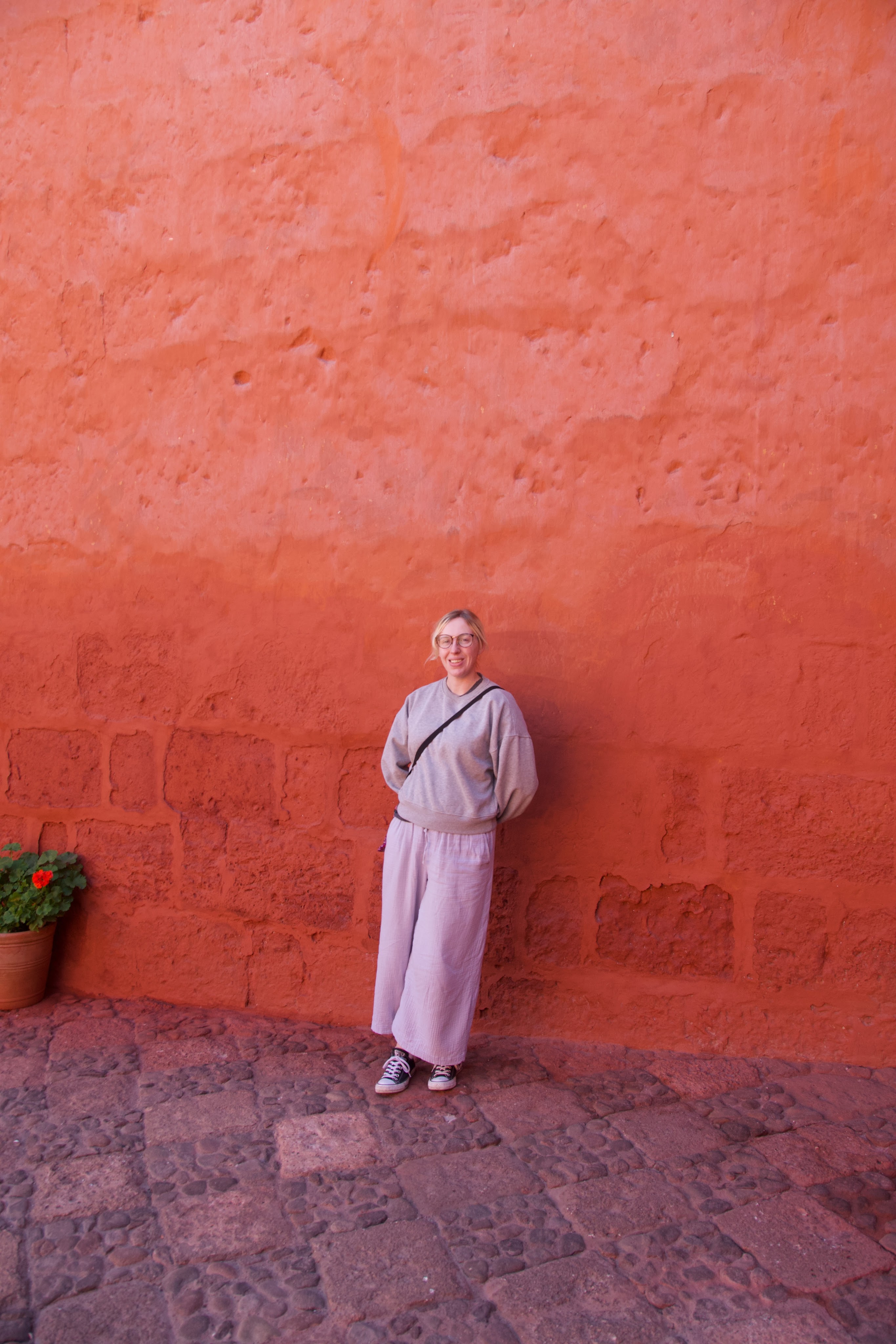
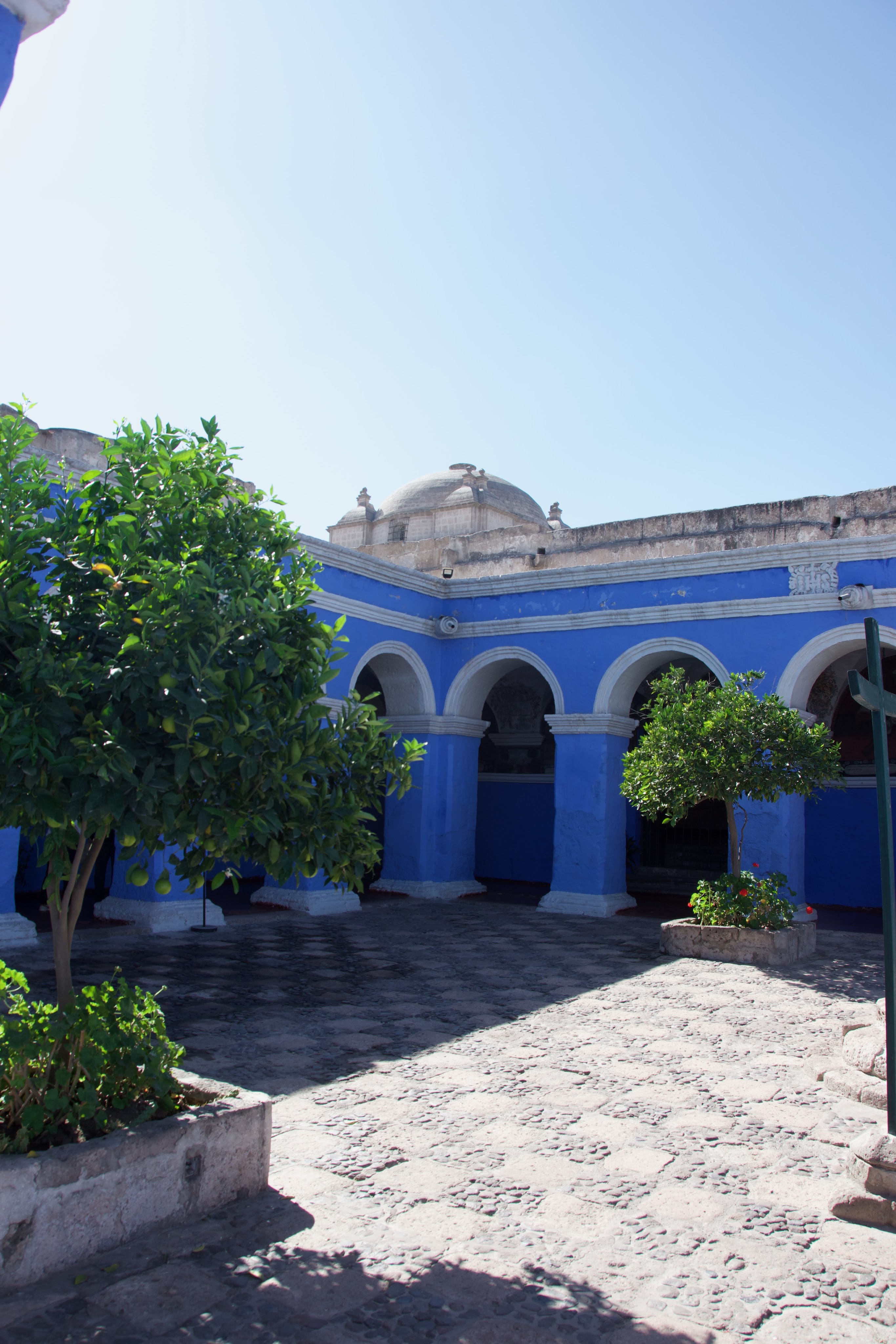
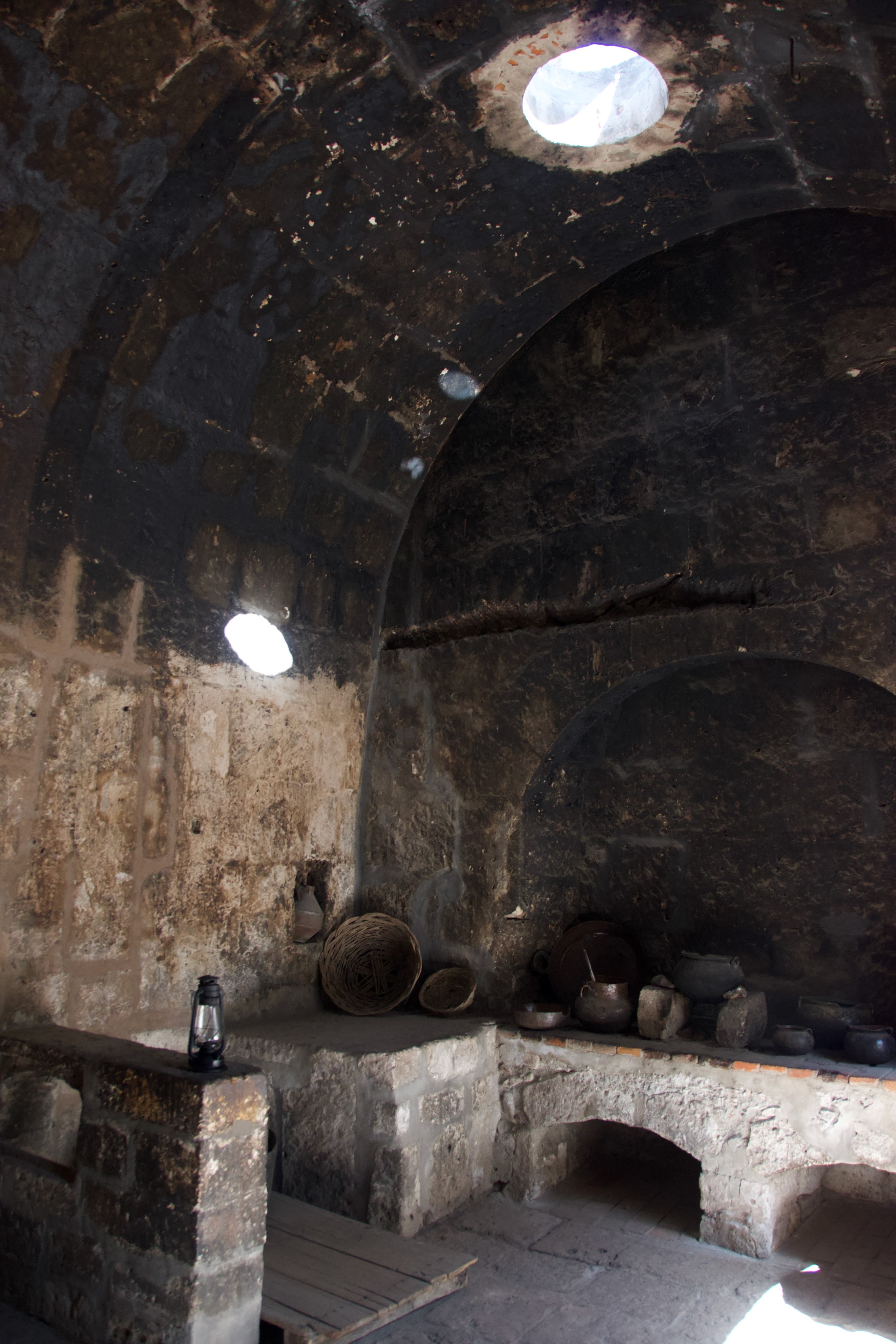
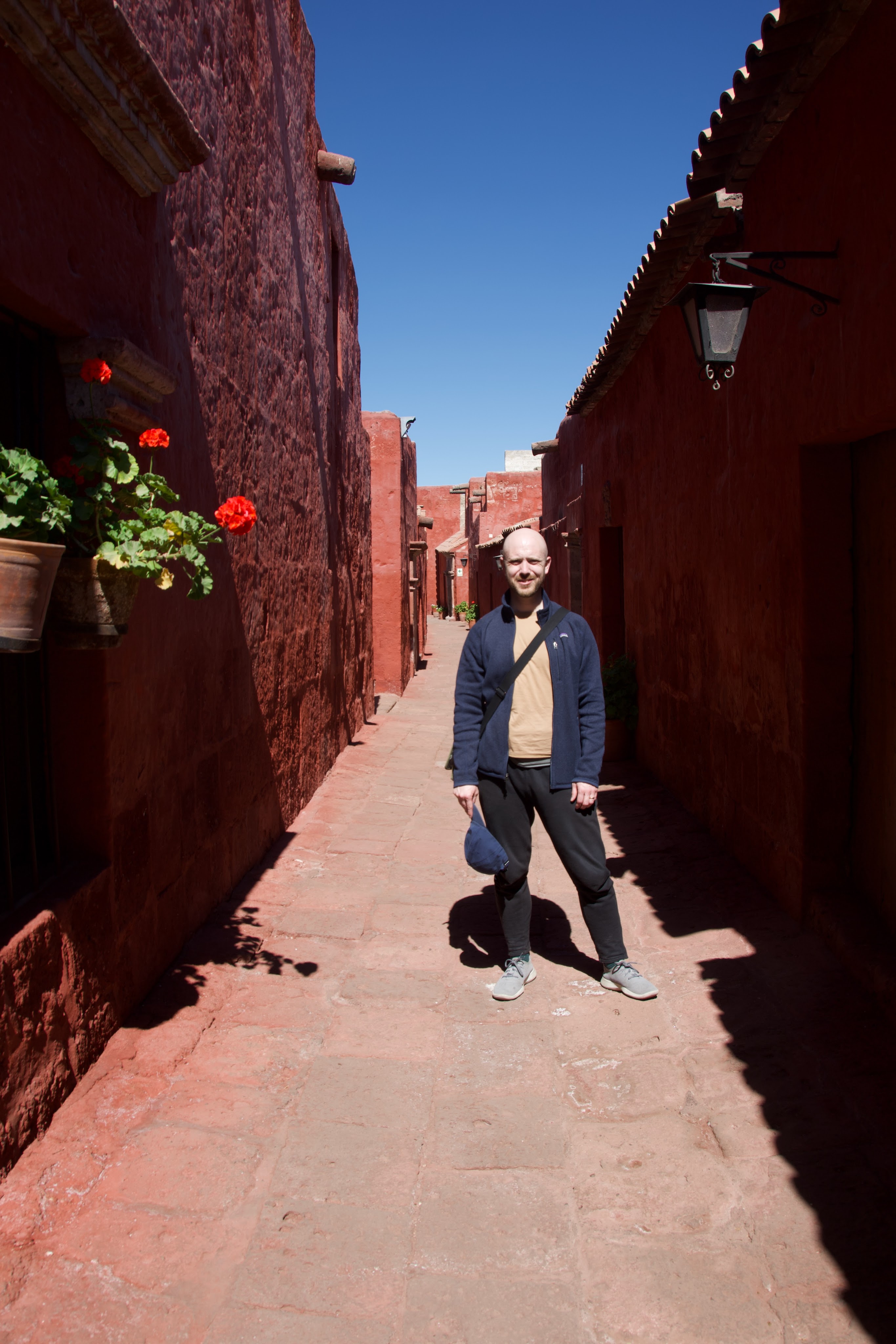
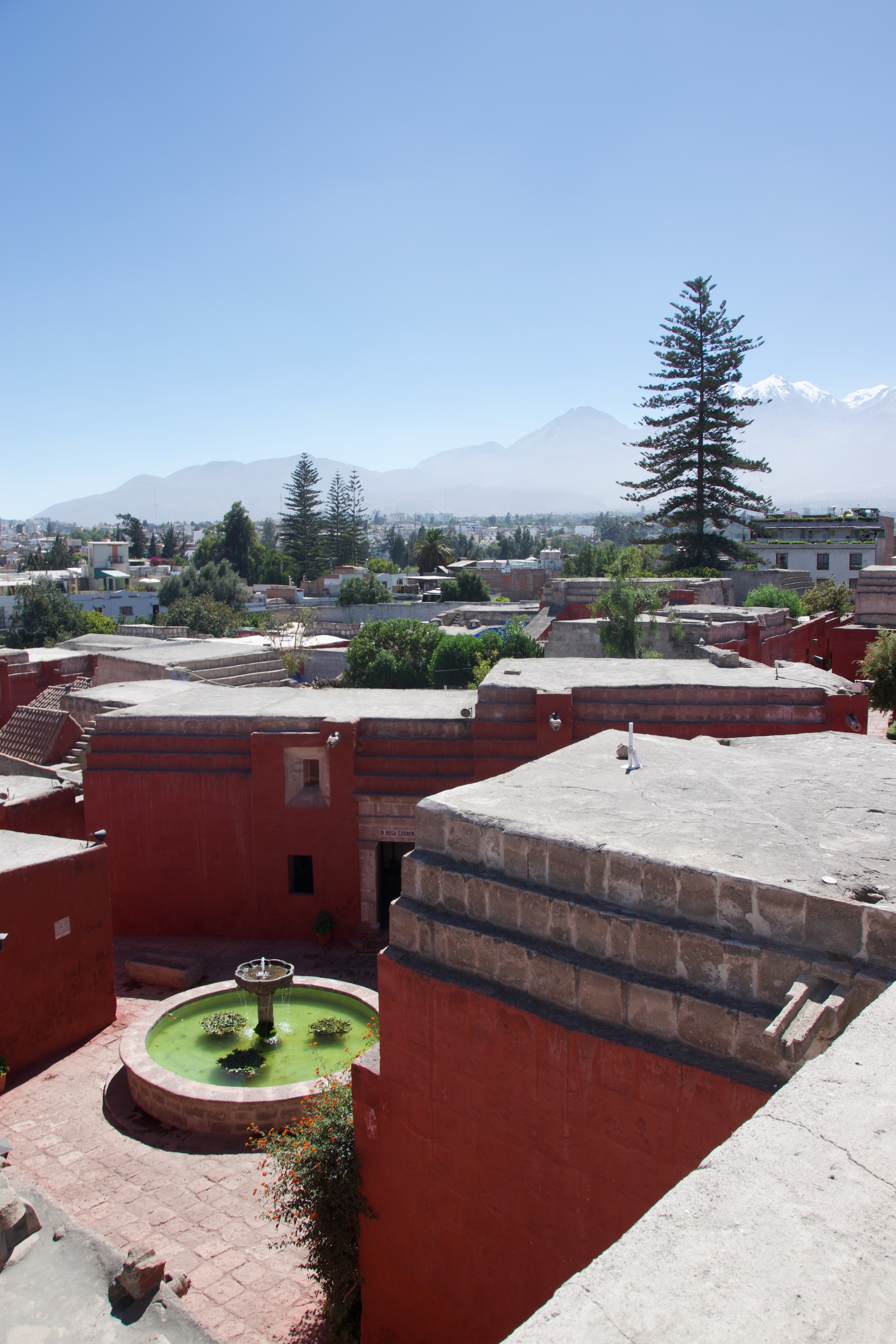
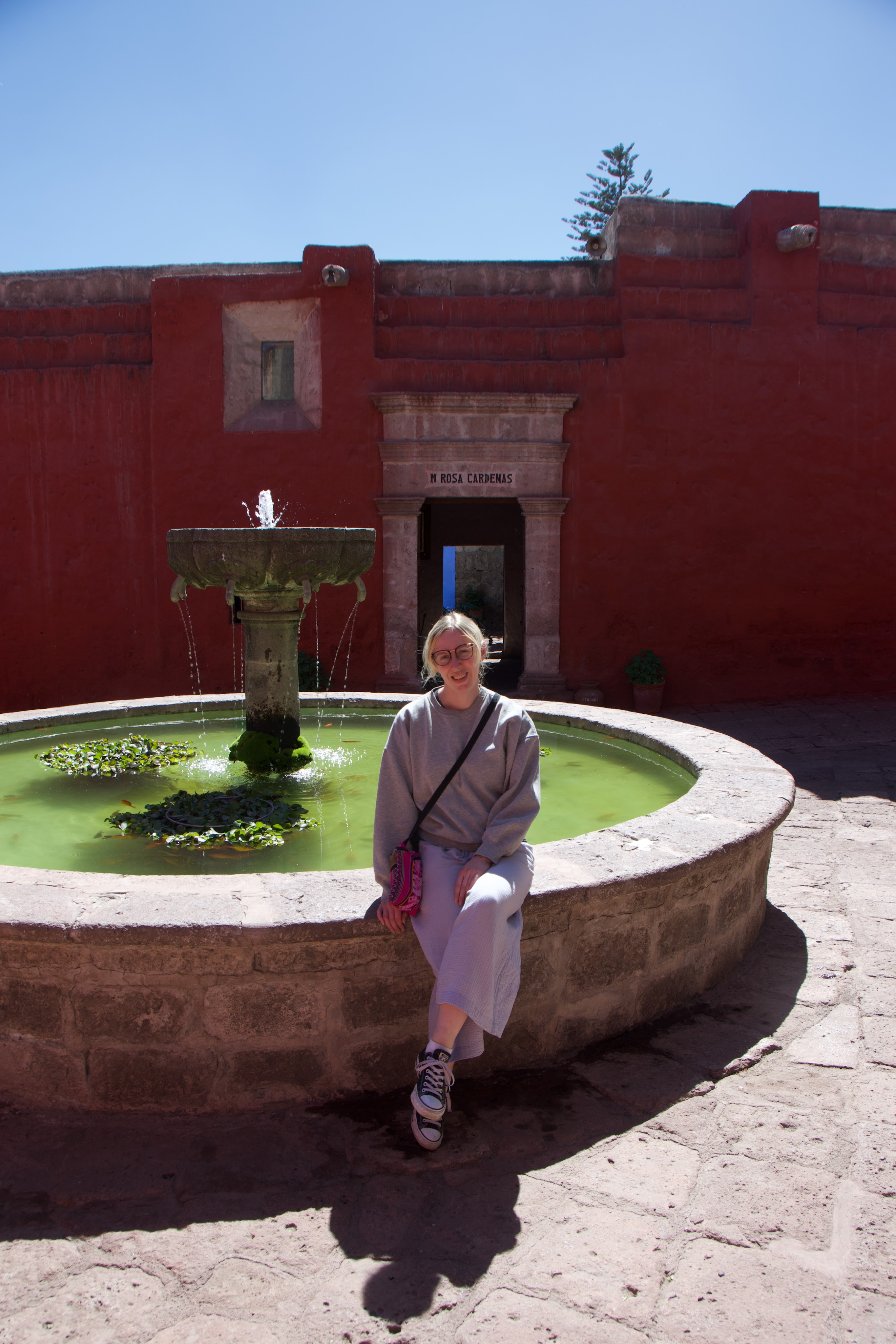
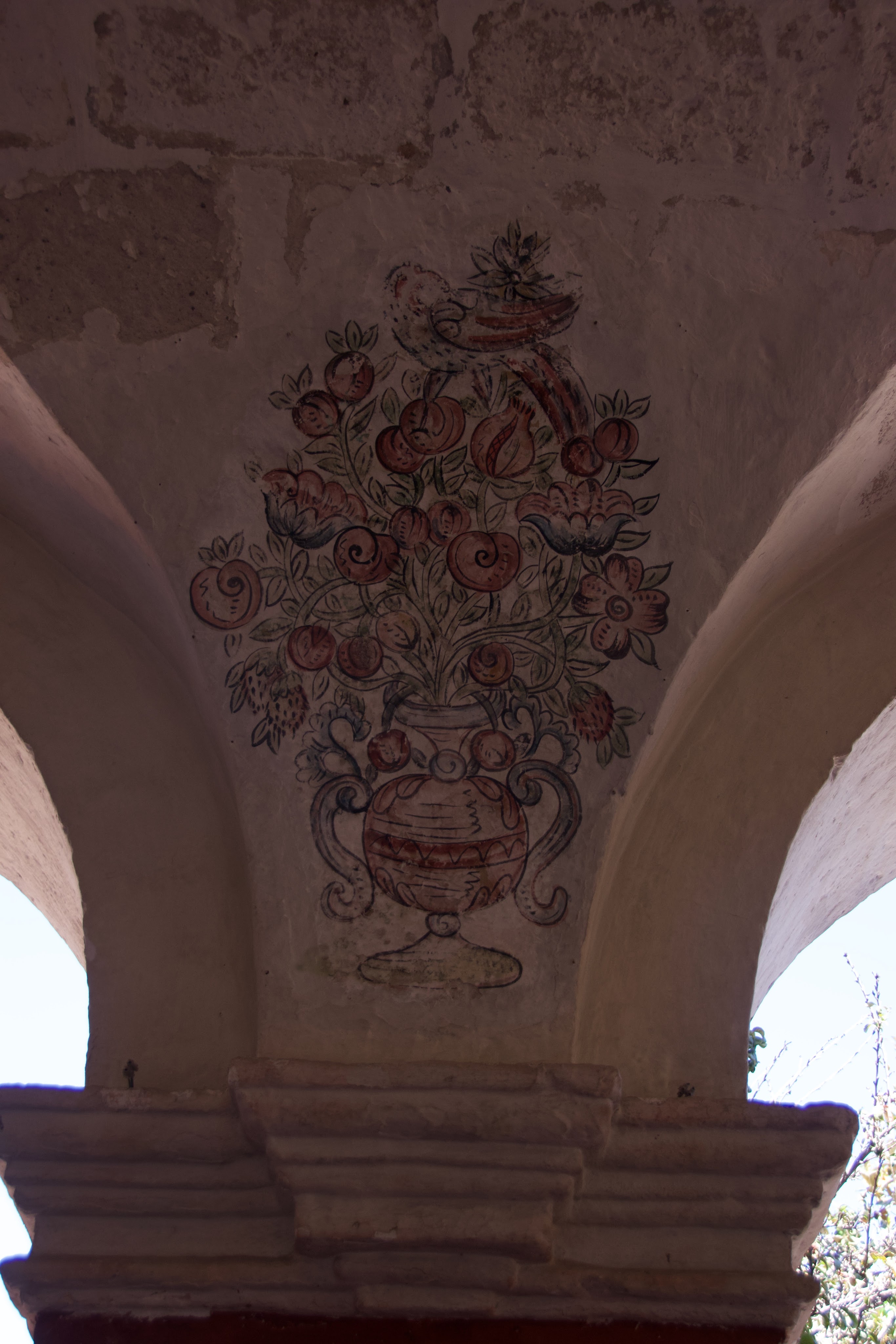
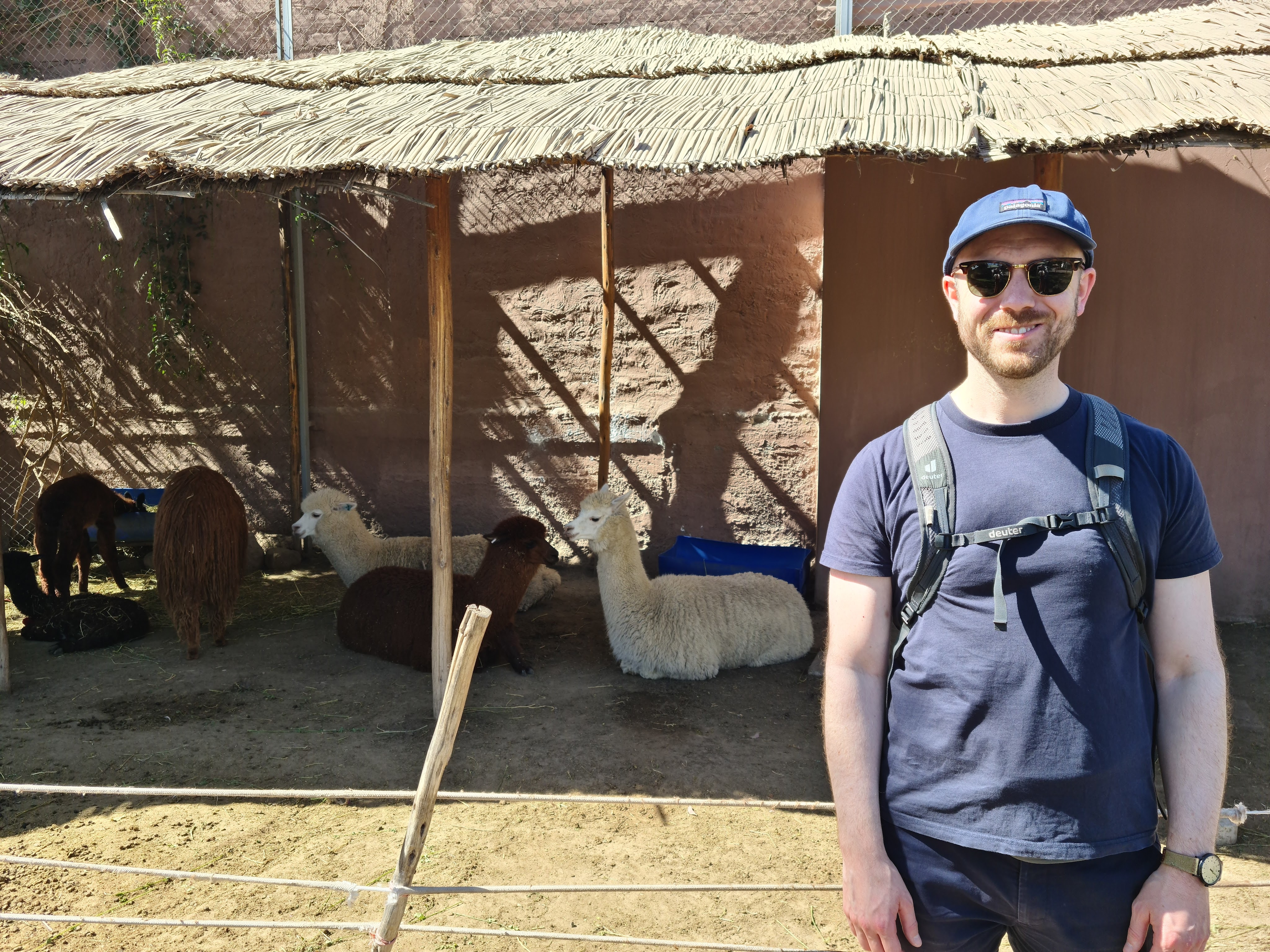
The remainder of our time in Arequipa was spent admiring the architecture of the city; learning about Peru’s weaving history at the “World of the Alpaca” and also visiting the Museo Santuarios Andinos. This was where we encountered another mummified child, not as well preserved as those in Salta, but impactful nonetheless.
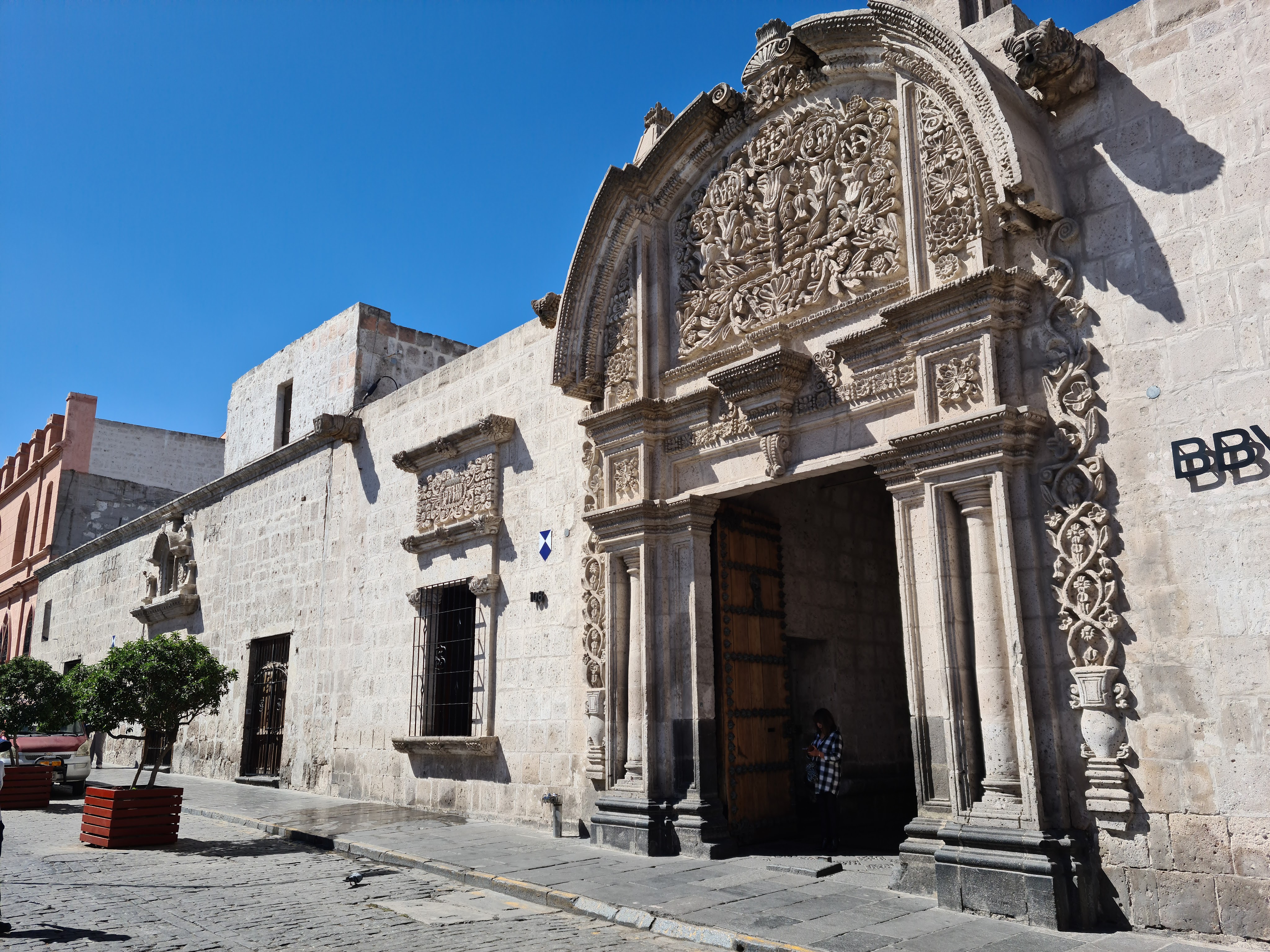
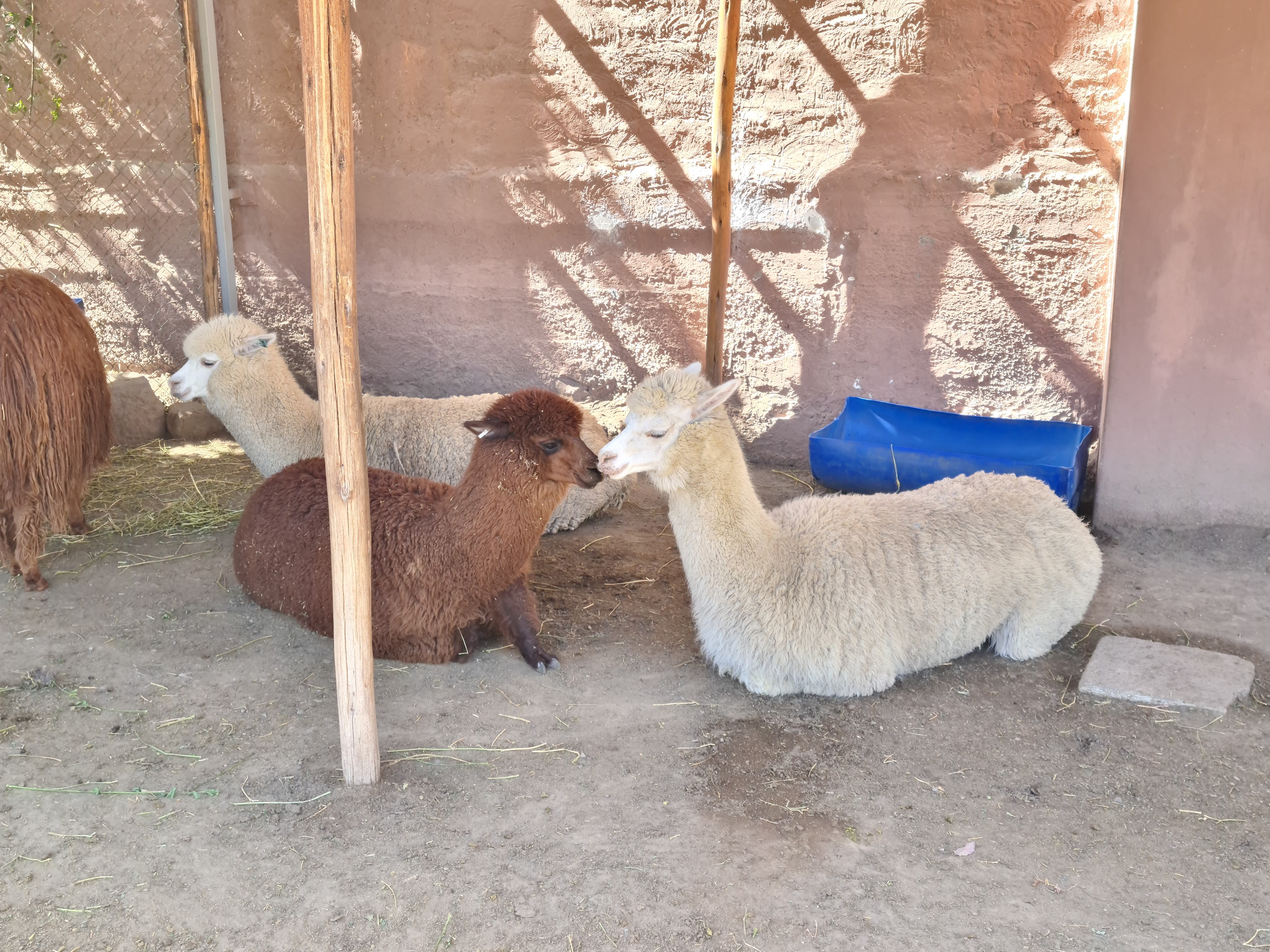
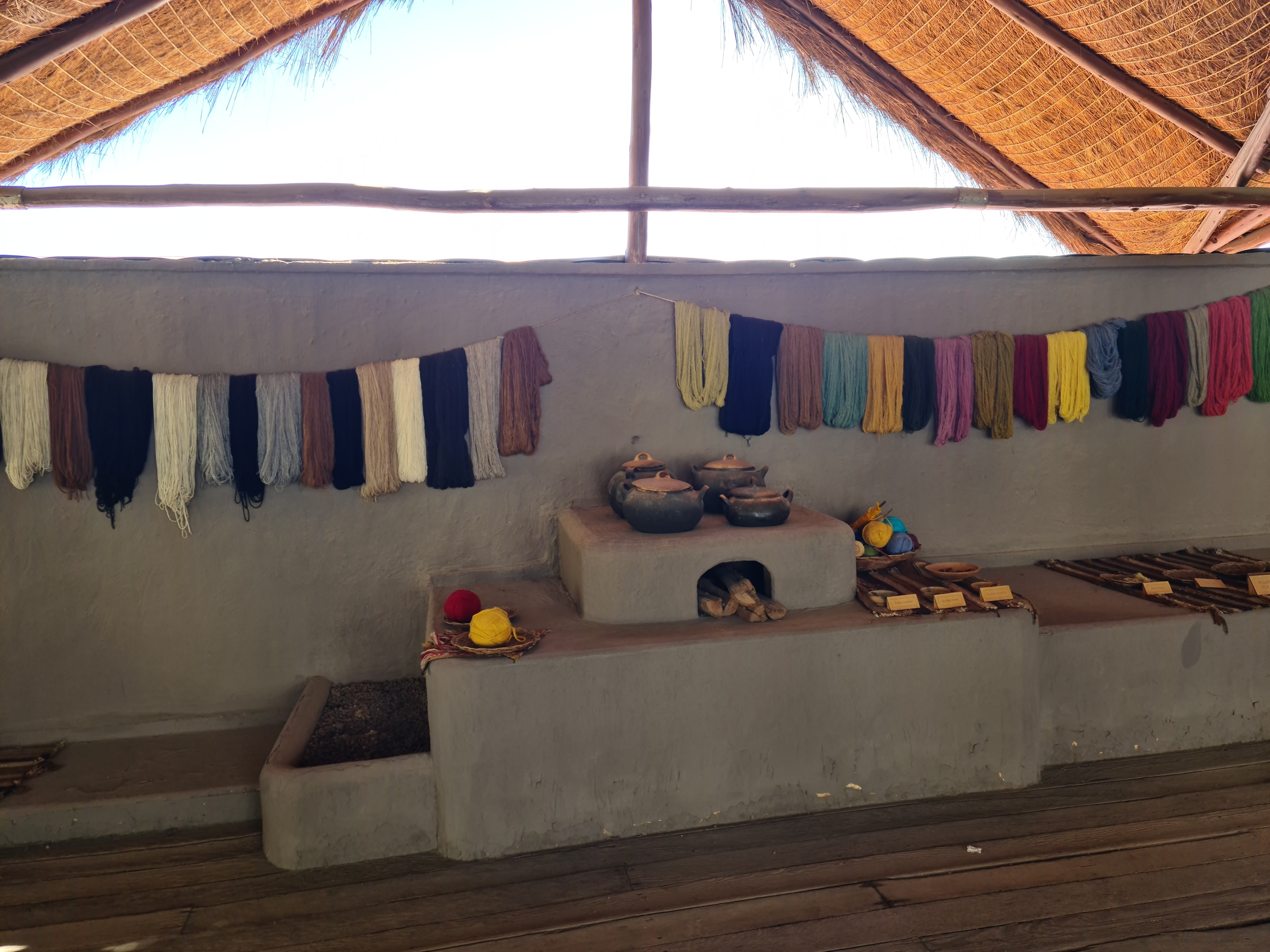
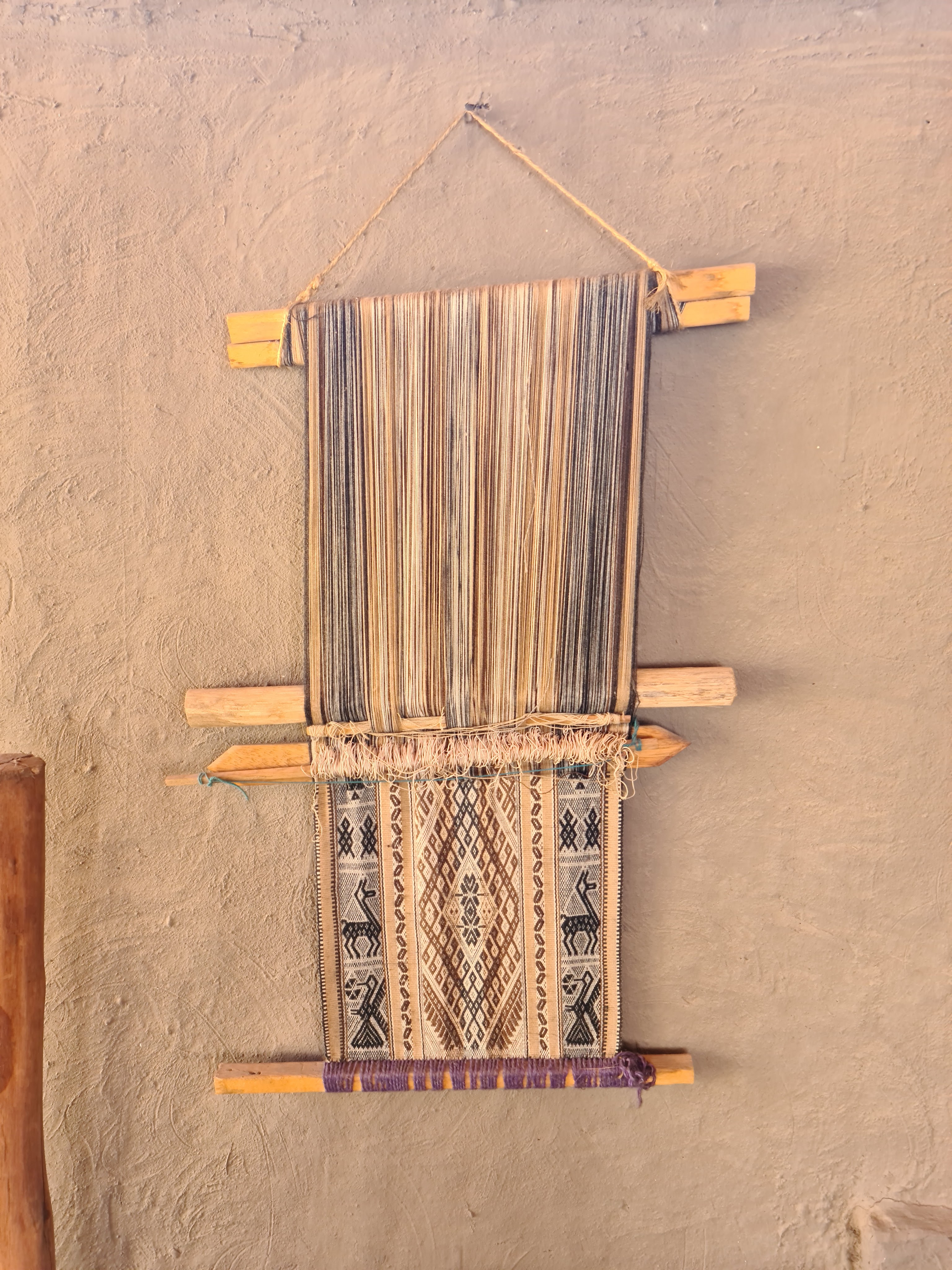

It was just a hint though of the Incan adventures that would lie ahead…
Tash’s Treats
In addition to the food tour, of course we have been discovering lots of Peru’s culinary highlights for ourselves.
Within 24 hours of arriving, we had our ceviche and pisco sours sorted. Ceviche in Peru is always a generous serving though, with plenty of accompaniments such as fresh and dried corn to make the most of Peru’s abundance of great produce.
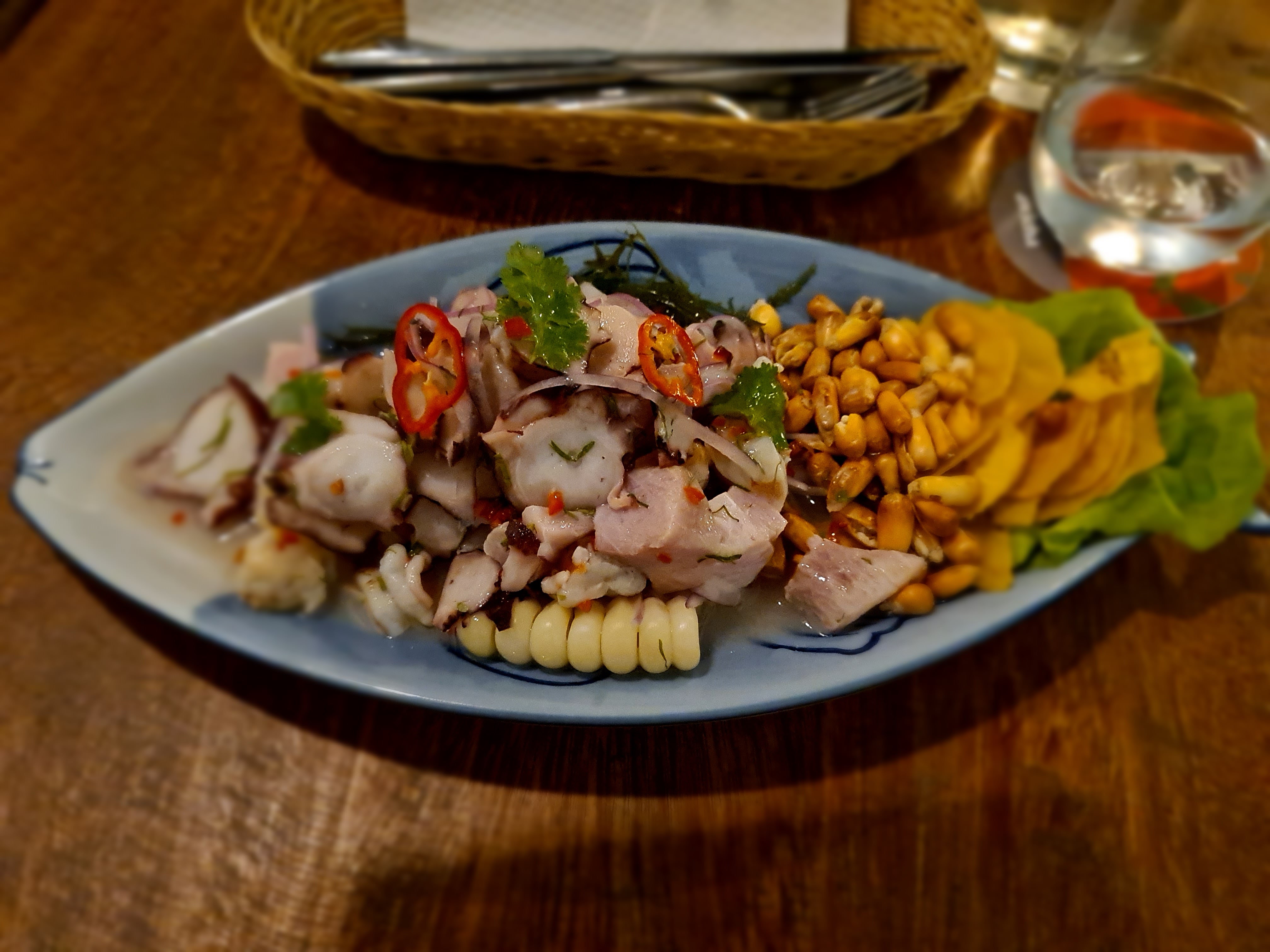
For a soft drink option, we also had plenty of chicha morada, the much beloved purple corn drink. The best comparison I can find for it is Ribena, and I mean that in a positive way.
A good starter for meals were taquenos, small savoury pastries a little like spring rolls.
As Peruvian cuisine is heavily influenced by early Chinese immigration, we enjoyed getting a flavour of Asia again with chaufas, stir fried rice dishes.
Ricki doubled up on the carbs with lomo saltado. This is a Peruvian version of the same named dish in Chile, but with more Chinese flavourings and both chips and rice.
And in Arequipa, we had to try the local speciality of recoto relleno, stuffed peppers, usually filled with mince.
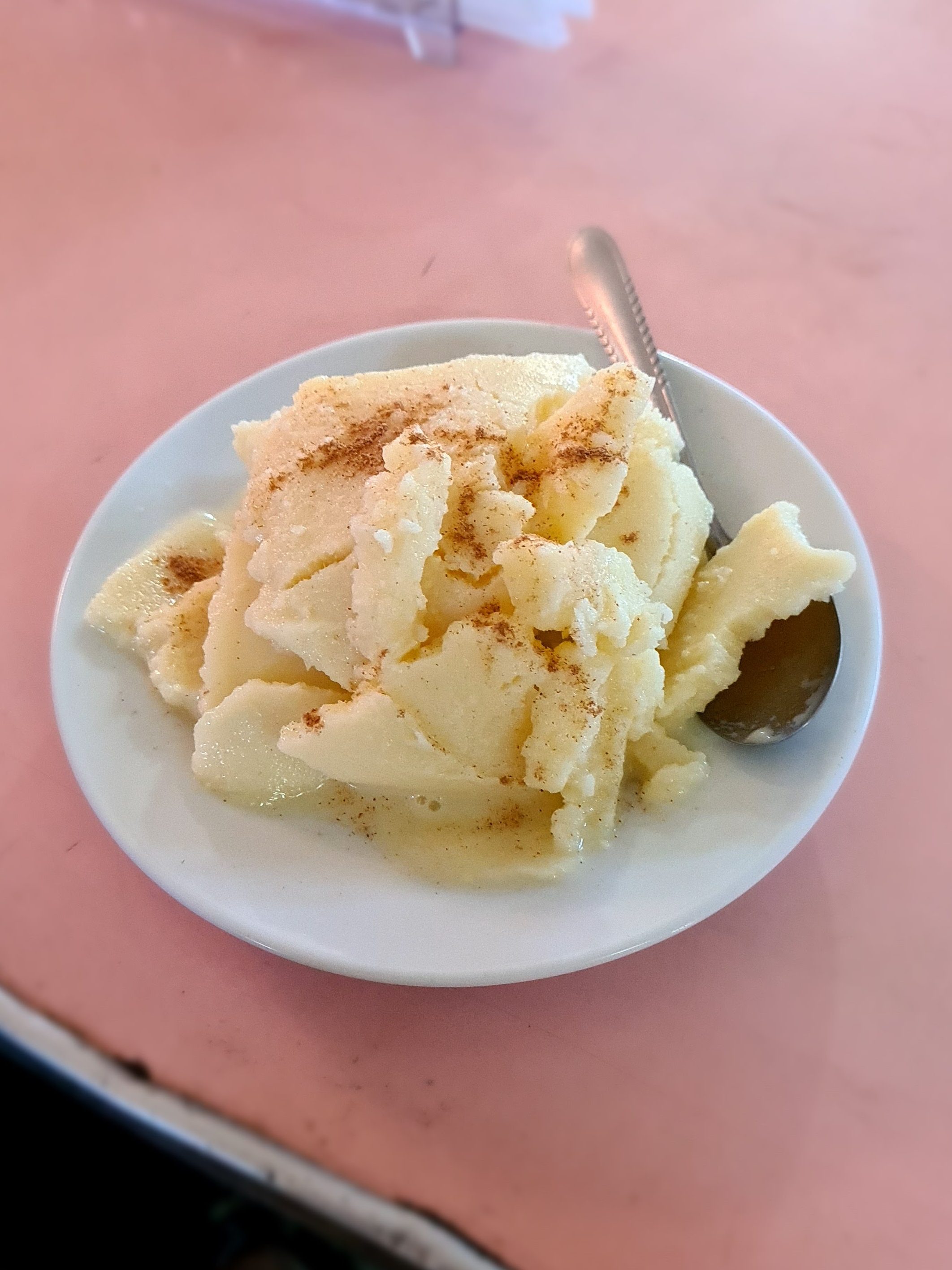
The other Arequipan speciality we sought out was queso helado. This is ice cream which, despite the name, has nothing to do with cheese. It is made in a similar fashion to a freezing custard, with various spices added in. There are plenty of girls selling it from mobile kiosks around the Plaza de Armas, but as we wanted to go to the market anyway, decided to look for one of the well rated versions that we could apparently find there.
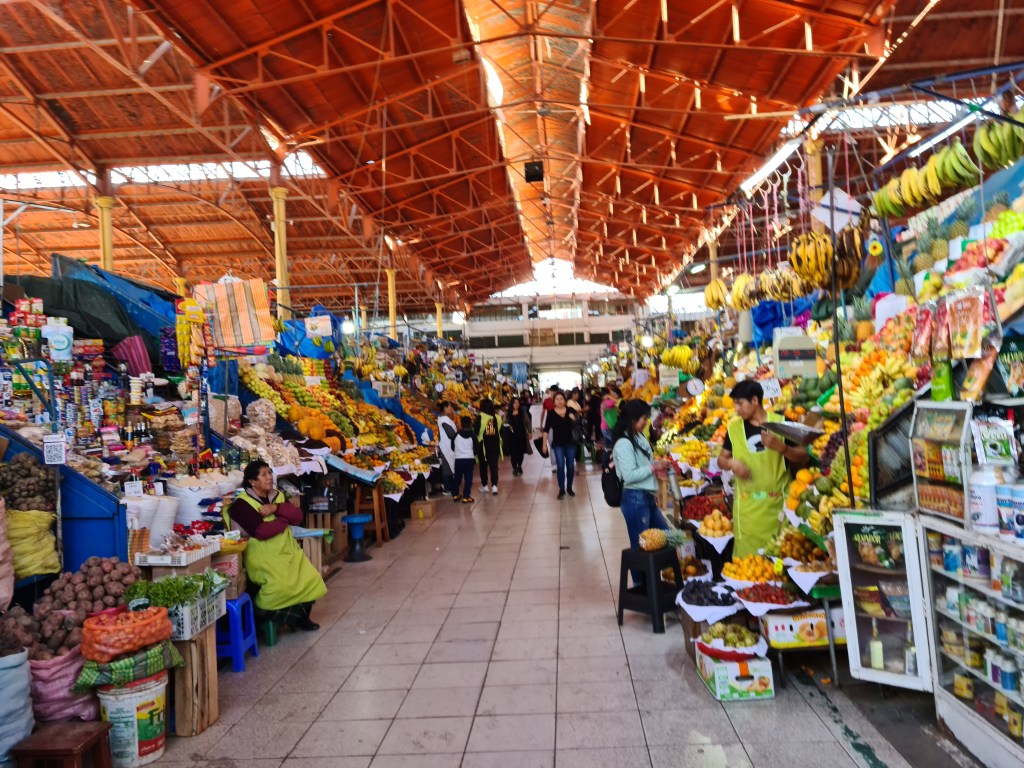
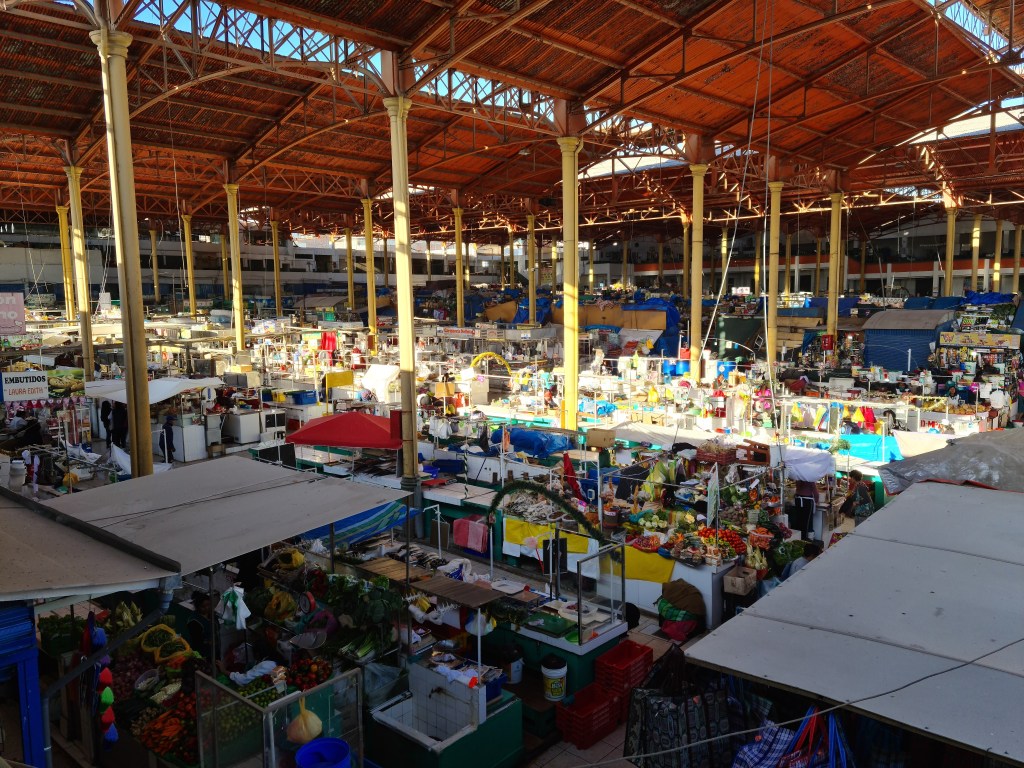
The market was huge, selling everything from fruit to homeware. After picking up some more agauymanto and some coca leaves for our upcoming return to altitude, we headed to the top floor where Donna Maria and her fabulous ice cream apparently resided. We were intercepted as soon as we finished climbing the stairs by an elderly woman. As foreigners, she probably knew exactly what and who we were looking for, and ushered us to her own kiosk for ice cream. Whether it was as good as Donna Maria’s, I have no idea, but at 75p per plate and suitably sweet and refreshing, we really couldn’t complain. Get this woman on the Peruvian version of the Apprentice, she clearly has the wily business skills!
 A Place Both Wonderful and Strange - Tash & Ricki's Career Break Travels
Leave a comment