
Still high on our completion of the Inca trail, we arrived back in Cusco for a few days. We got some final sightseeing in, as well as attending to more urgent needs… such as catching up on sleep and getting a well earned massage.
Our onward travel once again took the form of an overnight bus, this time to Puno. By this stage in the Peru Hop itinerary, you could definitely see the number of passengers thinning out as less people had the time available for further travels, or perhaps preferred other options.
Thankfully our hotel could accommodate our 5am arrival, and we were able to have a brief rest and breakfast before heading straight out again at 7am.
We were heading to Lago Titicaca, the world’s highest commercially navigable lake. Straddling the border of Peru and Bolivia, we would be sticking to the Peruvian side for the day.
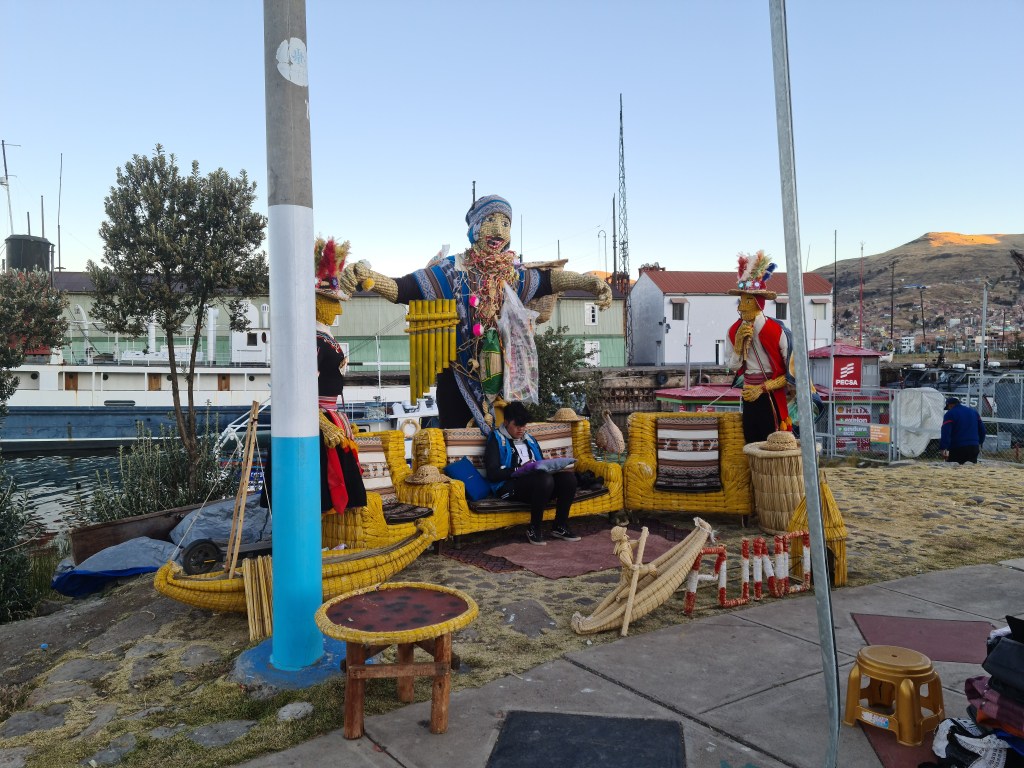

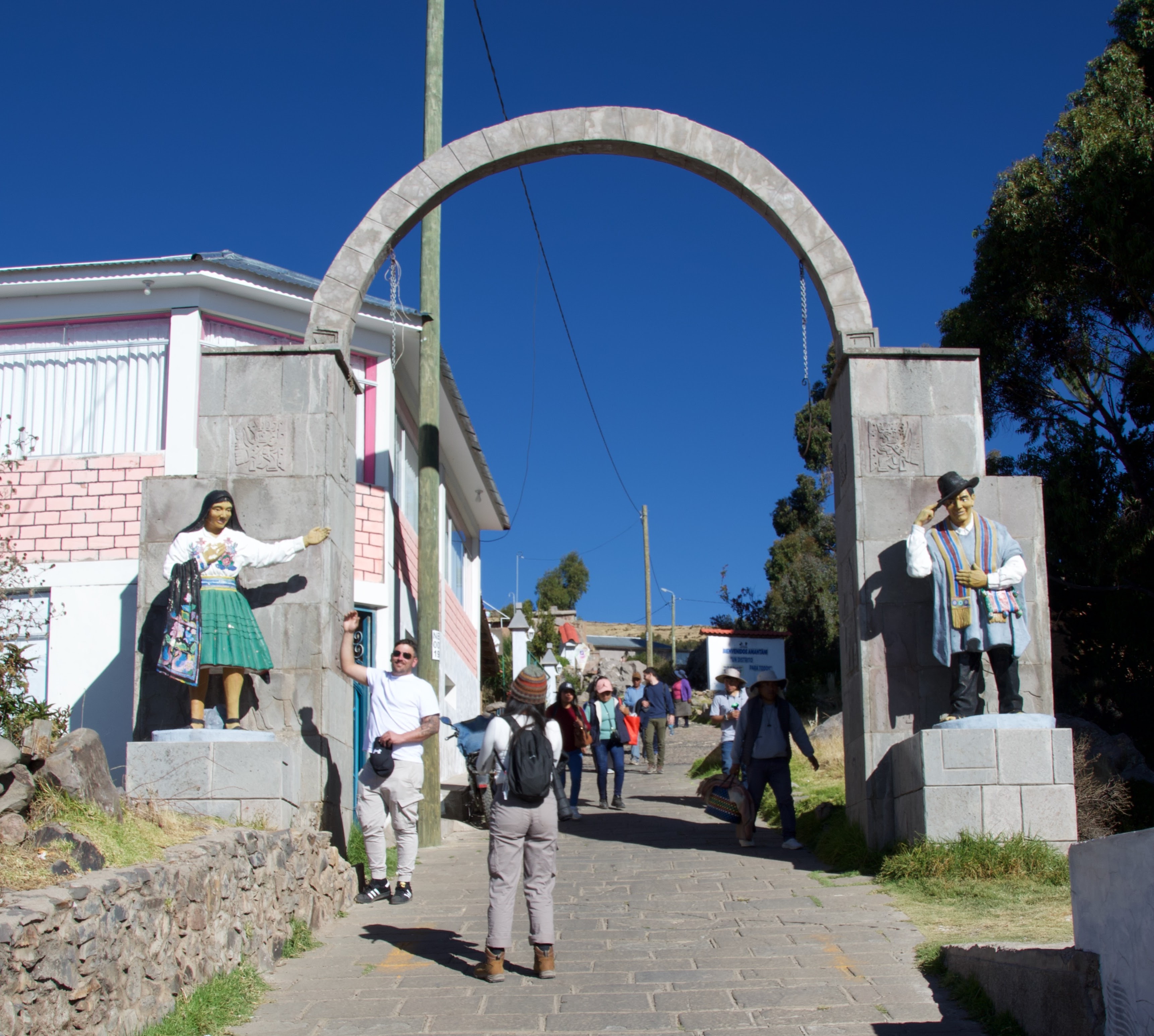
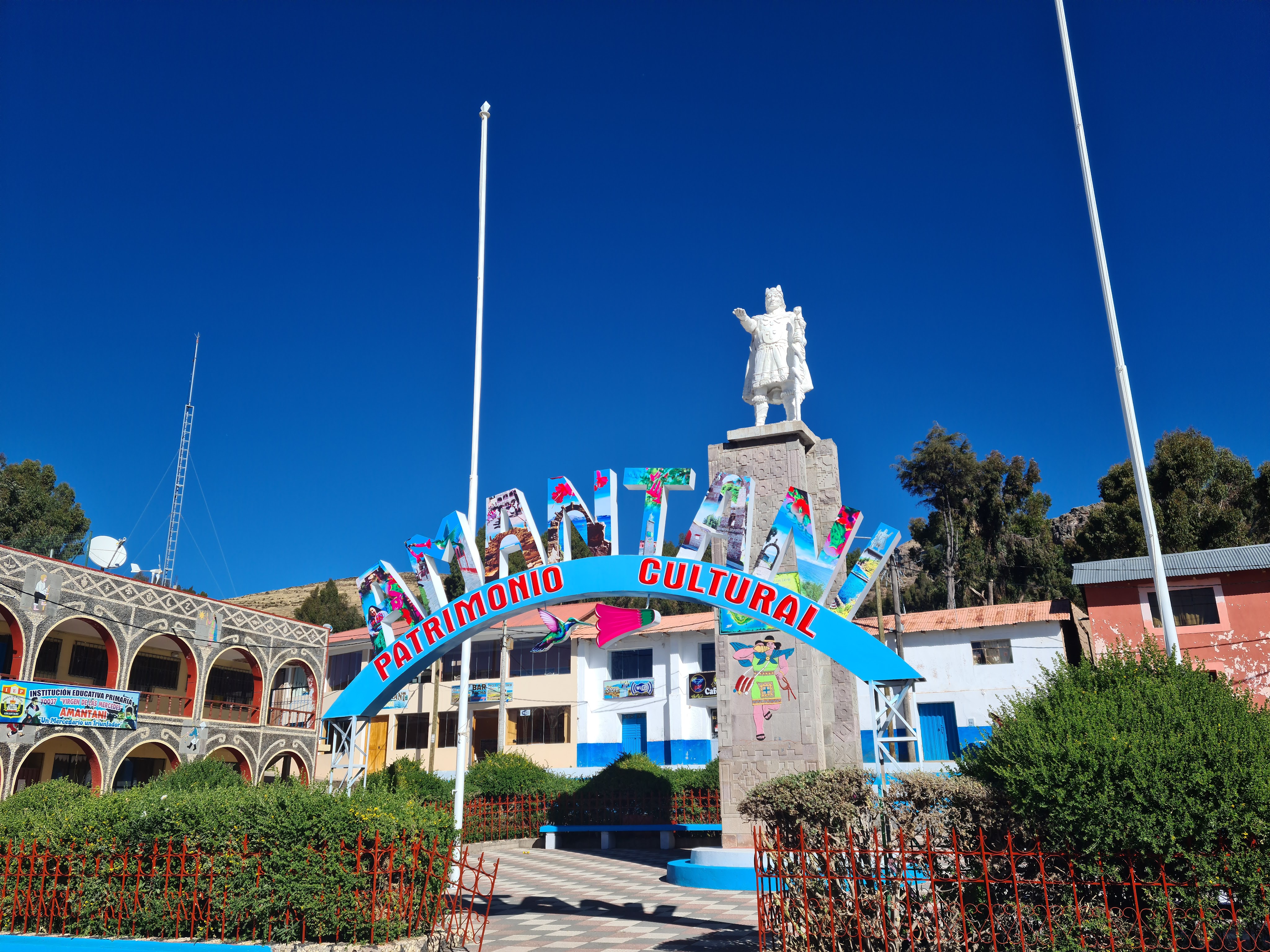
This included a lunch stop for some freshly caught trout, and a hike through the island of Amantani. This island is inhabited by roughly 3,500 people, and although there are no hotels, tourism is promoted via homestays. There is no longer a police force as the police actually ended up committing more crime than the inhabitants, who now simply adhere to a moral code of conduct. If only more societies could live like this!
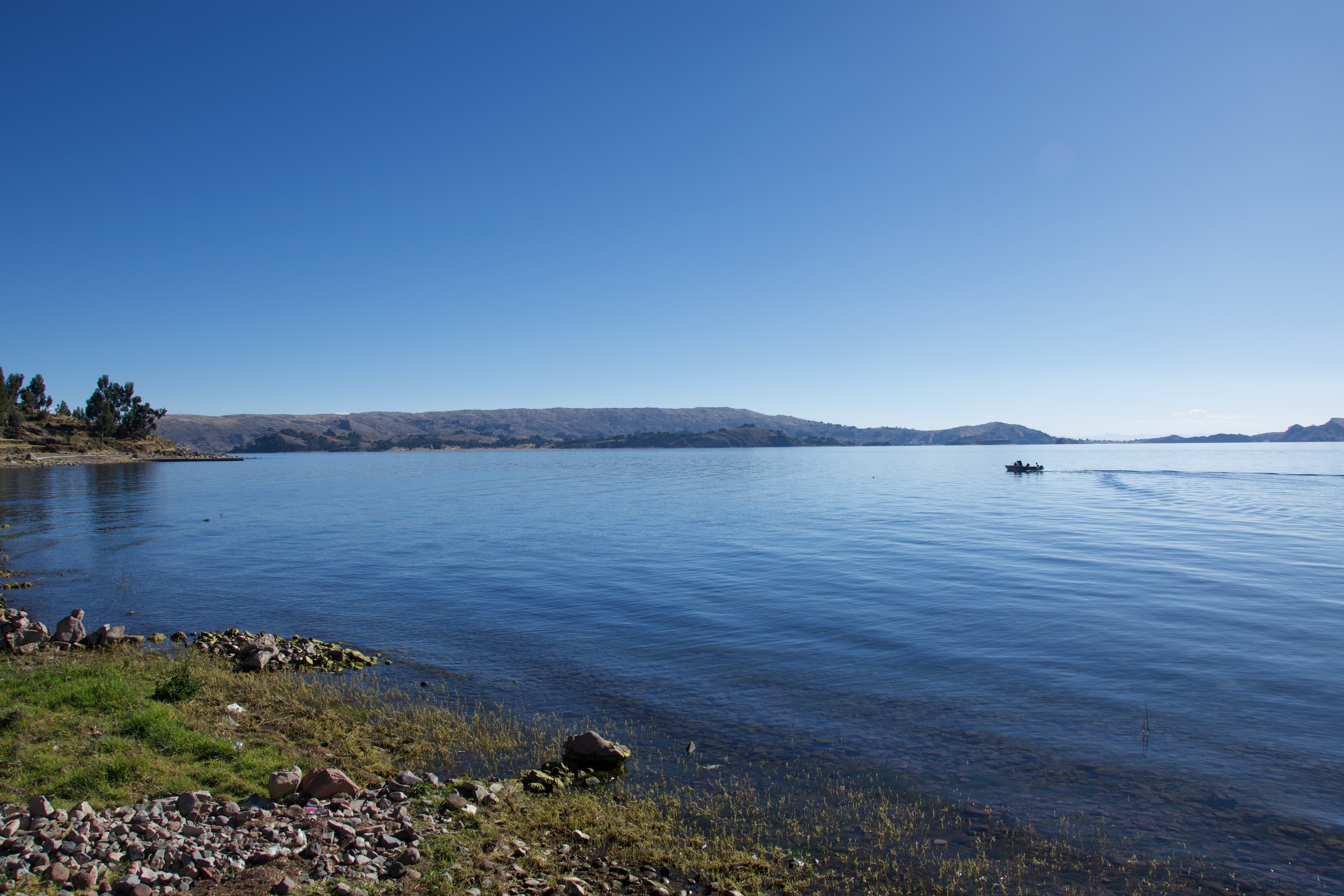

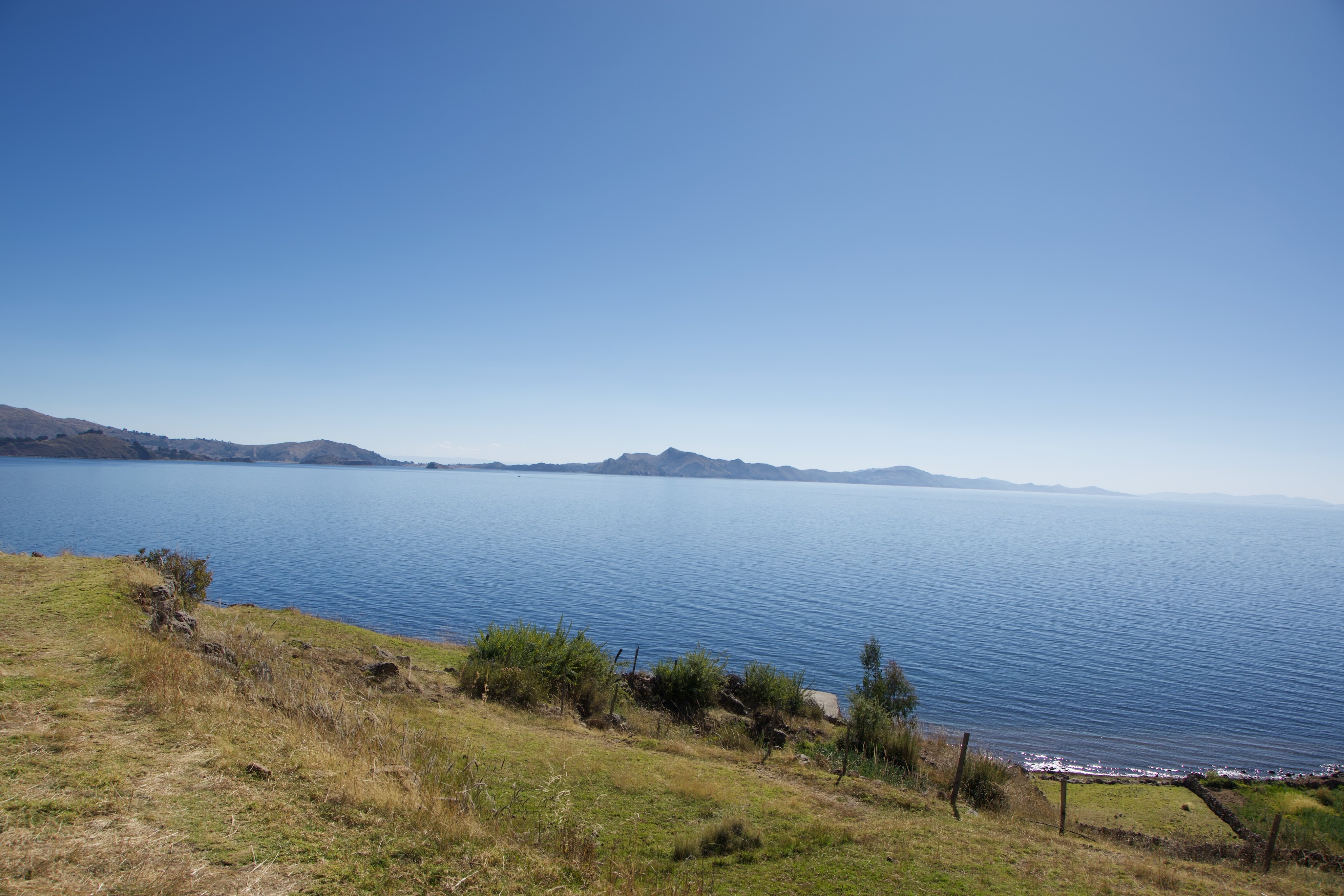

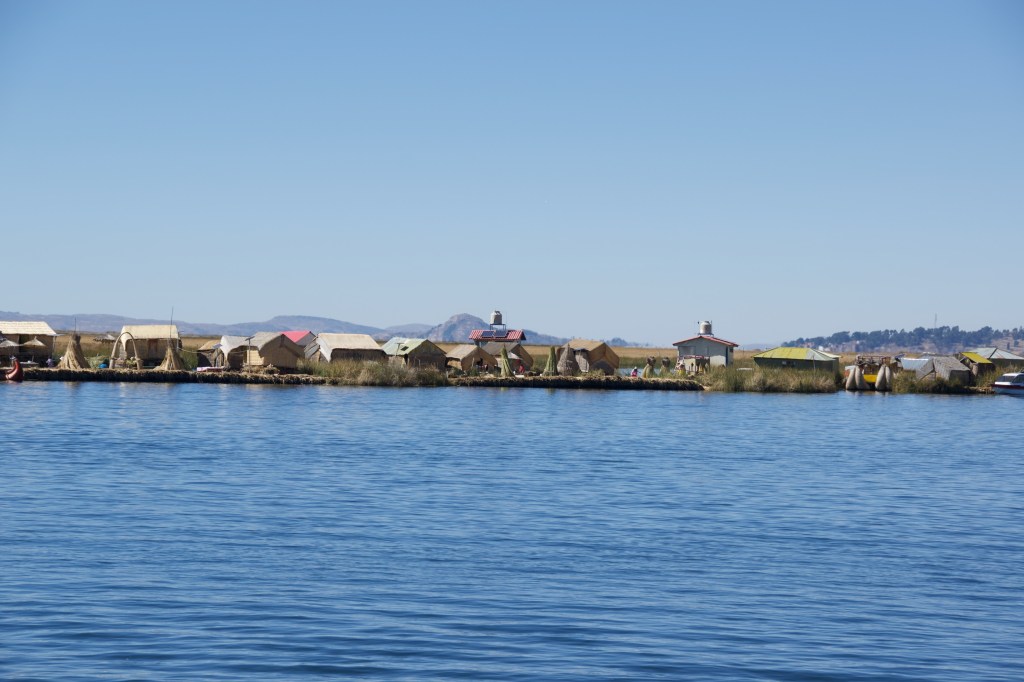
The real highlight of the day though was our first stop, the Uros, or Floating, Islands.
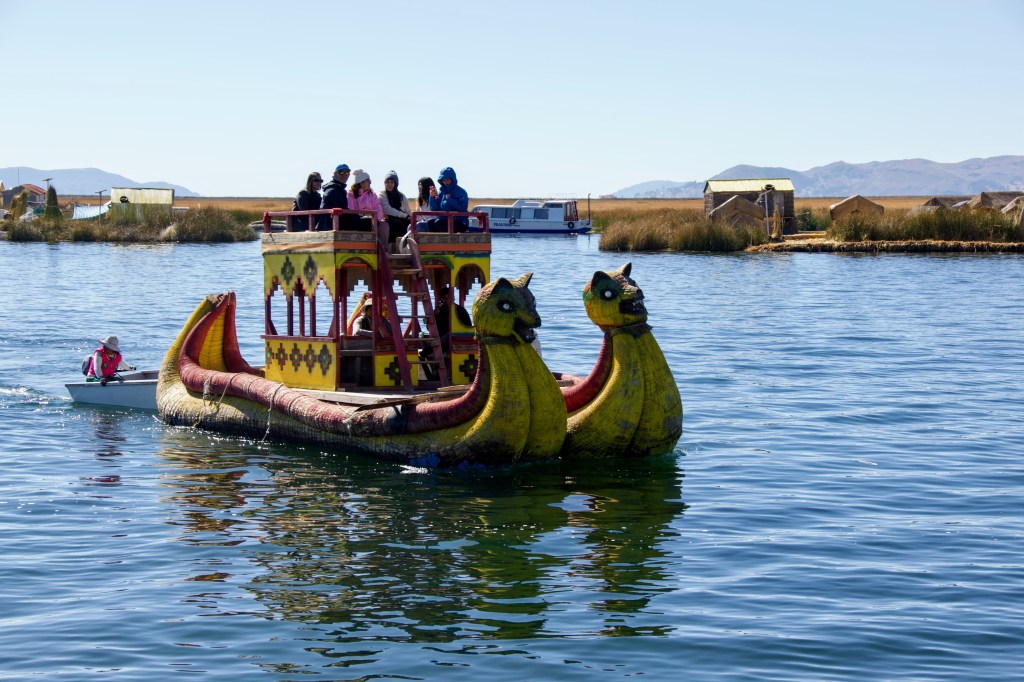
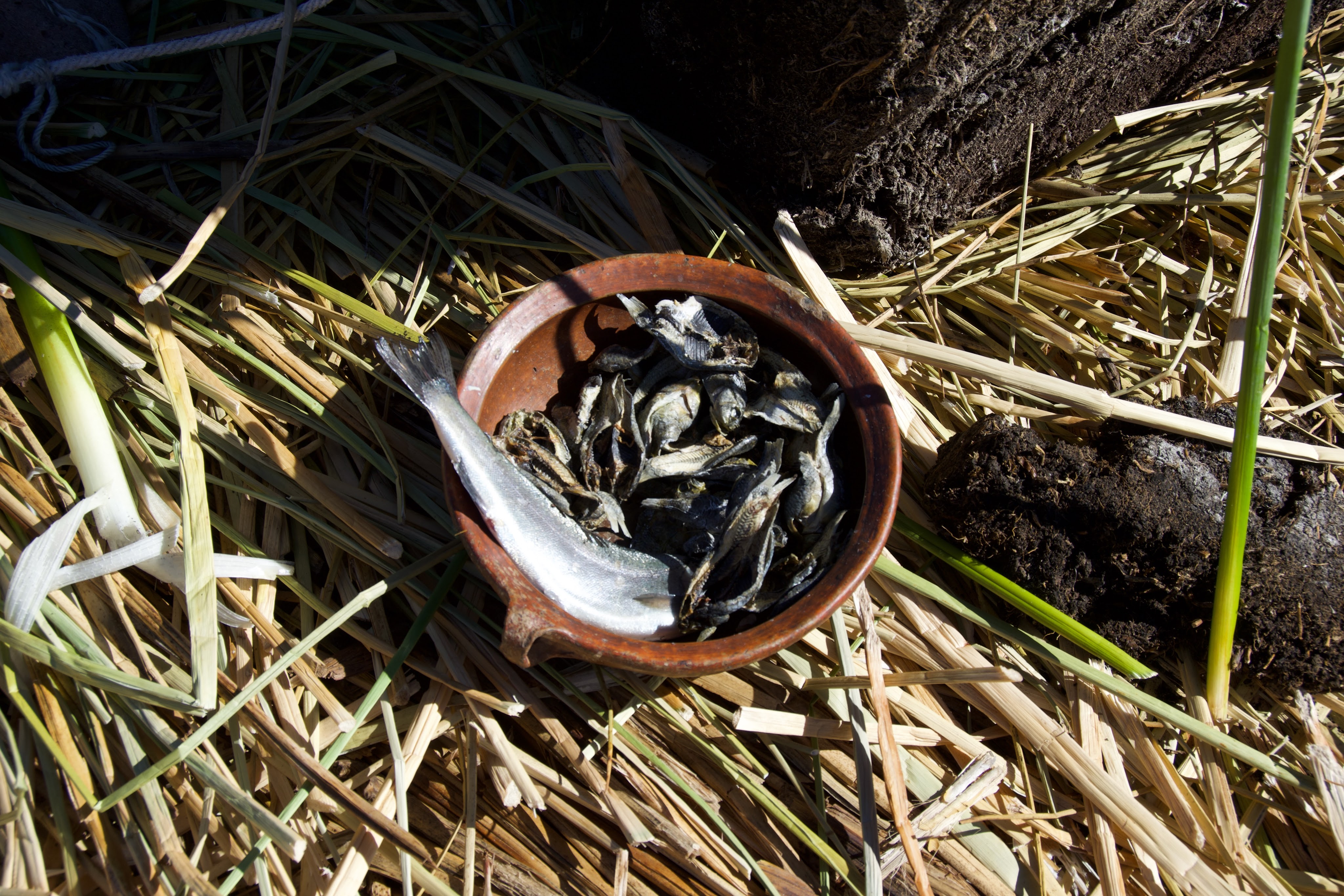
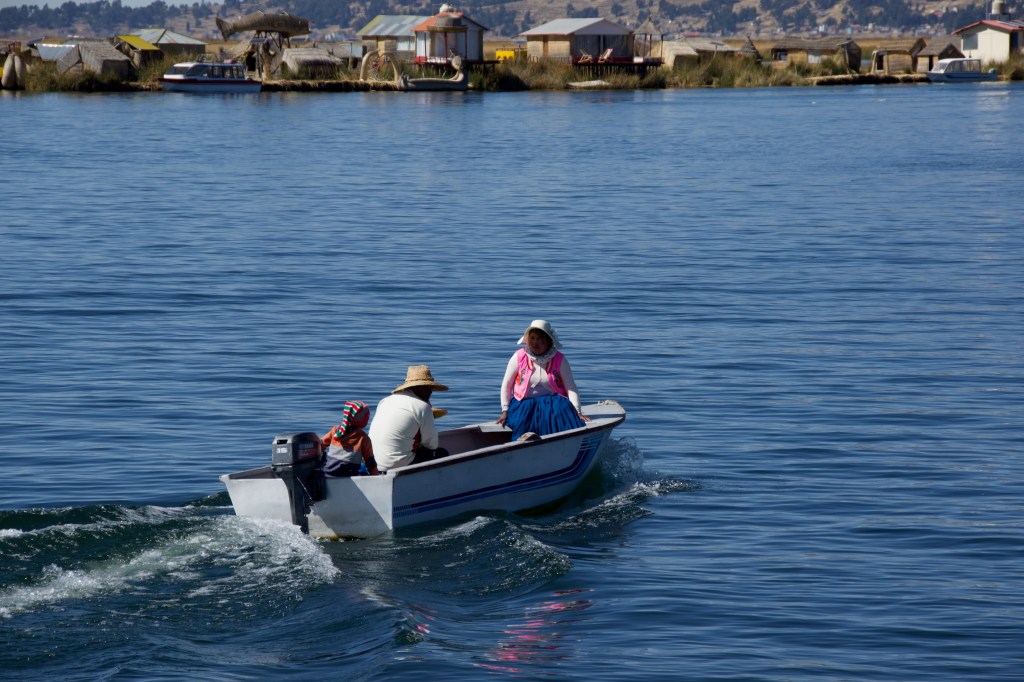
As the nickname suggests, the Uros Islands are a group of artificial floating islands located on Lake Titicaca. They are constructed entirely from totora reeds, which grow abundantly in the shallow areas of the lake. The Uros people, an indigenous community, have lived on these islands for centuries, maintaining a unique way of life that includes fishing, weaving, and crafting from the reeds.
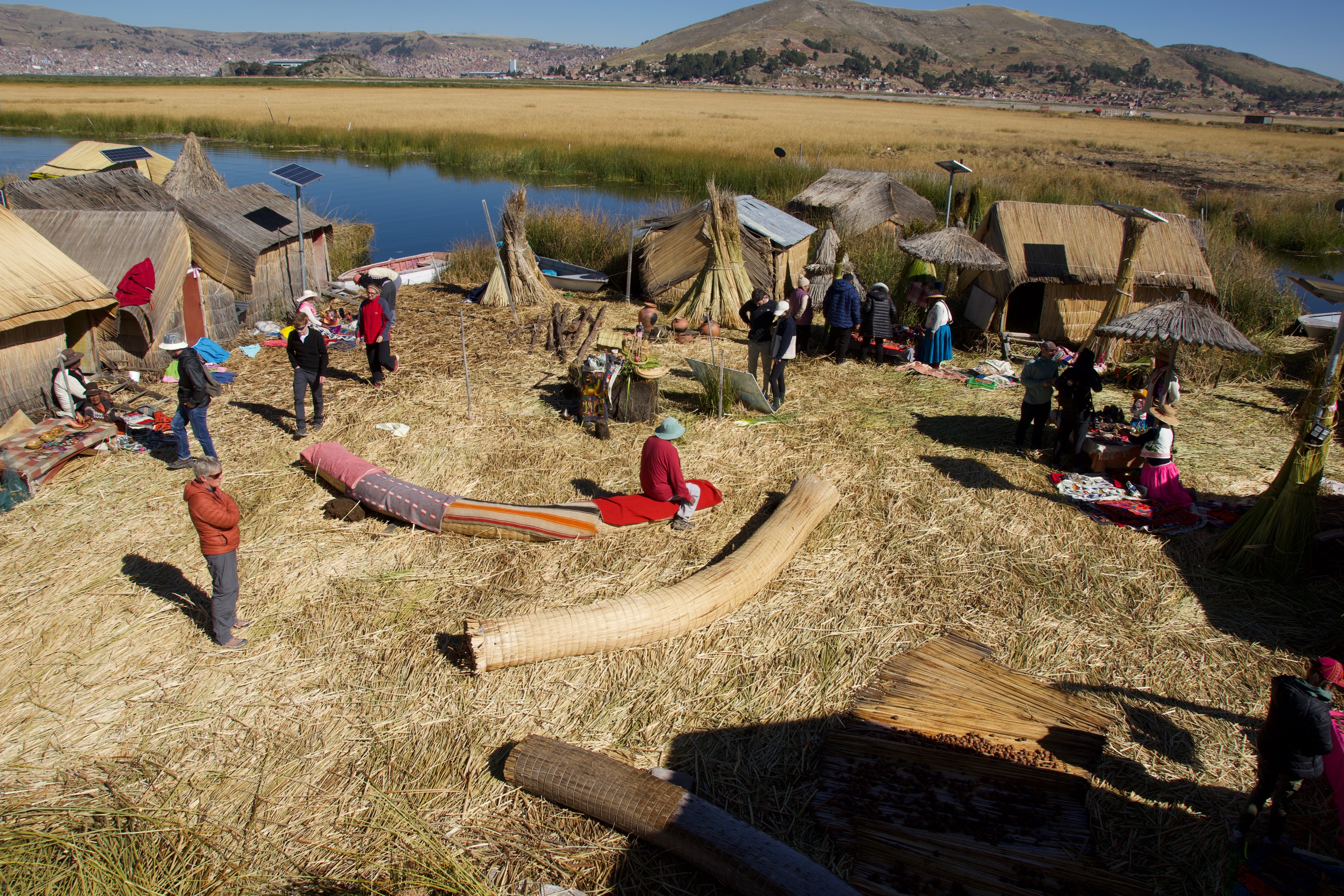
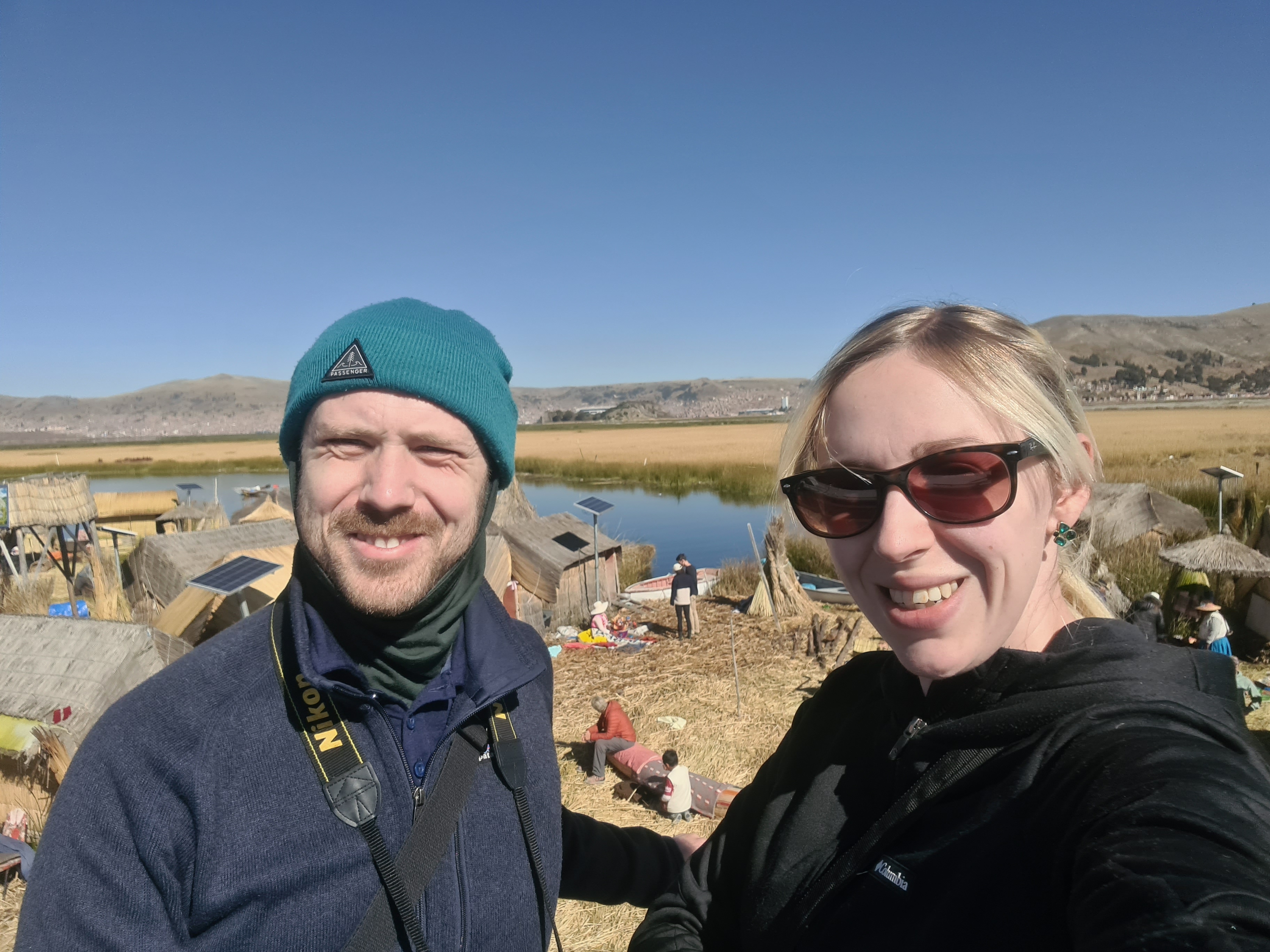
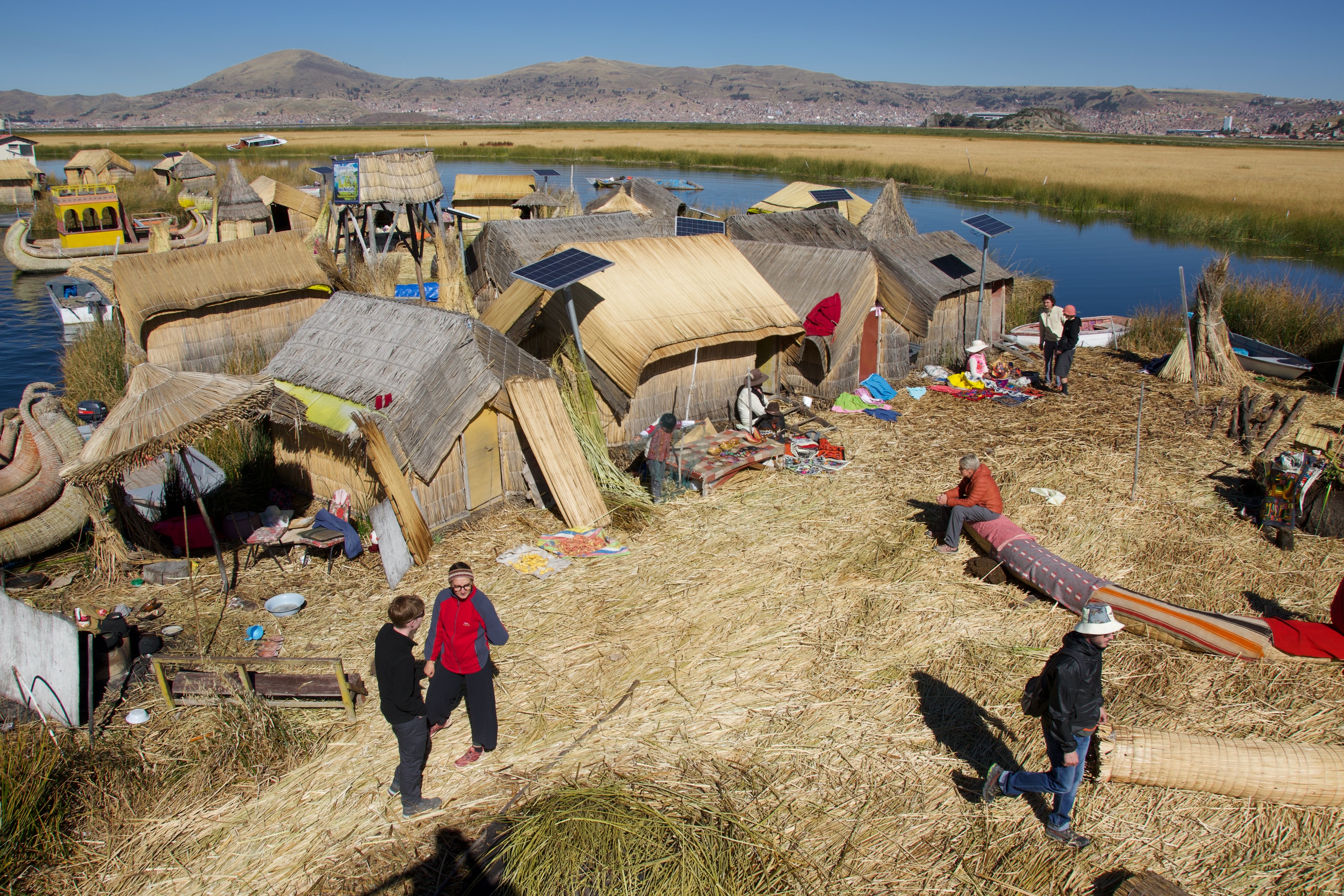
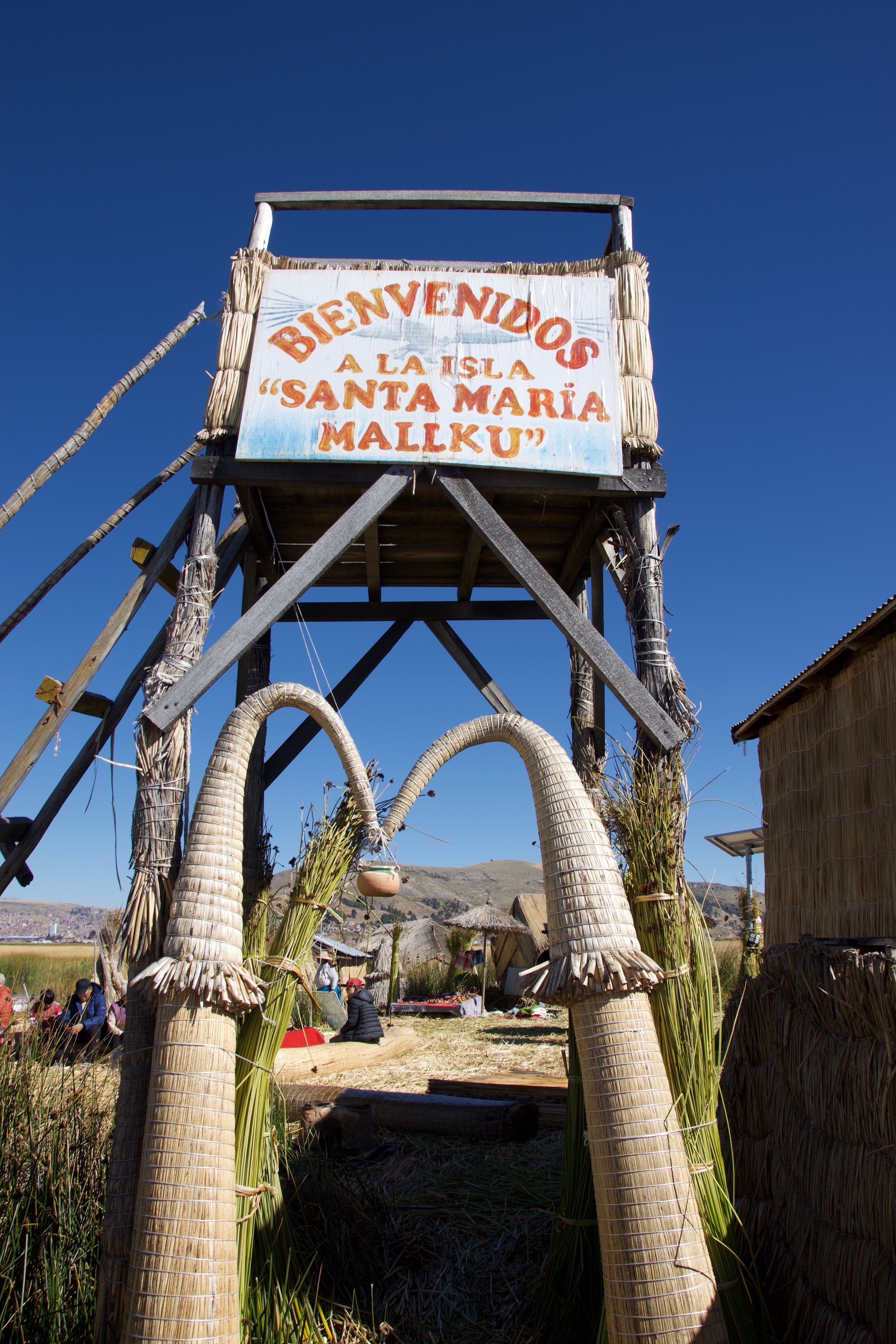

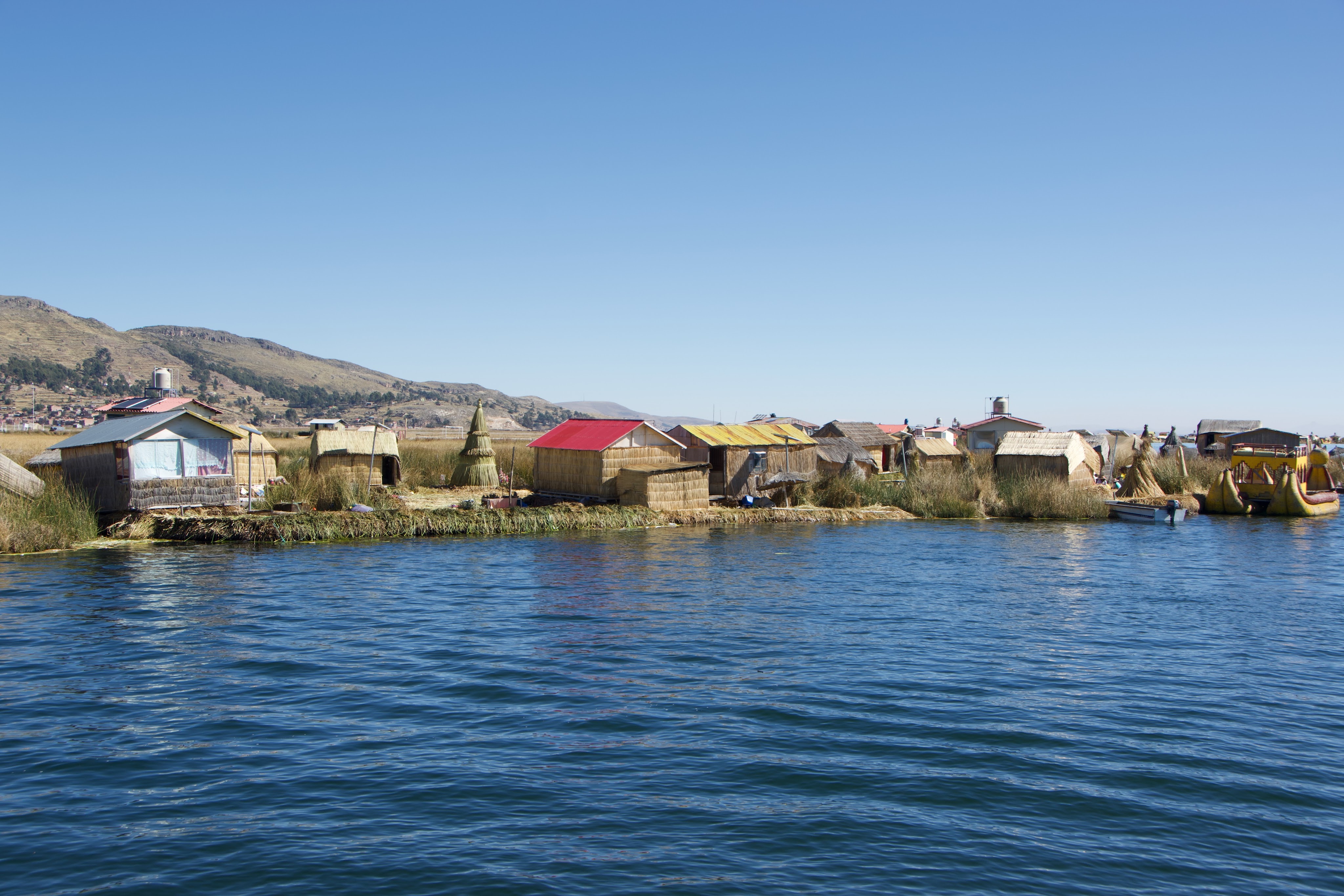
We expanded our indigenous language skills from Quechuan to now include Aymara, and were dropped off on one of the many islands. Each island has a nominated chief or president, who manages the affairs of the island. We were introduced to the president of the island we visited, a female of course, and she explained a bit about daily life on the islands, as well as inviting us into her small home and selling the group souvenirs.

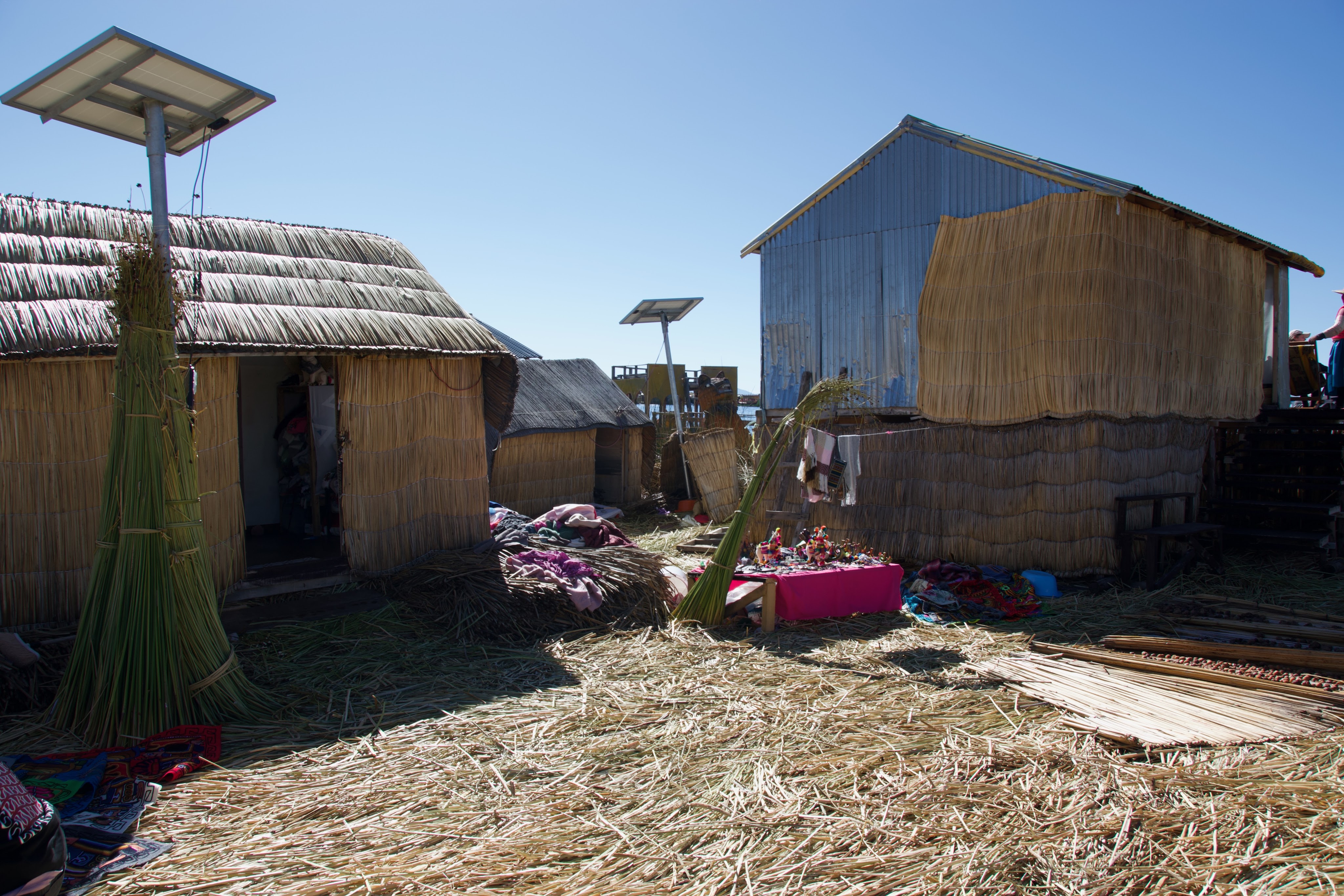
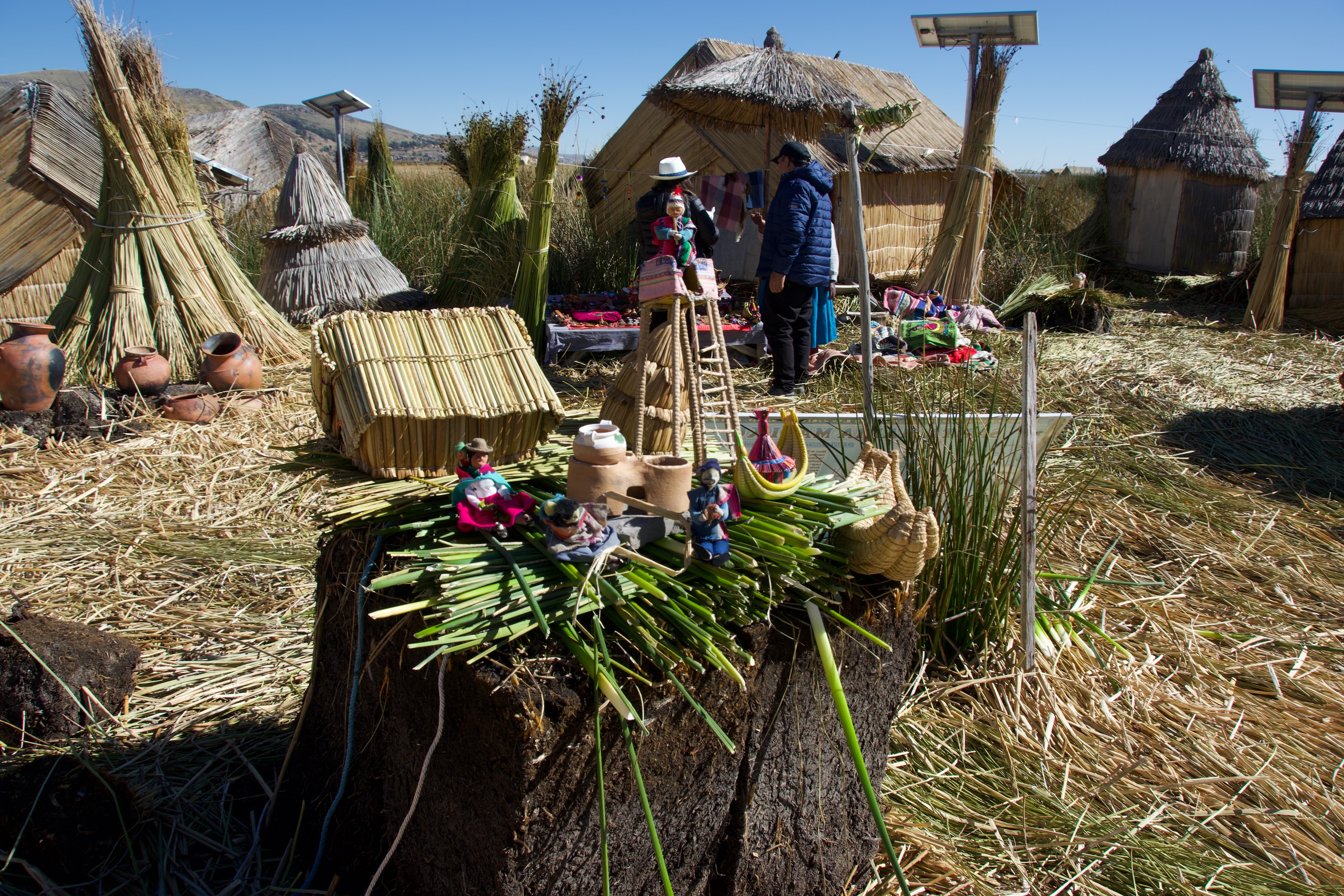
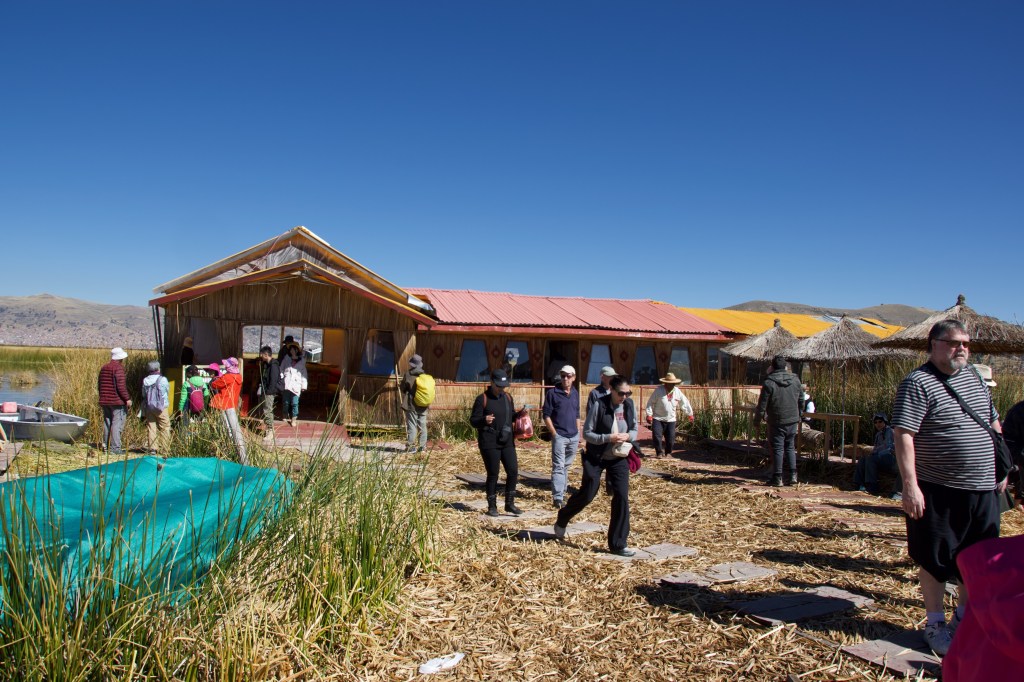
Next up the various tour groups would converge on the “main” island, complete with coffee shop.

You could continue in the speedboat for this, but we had our eyes on the “Mercedes Benz” of boats. No, not a superyacht, but one of the woven totora rafts.
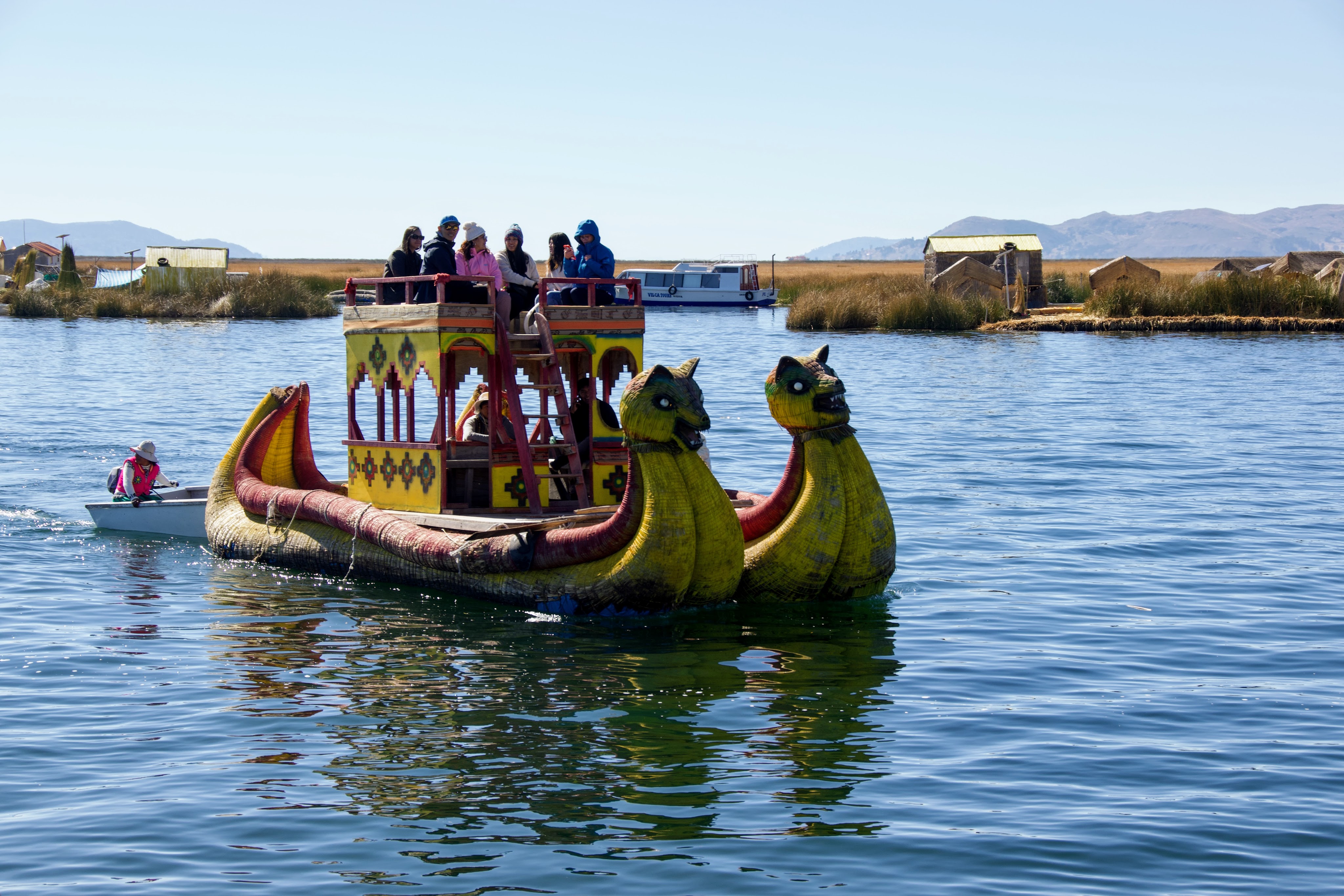
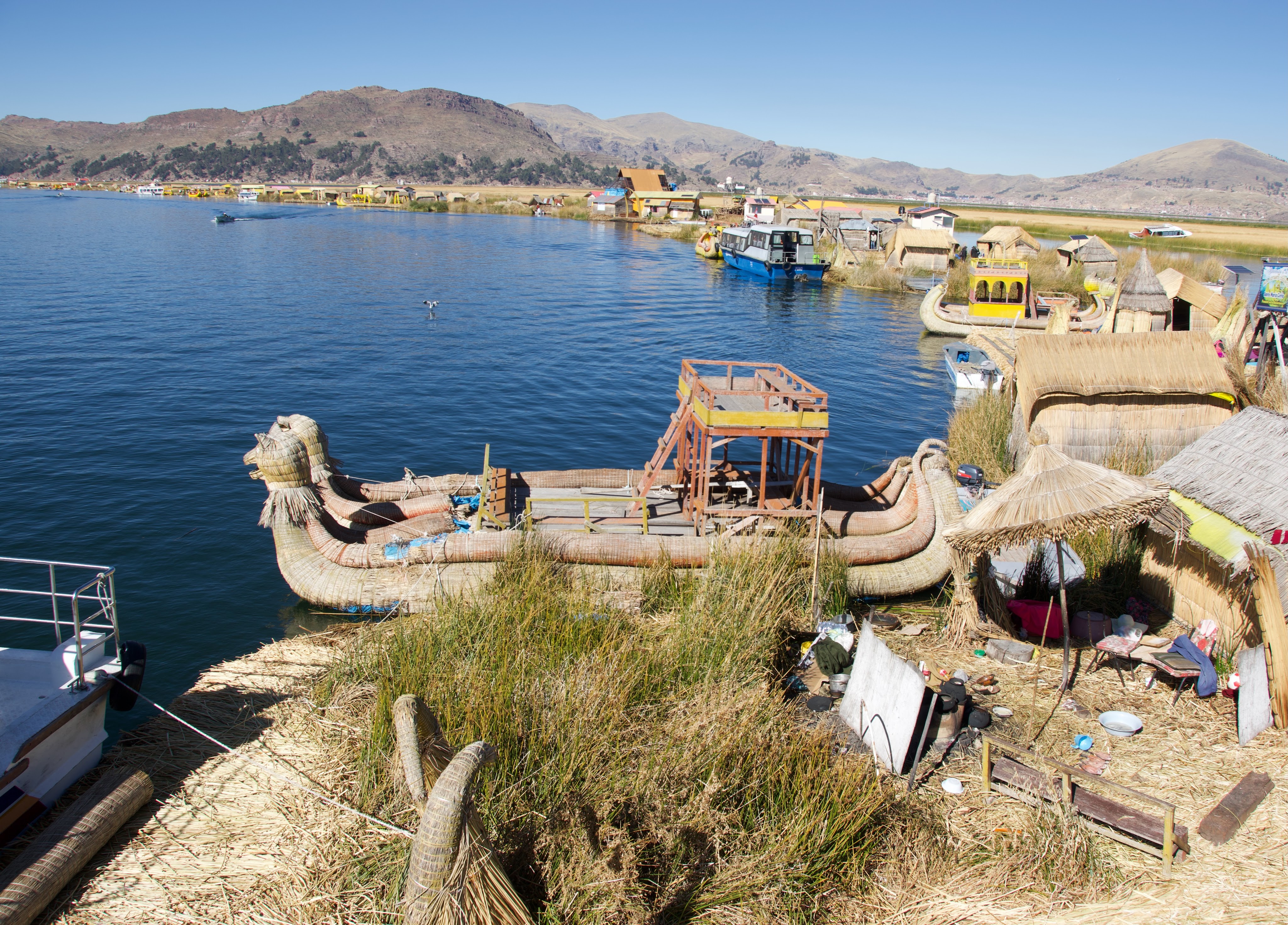
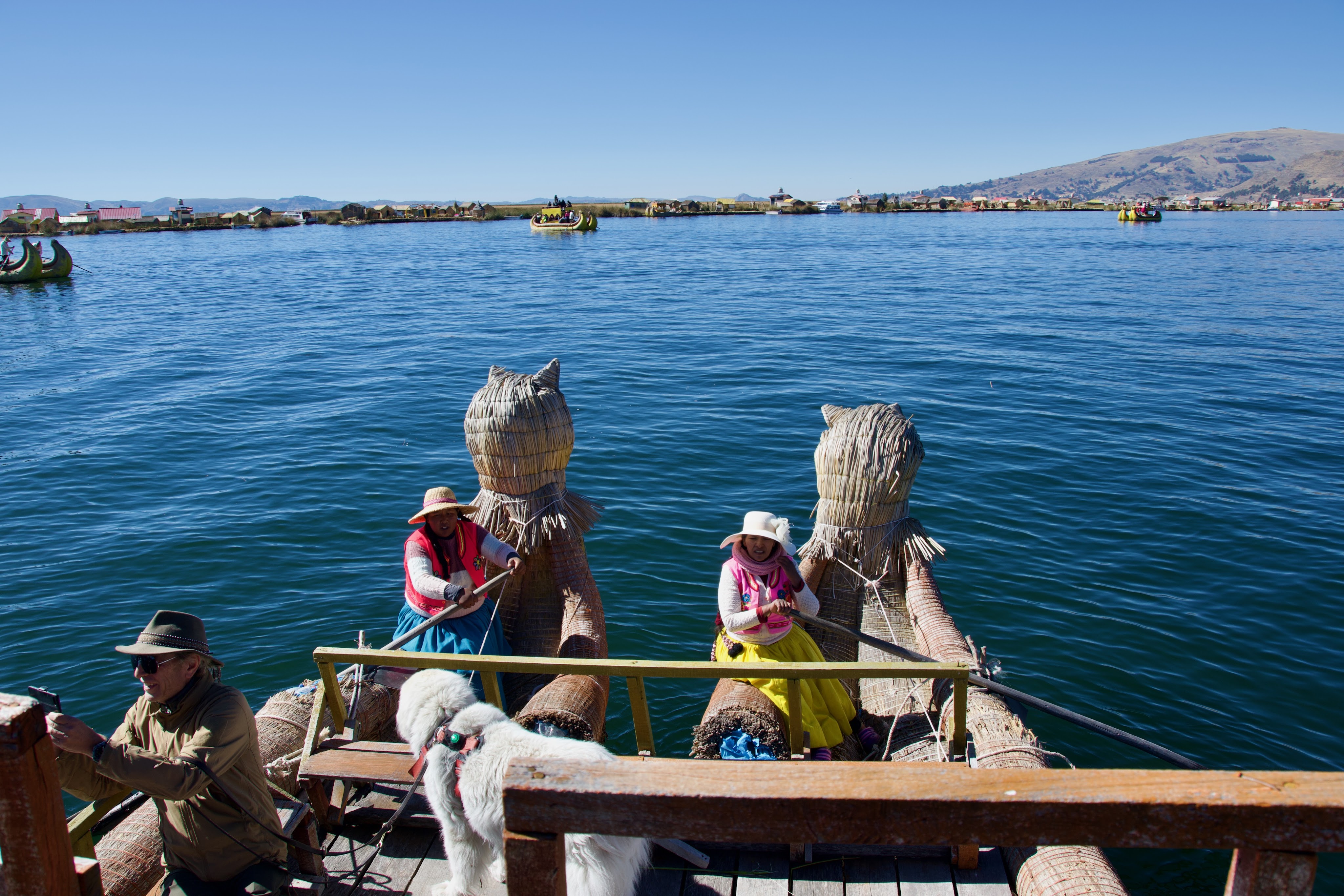
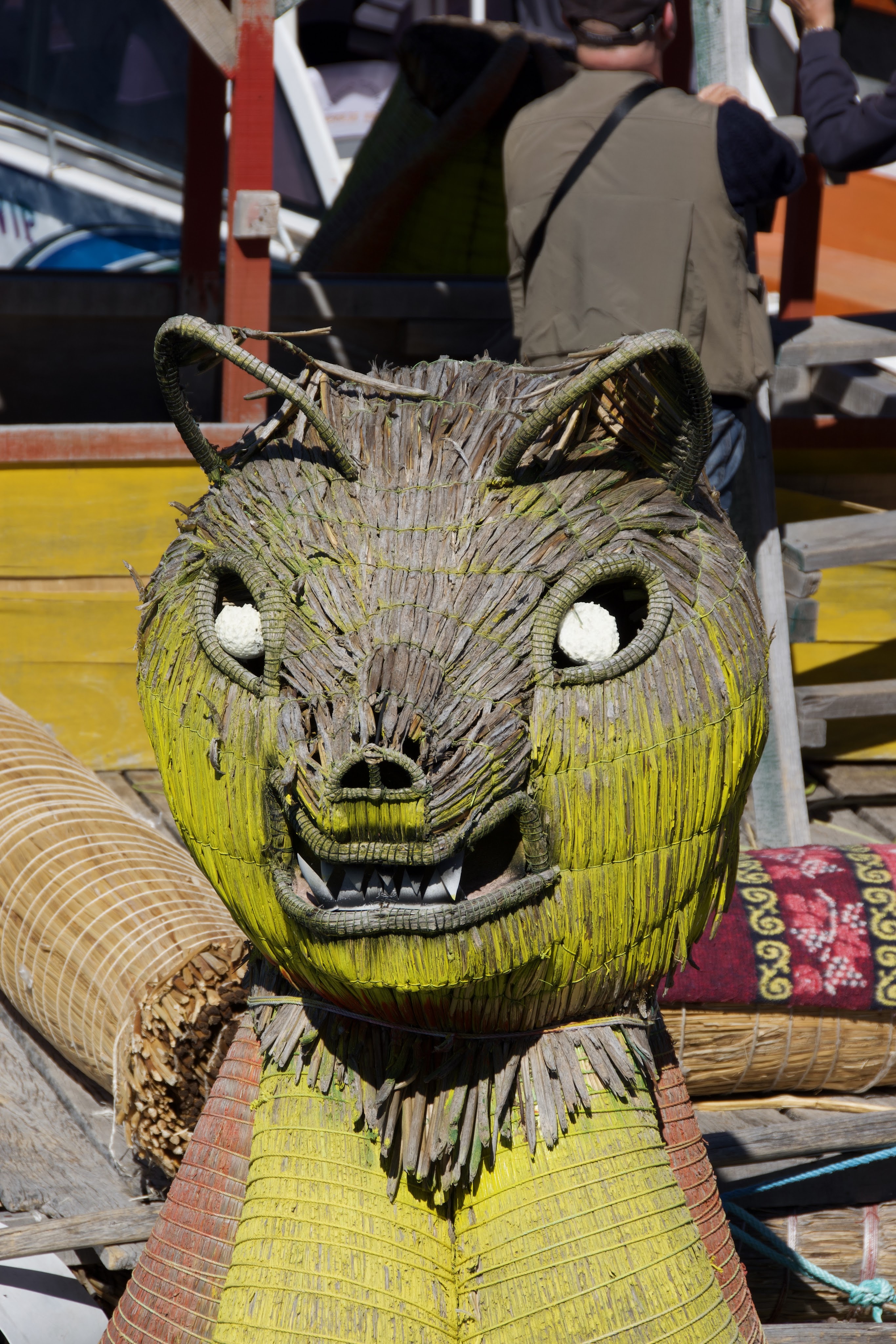
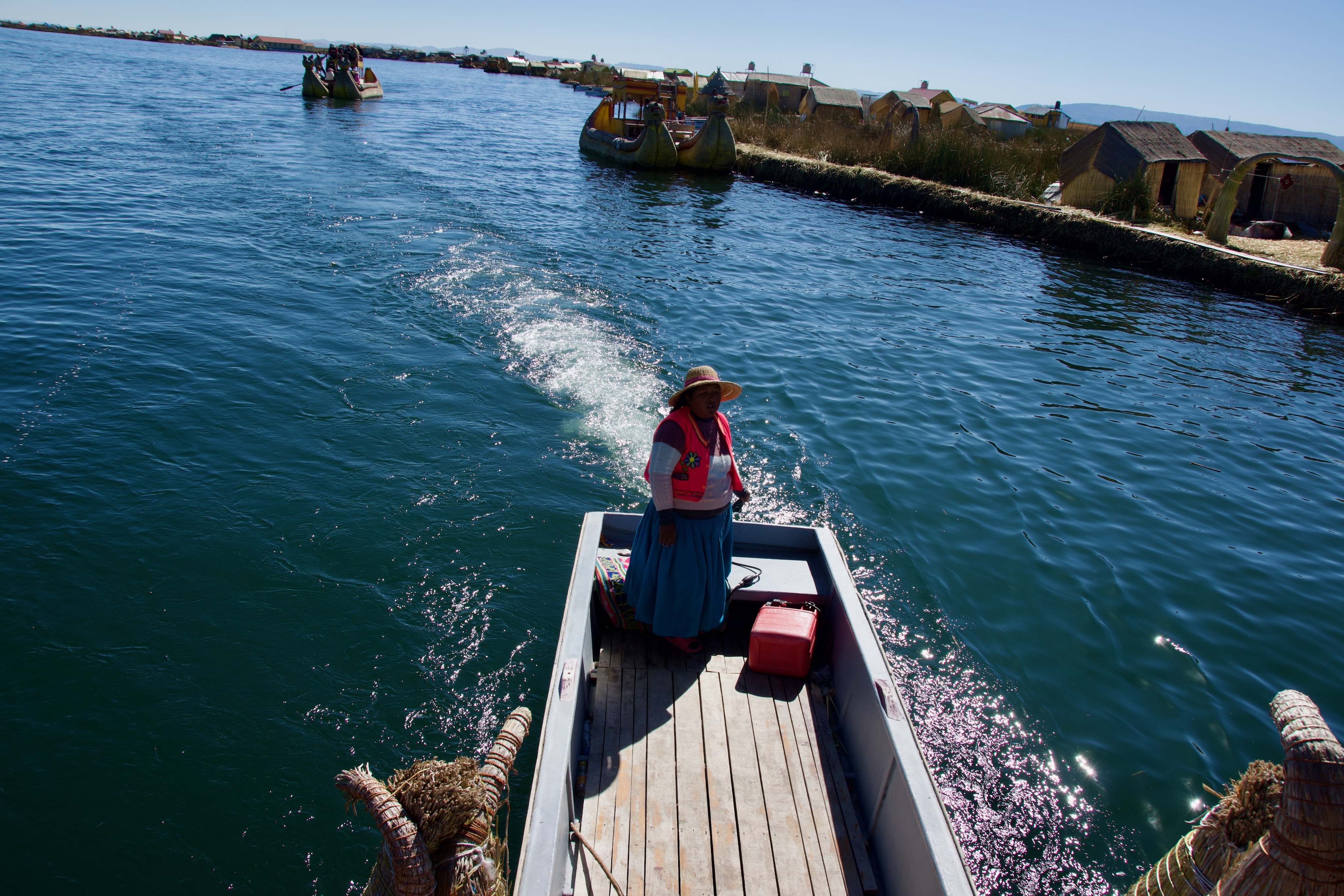
Our time on the Uros Islands was brief but so memorable, and I wish more of the day was allocated to this. There are the options of homestays on these islands too, and seeing some of the guests relaxing on their terraces, waking up to a cup of coffee and panoramic views of the lake was pretty envy-inducing.
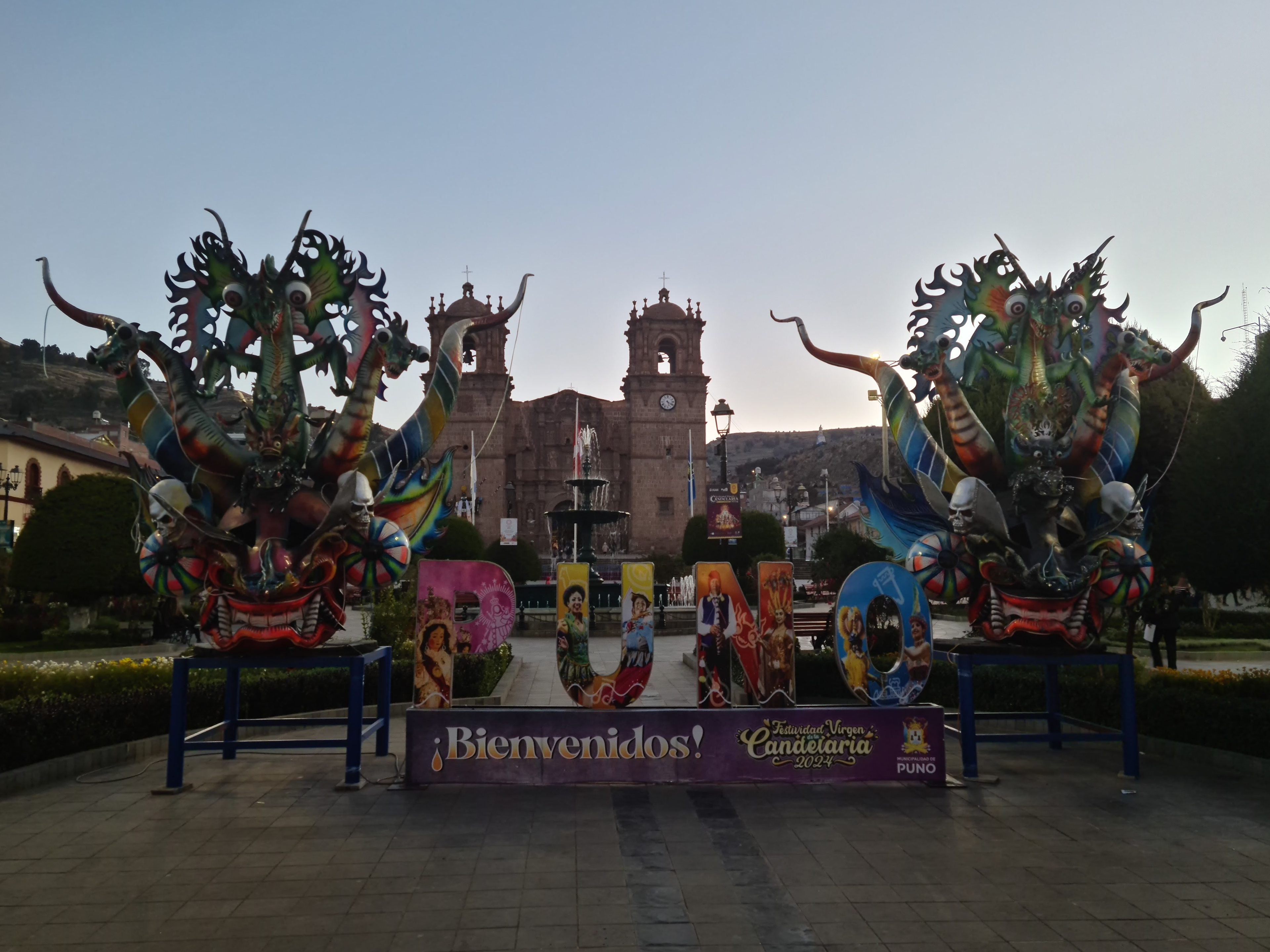
This was virtually all we saw of Puno, except for the Plaza Mayor (which was unavoidable, as our hotel was located right on the square), and a recommended restaurant.
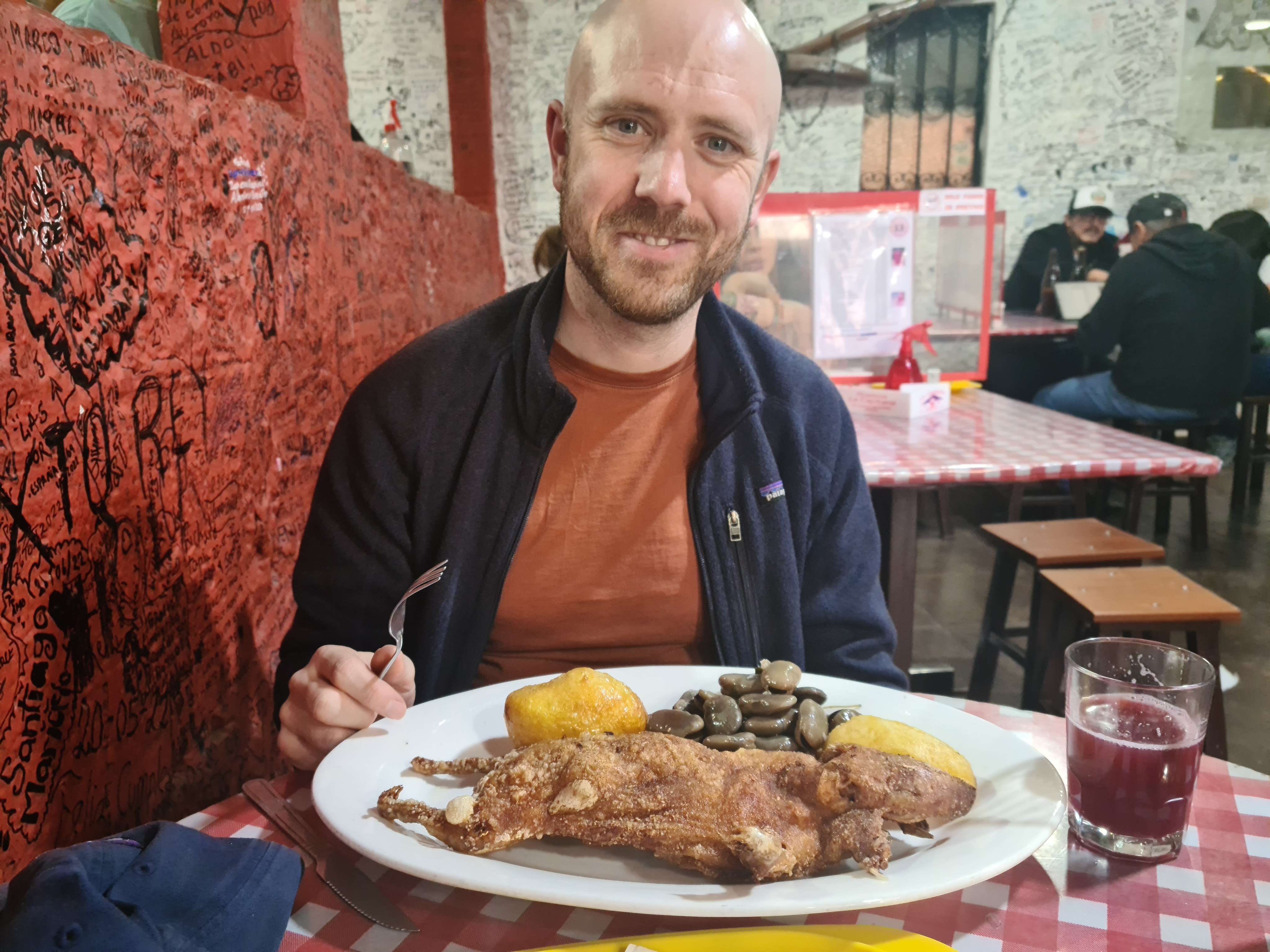
There I tucked into cuy, better known to us as…guinea pig. It’s the Peruvian national dish, and we couldn’t leave without trying it, Ricki having already given it a go in Arequipa. In terms of taste, it gets the standard response of “tastes like chicken!”.
The next morning we were on the move again, heading to the Bolivian border once more.


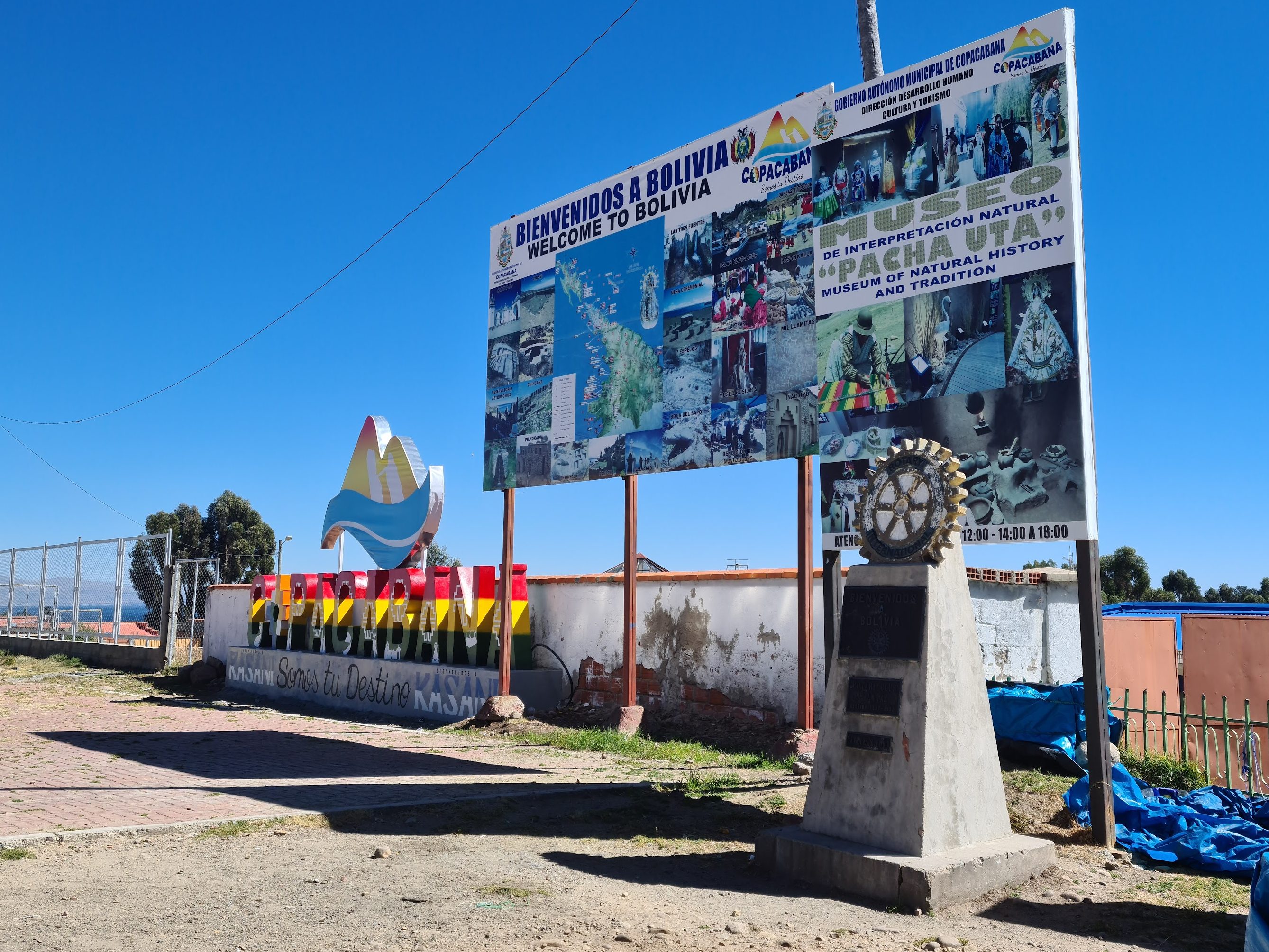
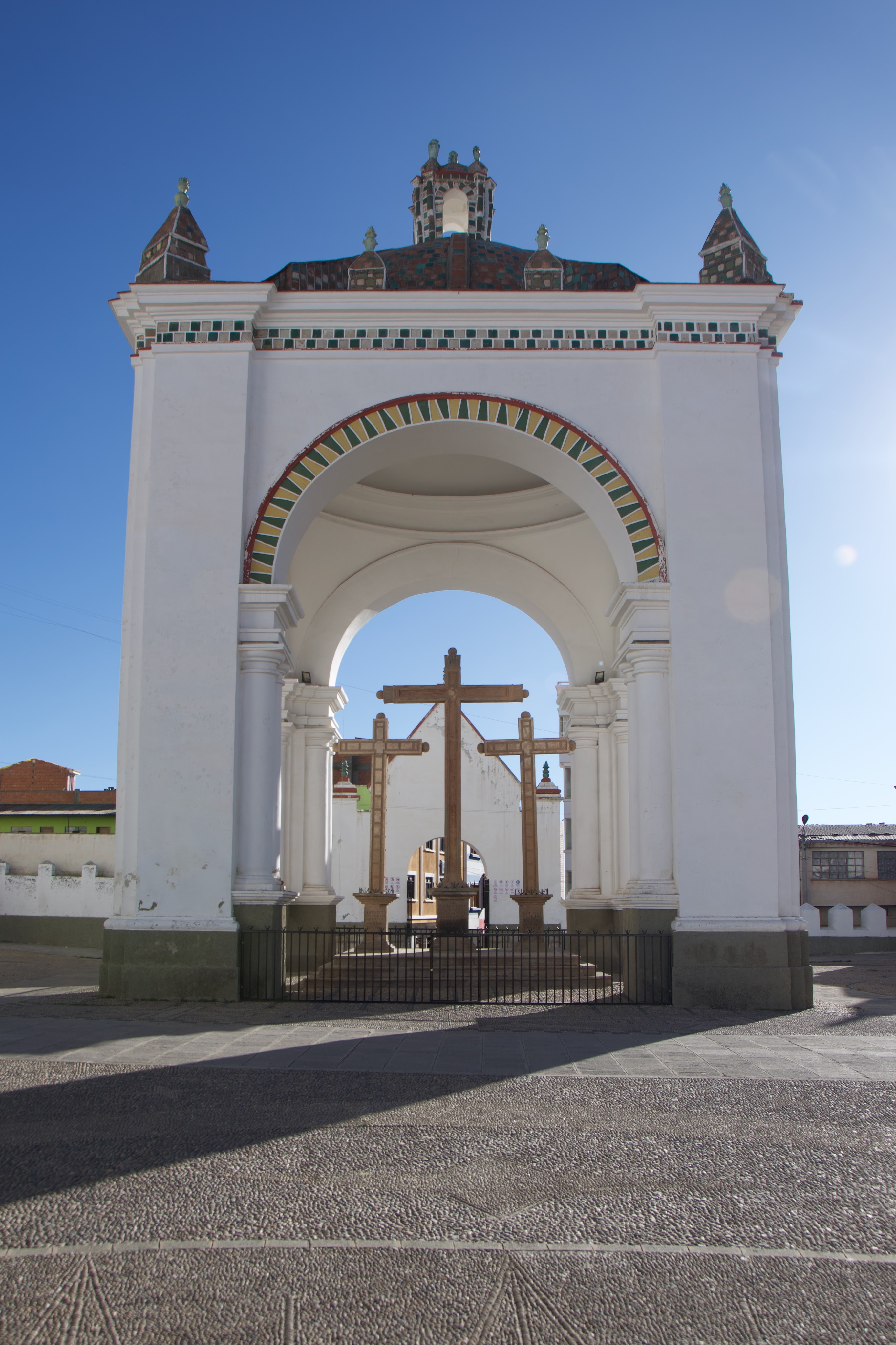
We had an afternoon stop in the lakeside town of – cue Barry Manilow – Copacabana (good luck getting that out of your head in the next couple of days!).
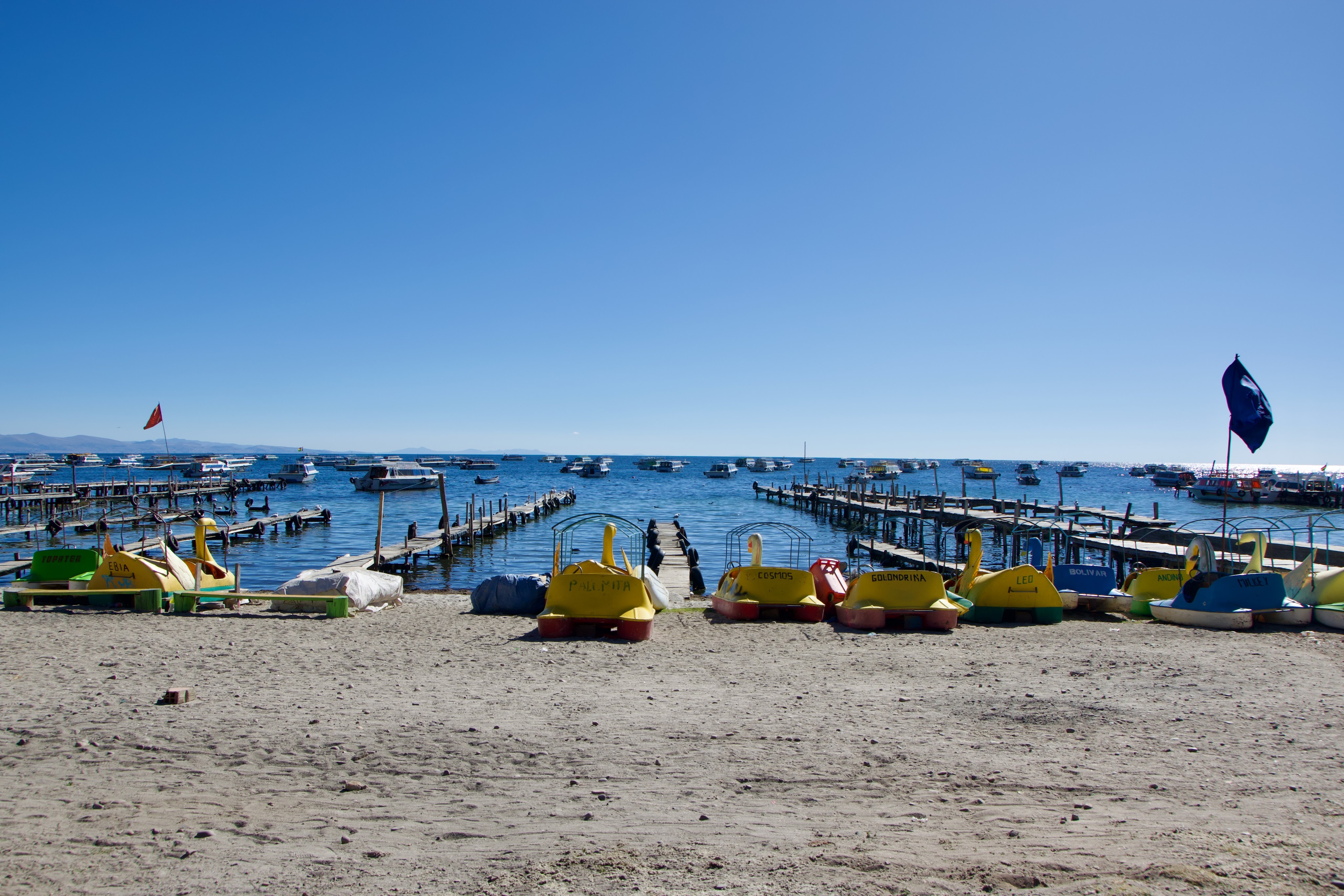
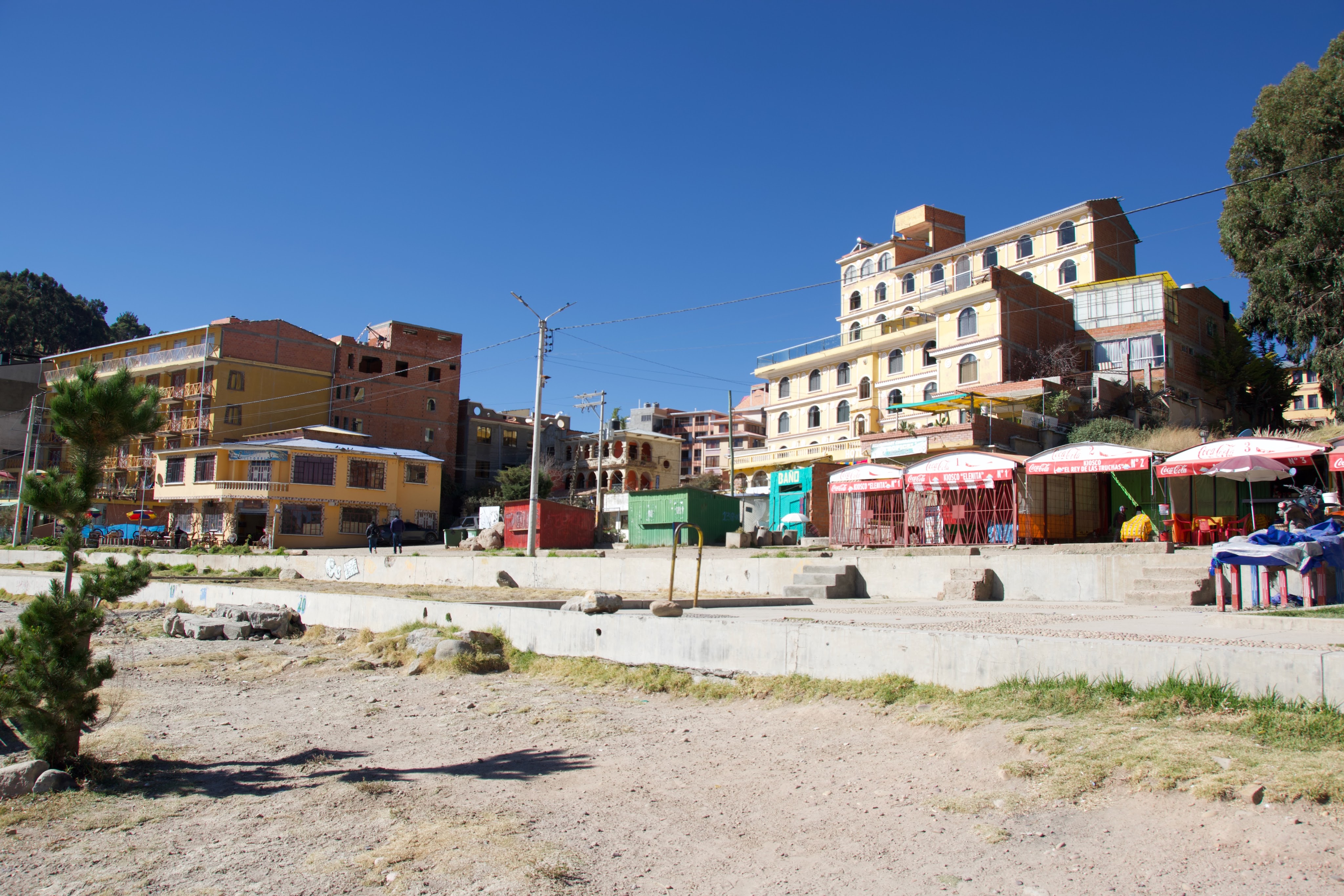
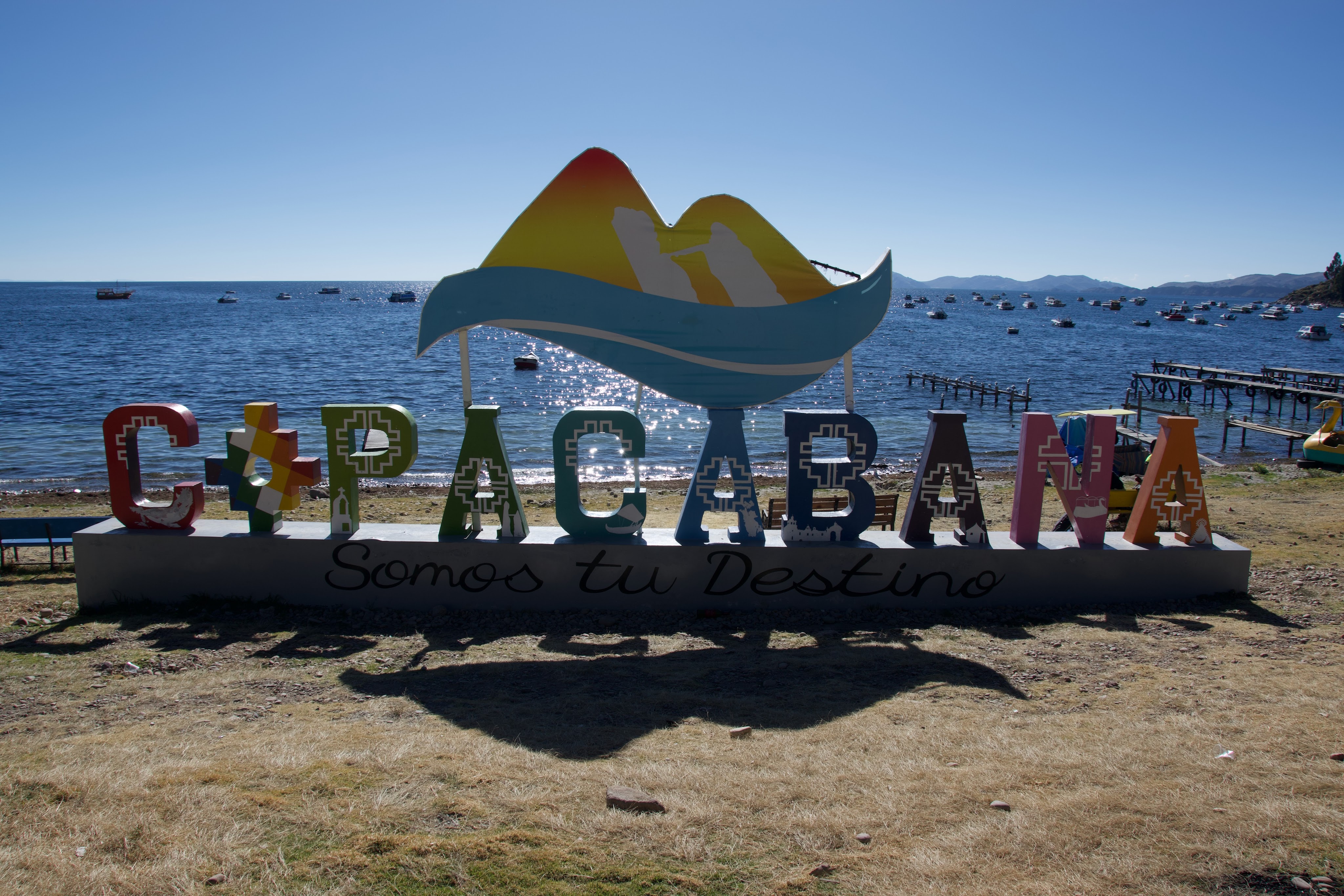

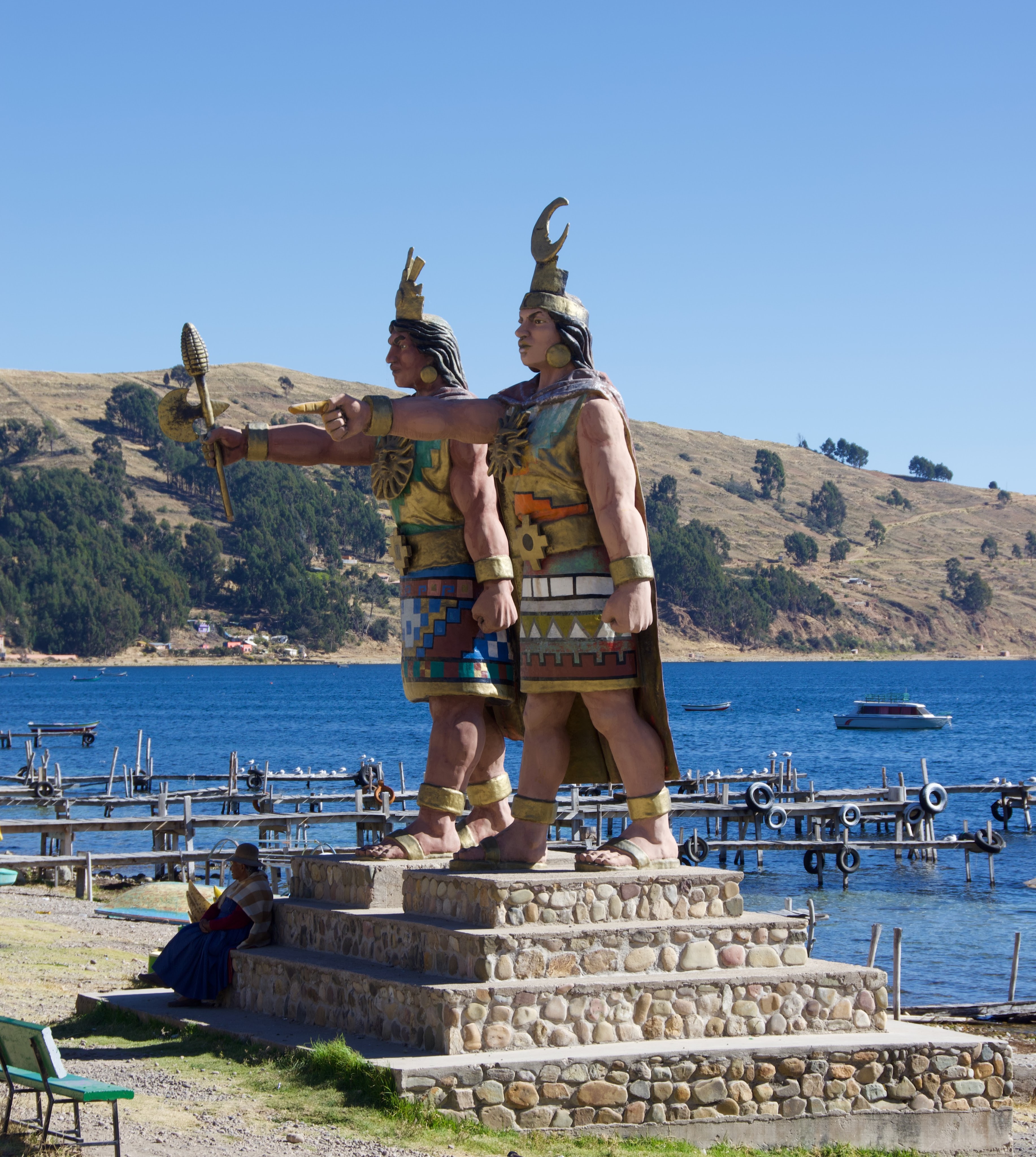
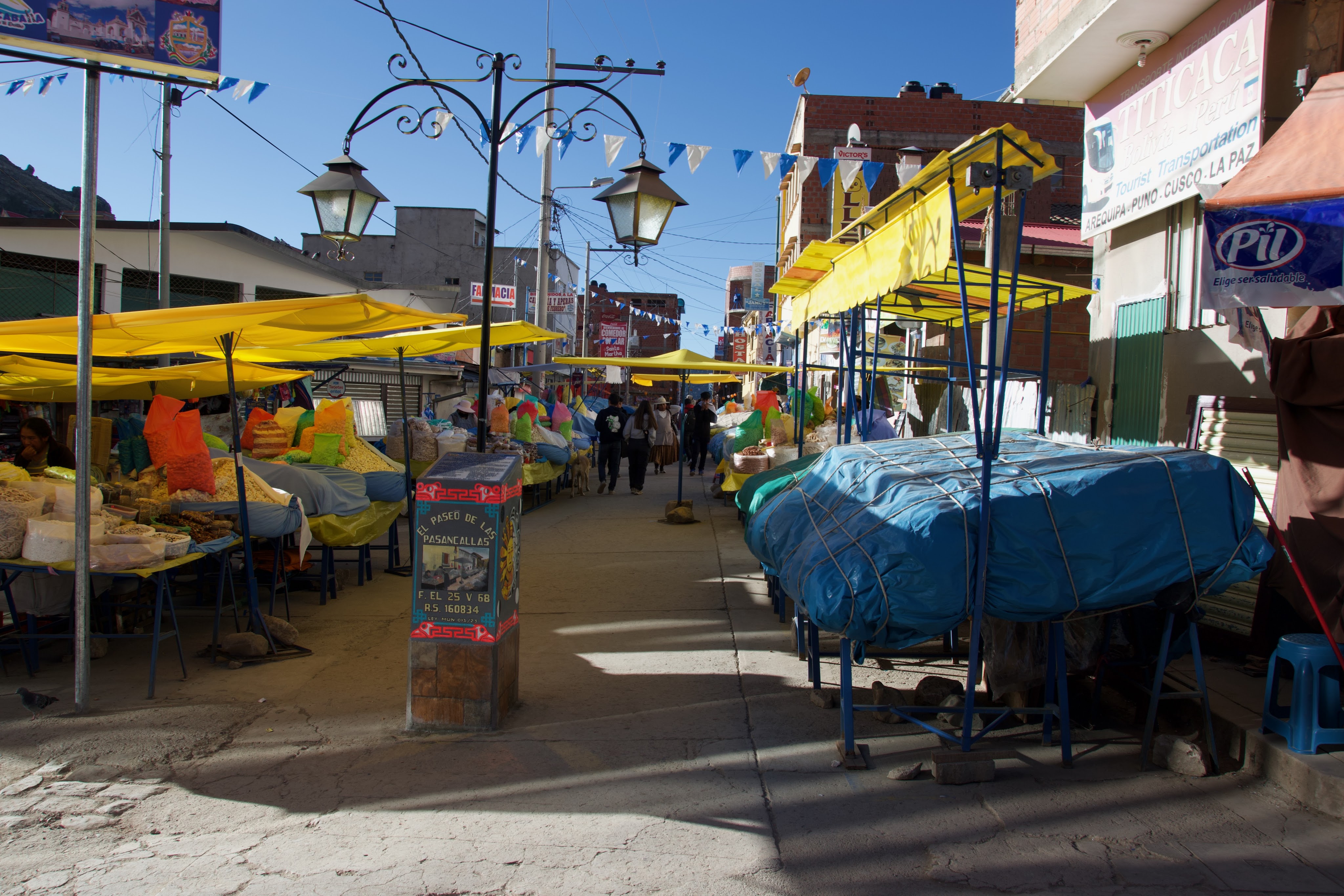
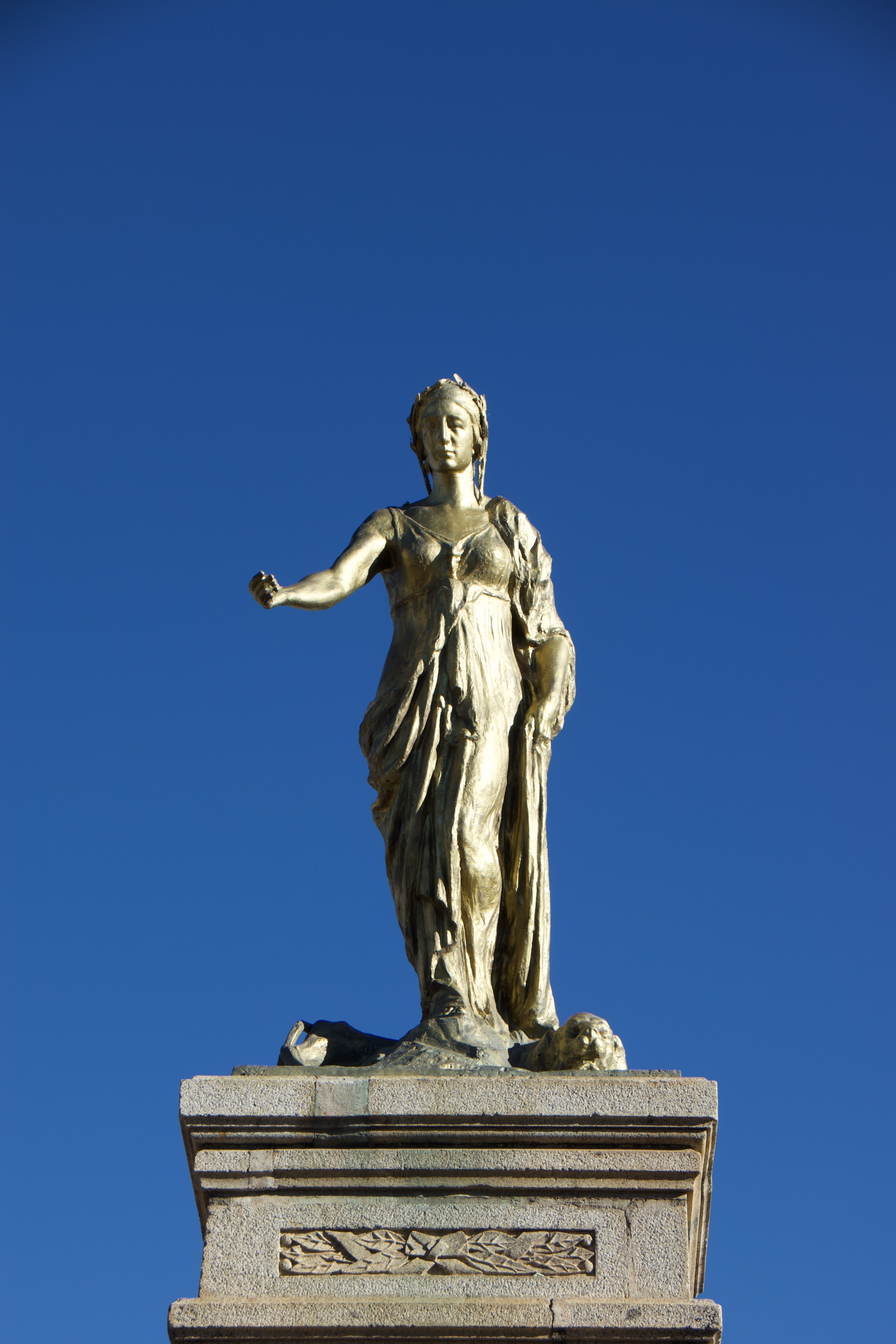
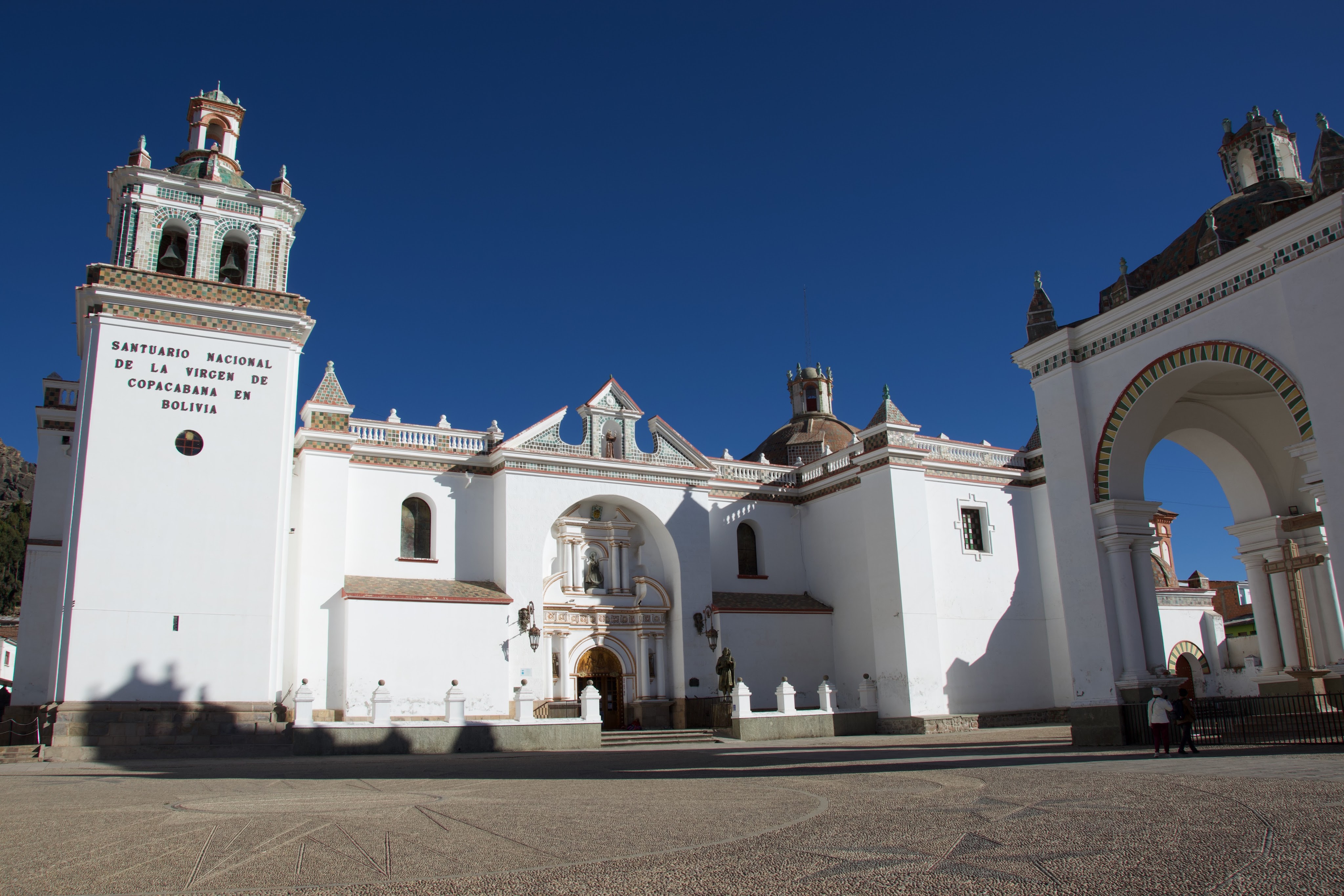
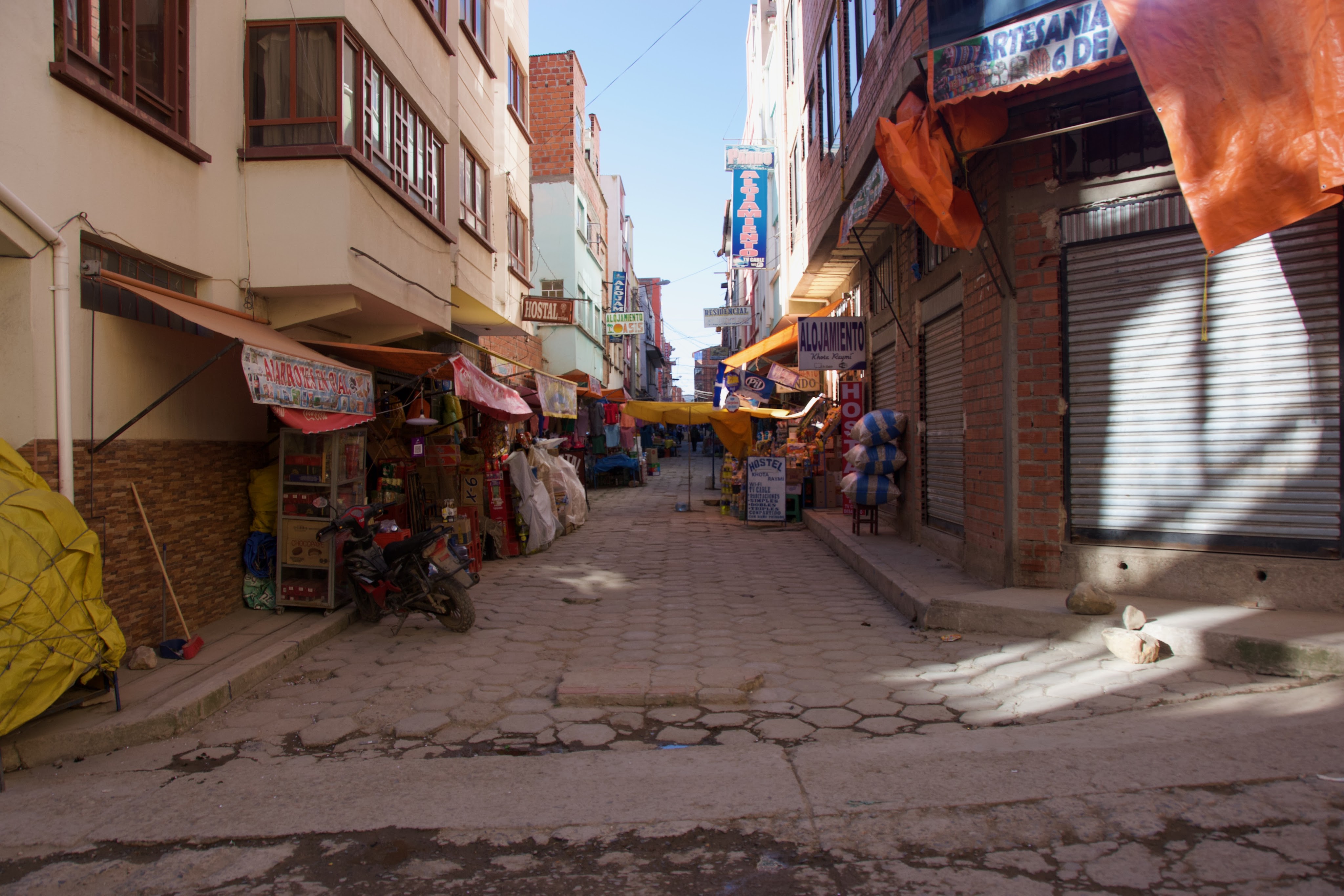
We had a couple of hours to spend in Copacabana, including the option of a boat tour to the Isla del Sol for another hike. Rather than the inevitable rushing from pillar to post though, we decided just to take our time and enjoy the town instead before reboarding the bus as night fell to make our way to La Paz.

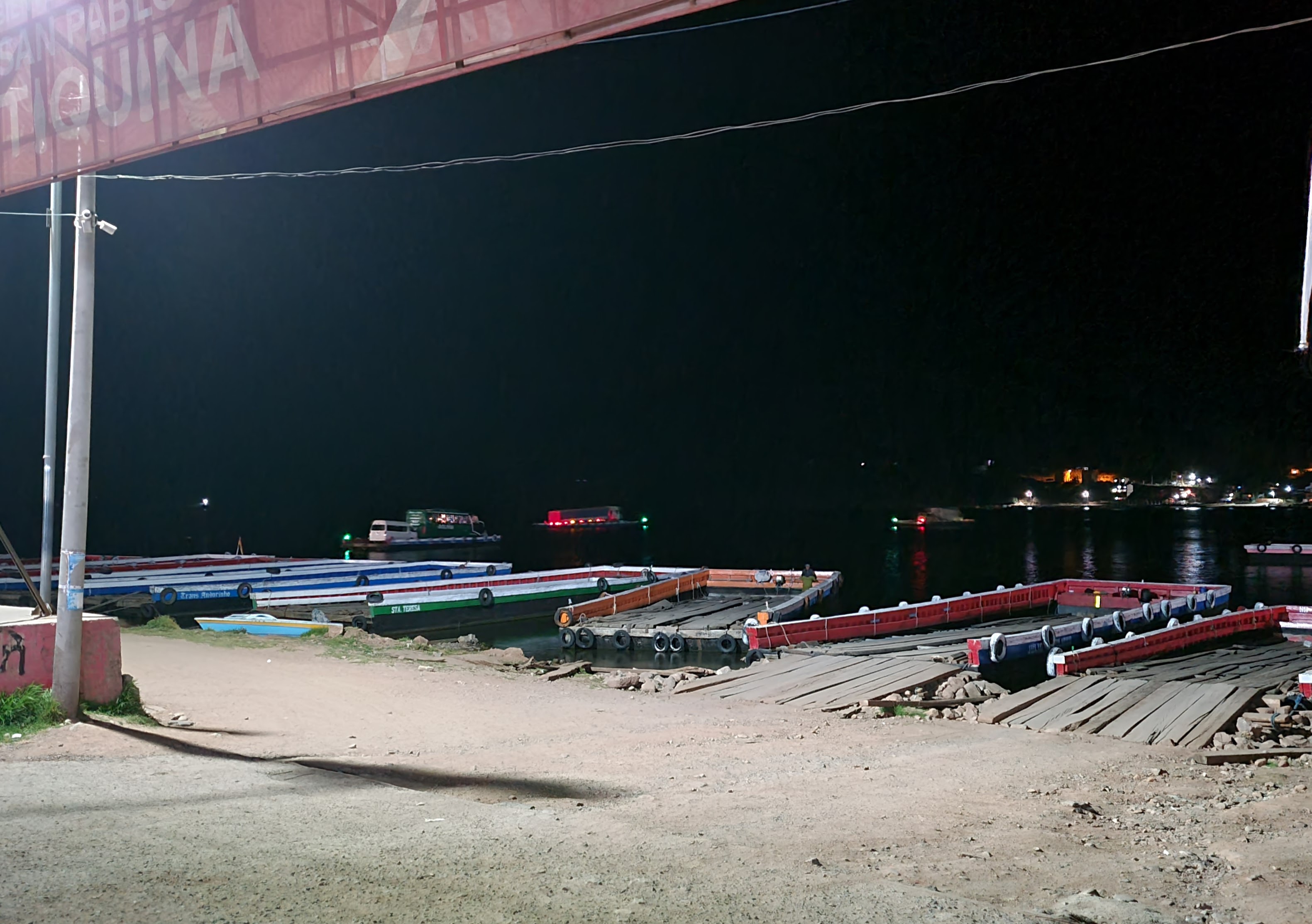
The journey took us not just round, but at one point onto Lago Titicaca again. For us this meant a rather unusual crossing by speedboat in the dark, while our minibus was floated over on a barge.
Belted back in, we were treated to popcorn and the visual masterpiece that is My Spy, featuring poor man’s The Rock, Dave Bautista. I’ll be first in line at the cinema to see the sequel later this year!
In fairness it was the sort of lighthearted film you need for an otherwise boring journey. By the time the credits rolled, we were pulling on to the chaotic streets of the Bolivian capital. Or rather, one of them. Bolivia has two capitals, with La Paz being the governmental and administrative centre. Sadly we weren’t able to fit the more picturesque Sucre into our travels.
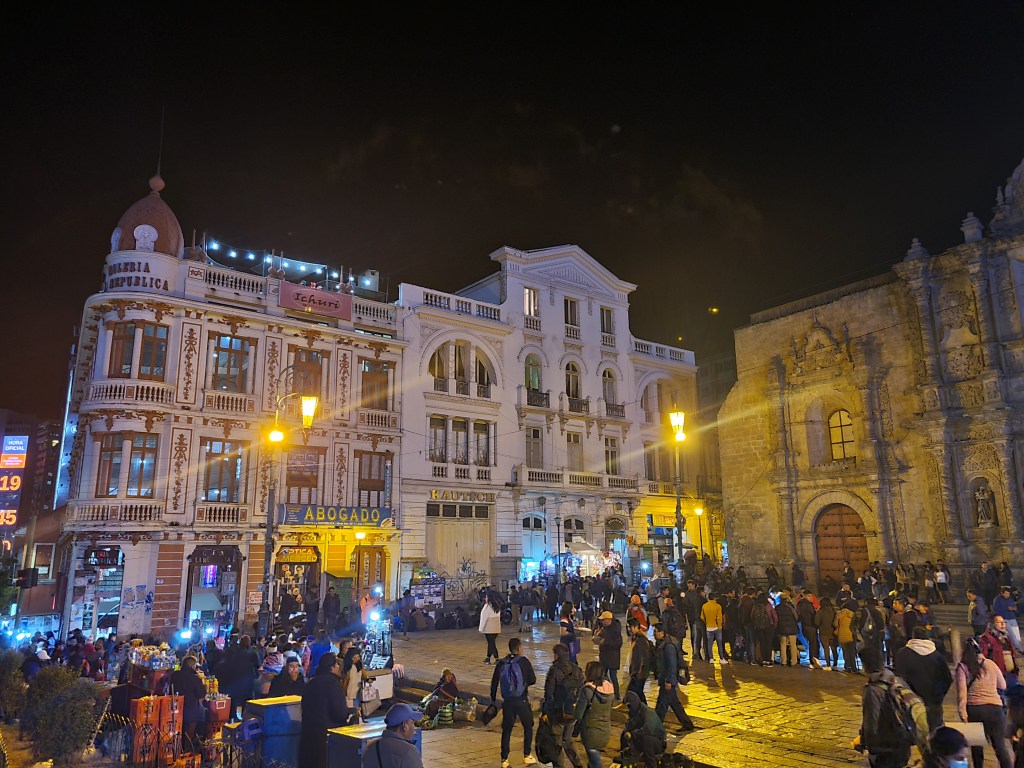
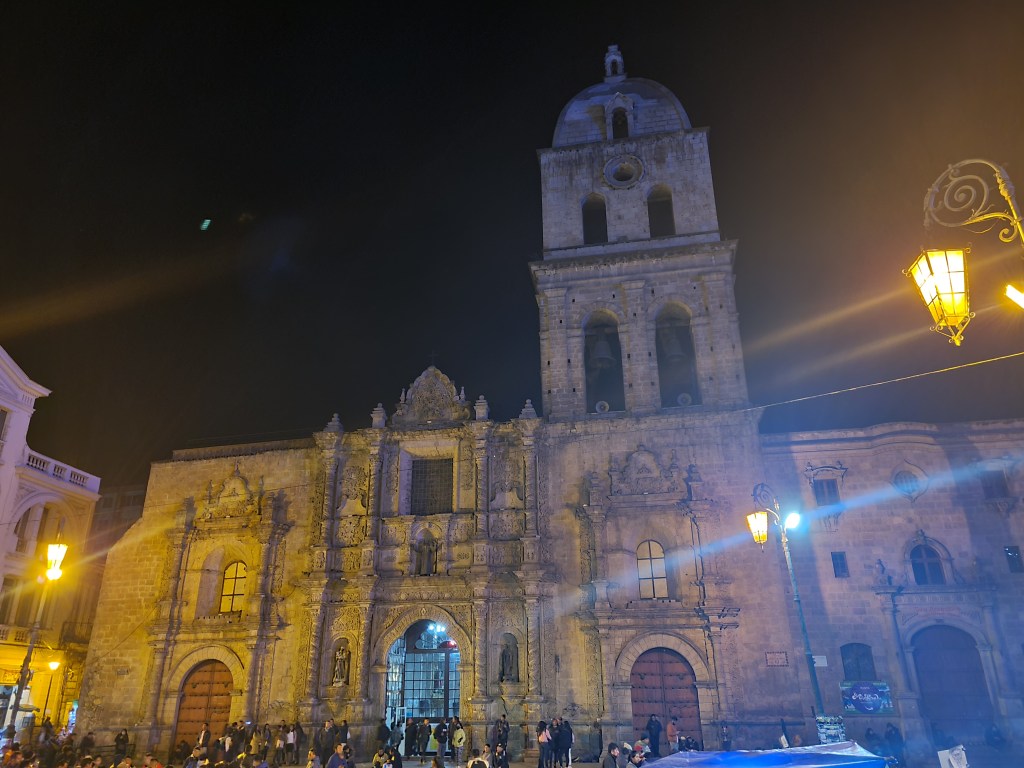
On our first full day, we took up another walking tour, billed as explaining the “extreme side” of La Paz’s history. Of course this started with a history of Bolivian politics, which makes Britain’s seem comparatively tame. In short, as our guide put it, Bolivians kill the good presidents and reelect the bad ones. As if to illustrate the fractious nature of the country, our tour should have ventured to the Plaza de Armas first, but access was being heavily restricted due to fears of protests. Not the first time we have seen that in South America, but what was more prescient was learning two weeks later of an attempted coup being staged in La Paz (or was it really?). As they approach a general election of their own, clearly Bolivia’s tumultuous history may not entirely be in the past.
The other highlights of the tour were:
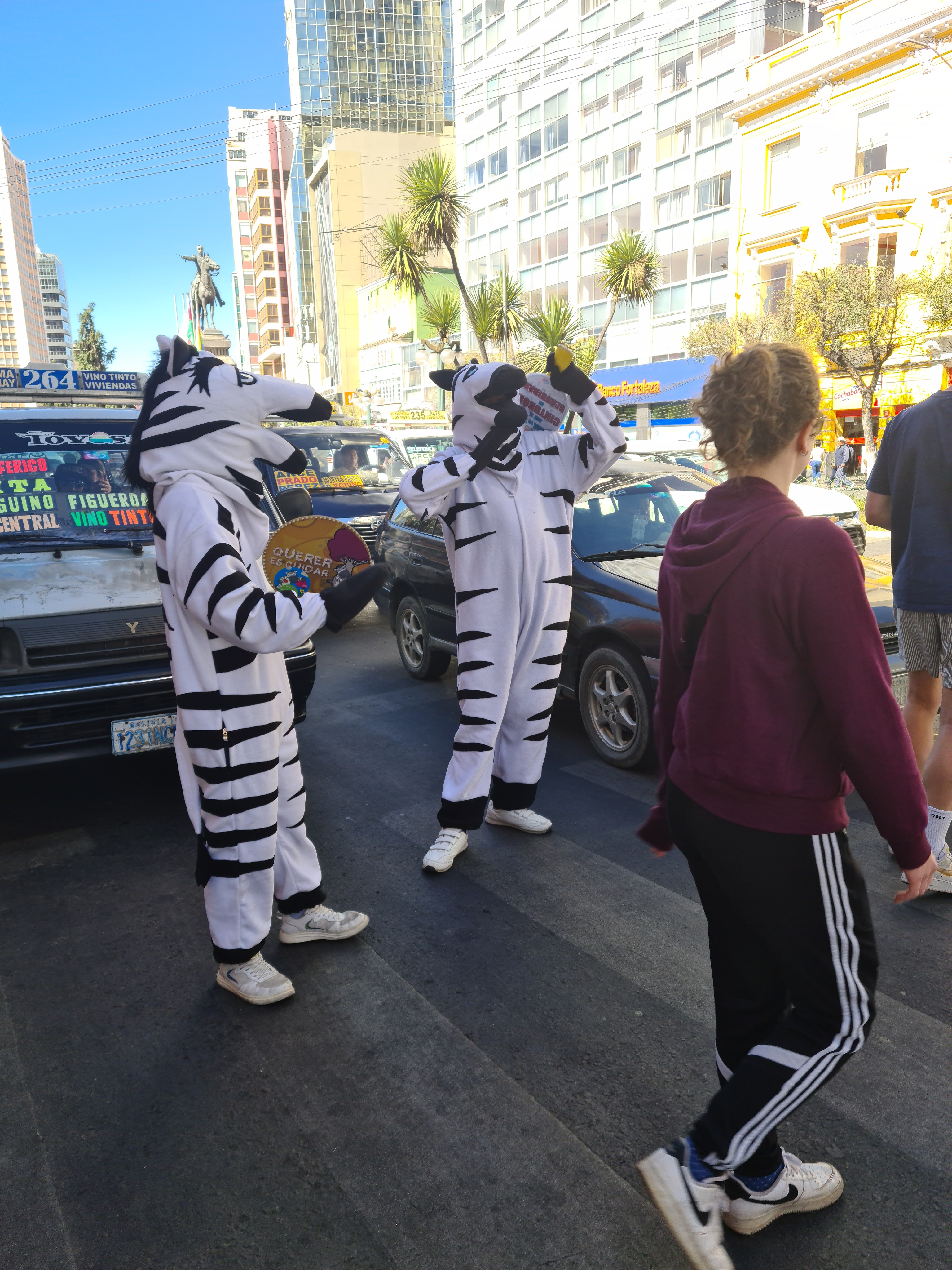
- Learning about the traffic crossing guards, dressed in zebra costumes. Citizens apparently need to be distracted with novel characters to help them navigate the streets. In fairness, the traffic is pretty crazy in La Paz. Anyone with a joyful disposition can apply and volunteer their equine services for the day!
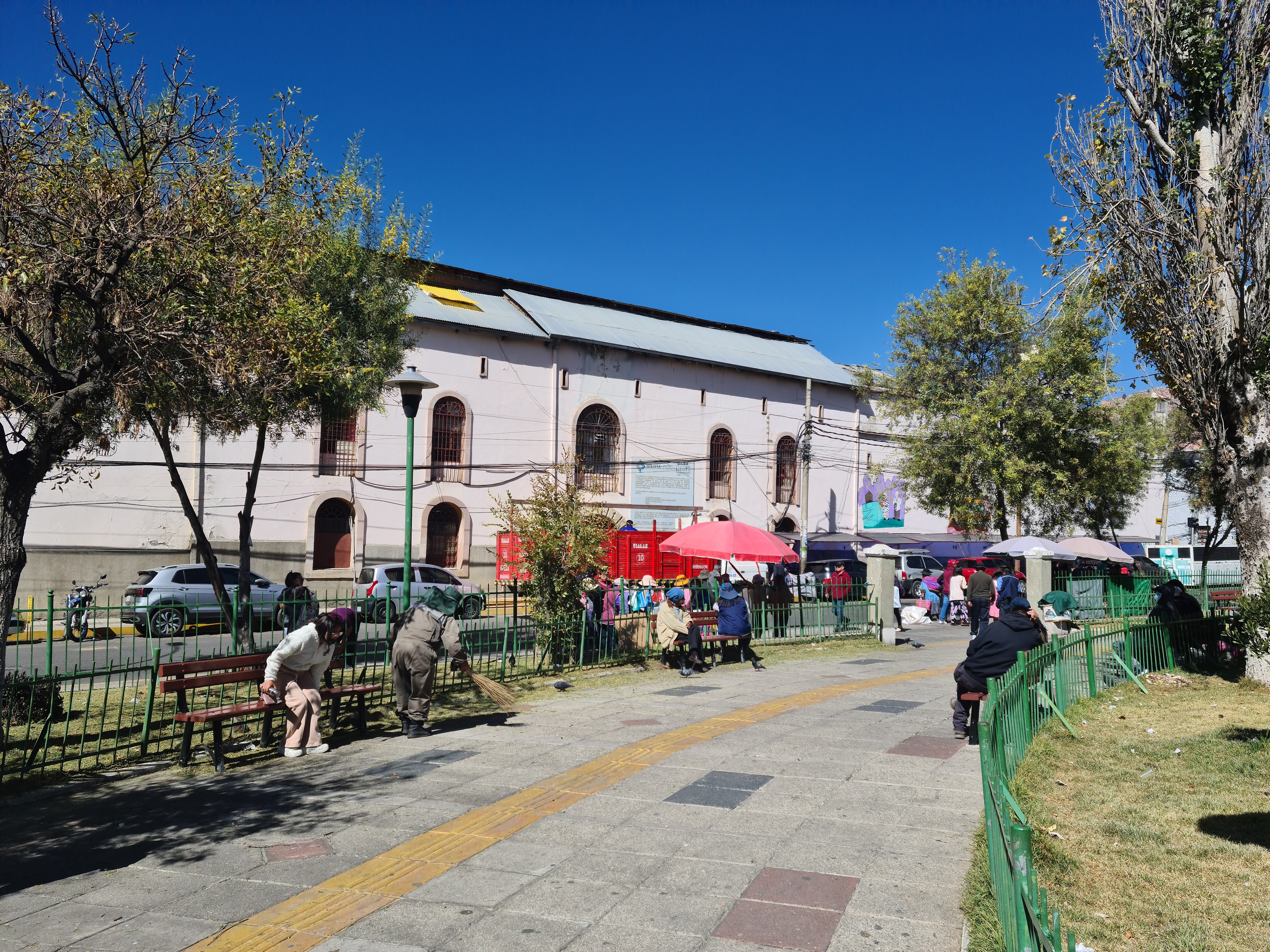
- Santo Pedro Prison – well outside of it. But back in the 00s, as well as inmates’ families being able to reside there and Coca Cola sponsoring cafes inside, an entrepreneurial inmate managed to arrange for tourists to have overnight visits. It must be the only instance a prison has featured as an accommodation option in the Lonely Planet travel guides.
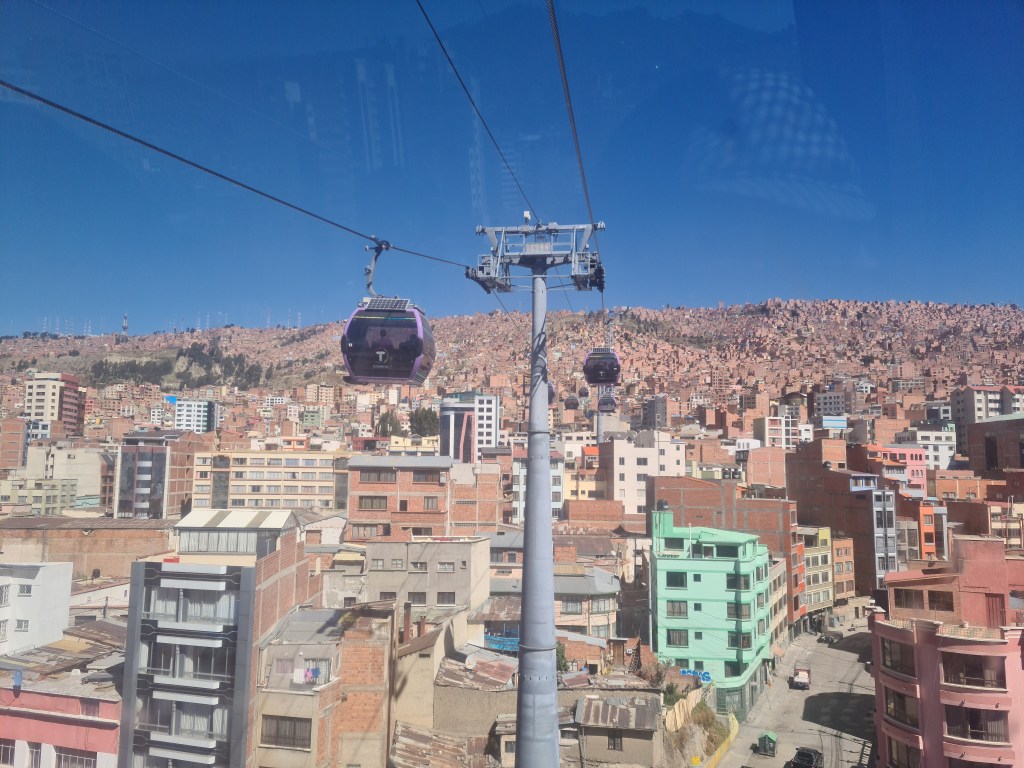
- Hopping on yet another cable car. In La Paz, there is a full network of cable car lines, as the mountainous metropolitan area necessitates public transport beyond buses and makes a subway system impractical. “Don’t worry, it was designed by the Swiss, so it’s perfectly safe!” were the encouraging words of our guide.
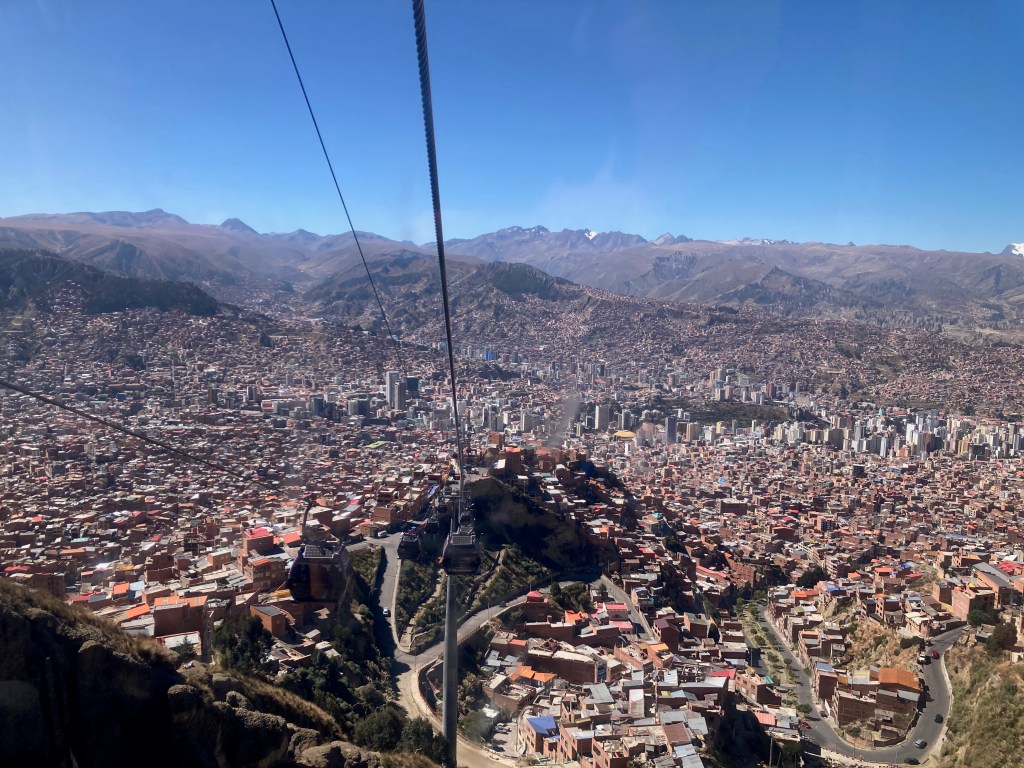
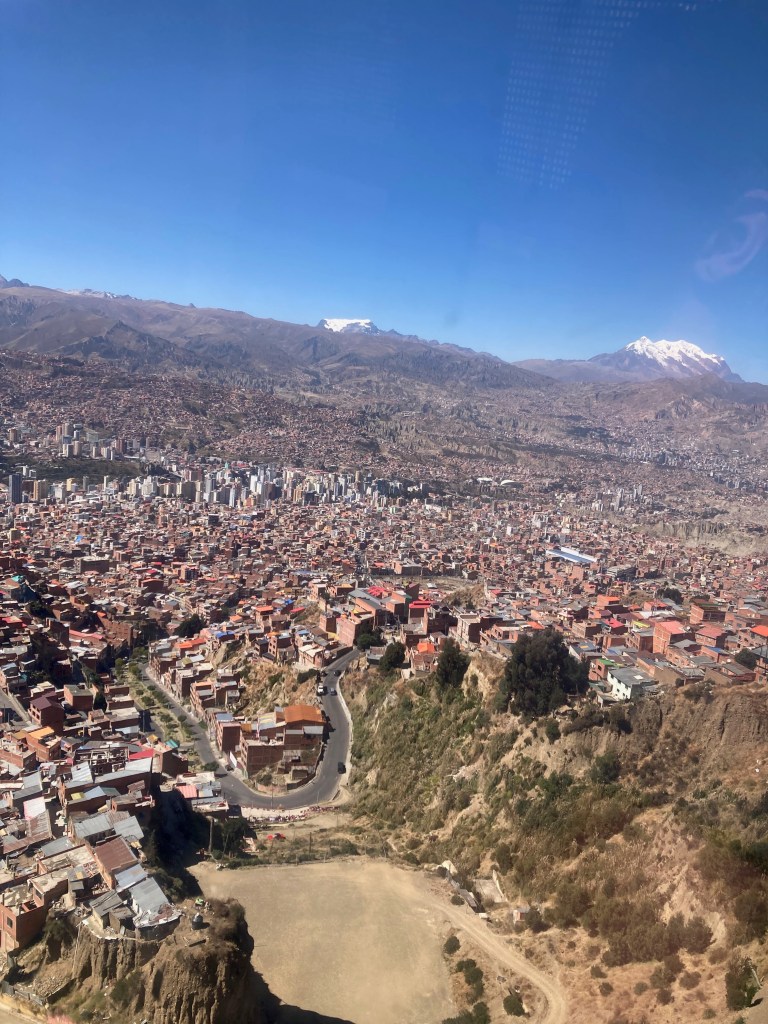
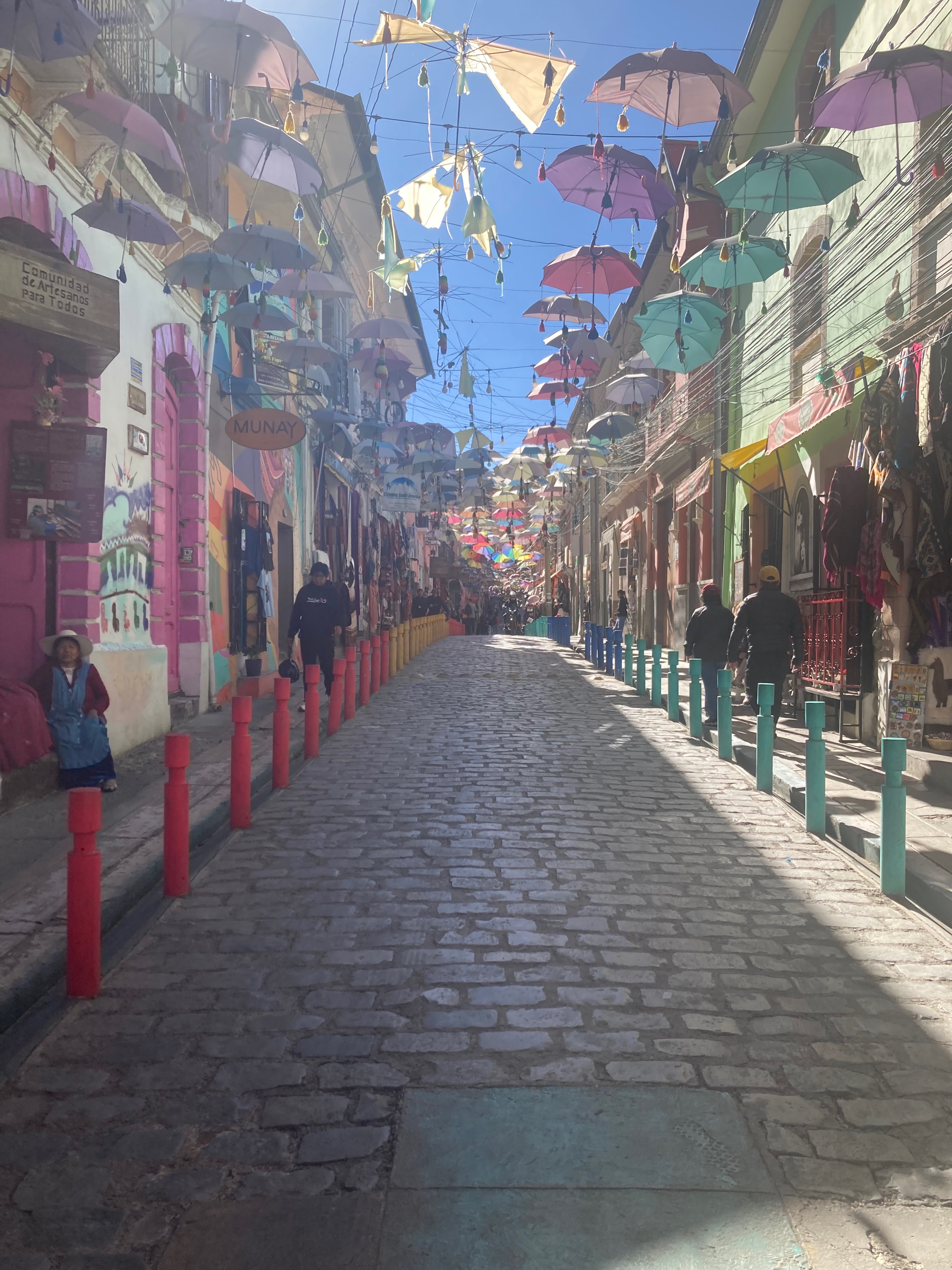
- This brought us up to La Alta, where as well as wandering through a traditional market, we were able to see the witch doctor’s clinics. One of the most popular visiting spots in La Paz is the Mercado de Brujas/Witches Market in the city centre. Disappointingly, as attractive a street as it is, it mainly now just sells touristic souvenirs with a side of incense.
The witch doctors in La Alta are the real deal, if you subscribe to such beliefs. And for those who do, you approach the unit which calls most to you and have a consultation.
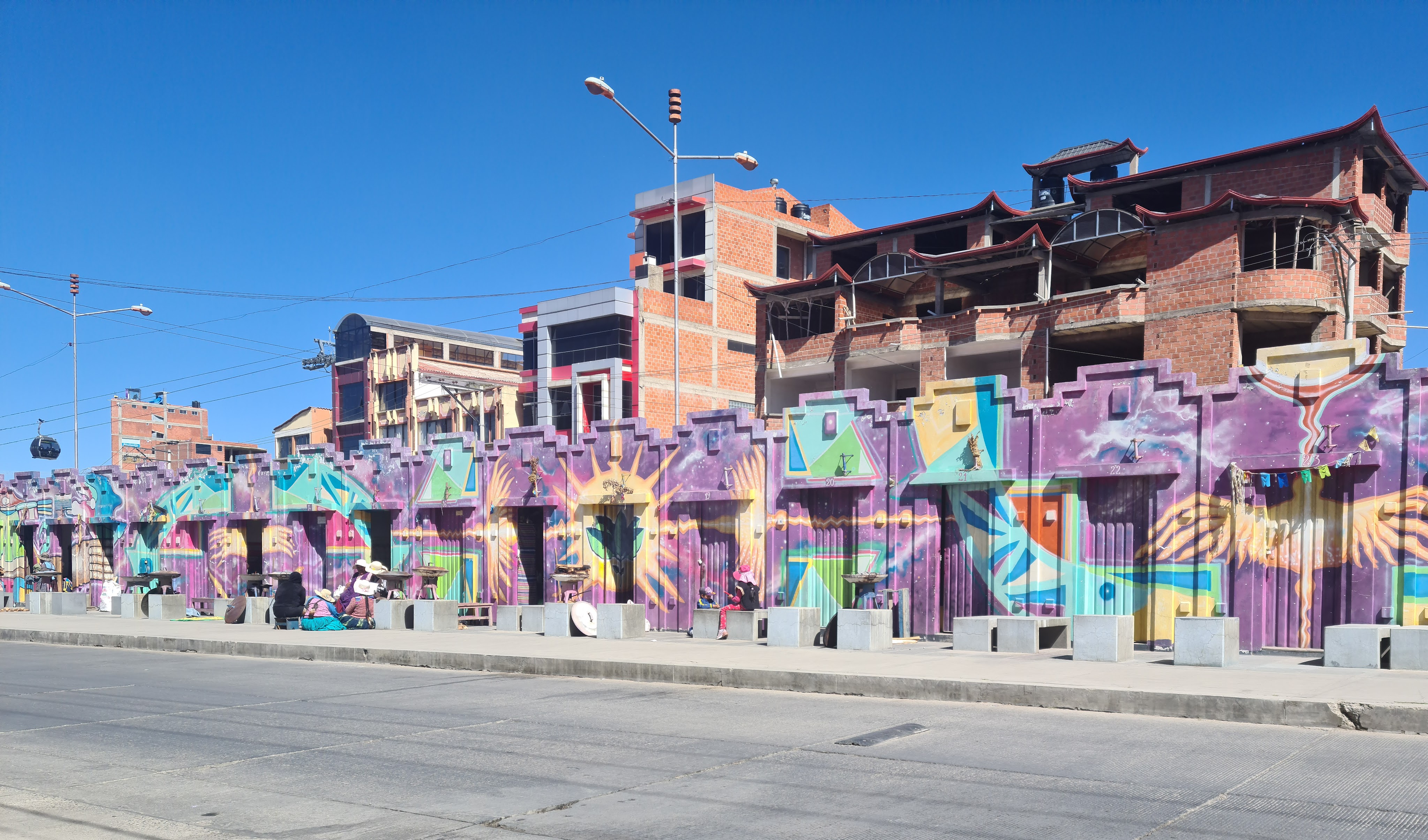

The doctor will assess you for possible ailments and misfortunes, and send you on your way with a nice list of shopping items (the usual things – milk, bread, llama foetus…) to bring back to them for their offering/remedy. Is it cynical of me to wonder if anyone ever gets a clean bill of health?
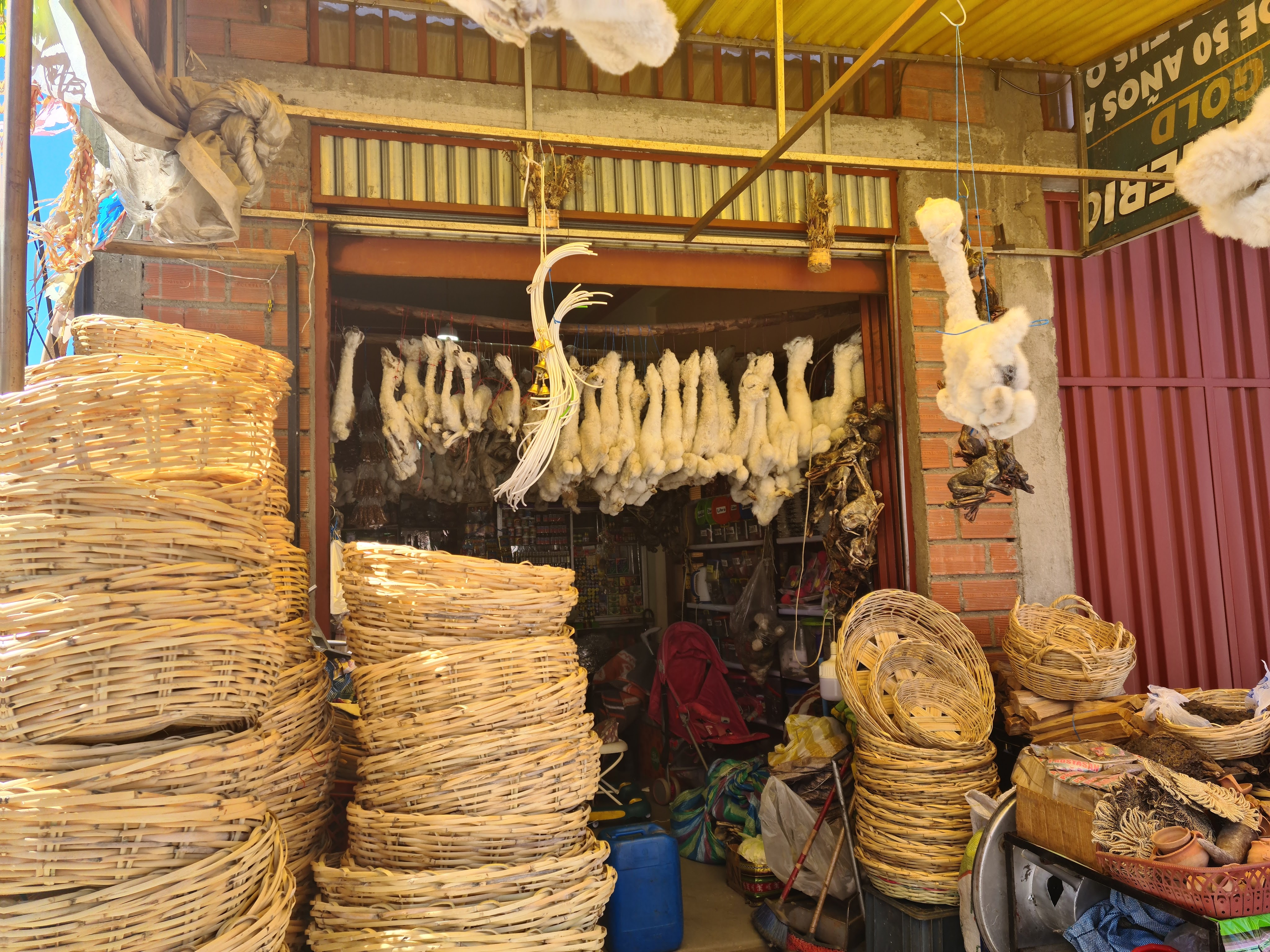
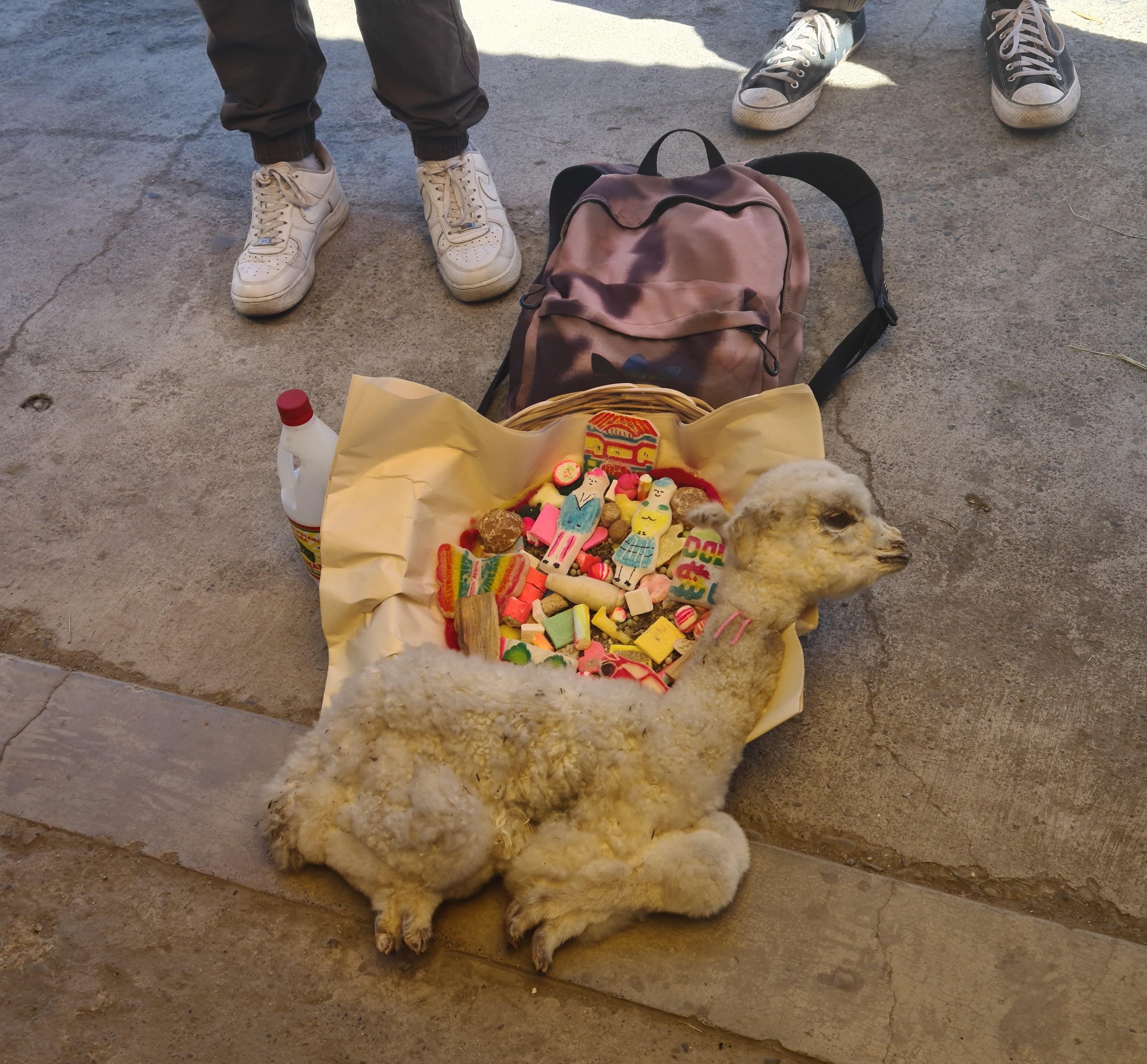
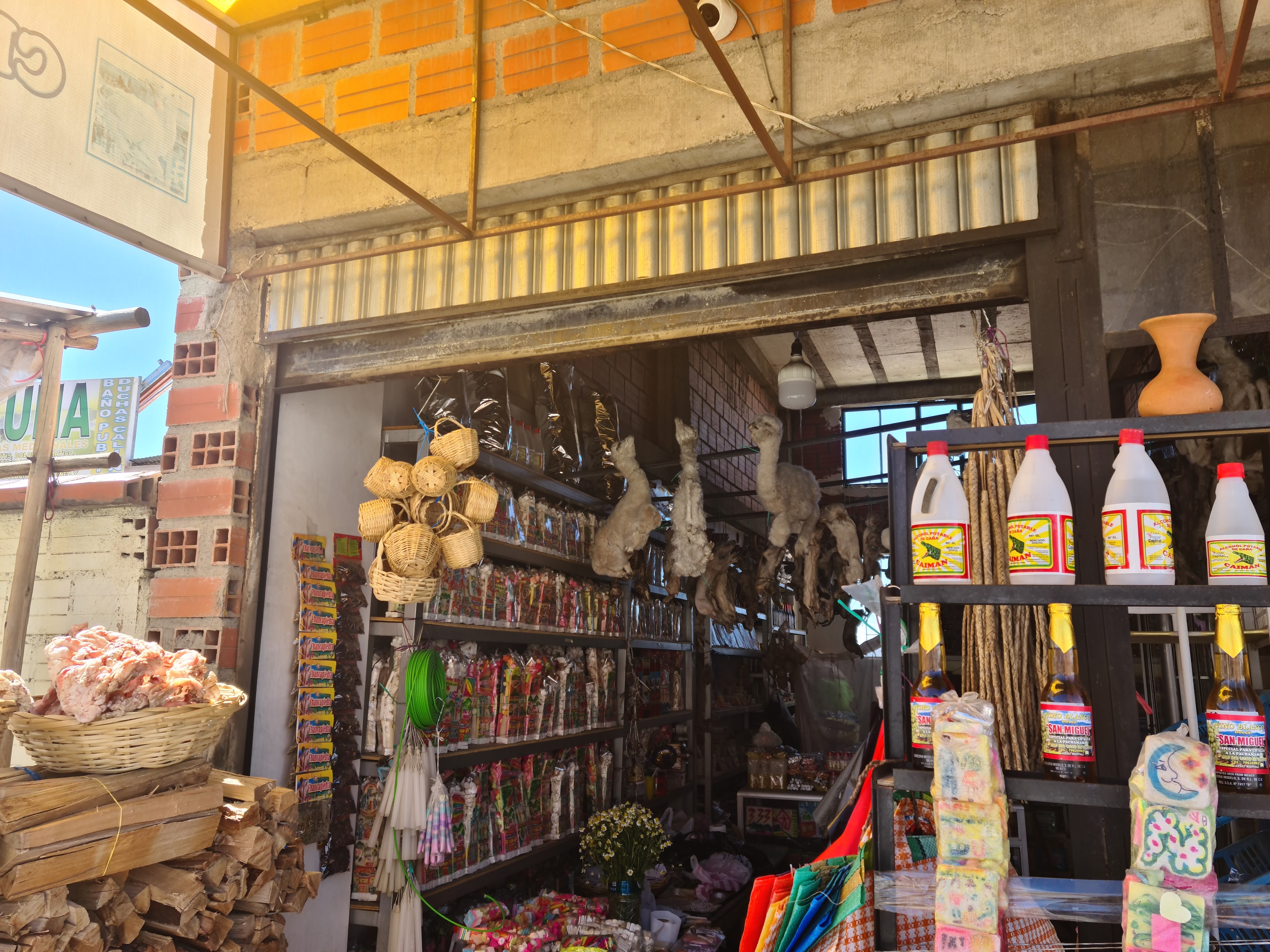
We were sent on our way after learning an uplifting urban legend involving construction sites, offerings to Pachamama to bless the site and missing homeless people…You certainly couldn’t class this as a dull and dry tour.
Our evening was equally as lively. By good fortune we were in town on one of the two evenings a week when the Cholita wrestling shows run. And after humming and hey-ing about whether we would go, without meaning to we managed to be in the right departure spot at the right time, with enough space on the excursion bus for us to join.
Part of the reason for our uncertainty about attending the show was that the organised buses were said to be an unnecessarily long way to get there and back. But at the same time, if you went on your own, it was considered to be a somewhat risky area to be in alone at the end of the show. As it happened, arriving at the venue, we realised the information we had been reviewing online didn’t even correspond to the correct street address, so we definitely could have been in for a mischief if we’d attempted it ourselves. As a side note, for an area considered to be sketchy for tourists, it seems surprising we were ushered to La Alta twice in one day.
Luckily the only violence we saw were the antics of the Cholitas. Similar to Mexico’s Lucha Libre shows, this is costumed (*cough* choreographed) rounds of wrestling, usually with strong hints to one being a “goodie” and one a “baddy”. The difference with the cholitas is they are female, “cholita” being the name given to the indigenous women in their traditional attire of plaited hair, bowler hats and wide hooped skirts. The cholita wrestling has been seen as a way to empower women in a country with misogyny and domestic violence issues, and taking back the name “Cholita” which was often previously used as a derogatory term.

It was all great pantomime fun as we were treated to multiple matches, sometimes involving men and occasionally the referee for good measure. Just like in WWE, there were suplexes, body slams, clotheslines…., and a good dose of audience interaction too.
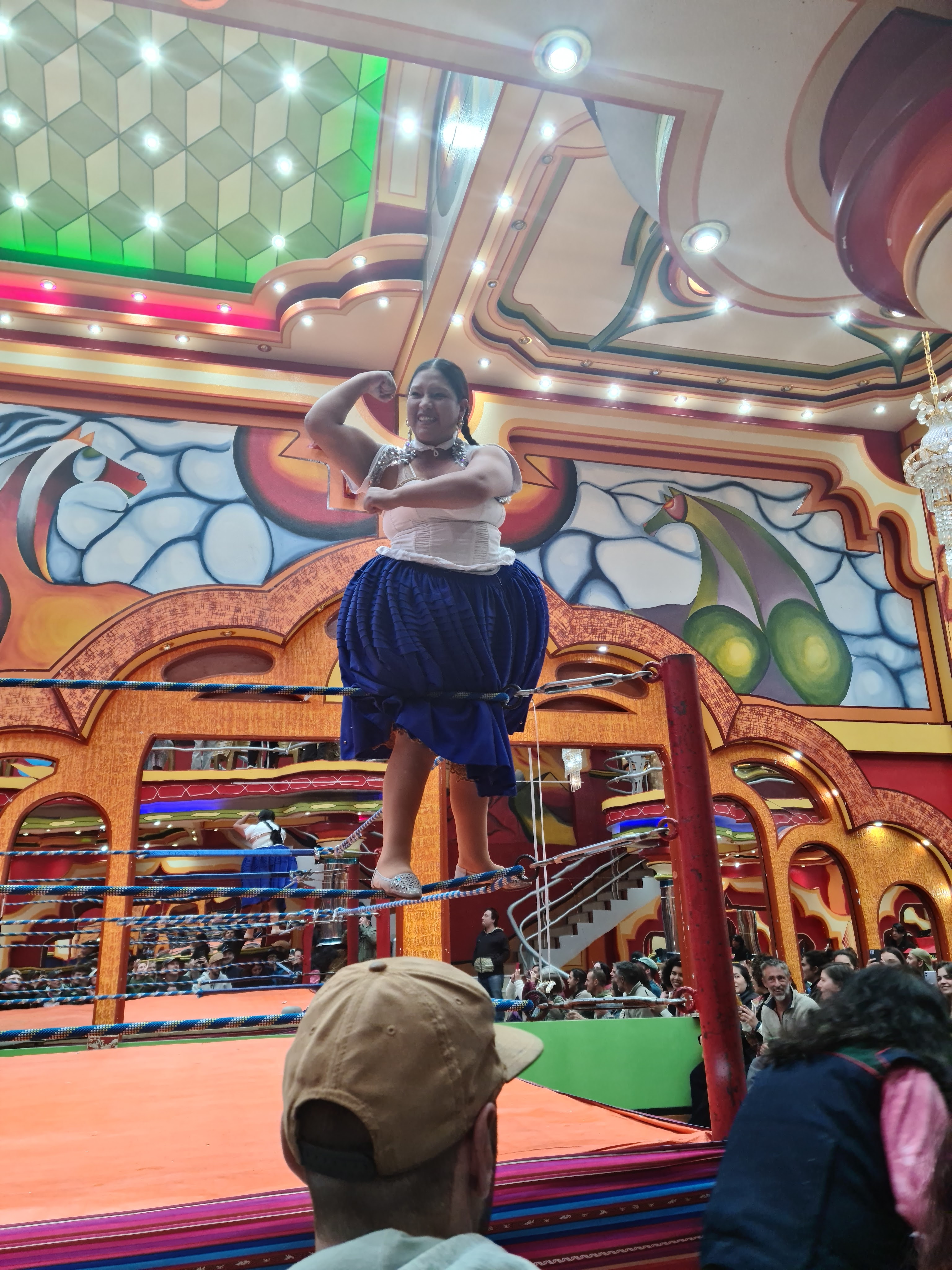
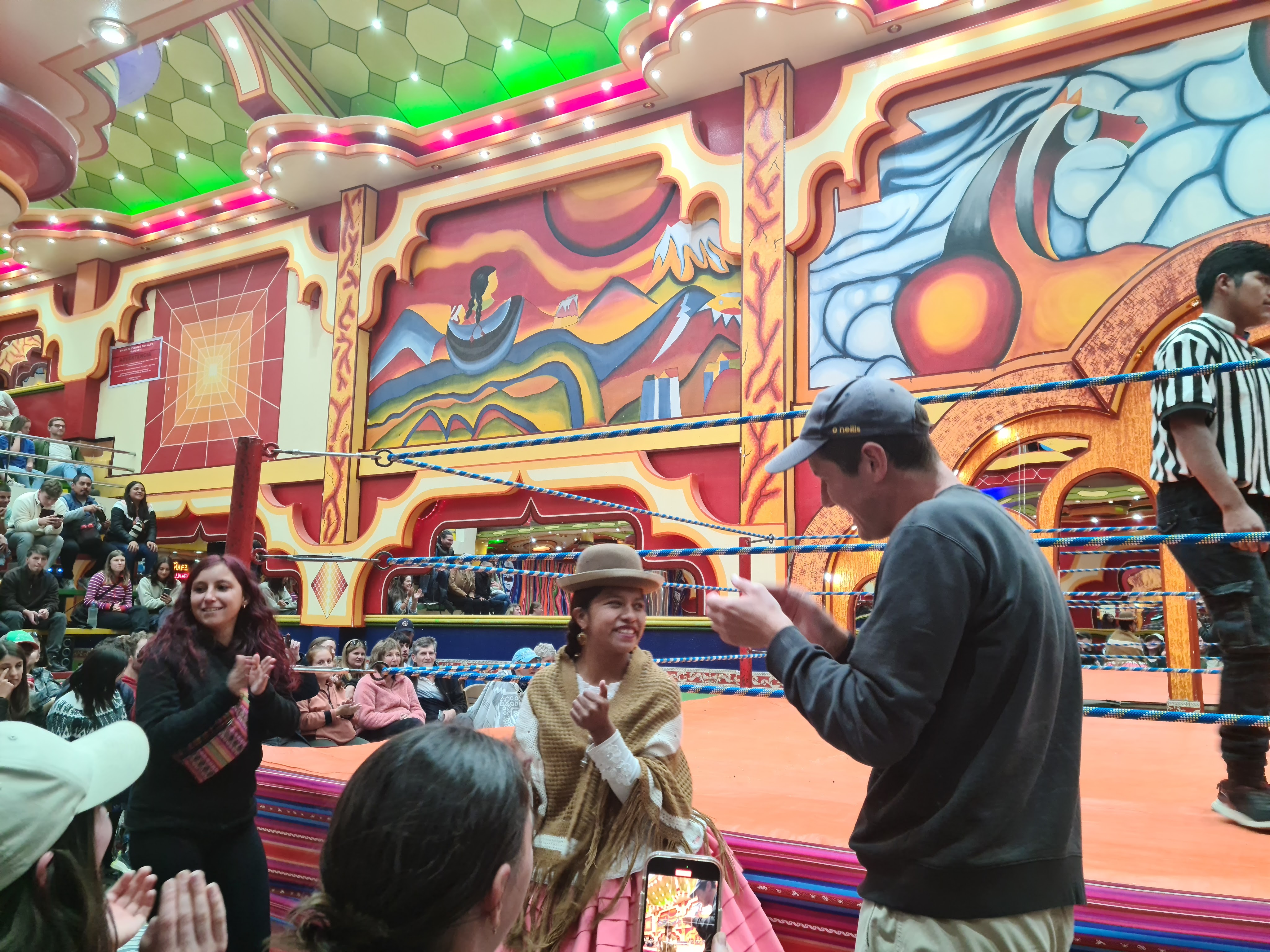

Just as amusing as the show itself, was one of the audience members in front of us who would shriek and lunge into our row any time the wrestlers so much as looked her way. Those in that front row were fair game though, and while the view may have been great, it was less ideal for those wanting to keep hold of their drinks. They might either be nabbed by a wrestler to be poured, or even smashed over, an opponent’s head, or the wrestler would be rolled like a human bowling ball into the crowd, bottles on the ground falling like skittles. You definitely had to keep your wits about you!
If you know not to take it seriously, it’s a fantastic show, and of course it’s great to see women in a starring role!
The next day was something I had been even more unsure of. We were off mountain biking on Bolivia’s “Death Road”. Two words that put fear into my heart – mountain biking. The last time I had done it was about 20 years ago, in my two school activity weeks at Loch Insh. The first year saw me fall off the bike enough times to build up a real distrust of it, while the second year I put in a better turn, only falling off once. That single fall may have been into a patch of nettles, but hopefully with that trajectory, I’d be an absolute ace on this third attempt, right?
Various online sources declare Death Road as the absolute must-do of La Paz, with many reviewers talking about how nervous/inexperienced they had been, but declaring it the best experience of their lives, or similar hyperbole. I didn’t want to be left wondering if I’d missed out on something amazing, and in the nature of staying out of my comfort zone, it seemed like a suitable next step from the trekking. Not to mention, it was definitely Ricki’s bag.
And so we saddled up, under the guidance of La Paz’s most trusted mountain bike company, Gravity. More expensive than others, yes, but funnily enough if there is one place I’m going to scrimp on, it isn’t going to be called “Death Road”.
North Yungas Road acquired its fearsome nickname due to the high number of fatalities that previously occurred there, with estimates of up to 300 deaths annually in the past. The road is notorious for its narrow width, lack of guardrails, and steep cliffs that drop over 600 metres (2,000 feet) in some areas. Since a bypass road was completed in 2016, diverting non-local road traffic from the trail, it is much more cyclist-friendly now, cementing its place as a tourist hotspot.
After a reassuring cycle on flat ground to get a feel for our bikes, testing our gears, and more importantly brakes, it was time to hit the road. Hopefully not literally.
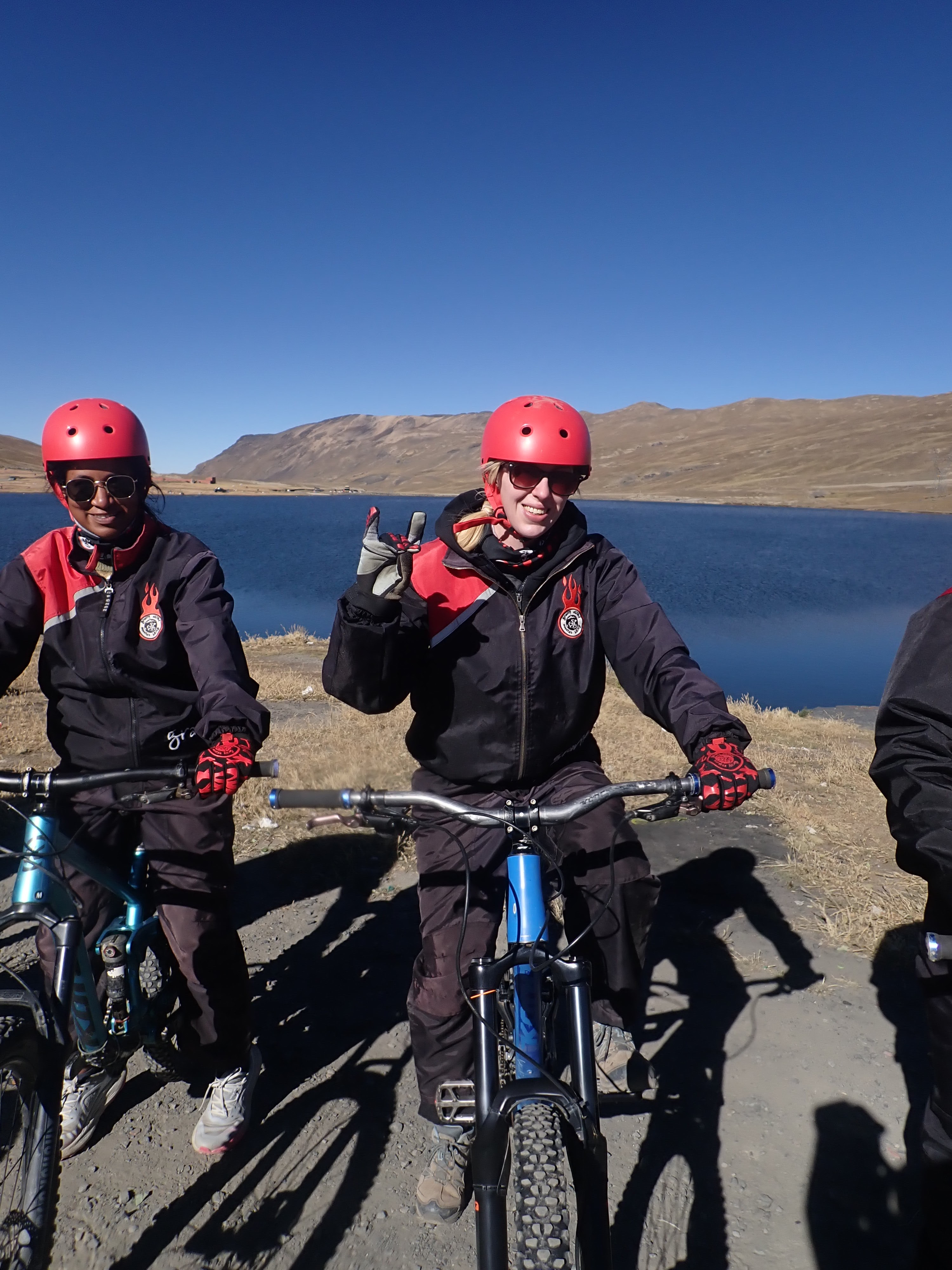
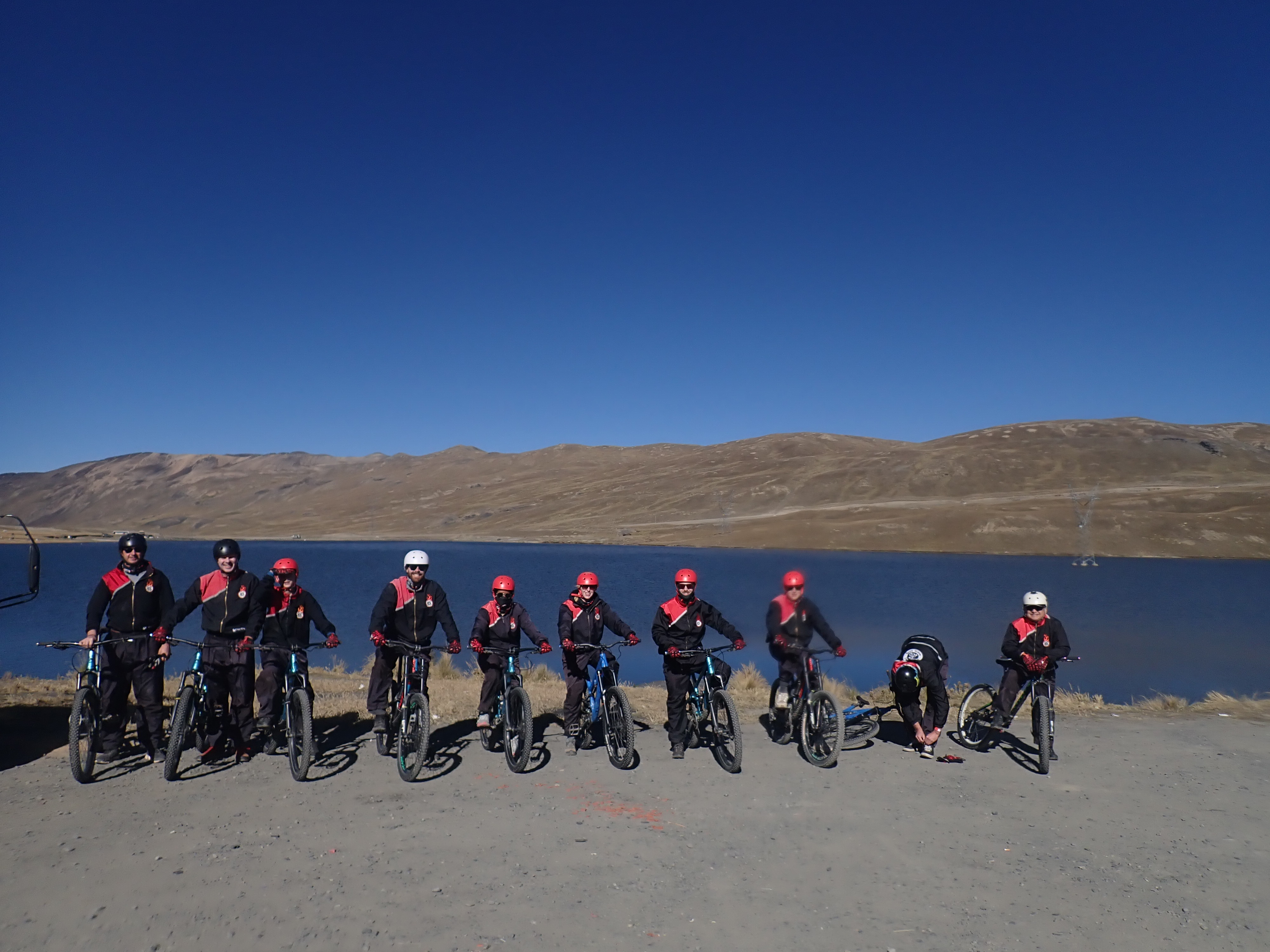
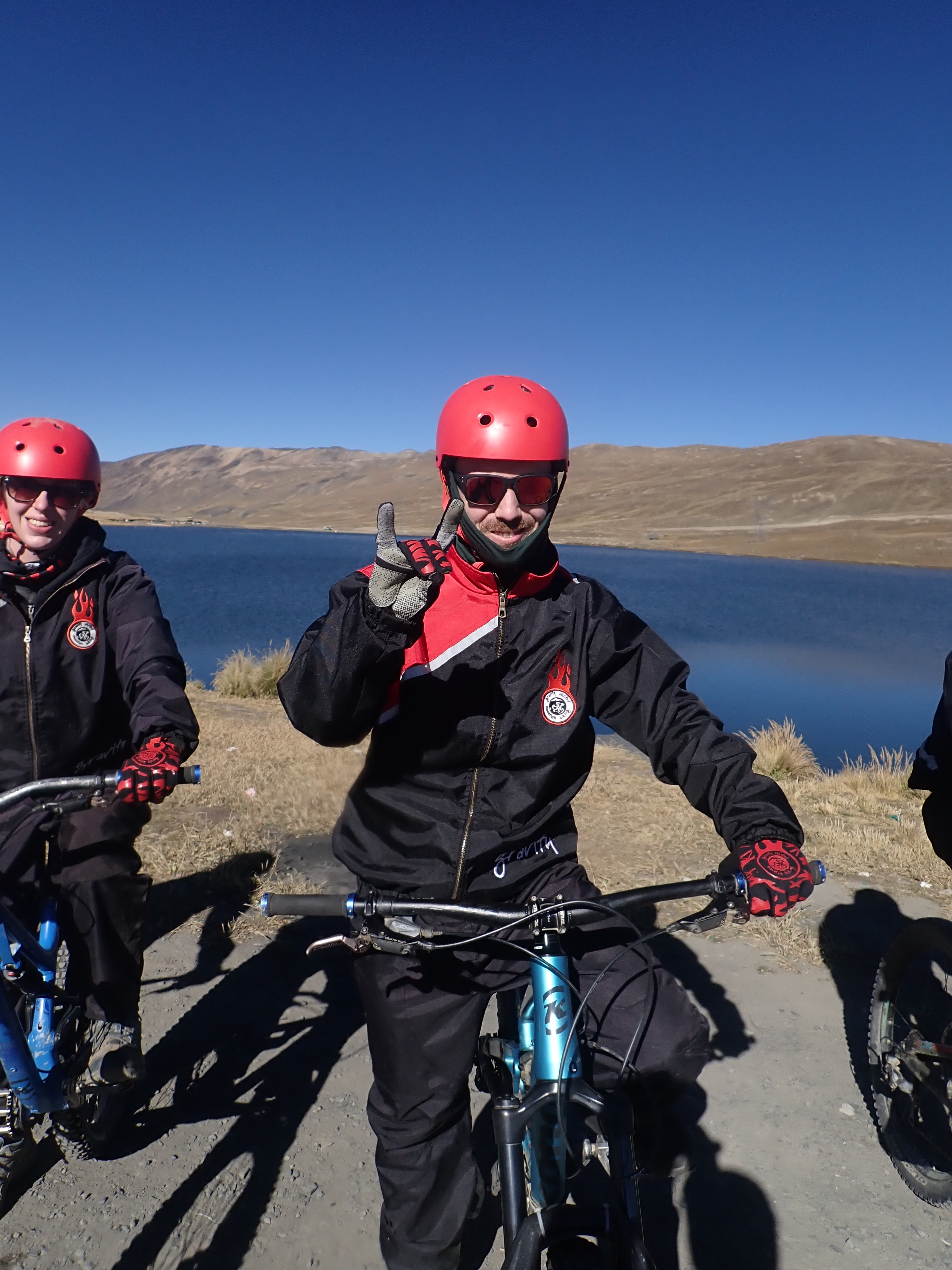
From reading online, I knew that many participants’ least favourite bit of the day was the first section where the road is still shared with actual road traffic. Gliding downhill at 30mph or so, having to avoid cars and lorries, whilst also keeping a wary eye on the steep verge to the right, I can understand this, but for me, even despite the initial nerves, this would turn out to be me at my most relaxed. The tarmac surface meant a smooth ride, and the gradual curve of the road meant I could appreciate the scenery while feeling the wind rushing past. I didn’t have any issues with the other road users – it’s myself I don’t trust.
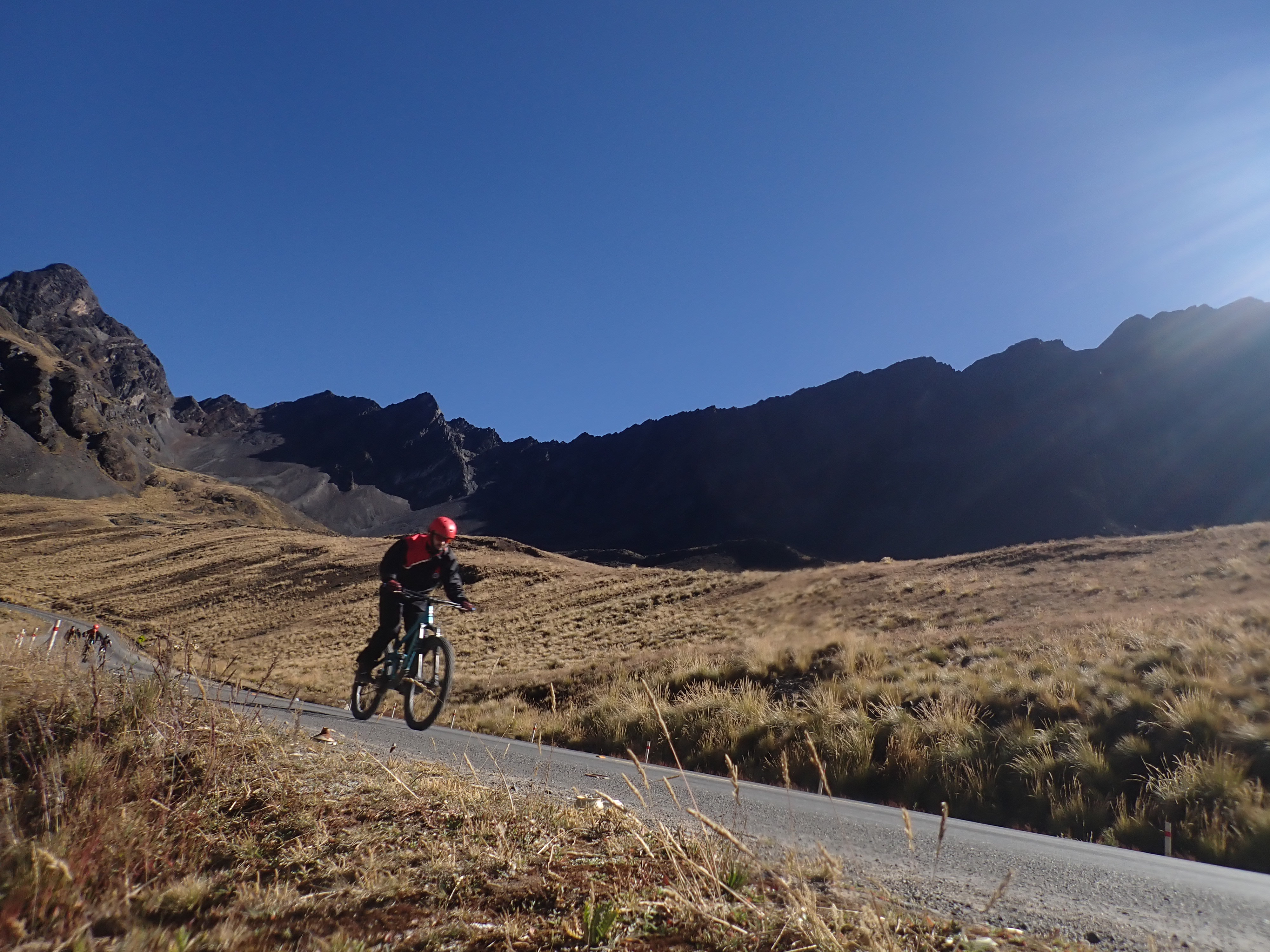
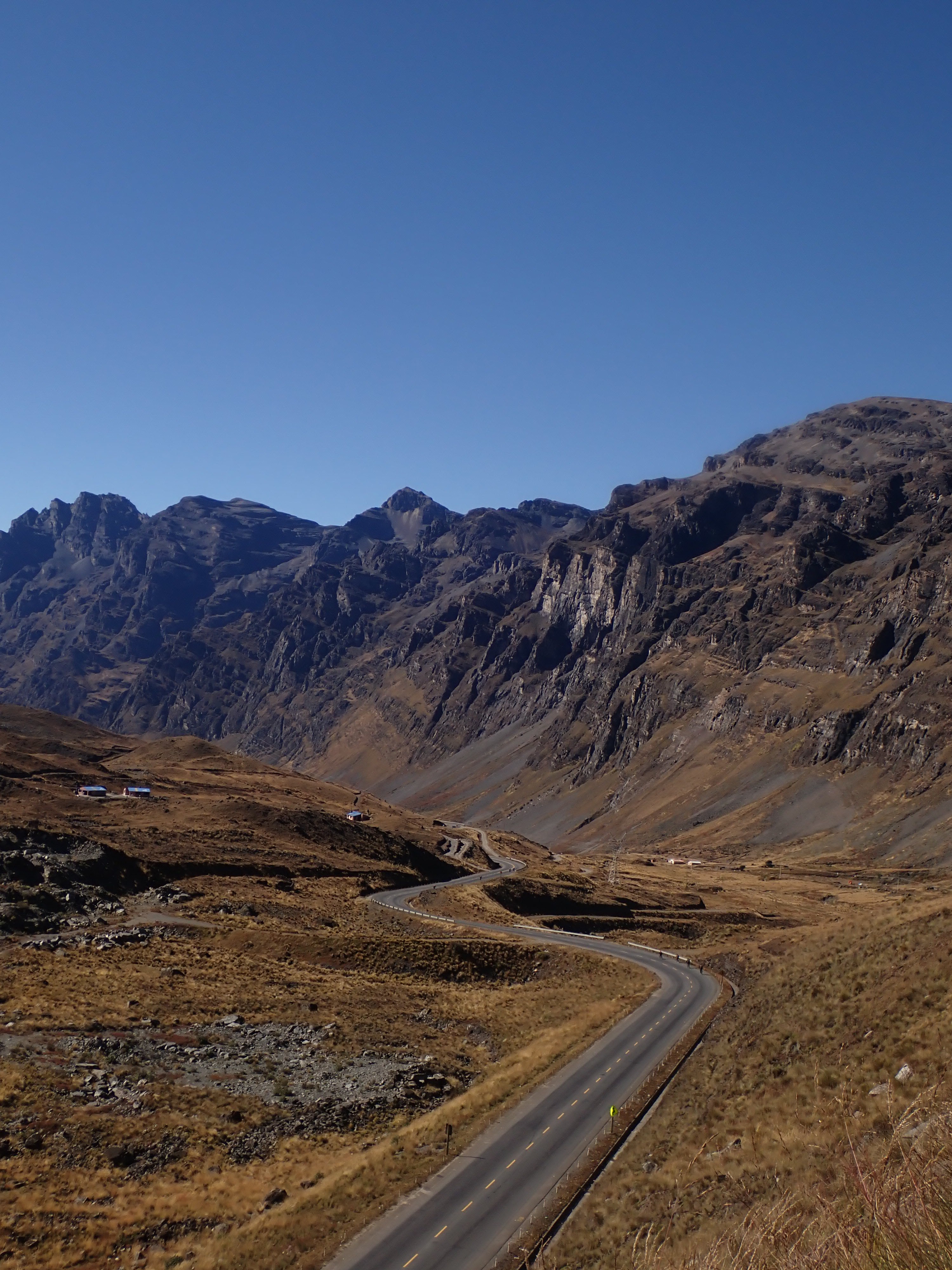
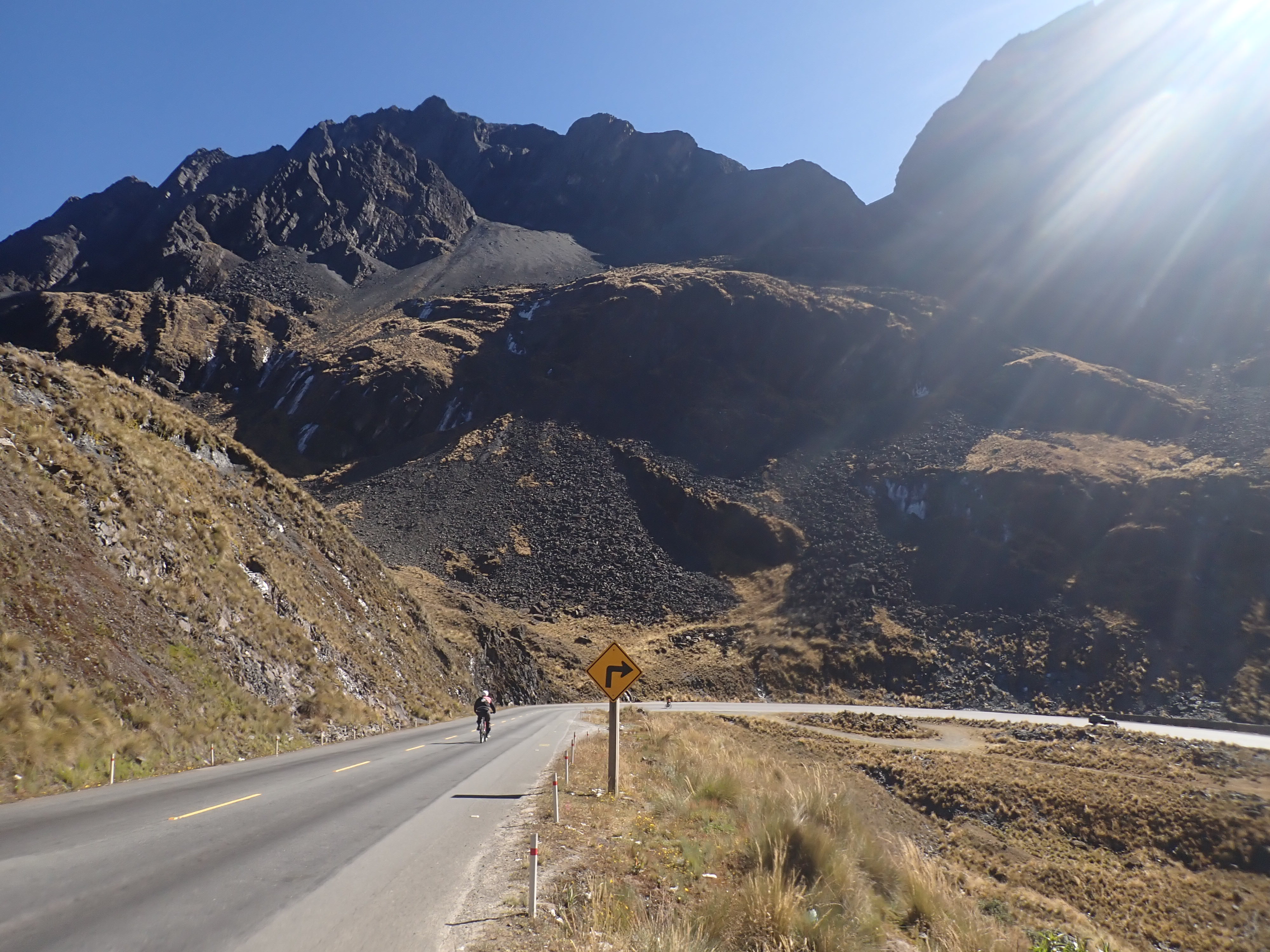
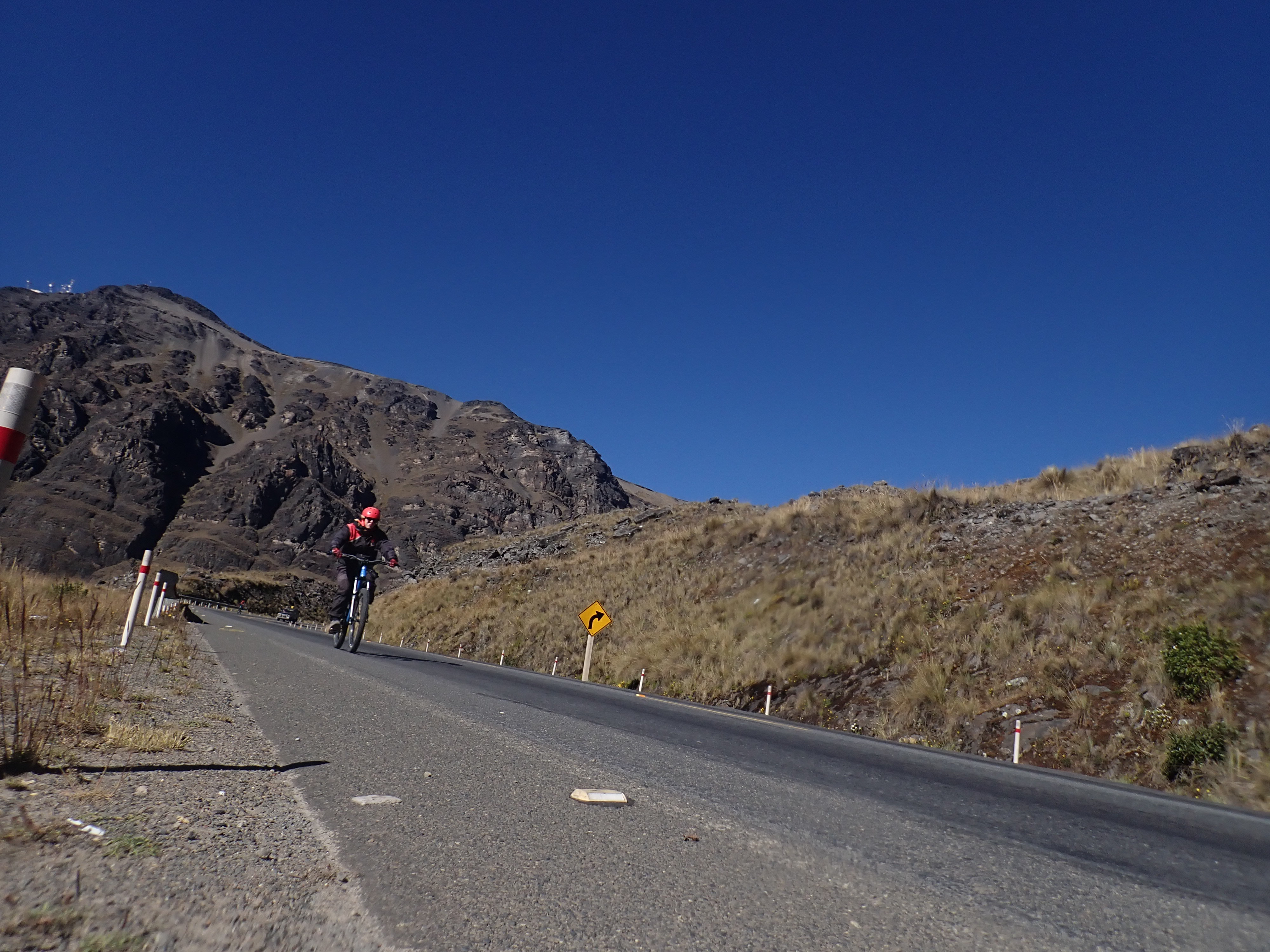
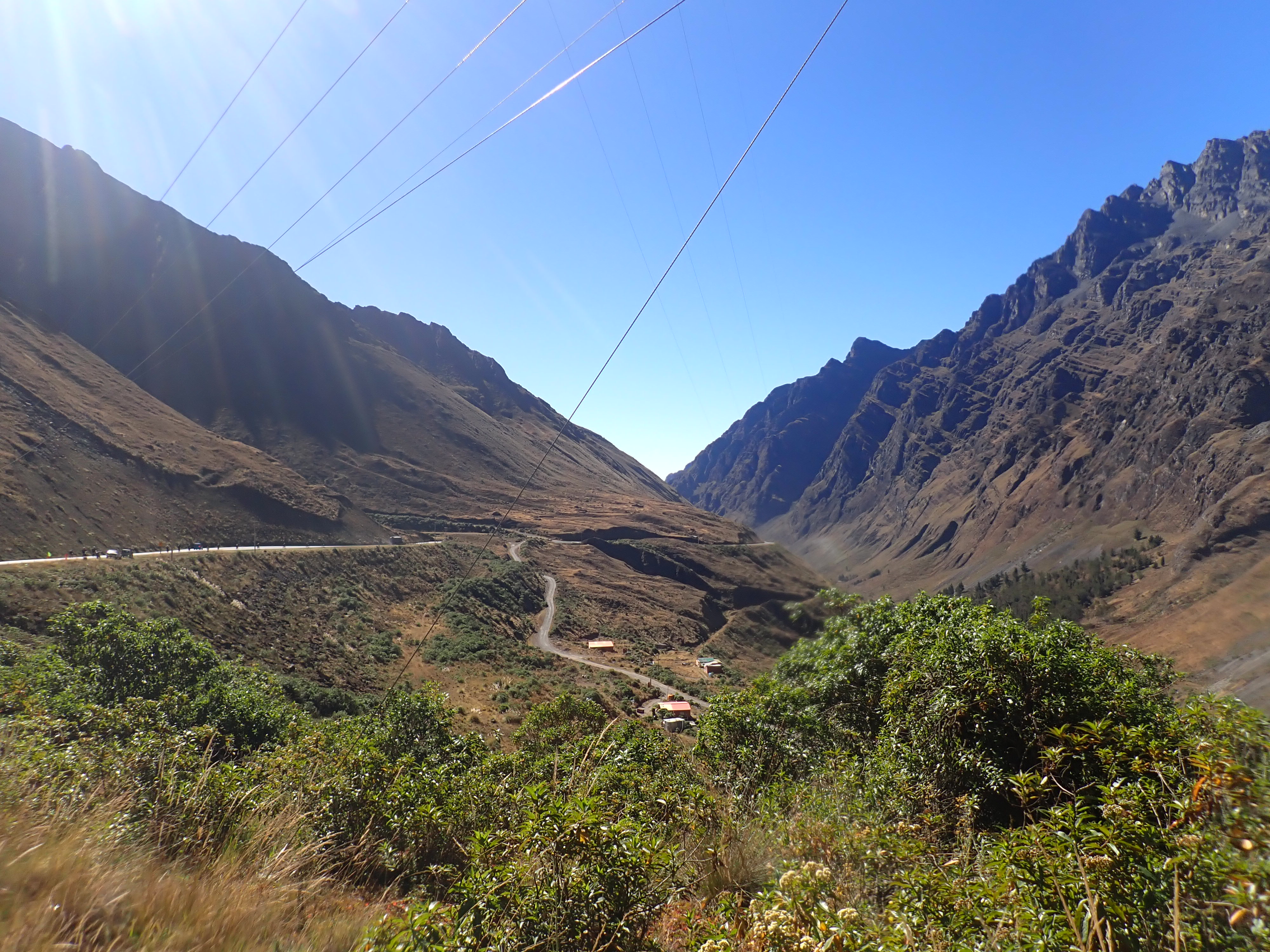
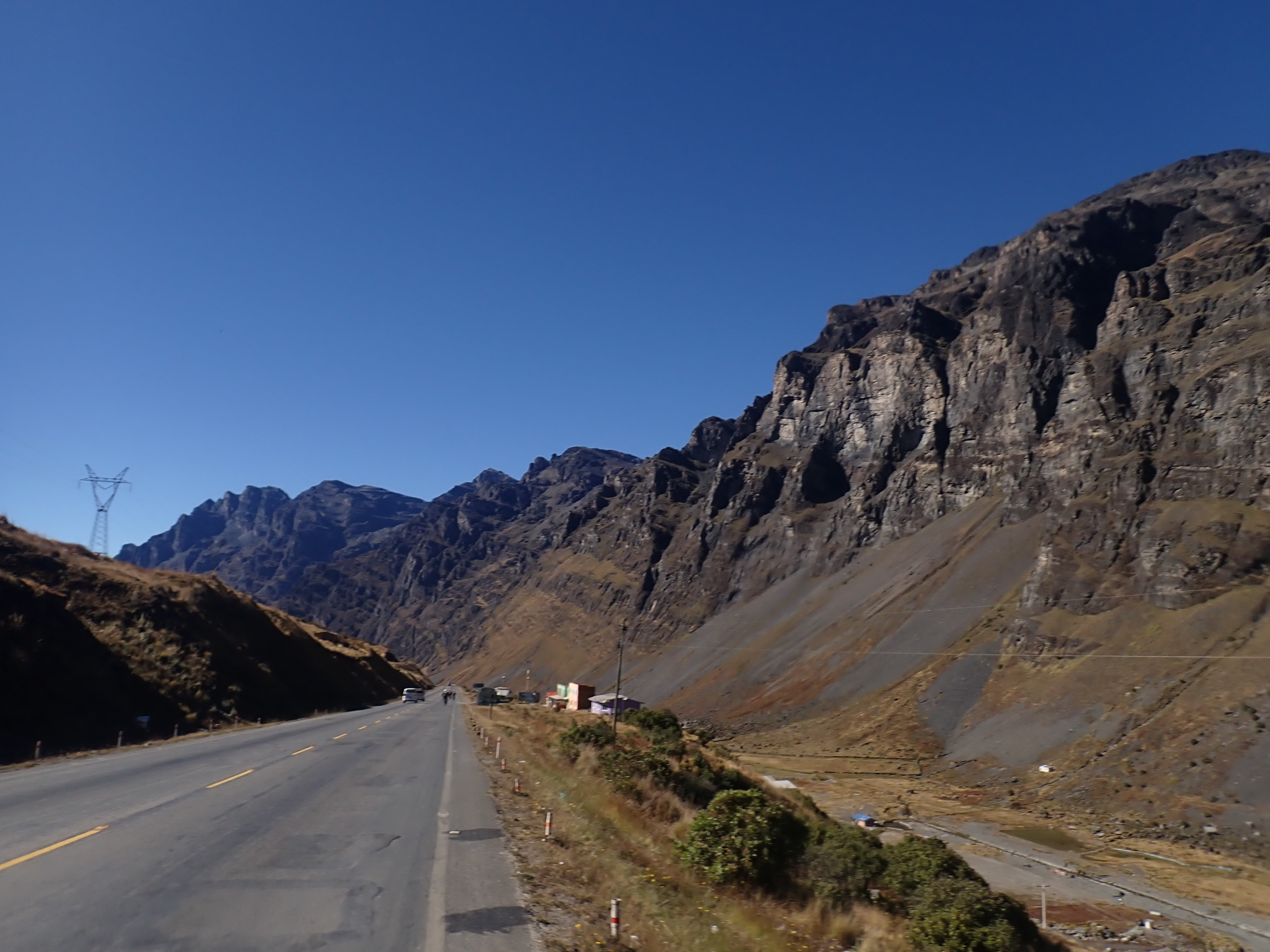

Coming off the highway, and on to Death Road proper, this was where my discomfort kicked in. My riding style was definitely less Evil Knievel, and more Easy McBreezy. Steep and gravelly, my fingers were constantly grasping the brakes, and I was trailing the pack by enough margin I had to wonder if I would finish on the same day.

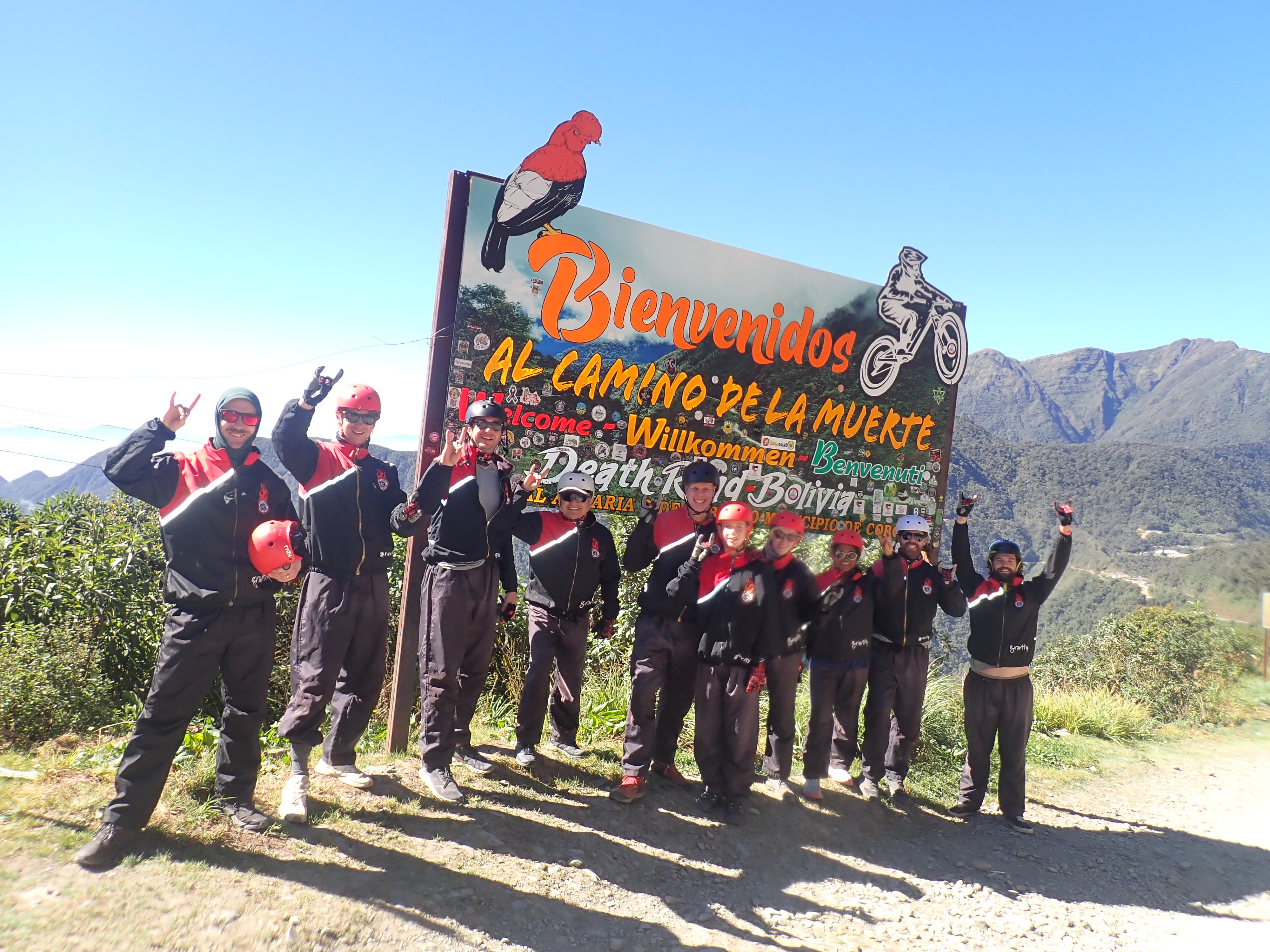

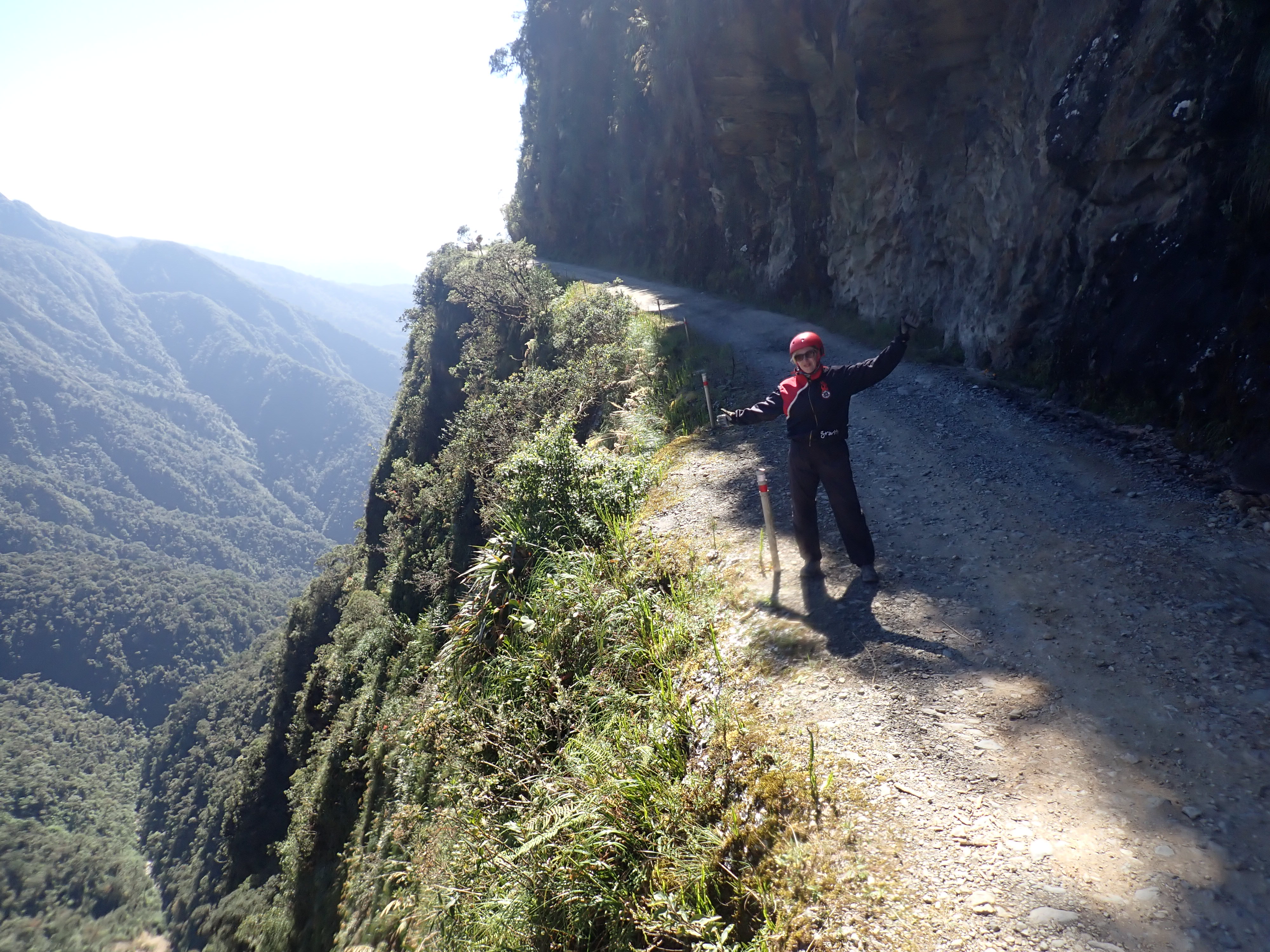
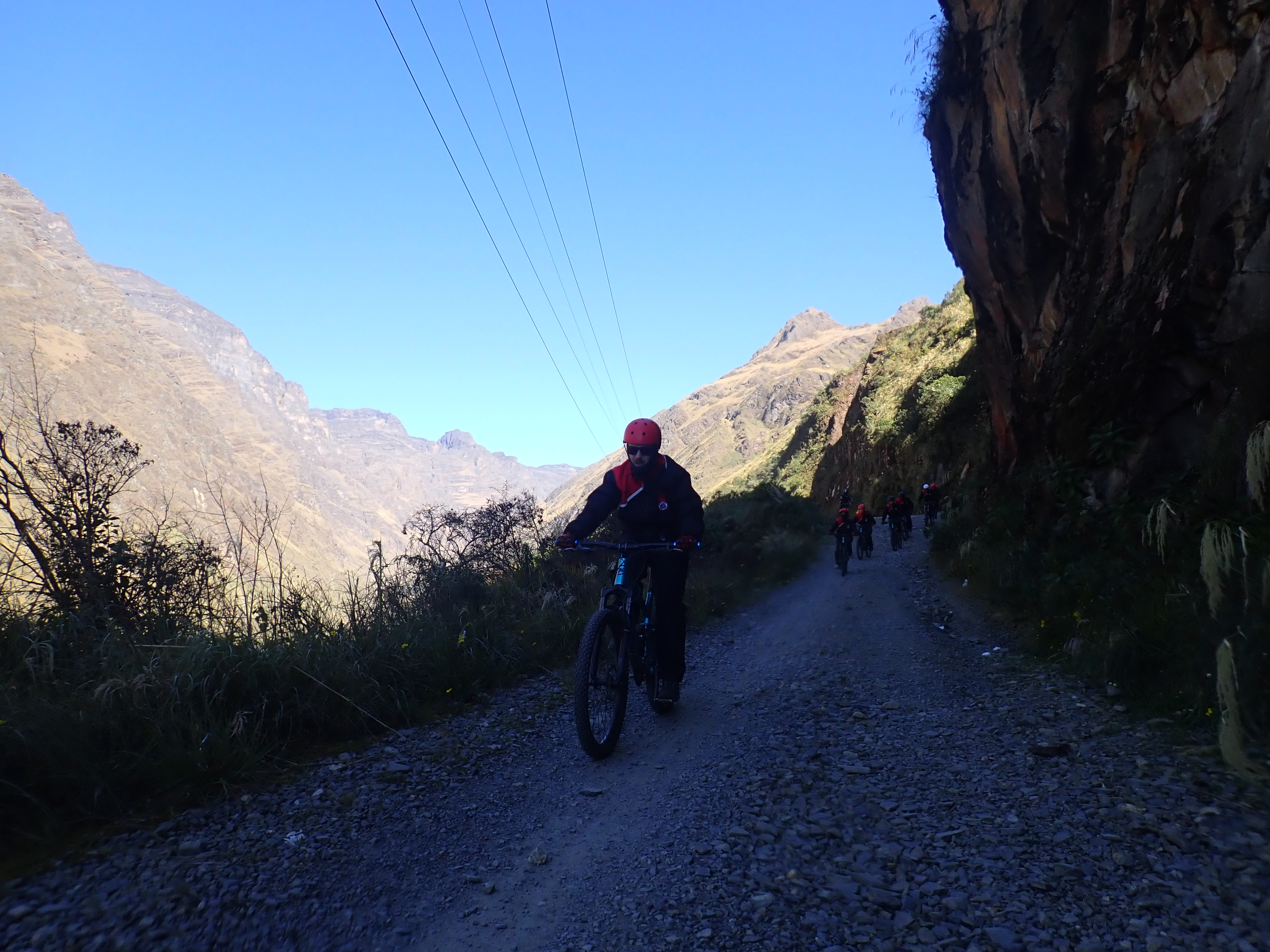
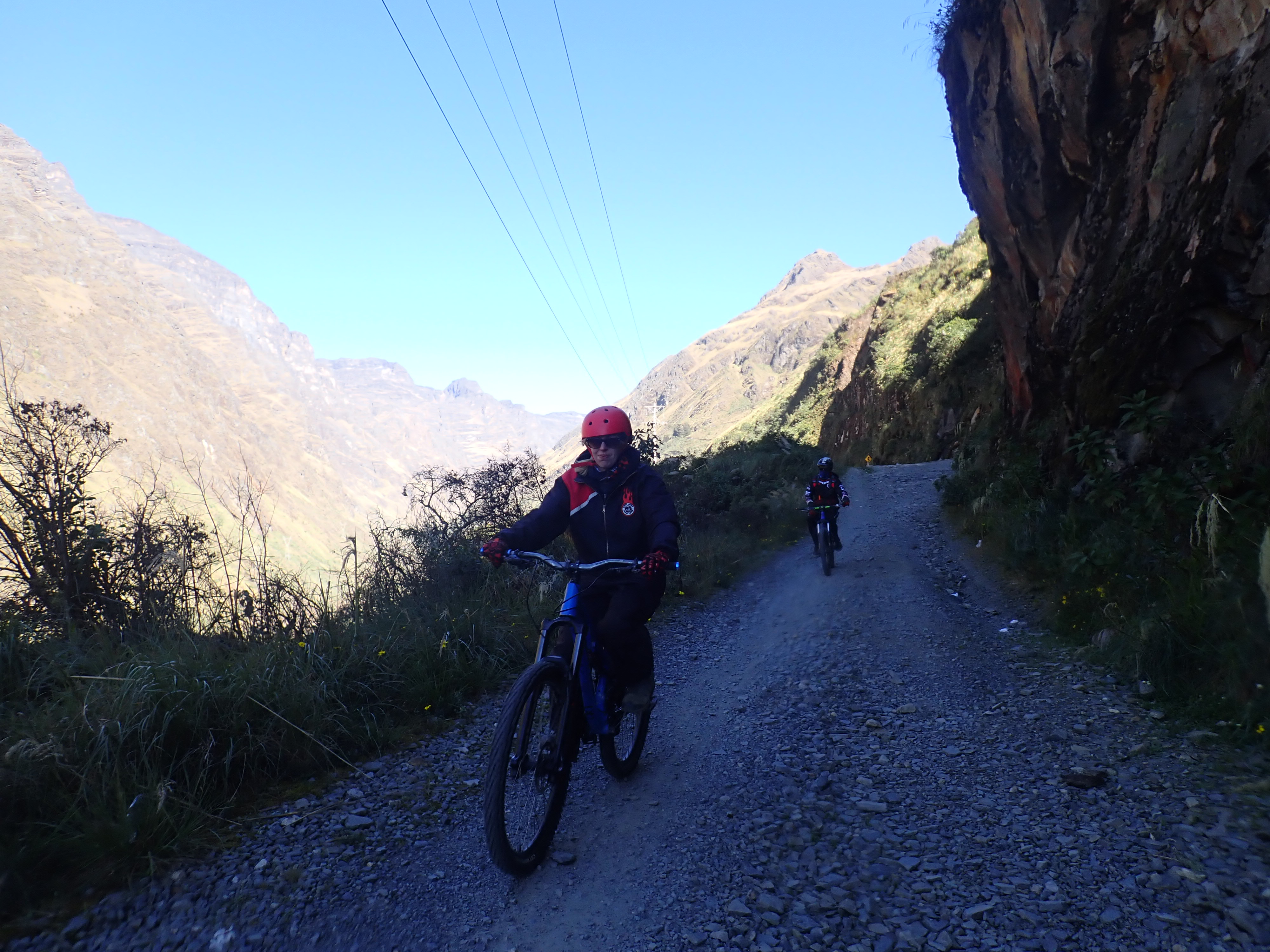

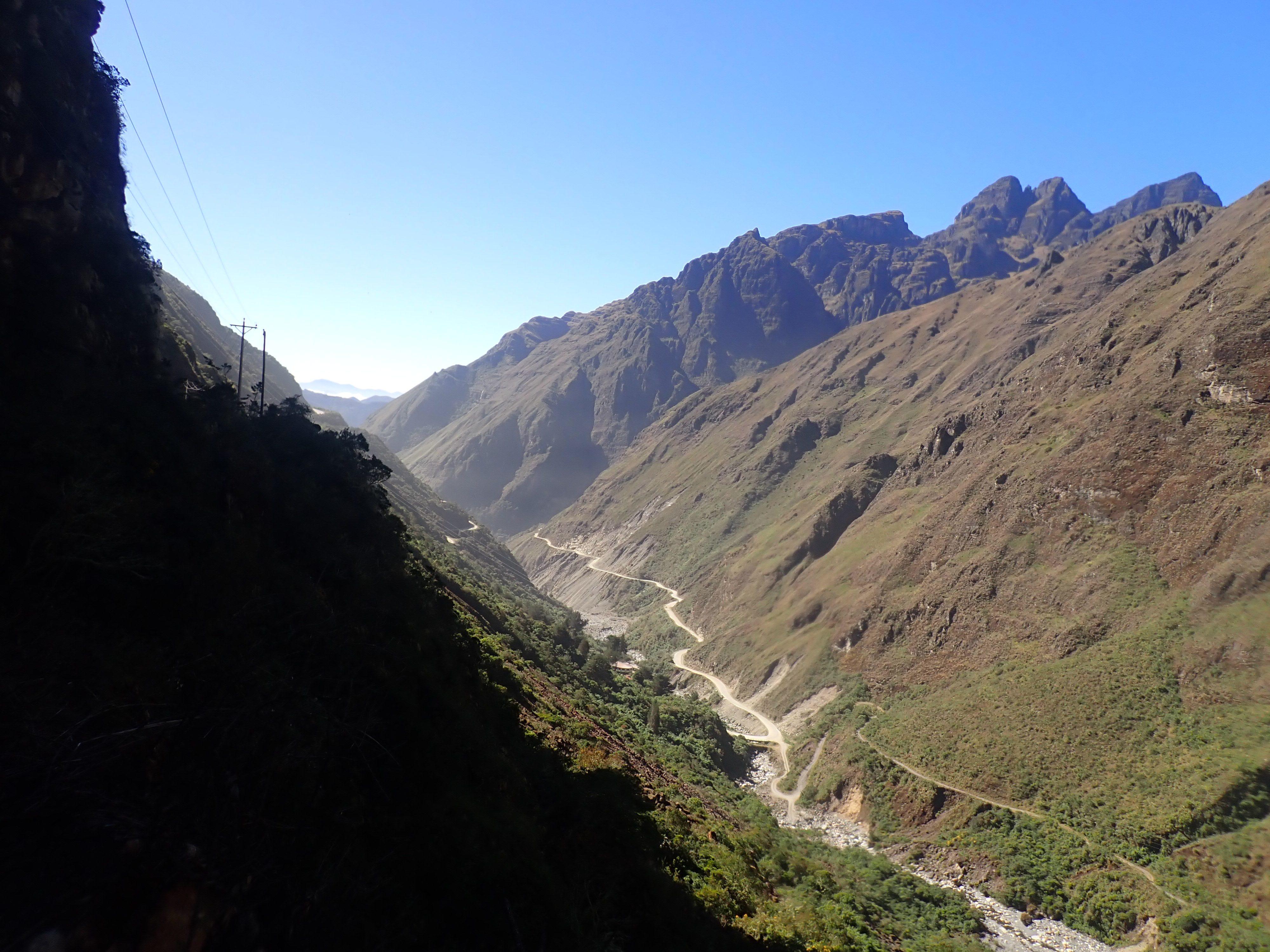

Of course, the Gravity guides keep us stopping for breaks to ensure we stay together, point out any upcoming tricky(er) bits, and also to pose for photo ops.
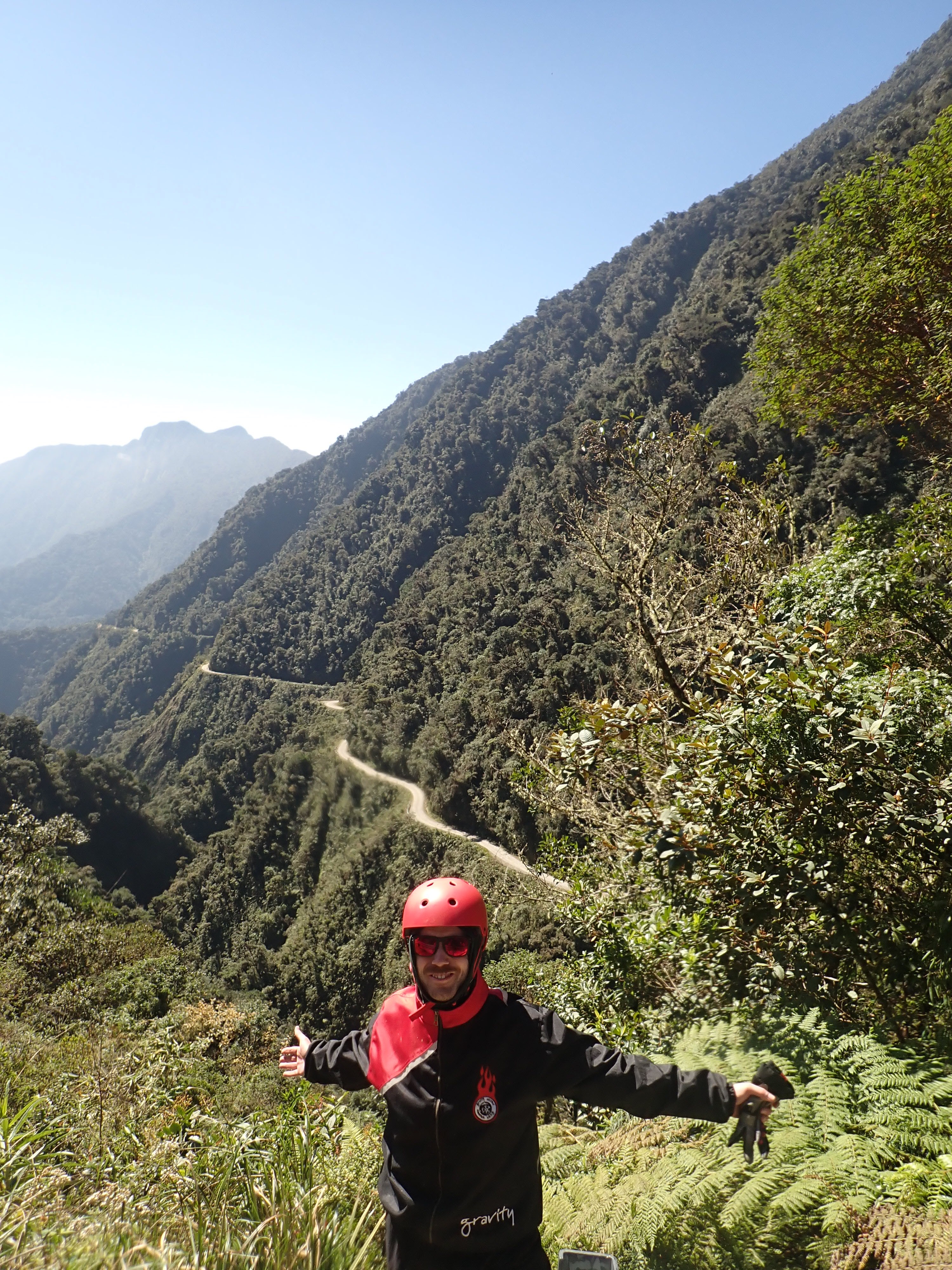

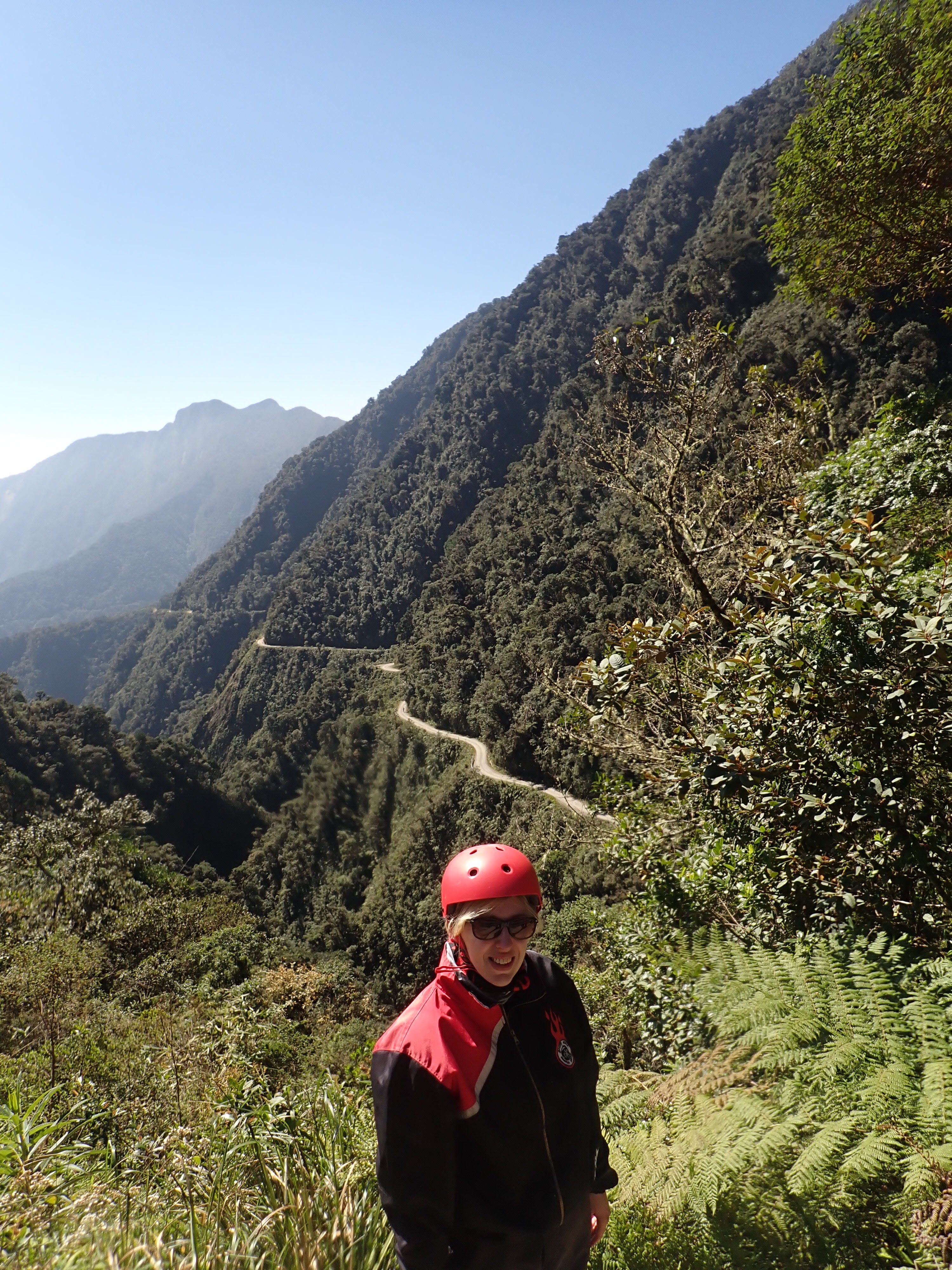
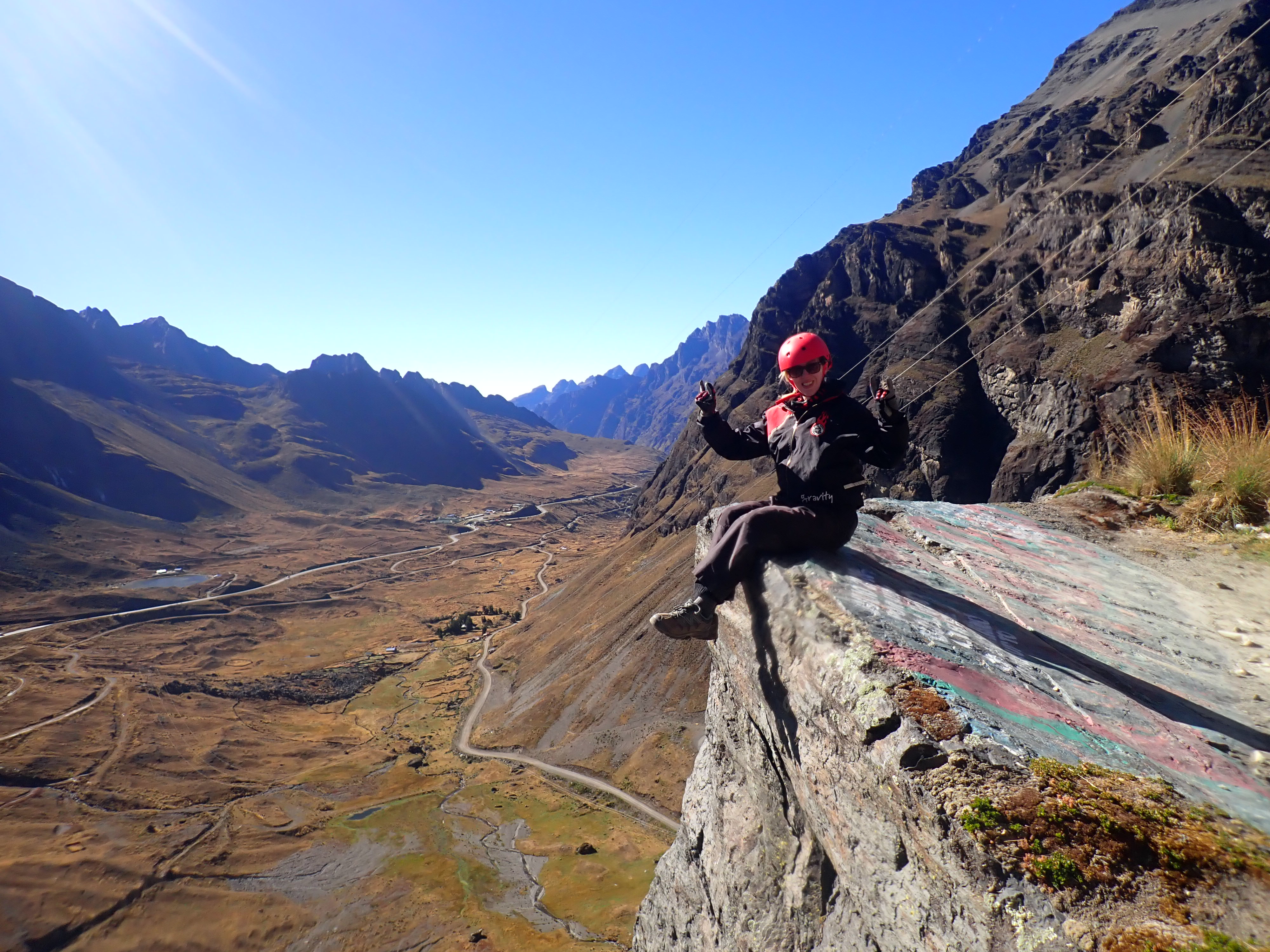
There was also a stop to show us the most recent car to take a detour over the edge, still sitting in the ravine after crashing in January (the driver apparently managed to bail out safely).
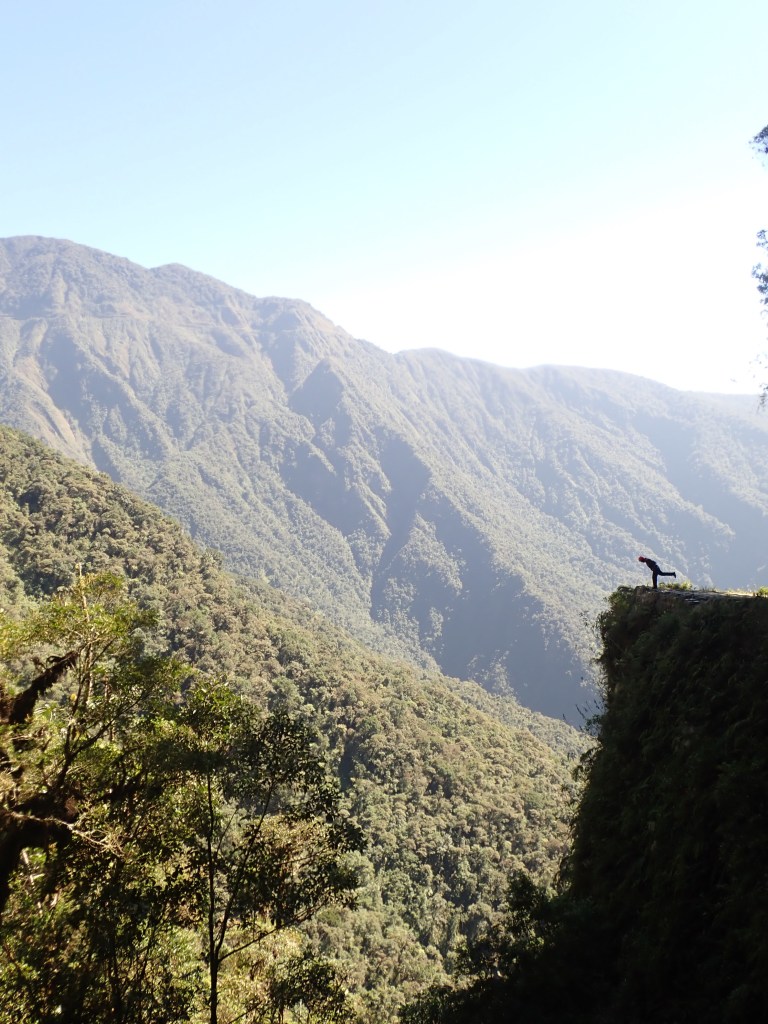
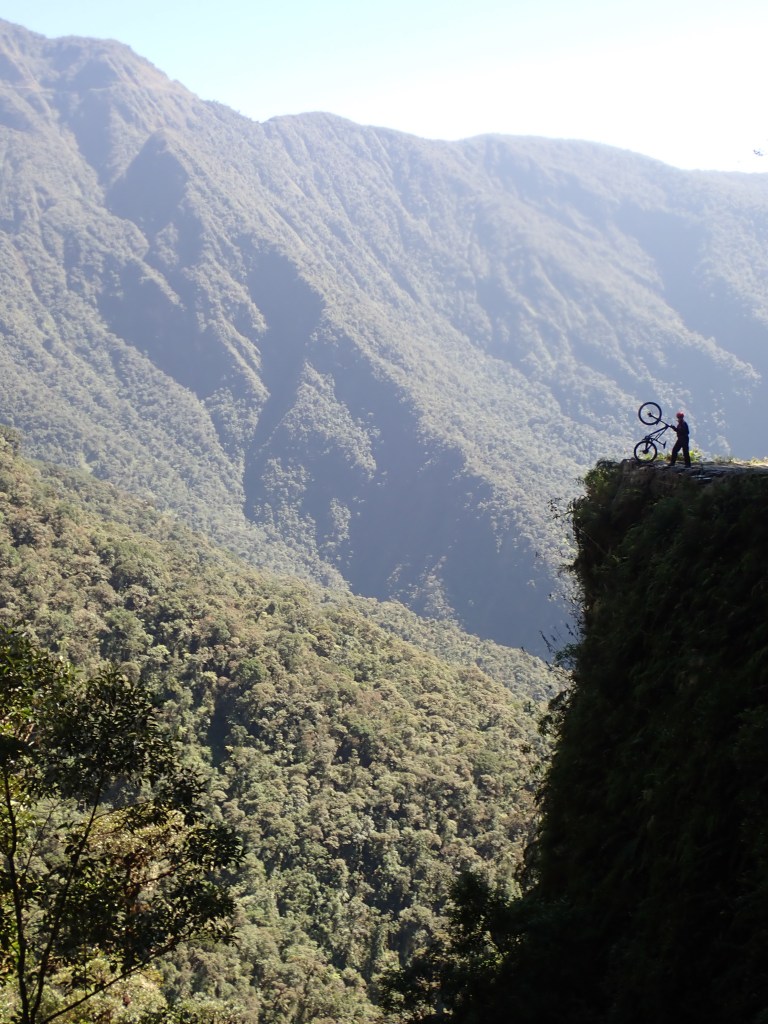
Aside from some water features, I can’t provide any other visual description unless gray gravel is your thing. Ricki meanwhile was in his element, his boyhood spent tearing up the Broch all flooding back to him as he flew downwards, risking a skid here and there.
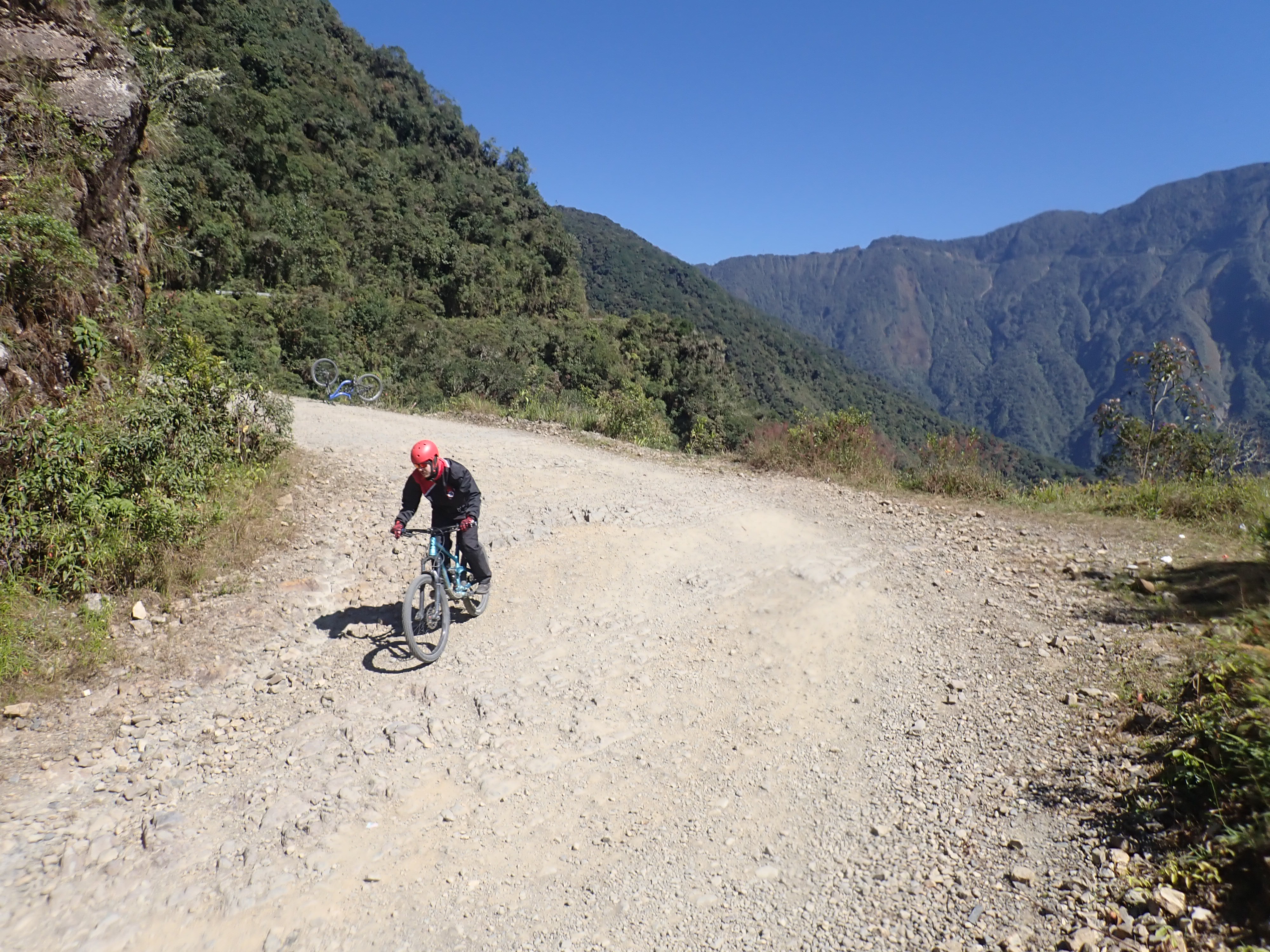
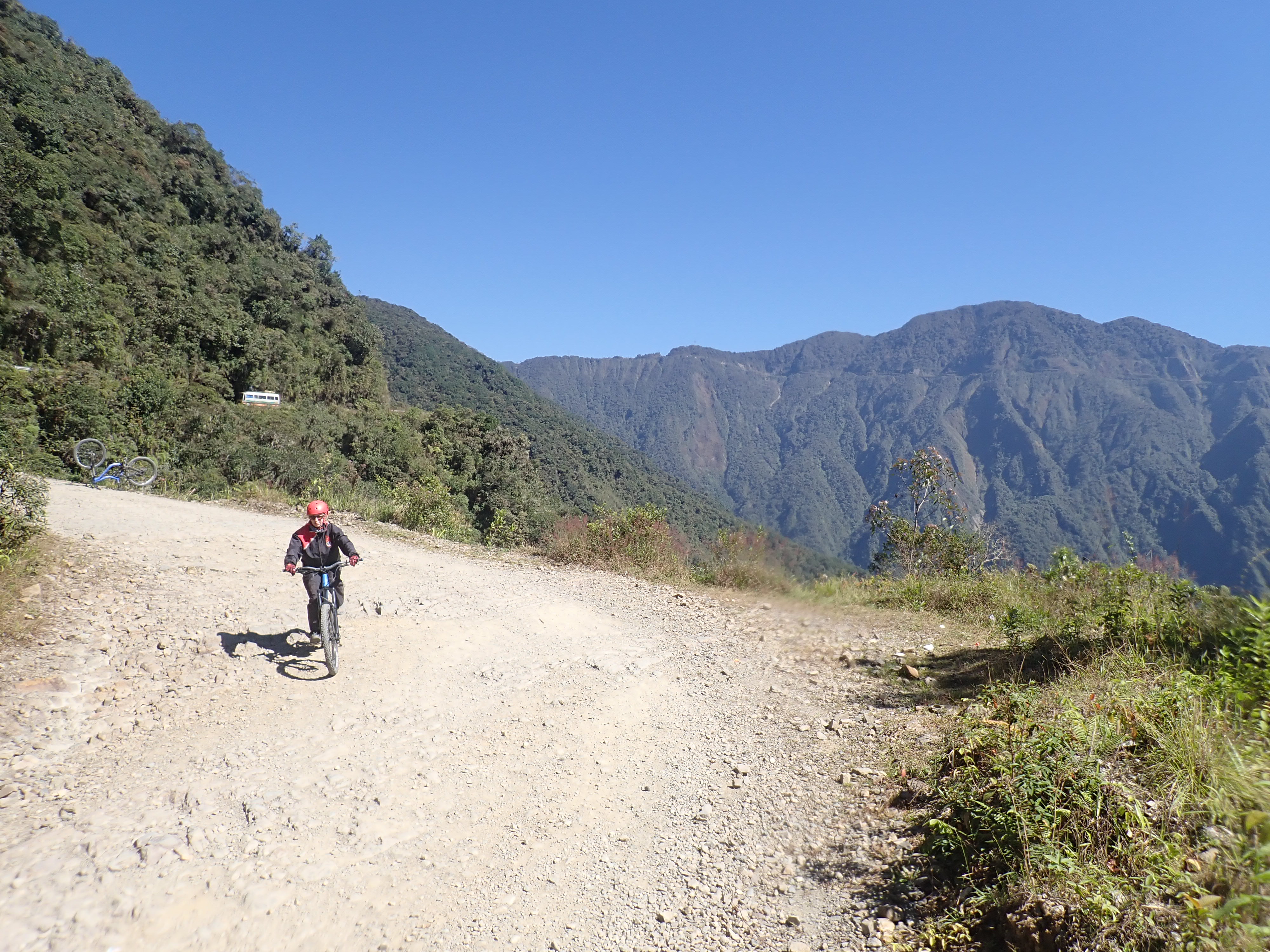
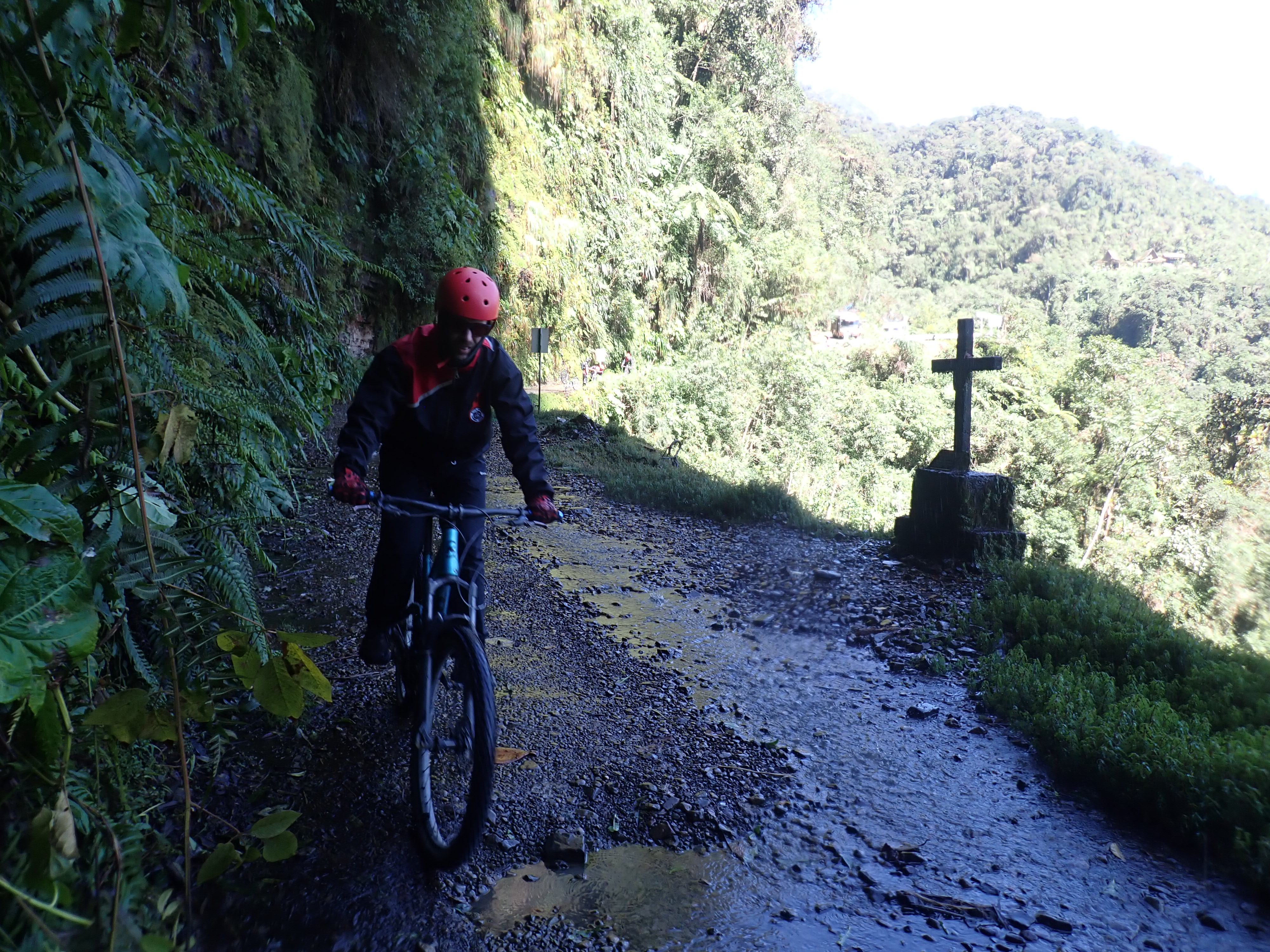
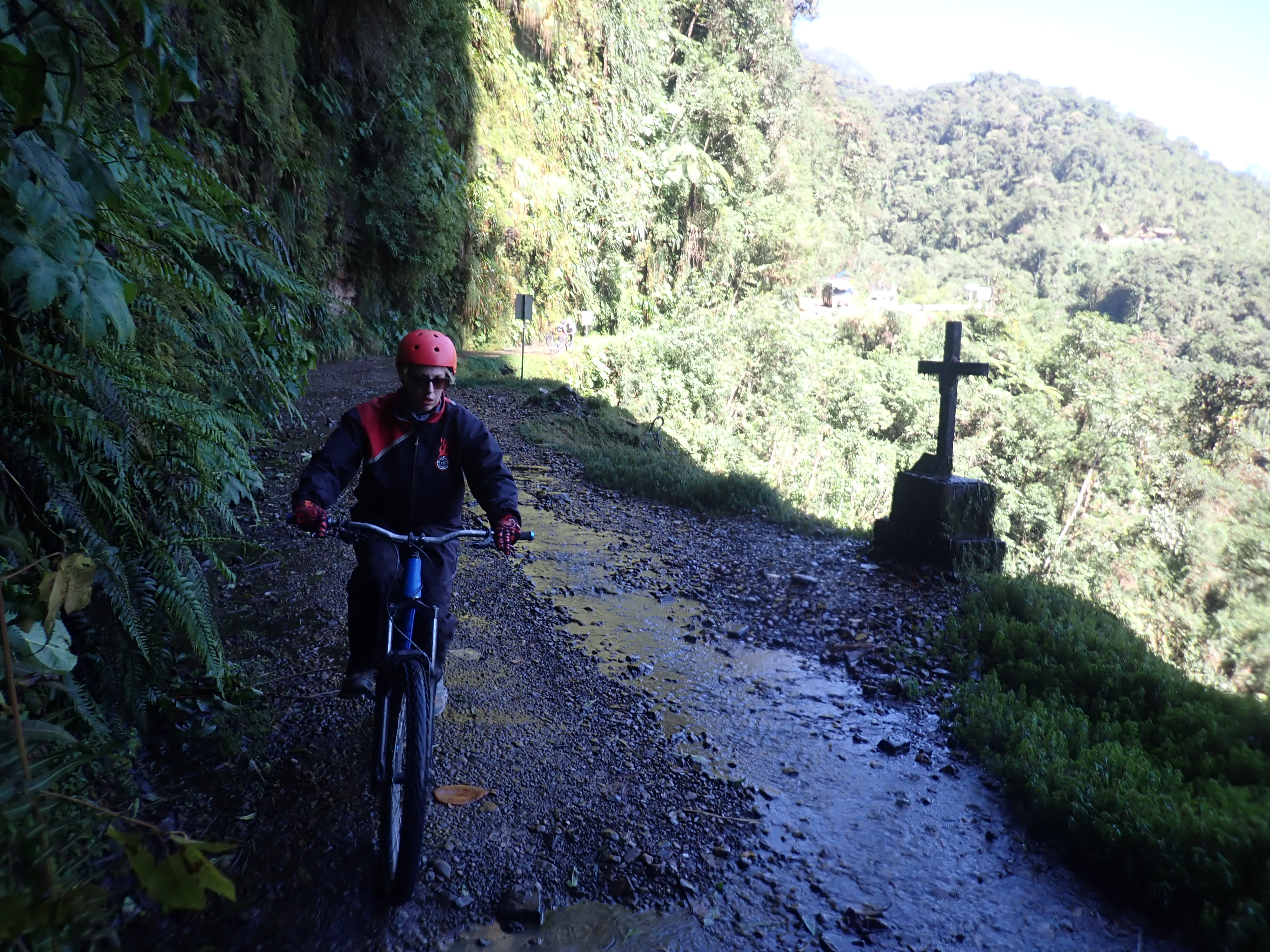

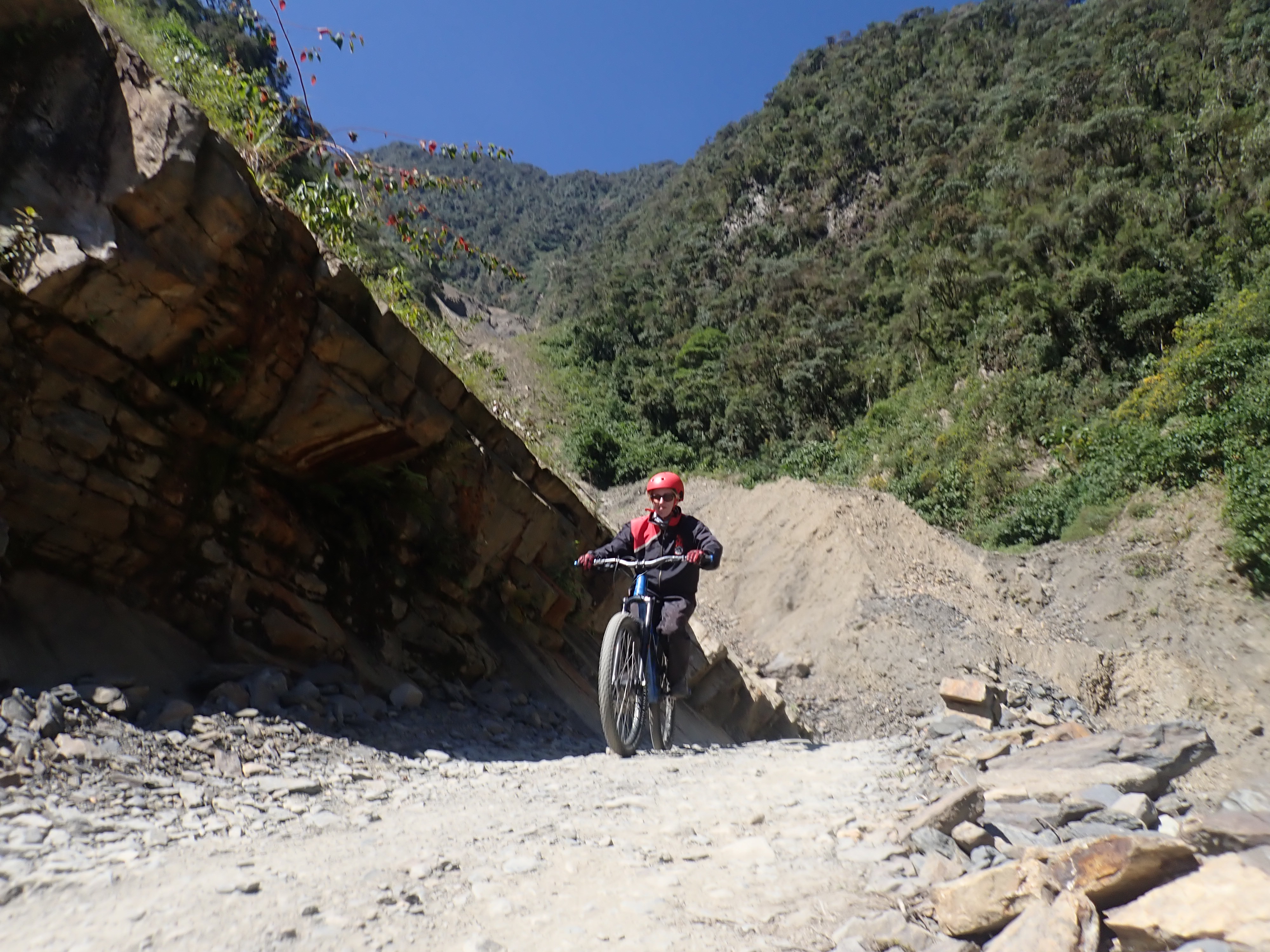
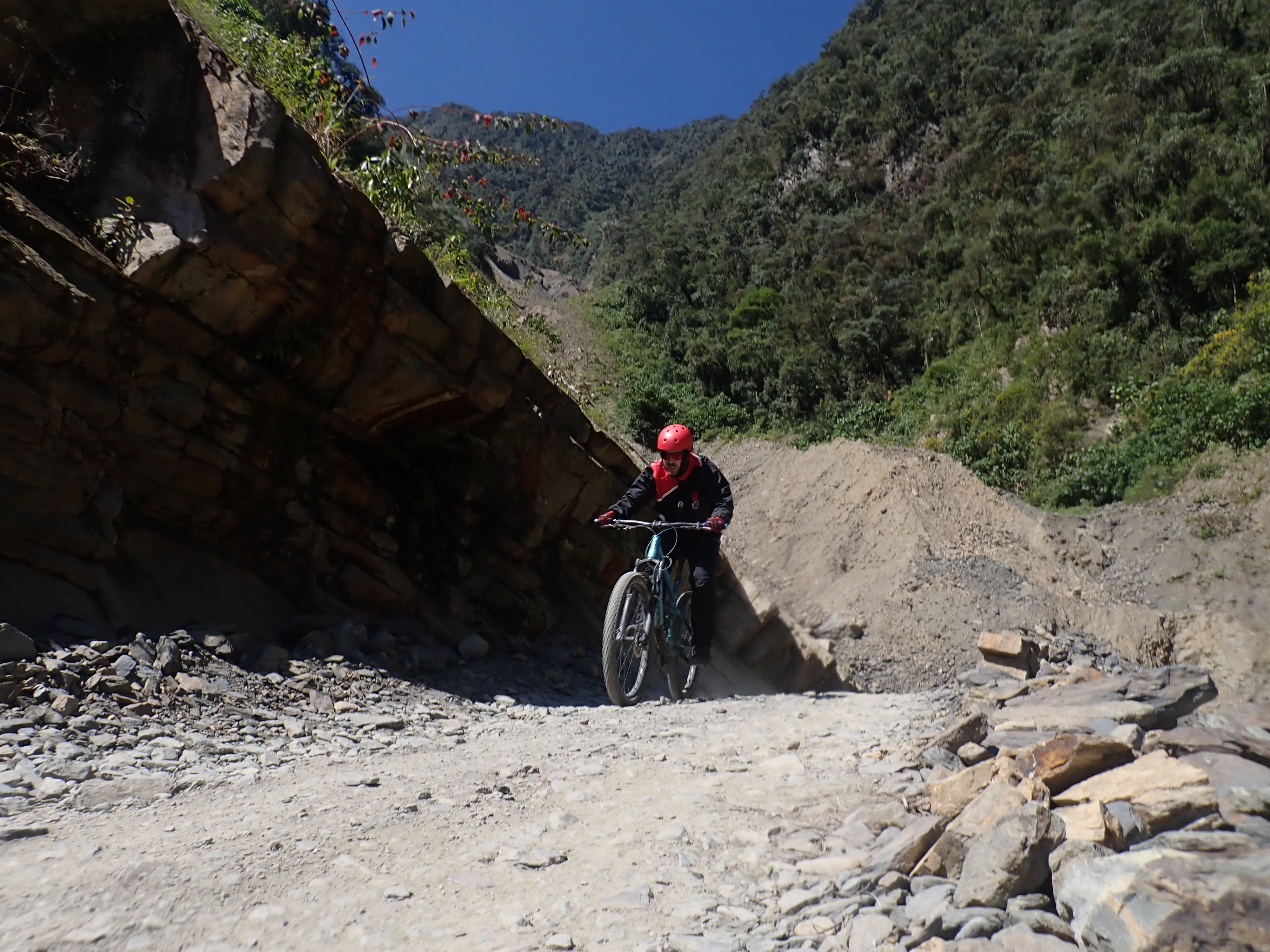
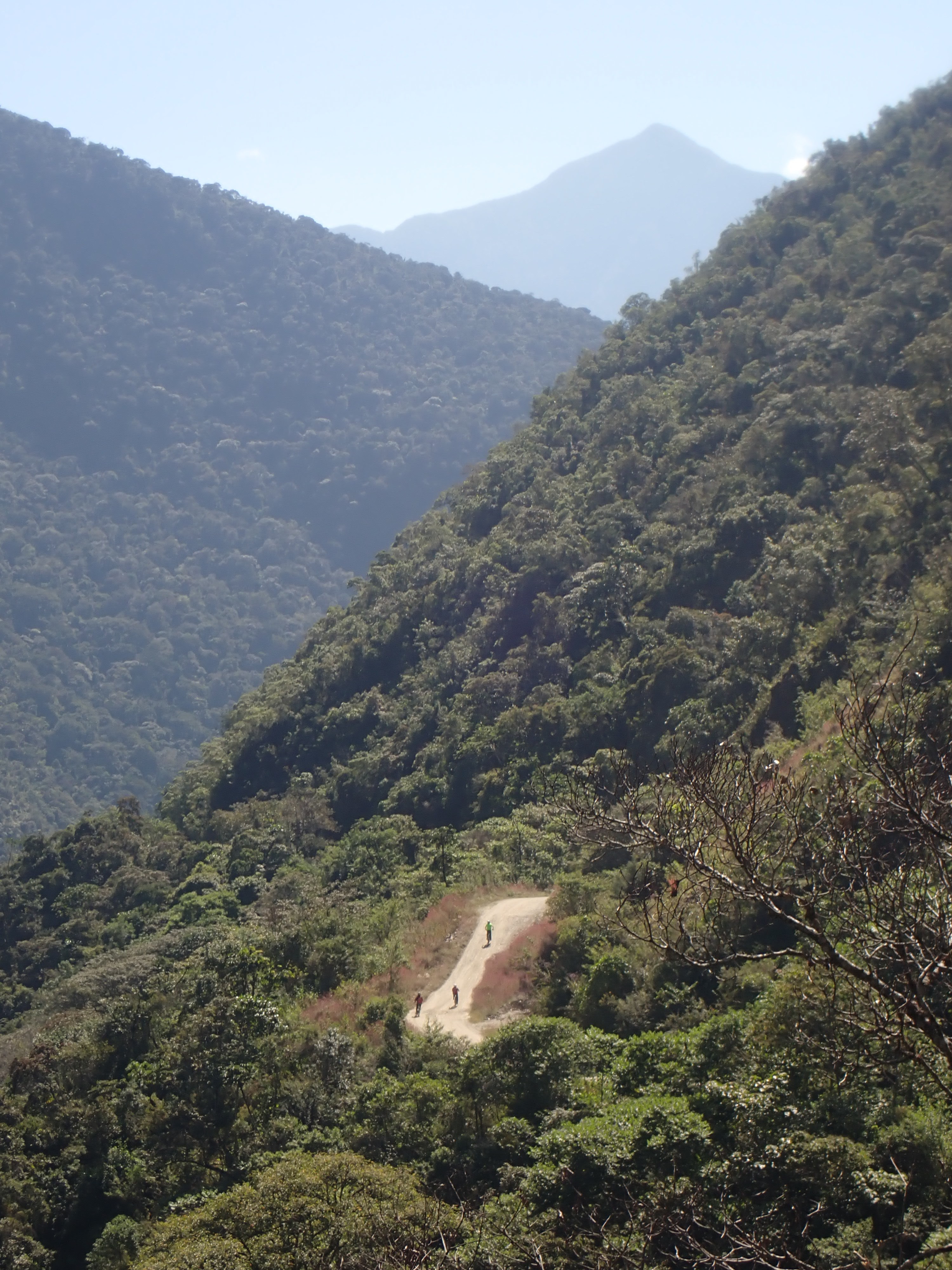
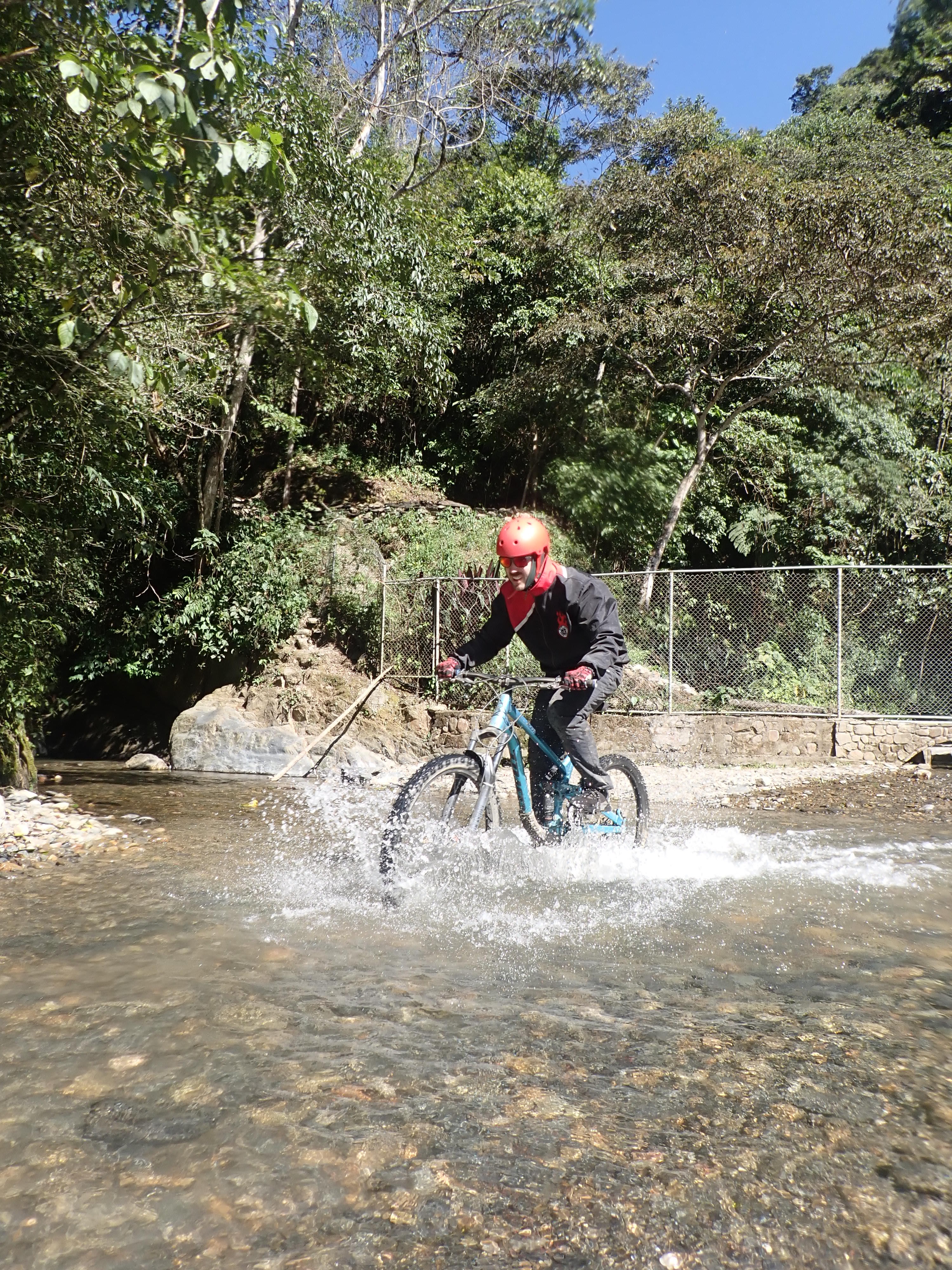

It was with possibly more relief for me than hitting Machu Picchu after traversing the Inca Trail, that we pulled up at the bottom of the road. Despite my meagre performance, I was at least pleased with myself for sticking it out. Overheating and sore in all sorts of unmentionable places, but especially my wrists, there was at least one point in the ride I had questioned whether I would manage to stick to the bike. The minibus escorted us down the whole way, and there was always the option of asking to hop on it. I think a younger version of myself might well have thrown in the towel, so I was glad I had managed to literally ride it out, even if it had been endurance rather than enjoyment.
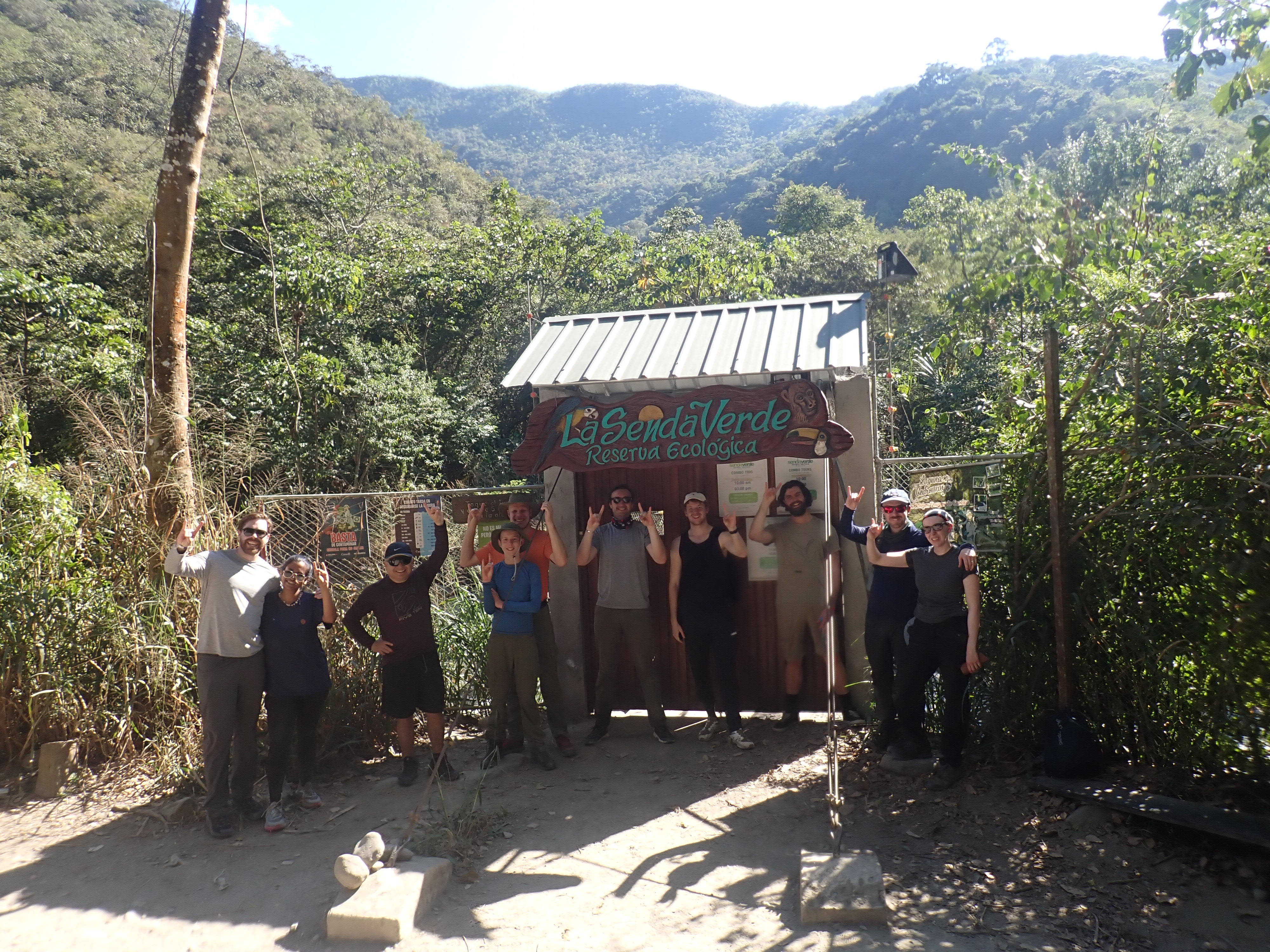
My reward was now getting to enjoy Gravity’s chosen relaxation spot. This is where one of their points of difference lies. While other operators drop you off at a pool, Gravity instead take you to an animal sanctuary. The owner’s simple rescue of a single monkey from life as a pet spiralled, as others learnt of the act and began bringing them injured wildlife, or those that had been rescued from captivity in unsuitable conditions. As is usually the case, it was bittersweet to view the animals. They have a better life than that previously, but with no possibility of rehabilitation into the wild, it’s still far from an ideal scenario.


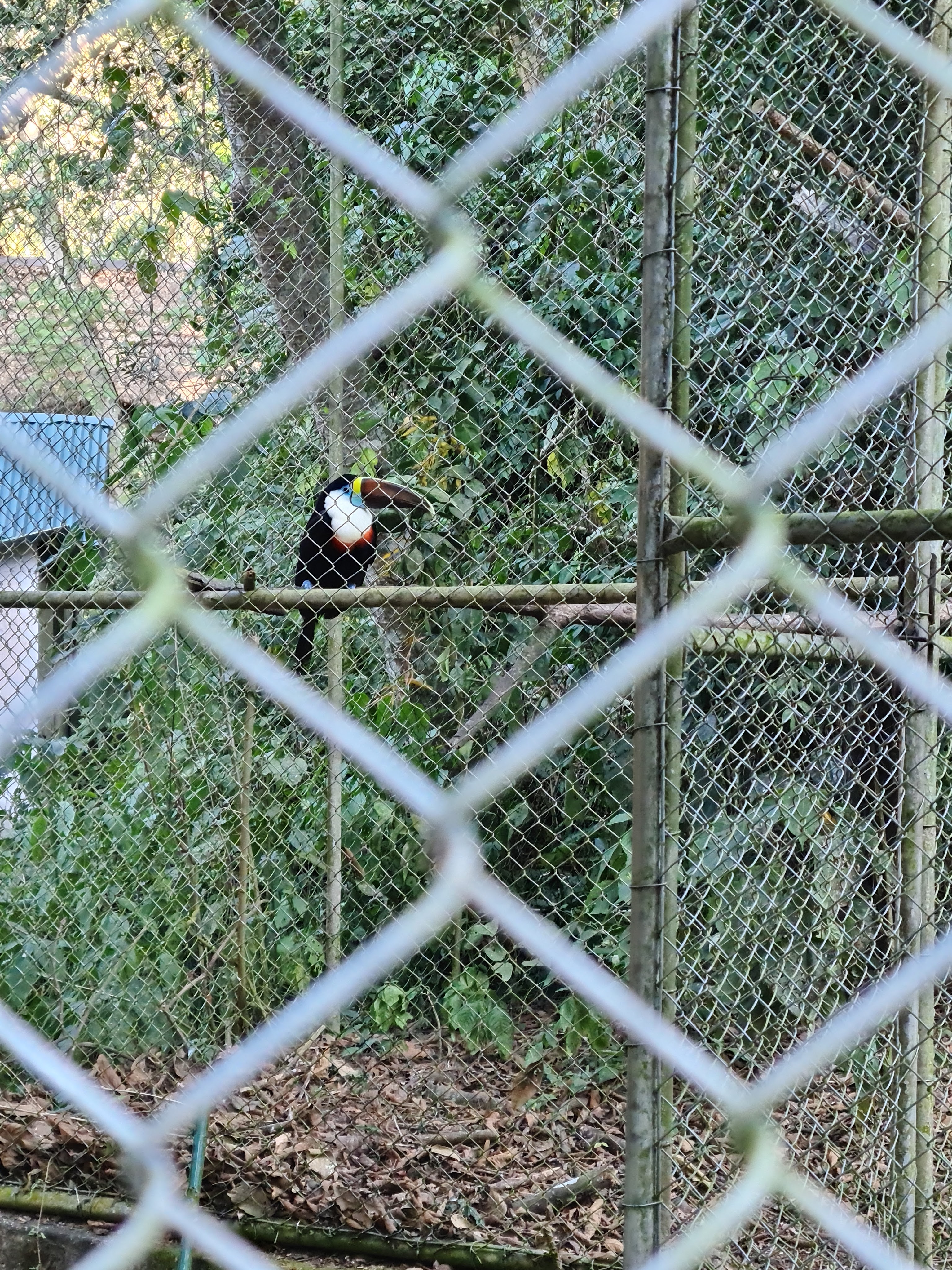
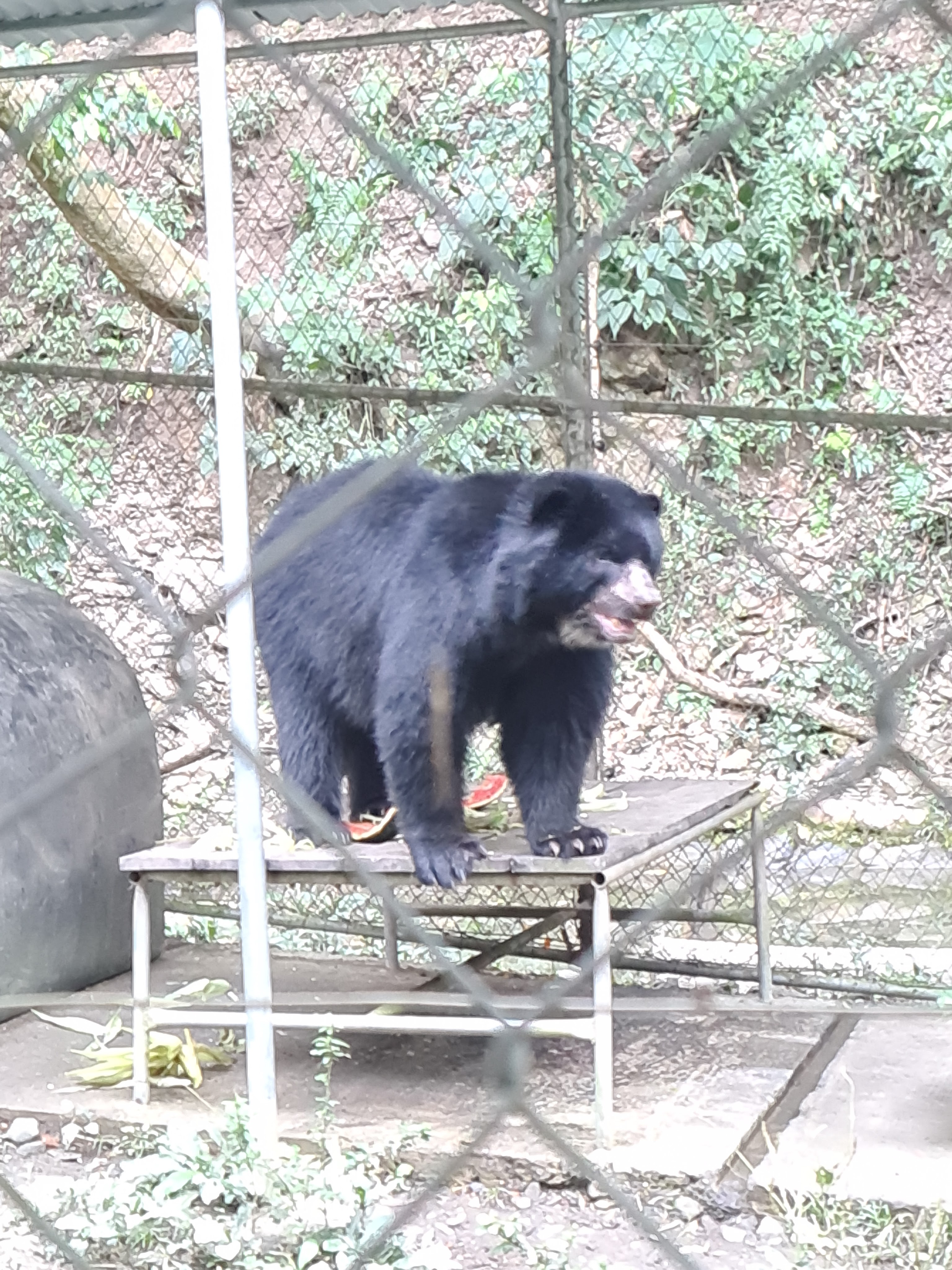
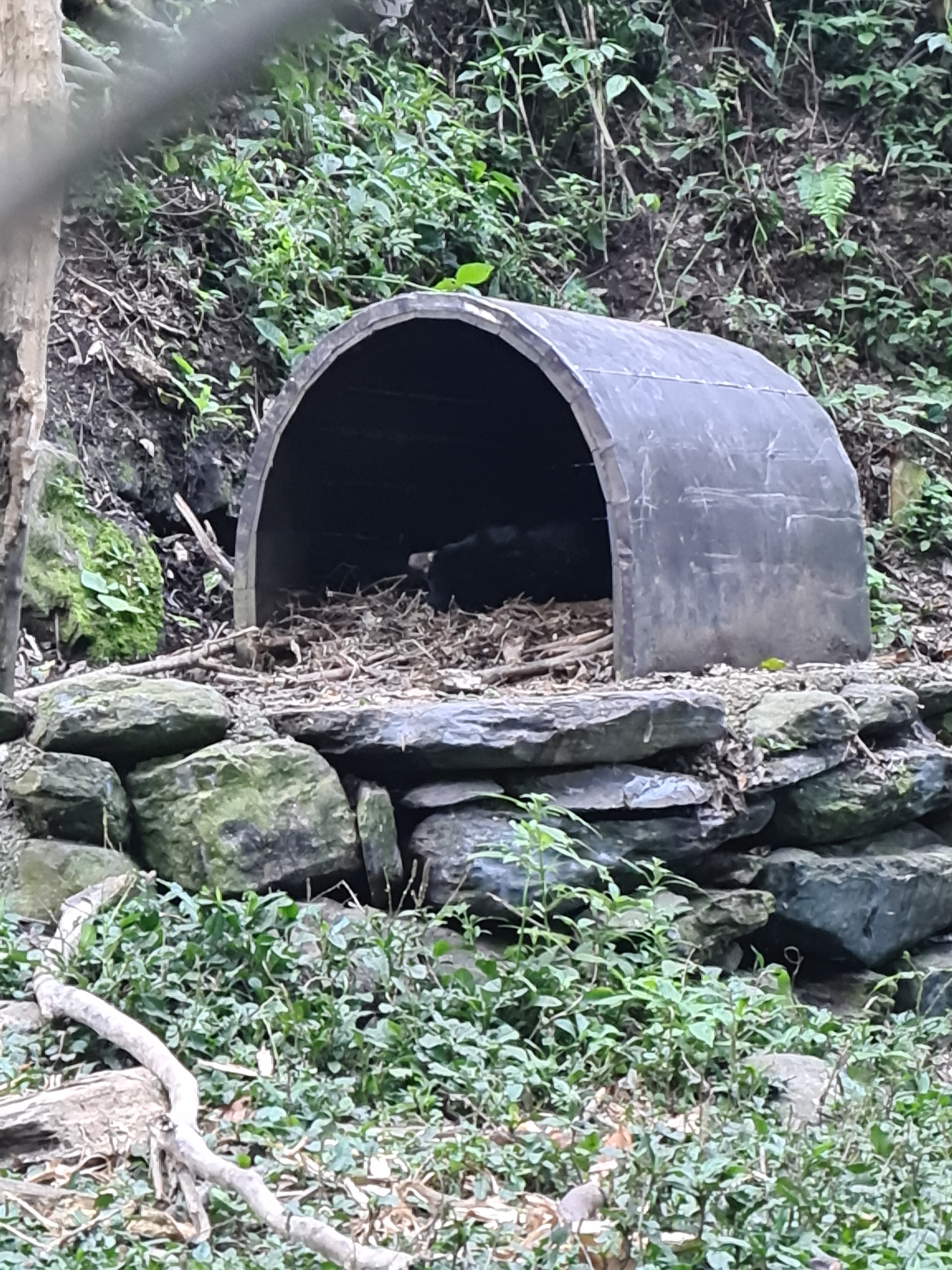
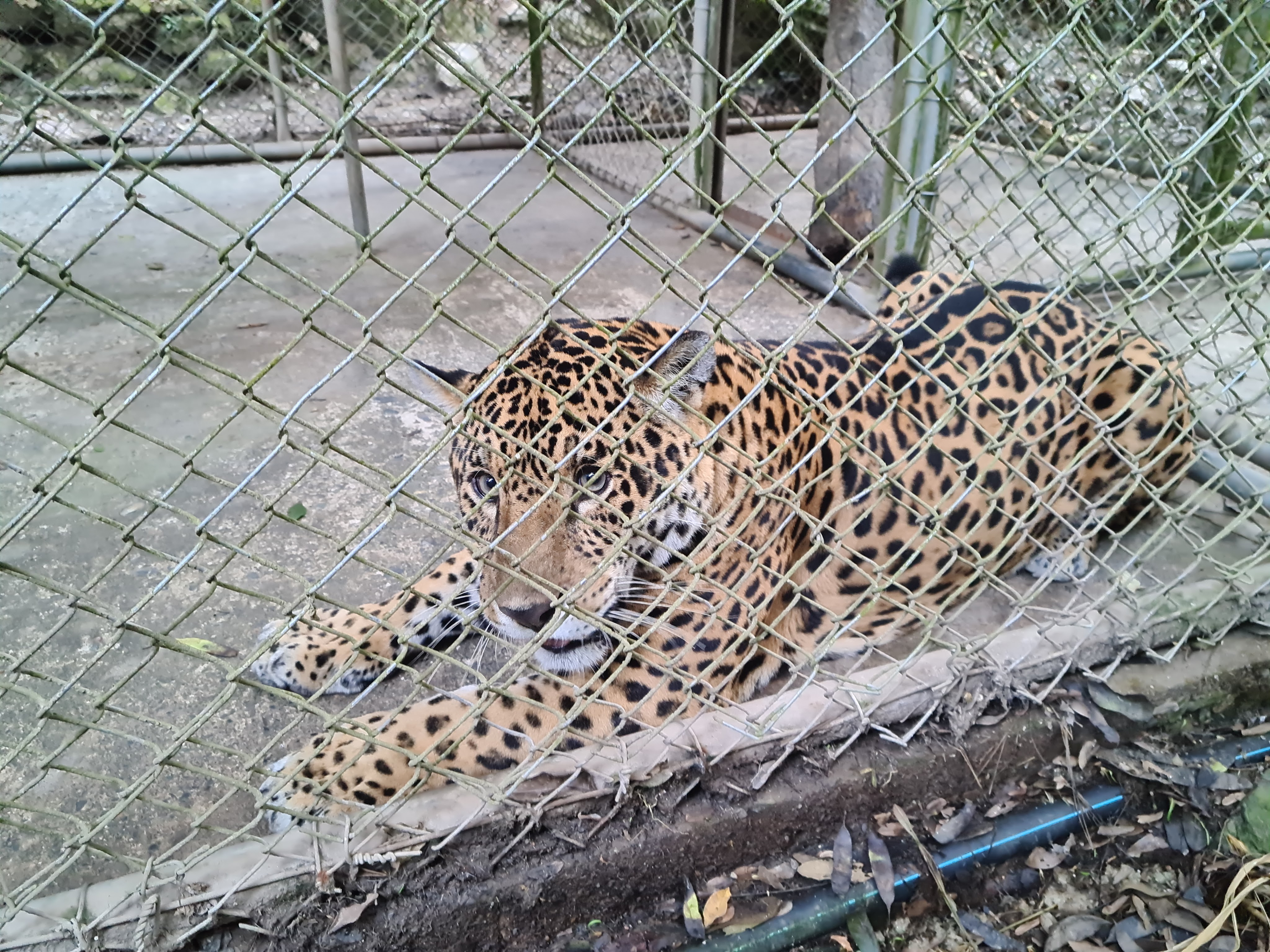
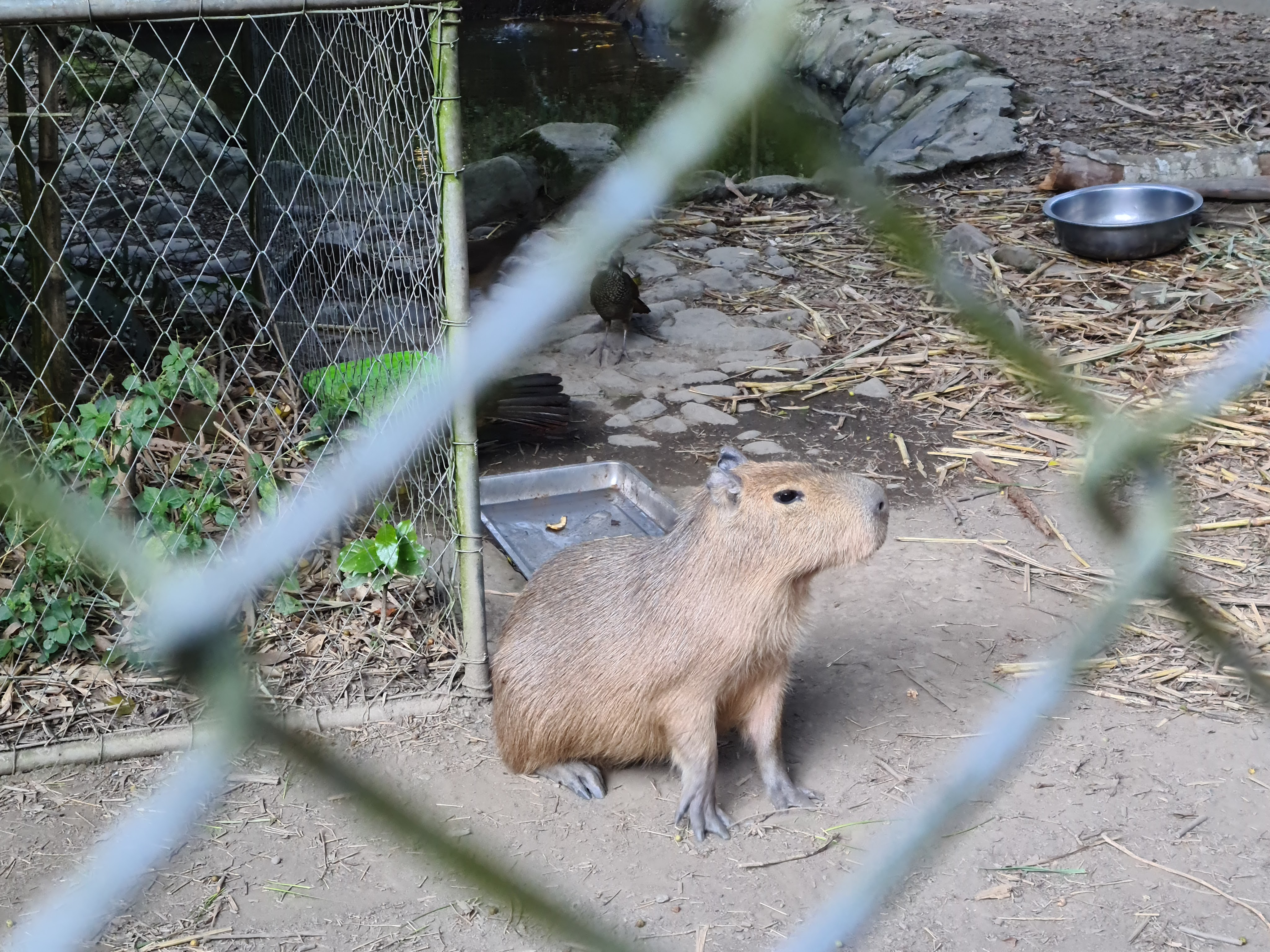
Sadly I didn’t have my camera on when one of the Andean bears proved the species’ timid nature by visibly jumping when a leaf fell on its head…
Amazingly, the keepers didn’t note my and Ricki’s bedraggled, windswept states, or perhaps they thought we were beyond saving, and we were released back to the bus. After dropping another participant, Felix, off in a nearby village, we headed back on what felt like an interminably long trip back to La Paz. At least the cycling guides had put together a fun playlist based on our different nationalities. It’s the first time I’ve heard the Proclaimers in a few months!
It was only as we were hitting the city boundary that the passenger behind me found a bag on the floor and asked if it was mine. Nope, not mine nor anyone else left on the bus. After we all joked that it better not contain anything important, we were surprised to discover none other than Felix’s passport and other critical items, now about 3 hours away from him. “He wasn’t going on anywhere international was he…?”. Not now he wasn’t. Always check your belongings folks!
Selfishly, rather Felix than us, for we were leaving Bolivia that very night, or should I say very early next morning.
We knew we had set ourselves up for a long day with a 6am rise, 7pm return, midnight checkout and 3am flight, but with only two days in La Paz, needs must. At least we felt we had got the most out of this city stop.
As well as one of the most entertaining city tours we have done this year, the mountain biking was something different for us. It was also a good lesson to me to perhaps just stick to my gut in future, rather than giving in to fear of missing out. I’ll be sticking to vineyard cycling tours from now on!
Tash’s Treats
Cuy wasn’t the only exotic meat we tried during our time in Peru. There were some juicy alpaca burgers and a llama steak which despite being served in a casual eatery, I don’t think would have been out of place in a fine steakhouse.

For something sweet, I tried some local ice cream flavours. One scoop of Andean mint and another of lucuma – a popular fruit in Peru which is so fibrous it is mainly consumed blended as a juice or ice cream. It tastes like a butterscotchy sweet potato.
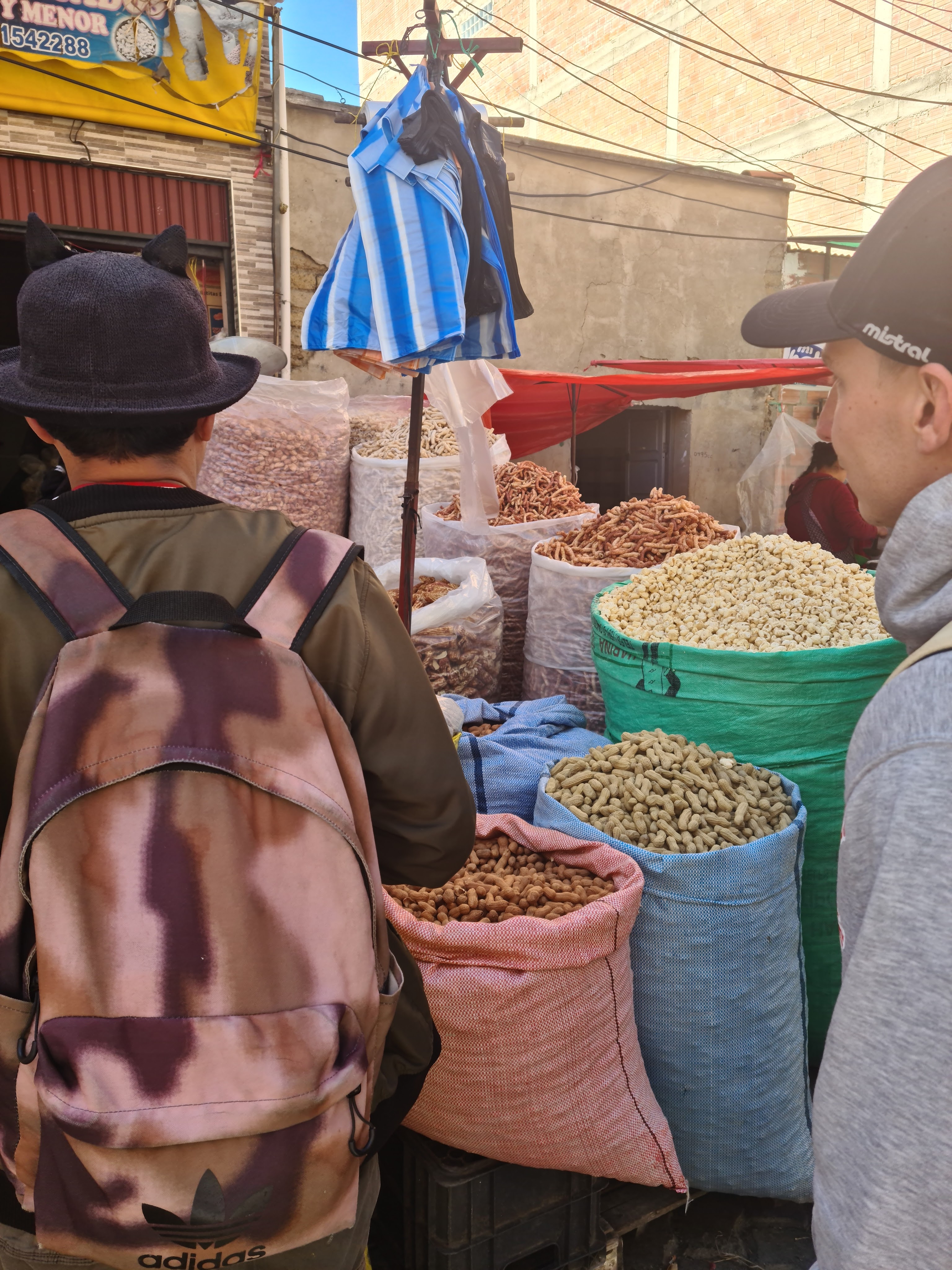
Our tour through the market in La Paz saw us provided with snacks in the form of sugary dry pasta that is fried to have a texture like cereal, an unusual Bolivian favourite.
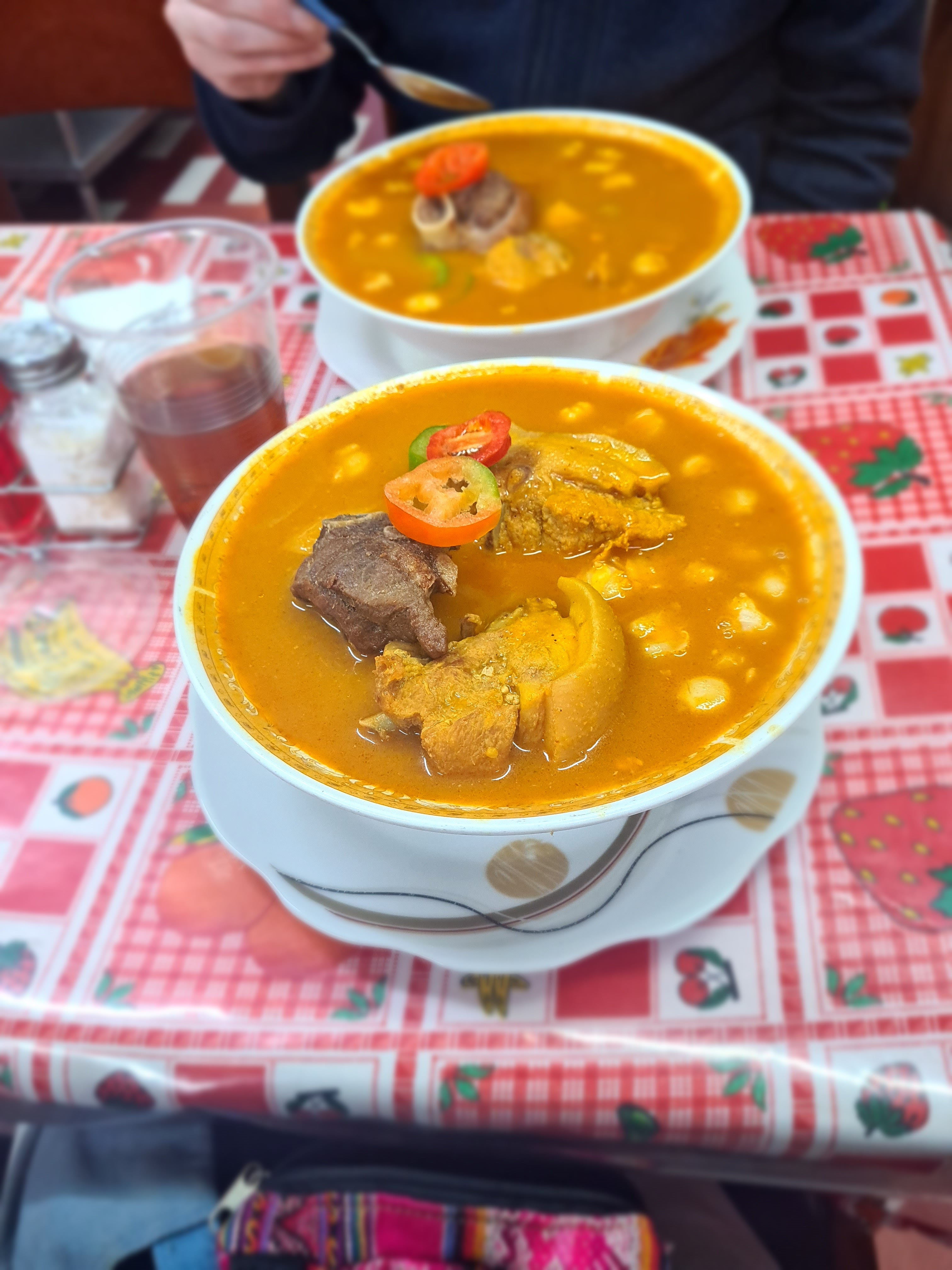
And for another Bolivian lunch, we tucked into fricase, a massive bowl of spiced corn, potato and pork stew. I also ordered mocochinchi, a peach drink boiled with sugar and cinnamon.
 A Place Both Wonderful and Strange - Tash & Ricki's Career Break Travels
Leave a comment