

Exactly a week after I swore to Ricki that I would “never again” summit a volcano…we found ourselves doing exactly that.
We were now in El Salvador, a country I had barely been aware of, the smallest in Central America, and now an emerging backpacker and holiday destination. Once devastated by civil war, and later gang violence, recent crackdowns on criminals have opened El Salvador up to the world.

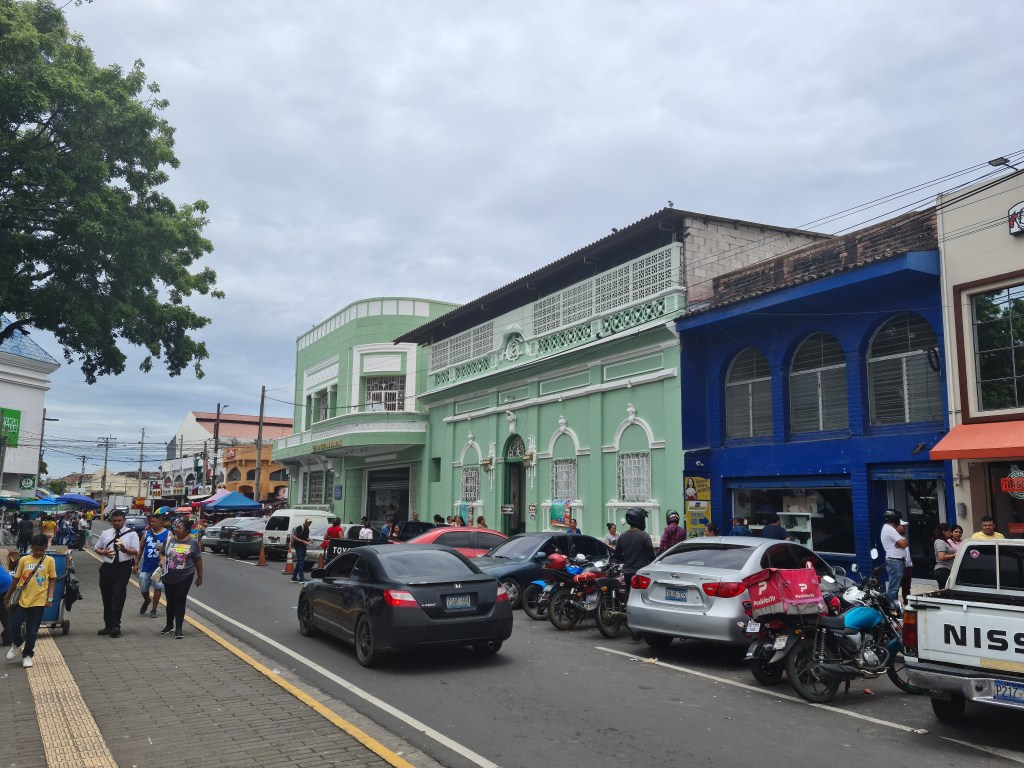

Starting off in Santa Ana, we had set off that morning to the bus station, keen to catch the single bus of the morning that stops at Volcán de Santa Ana. Expecting to find some locals heading to neighbouring towns, maybe a commuter or two, we were surprised to find the waiting room, which looked like it hadn’t been touched since the 1970s, half filled with tourists. Safety in numbers, at least I felt more assured this local bus trip would be easier for us than previous ones. As it was, the armed guard positioned at the entrance also alerted us when our bus was ready to depart.
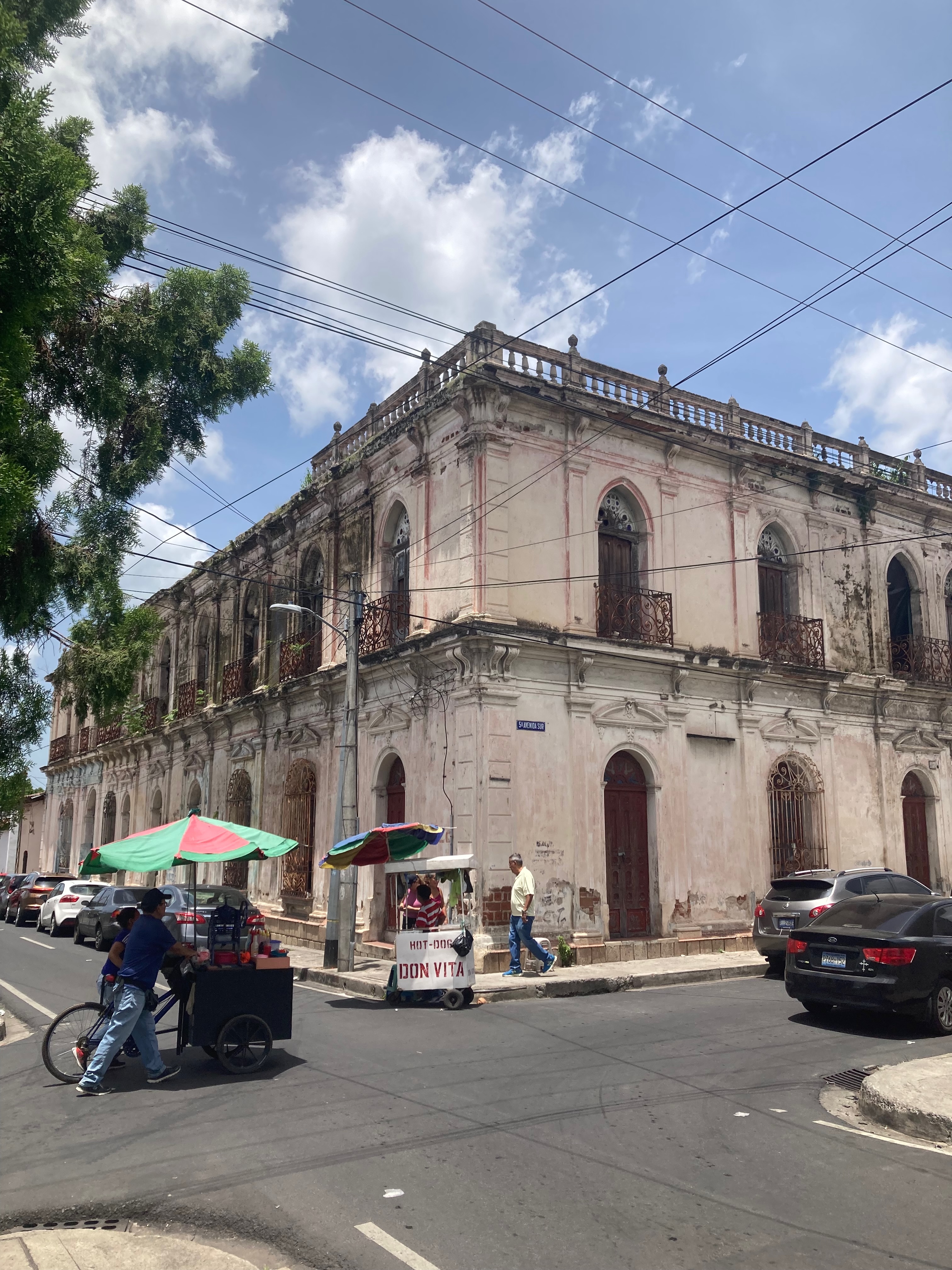
As I said, El Salvador is just building up its tourist infrastructure and economy, so it doesn’t have the same sanitised image that other Central and South American countries might have, or the developed neighbourhood centres. Which may seem surprising for a country embracing modernity so much so that one of the official currencies is Bitcoin. But change doesn’t happen overnight, and it was exciting to get to experience a country which can still be considered to be in the “honeymoon period” of its tourism industry.
Just across the land border from Guatemala, El Salvador shares the same volcanic terrain. Having had a week to recover from Acatenango, I was happy to check out Volcán de Santa Ana. Although it’s El Salvador’s highest peak, at 2,381m high, it isn’t even two thirds of the height of Acateango, and the elevation gain from the start point only one third. The bus would do most of the work for us.
Arriving at the trail entrance, we were met by some official guides who would escort us up. Despite not being an organised tour, the combination of local transport and site staff run together like a well oiled machine.
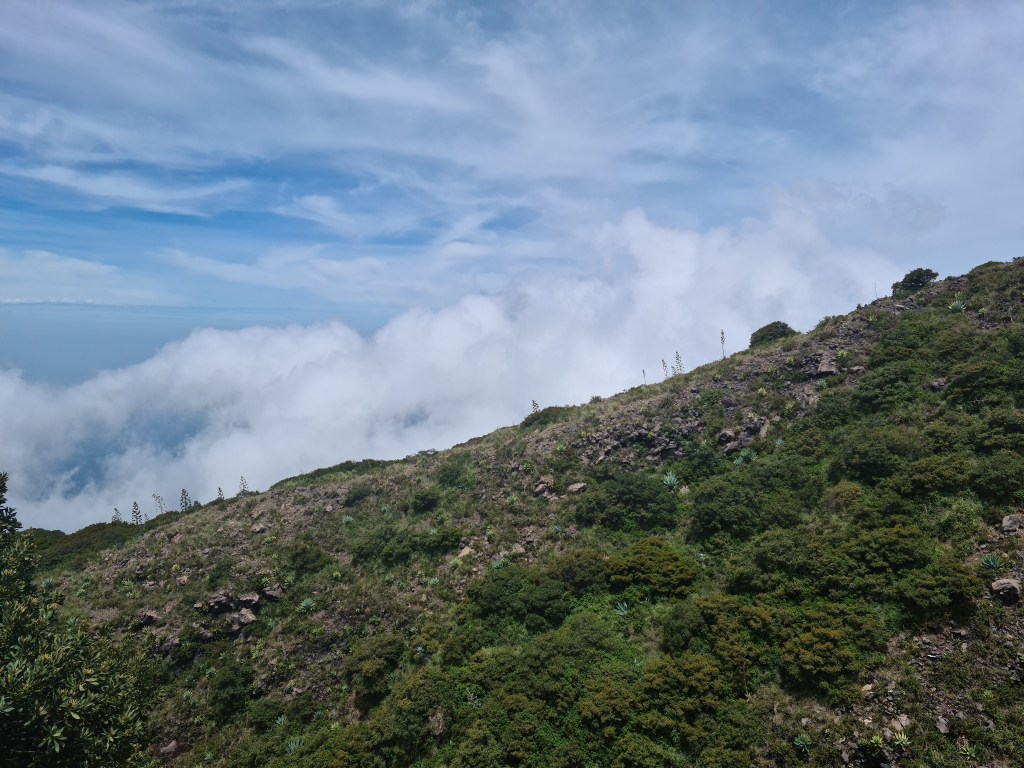
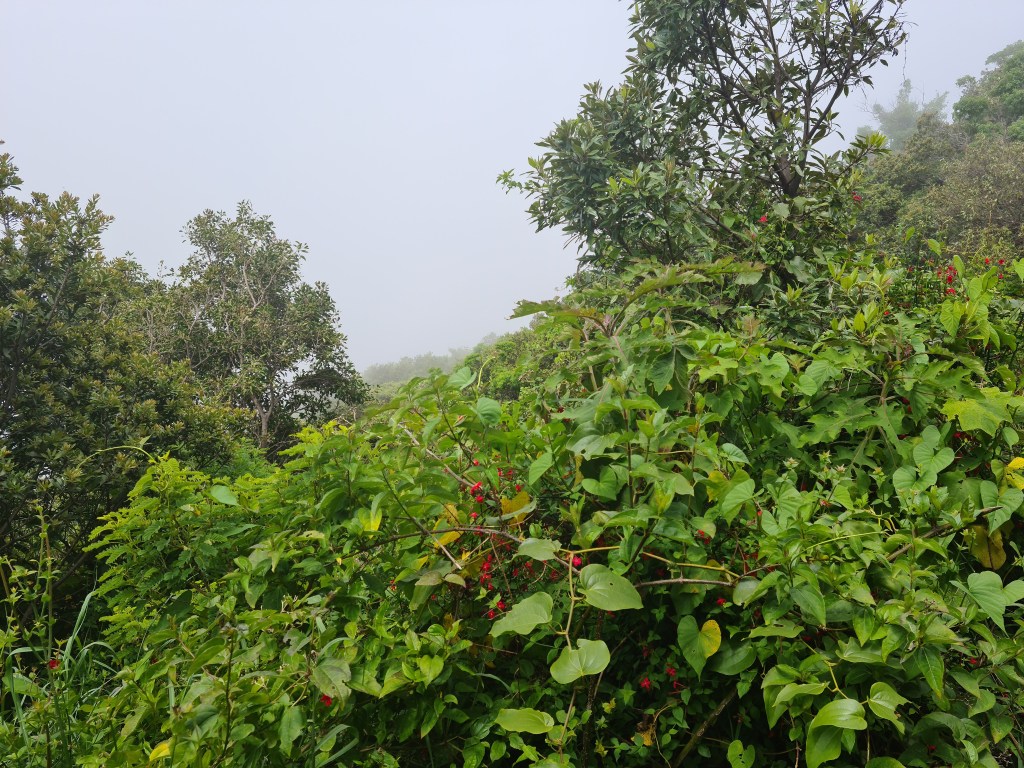

Similar to Acatenango, much of the hike was through forest, but as the landscape opened up, rather than volcanic sands, the ground became more rocky. This was where the gradient became a little steeper too. Most exertion was just in that final push to the summit. This meant we had been able to stick to the front of group, which I had been actively trying to do. The guides had explained at the trailhead that due to the sulphur in the atmosphere at the summit, we could only stay there for 30 minutes, and that time would start when the first of the group arrived.
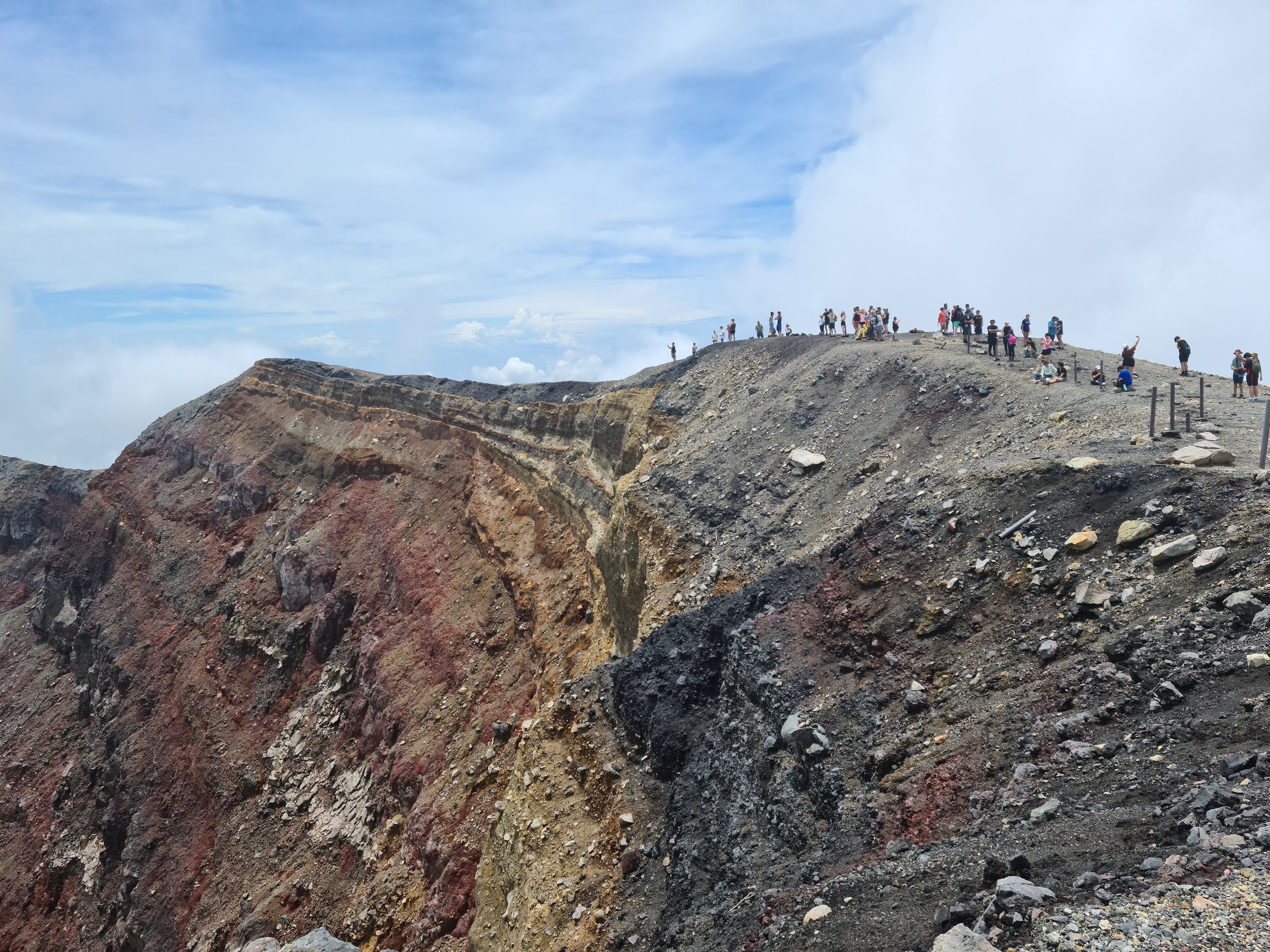
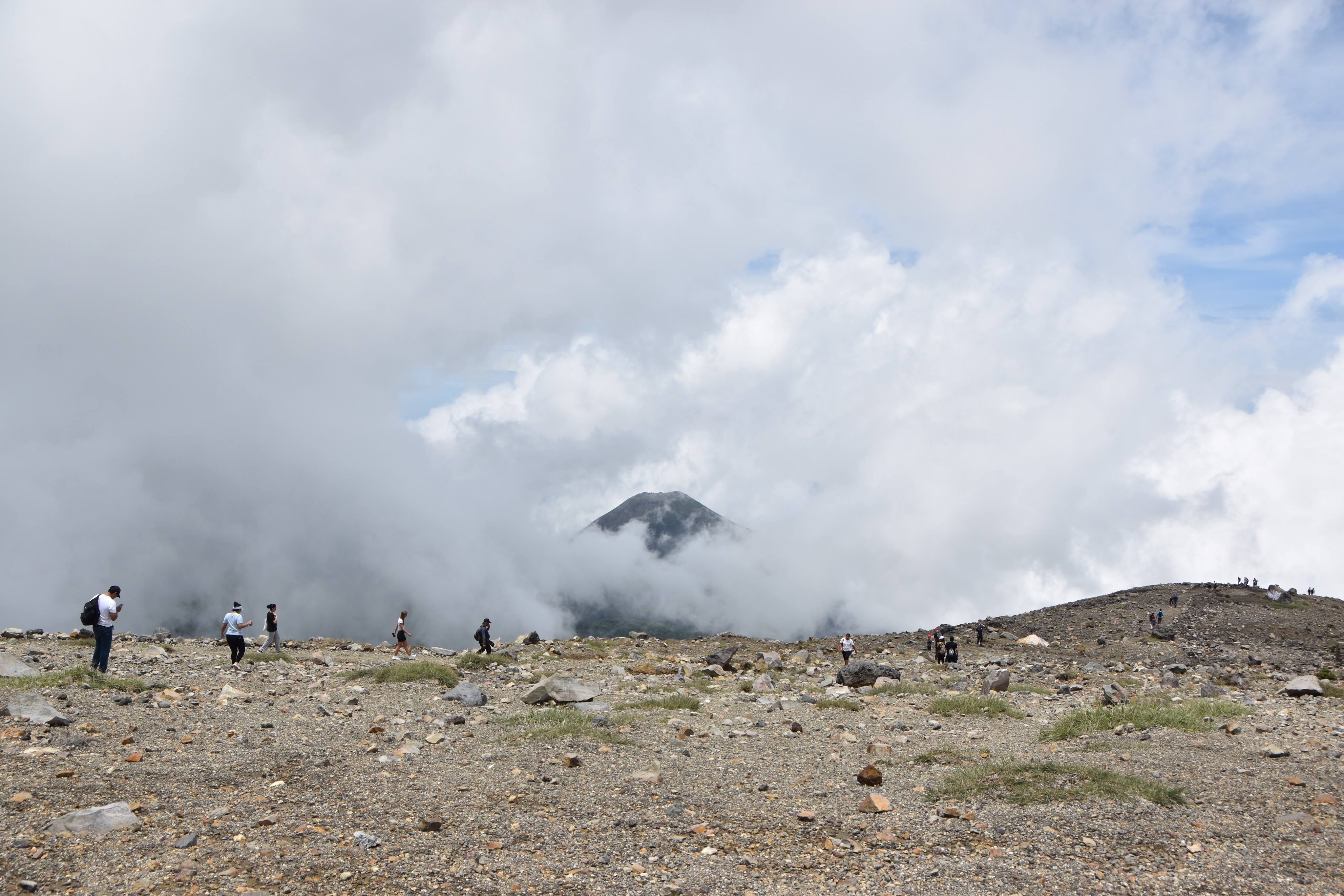
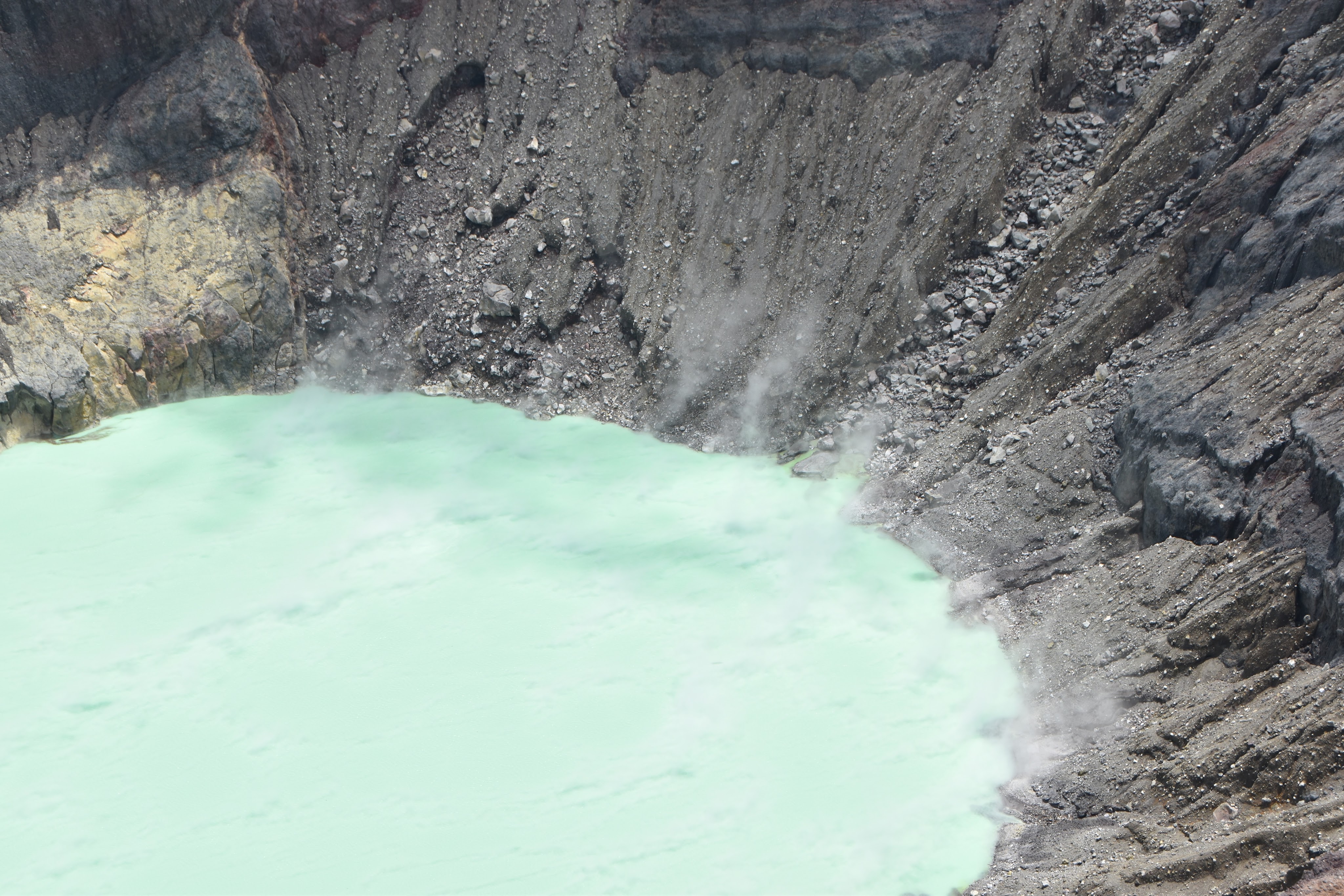
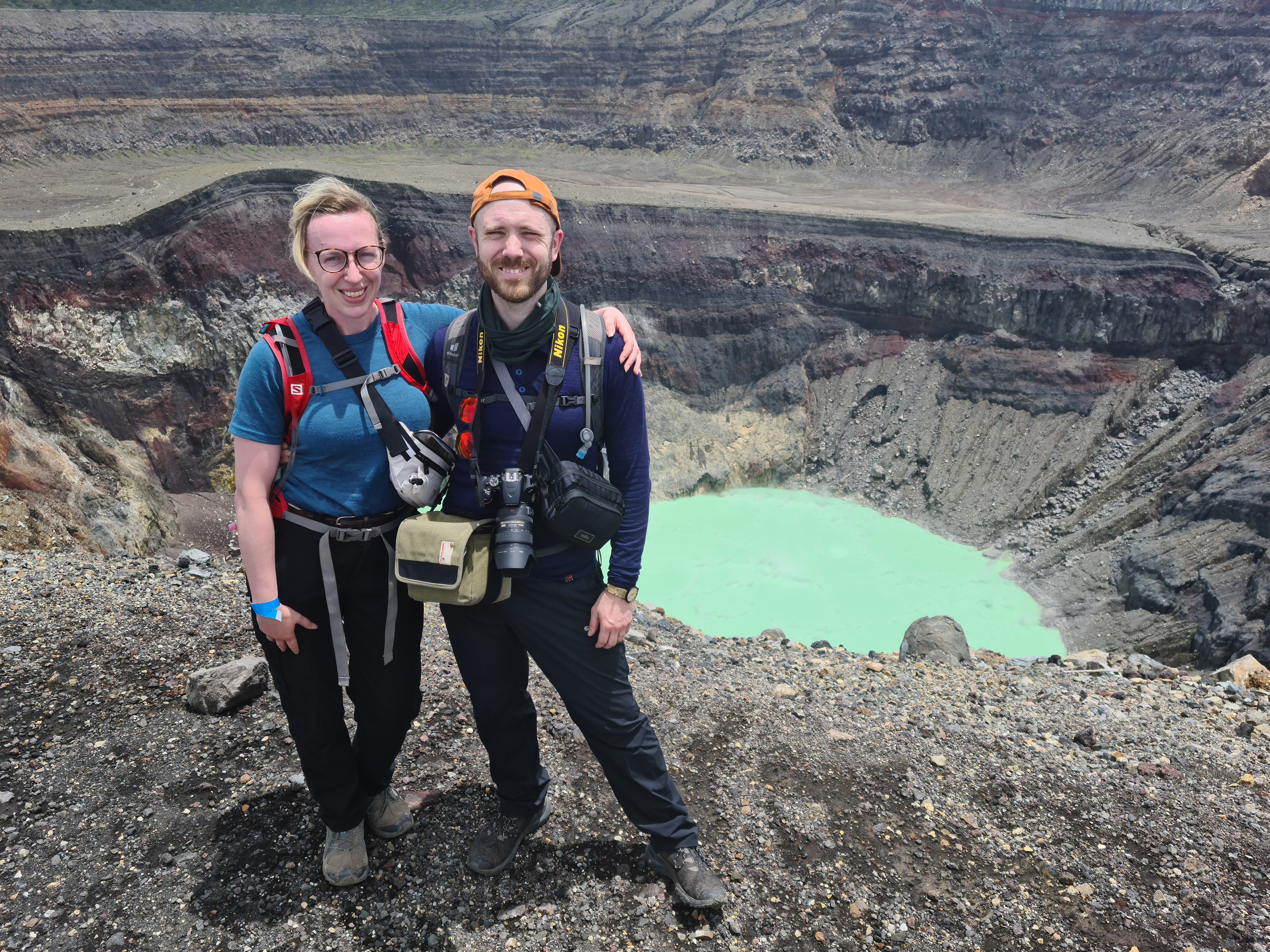
The half hour was more than enough time to admire something we didn’t get to see at Acatenango or Fuego – the crater. Here a sulphur crater lake was pretty mesmerising with its turquoise blue colouring and steam hovering across the surface. We were definitely taking care not to drop anything down the sloping sides.

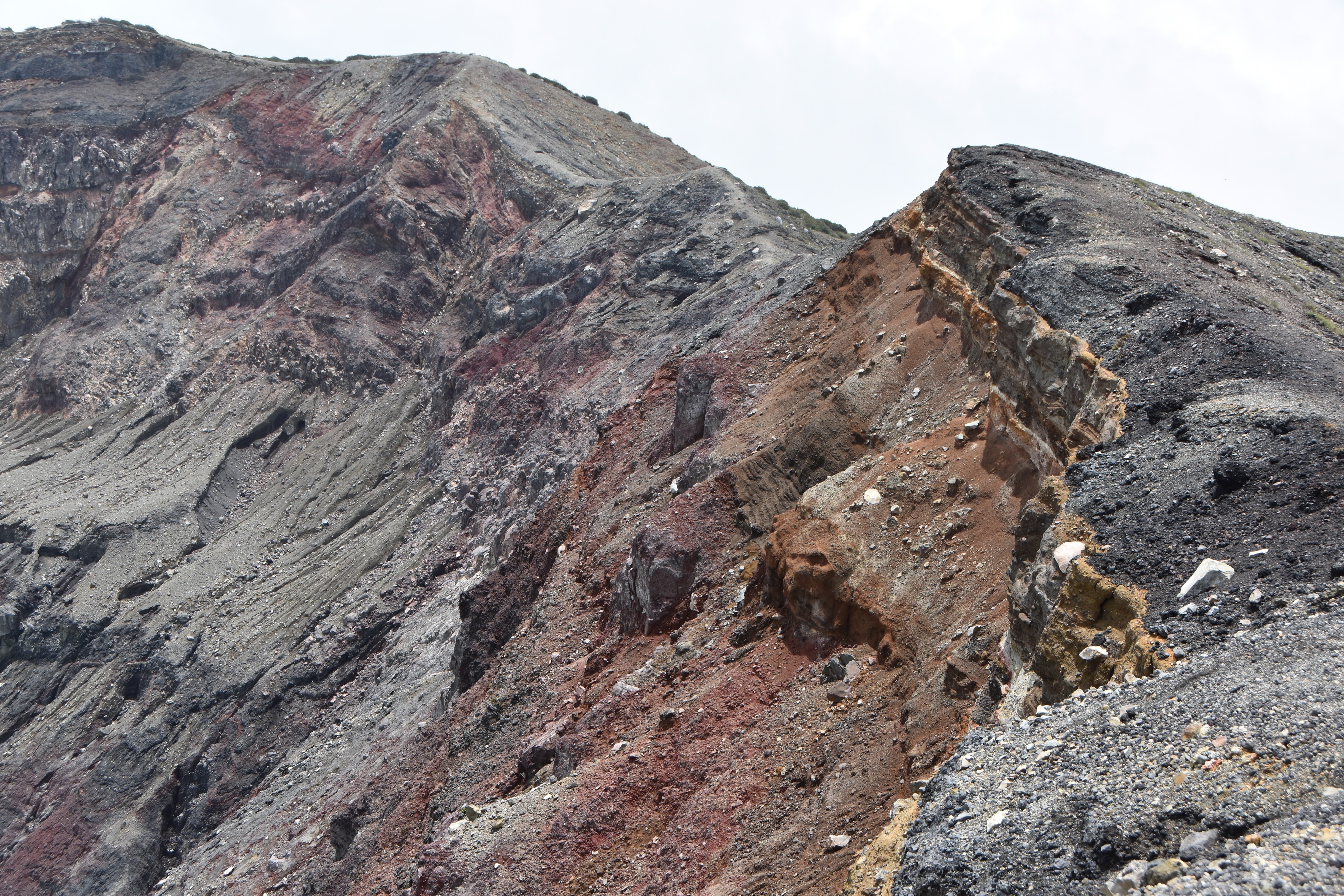
The descent was largely straightforward other than keeping the bus times in mind again. If we missed one, it would be a three hour wait until the next. Happily we made it, although l did make the mistake of closing my eyes as we wound around curves on the road. I must have dozed off as I only opened them in time to see the floor of the aisle coming up to meet me. Thankfully pride was more bruised than anything else.
Despite that, we would brave the “chicken buses” again. The first time I heard that term for the local buses, I pictured a chaotic wagon, packed out with humans, pets and livestock, flying round the countryside. They aren’t really like that at all, instead they are repurposed school buses donated by the USA and often souped up by the new owner. The liveliest it gets is if someone gets on to sell snacks or drinks, or as we saw on one occasion, to preach.


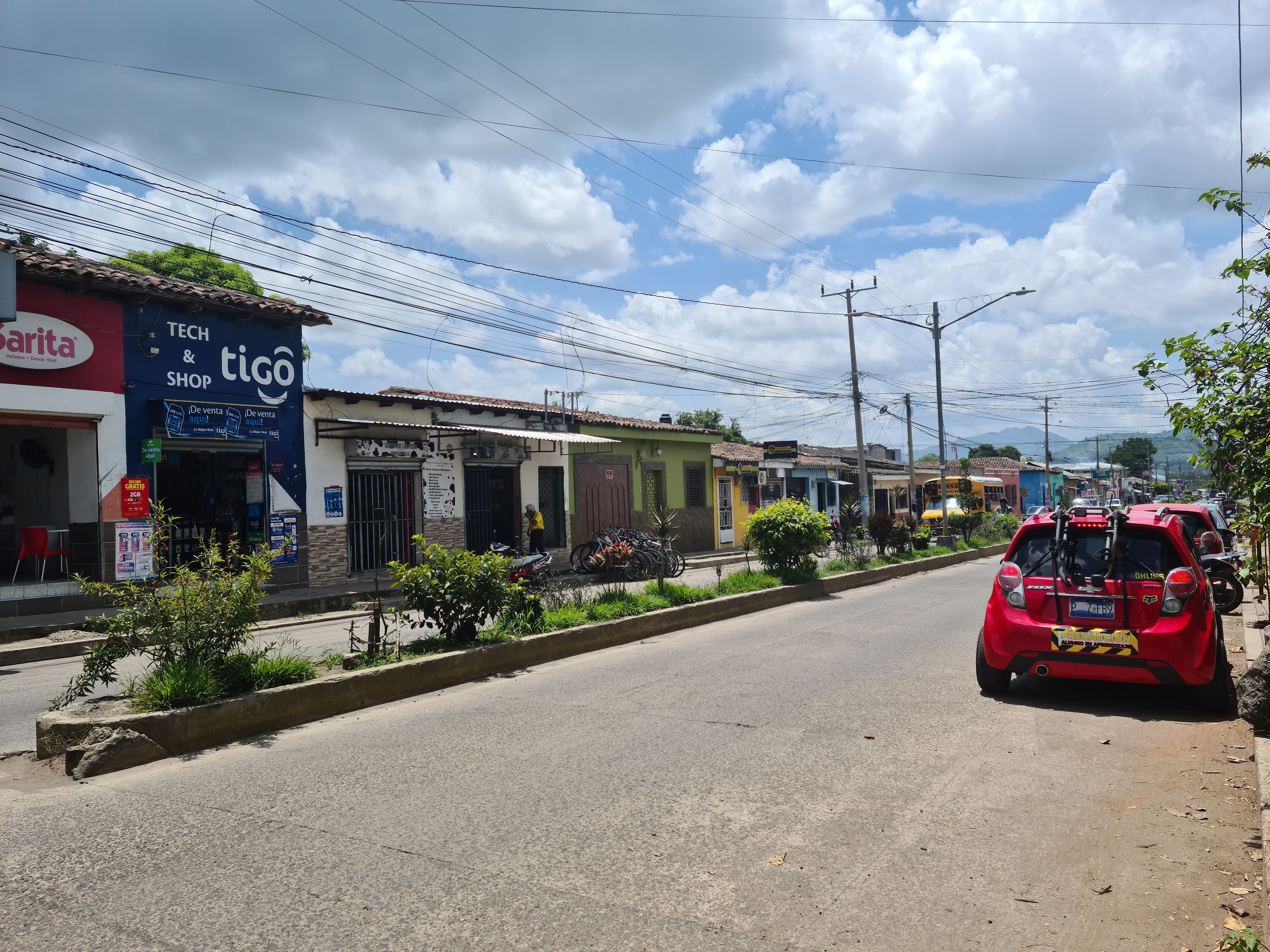
Cheap, frequent and with a variety of routes, they make the best way to visit sites outside the city. As we wouldn’t be starting from the bus station for a trip to Tazumal, we were a little more nervous about this journey. It turned out we needn’t have been. As we waited on the street corner where the stop was, an older couple somehow (!) identified us as tourists, guessed exactly where we were heading and made sure we knew which bus to flag. They were heading out on the same one, and also tapped us on the bus when it was time to get off before continuing on the bus themselves. The journey had been exactly as we’d expected, but we were very grateful for their care nonetheless. It was one of the nicest, unprompted interactions we’d had this year.
As for our destination, Tazumal is one of the most significant Mayan sites in Central America. Probably the most impressive is Copan Ruinas, which had been the reason we had wanted to visit Honduras. With that off the cards, at least we had made it to Tazumal.
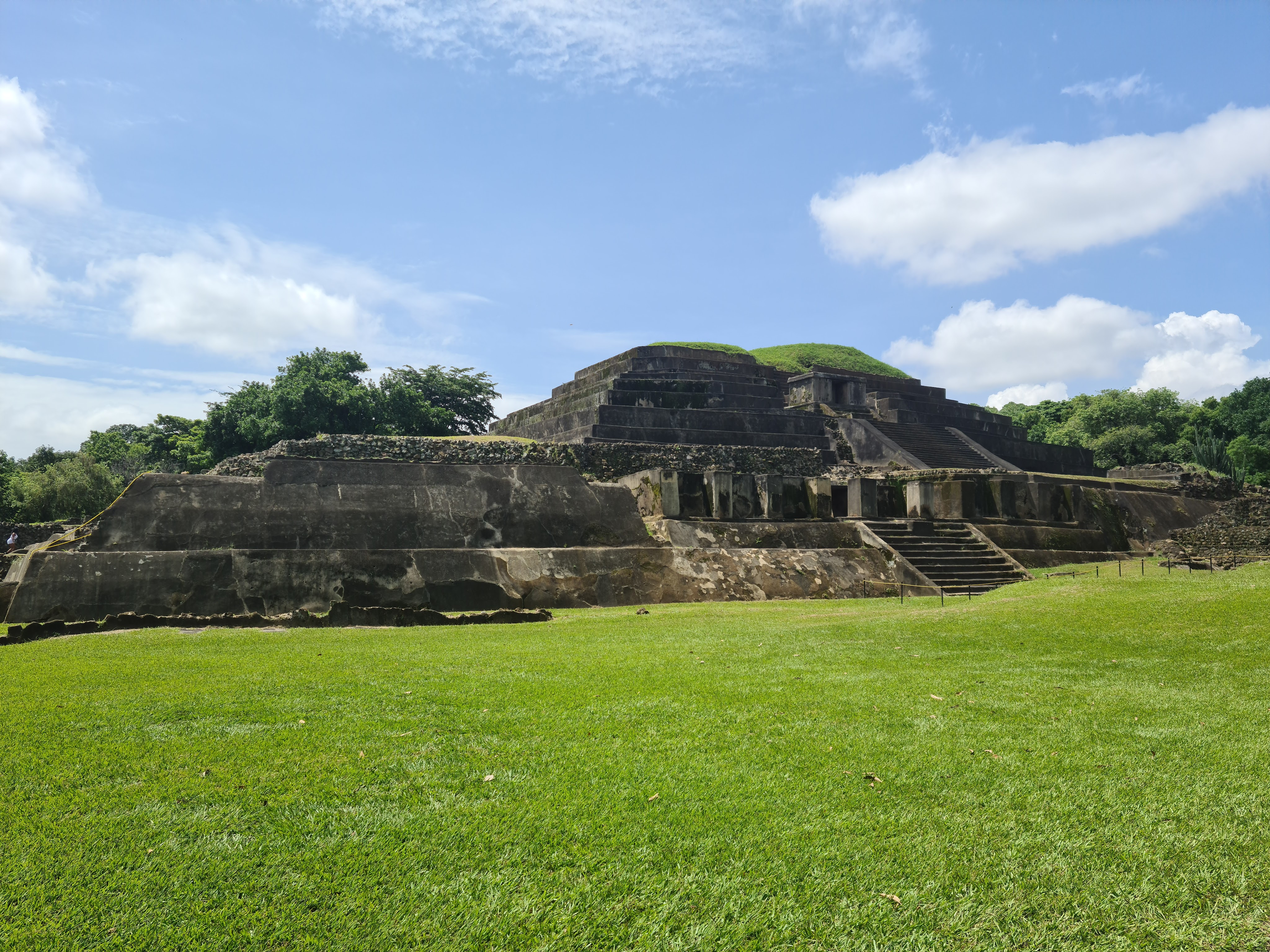
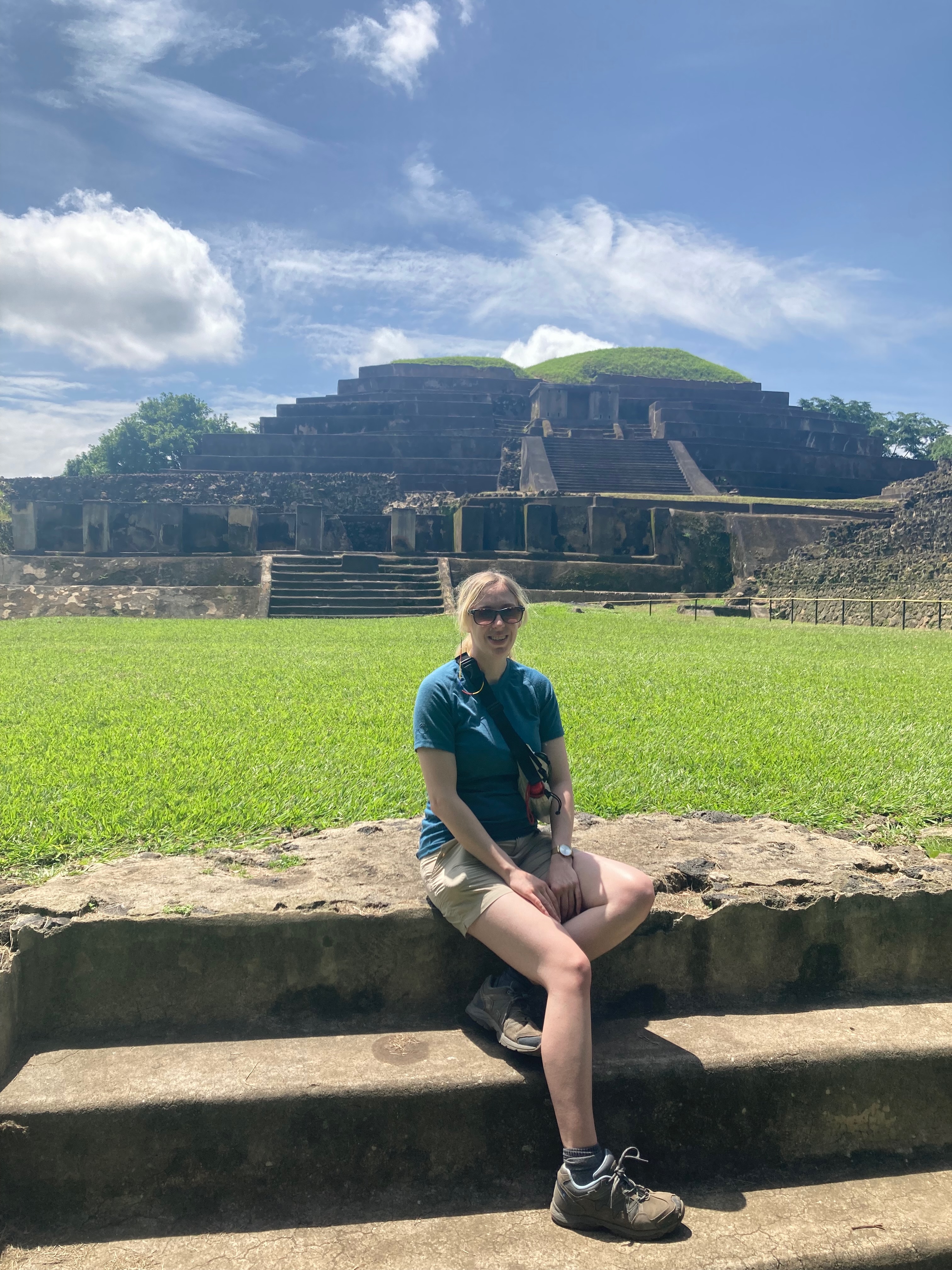
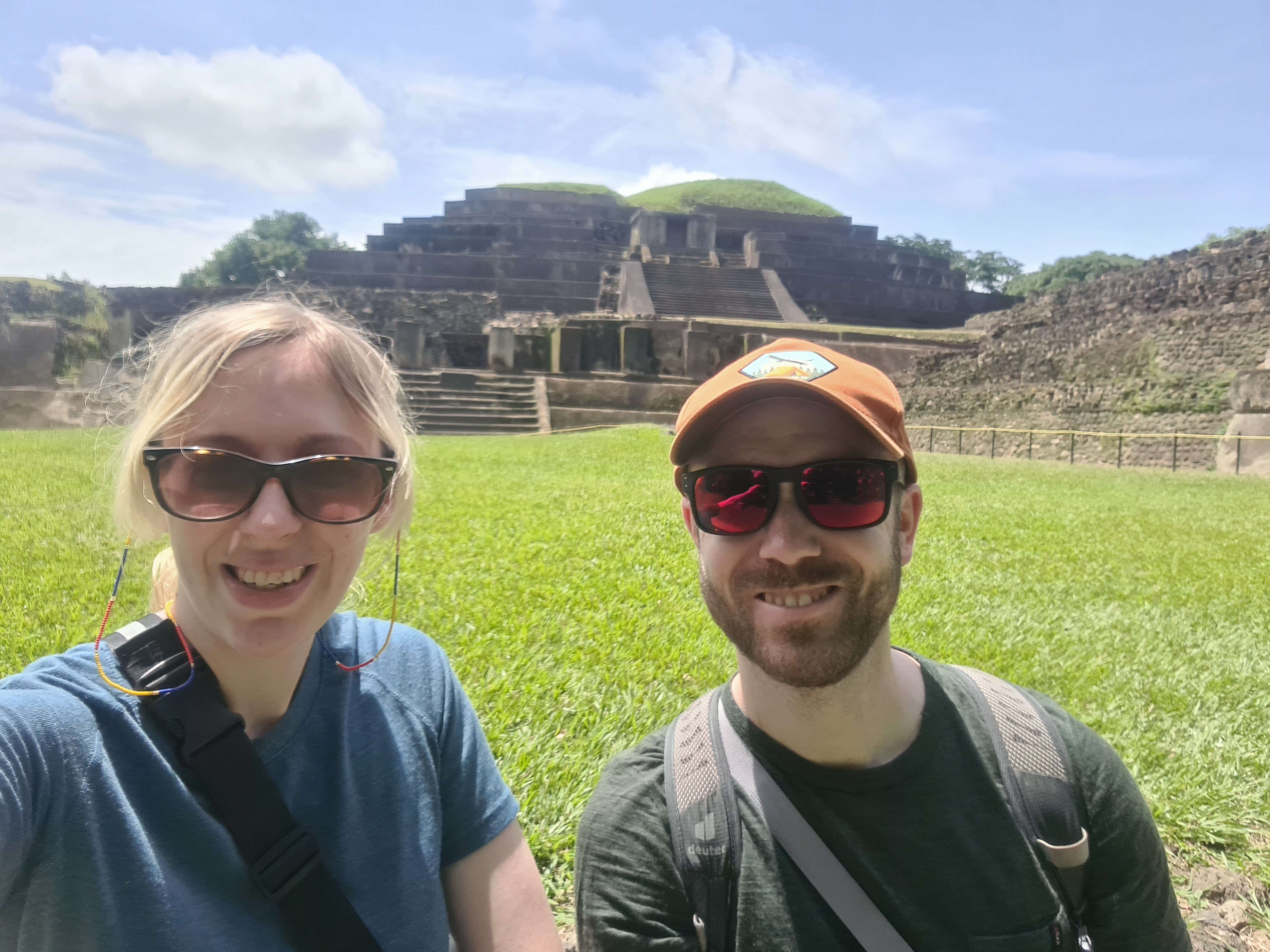
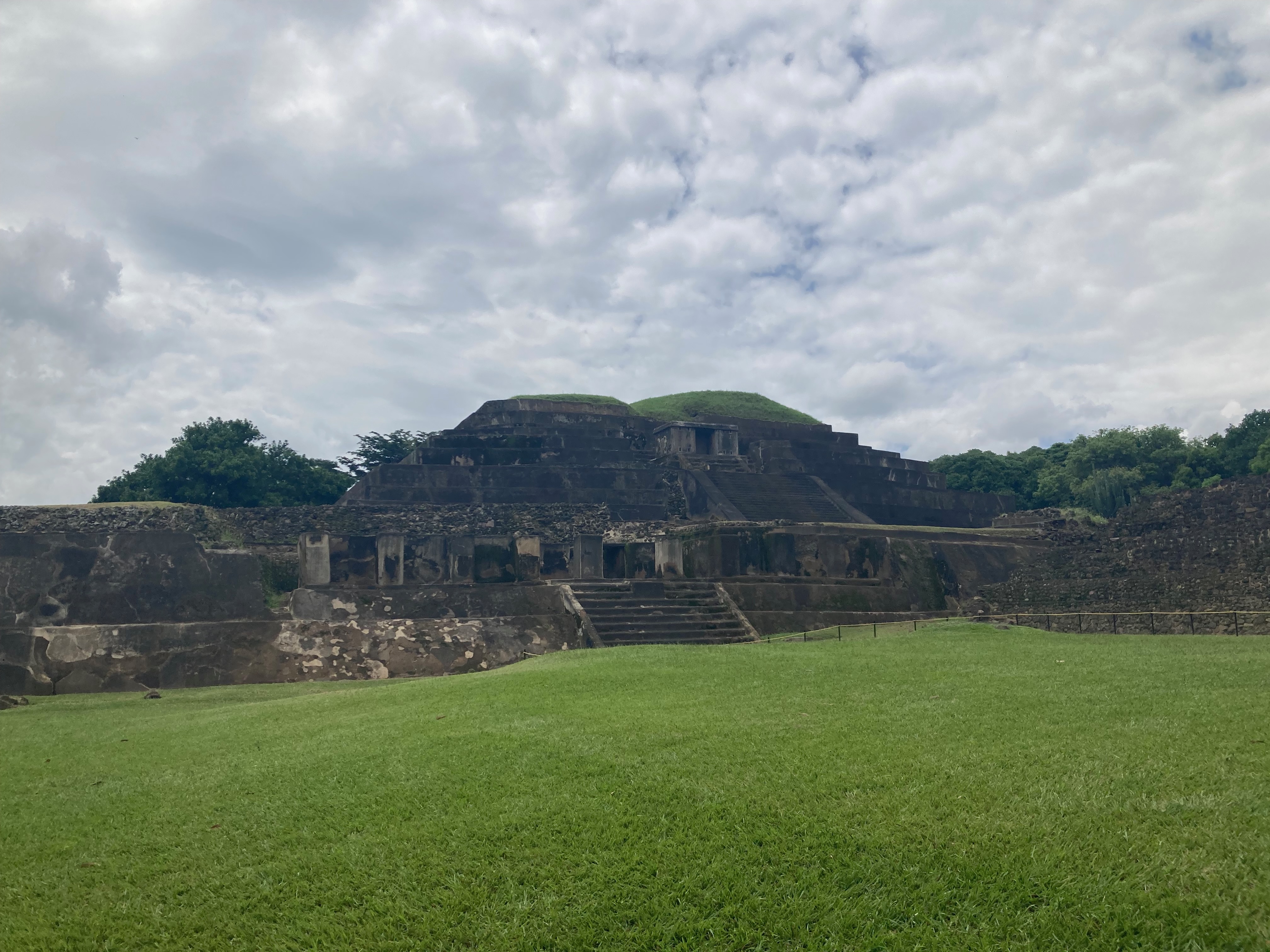
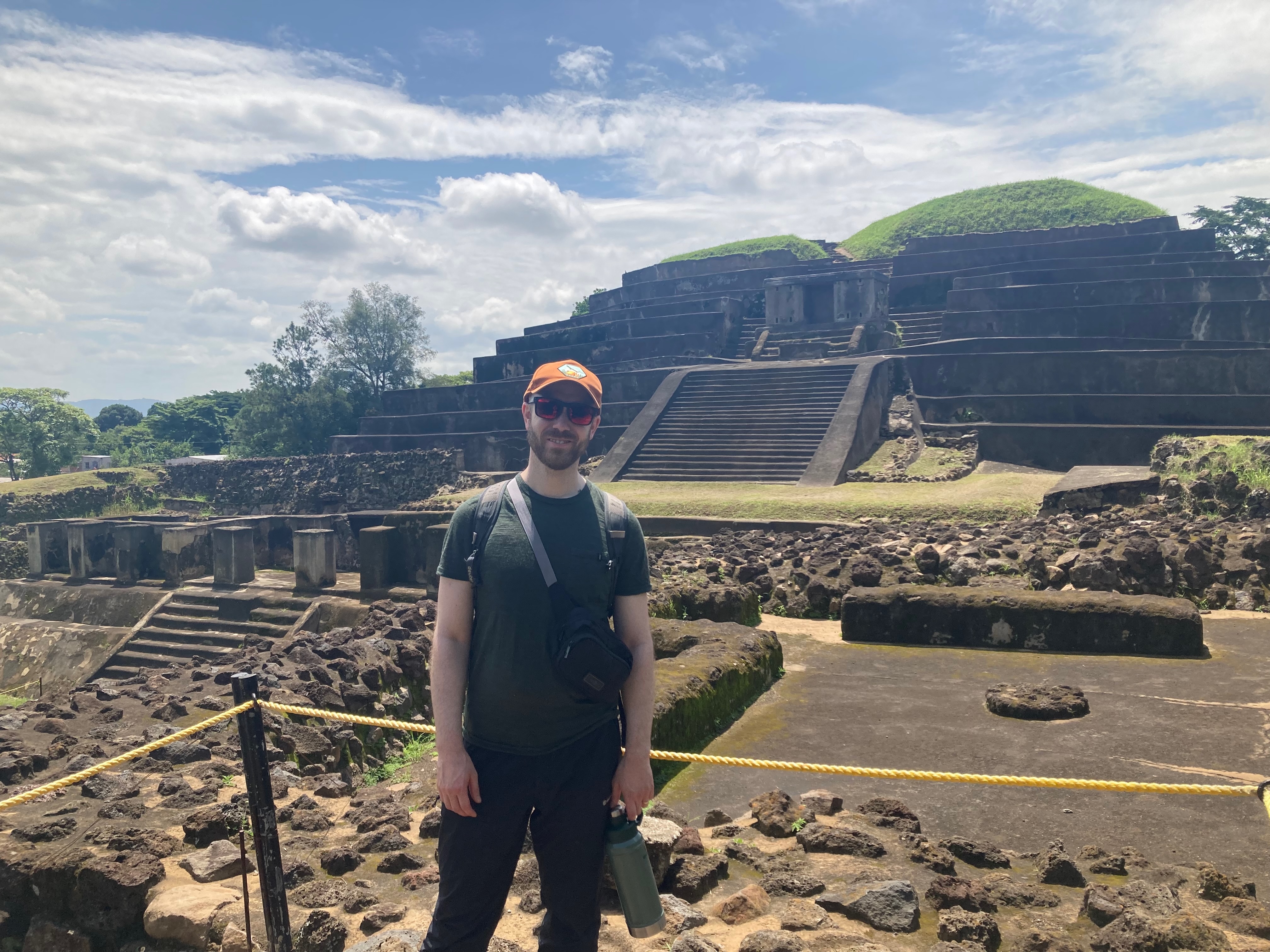
It wasn’t a large complex, with just a couple of temples, a ball court and museum, but at least that meant the visit was easily digestible.
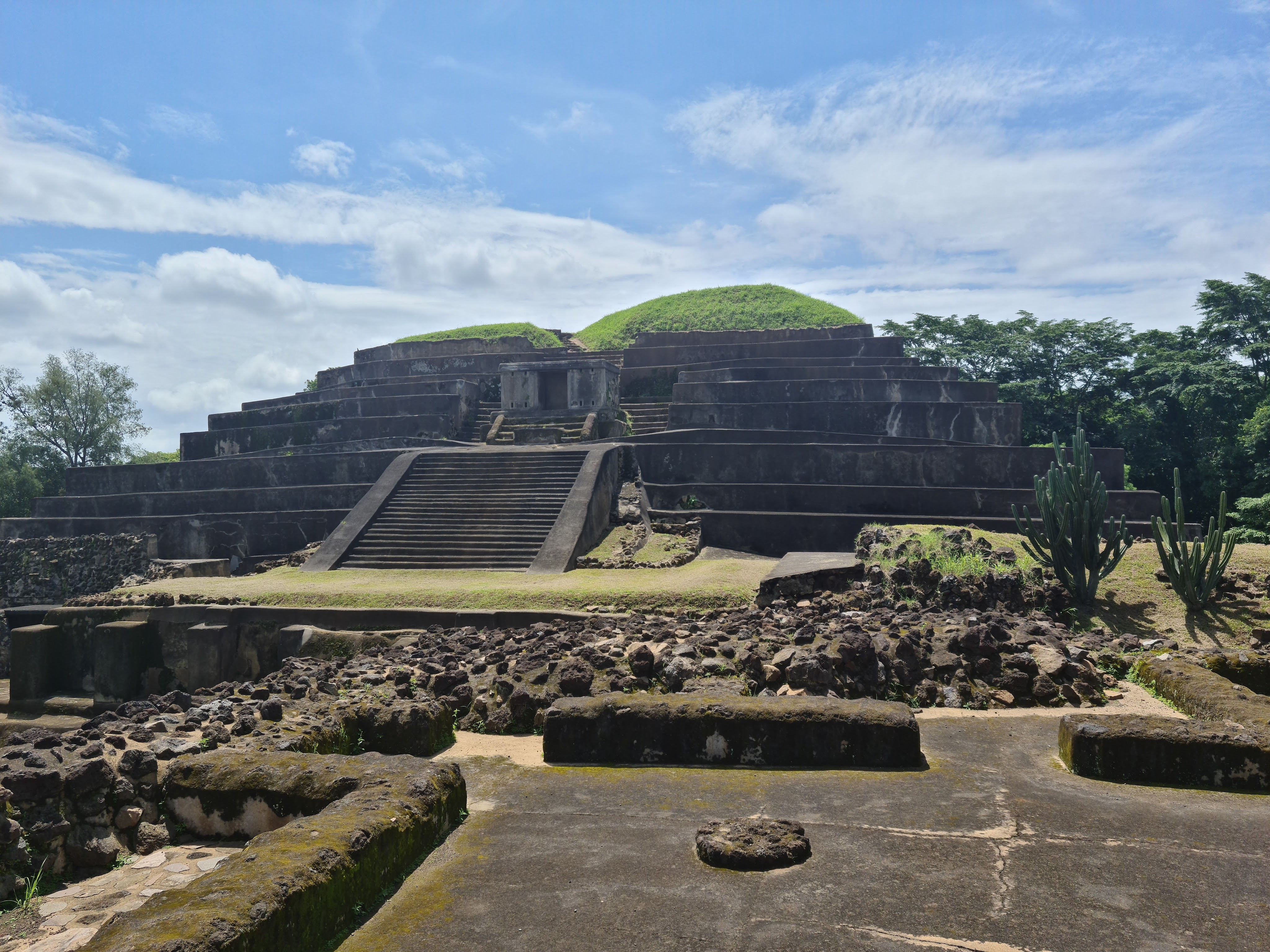
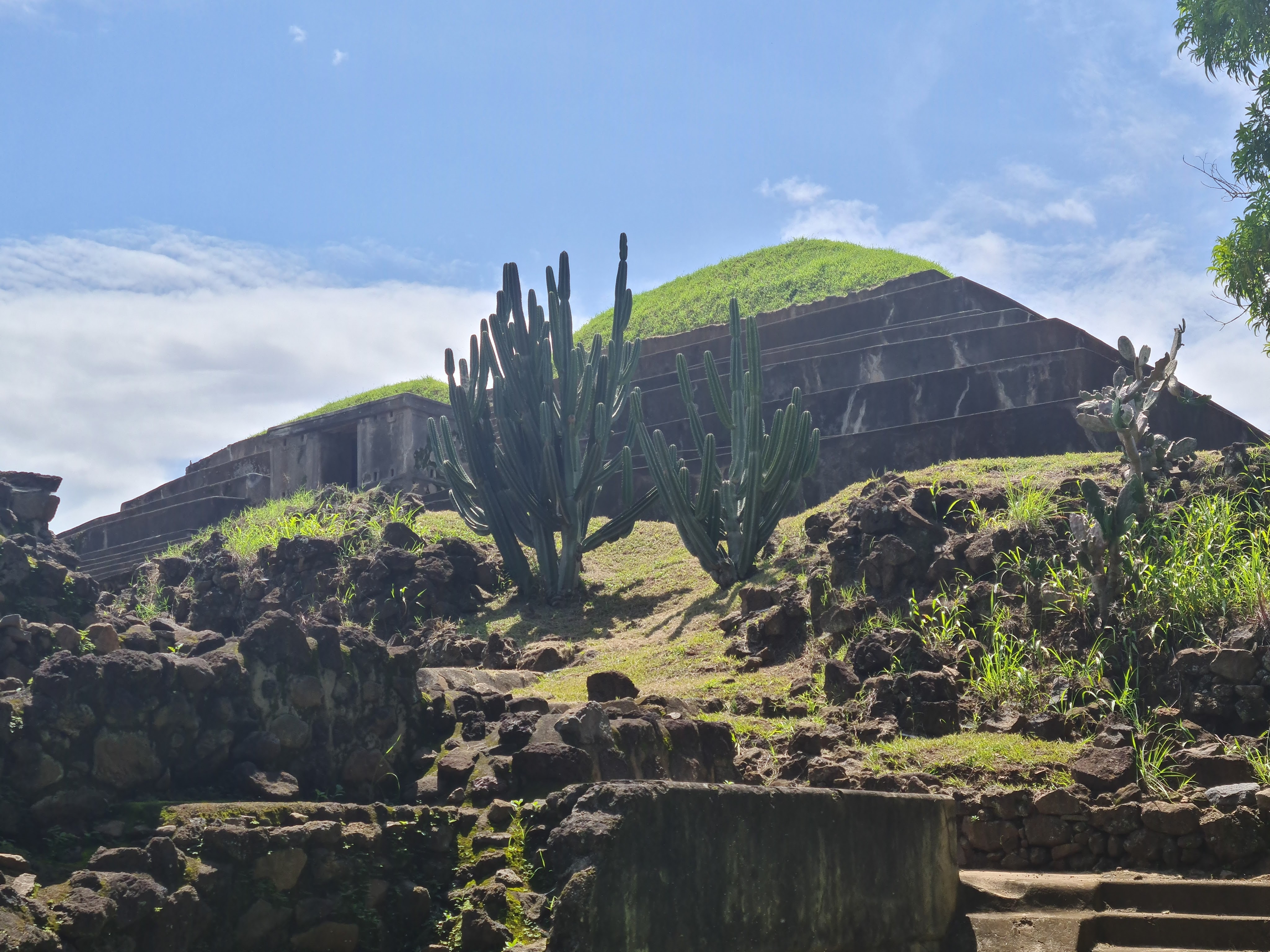
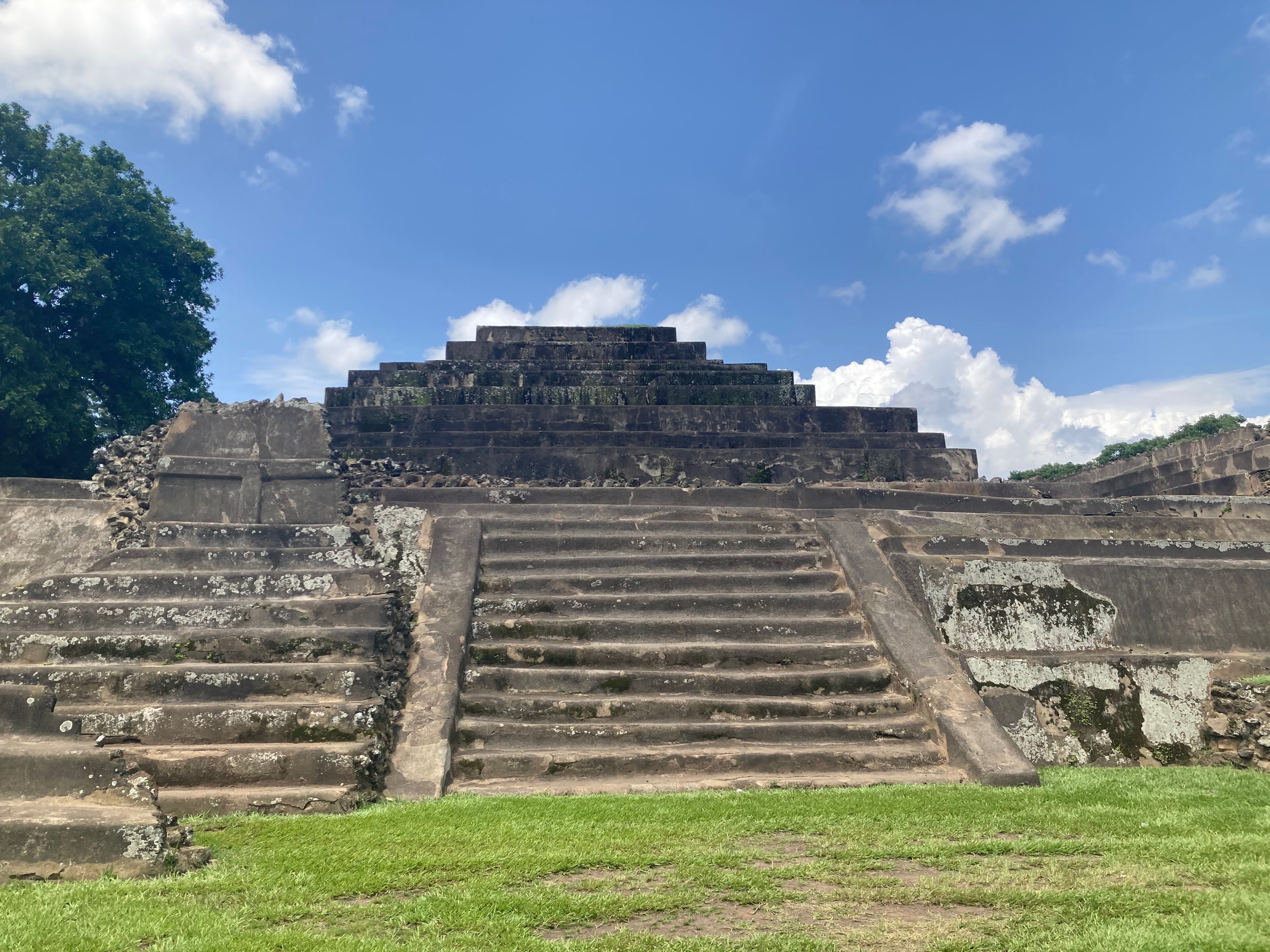
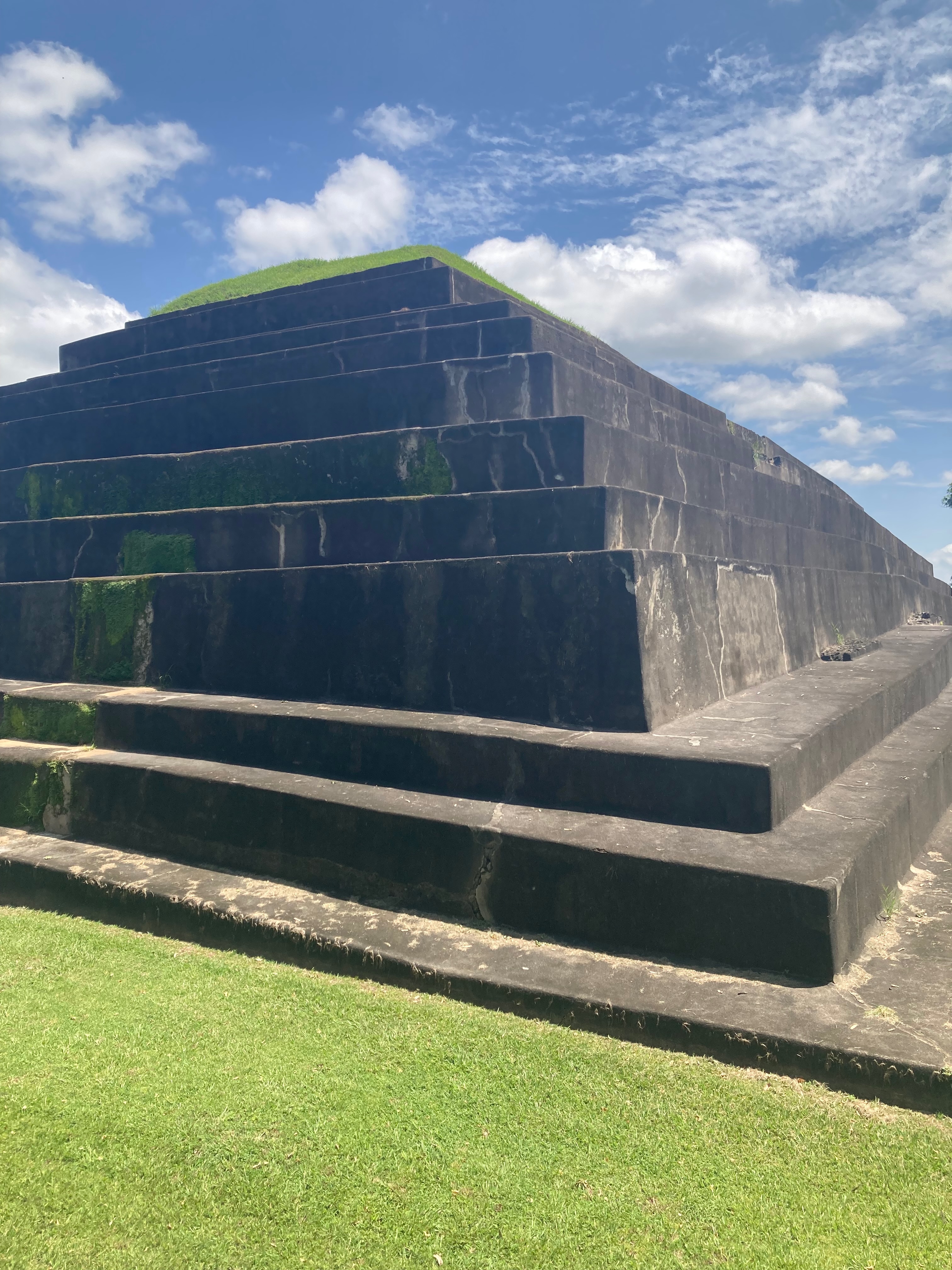
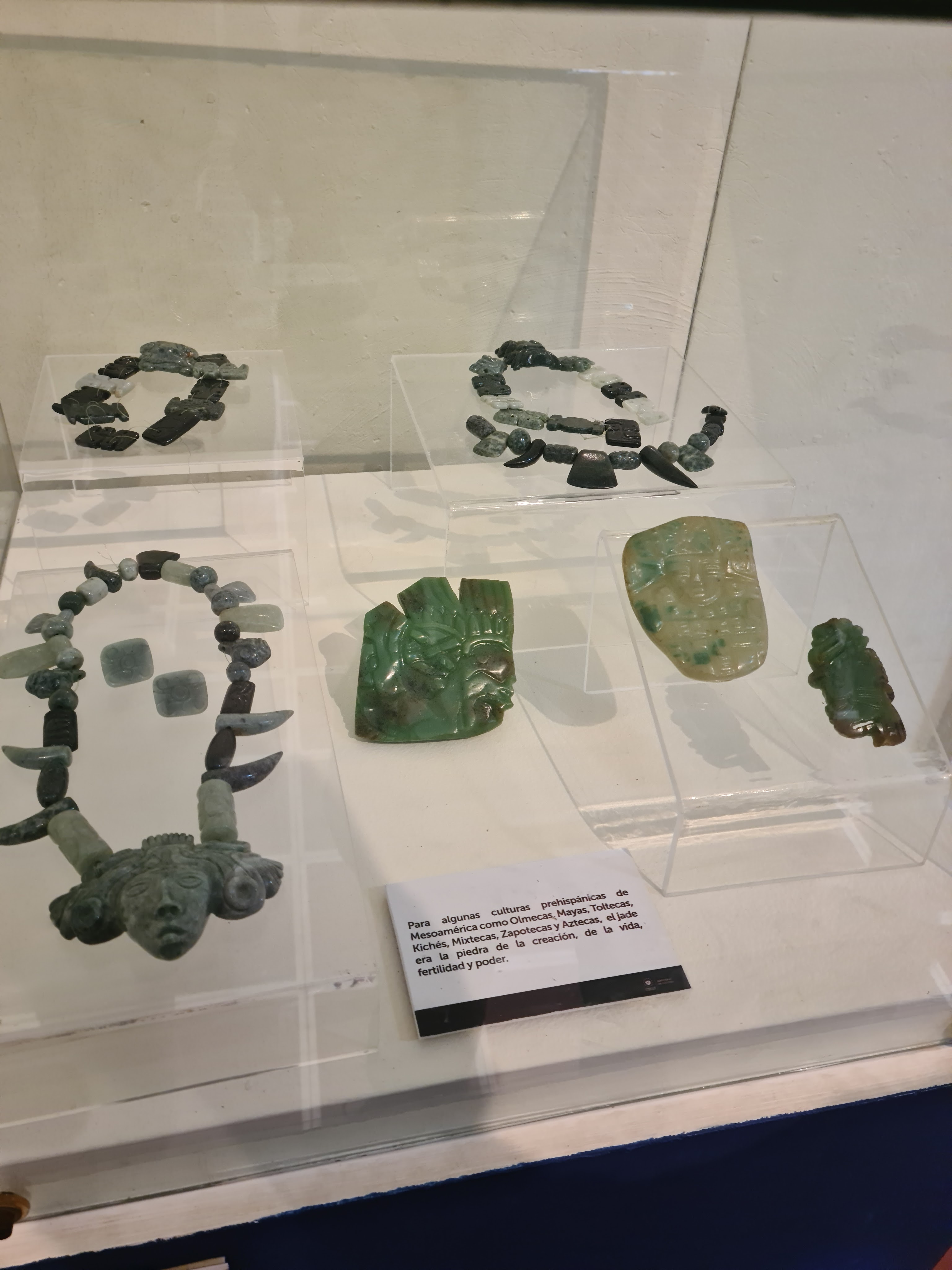
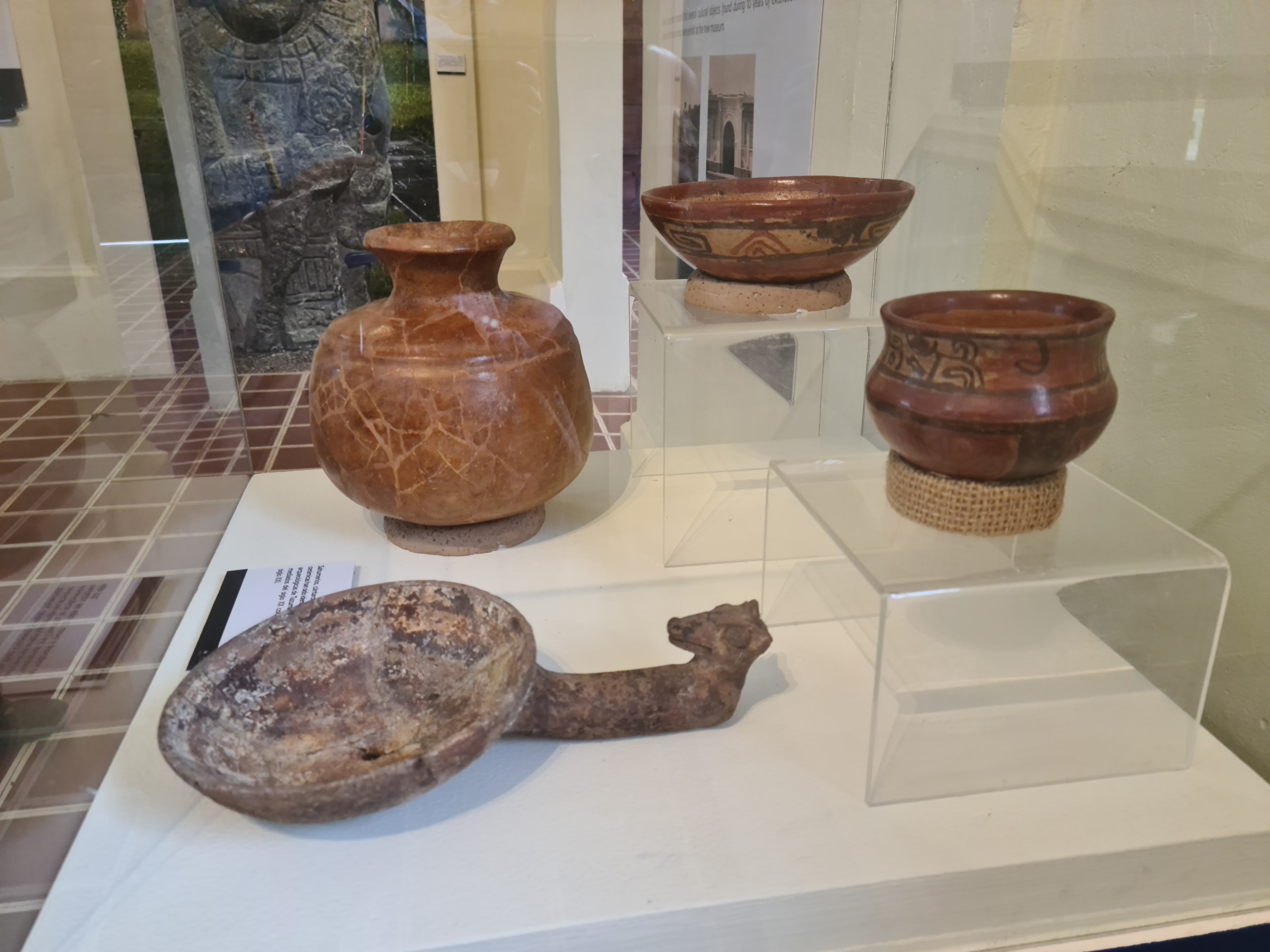
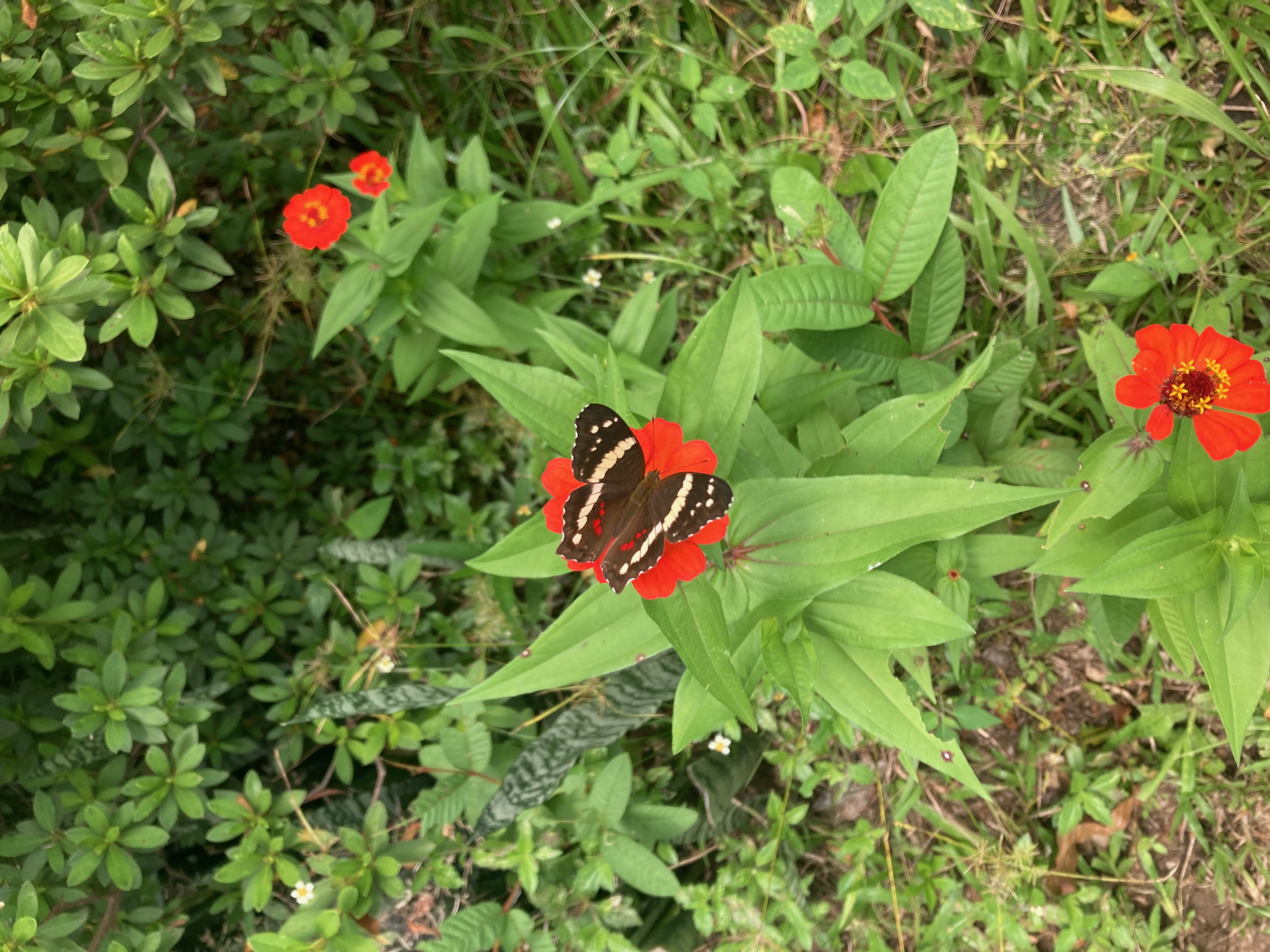
Deciding to capitalise on our success with the buses, we also made it to Casa Blanca, another archaeological site.

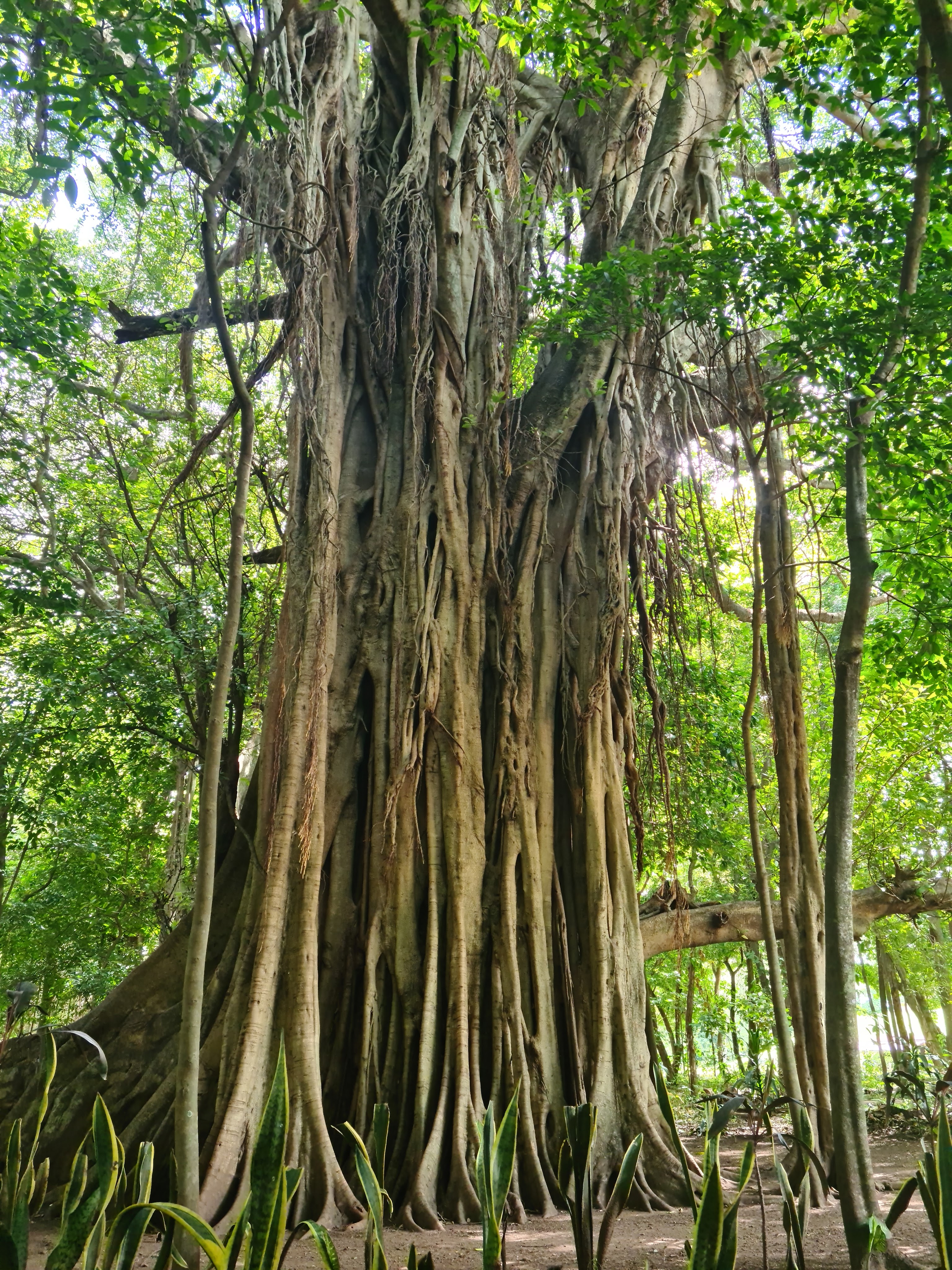
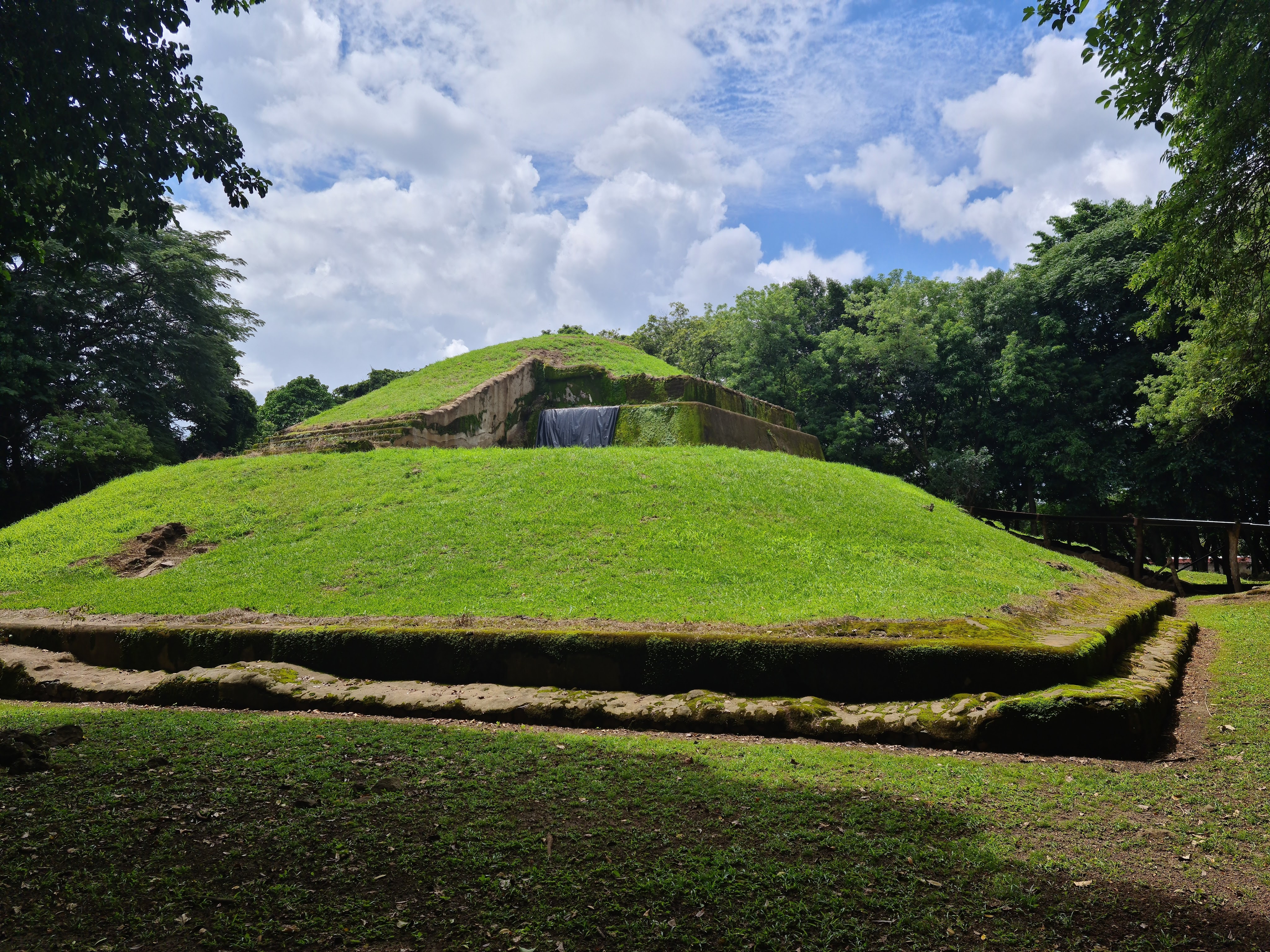
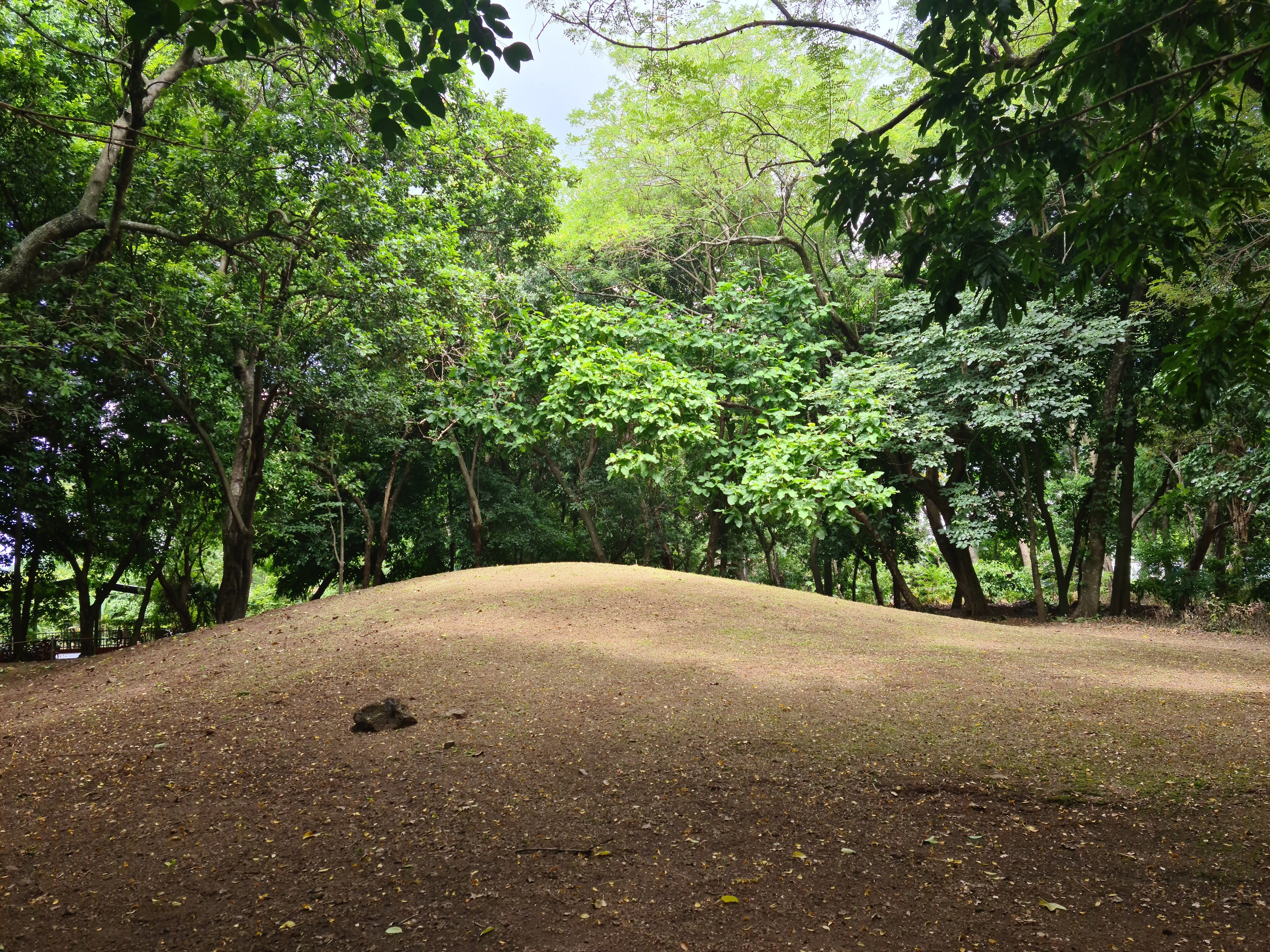

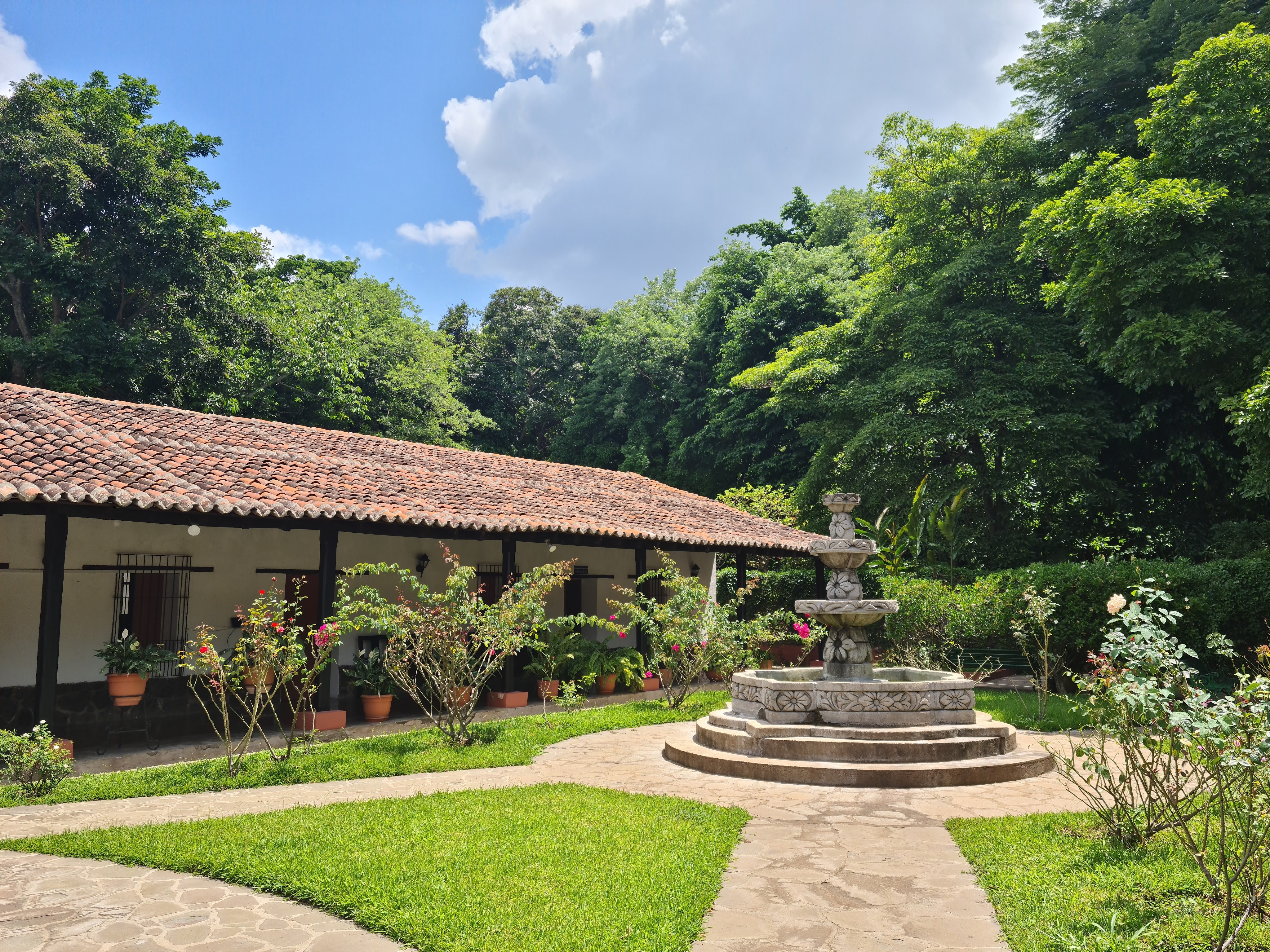
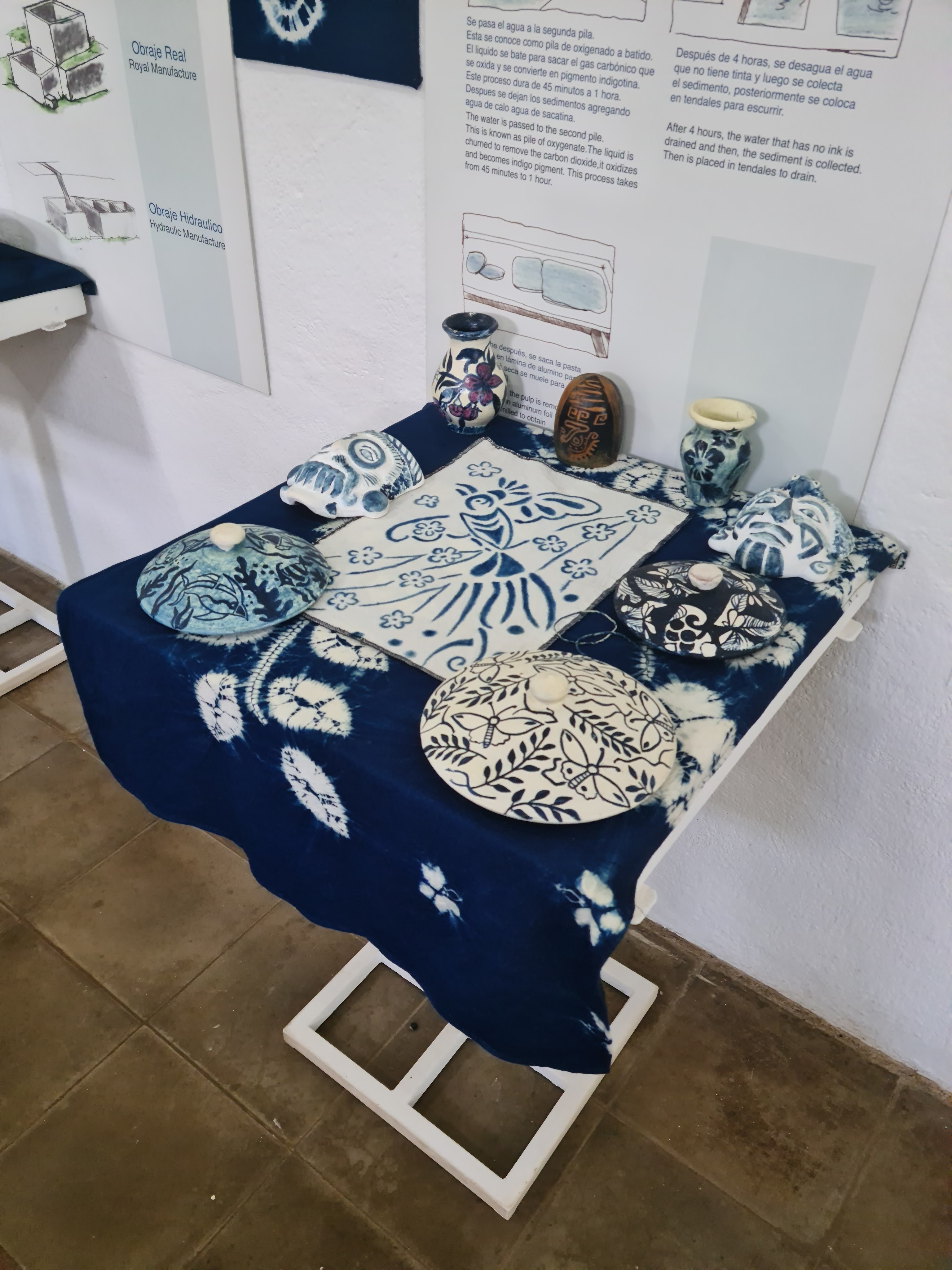
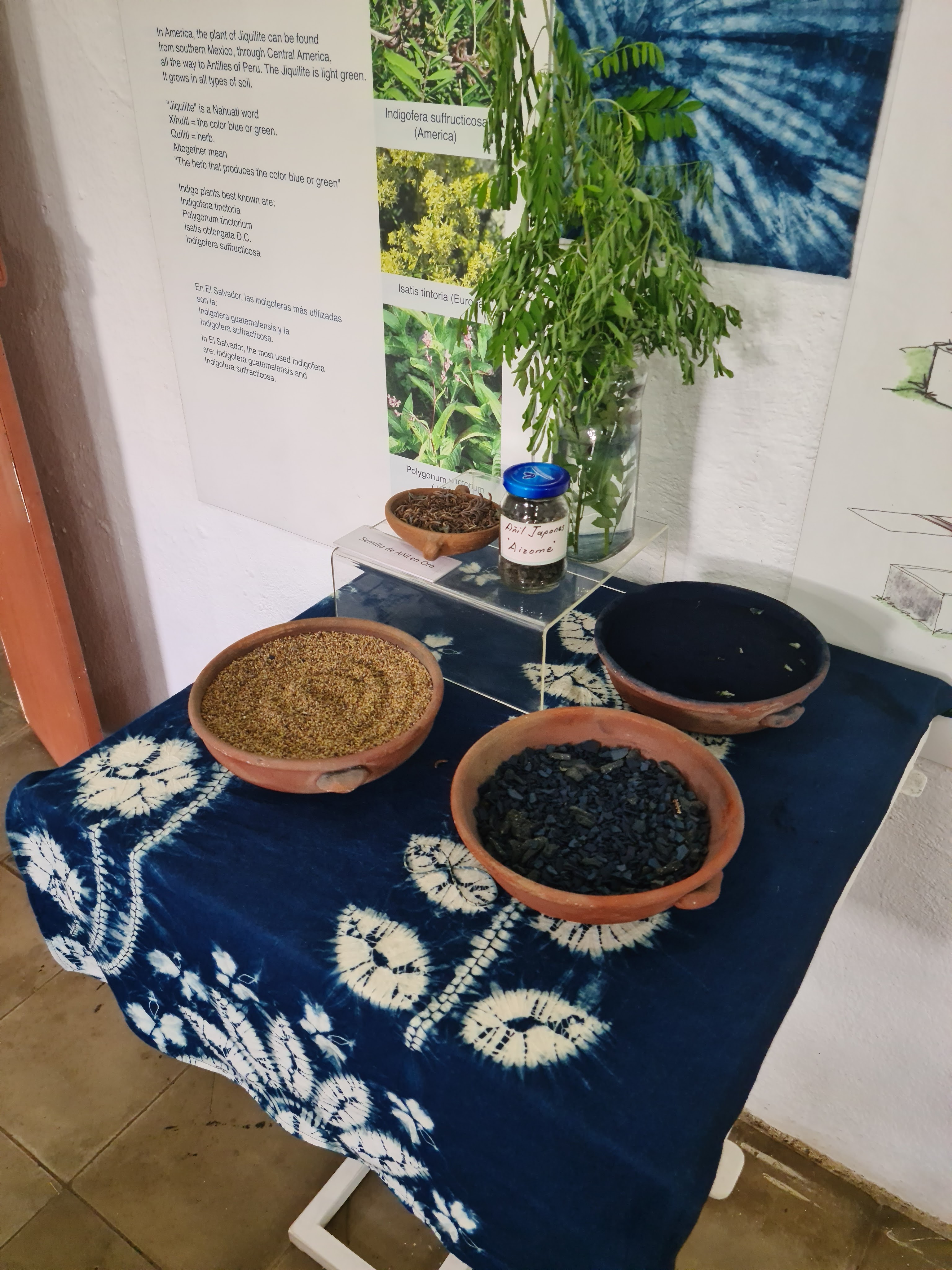
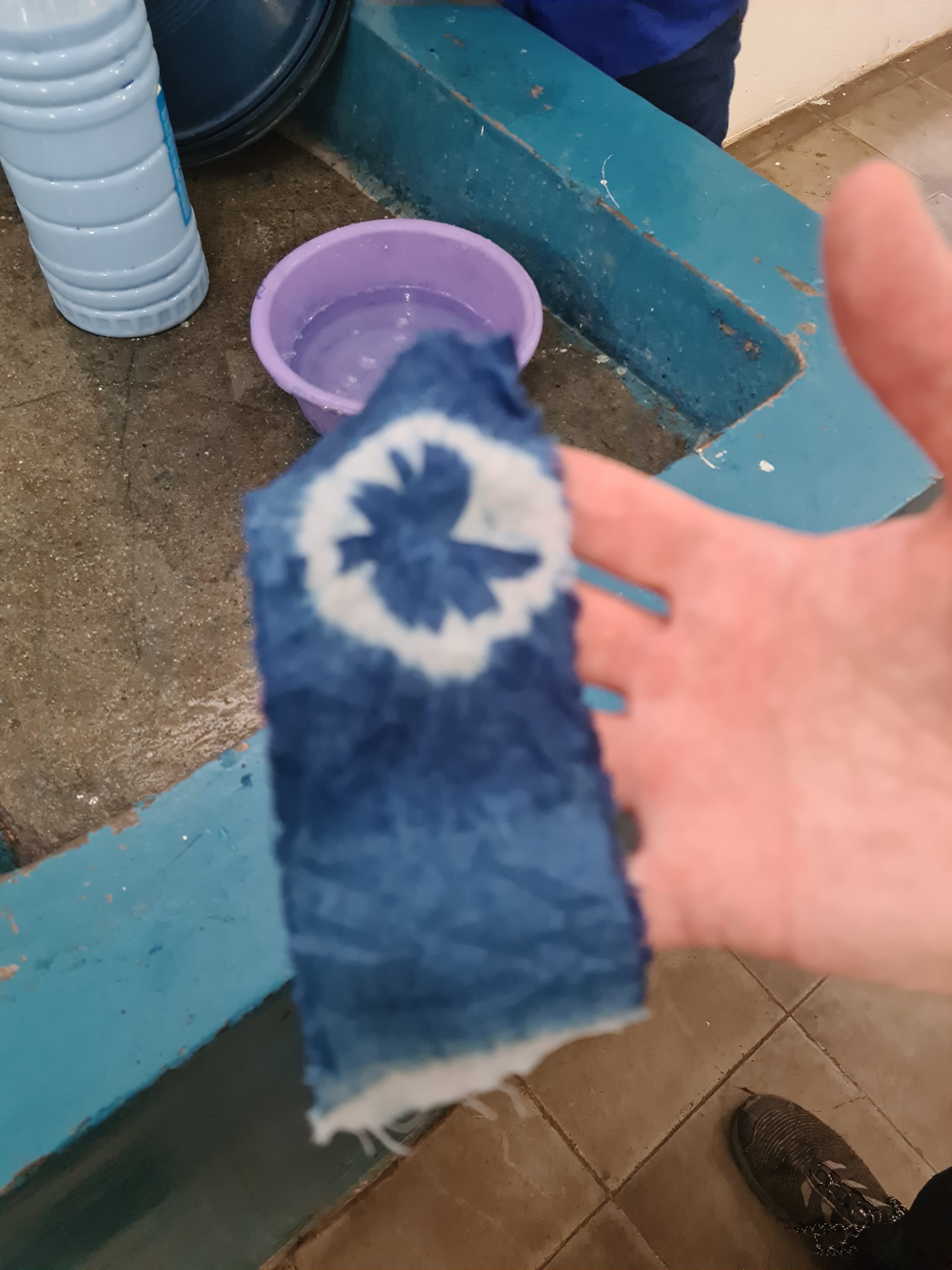
Although the museum was closed (which might be why we had the site practically to ourselves), we did enjoy an indigo-dying demonstration with a souvenir sample to take away. I need to work out how to make it into a more permanent memento.

Back in Santa Ana itself, the main sightseeing is restricted to the town plaza. This was extra lively as we were there during the July festival, and stalls packed the square while musical acts would occasionally perform.
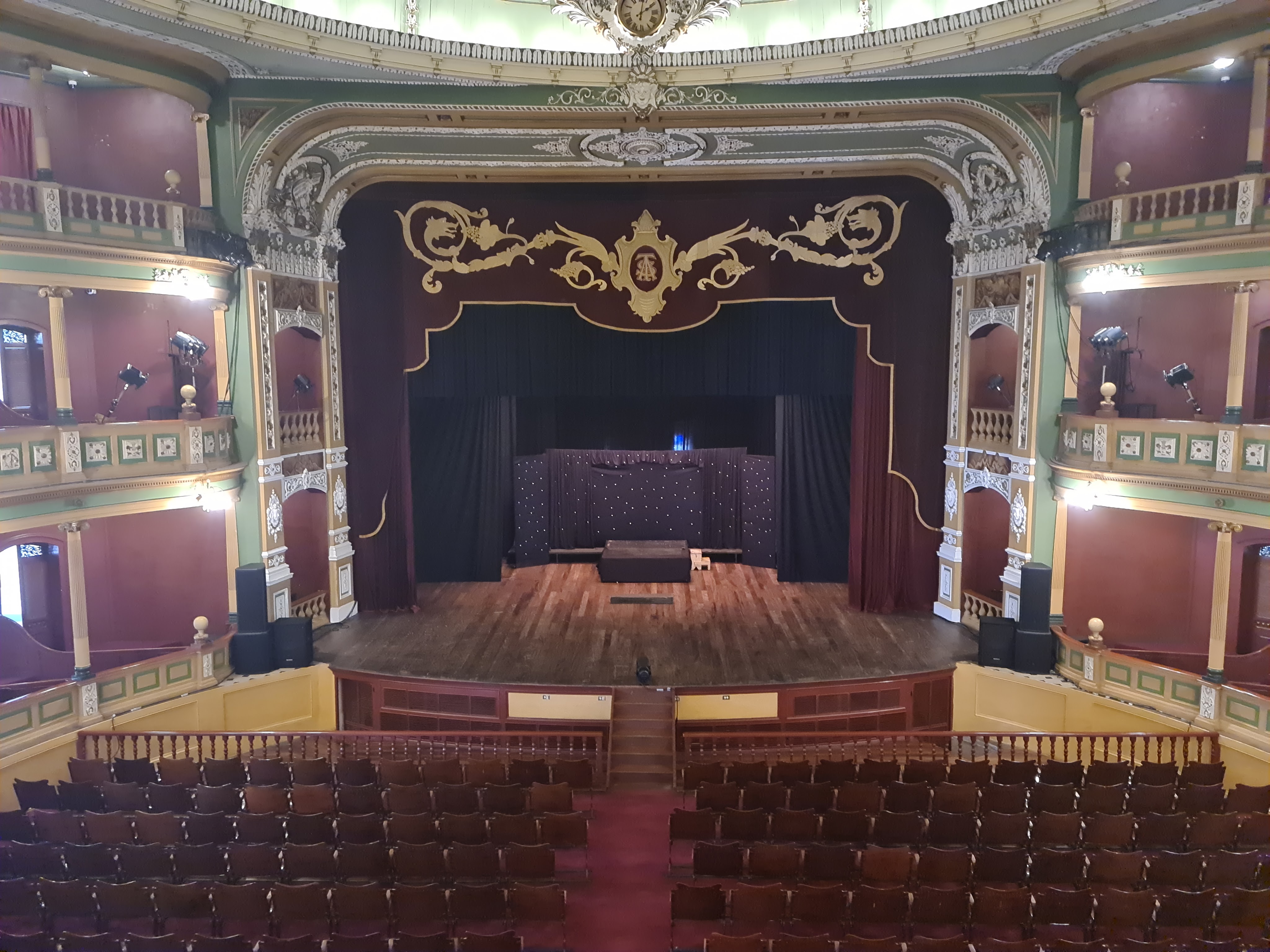
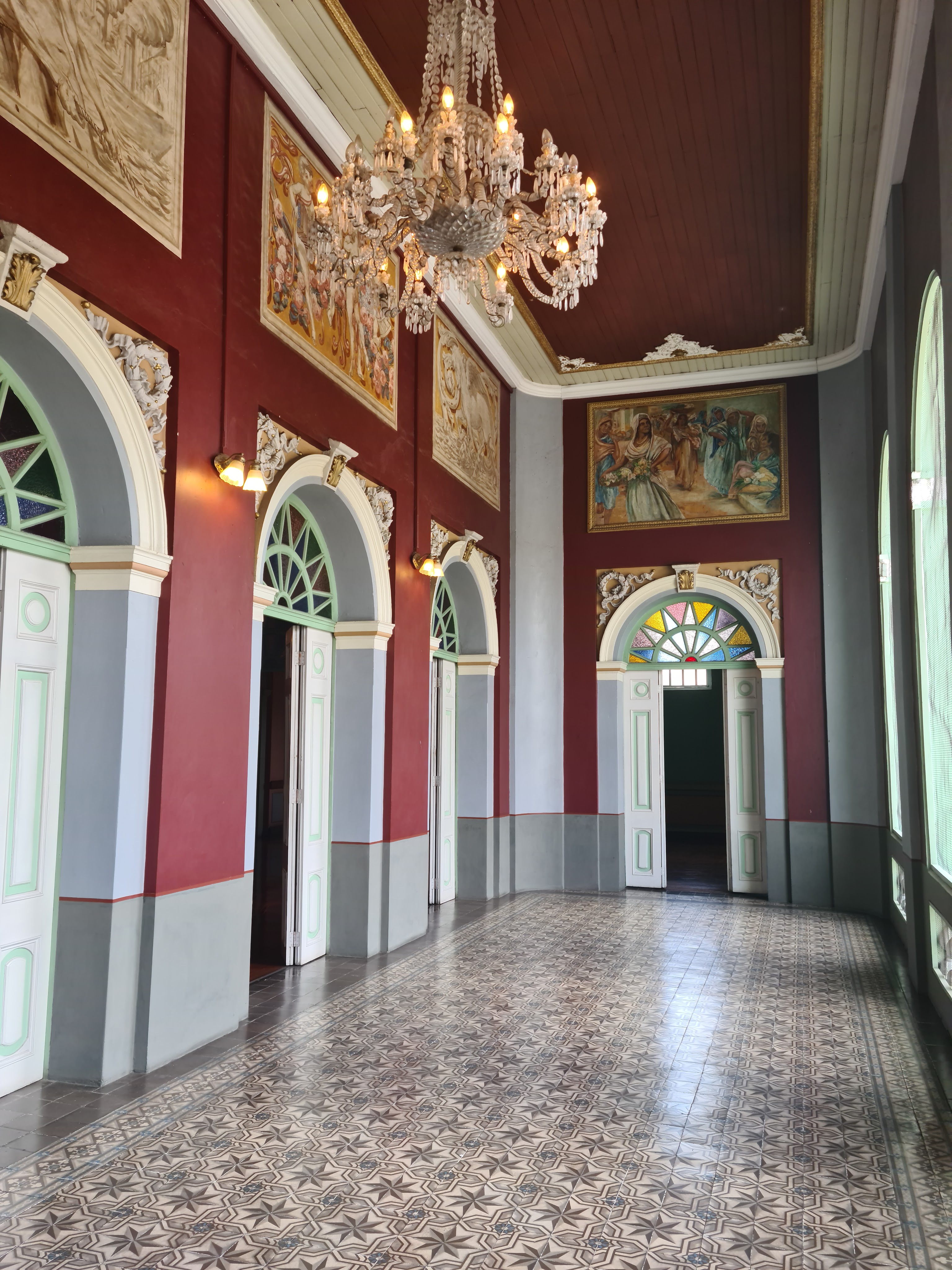
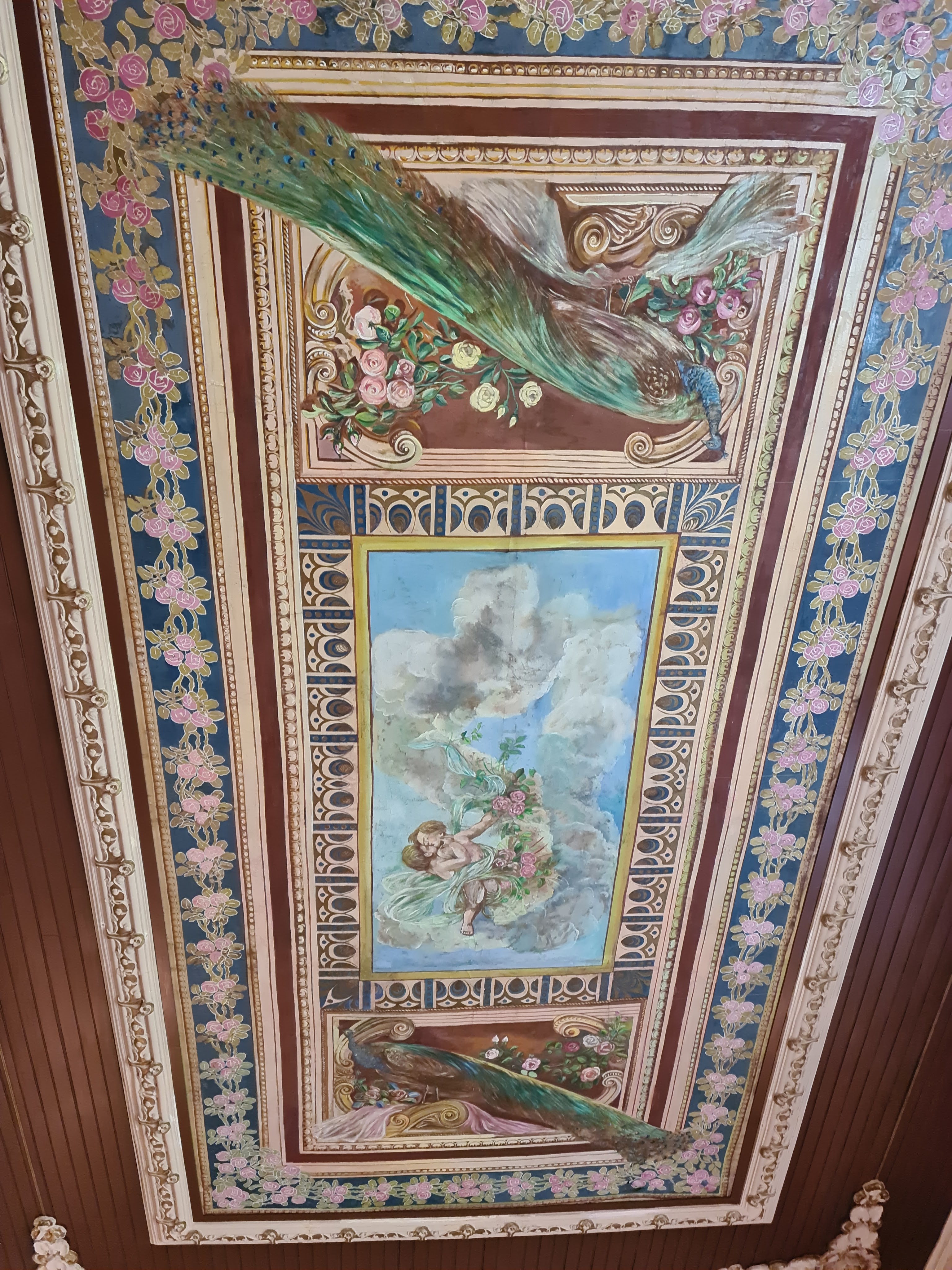
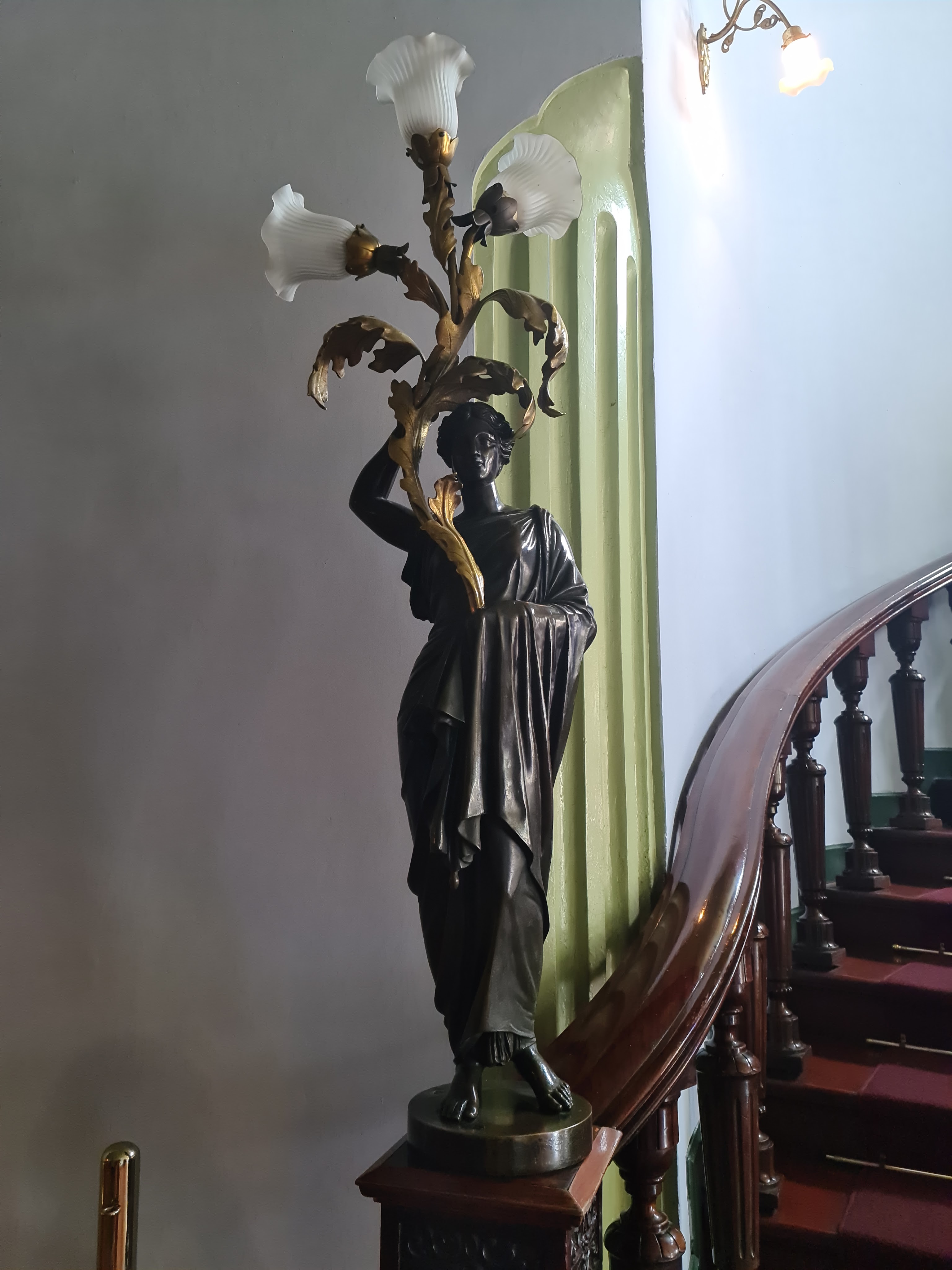
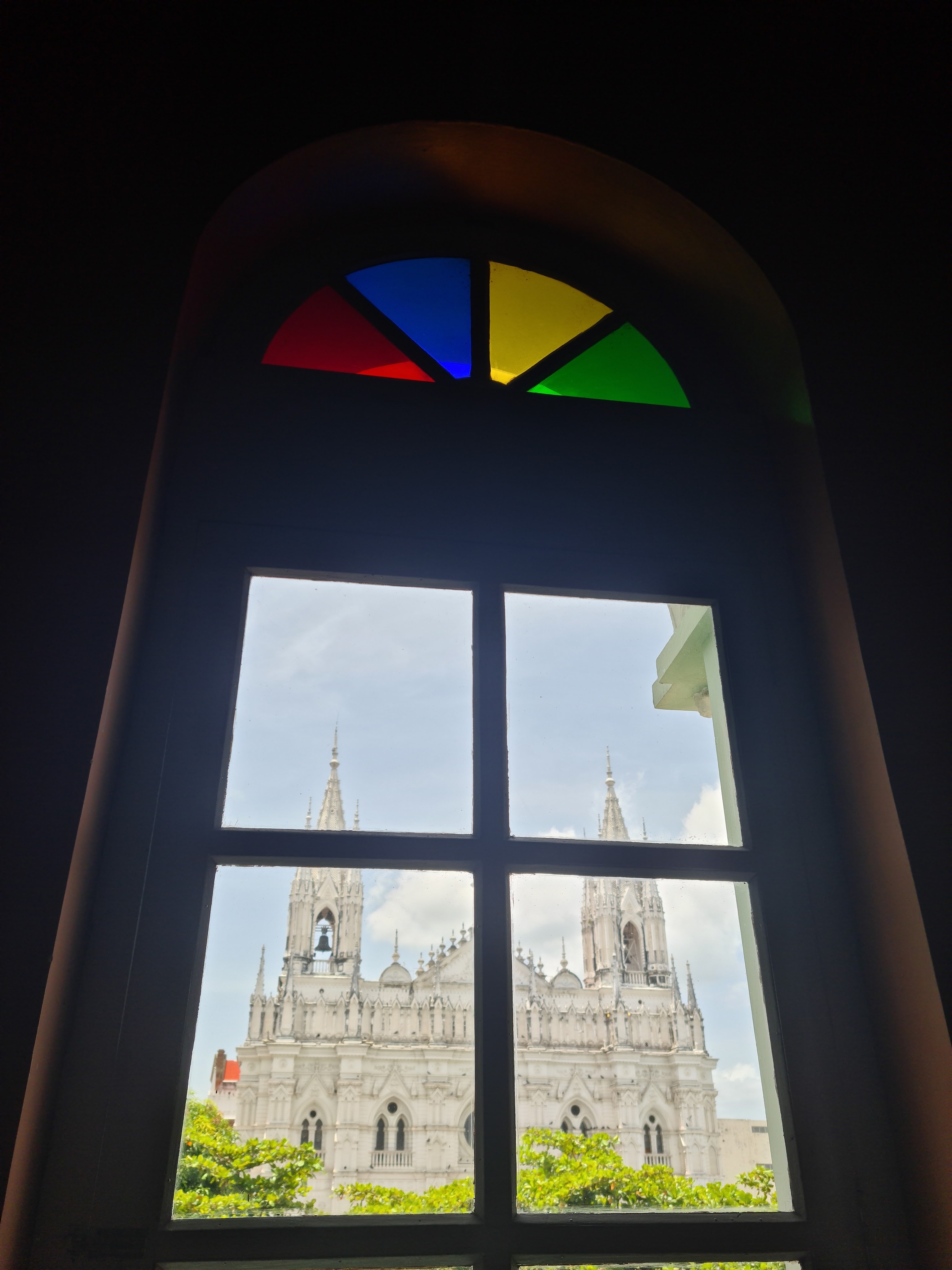
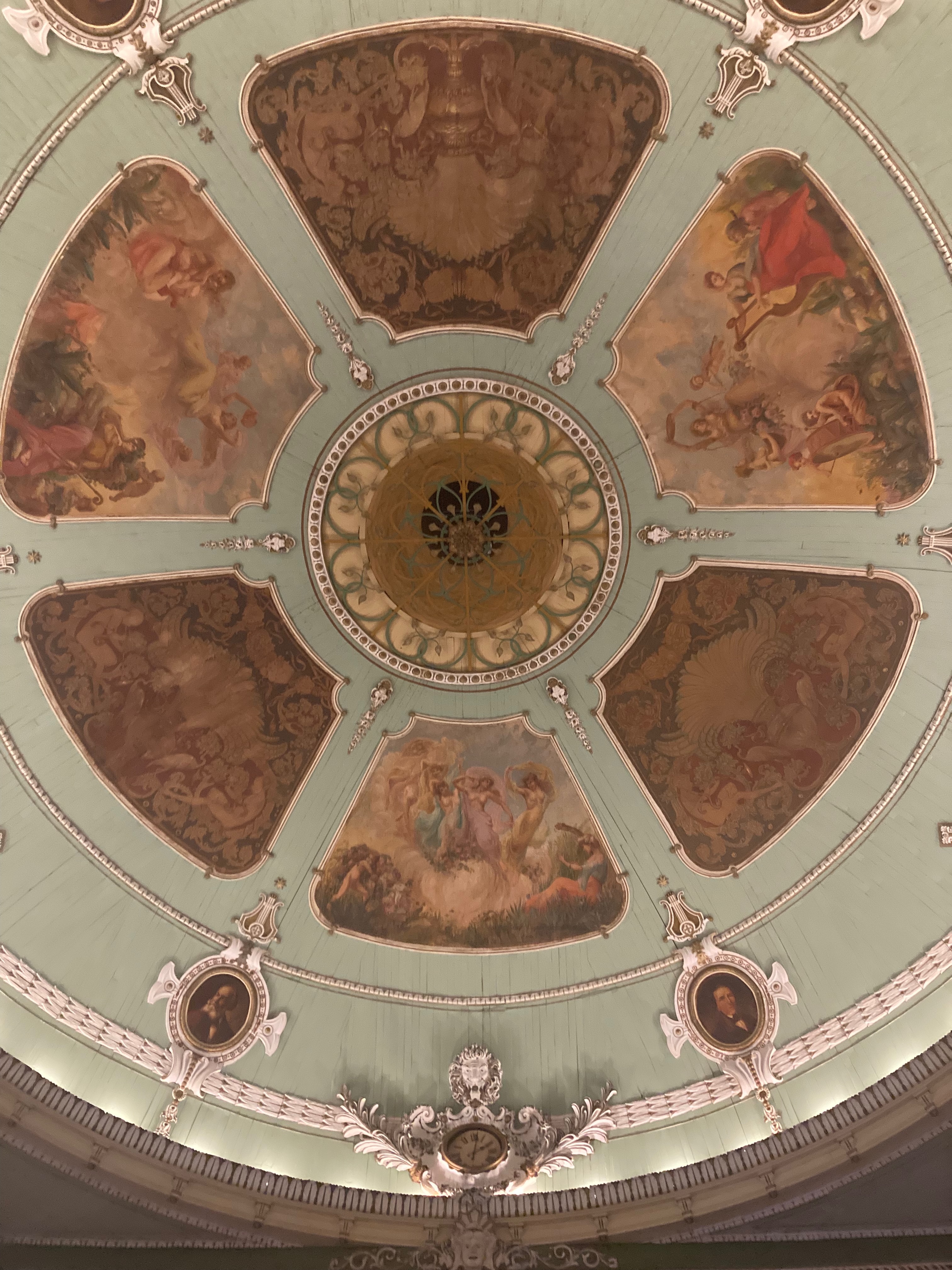
As well as the requisite cathedral and city hall, Santa Ana’s plaza has a pastel coloured point of difference – a theatre. It has been lovingly restored since its inauguration in 1902, when its construction was funded by an export tax on coffee.
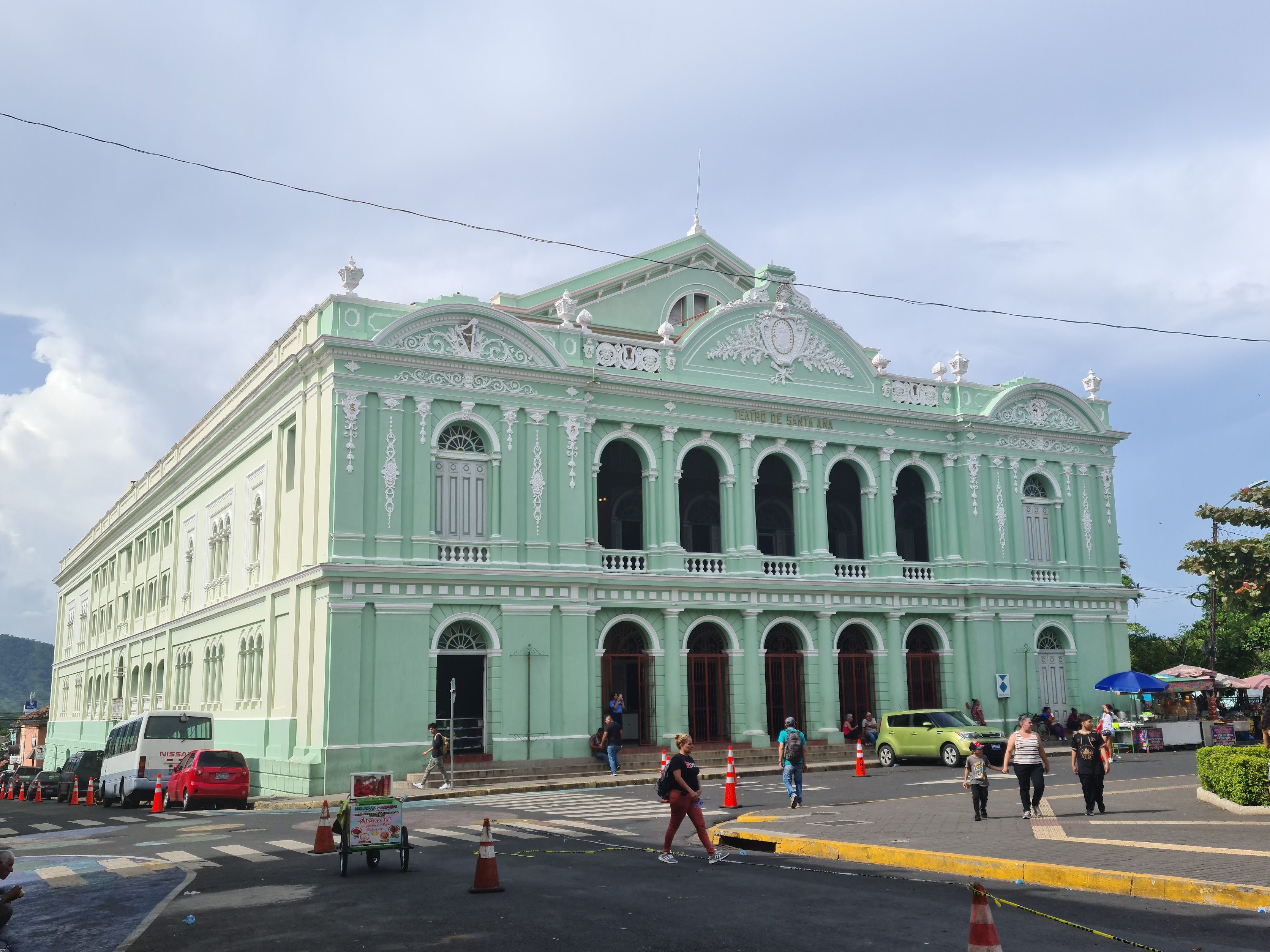
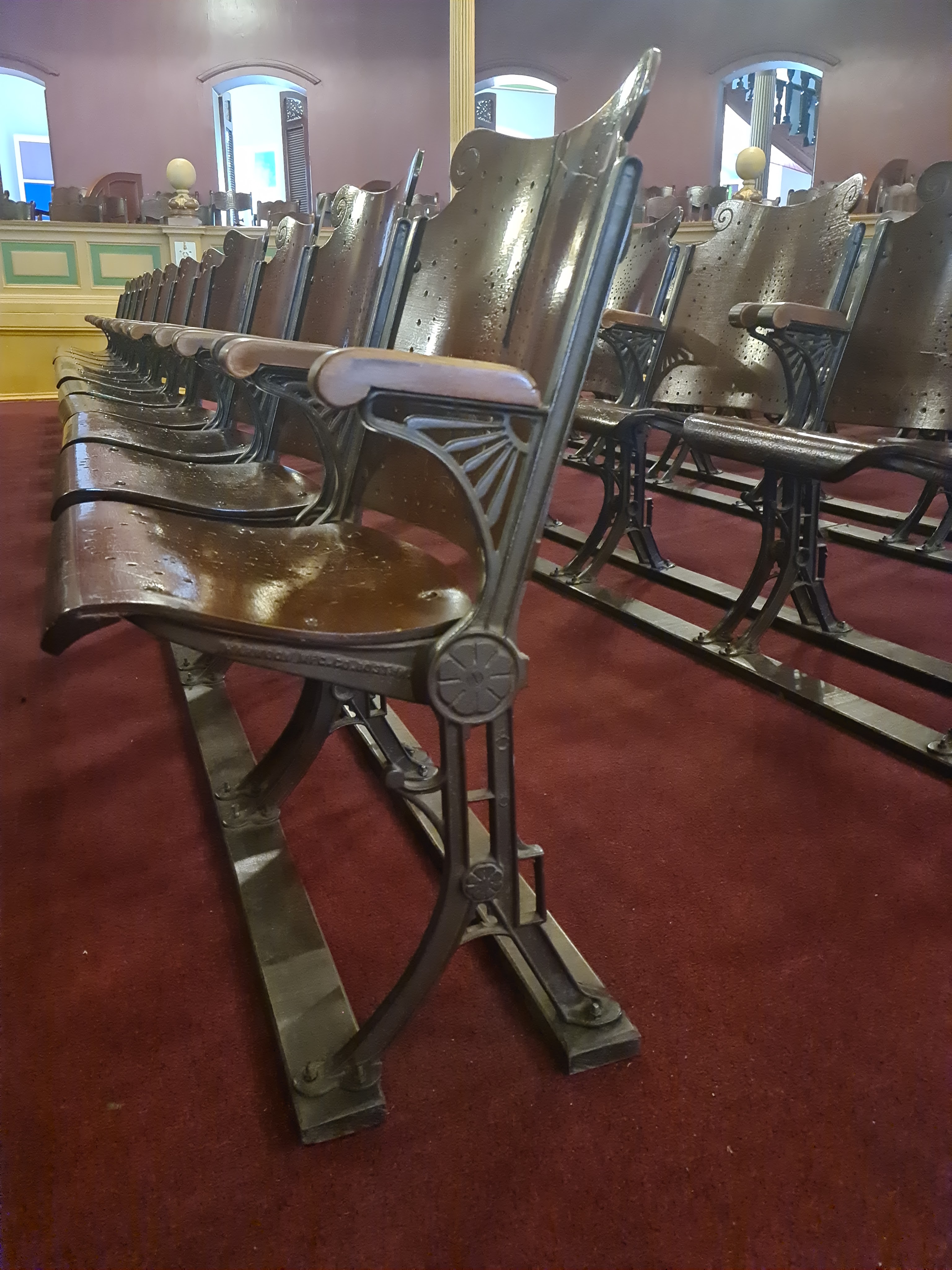
The entrance ticket included a guided tour in English, and it was lovely to step out of the heat and into the beauty of this building. It made me wish we were going to a performance (not out of the question since the theatre is still in use). Although some of the classic seats might not be too comfortable for sitting an hour or two…

After a busy couple of weeks, I was really looking forward to our next stop, La Libertad, on El Salvador’s pacific coast. And we couldn’t have been more coastal, with the shoreline practically beneath our apartment.
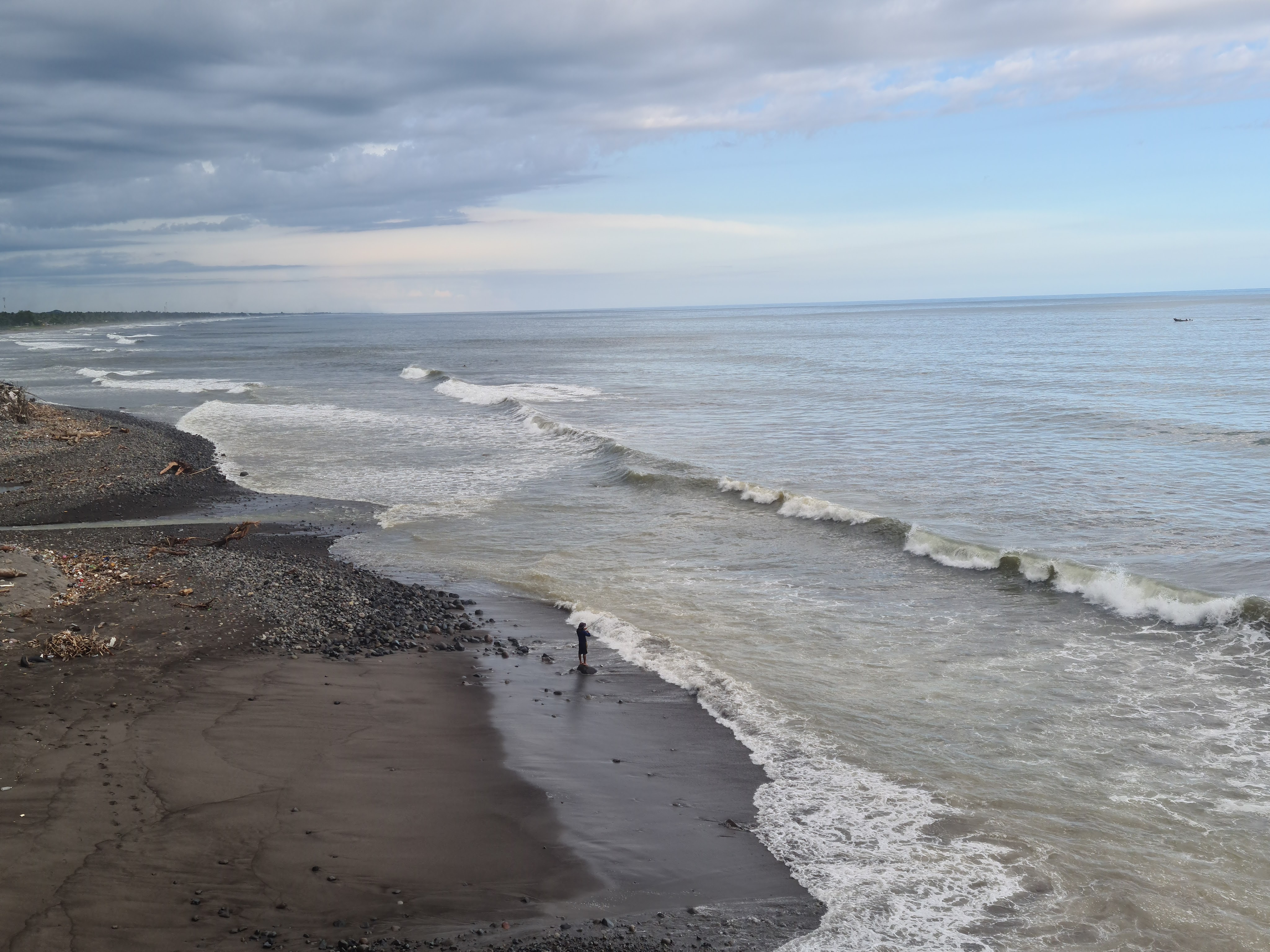
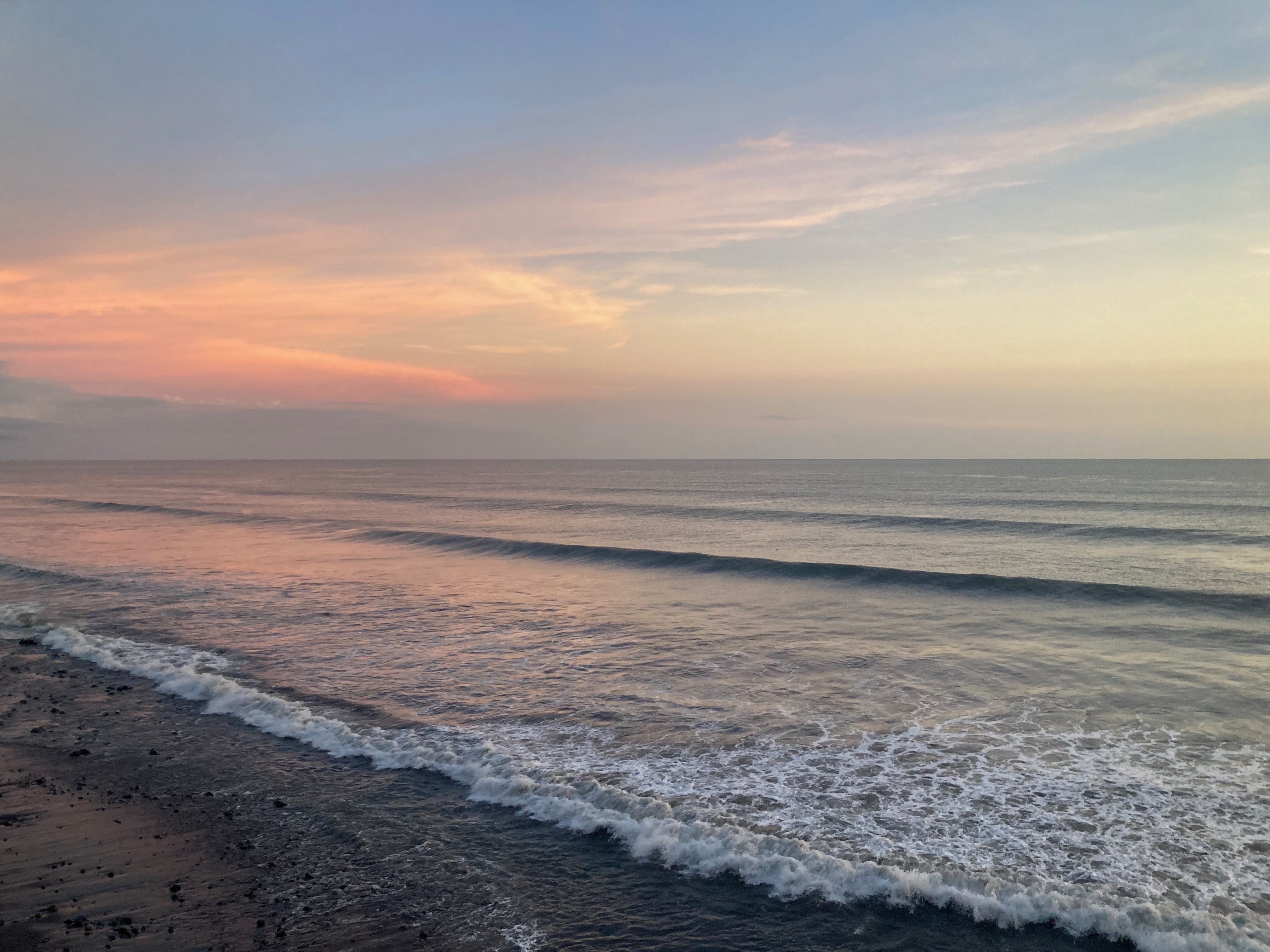
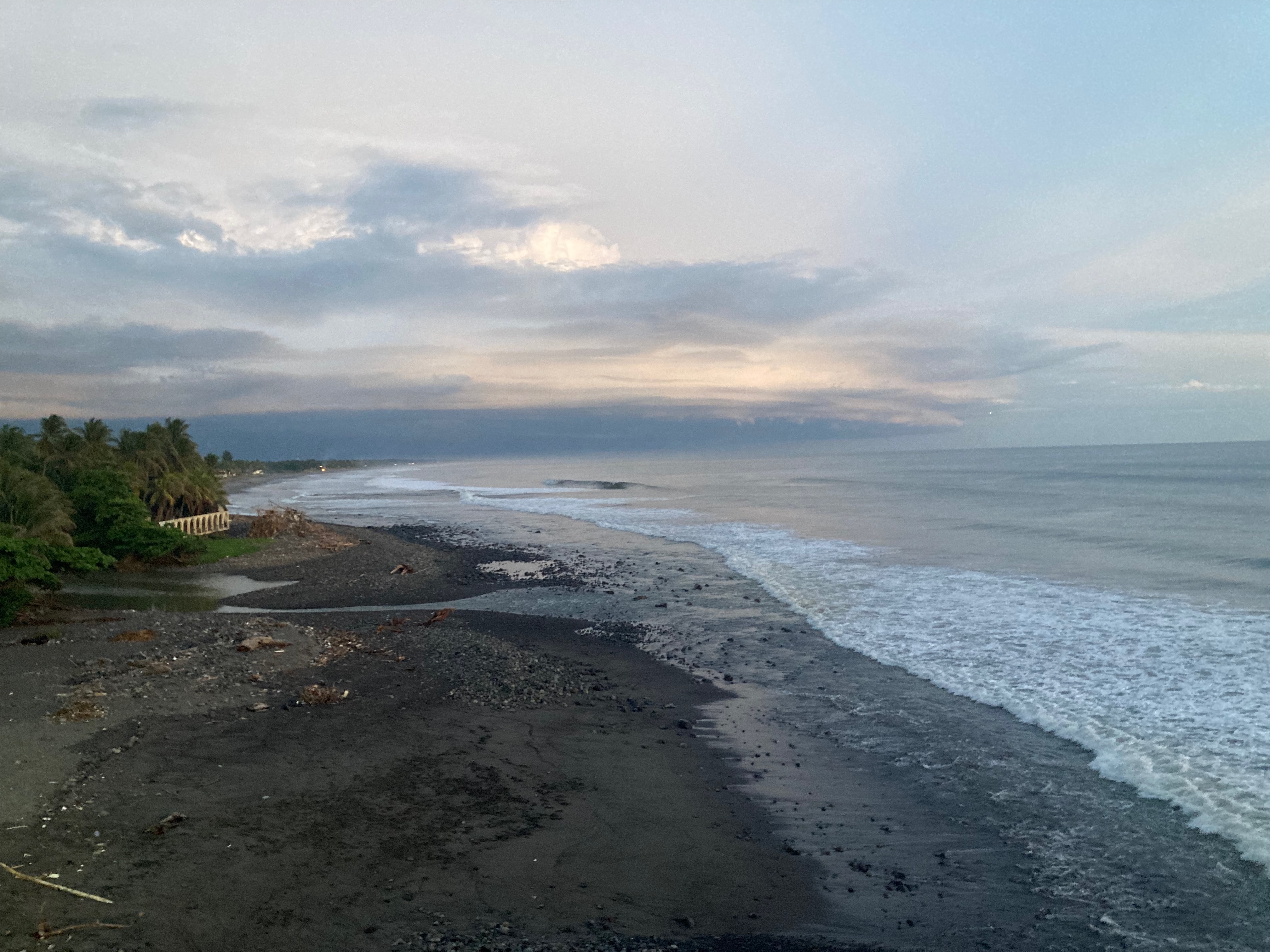
The La Libertad area is where we saw the most investment in El Salvador. Fuelled by the quality of waves, it’s a surfer’s paradise and modern complexes are cropping up.
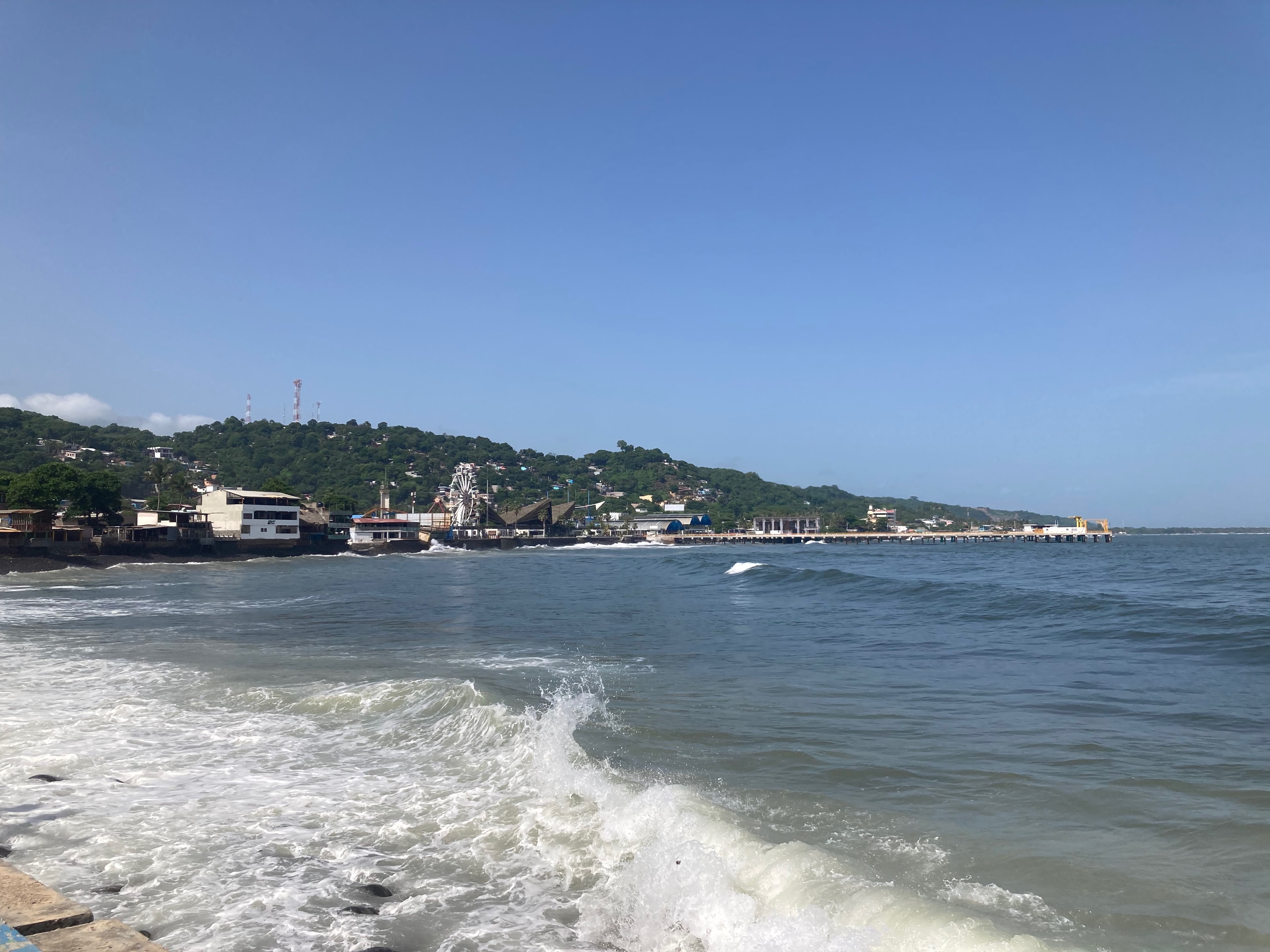
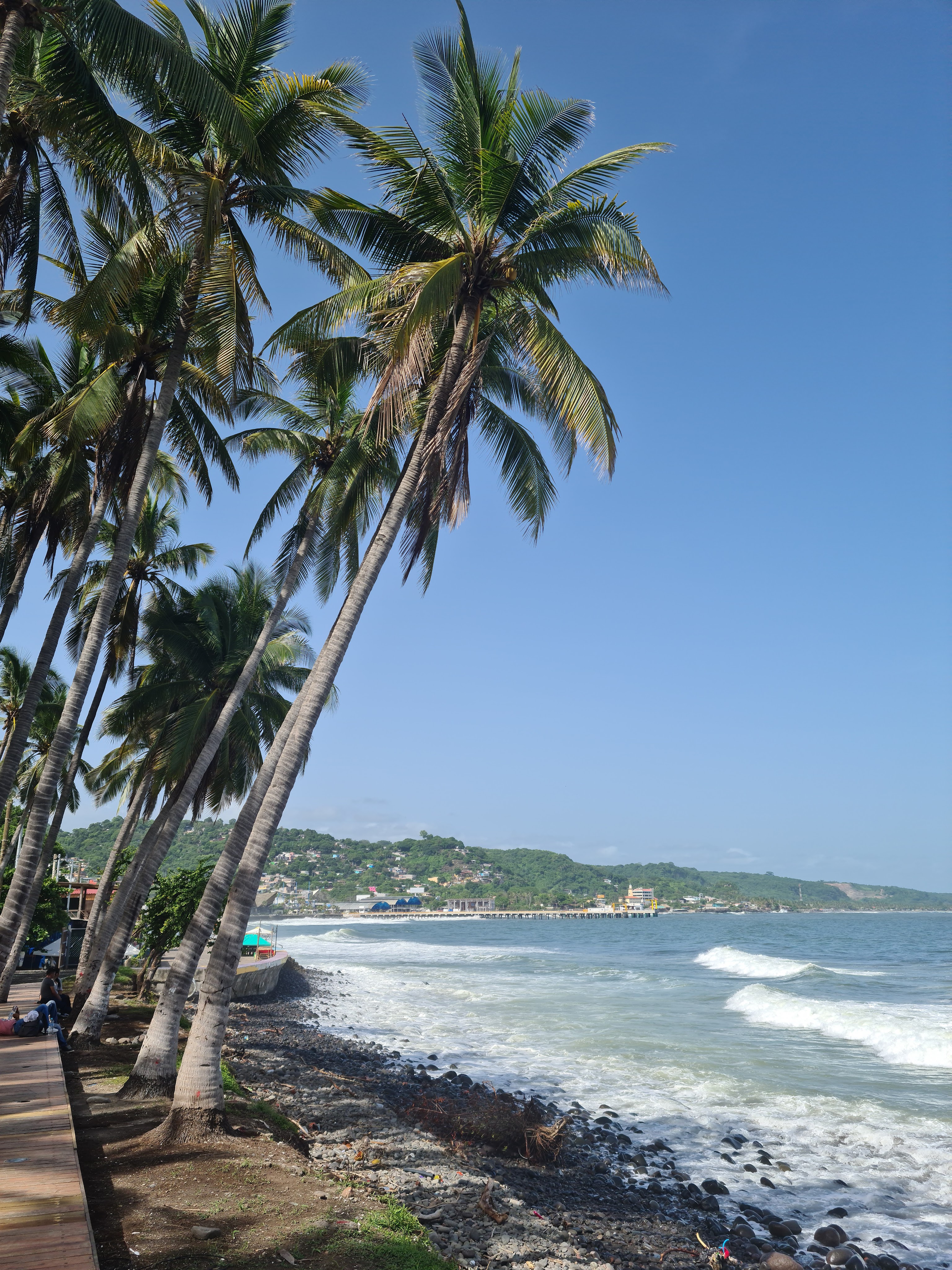
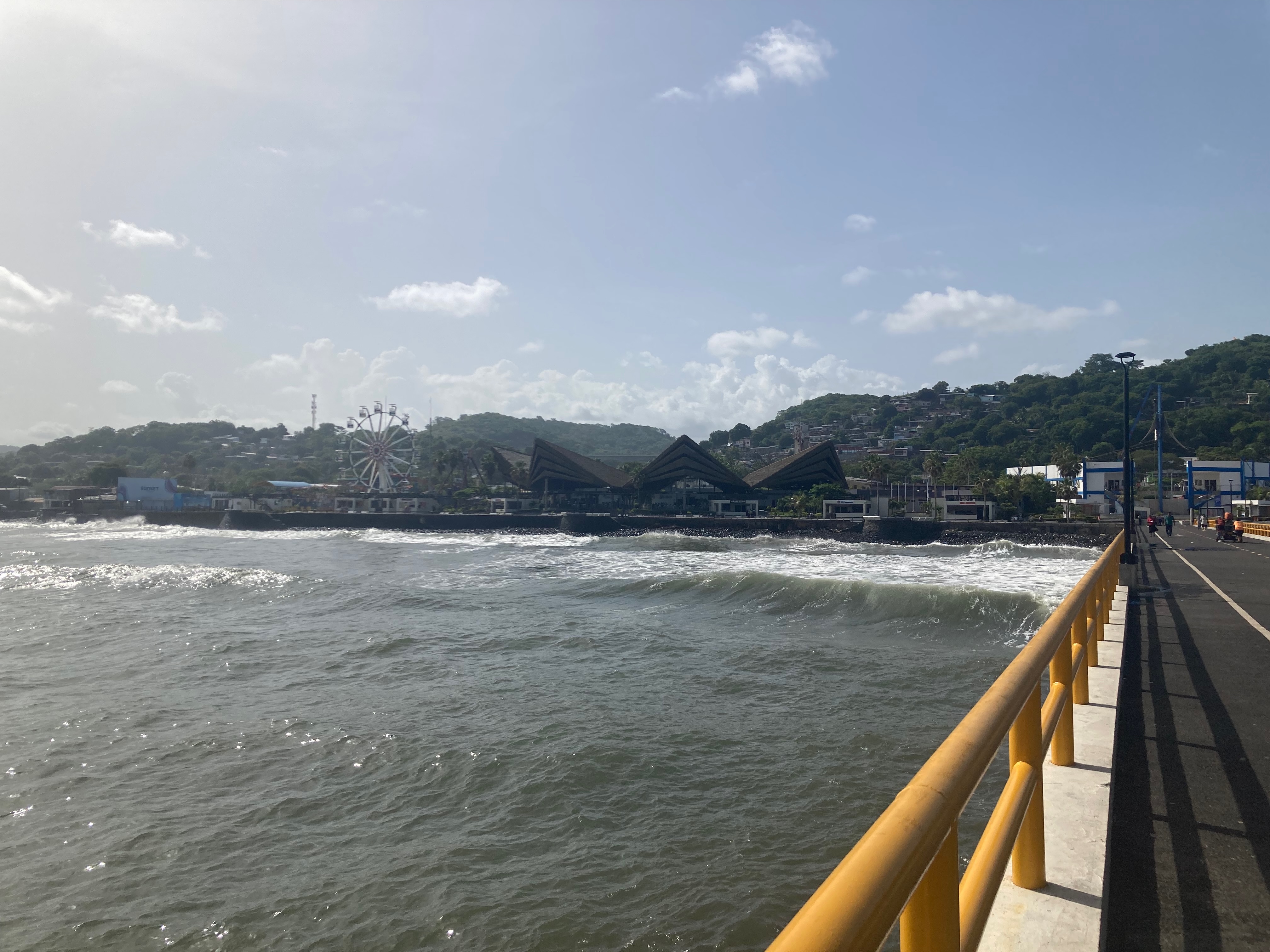
Though we mostly spent our 6 nights there relaxing amidst the ocean views, we did fit in one activity – surfing. I’ve been interested in giving it a try for awhile, and the envy I felt watching the surfers from our balcony was all the convincing I needed.
Ricki was less certain, but with some convincing I got him to Playa San Blas one morning. Our instructor, Jerson, owned the surf school and he showed us the ropes while his son acted as cameraman.
Through exercises on the sand, we quickly established that Ricki and I are both “goofy footed”. Not as insulting as it sounds, this just means our natural stance was right foot forward. Left foot forward is “regular”. After what felt like a very brief time practising our stances on the sand, it was time to confront the waves.
I completely underestimated how much work it would be. Getting a suitable distance from shore while keeping hold of a large board was exhausting, and I was very grateful when Jerson started hauling mine out for me. Not that even that stopped me getting knocked off my feet every now and then.
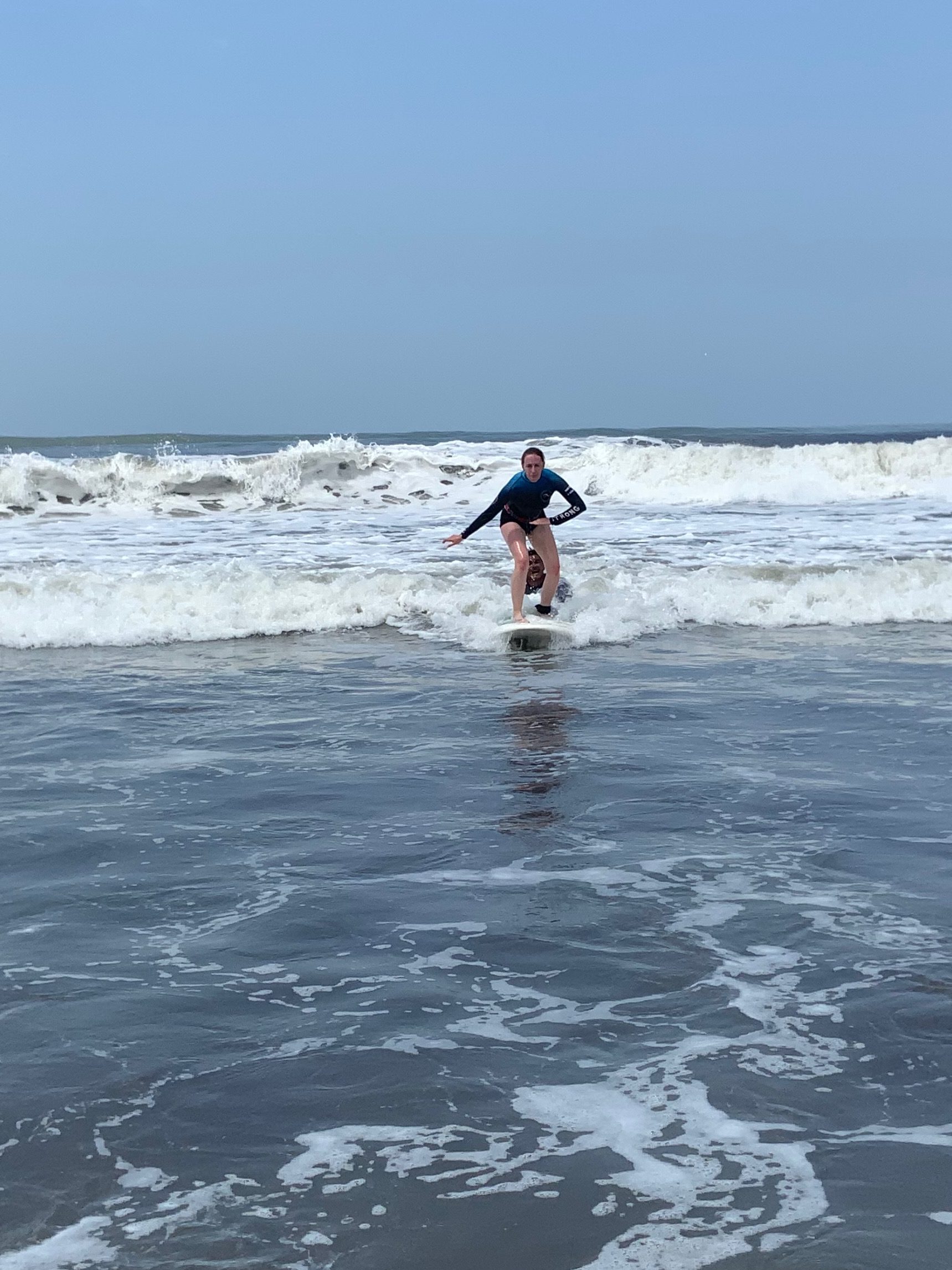
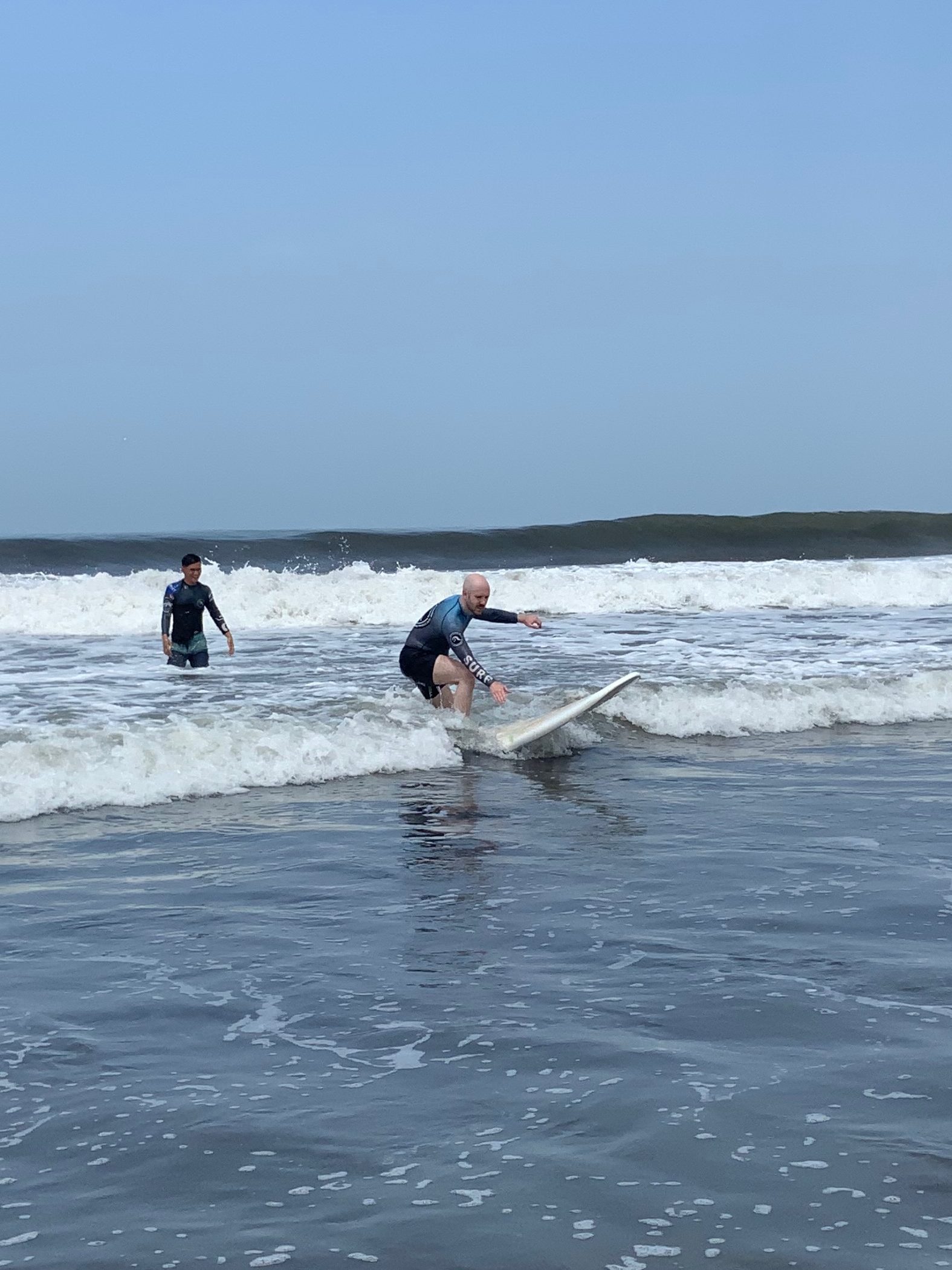
I was utterly amazed though when I managed to stand up successfully on my first wave. It didn’t last long, but it was more than I had expected. Ever the optimist, my target had been to get standing by the end of the lesson. Some (cough *two*) attempts were definitely better than others and translated into videos longer than three seconds. Without Jerson counting me down and calling out each step though, even that would probably have been beyond me.
As for Ricki…well I’m just glad it was the one of us with less enthusiasm who had less natural ability. In fairness, I don’t think he got as much “surfing by numbers” from his instructor and perhaps with Jerson it would have been a different story.
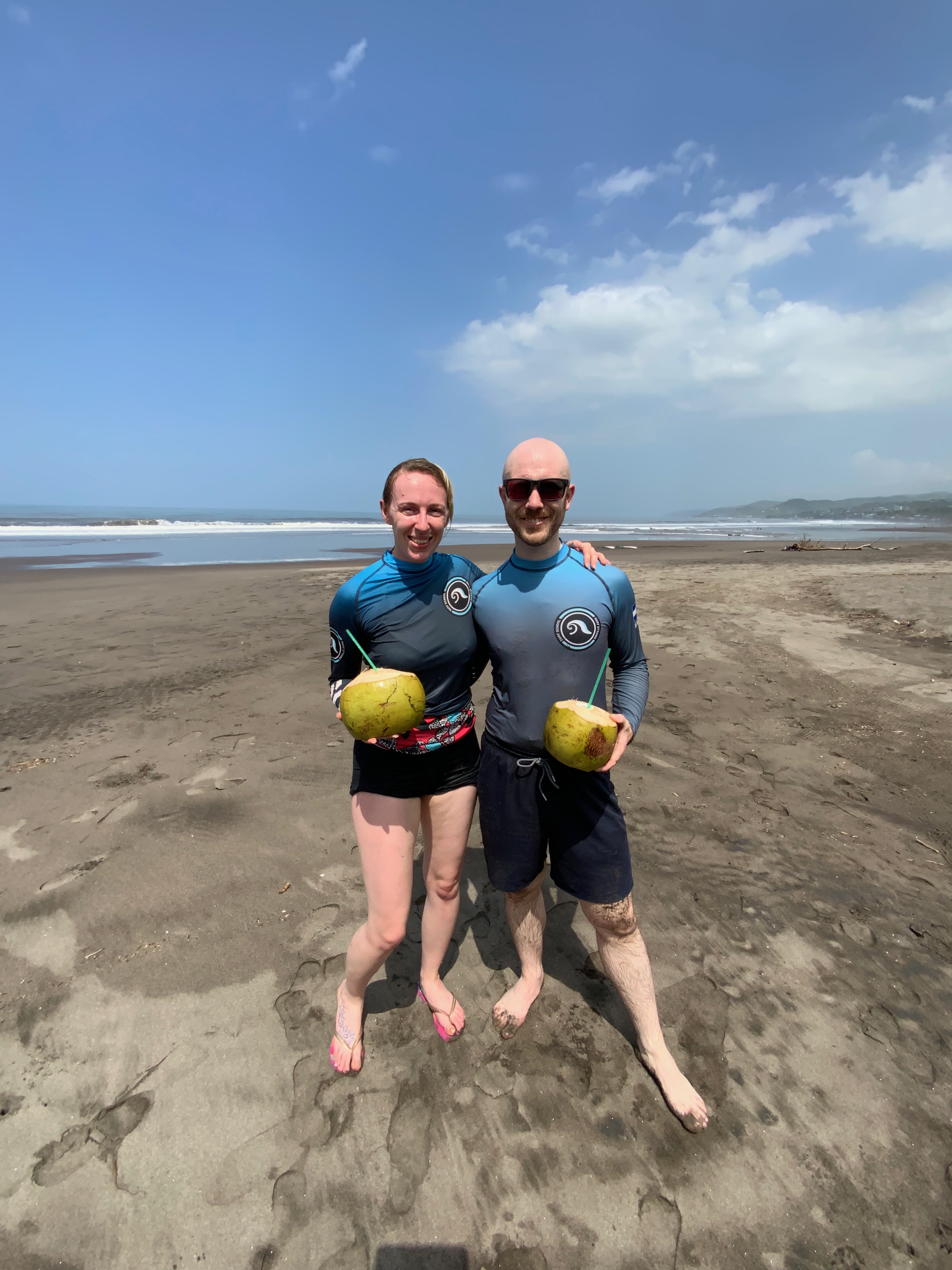
By the end of our lesson we were sufficiently wiped out, with some sand grazes on my legs. Just because I managed to reach the shore on some of my waves, does not mean I completed them elegantly… There was also a noticeable discomfort building around one of my toes. On my second to last wave, something bent in a way that I had definitely not been taught to. Adrenaline abating, now I was feeling the effects. By the time we got back to our apartment, I had a purple toe joint and a limp. Goofy footed indeed.
The next day we ventured out to El Tunco beach to see the pros at work.
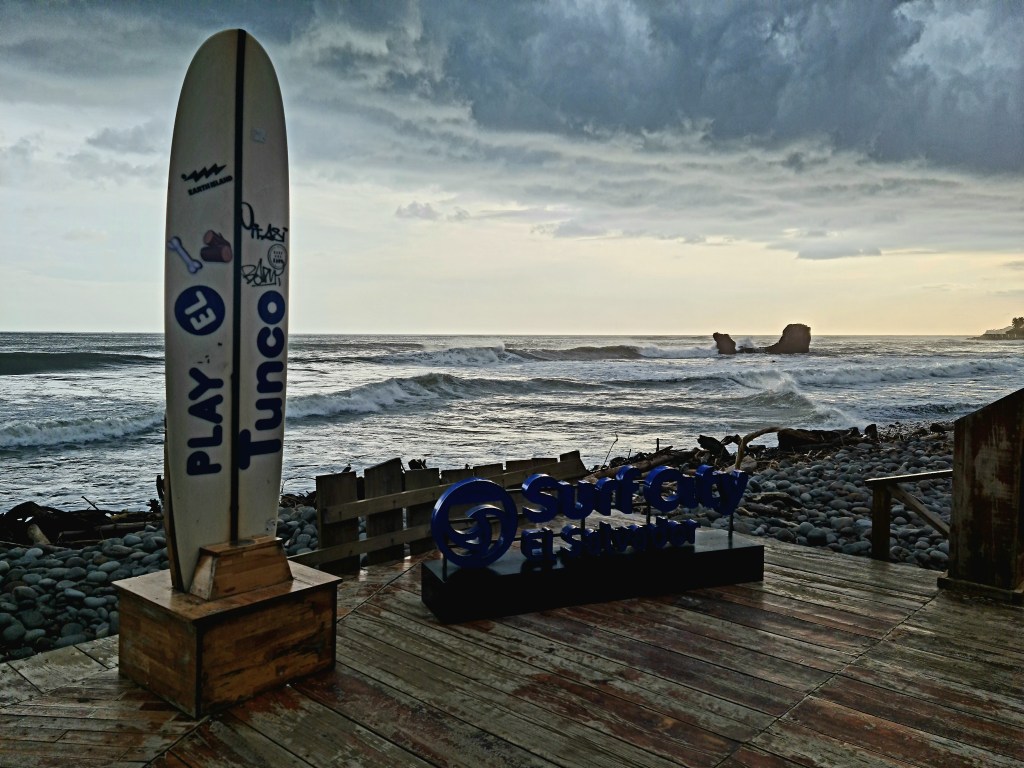
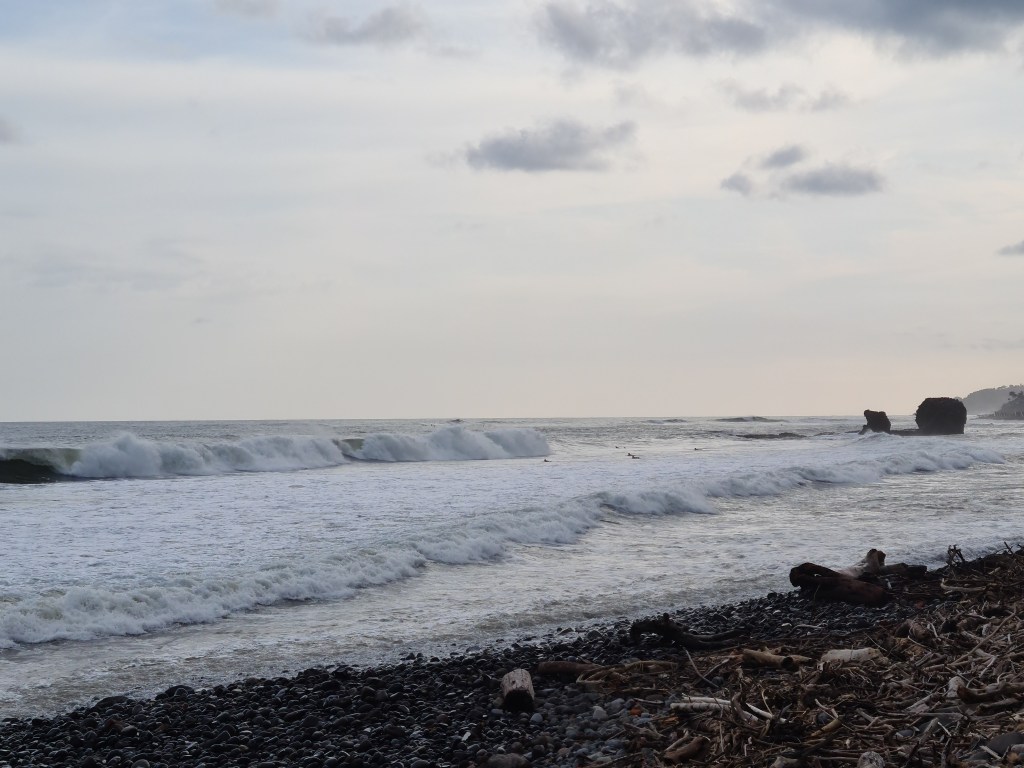
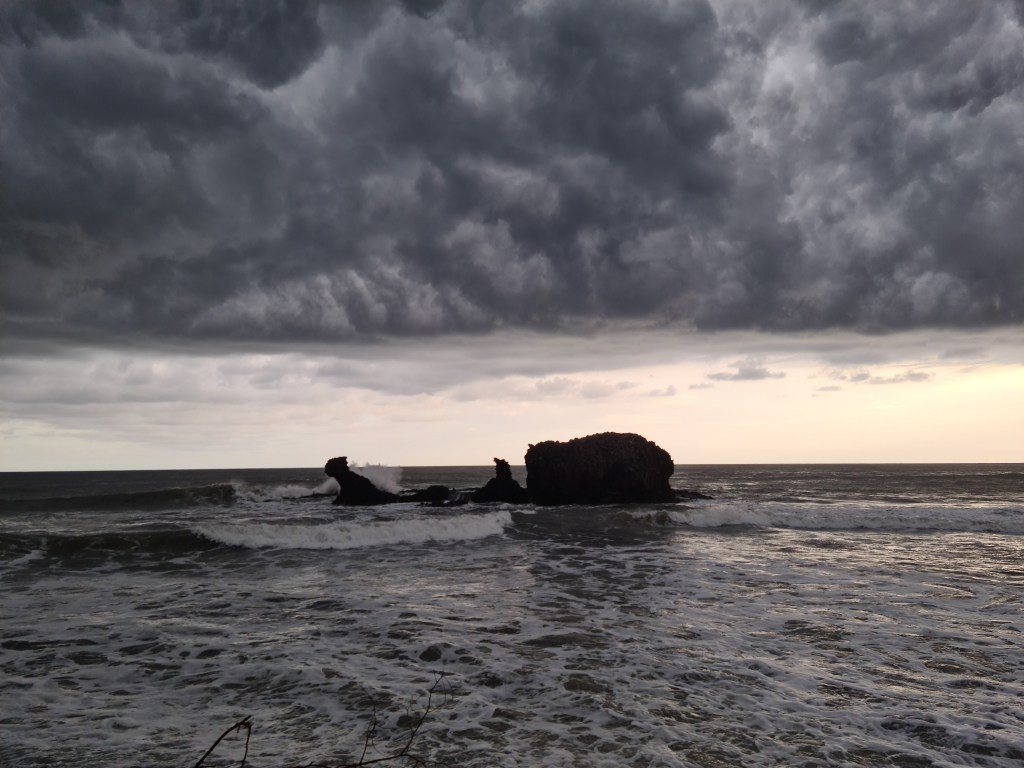
El Tunco means “The Pig”, the beach being named after the pictured rock formation (it’s a pig floating on its back)
Scores of surfers dotted the sea and we were constantly scanning back and forth with our eyes to see who was performing the most impressive manoeuvres.
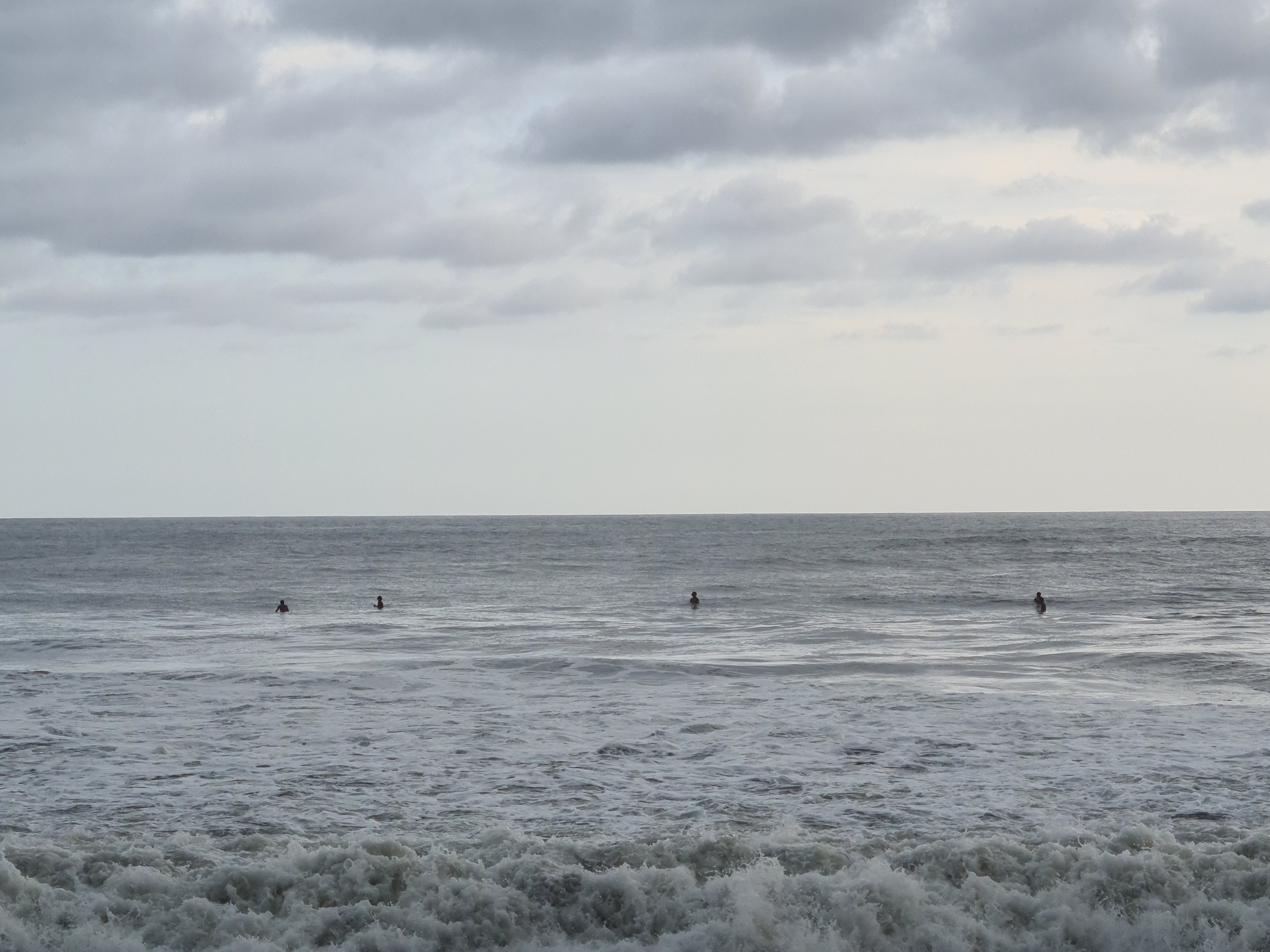
I don’t think we intended to stay too long, but it was compelling viewing. Even once the rain arrived, we just ducked into a shoreside bar where we could watch with a beer in hand. At least we could say we had put in a shift of our own!
Rounding off our time in El Salvador, we finished up in the capital city, San Salvador.

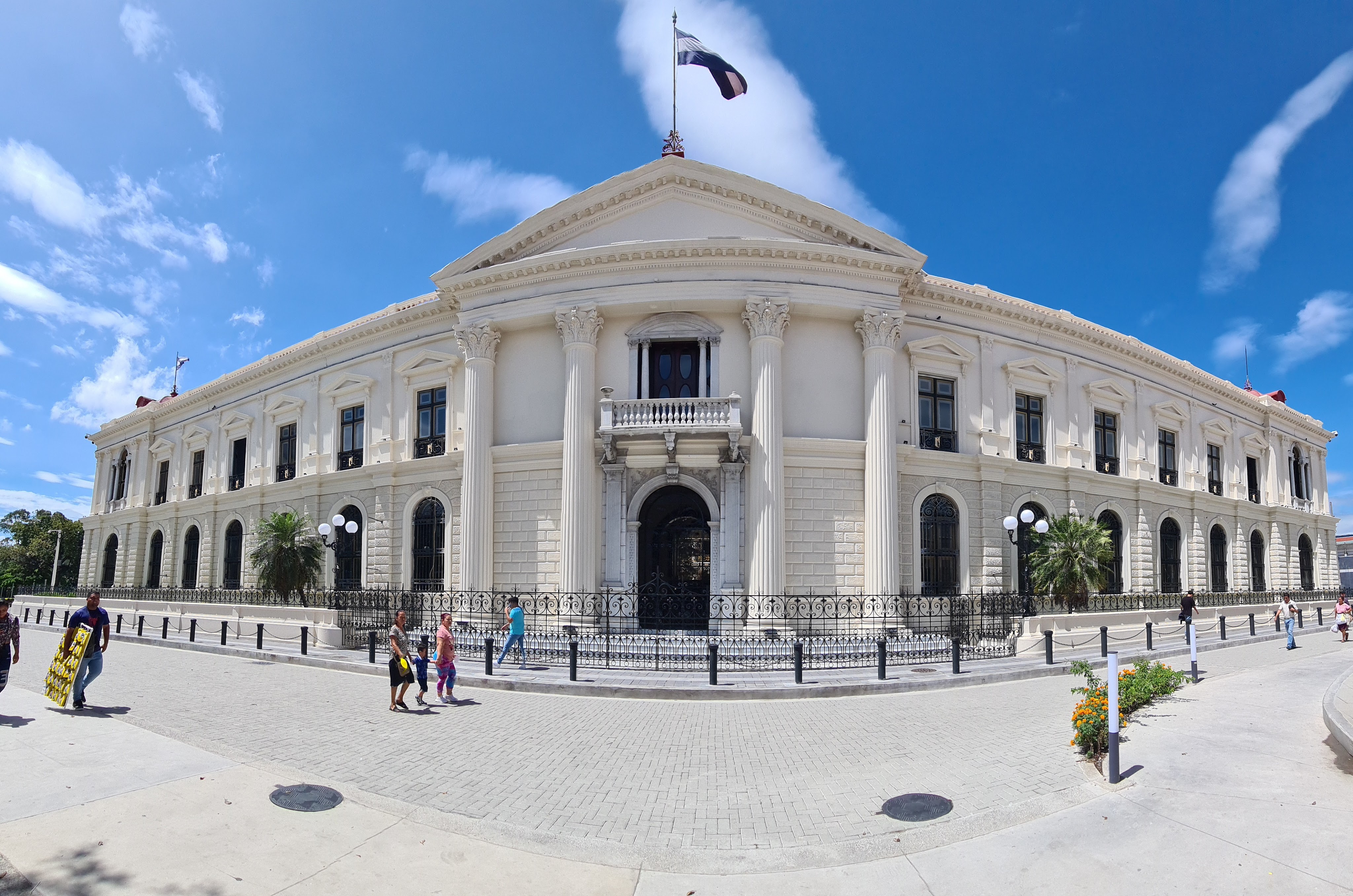
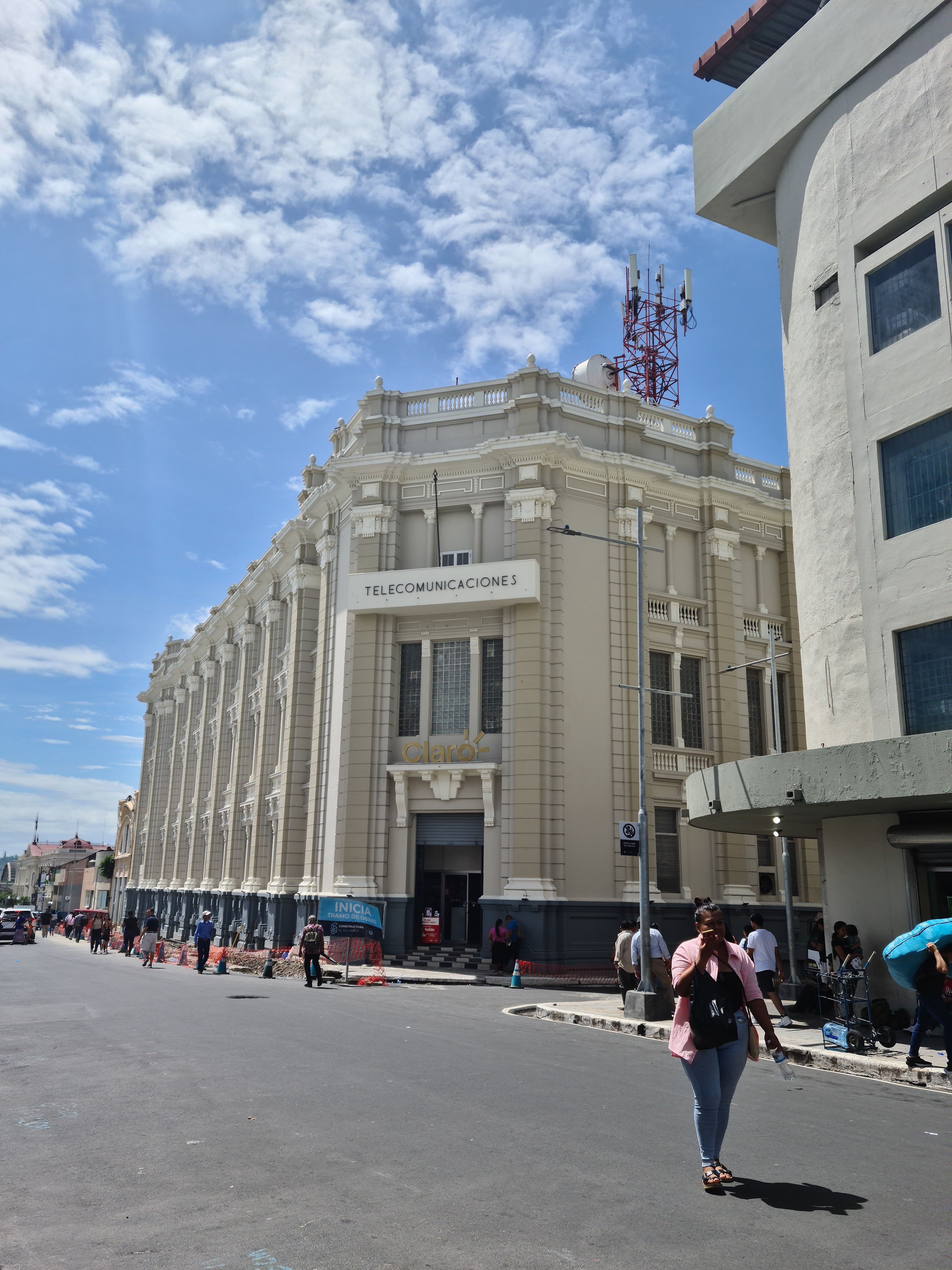

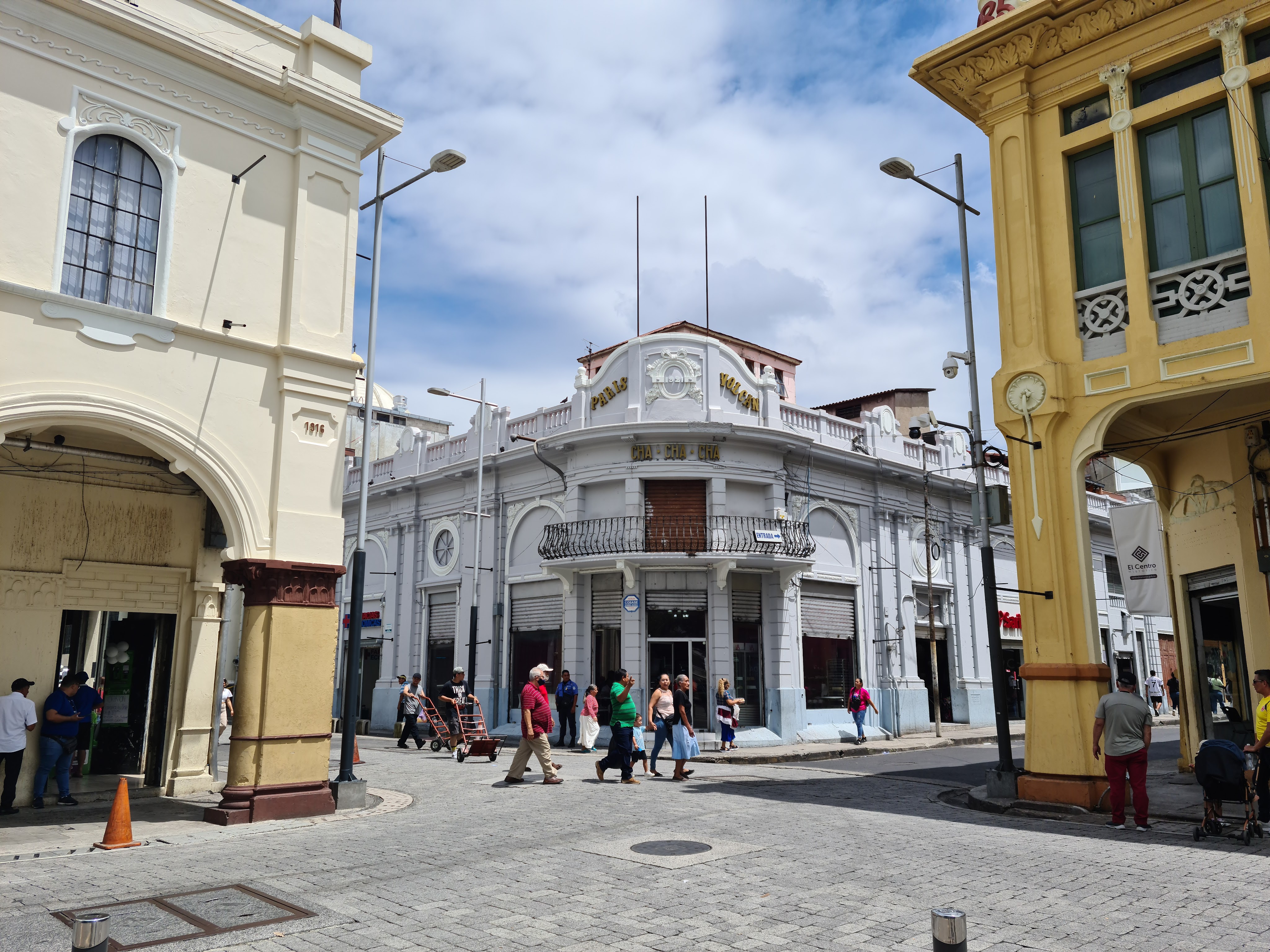
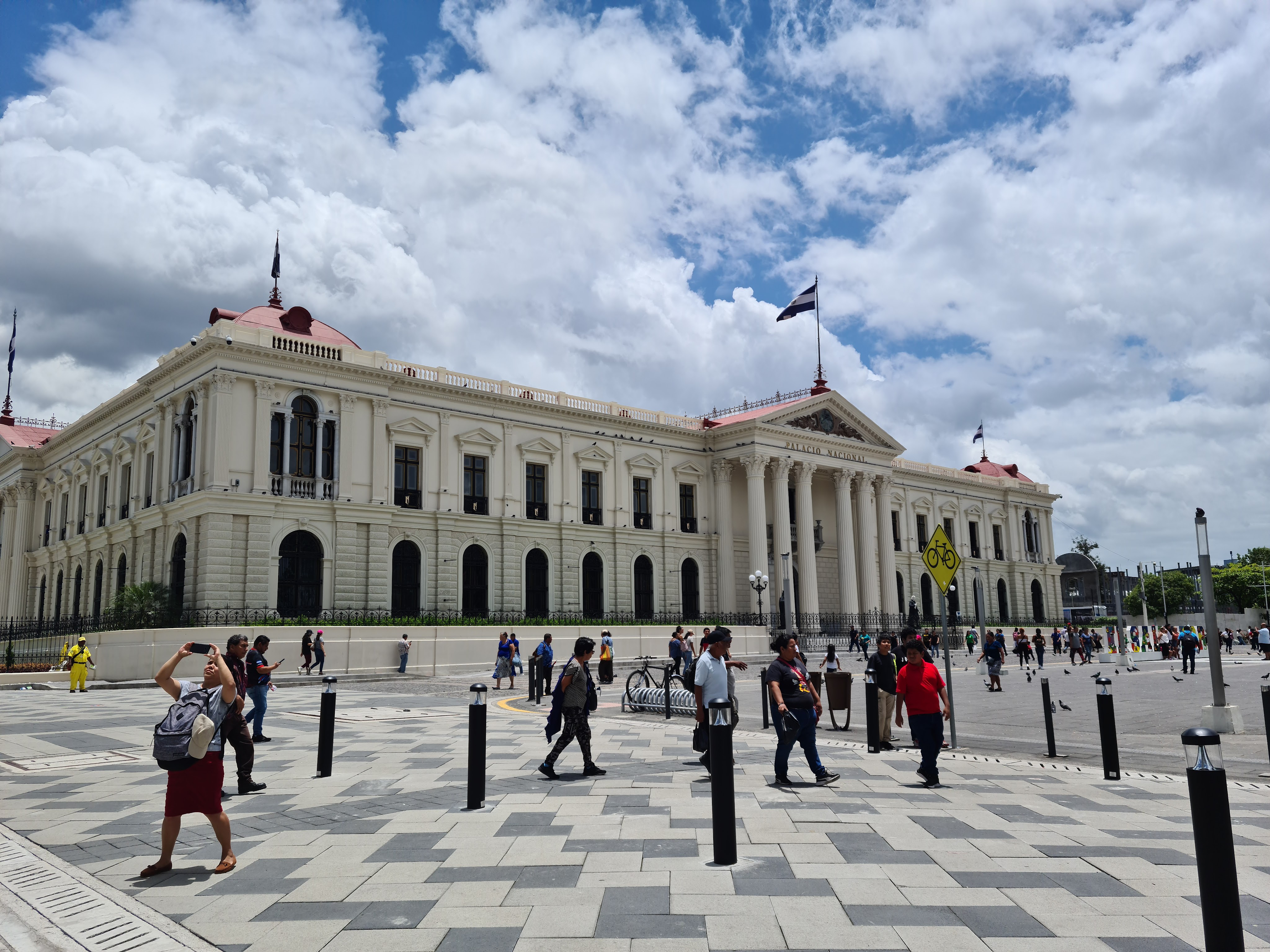
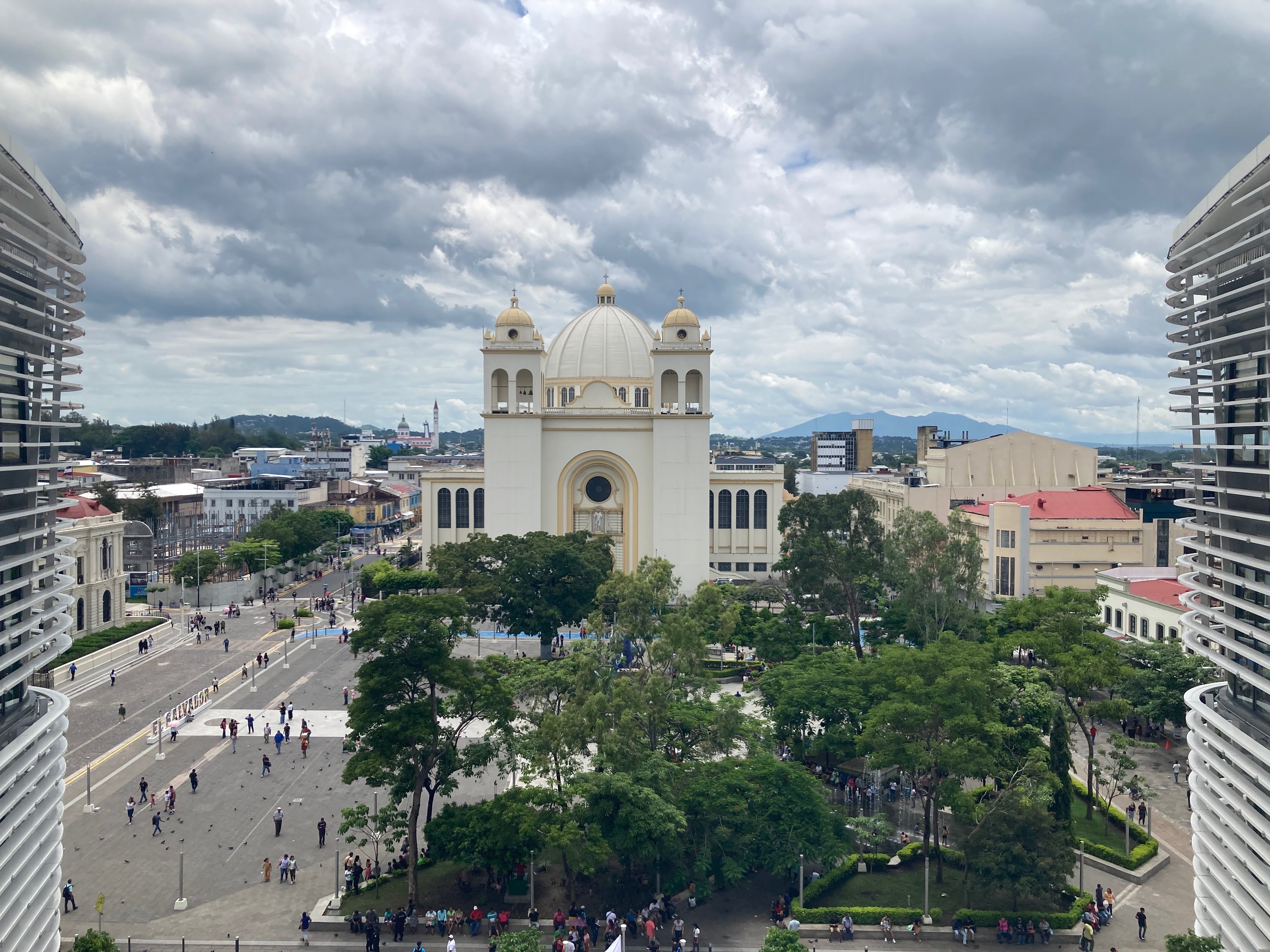
Another walking tour helped us get acquainted with the city centre. Amongst the various stops were the usual churches.
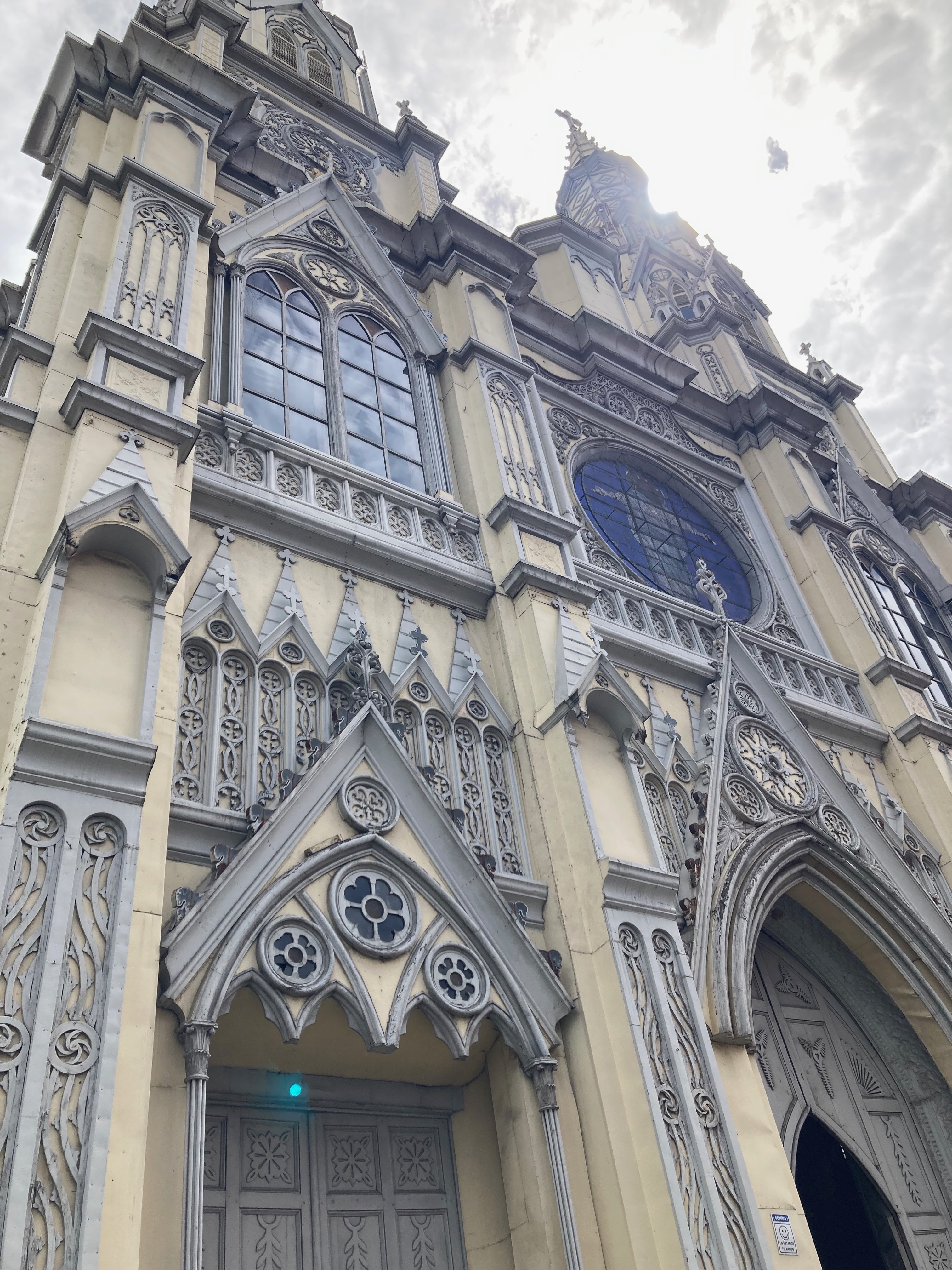
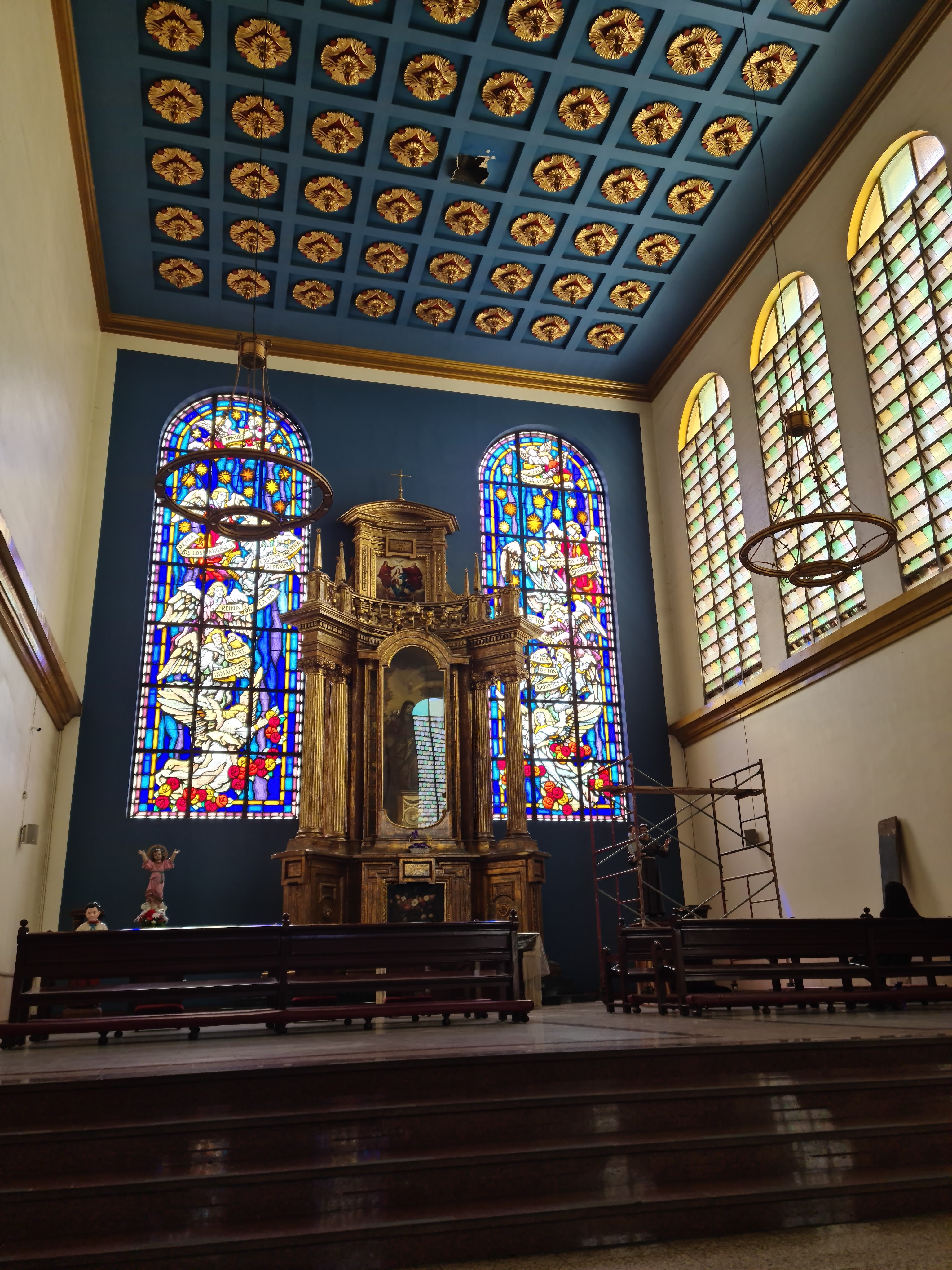
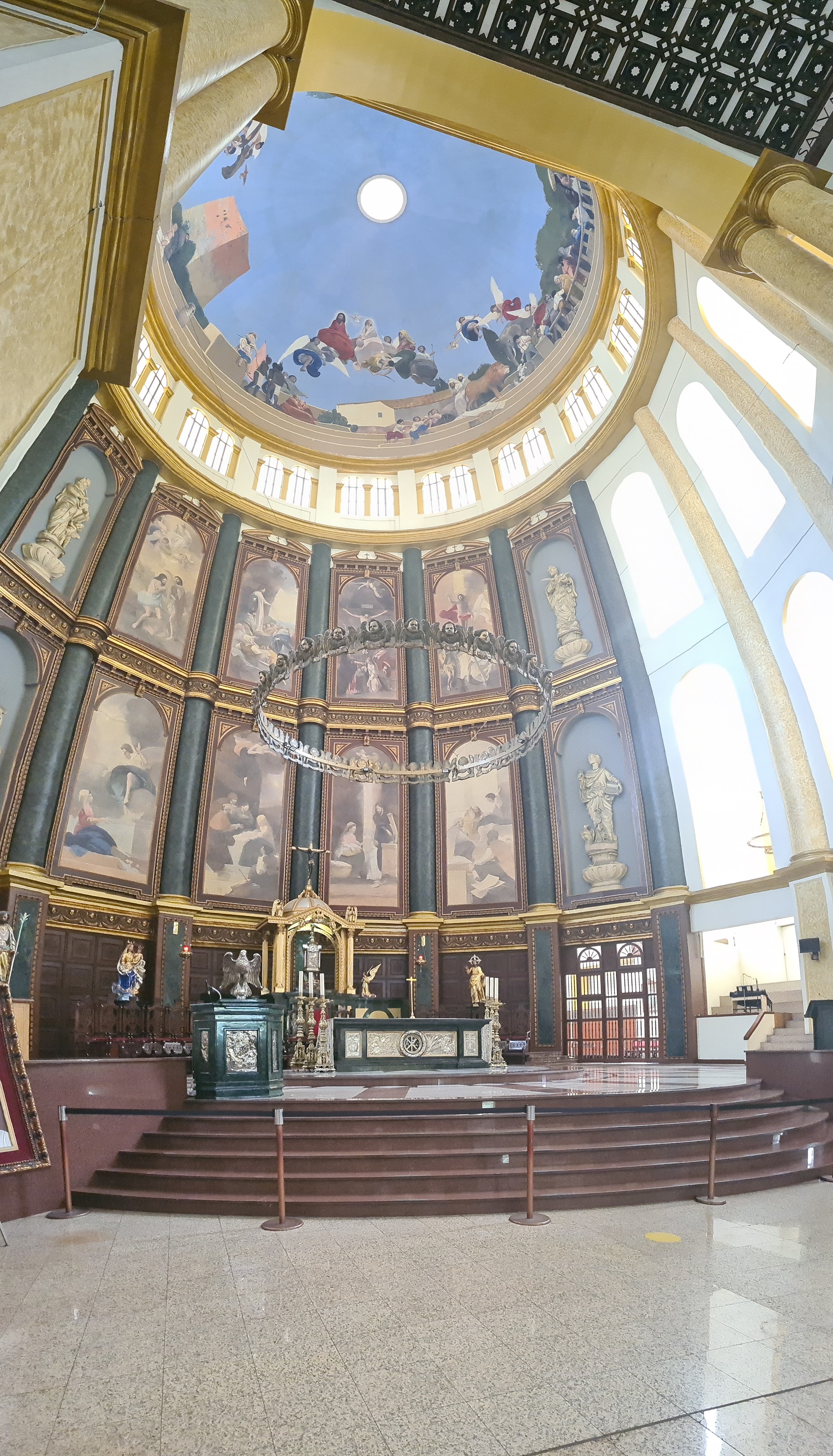

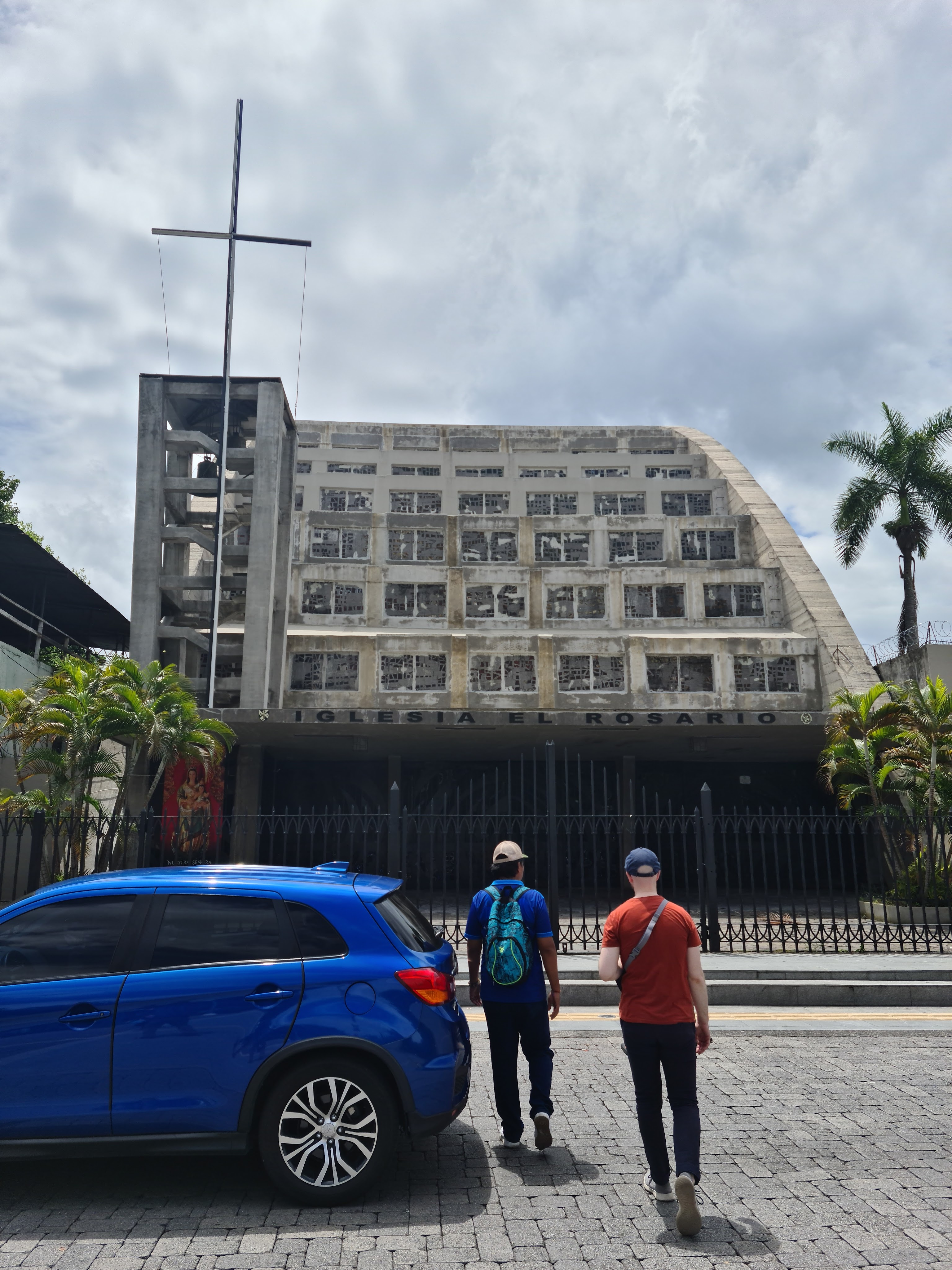
Iglesia el Rosario was particularly worth visiting though. Brutalist in its external architecture, it perhaps isn’t the most welcoming at first sight.
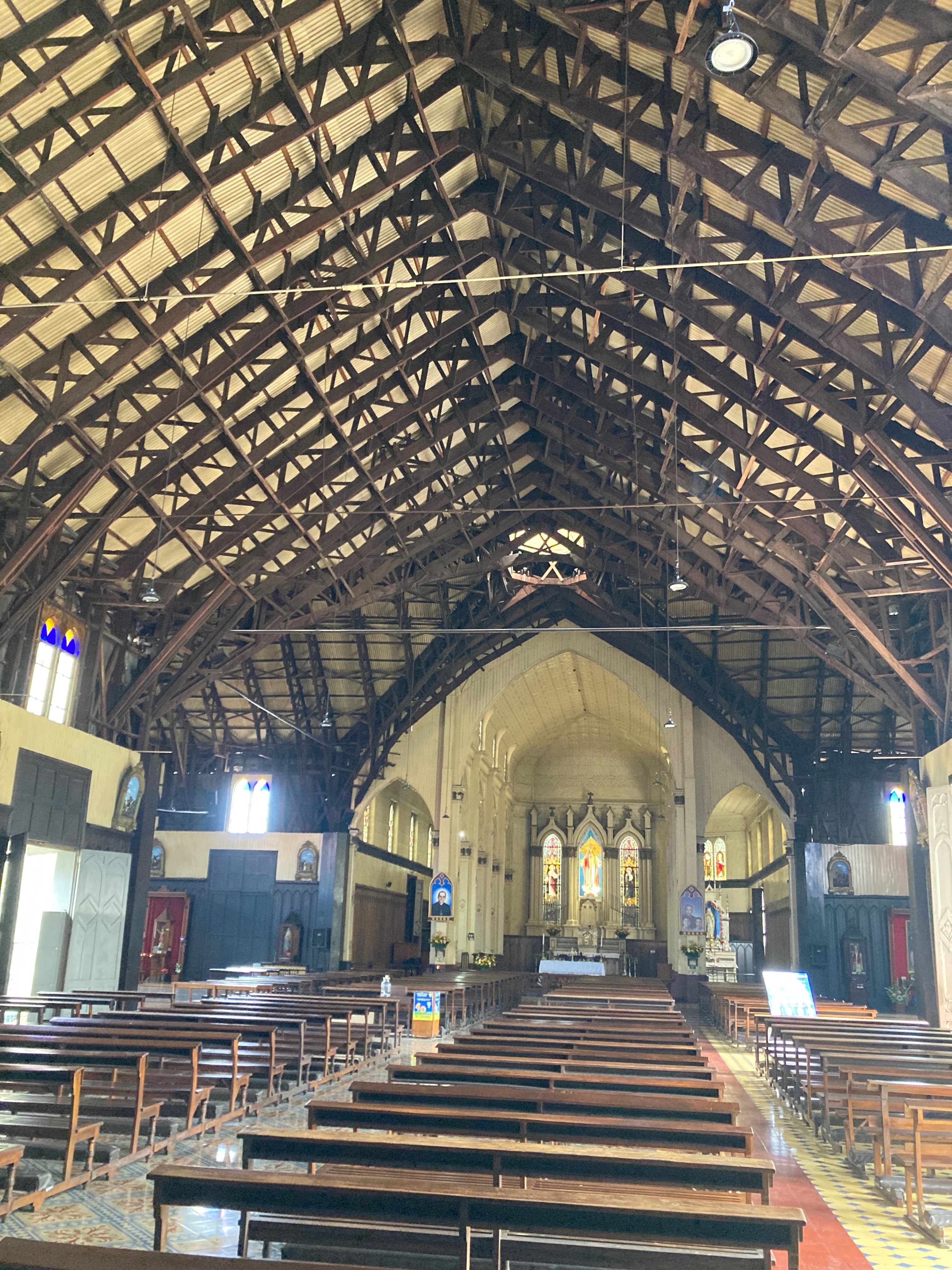
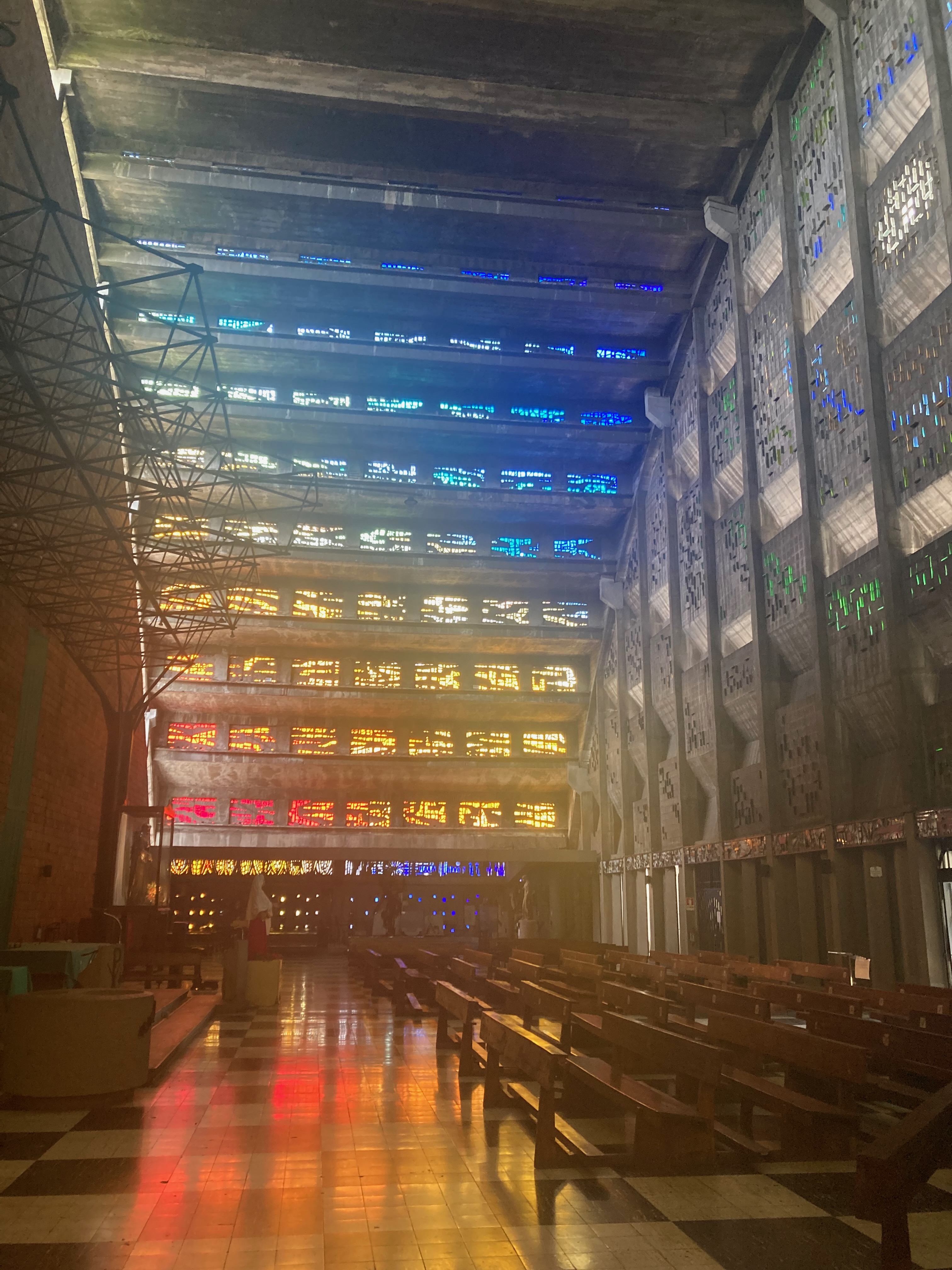
Inside though, the windows let in the most incredible rainbow light. In the ultimate story of “I want to talk to a manager”, the local clergy didn’t approve of architect Rubén Martínez’s plans when first presented, so he approached the Vatican for sign off instead.
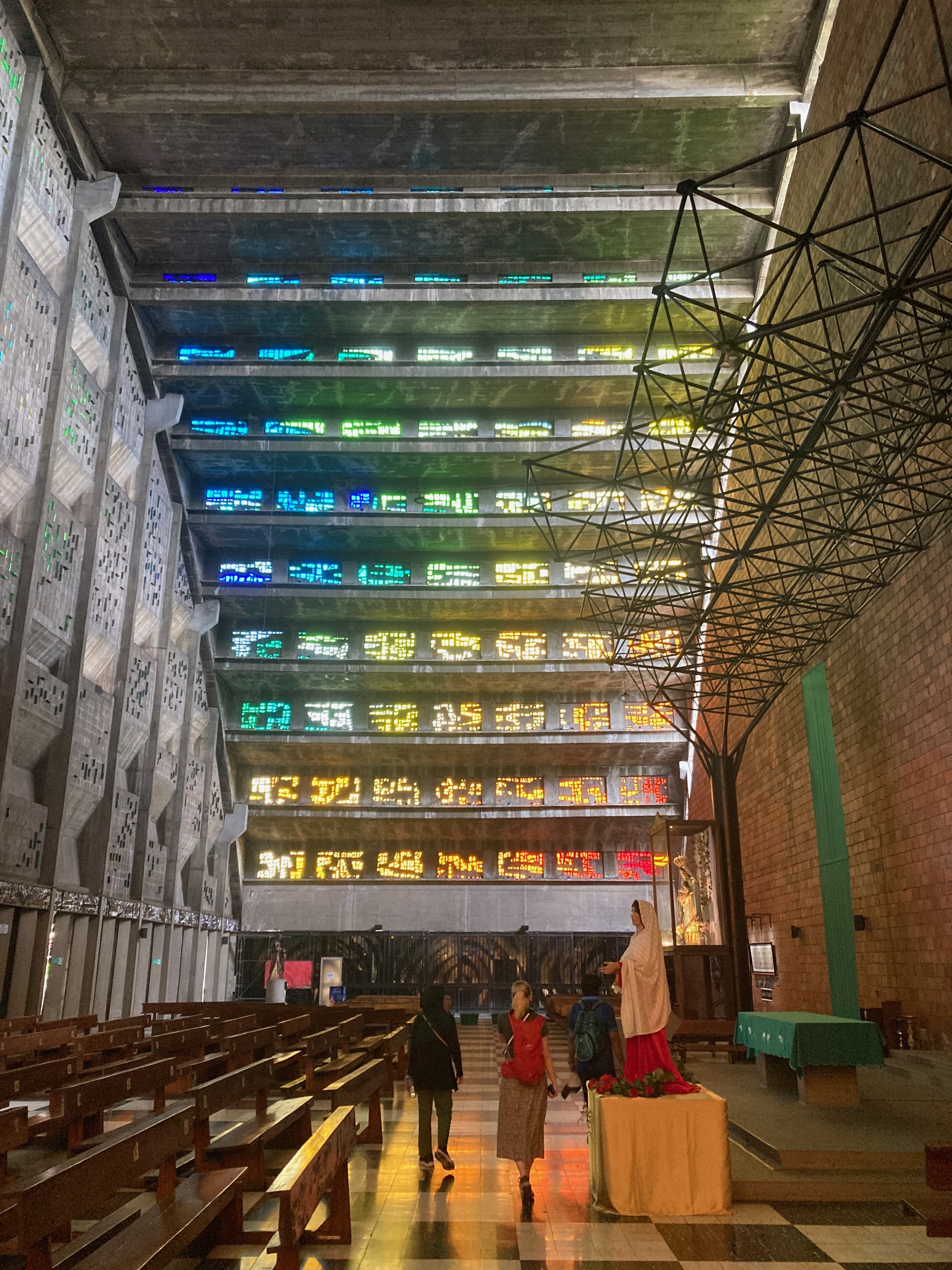
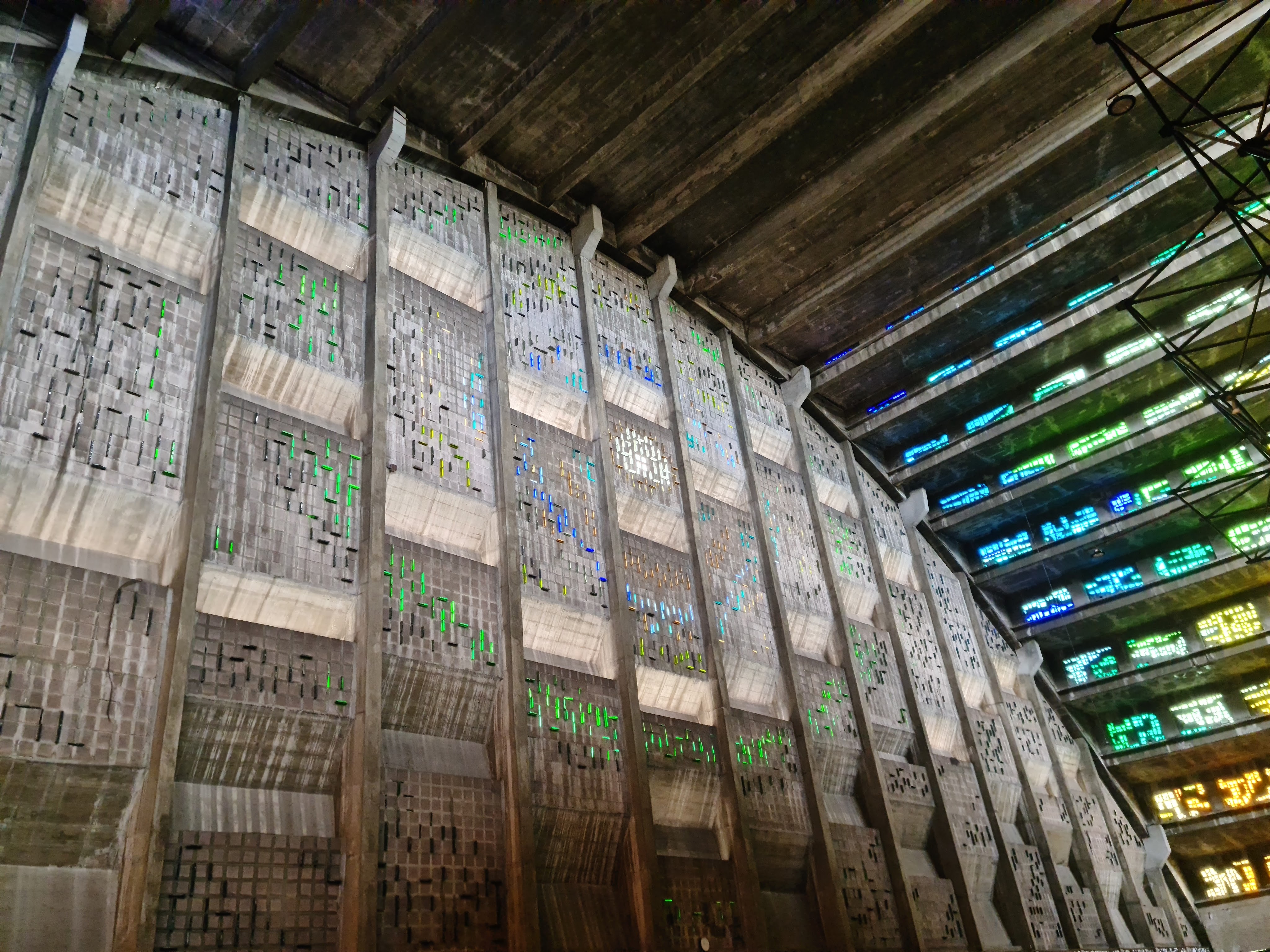
The Iglesia is also a sombre site, having been the scene of a massacre during El Salvador’s civil war. There are still visible bullet holes in the doors. Shocking when churches are meant to be literal sanctuary.
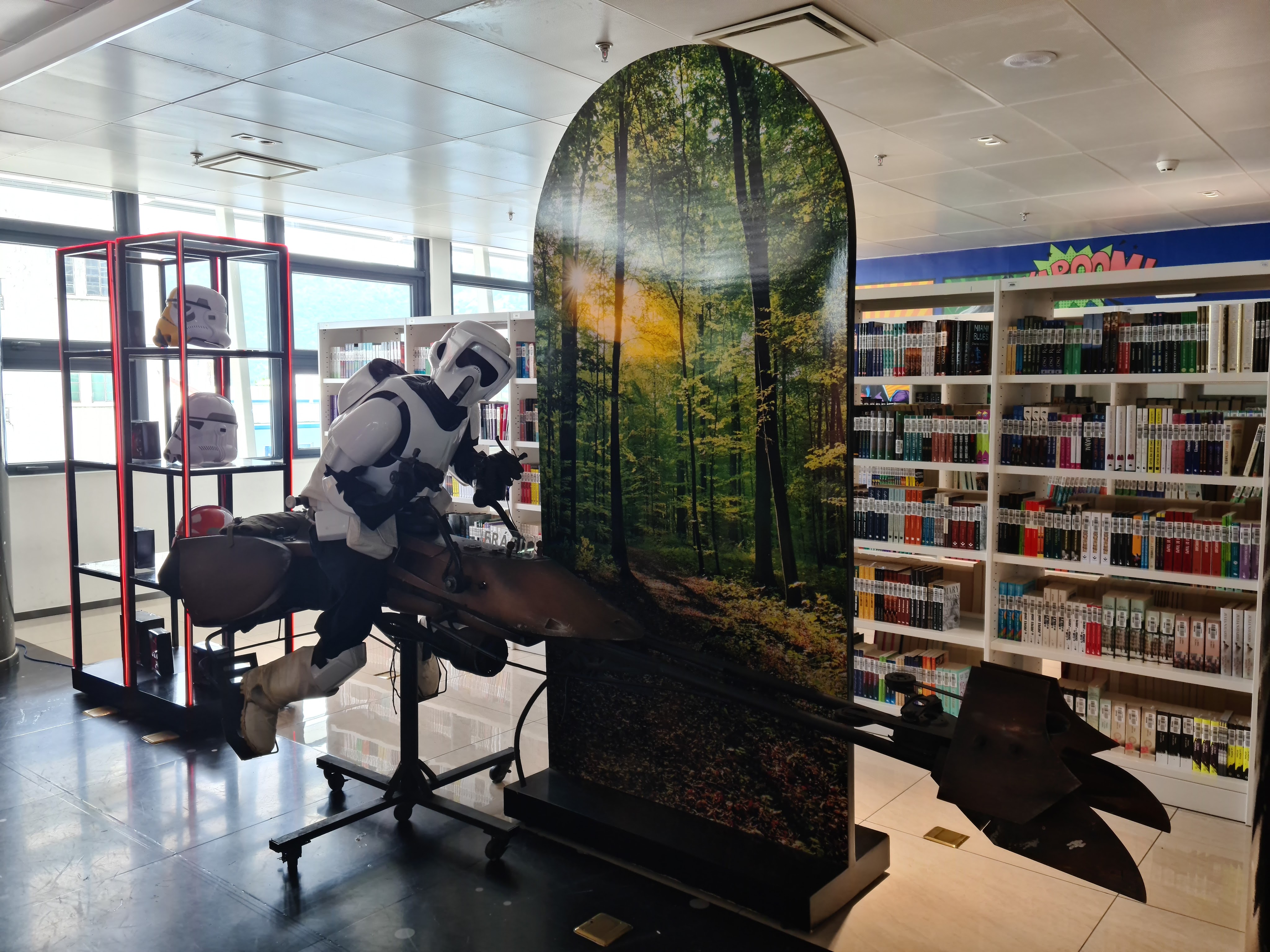
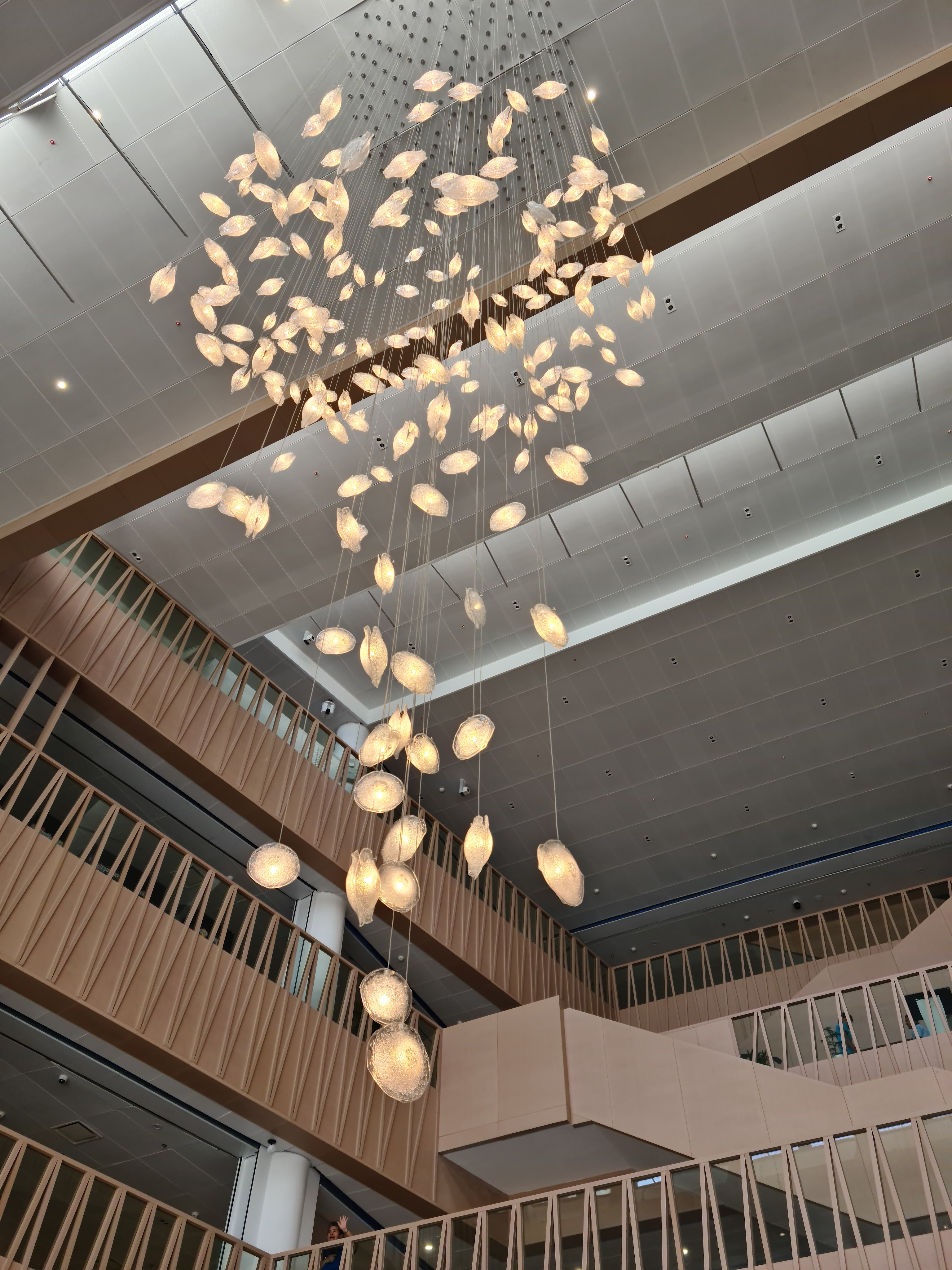
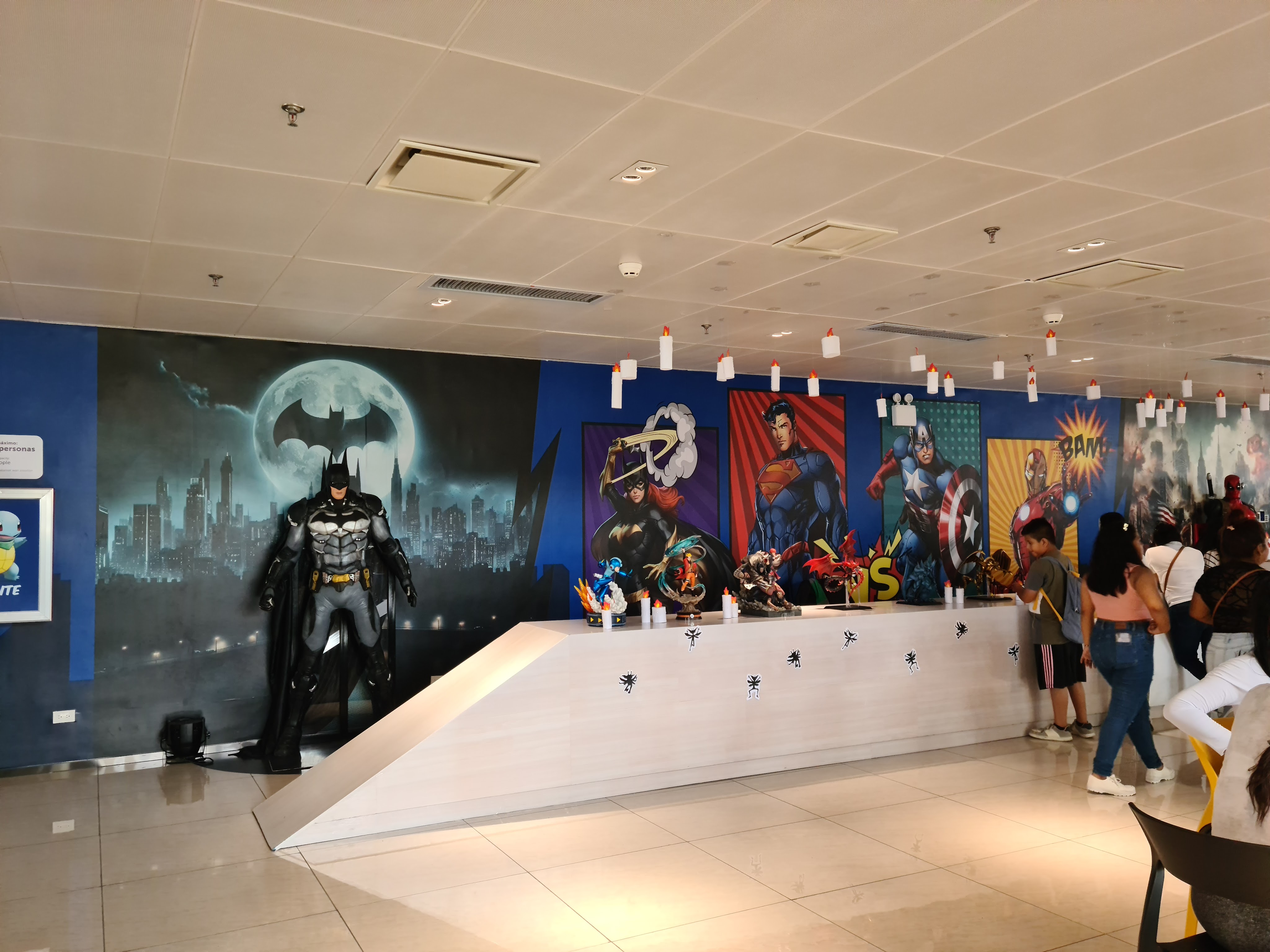
The tour finished on a more positive note. While UK councils are only focussing on closing libraries, El Salvador has built a flagship library in its capital (although in fairness, the UK probably isn’t in a position to be accepting such gifts from China).
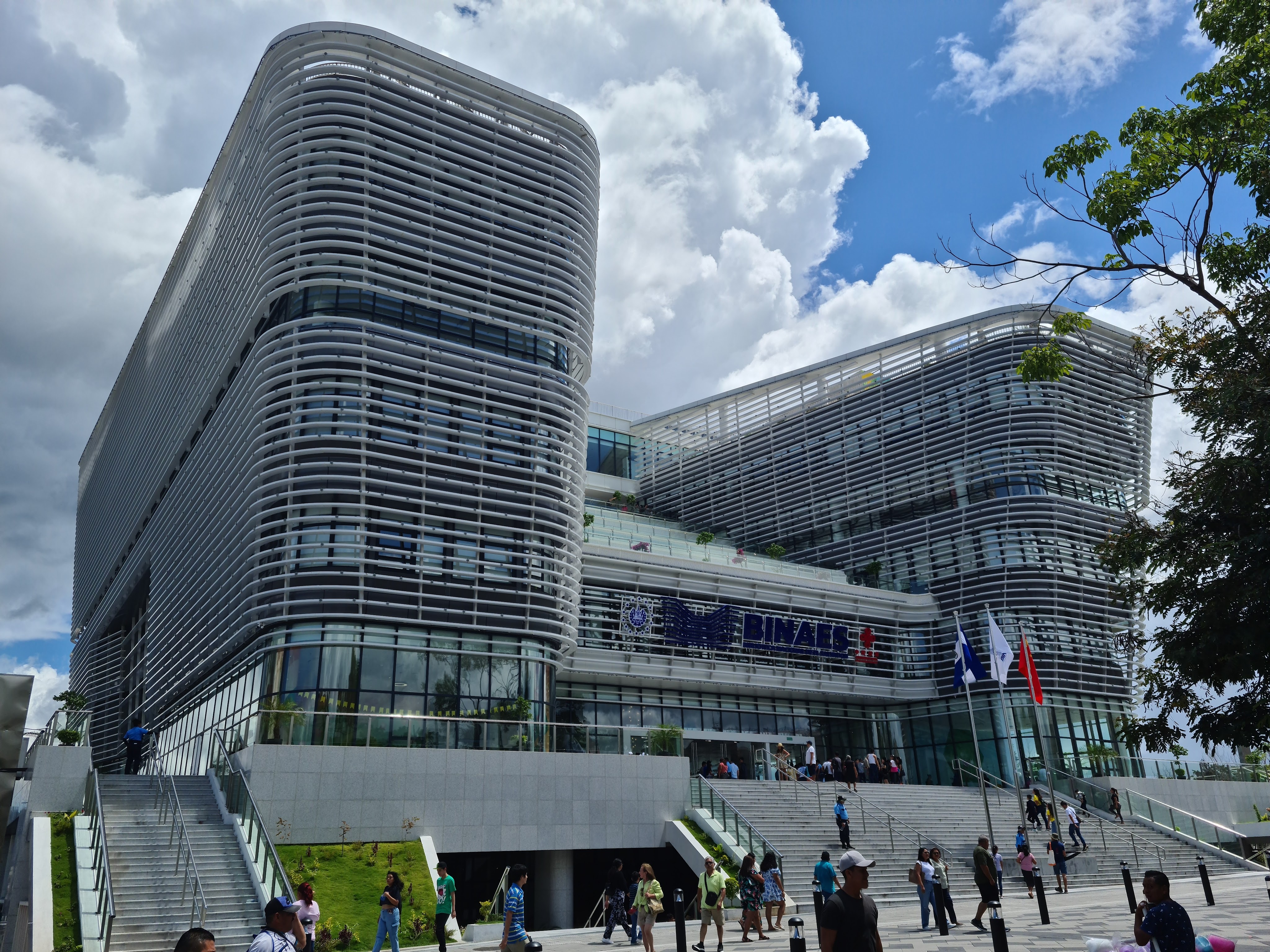
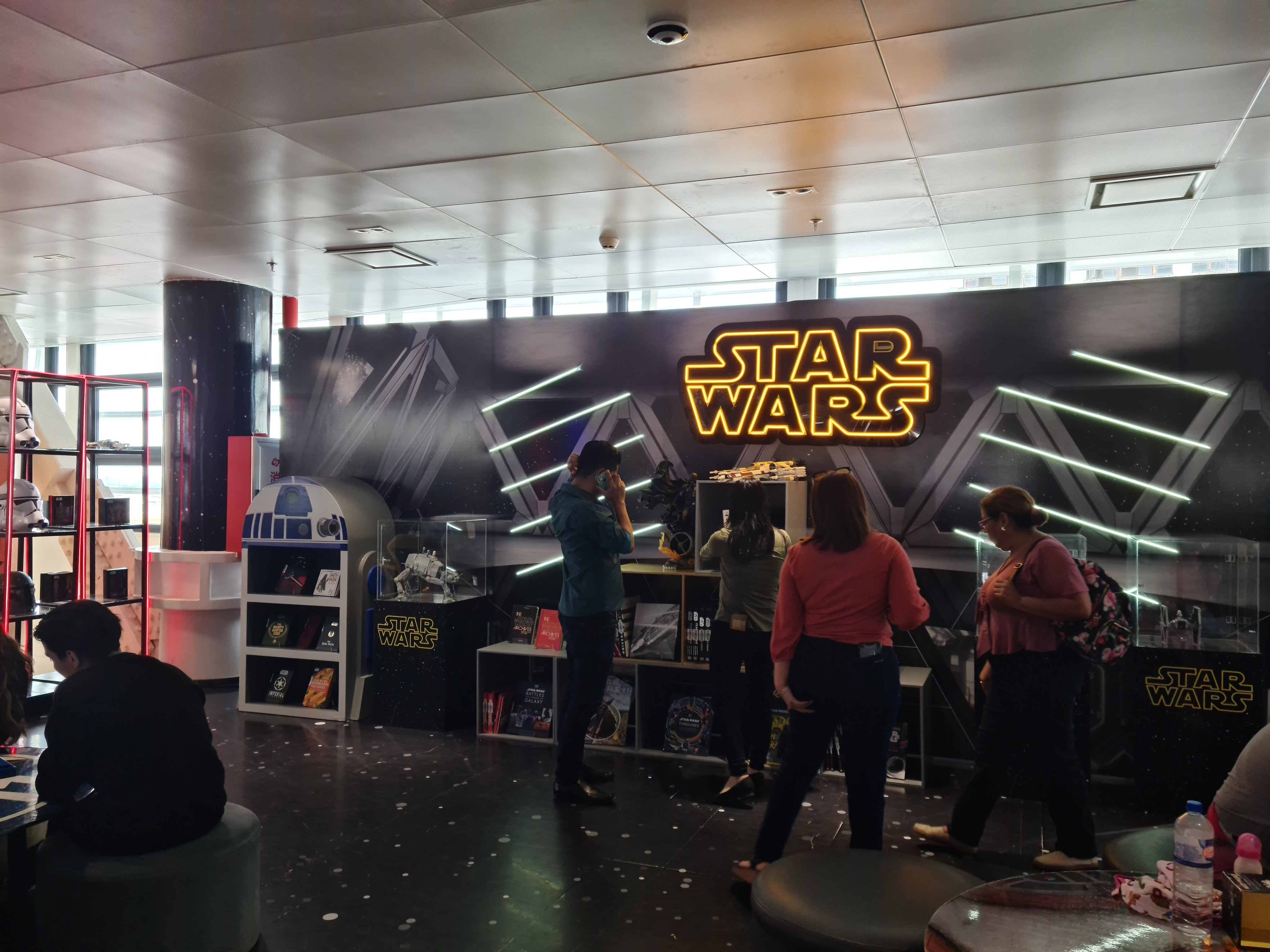
With several floors catering to different ages, it’s particularly notable for the range of video game consoles. The “catch” being that kids have to read for at least 30 minutes in exchange for time on the games. Hopefully this initiative pays dividends for the future. There was also a more grown up section on the top floor with those Taschen coffee table books that cost about £100 a pop. A penthouse reading room, I could have probably whiled a way a couple of hours there.
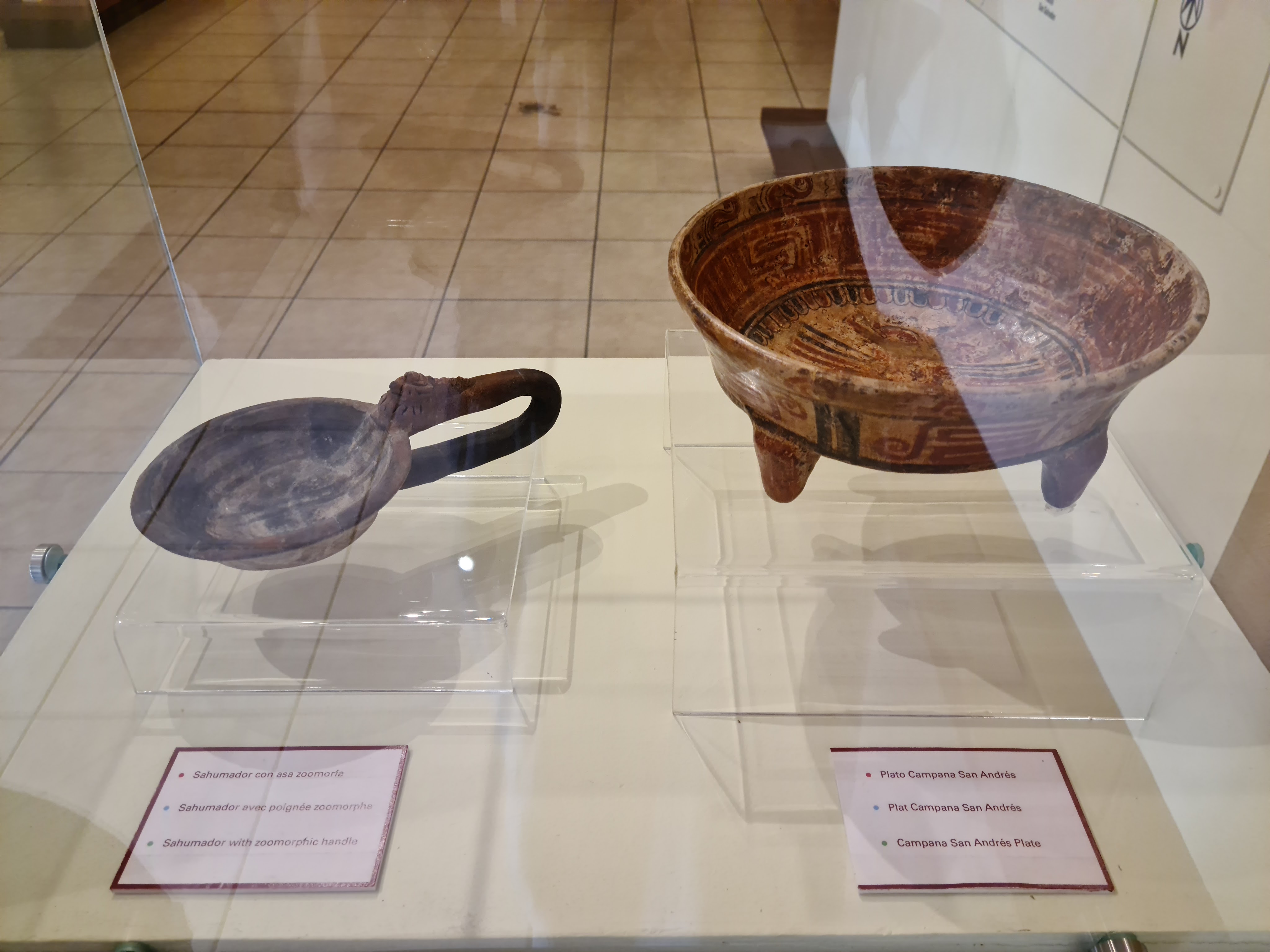
Finally, it was time for yet another trip on the chicken bus, this time to Joya de Ceren. Comparable with Pompeii, this was a pre-hispanic farming community which was buried following the eruption of Laguna Caldera in AD 600, but preserved in remarkable condition.

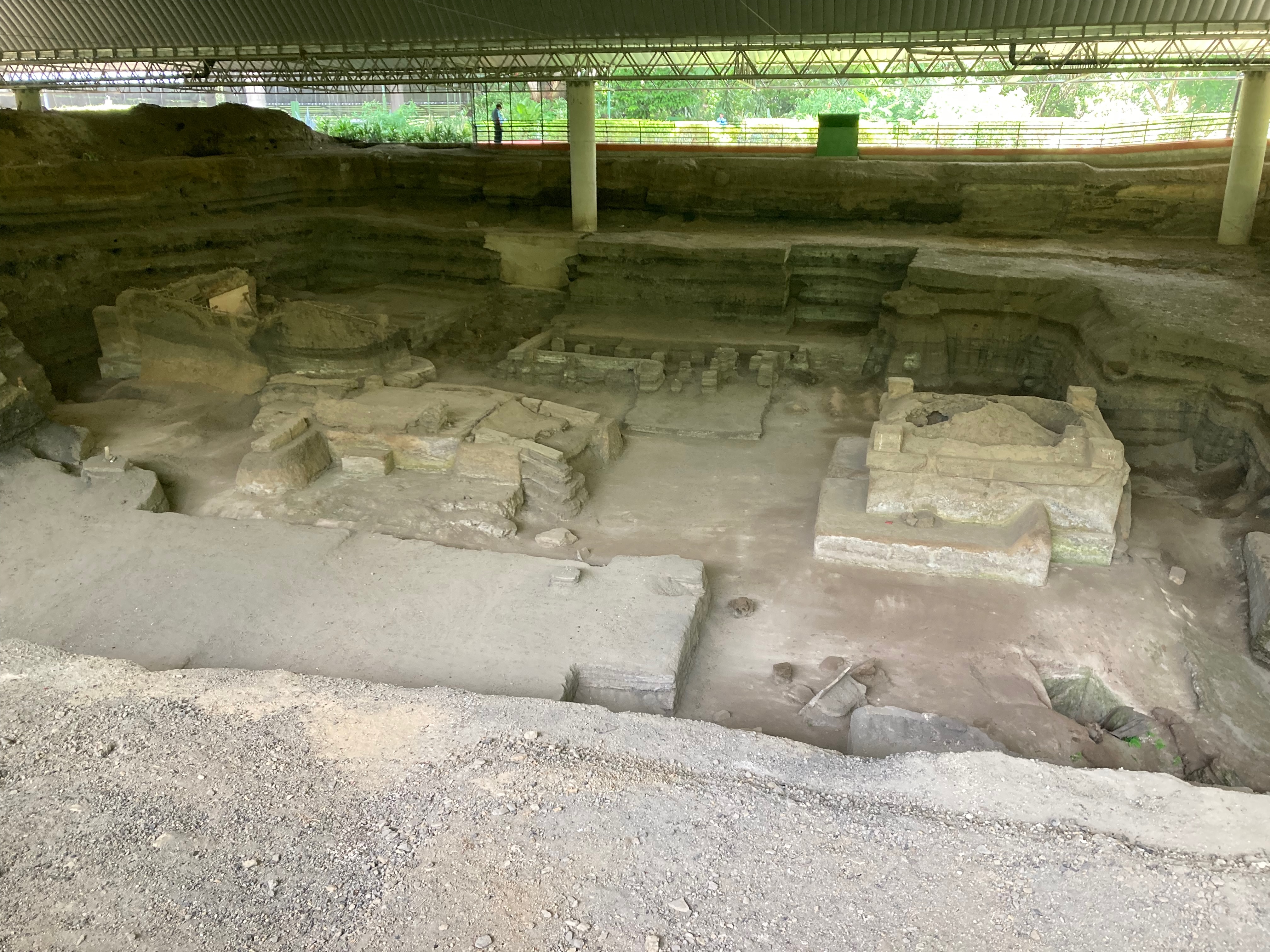
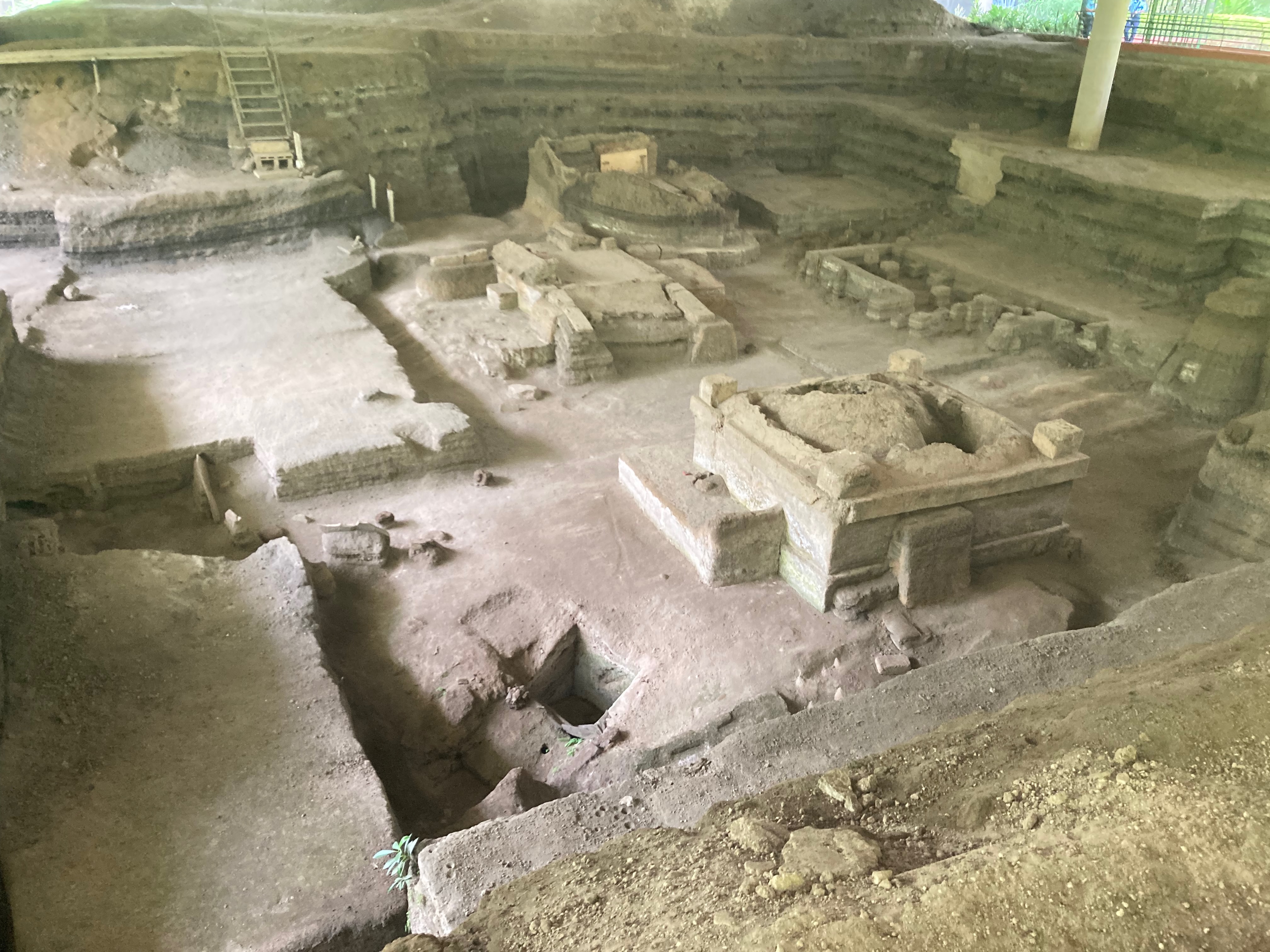
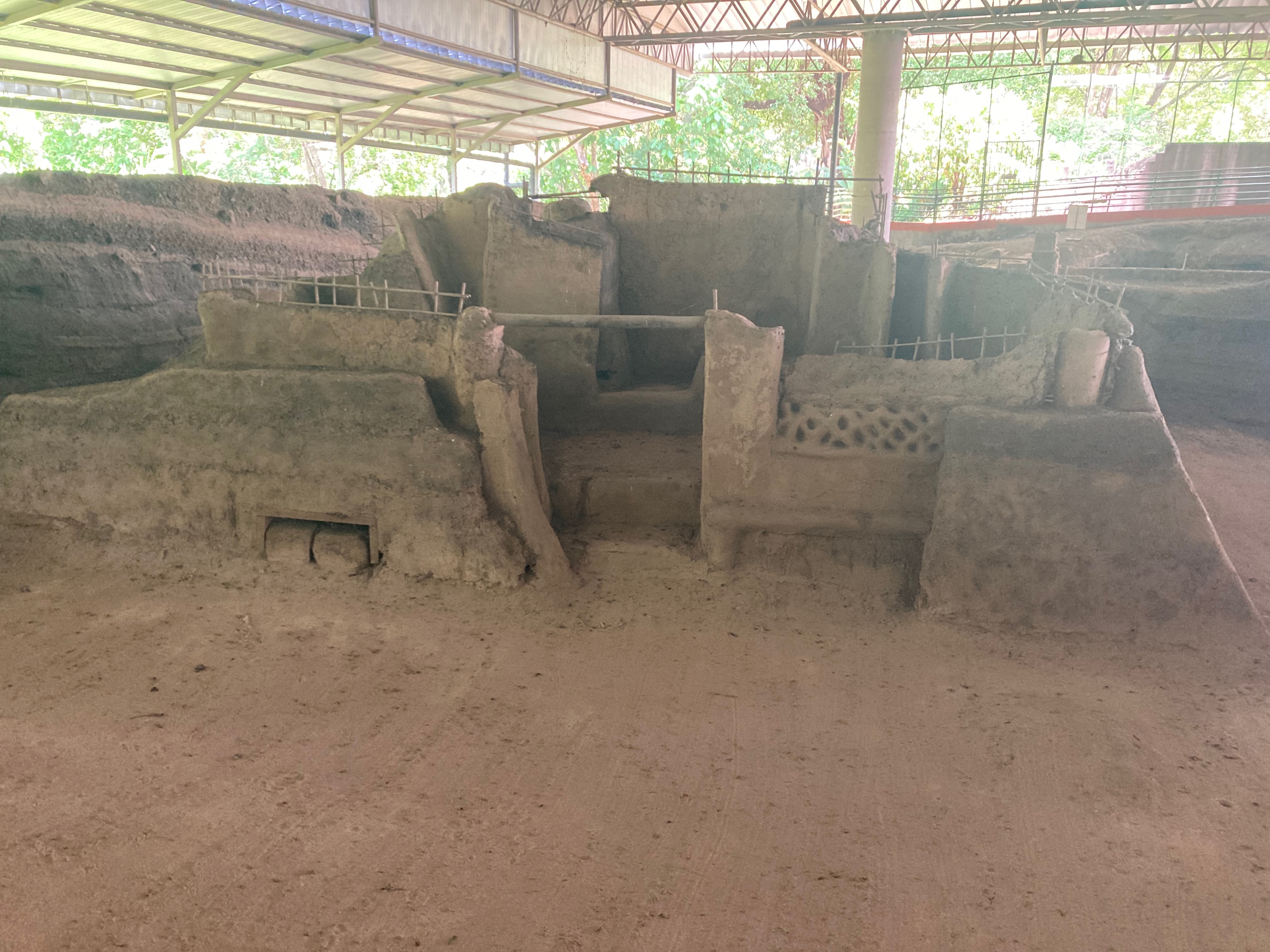
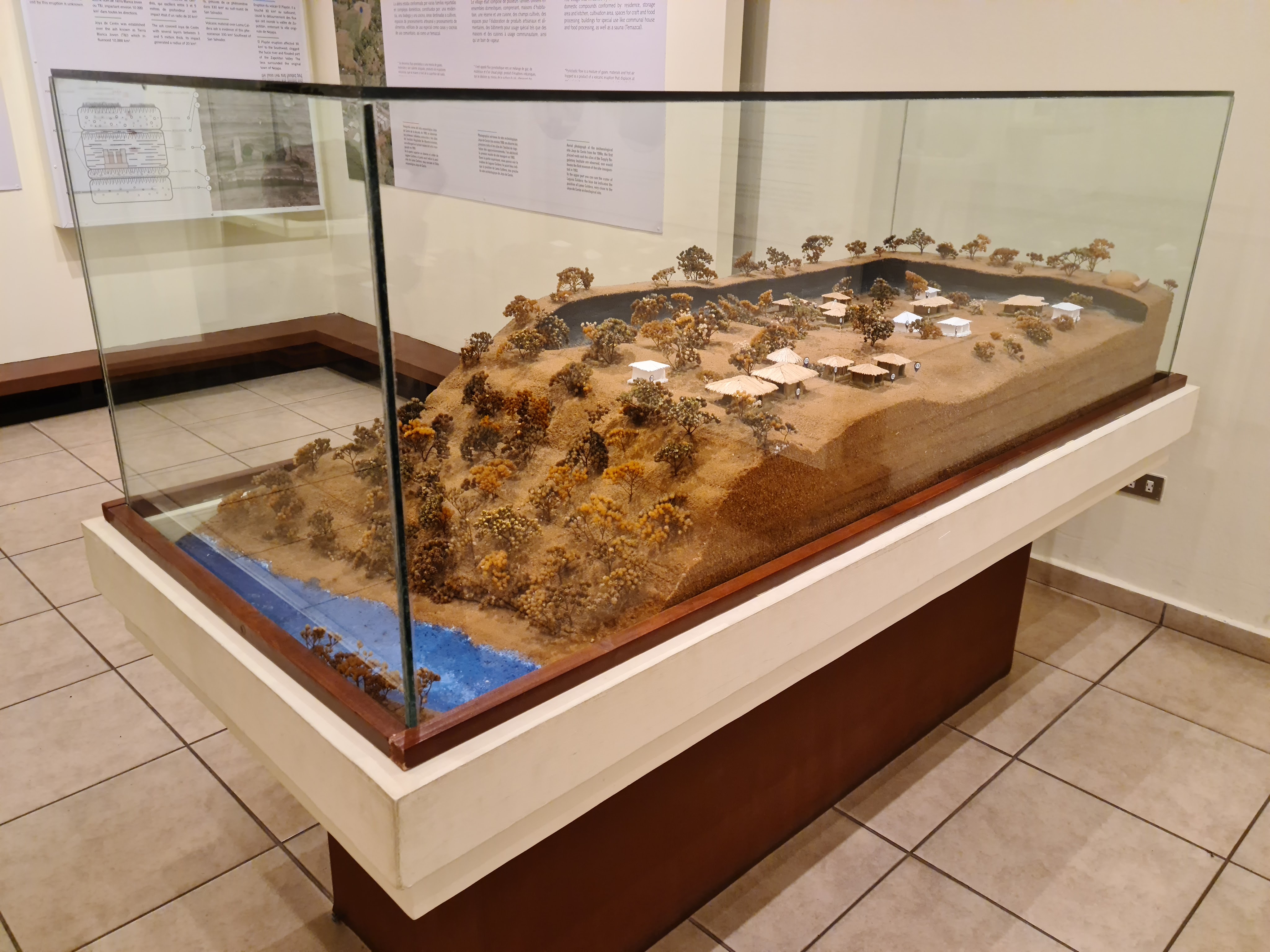
Although we had only positive experiences with volcanoes during our time in Central America (summit of Acatenango aside), this was a reminder of their volatility and impact.
While in El Salvador, we also felt the might of the Earth by experiencing our first earthquake. While our apartment in La Libertad shook slightly for about five seconds, it was only once it finished that I realised what had happened. The epicentre was in Guatemala, and the tremors which reached us were thankfully more akin to someone running a couple of washing machines on the floor above.
Although a small and, to an extent, developing country, El Salvador really impressed us with its incredible nature and kind citizens. So far this year, although most locals have been friendly, I found El Salvadorans to have come out tops. From the couple at the bus stop, to the restaurateurs and taxi drivers who would actively ask about us, we felt very welcome. Often they would comment we were the first Scottish people they had met. Hopefully we gave them a good first impression!
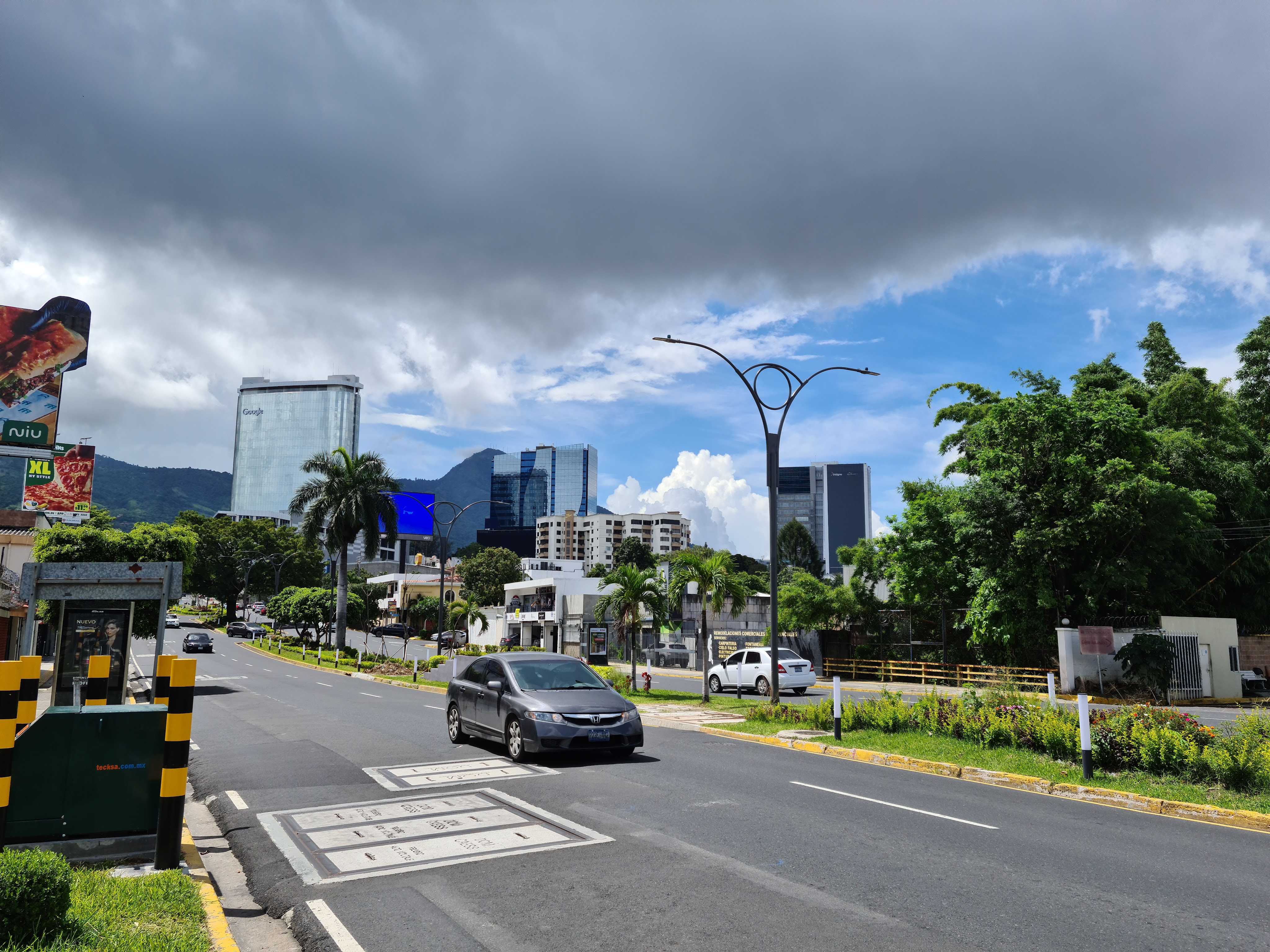
Perhaps most extreme was another couple who approached us in a cafe in San Salvador. Explaining that Jesus had instructed the male to pray for someone in the cafe, we must have been looking the most in need of salvation, as he asked if he could do so for us. We decided to go with the flow if it made him feel at peace, admittedly feeling a bit awkward as atheists, and keeping at least one eye open and on our belongings each. Who knows though, perhaps we have now been blessed with positive travel experiences only for the rest of our year.. After all, “El Salvador” does translate as “The Saviour”!
Tash’s Treats
After “What’s your name” and “where are you from”, the next question you are likely to be asked in El Salvador is “What’s your favourite pupusa?”. These filled and grilled flatbreads are great as a snack, or even in multiples as a meal, and are the must-try while in El Salvador. My favourite is cheese, garlic and coriander, thanks for asking.
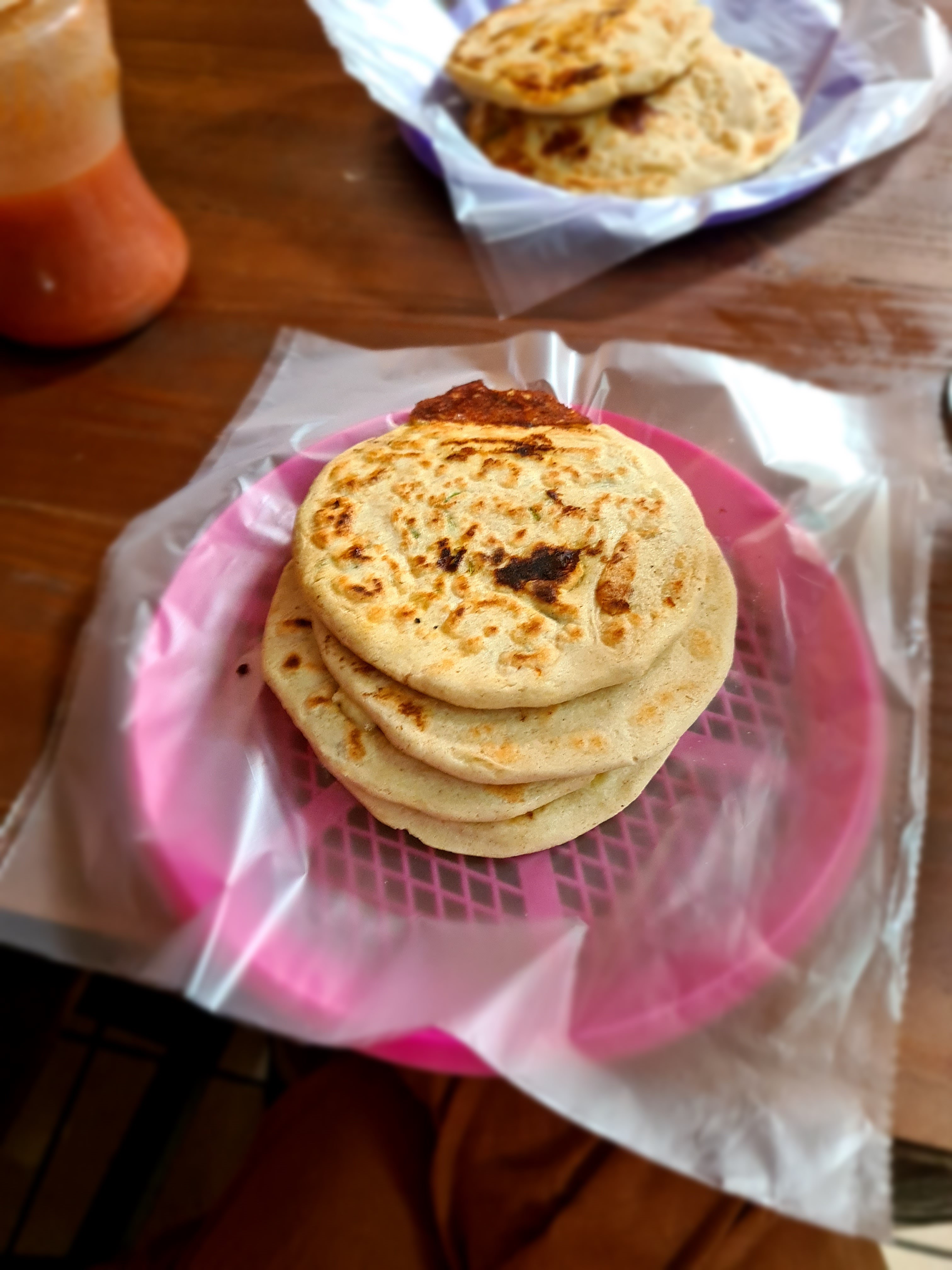
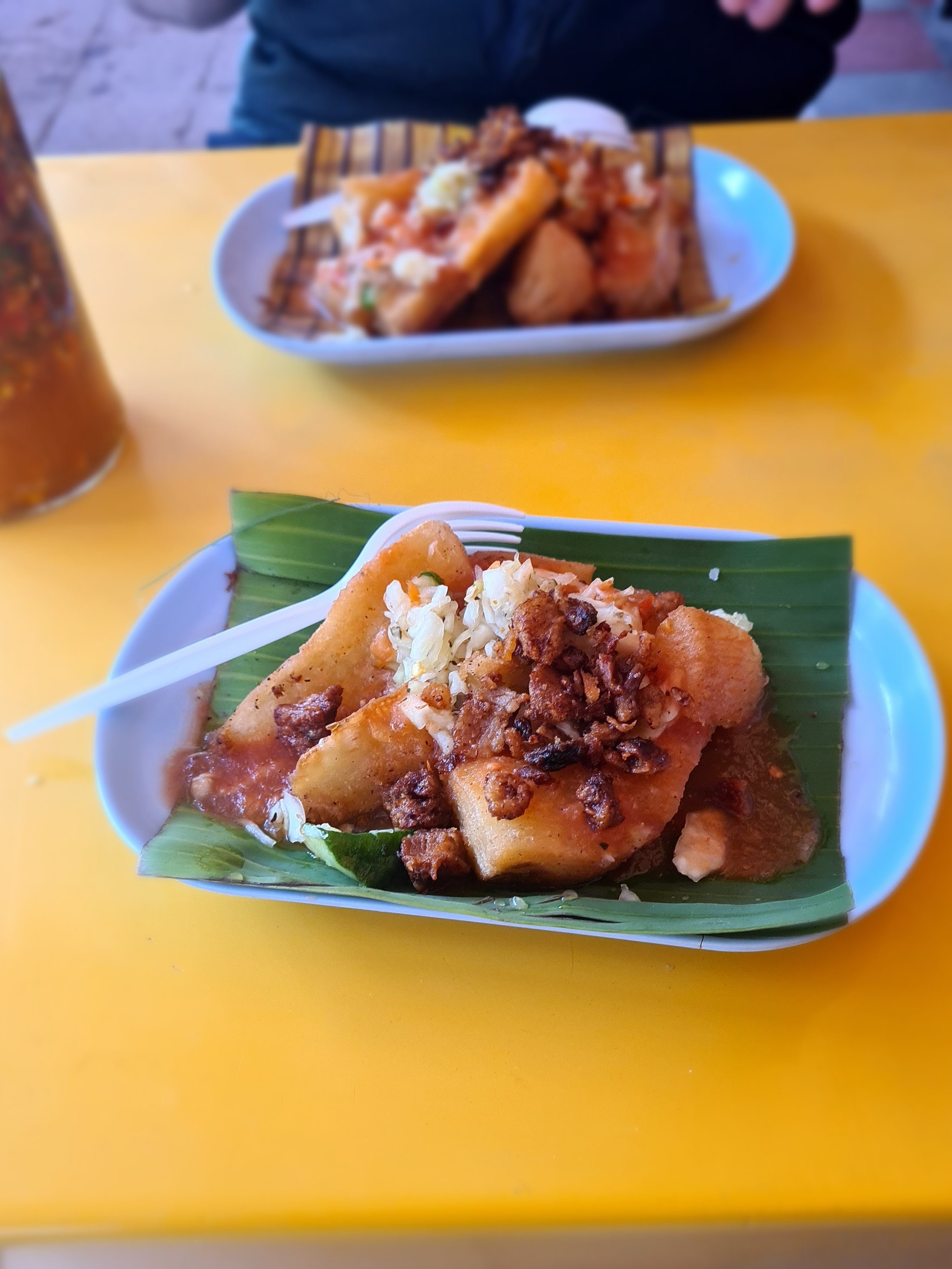
My real favourite food tried though was yucca frita. Like potato chips with more texture, we had these topped with chicharrón at a modest eatery run by an elderly woman outside Tazumal.
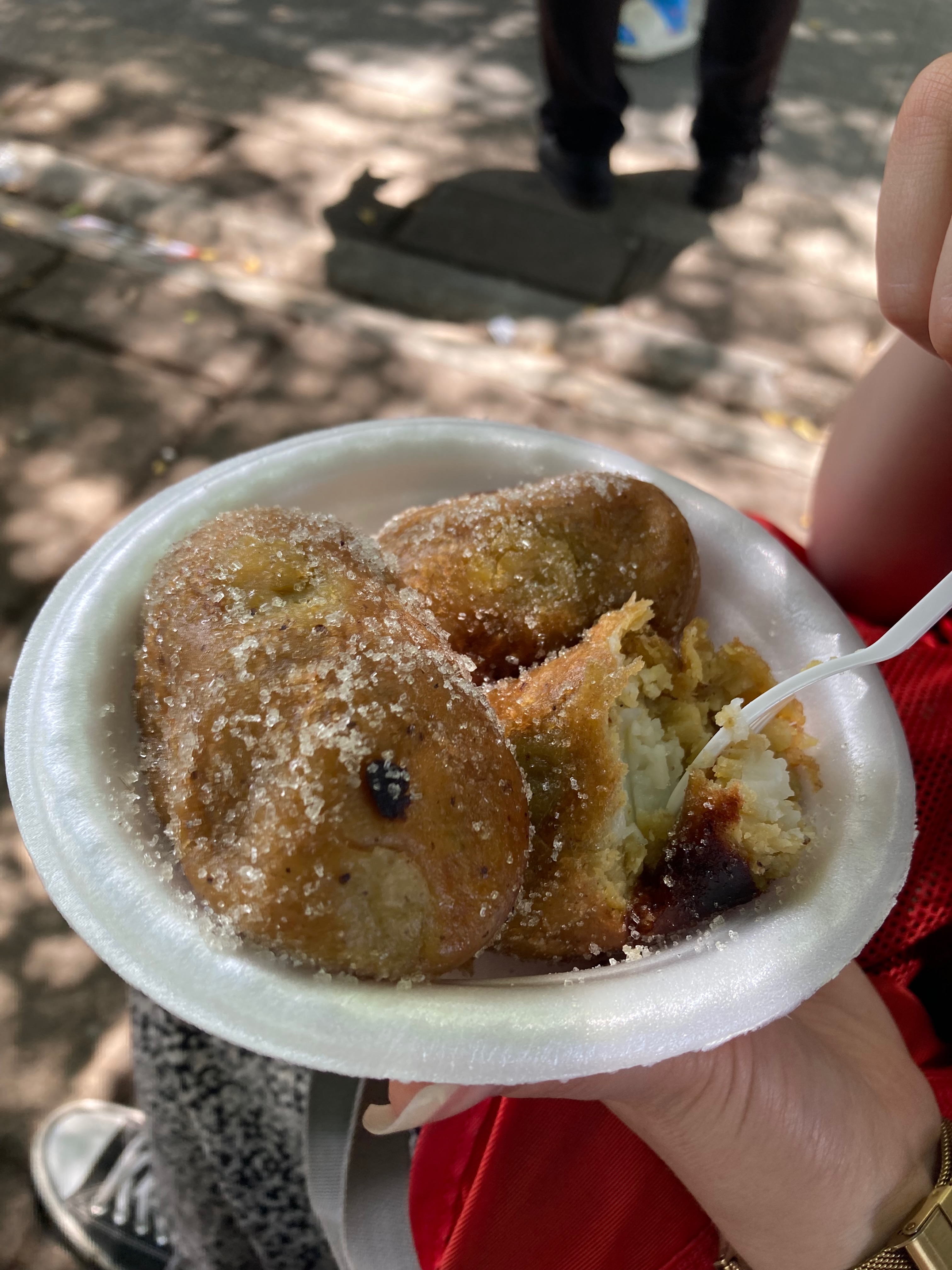
And I wonder how many tourists are caught out ordering empanadas or quesadillas in El Salvador. Lots of countries in South America claim to have their own, best version of empanadas but I’d say El Salvador’s are most unique. Not a pasty at all, they are fried banana dumplings. Definitely best shared unless you are starving.
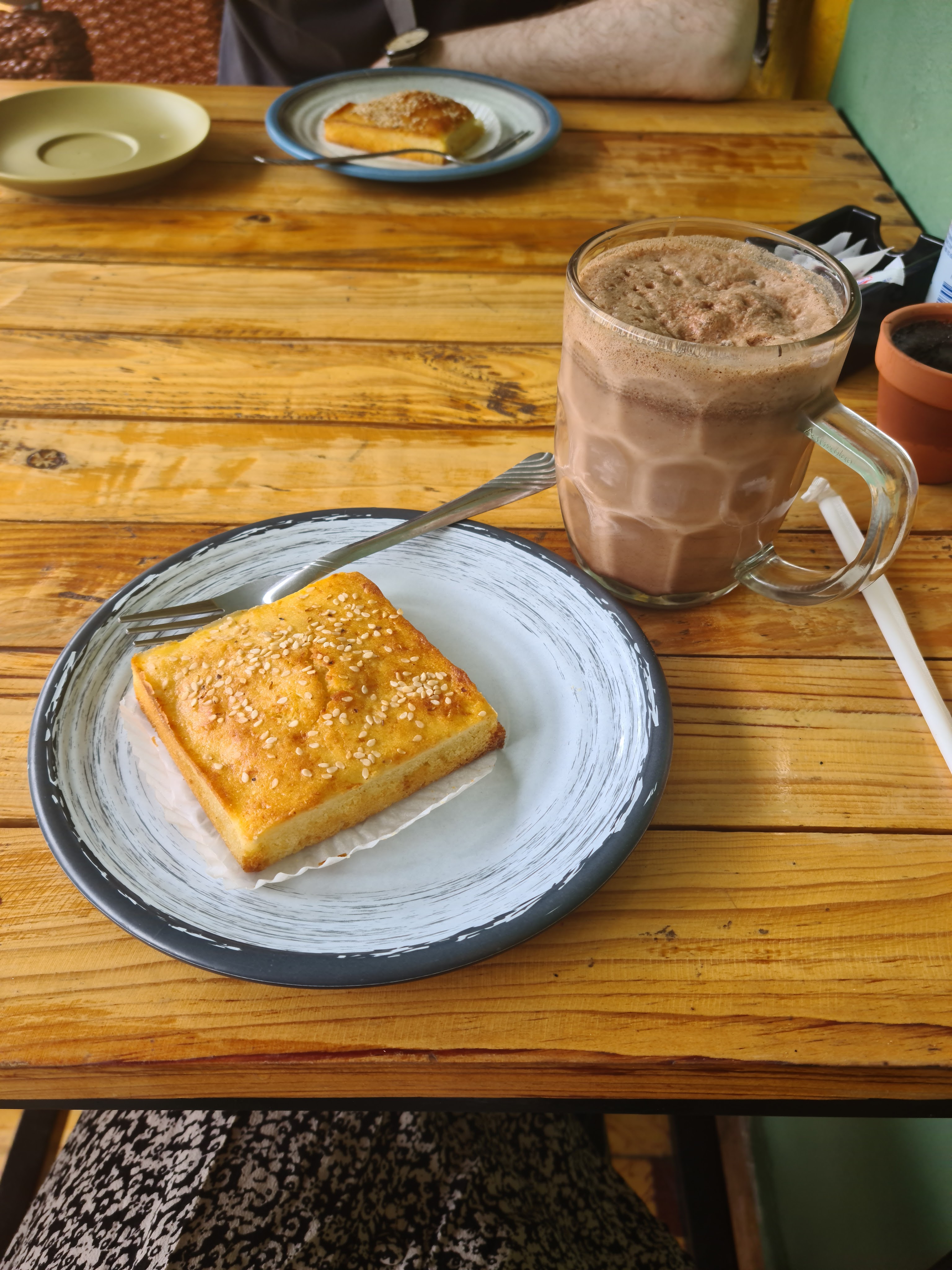
Similarly, quesadillas are nothing like the fried cheese tortillas I’m used to. Instead, they are a sweet pound cake, pictured here with horchata, a blended milk drink made of seeds and spices.
Finally you may recall my last Tash’s Treats segment hinting that less palatable micheladas were to follow from Guatemala. It turns out El Salvador are massive fans of Worcestershire sauce (or “salsa inglesa”/”English sauce”) and have one of the highest per capita consumptions in the world – nowhere else have I ever seen it sold in litres in supermarkets. It’s an essential ingredient for the El Salvadoran micheladas. I can comfortably now say, much as I might like a dash of it myself across certain foods, it has no place in my beer. Especially when it seems like “dash” has been substituted for “shot”.
 A Place Both Wonderful and Strange - Tash & Ricki's Career Break Travels
Leave a comment