
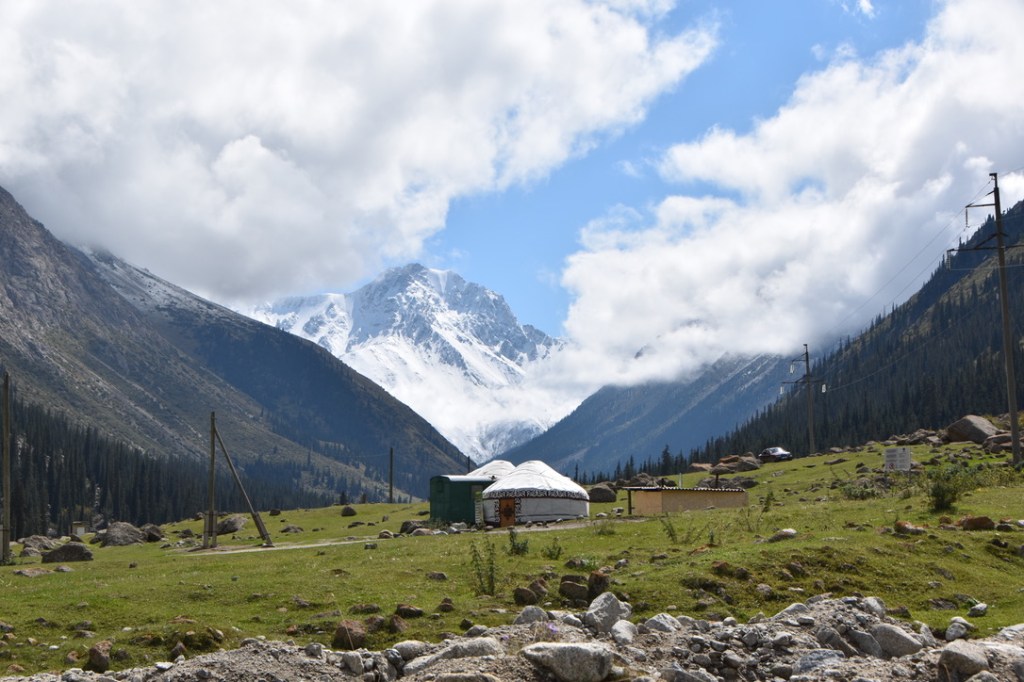
I’ll be honest, when Ricki said he wanted to do a tour of the five Stans of Central Asia, my gut reaction was “Why would we want to go there?”. This was mainly borne of ignorance, after all, I could barely even name them, much less have an opinion on them.
A quick Google would reveal them to be Kyrgyzstan, Kazakhstan, Tajikistan, Uzbekistan and Turkmenistan – and they all looked equal parts picturesque and fascinating.
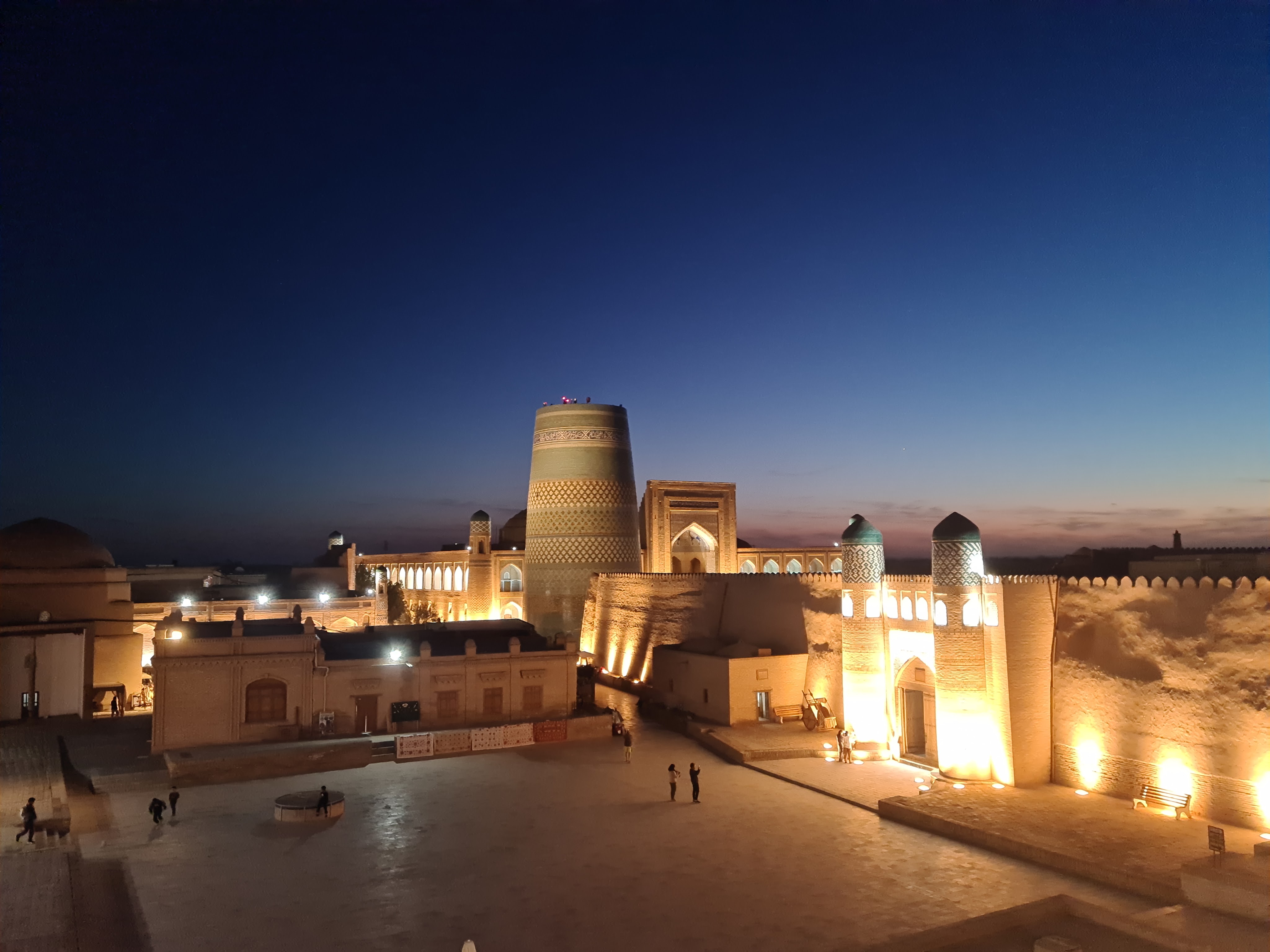
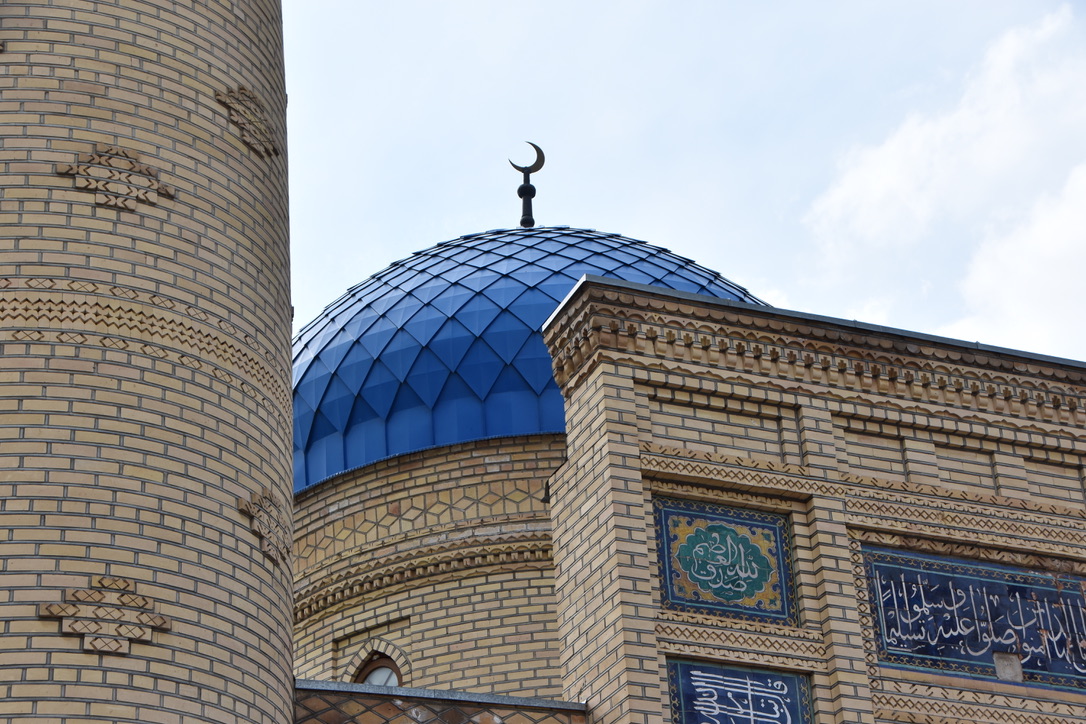
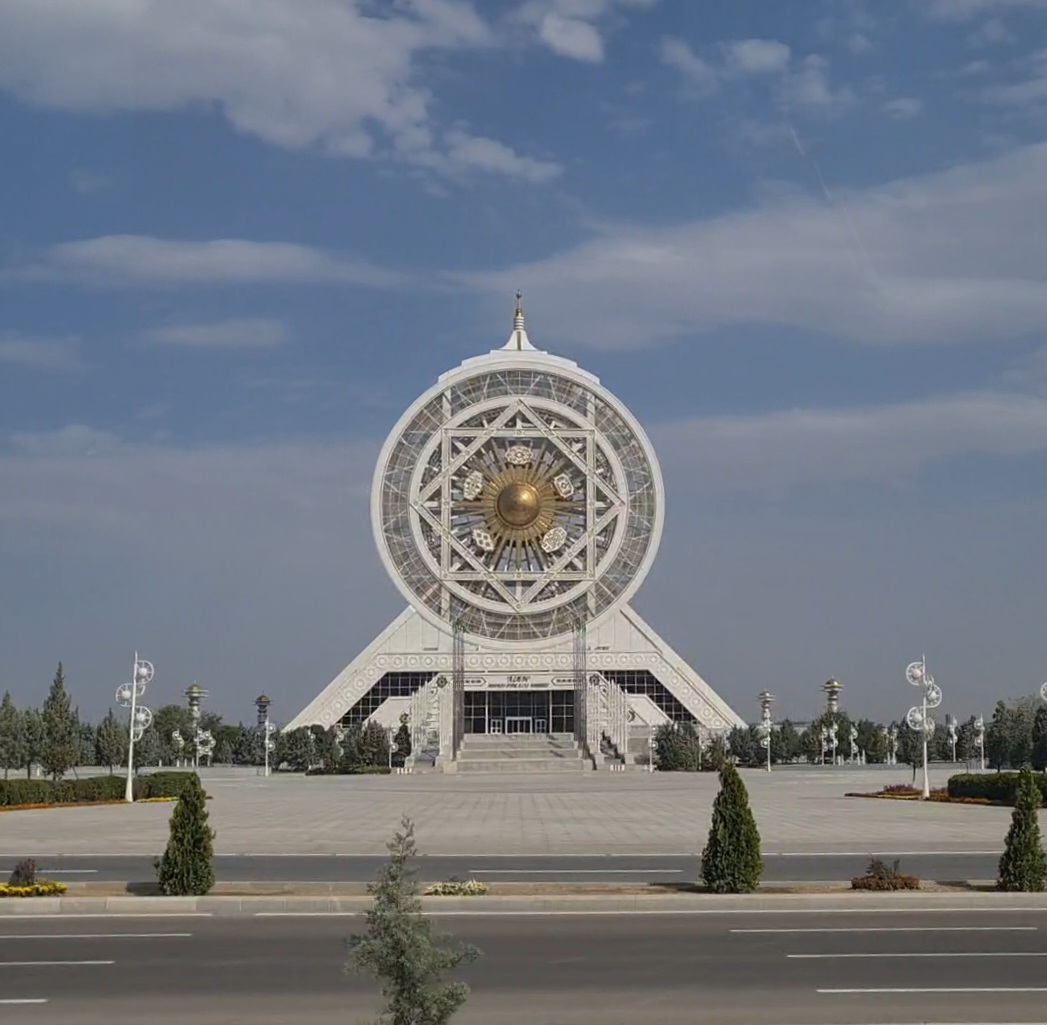
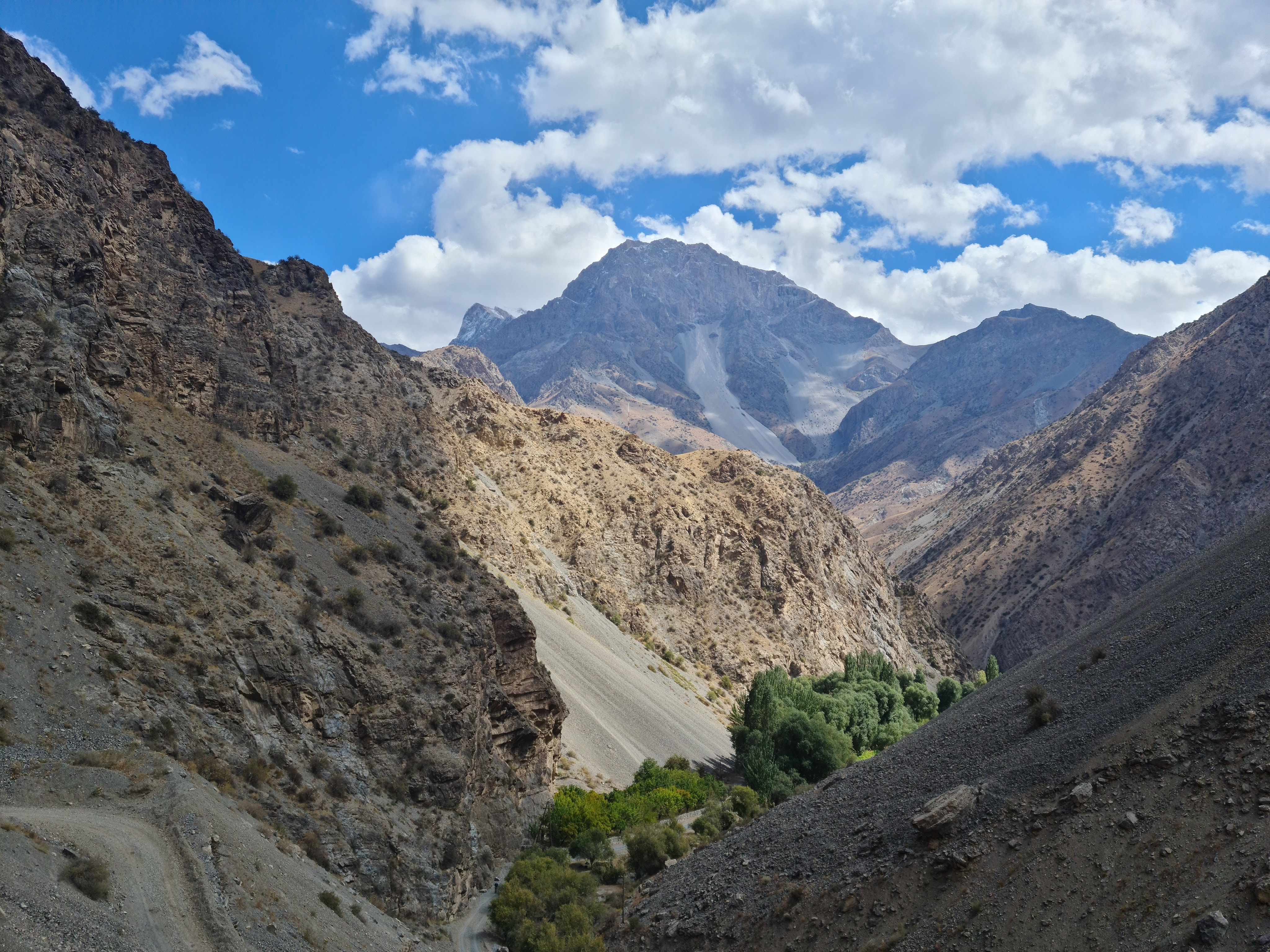
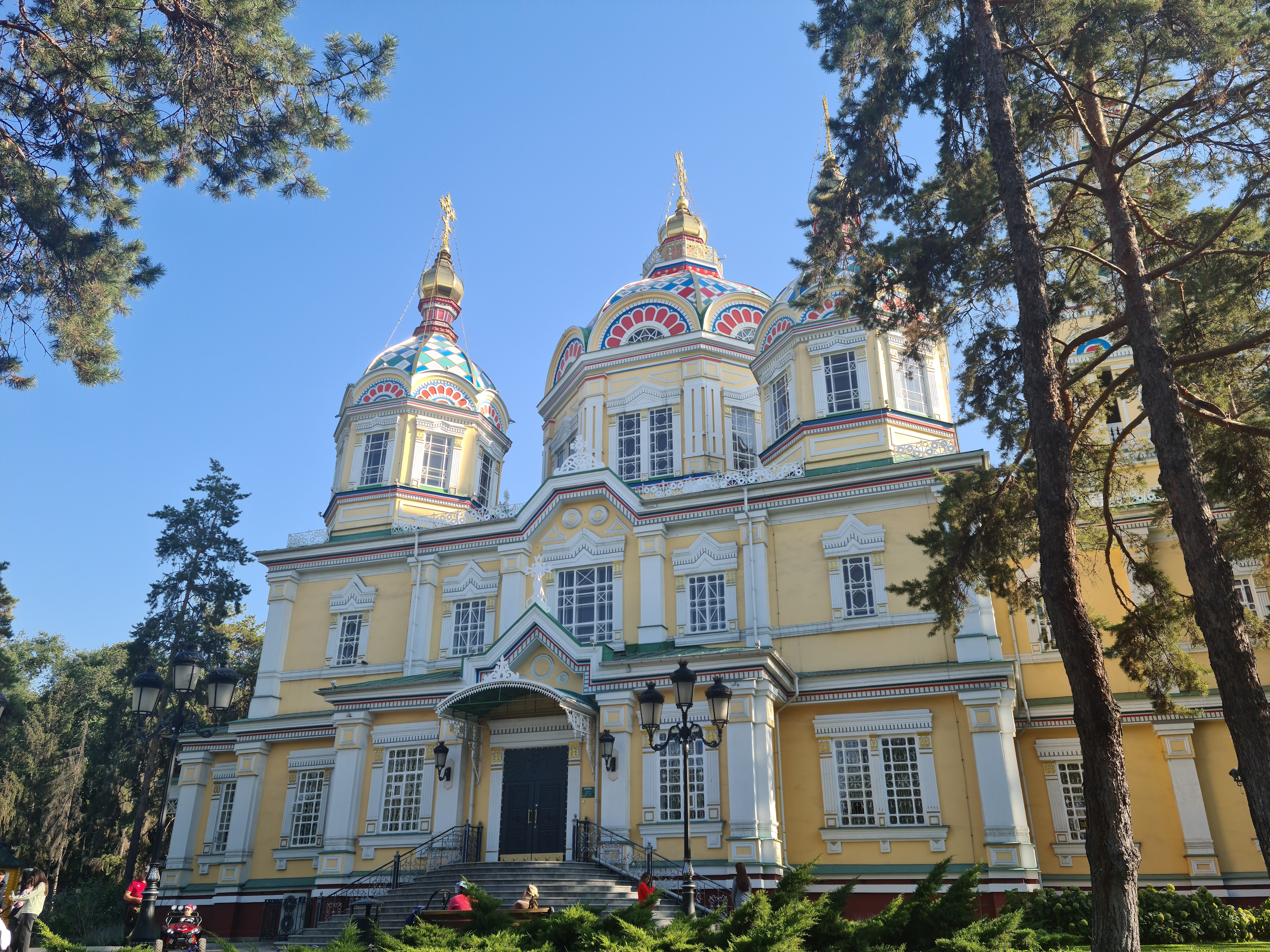
A quick preview of what’s coming up over the next few posts…
Due to visa issues and limited, or difficult to figure out, transport connections, it made most sense to visit these countries as an organised tour. There was of course the small matter of committing ourselves to a long stint with complete strangers. Our previous group excursions (Uyuni Salt Flats and Inca Trail) lent us some confidence on that front, albeit there is a big difference between those comparatively small 4 day tours, and the 26 days we signed up to on G Adventures’ “Five Stans of the Silk Road”.
As I spoke to a colleague about my return to work in January (yikes), she remarked “Well you know the expression. There’s always one. And if there isn’t one…you must be the one.”. Given how well I felt the Salt Flats and Inca Trail had gone, I started to panic. What if I was “the one”?!
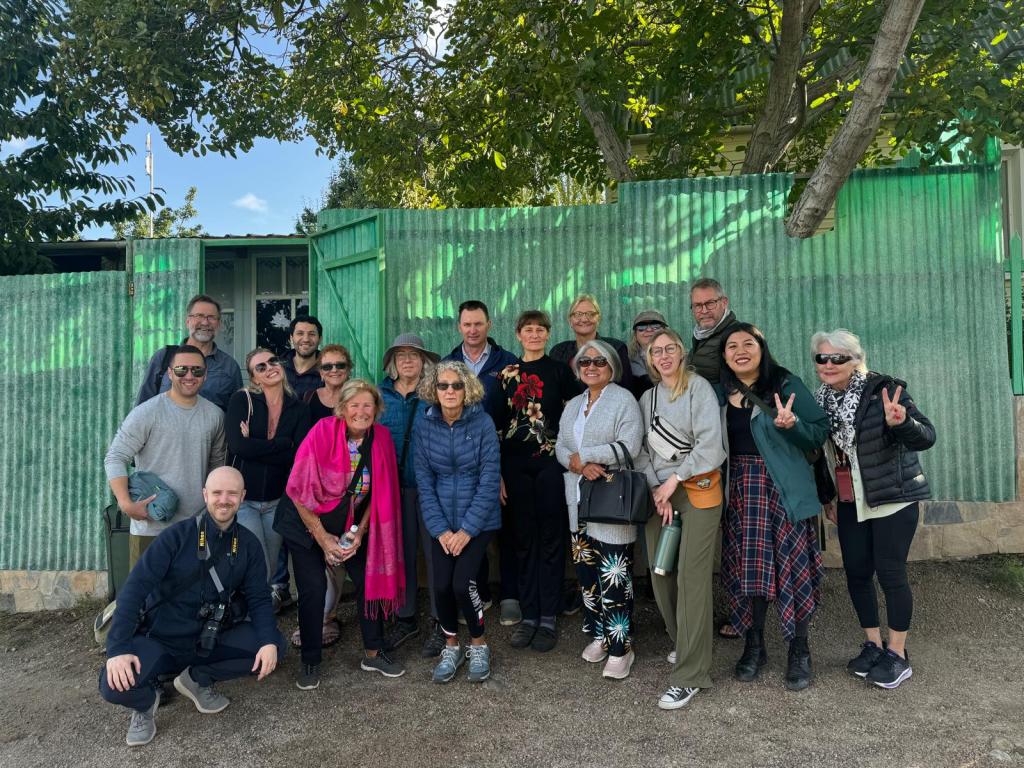
Following an orientation meeting and dinner, I felt completely at ease. I was satisfied I was not “the one”. In fact, out of our group of 16, there were several contenders for “the one”. Had we inadvertently signed up for a reboot of “Coach Trip”?
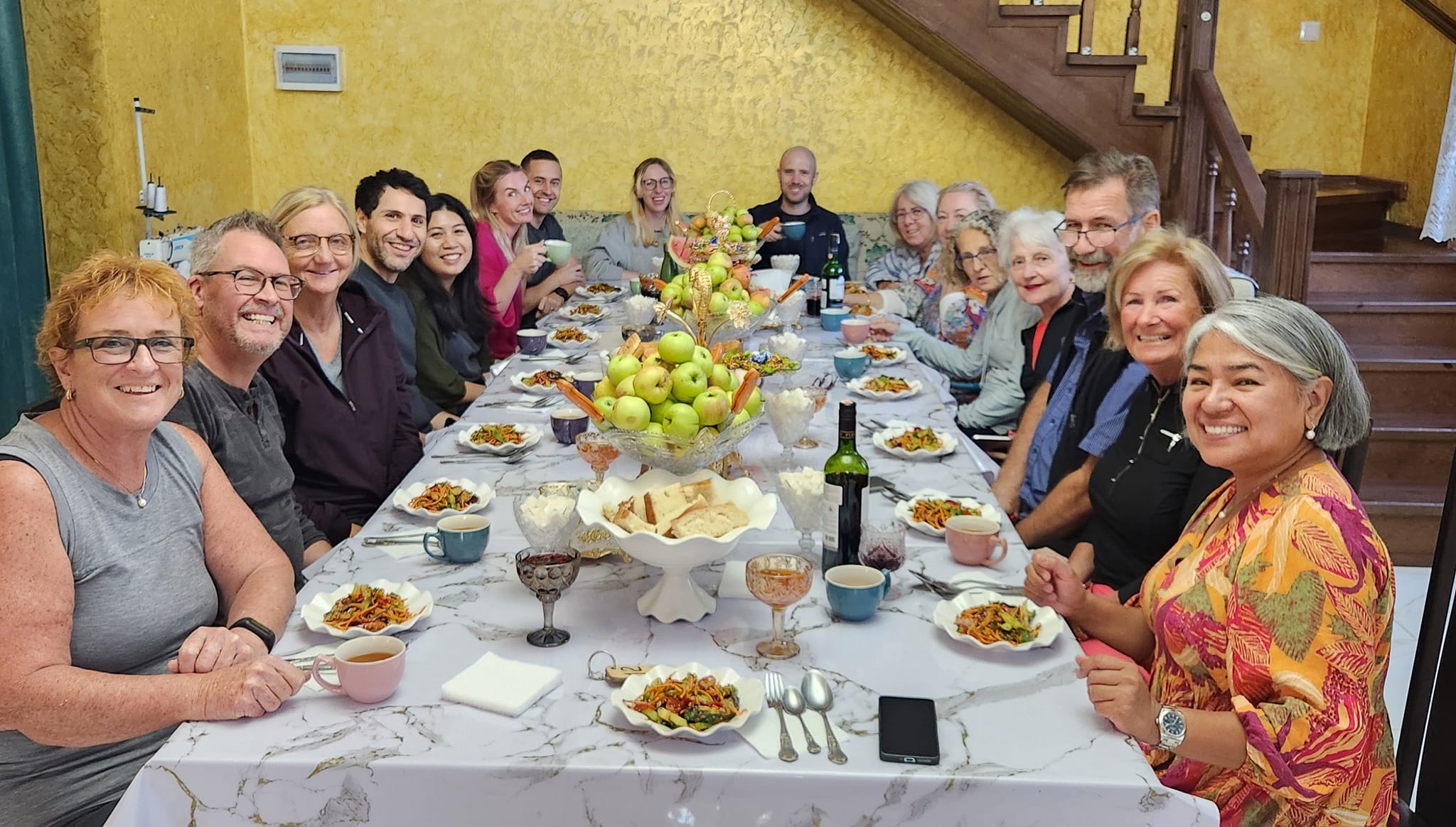
As we had expected, given the tour duration, and therefore suitability for retirees, the average traveller age for our group probably sat at 50. With so much life experience under their belts, unsurprisingly we were with a very well travelled and interesting bunch of people. One group member had visited over 150 countries. And I had never previously met anyone who has been Antartica. Now I’ve met several. Just as well we had plenty of time to swap travel tales, as well as writing new ones.
We’d flown overnight from Istanbul to our starting point, Bishkek, capital of Kyrgyzstan. As a result, we’d slept a good chunk of our arrival day before having a brief walk around the local area to start soaking up the Soviet era architecture. So it was probably just as well we’d be starting proceedings officially with a more detailed tour of the same.
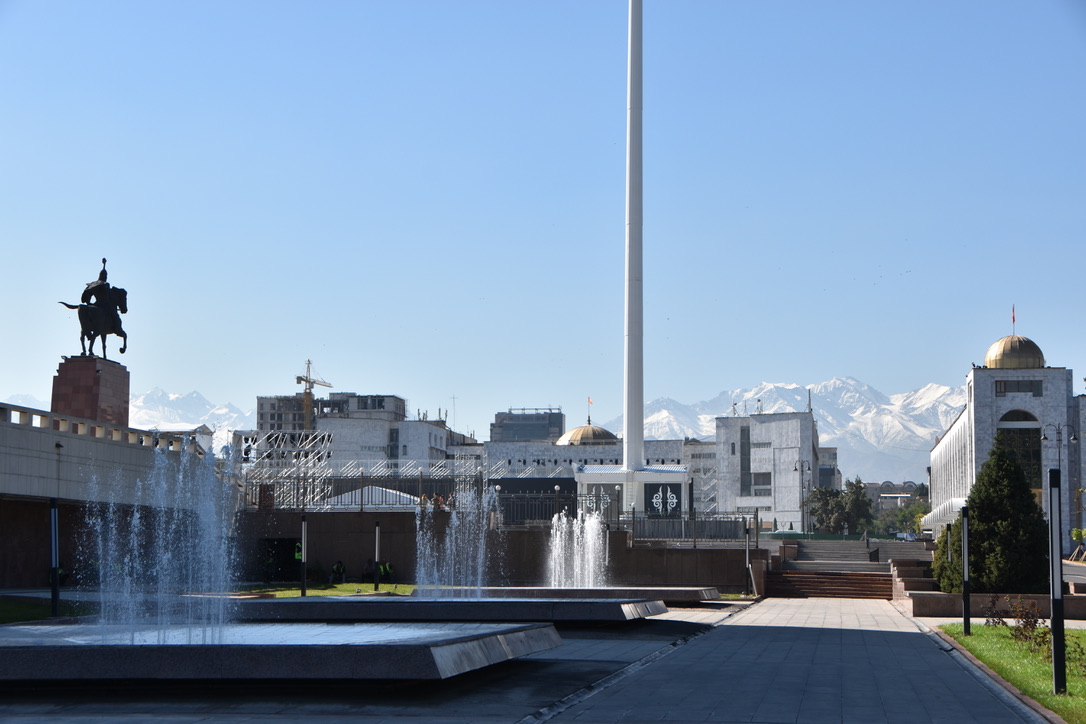
Ivan, our CEO – Chief Experience Officer, made a good impression straight away, able to recount lots of facts about Kyrgyzstan and Bishkek, including some folkloric tales.
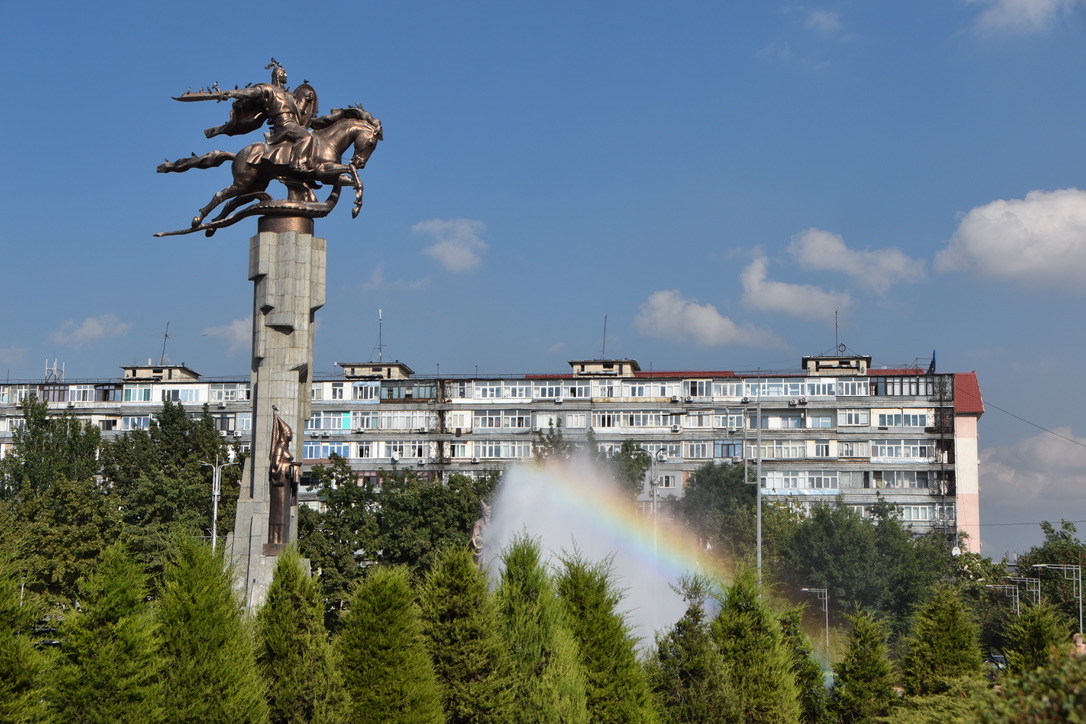
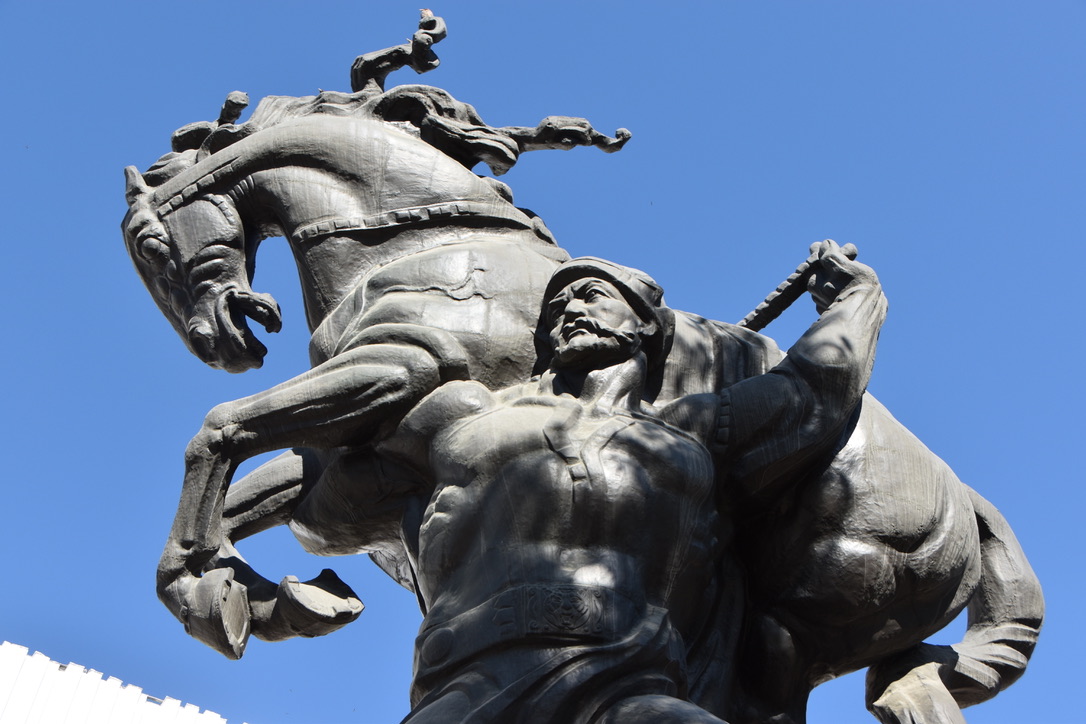
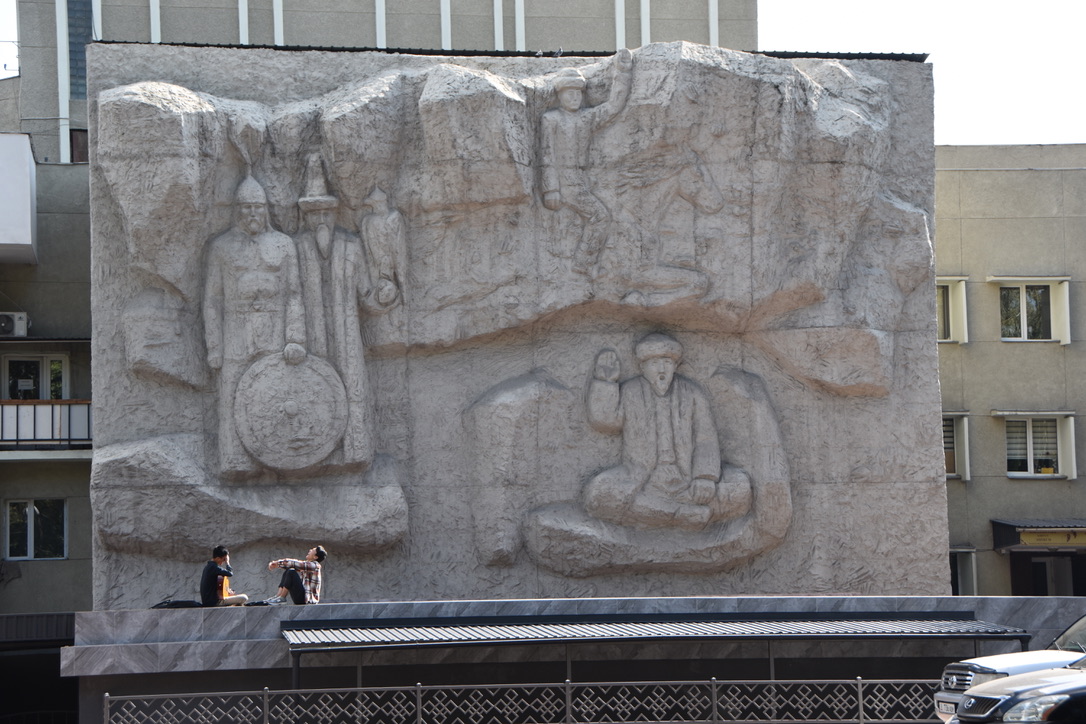
The Epic of Manas is traditionally performed by Manaschi, skilled oral storytellers who have mastered the art of reciting the poem from memory. The entire epic is incredibly long—comprising over 500,000 lines of verse—so a full recitation could take several weeks if performed continuously. However, Manaschi typically perform select portions of the epic, focusing on key episodes or heroic deeds, during cultural events or ceremonies.
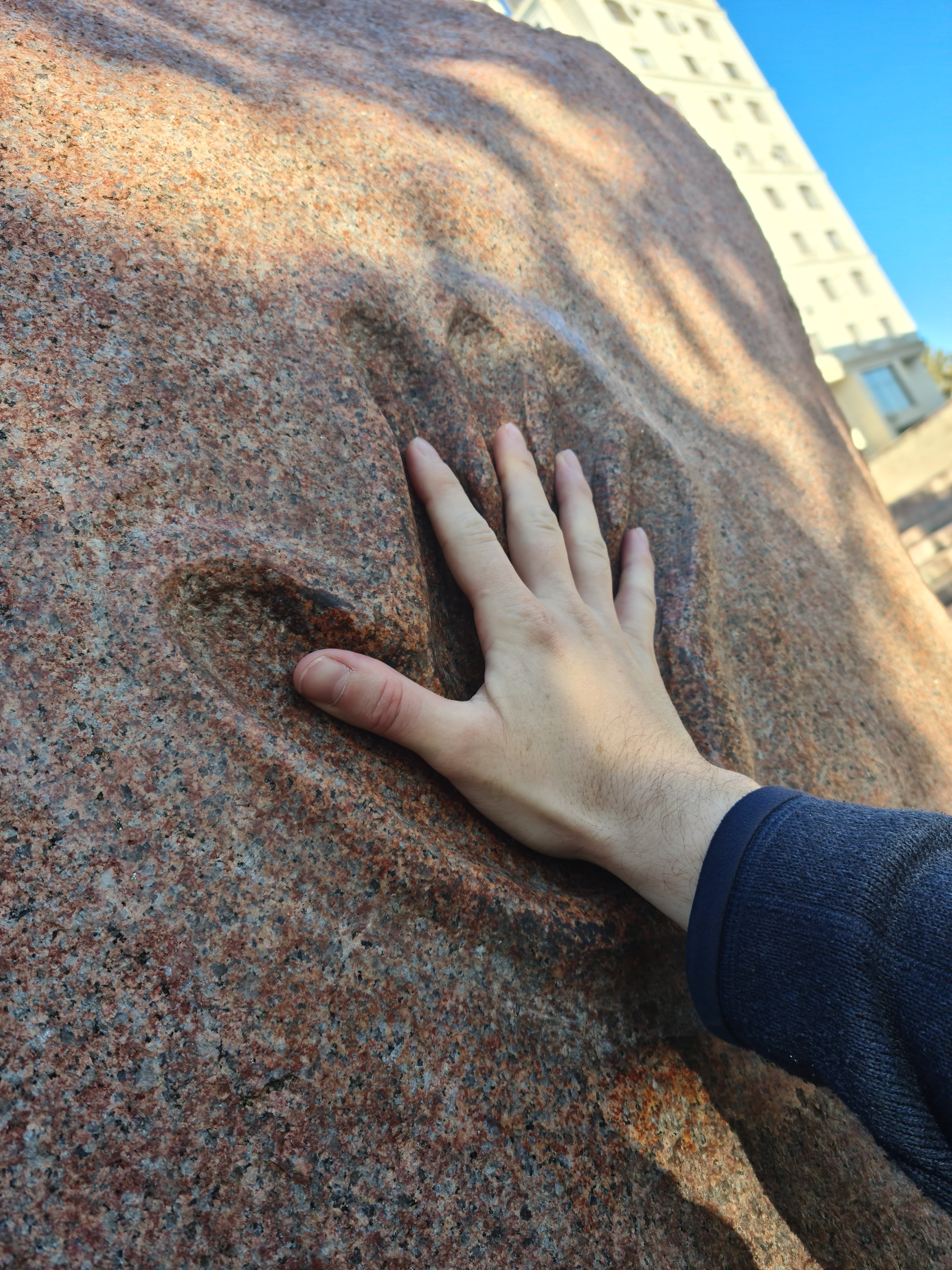
For a capital city, Bishkek is remarkably calm and quiet. I don’t think we heard a single siren or car horn in our hours on the streets.
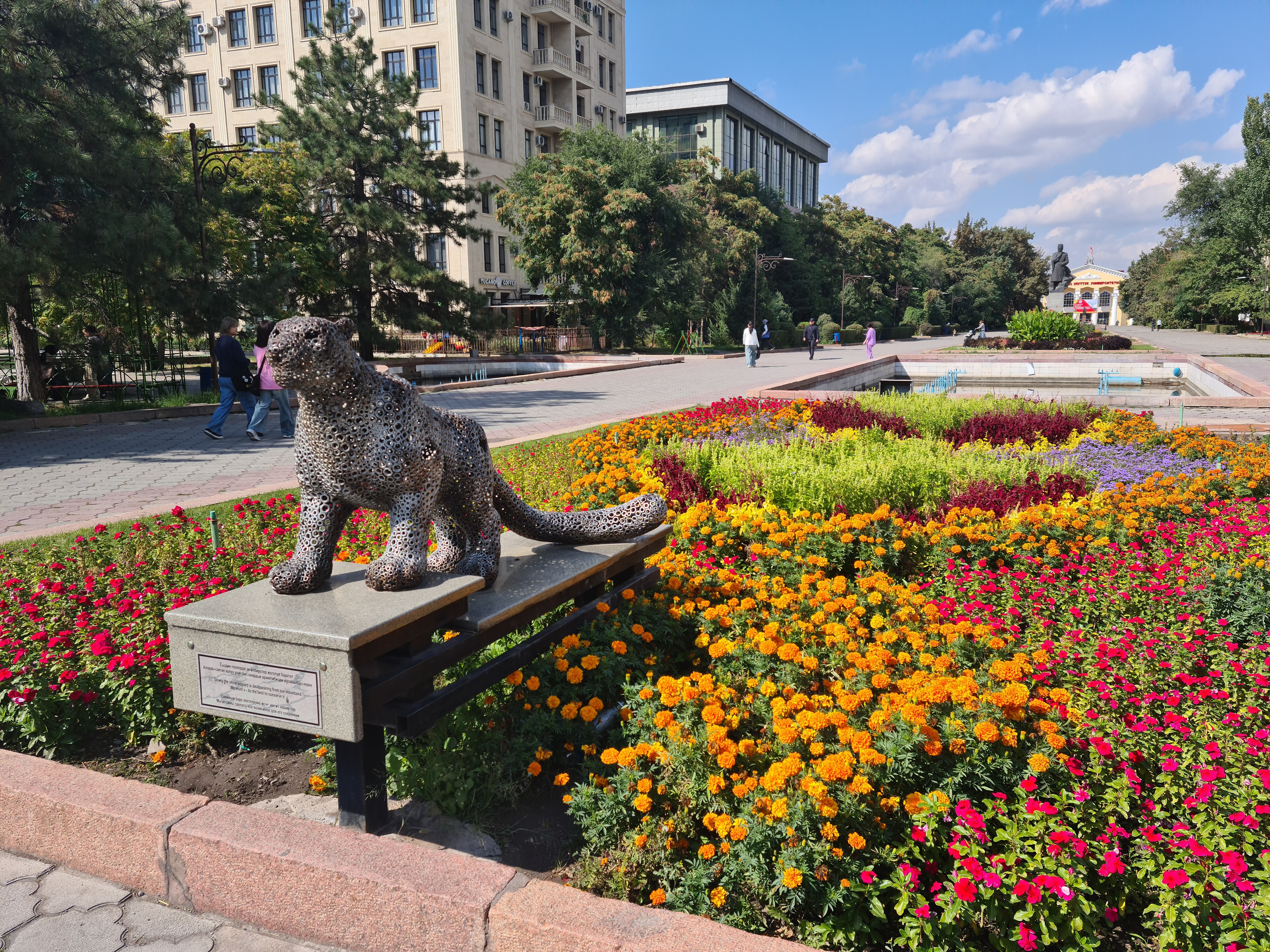
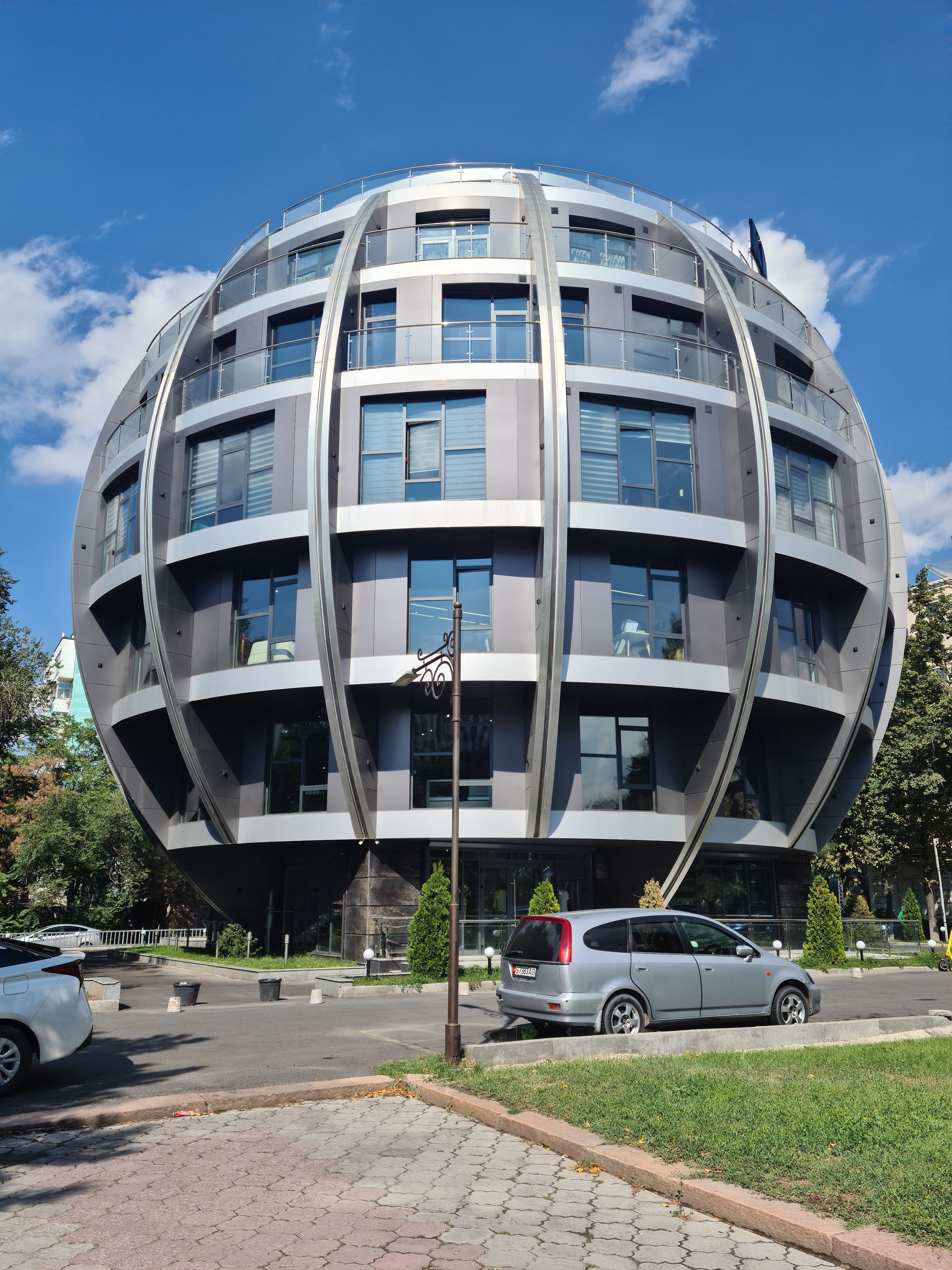
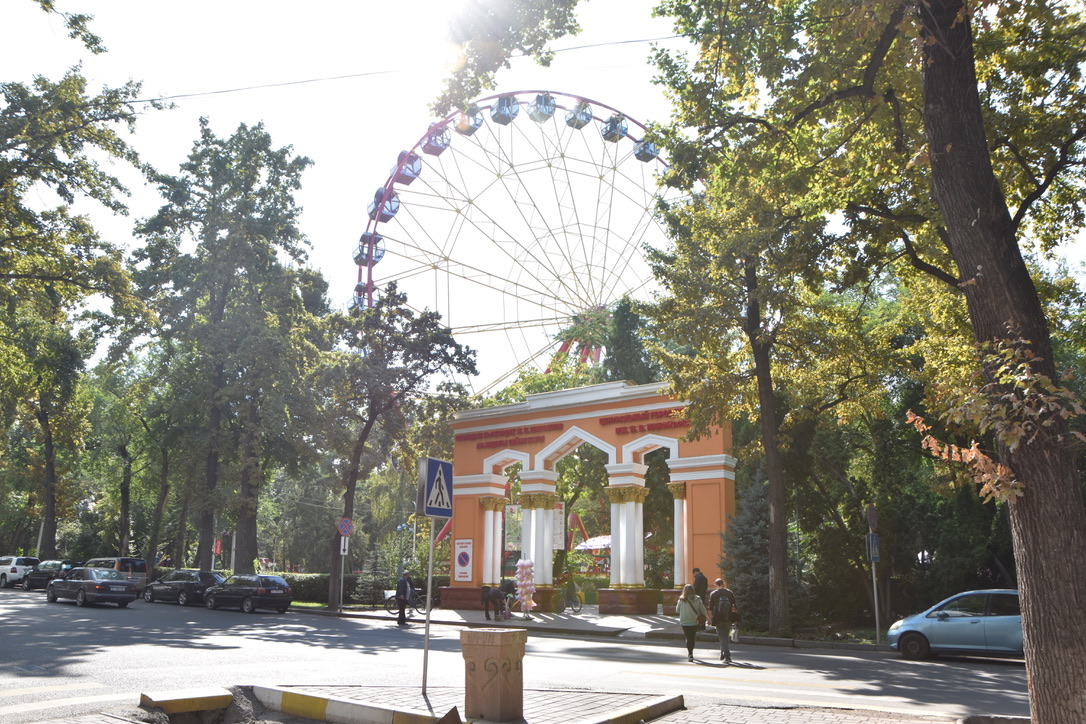
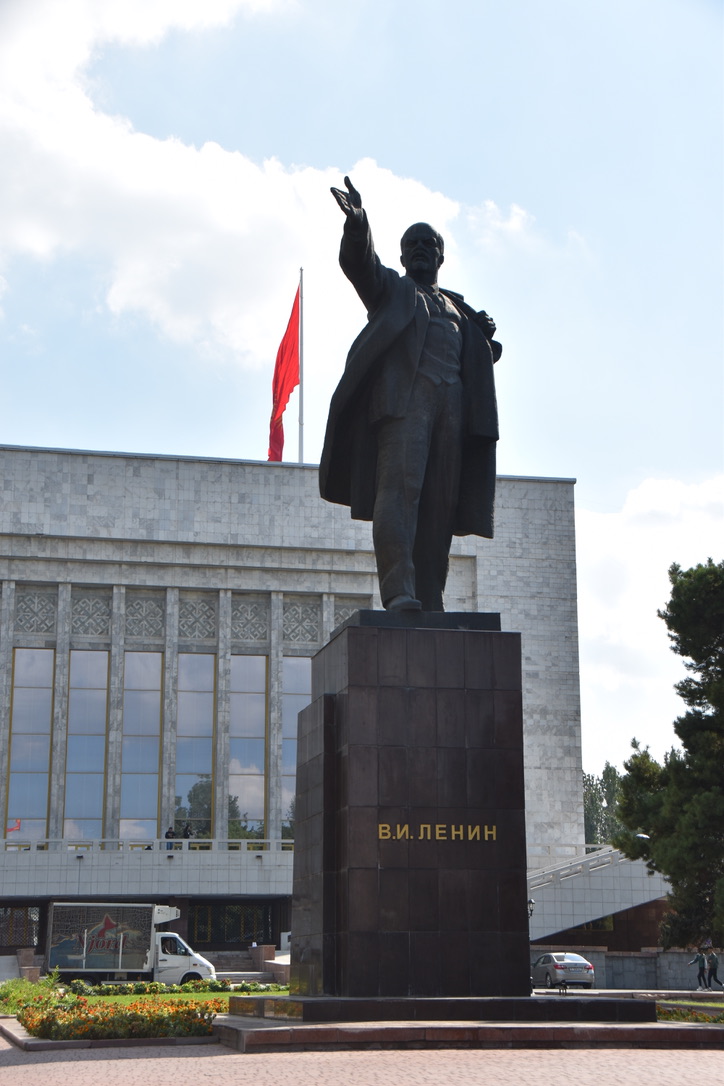

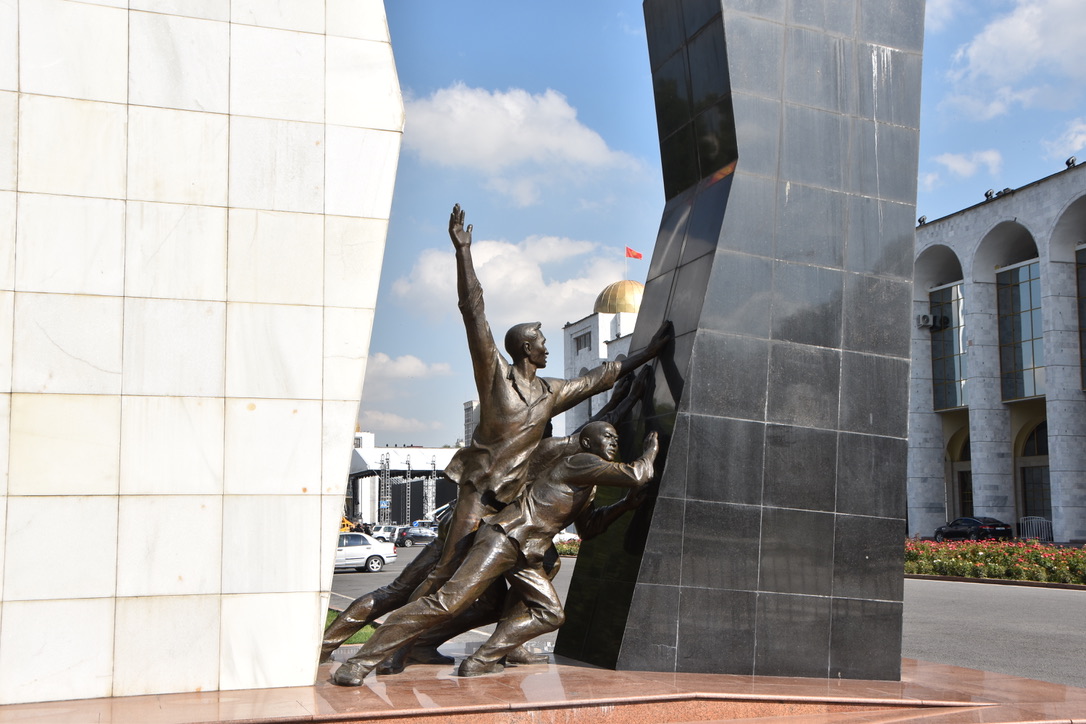

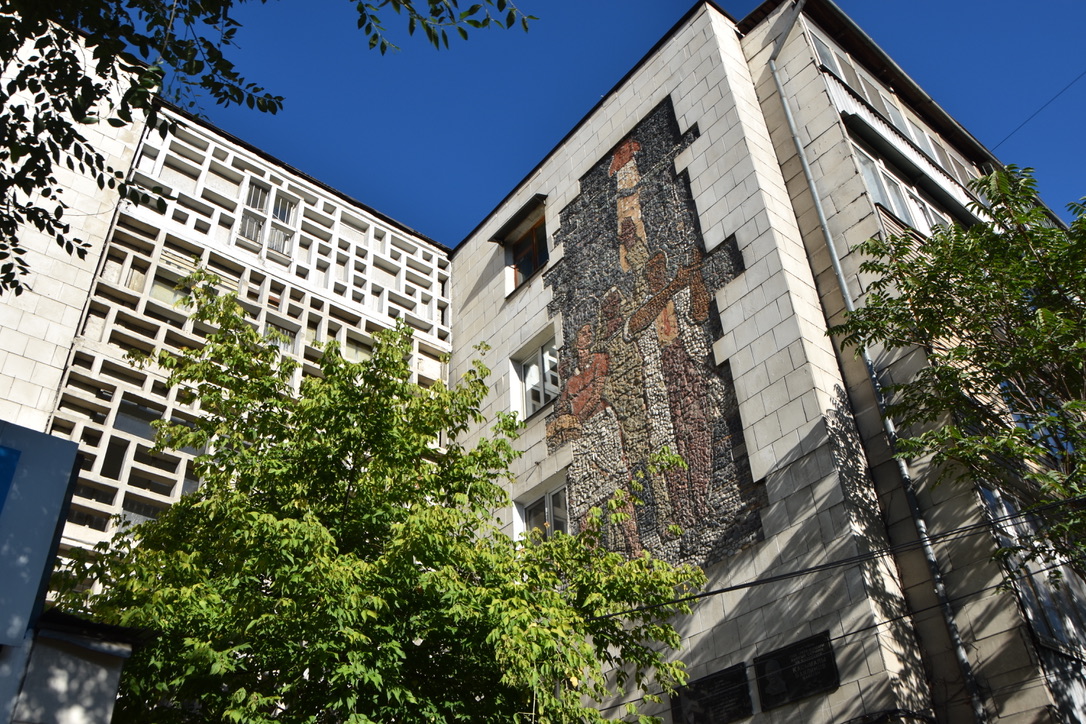
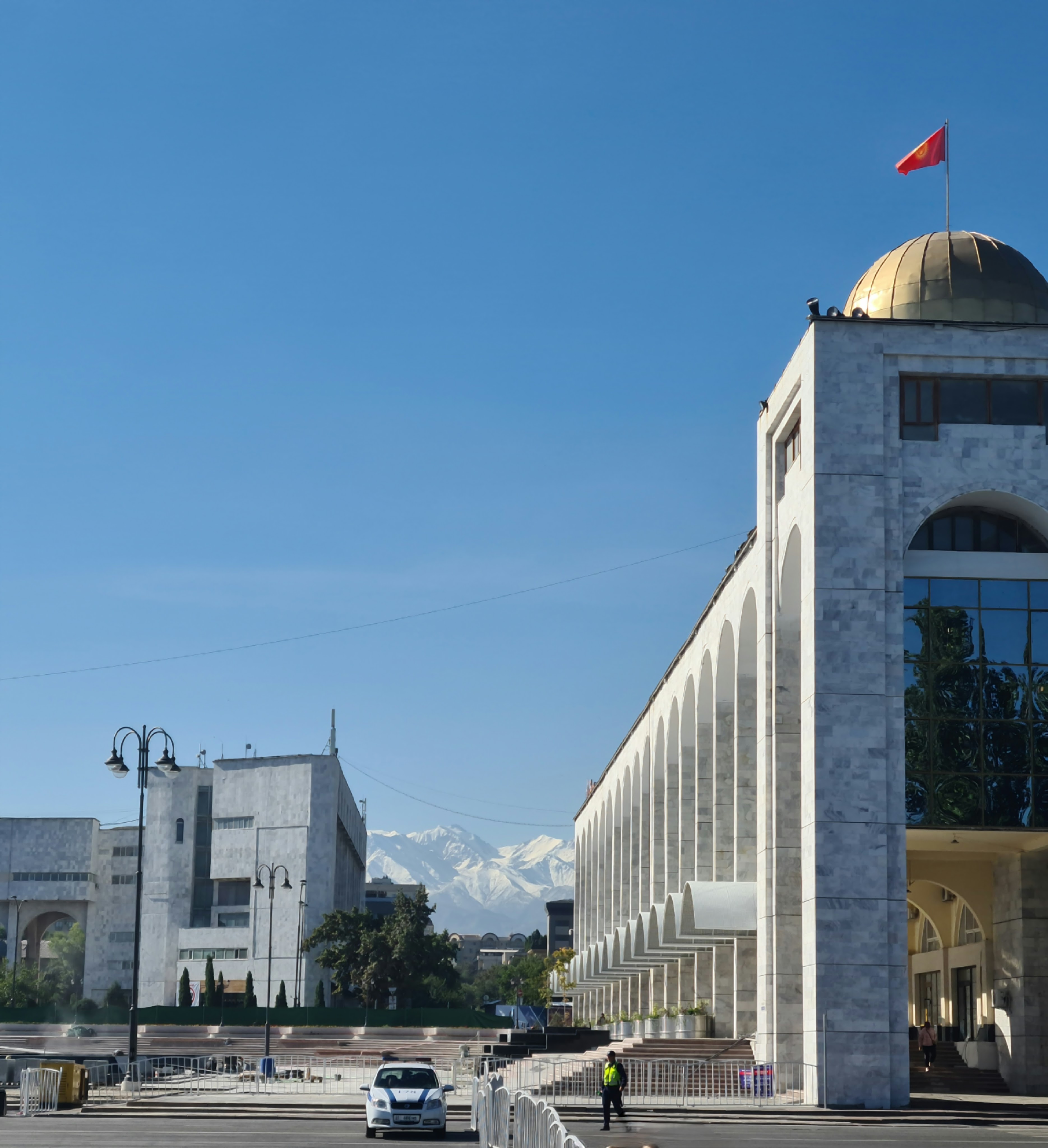

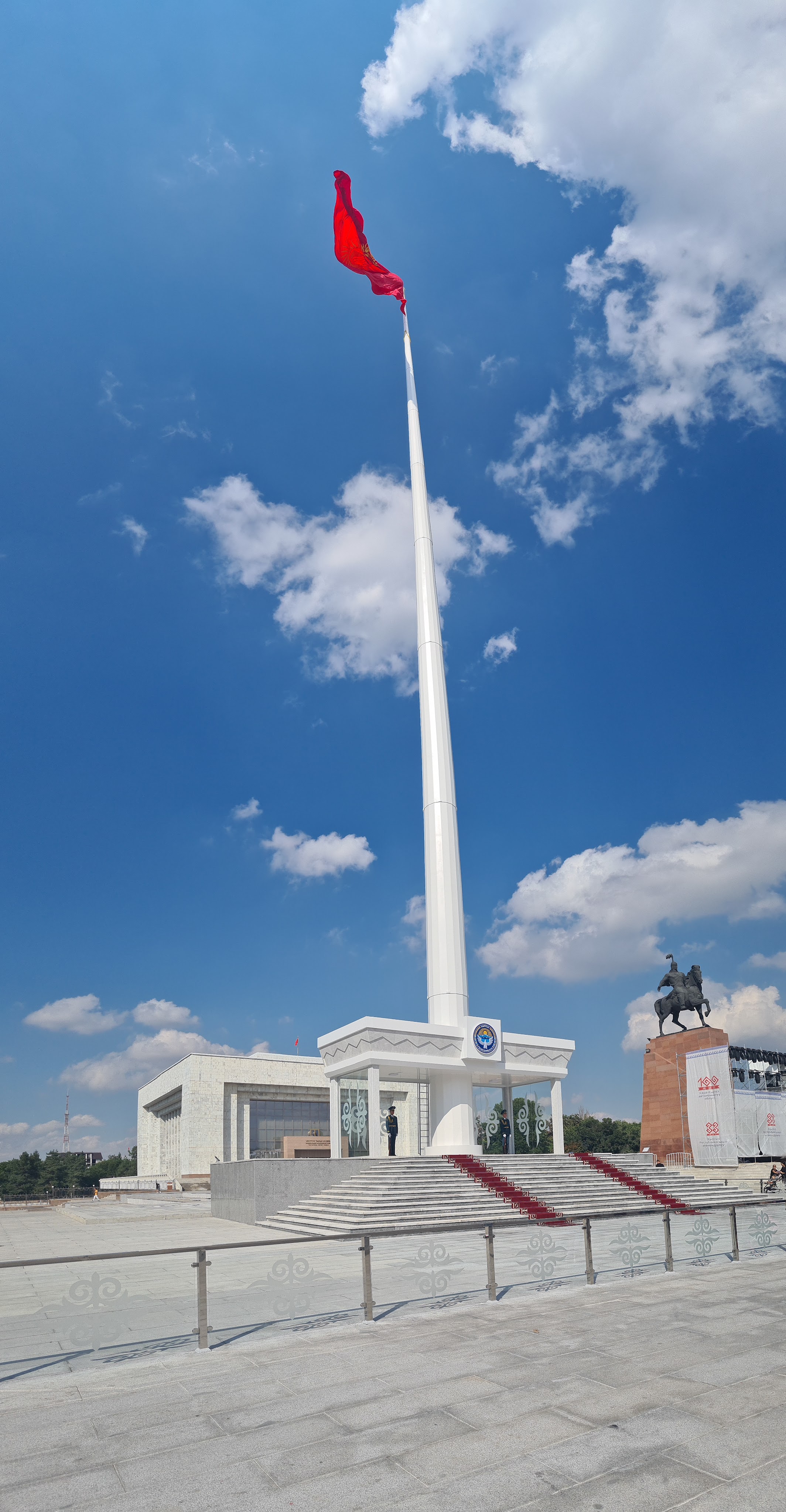
We also got lucky and managed to be at the flagpole in perfect timing for the changing of the guard.
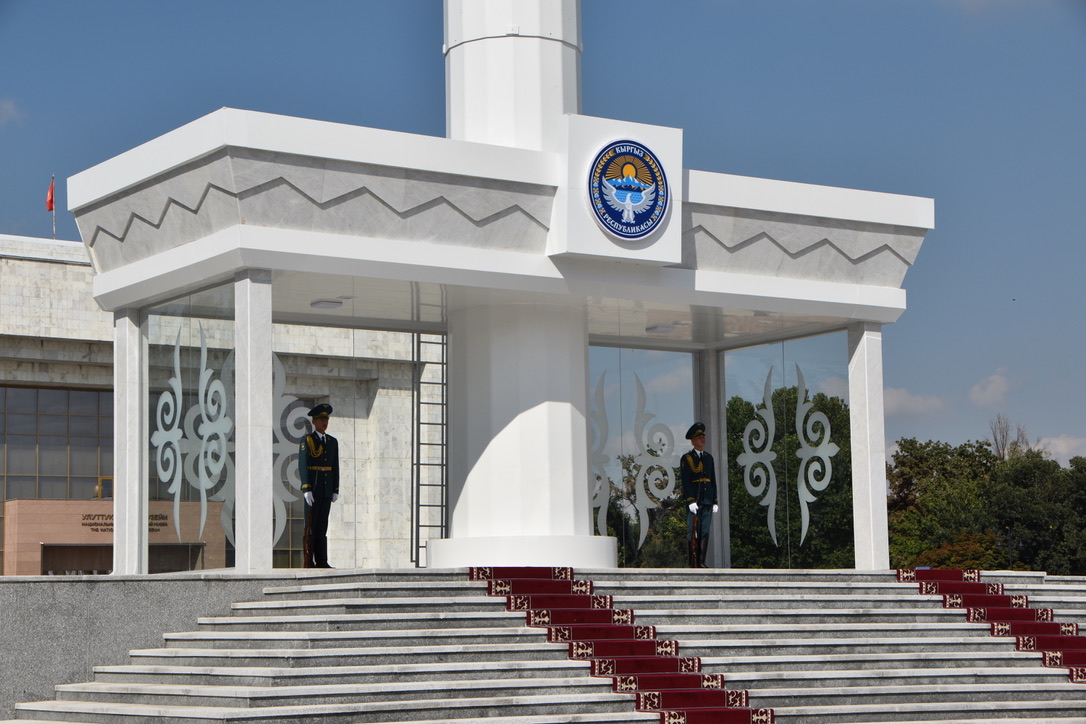
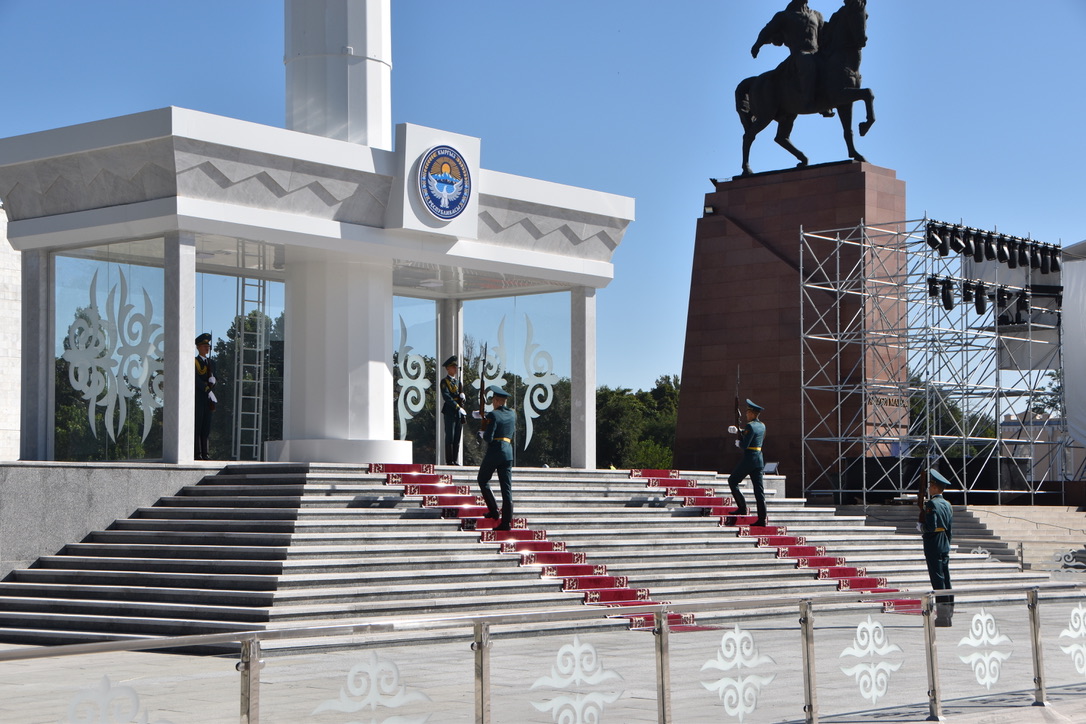
No sooner than we were acquainted with Bishkek and we were hitting the road. Split into two minibuses which were more comfortable than we’d expected, we were heading into the countryside. Along the way, we even spent what must be the least amount of time Ricki and I have ever spent in a country – 20 seconds – as we crossed an area which technically belongs to Kazakhstan. More on that country later though.
We were heading to the Chon Kemin valley via the Burana tower, a rare structure in ancient nomadic life.


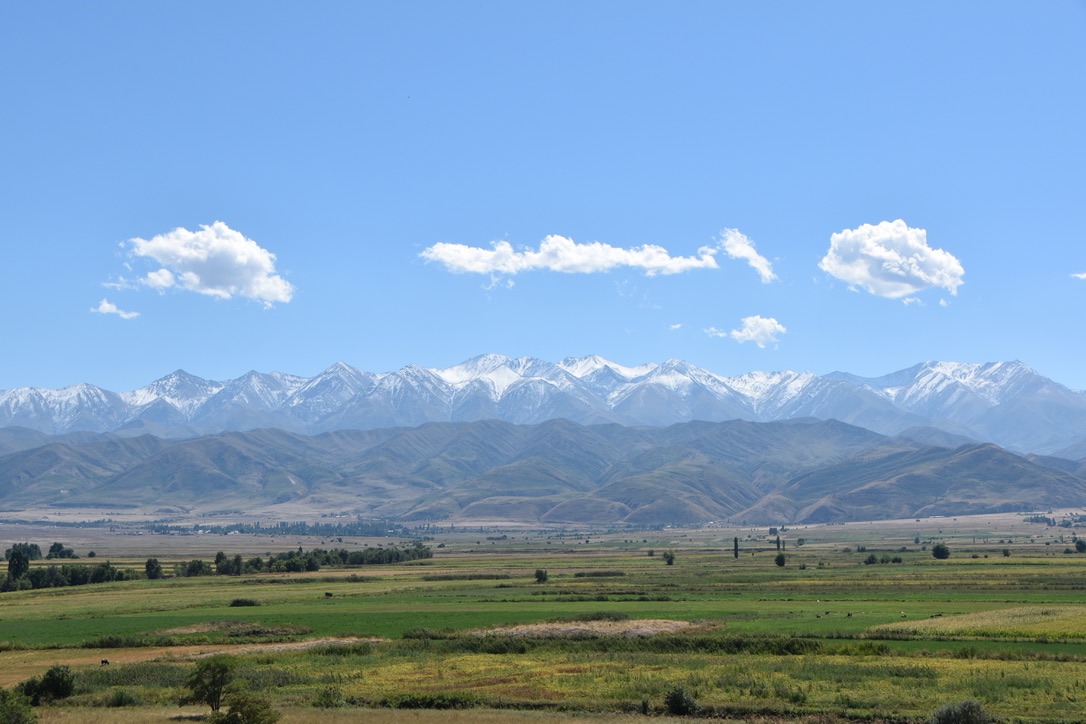


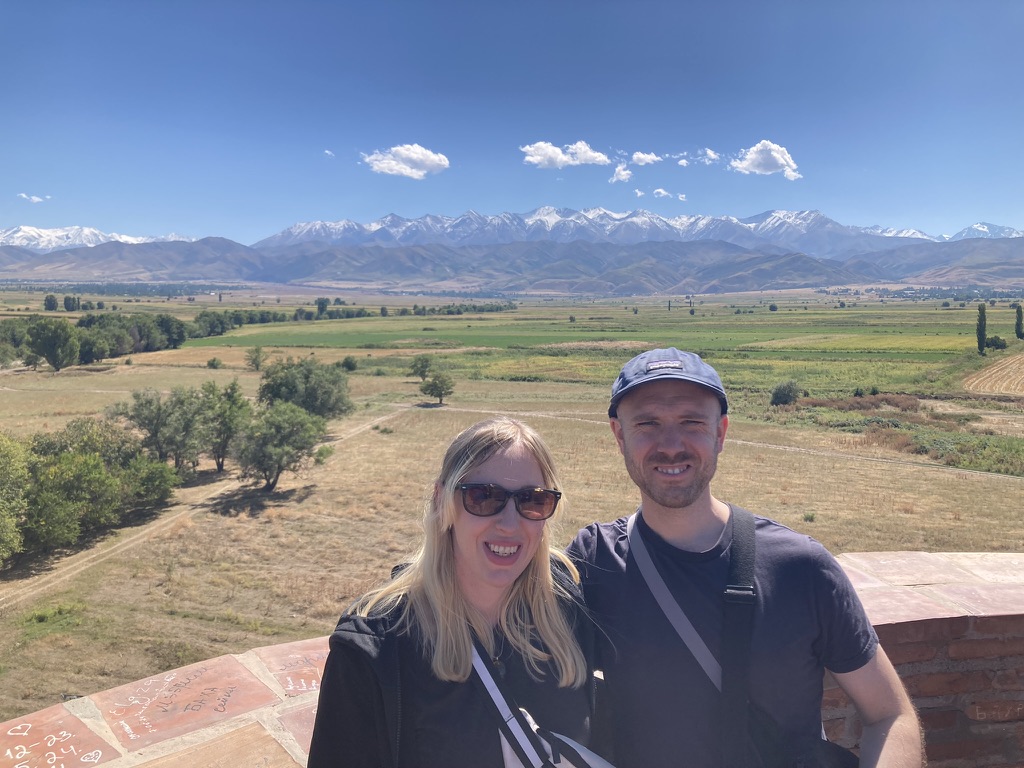
Burana Tower and surrounds
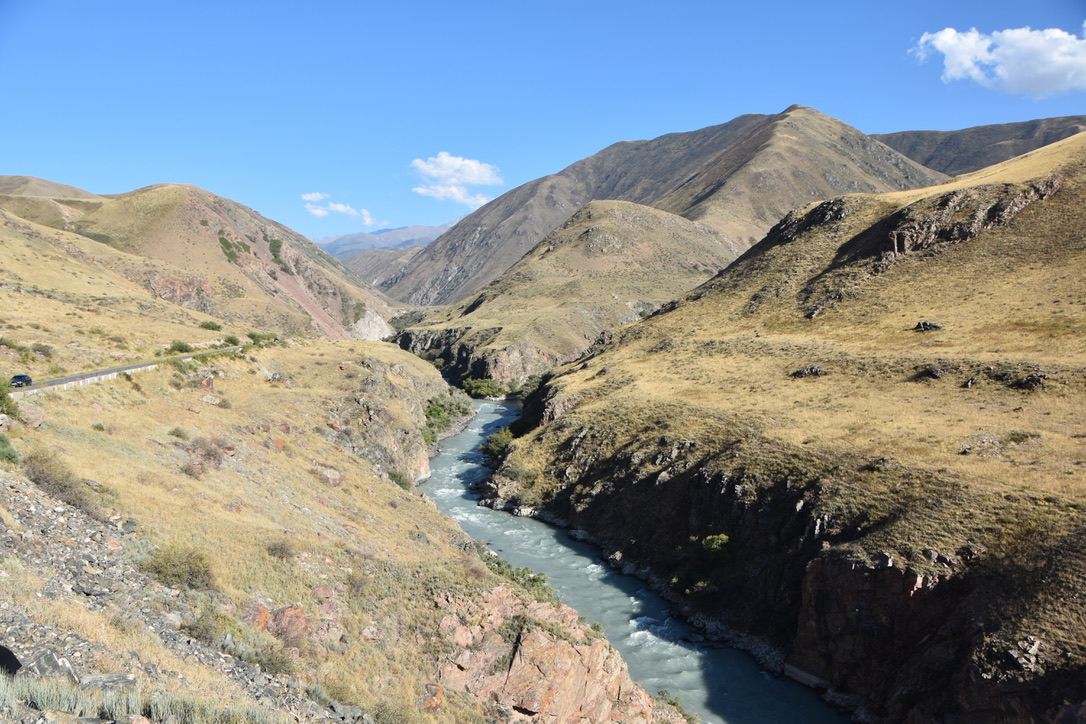

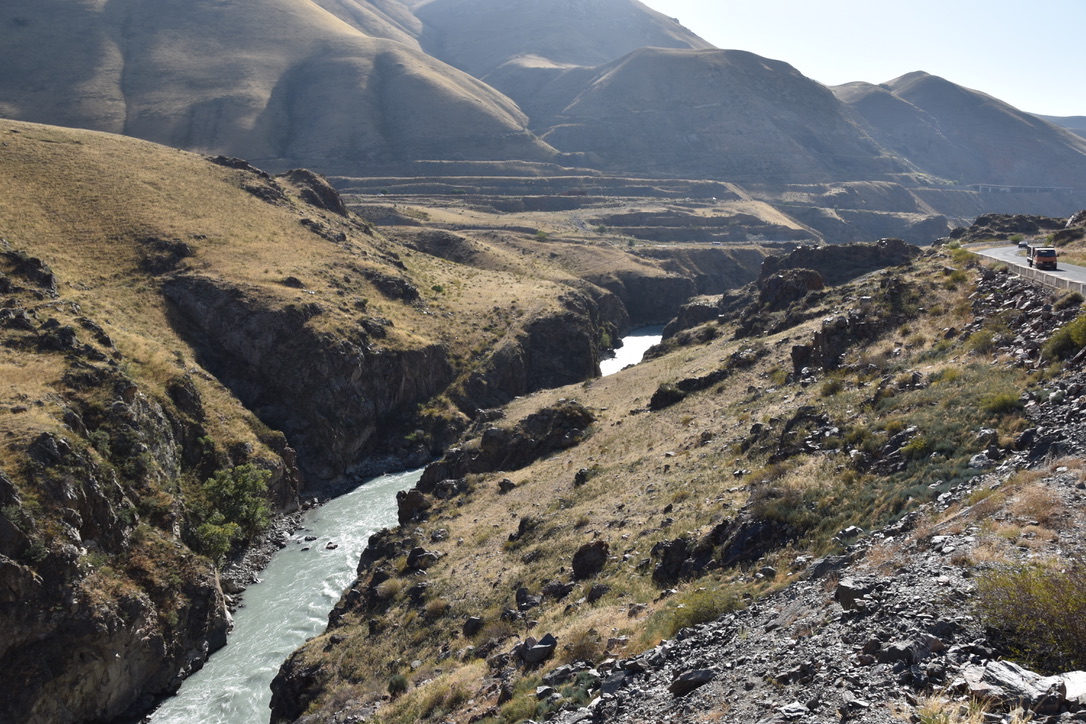
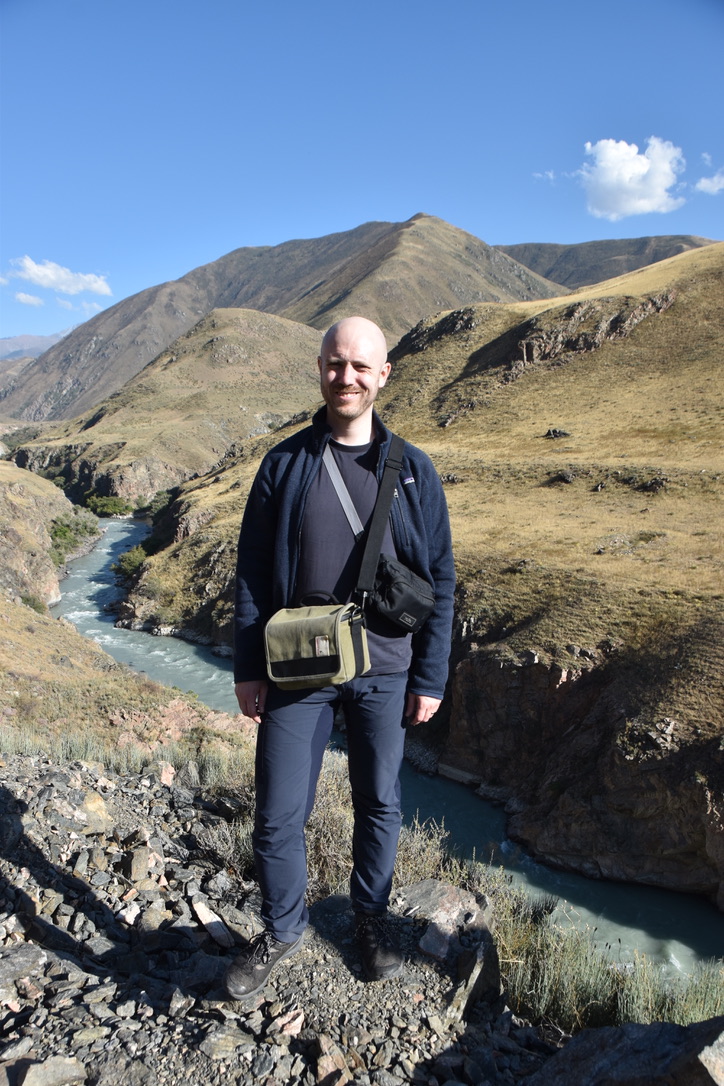
A stop as we hit the Chon Kemin valley
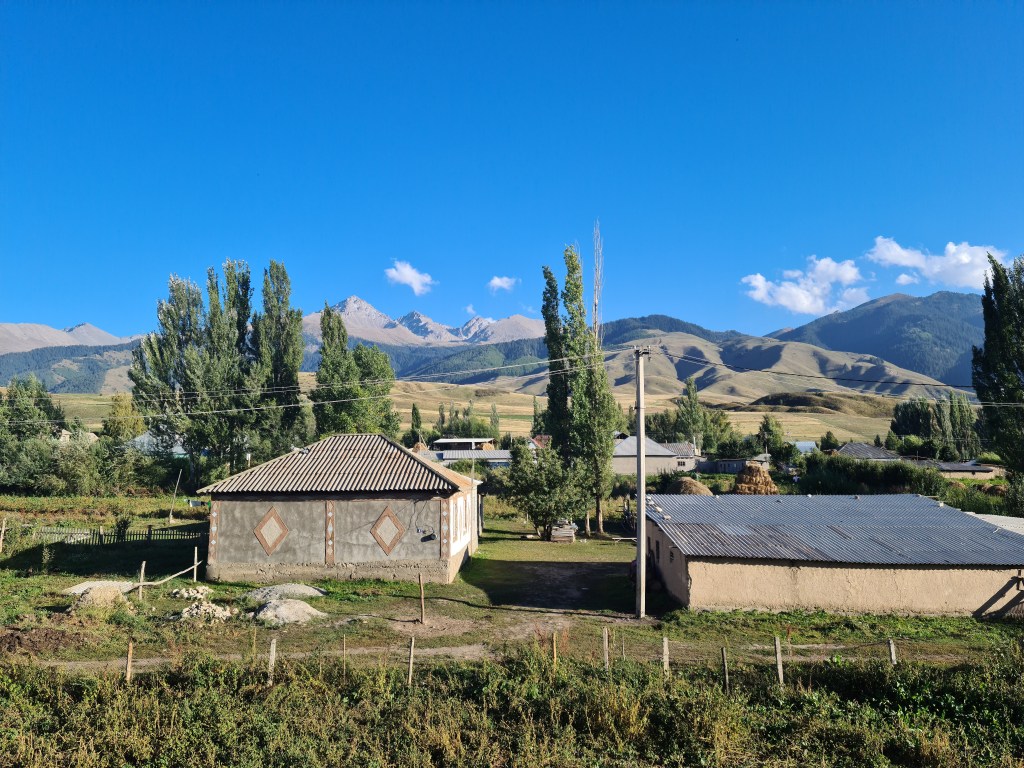
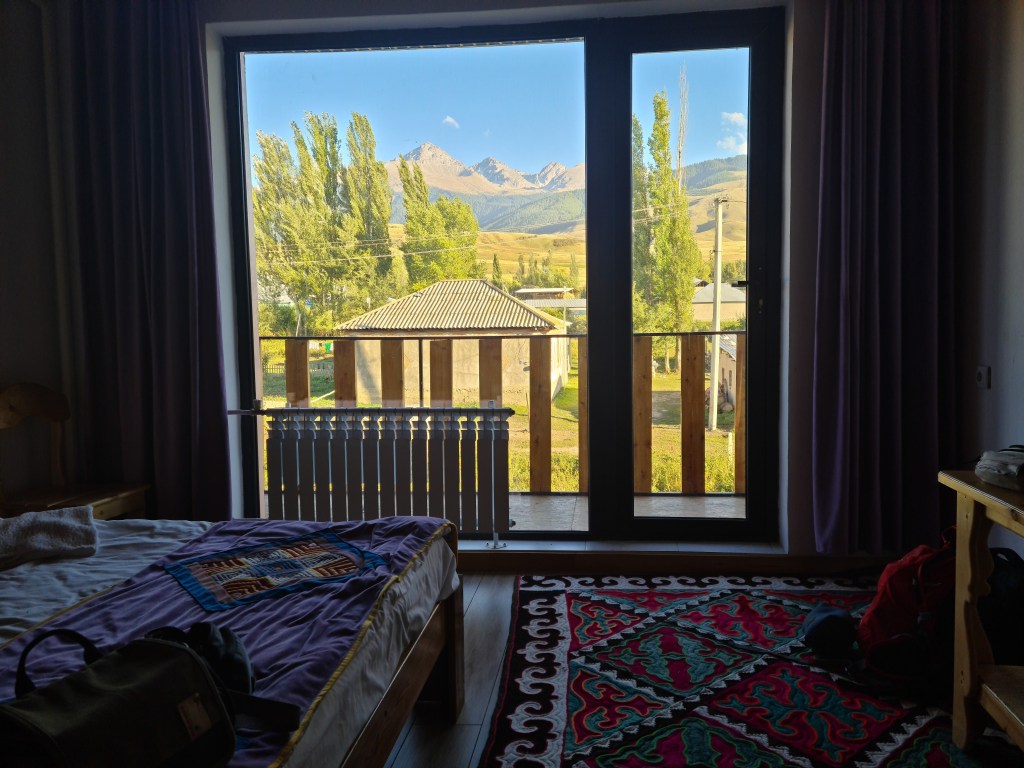
Our first homestay impressed with the views
The next day was our first opportunity to get the hiking boots back on as we had a couple of chances to enjoy the fresh air between drives.
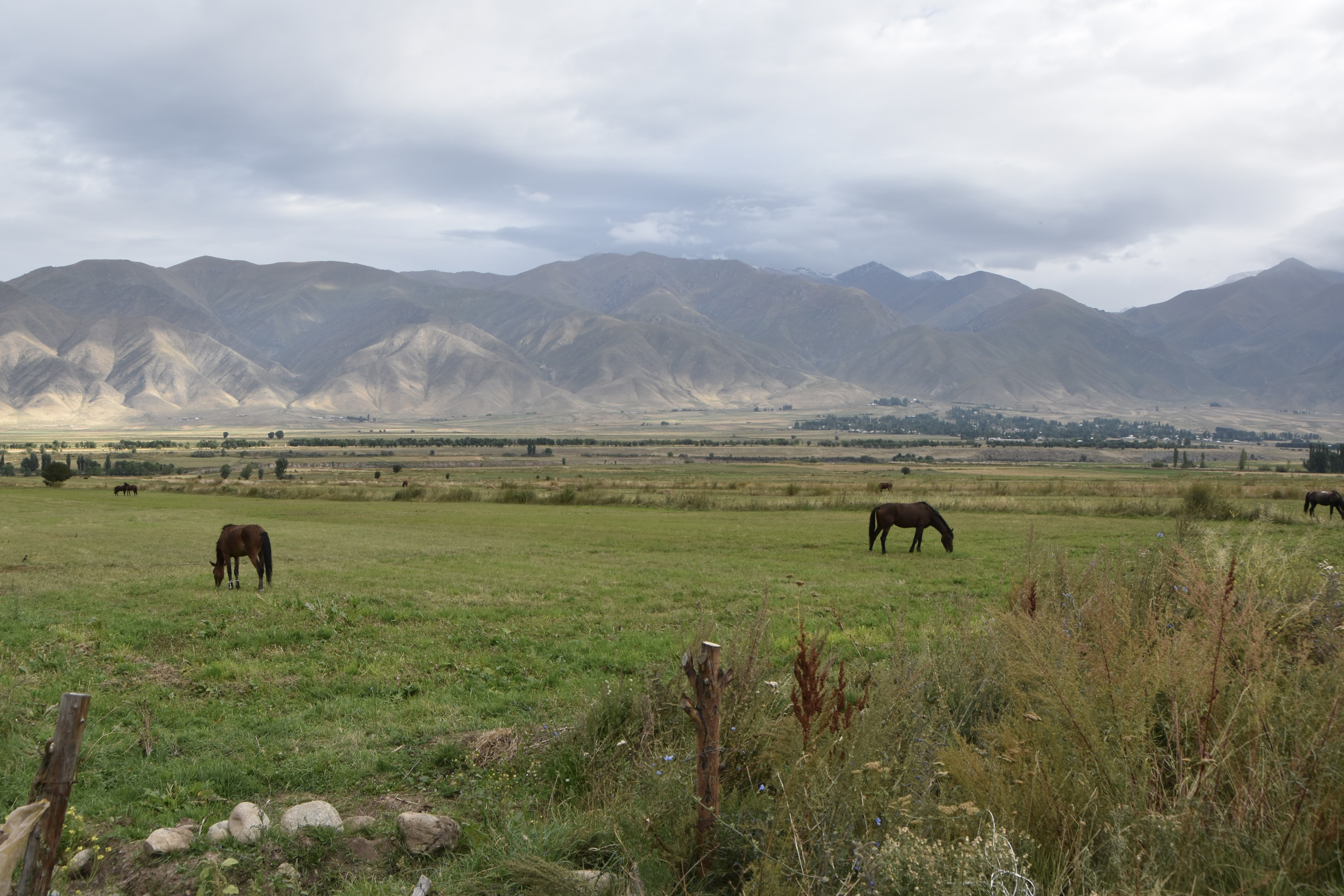
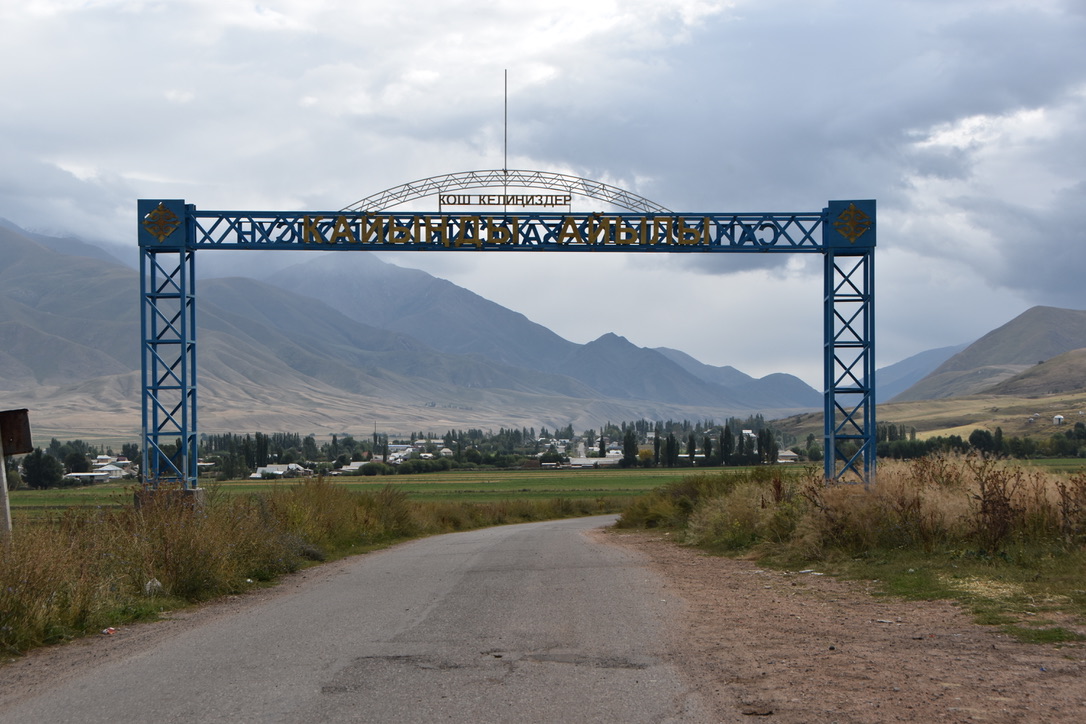
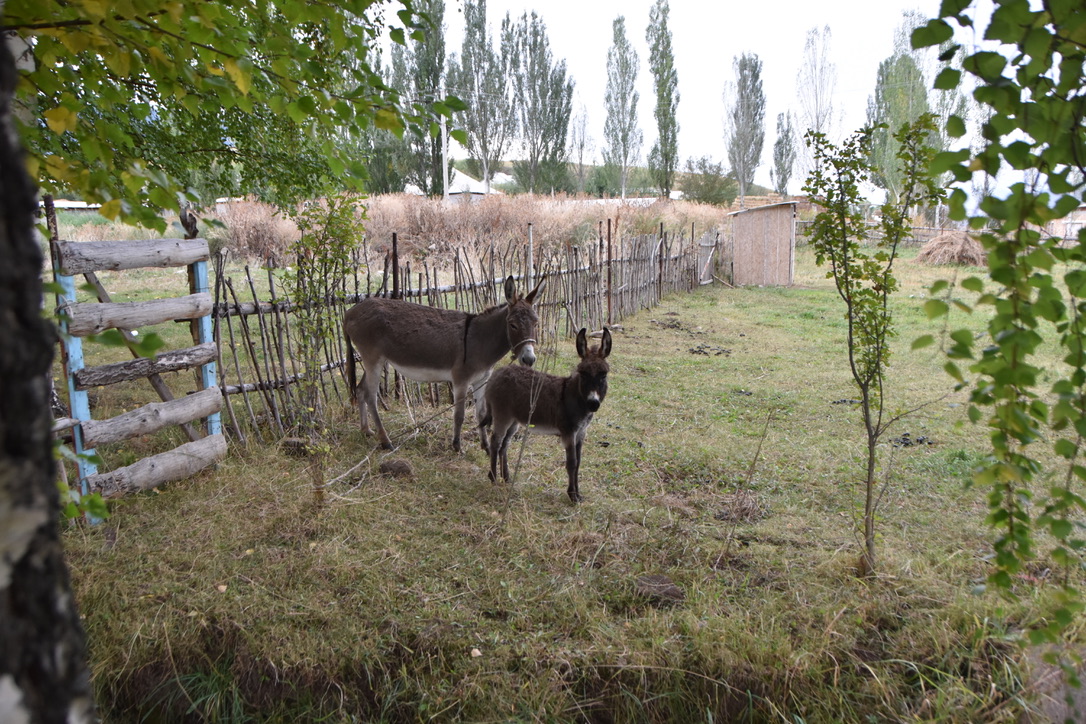


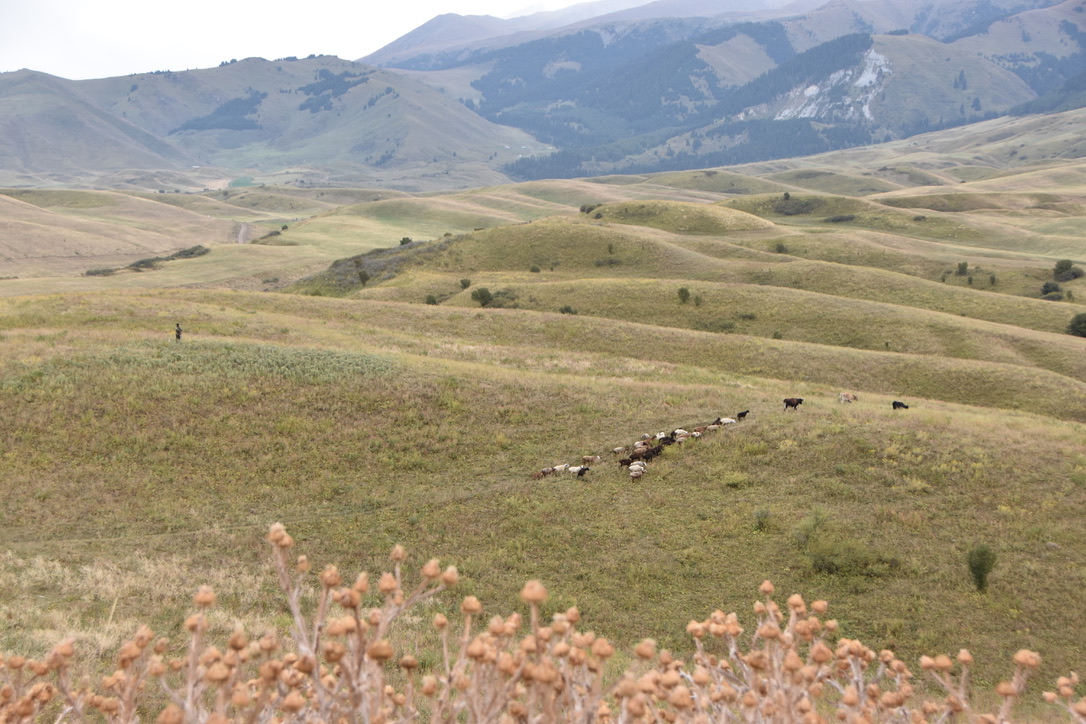
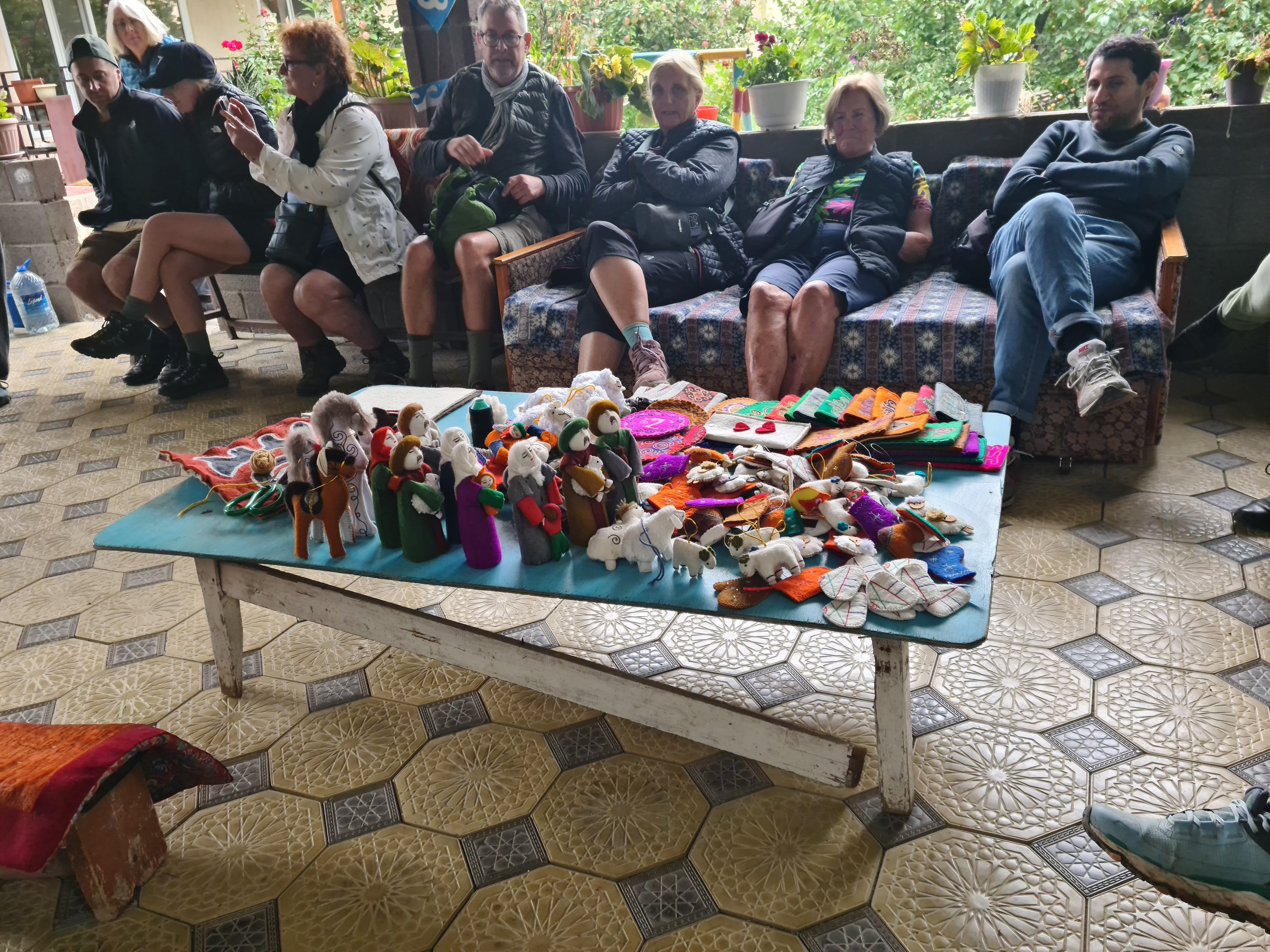
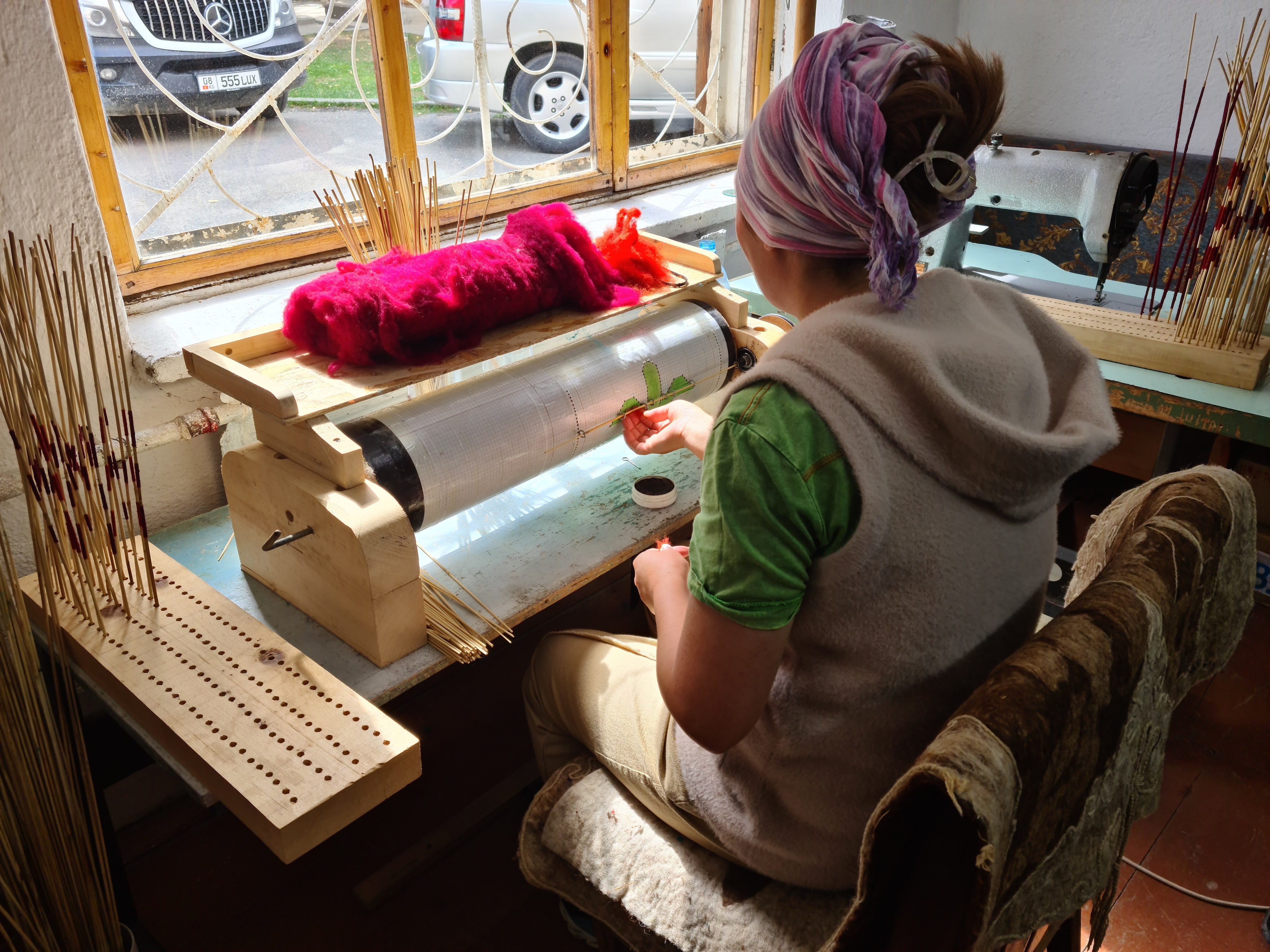
There was also a visit to a felt making workshop, one of G Adventures’ cultural learning moments.

It had been flagged in our orientation meeting that the itinerary would change slightly on this day from scheduled. We were meant to be working our way along the Kalmak-Ashuu mountain pass to Song Kul Lake, however the seasons were changing fast at altitude, and Ivan showed us a photo of a rather unpassable pass. Instead we would head for Issyk-Kol’ Lake.
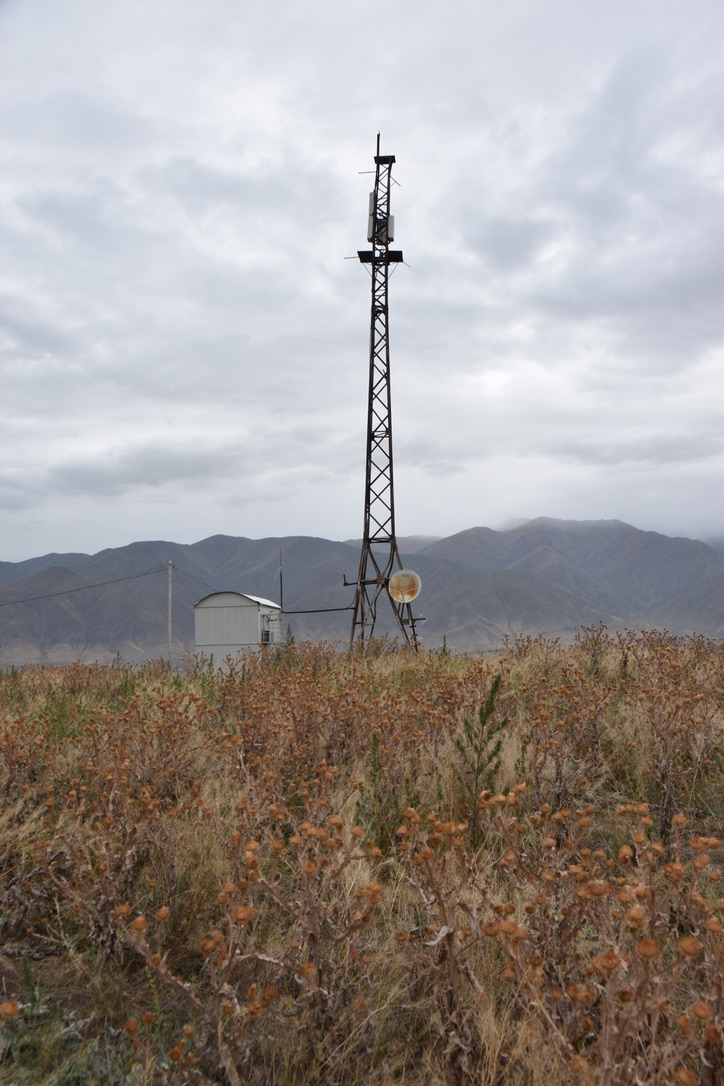
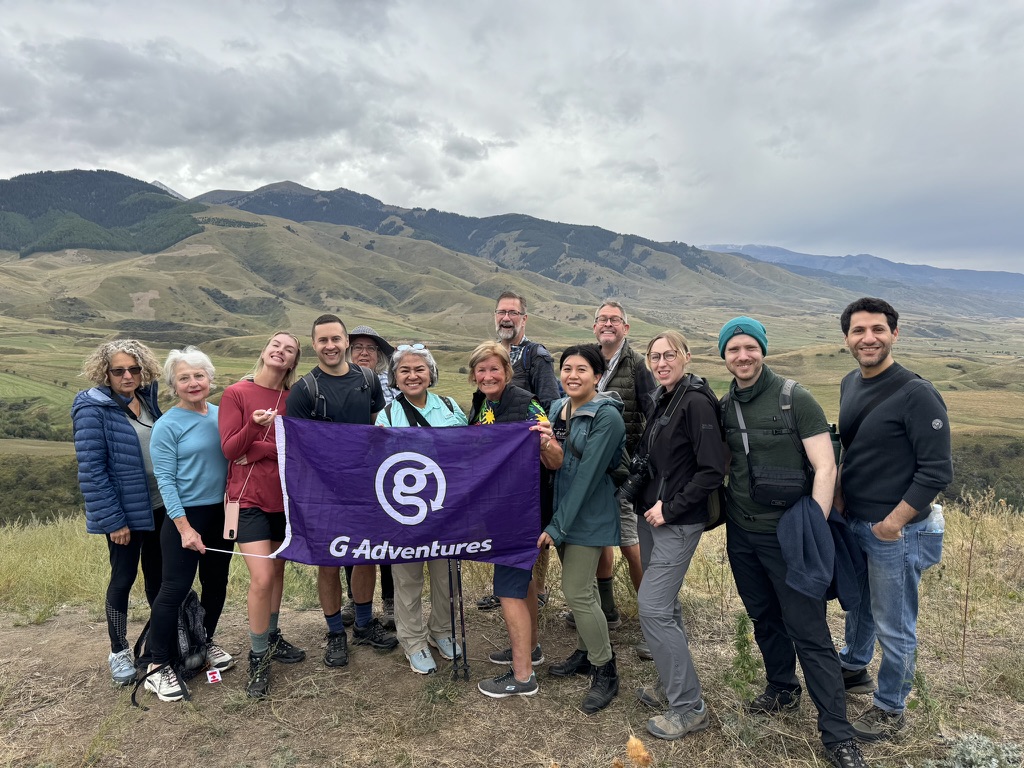
Along the way, we made a questionable 2 hour round detour for an extra “hike” which turned out to be a walk up a small hill.
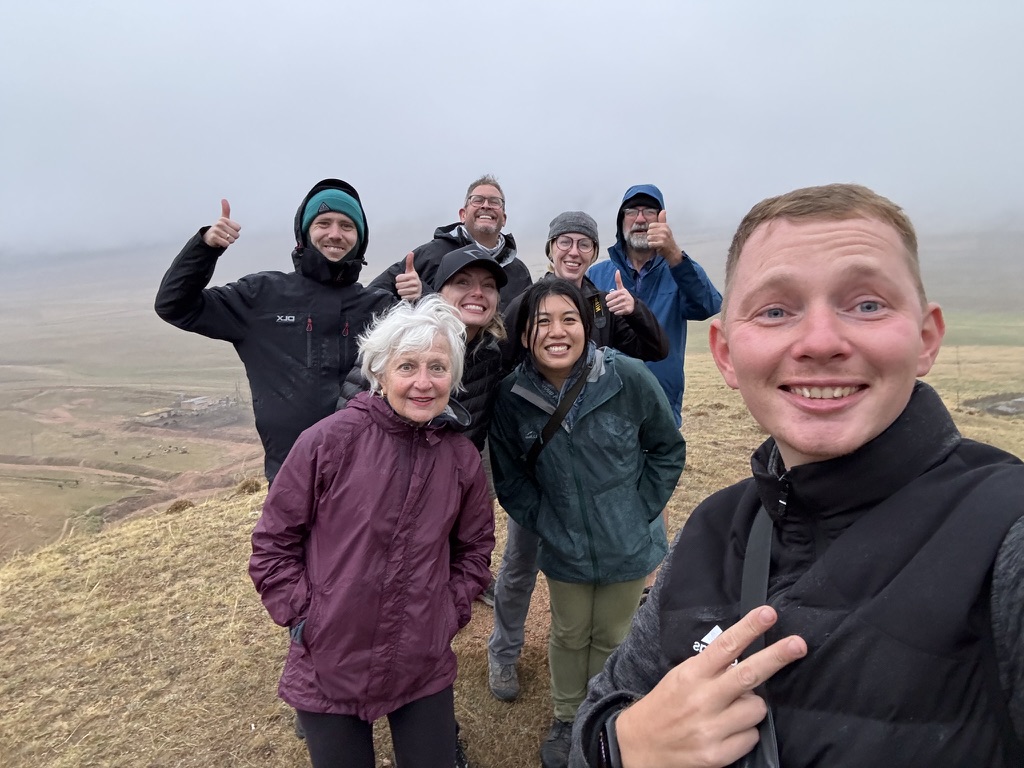
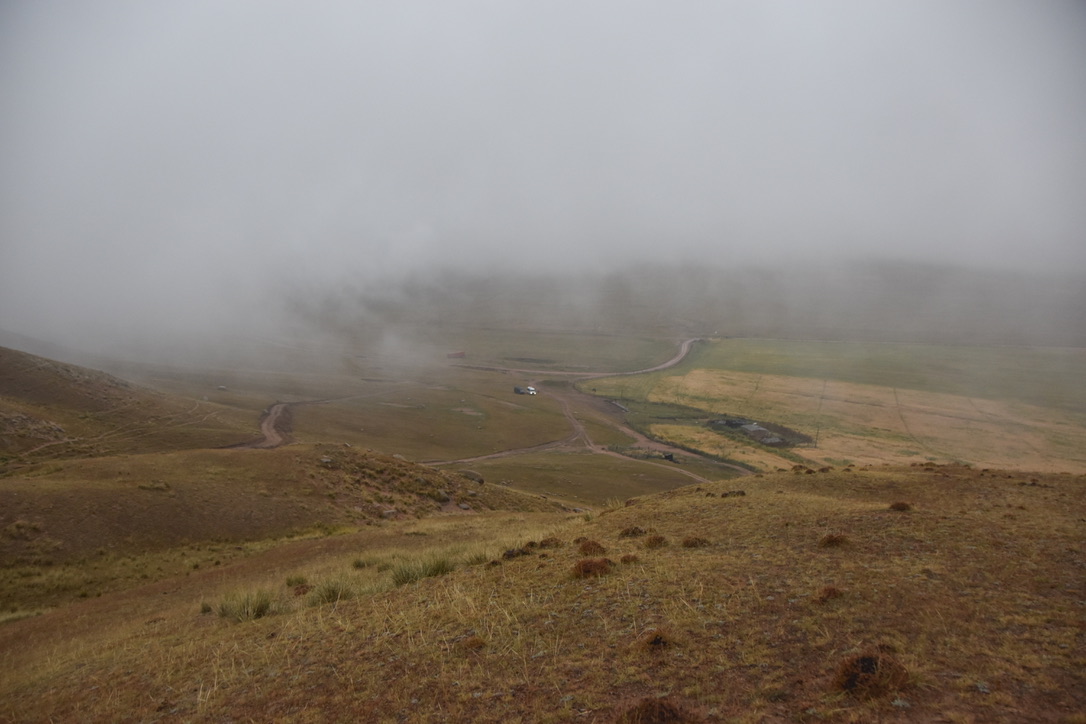
Soggy Happy People (the others elected to stay in the van). Our fearless leader, Ivan, is taking the photo.
It was so damp by this point, even a local horse decided he’d had enough and unceremoniously unsaddled his rider before taking off. I could sympathise. Any more detours like this, and the group might have needed to stage a revolution of its own.
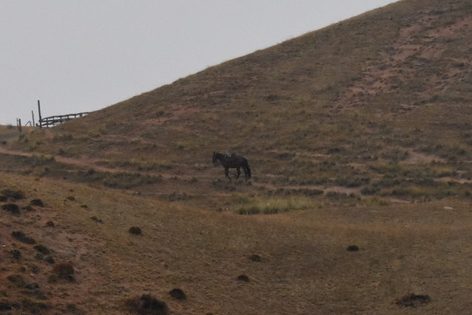
This was the second reminder we’d had that day never to work with animals. The first had seen a cow appear and circle our minibus at a petrol station, with cowboy and cattle dog in pursuit.

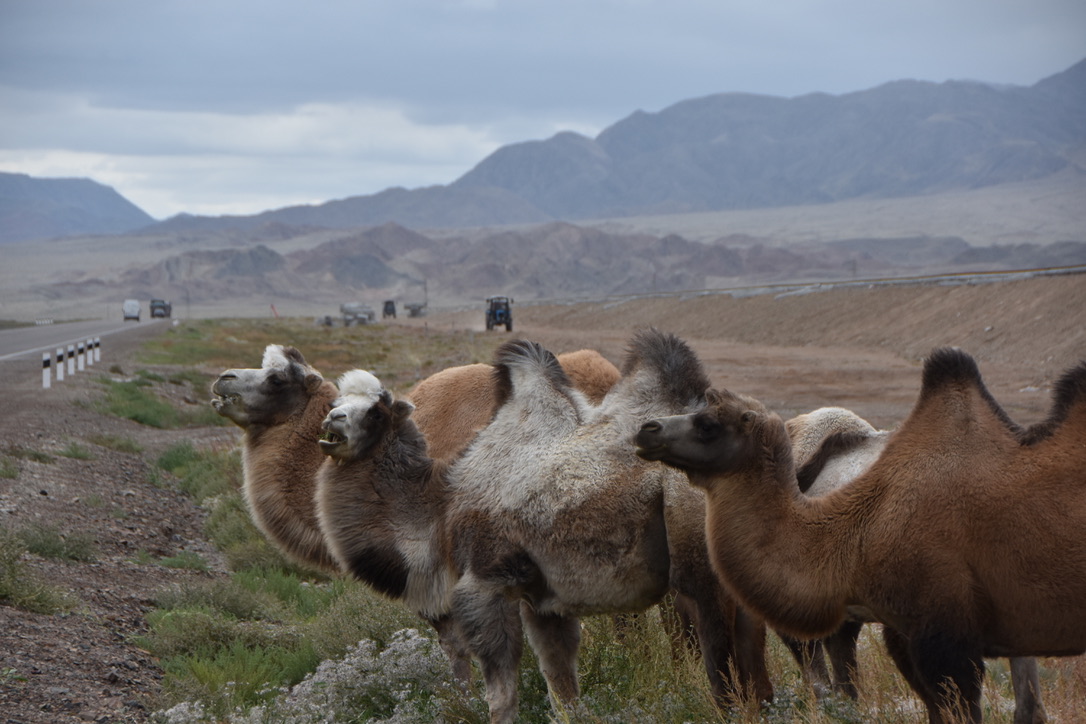

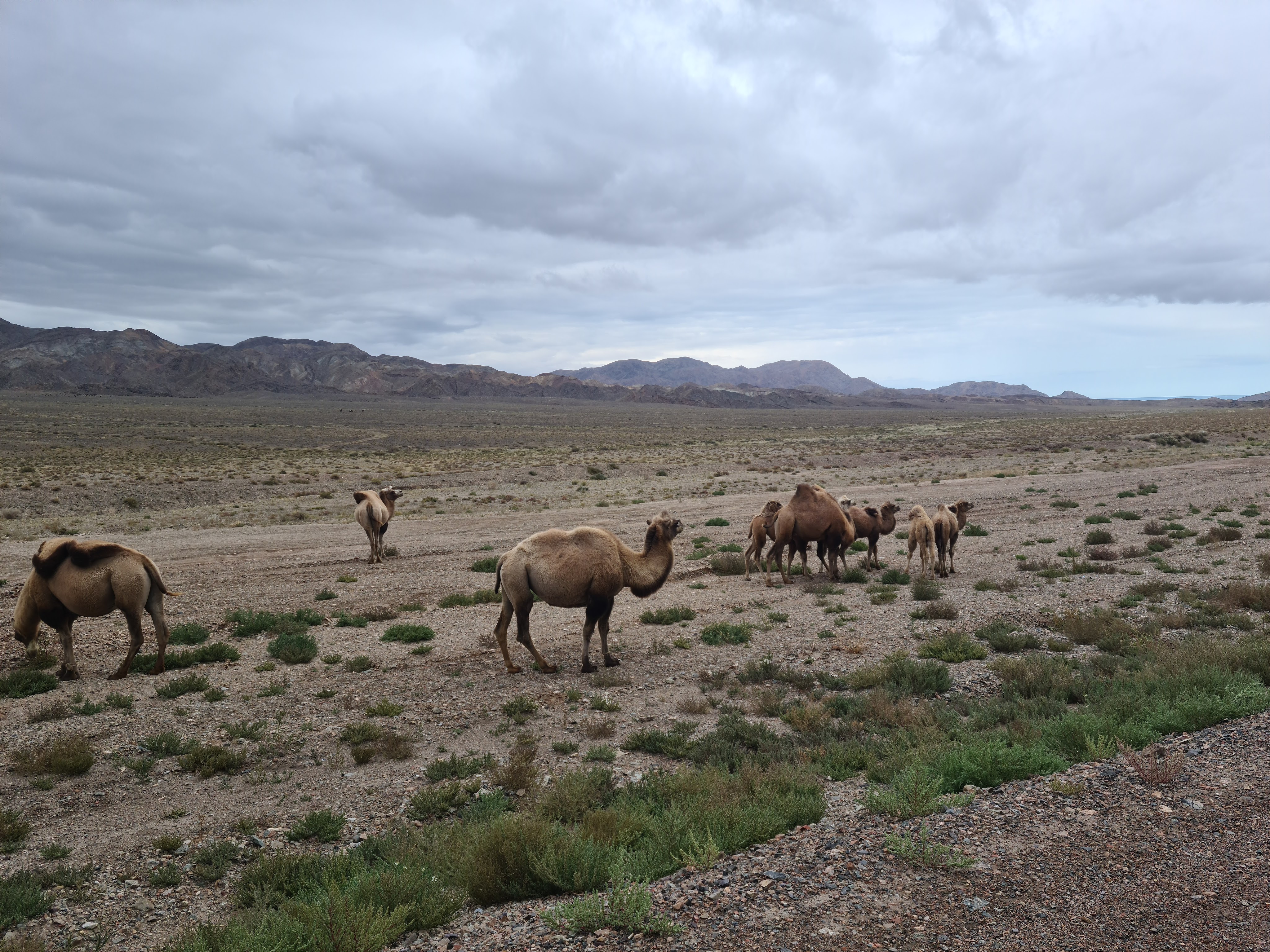
A more exciting animal stop. Two-humped camels can only be found in Central Asia.
We were very grateful to eventually reach our “glurt” camp for the night – yurts with underfloor heating and annexed WC/shower facilities.
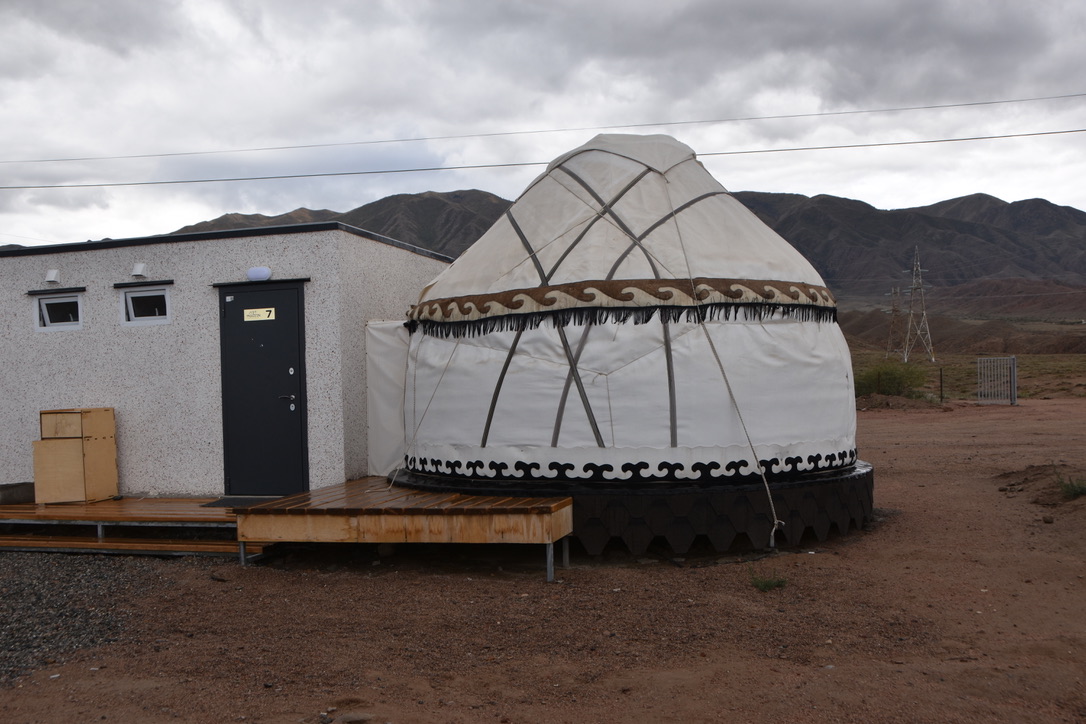
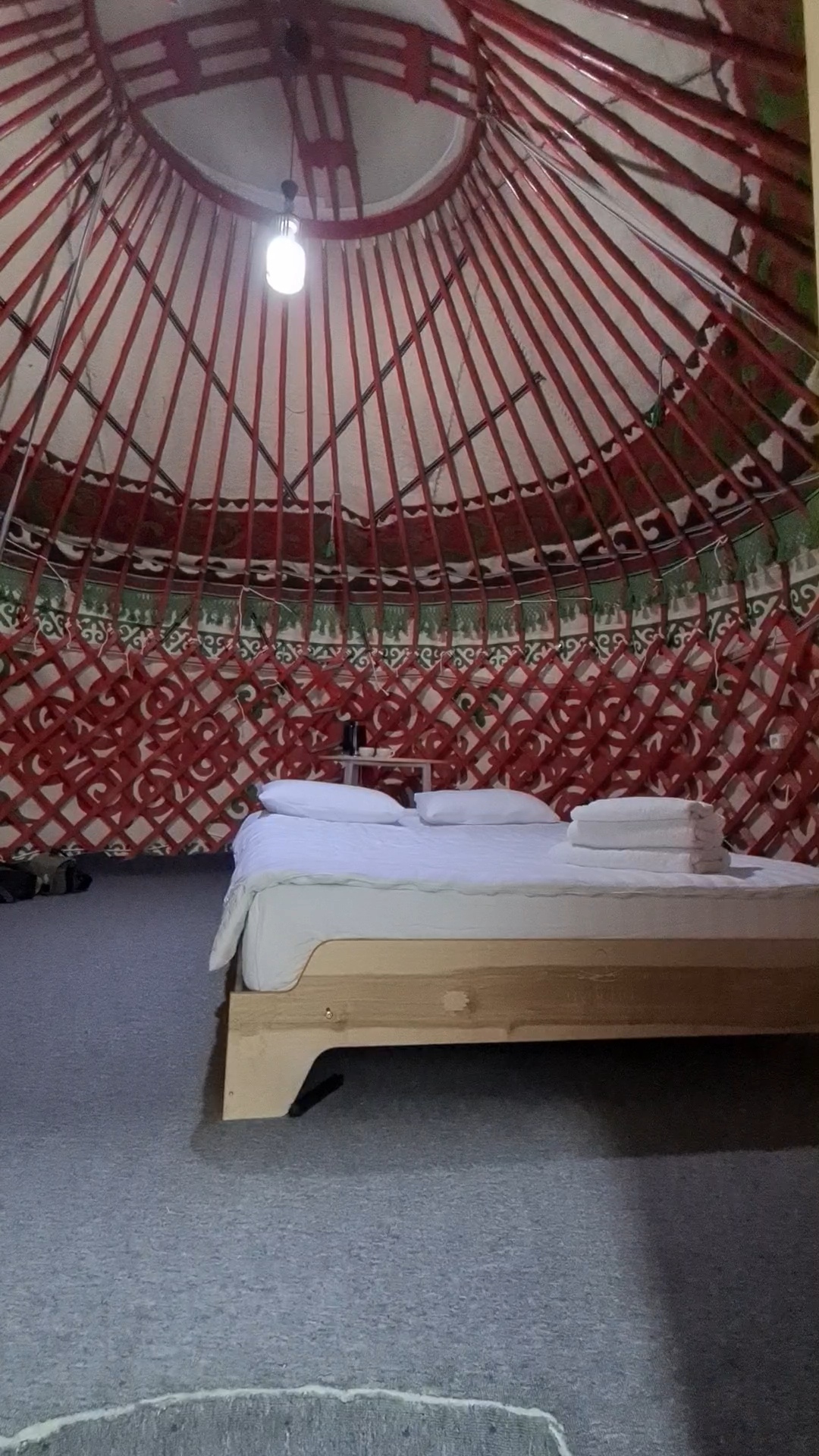
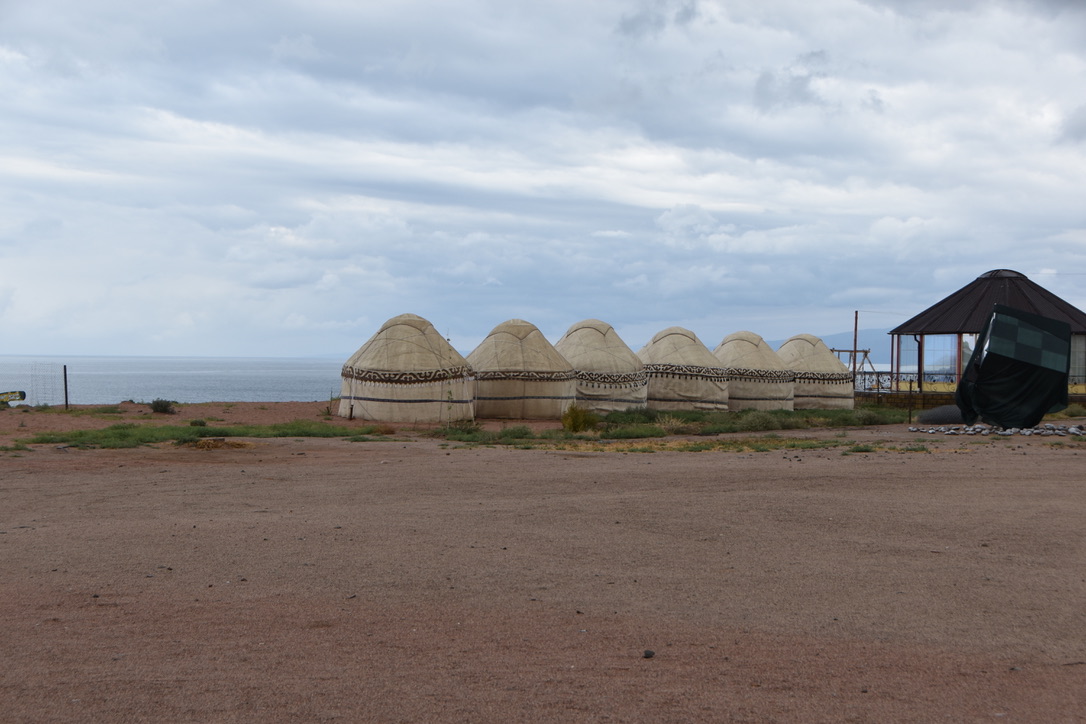
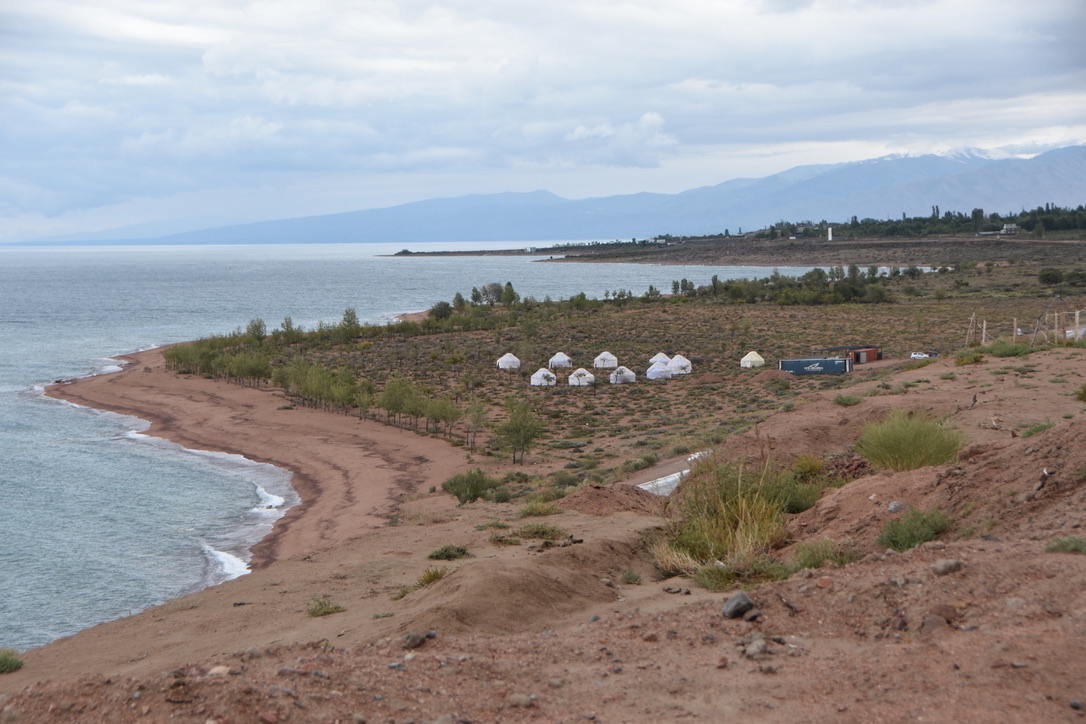
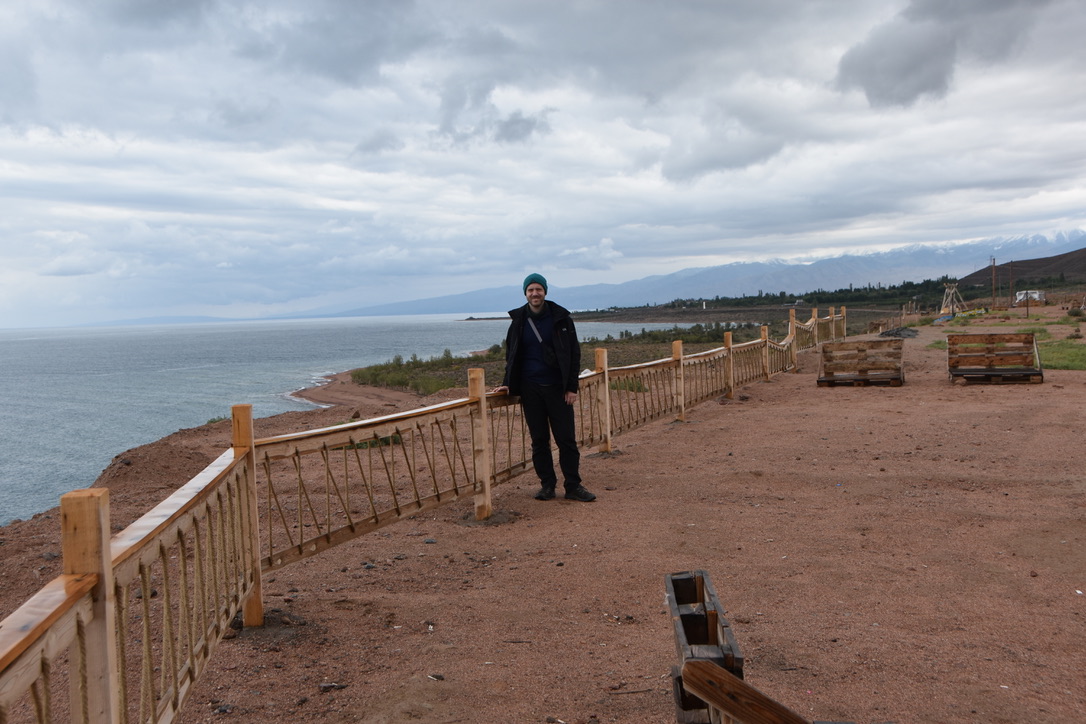
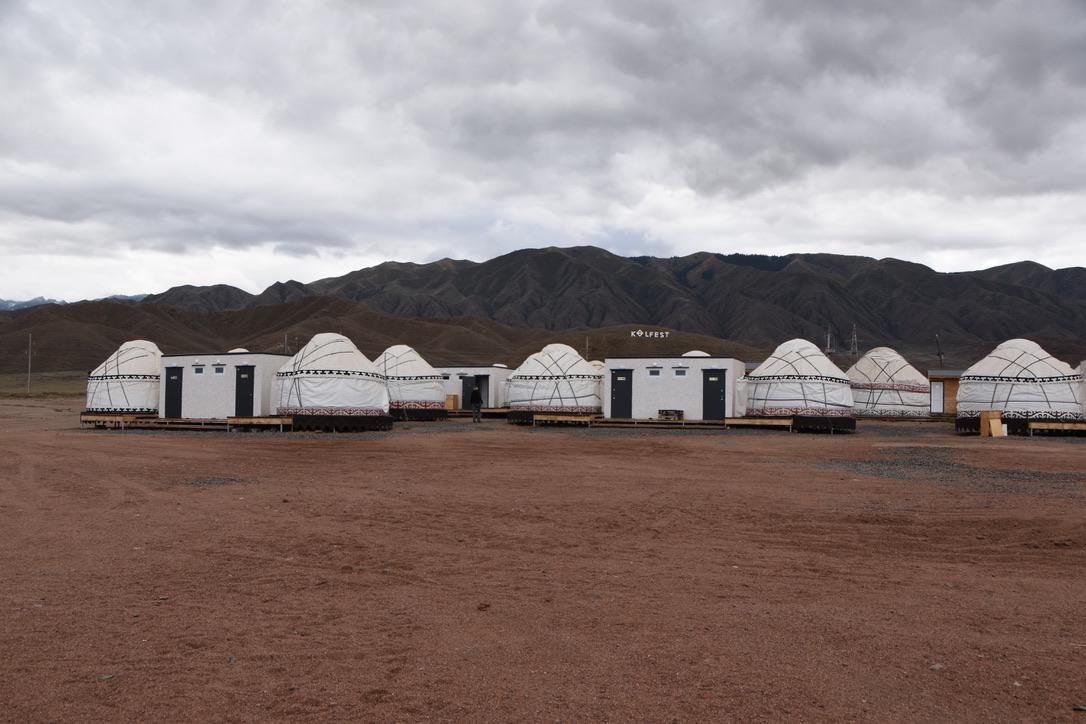
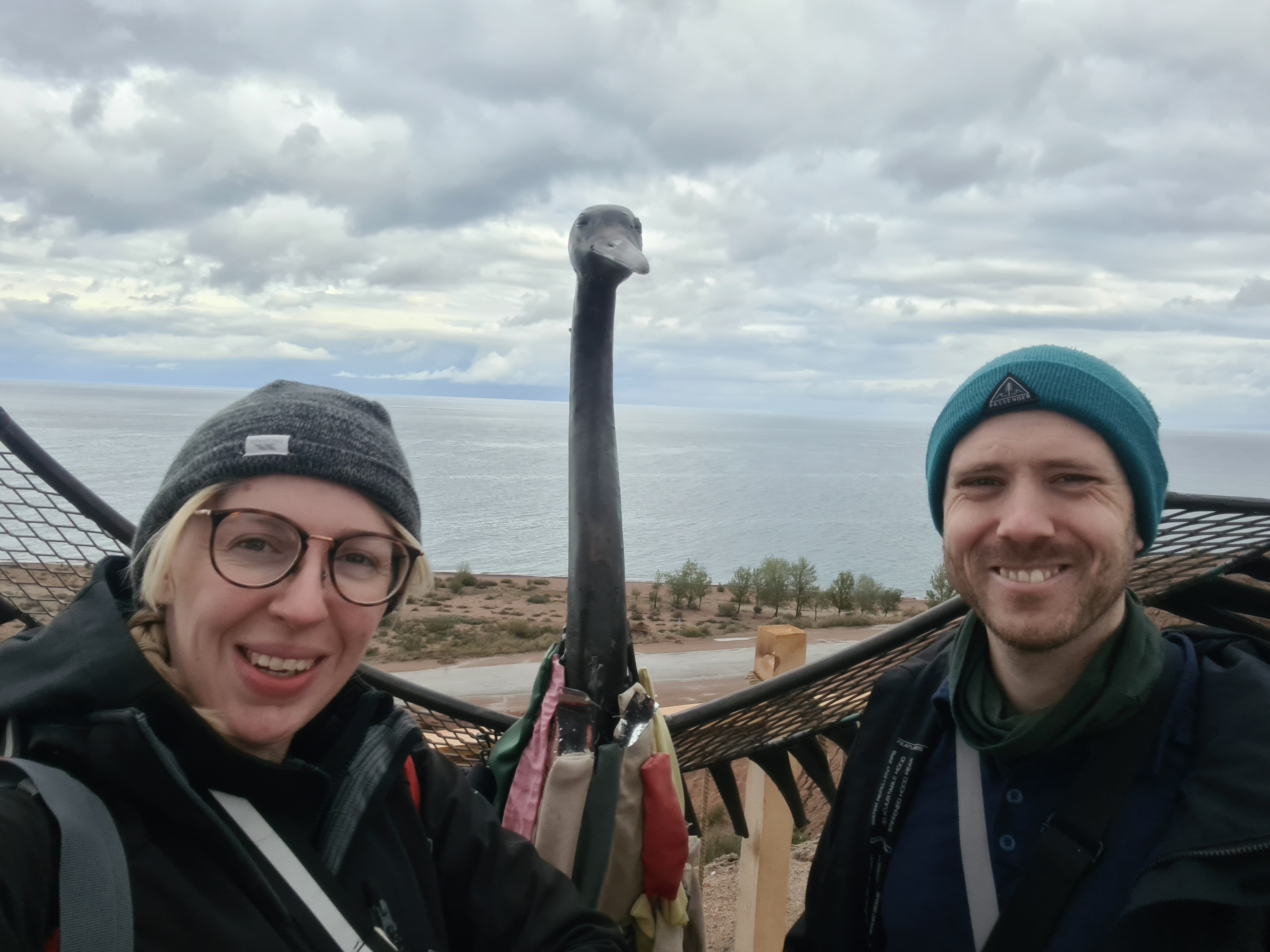
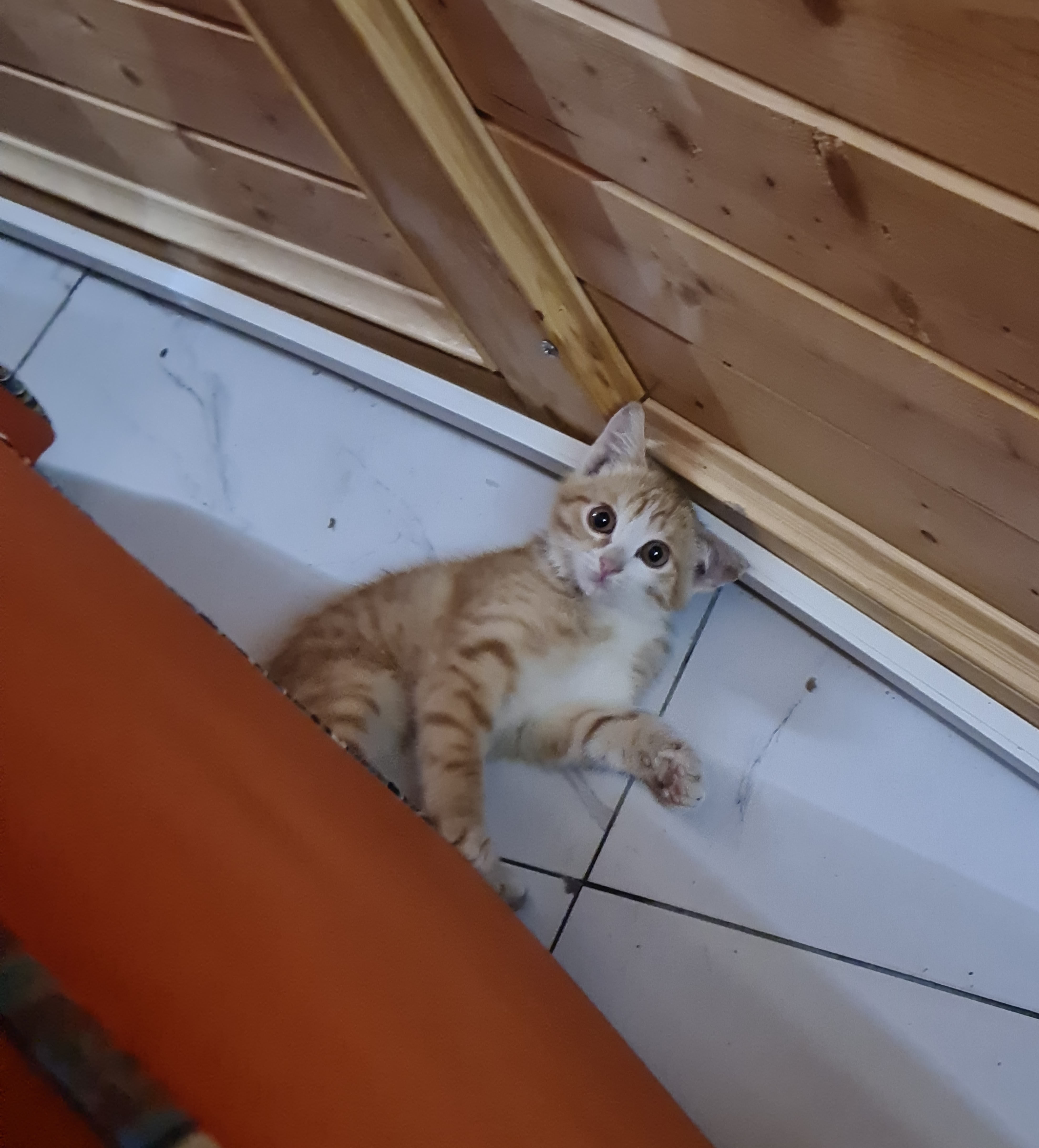
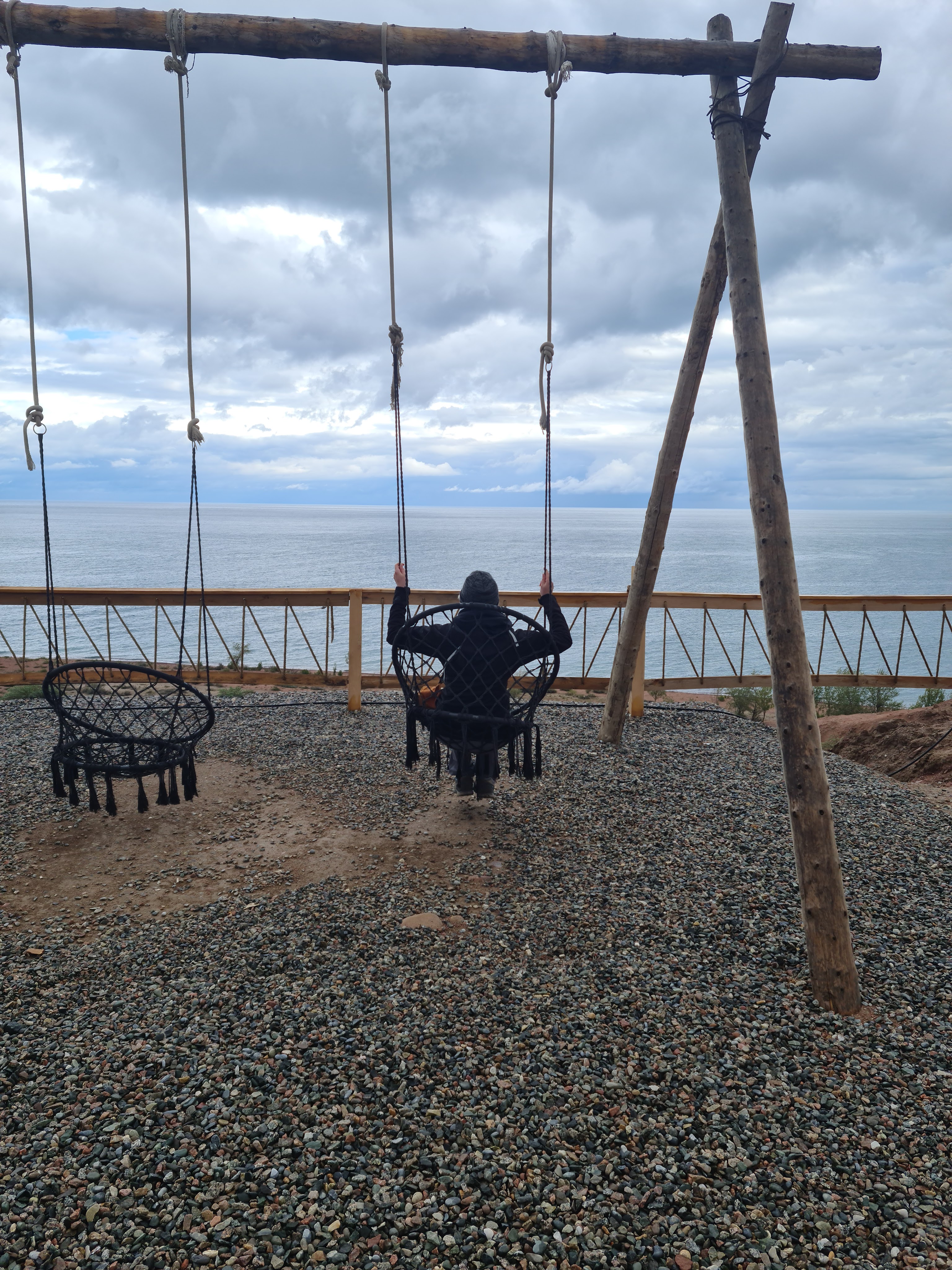
It was very cosy, even if the modern day additions had possibly compromised the structural integrity of the yurts. There were a couple of leaks, with Ivan’s passport suffering the worst.
We would actually learn about the process of traditional yurt building ourselves a couple of days later, with some hands-on demonstrations from a master yurt builder who wouldn’t tolerate any such transgressions in his own designs.
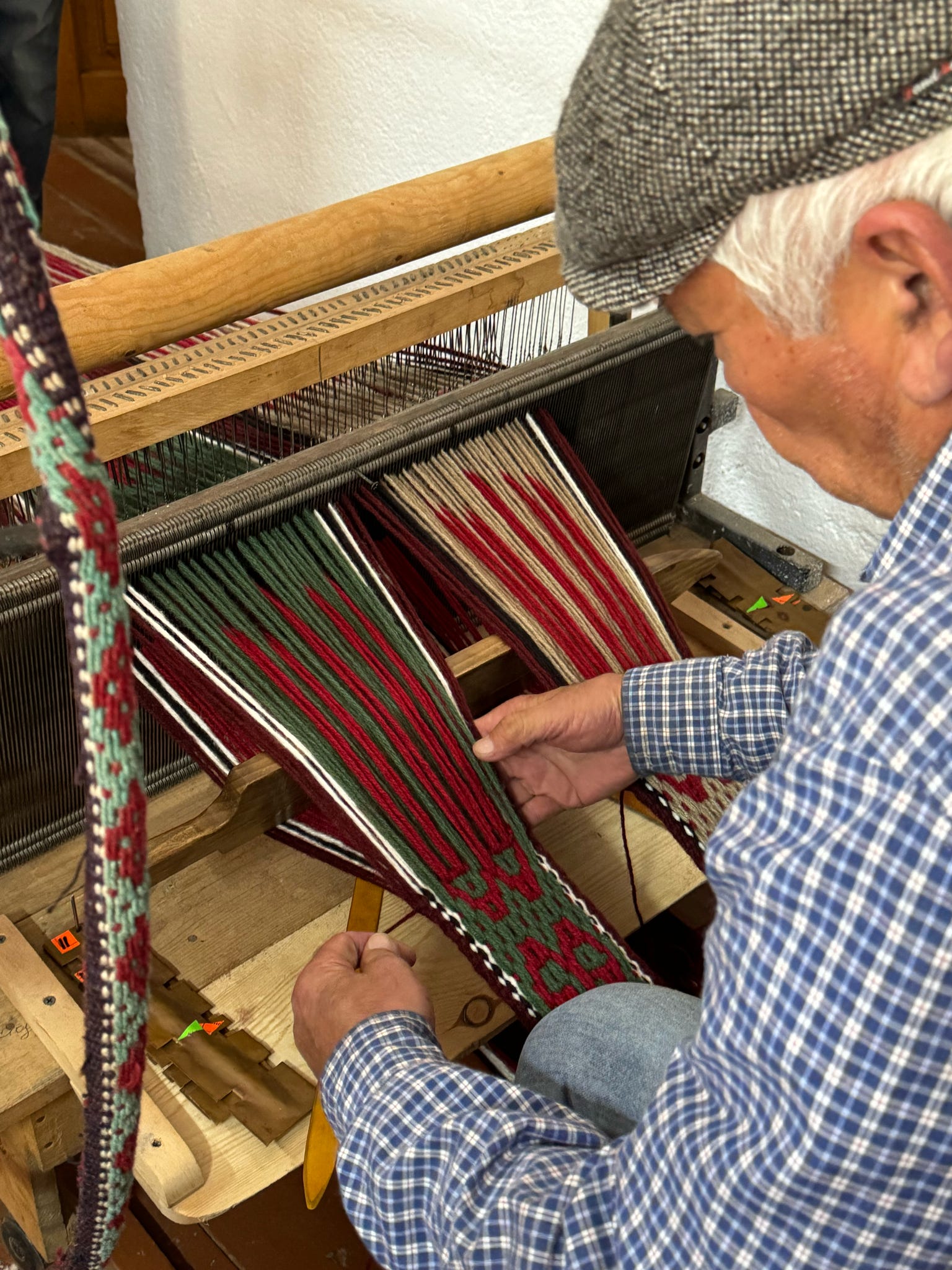

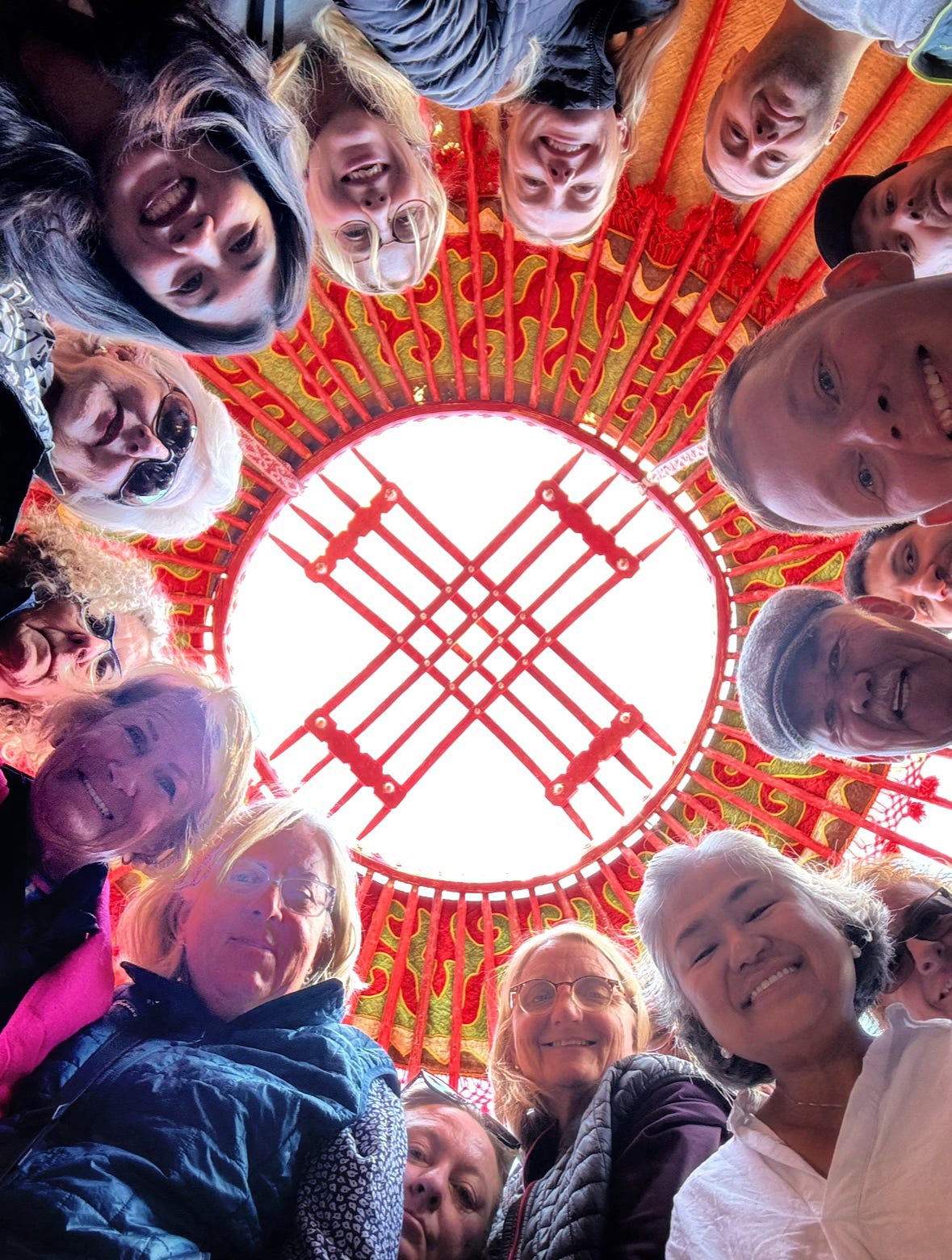
Day 3 was one of our favourites as we somehow crossed three very different landscapes across a short area.
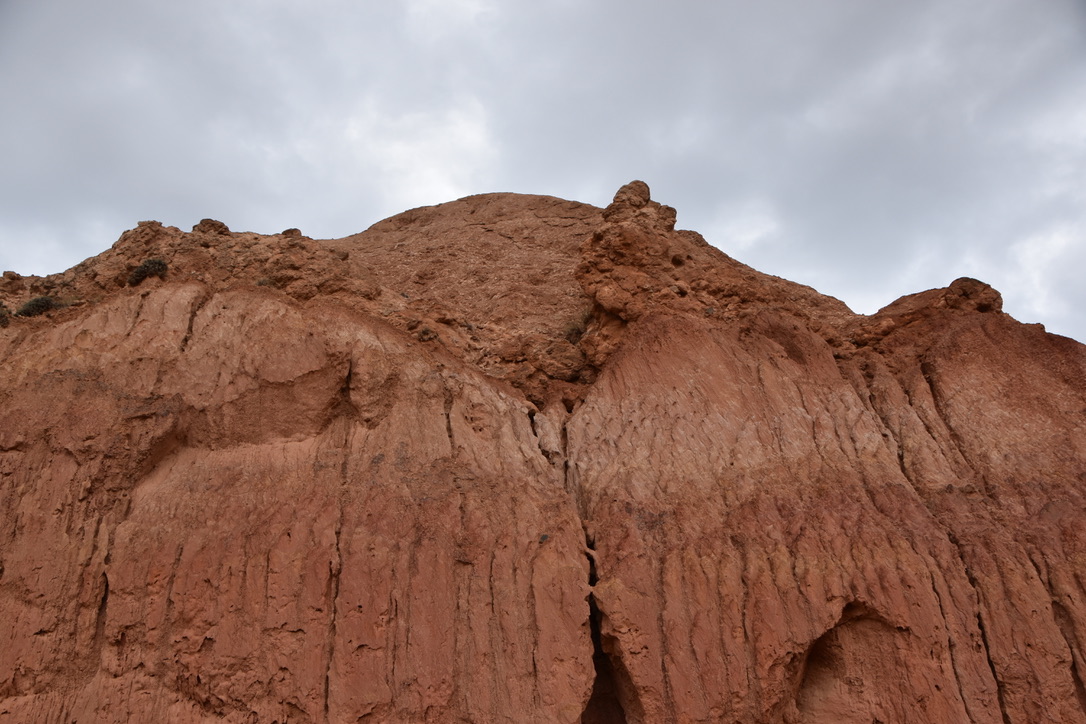
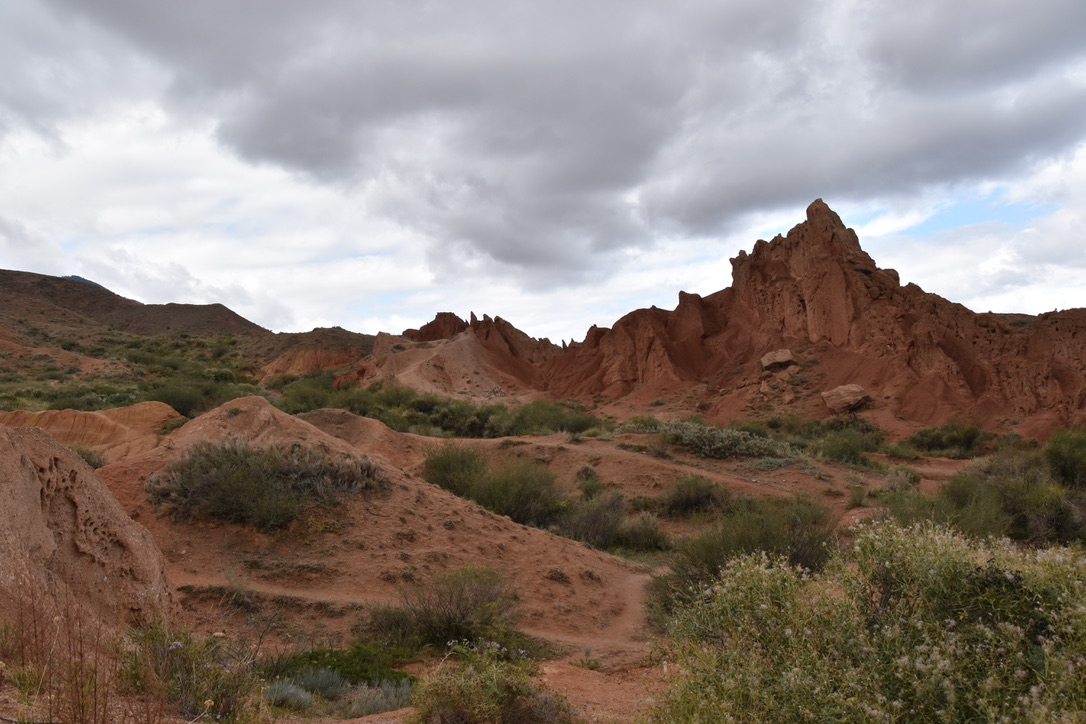
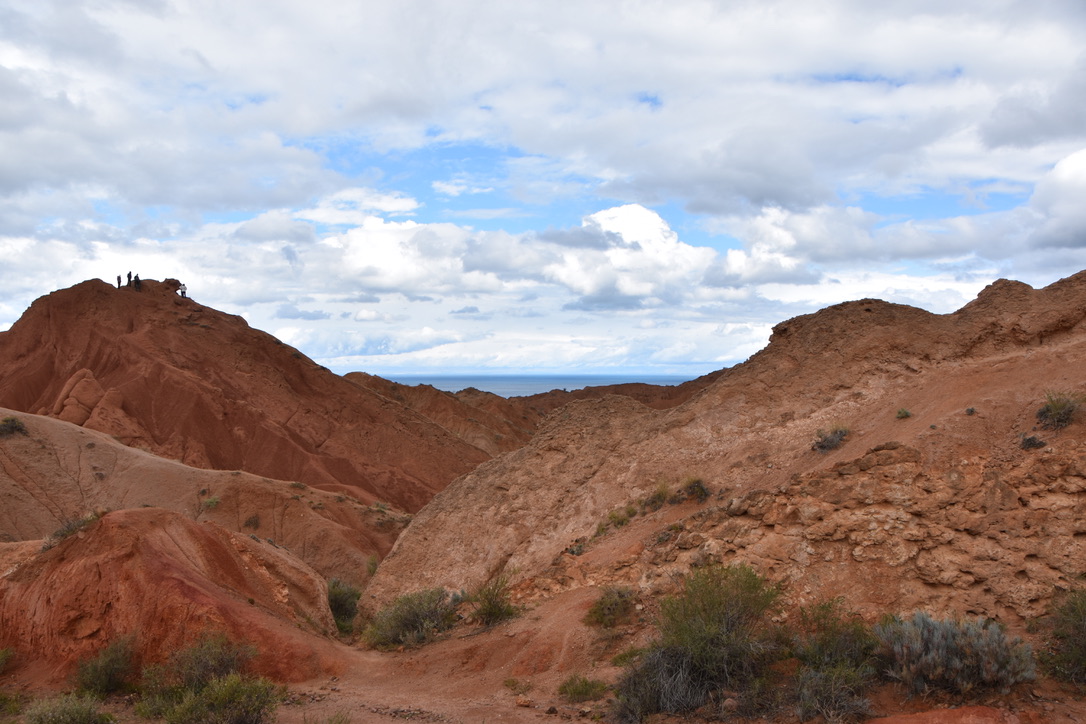
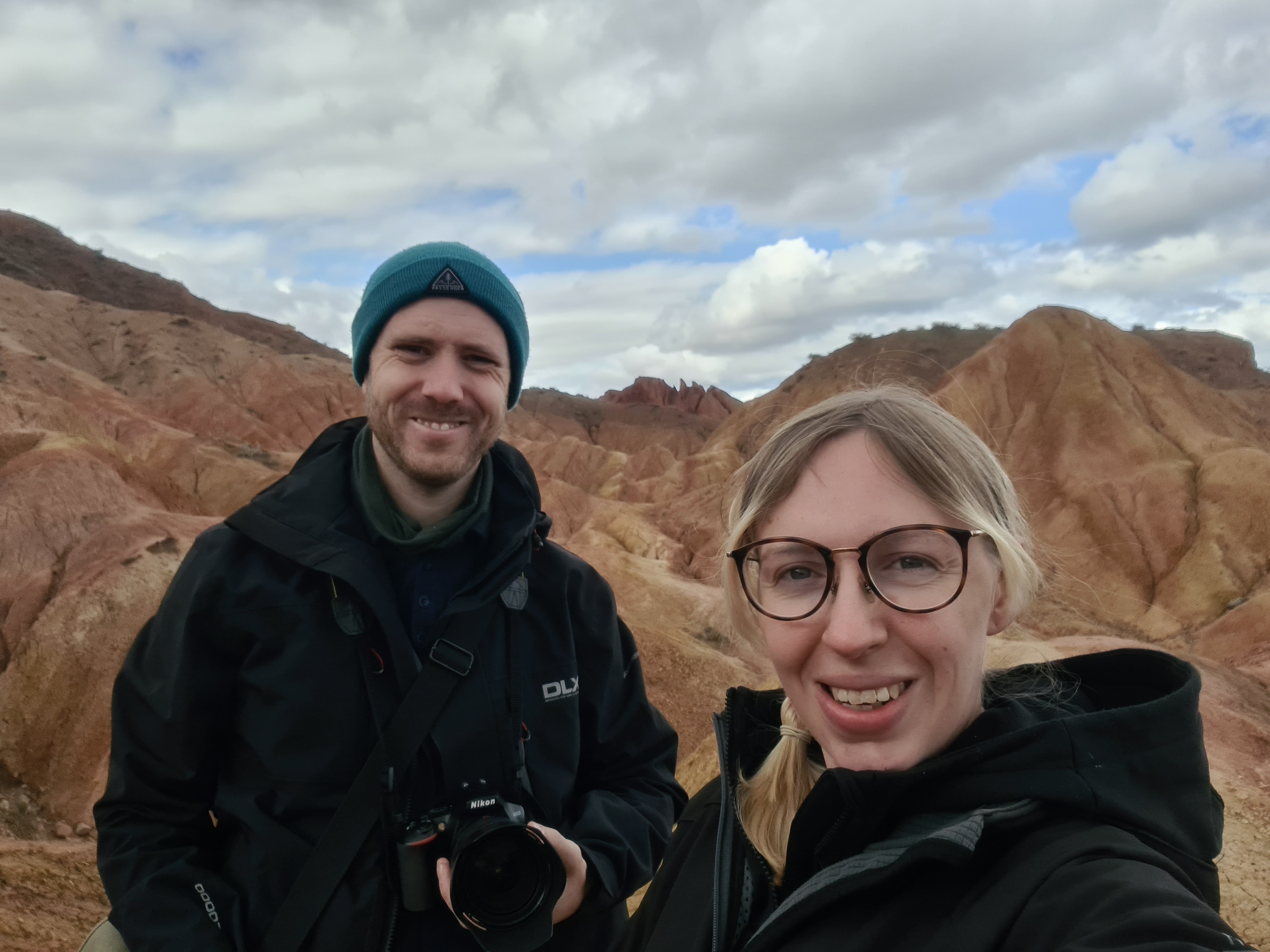

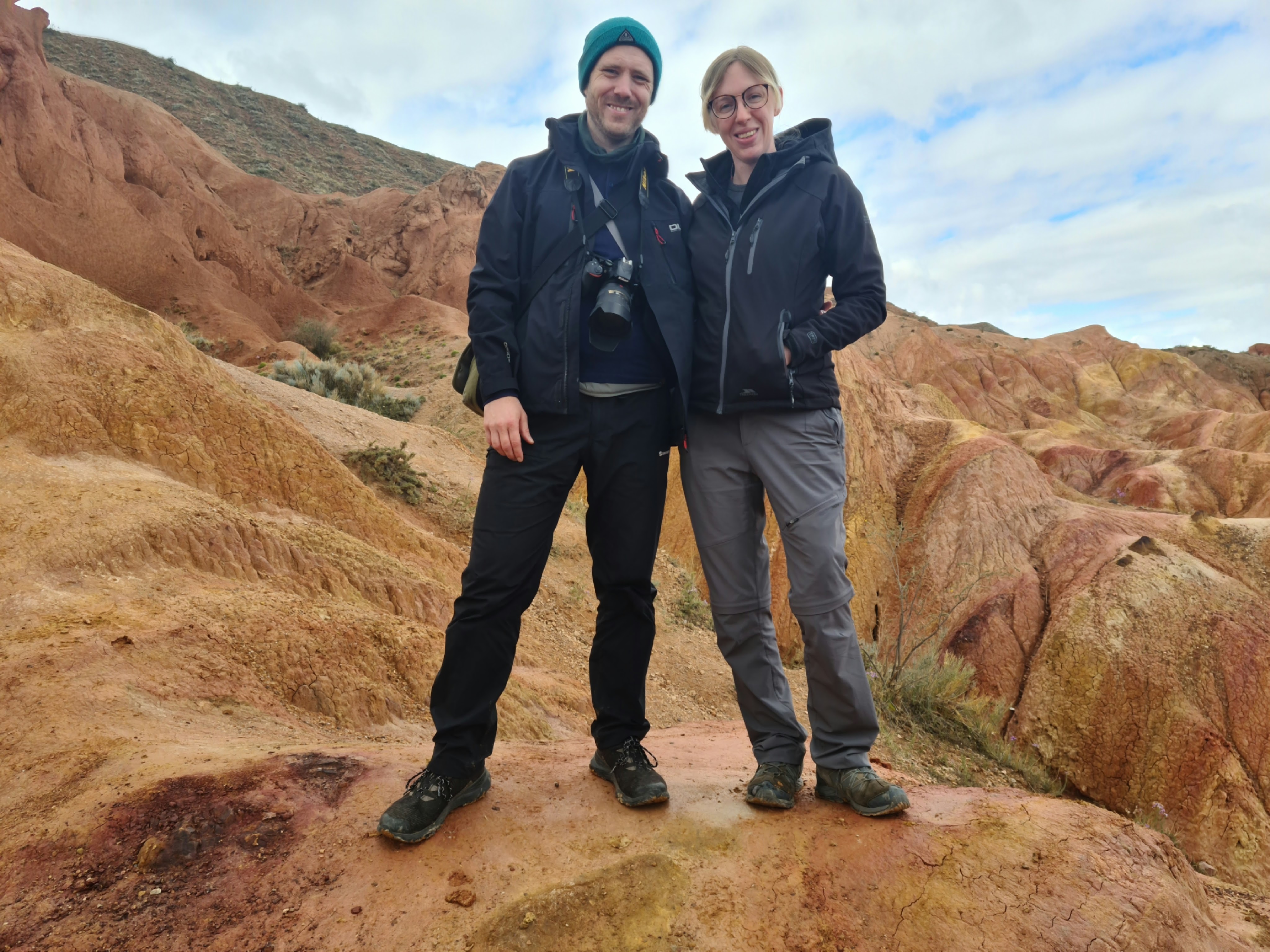
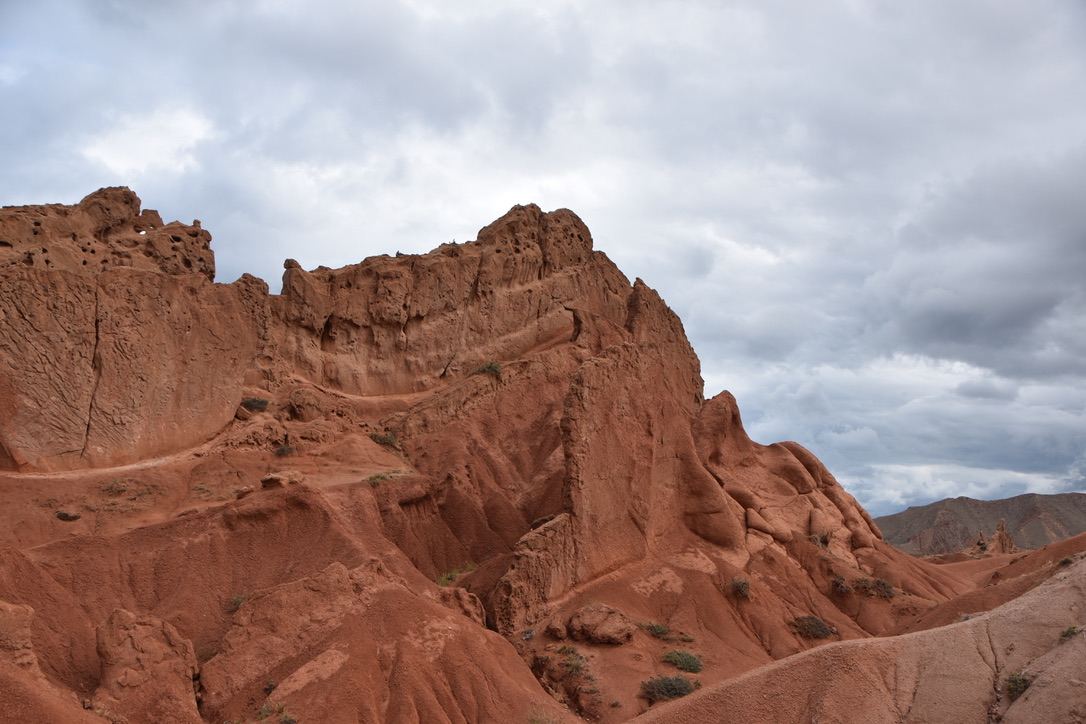
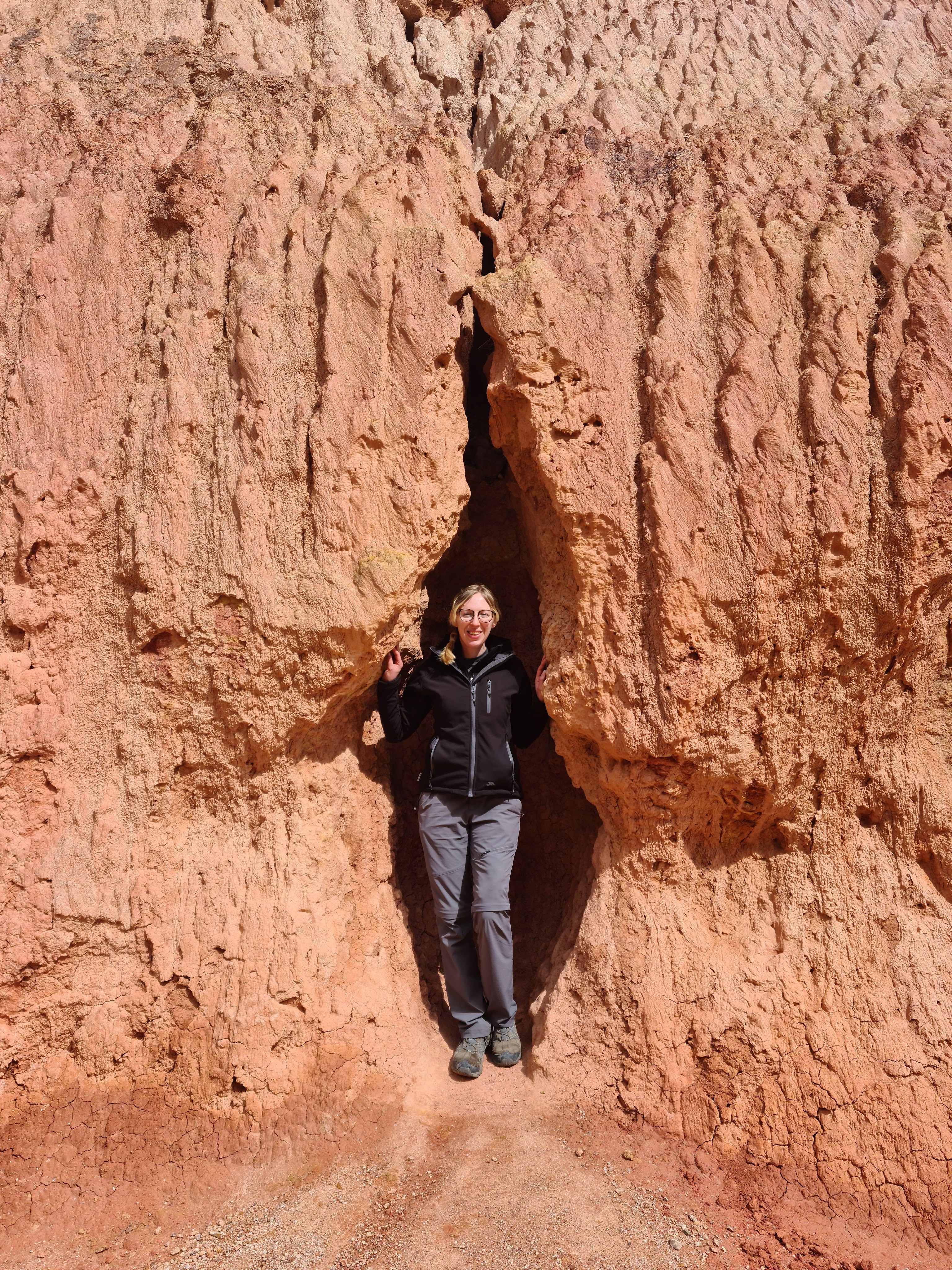
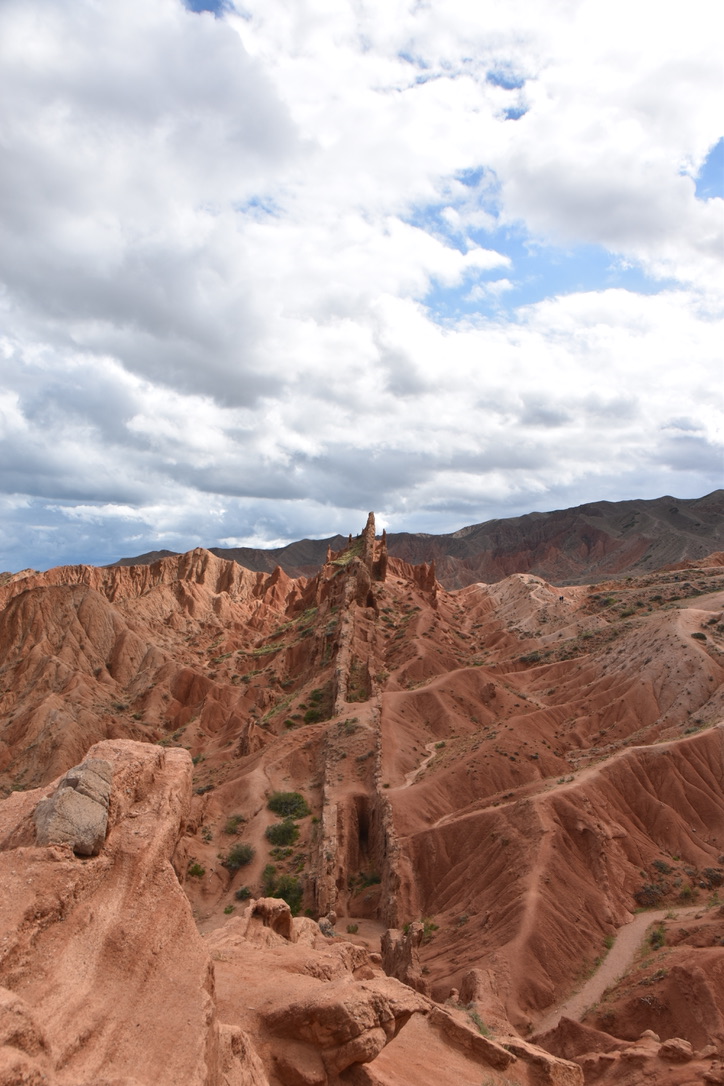
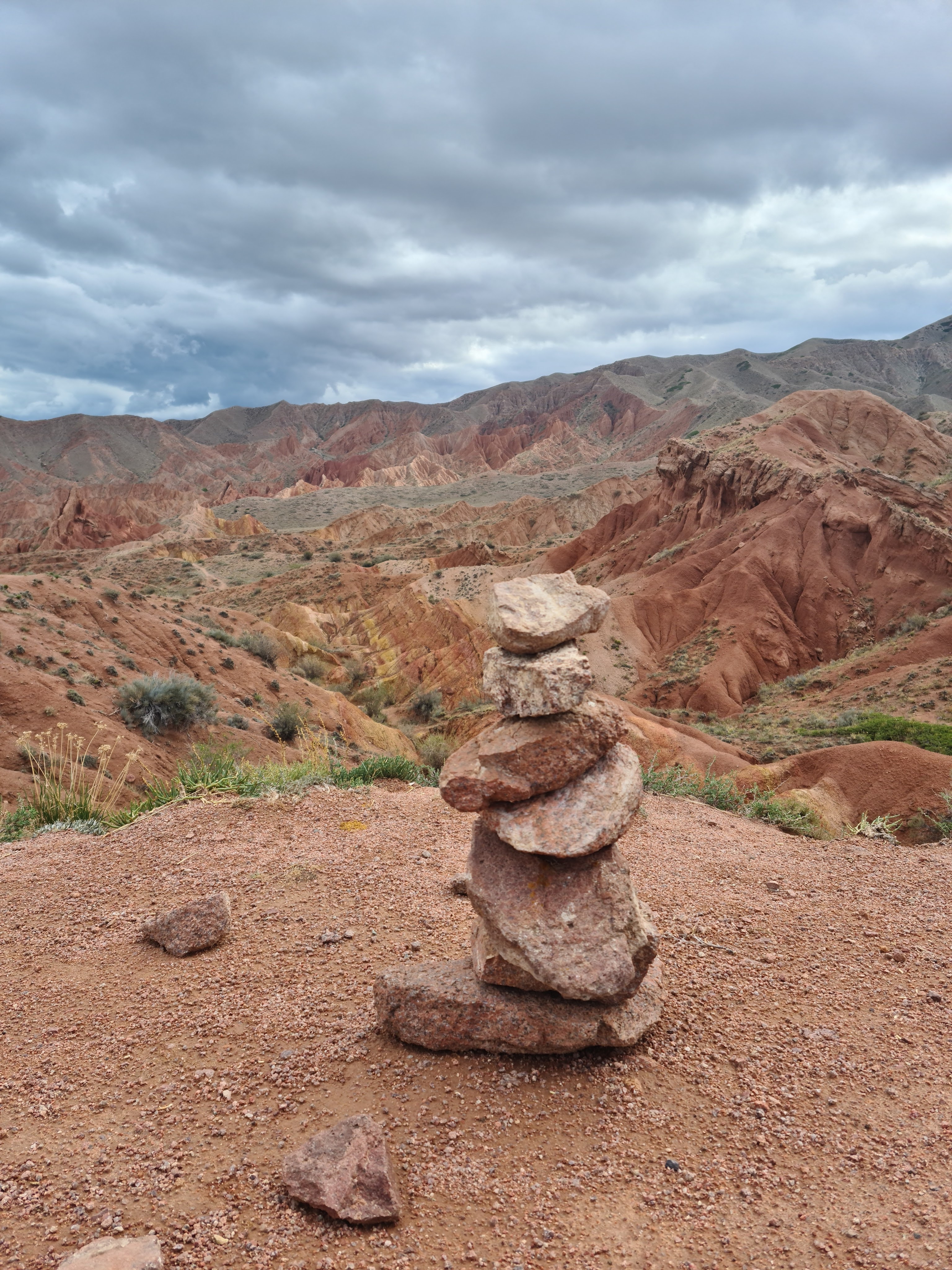
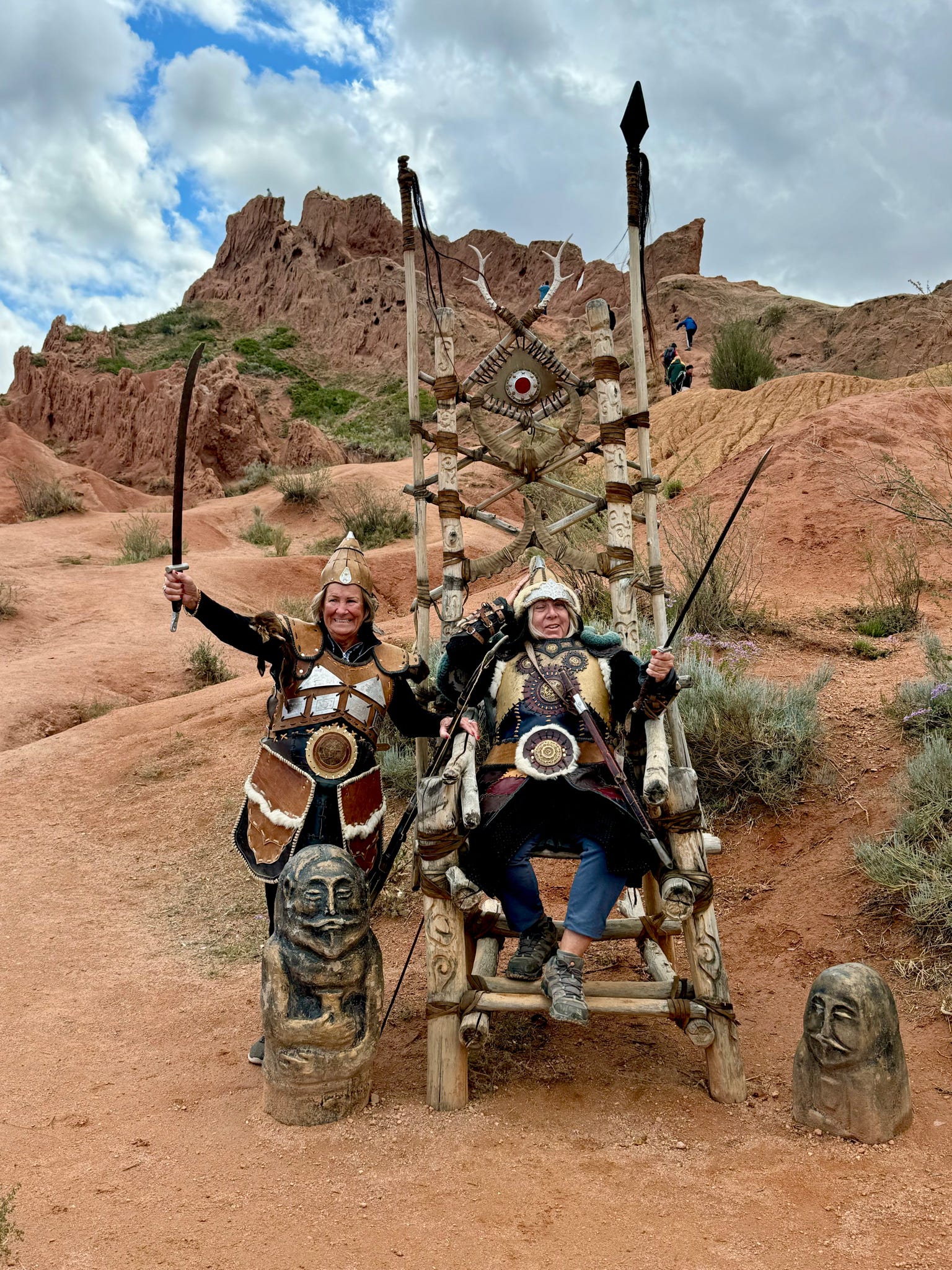

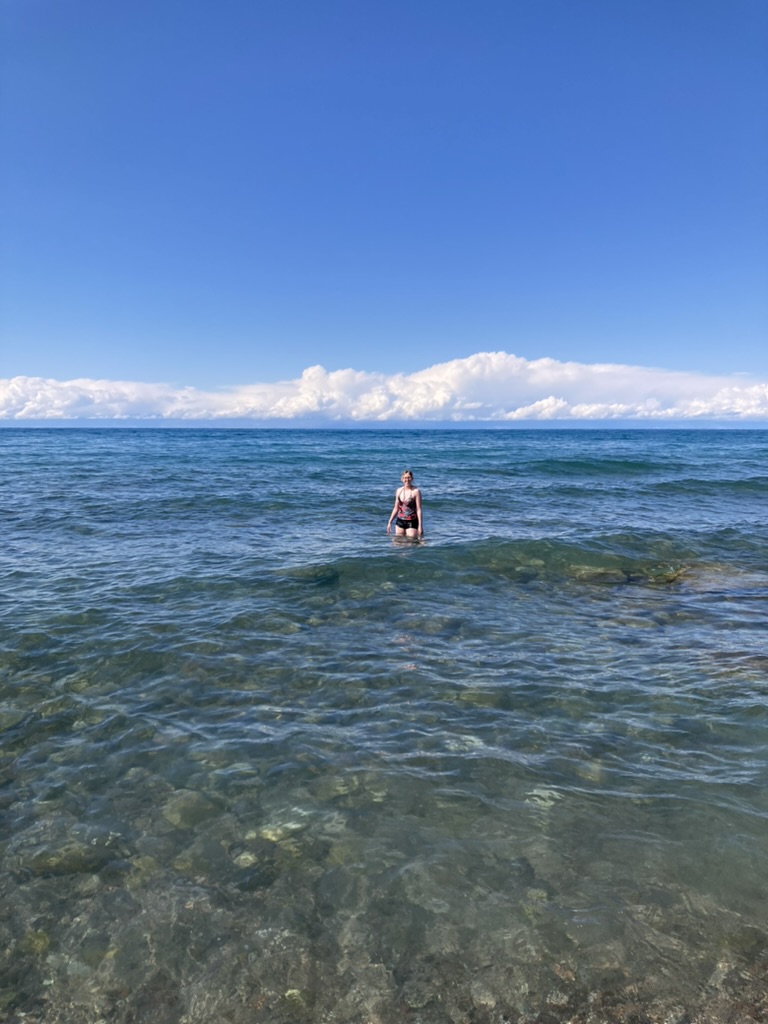
As we reached an Alpine-like waterfall trail, Ivan reminded us that Kyrgyzstan is the Switzerland of Asia – or maybe Switzerland is the Kyrgyzstan of Europe?
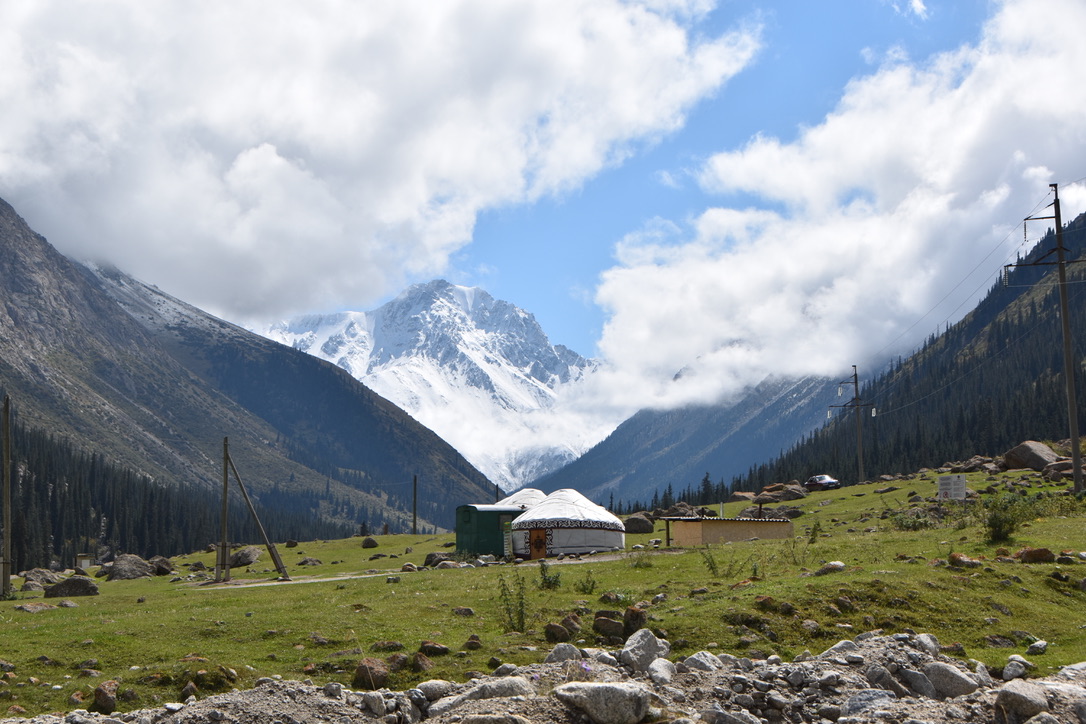
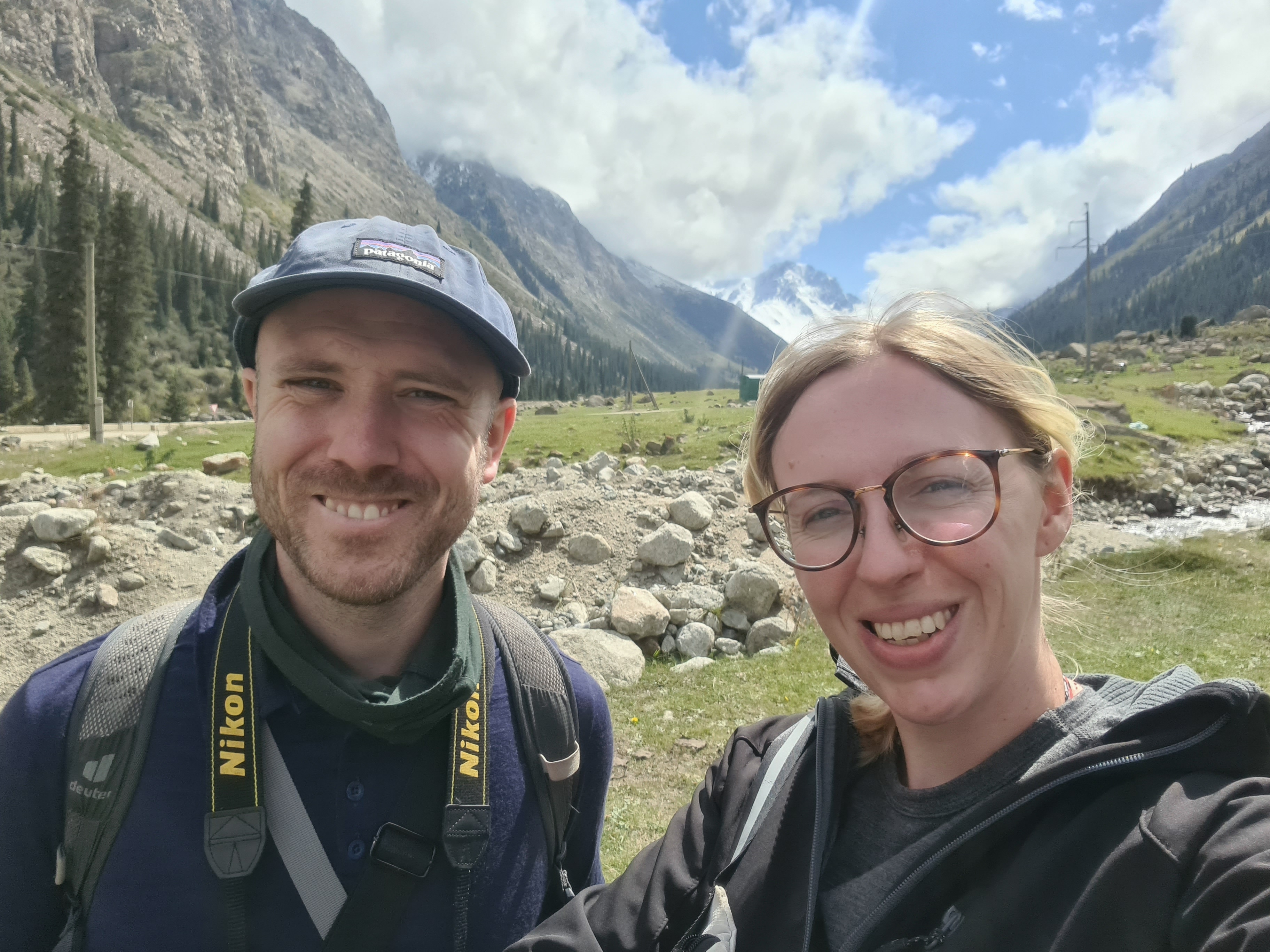
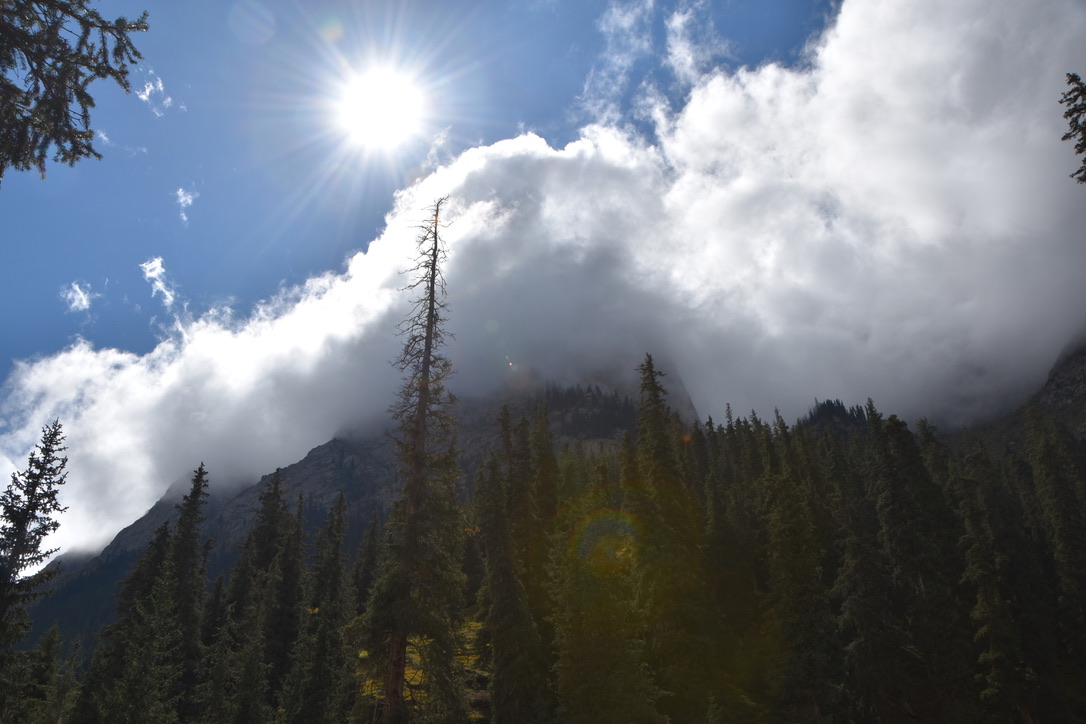
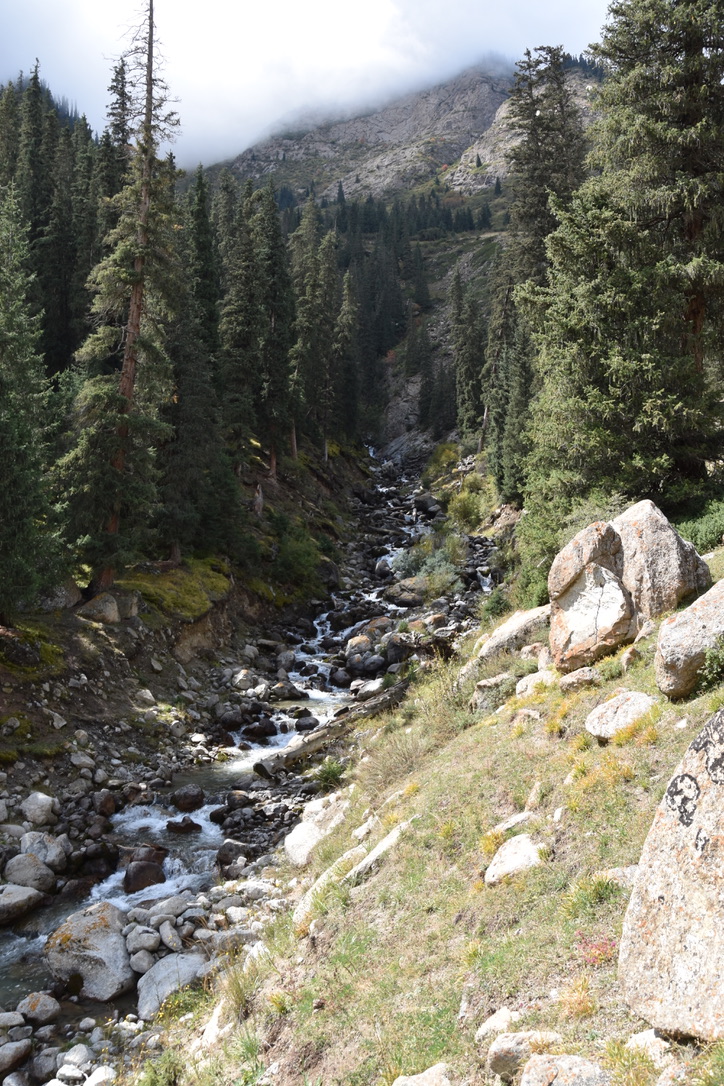
I think by this point some of the initial bursts of energy, and upheaval of travel had calmed and the group were settling into a rhythm with each other. That said, as we stopped for lunch alongside the waterfall, I don’t think I’d heard such a silence fall among us. The usual chatter, joking, singing and occasional grumble was replaced by the peaceful rush of water.


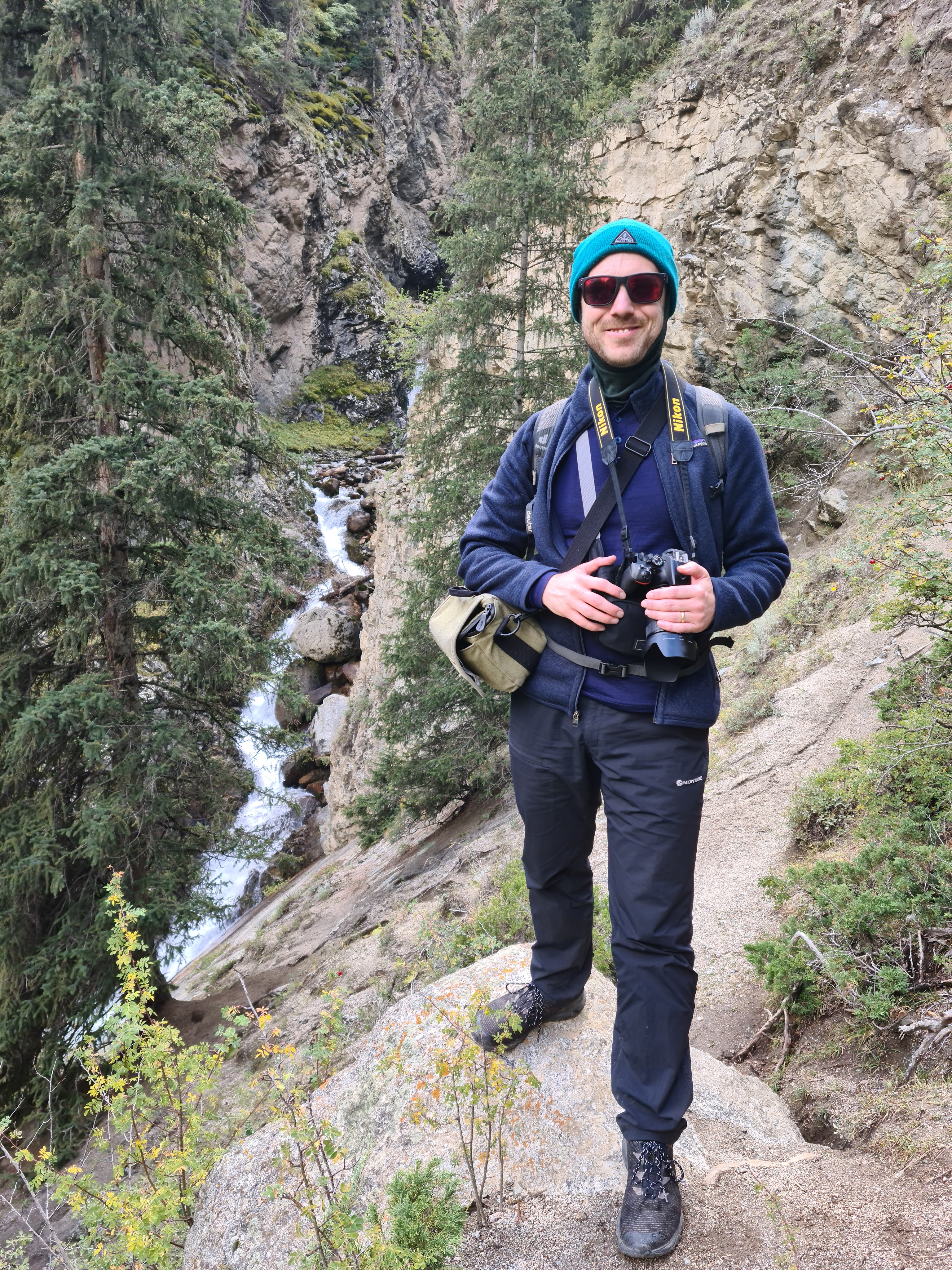
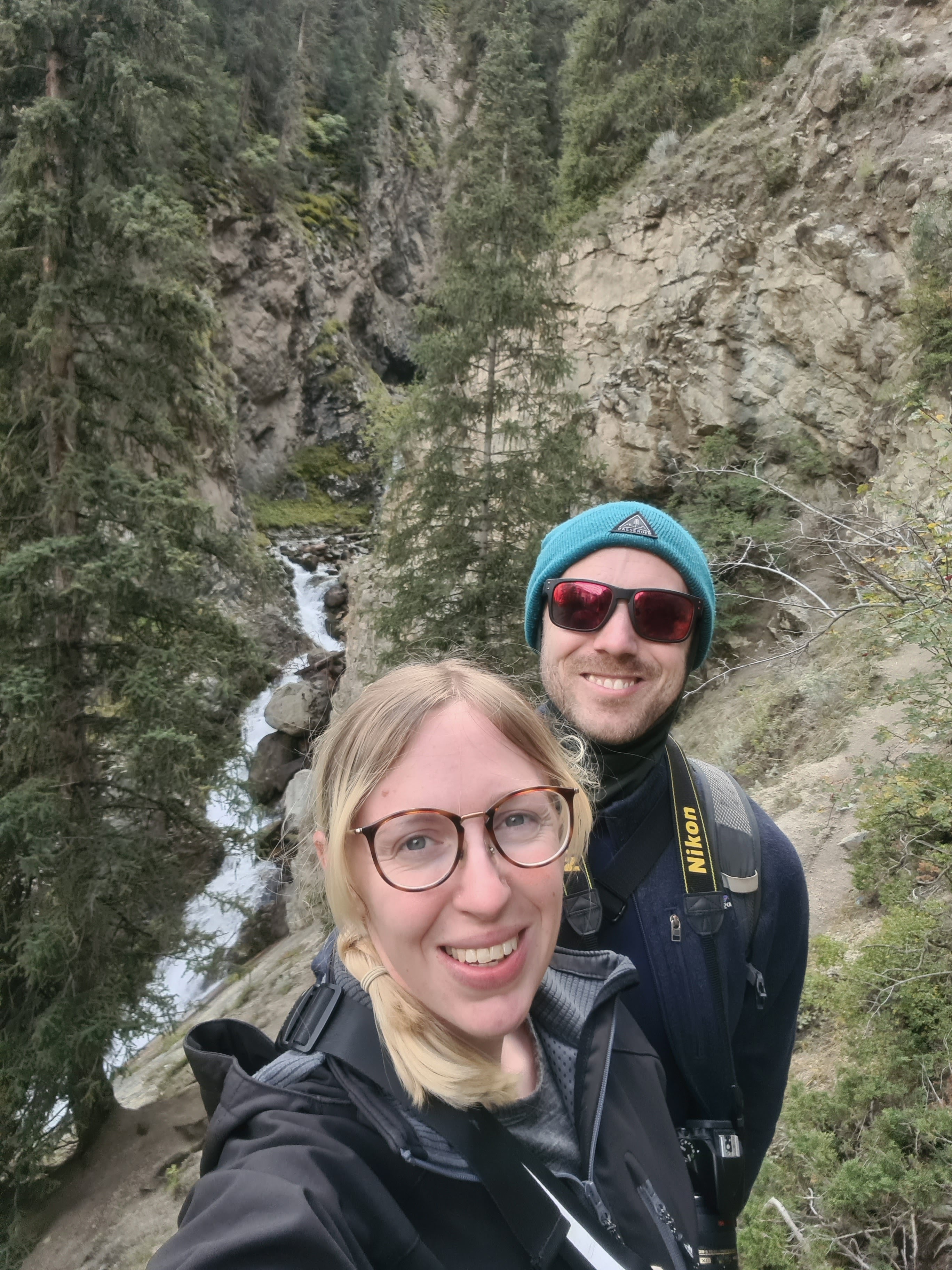

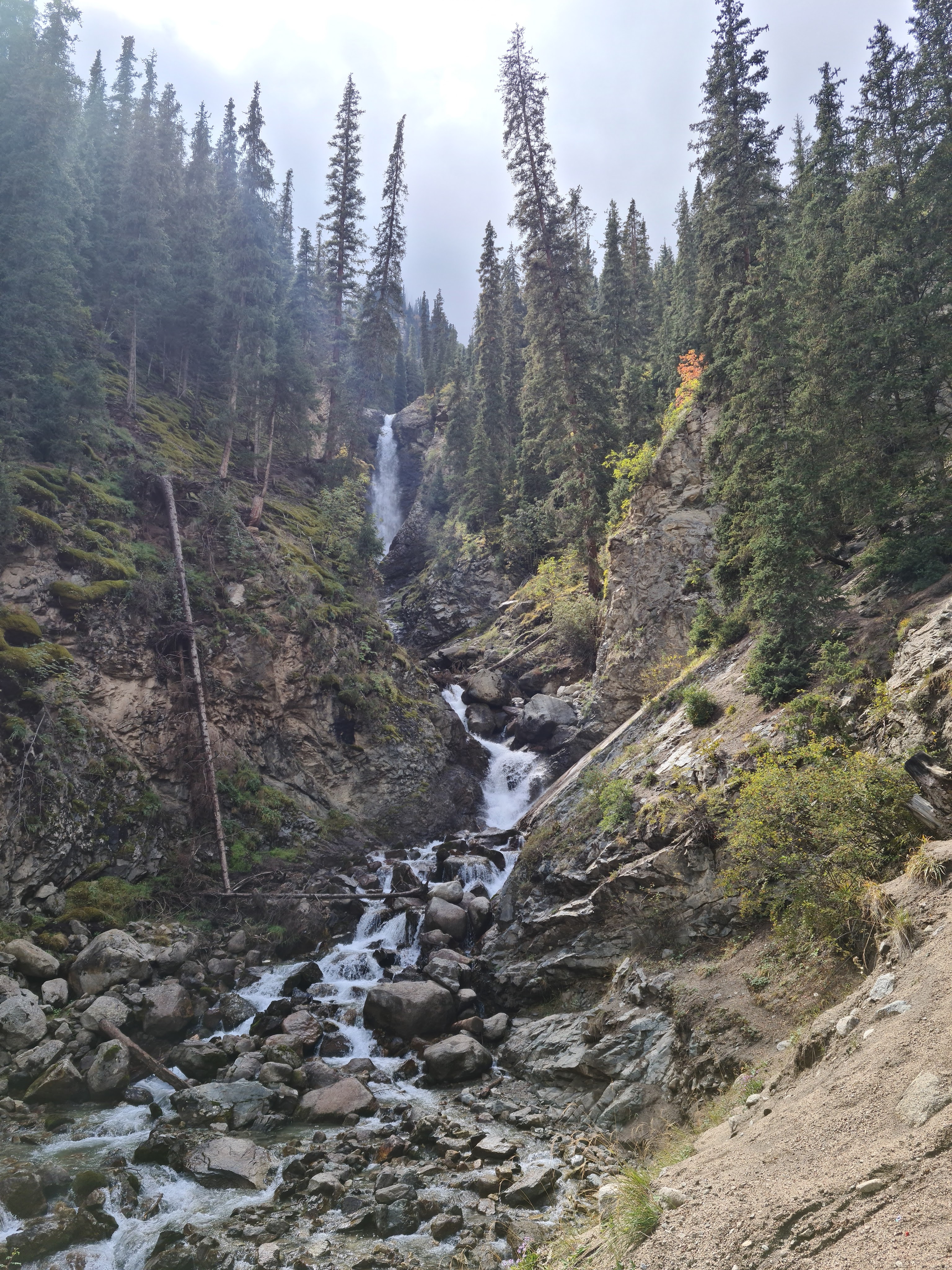
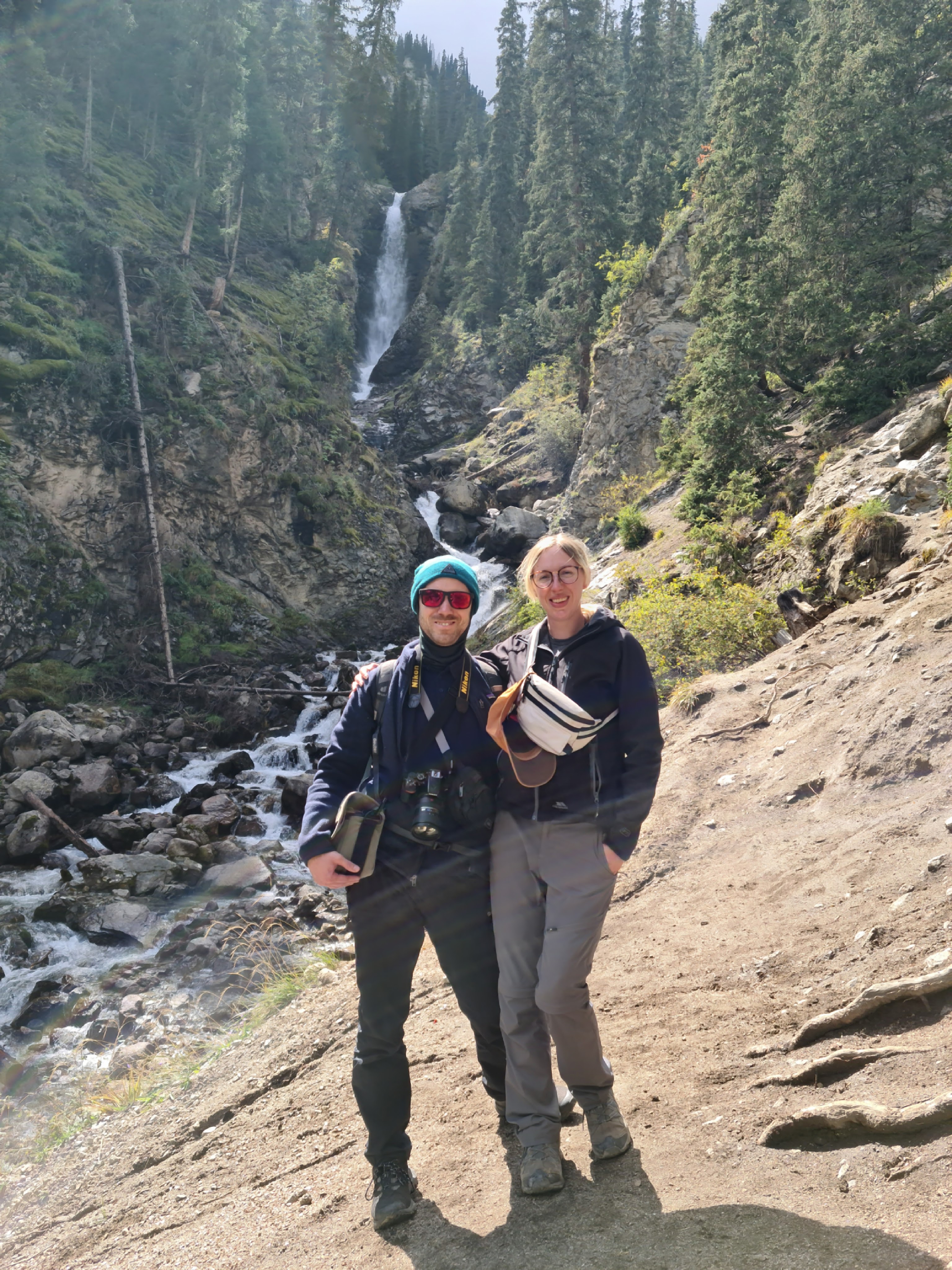
It was clearly one of Ivan’s favourite days in the program as well. I don’t think we saw him as excited as when we arrived at Anna and Sergei’s homestay in Tamga. As well as wandering their extensive, idyllic garden, we were encouraged to make use of the banya. This sauna fired by a wooden stove is a popular part of Russian culture, and very revitalizing when coupled with a dip in the plunge pool. Complete with a ping pong table, firepit and 1960s decor rooms, it was a great place to spend the evening as a group, and Ricki is still raving about this homestay.
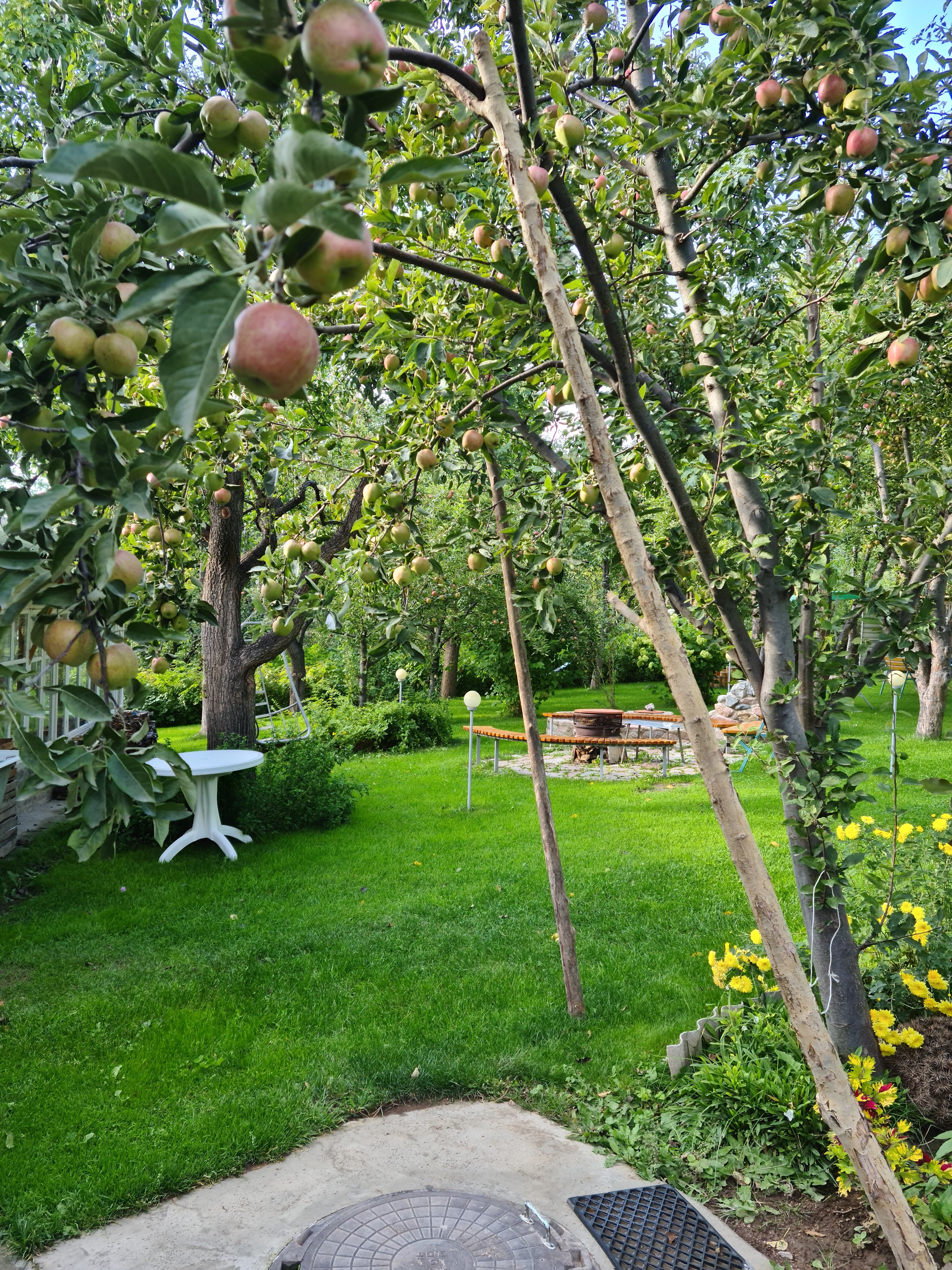
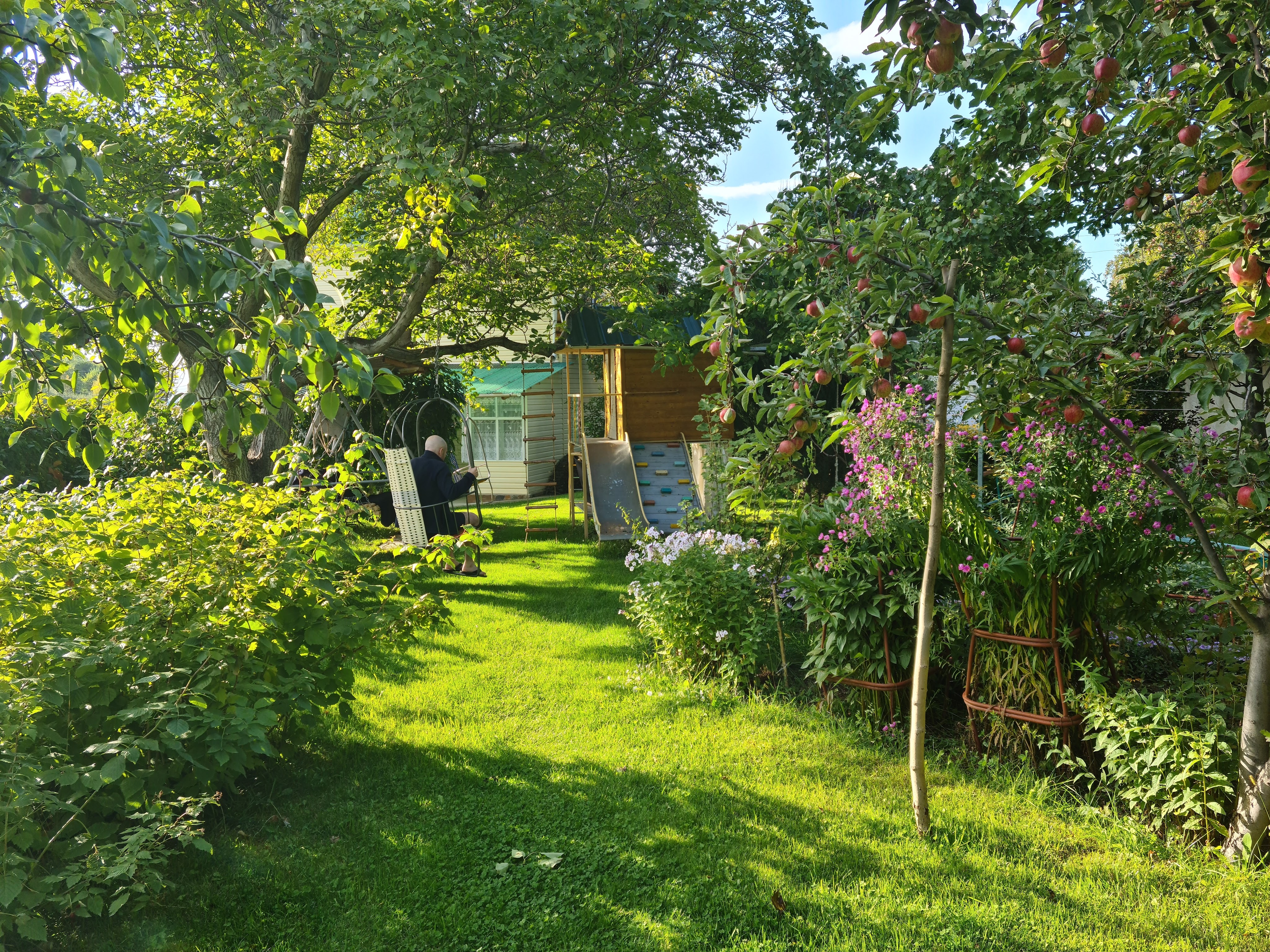
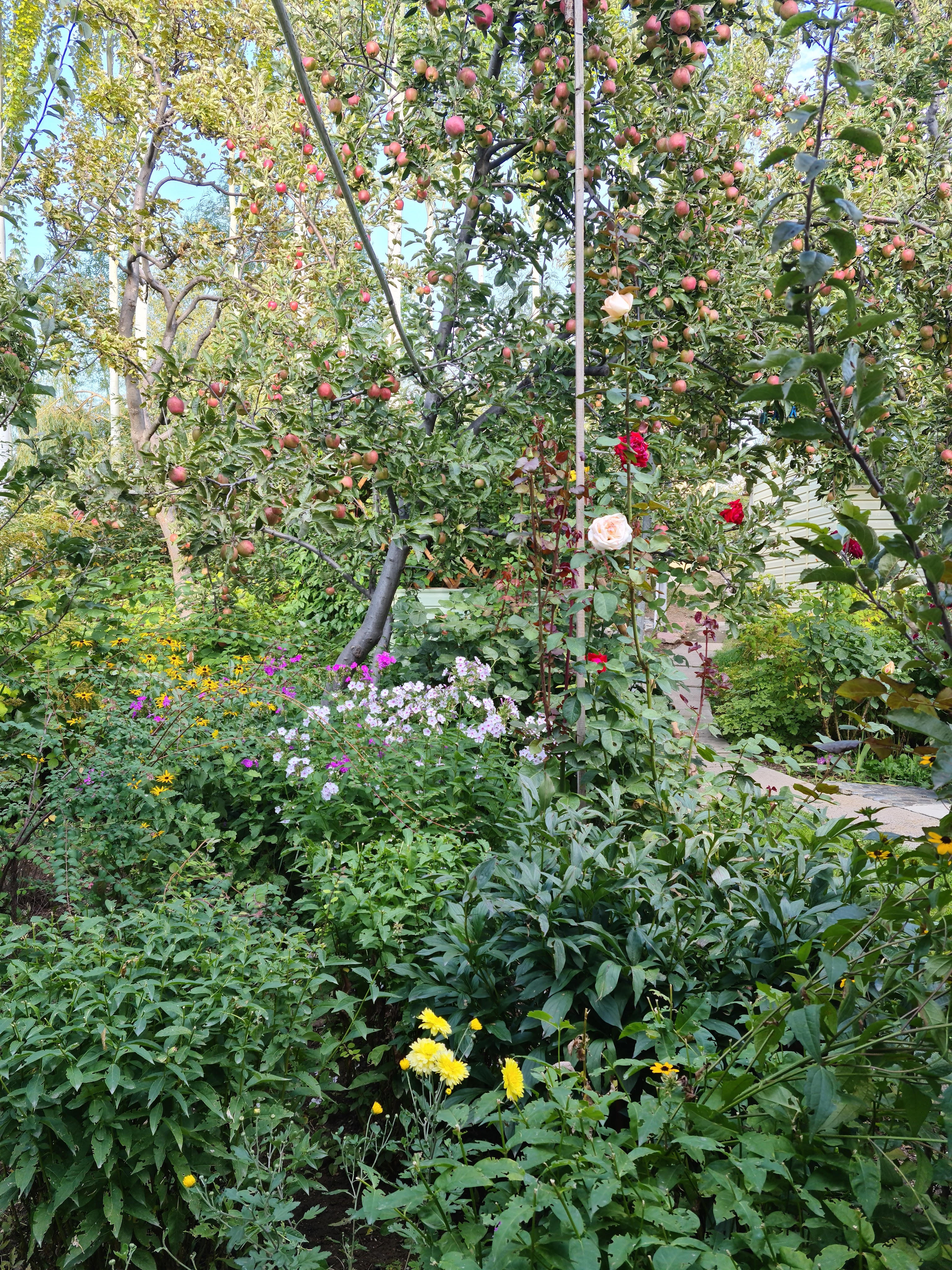
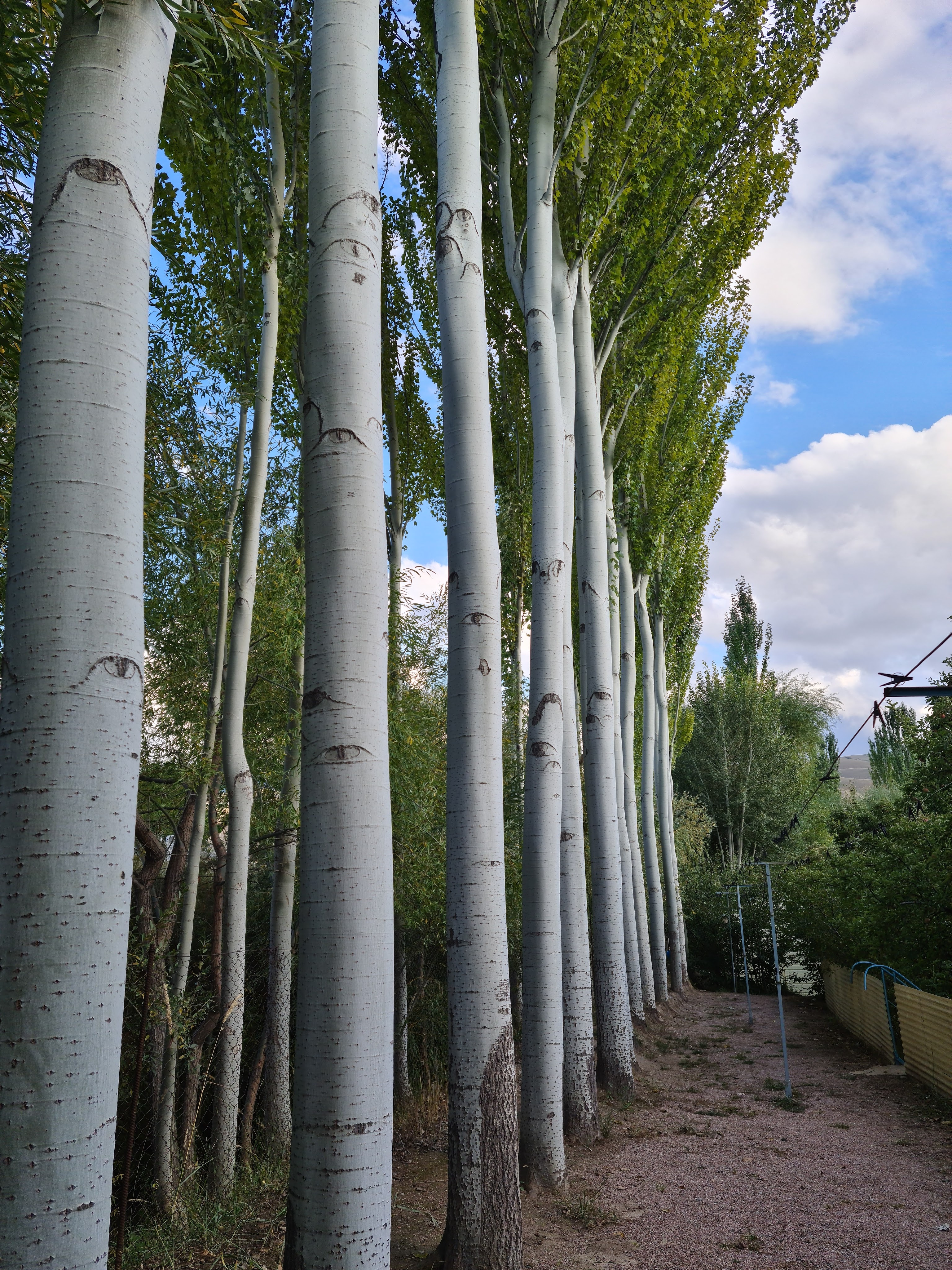
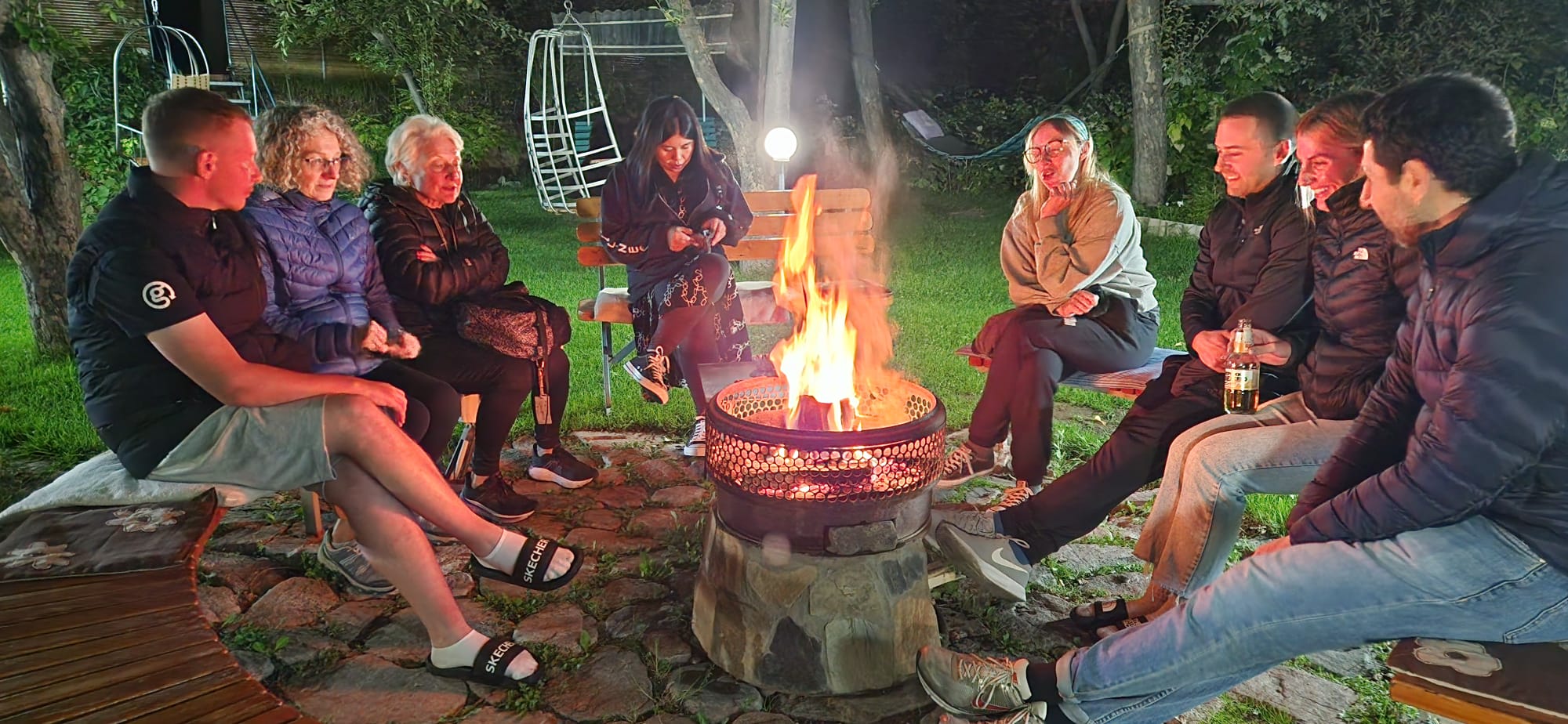
Firepit photo credit: Grace Fong (I think!)
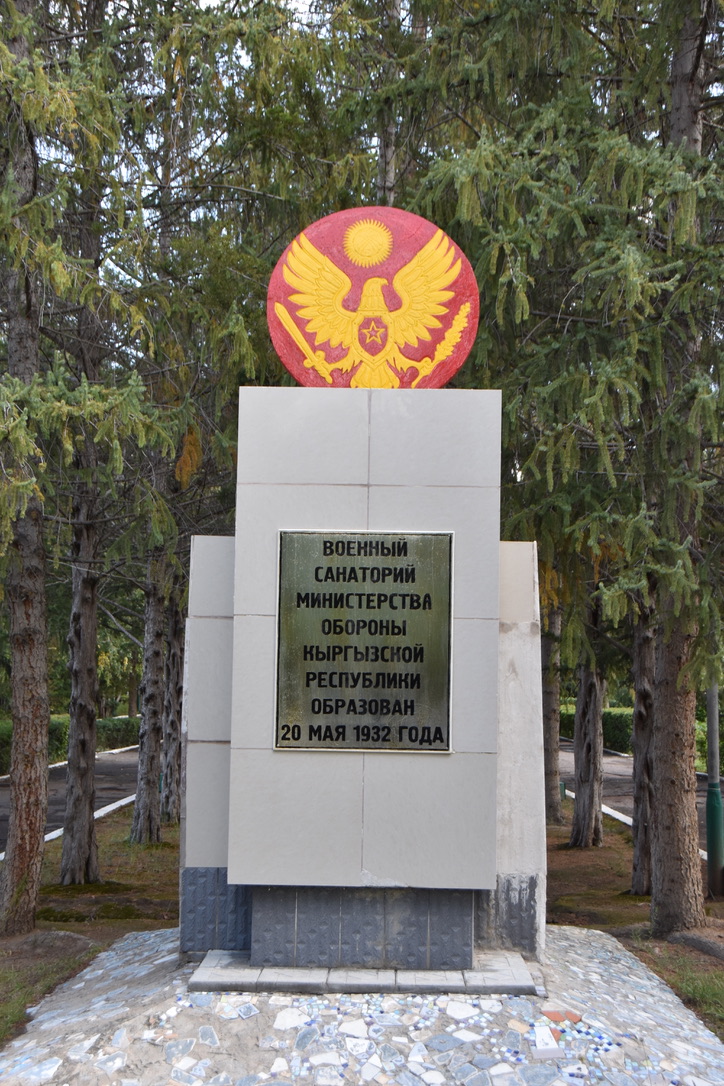
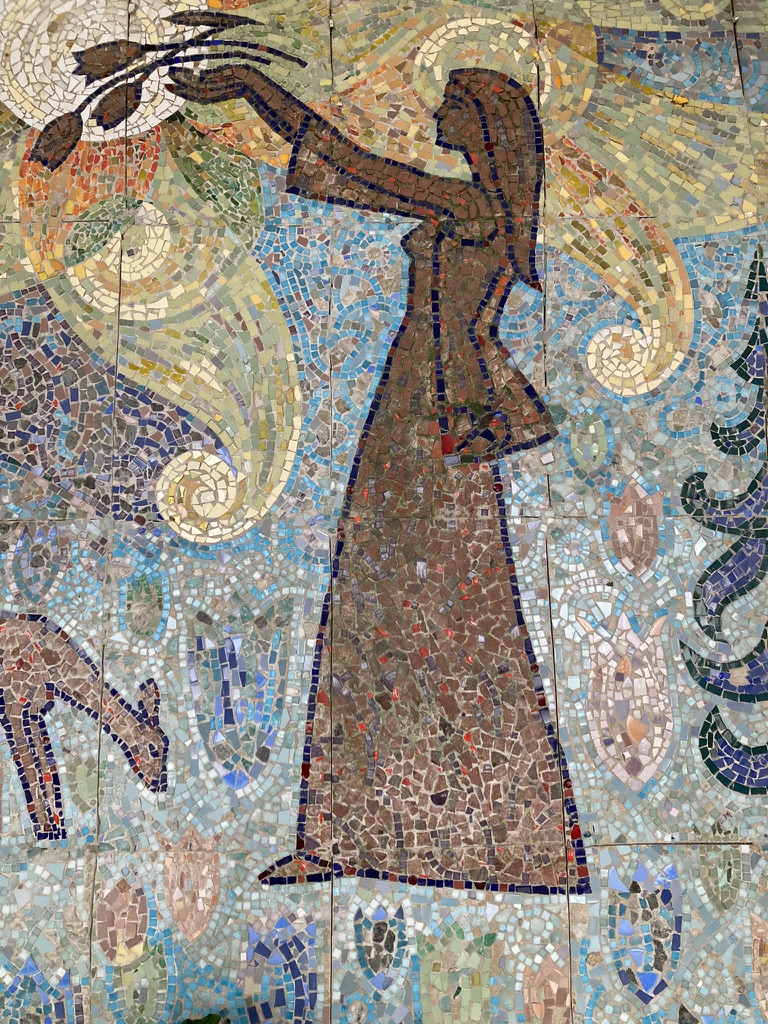
Further Soviet era healing was revealed to us the next day as we walked through Tanga and toured a sanatorium.

Not to be confused with sanitariums, sanatoriums were more like wellness resorts and are still in use today.
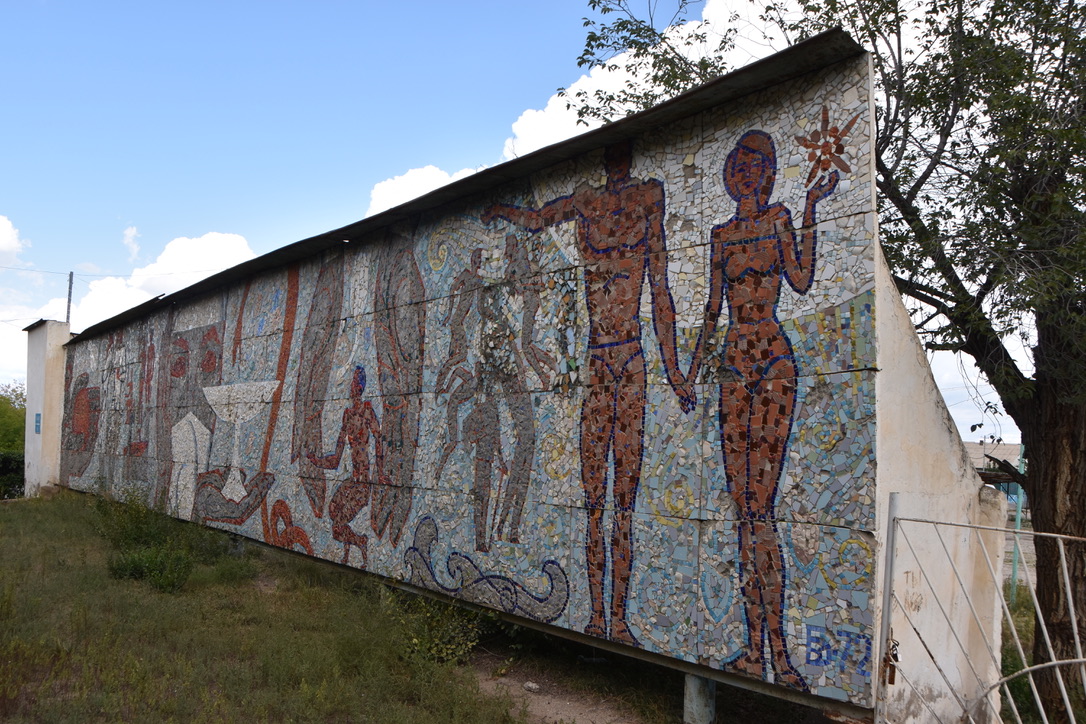
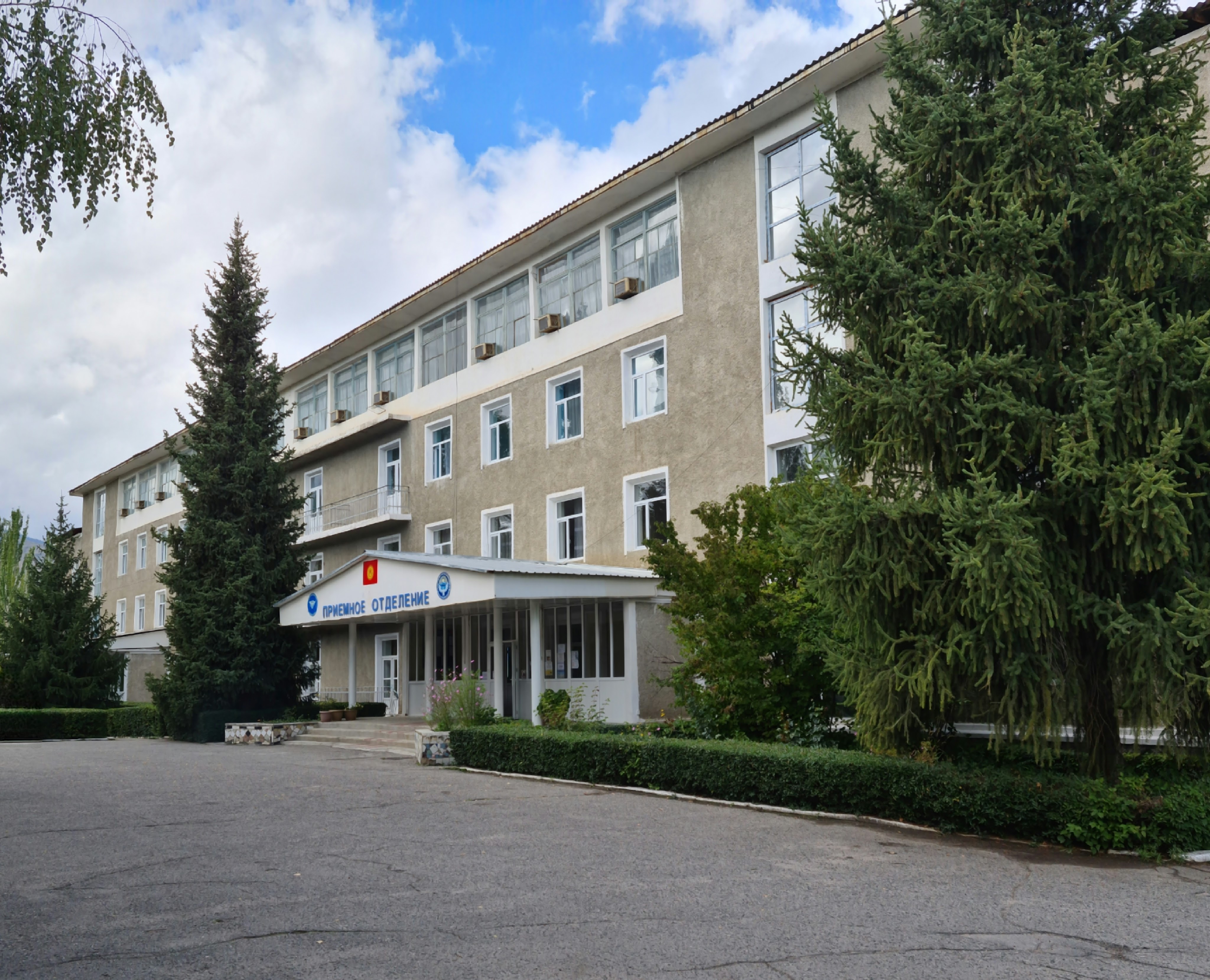
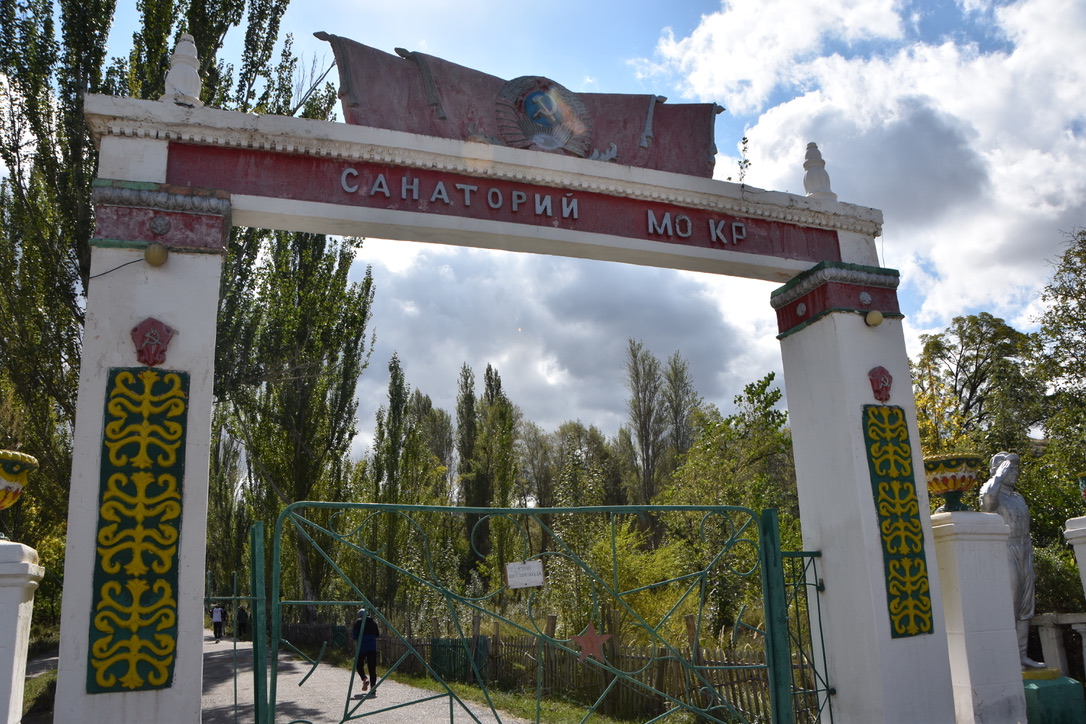
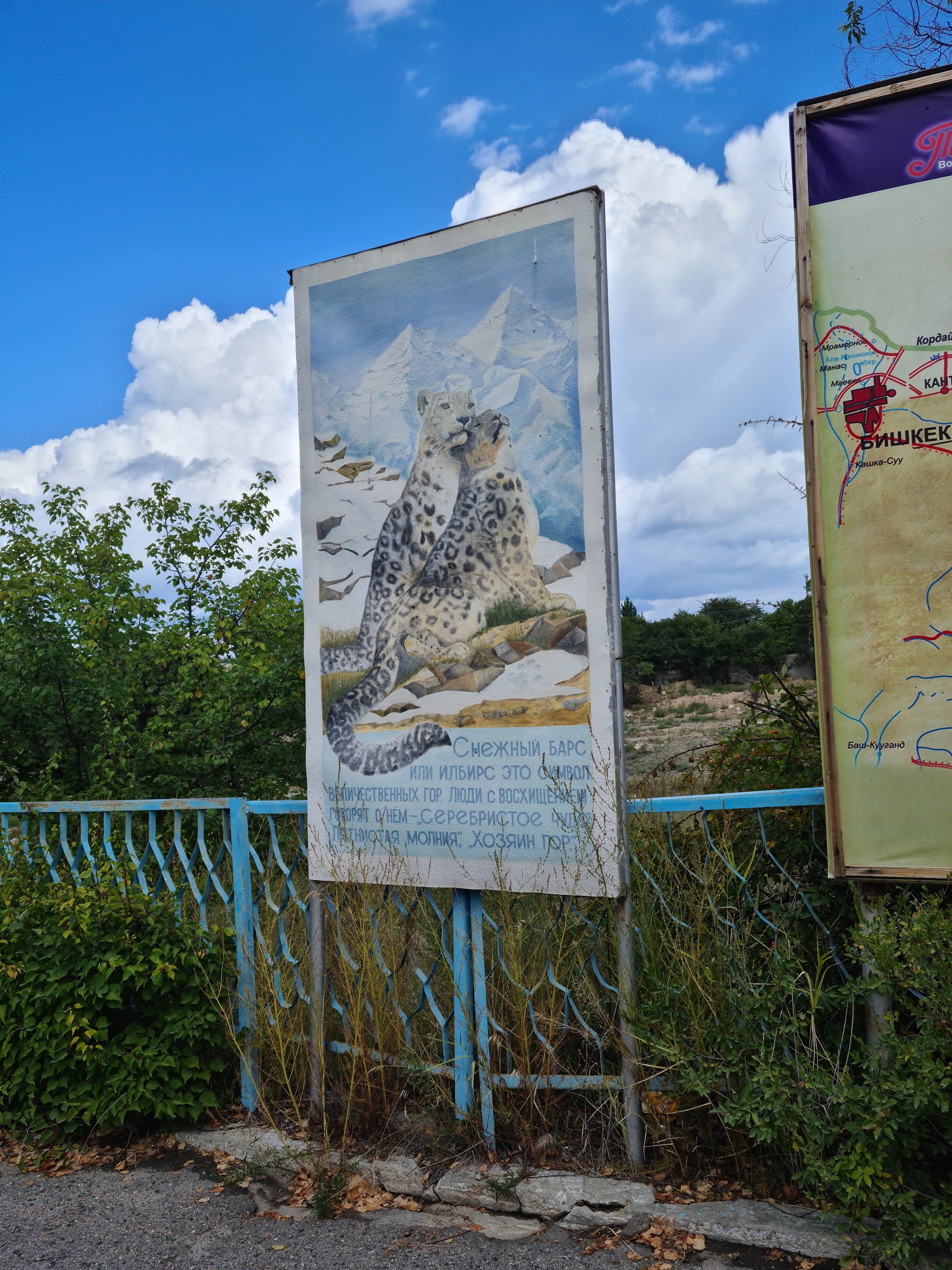

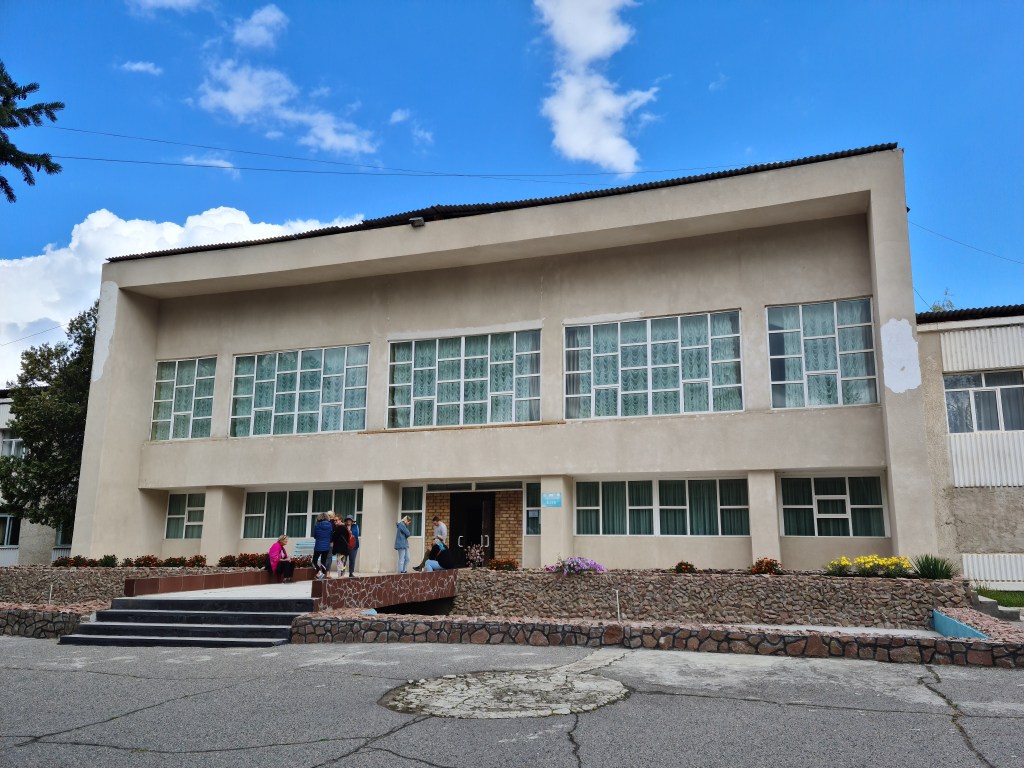
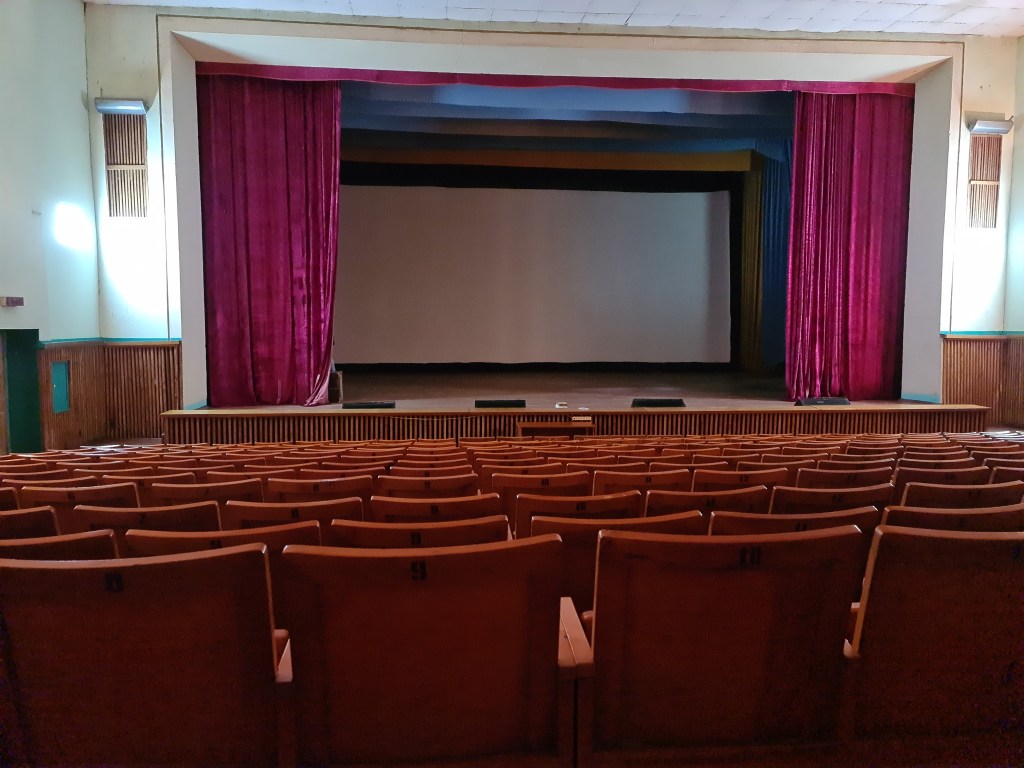
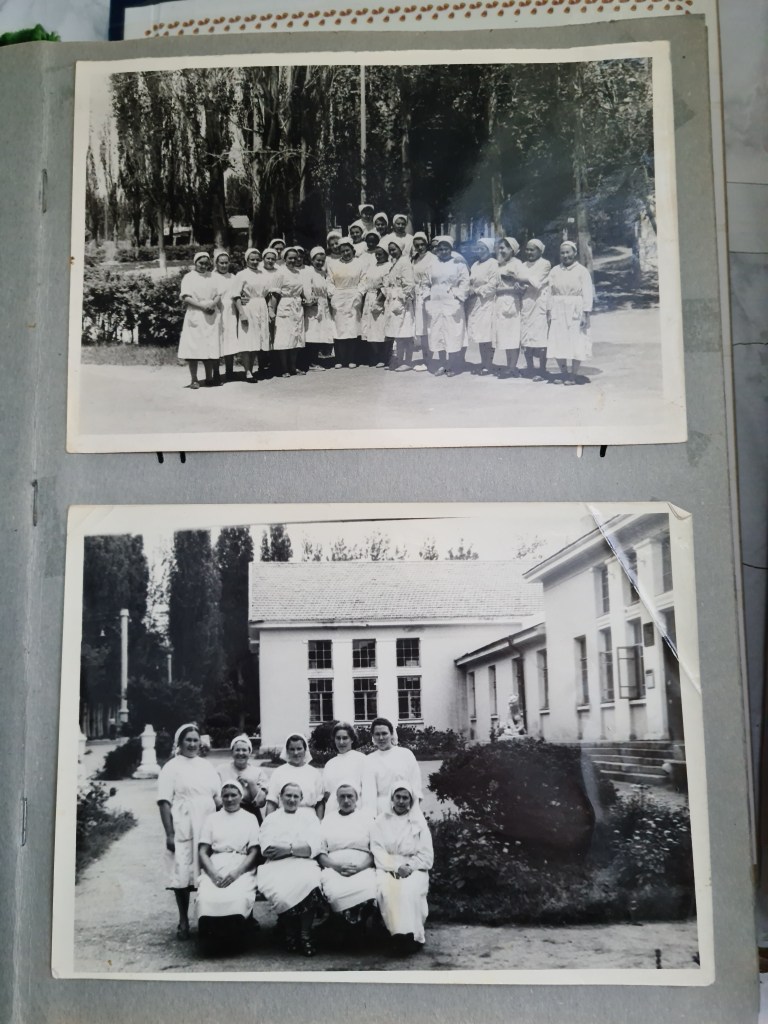
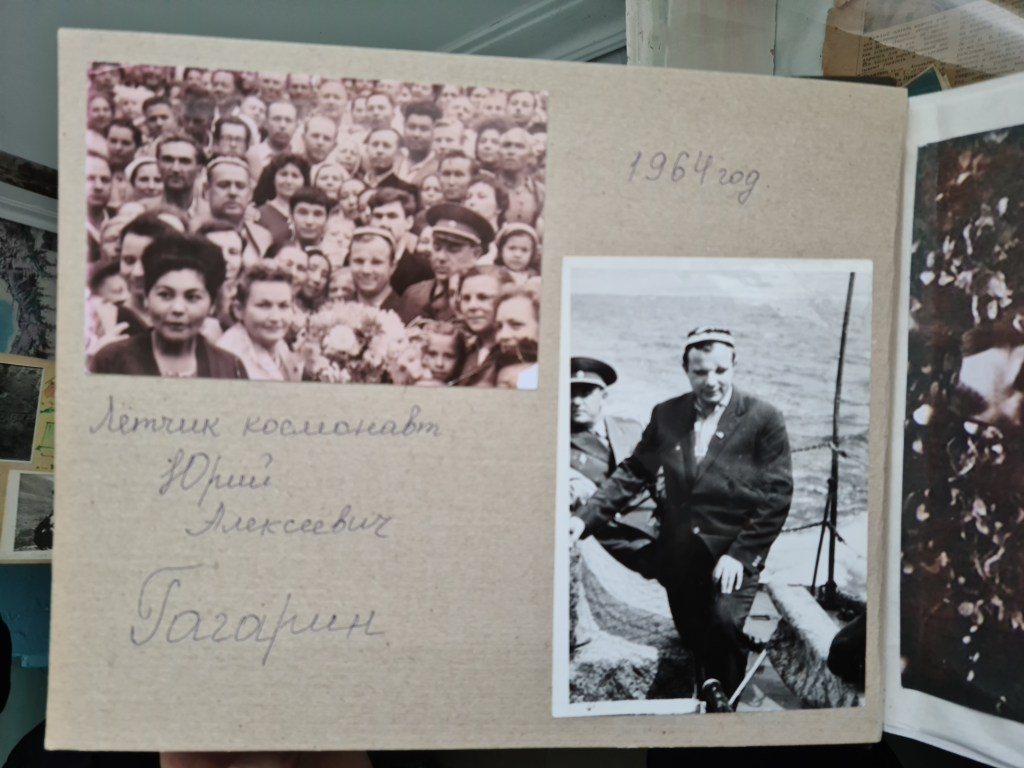
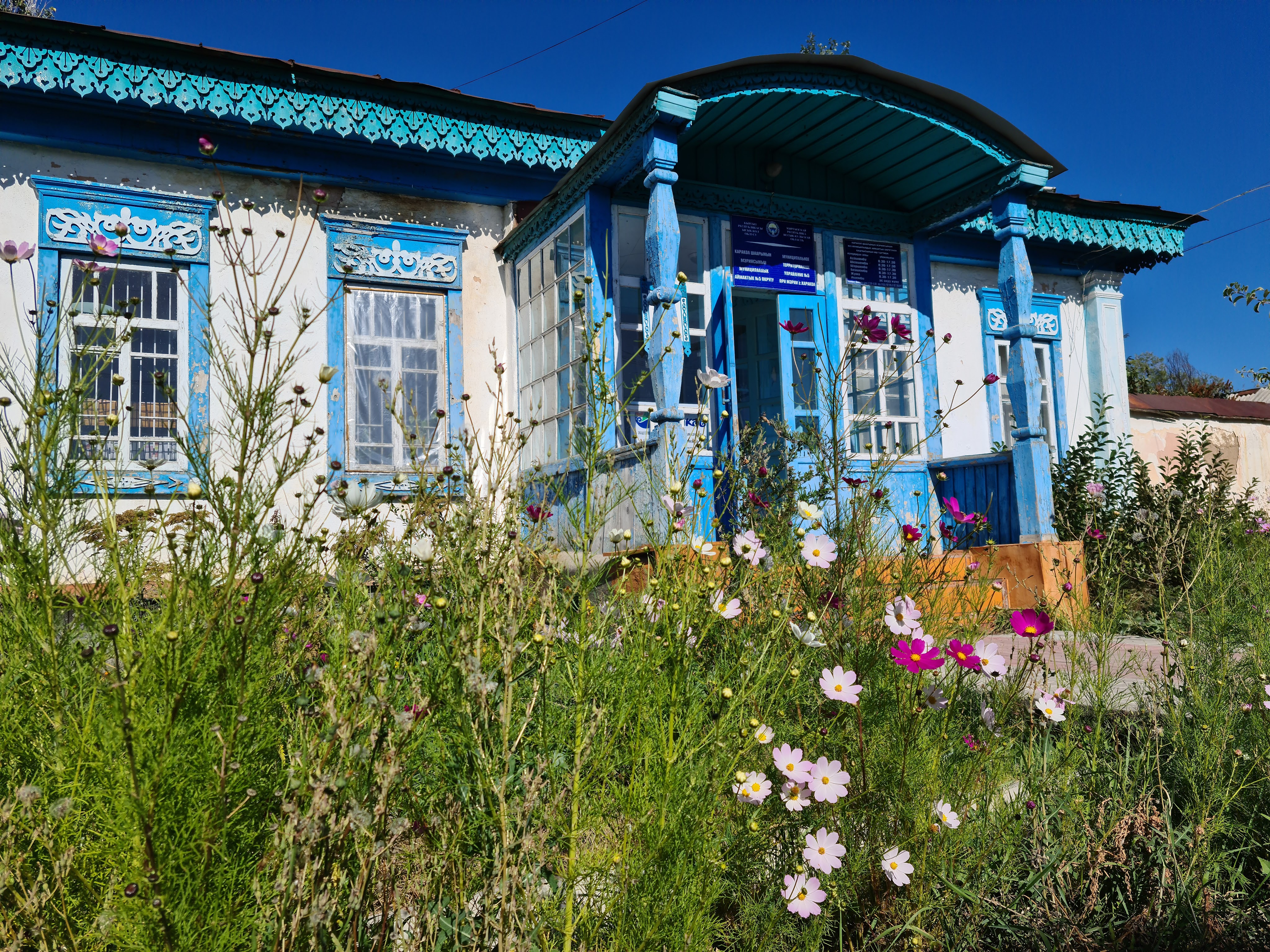
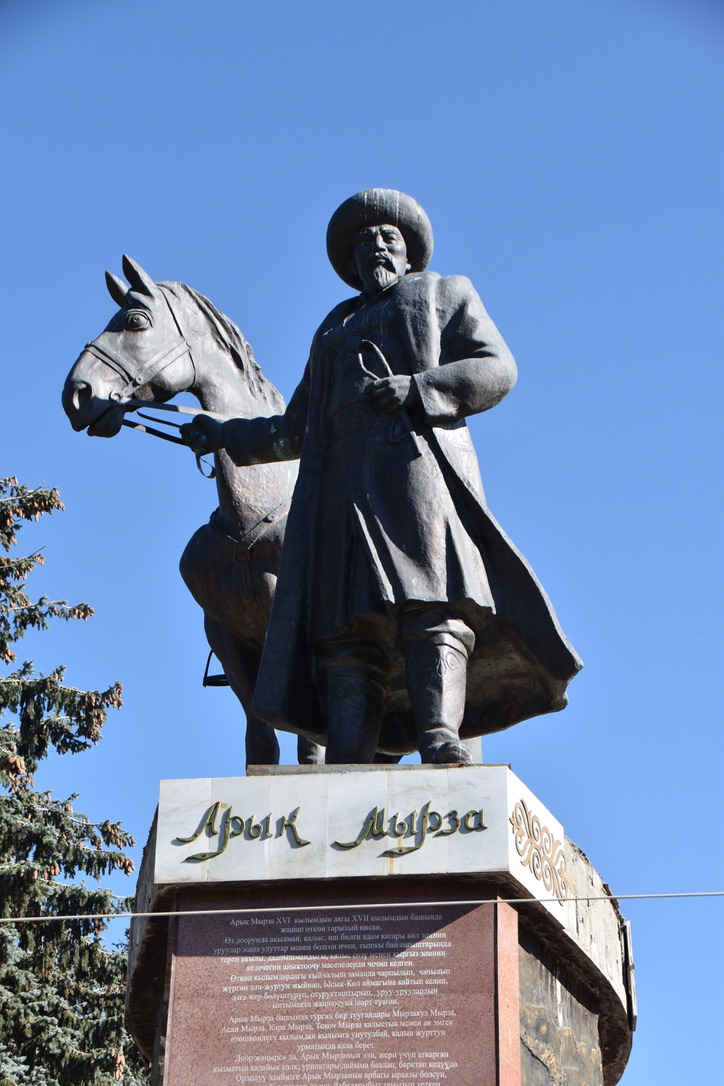
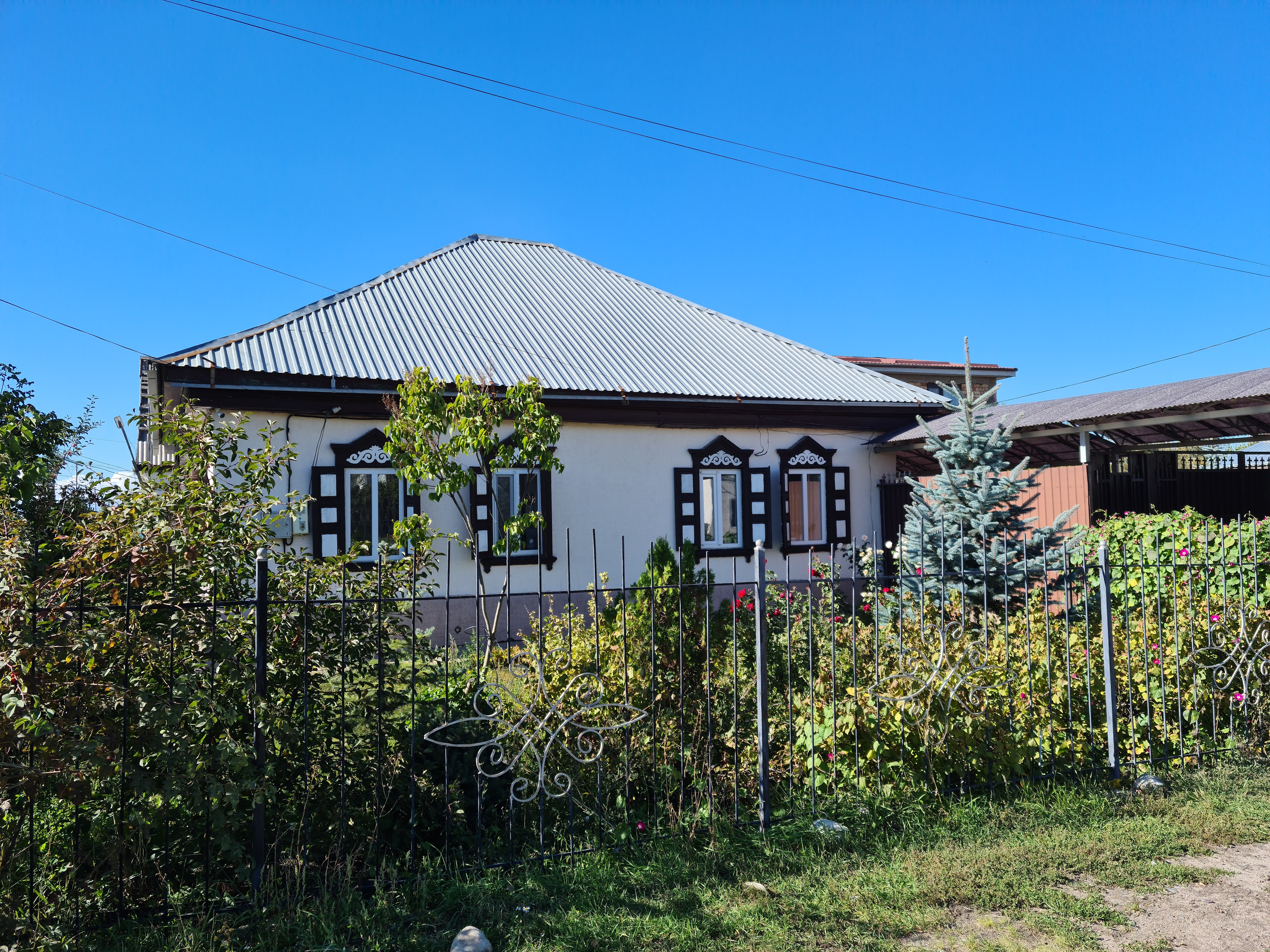
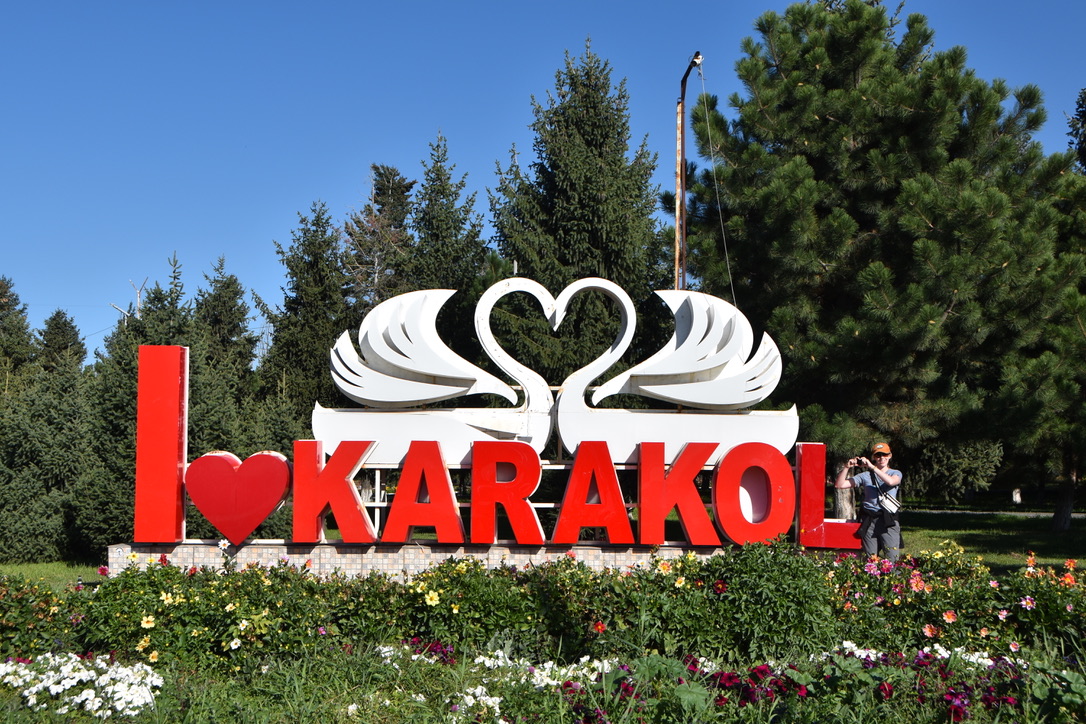
Just like the guests of the sanatorium, we too had to head back afterwards to the city. We were off to Karakol for the first two night stop of our trip. Home to a wooden Russian Orthodox church and the “gingerbread” houses, it felt very quaint for a city.
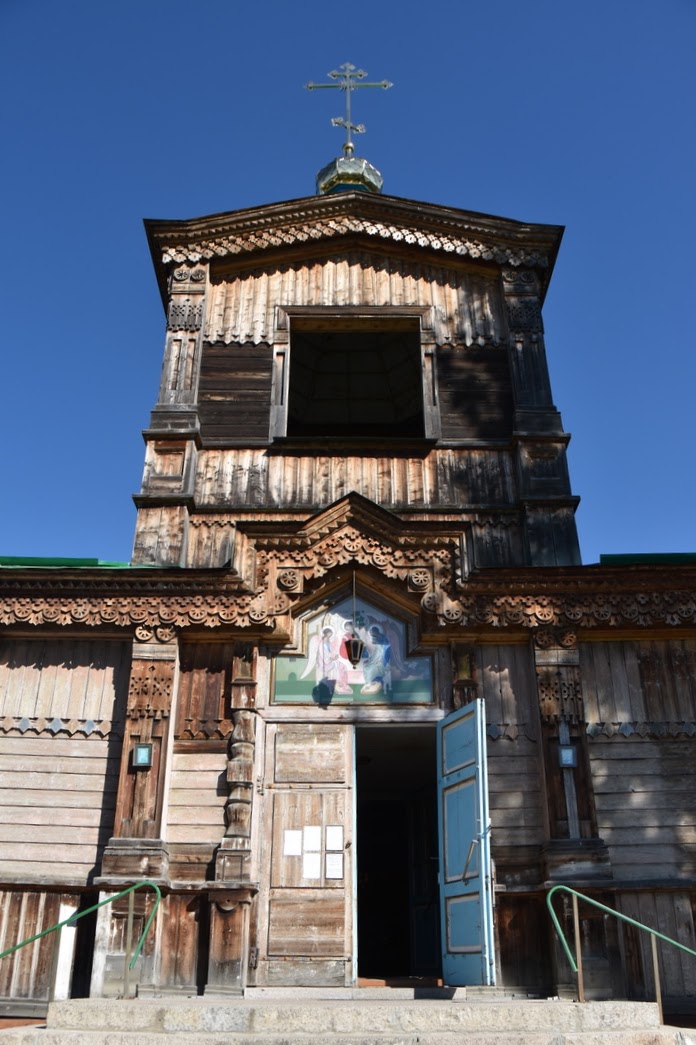
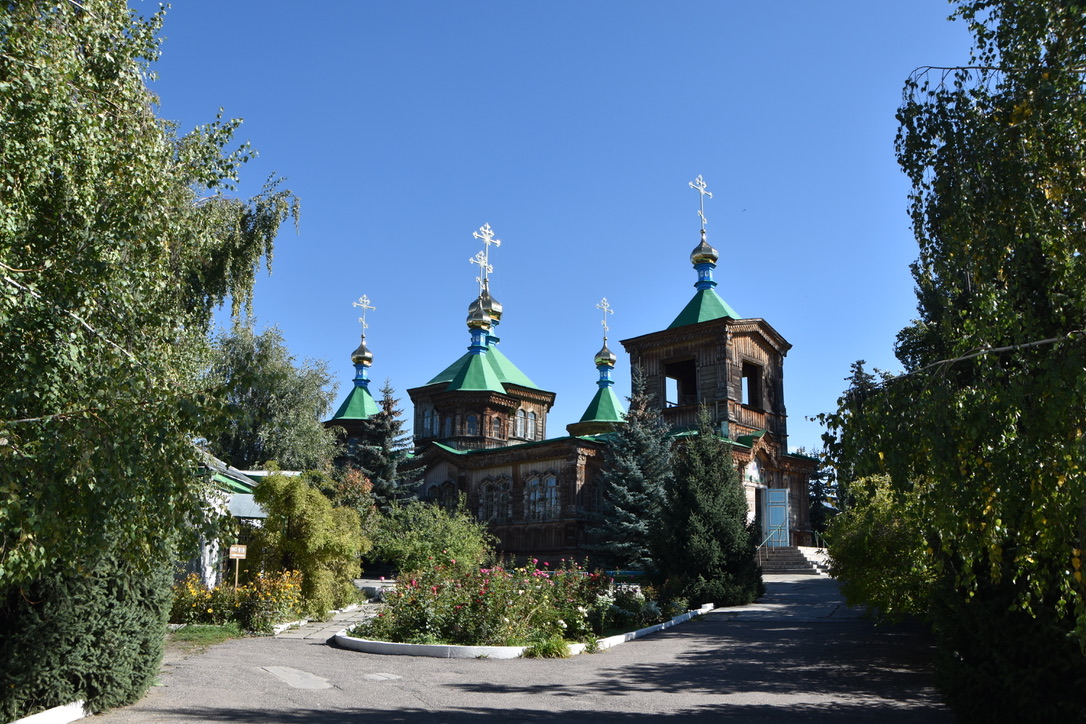


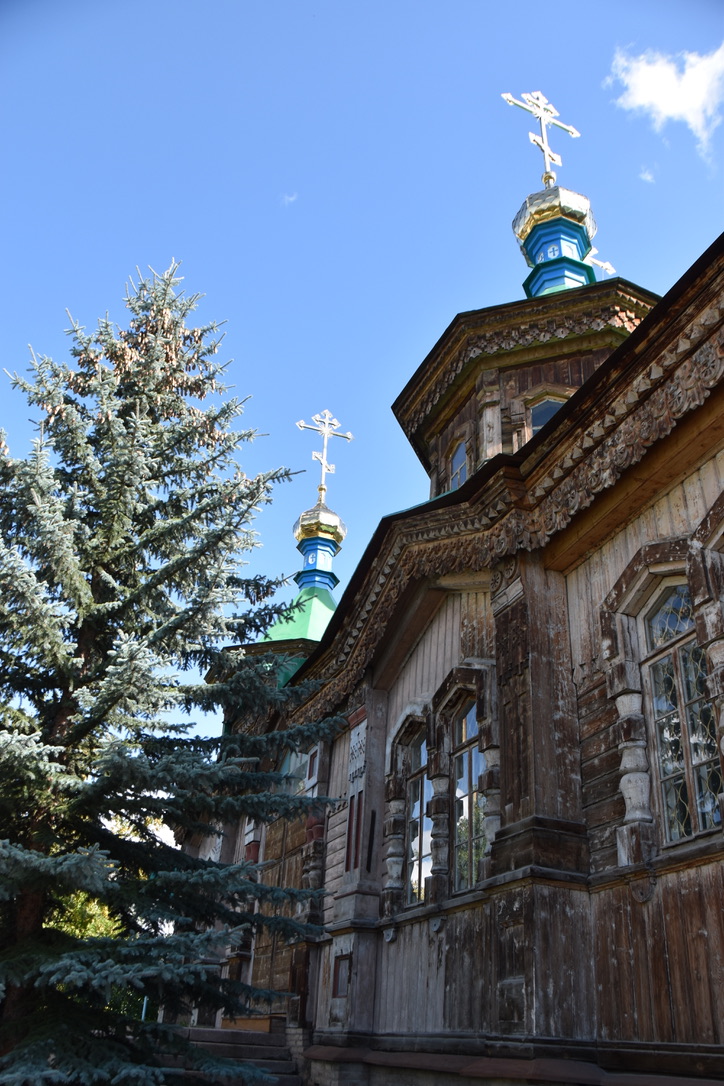
Russian Orthodox church
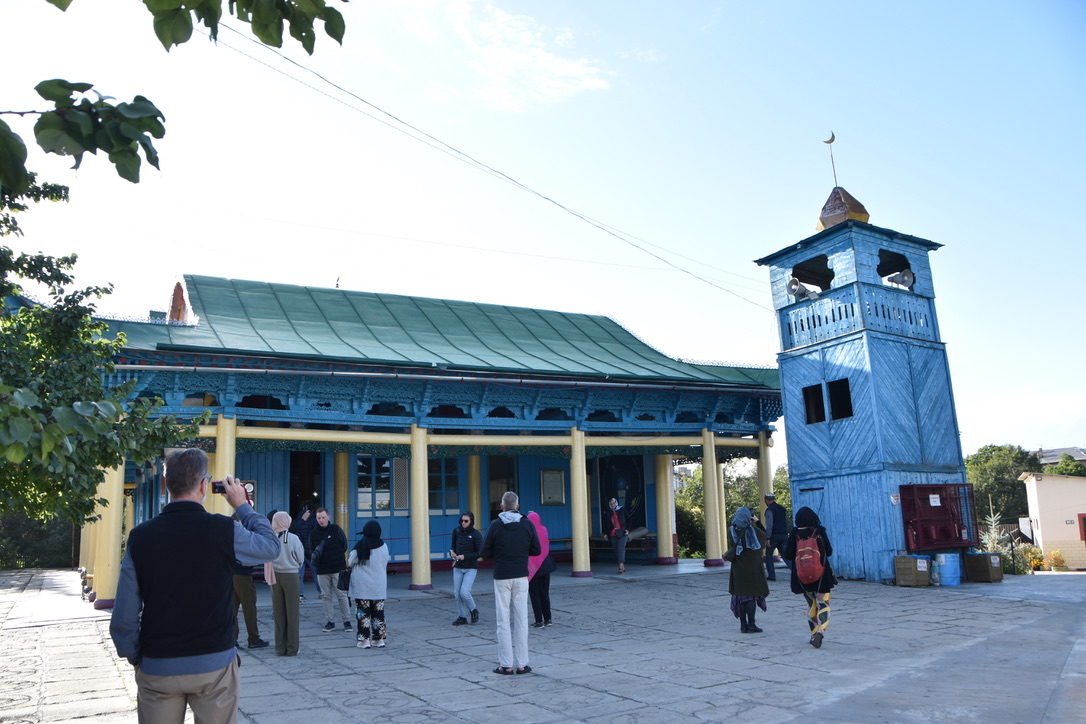
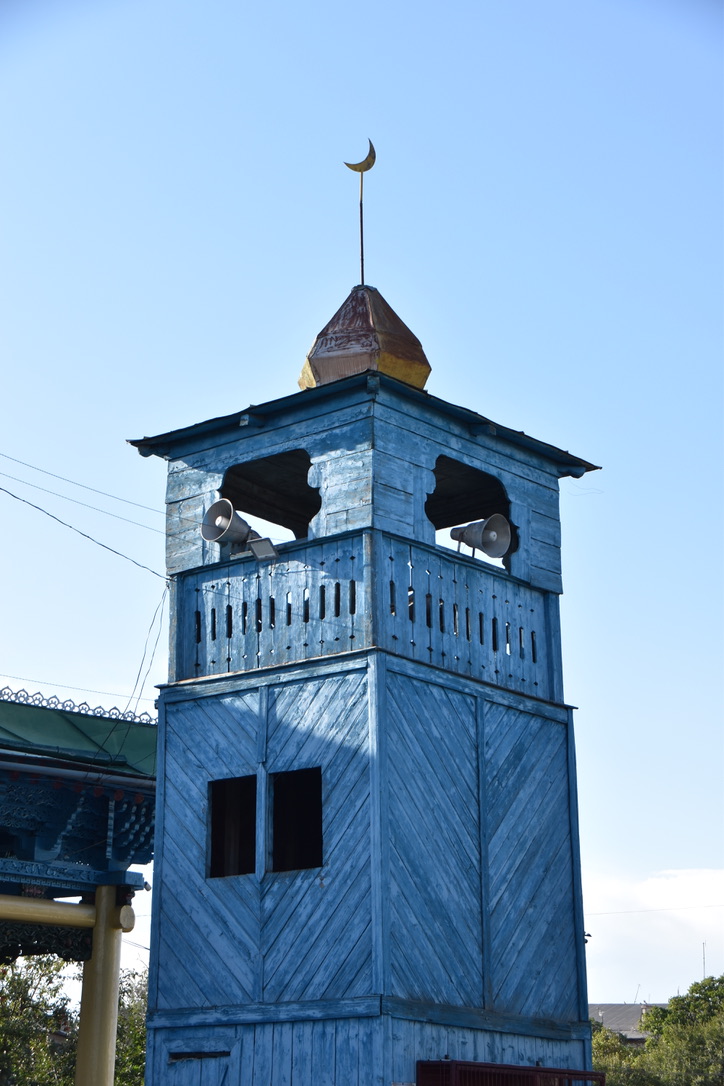

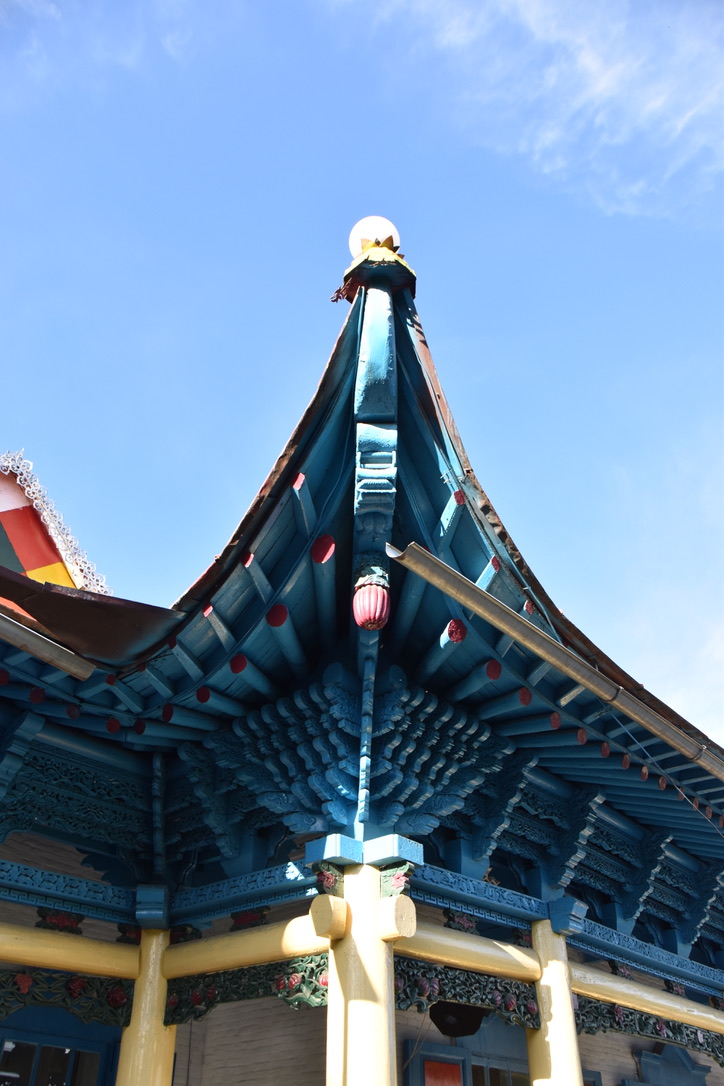
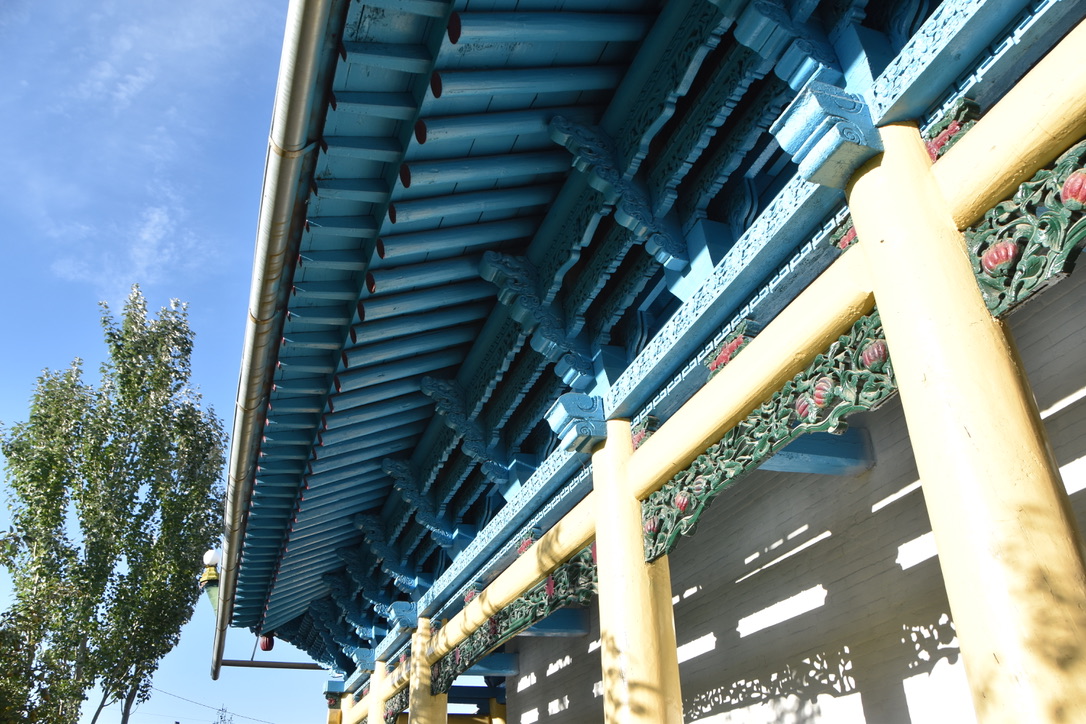
Dungan Mosque
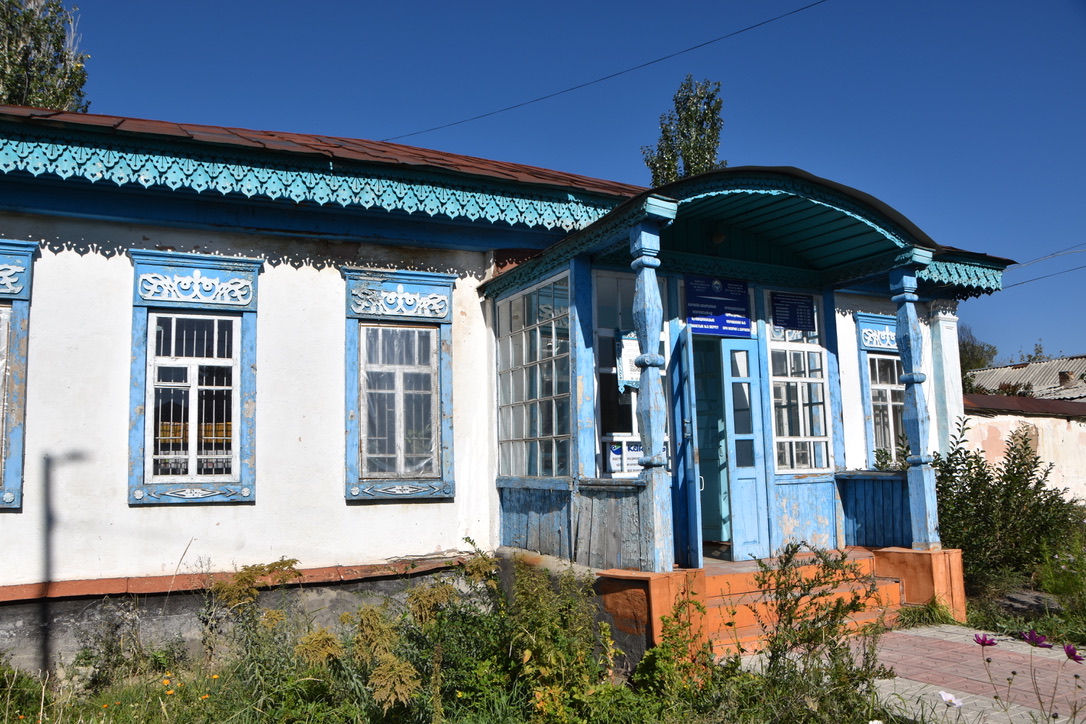
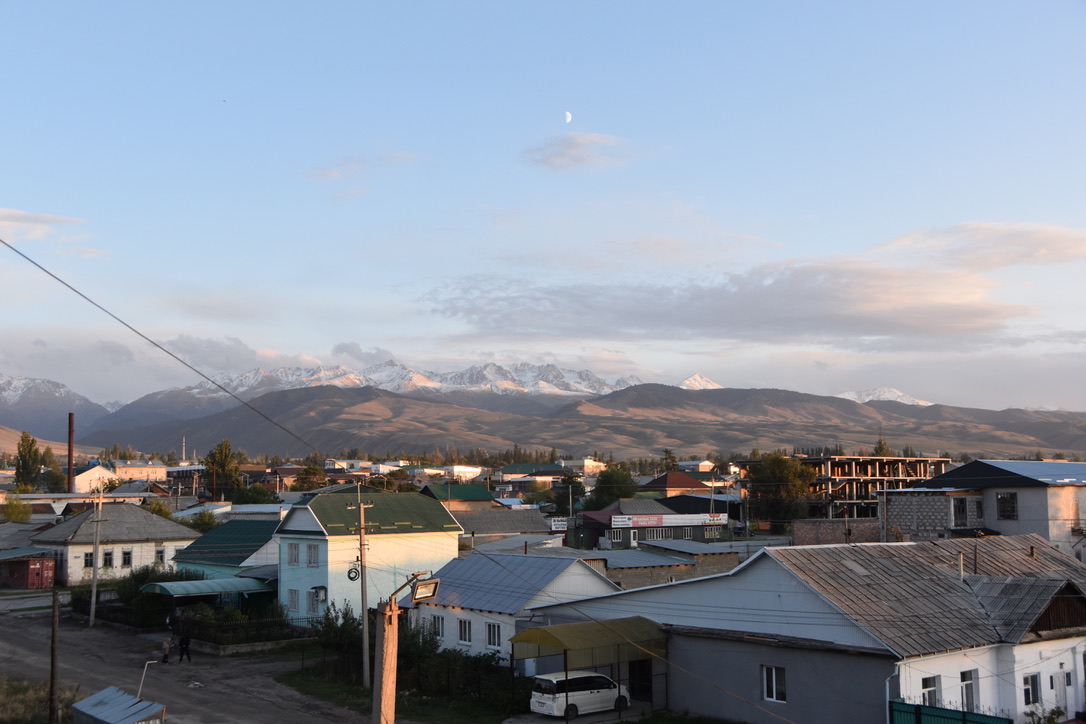
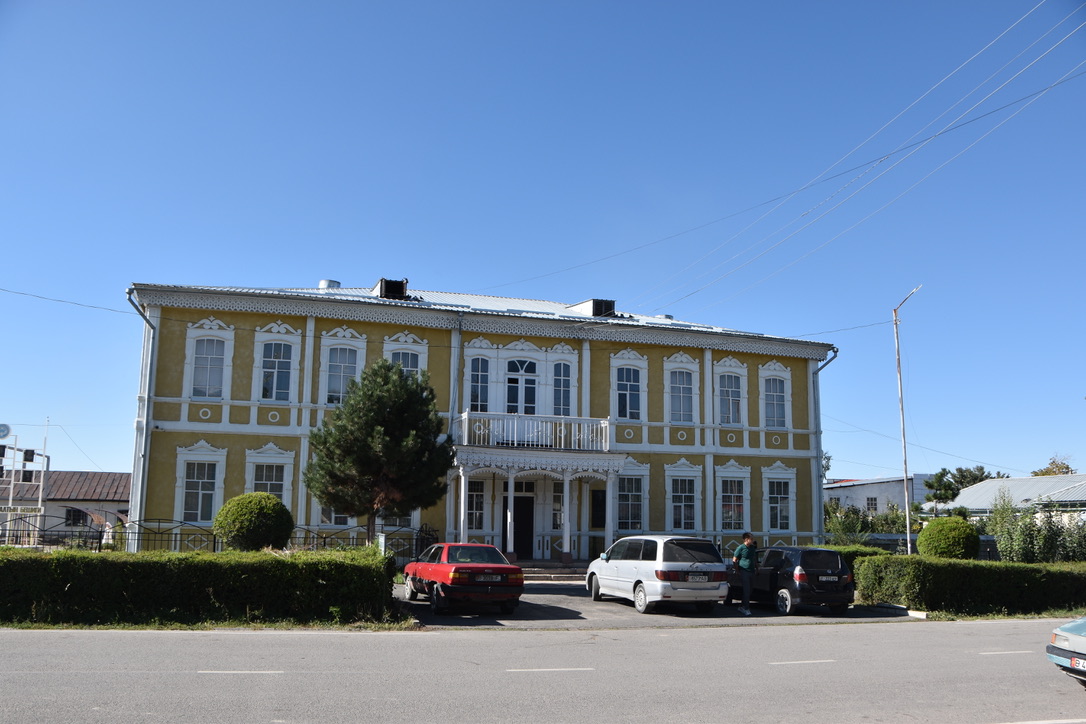
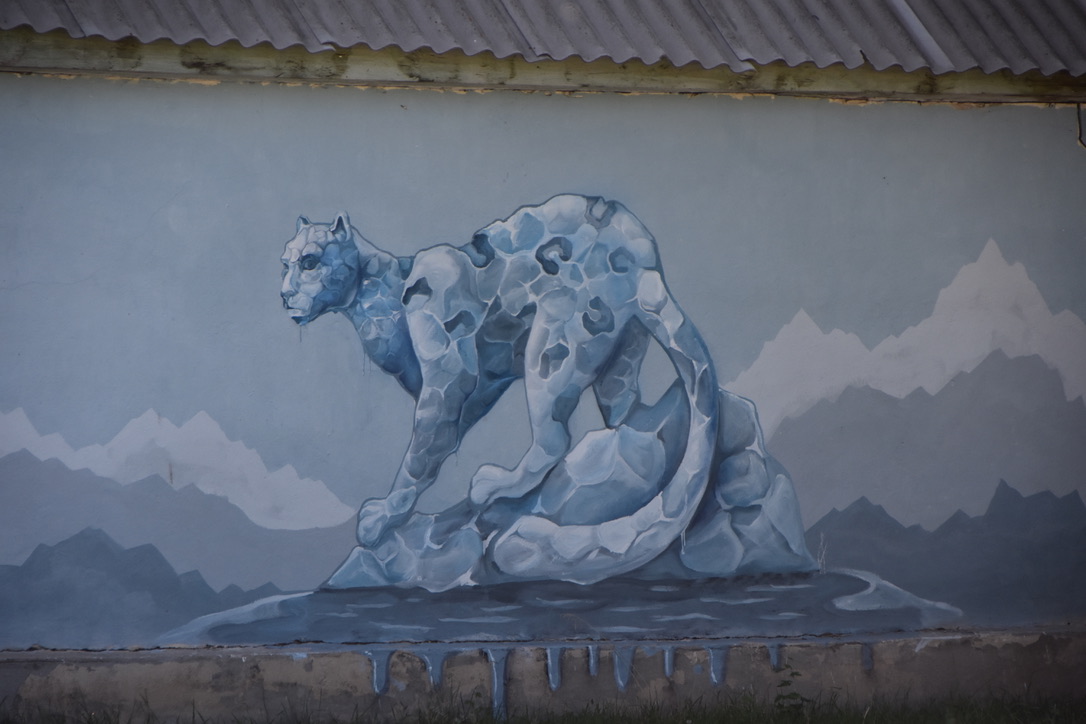
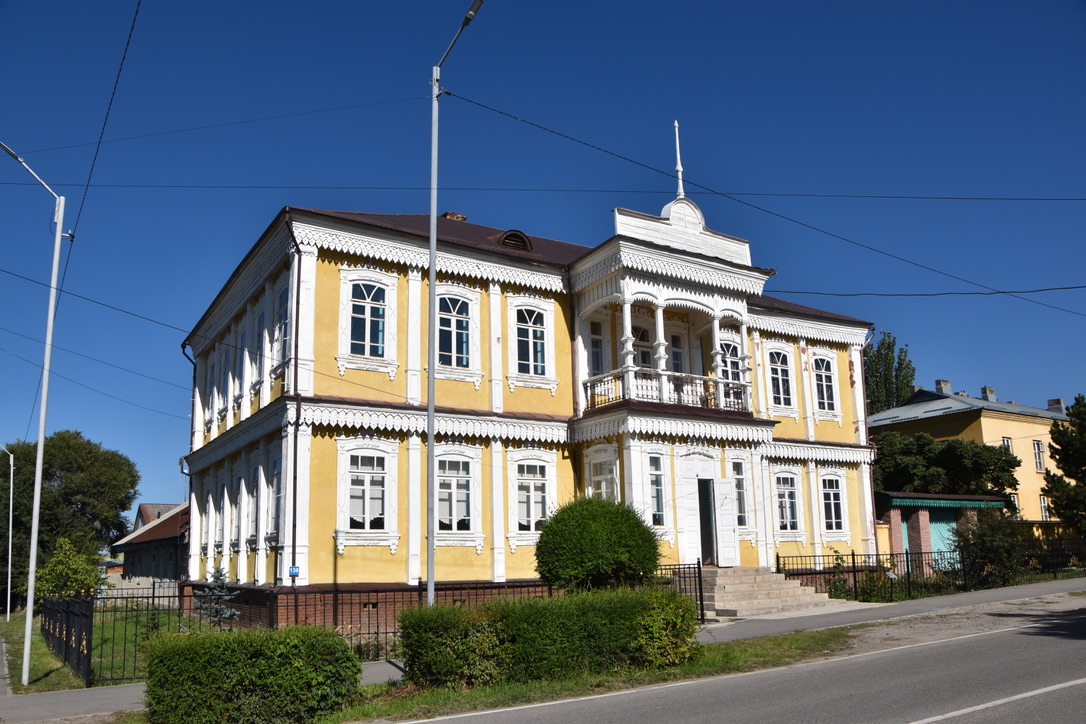

We also had more time here for the great outdoors. Arriving at the valley of wildflowers, there were more cattle to be seen than wildflowers as a full herd swarmed around us. This time last year I was nervous to even walk through a field with a handful of cows grazing, so this latest experience would have had me petrified.
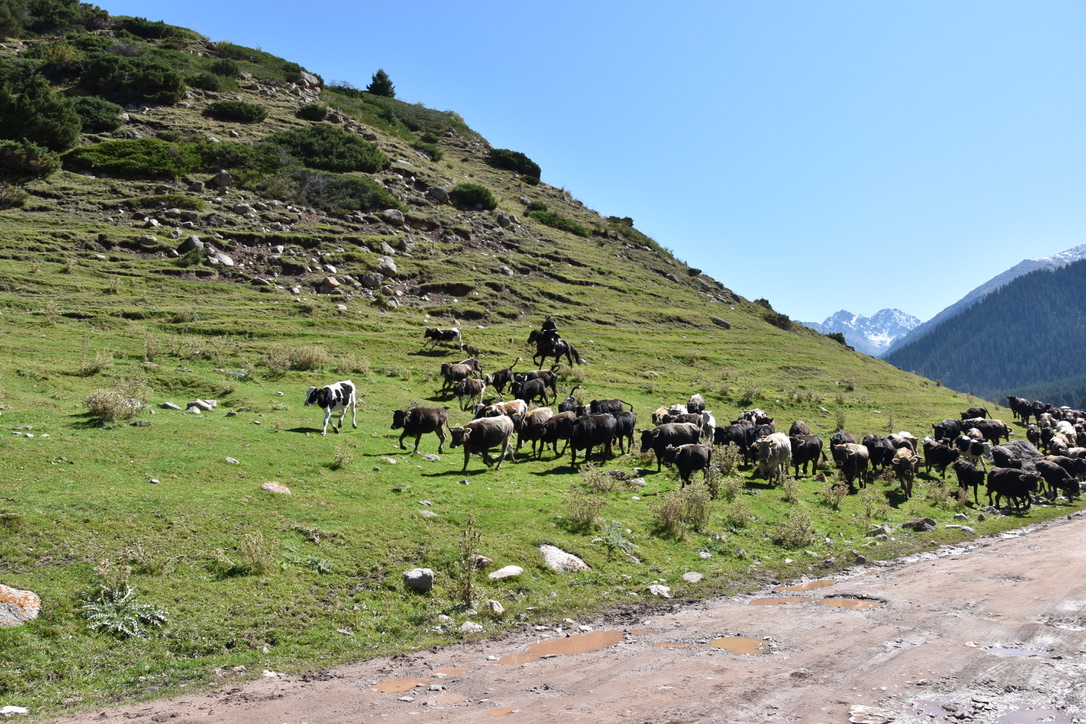


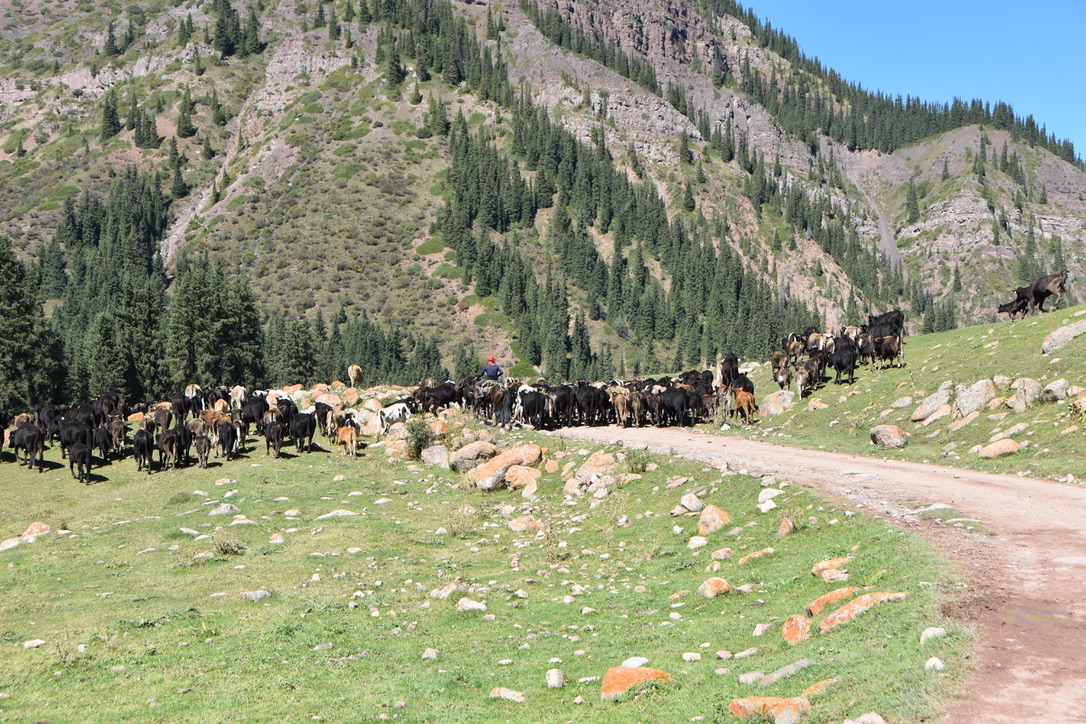
This was our last day in Kyrgyzstan, and already Ricki and I were discussing coming back sometime. The scenery had been stunning and although we were pleased with what we saw, there would be more delights earlier in the season.
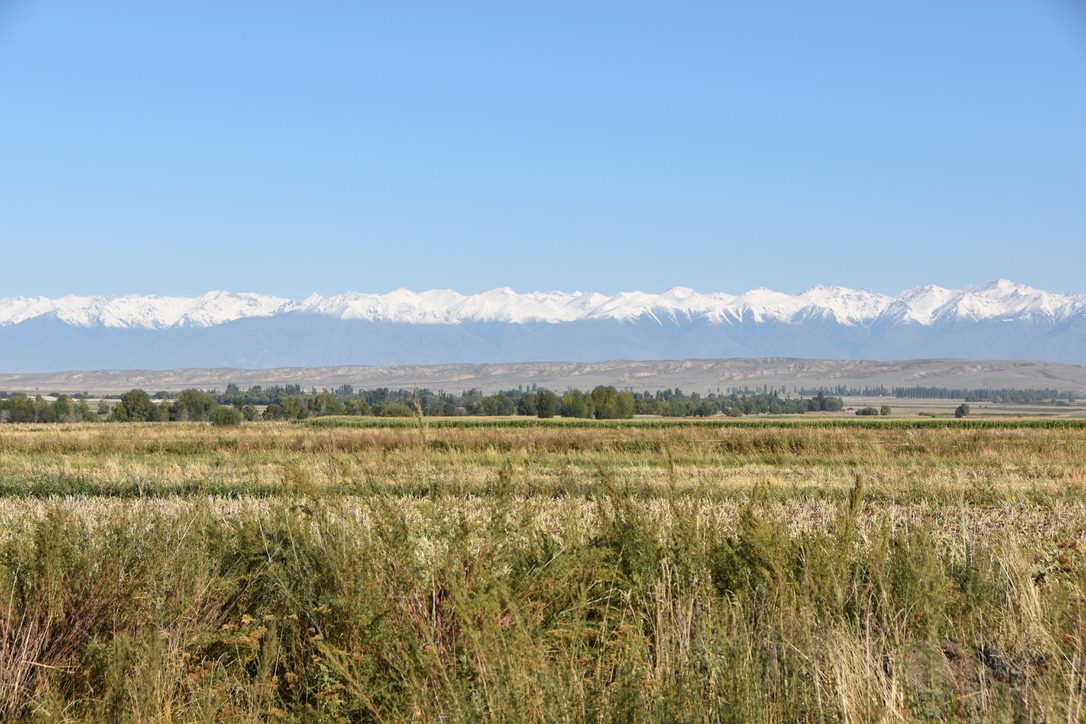
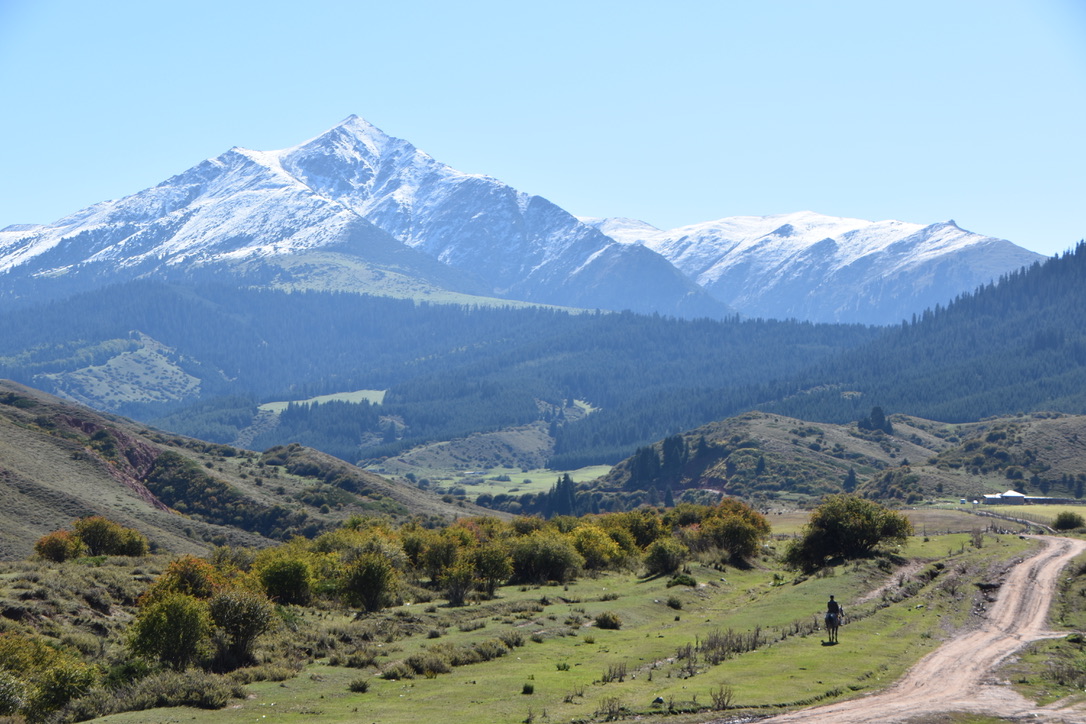
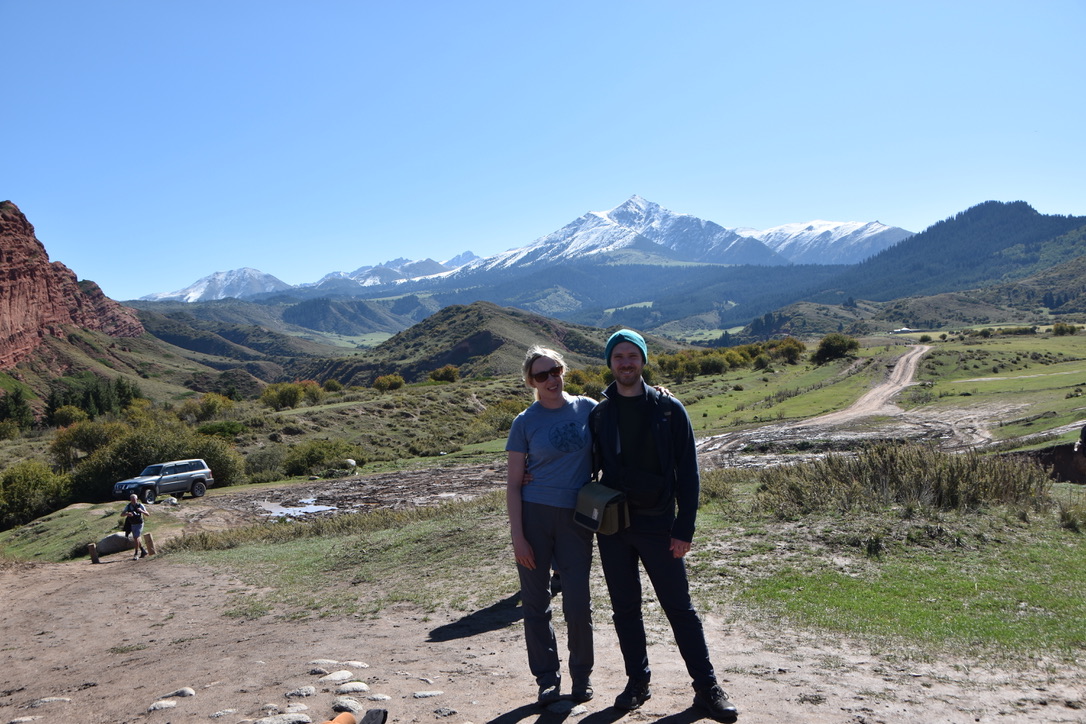

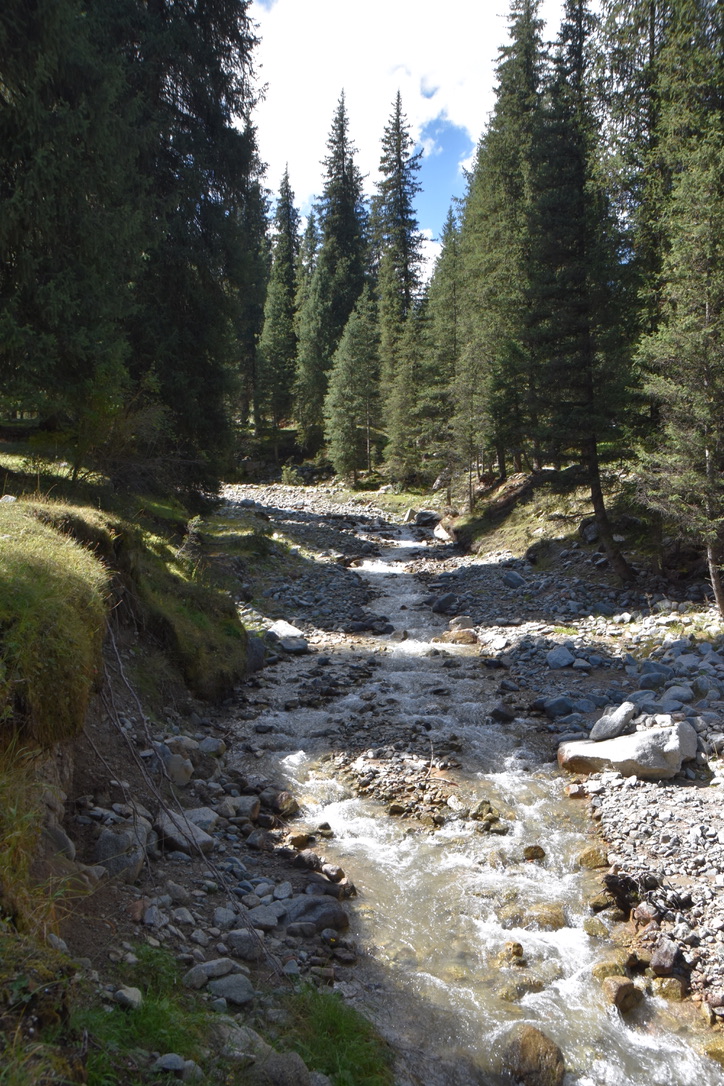
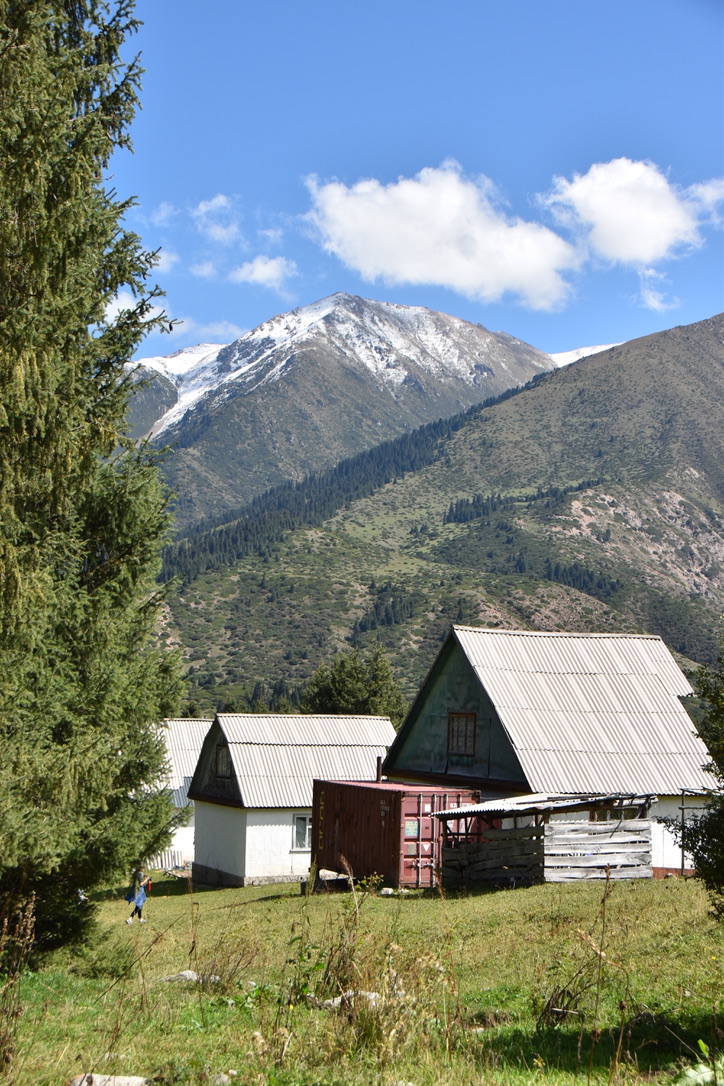
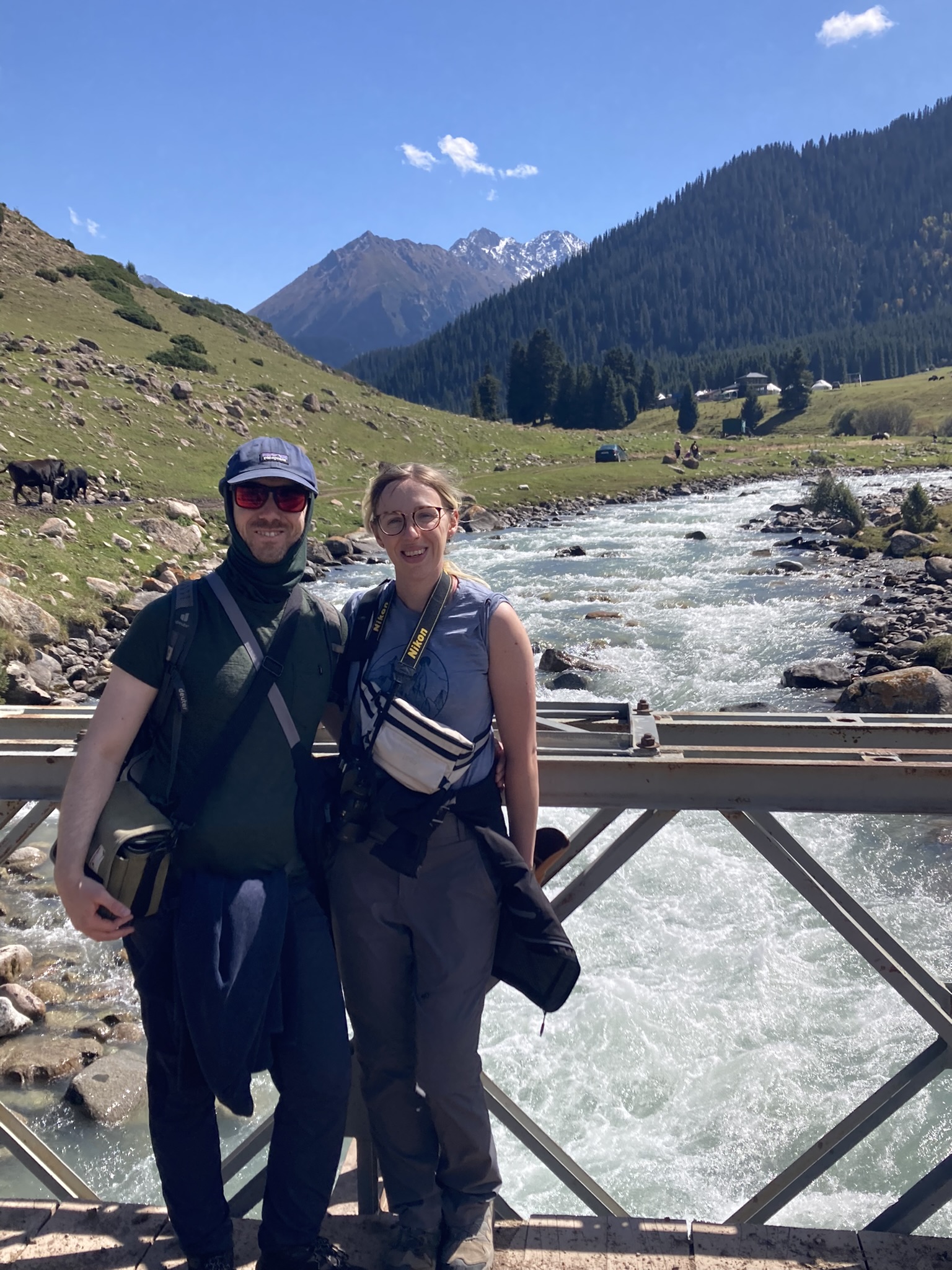


Our border crossing day took a similar theme to the days before in terms of herds of animals. Perhaps due to the change in seasons, farmers were moving their flocks, causing us to pause for several herds of livestock along the way to the border. It felt like we passed more herds than vehicles.
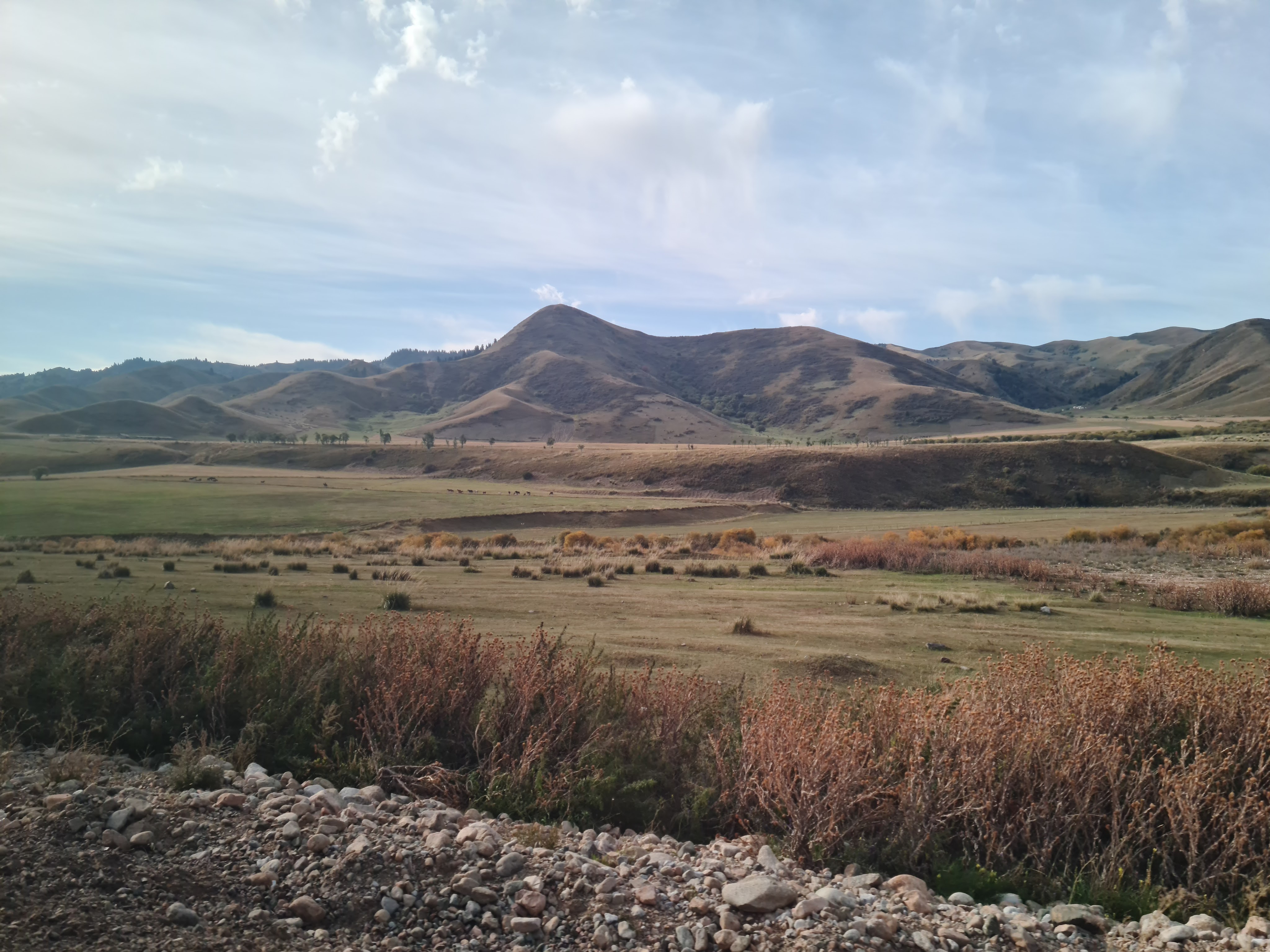
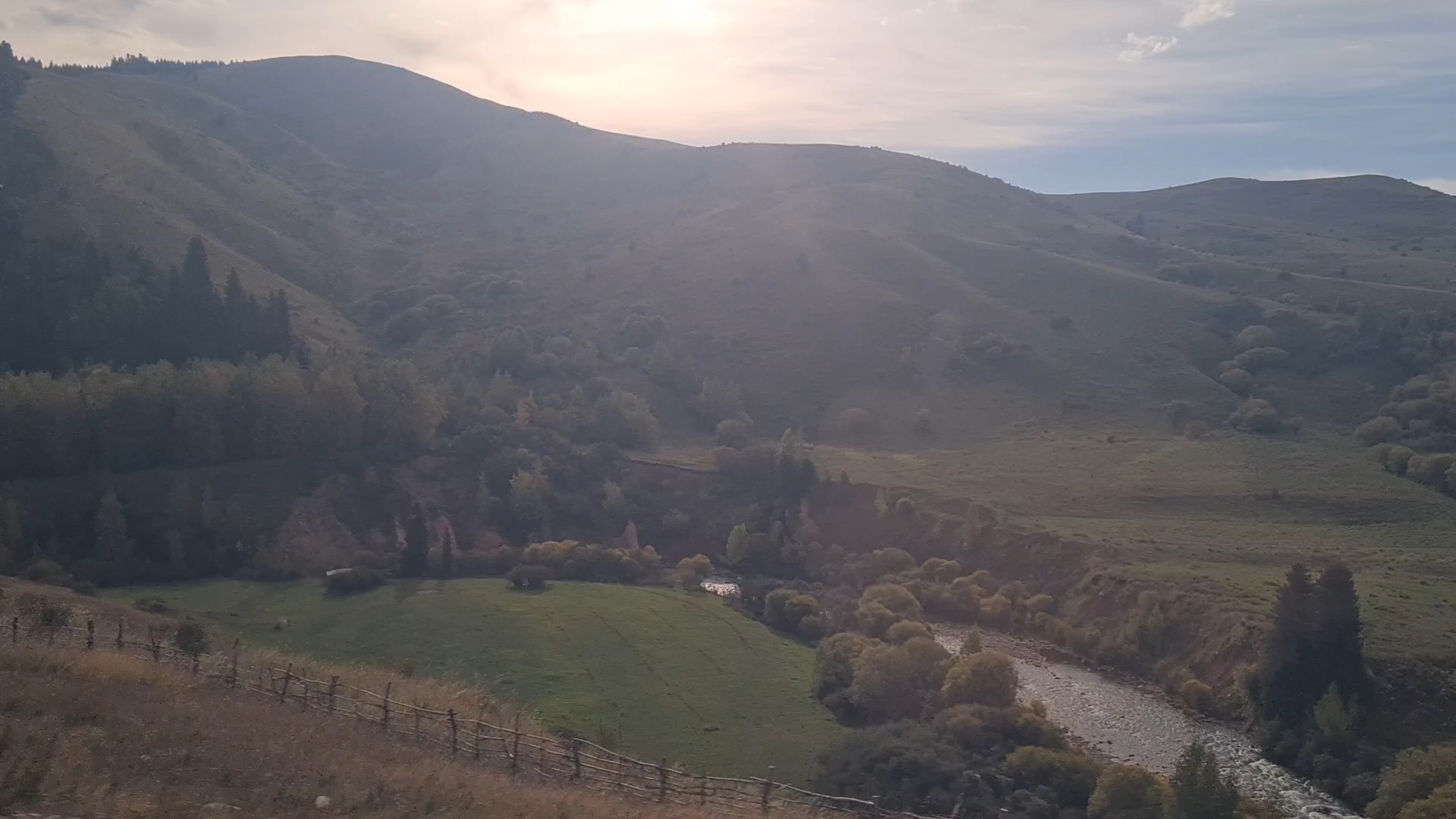
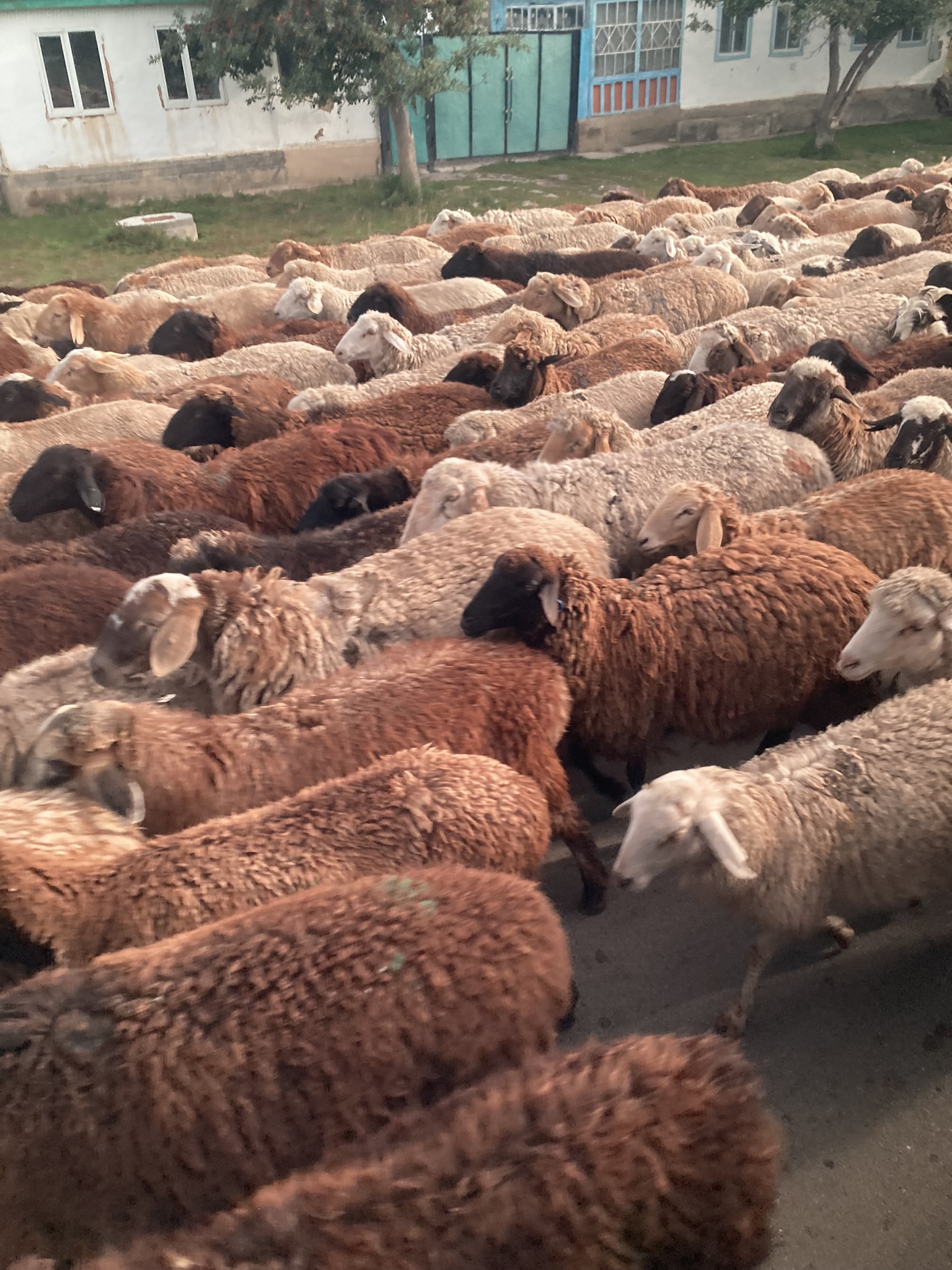
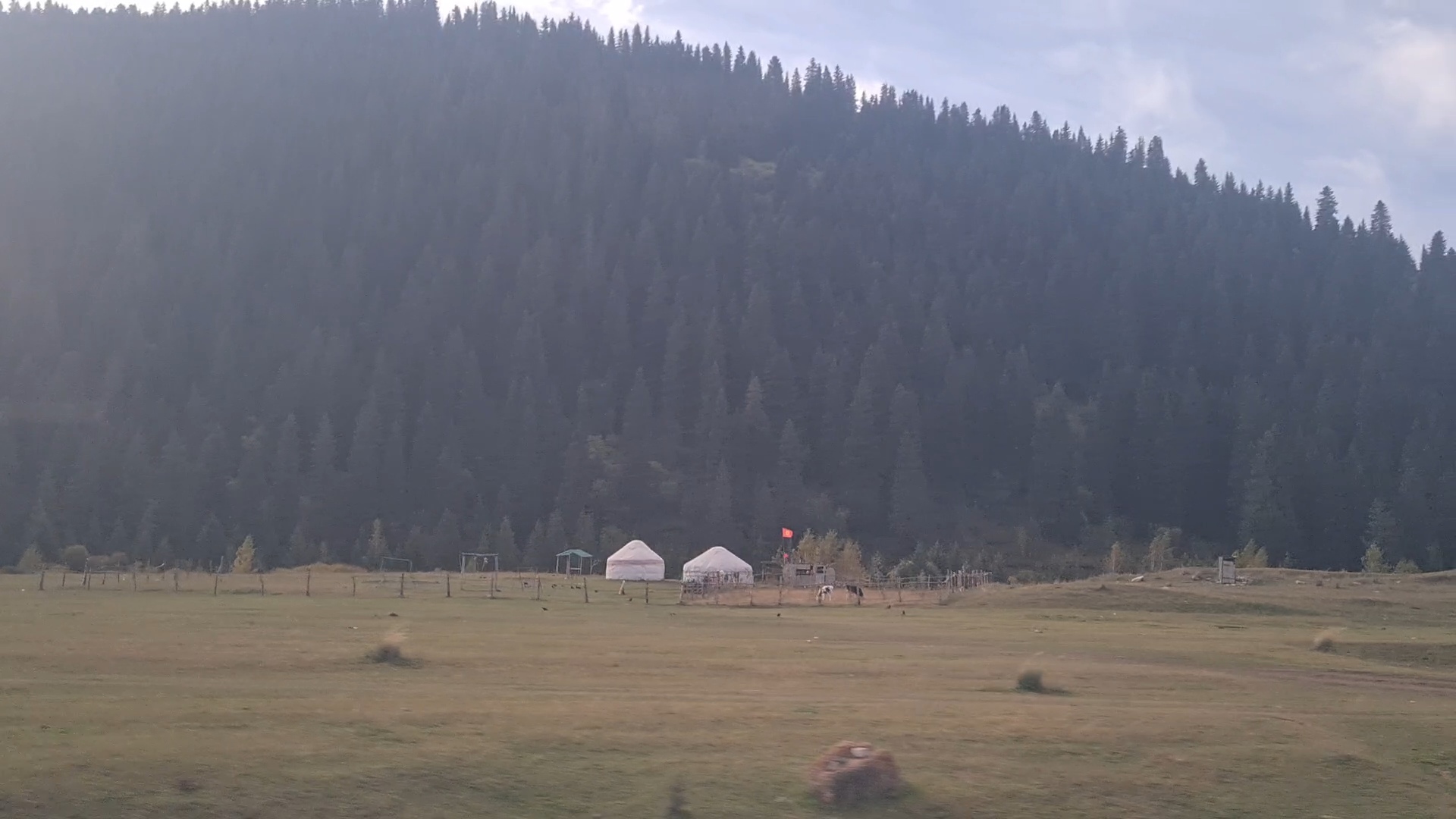
In some incredible multitasking, one pair of cows was even getting started on the herd for next year, as they were simultaneously ushered down the road, barely breaking their stride.
Not unexpectedly, there were no men in mankinis to greet us as we crossed over into Kazakhstan (the country hasn’t exactly embraced the manner in which Borat put it on the map!). Instead, just a border agent who requested a lift into town once we had been stamped through.
Despite being a UFC aficionado, and built as such, our minibus driver Mirlan was a sweetheart and happy to oblige. He had already invited a 6 year old schoolgirl in with us the day before as he noticed she was going to be waiting awhile for a bus. And sweetest of all, he had written a note in Turkish in the err…grime of our minibus van to his girlfriend in Turkey, which Ivan translated as “Even if you lived in space, I would build a spaceship just to be with you”. Aaaaw.

As much as we would miss the scenery of Kyrgyzstan, Kazakhstan of course had its own gems up its sleeve.
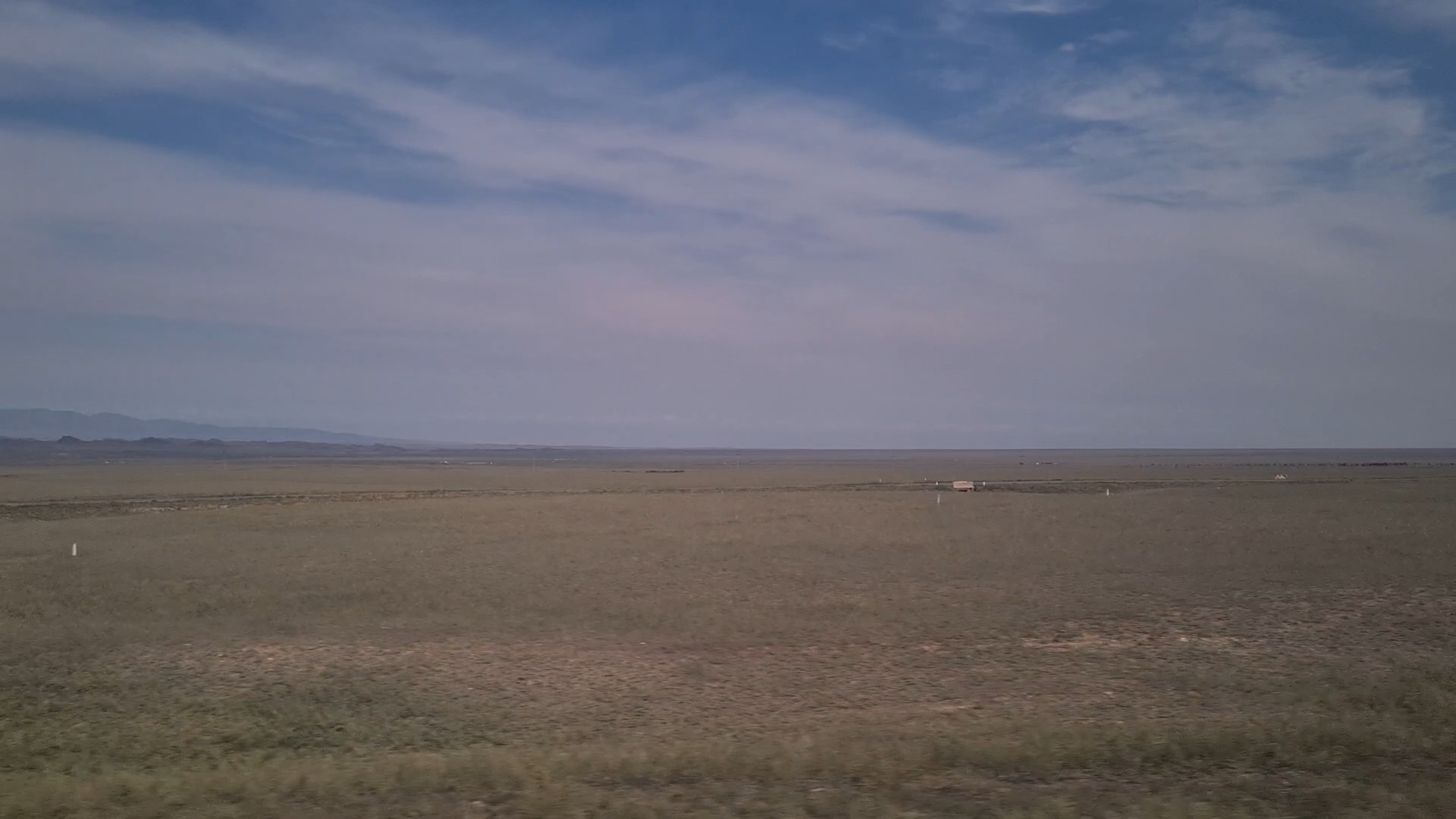
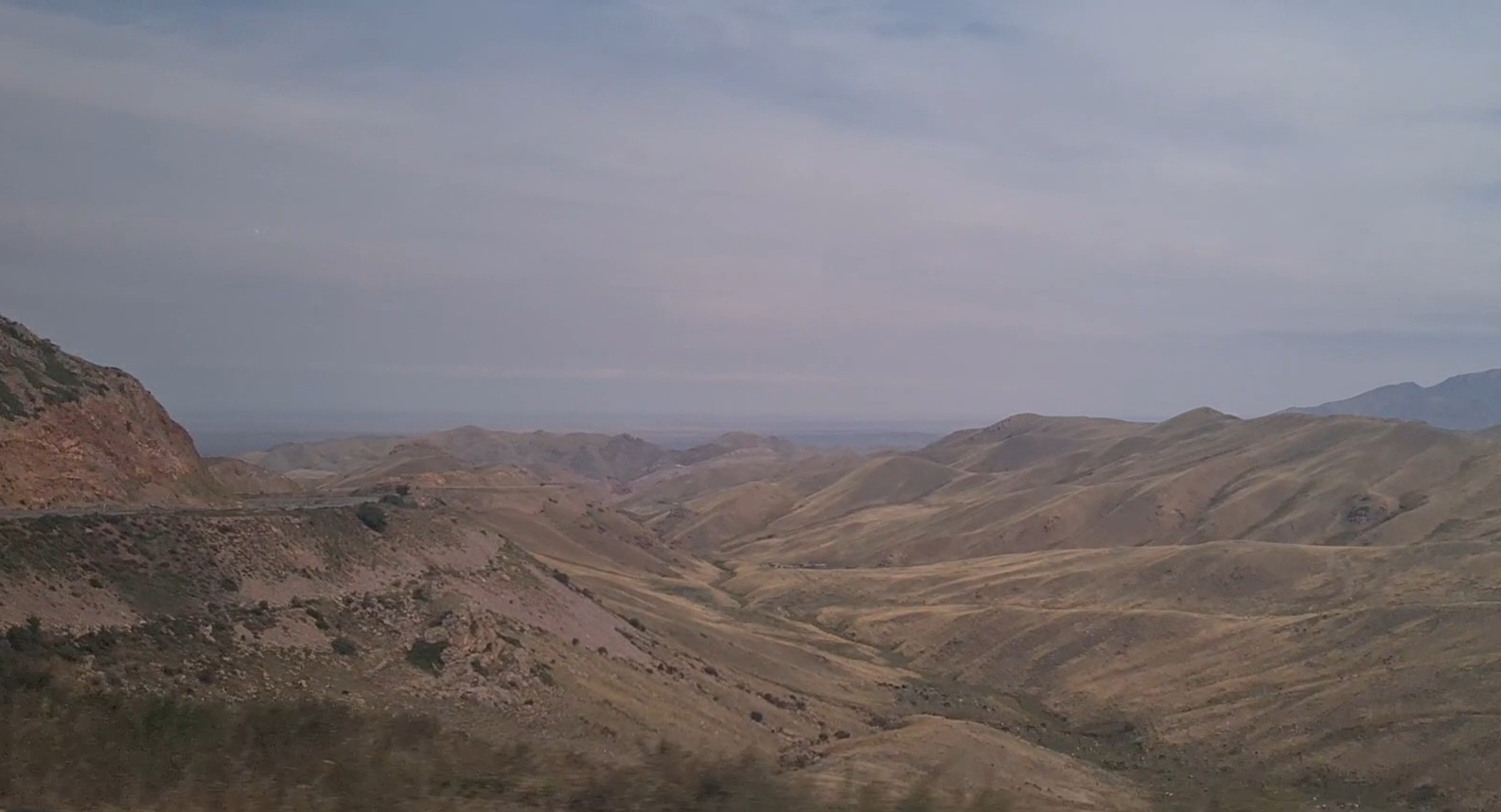
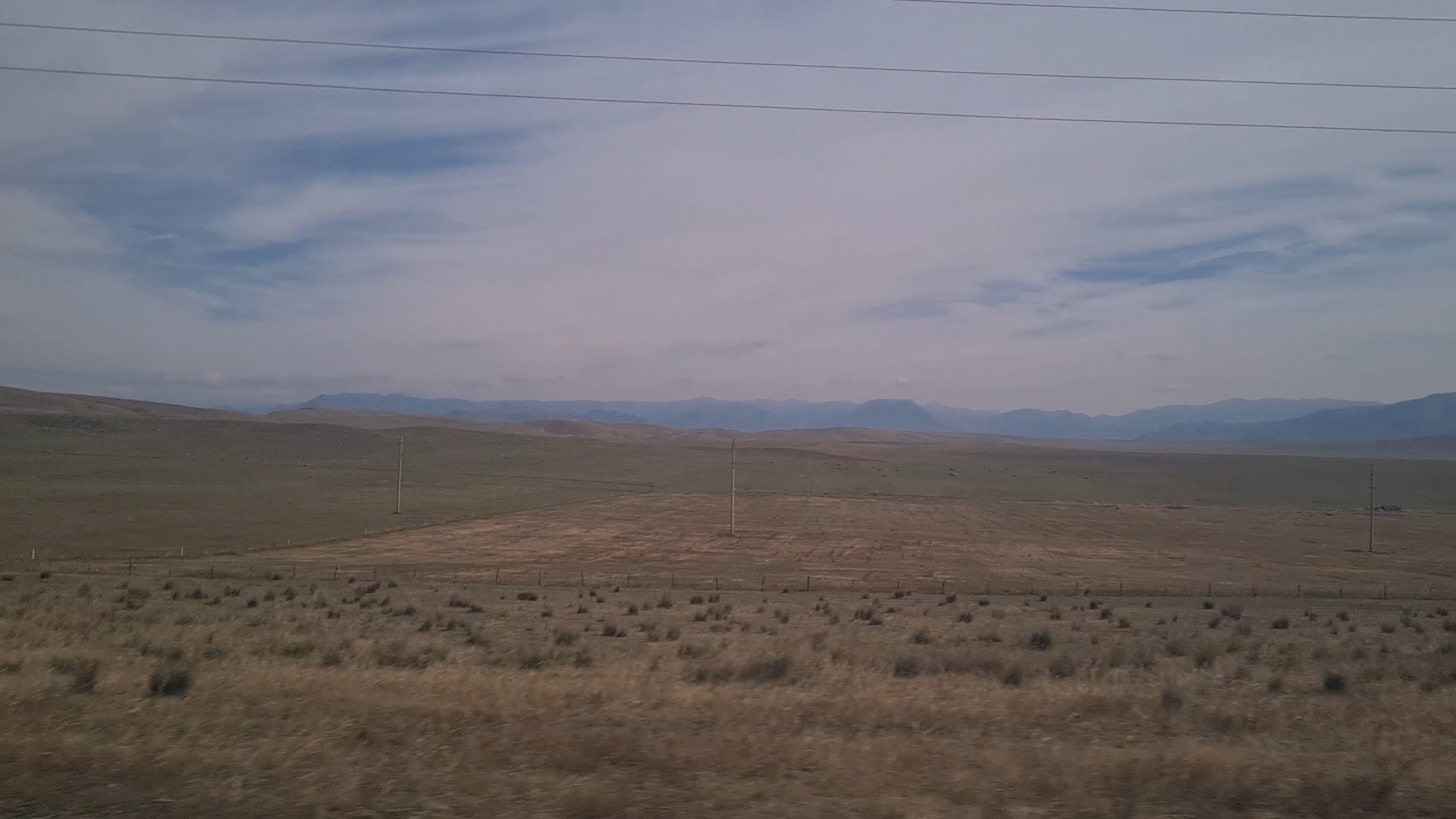
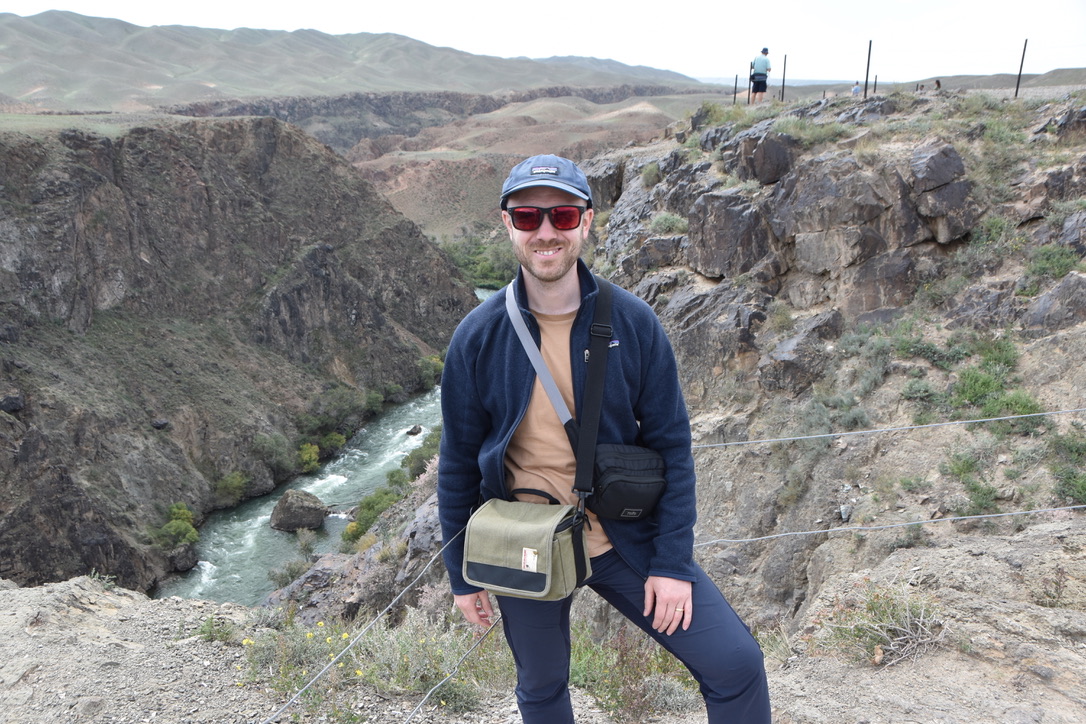
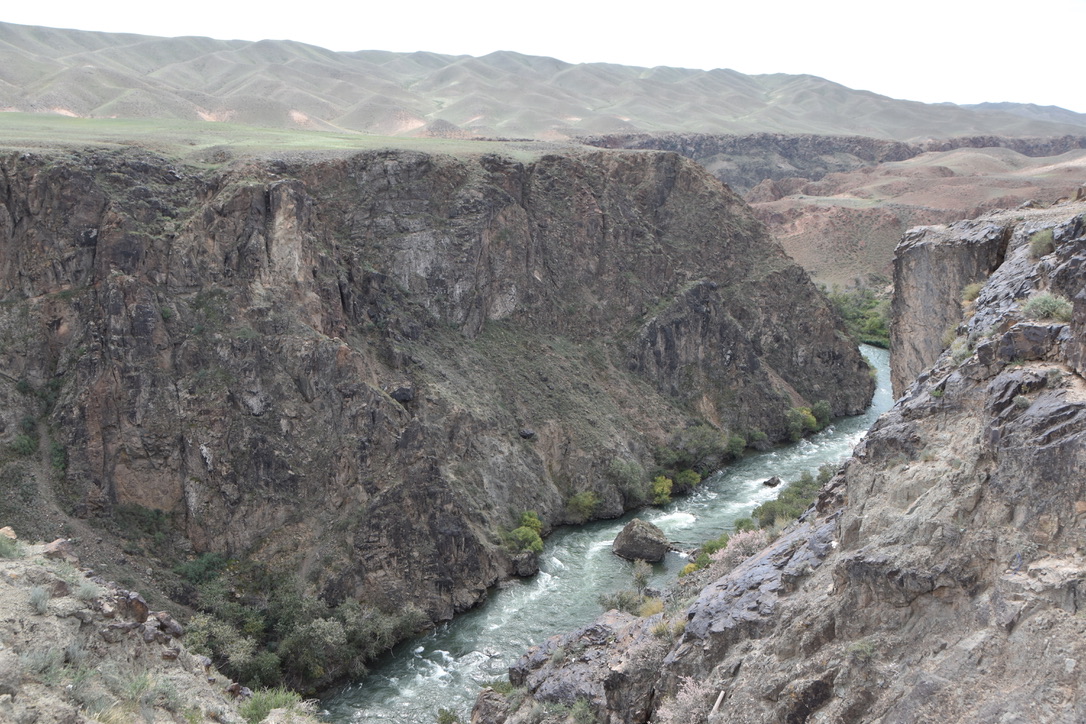
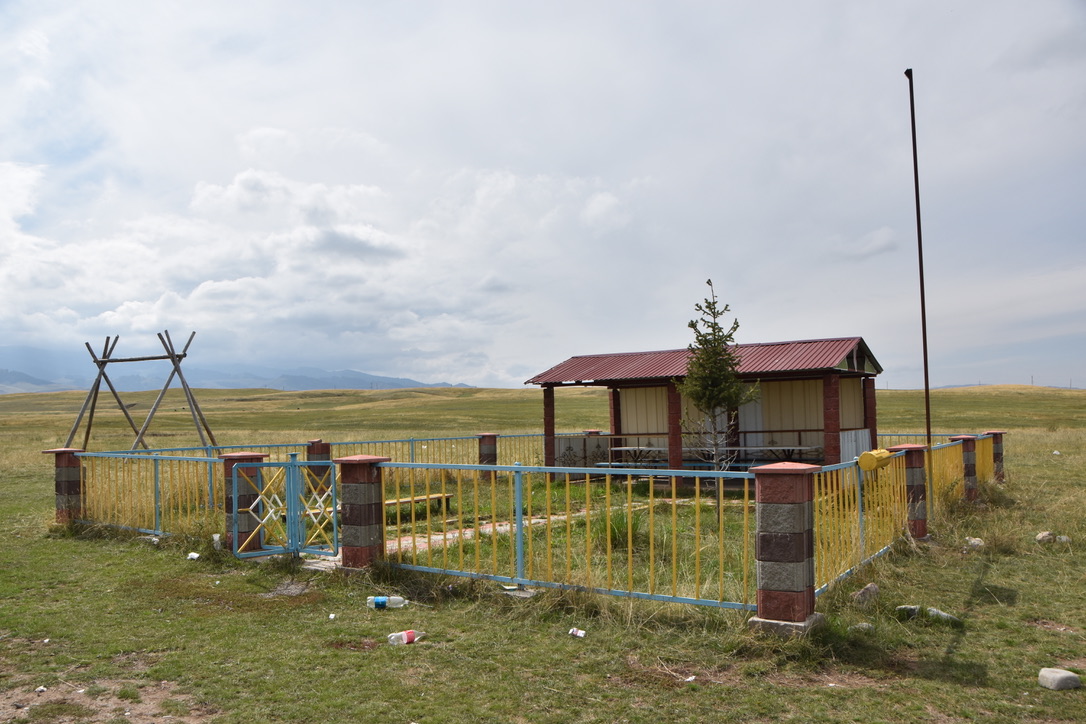
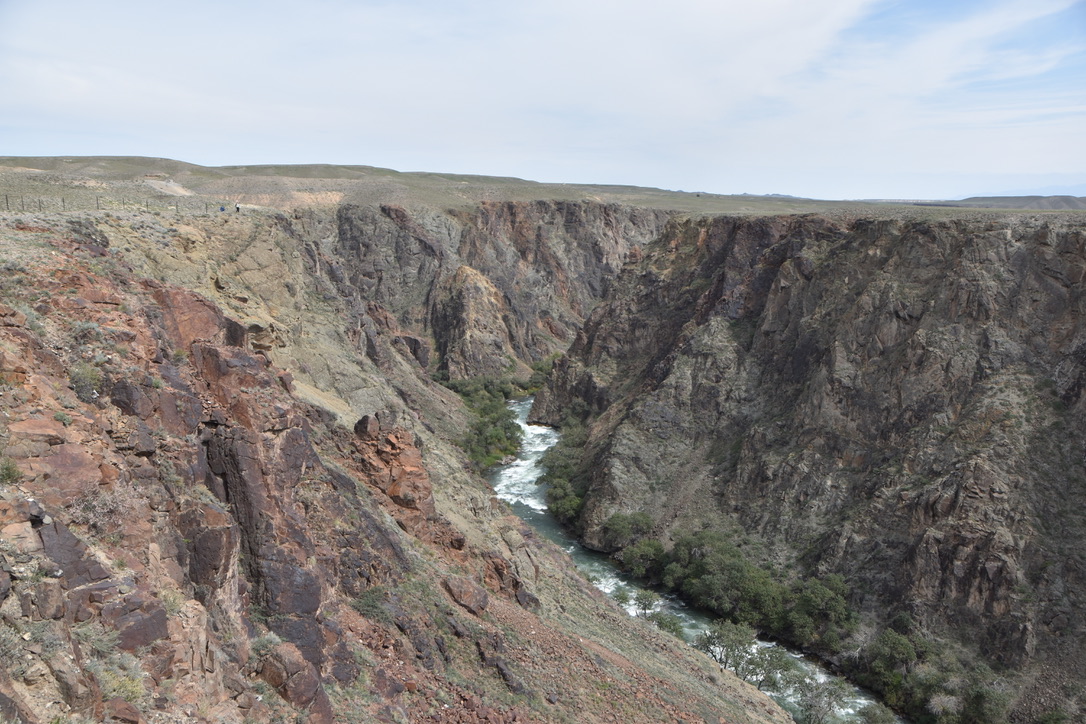
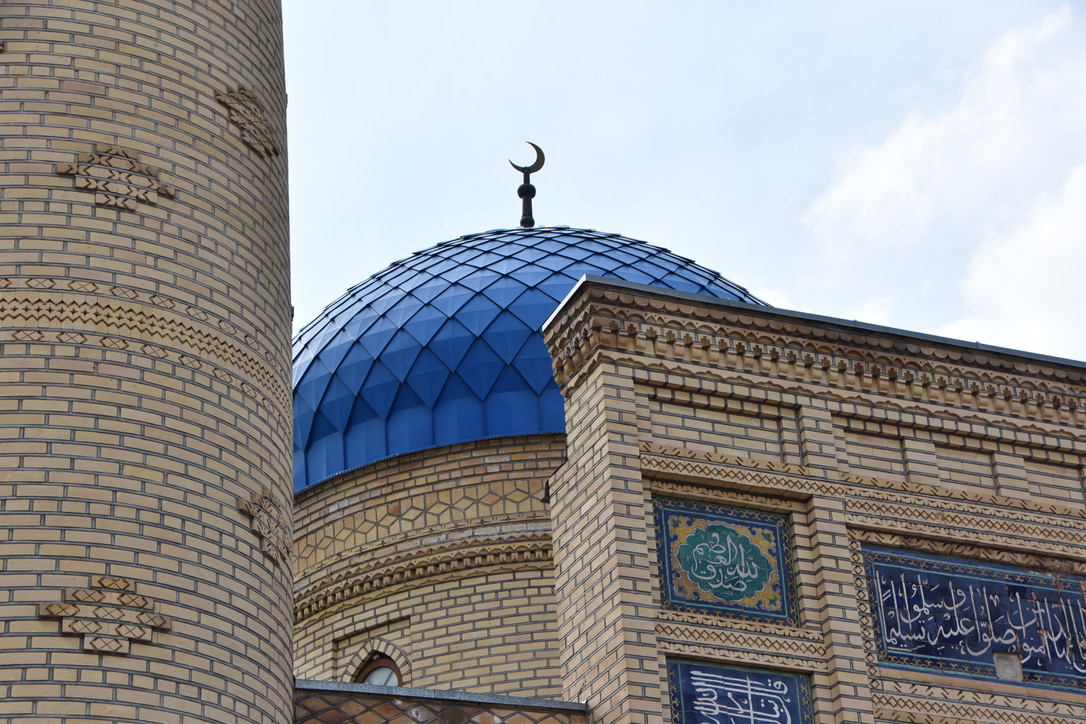
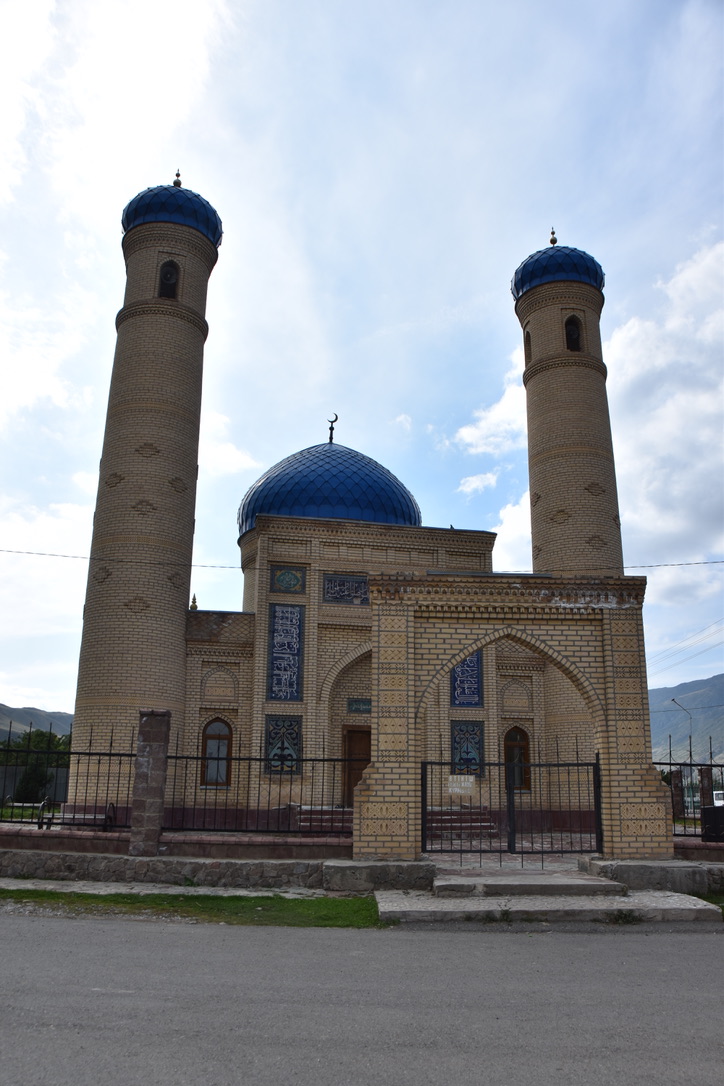
Various scenes from the Kazakh steppes, the Black Canyon and the mosque at Saty village
Arriving in the village of Saty, we swapped the minibus for 4x4s, then a Soviet era “loaf” bus (or “paper tank” as Ivan dubbed it) and headed up a hill for Lake Kaindy. I’m not sure what was more bone-jolting, the off roading or the old tank.
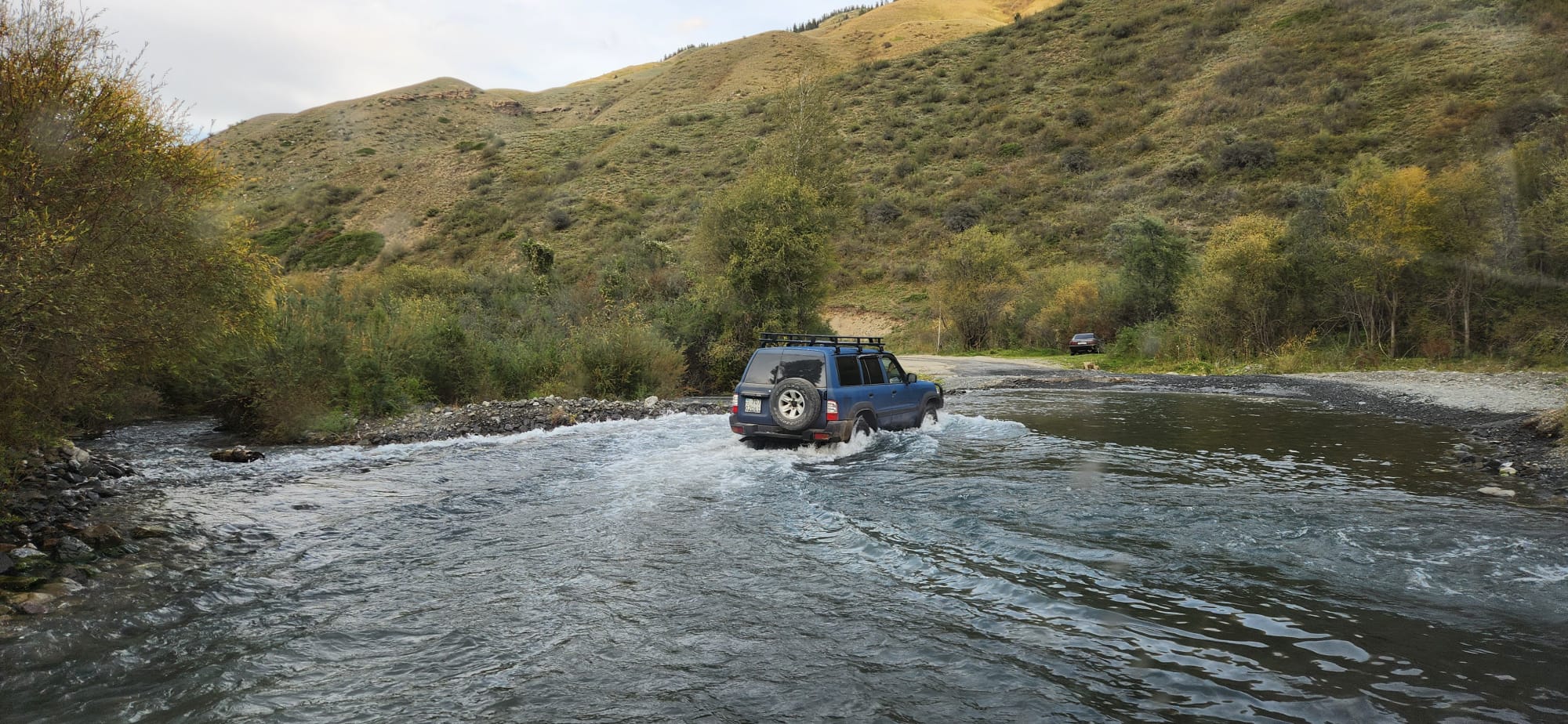
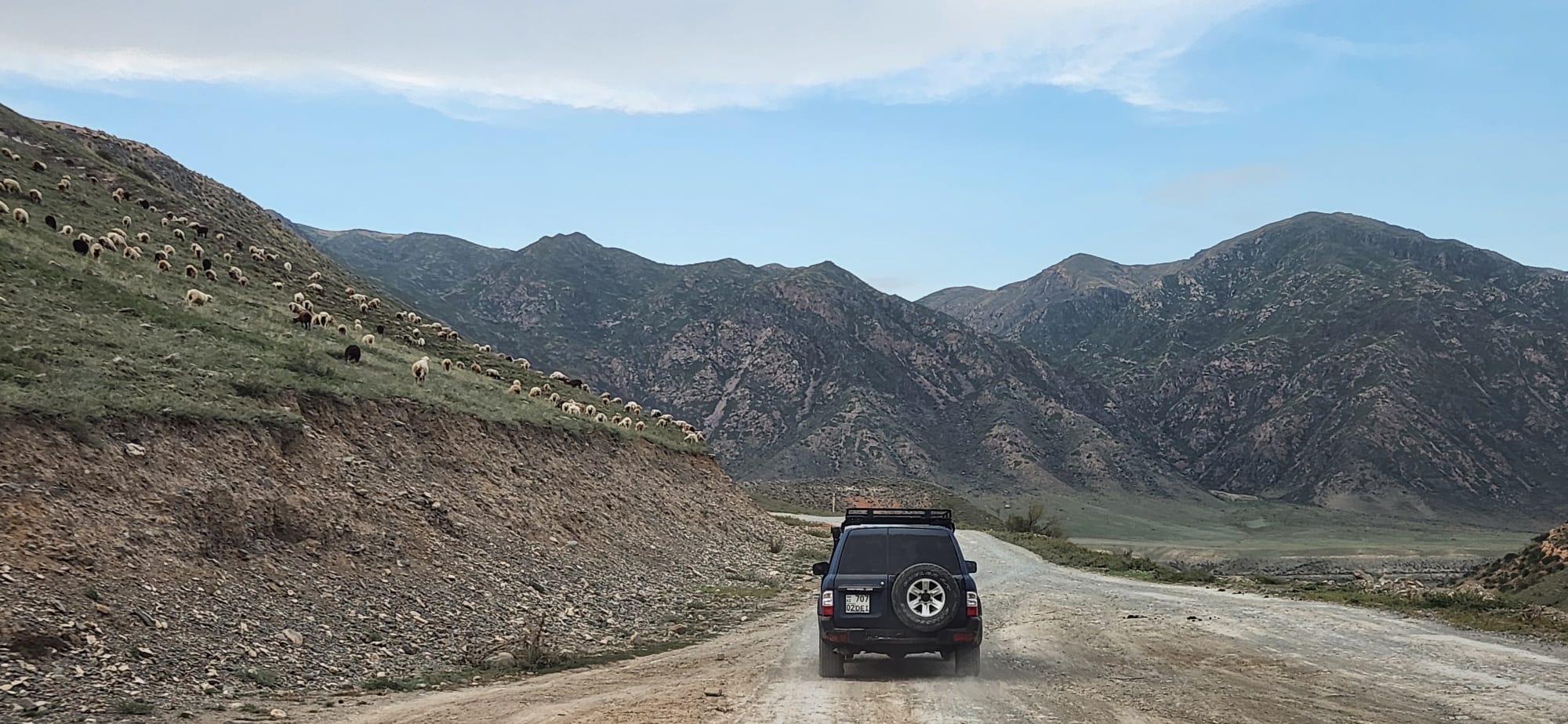
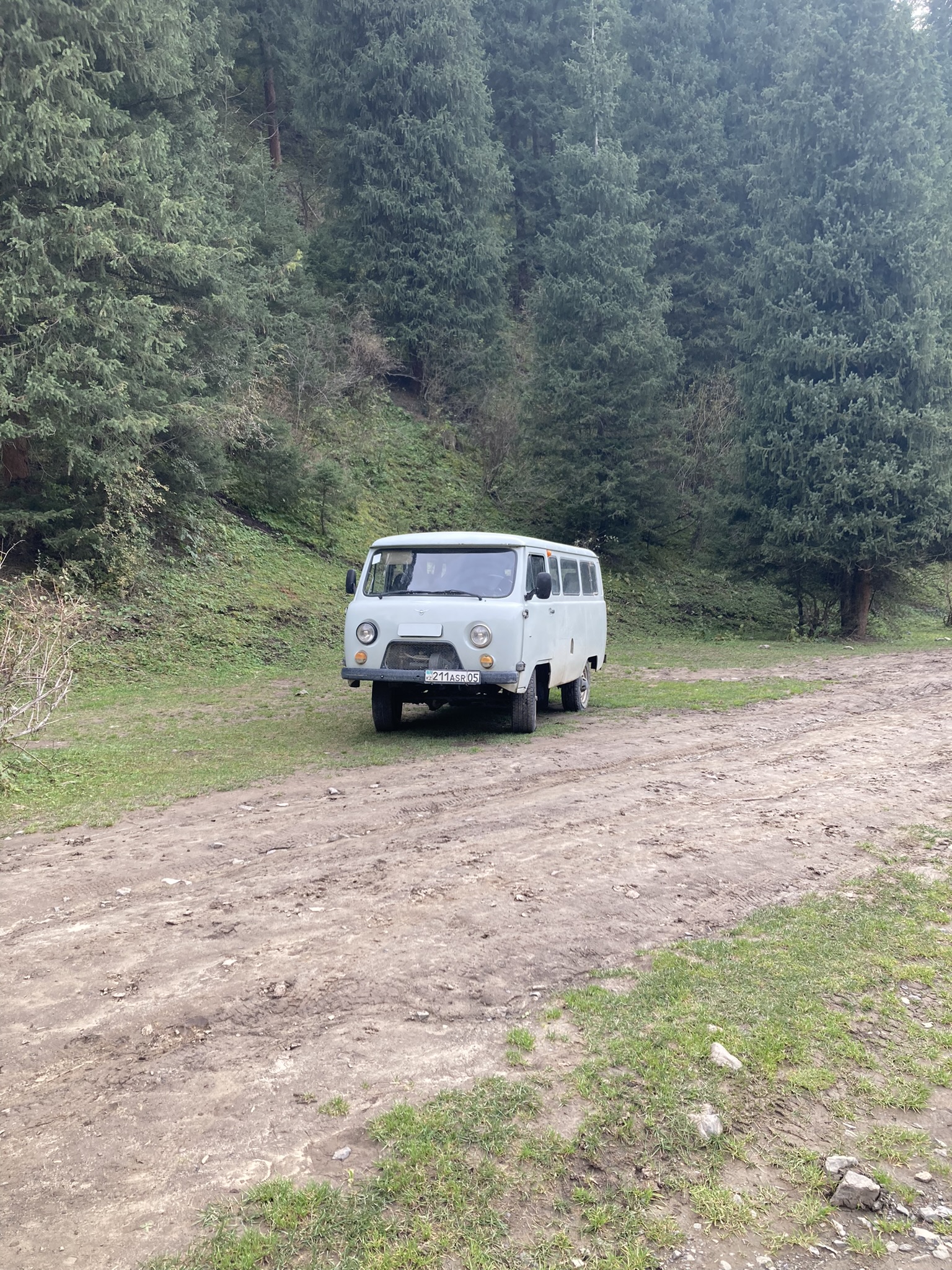

Photo credits: Cherie Allen
Better known as the Sunken Forest, a landslide in 1911 resulted in a lake forming over what was originally a spruce forest, creating a surreal landscape.
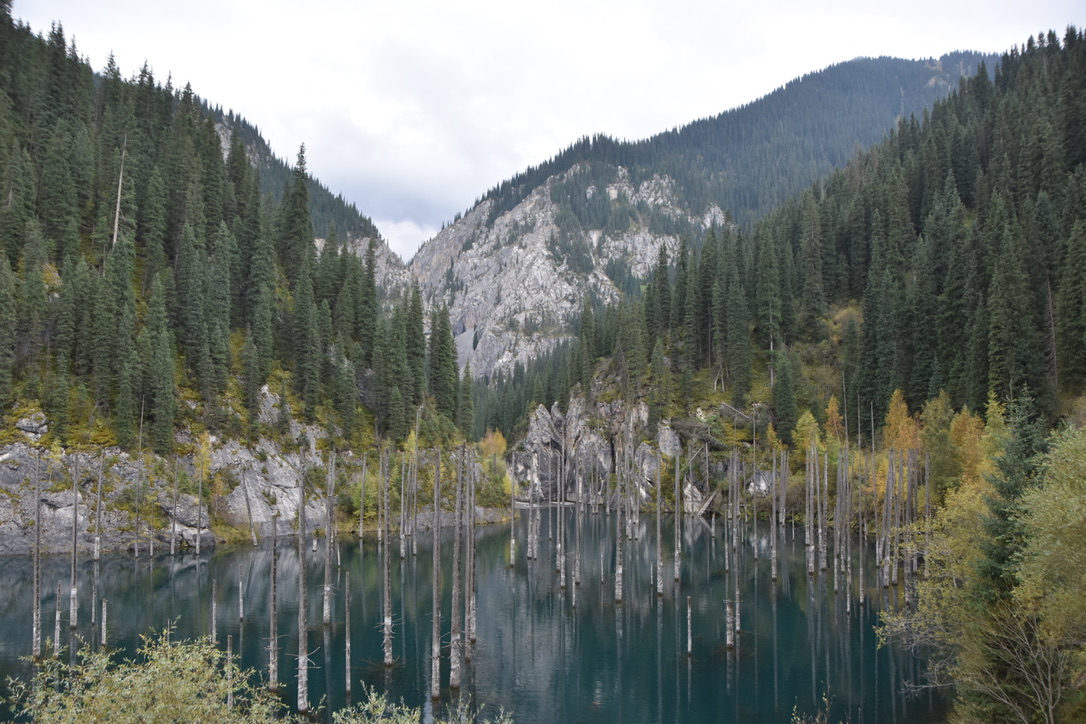
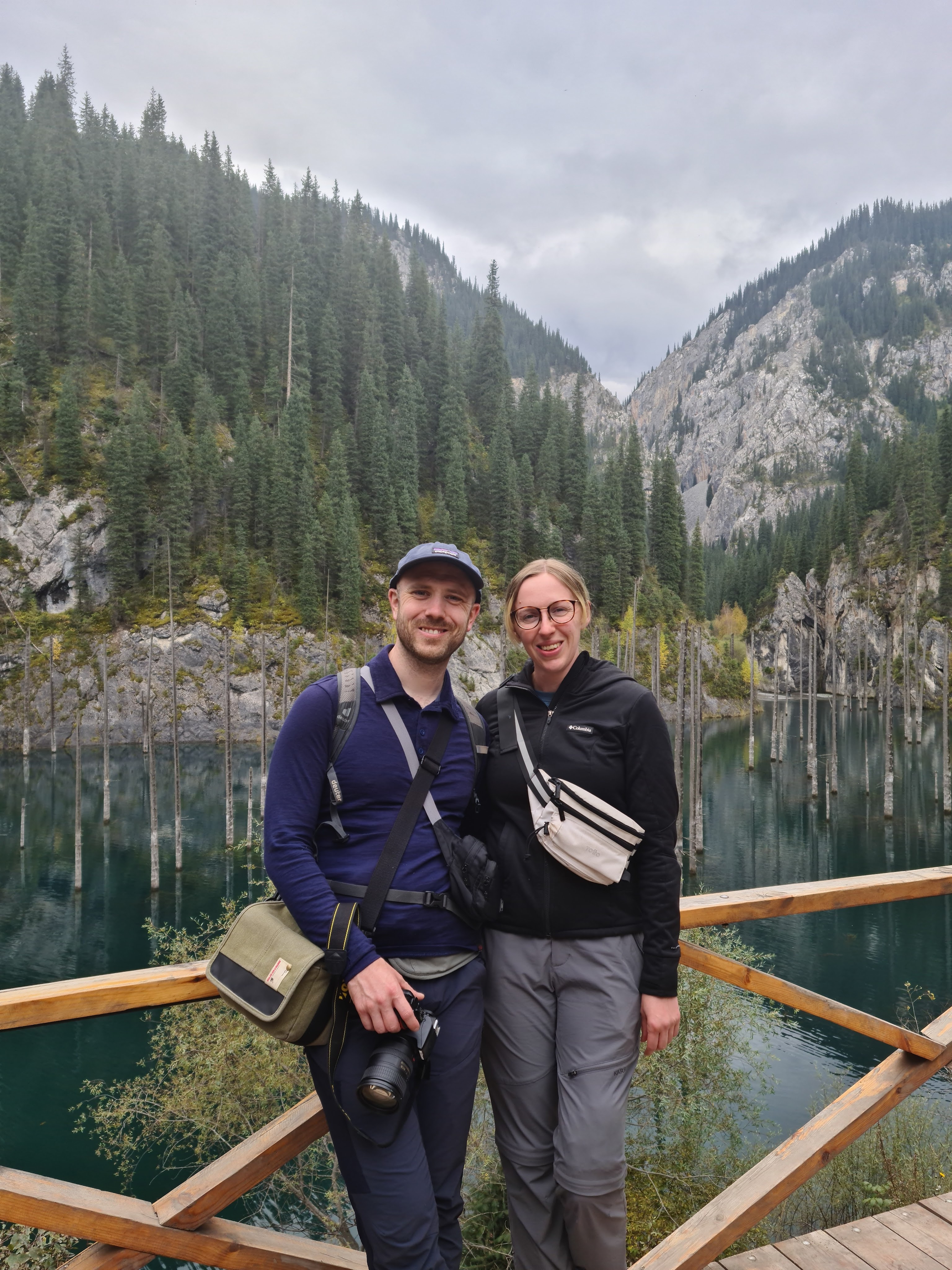

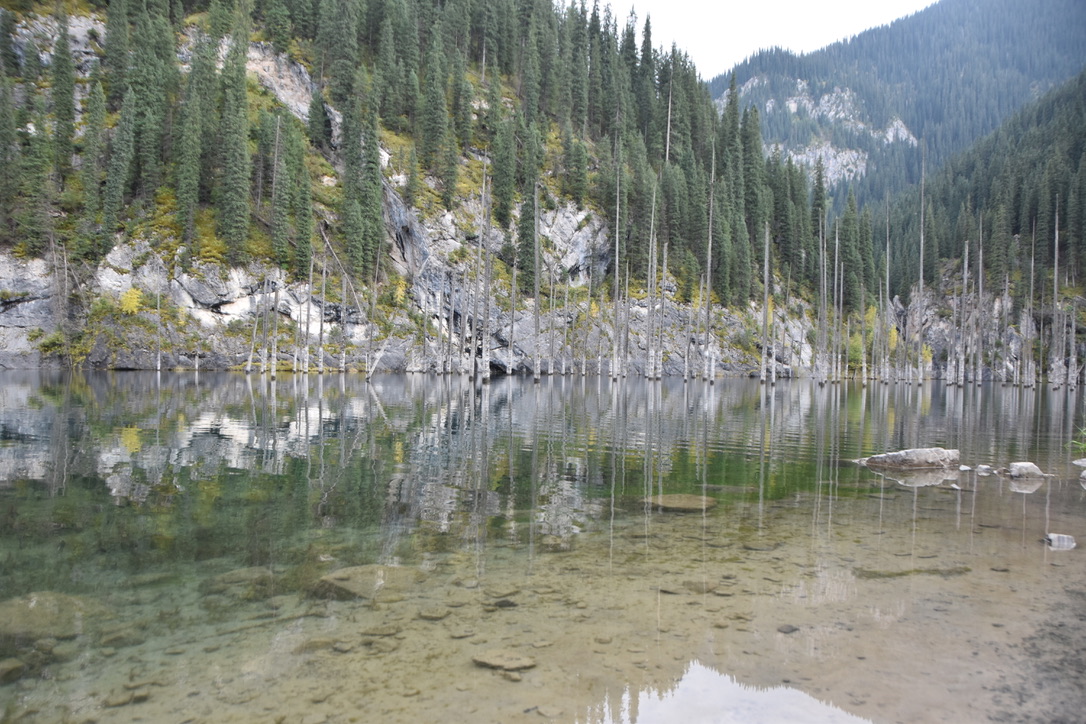

Our Kazakh journey also took us to Charyn Canyon, a red rock national park resembling the U.S.A’s Grand Canyon.

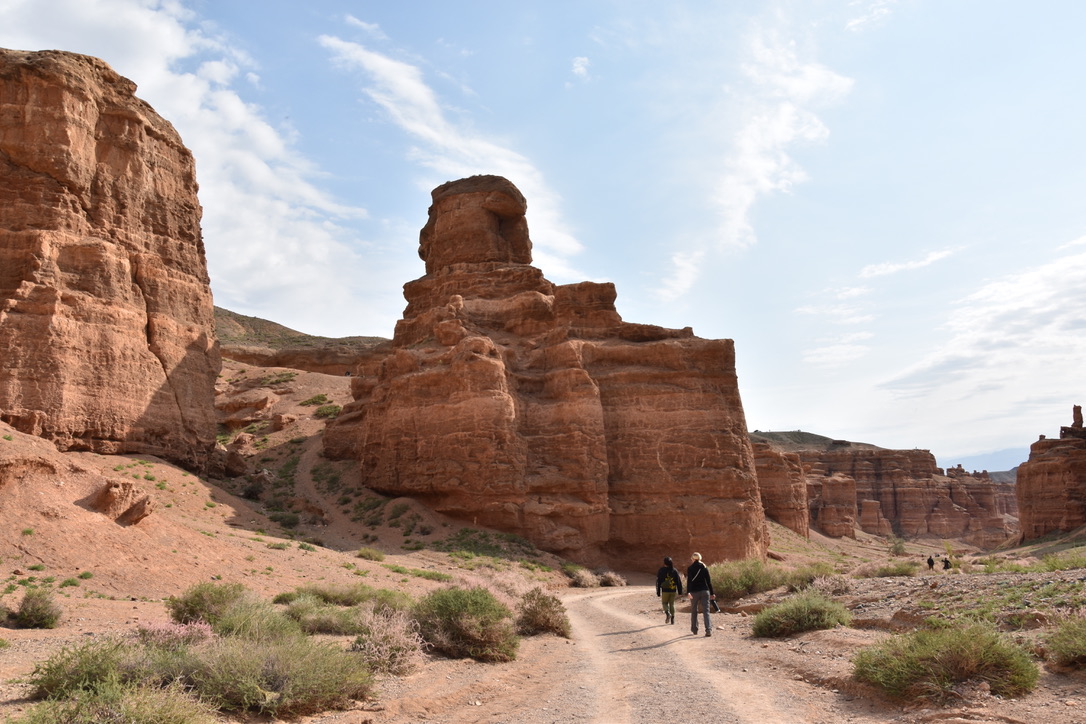
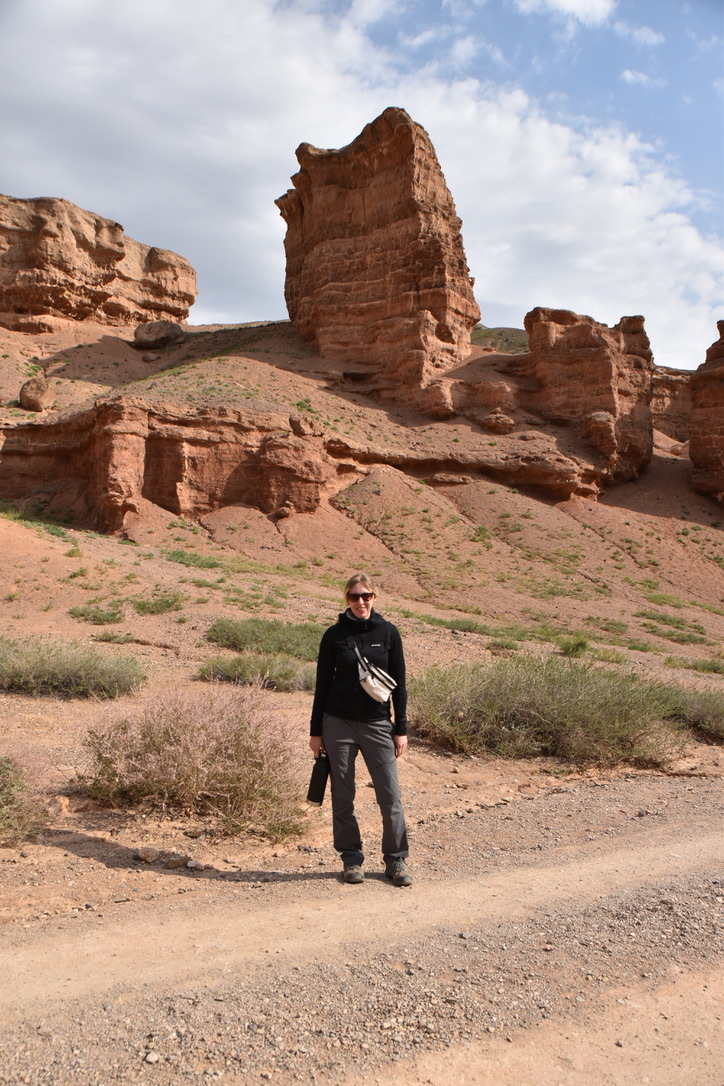


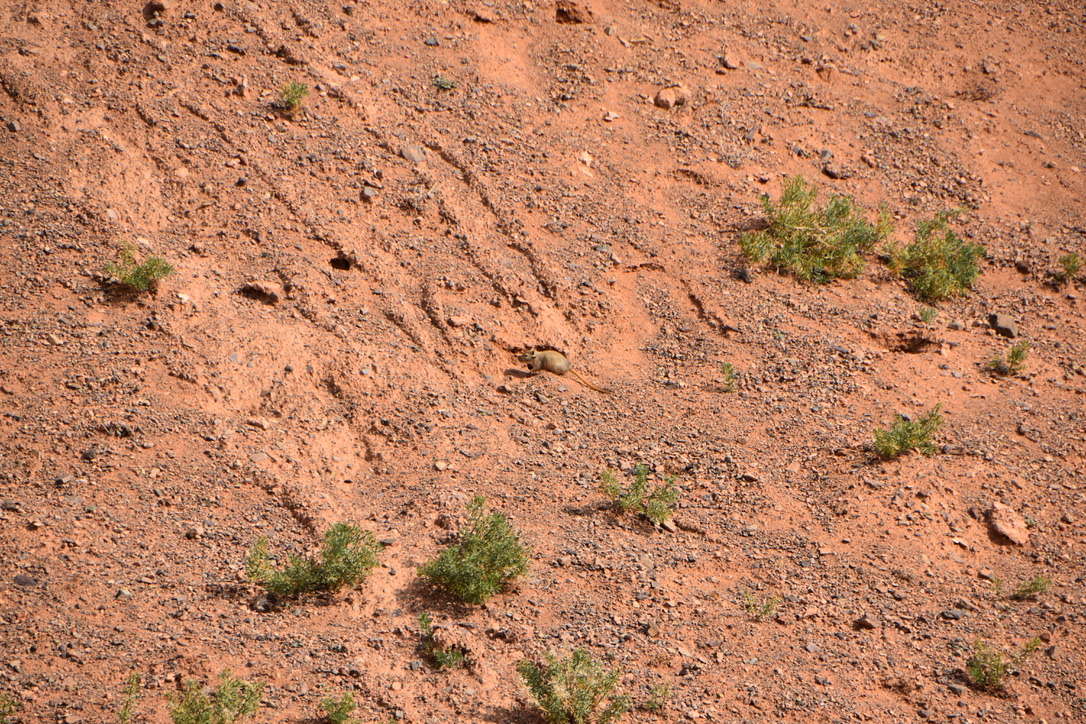

A clamour of excitement from the locals surrounded our arrival. Though it would turn out this was nothing to do with us, but Shavkat Rakhmonov, a top Kazakh UFC fighter was also visiting. As celebrity status goes, this would be like a Premier League footballer in the UK, and Mirlan in particular was delighted – shame Rakhmonov was already sorted with a ride!
Then it was on to the “Little Apple”. As well as the first country to domesticate a horse, Kazakhstan is considered to be where tulips and apples originated. Rather than visiting the current capital, Astana, we were visiting the former, and cultural, capital, Almaty. Or “Father of Apples” in a nod to the fruity heritage.
Ivan temporarily handed over the reins of our group to local tour guide Marina, who walked us round some of the main sights. Marina explained we were lucky to arrive at Ascension Cathedral when we did, as the bells which were pealing only do so at the weekends. It was really charming, like standing next to a giant music box. Less lucky for Marina though as she had to patiently wait five minutes before she was able to speak and be heard.
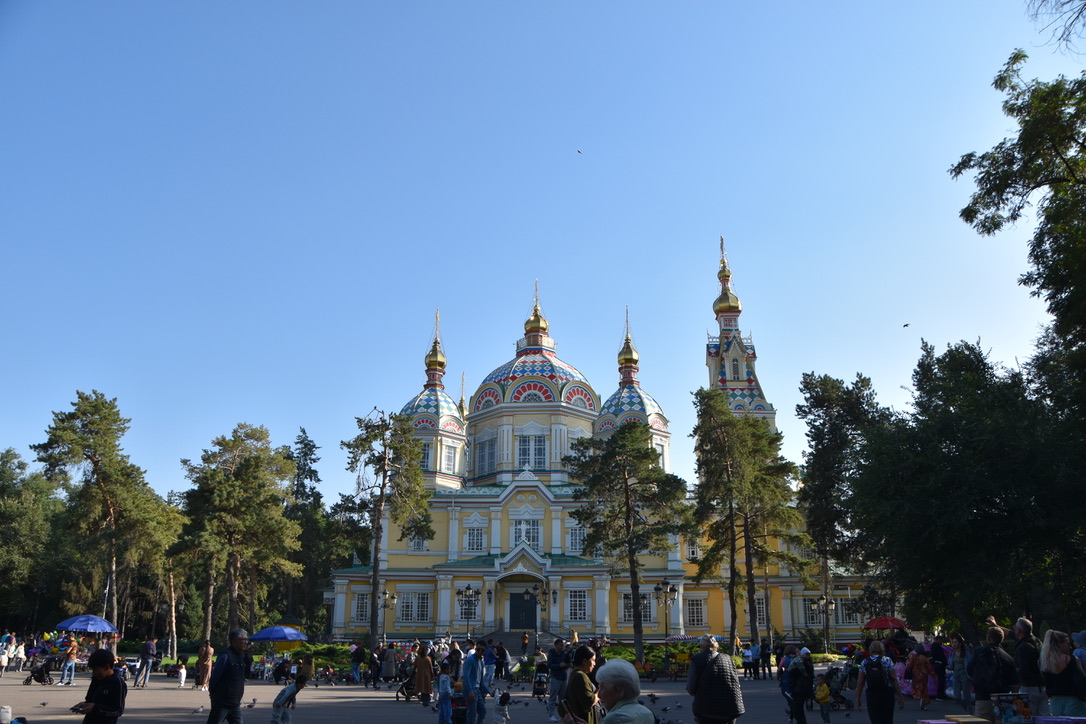
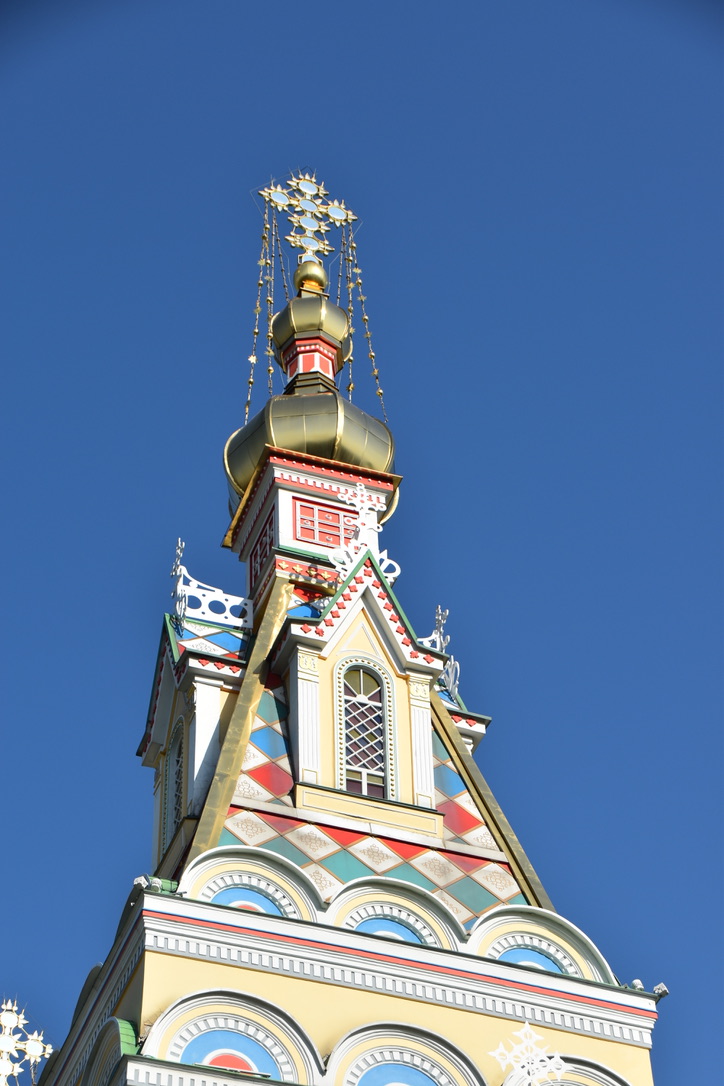
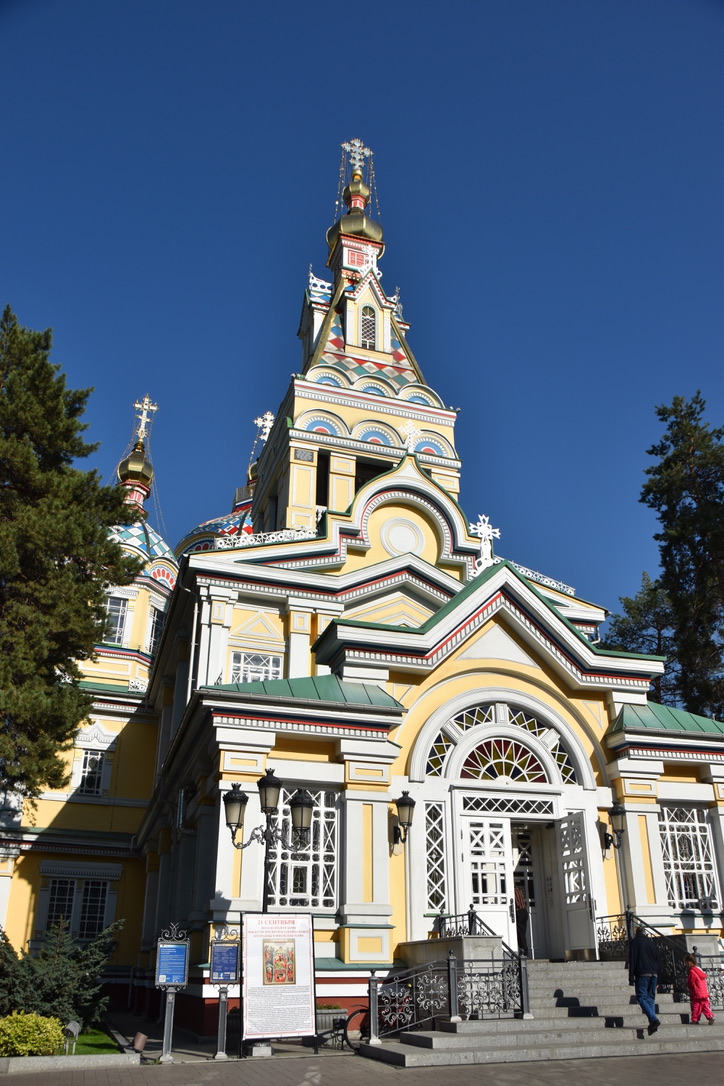
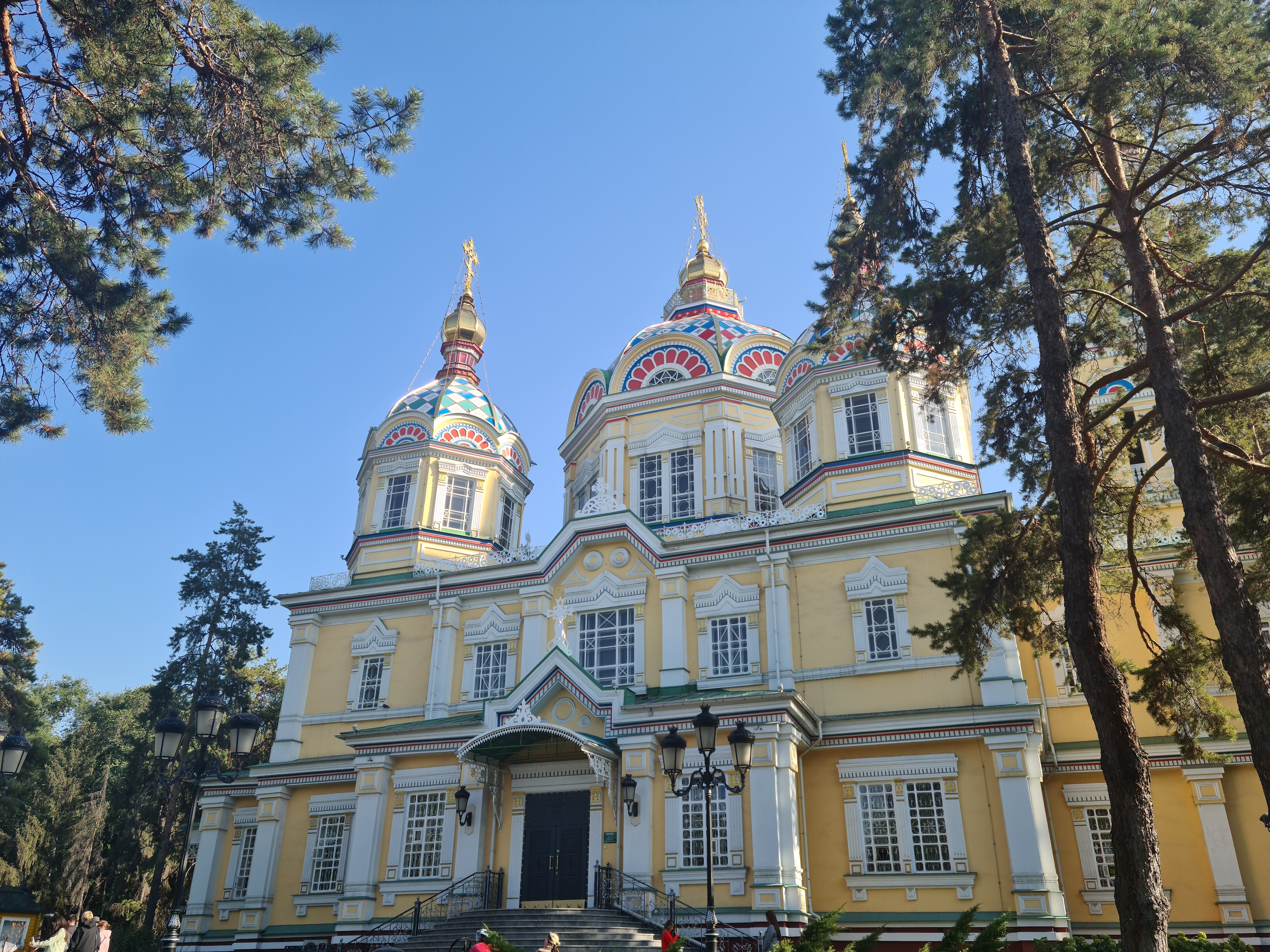
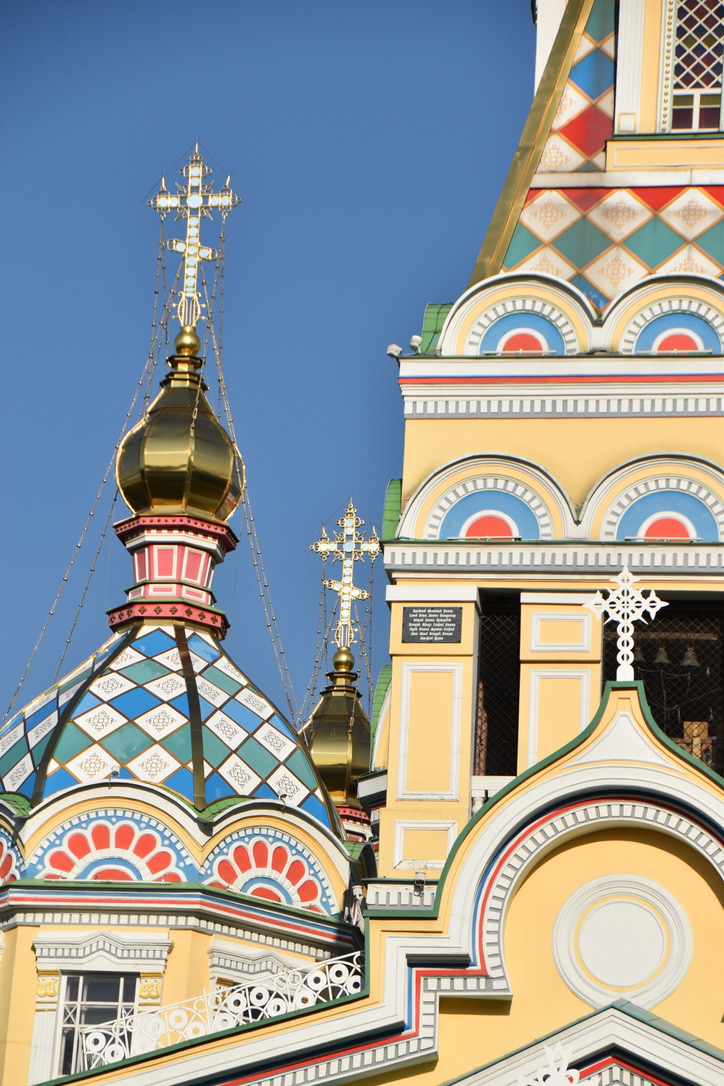

The tour was a good snapshot of Almaty and Marina was generous in taking and answering questions. We listened as she explained that Kazakhs were generally a smaller people now, as they didn’t all have the laborious jobs of ancestors, who would toil in the fields and have to carry pails of milk around. “Does that help you understand weight?” she answered a bewildered Ana. “Well, yes, I suppose…but I was actually asking about the minimum wage…”.
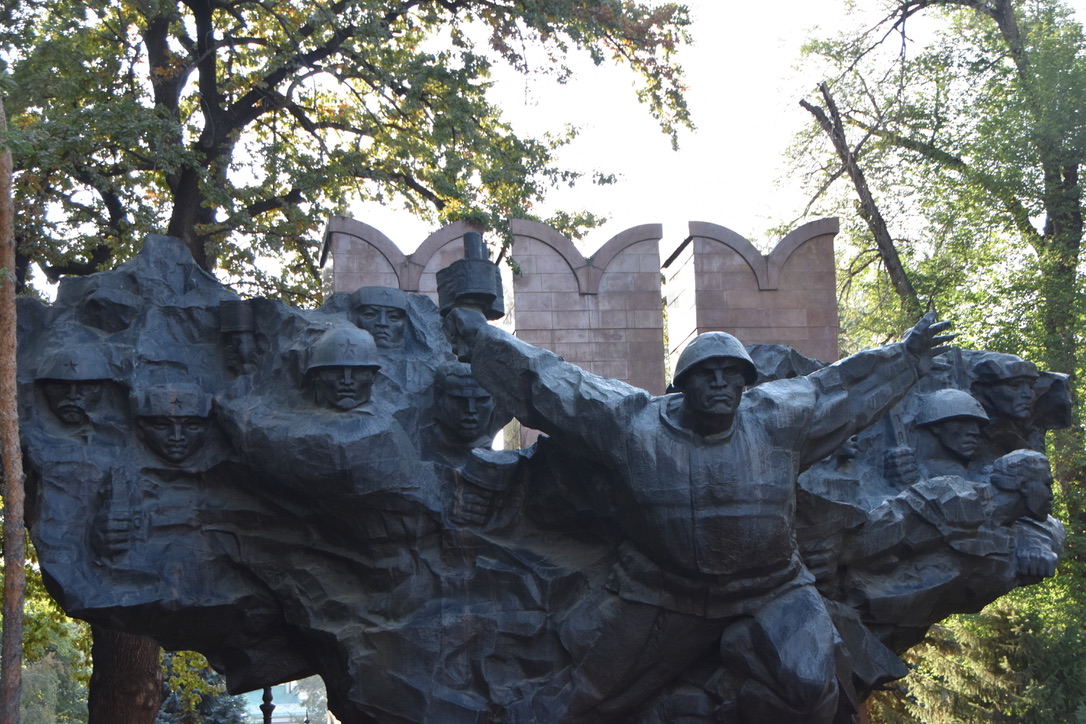


Second World War memorial
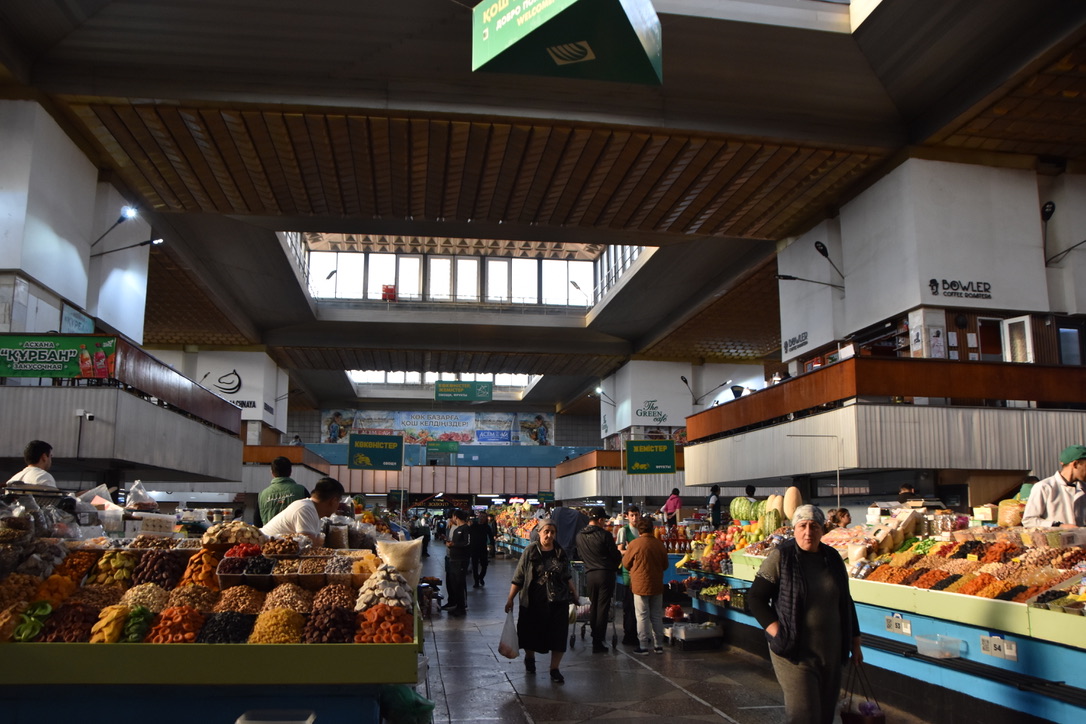

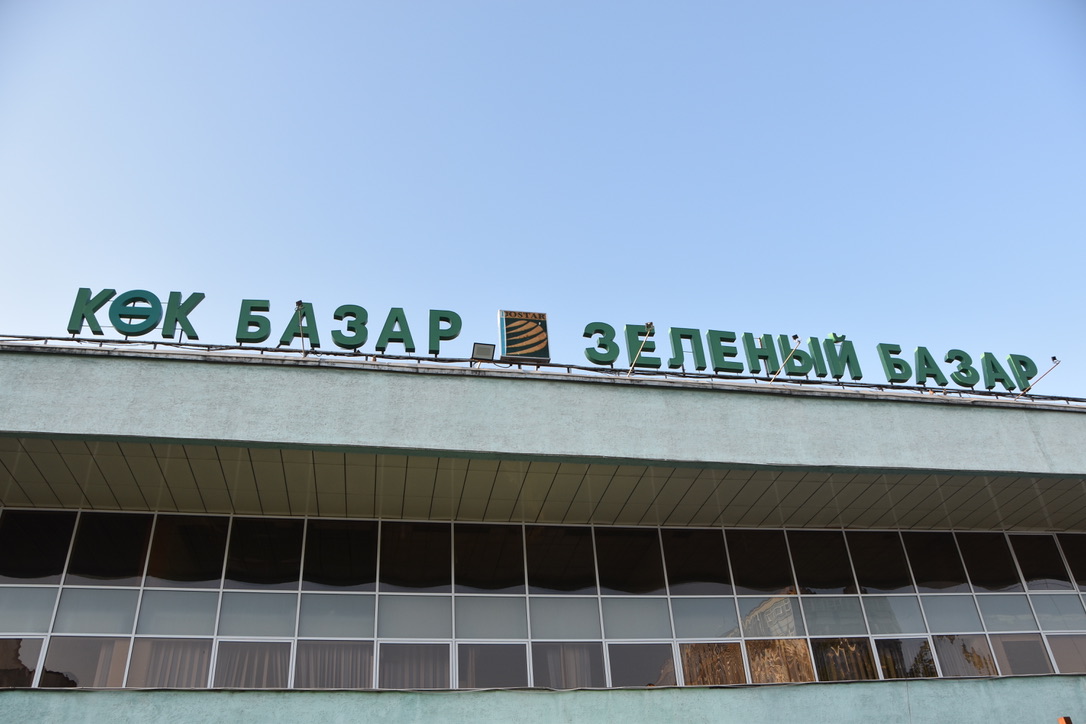
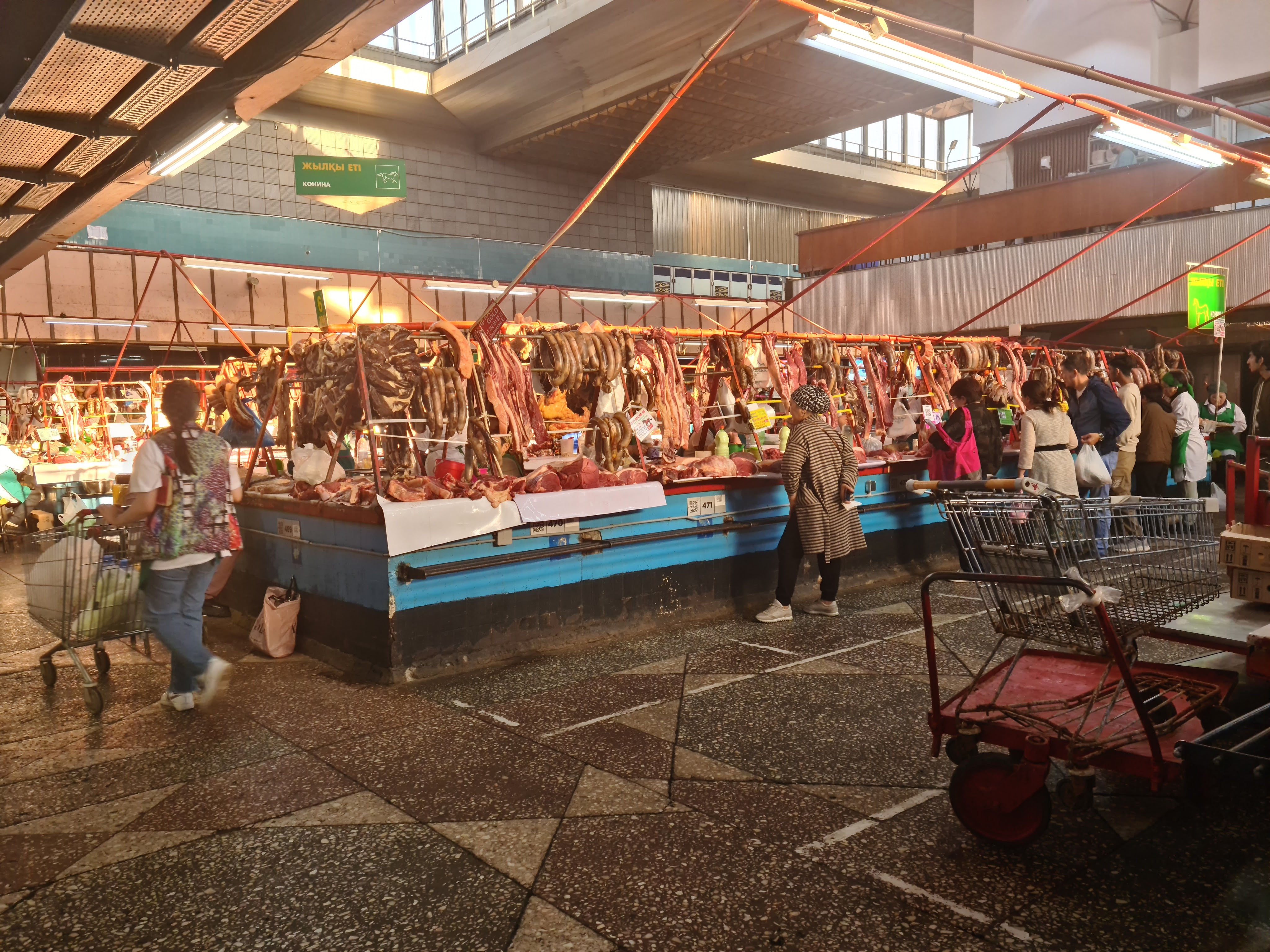
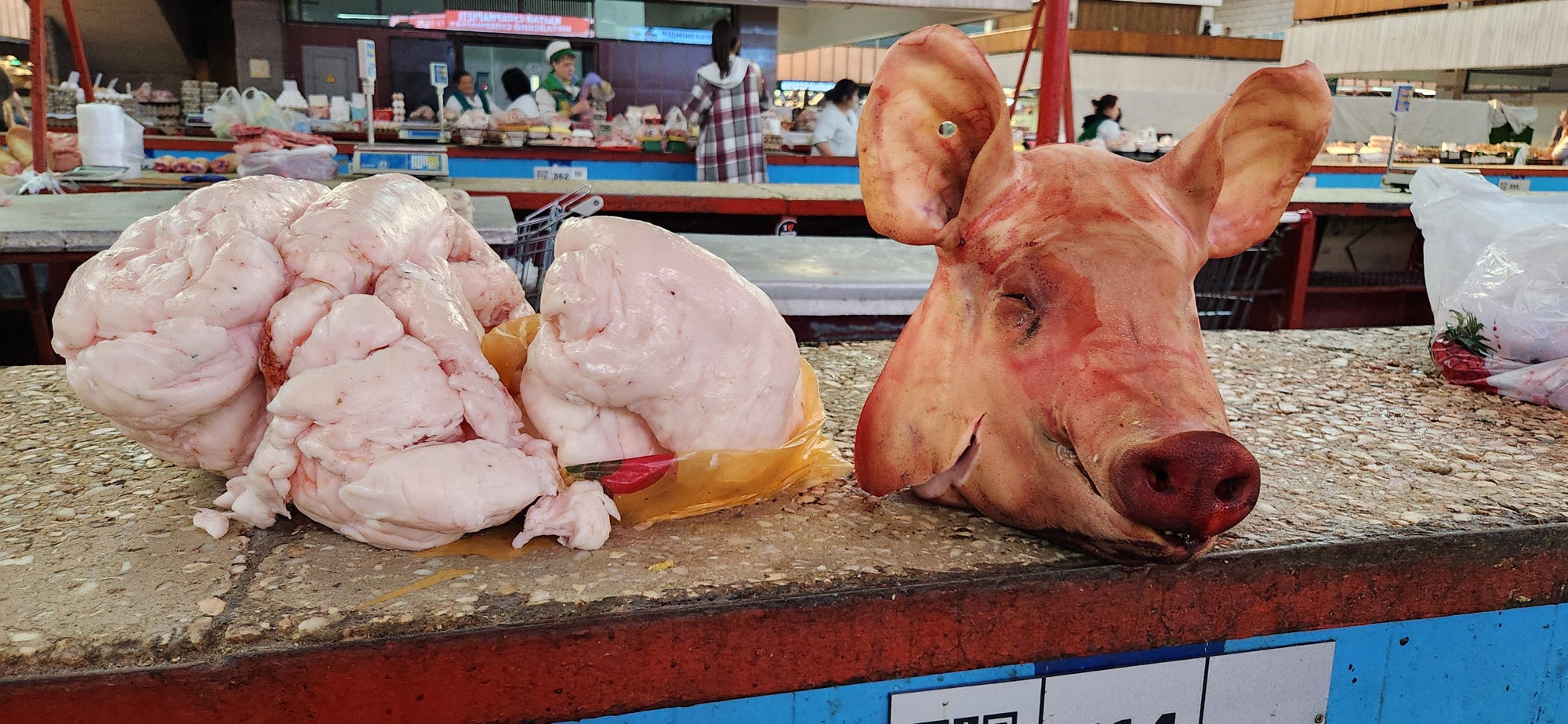
Green Bazaar including horsemeat section. Photo credit for bottom 2 pics: Cherie Allen
As the sunset fell around the Independence Monument, unbelievably this marked the end of our final day in Kazakhstan. For the ninth largest country in the world by land mass, two full days was a surprisingly short amount of time to be spending there. That said, 40% is made up of the barren grassland steppes, but some day I would like to see the Sci-Fi cityscapes of Astana.
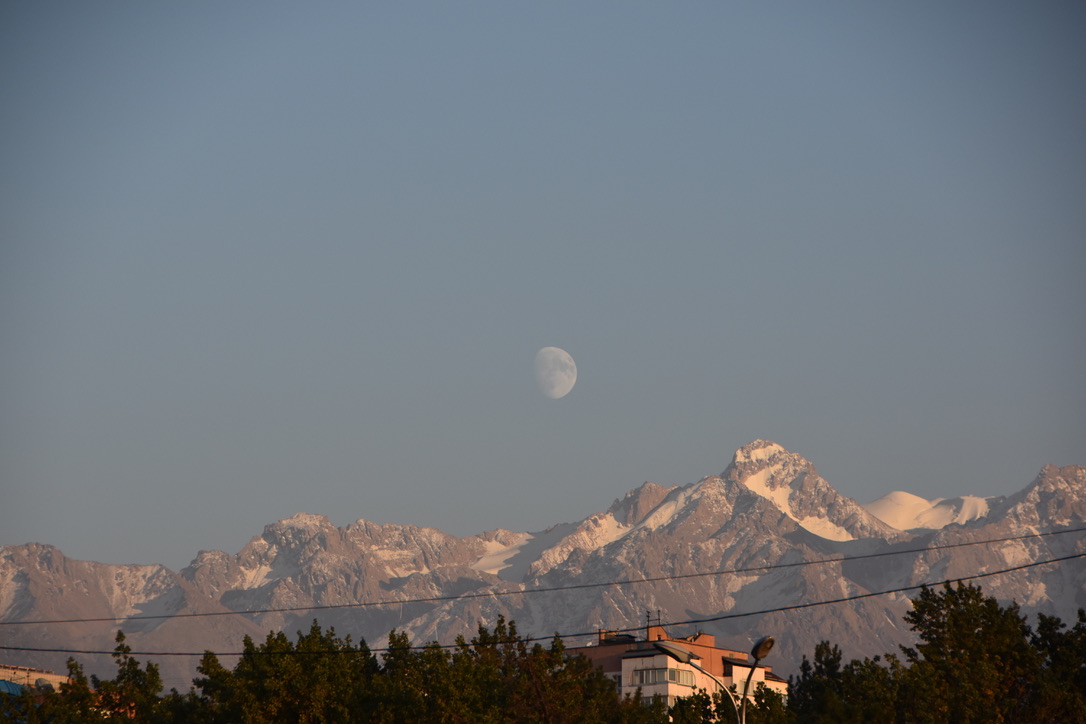
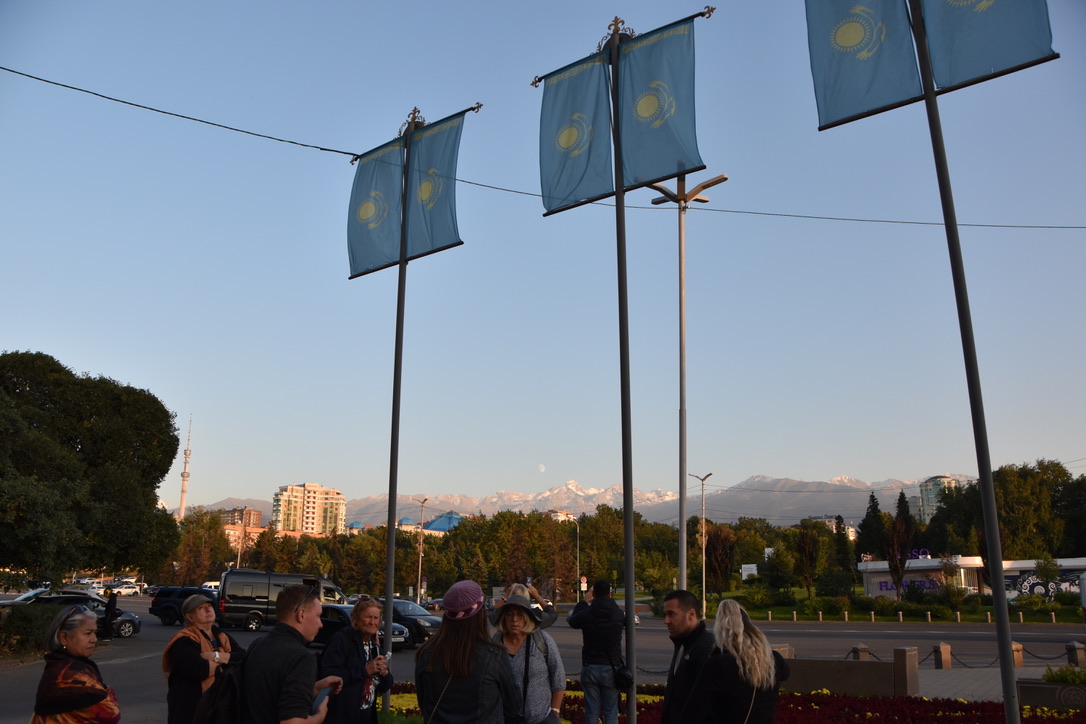
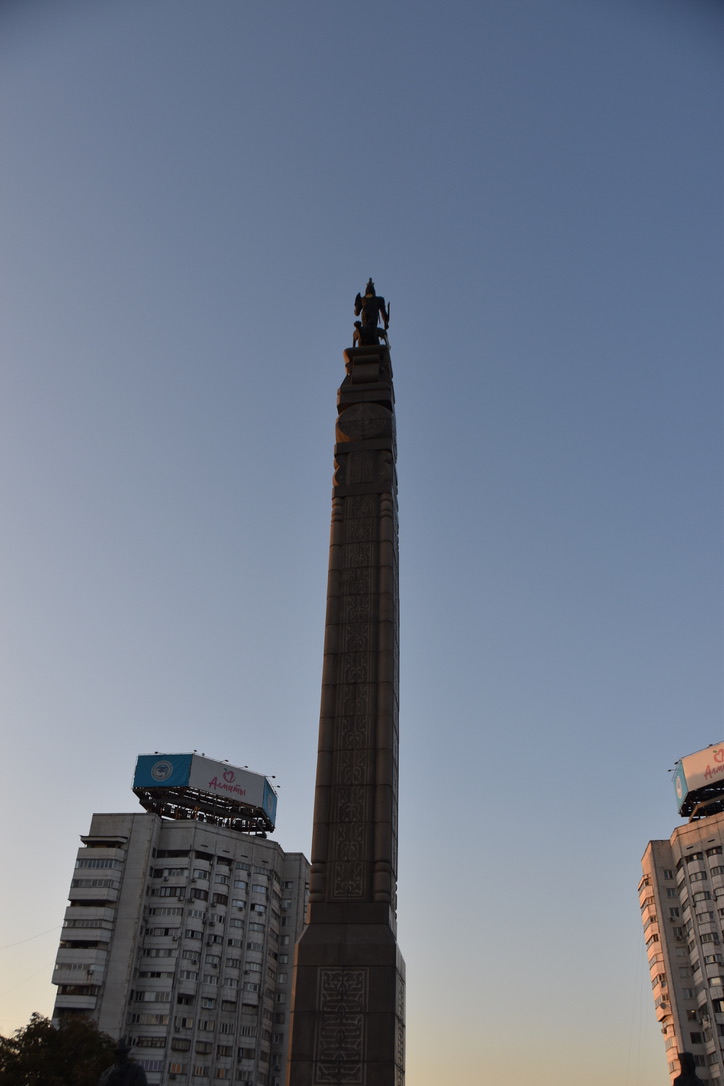
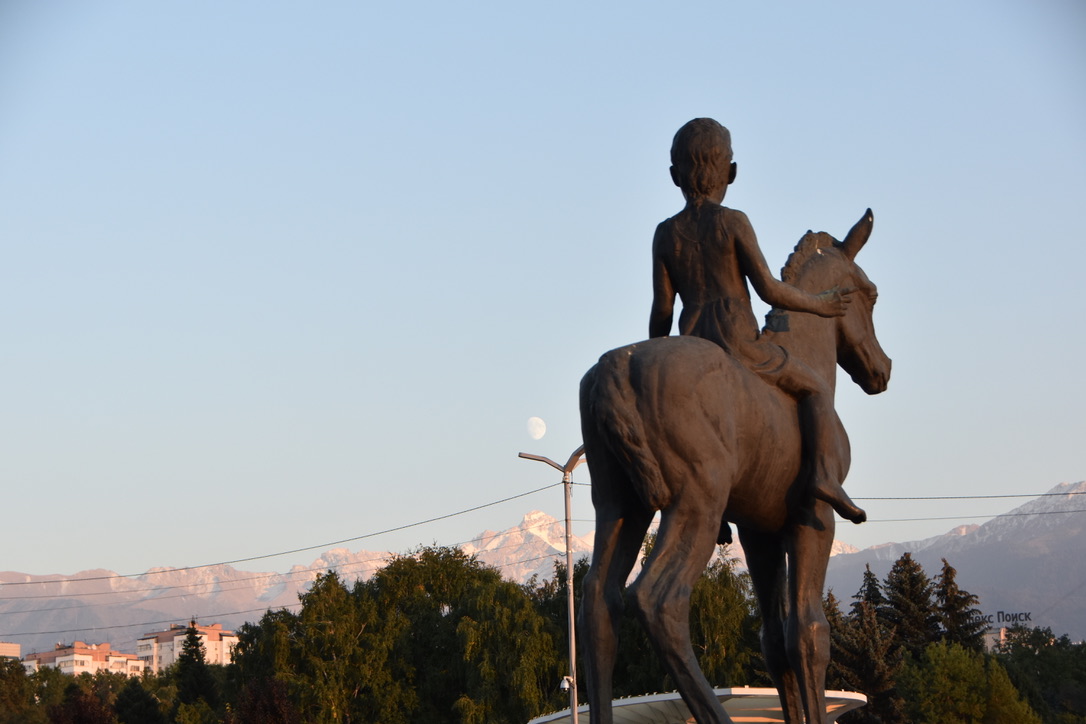
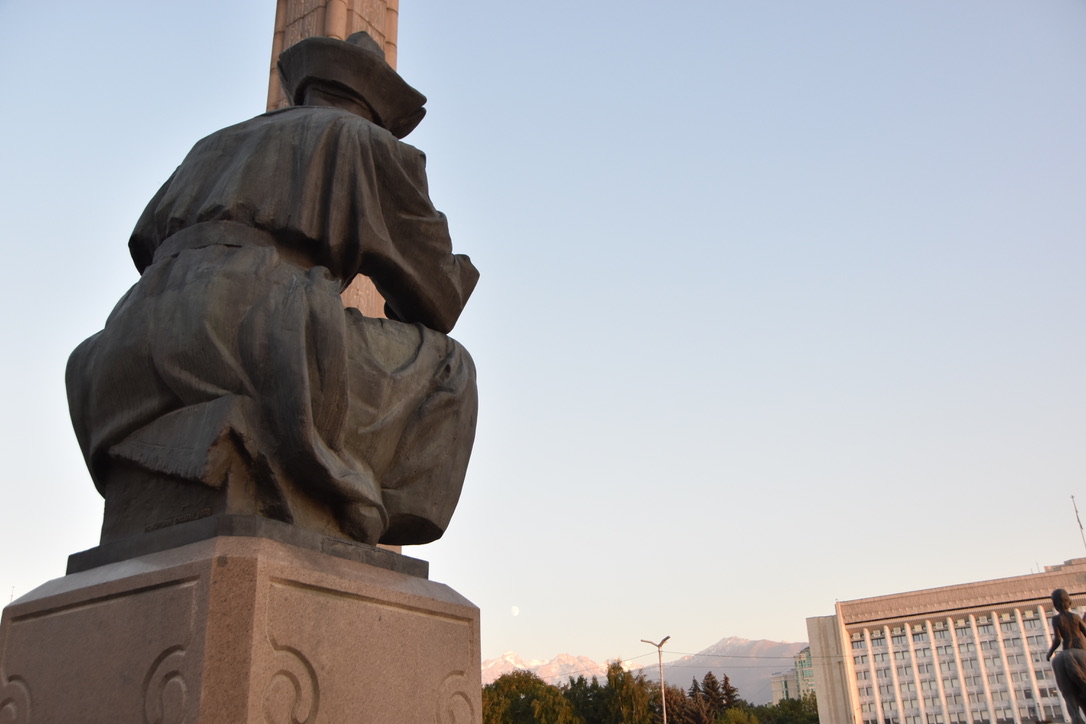
With very full days and a huge variety of landscapes, it felt like we had covered an insane amount in just our first week. It was fair to say that I wasn’t questioning Ricki’s tour choice any longer.
Tash’s Treats
Courtesy of the homestays and local visits arranged by G Adventures, we were able to experience a myriad of cultures that make up Central Asia.
There were Chinese noodle soups, Russian stroganoff and Uyghur Muslim stews and breads. Accompaniments like boursaki (fried dough) or snacking foods like samsa (just as the name sounds, like samosas). Even the appearance of these meals was a feast for the eyes, as our hosts often went to town setting the table. Usually it would be finished off with melon and a variety of Kyrgyz and Kazakh pick and mix, to this sweet-tooth’s delight.
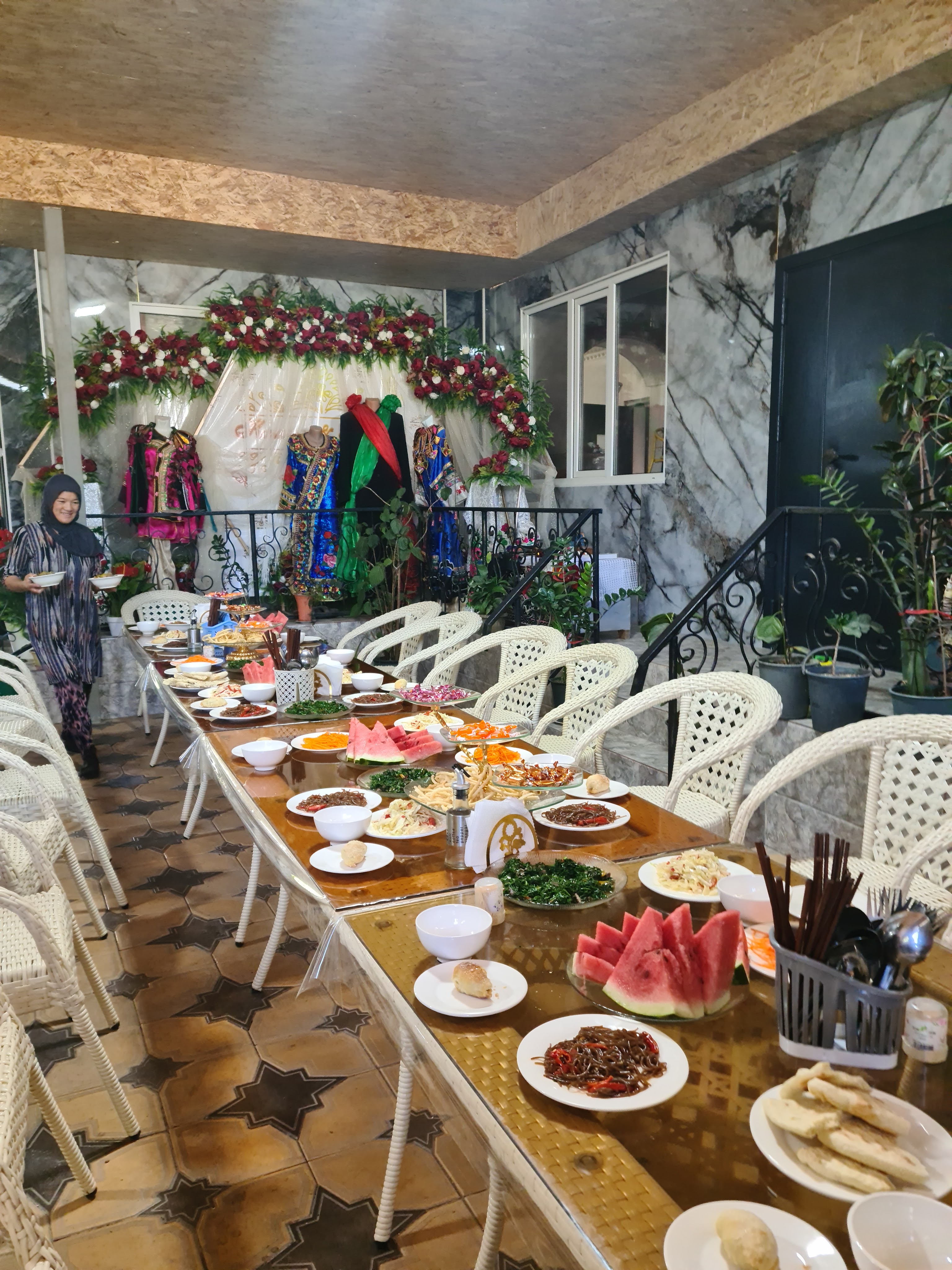

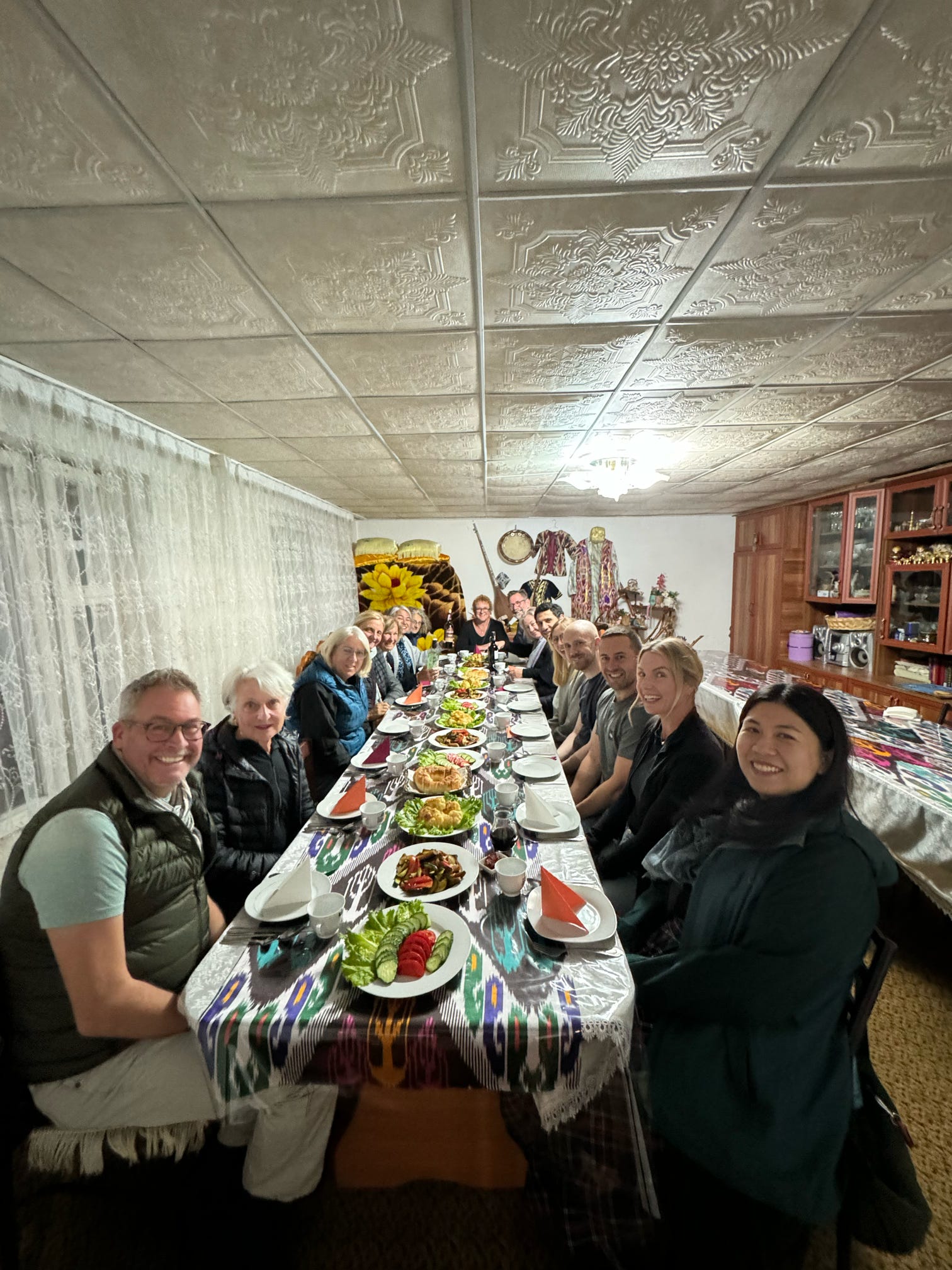
Chinese and Uyghur dining, including a very happy host. Photo credits: Anne Robinson and Marlene Fogel
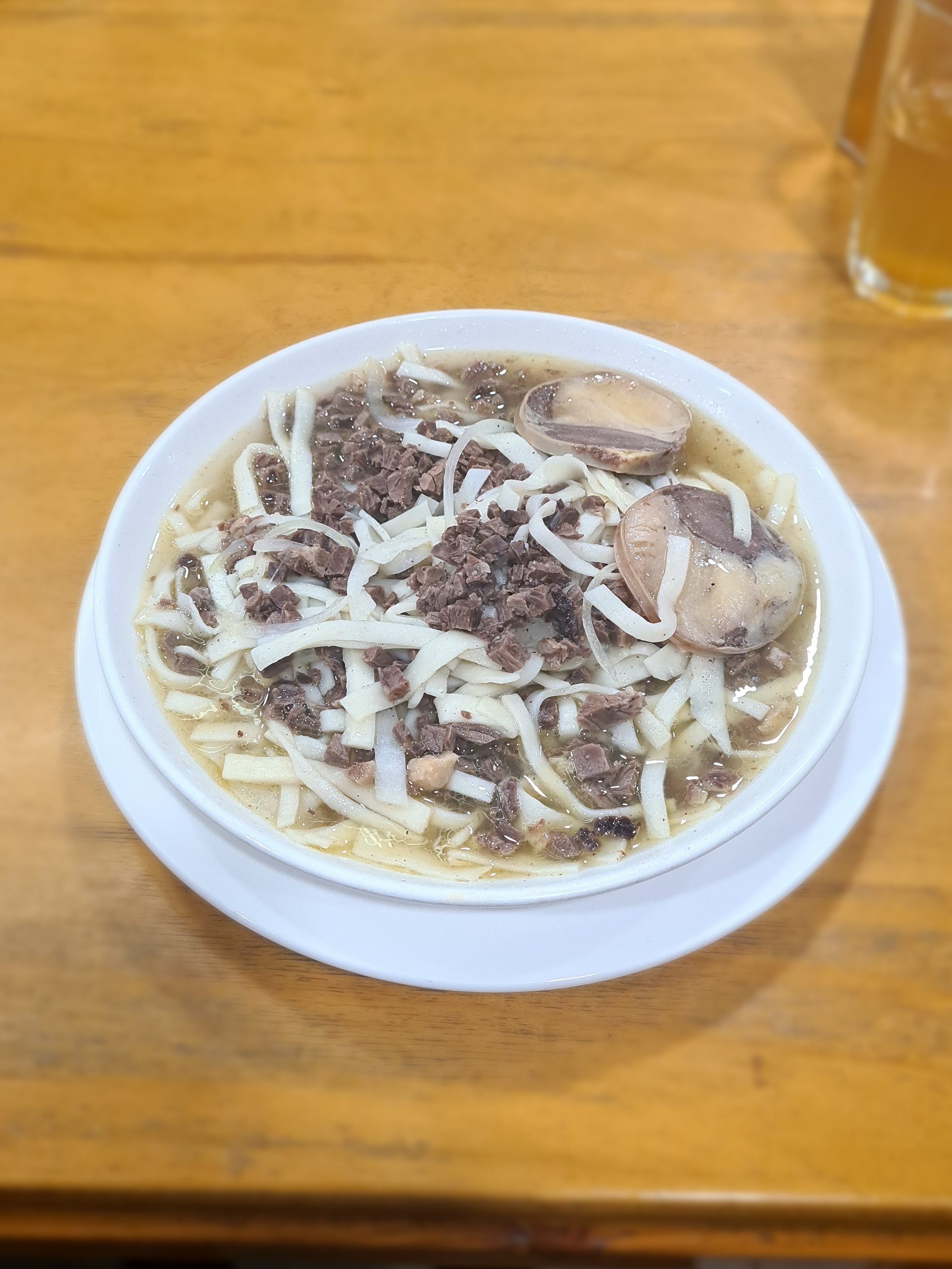
For a true taste of Central Asia, we also had to try the region’s meat delicacy, and gave horse a go for the first time (assuming Tesco didn’t get to us in the 2010s). The horse and noodle stew was tasty at first, but despite being quite lean, a fattiness in the broth became a little cloying after a while.
For the most part, drinks were either black or green tea. However as part of our city tour, Ivan had us try chalap and maksym. Both are fermented drinks. One tasting like beer milkshake. The other tasting like curdled beer. Pick your poison.
And on that note, we come to possibly the worst thing I’ve tried tasted all year: kurt. For some reason, when Jenni mentioned “those little things are quite unpleasant”, I had a “don’t press the big red button” moment, and put the whole innocuous looking white, crumbly thing in my mouth. Little ball, big mistake. It’s a cheesy snack revered by nomads, but soooo salty. Any discernible flavour was completely wiped out, as well as, it felt like, 35% of my taste buds. While some do snack on them, others (sane people) use them more often as a seasoning. Personally I won’t be trying this, as I think I’ve used up my life’s allowance of them in one go.
 A Place Both Wonderful and Strange - Tash & Ricki's Career Break Travels
Leave a comment