
Perhaps fittingly given the metaphorical bumps in the road throughout Tajikistan, the border crossing was equally as frustrating. It was possibly the most drawn out we’ve experienced all year, as we walked over 1km with all our bags between various control points in the midday heat. Luckily I managed to avoid losing my temper when a Russian diplomat, who looked like he could eat me for breakfast, was able to skip in front of me with delegation in tow.
The torment was partially self-inflicted, as we had turned down a paid shuttle service between control points. Given we’d be travelling most of the day in the minibus, we had wanted to get some exercise in. And of course, we are tight-fisted Scots.
Eventually we emerged into Uzbekistan, where Siyovush, no doubt gleefully, handed us over to Ganisher. I’d have loved to have earwigged on that particular conversation. As it turned out, Ganisher was well equipped to handle this bunch of troublesome tourists, having at one time worked as a butler in a seven star hotel in Dubai. So it was unsurprising he radiated calm composure from the off.
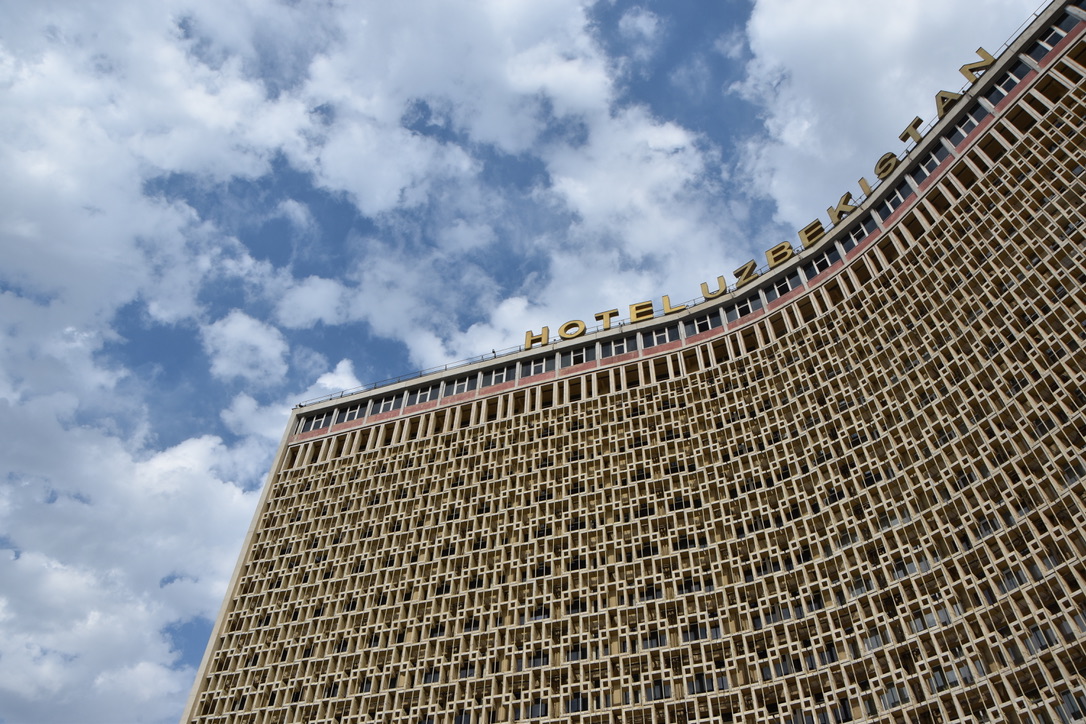
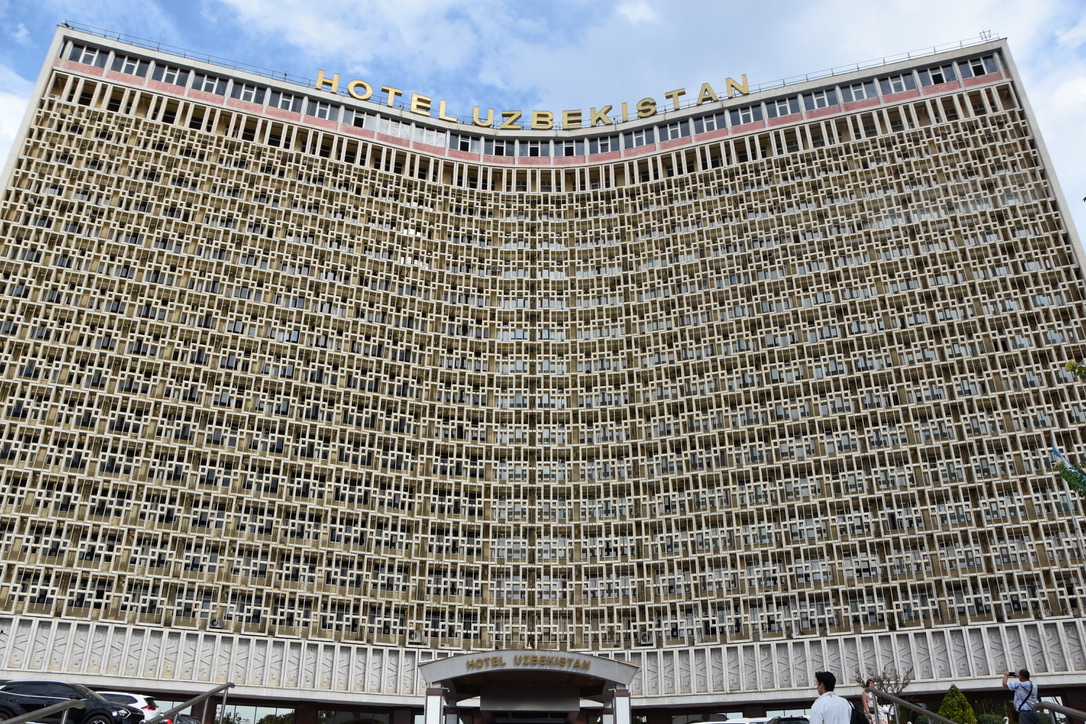
Up first in the Uzbek capital of Tashkent was an itinerary item of serious excitement – one and half days of free time. Nearly 36 hours sans socialising if we needed it. And this pair of introverts certainly did.
Unfortunately, Ricki was suffering from the same gastric issues that were troubling several members of the tour and his free time was spent resting and recovering.
After trying to navigate several Uzbek pharmacies on Ricki’s behalf with various levels of success (well, at least I understood “nyet”), I headed off on a self-guided solo tour of Tashkent.
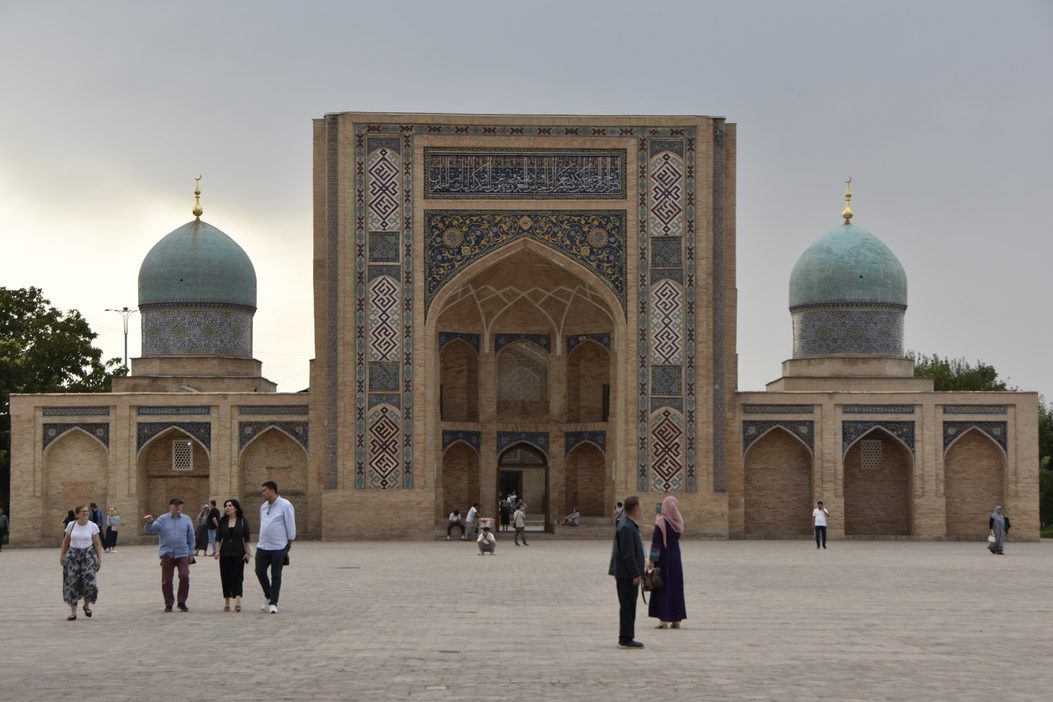
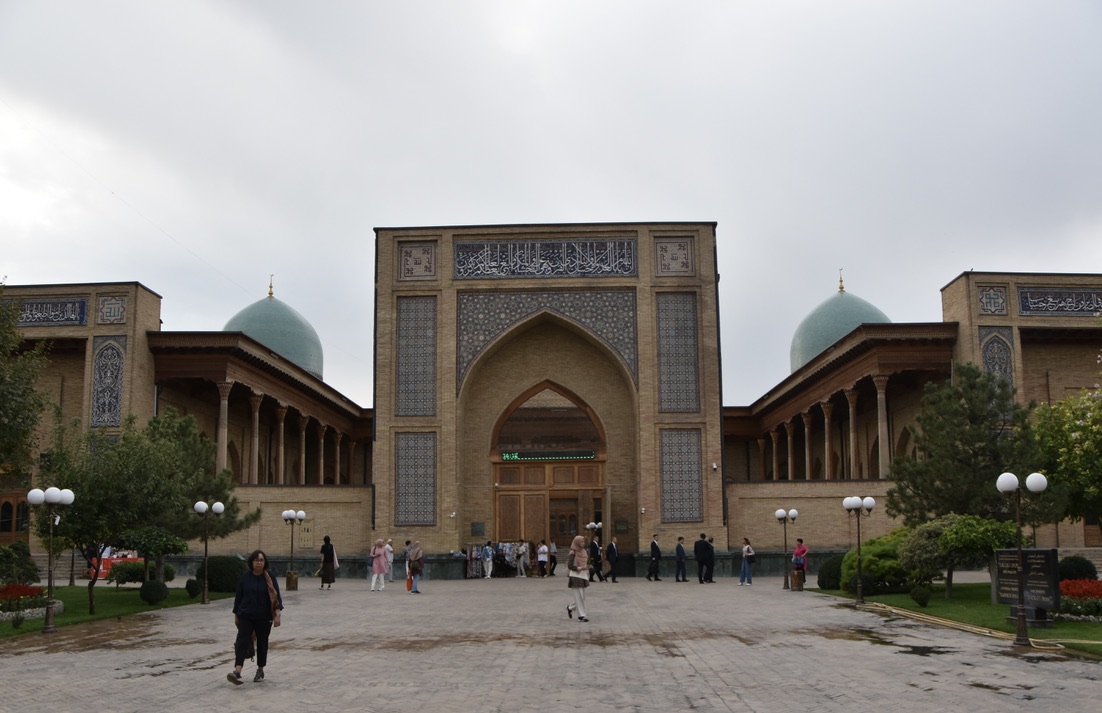

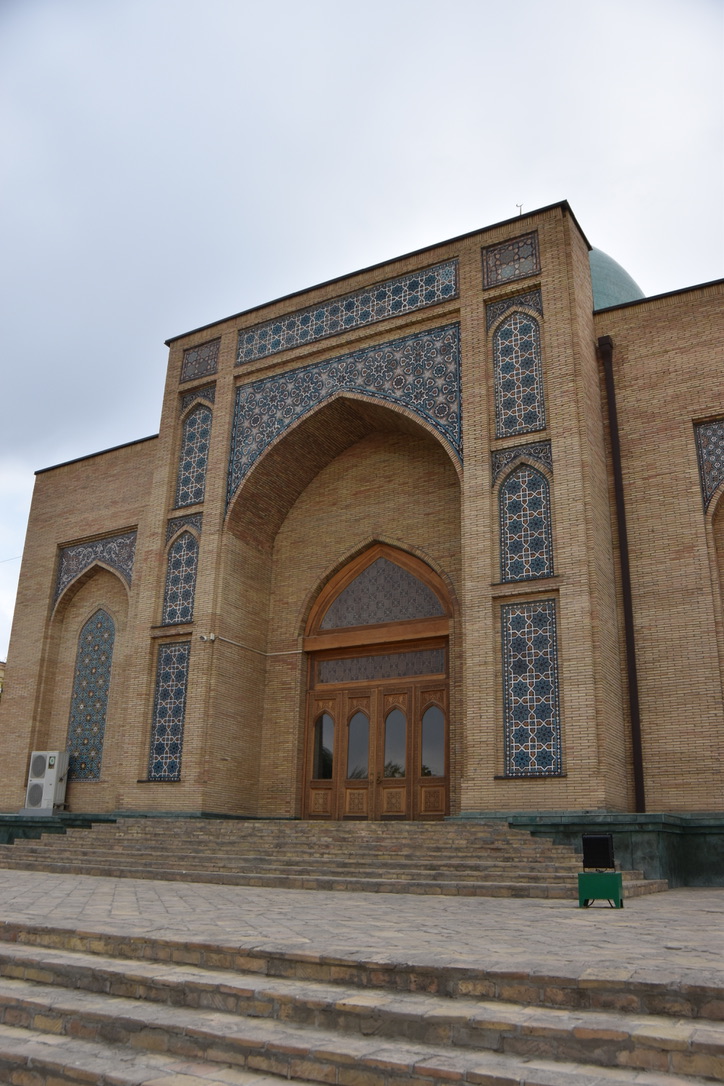
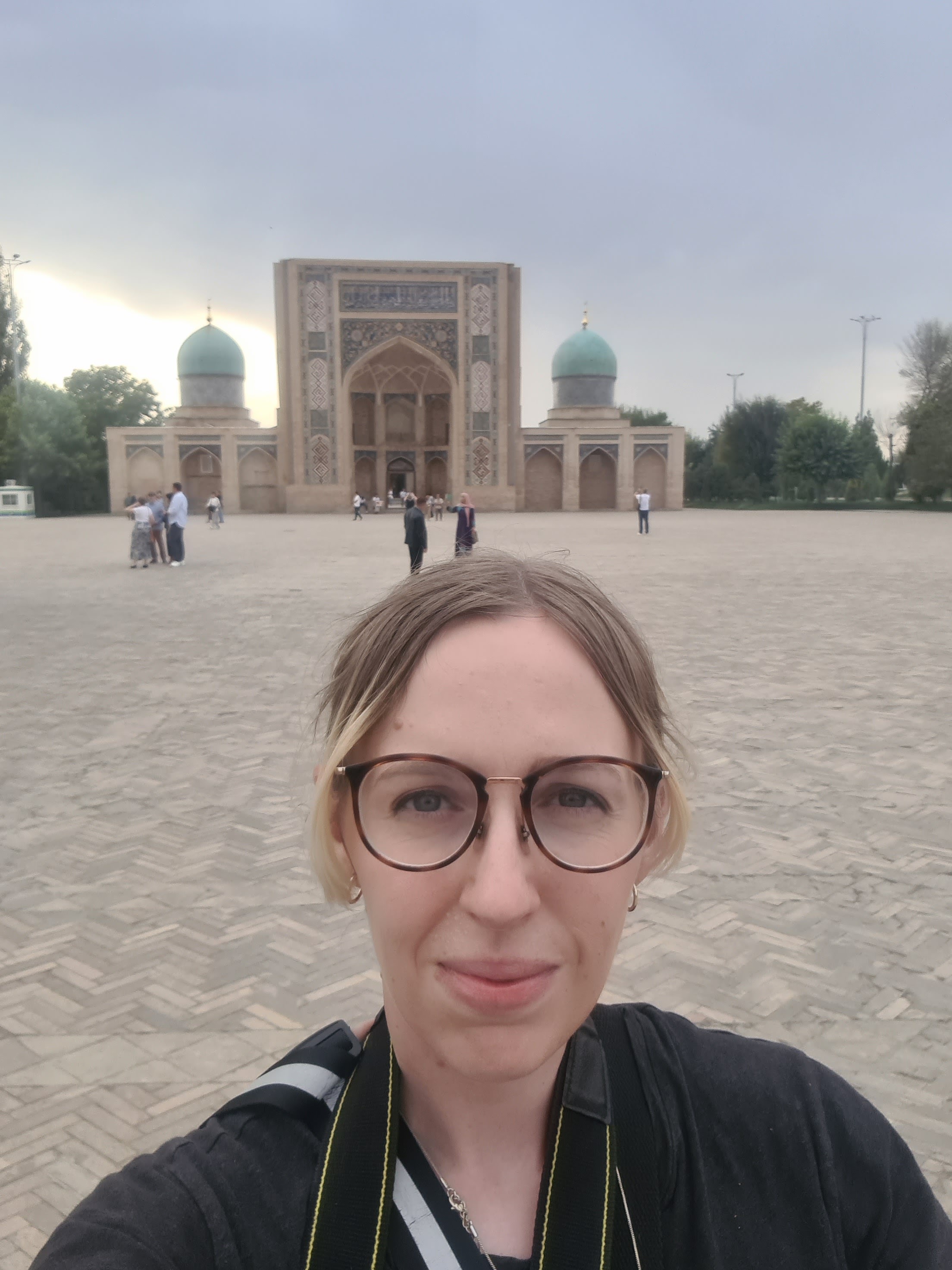
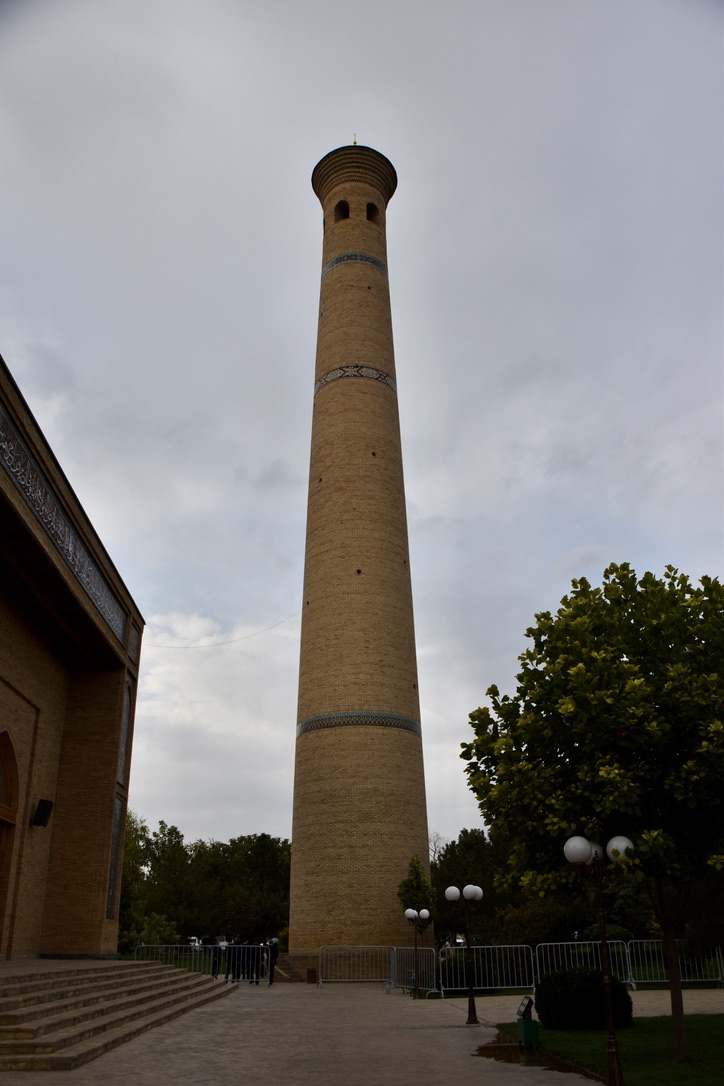
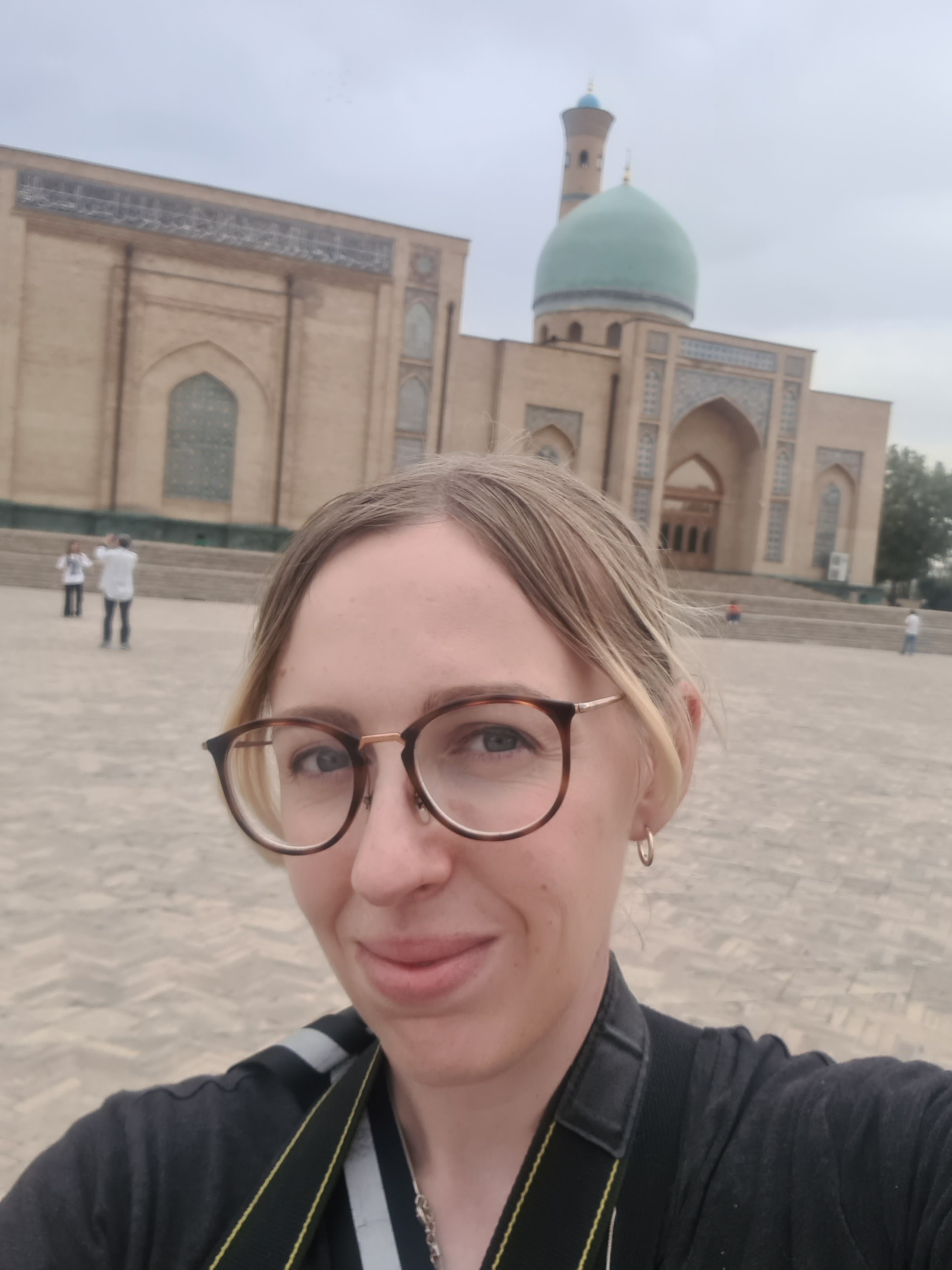
Hazrati Imam complex – the oldest Quran in the world is kept in the library here
As with the other central Asian capitals, it’s an interesting blend of Islamic, Soviet and modern architecture, but I’d say it feels the most westernised, with plenty of English speaking cafes and restaurants.
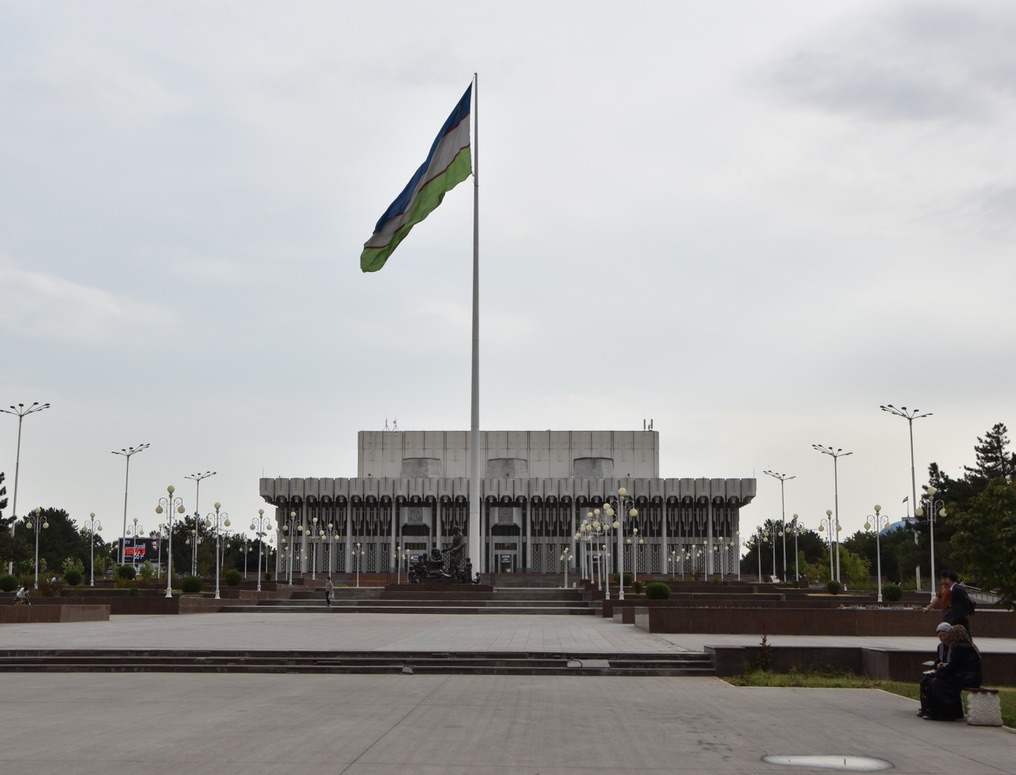
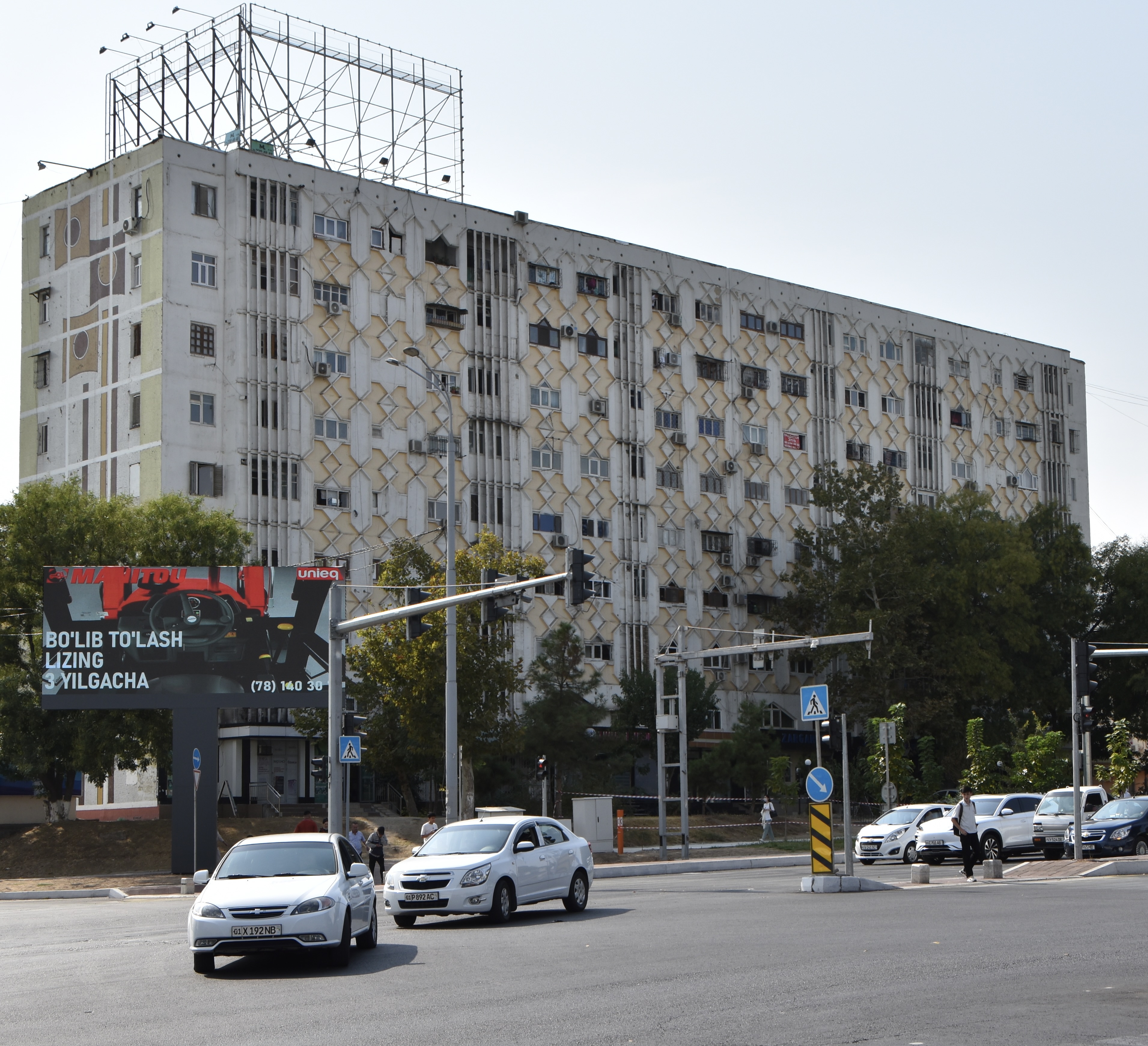
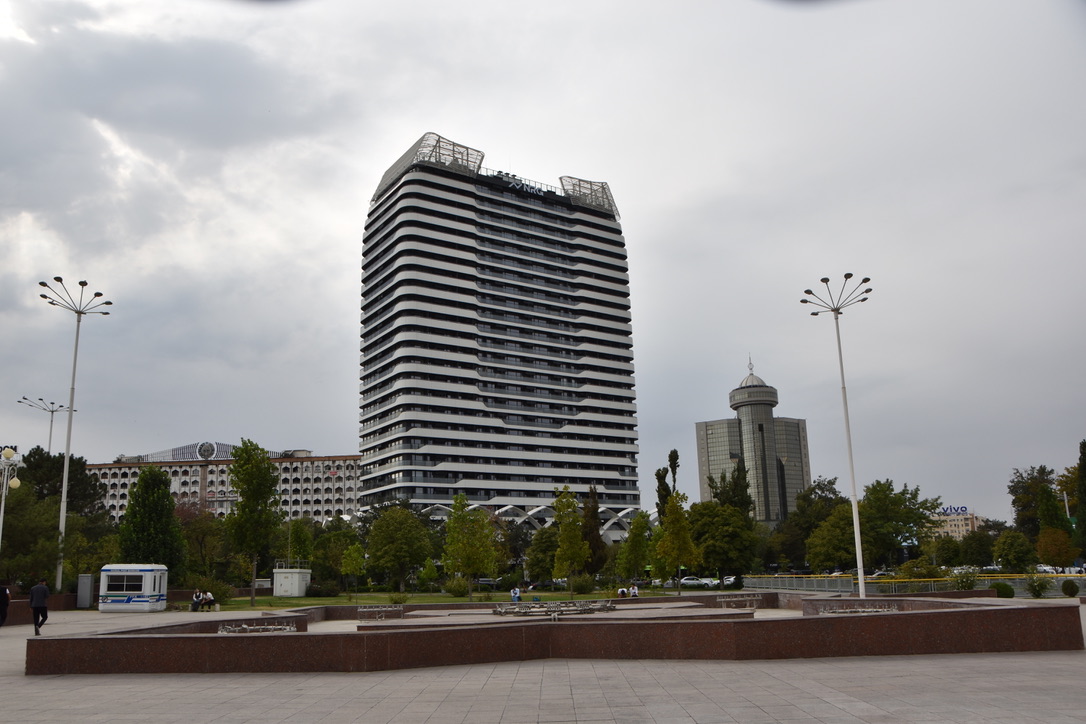
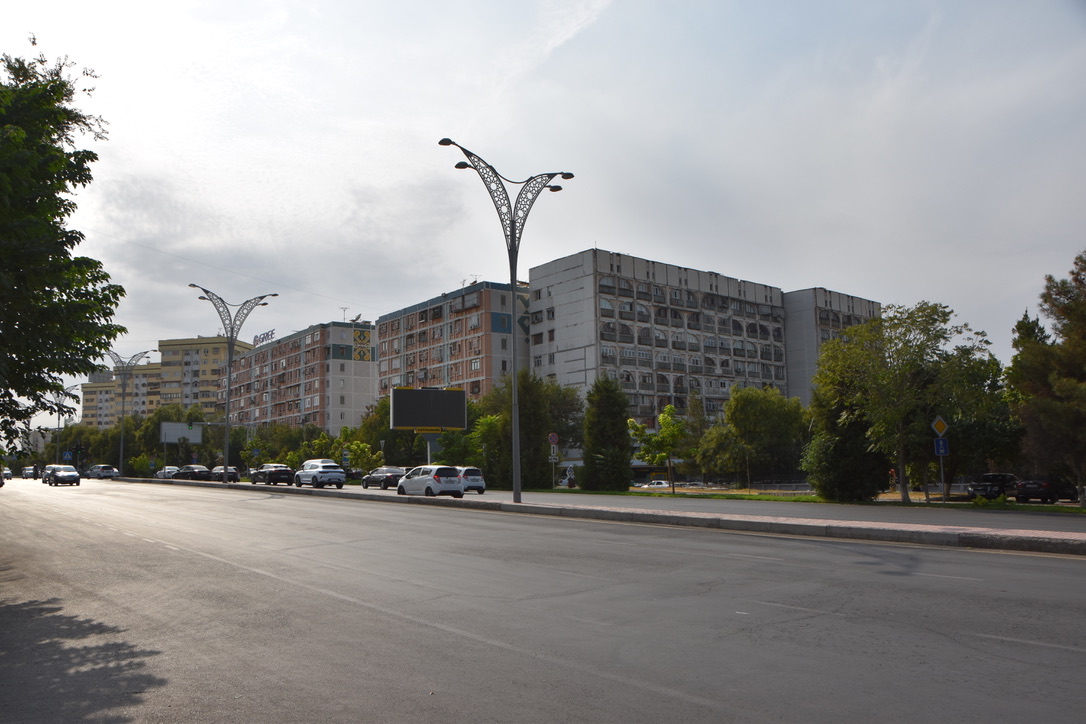
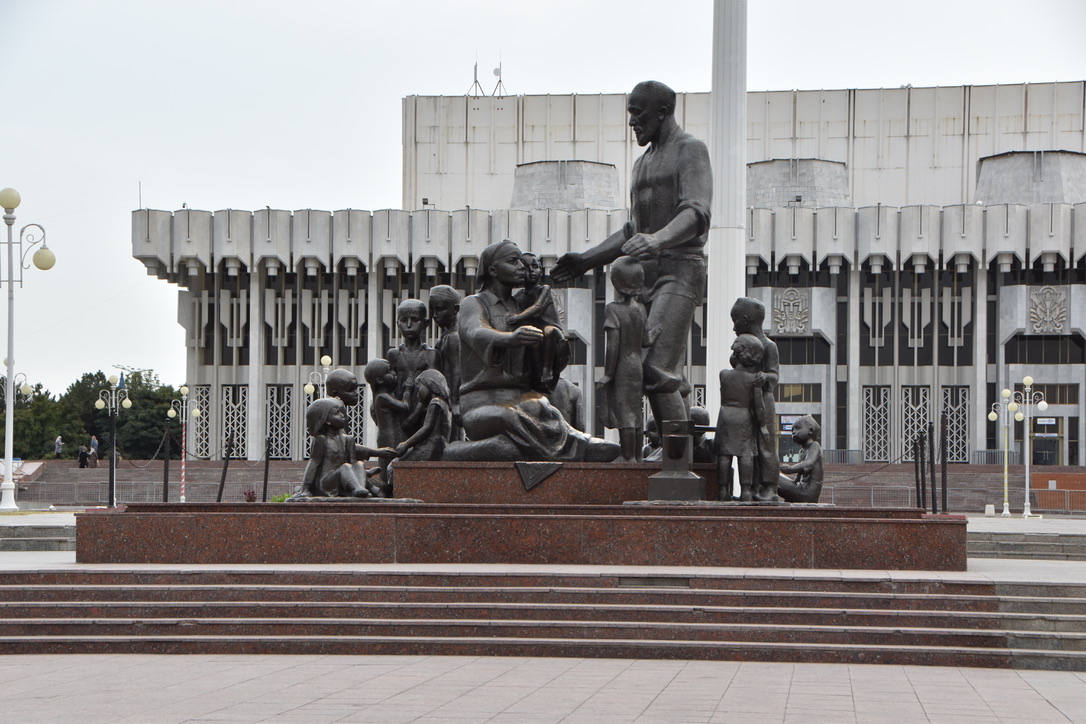
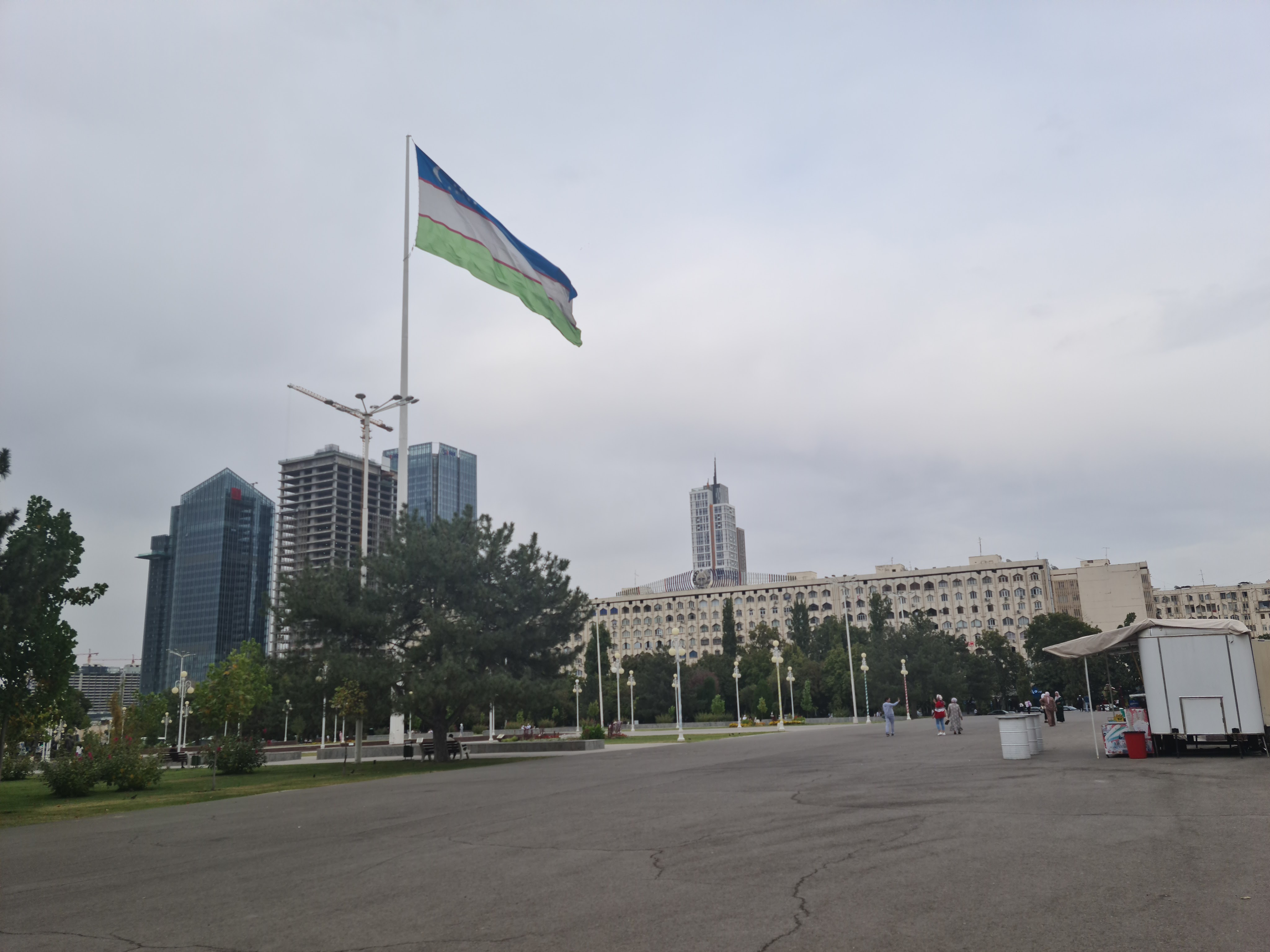
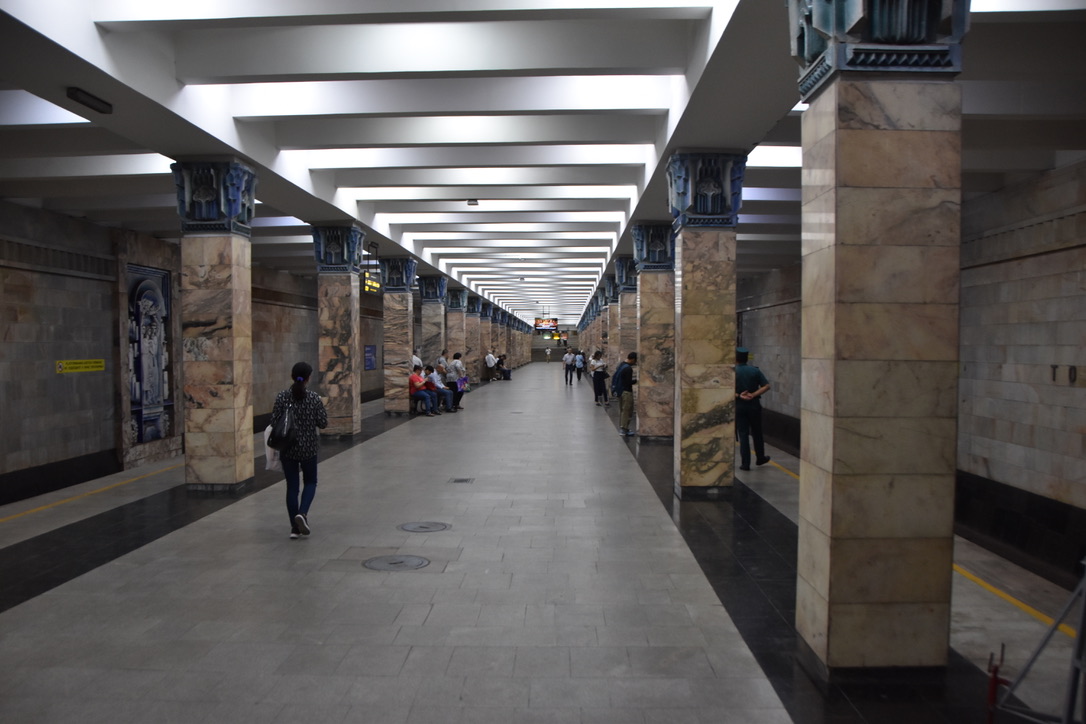
It has a great metro system – well, great from the perspective of the station decor. No dingy walkways or grubby tiles here. Less great as a foreigner when travelling between stations though. Announcements are all in Uzbek, and amid all the murals, they appear to have forgotten to add station nameplates. A mix of listening veeery carefully and counting stops kept me from still being down there today.
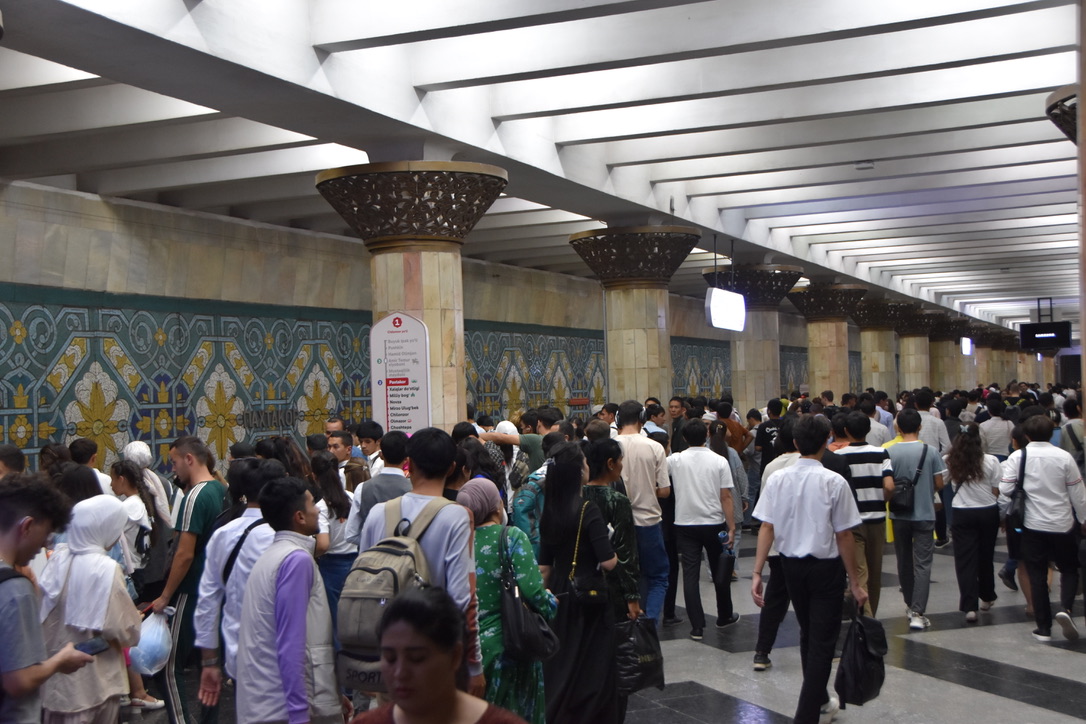


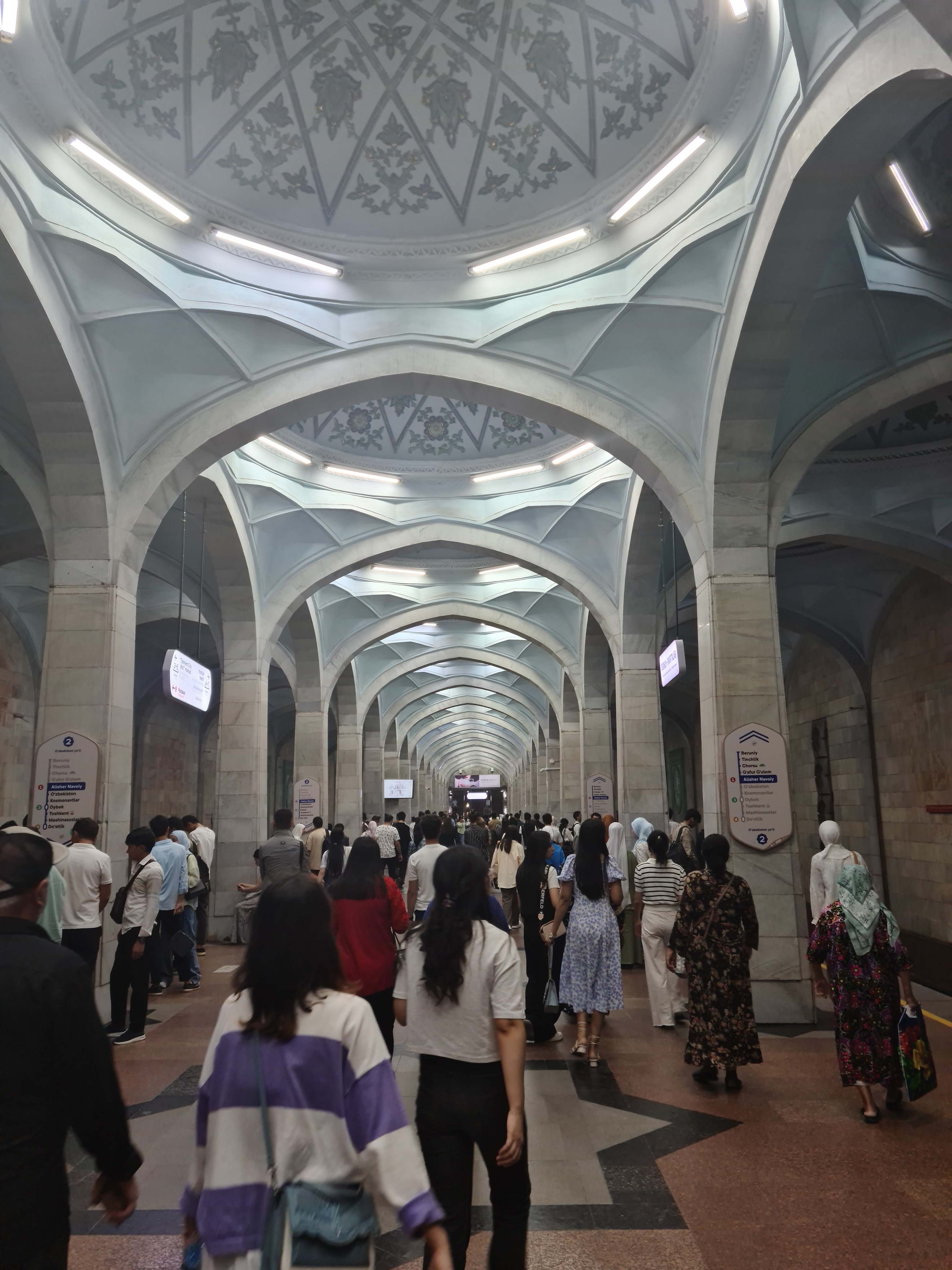


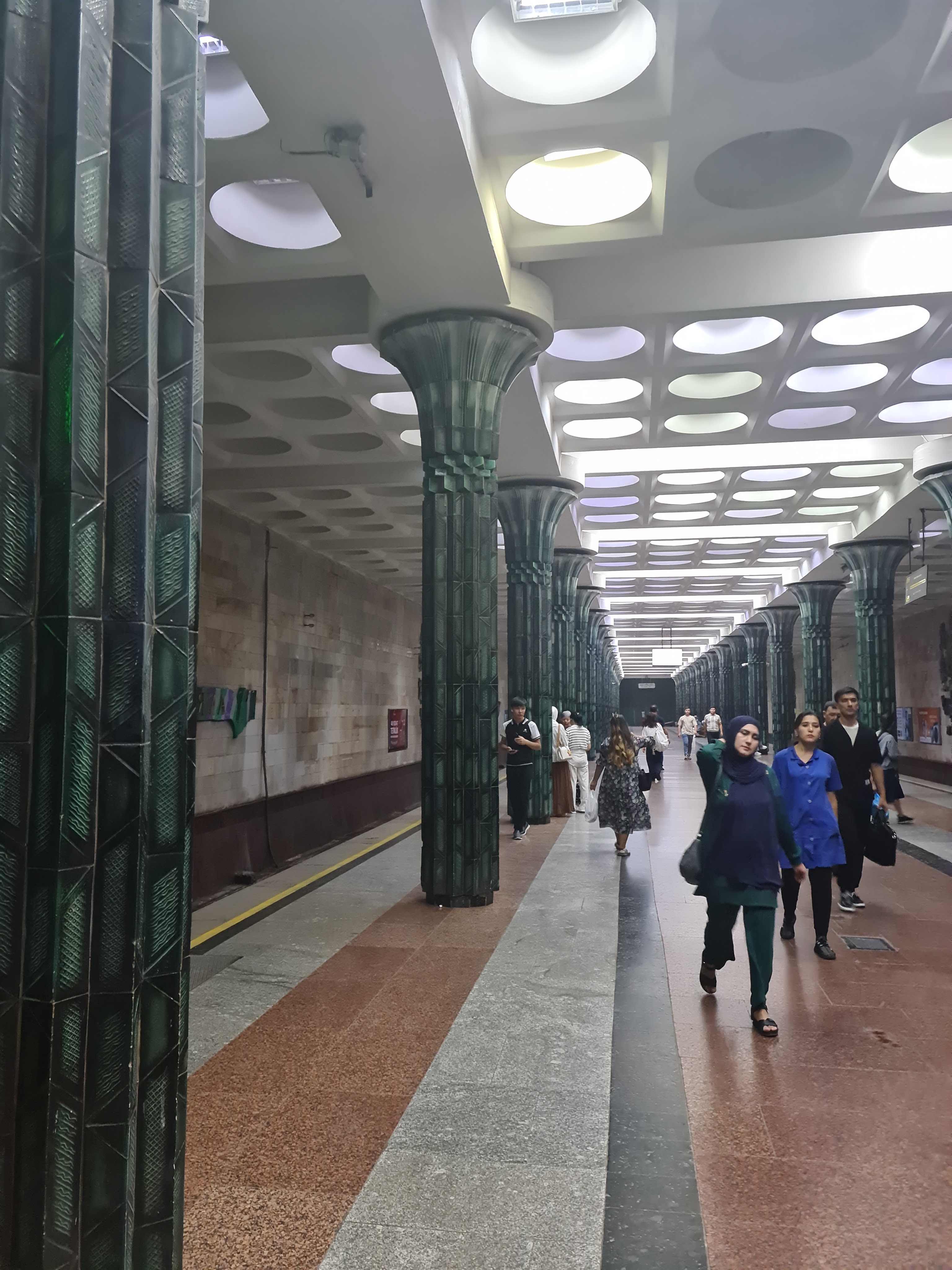
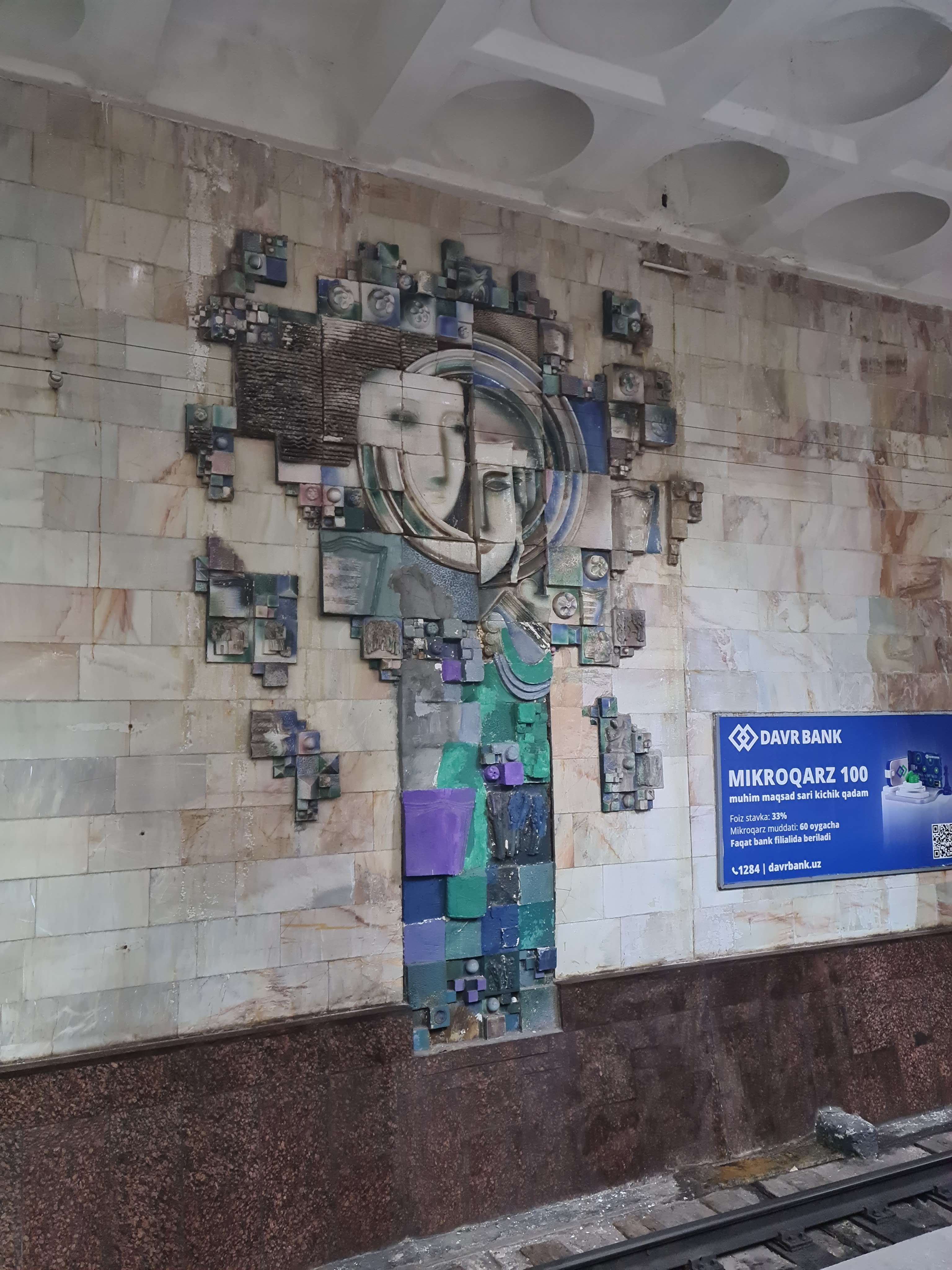
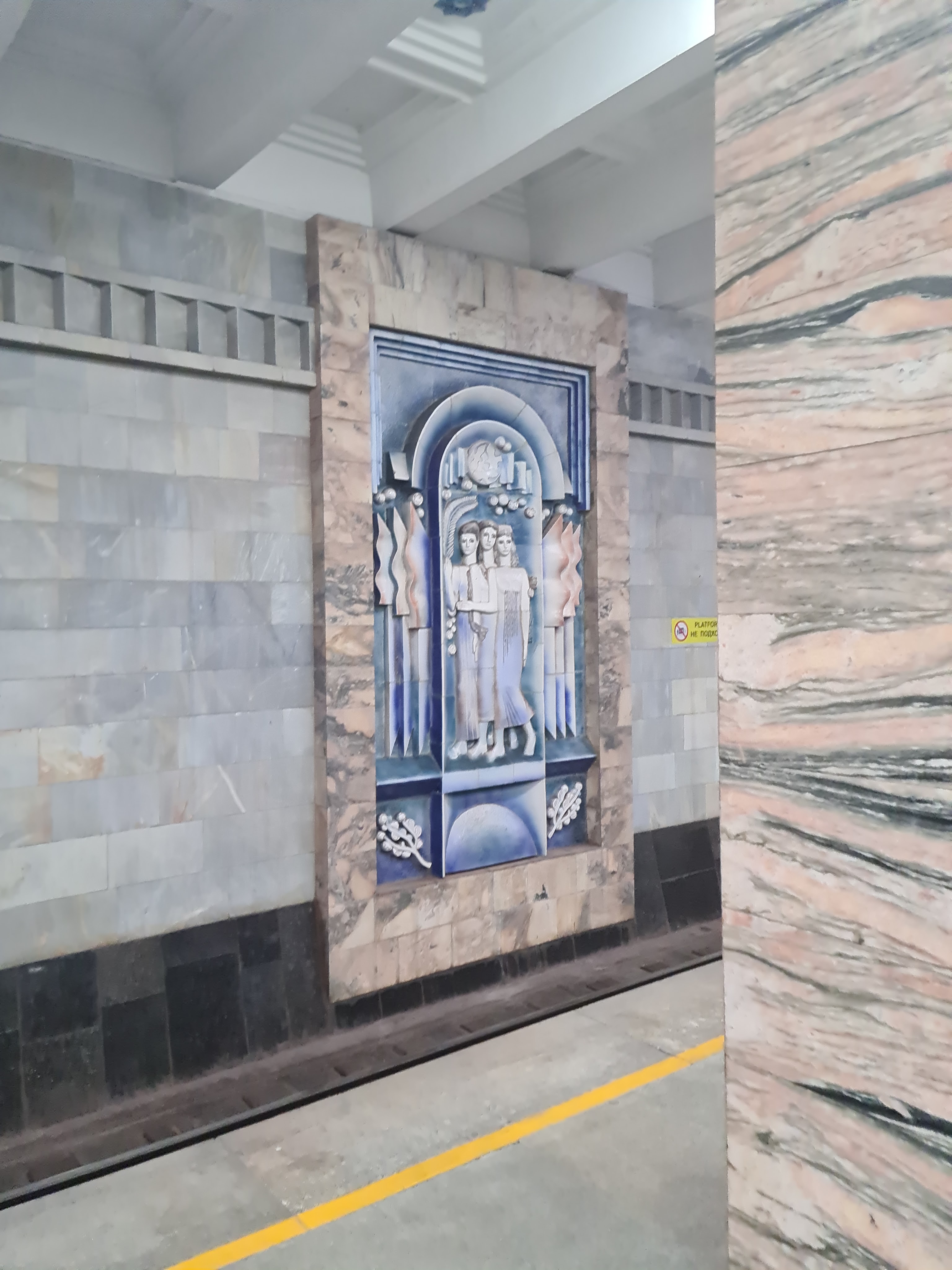
I mainly just walked and subbed around, rather than doing anything substantive. And despite the size of the city, still managed to bump into a fellow G-Adventurer.


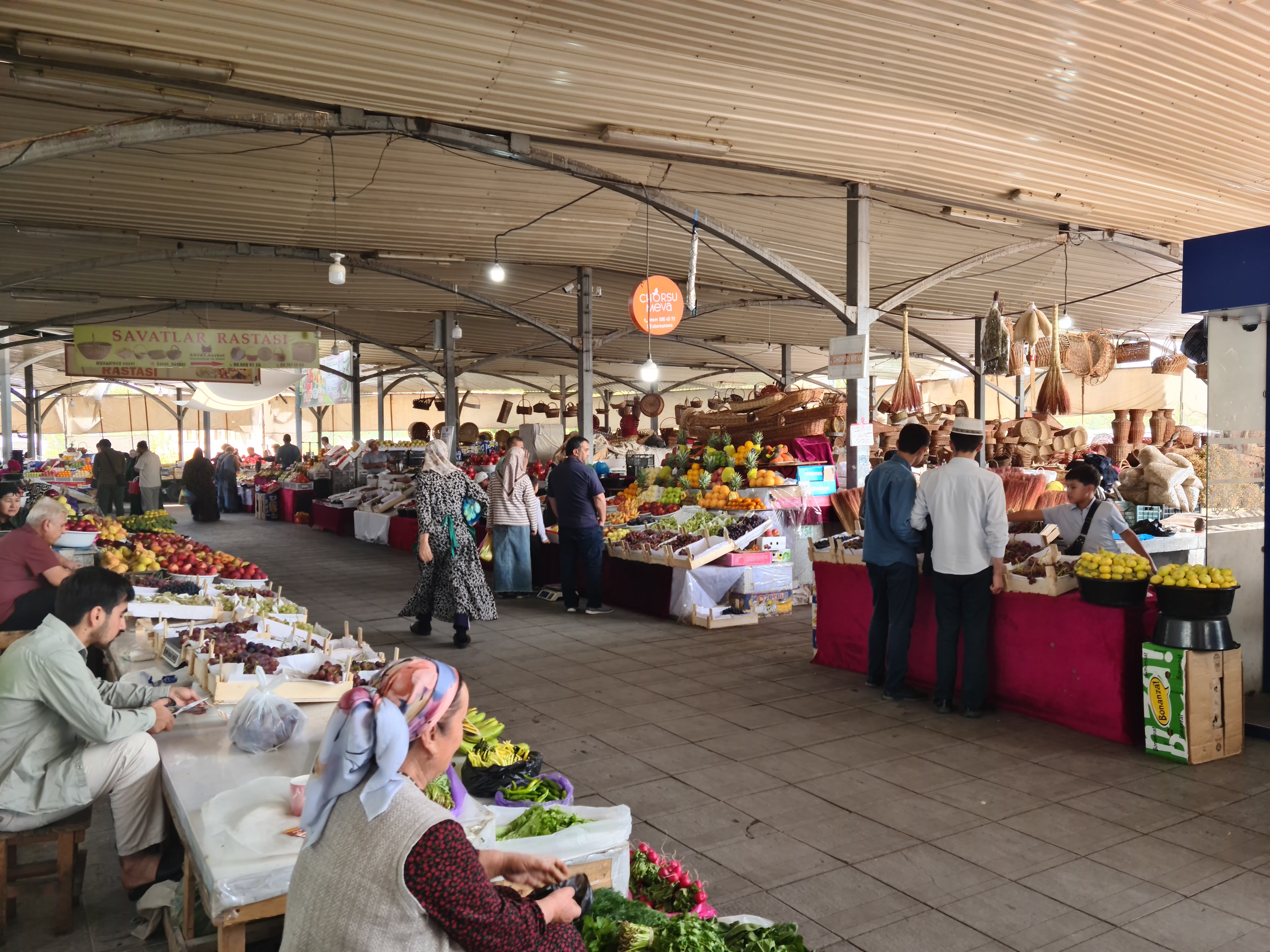
Chorsu Bazaar – although plenty of people were browsing, it felt like one of the calmest markets I’ve been in this year
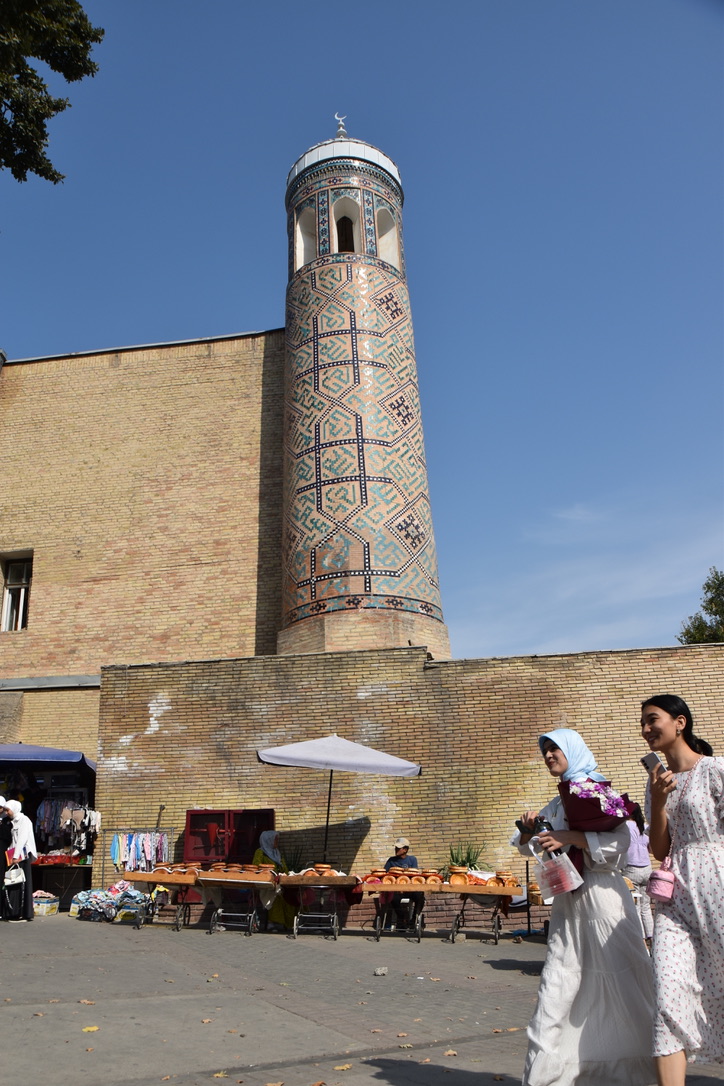
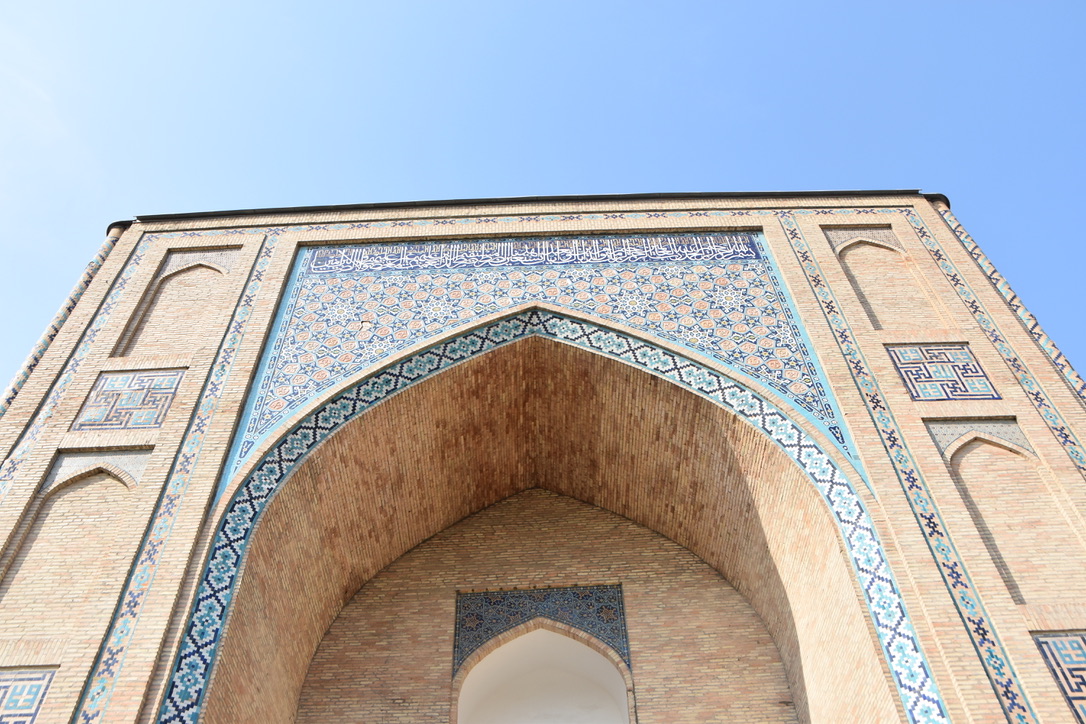
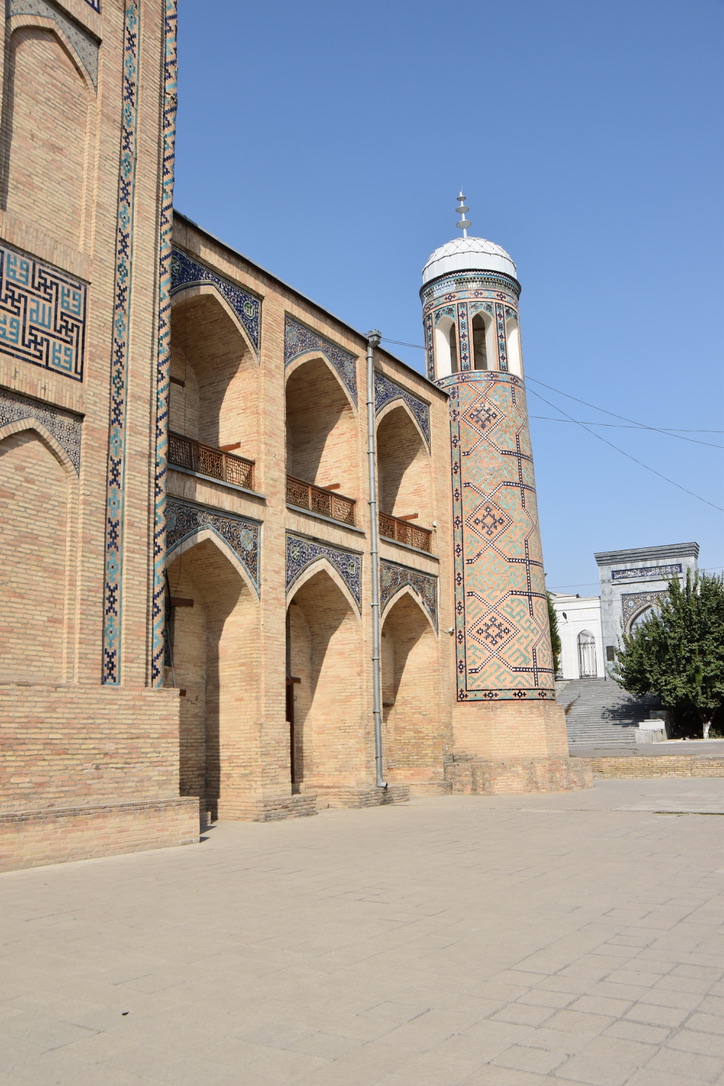

Kukeldash Madrasah – a madrasah is an Islamic learning institute and you’re going to see a whole lot more of them in this post
Having learnt that “Tash”, some might say appropriately, means “Stone” in this neck of the woods, I guess for once I wasn’t showing too much of an off putting, stoney faced demeanour. I was asked for what I can only assume were directions in Russian by not one, but two different people. Not that I was much use to them.
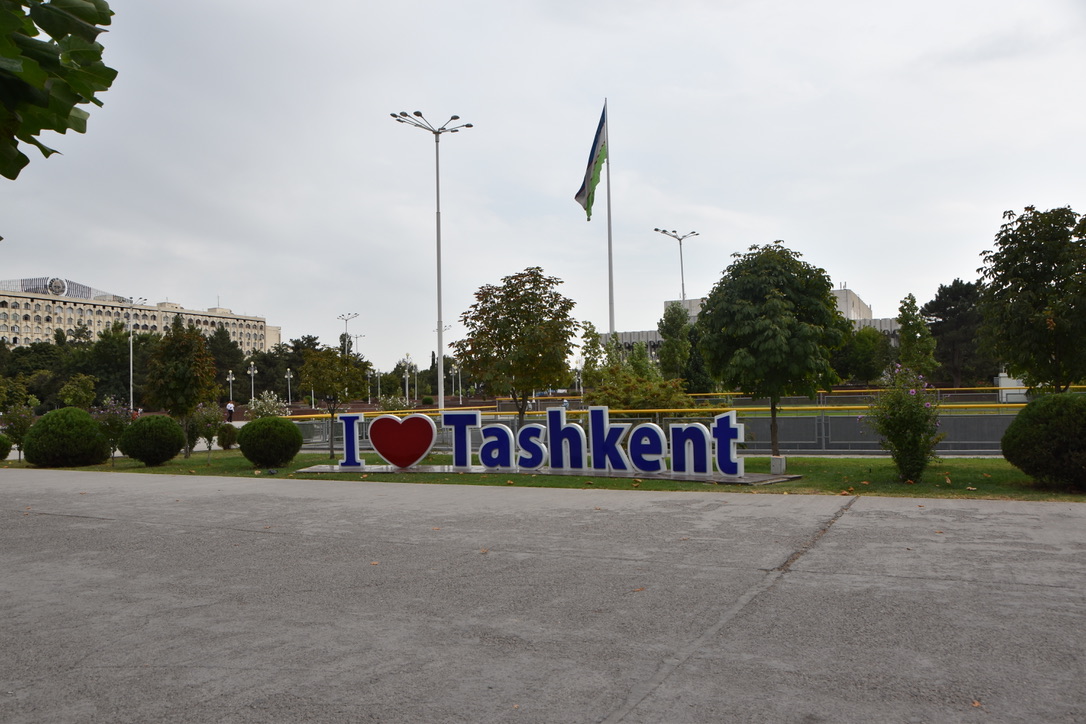
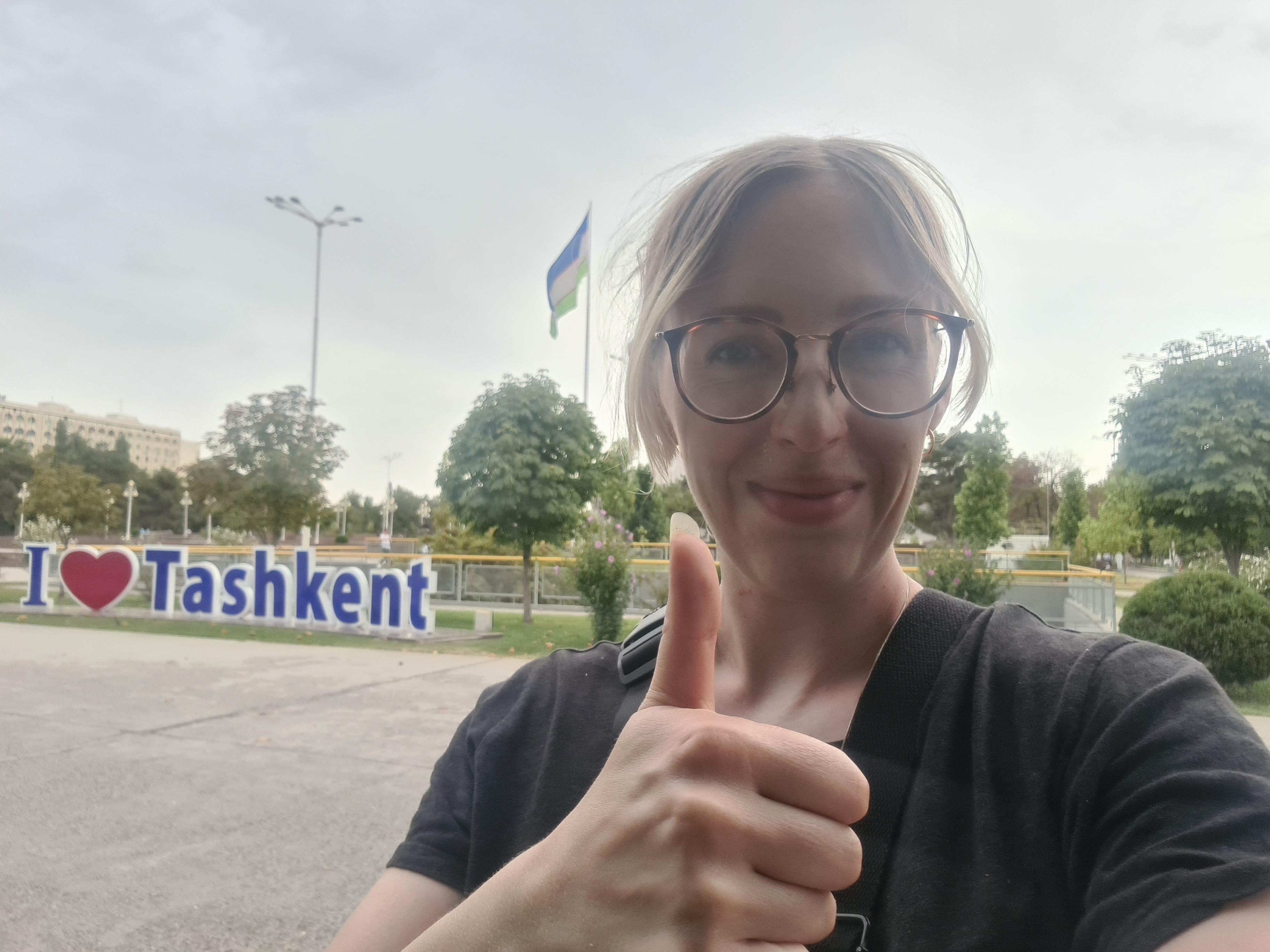
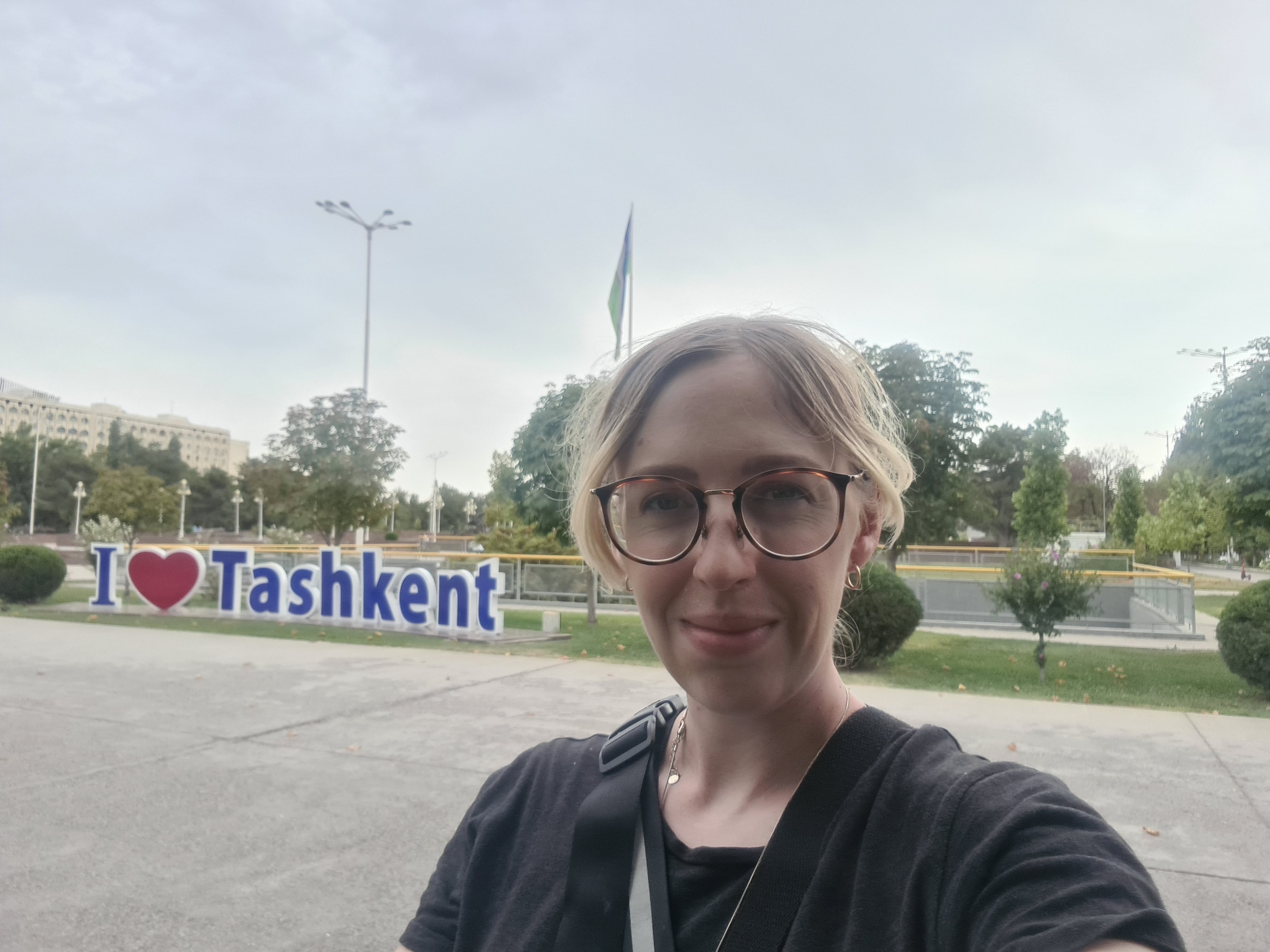
Autocorrect functions often change my name to “Tashkent” so it was the one place in the world where I really wanted a photo with the sign. Shame Ricki sick-noted out of an “I love Tash” pose!
Aside from a wellbeing break, there was another reason for our free day. It gave time for travellers only signed up for the Uzbek tour to arrive. Excitement mounted as we waited to see what the two new joiners, Terence and Euna would be like. And curiosity as to how they would view some of the more fractious dynamics in the group. “Welcome to Karen-a-stan”, an unnamed existing group member quipped.

Once more a group of 16, we travelled together to Samarkand, where we were dazzled by the beauty of the three Ms – mausoleums, madrasahs and mosques.
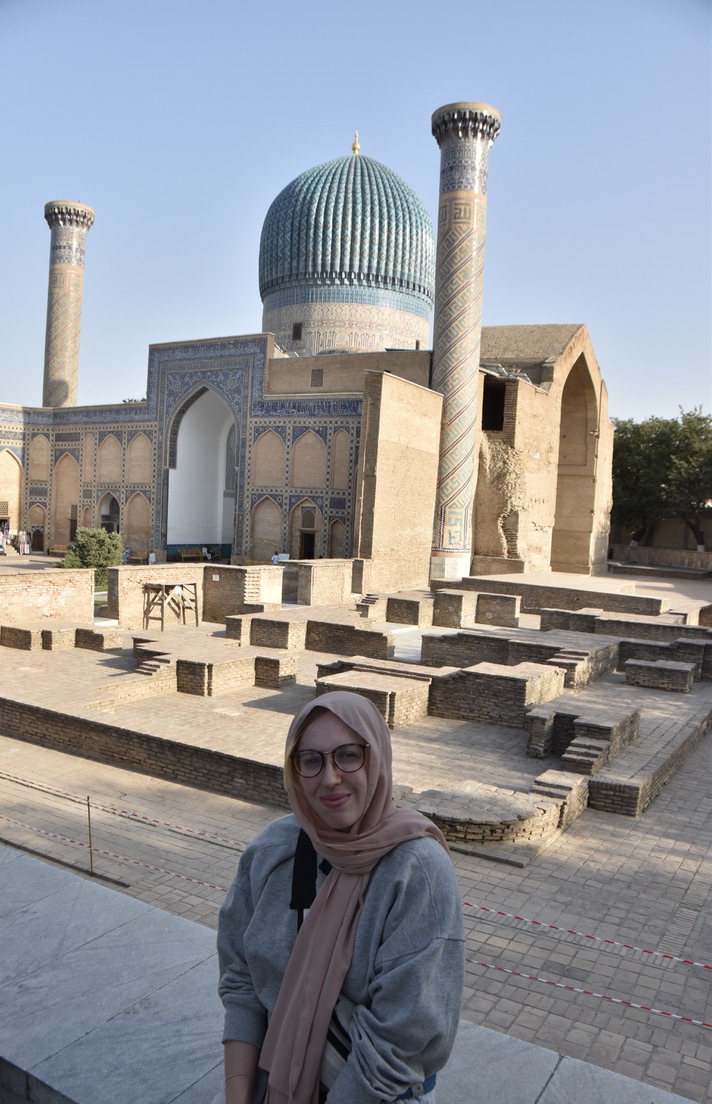
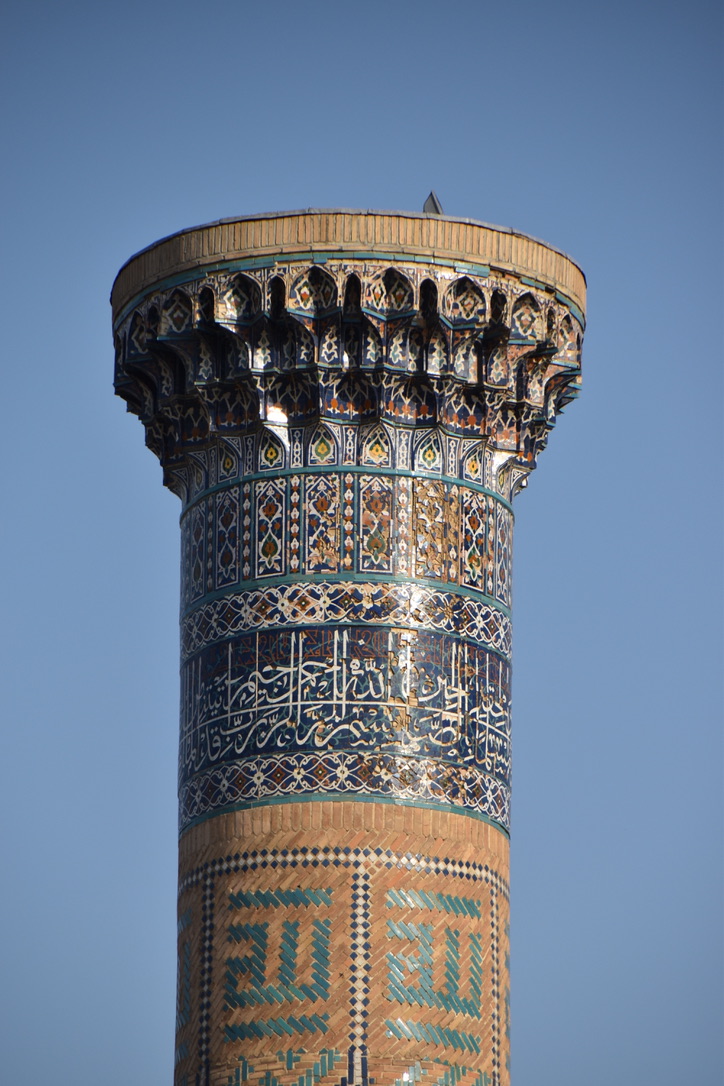
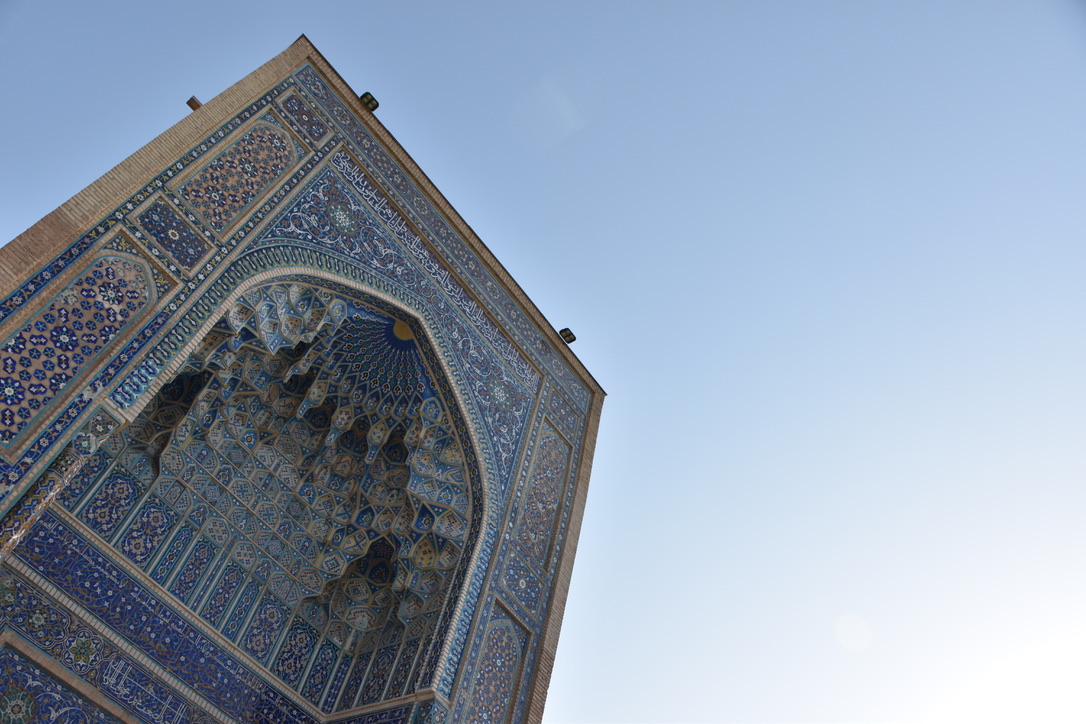
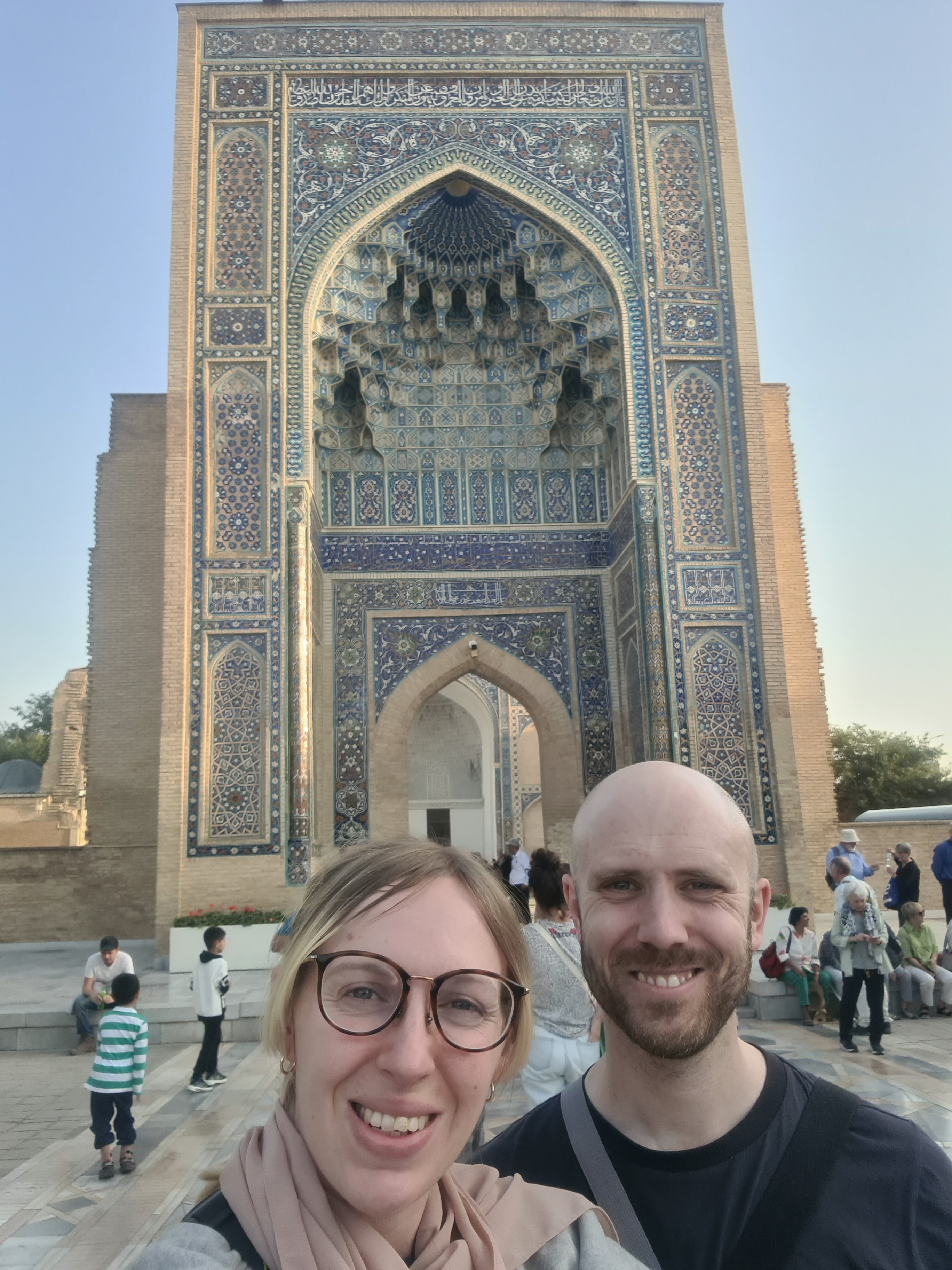
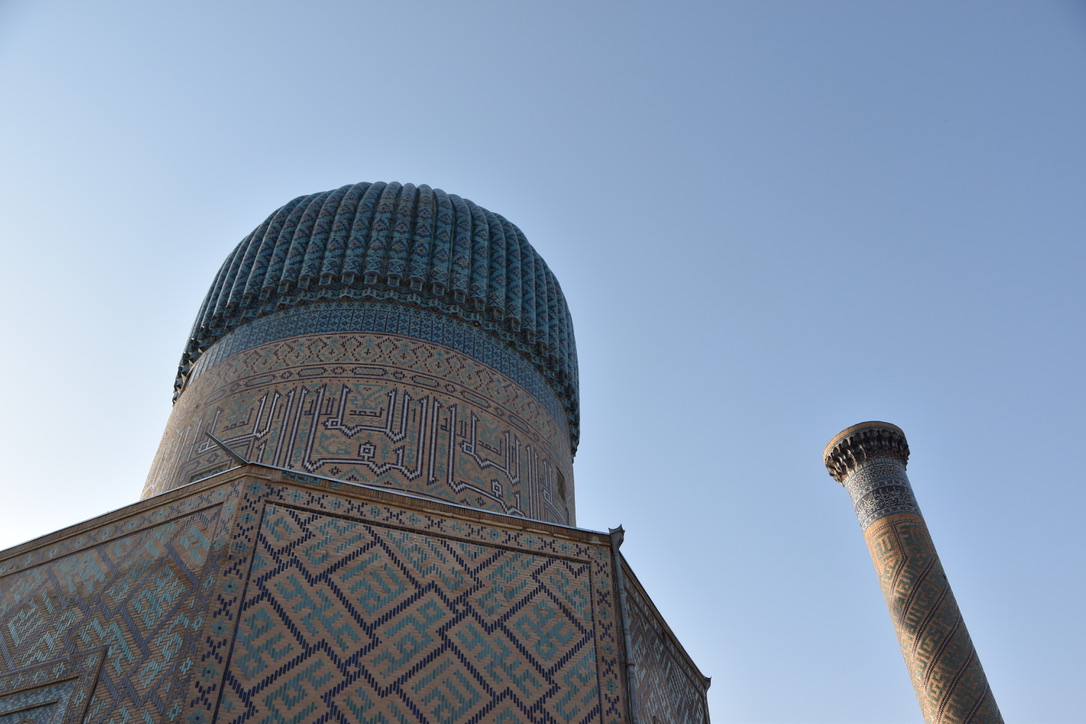
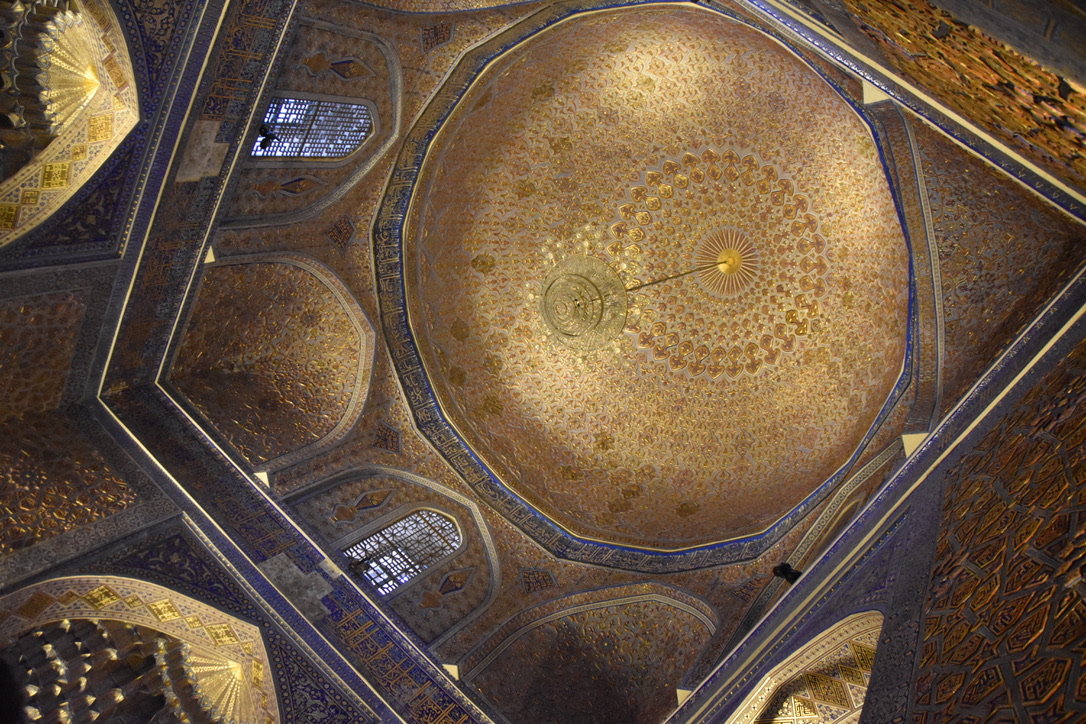
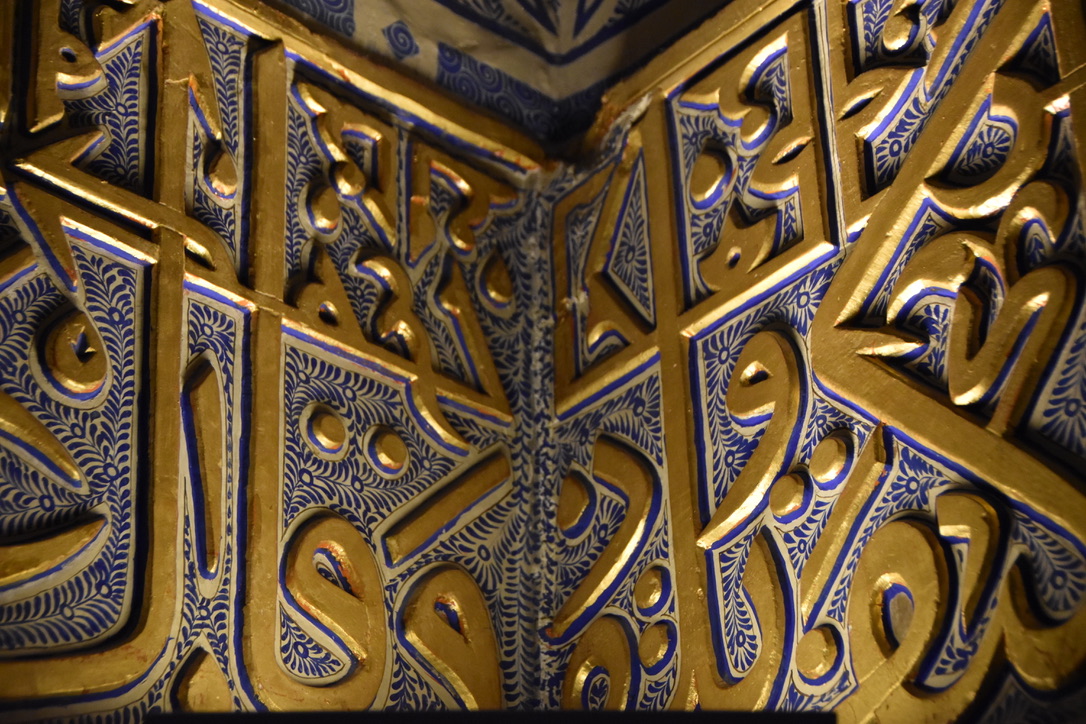
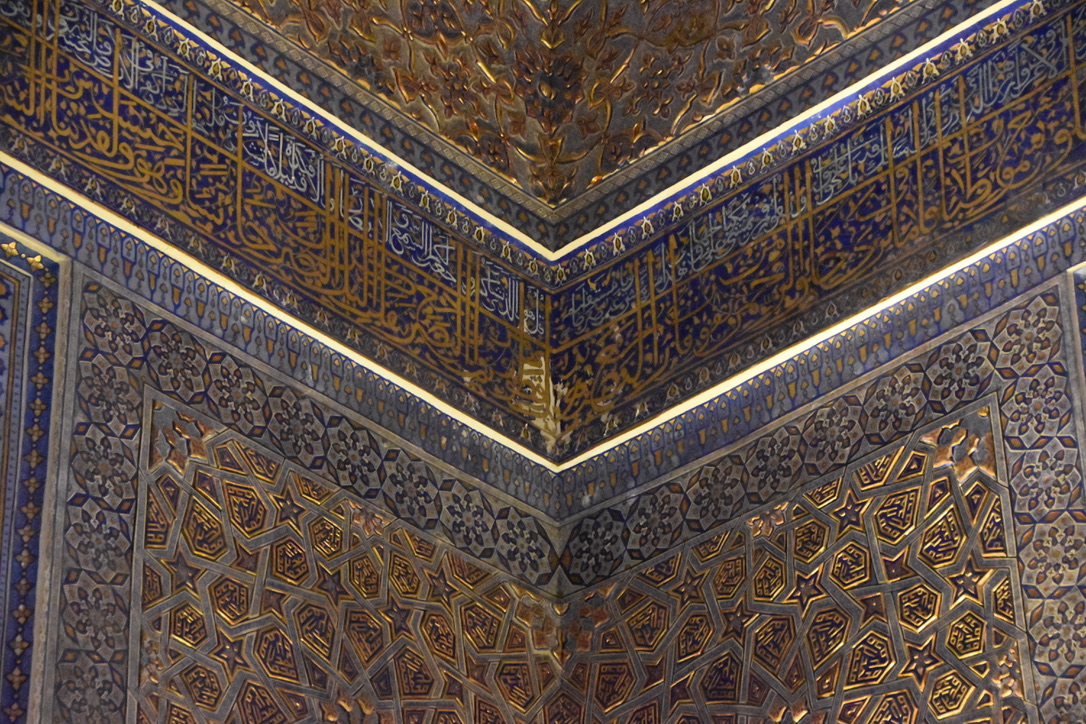

Gur-i Amir complex – mausoleum of 14th century Mongol-conqueror, Amir Temur
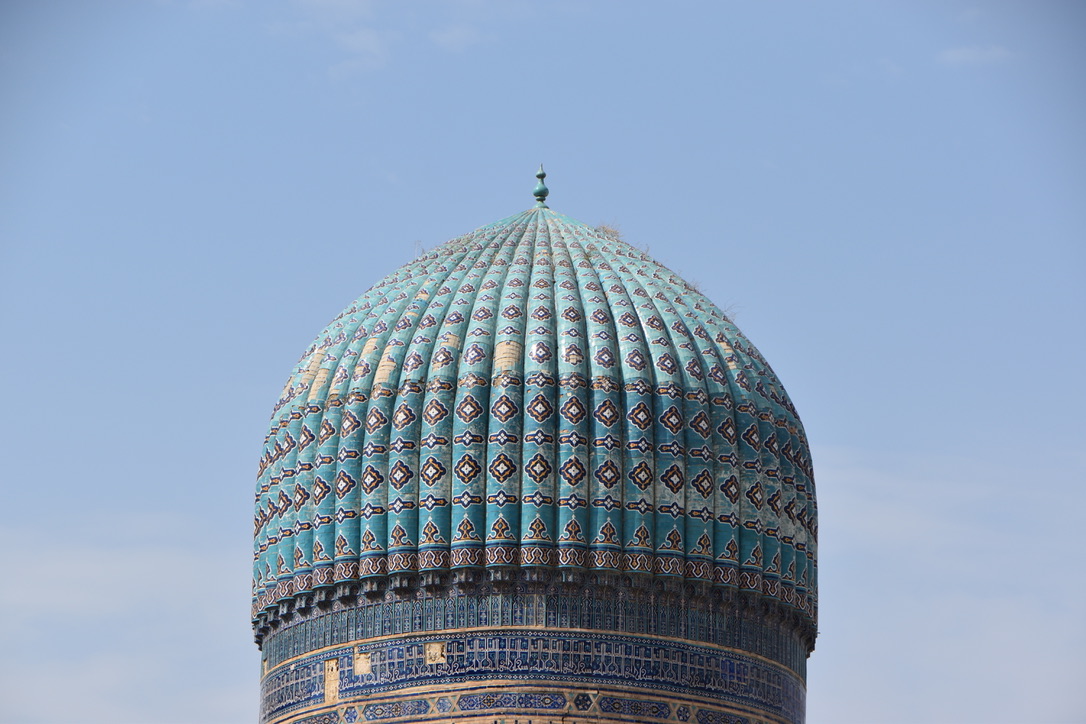

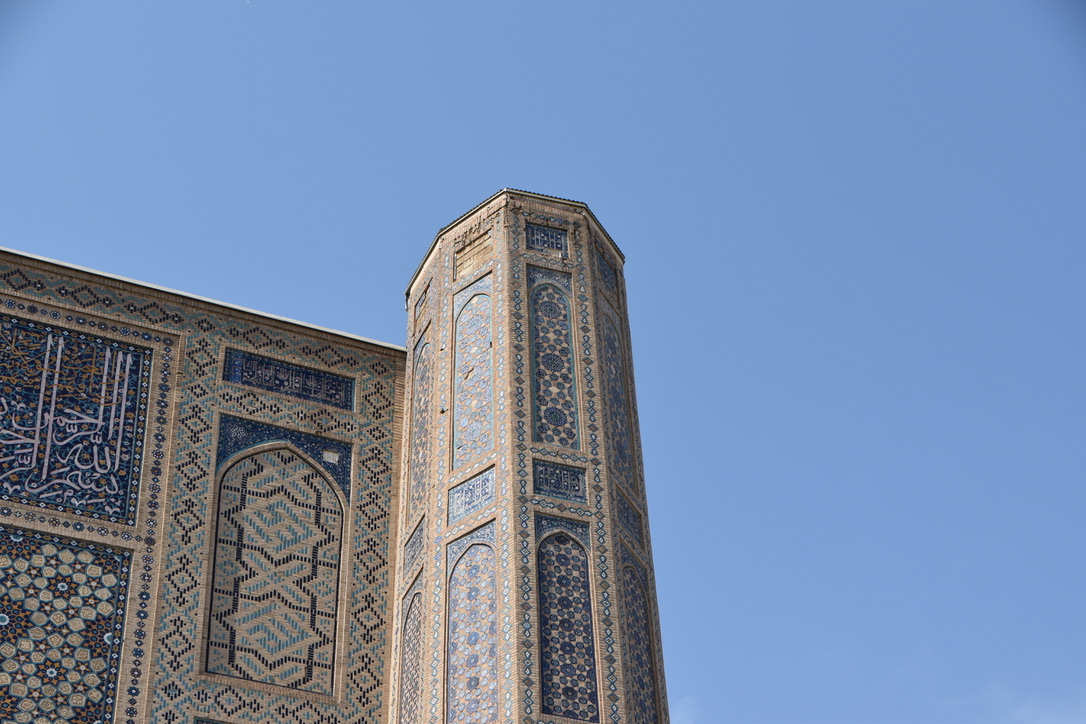
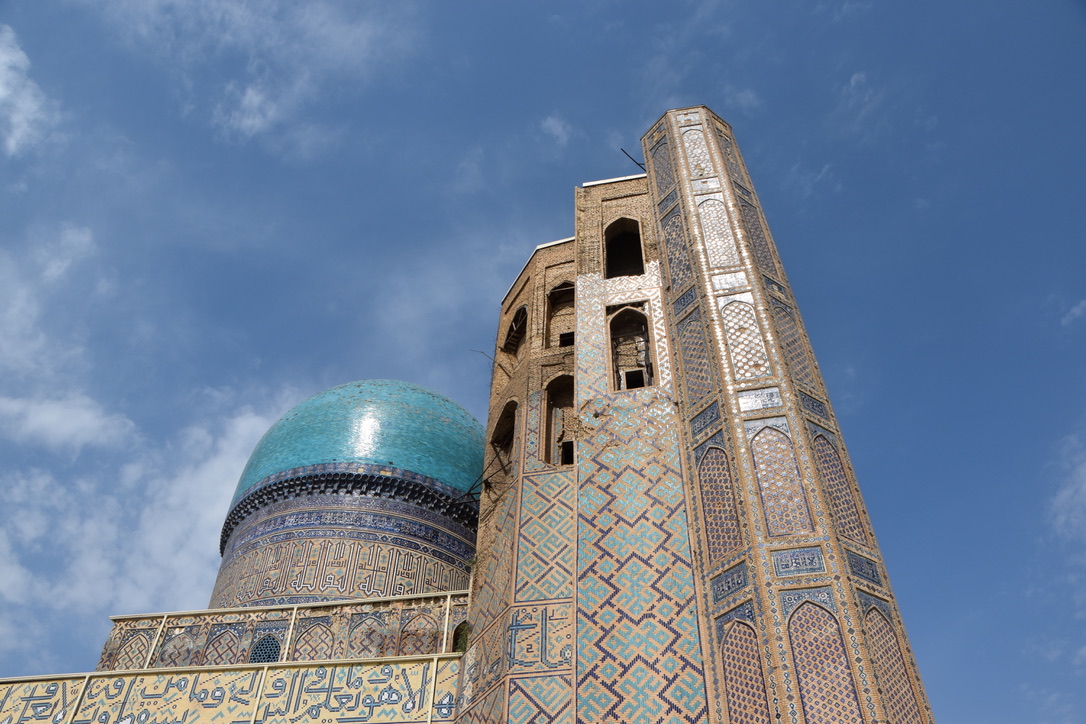
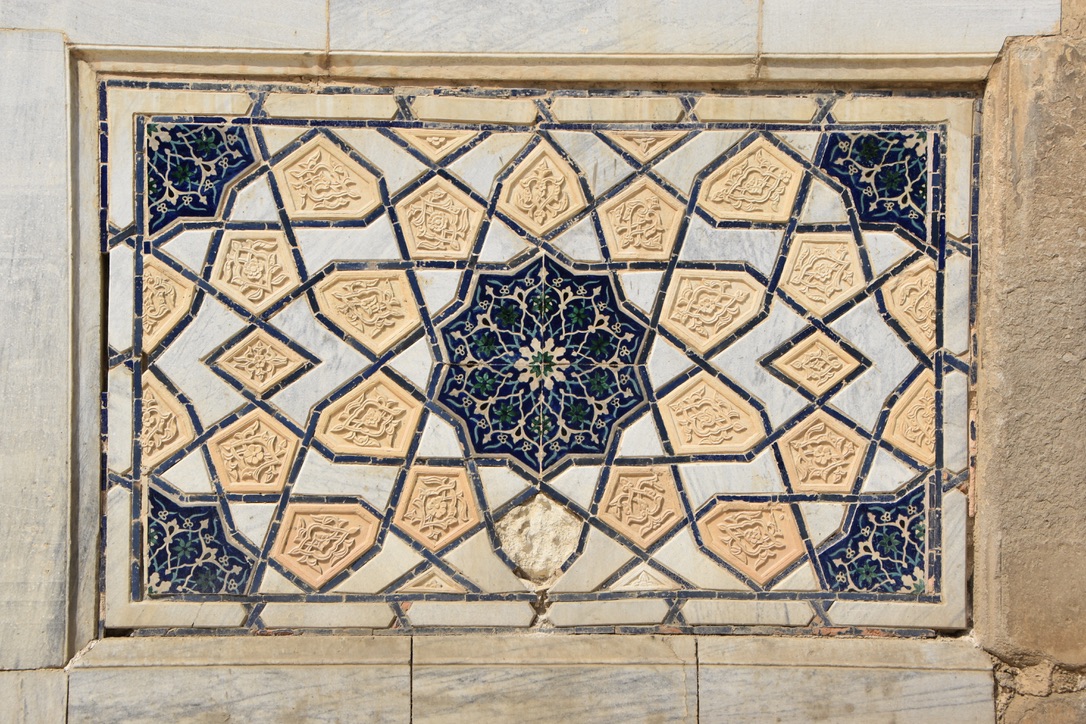
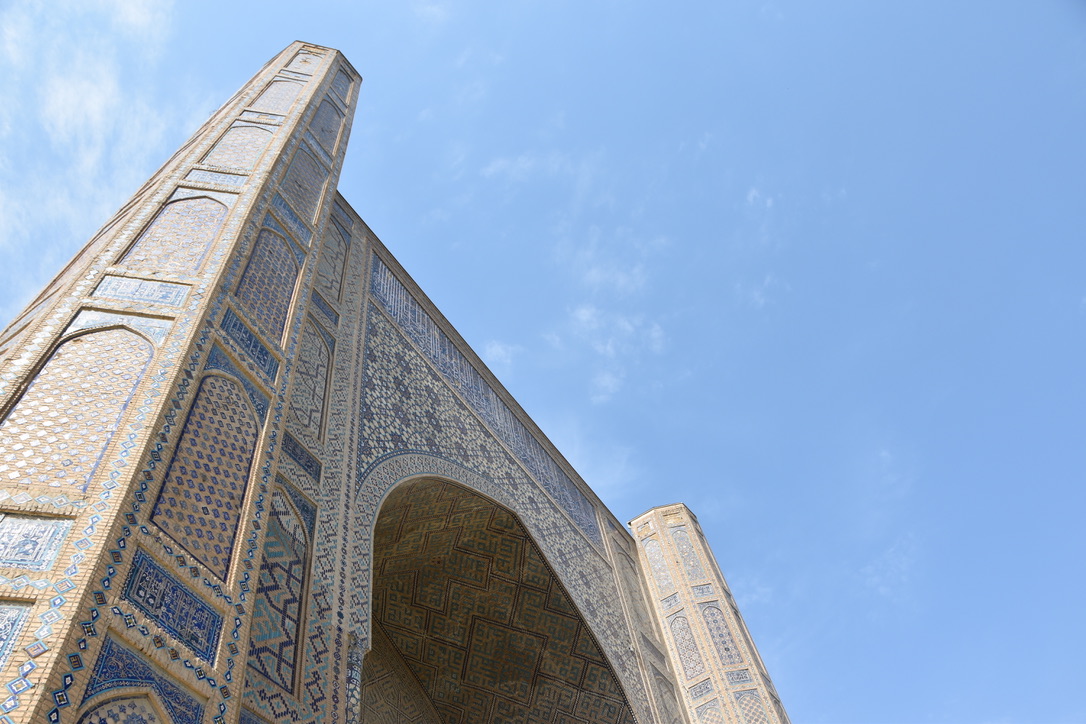
Bibi-khanym mosque – named for the ruler Timur’s wife, Saray Mulk Khanum

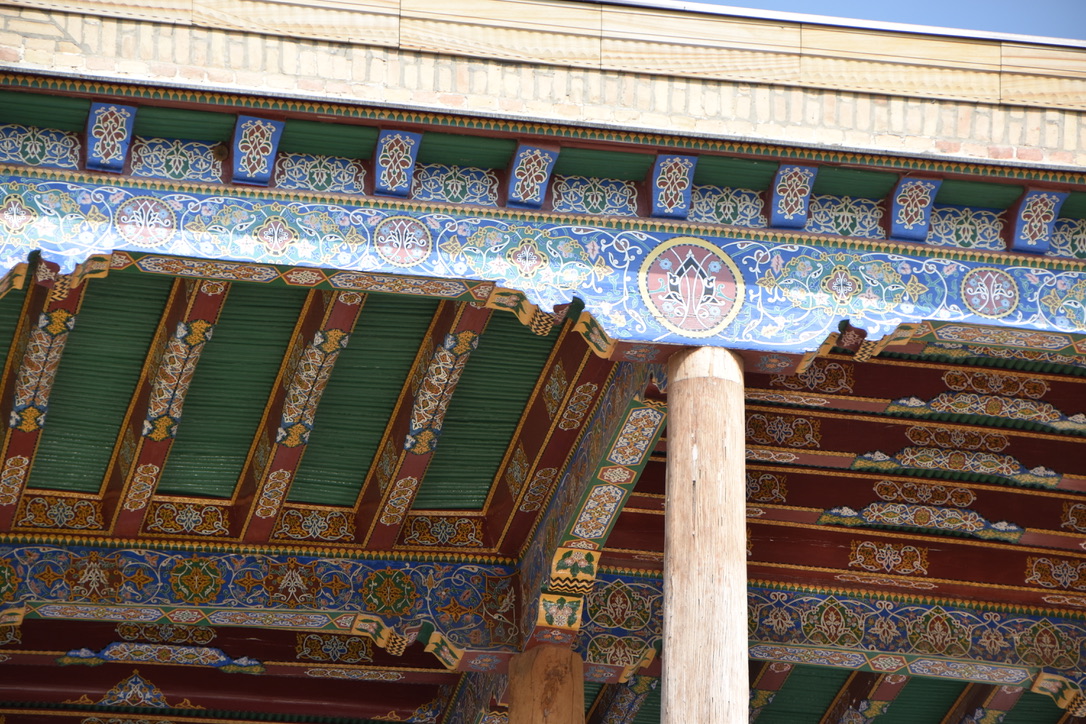
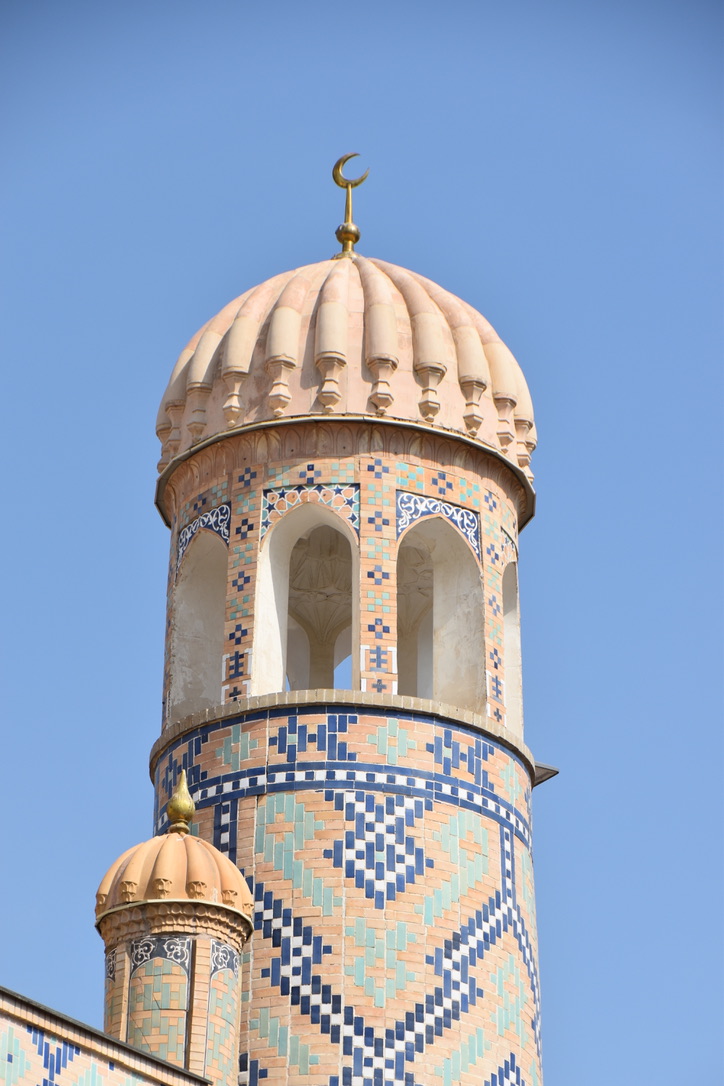
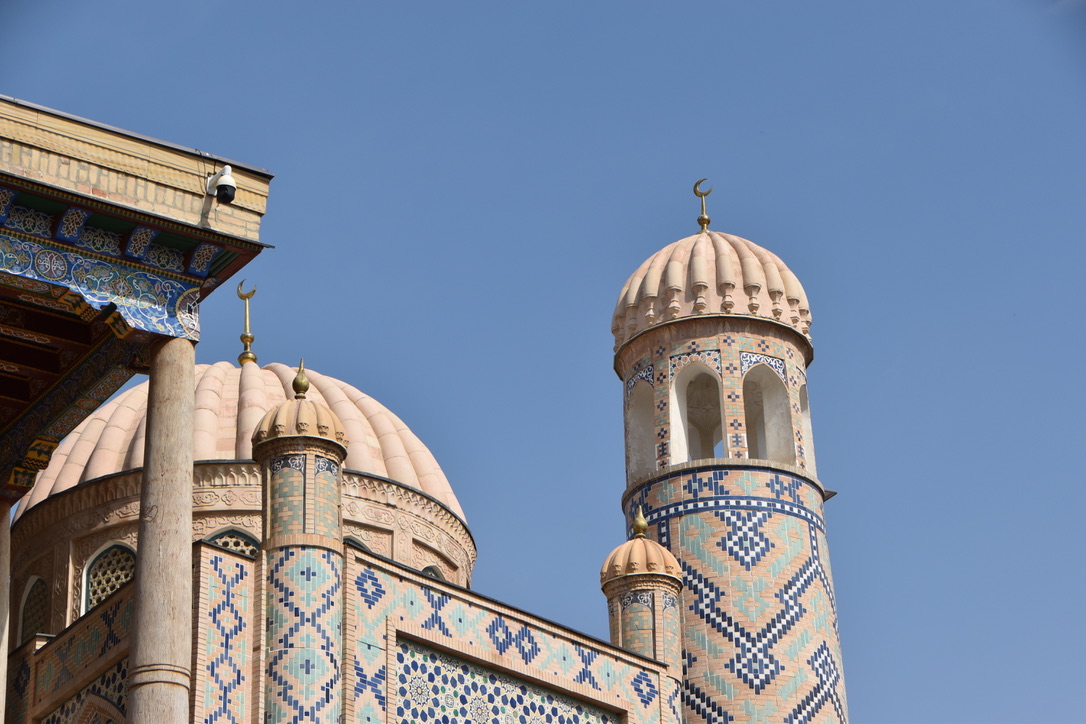
Hazrat Khizr mosque
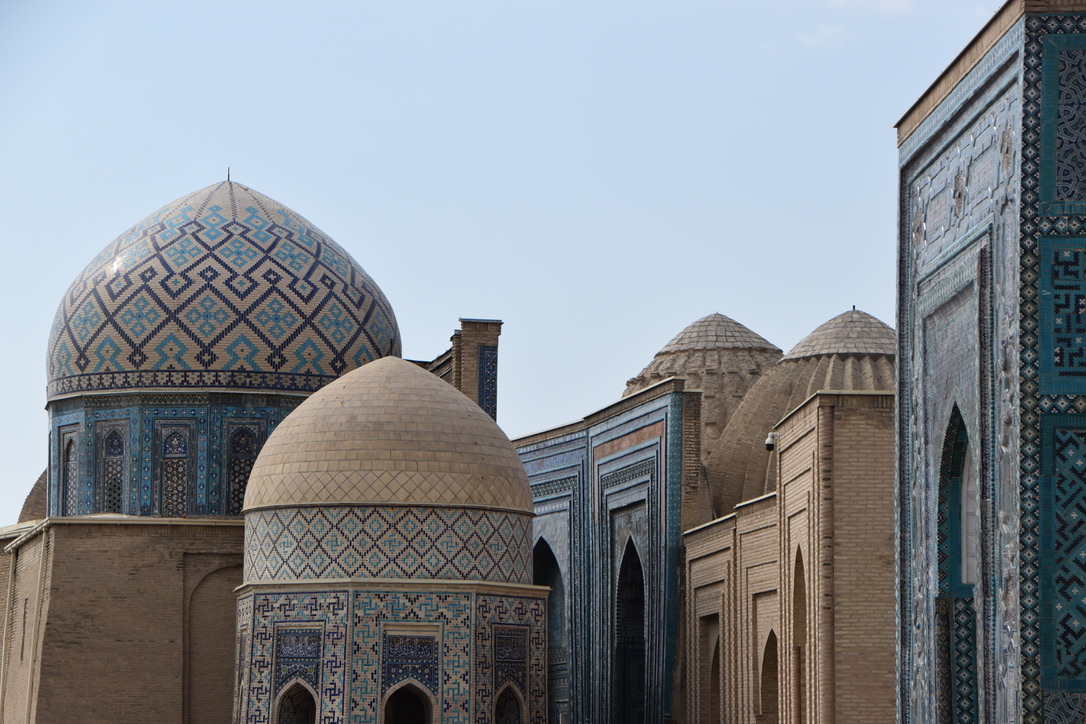
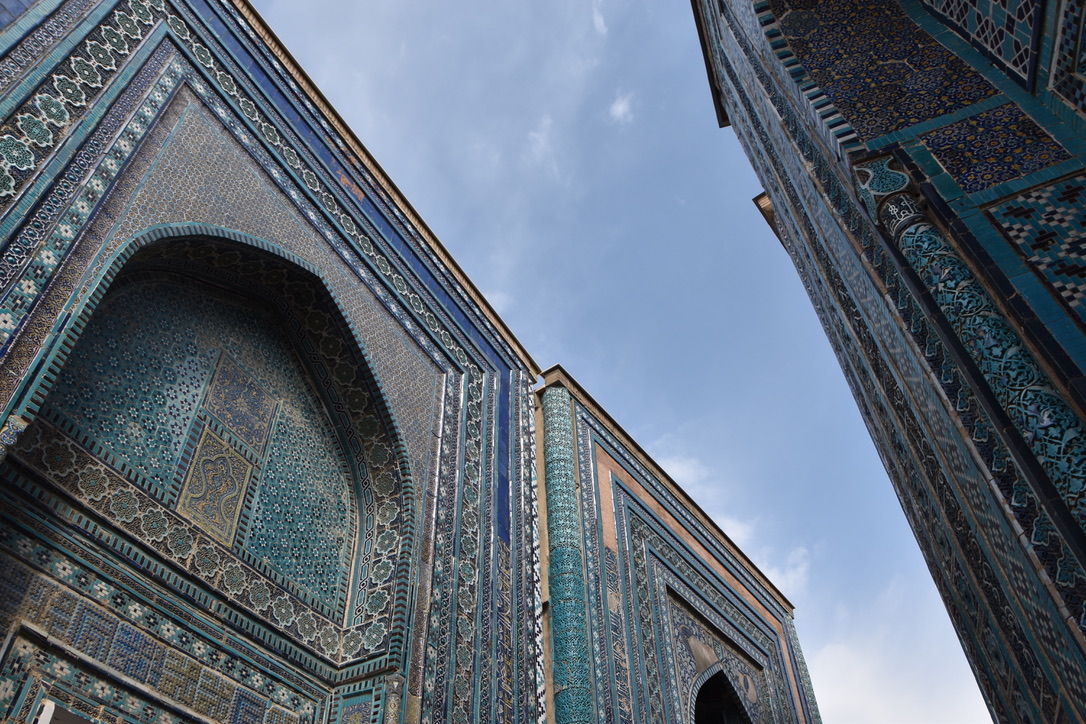

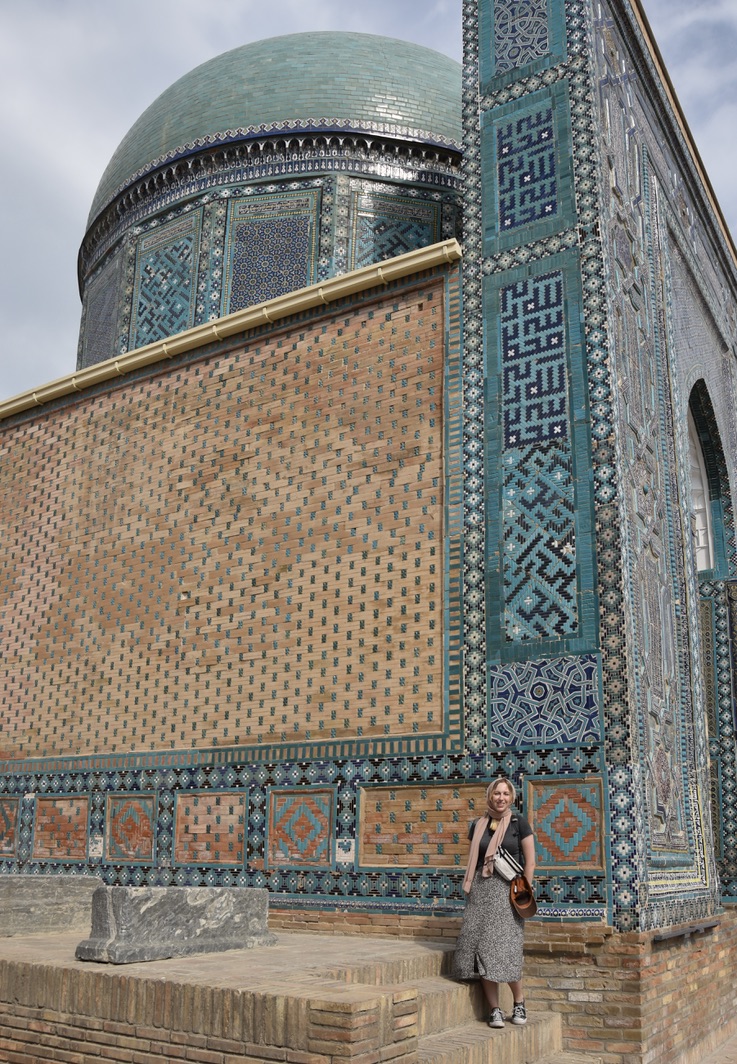
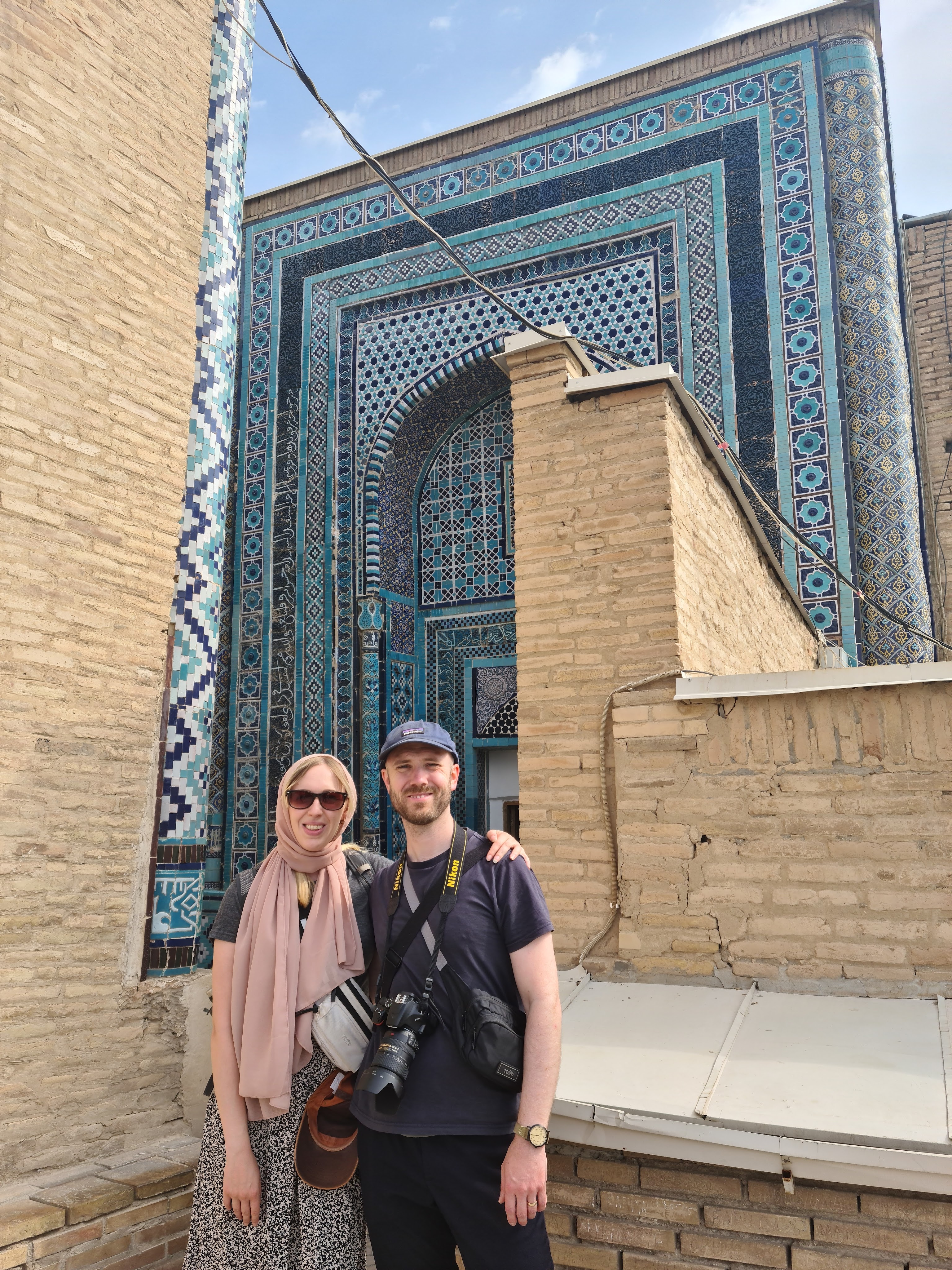
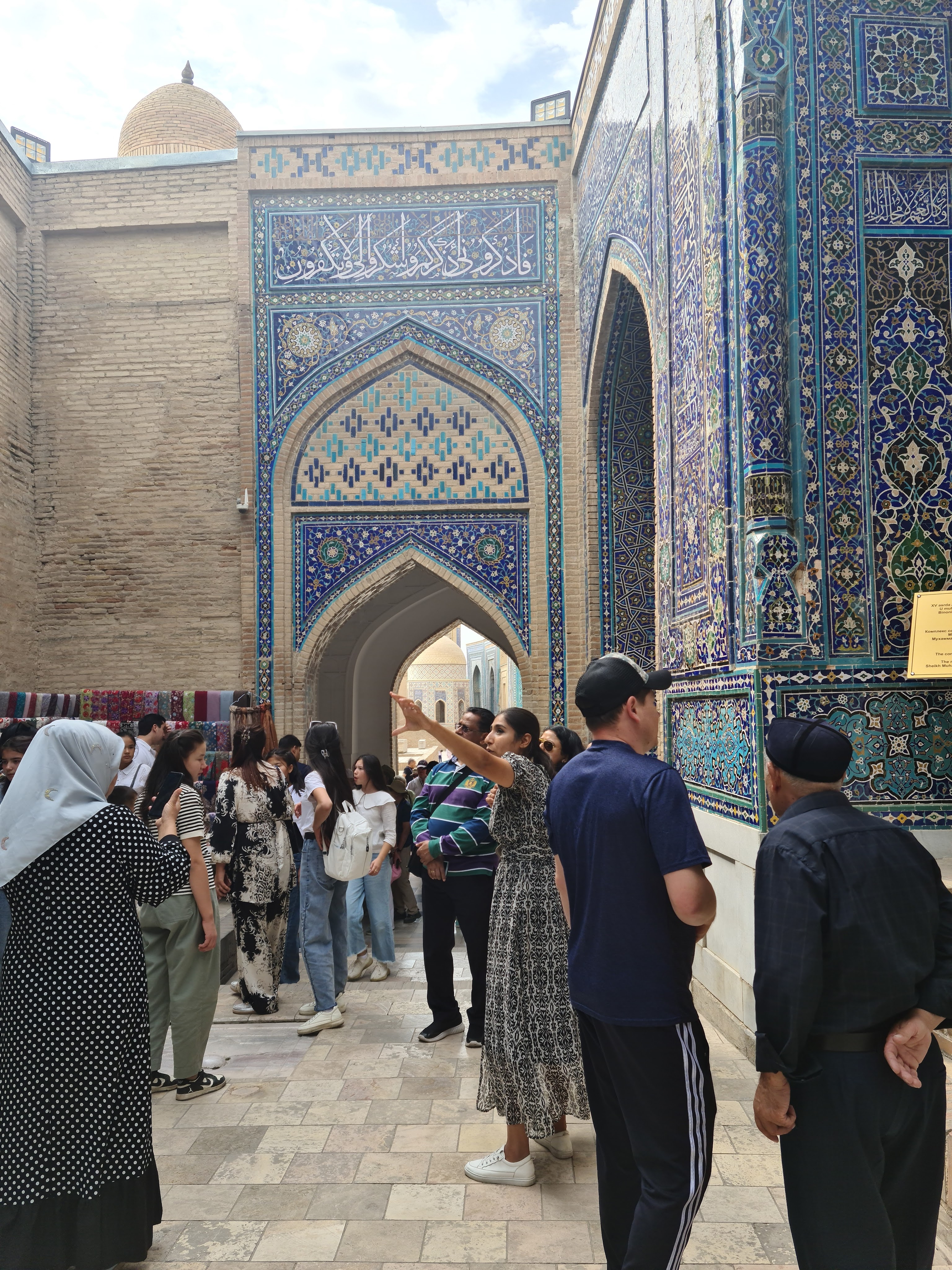
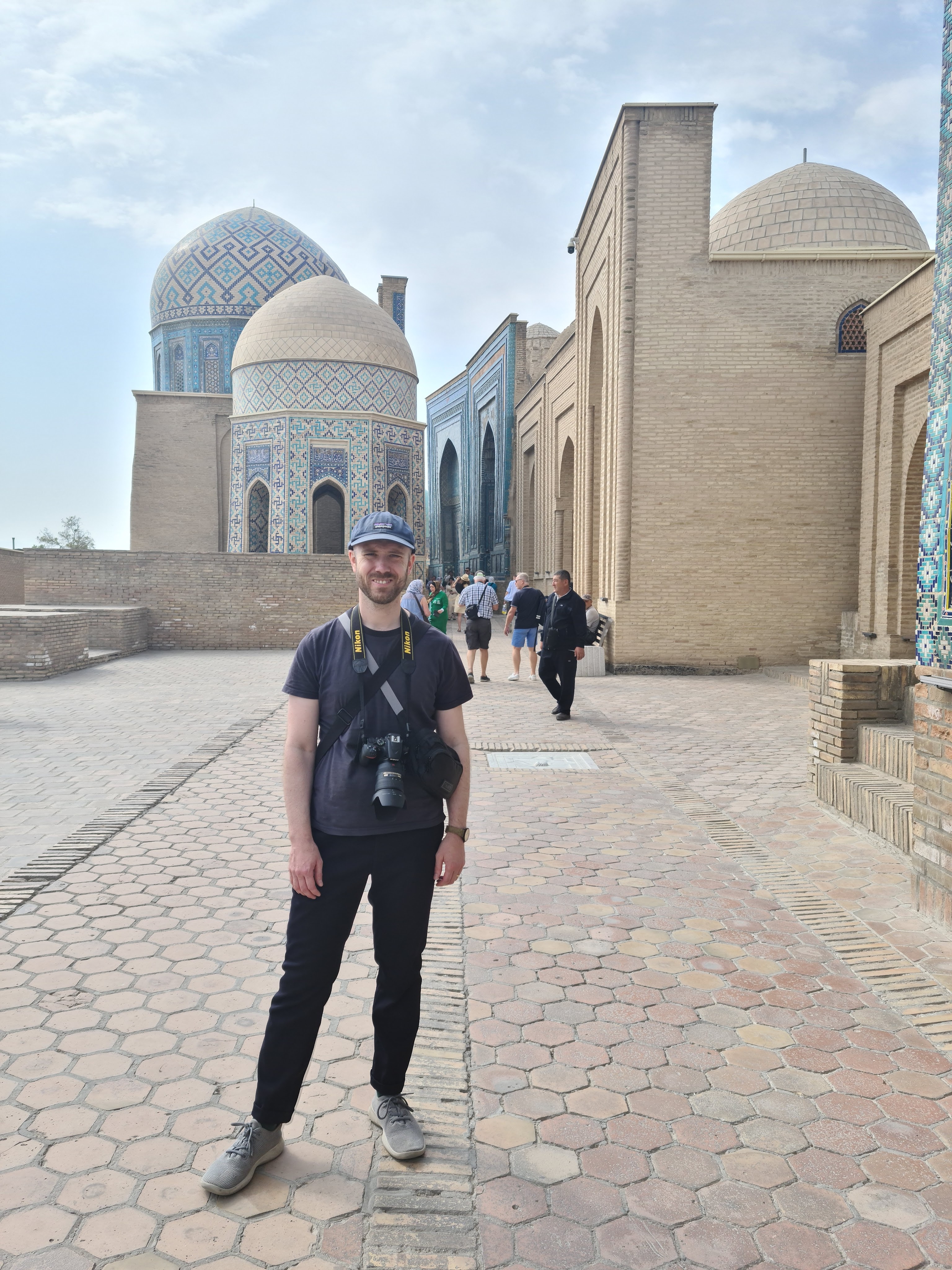
Shah-i-Zinda – a dense necropolis of tombs and mausoleums
There was also a 15th century observatory, blending science with Islamic architecture.
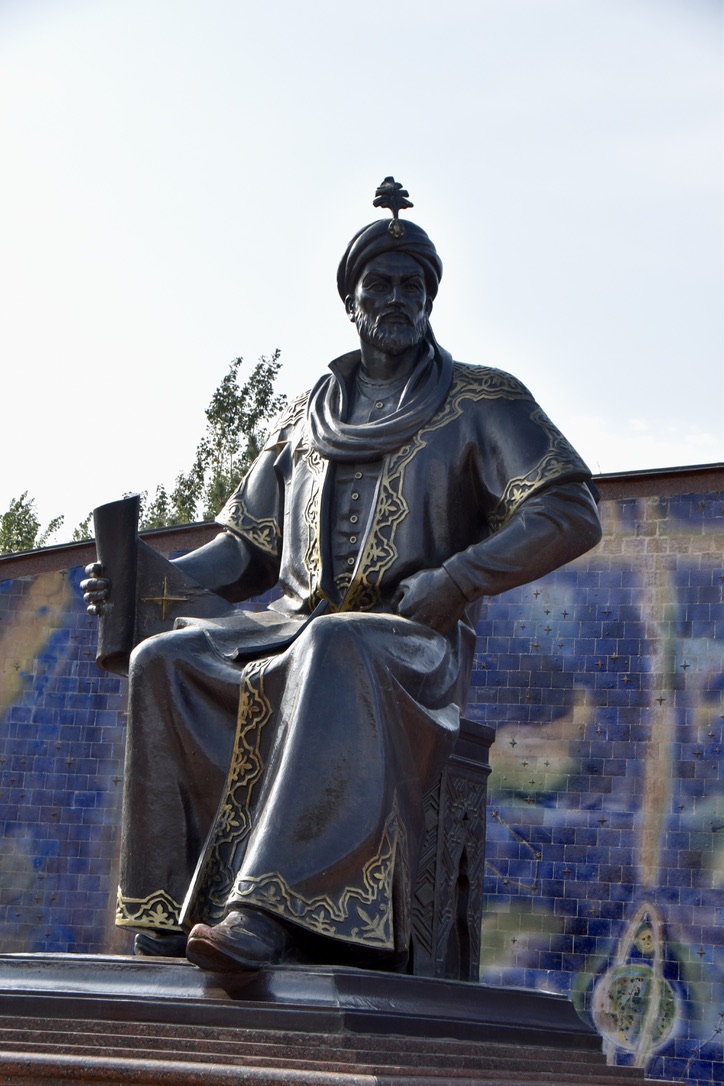
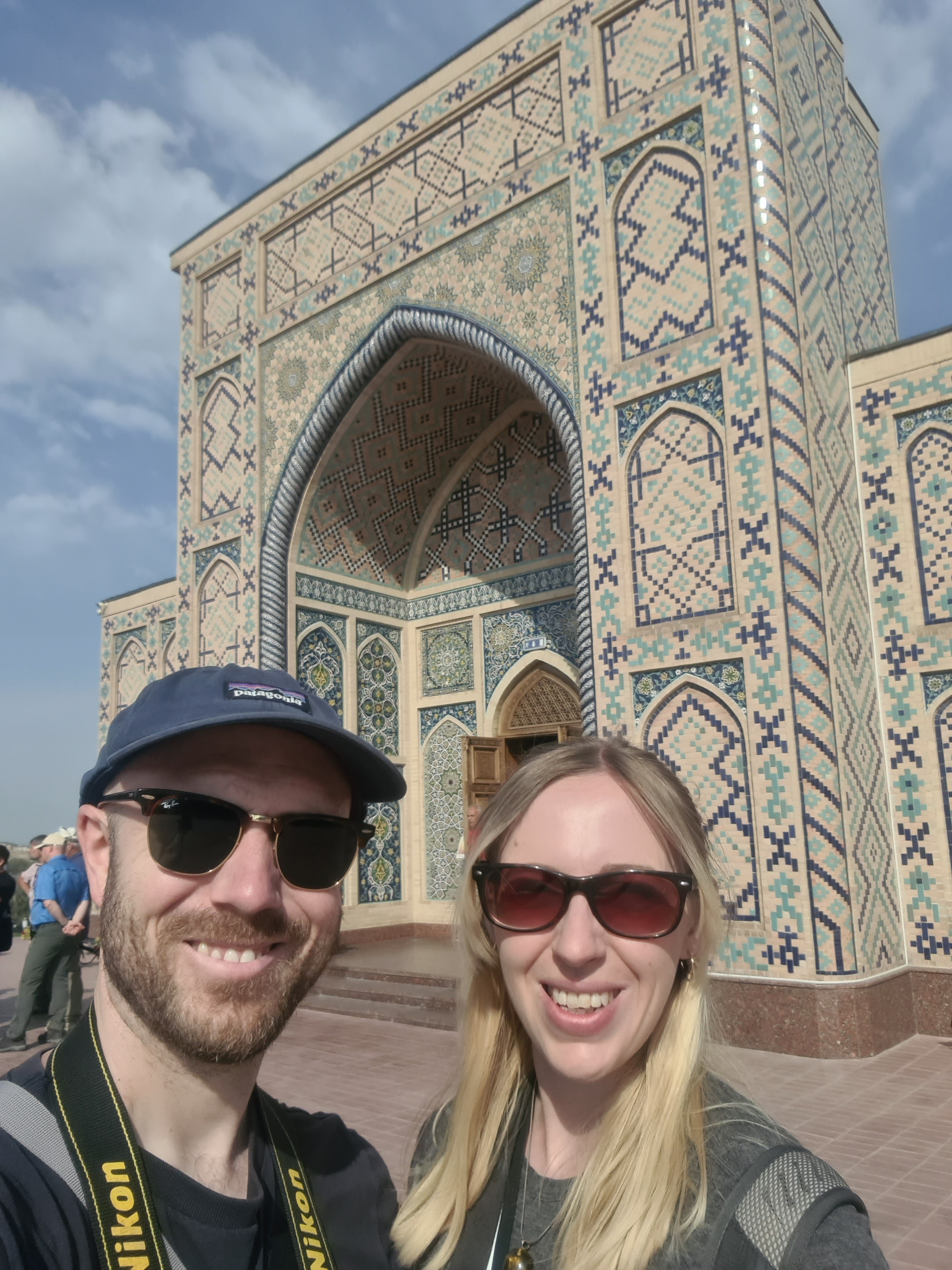
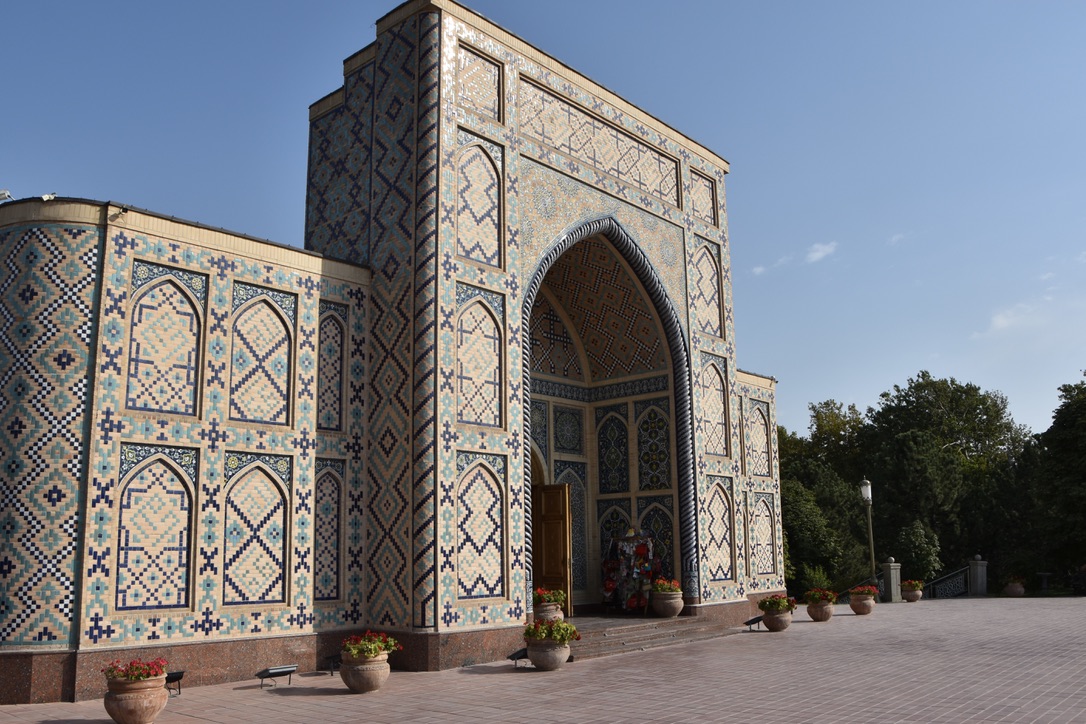
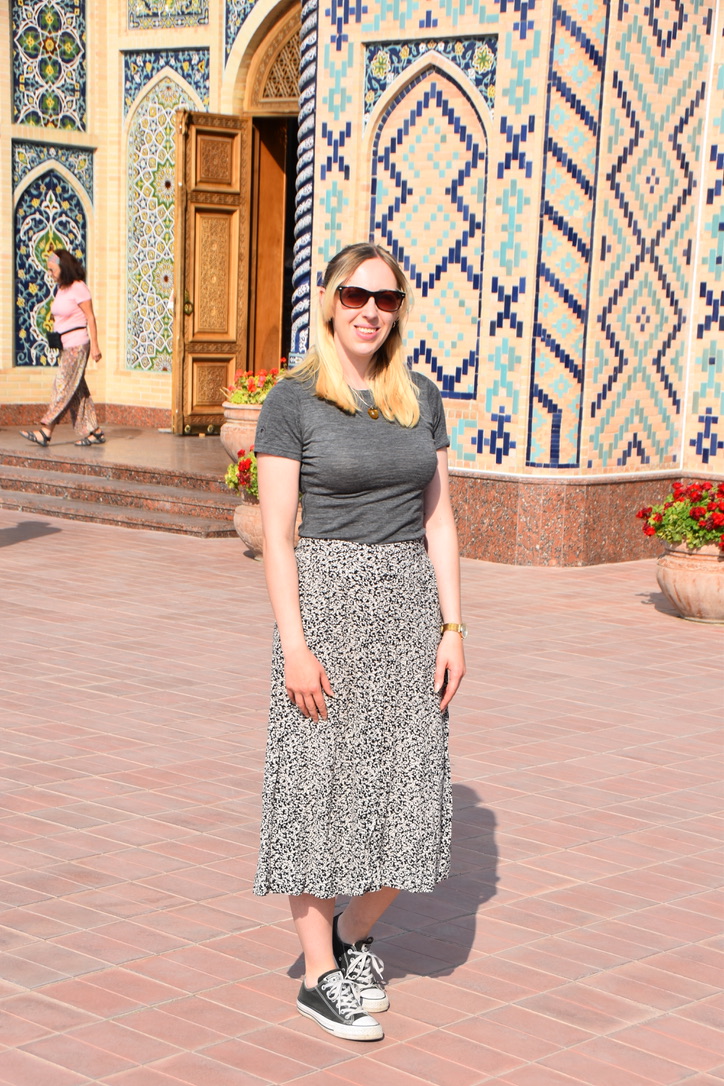
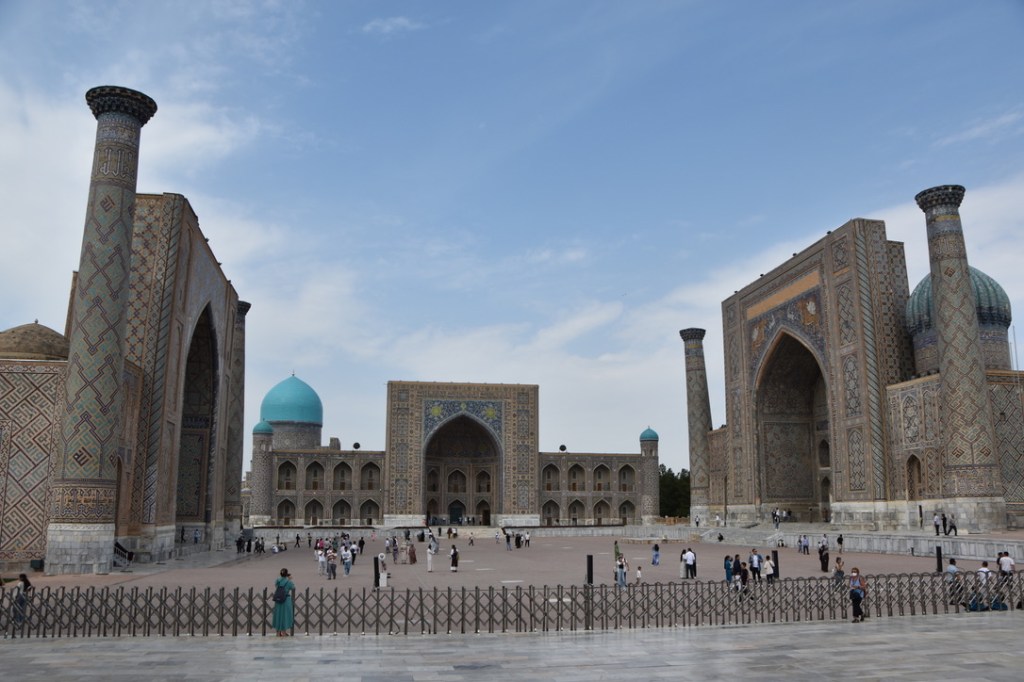
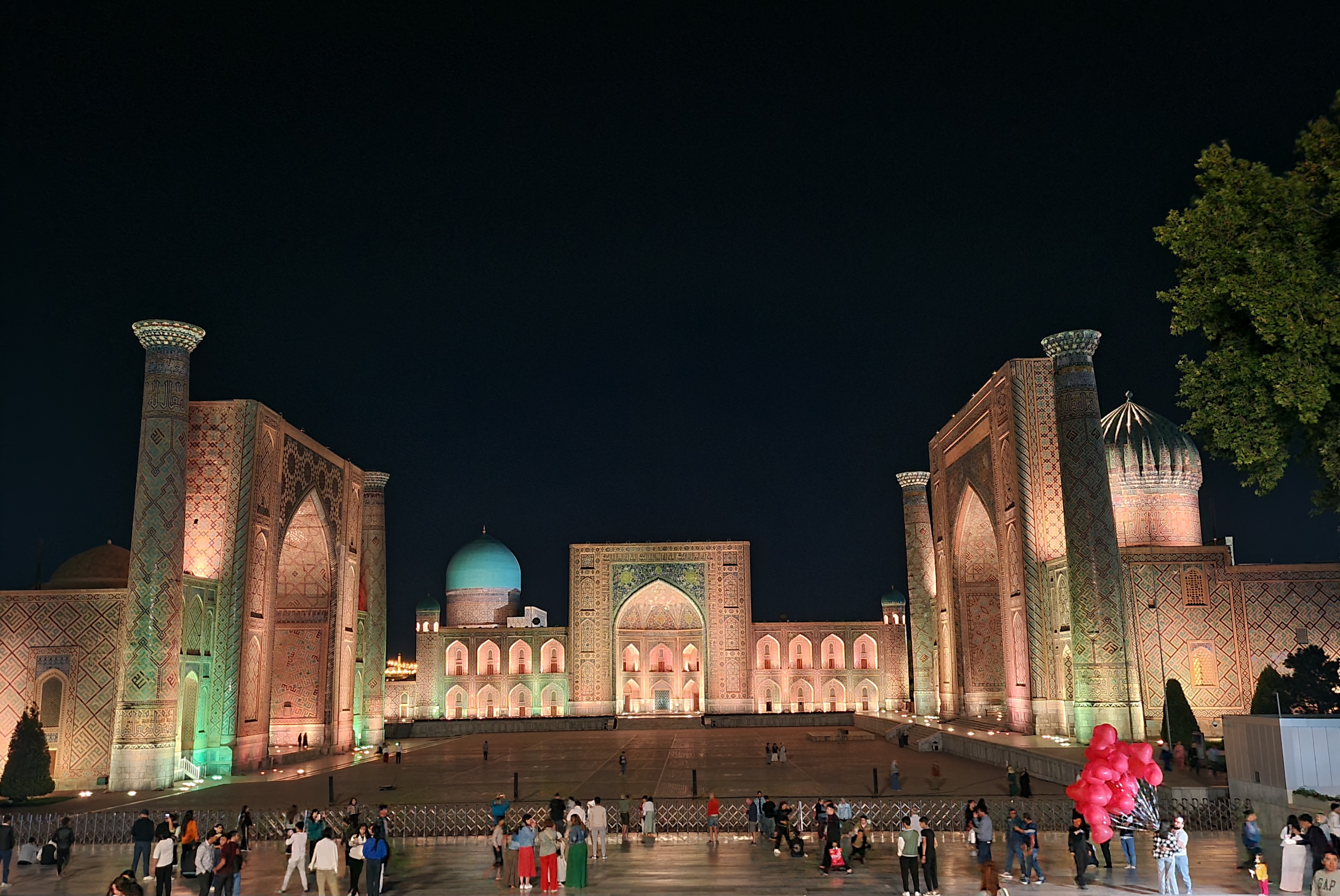
The final part of our morning tour allowed us to explore Samarkand’s grand centrepiece, Registan Square. Almost impossible to capture in one frame, this collection of madrasahs and plazas is considered one of the most impressive of such sights in central Asia.
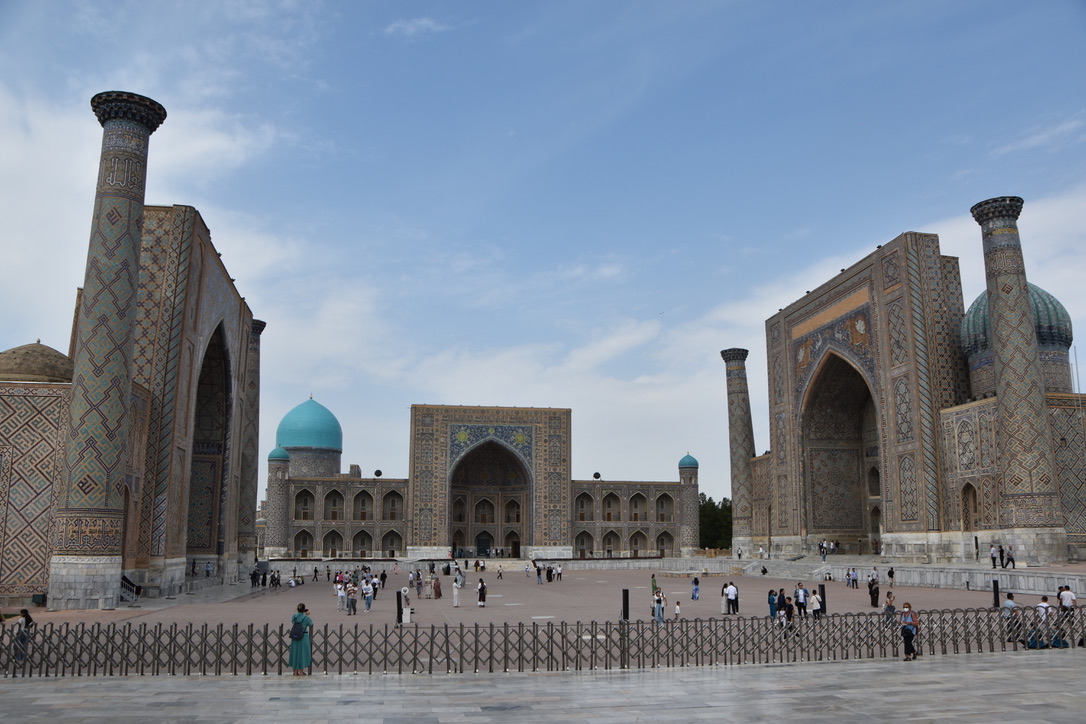
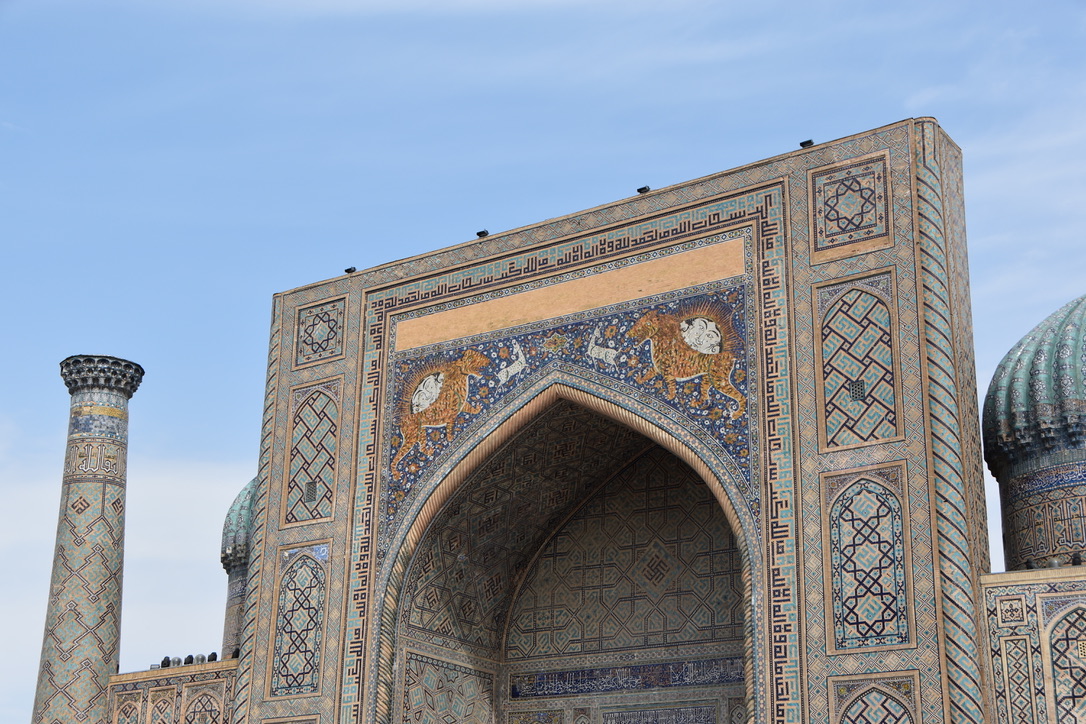
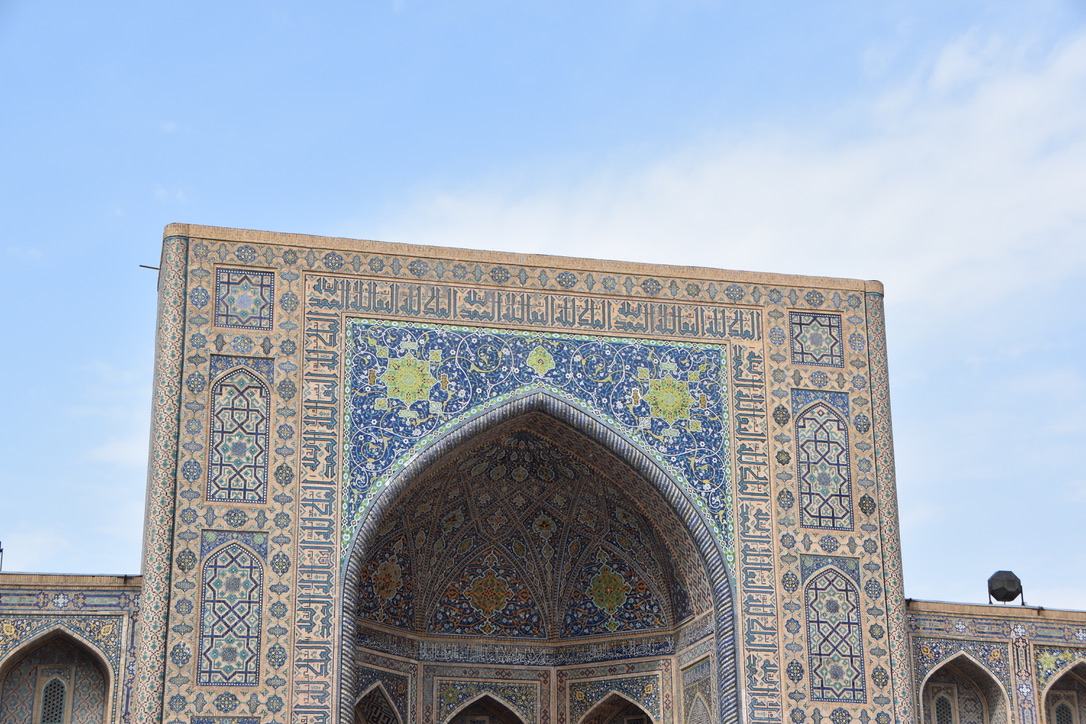
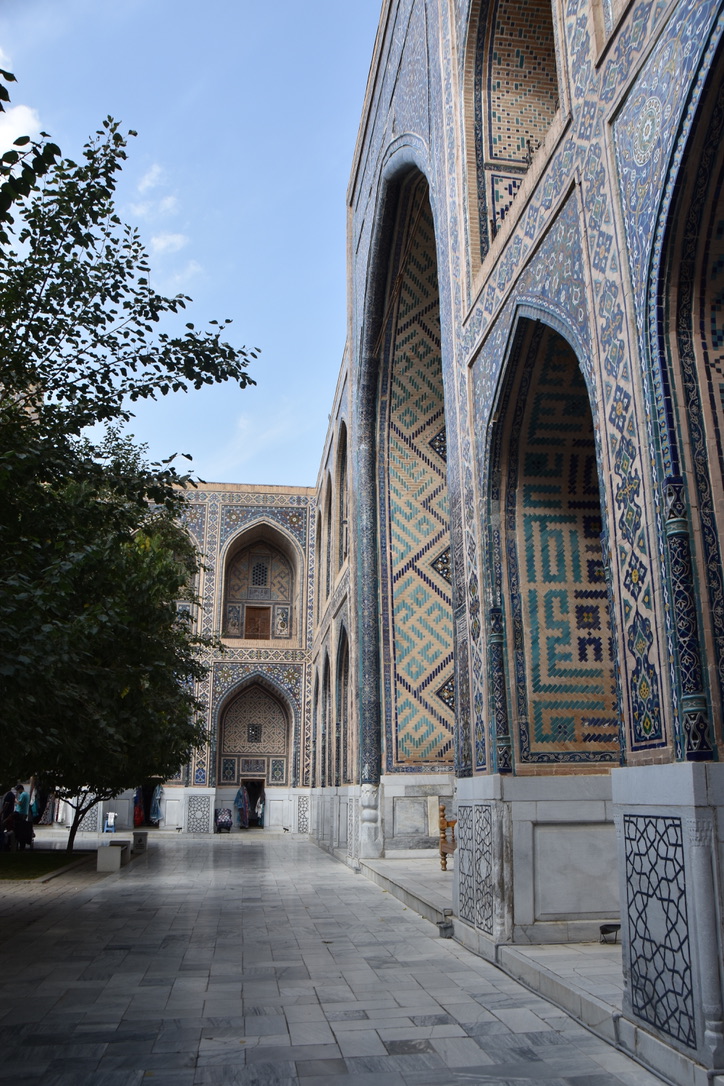
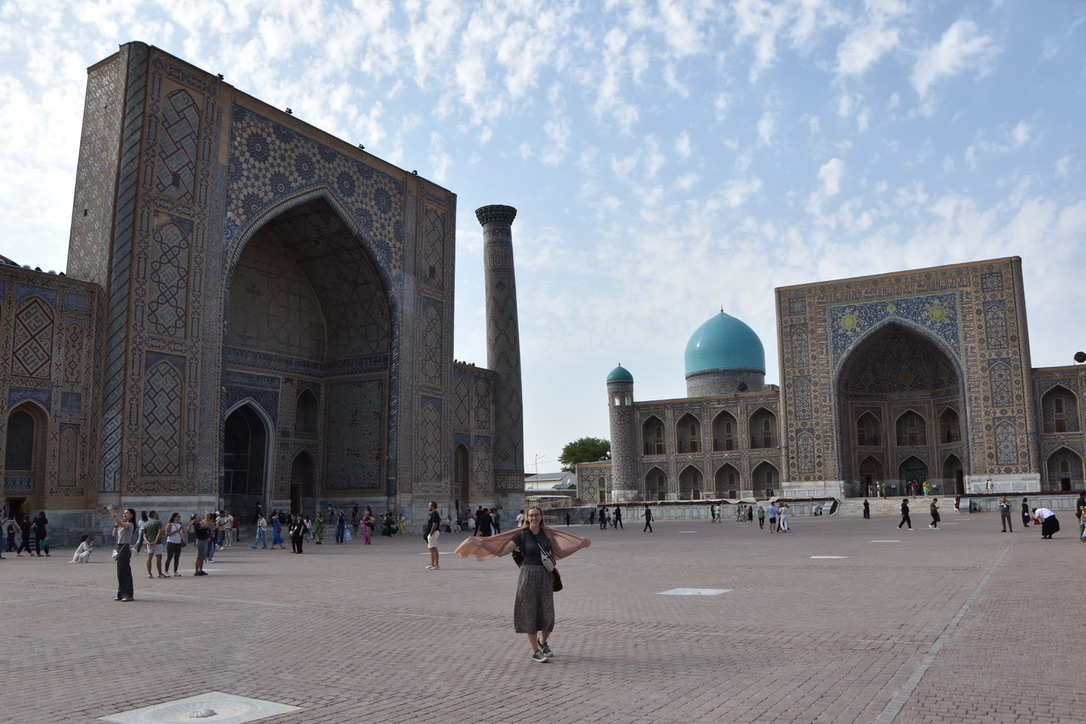

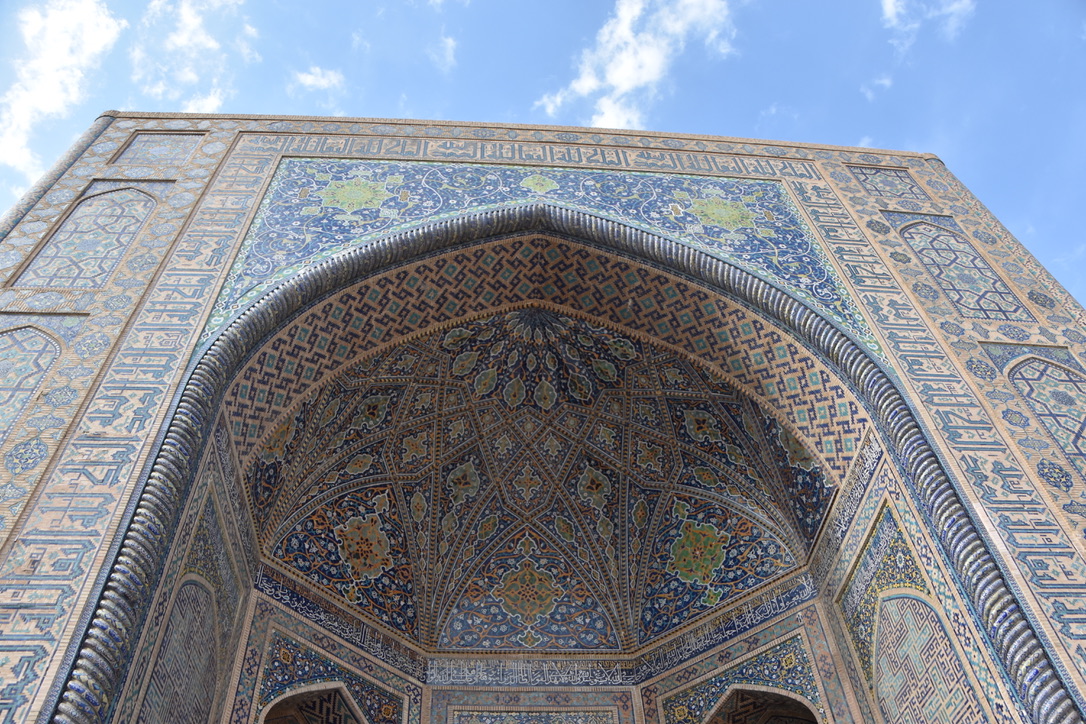
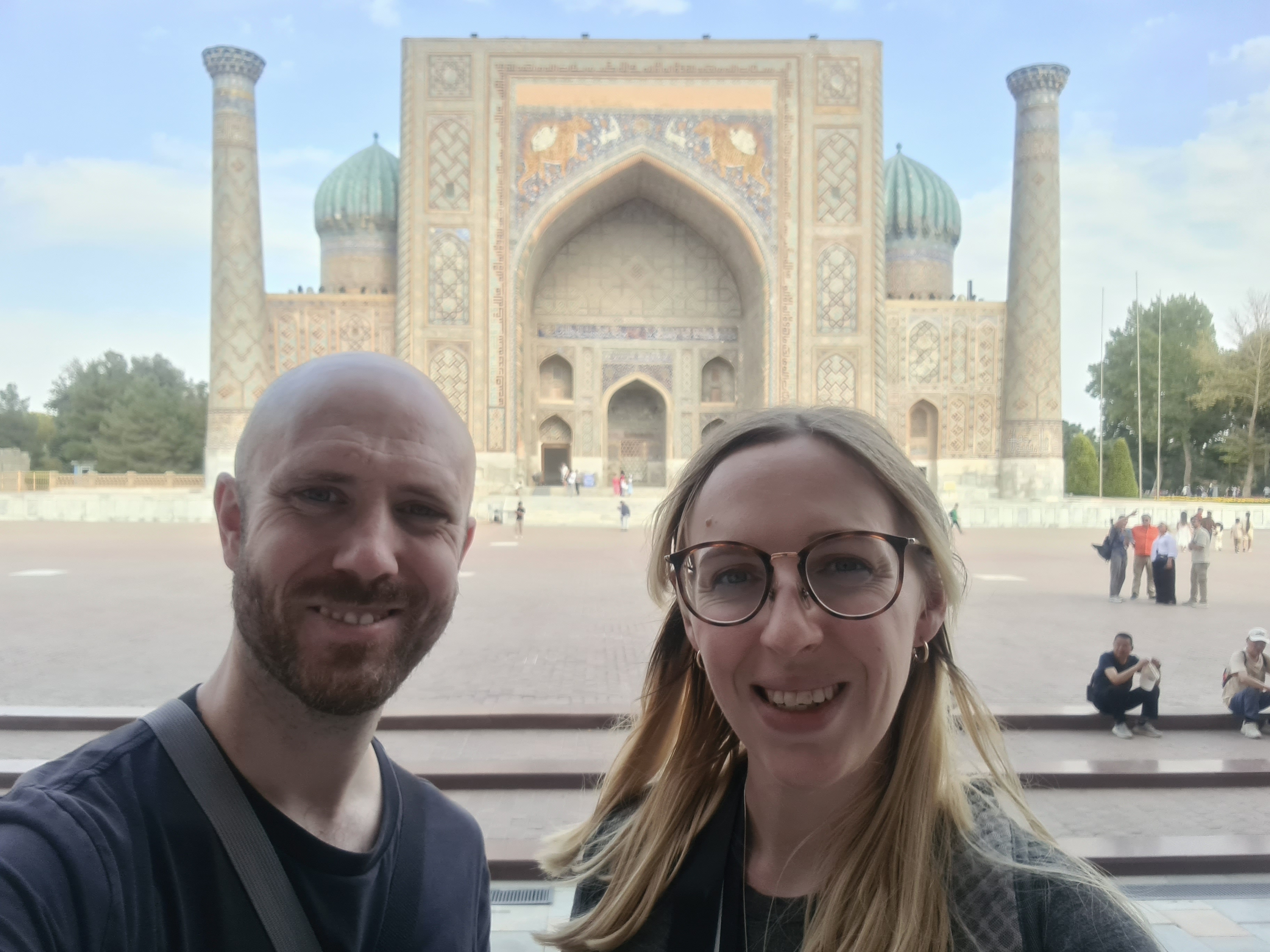
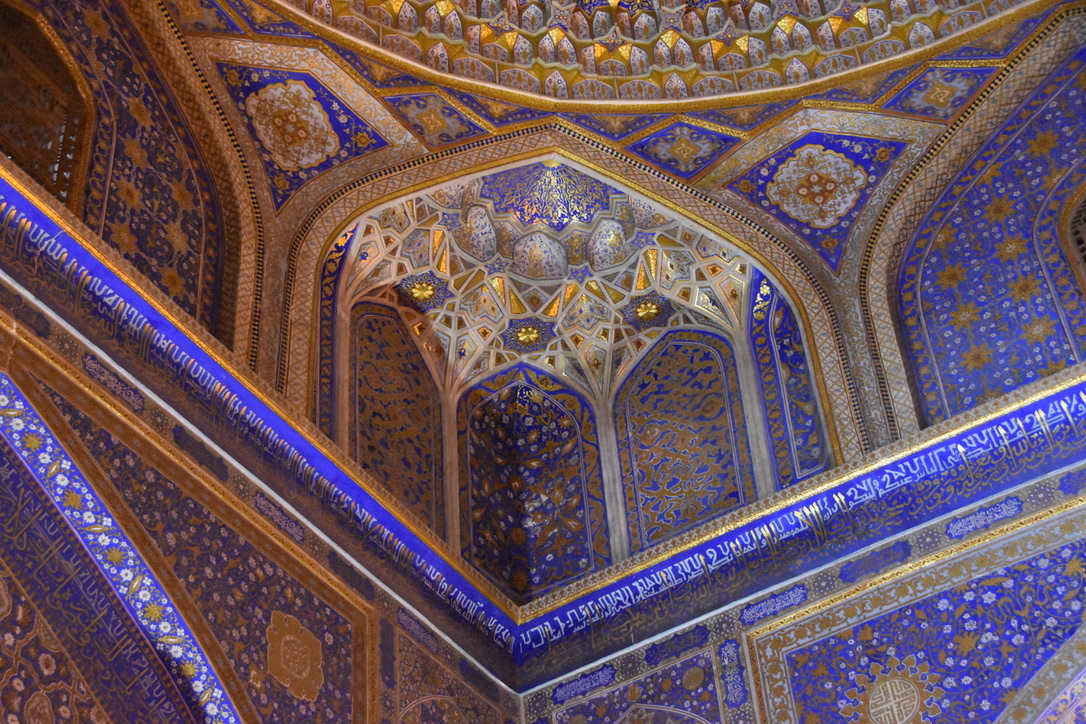
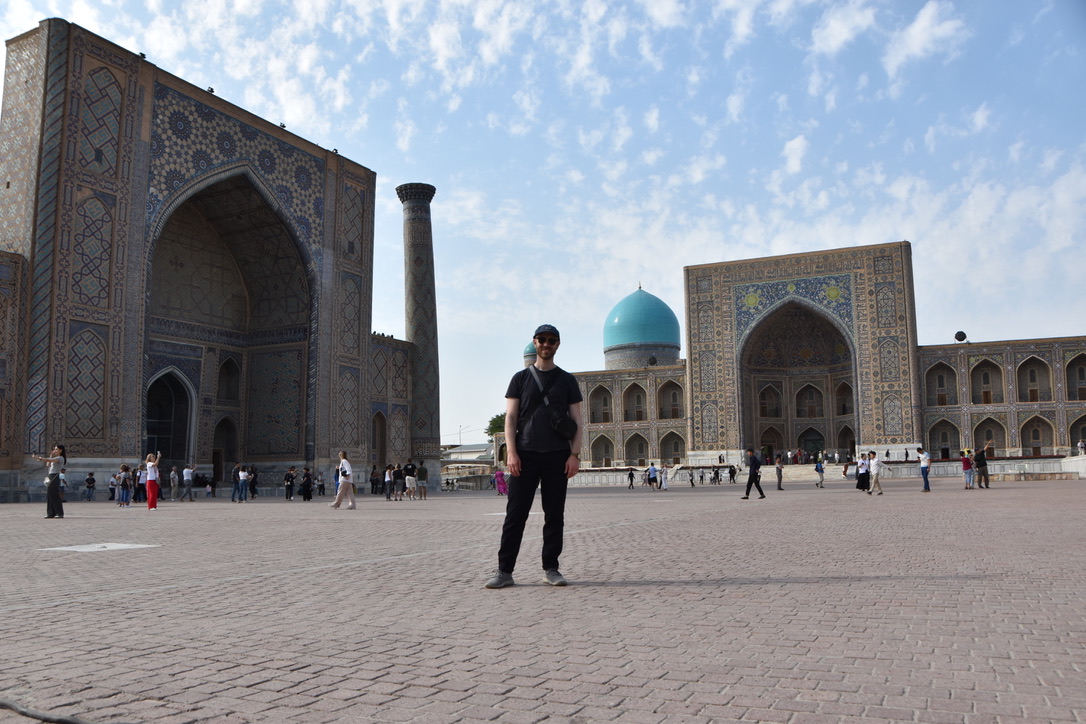
Treated to another afternoon of free time, Ricki and I joined Grace for coffee and tea on the balcony of one of the Registan’s madrasahs, before we all headed out to Konigil Tourist Village, where local handicrafts are showcased. Most significantly is paper making, as it sits on the site of an old mill, and we enjoyed demonstrations of the process.
As it was later in the afternoon, the site became more ghost town than tourist town, but we couldn’t complain about some peace and quiet. A staff member eagerly ushered us into a hut to explain oil extraction from seeds, not letting a significant language barrier get in the way. As he poured oil on to Ricki’s hands for him to sample, his face quickly turned to concern as Ricki promptly put the oil in his mouth. “Kosmetika! Kosmetika!” he now exclaimed. Ricki must now have the youngest looking insides of any of us.
After a few days in cities, it was time for us to head back to the countryside. Ganisher swapped out for the lovely Nazira, who always made sure we had the chance to see things we might not have the opportunity to at home.
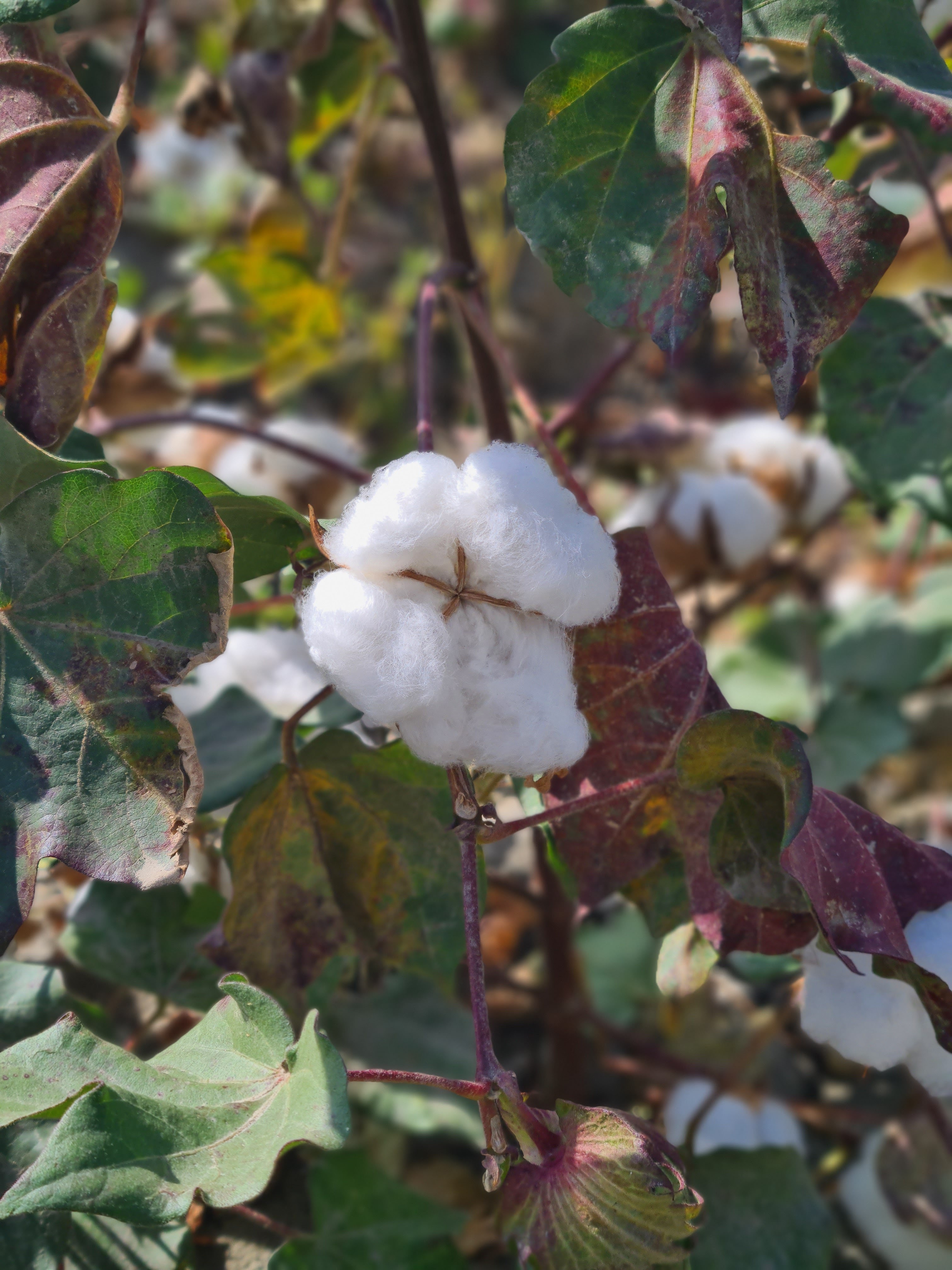
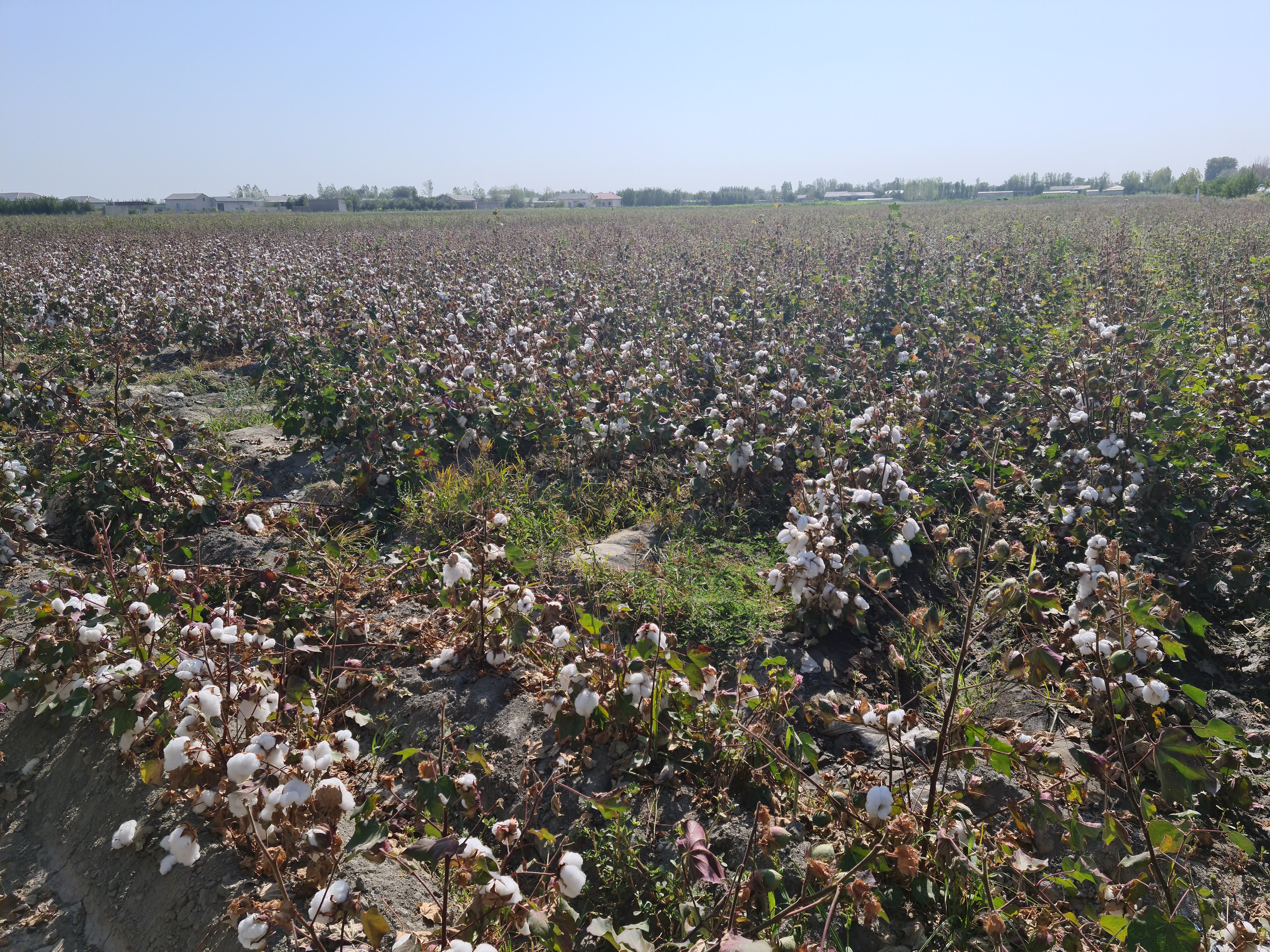
Hold the bus for a cotton-picking minute… Even in its raw form, the cotton already feels almost as soft and fluffy as the wool balls. Cotton picking is taken very seriously in central Asia with the various countries competing with each other over who can collect most. In Uzbekistan, even professionals such as doctors used to be get roped into collecting

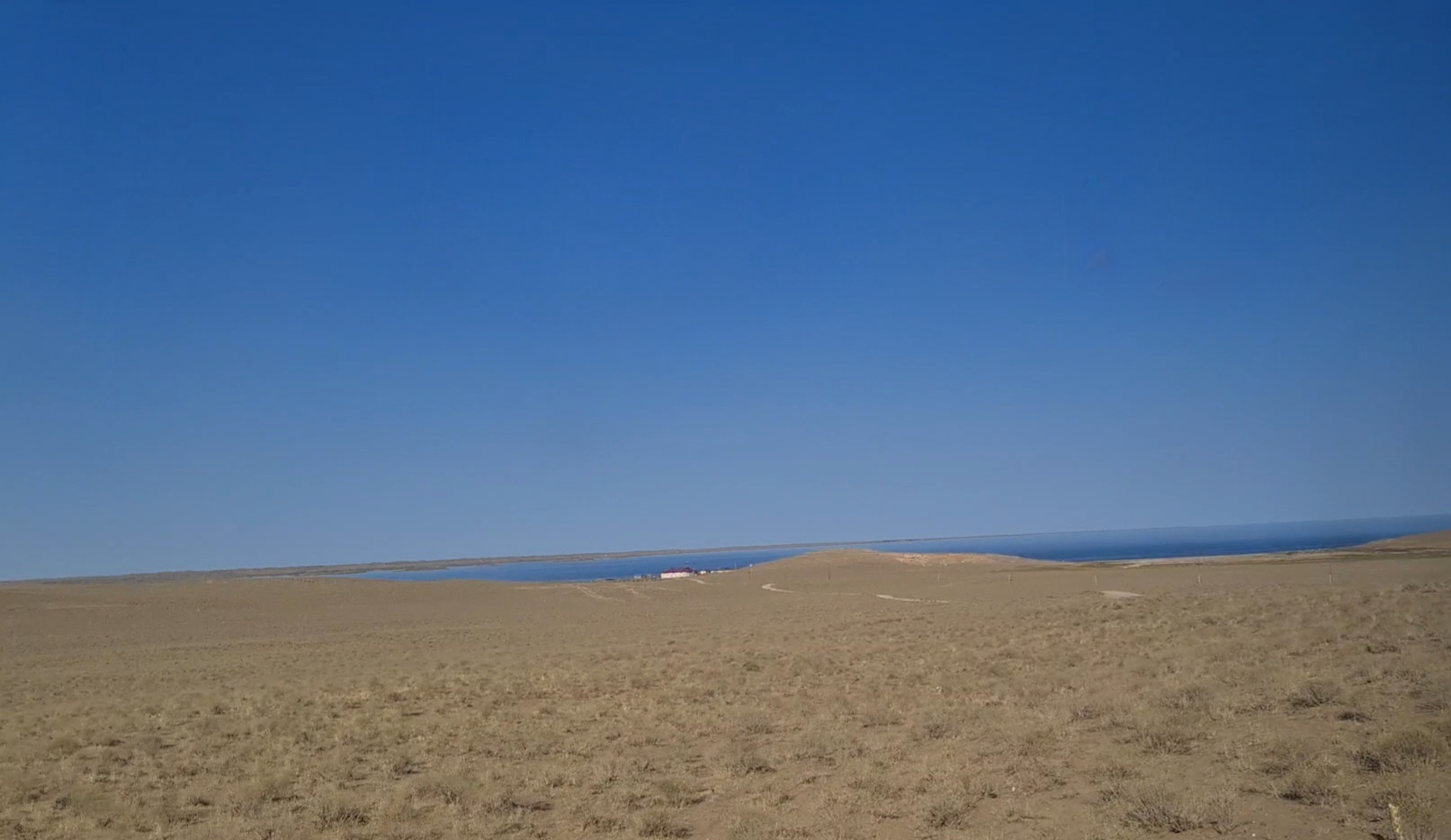
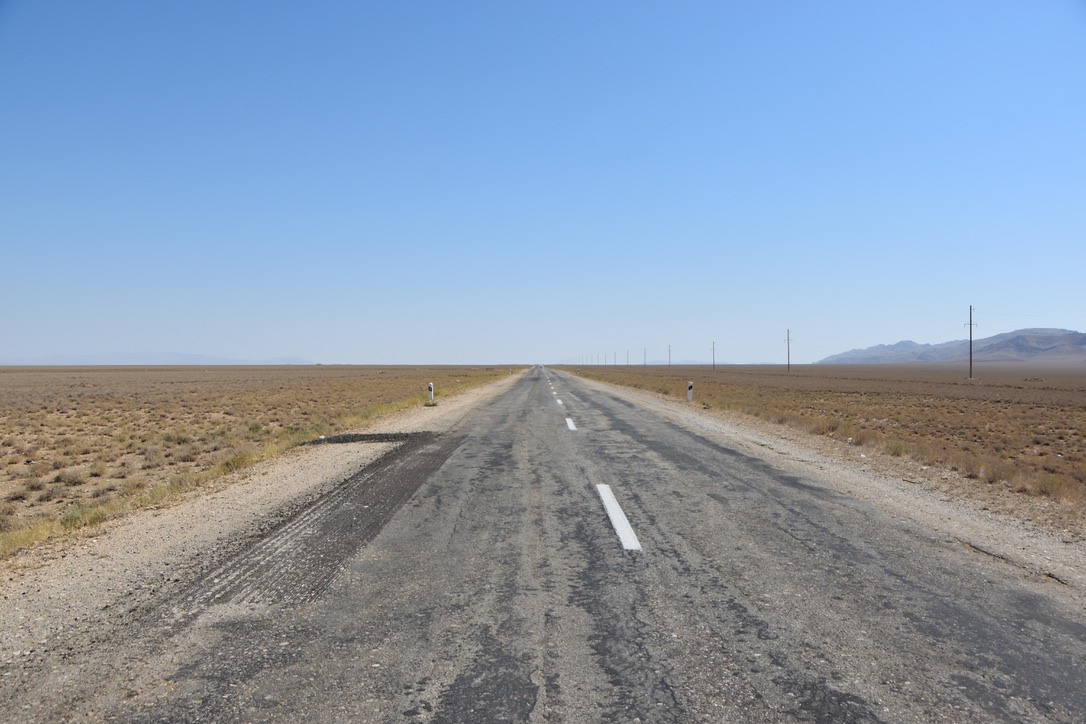
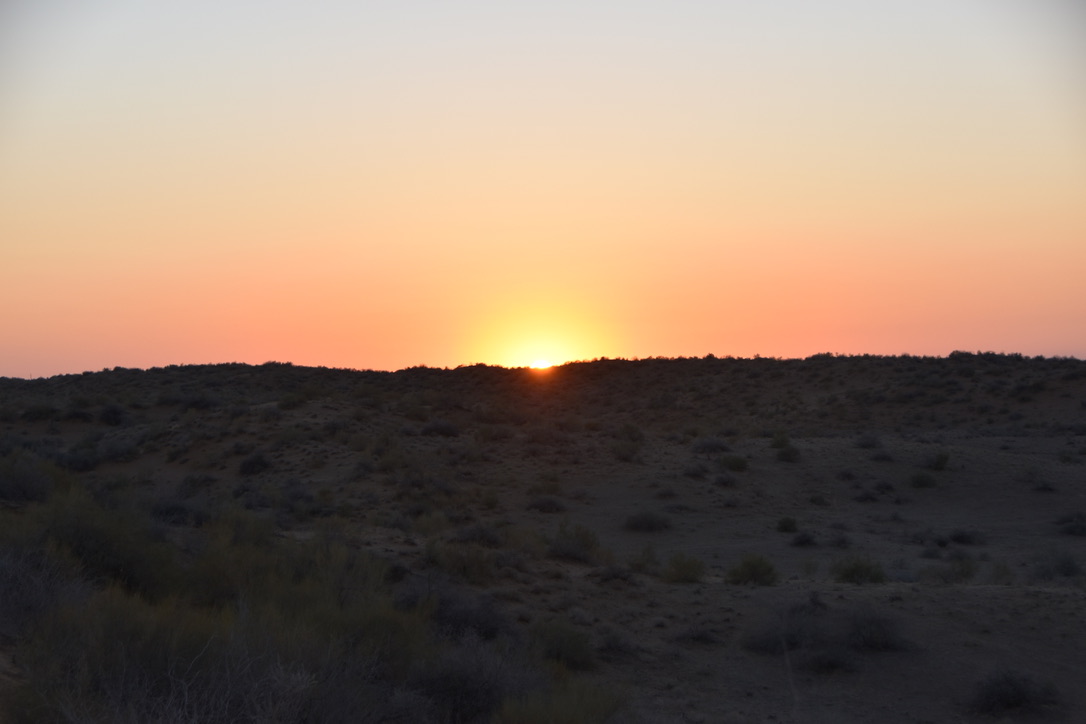
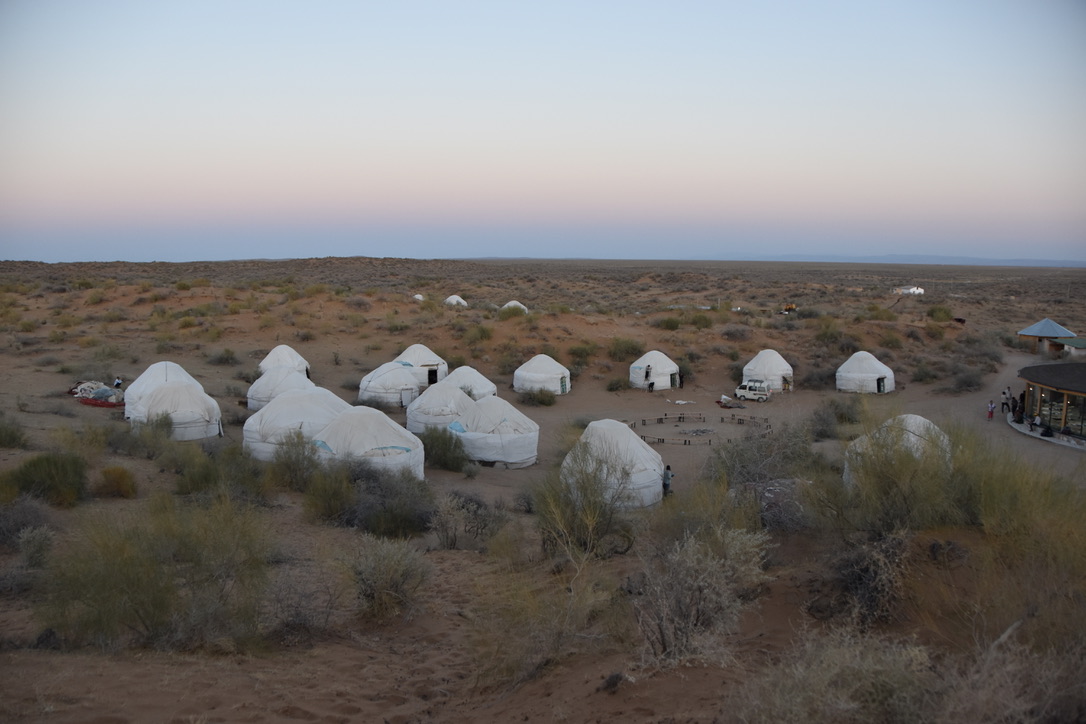
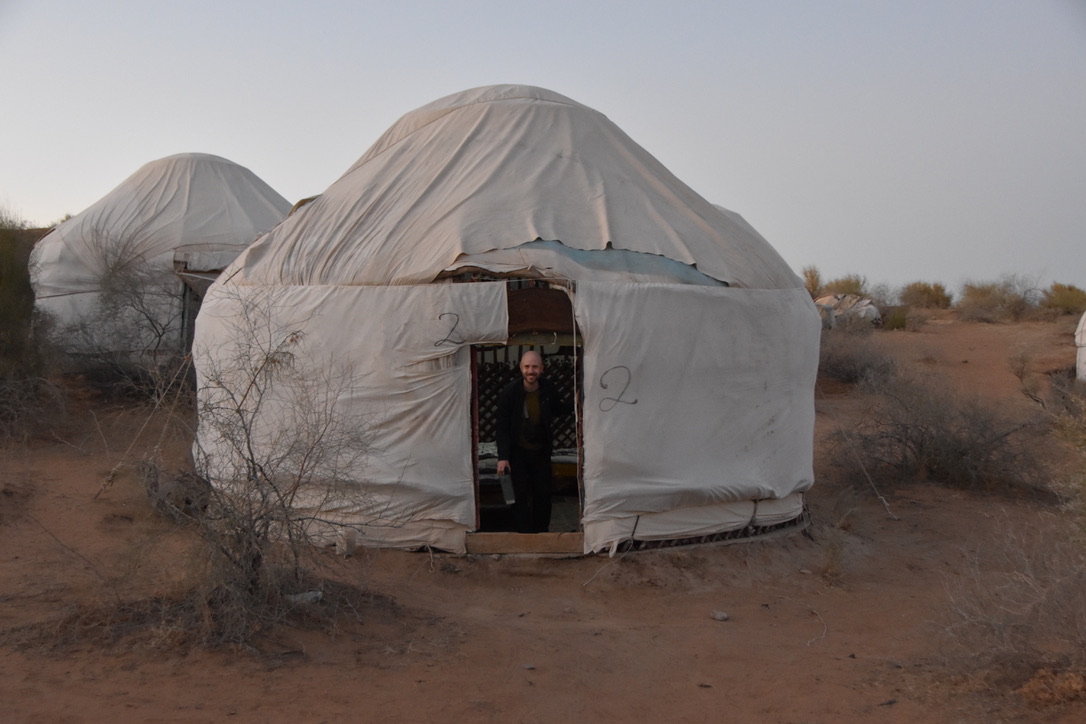
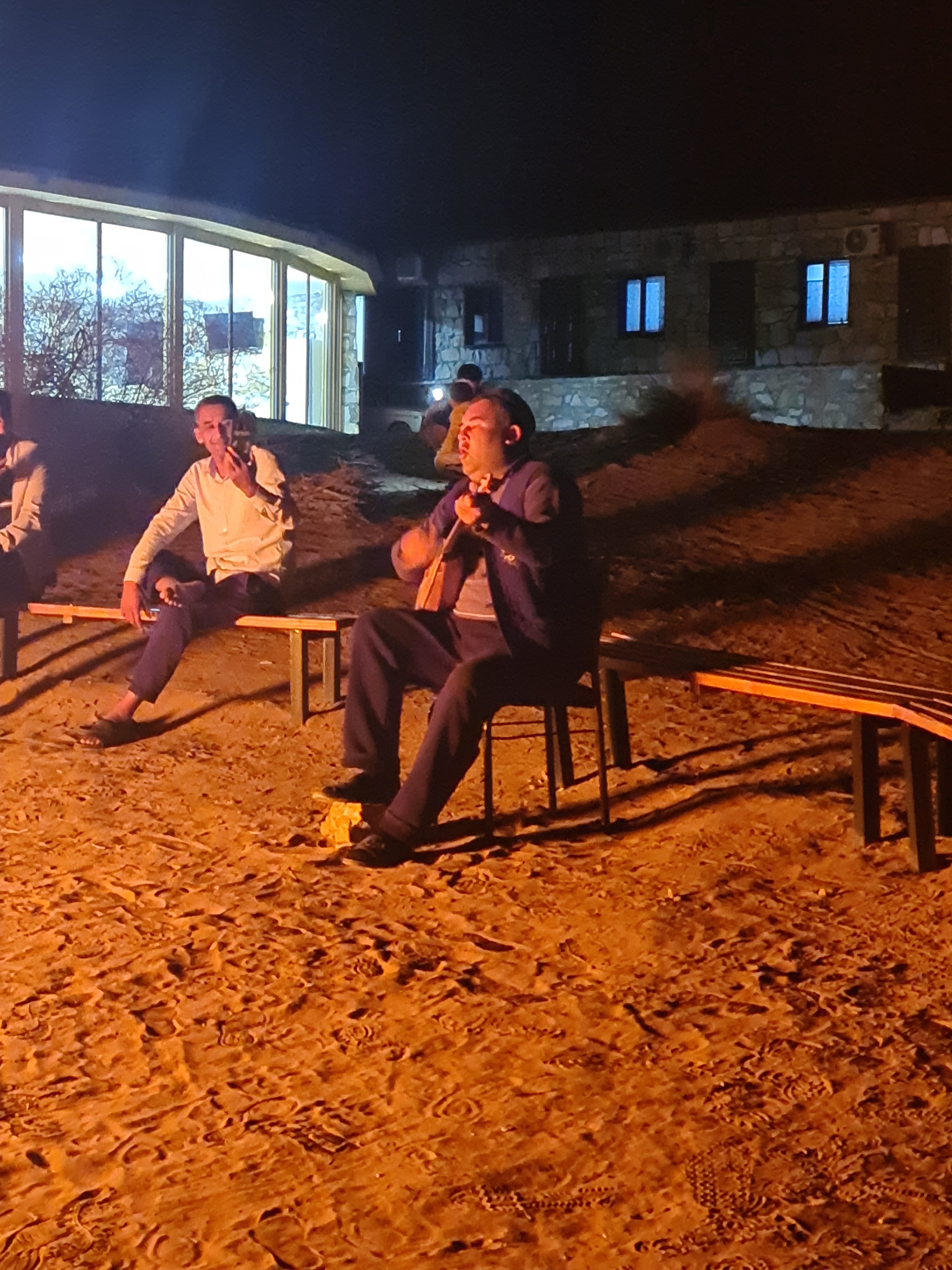
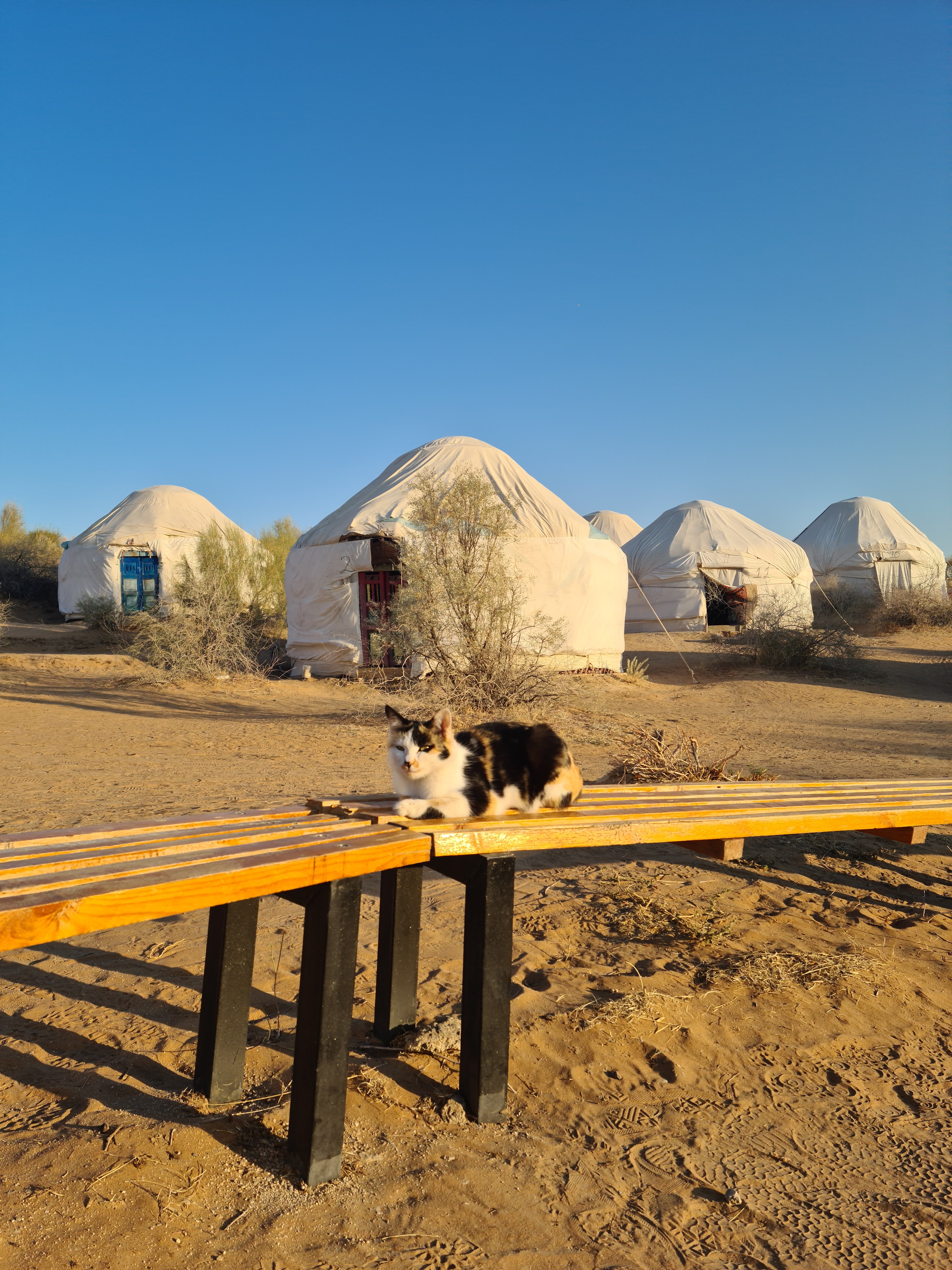
We were pleased to arrive at our second yurt camp in Aydar Kul. After being serenaded by a Kazakh musician, the moment I’d been hoping for arrived – stargazing.
Despite several stays out in the countryside, nearby settlements and cloudy nights had prohibited any galaxy gazing. Out here it was perfect though, almost as good as in the Atacama desert. After wondering where the moon was, we soon spotted it on the horizon. I’m not sure I’ve ever actually watched the moonrise before and was grateful for the surprise.
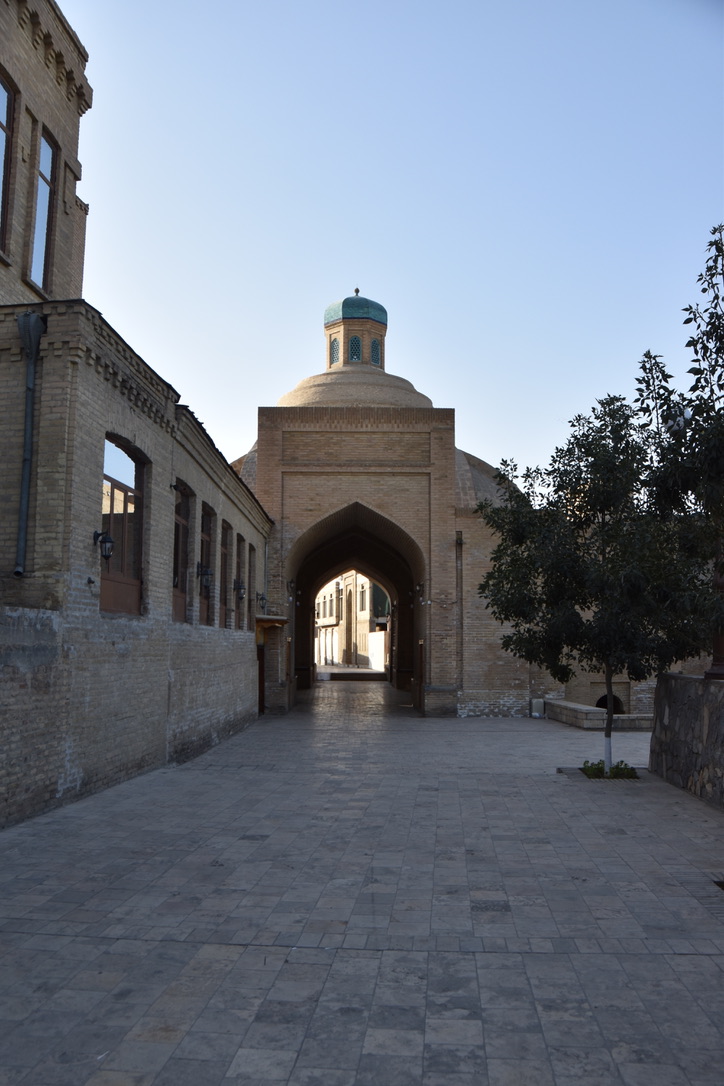
Next up was Bukhara, where it felt like we travelled back in time. The warmth of the sun complemented the sand coloured buildings beautifully. And with so many markets, it was easy to be transported back to the Silk Road in its trading heyday.

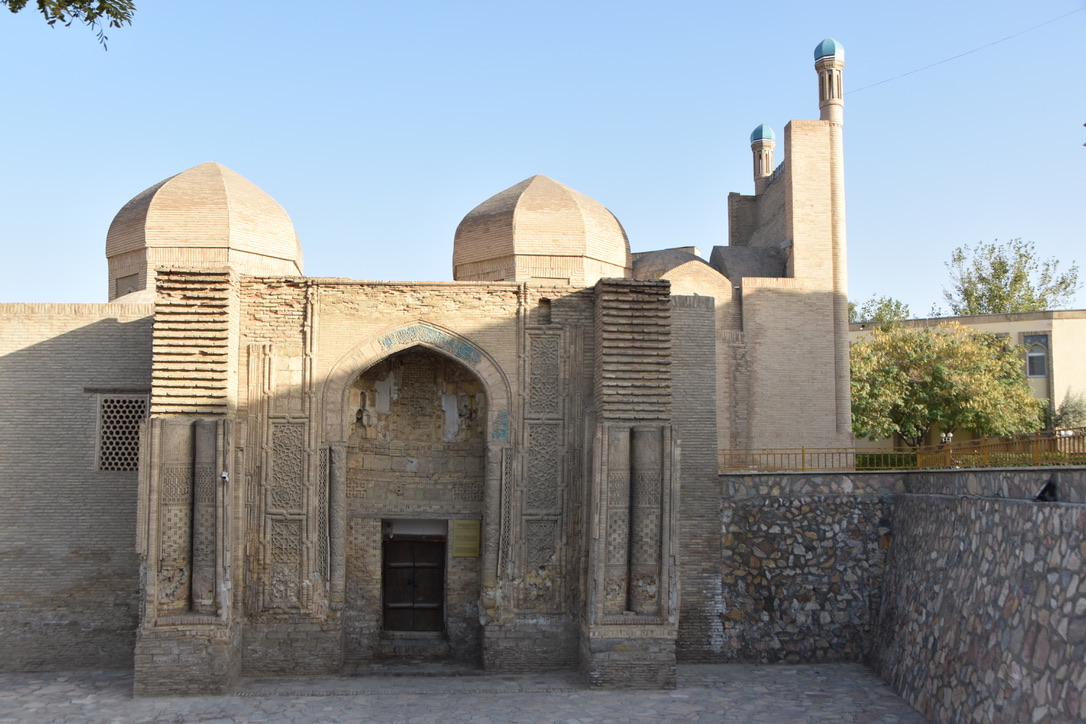
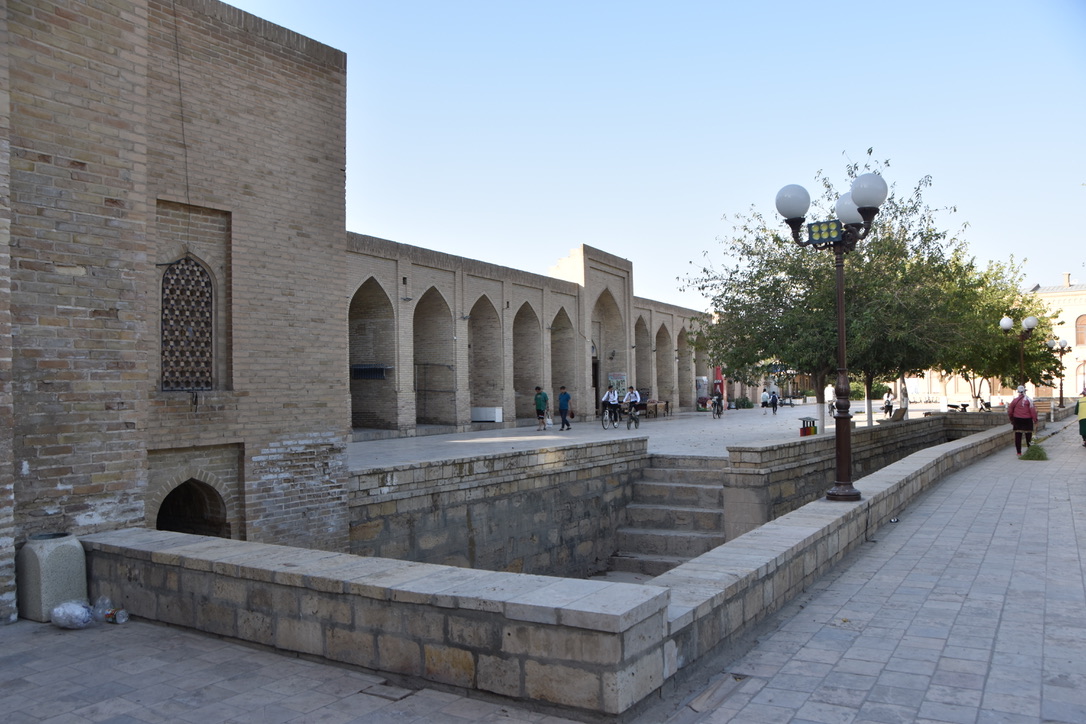
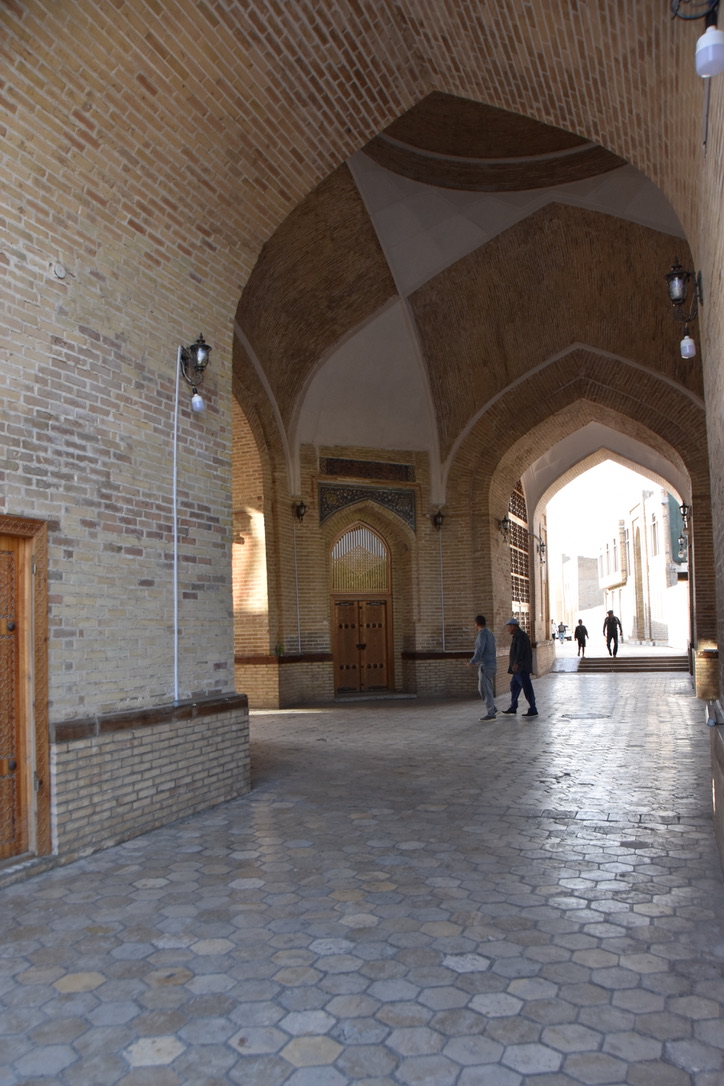
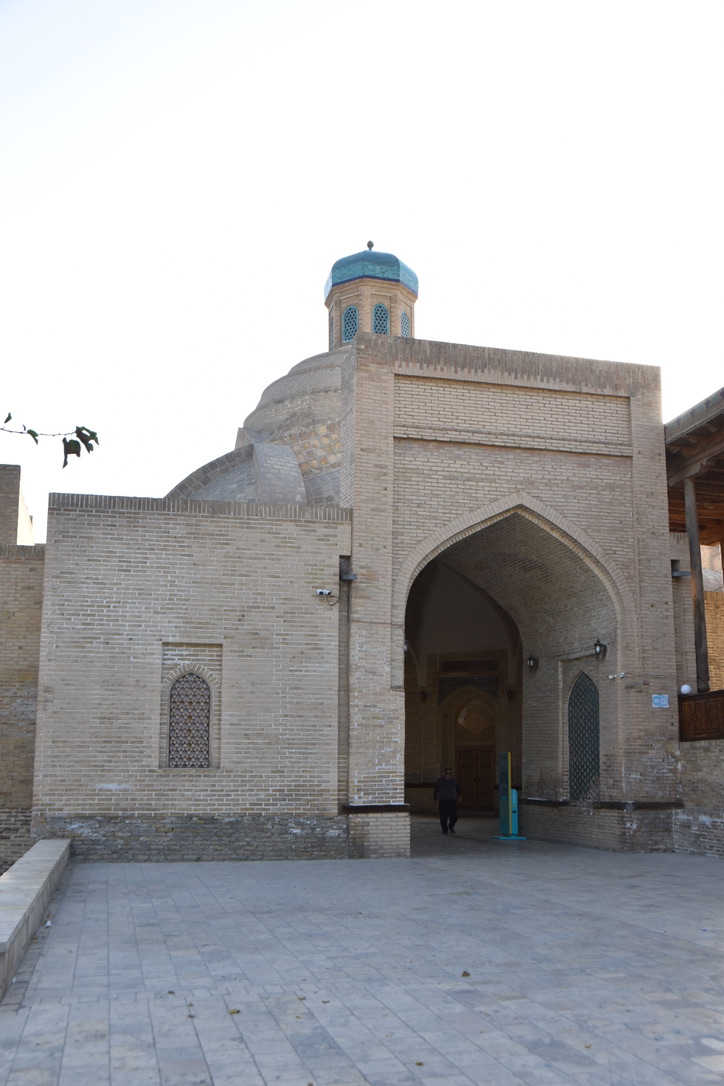
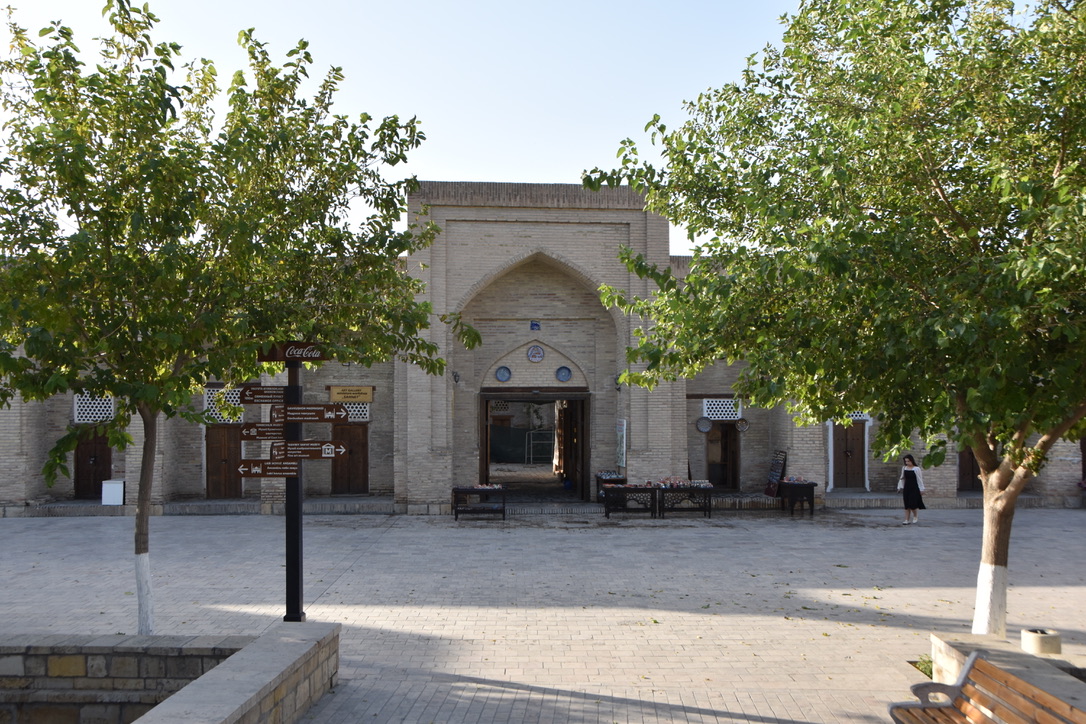
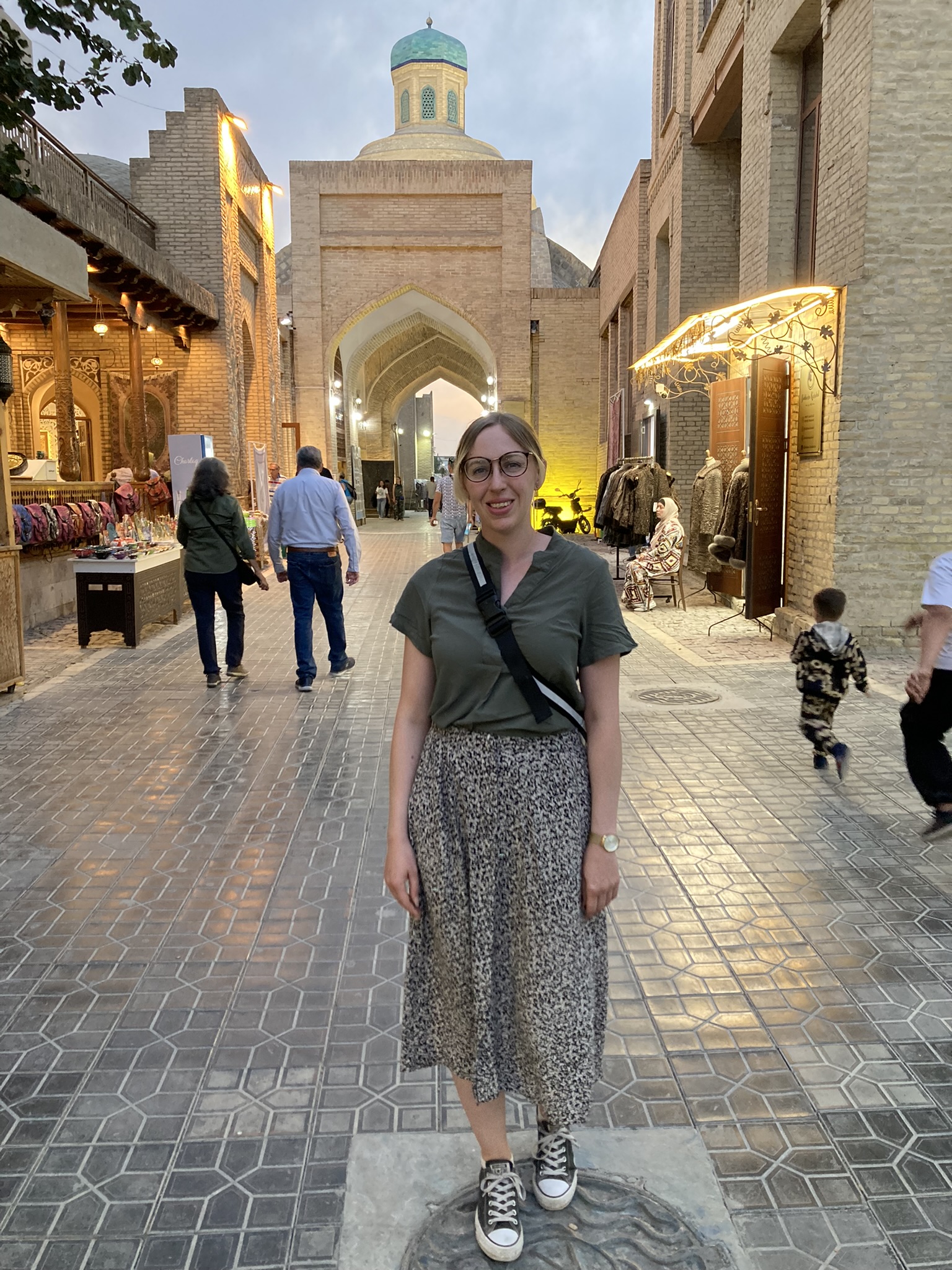
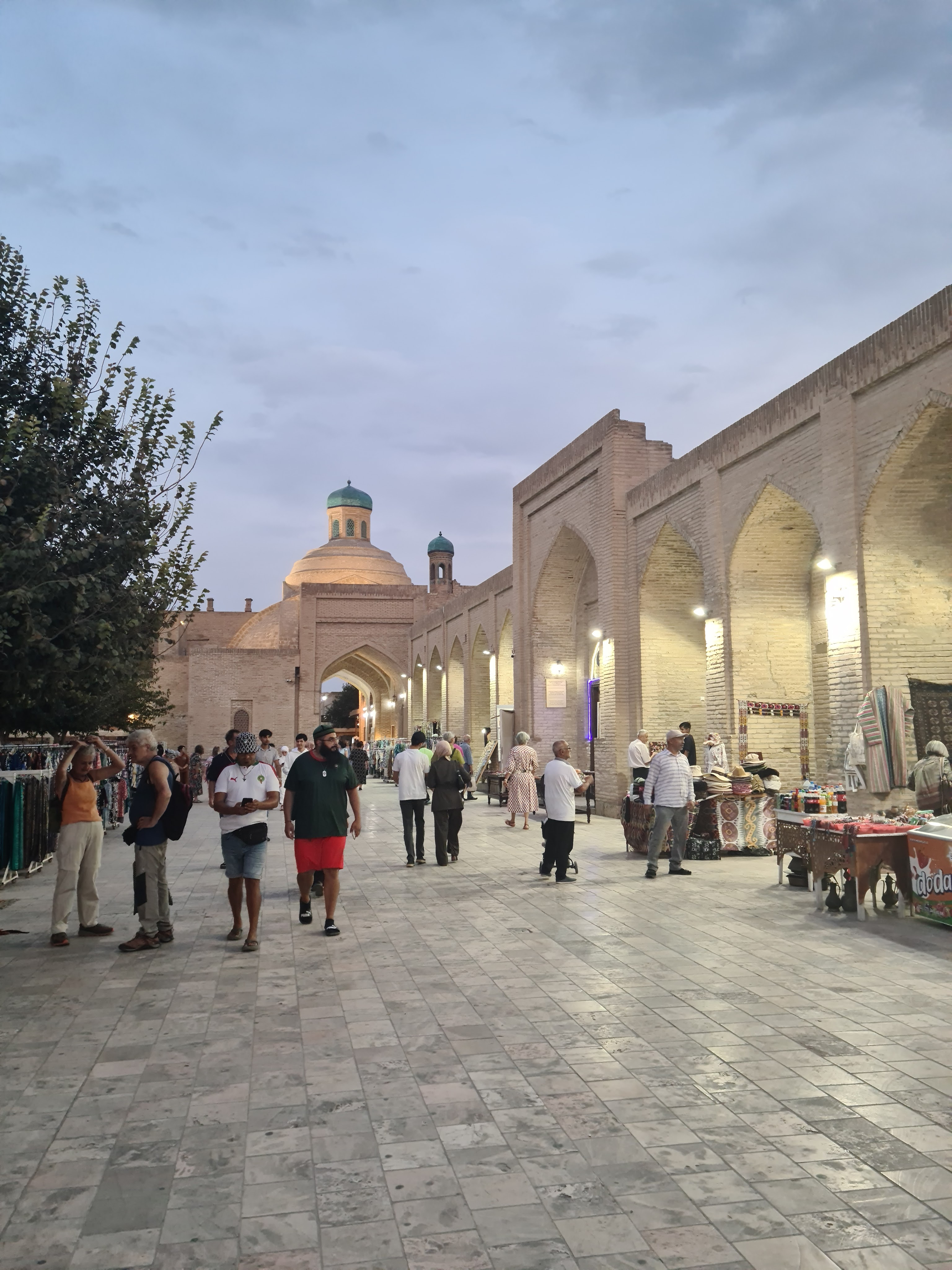
In fact, after a hefty sightseeing tour, Ricki and I joked about buying a silk runner rug for our home…saved only by the fact that we didn’t know the required dimensions. I’d been almost rolling my eyes when the tour finished in a carpet showroom, but it goes to show what an eloquent saleswoman and some complimentary saffron tea and sweet treats will do!
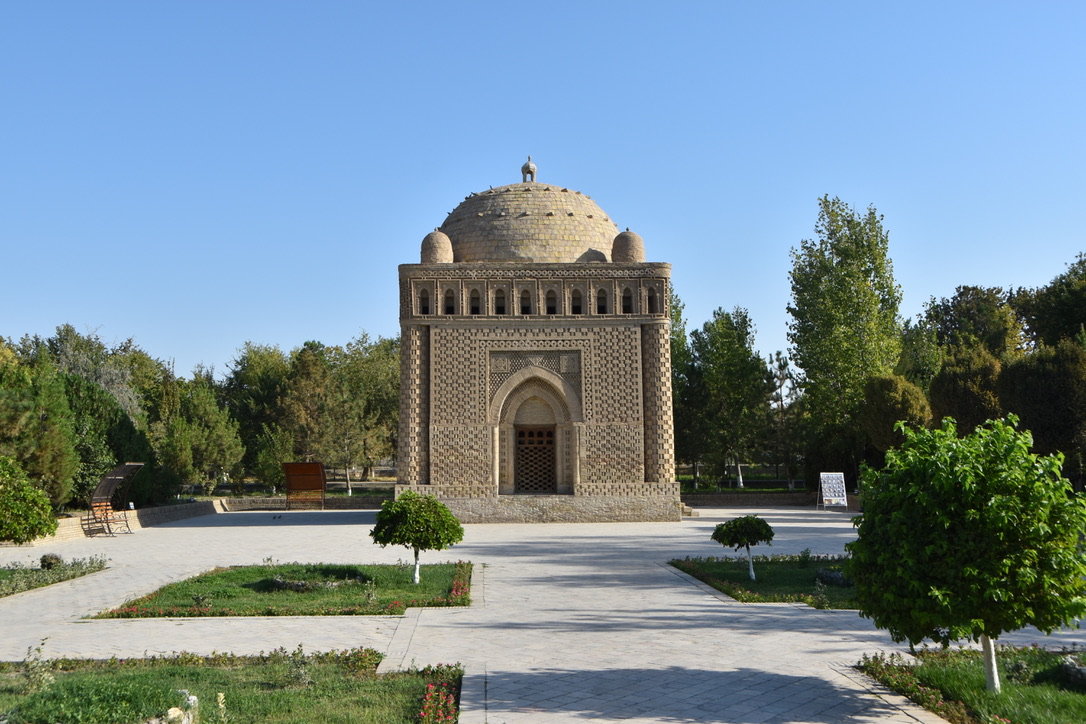
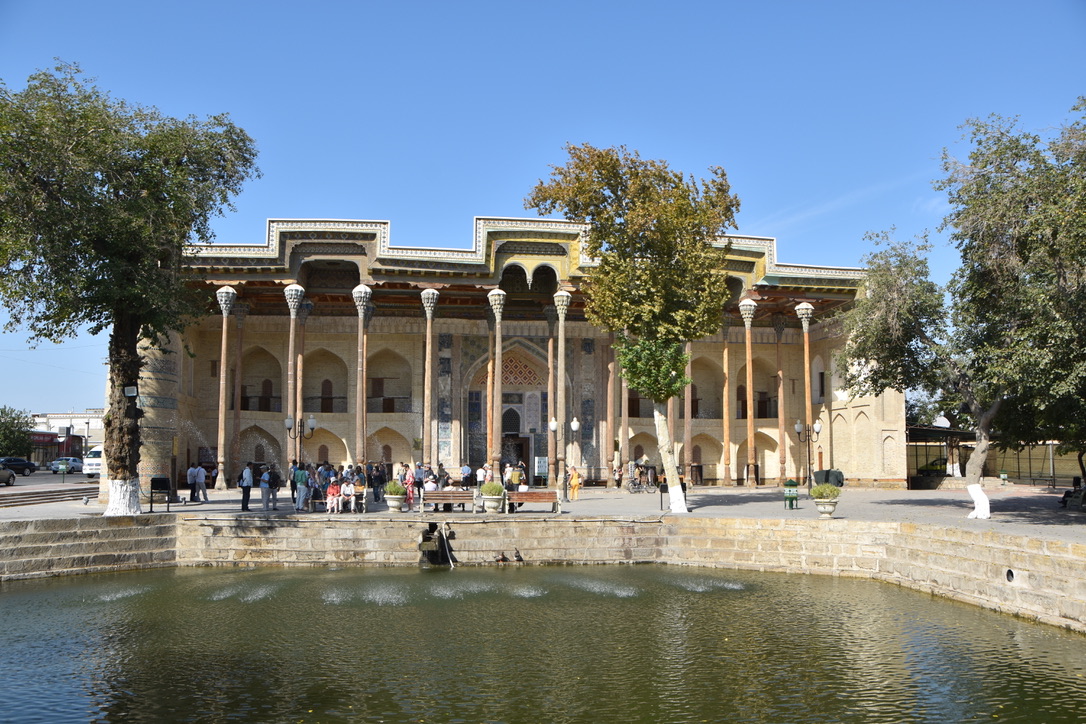

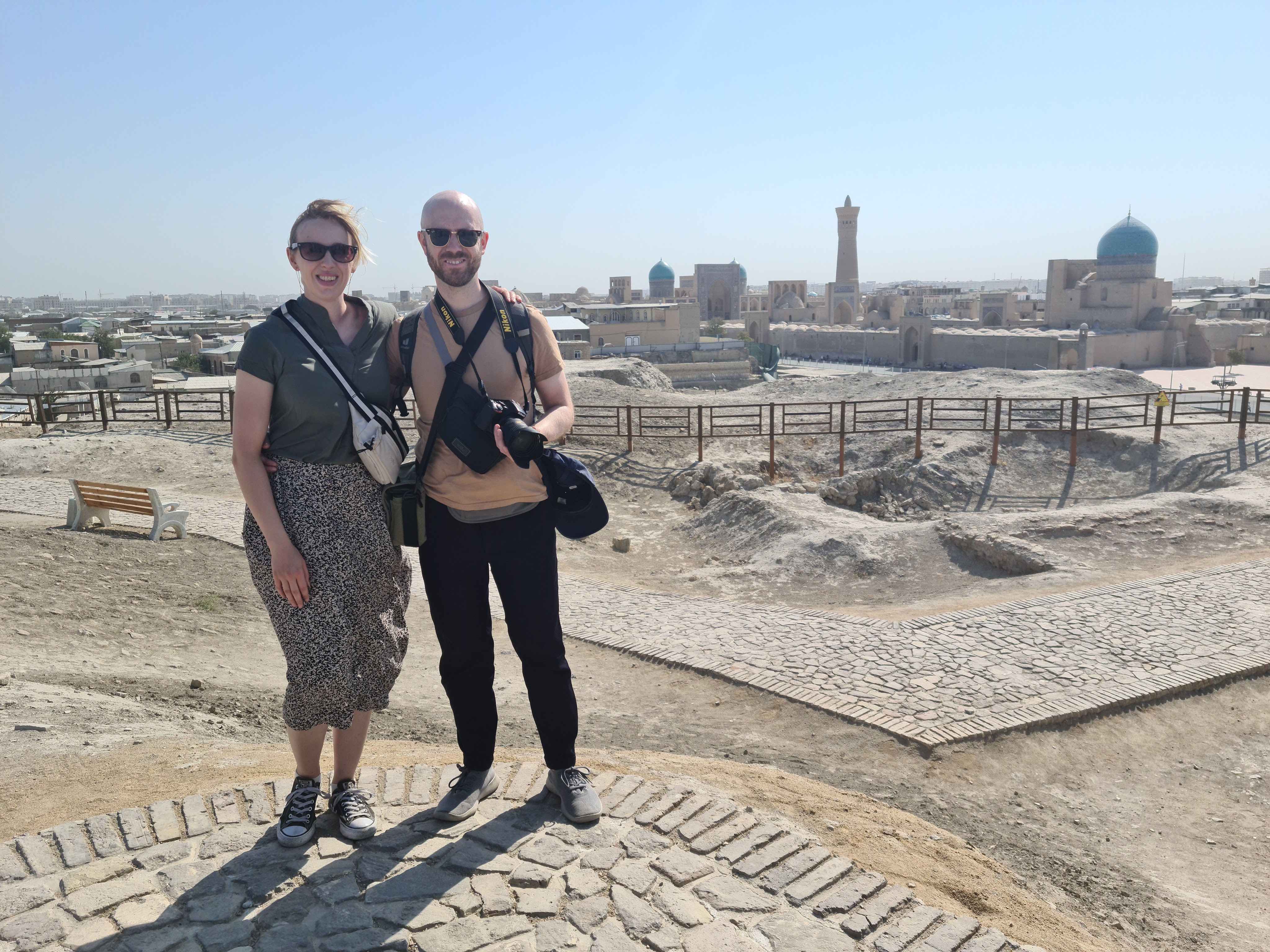
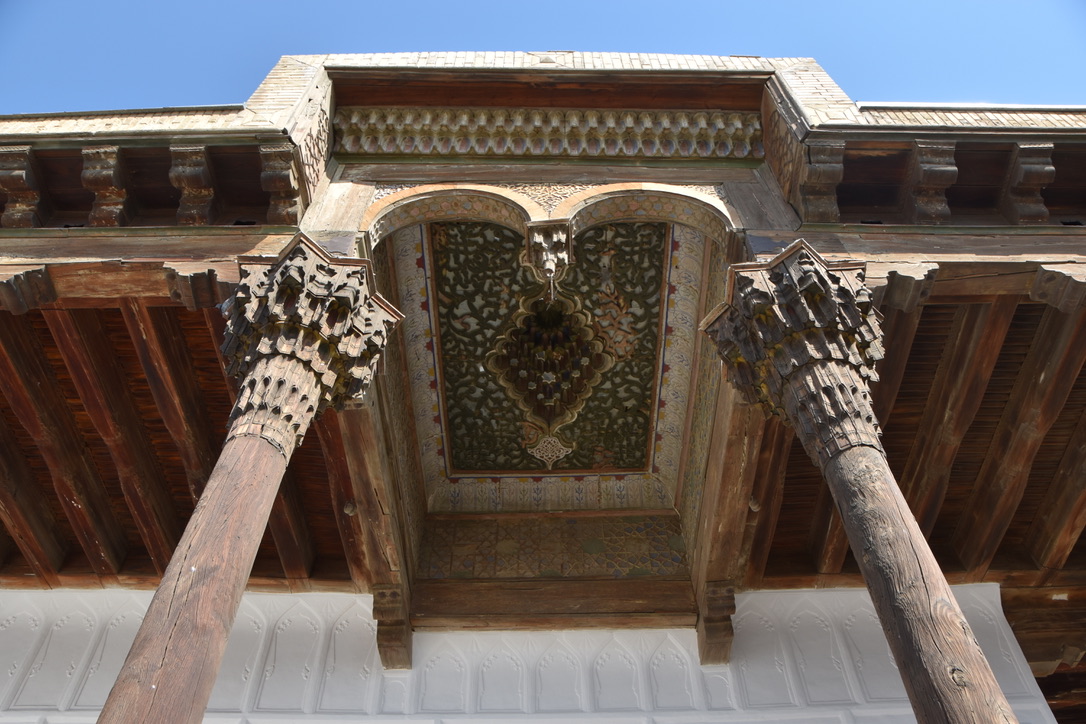
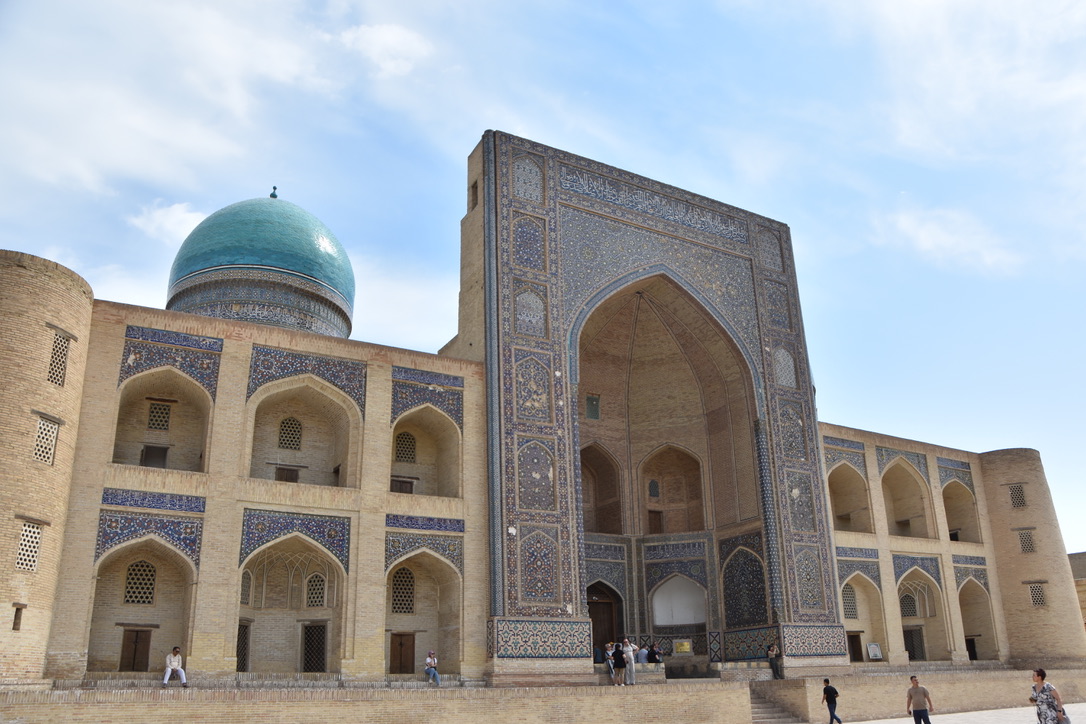
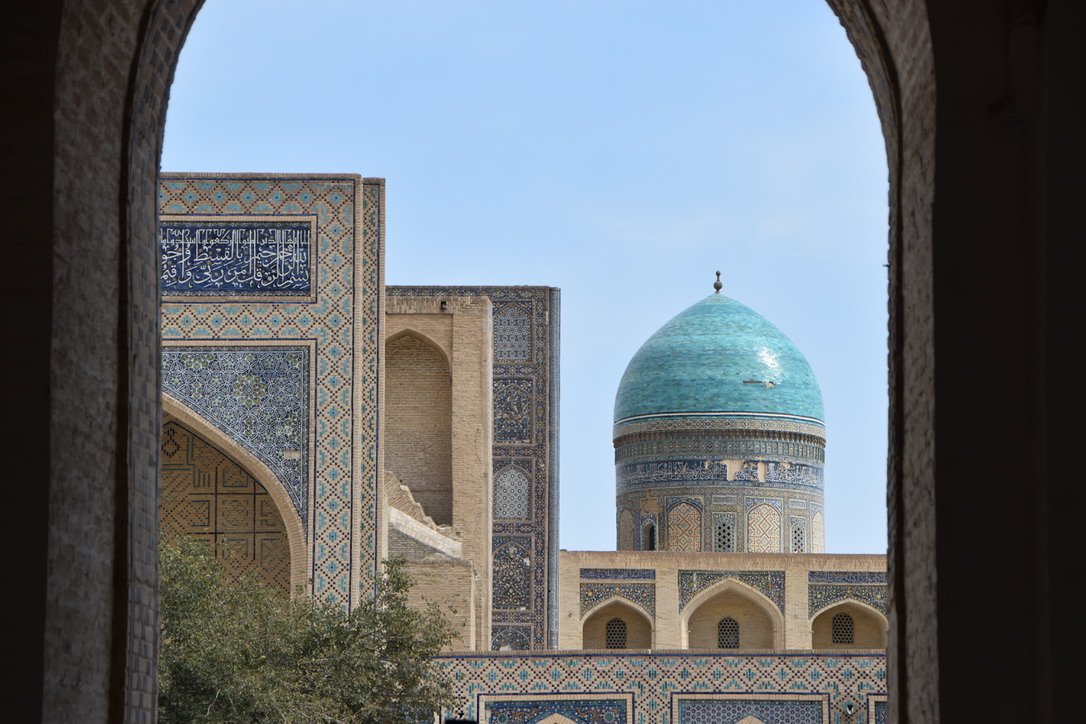
With a little bit of free time, Ricki and I were happy to wander round areas like the Jewish quarter and eat lunch by the lively Lyabi Hauz – literally “by the pool”.
As tempting as an optional hammam had sounded, poor reviews put us off. We didn’t feel like we’d missed out, particularly when some of the ladies returned and gleefully reported about all the old men and their “dangly bits” on display!

Nude wrinklies aside, I thought Bukhara would take some beating on the picturesque scale. Our final stop in Uzbekistan, Khiva, was even more delightful though and had us finishing the country off on a high.
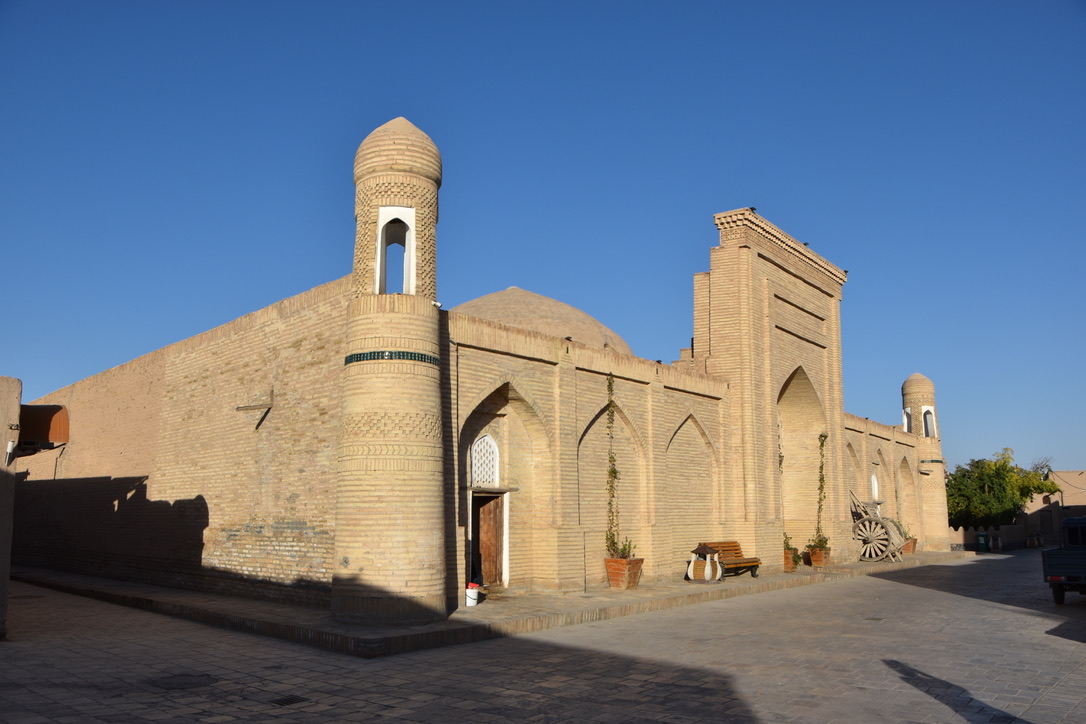
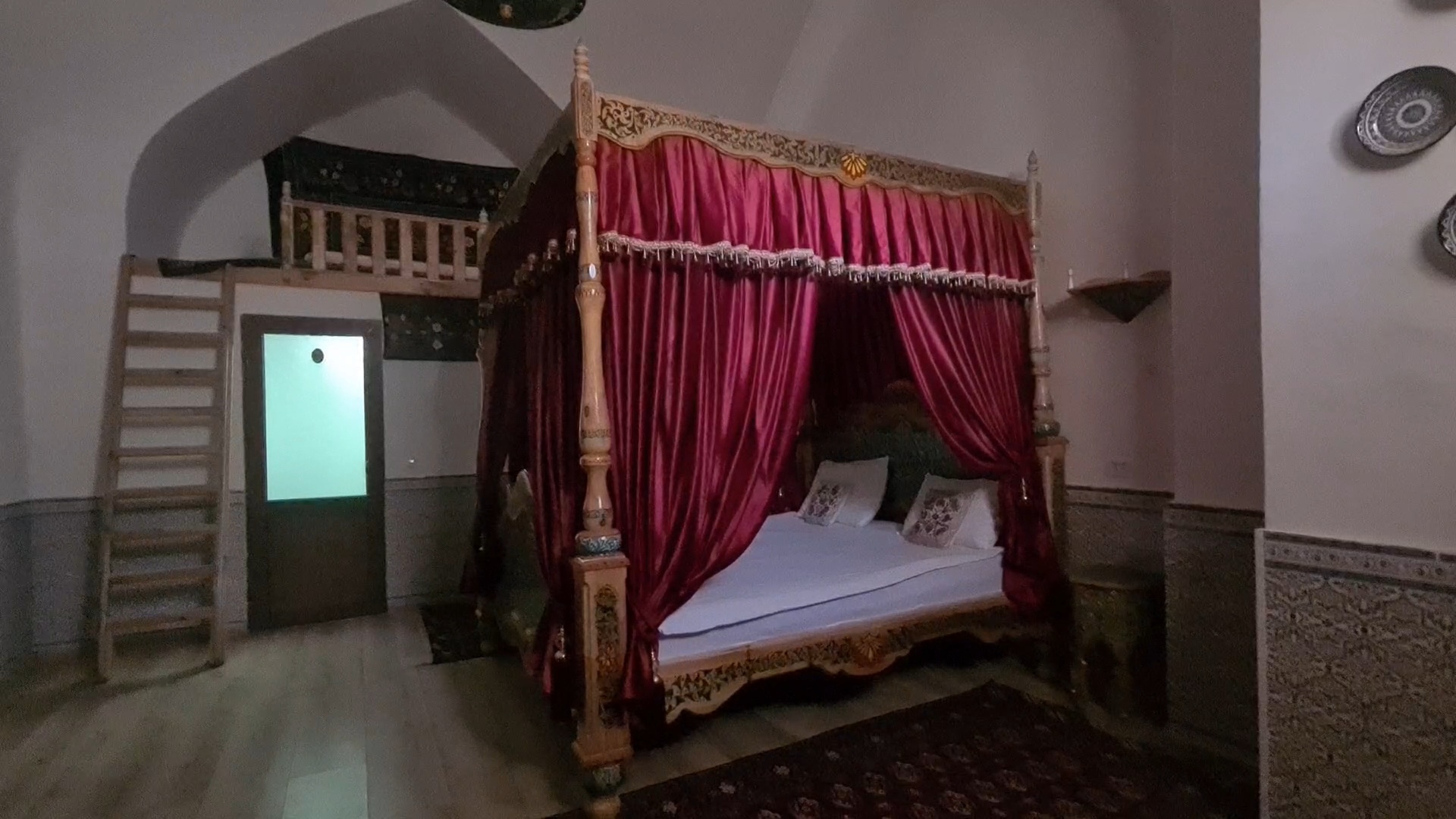
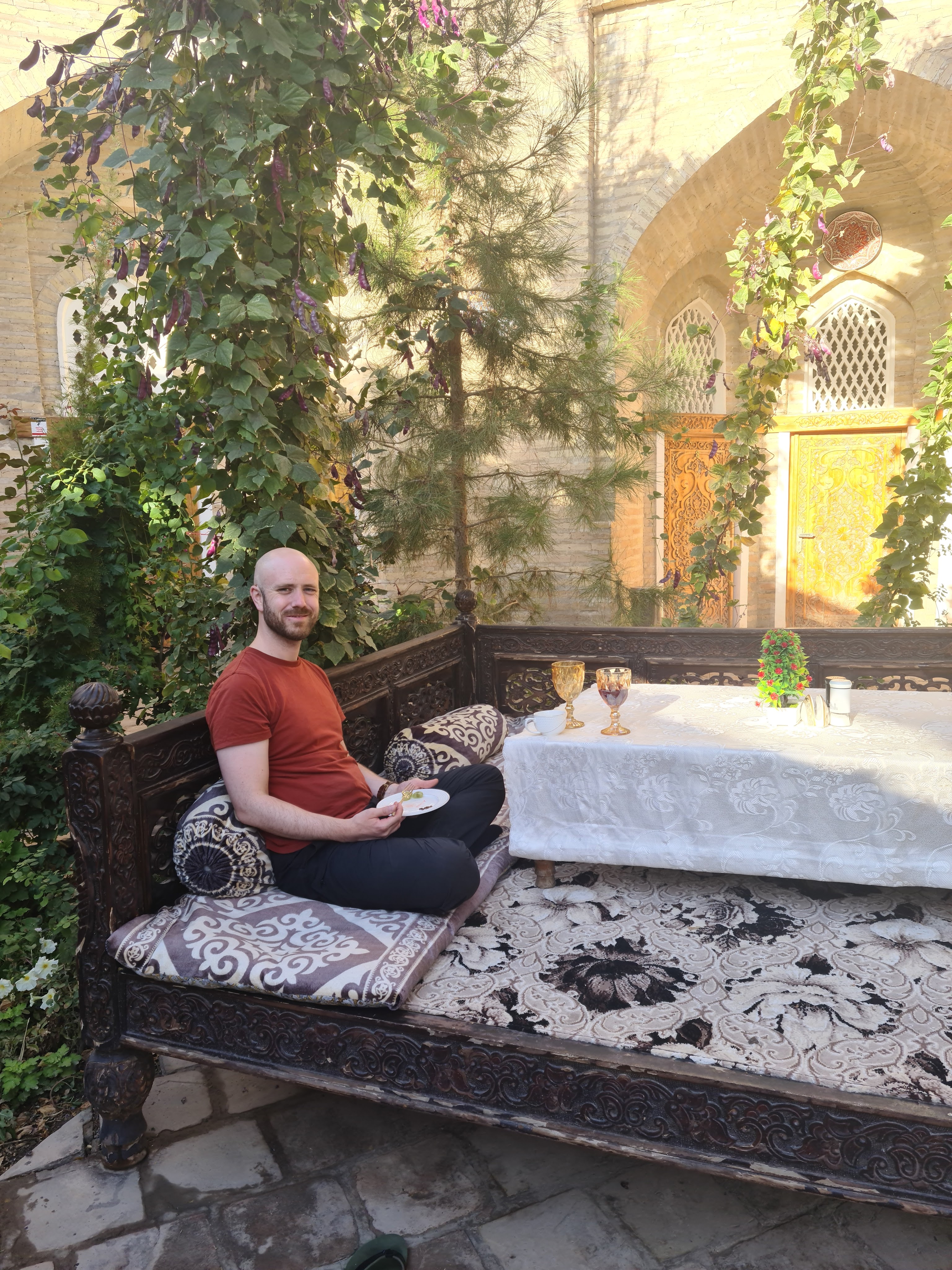
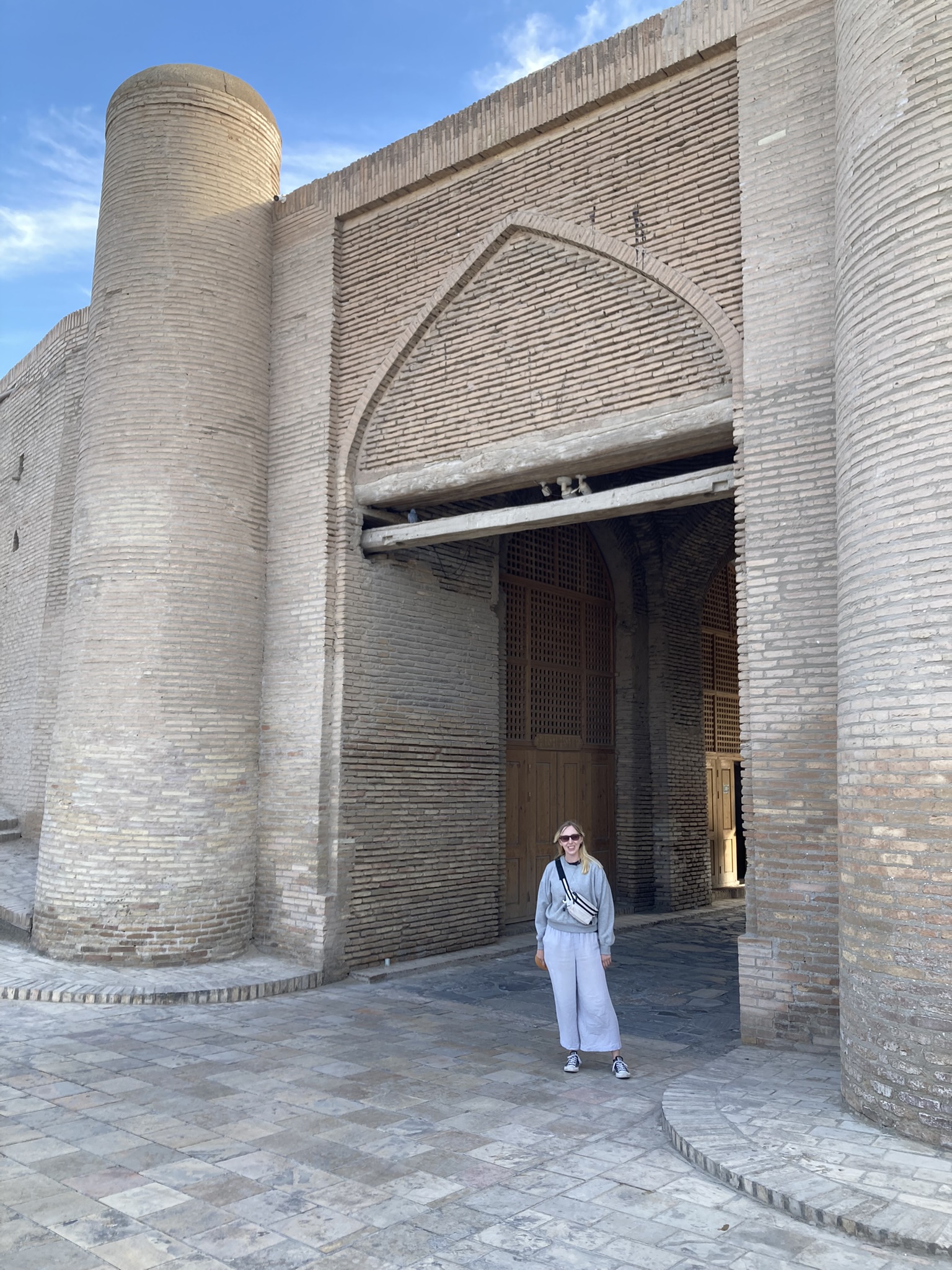
Staying in a former madrasah
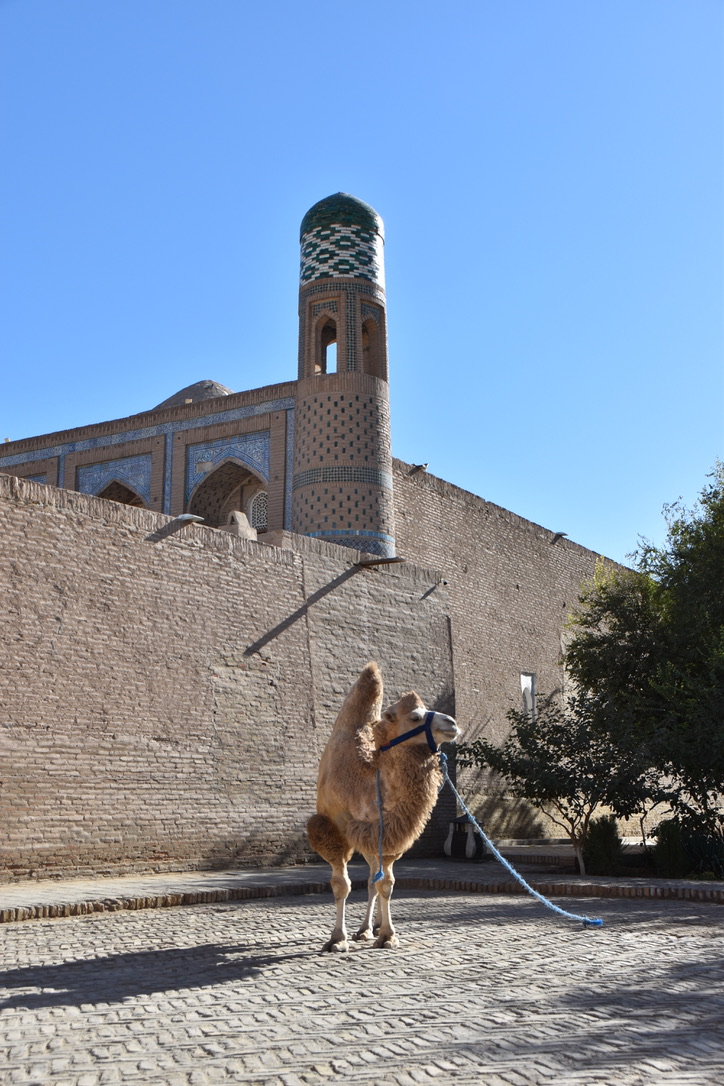
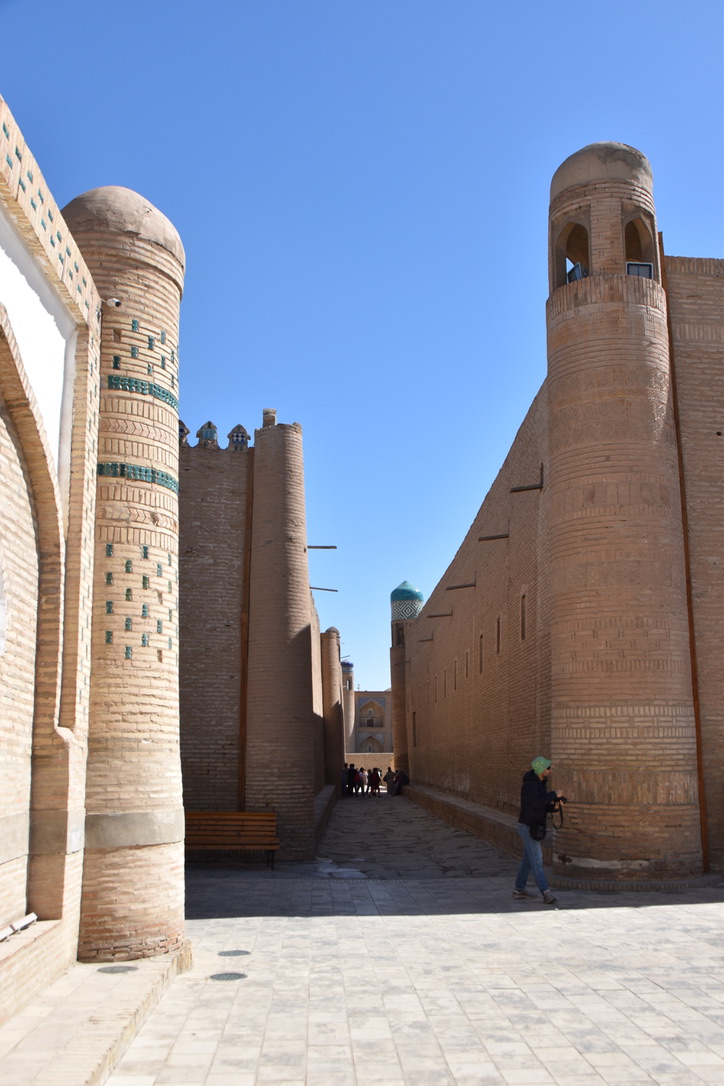
Khiva’s inner town had the same historic touches as Samarkand and Bukhara, but, visitors aside, felt much more peaceful. It was like walking through an open air museum.
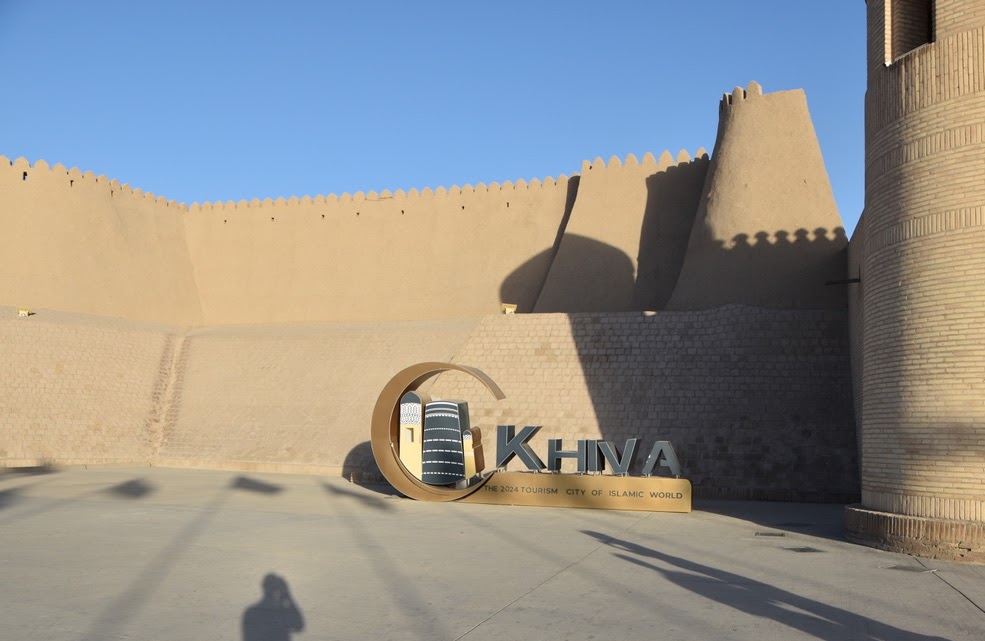
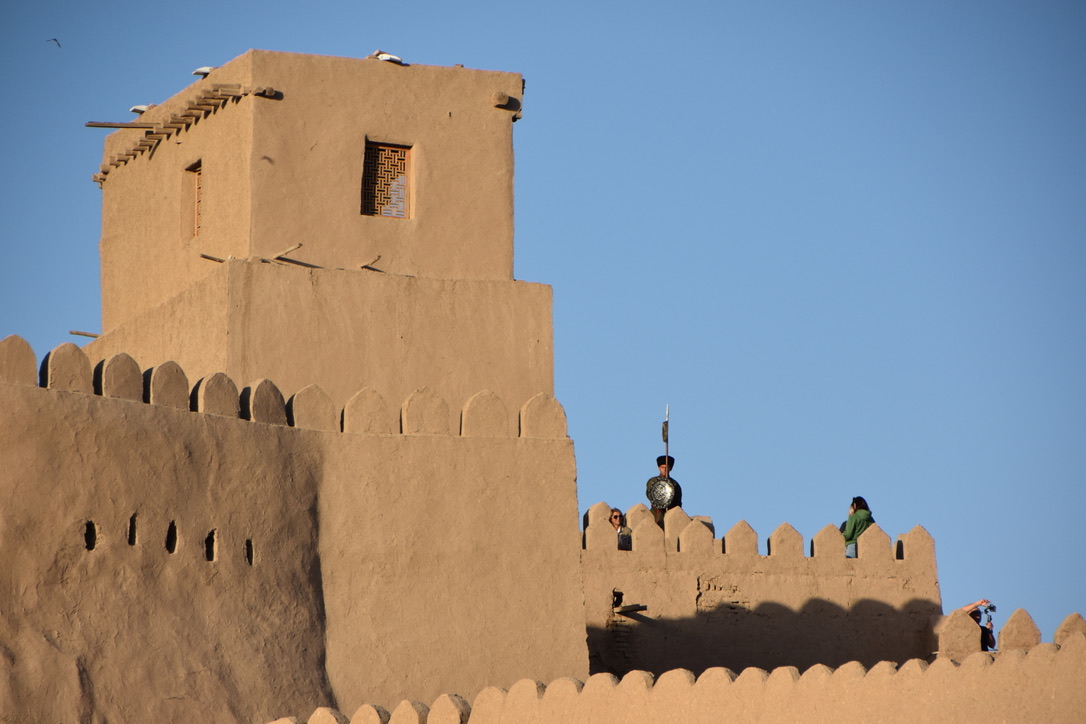
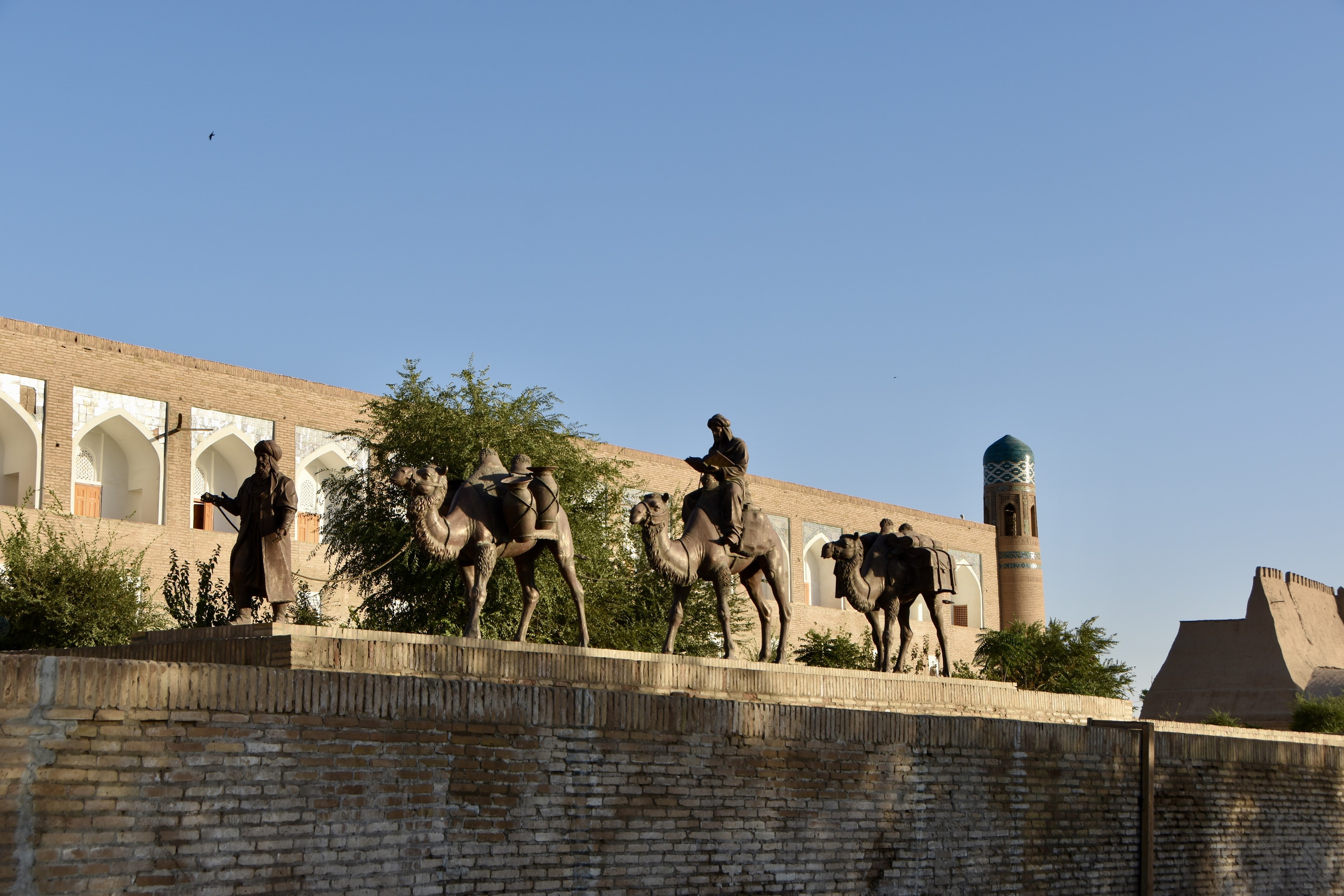


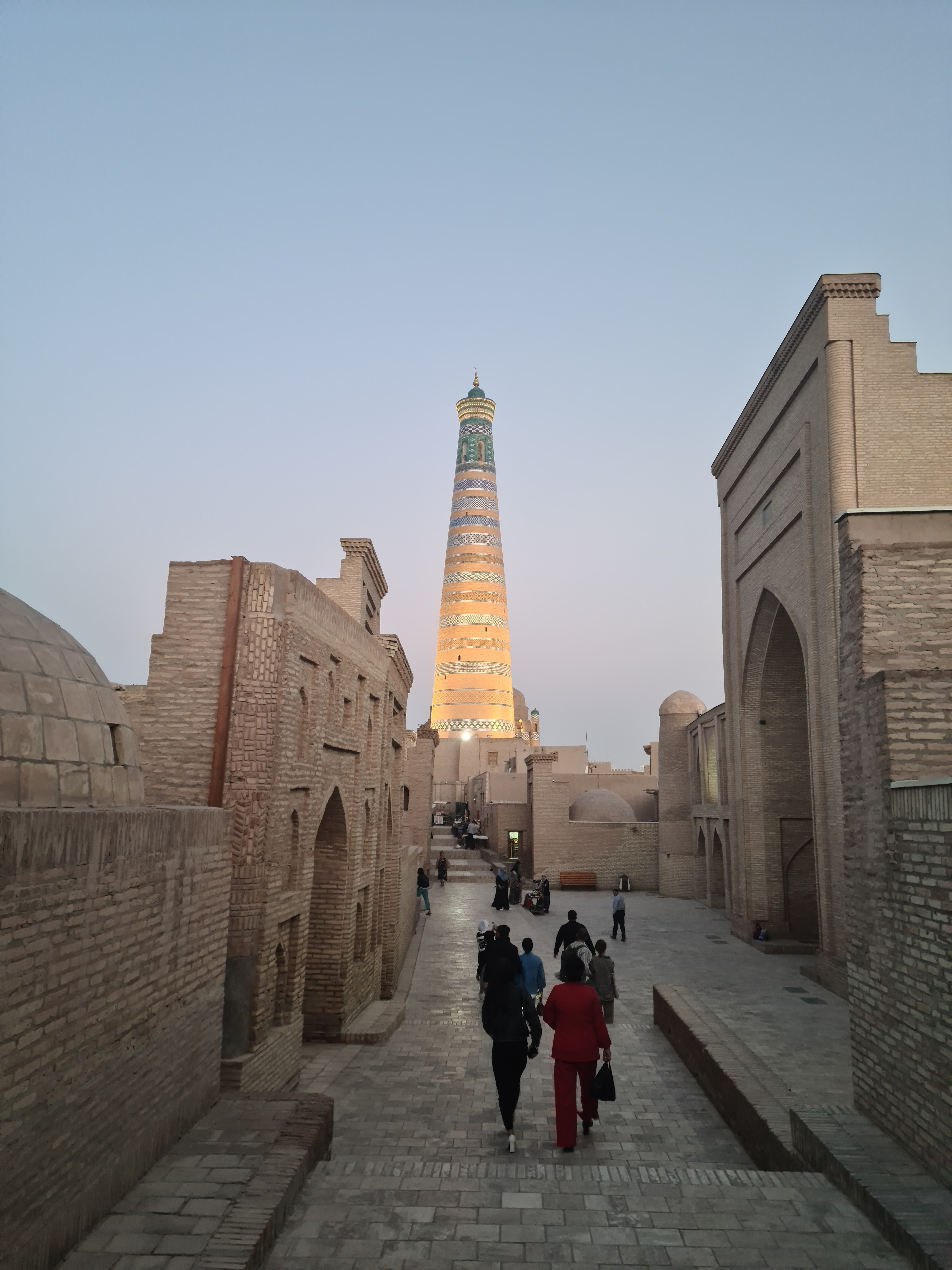
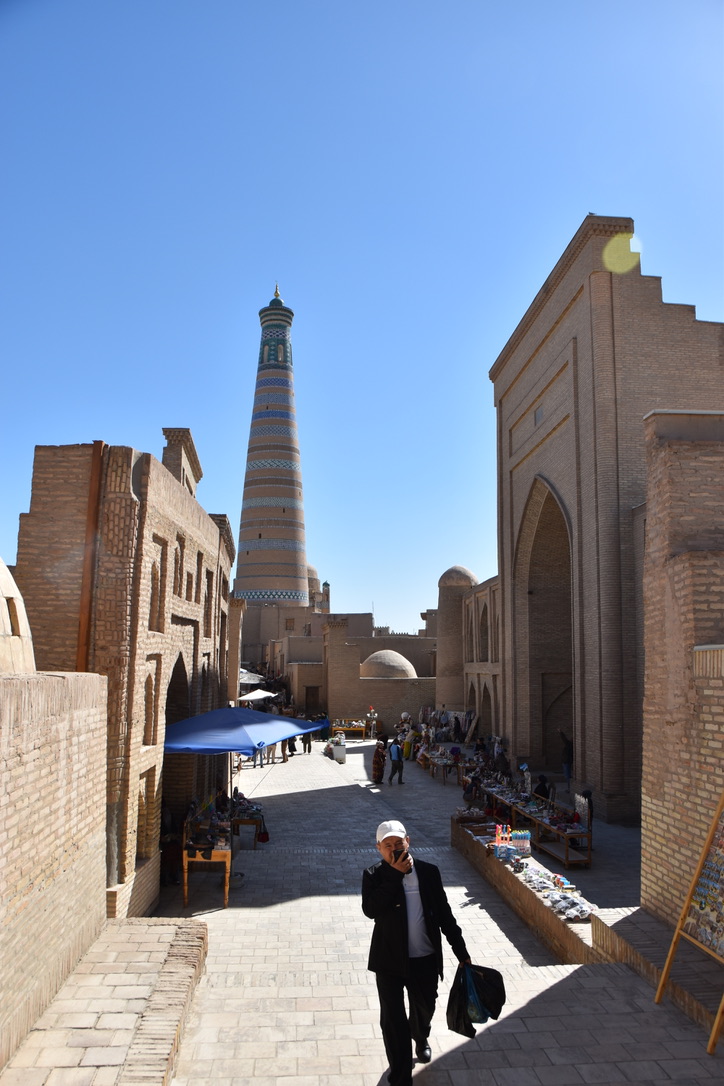

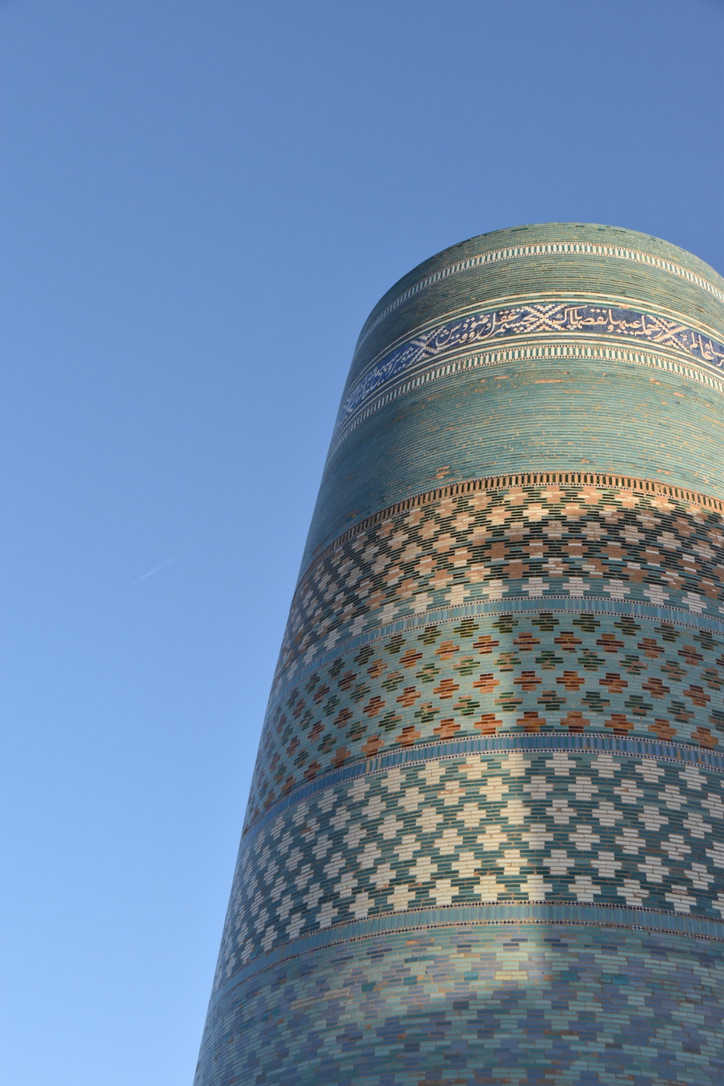
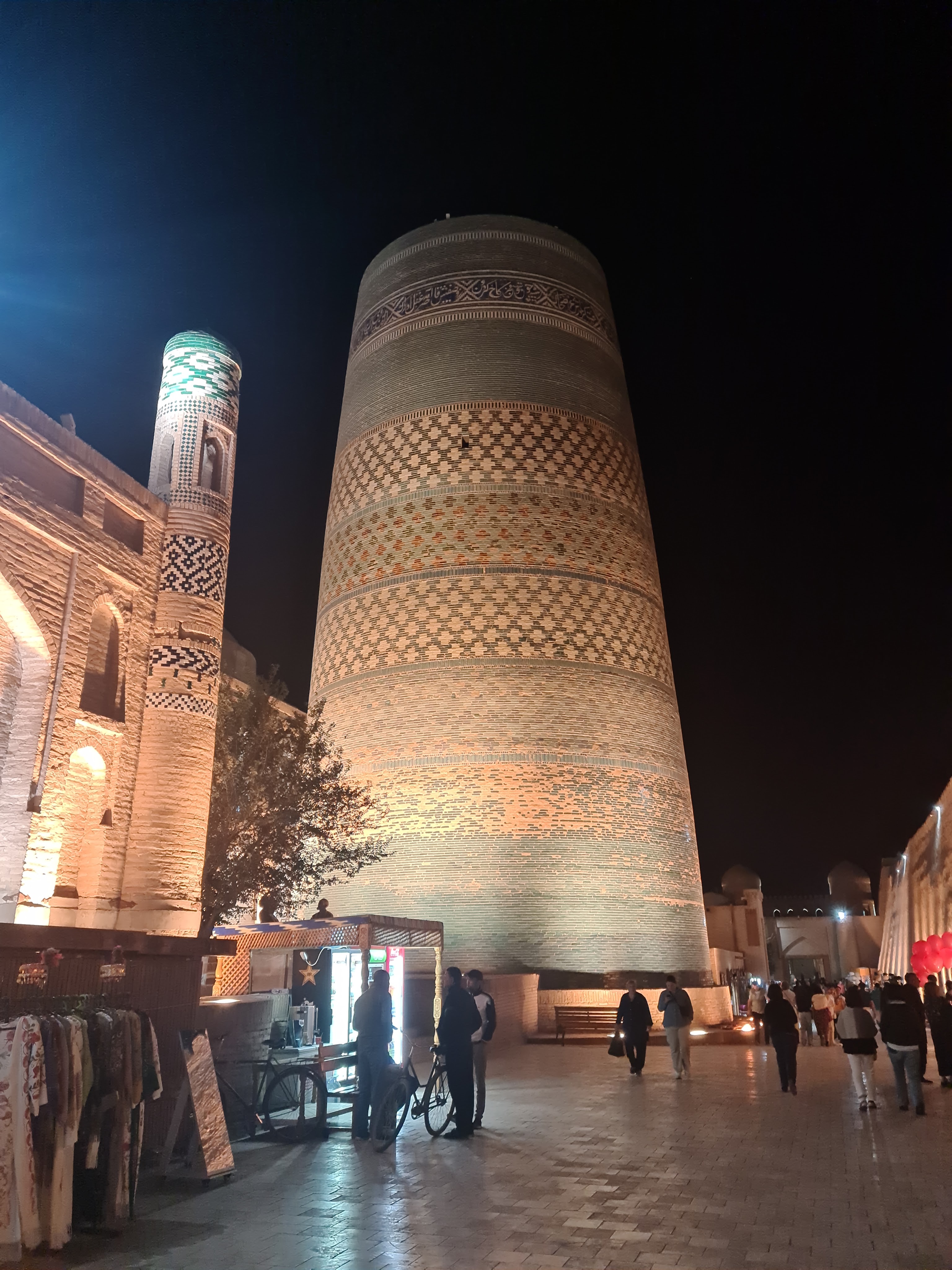
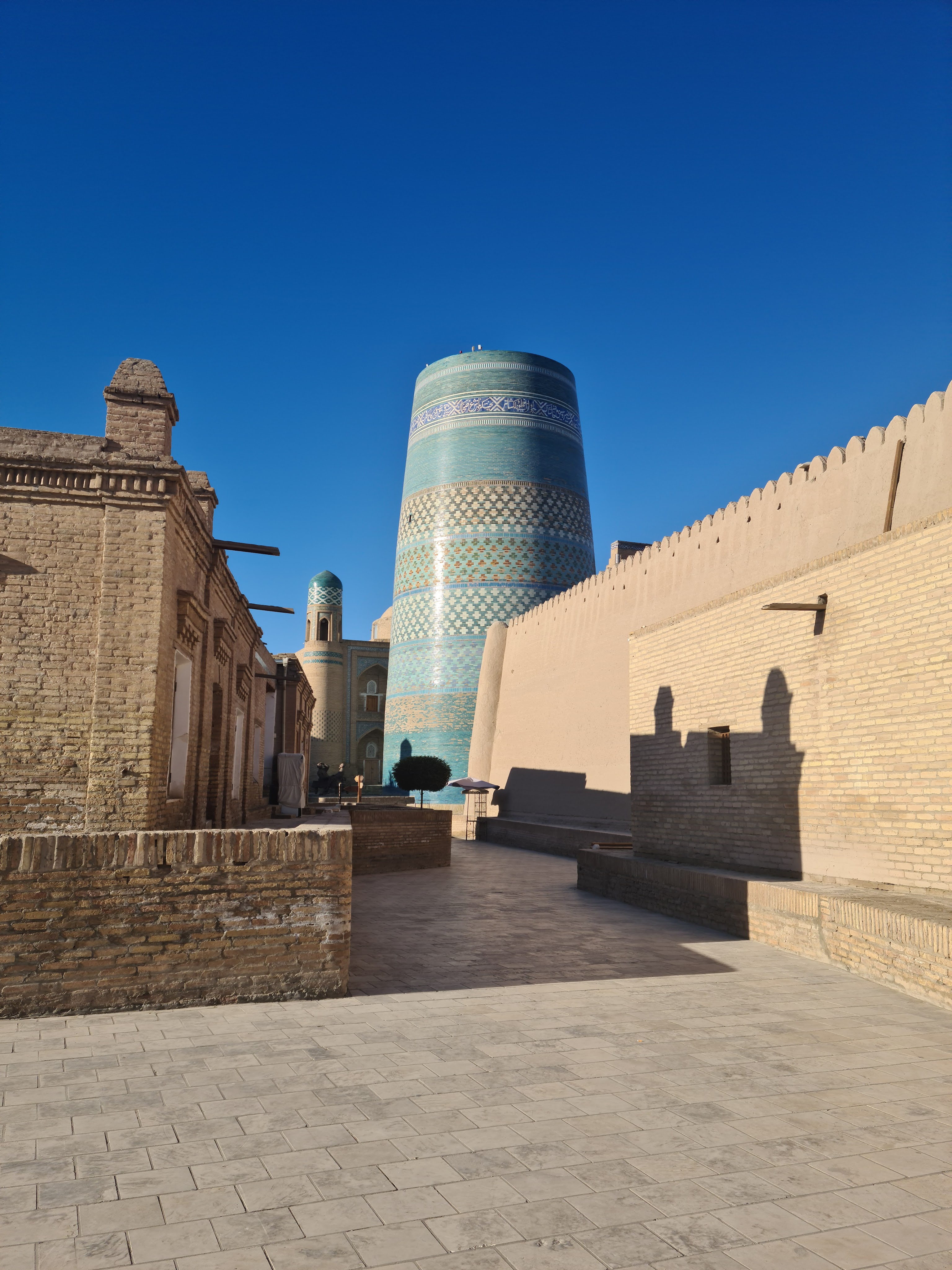
It also boasts a statement minaret. Already 29 metres high, the Kaltaminor’s disproportionate diameter hints at the fact it is unfinished, and is actually only around a third of its intended size. It would be an absolute monster if it had been completed.


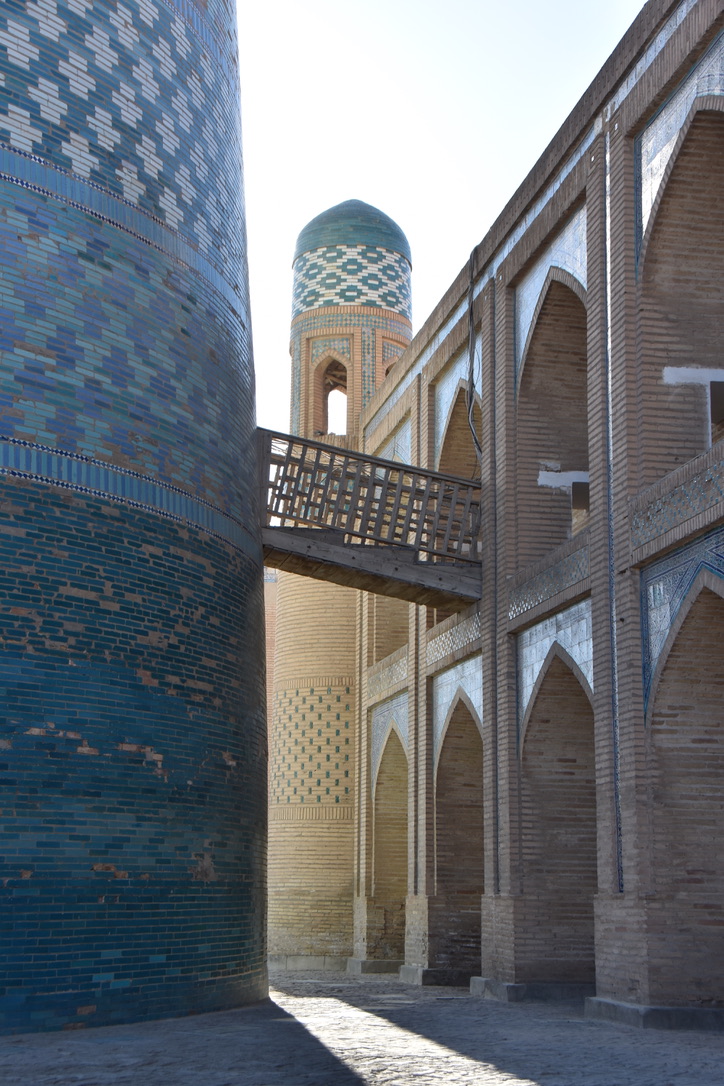
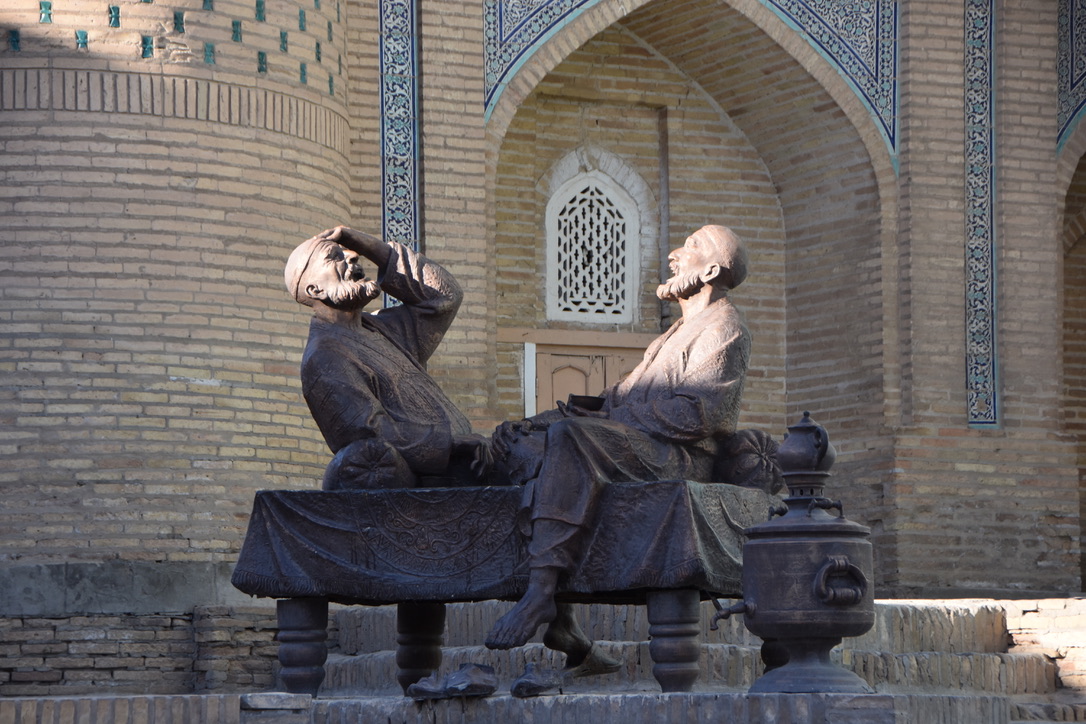
Two characters caught our attention during our stay. The first was the “bank on a bike” which Nazira would arrange if someone needed money, due to the lack of any official exchange office. There was also the “Khan”, the ruler of the Khanate of Khiva, a historical Central Asian state located in present-day Uzbekistan and Turkmenistan. Established in the early 16th century, the Khan was the supreme leader of the region, but is now only a symbol of the cultural heritage of the region.
Amid a full morning walking tour which took in various historical sights, I think the three weeks of tours and hikes was starting to catch up.

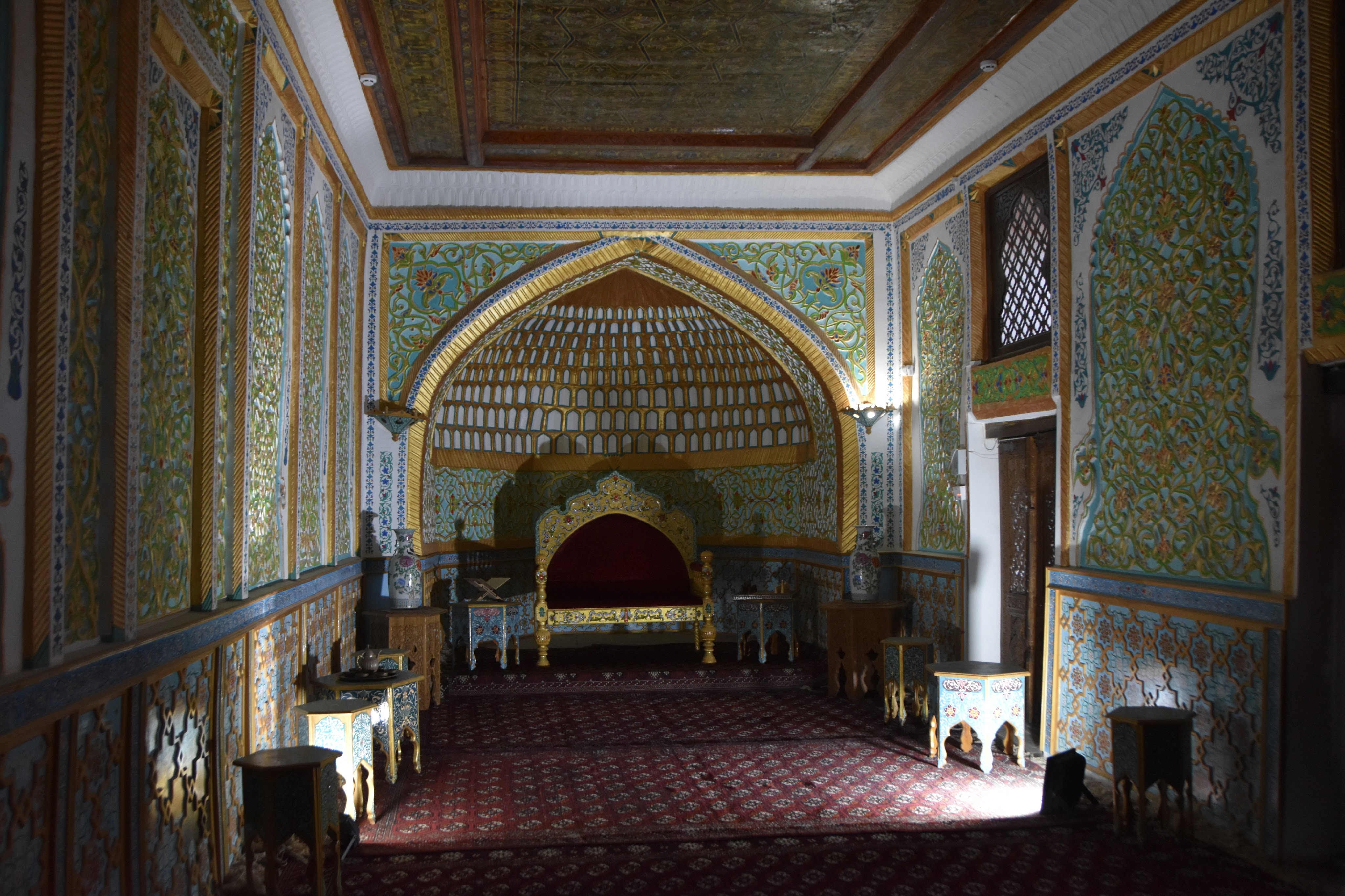
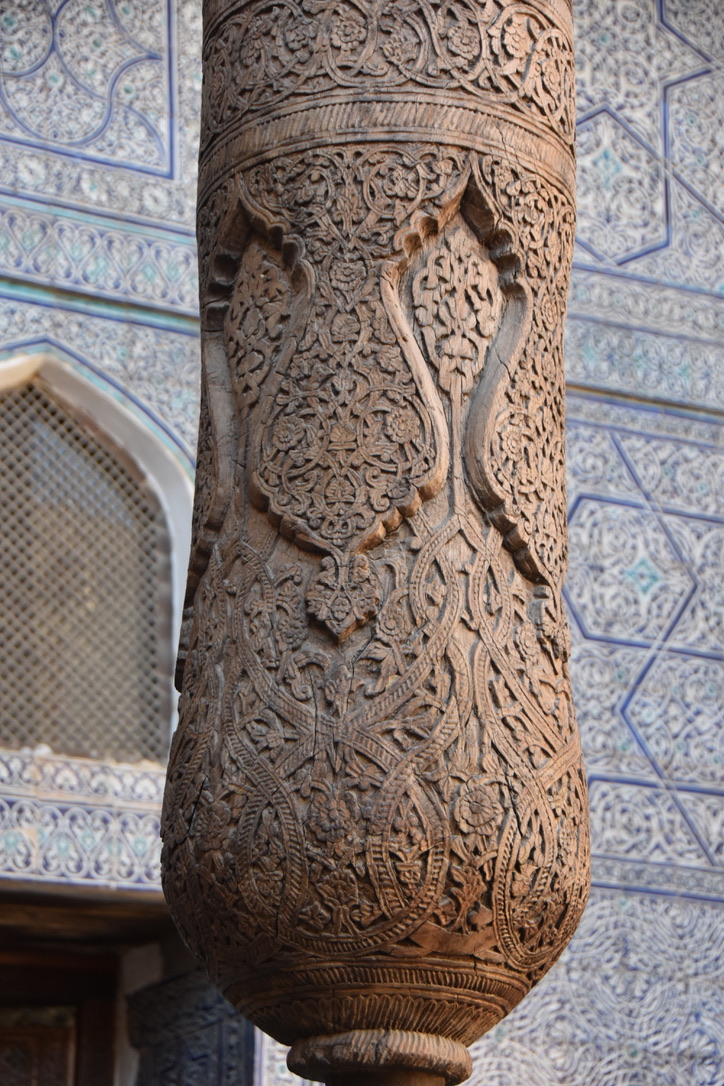
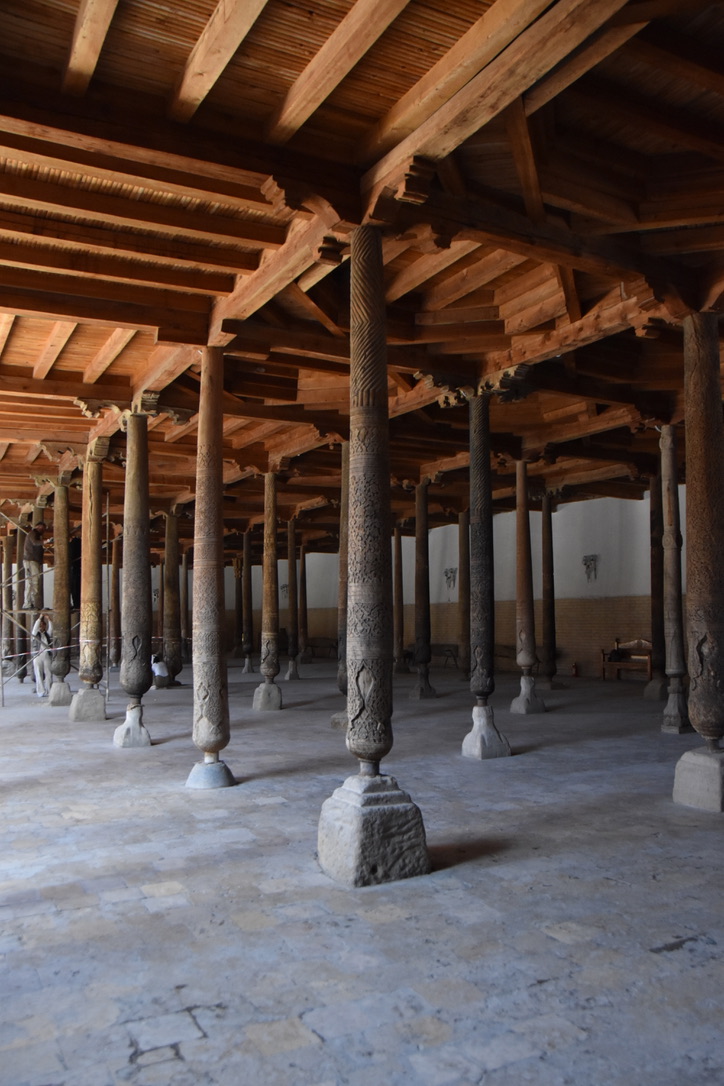
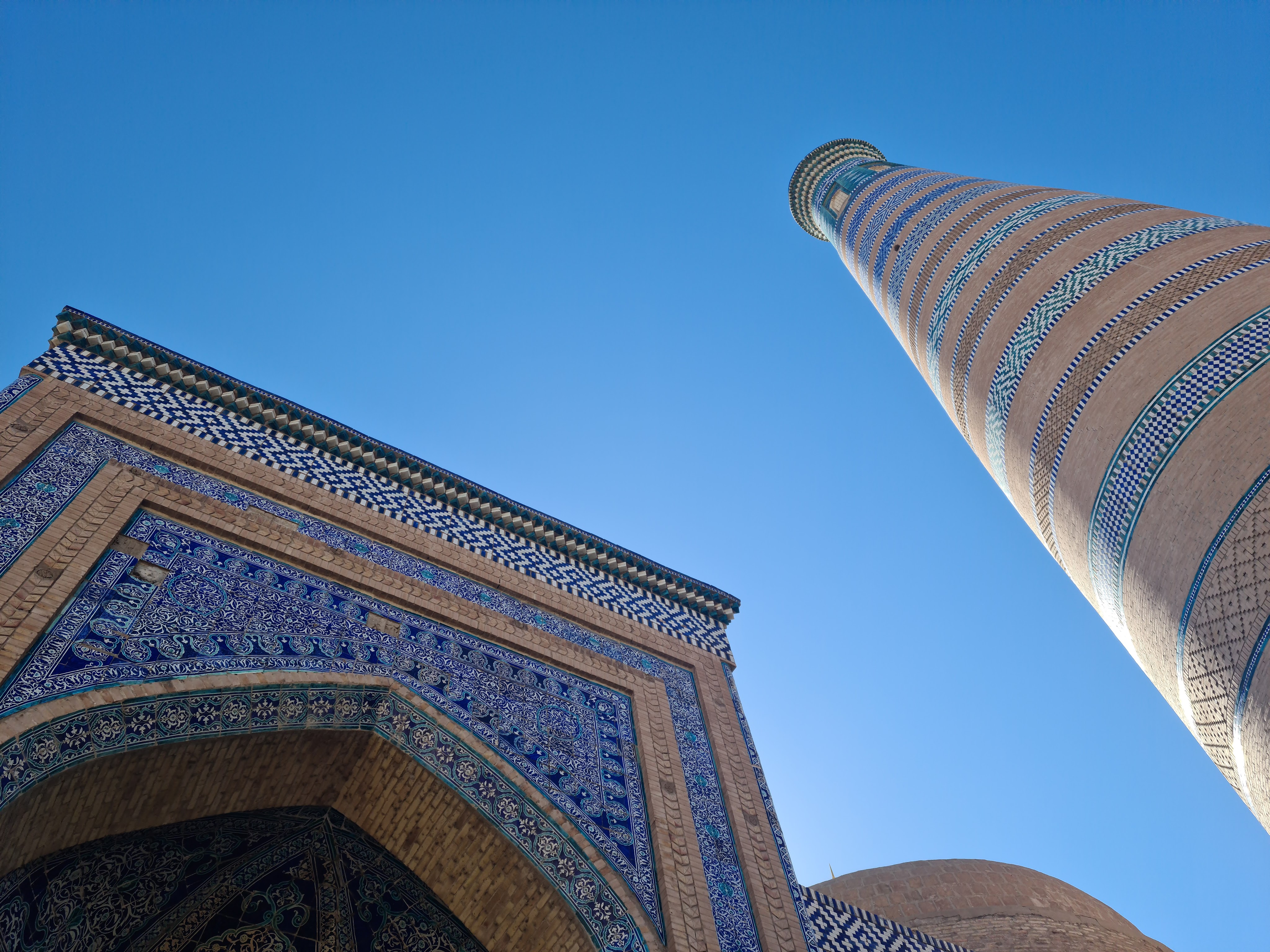
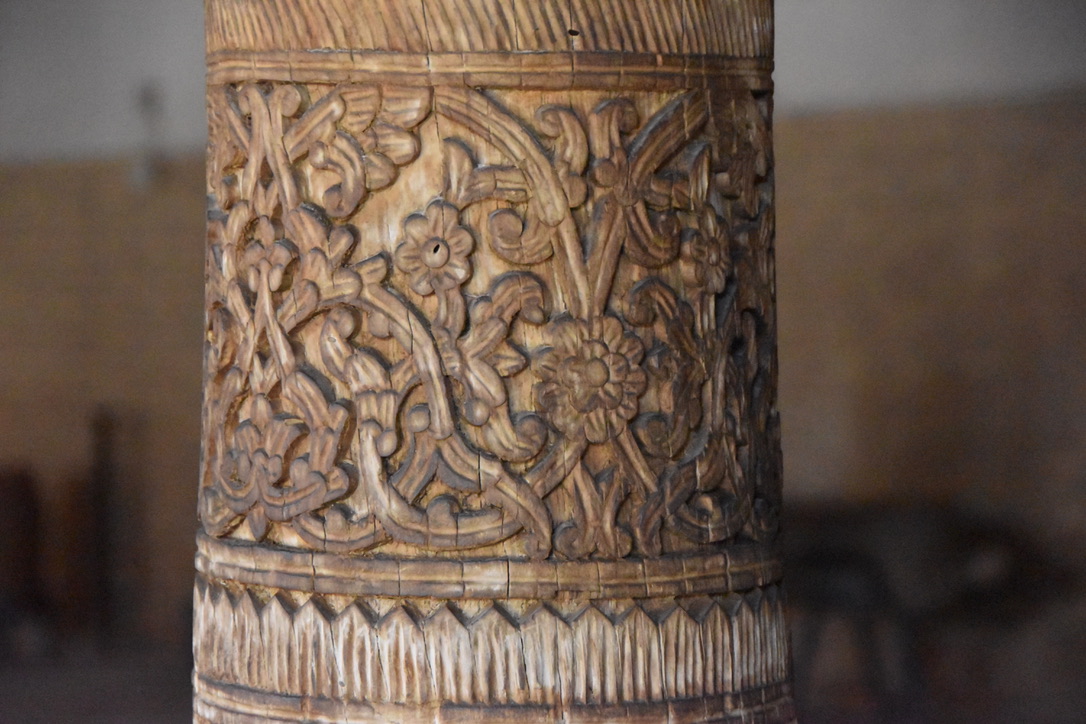
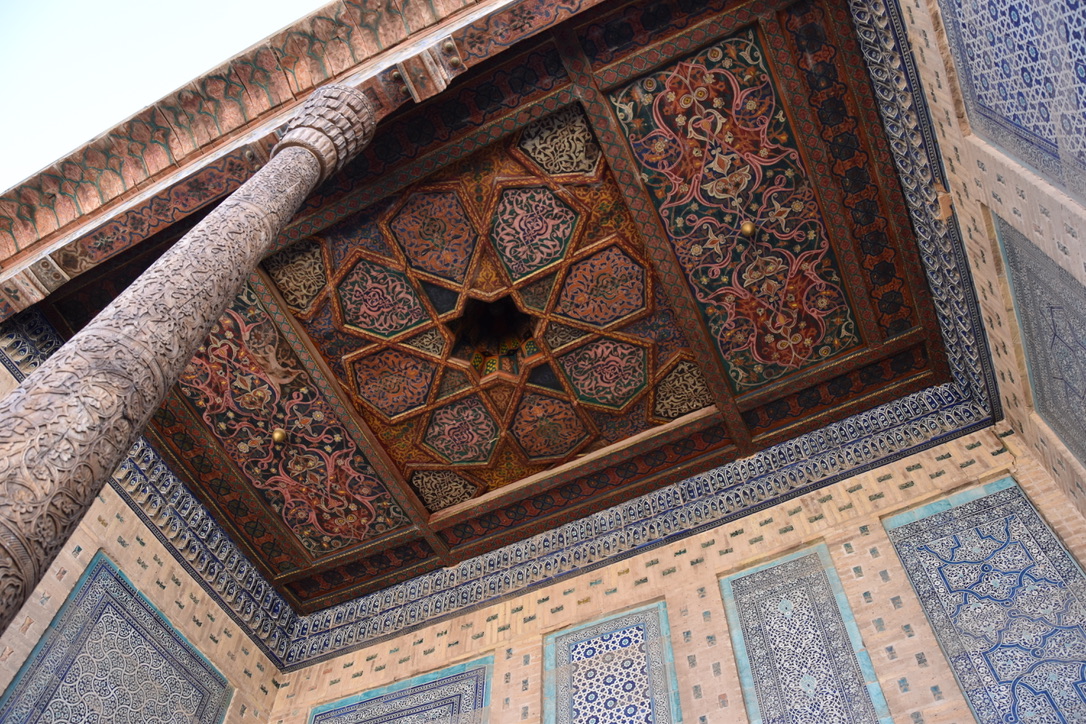
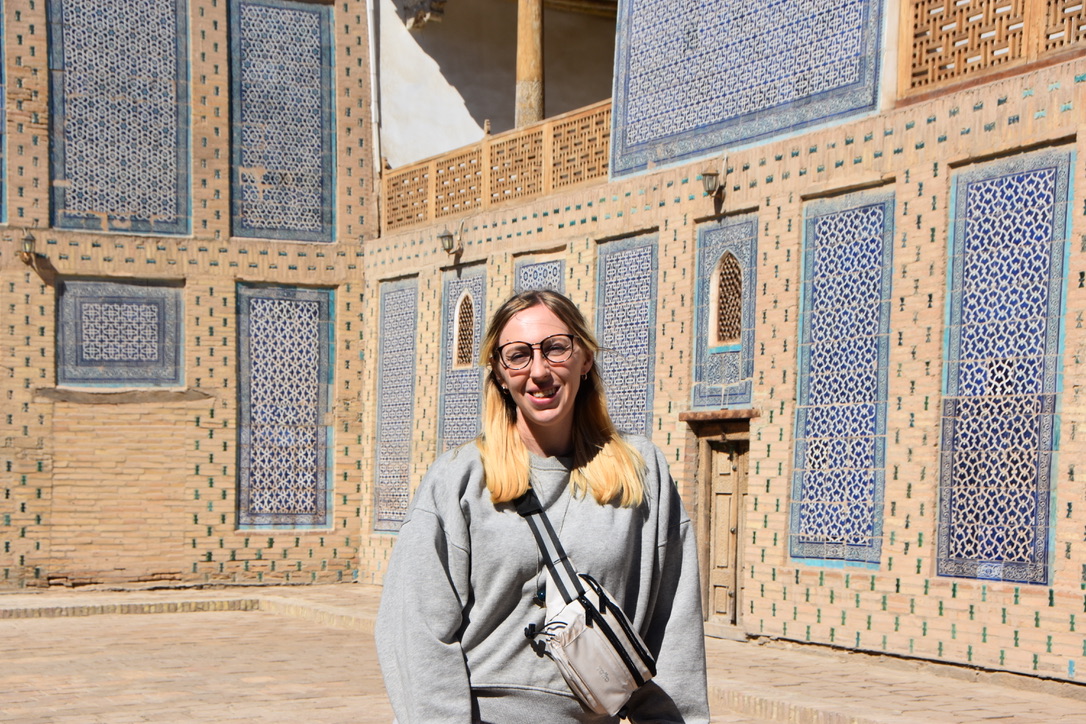

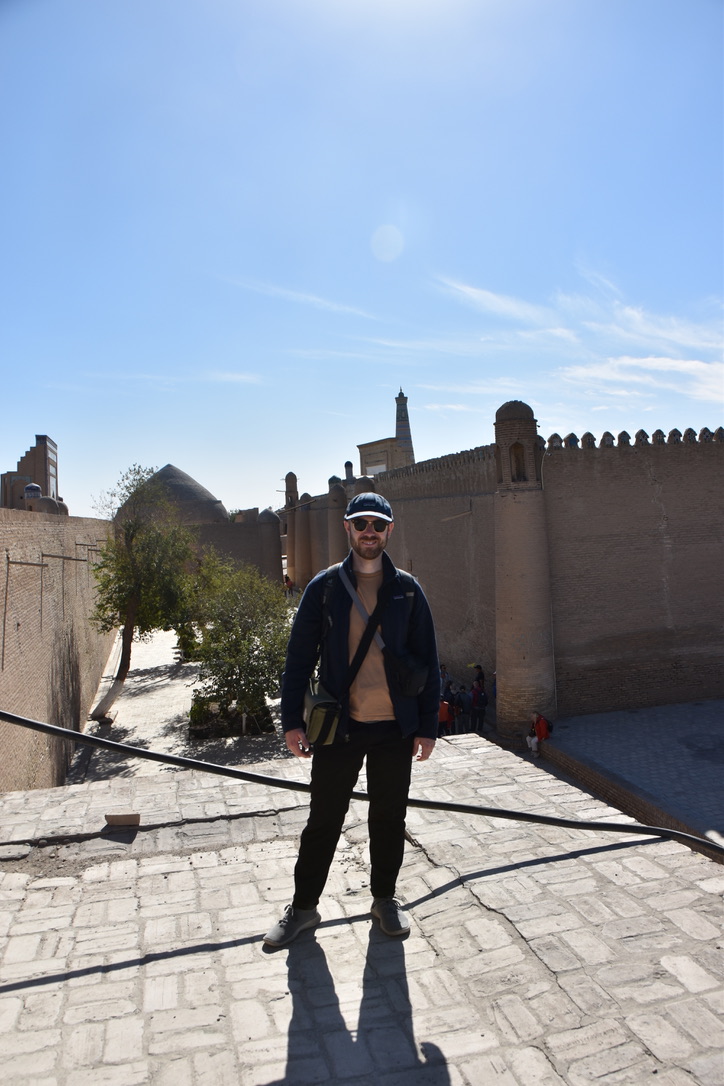
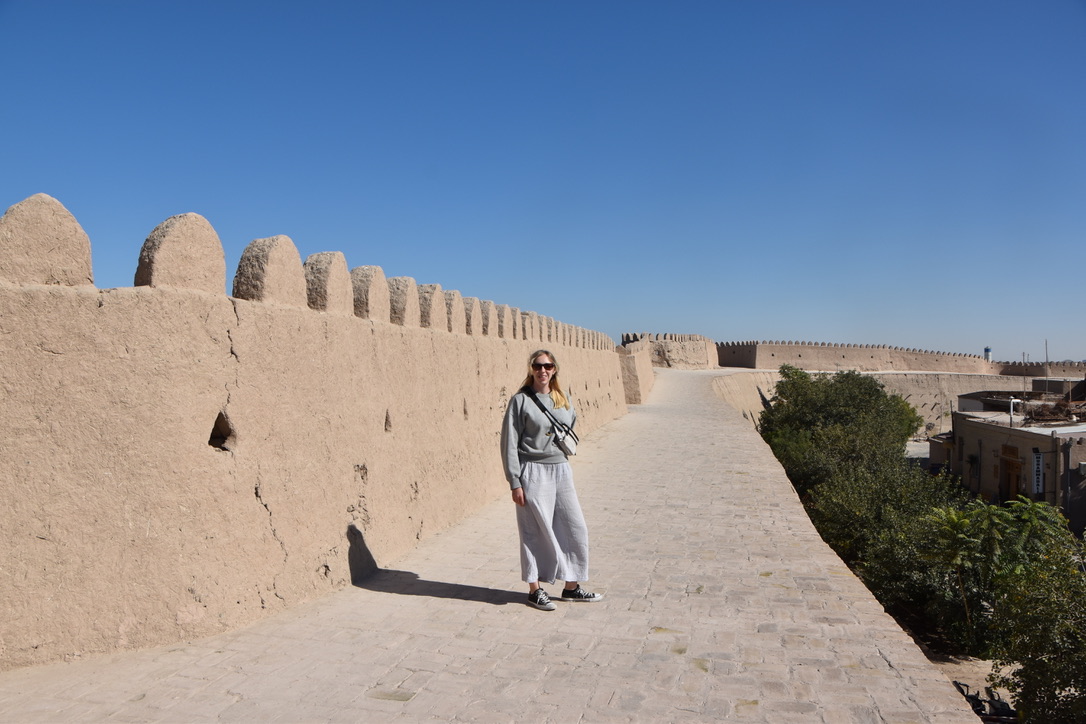
Voting on a coffee break, the rooftops were looking too good to ignore. Despite spending most days and many meals together, perhaps it felt rare to stop simply for a refreshment break amid the fast paced days. Or maybe it was the scenery. Either way, I really appreciated the chance to bask in the sun with some coffee, baklava and good company.
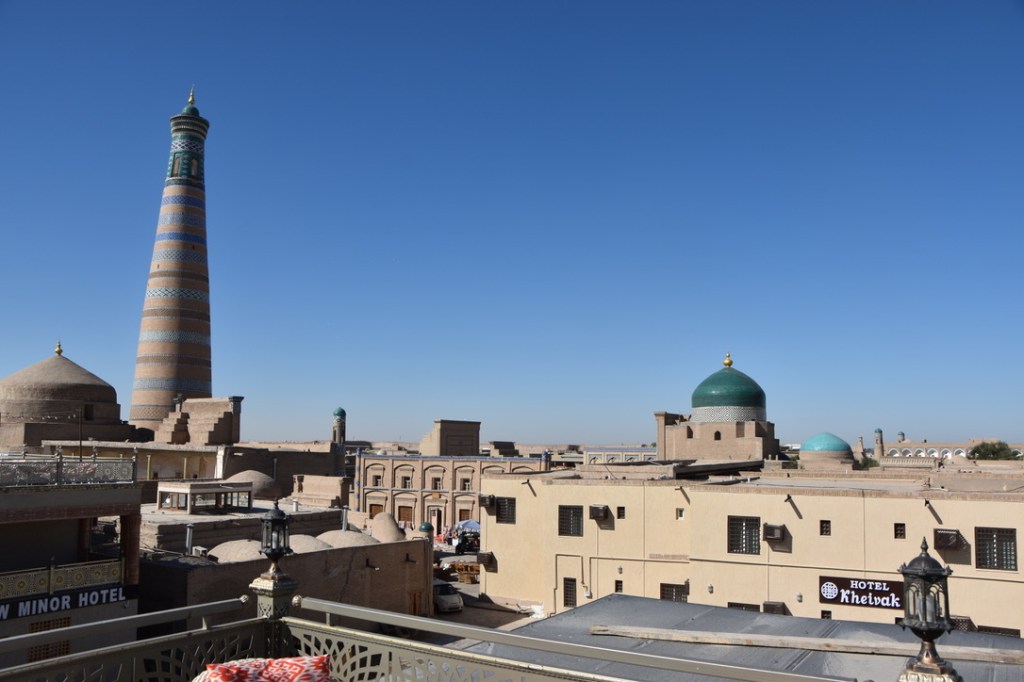

On that point, it could also have been the knowledge that the biggest change to group composition was imminent. This was our last full day together, before halving and going separate ways the next morning. There were a lot of characters in the half returning to Tashkent who we were going to miss.
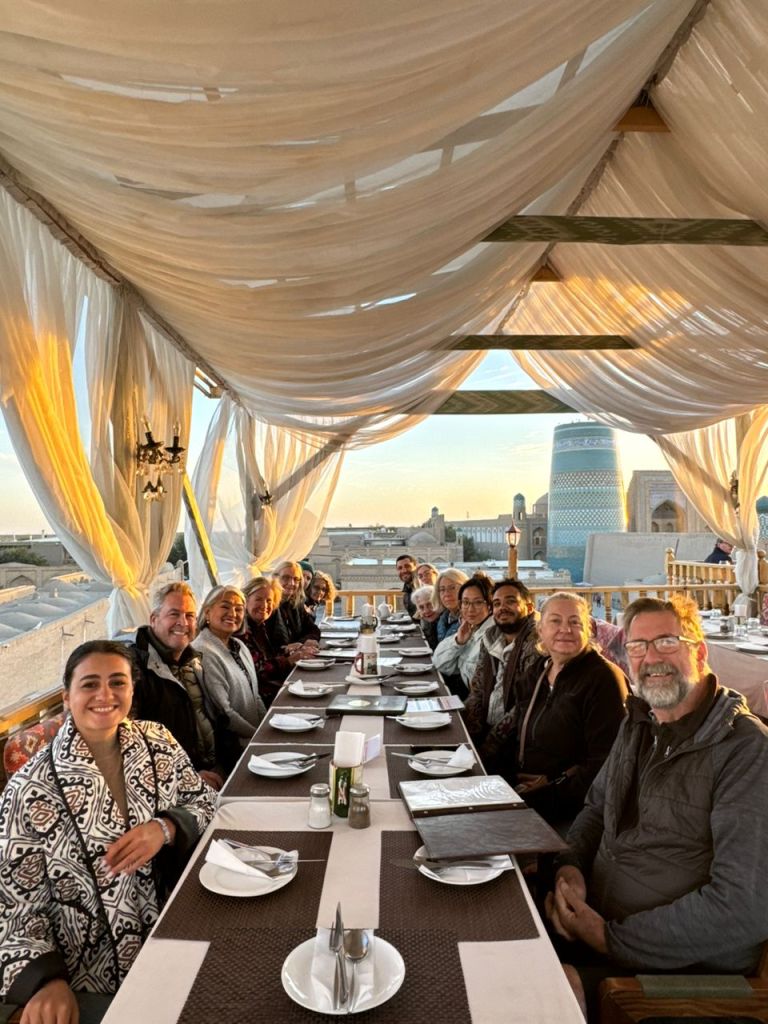
But there is no way I’d want to trade places with those heading home, as the most intriguing country on the list beckoned….Turkmenistan. But after all those covid scares, would we even get in?
Tash’s Treats
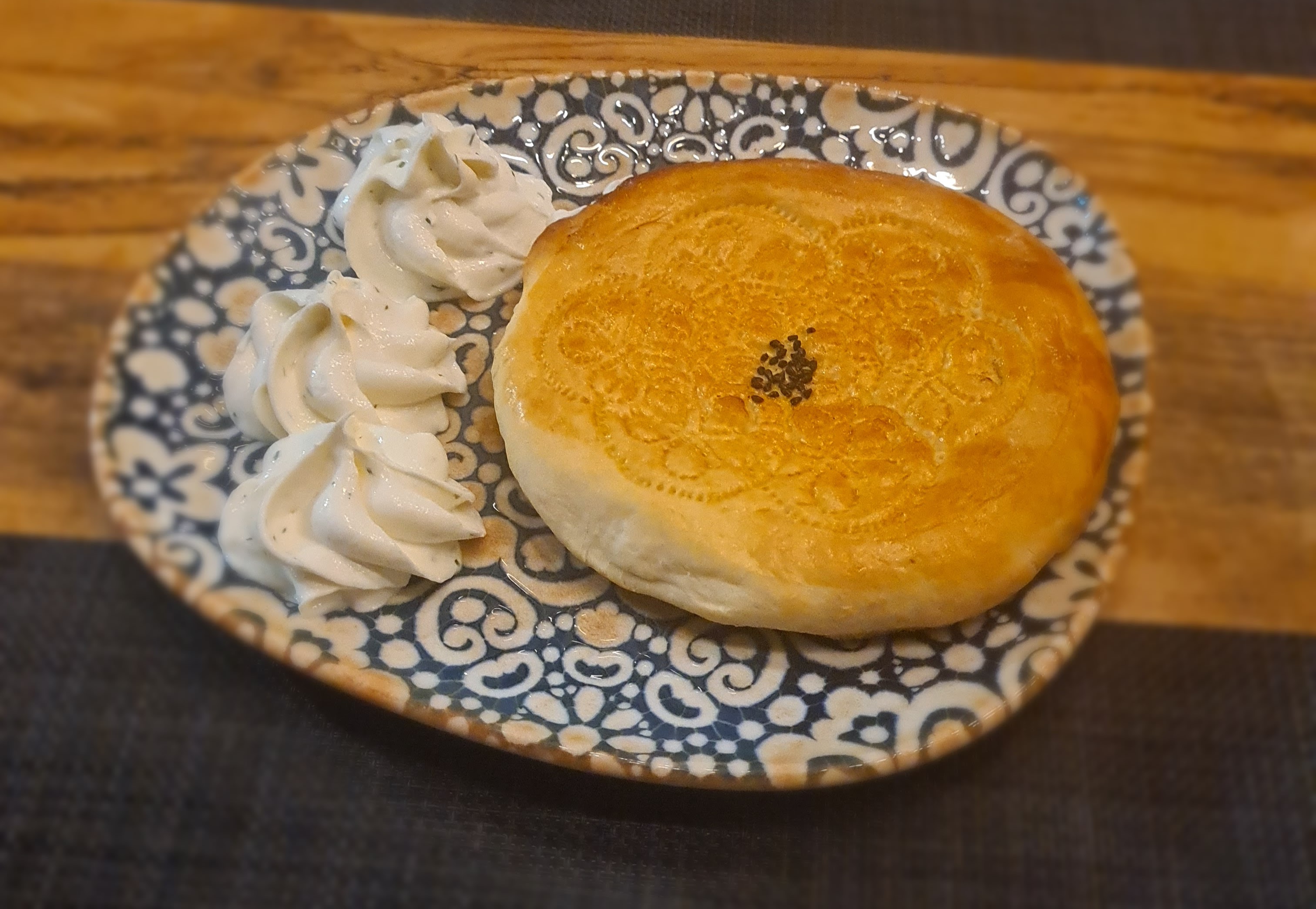
Sometimes the simplest foods are the best, and everyone was quite excited by the breads in Uzbekistan. We were particularly delighted to see the old school clay ovens in action in Khiva one evening.

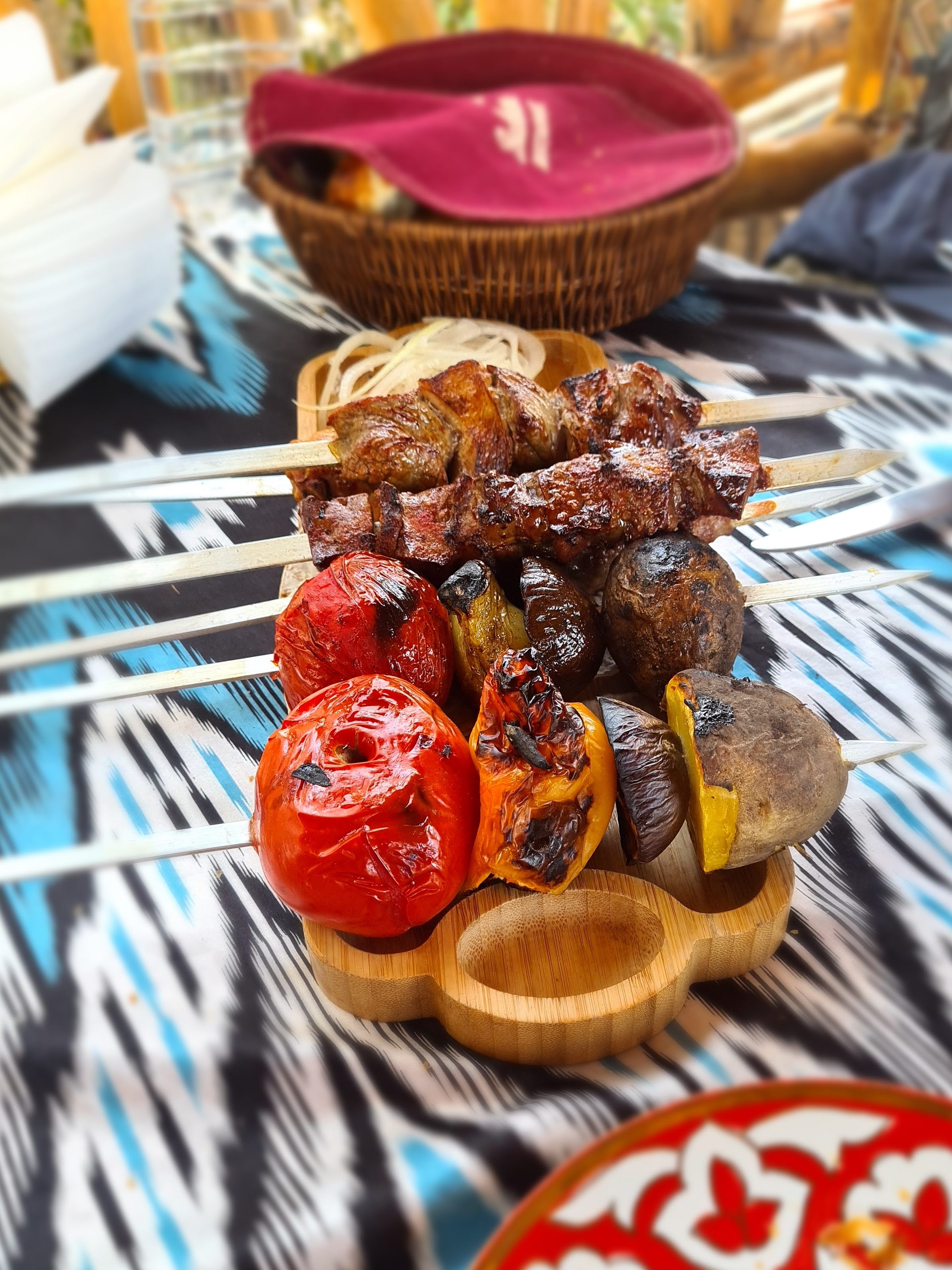
After remarking in my Turkey treats section about being pleased to have lamb again, by this point in the travels, I was already starting to get lamb-ed out. Shashlik is a very popular food choice across Asia. We usually eat red meat about twice a week…some days here it was twice a day!
Manty and chuchvara are also typical Uzbek food (and similar to other posts, found across all central Asia) – little dumplings filled with spiced meat.
 A Place Both Wonderful and Strange - Tash & Ricki's Career Break Travels
Leave a comment