
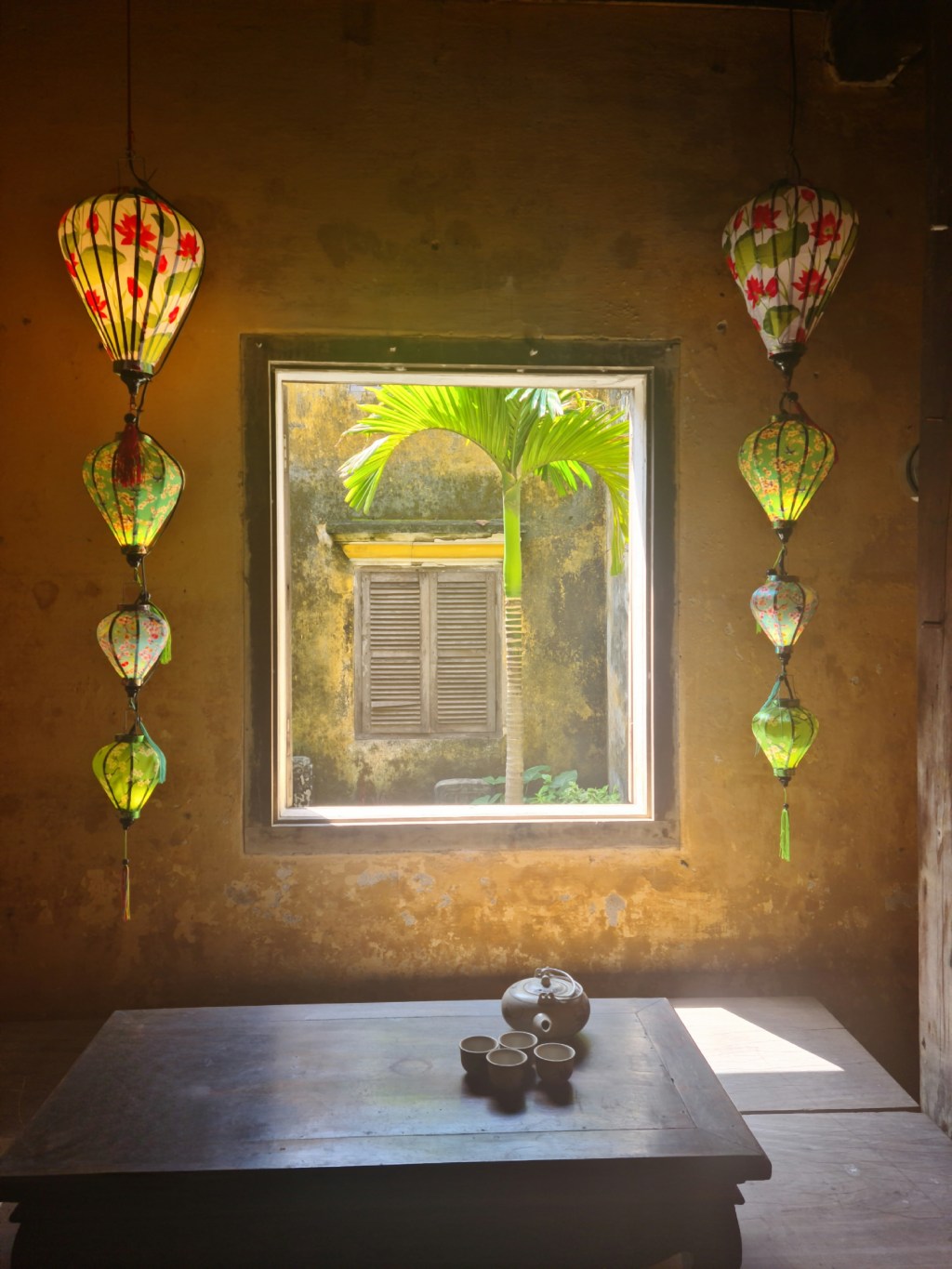
Despite arriving tired and groggy after our overnight sleeper train, we only had two days in Hue, so quickly set to reinvigorating ourselves.
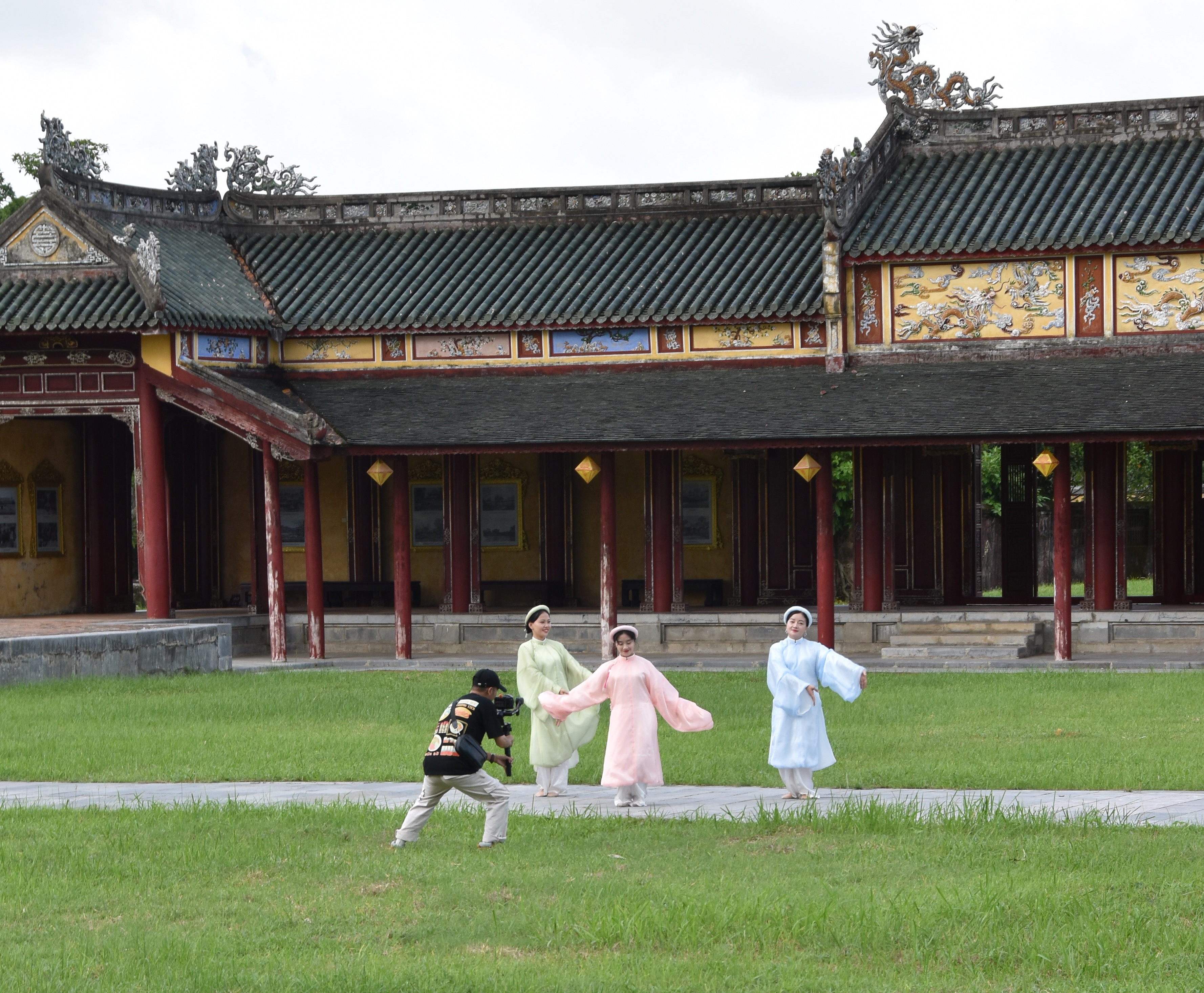
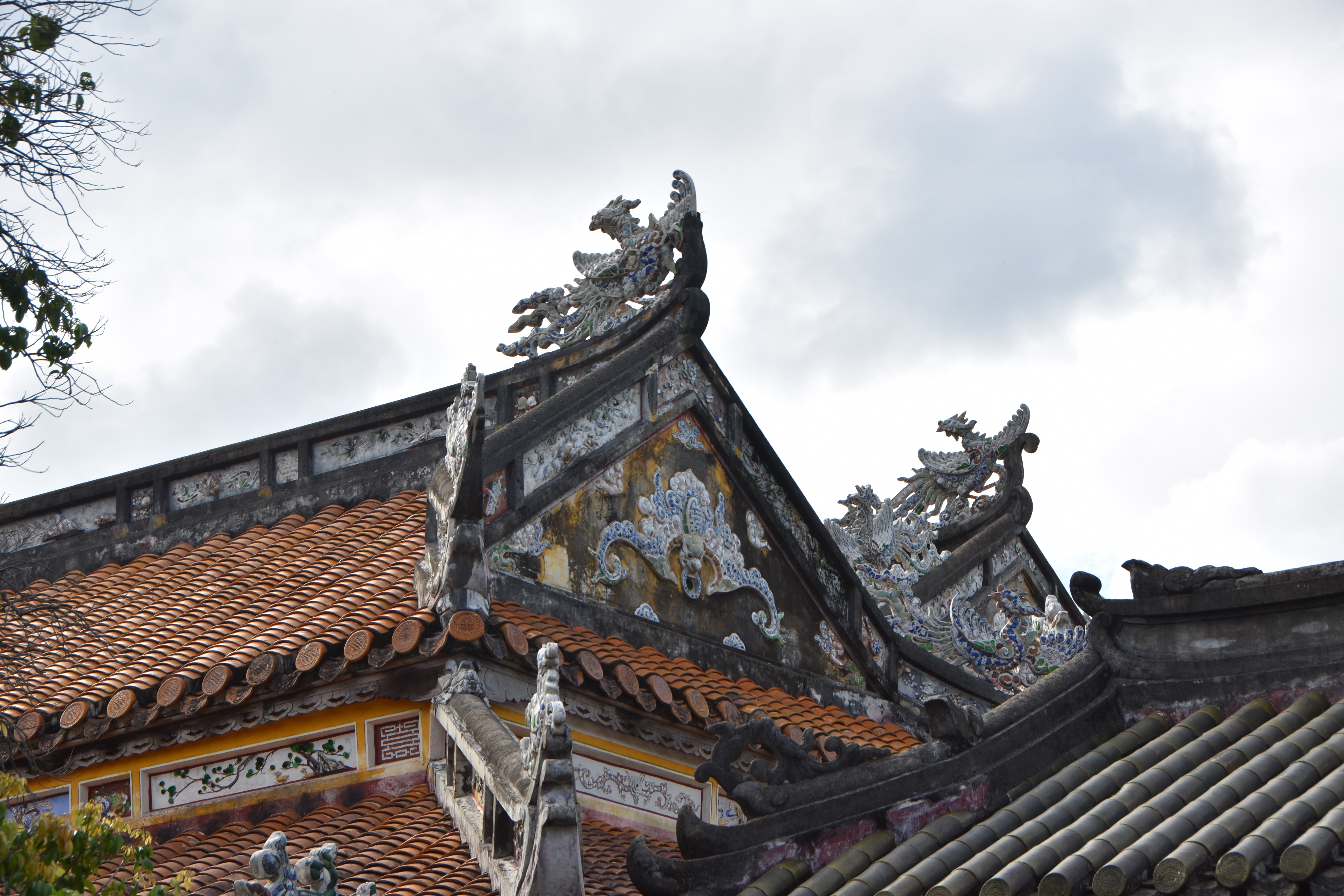
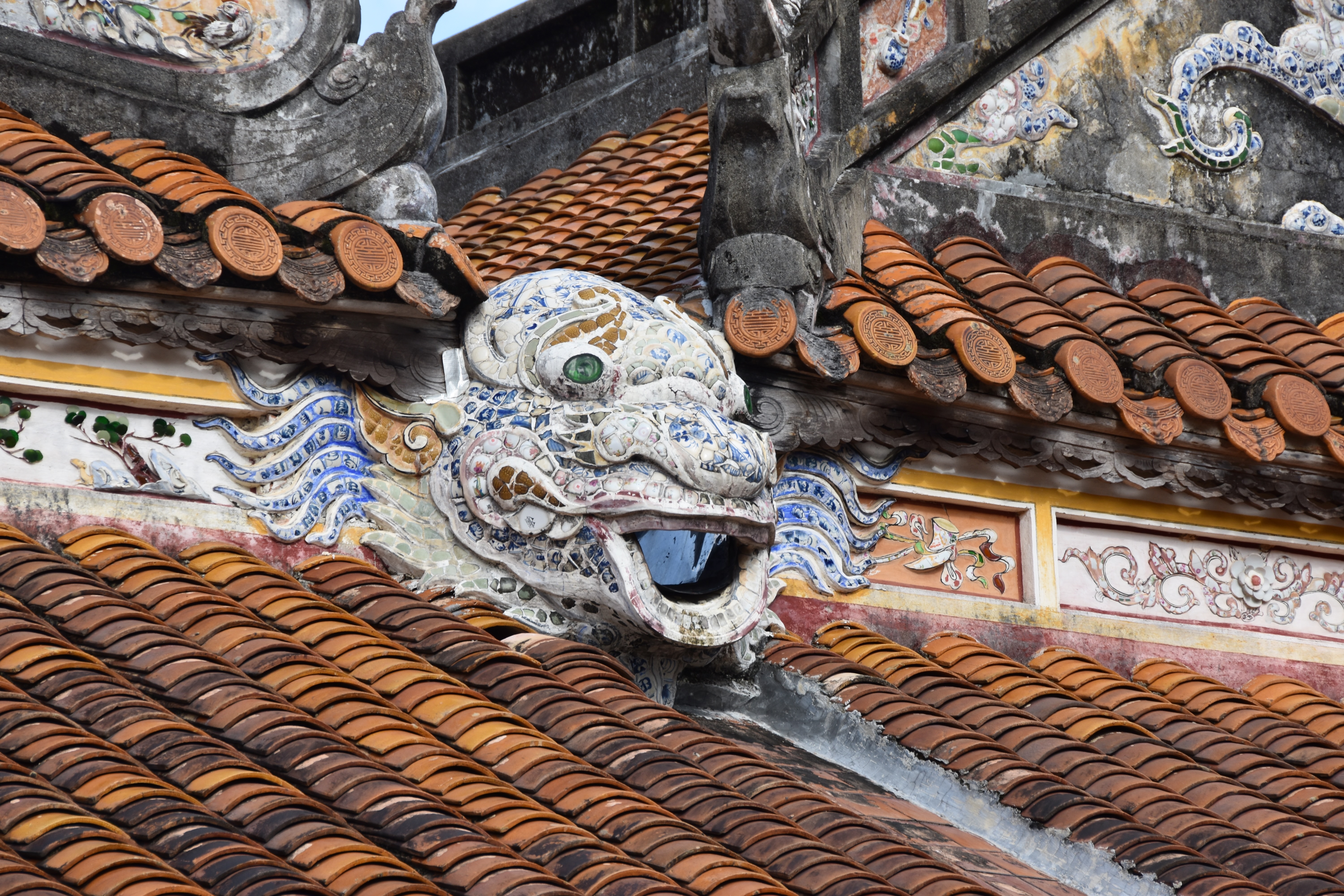
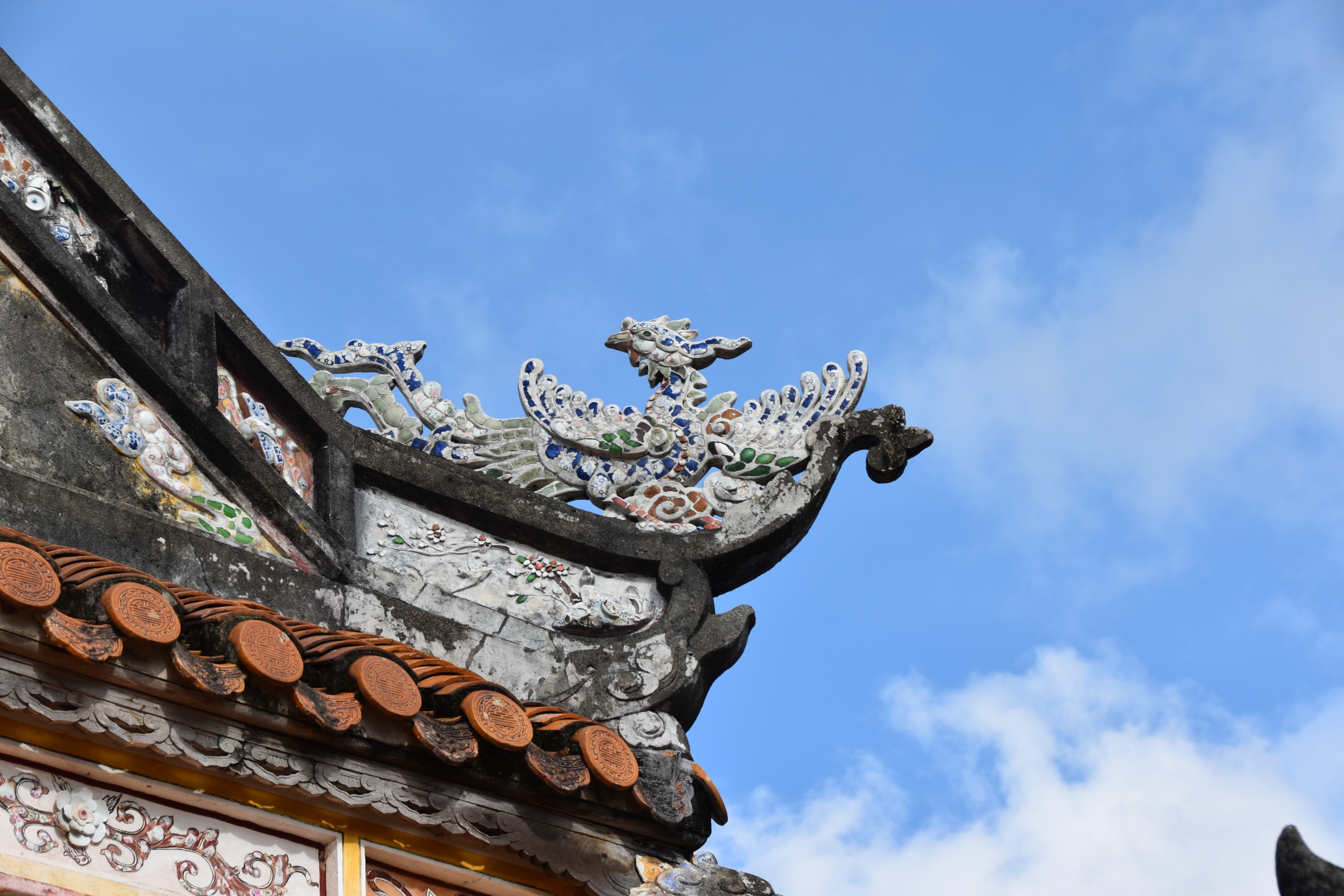
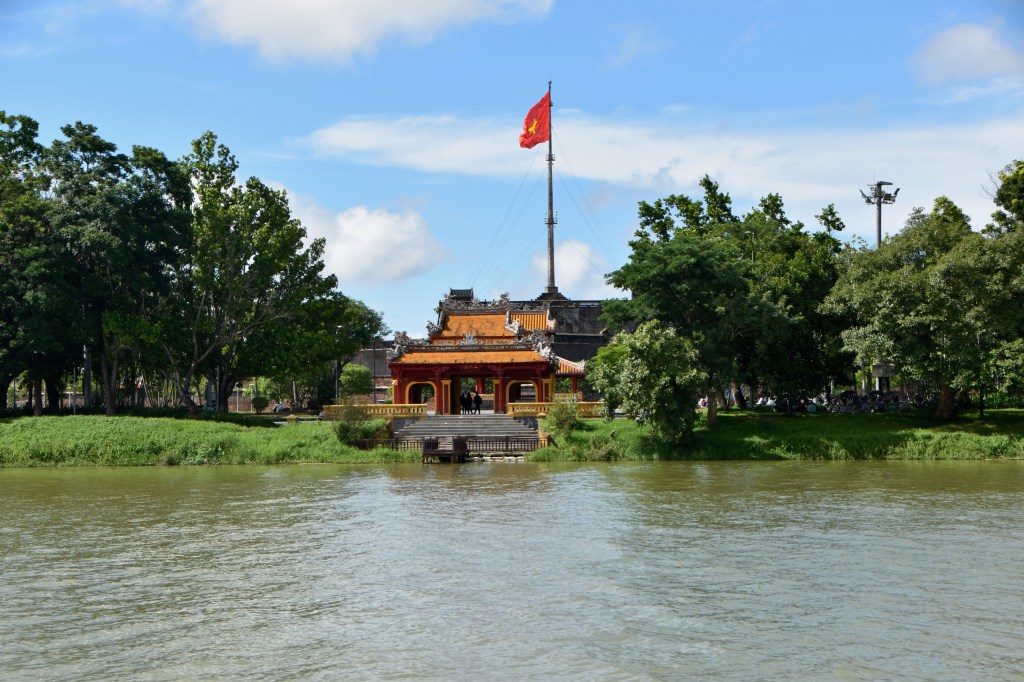
I had never heard of Hue before Ricki added it to our schedule, but it is Vietnam’s ancient capital and site of the Imperial City, modelled after Beijing’s Forbidden city. The citadel was our first stop and we spent a couple of hours admiring the architecture.
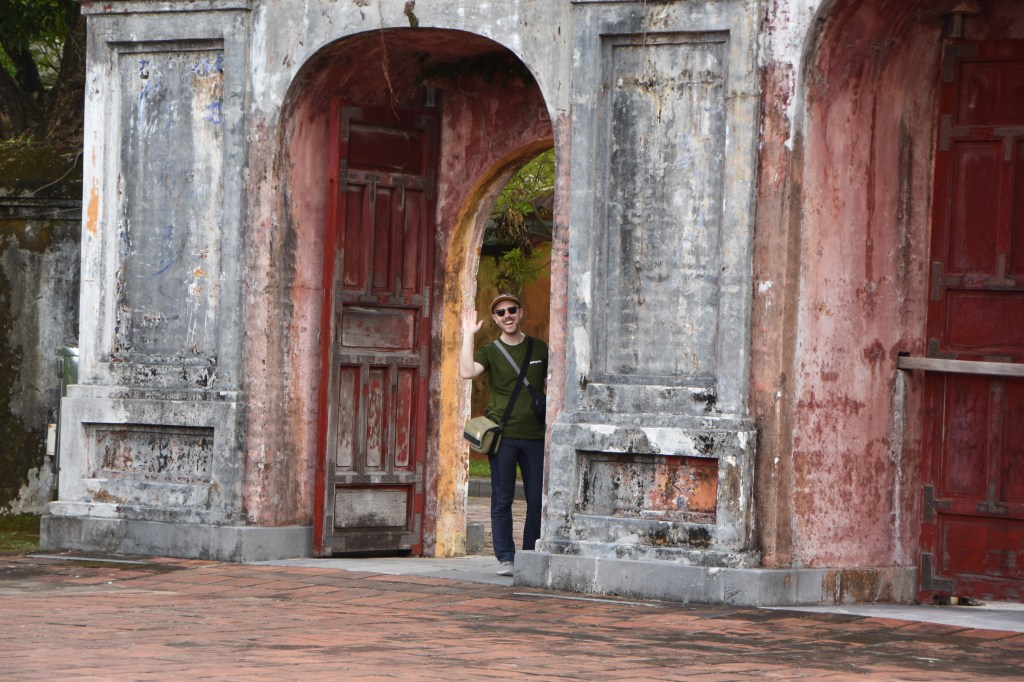
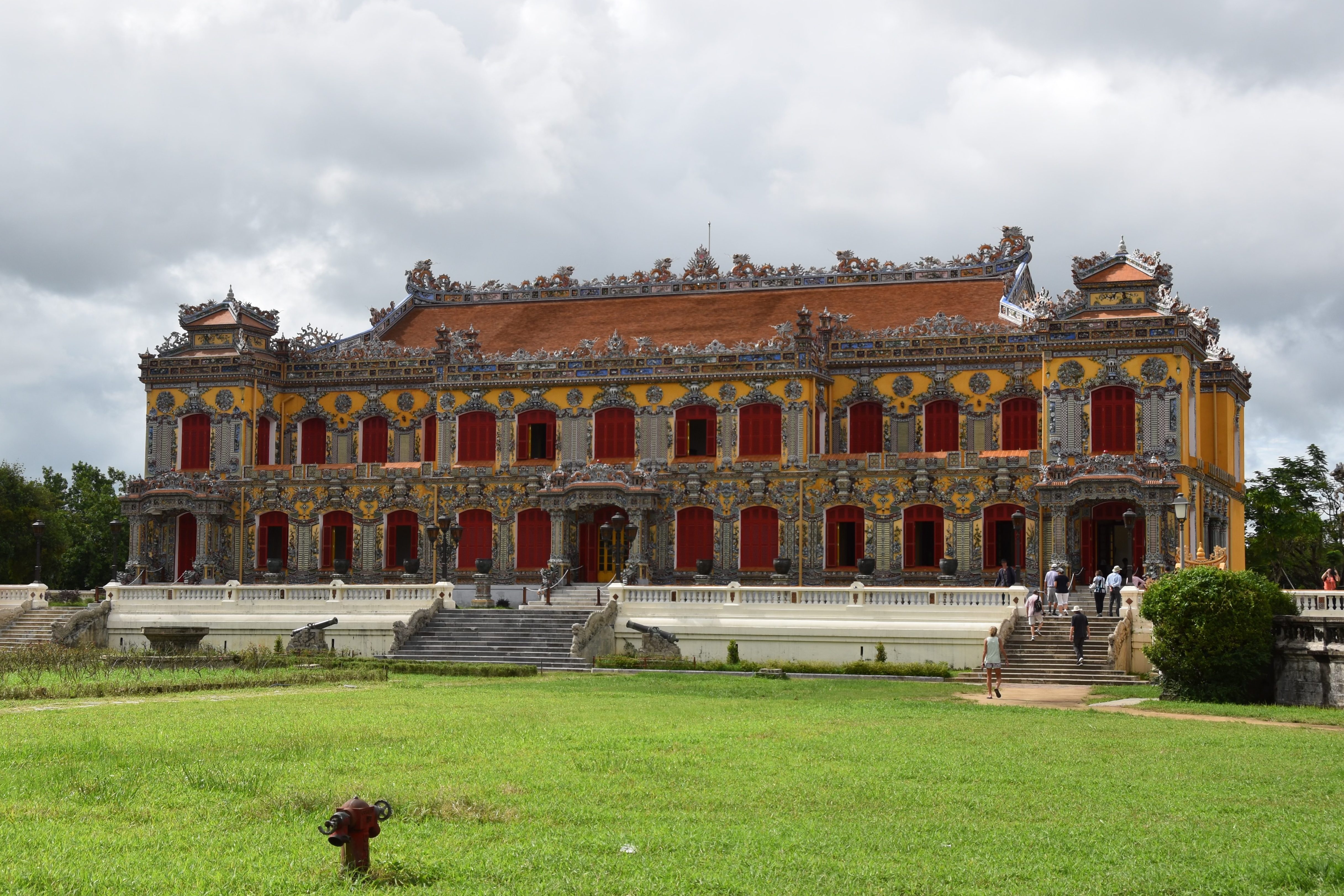
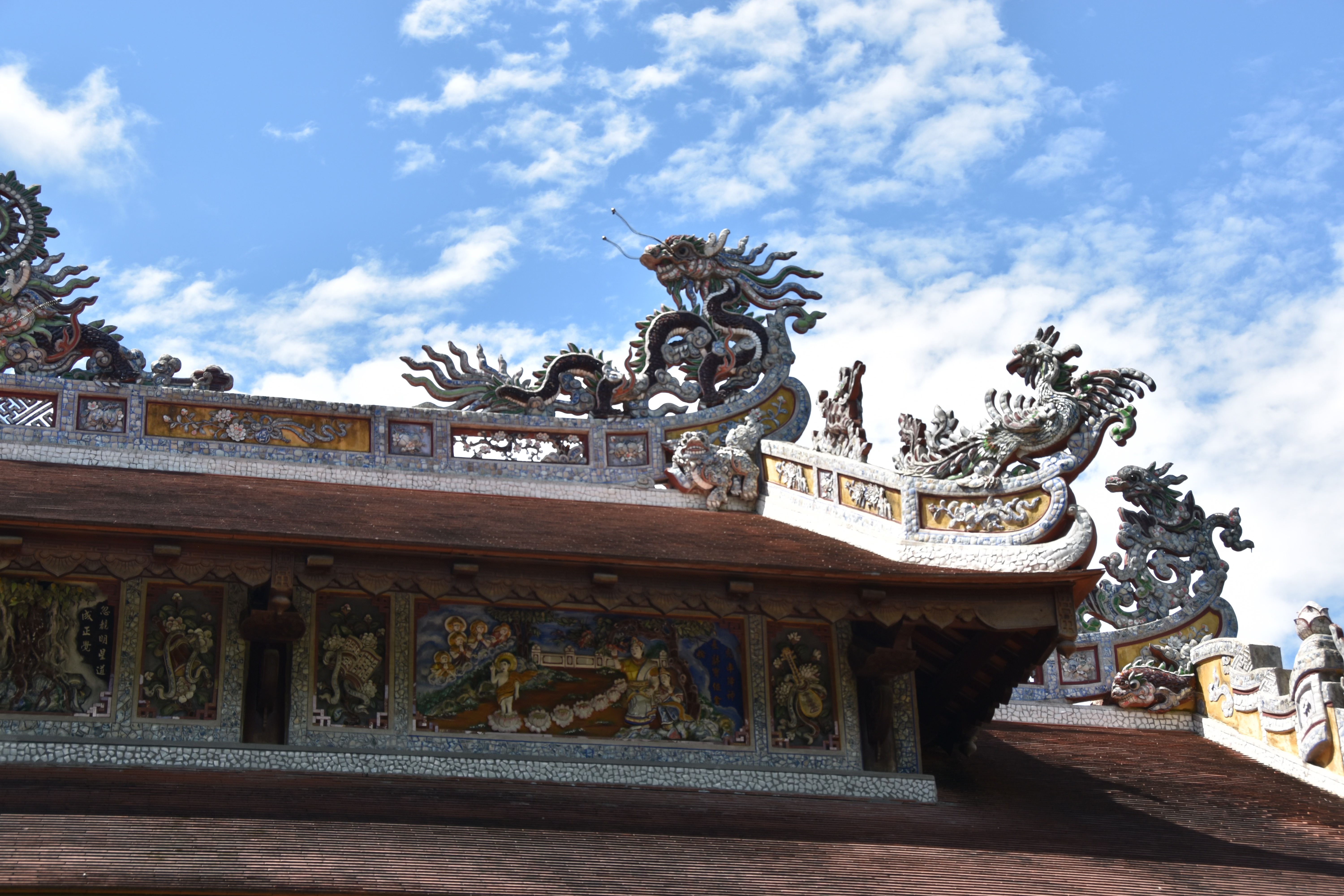
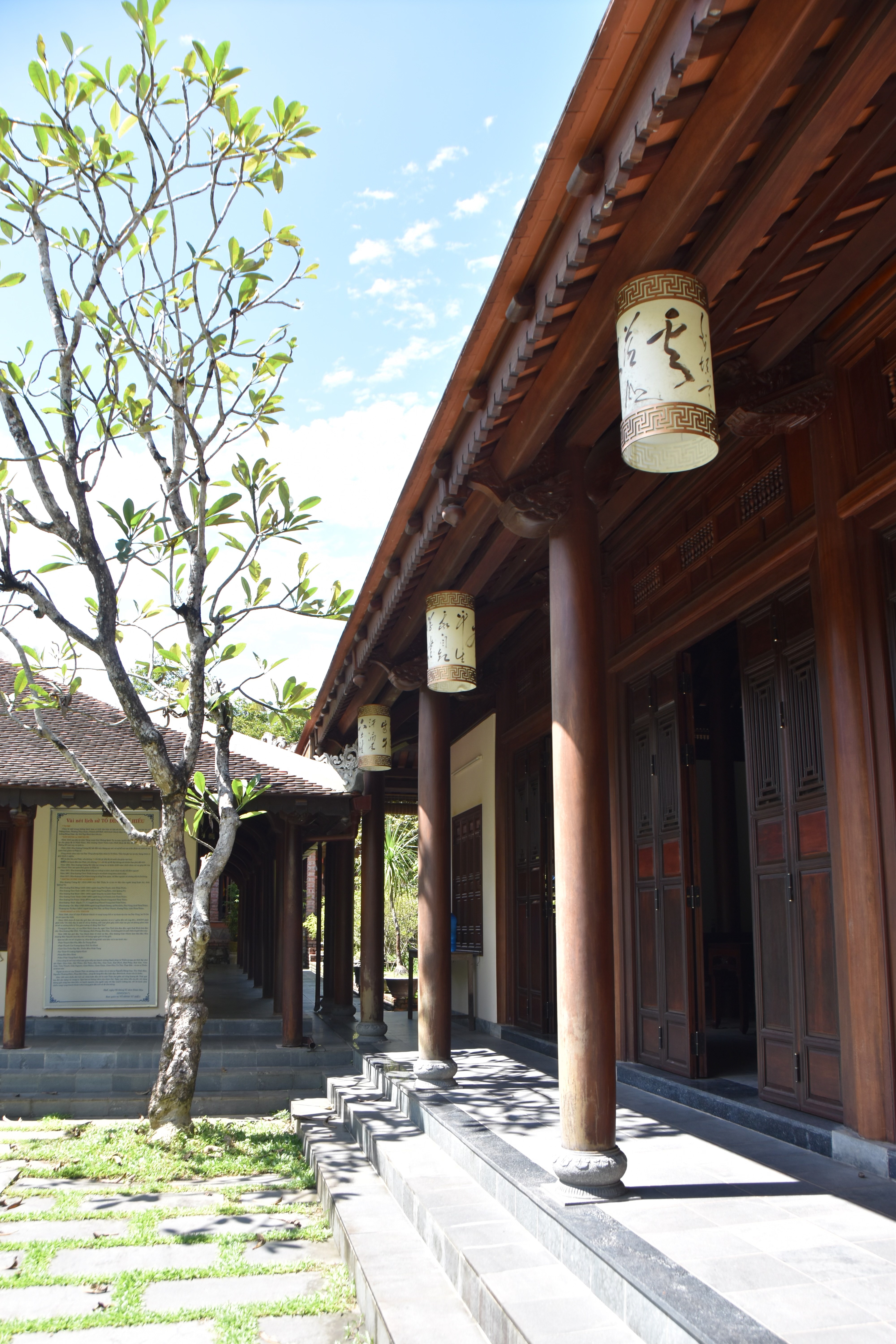
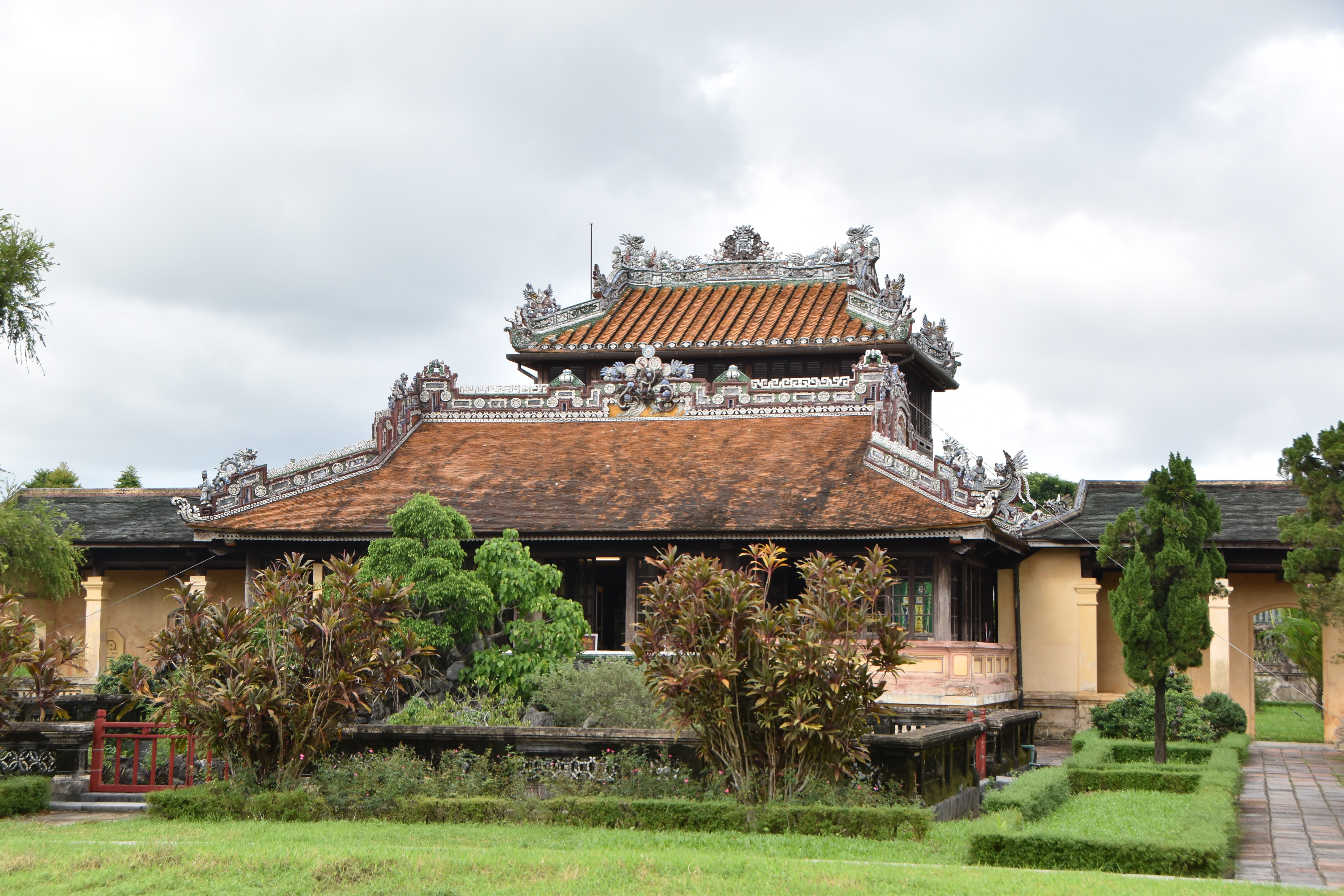
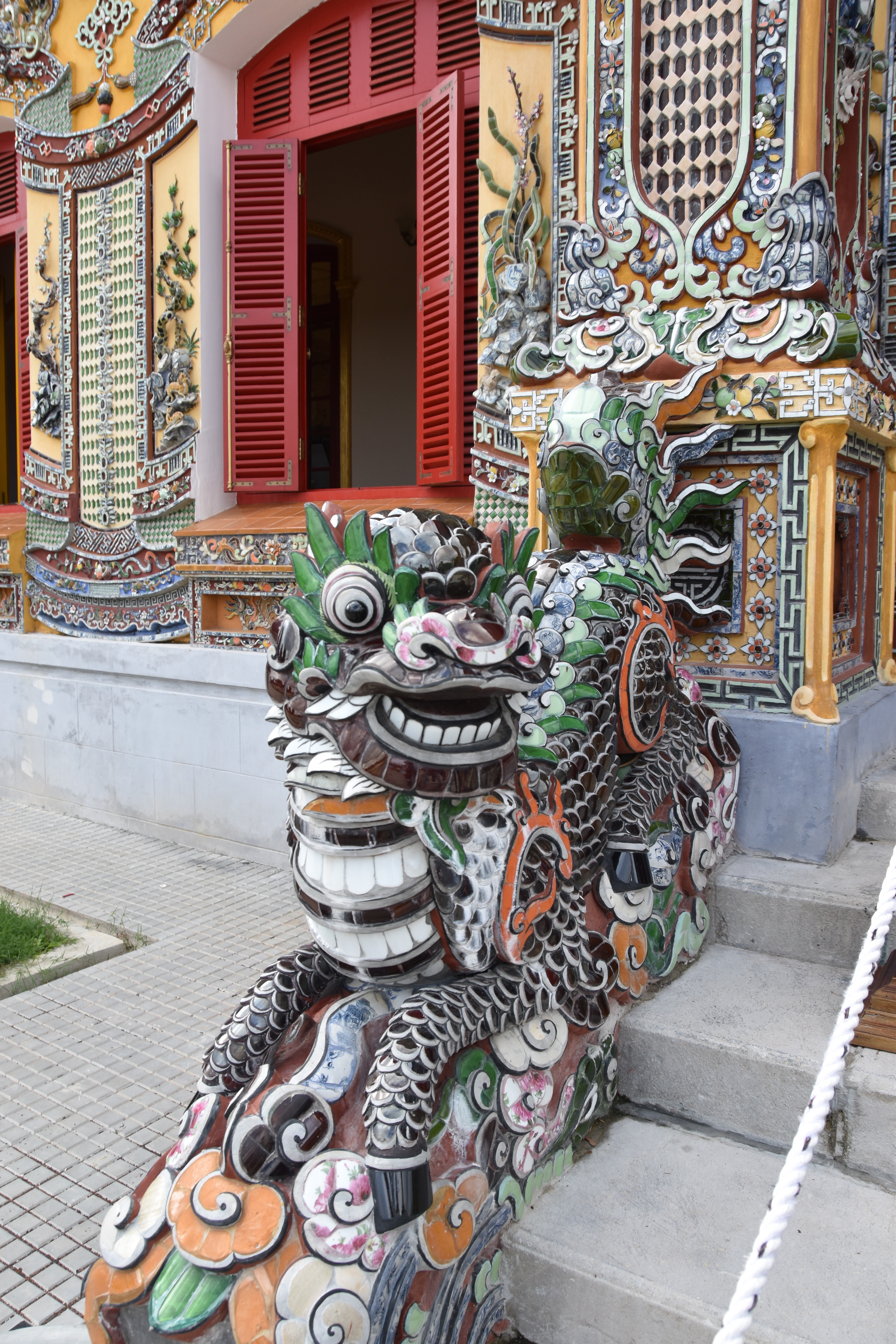
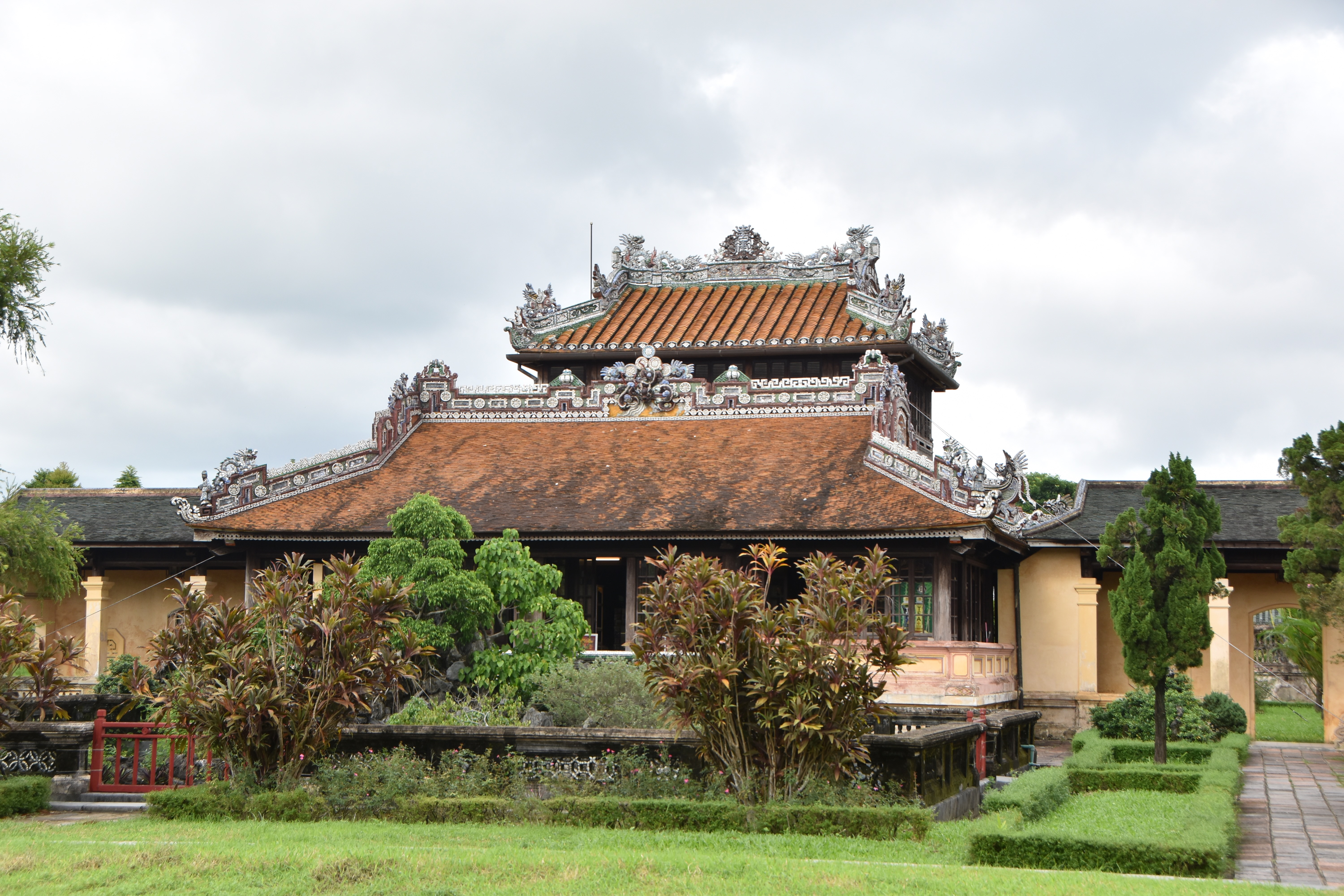



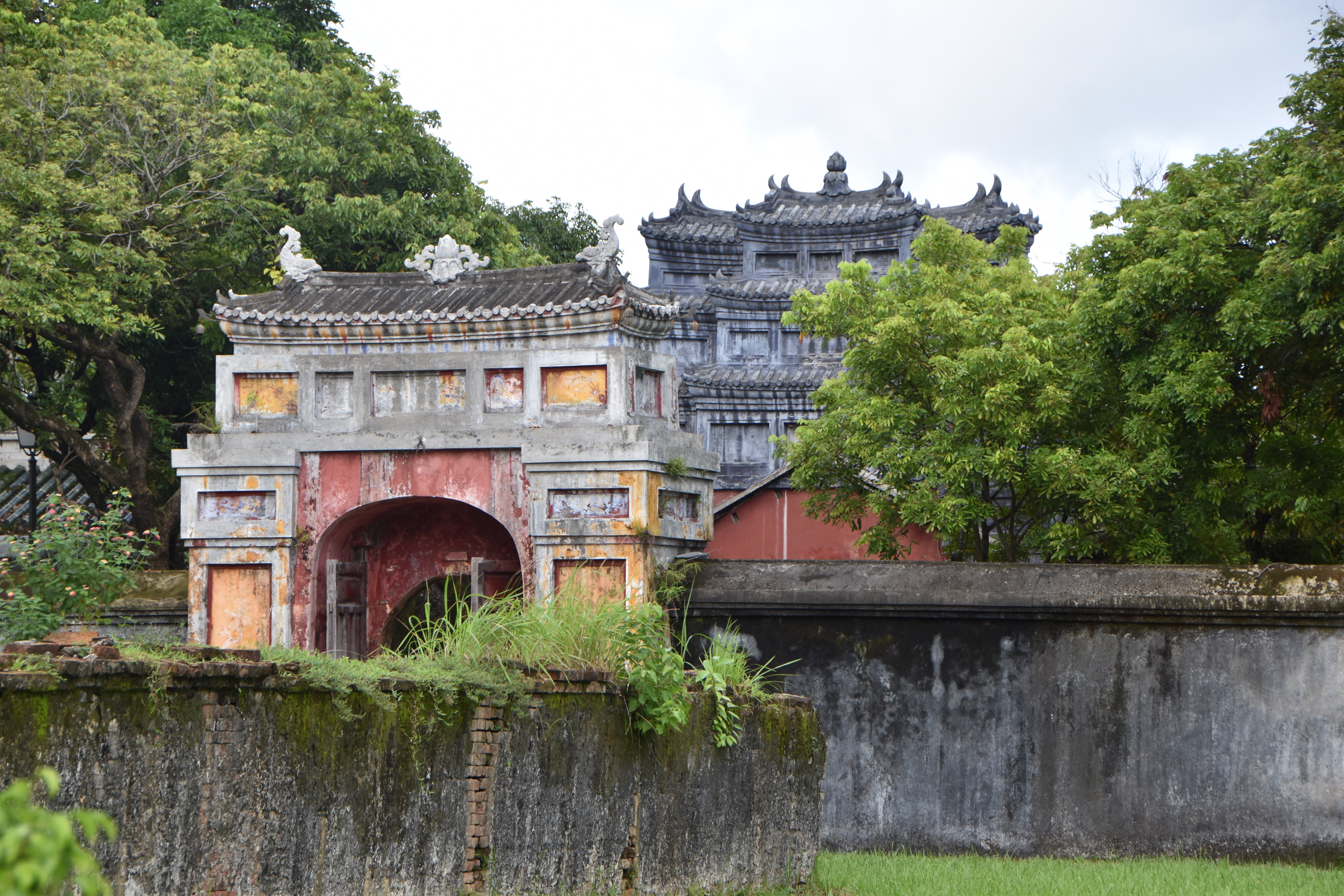

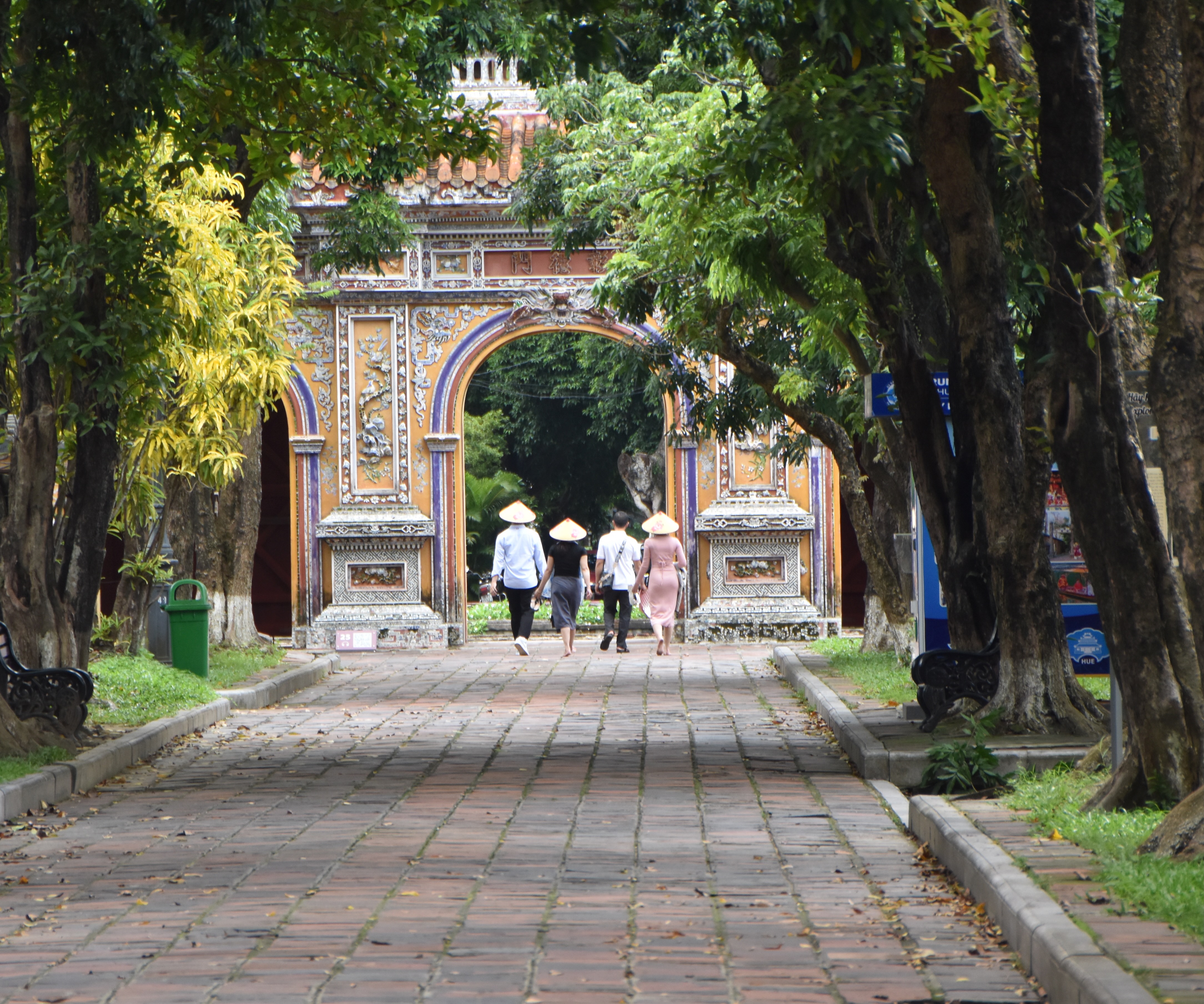
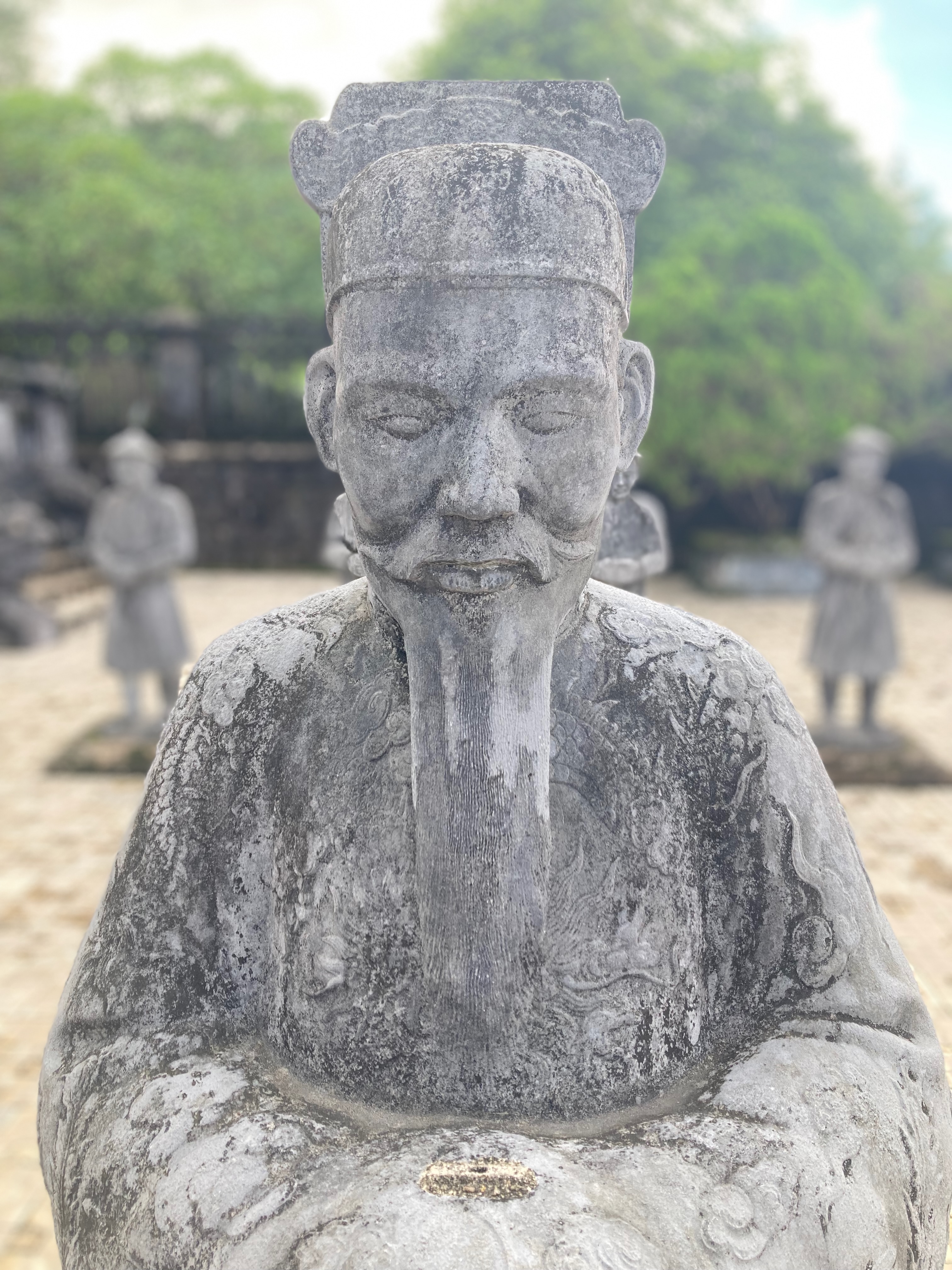
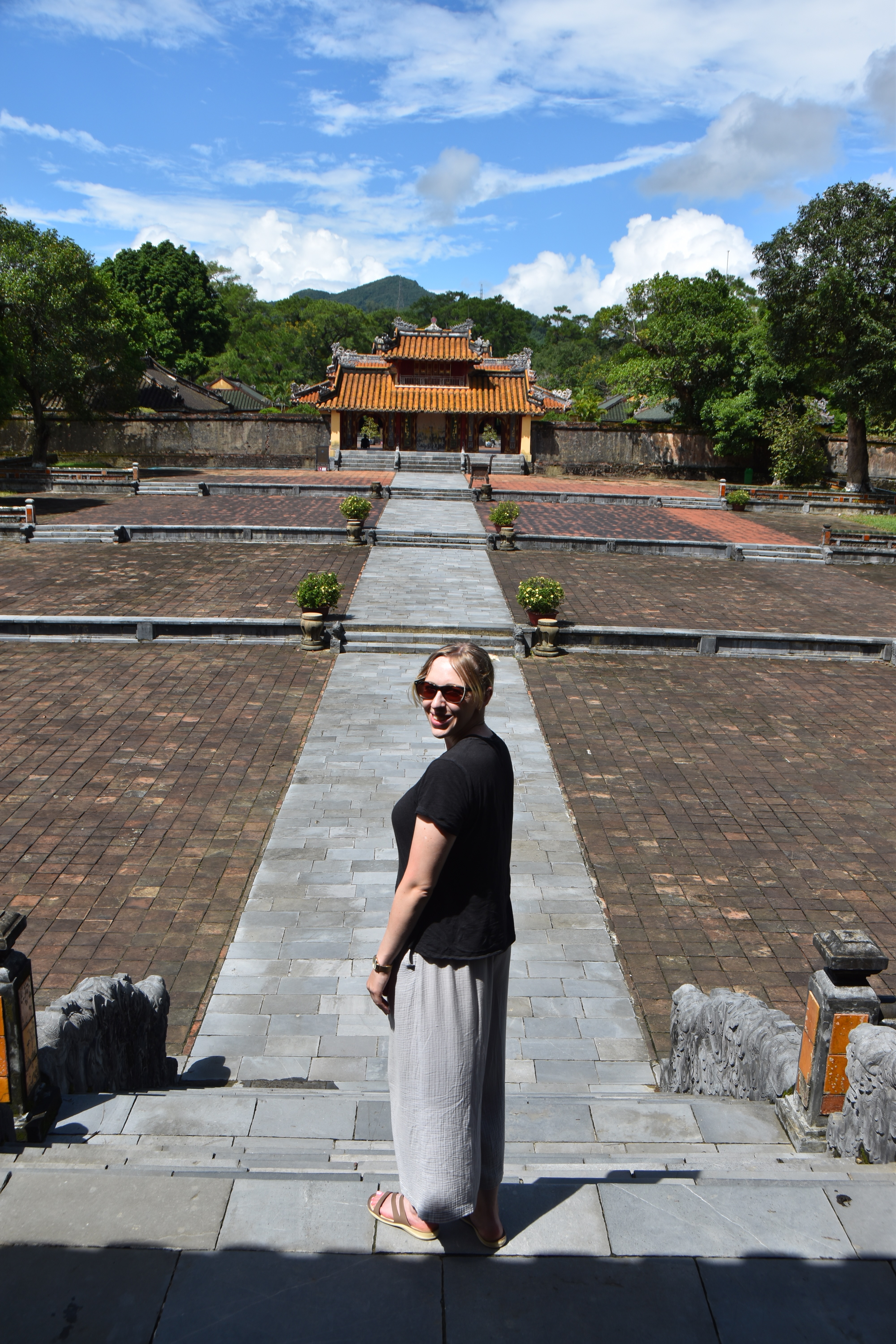
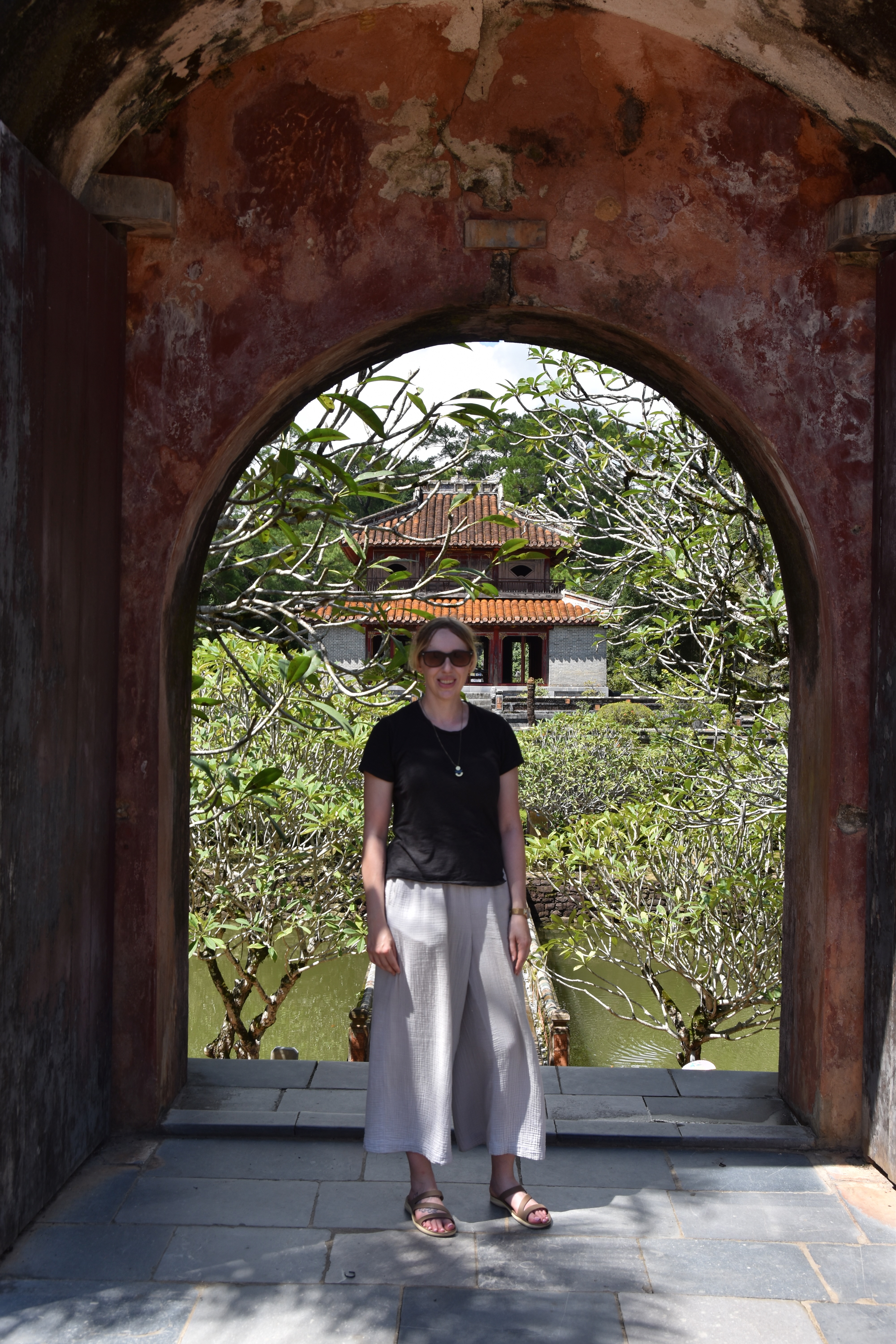
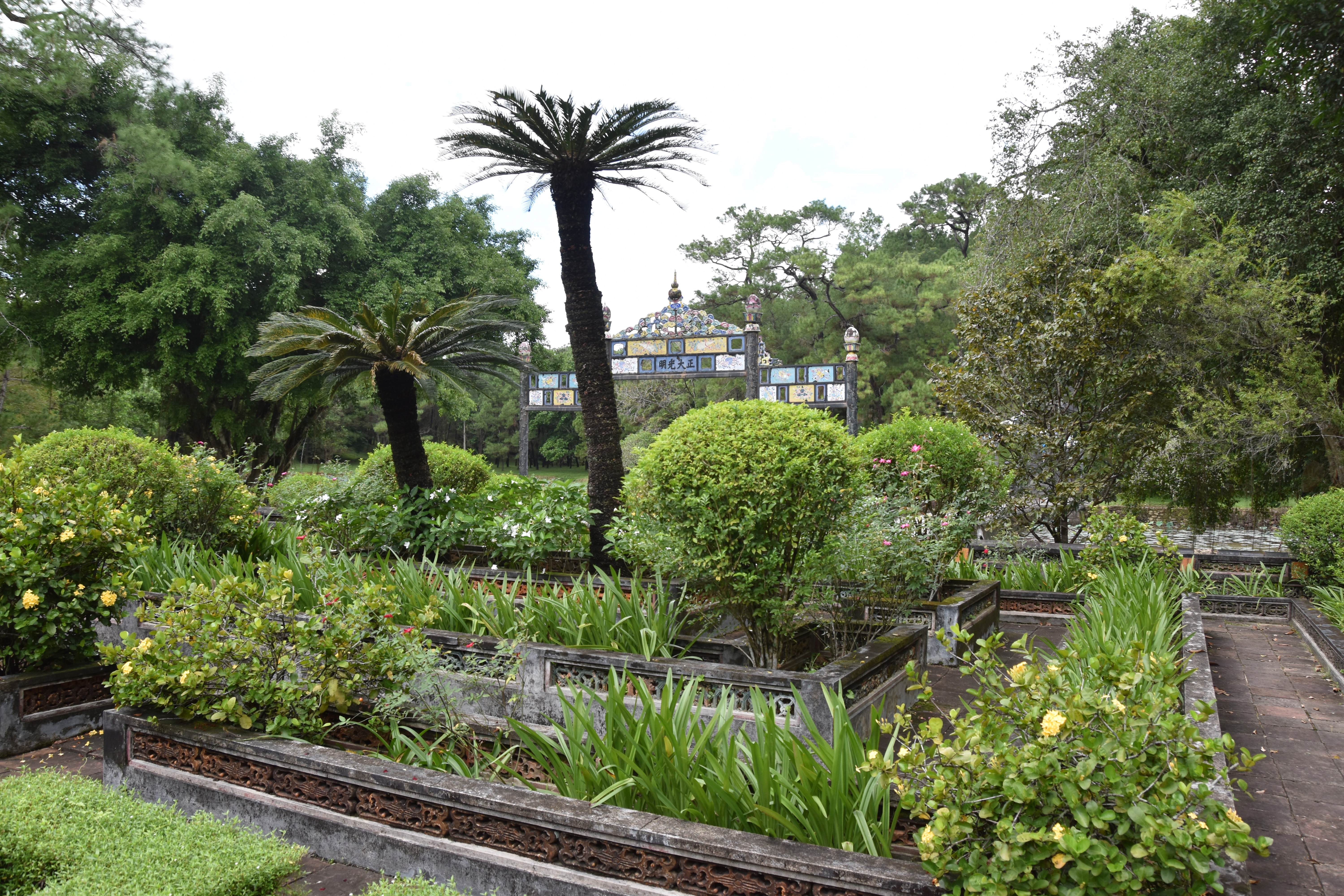
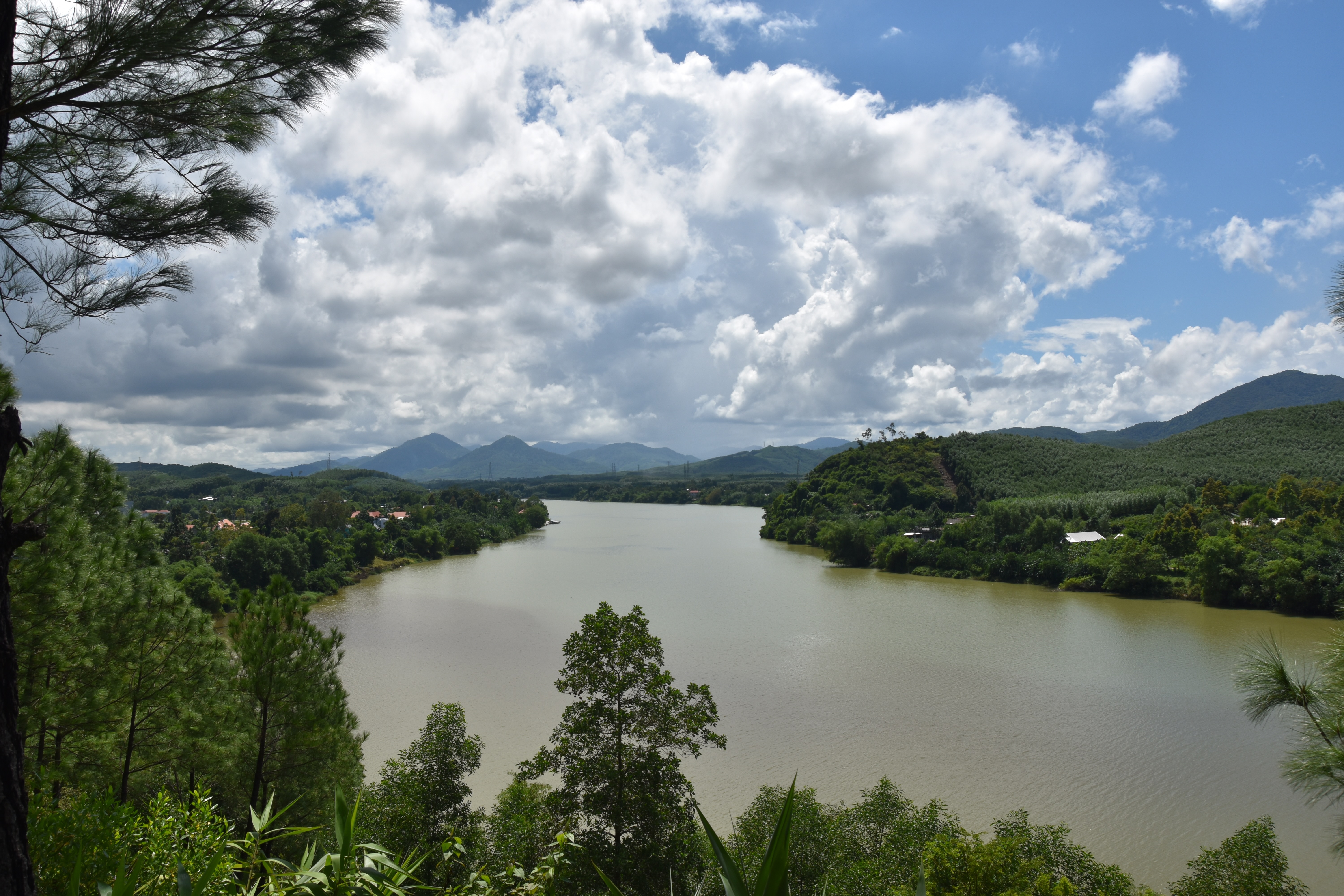
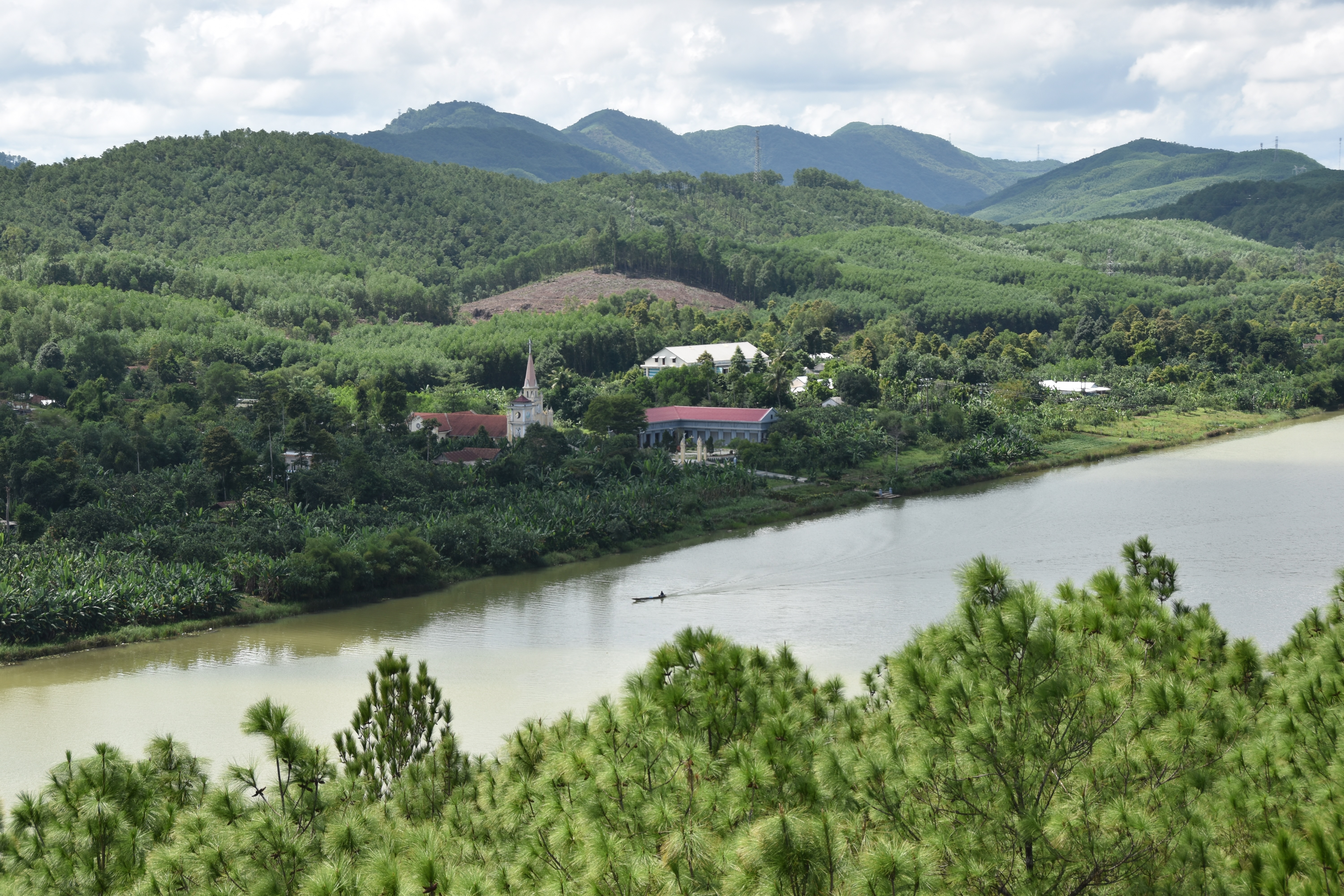
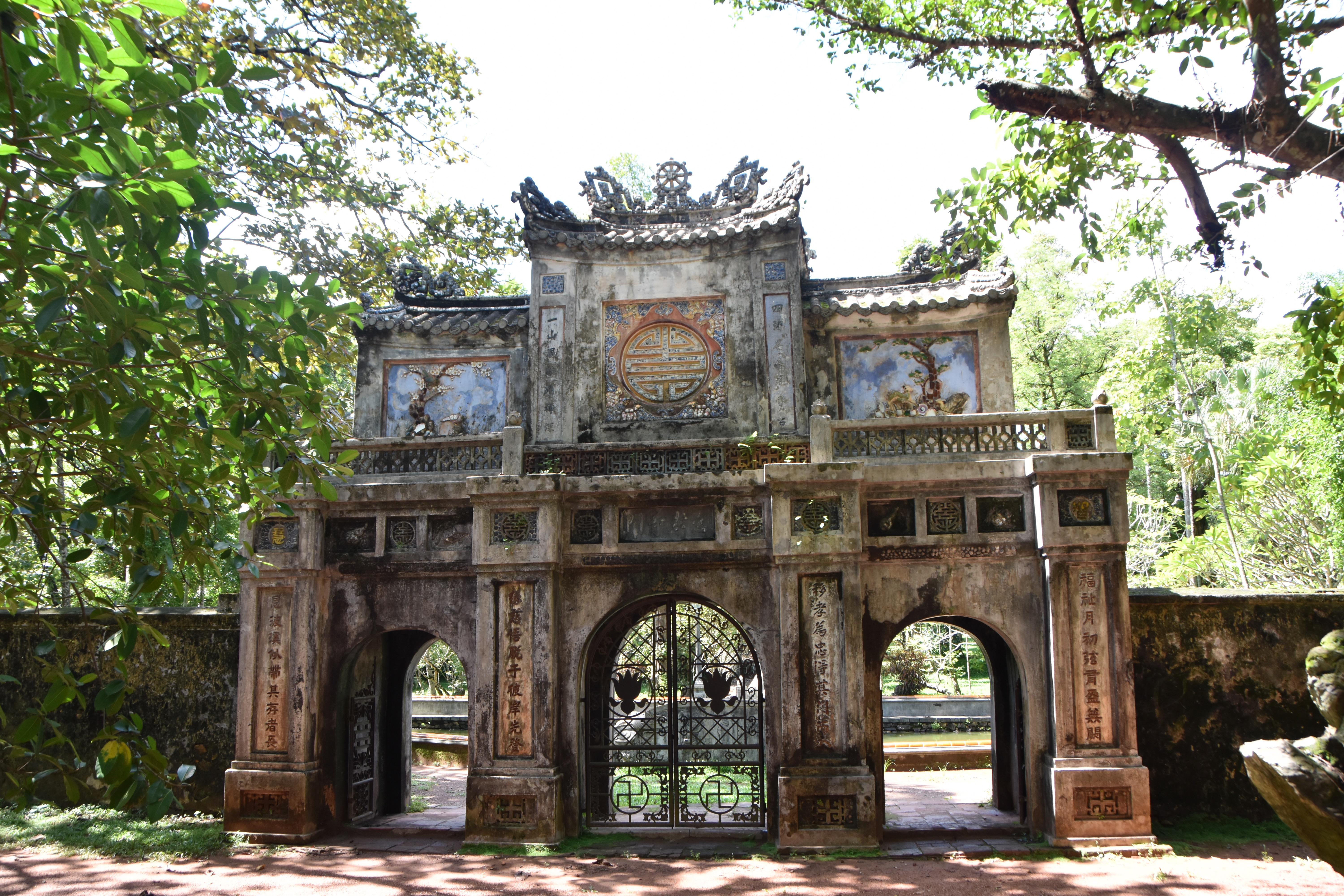
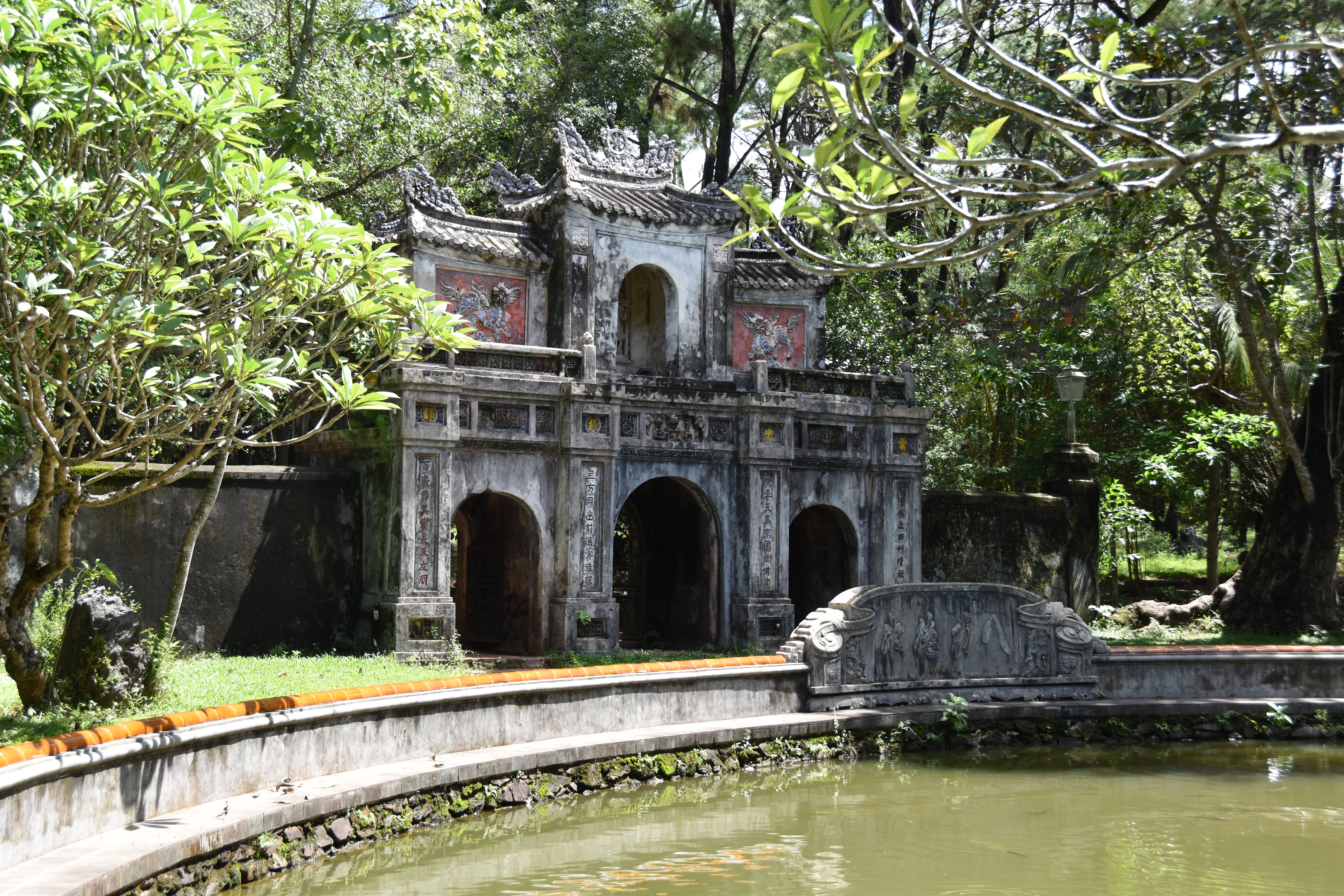
With various pagodas and Royal tombs dotted around the outskirts of the city, we also hired a car and driver for the morning and enjoyed visiting the tombs of the Nguyen emperors.
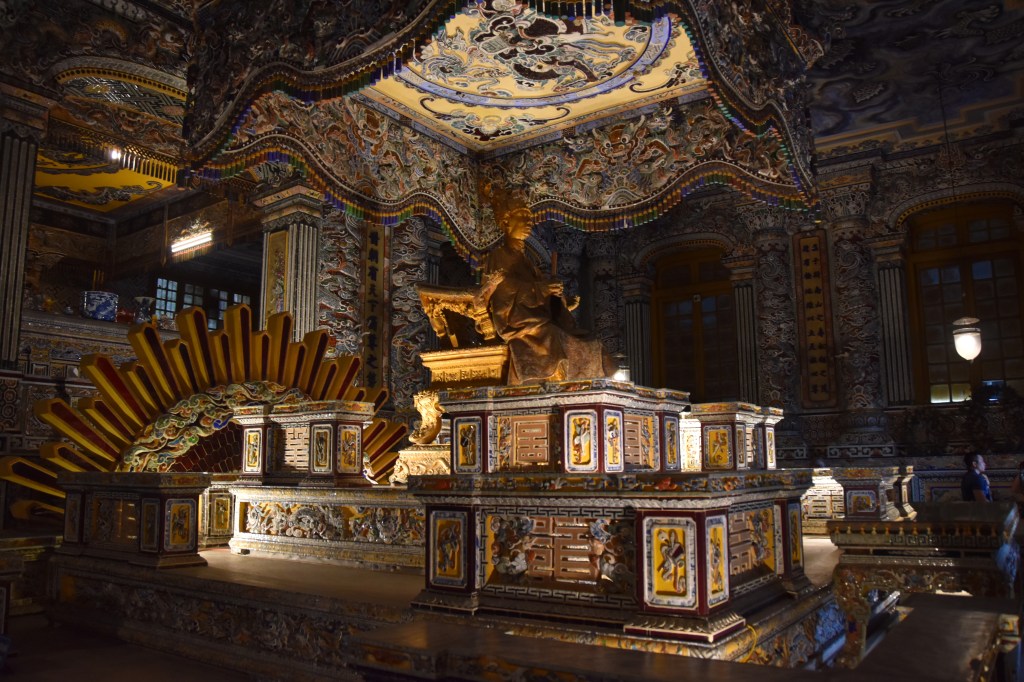
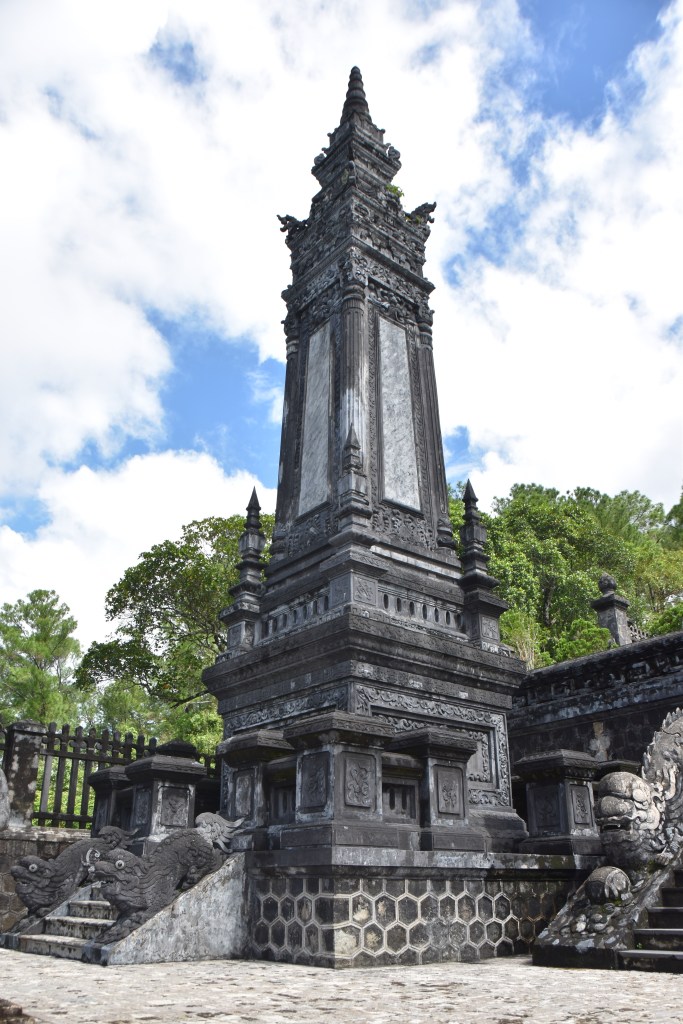
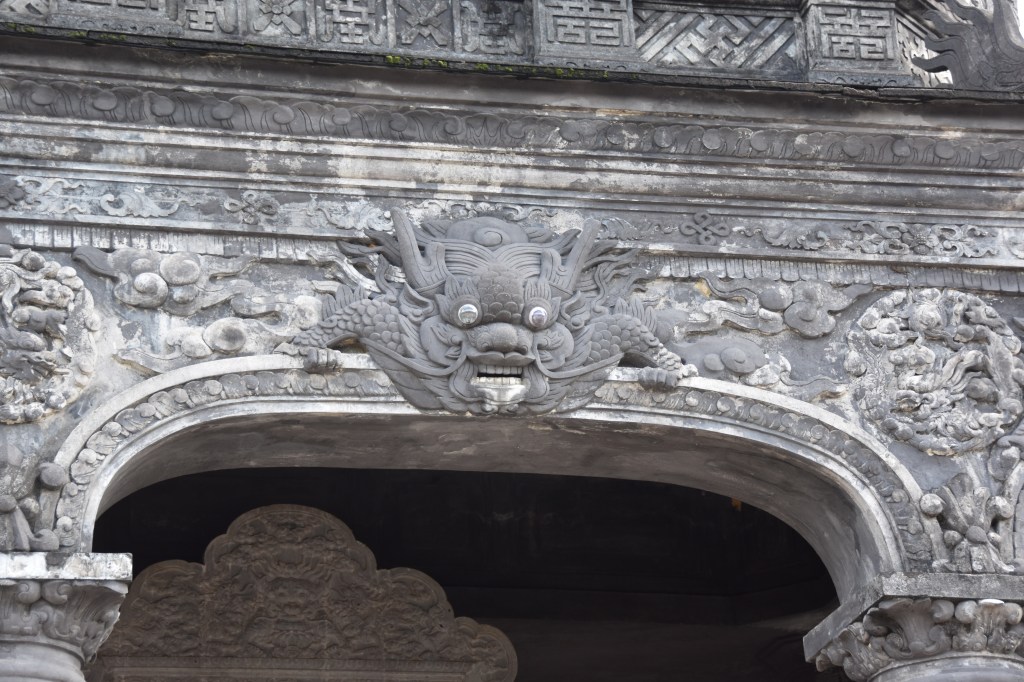
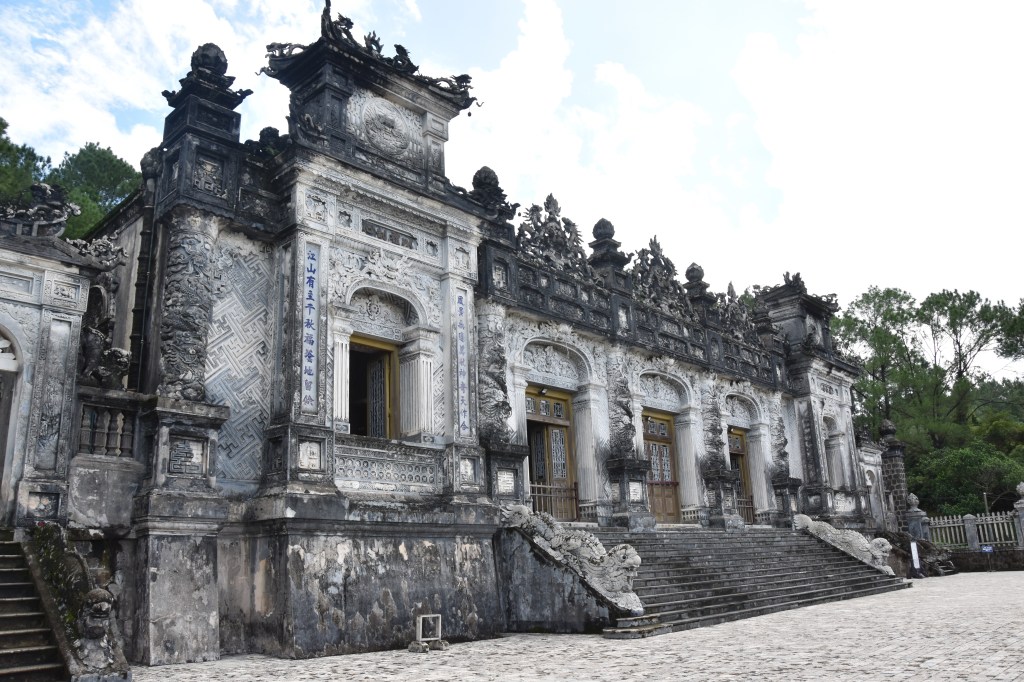
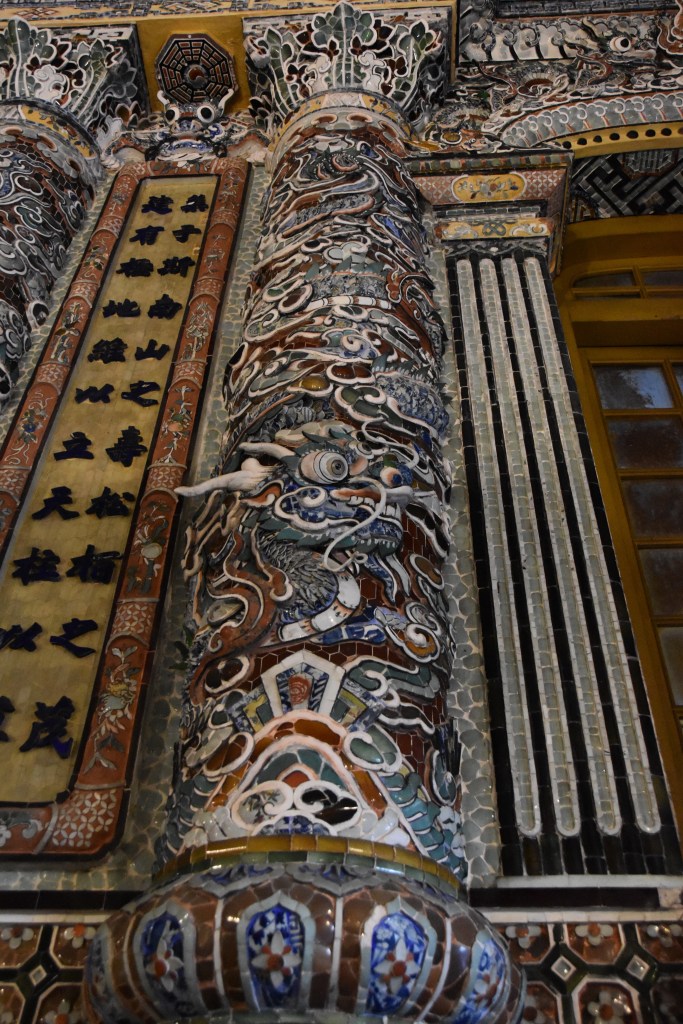
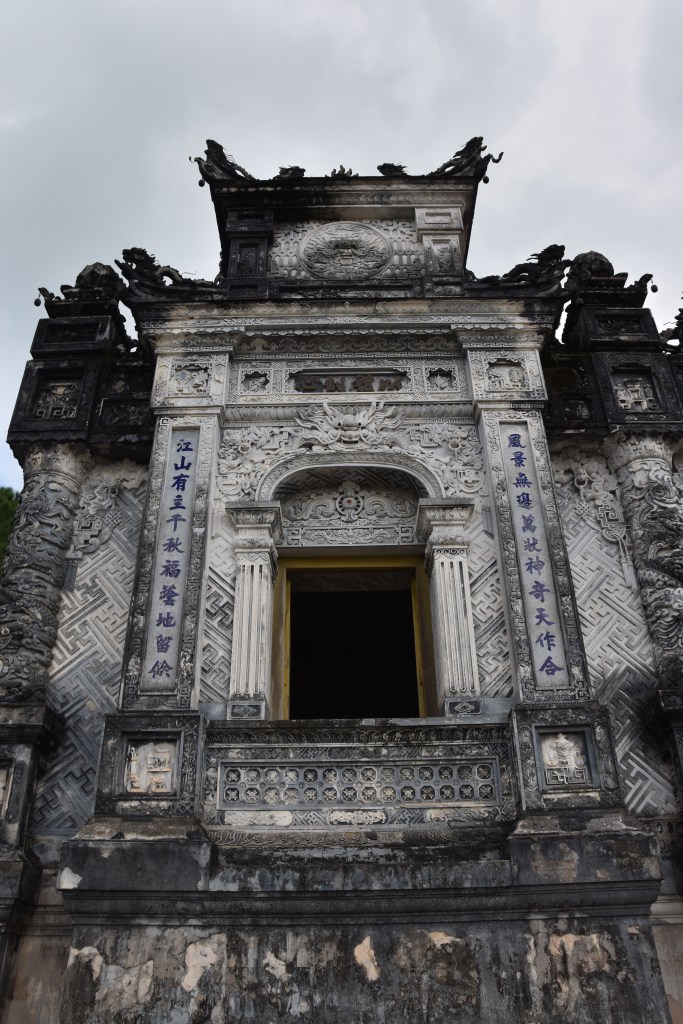
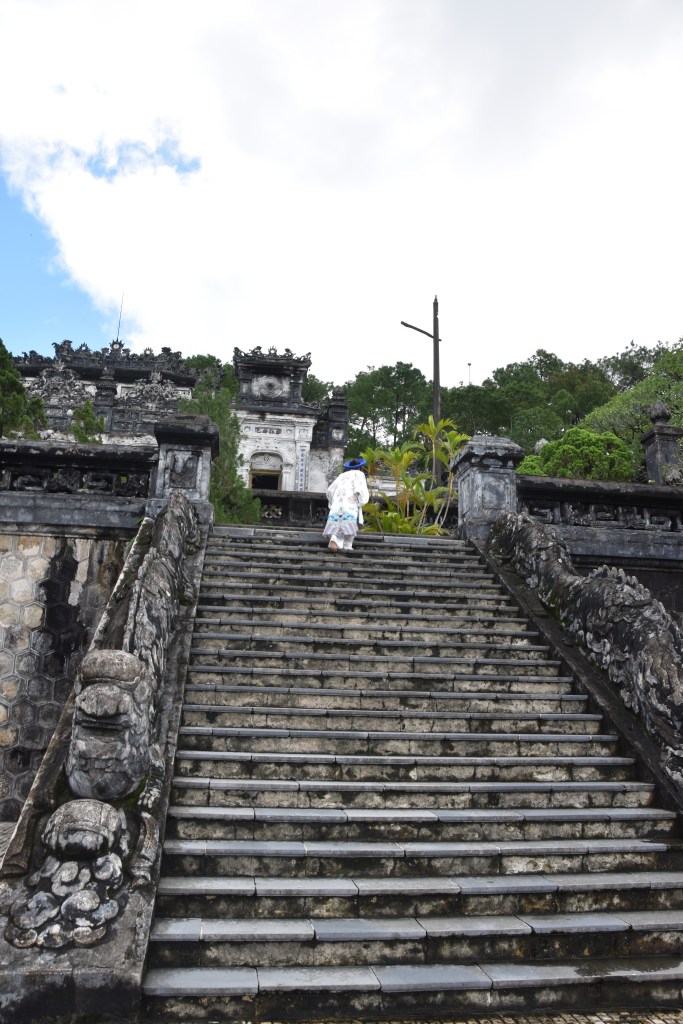
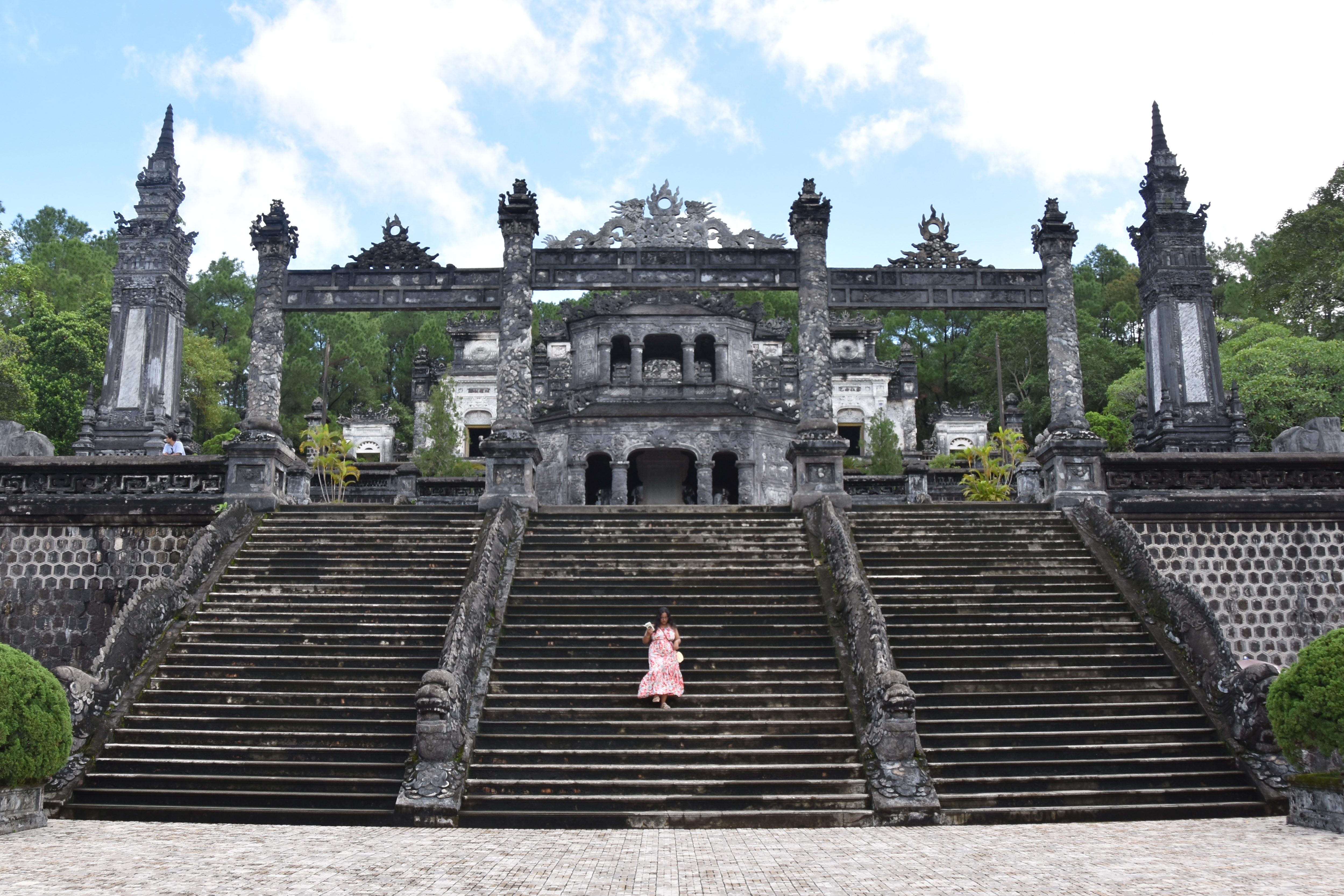
Although each was smaller than the Imperial Citadel, they were more ornate and benefitted from the verdant countryside surroundings.



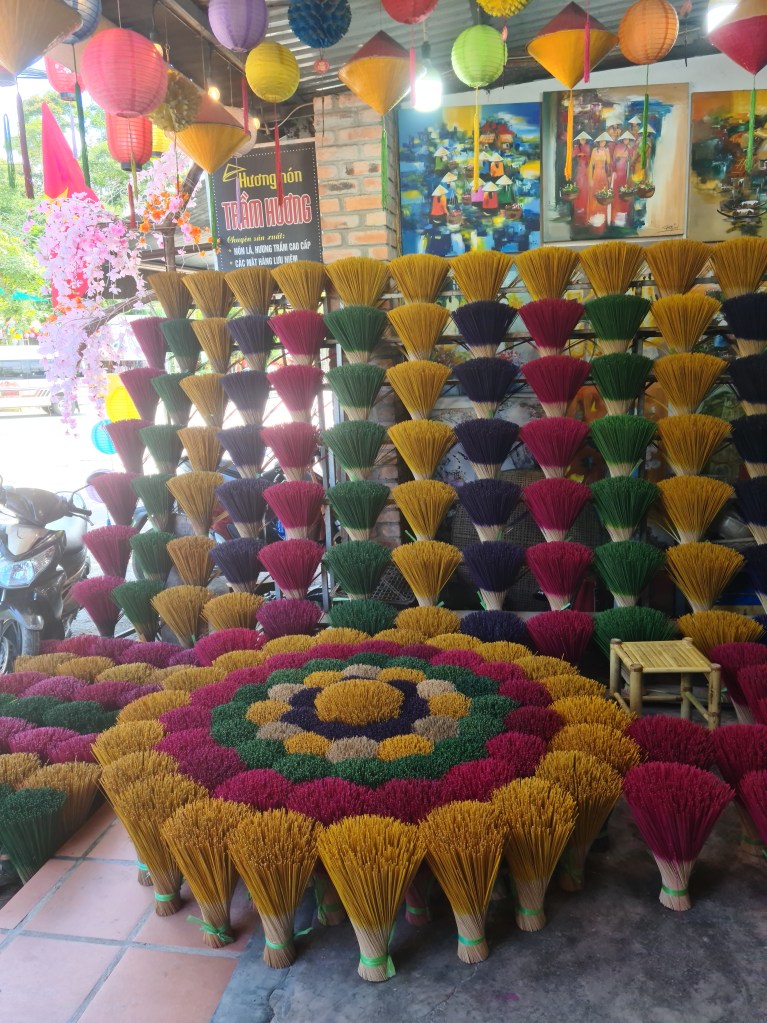
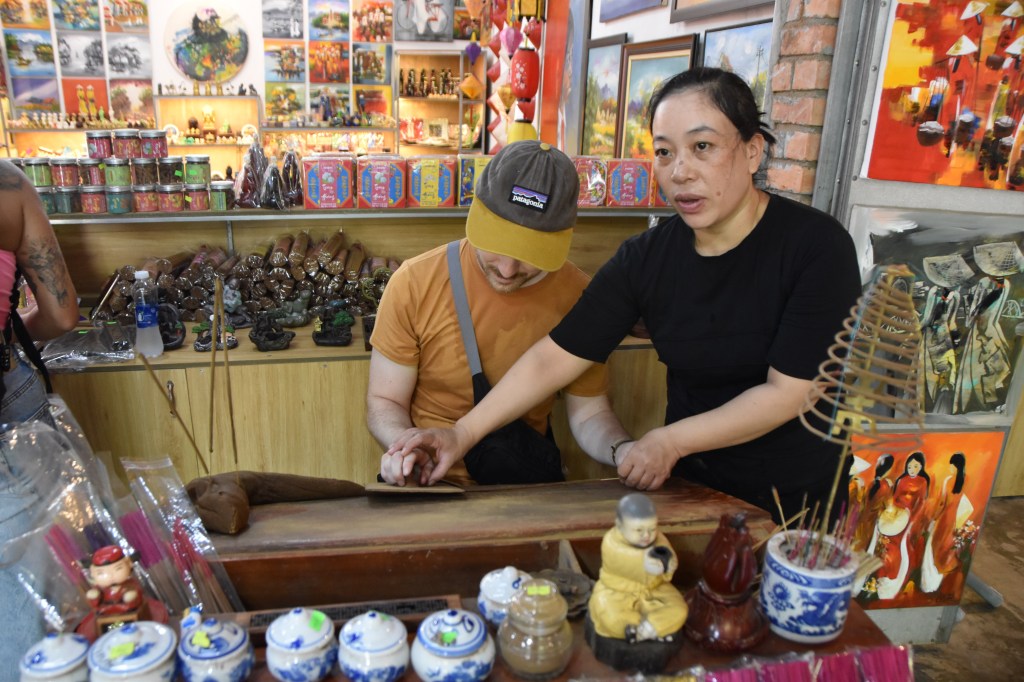
As someone who loves scents, a stop in the incense village was also an appreciated, unique visit. We even got to get hands on with it.
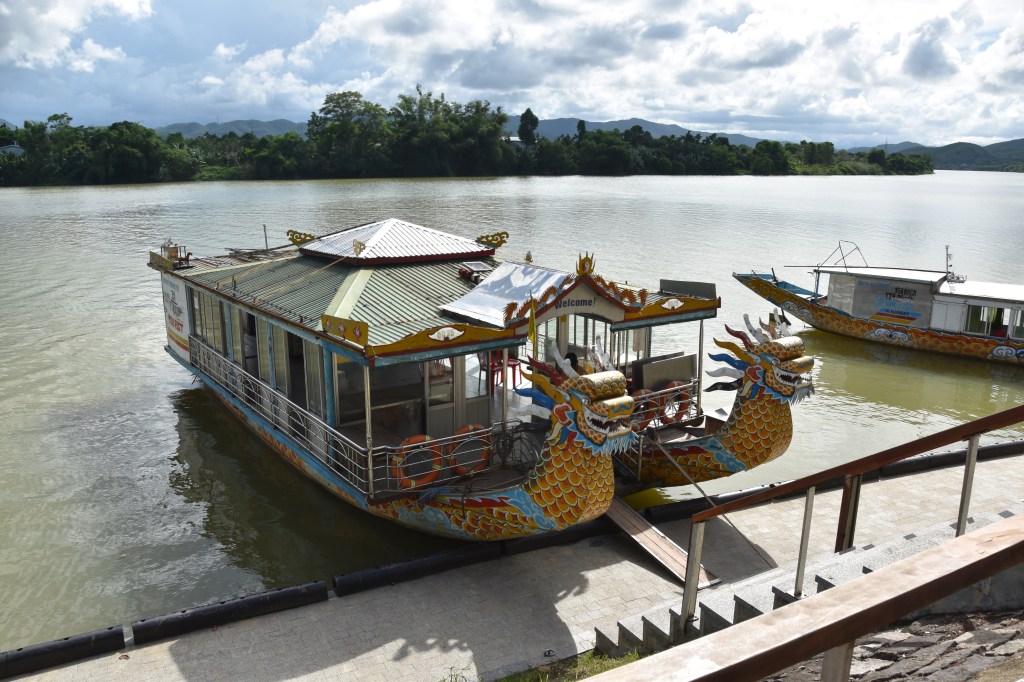
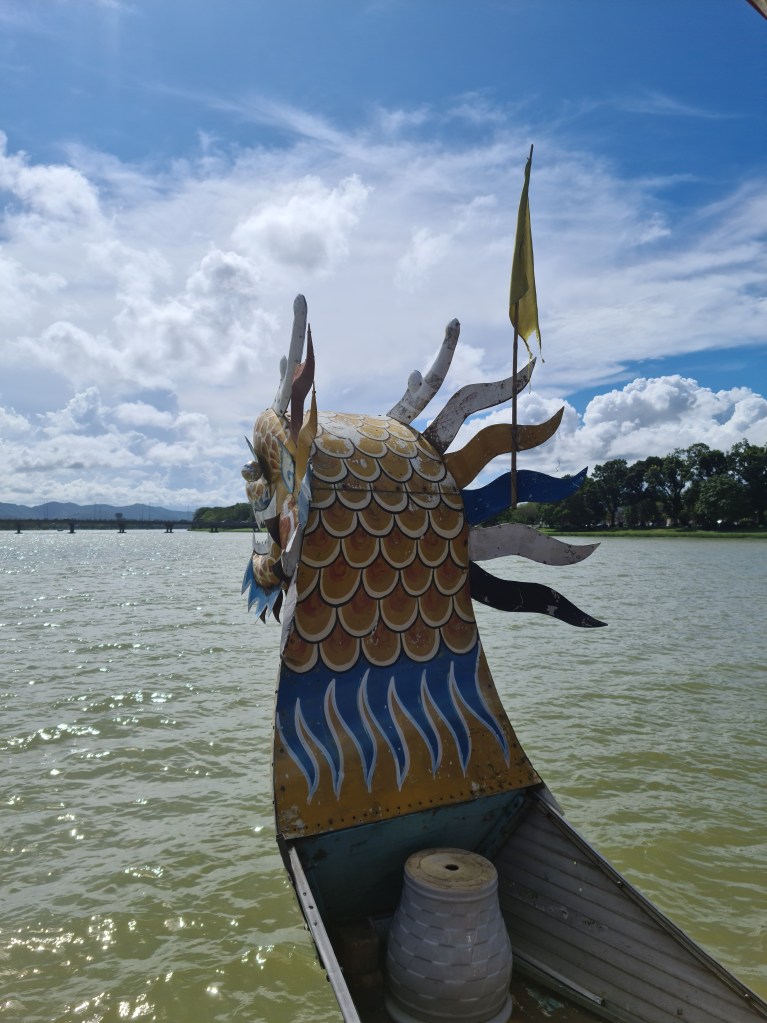
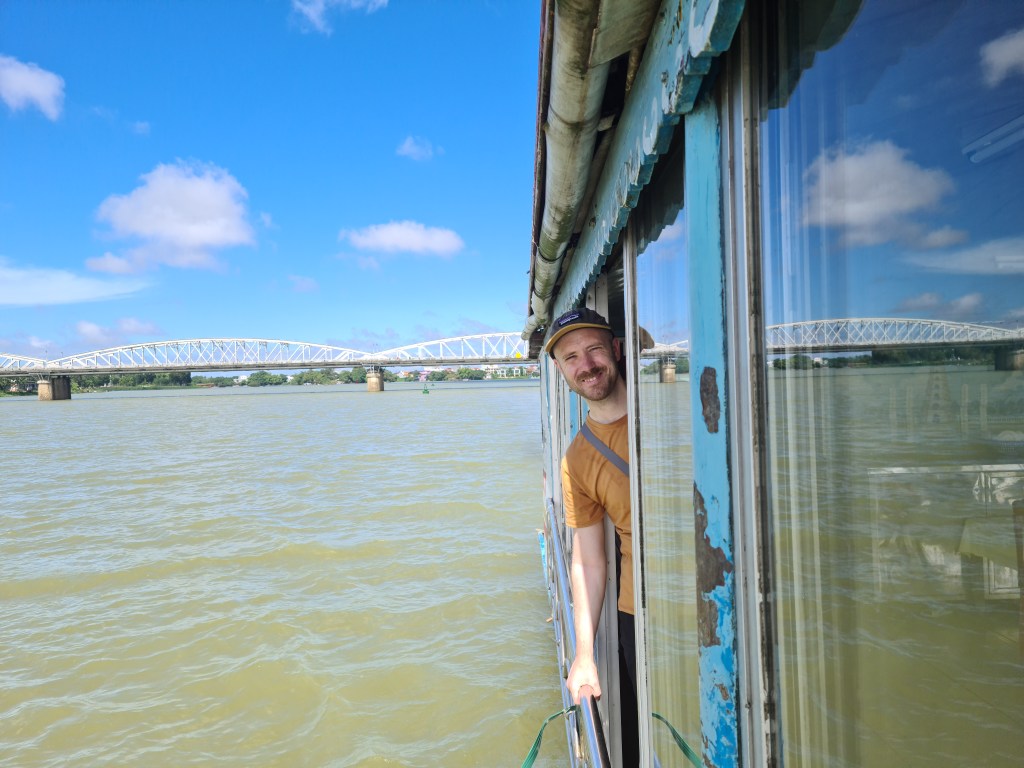
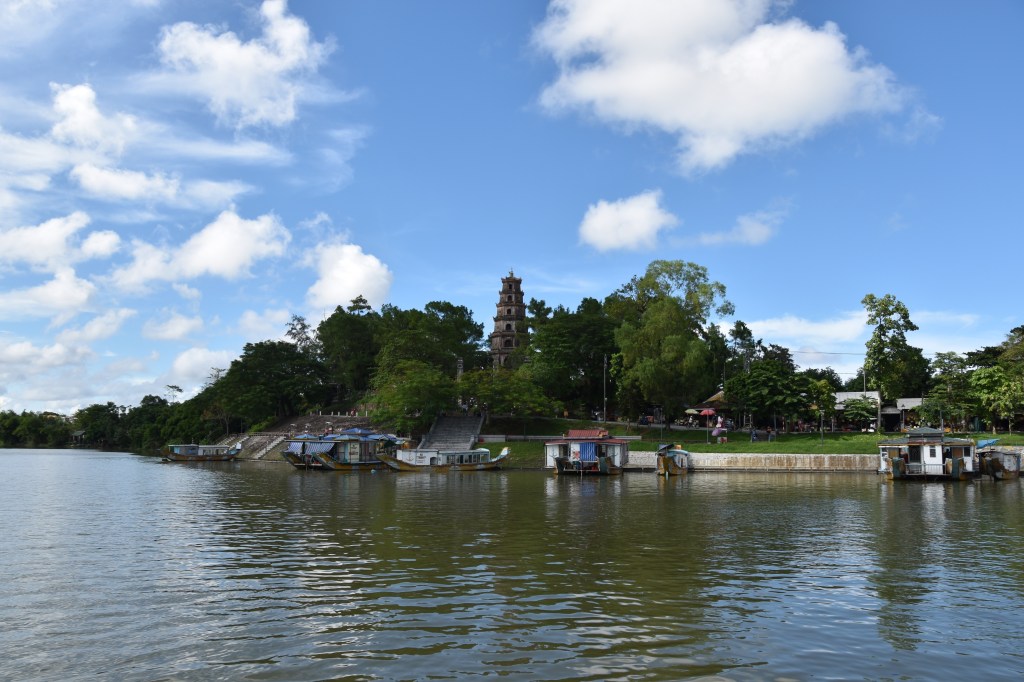
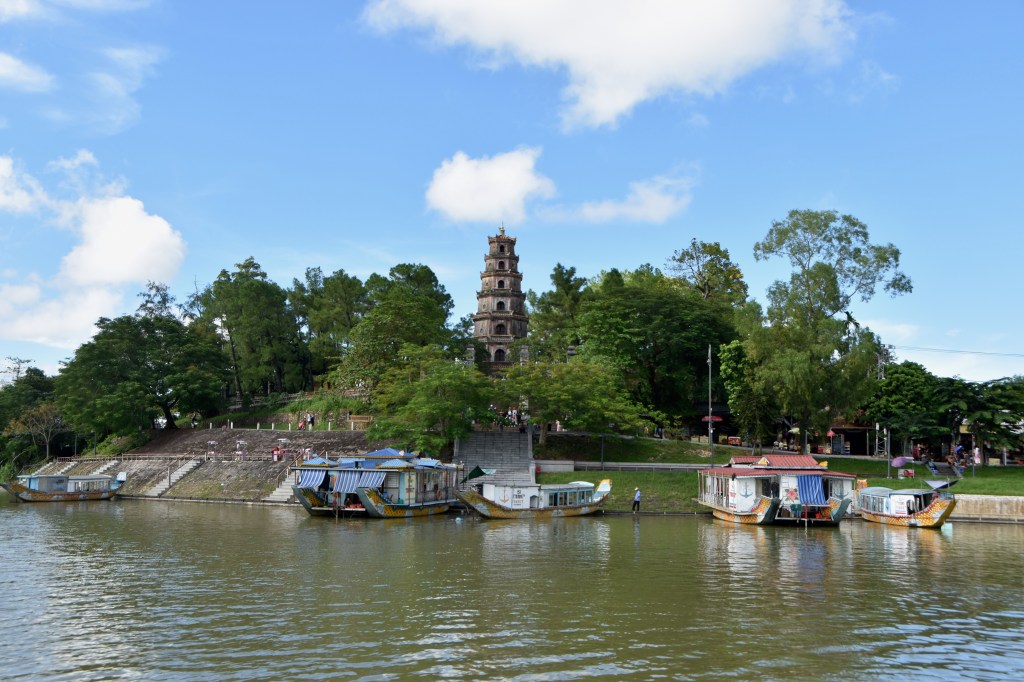
Our trip to Hue was completed with the Thien Mu pagoda, a symbol of Hue and centre of Vietnamese Buddhism. Owing to its riverside location, we certainly weren’t disappointed that the most time efficient means of arriving there was by boat. Though it was a slight surprise to end up commandeering one to ourselves. Time to make like the ancient dynasties with our own flotilla!
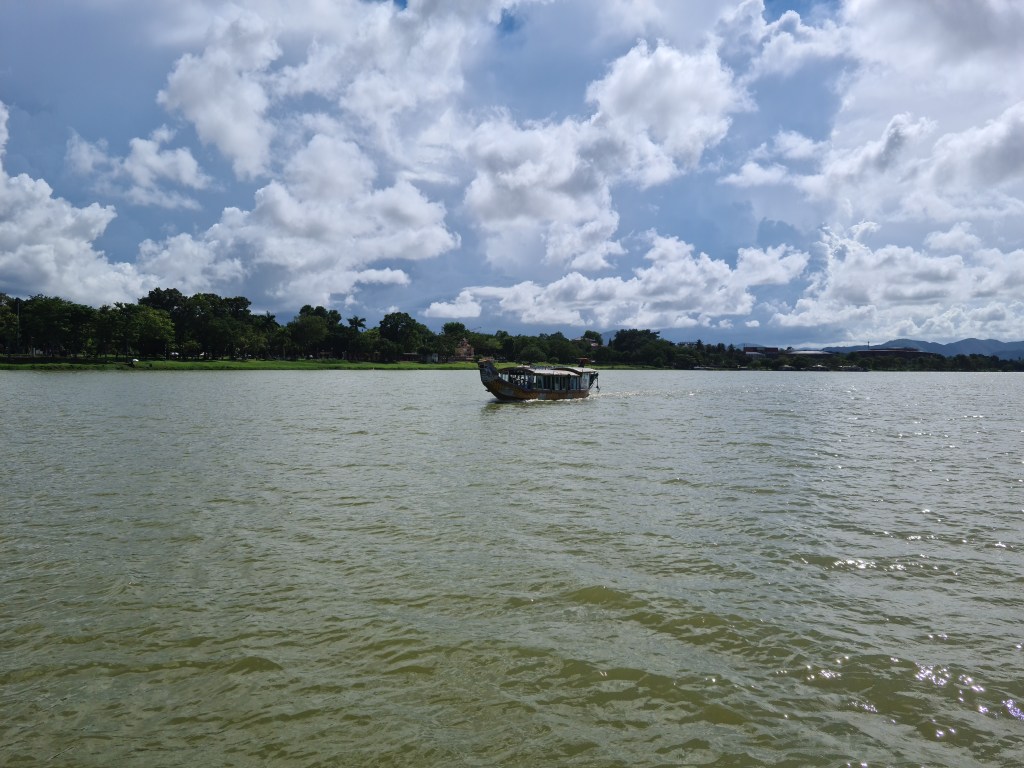
The pagoda itself was both striking and serene, with the relative calm punctuated every now and then by a monk striking a gong.

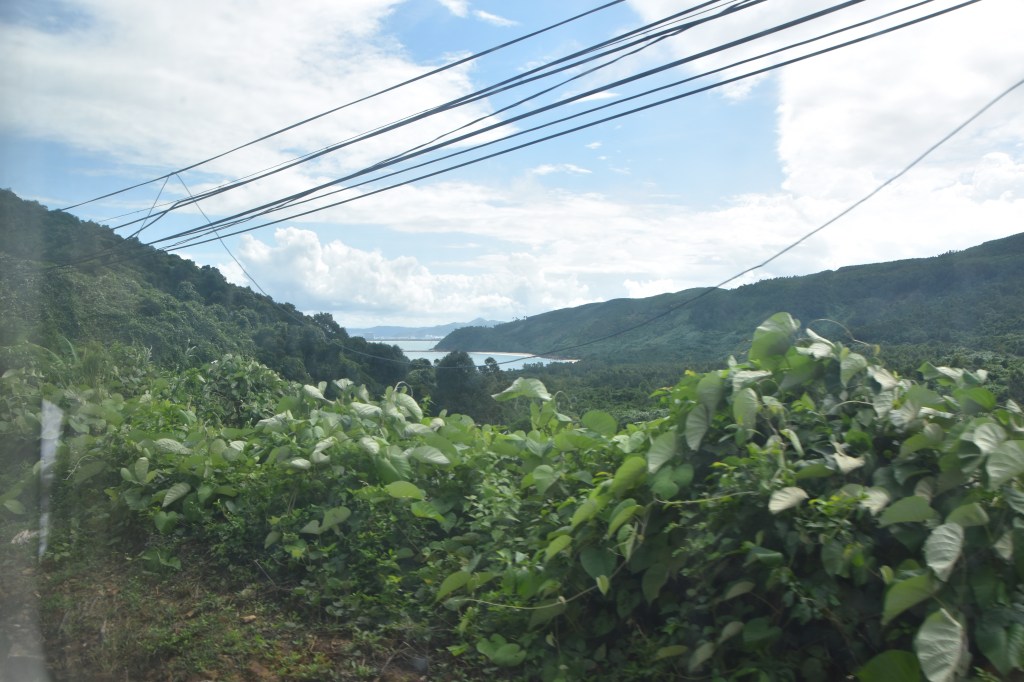
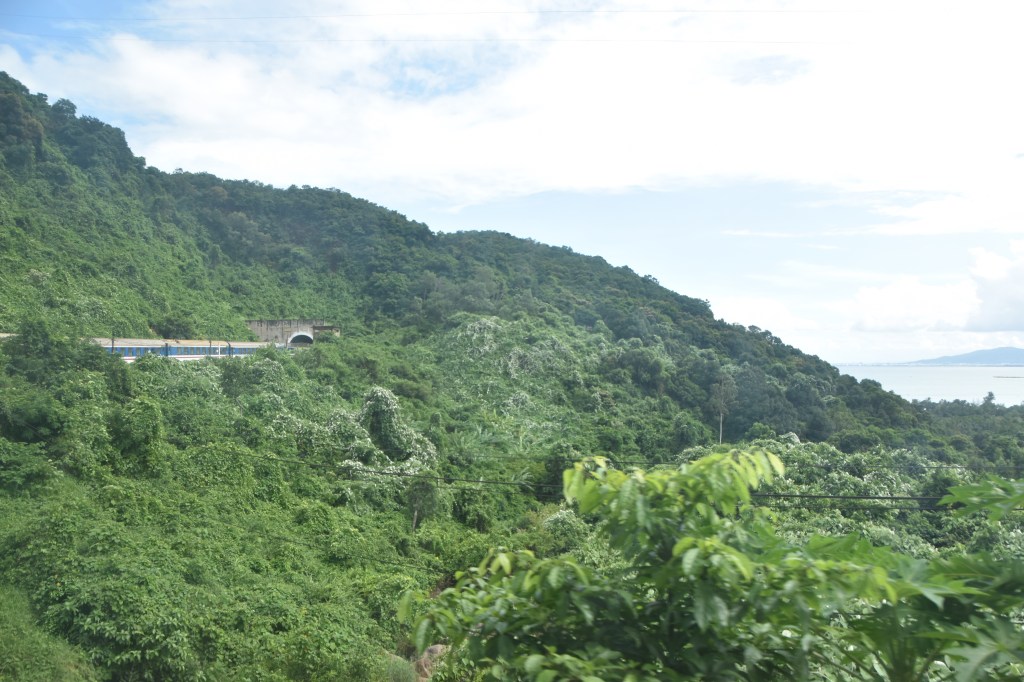
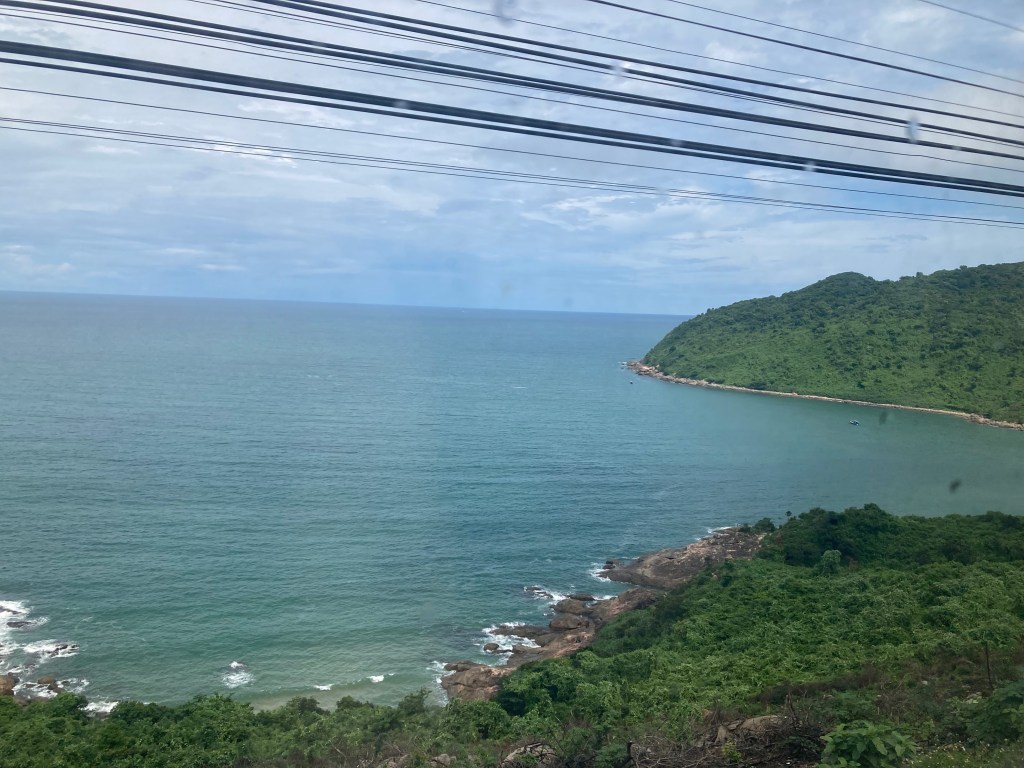
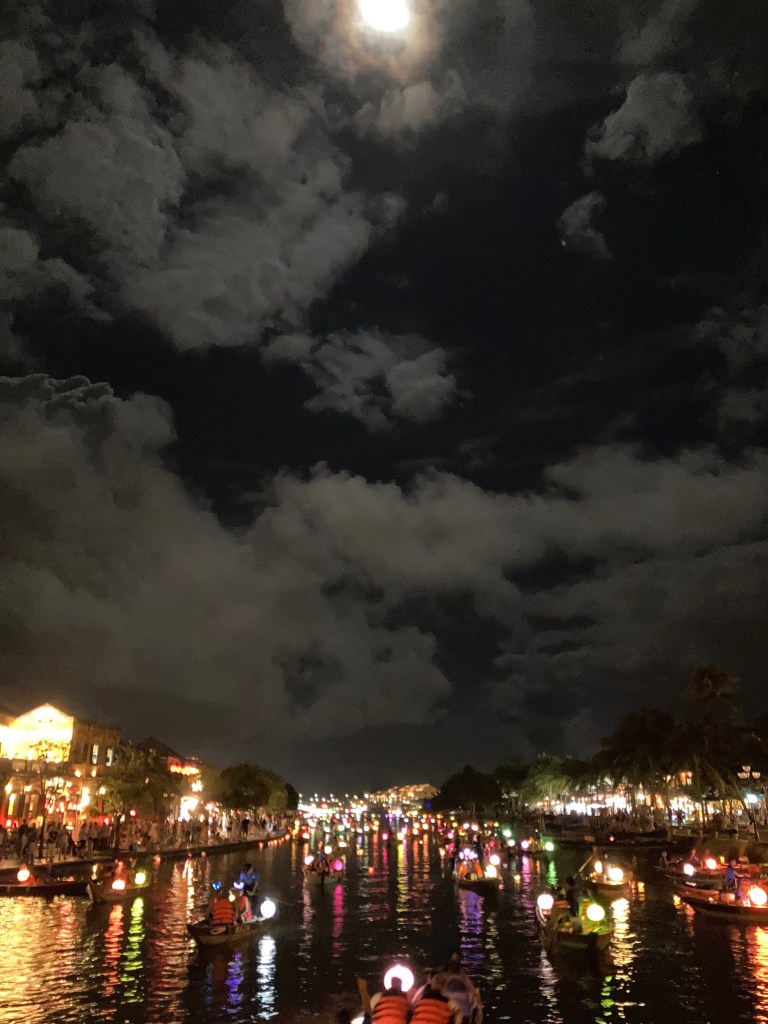
From Hue it was onward by a beautiful coastal train route to Danang, then a taxi to Hoi An. This was the reasoning for only two days spent in Hue. Much to Ricki’s frustration, once again I had ended up targeting specific dates. With one less day in Hue than originally planned, we could arrive in Hoi An for the full moon, allowing us to enjoy the monthly lantern festival.


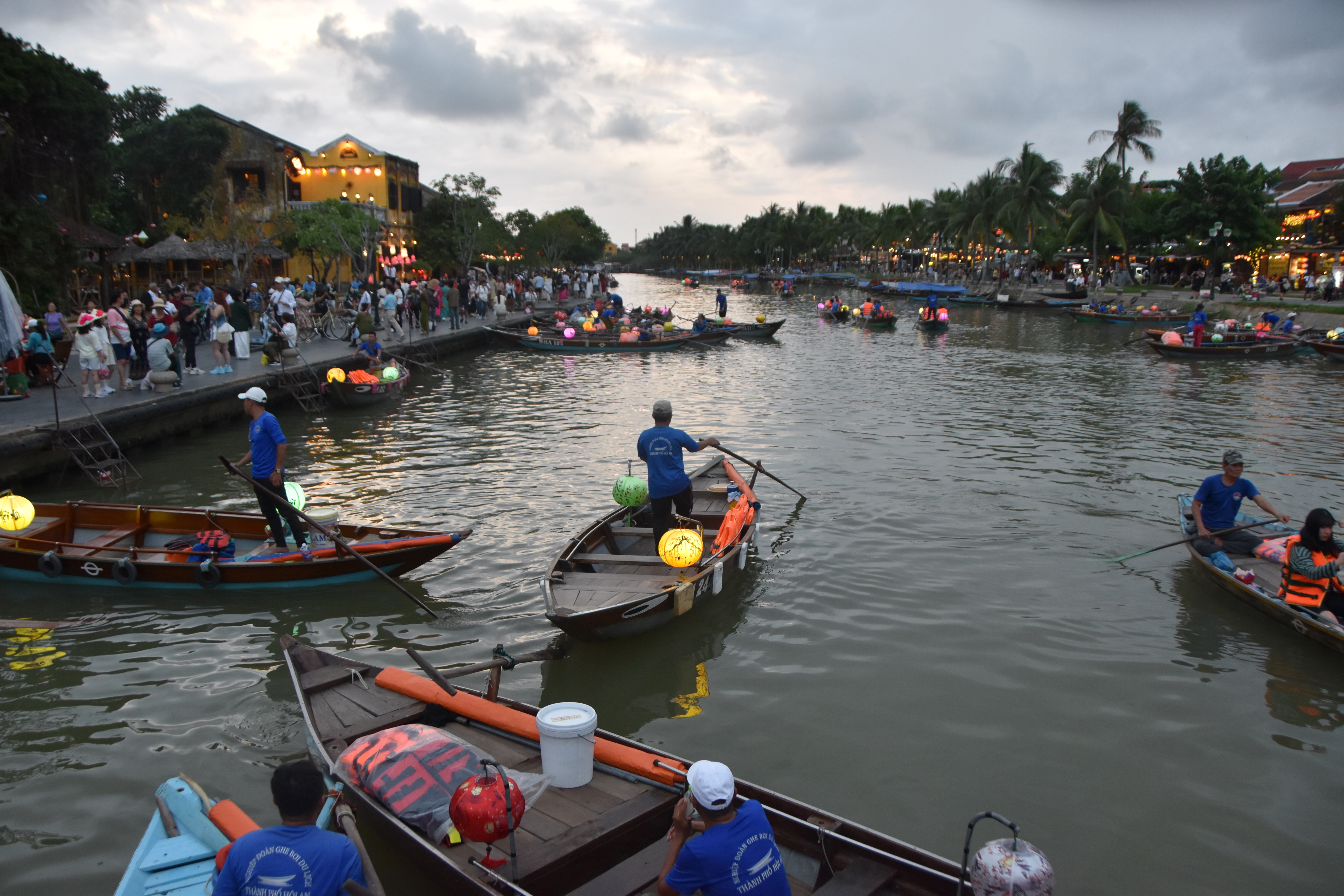
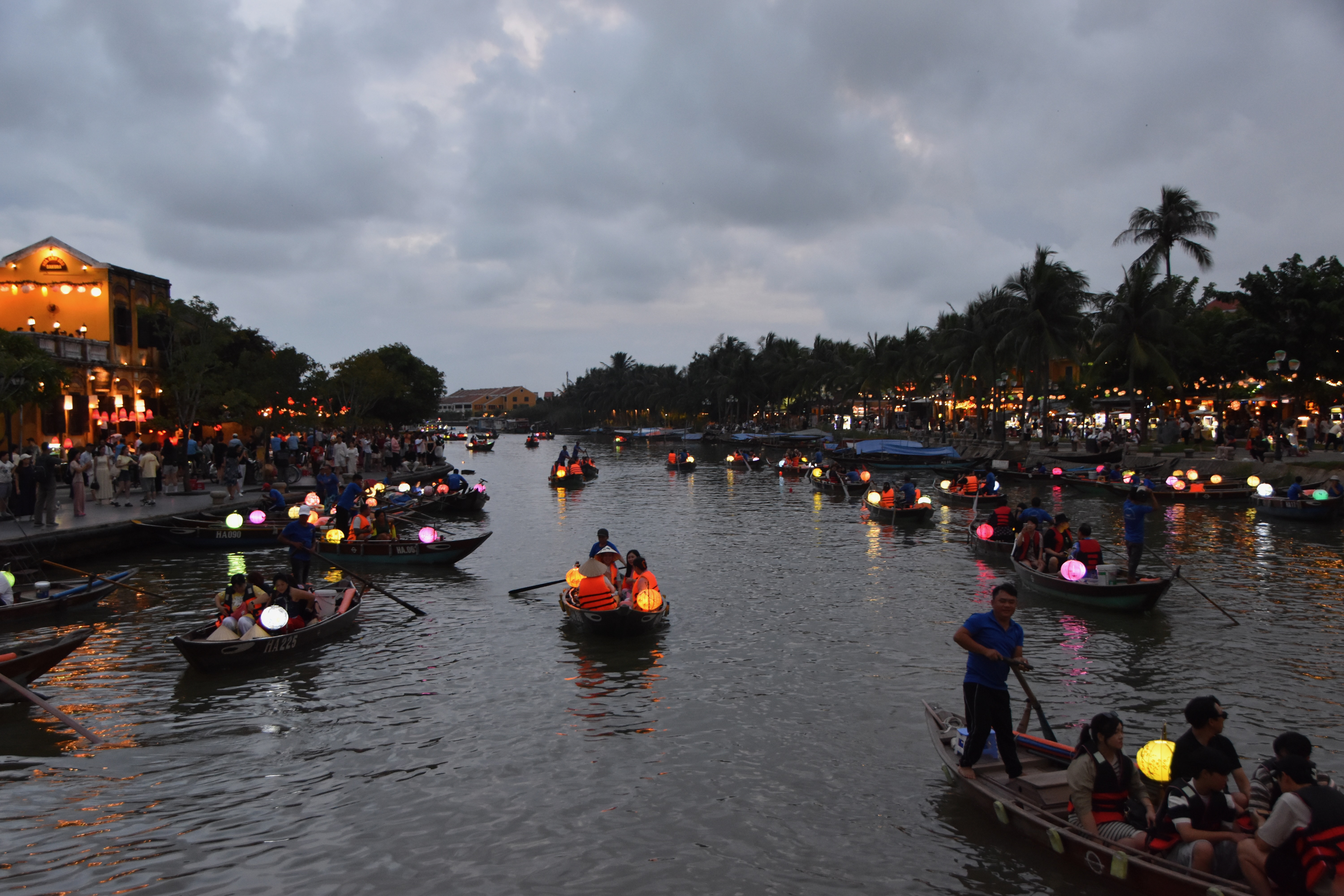
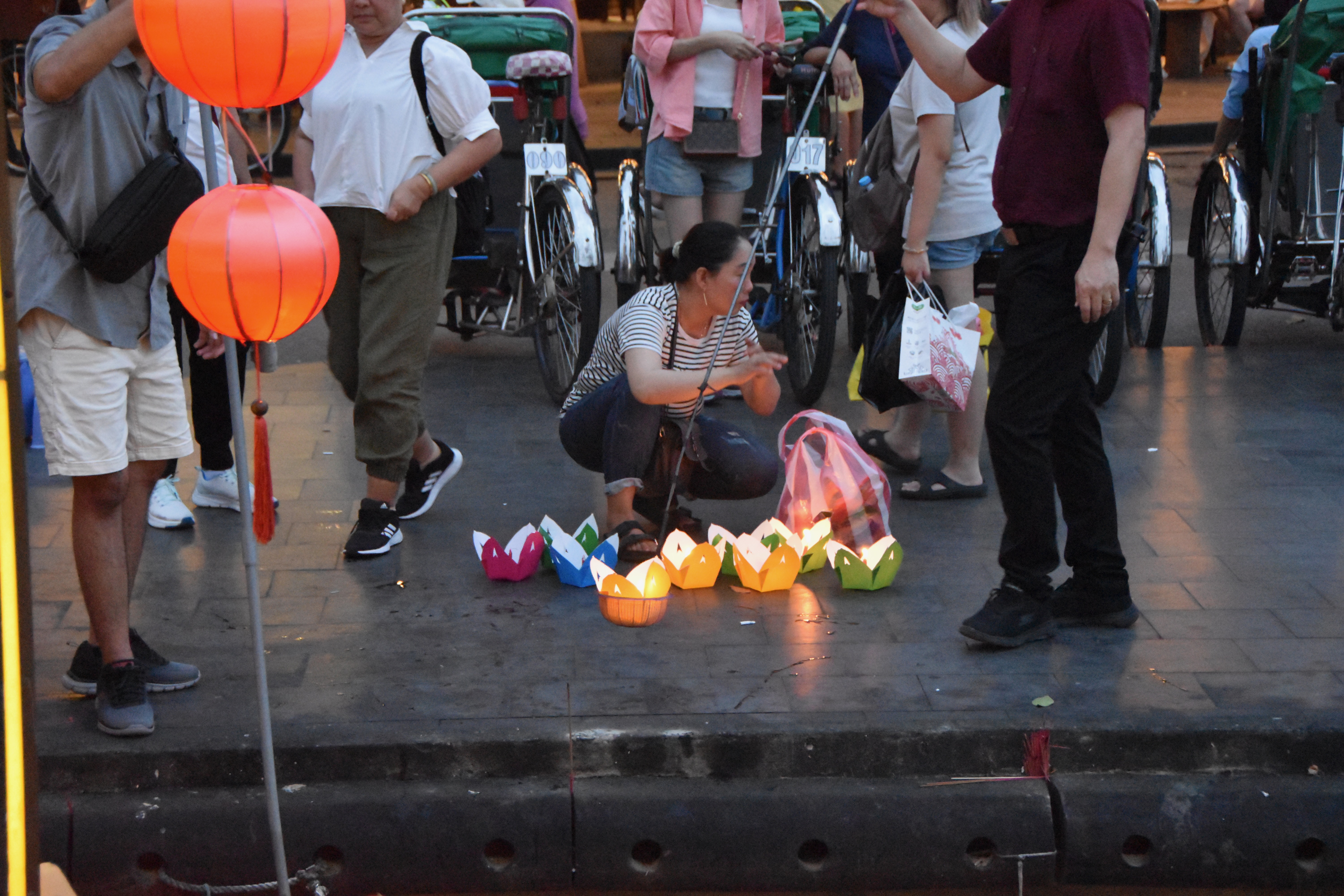
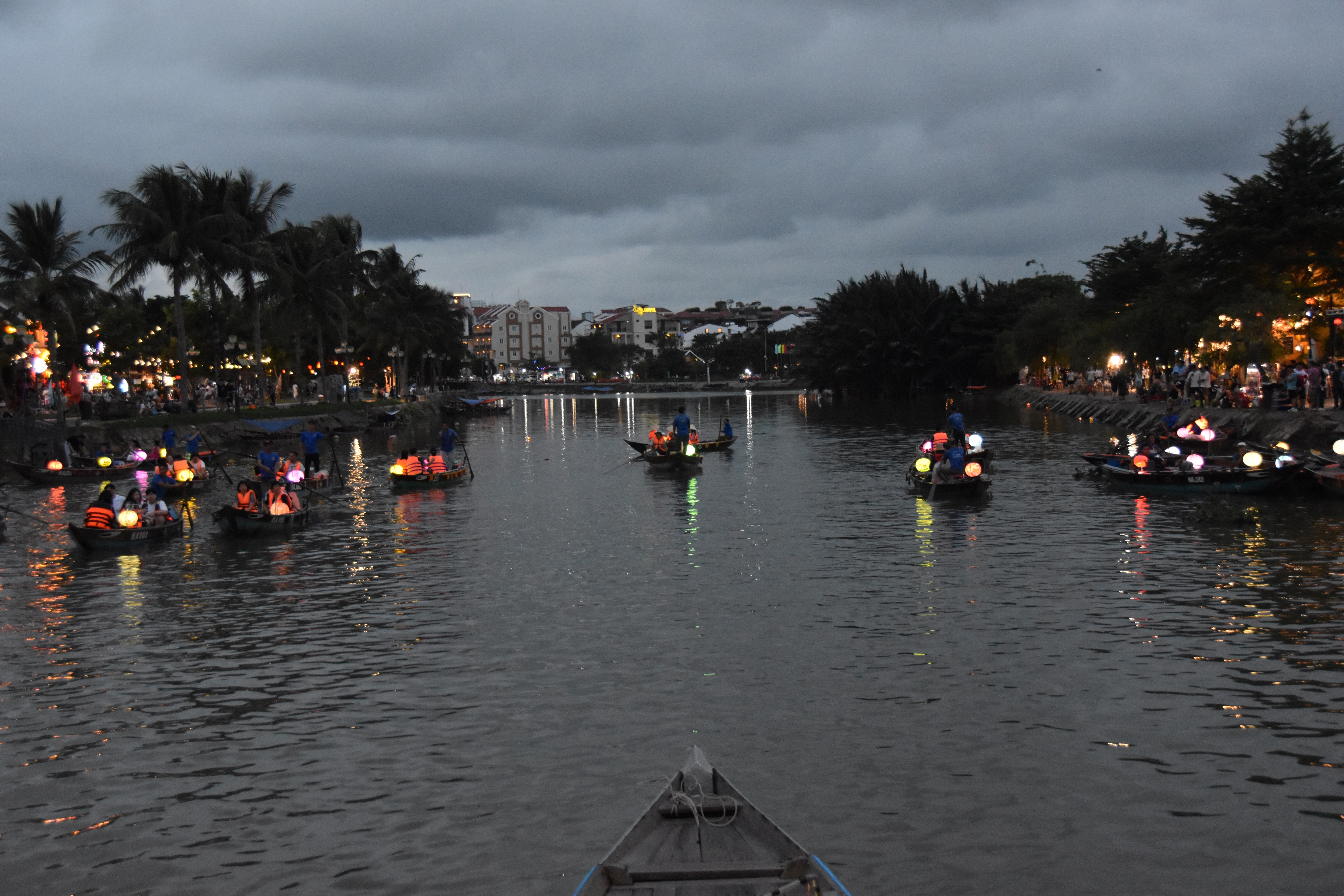
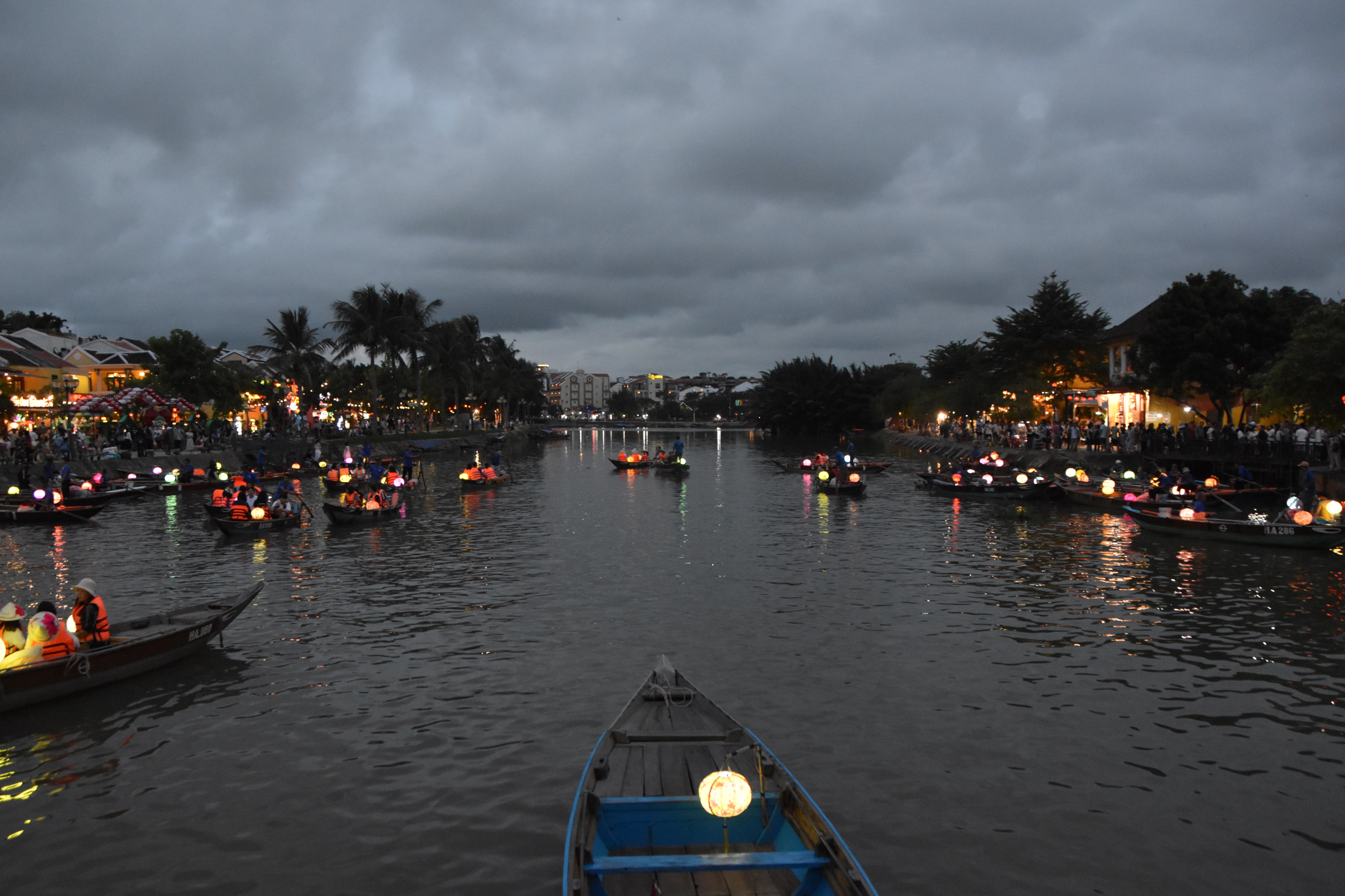
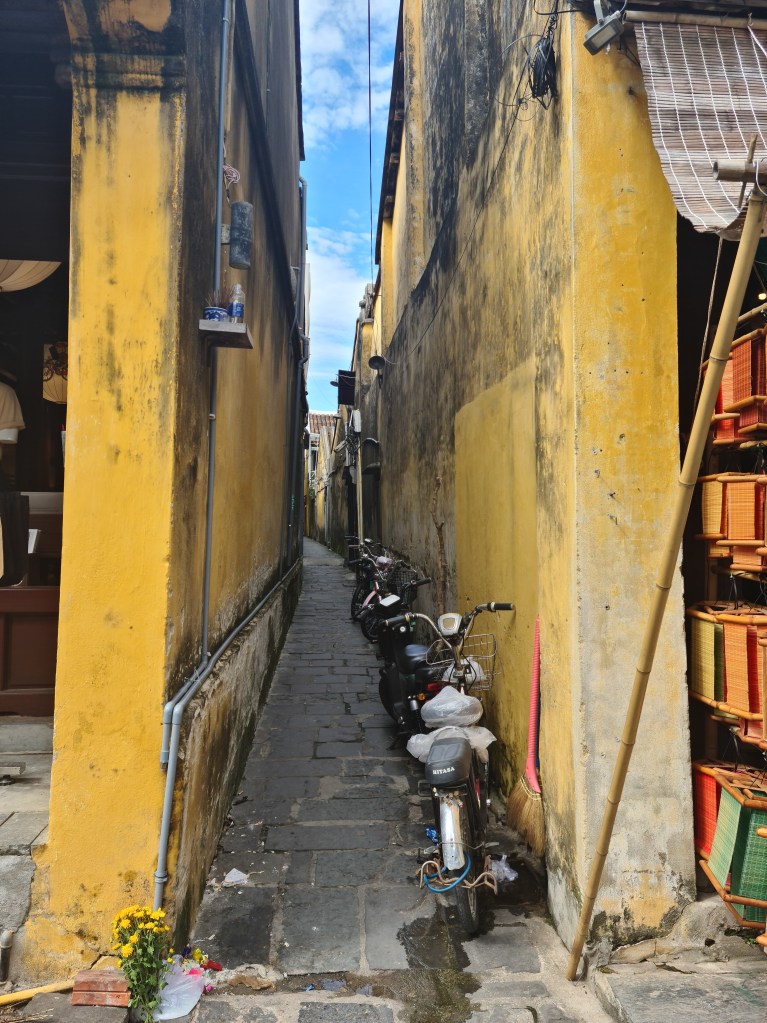
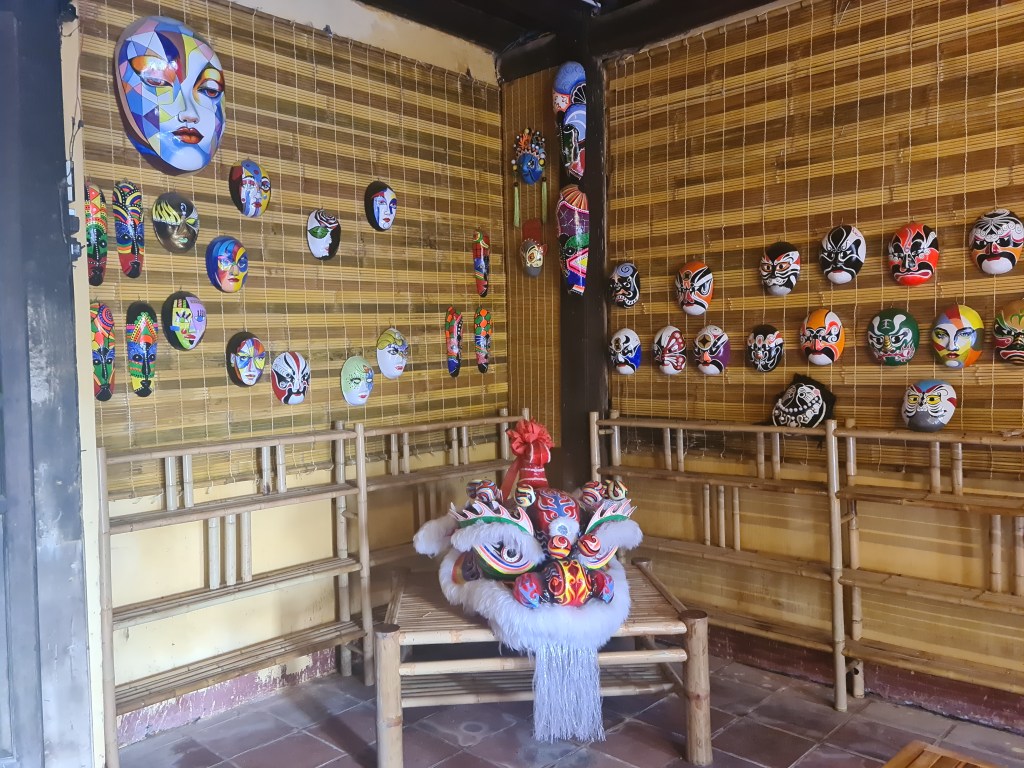
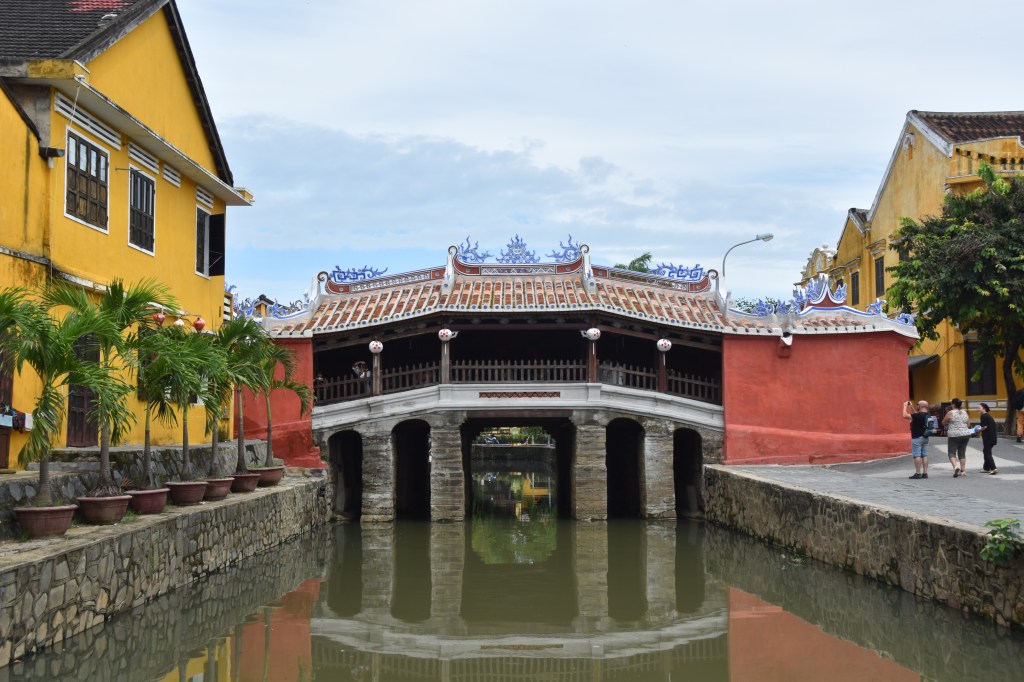
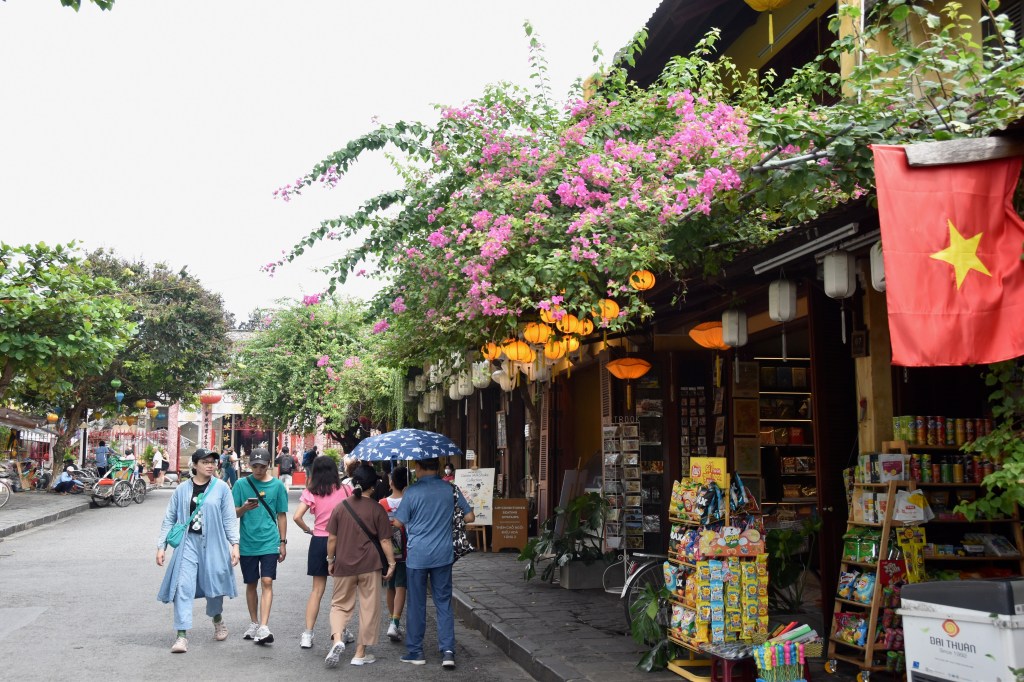
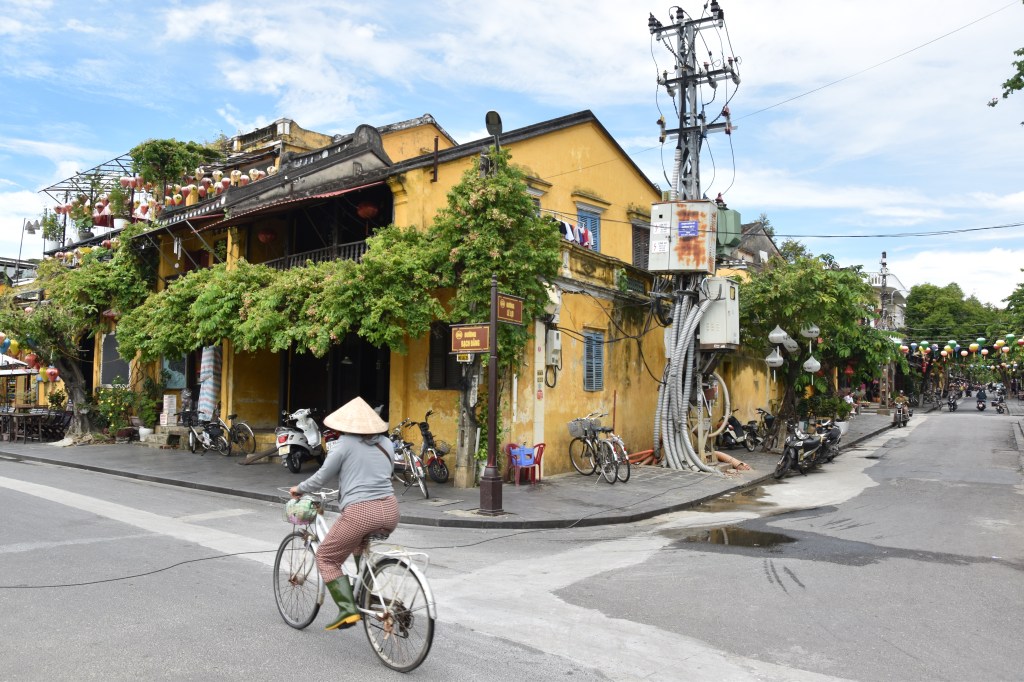
Even without the lanterns, Hoi An would be an entirely charming place to visit. Situated on the banks of the Thu Bon river, it’s a historic trading port with ancient buildings showcasing Japanese and Chinese, as well as Vietnamese, influence. Many are centuries old and we spent many hours wandering the lanes and streets, and visiting the old merchant houses. In complete contrast to elsewhere in Vietnam, motorized vehicles are banned from the streets of the old town, and we appreciated being able to wander freely.
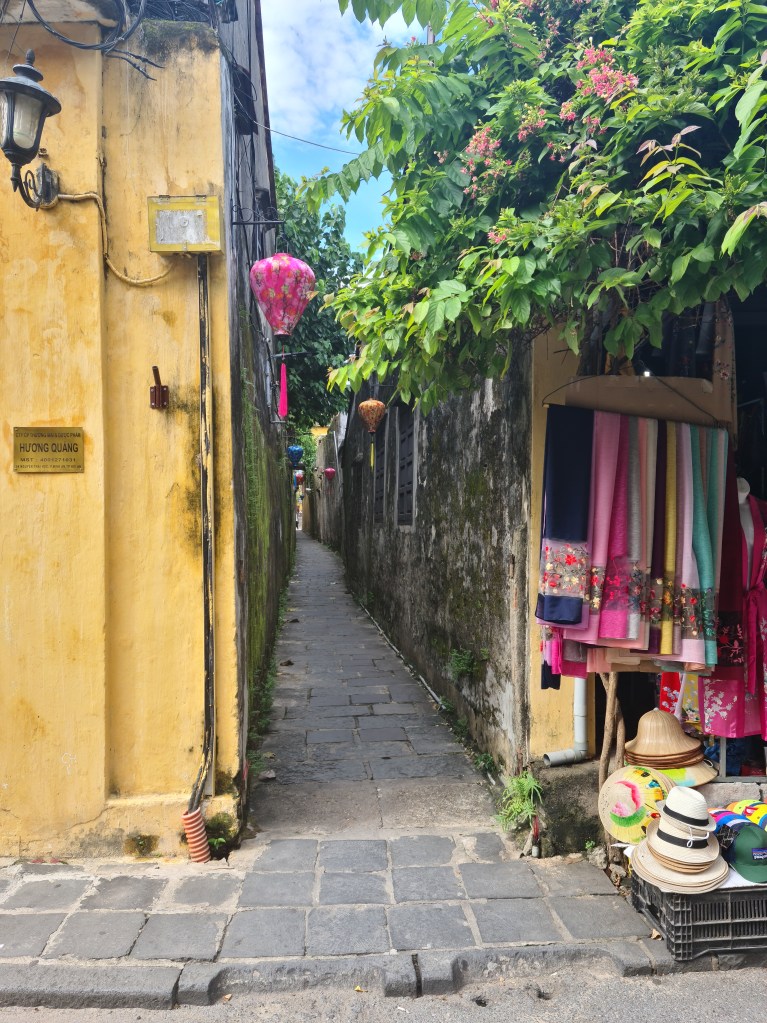
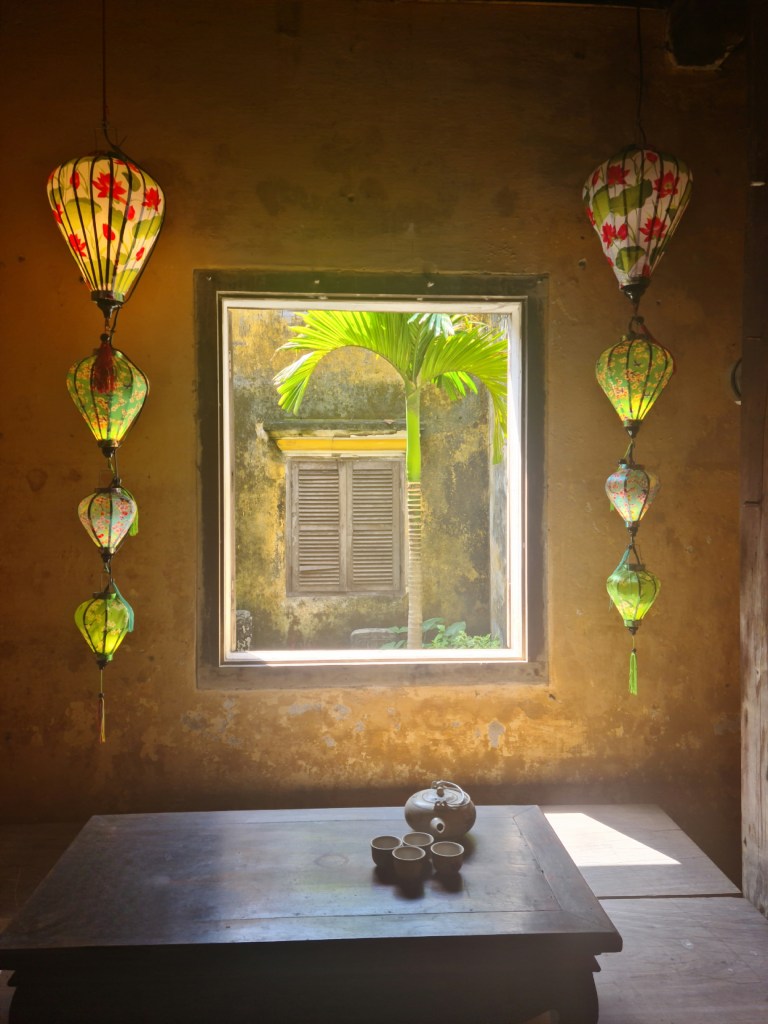





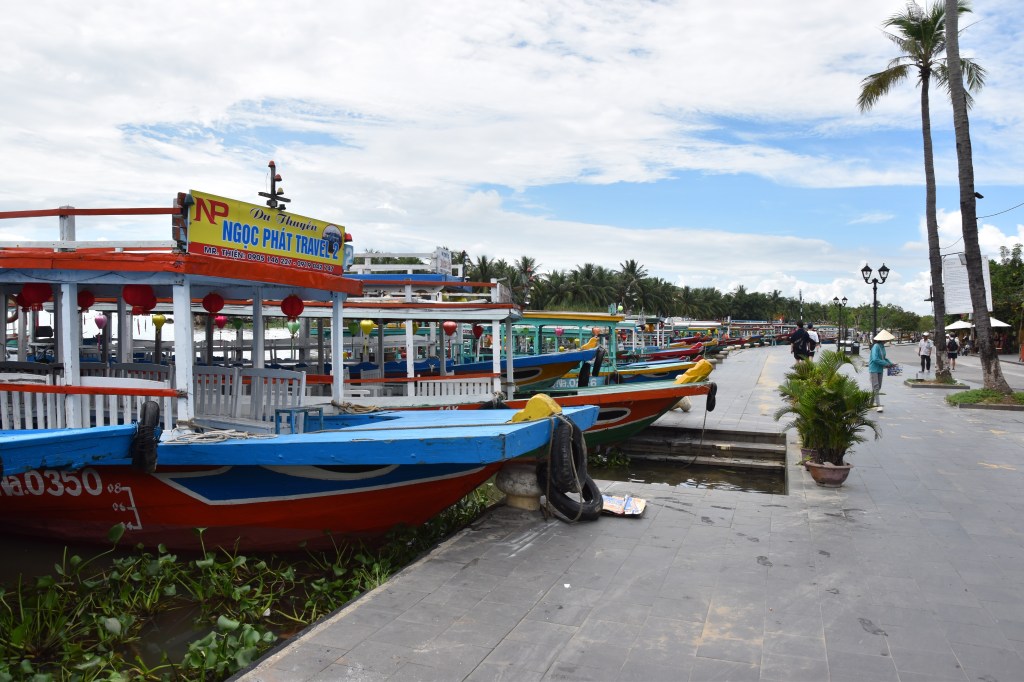

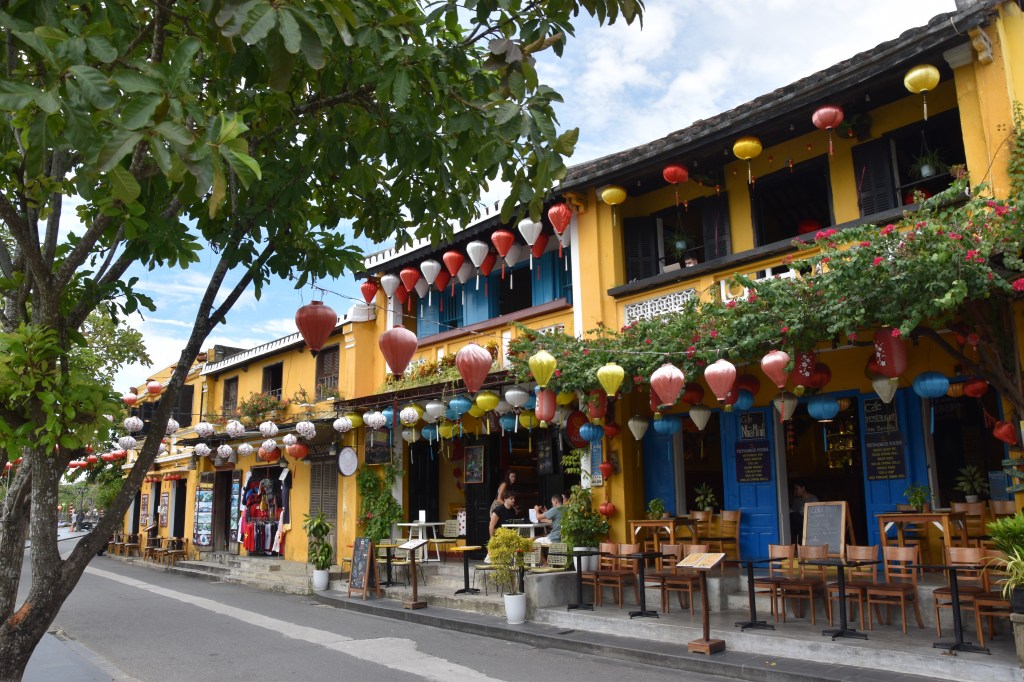

When nightime arrived, so did another kind of beauty. With the colourful lanterns lit up, and longboats gliding up and down the river, the ancient town became even more enchanting.
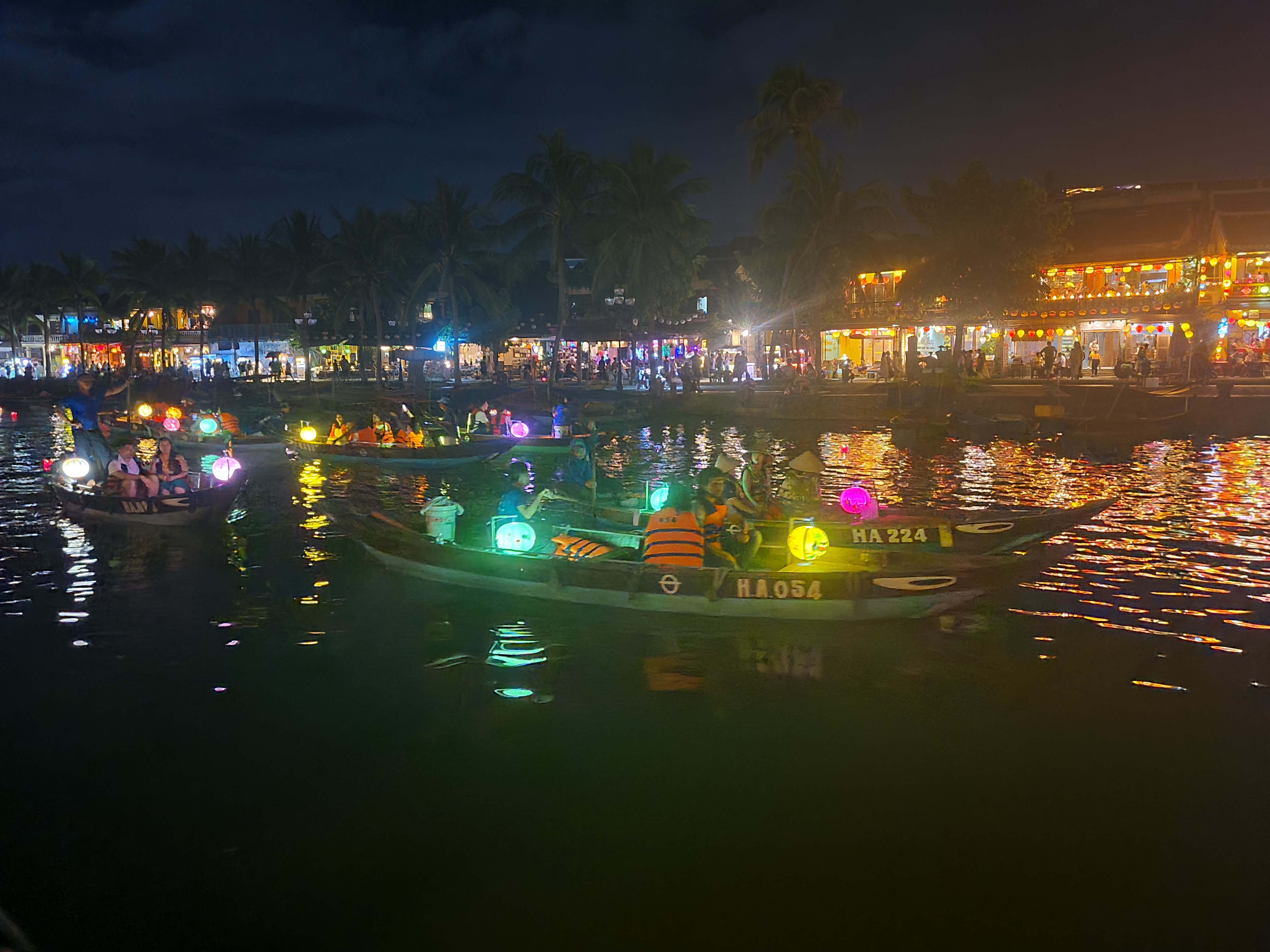
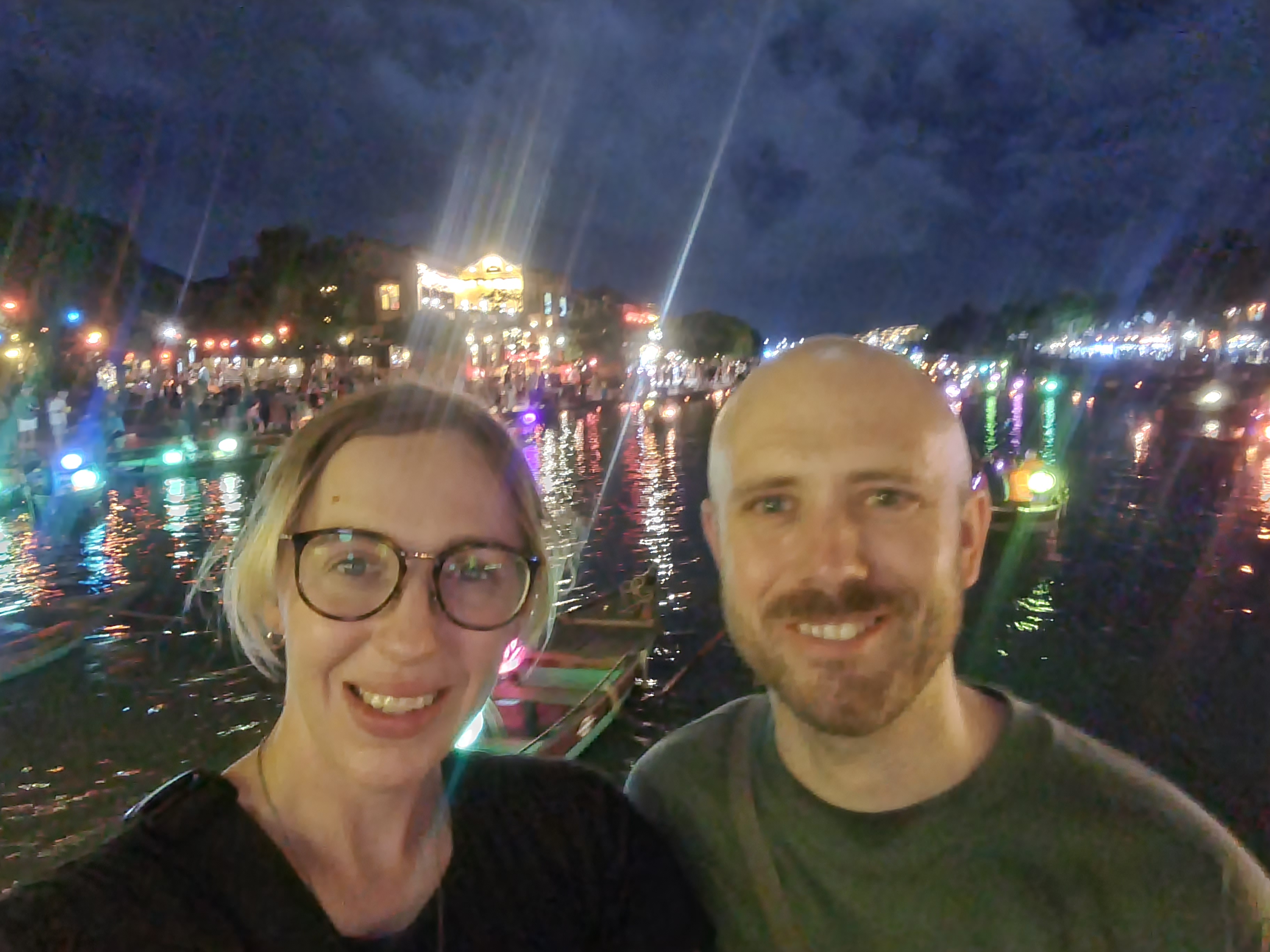
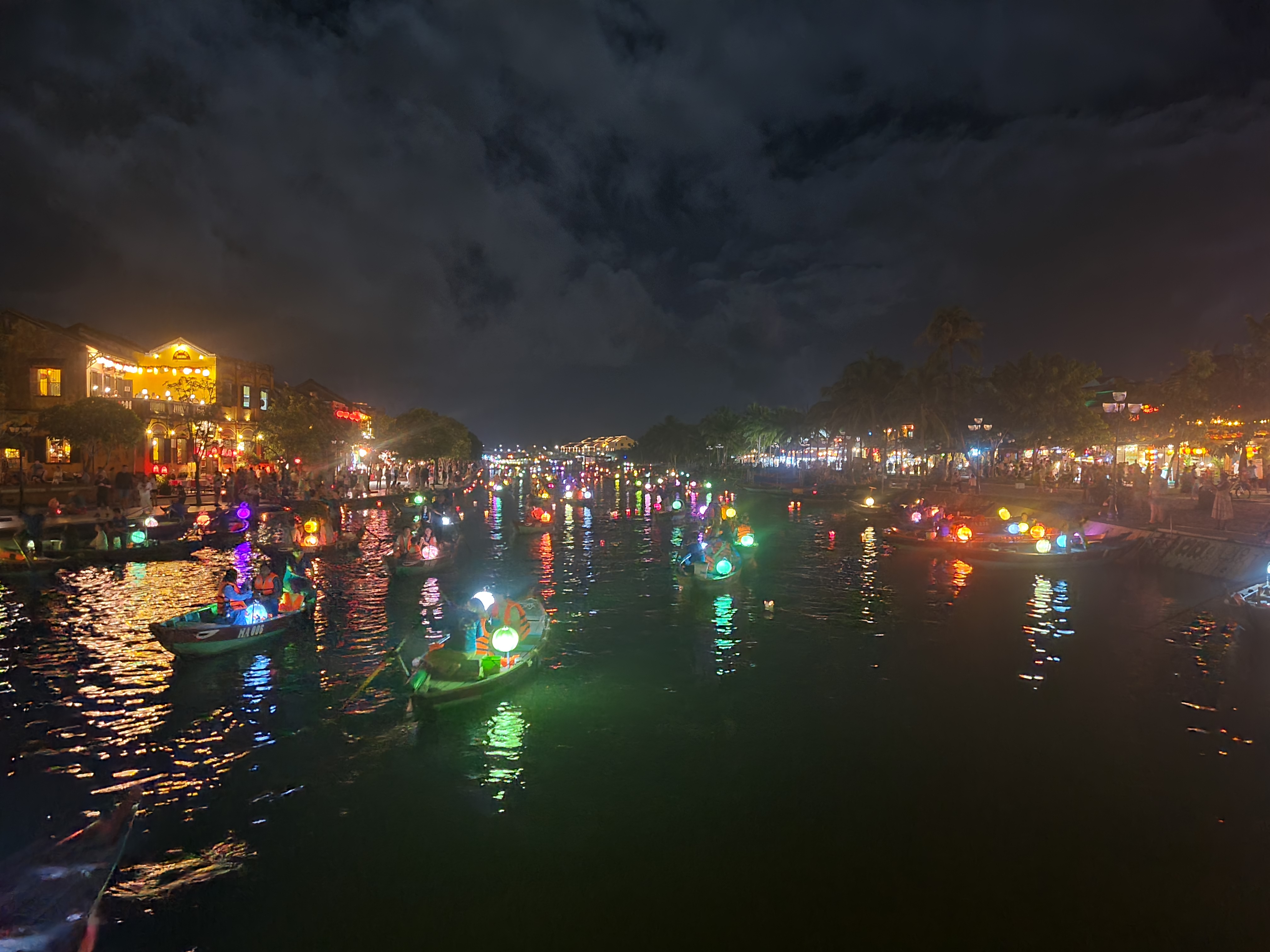
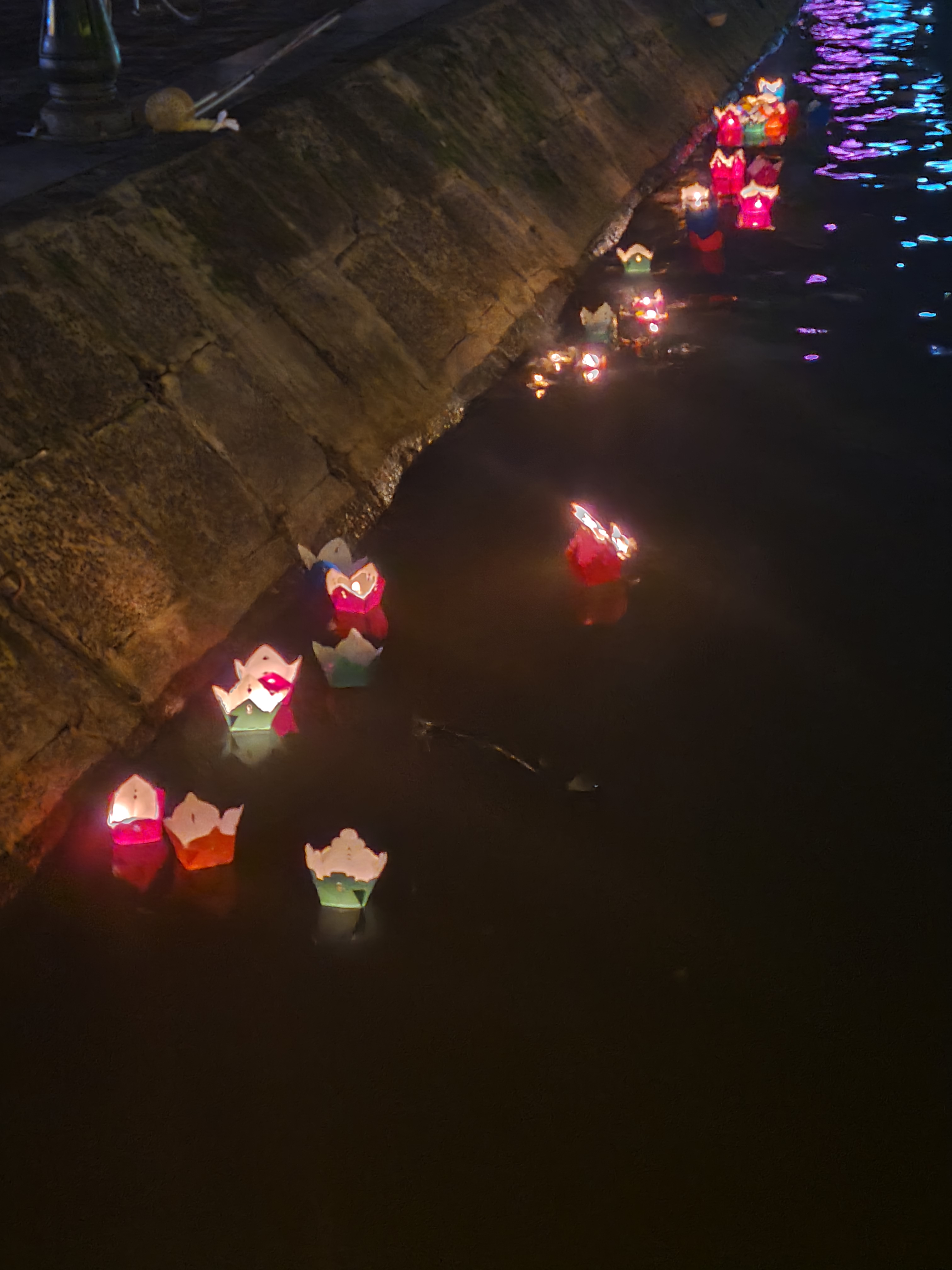
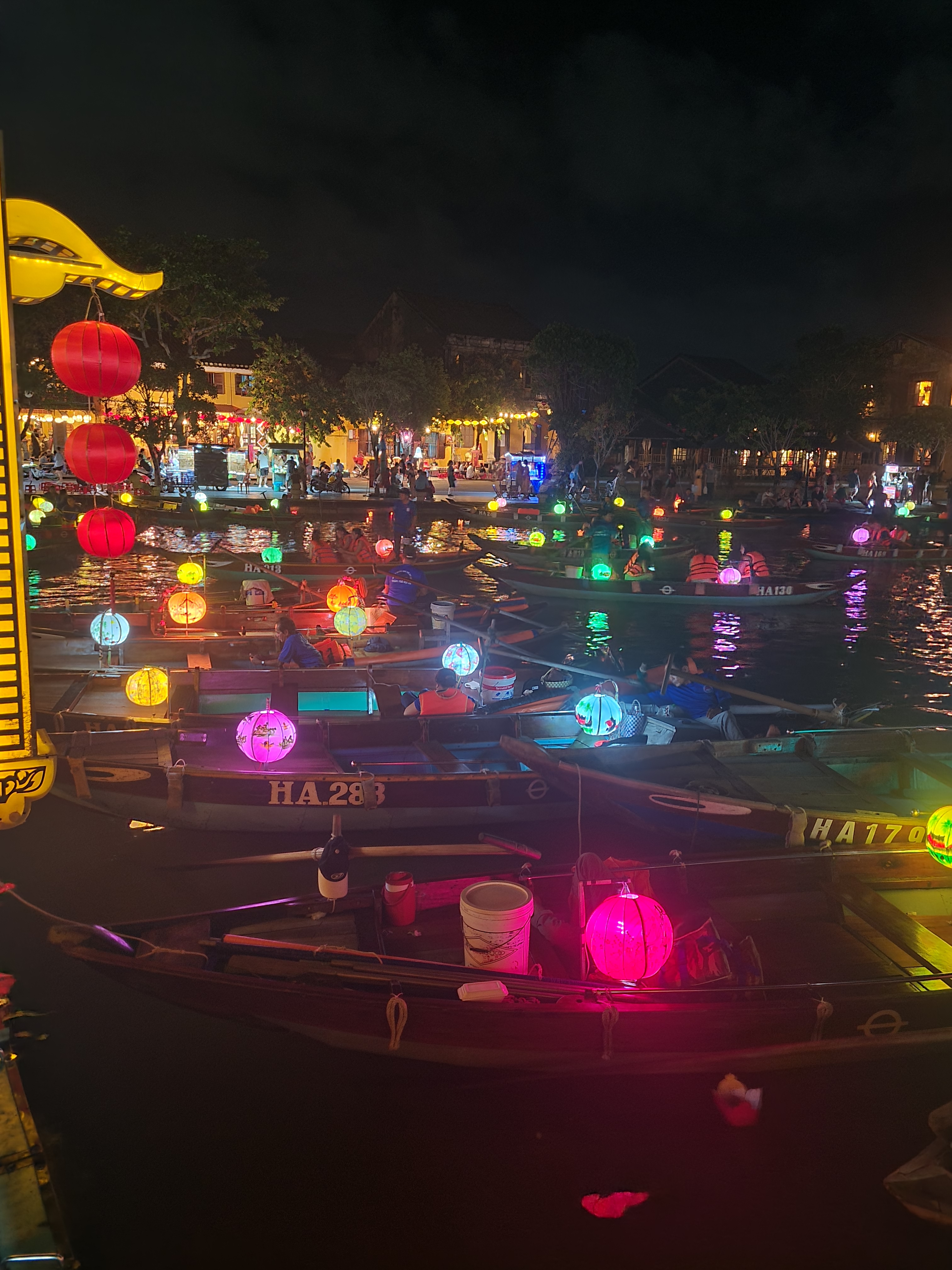
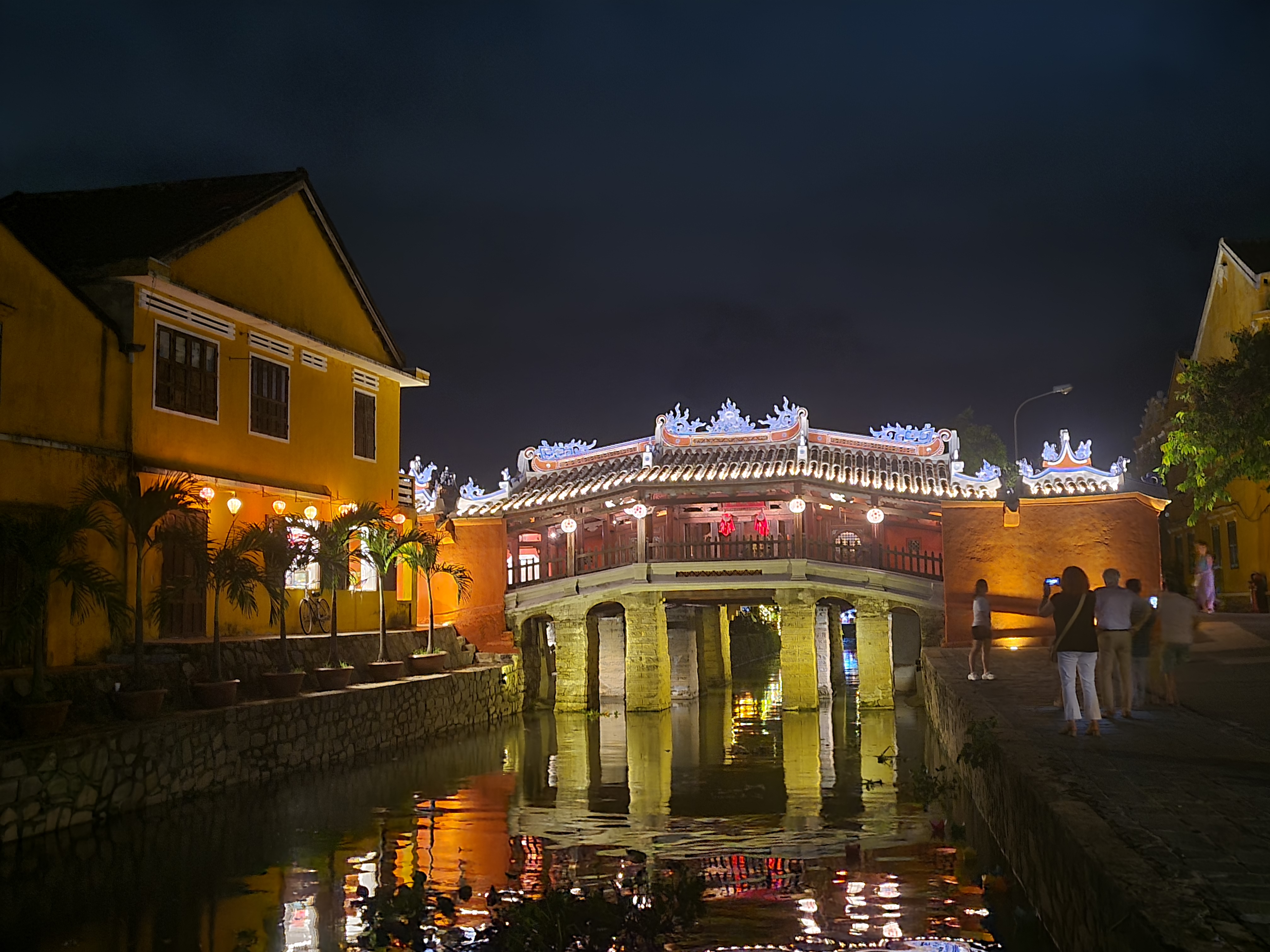

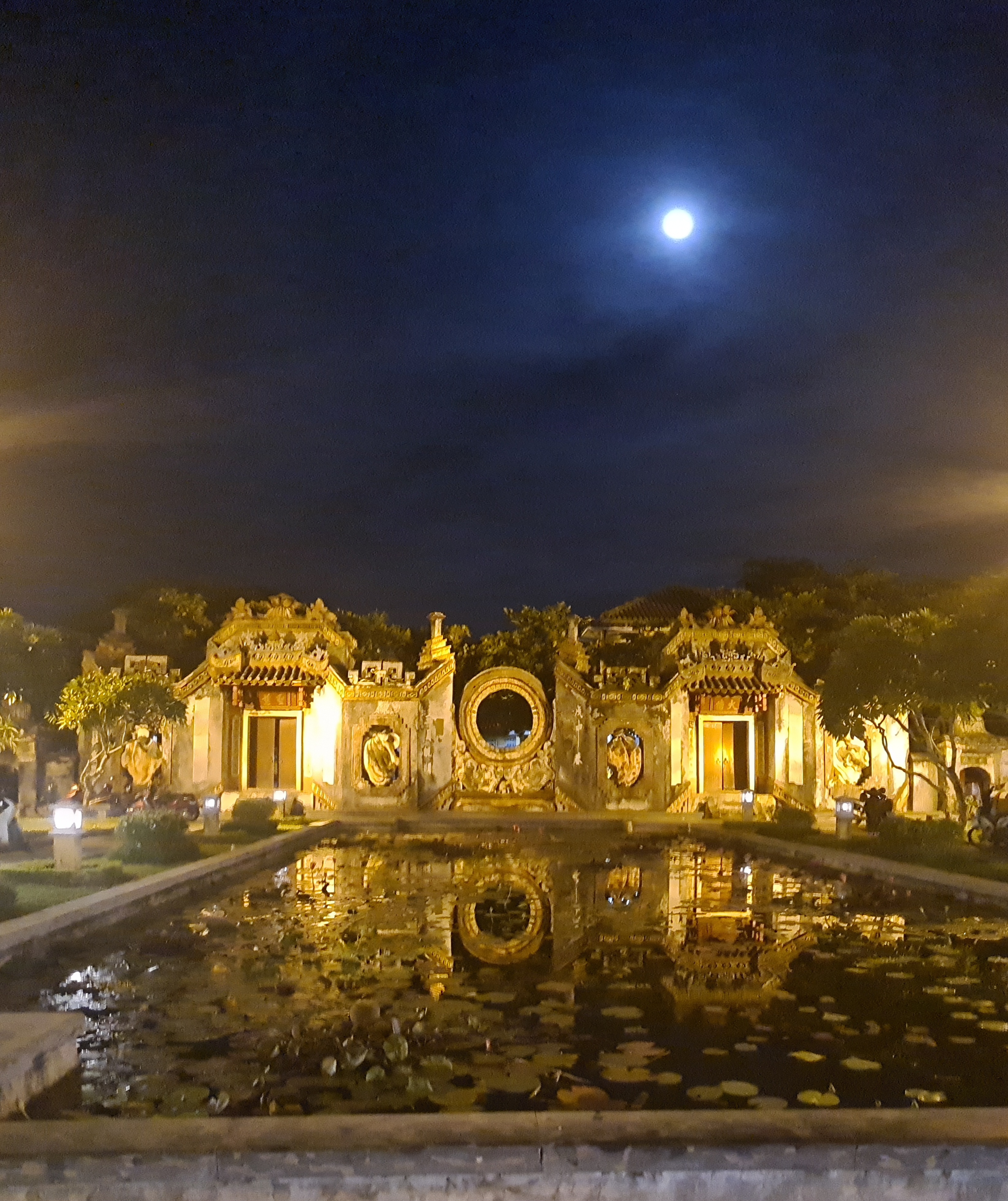


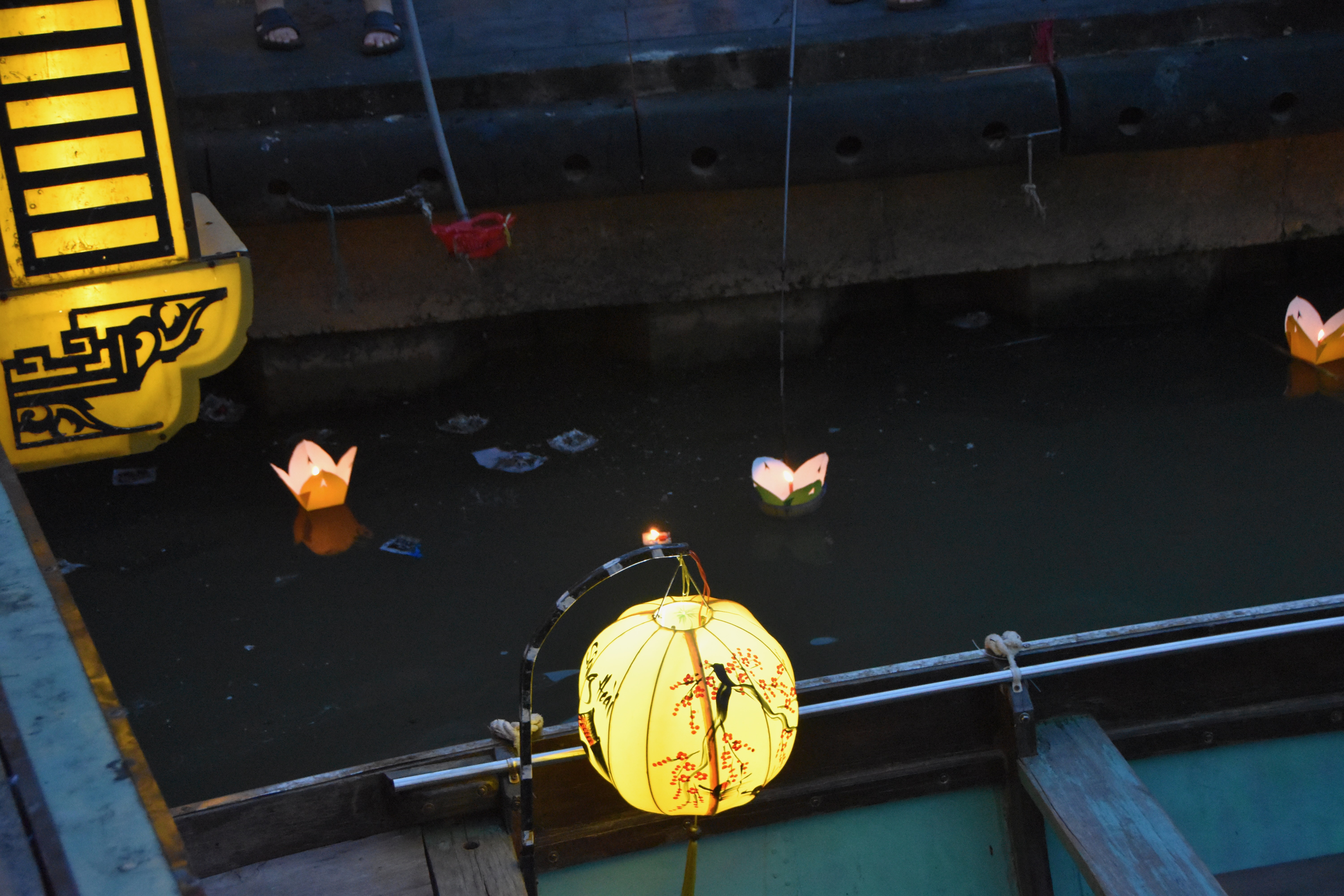
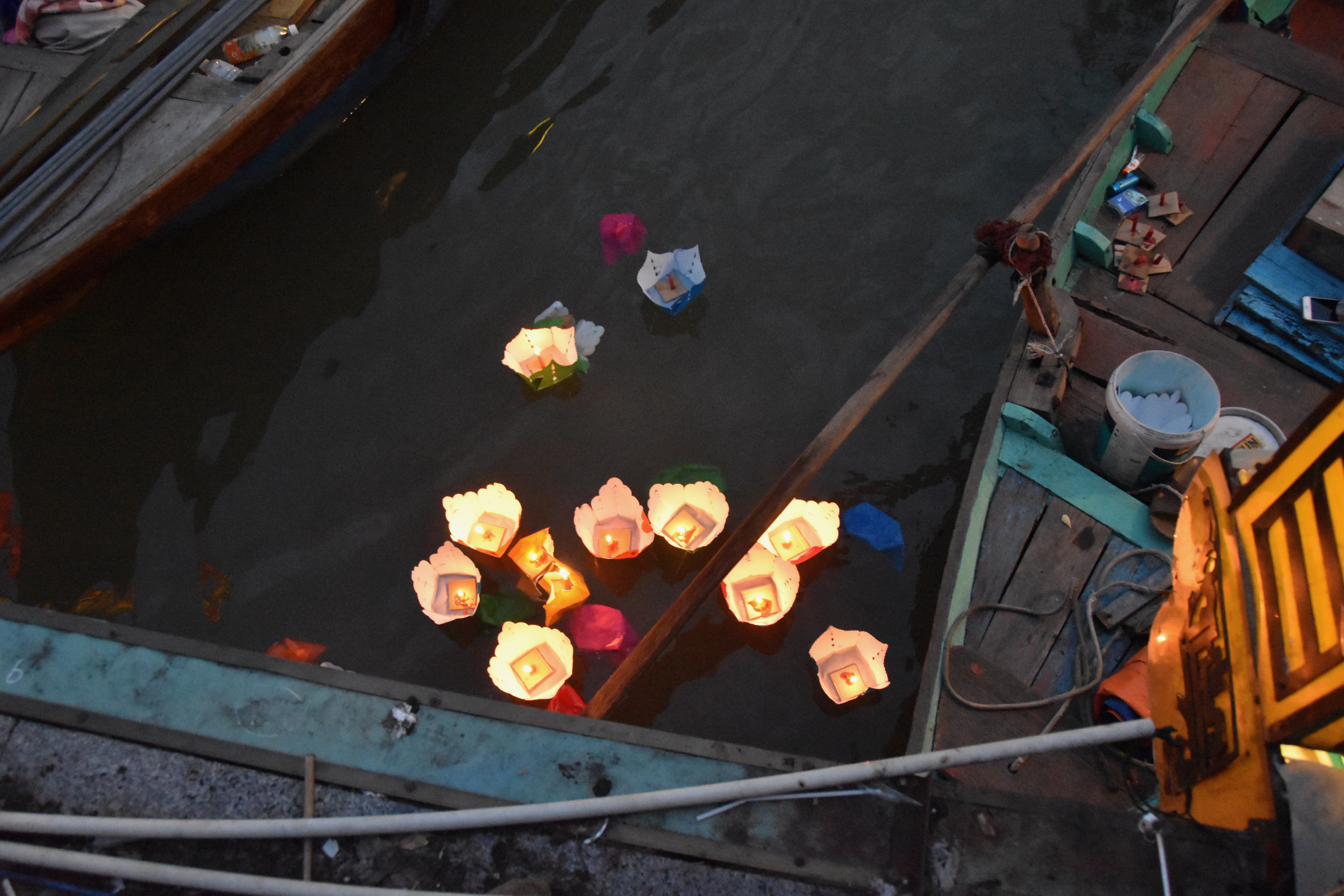
Admittedly, over our time there we got the impression this occurs every night, lantern festival or not, but it definitely wouldn’t have been worth risking missing it.
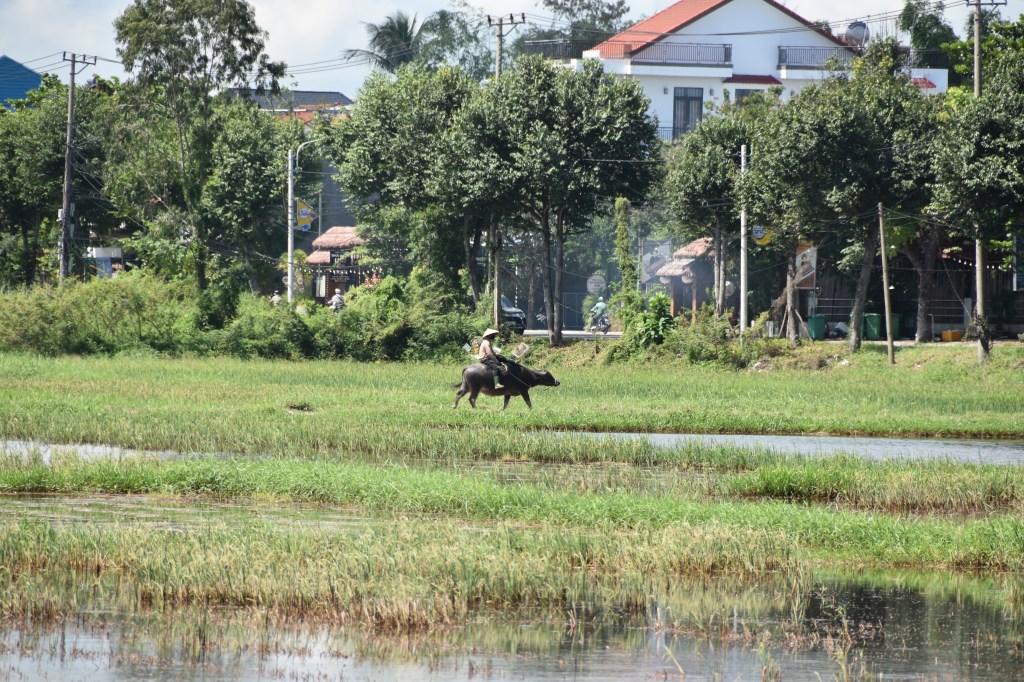
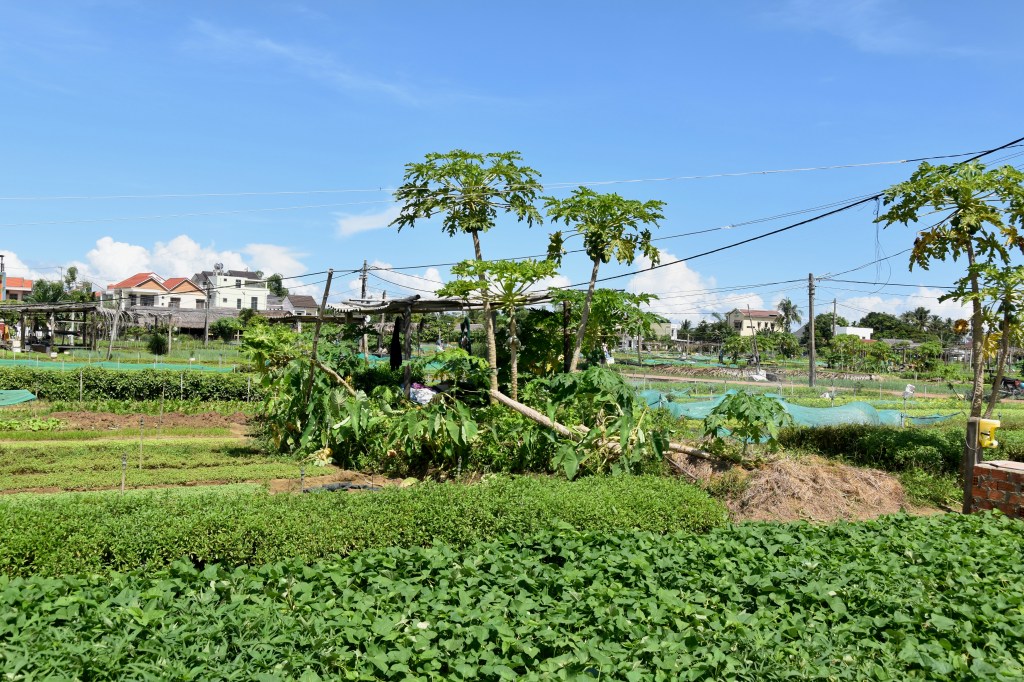
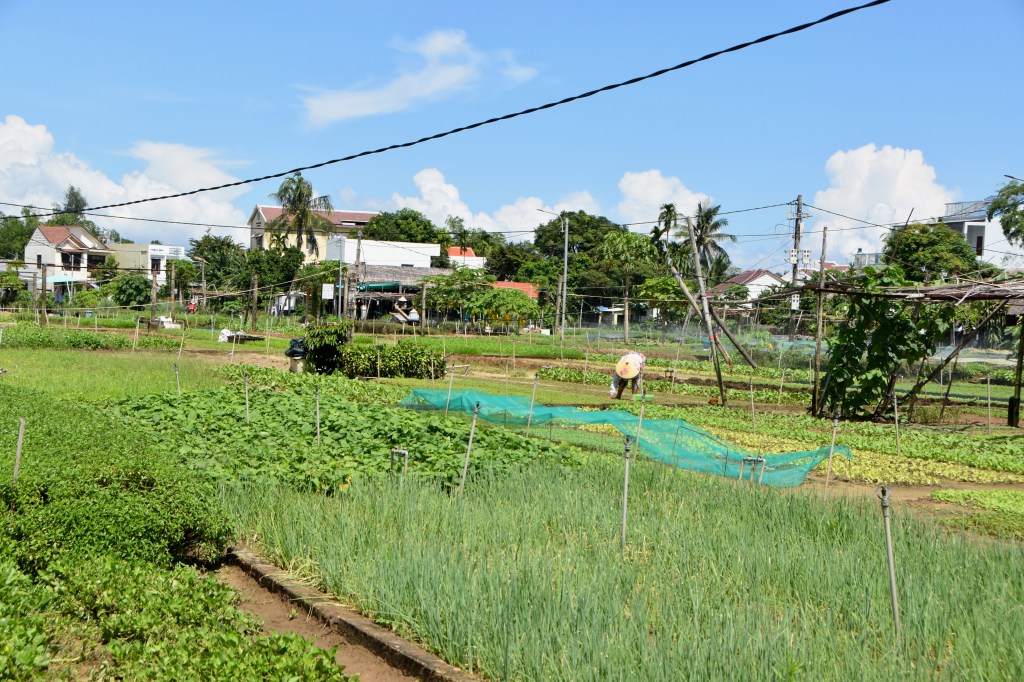
While in Hoi An, we also made use of our hotel’s bike hire to see some more Vietnamese rice paddies, including seeing the farmers and their livestock at work. It was a hot day, so the wind in our faces was a relief.
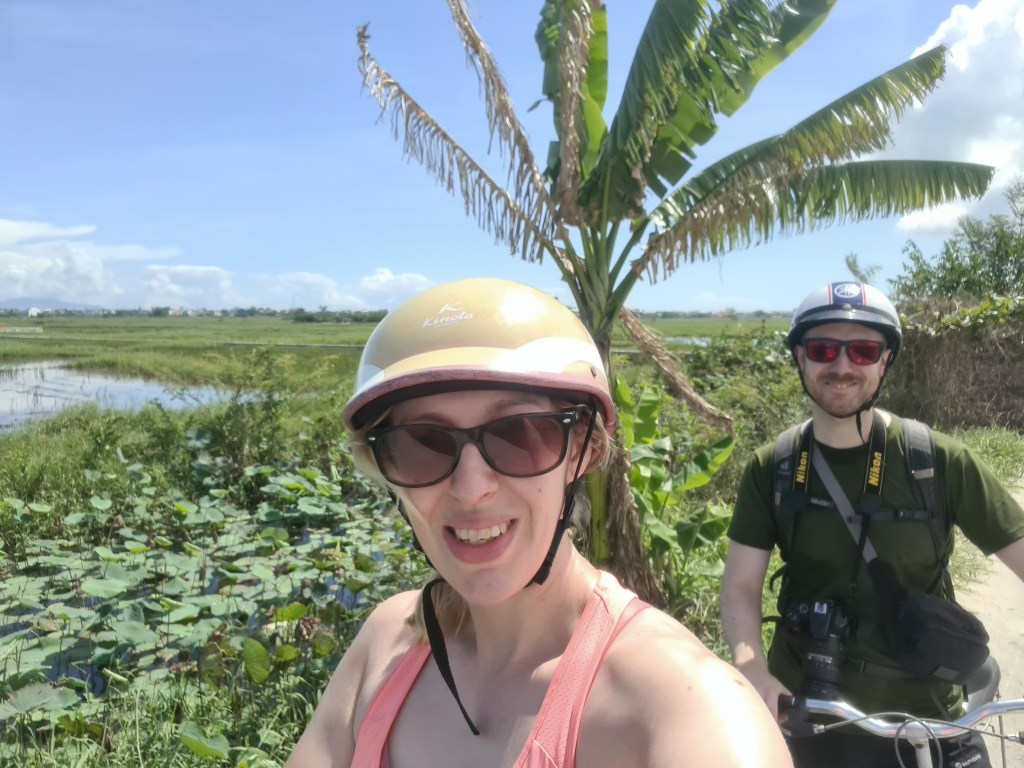
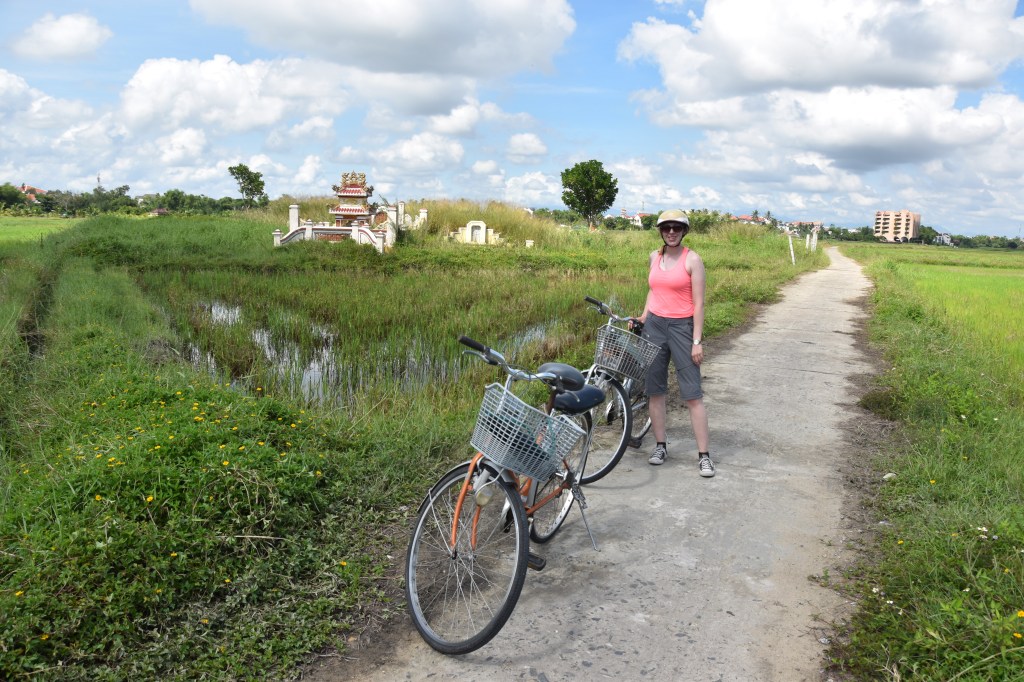


Coming back through the town was a little less relaxing. It felt like a hazard perception test as we dodged cars pulling off, hapless tourists, and coconuts escaping and rolling across the street.
Returning to Danang was a complete contrast to ancient Hoi An, as it is a fully cosmopolitan city, catering to beach lovers.
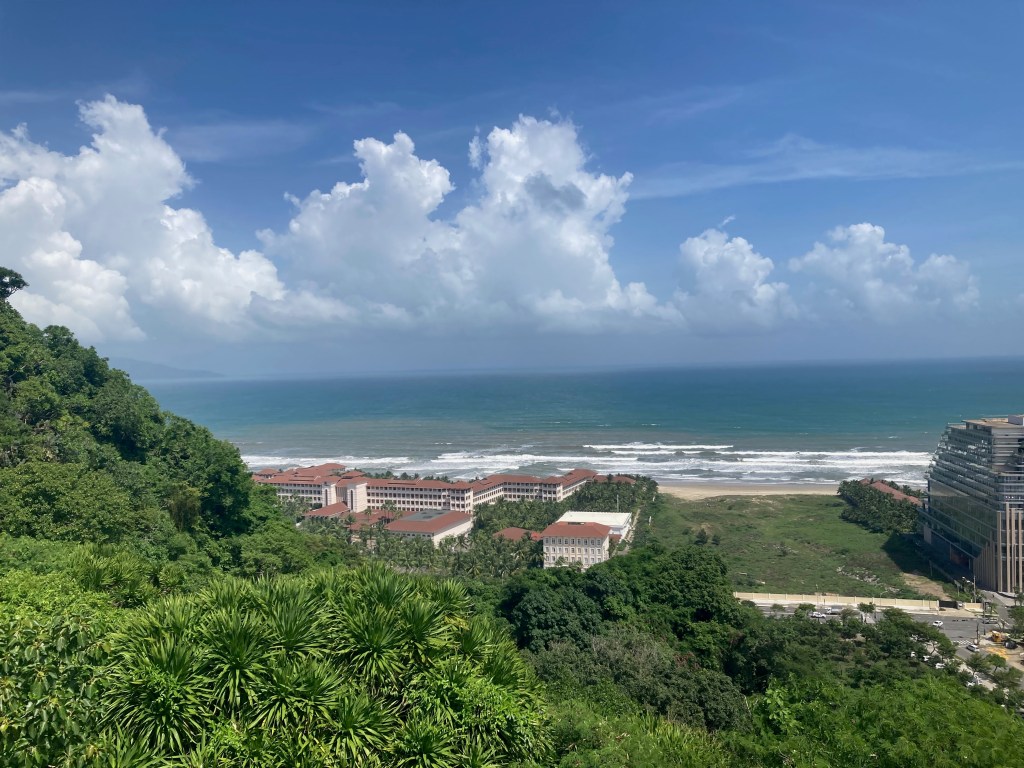
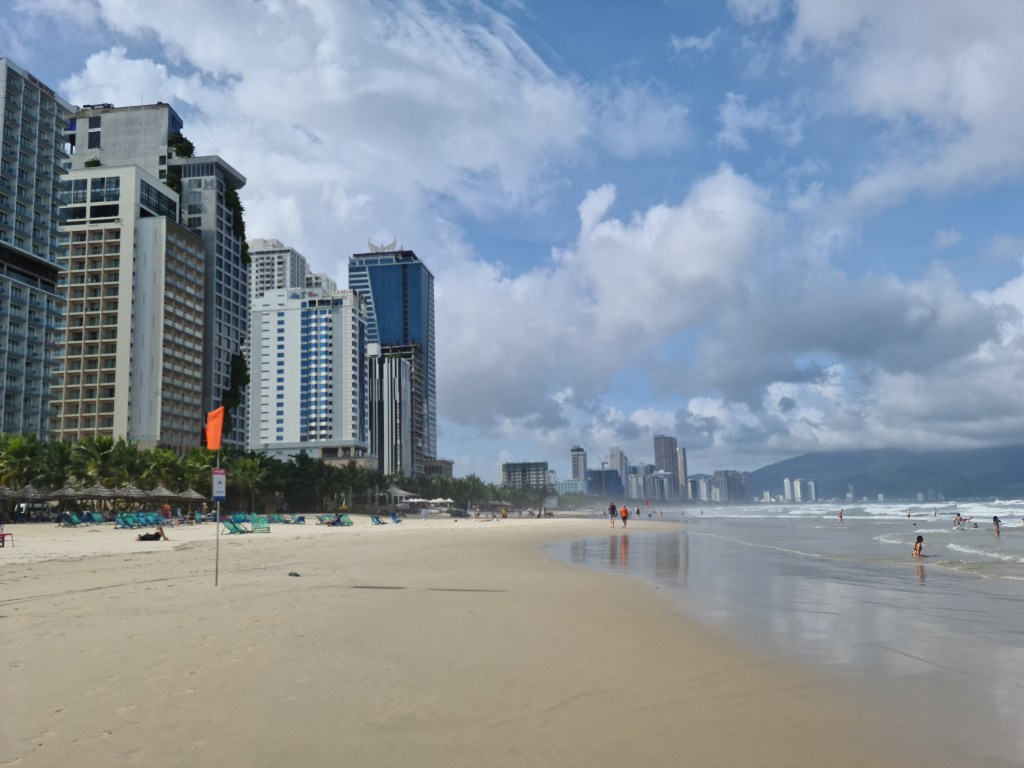
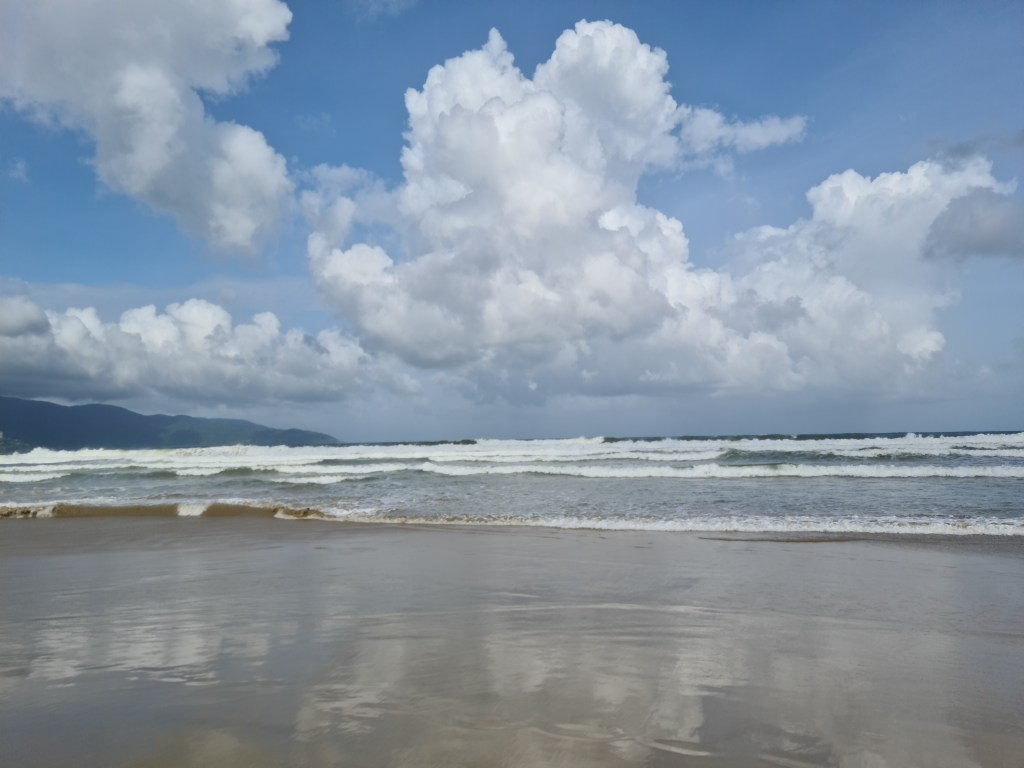
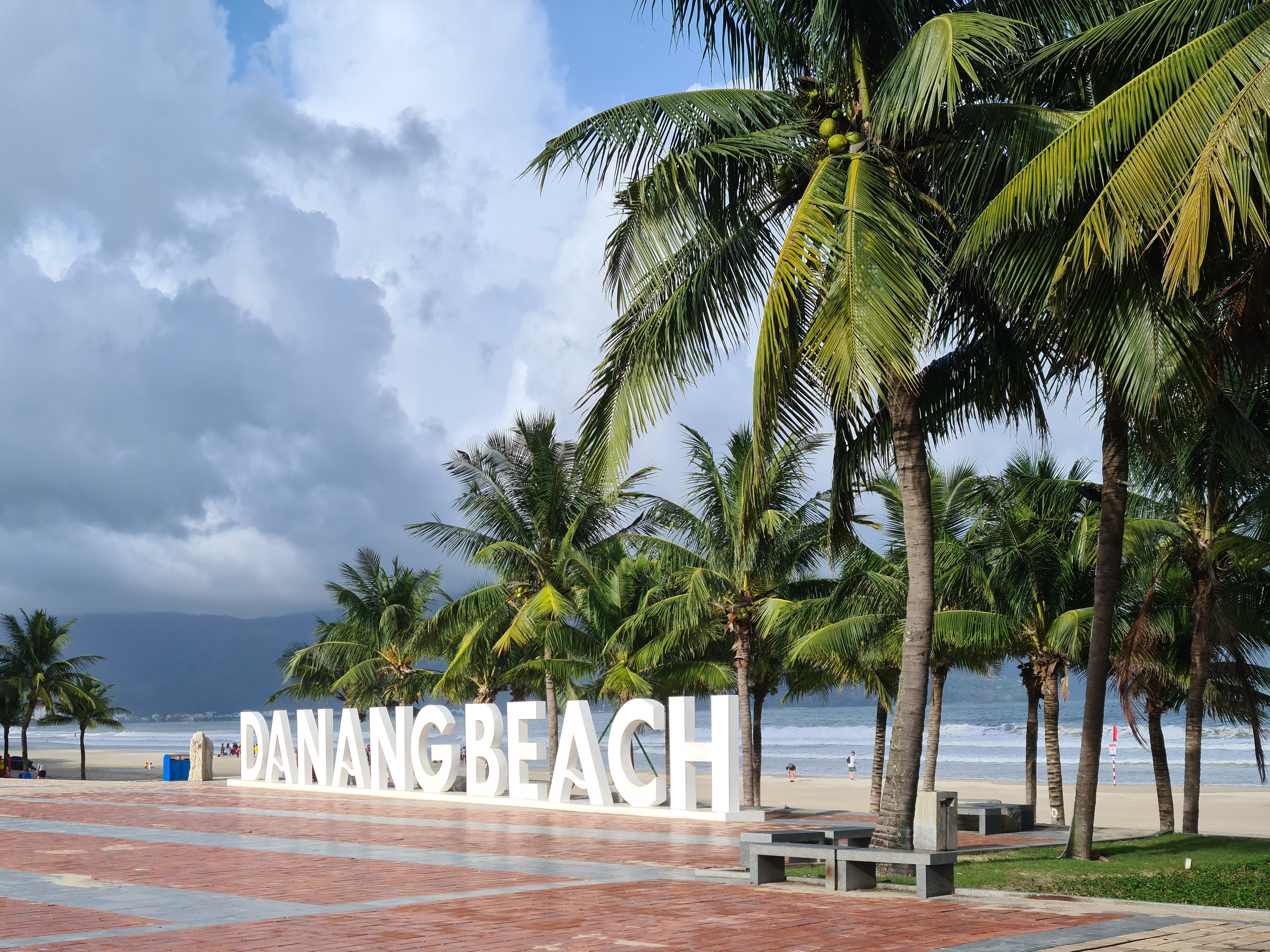
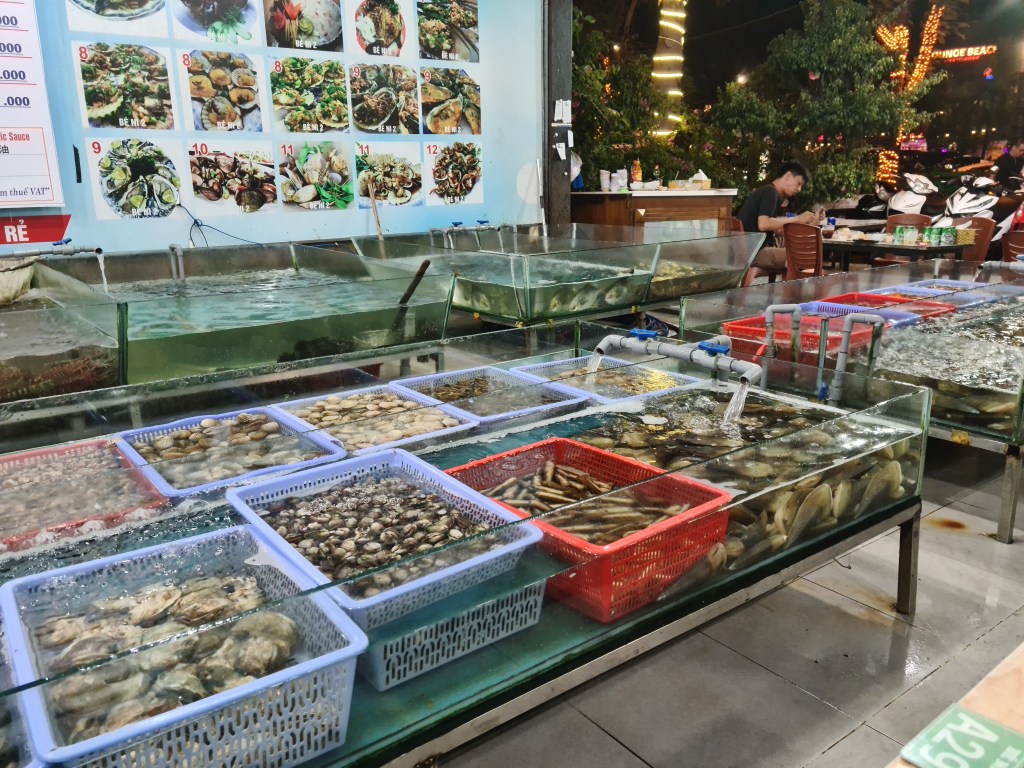
We had been remarkably lucky with the weather up until this point, as central Vietnam in October is meant to be rather wet. Yet somehow we’d landed with sunny, or at least dry, days. Our luck ran out in Danang, resulting in us spending one day doing a bit of museum hopping, and marvelling at all the scooter/motor cyclists carrying on through the deluge in their plastic suits.
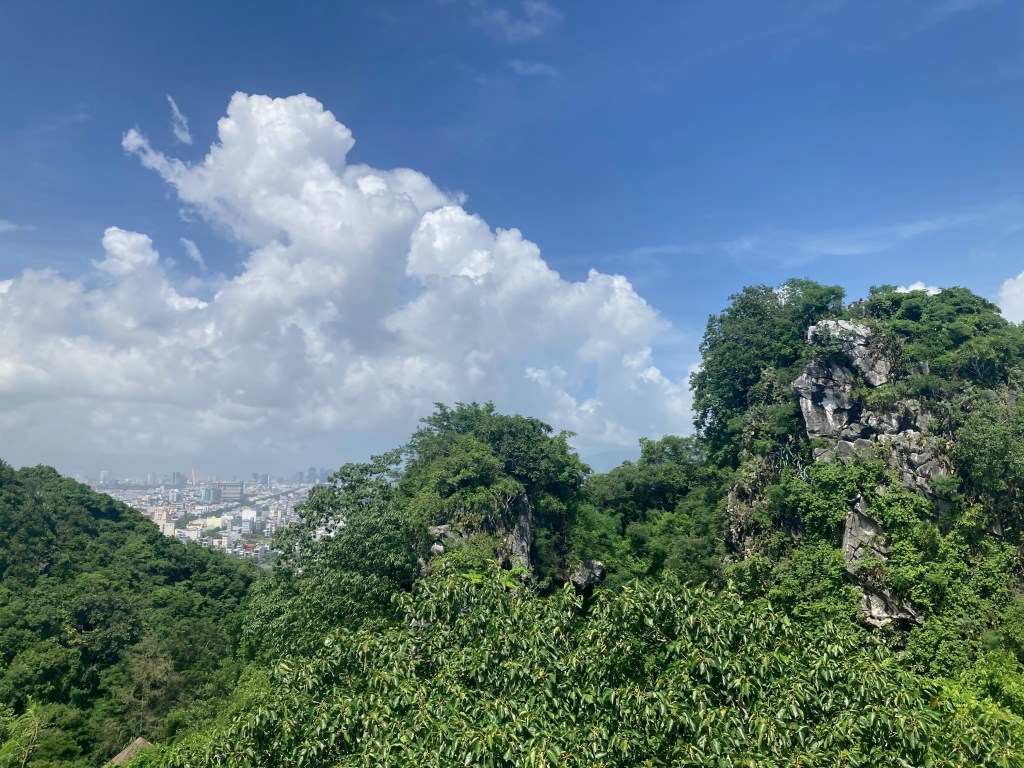
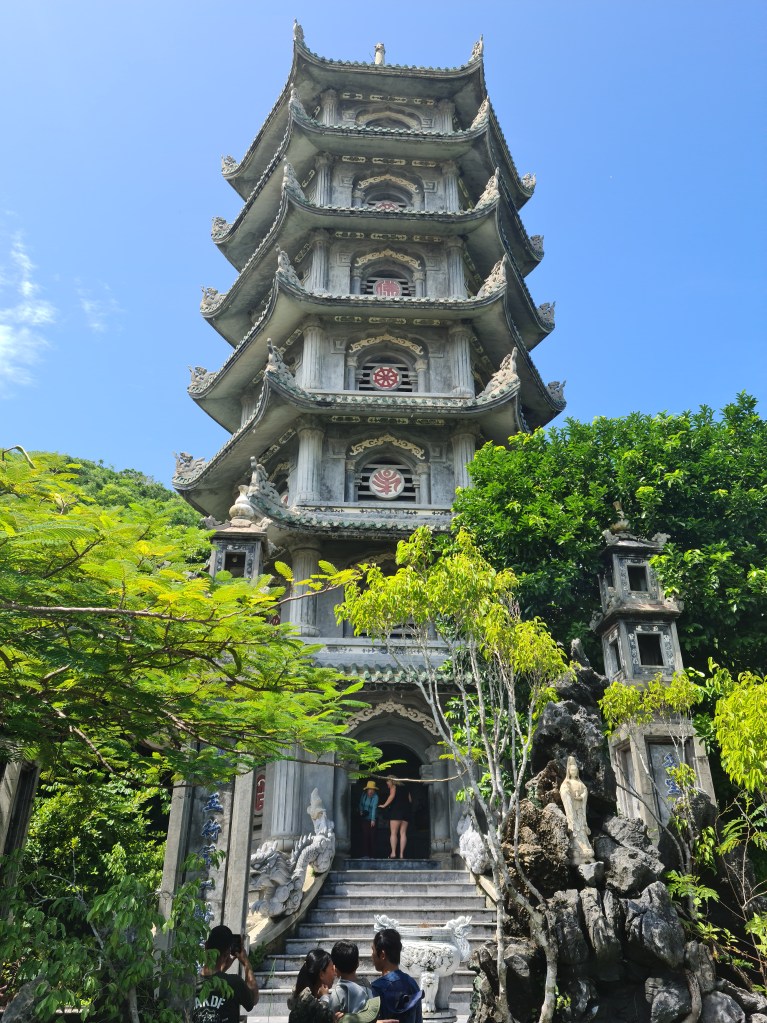
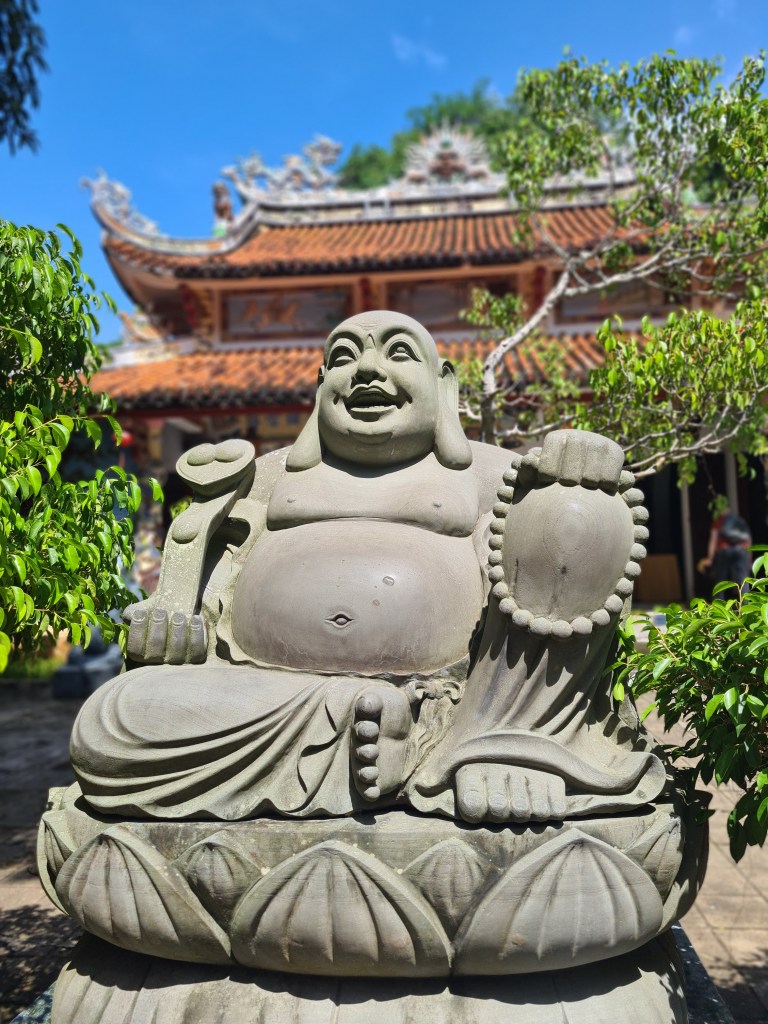
Thankfully the skies cleared again for us to make a visit to Thuy Son, the only visitable site within the Marble Mountains. A network of grottoes, it was claimed as a site for Buddhist worship. As we scaled the stone steps, I wondered whether it would even have been open the day before, as it would be entirely treacherous. The various caves still dripped cool water on our heads. This created a somewhat otherworldly effect in the Huyen Khong cave, with its open top letting bright sunlight filter in.

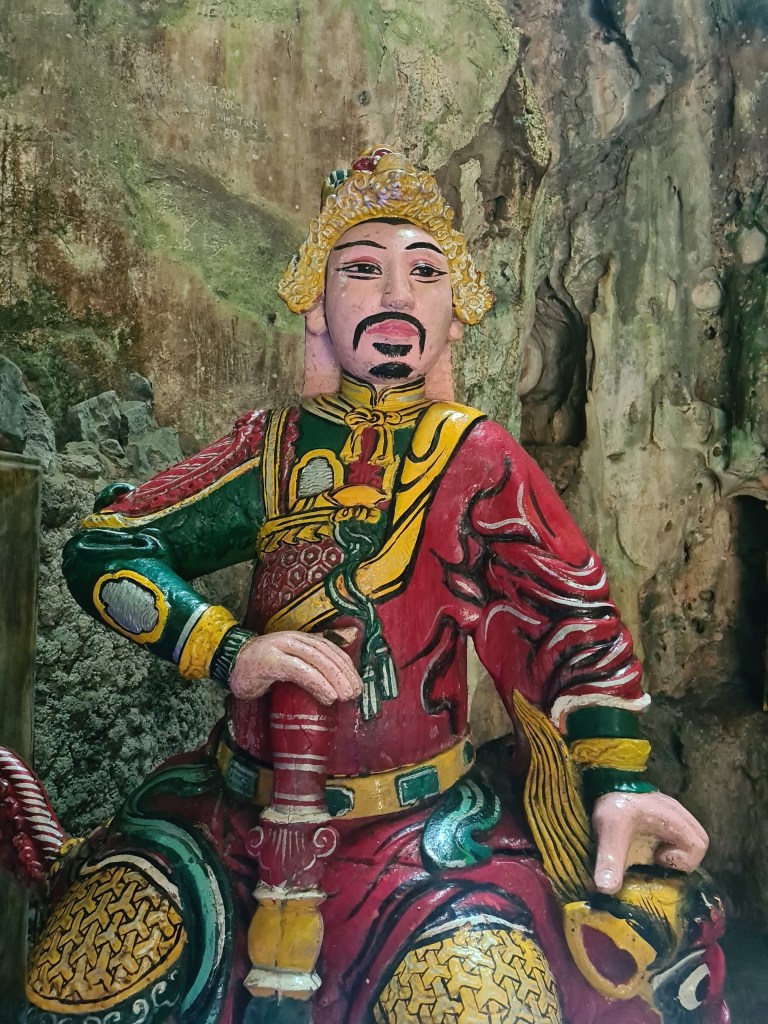
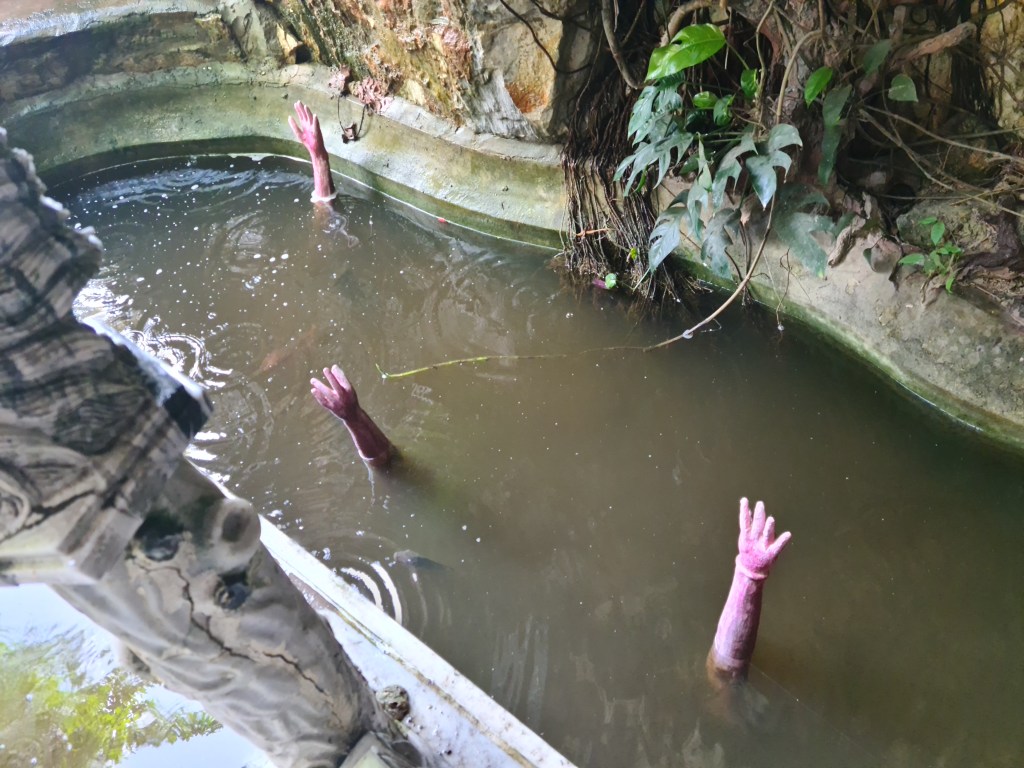
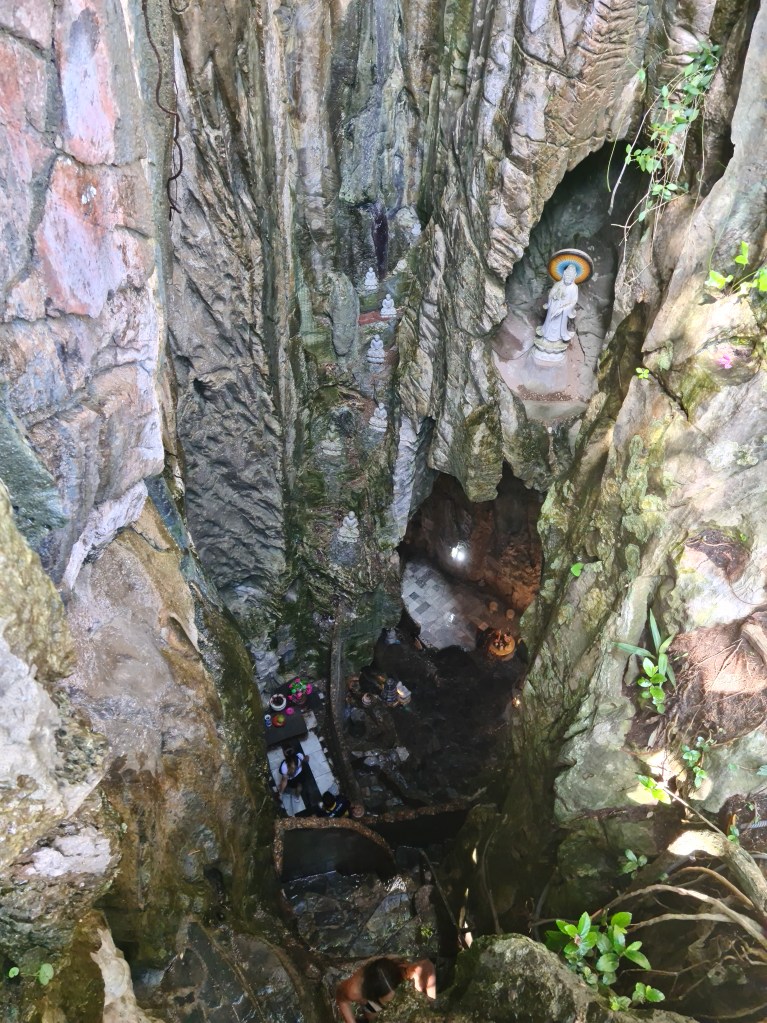
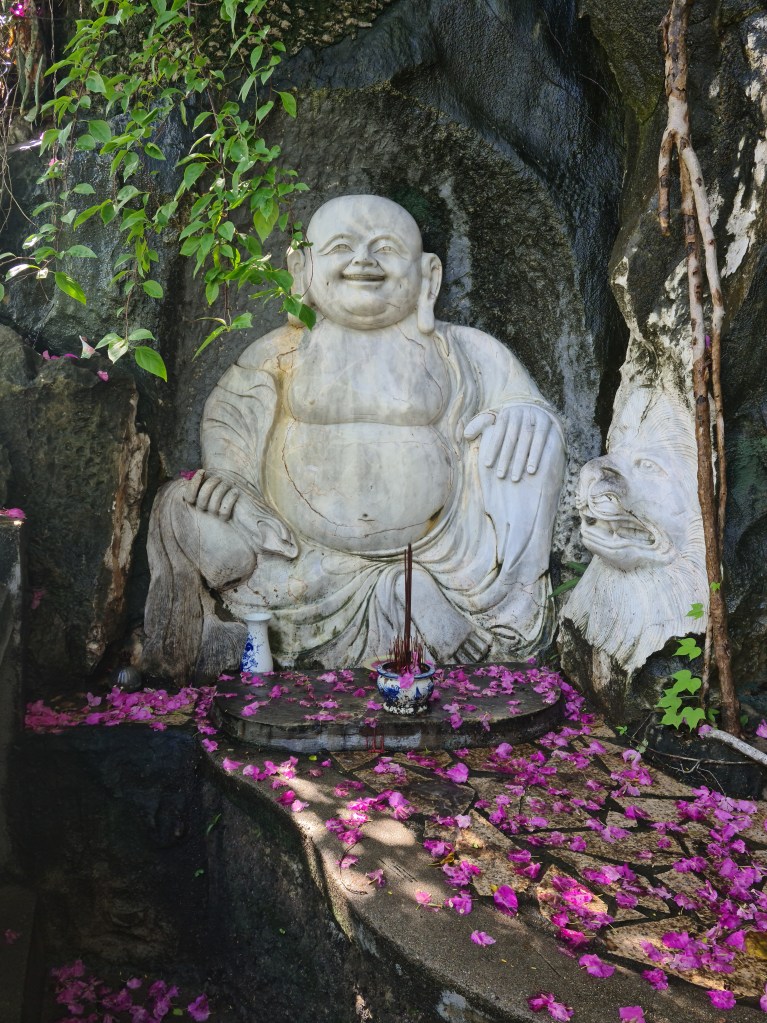
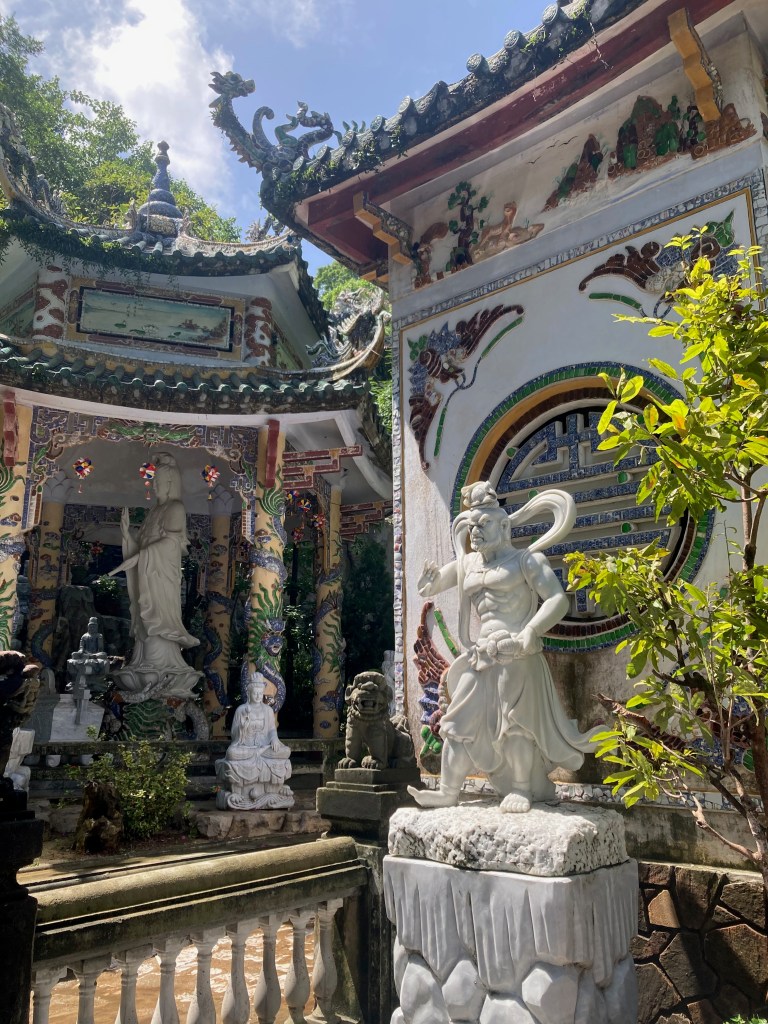
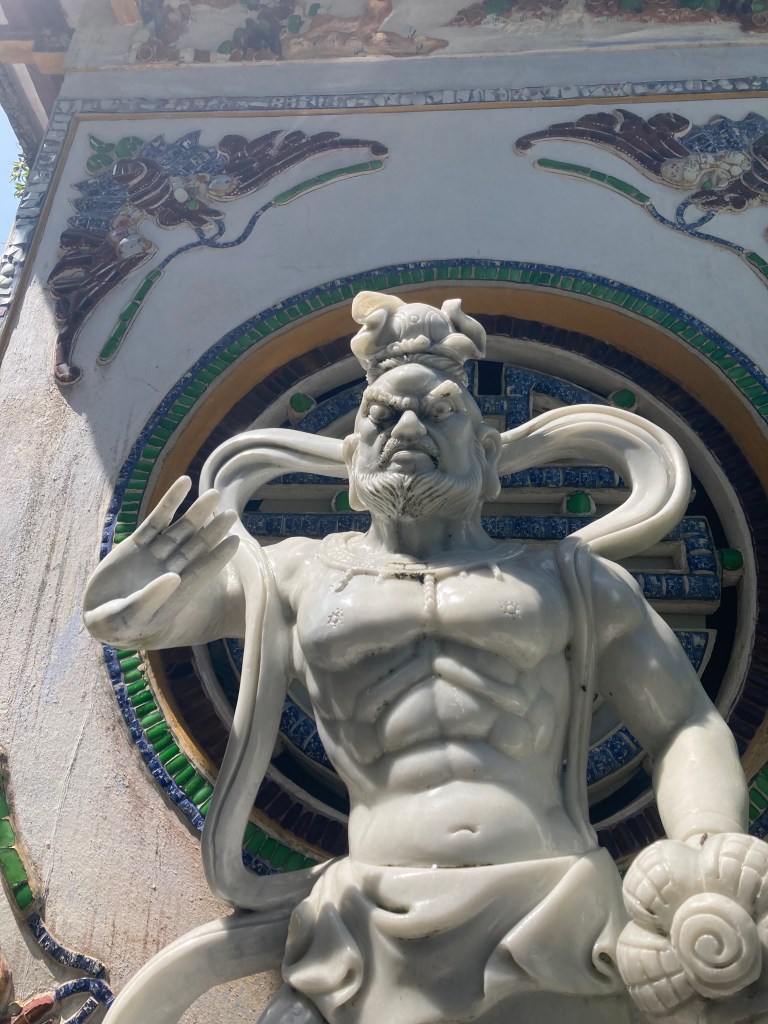
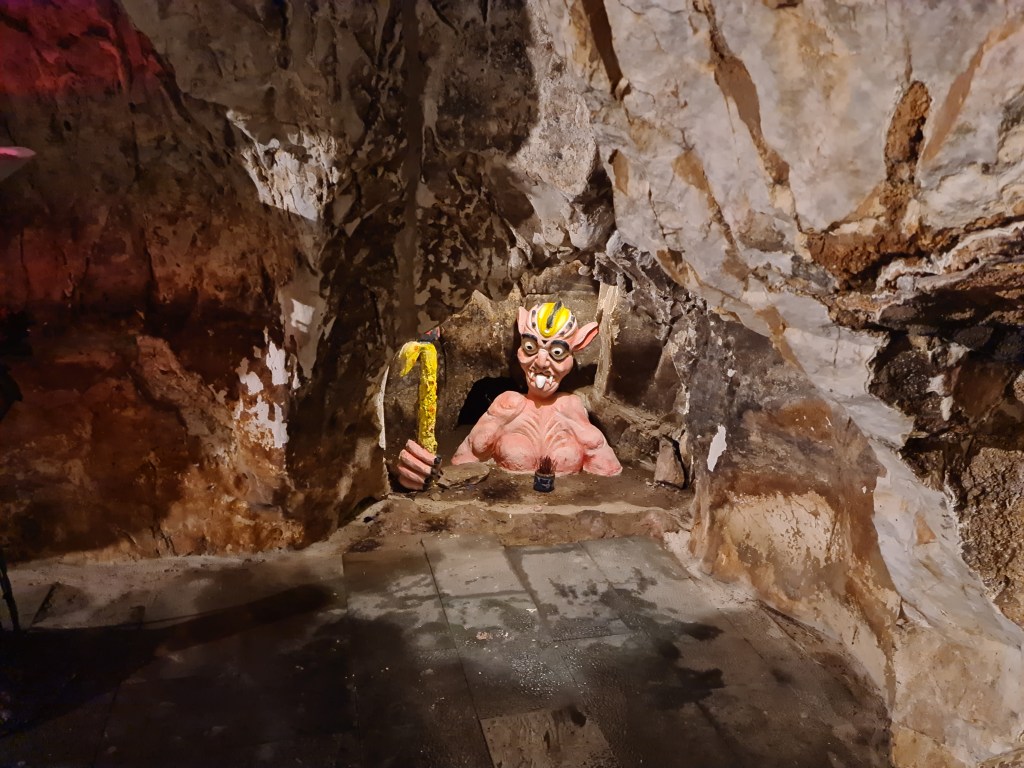
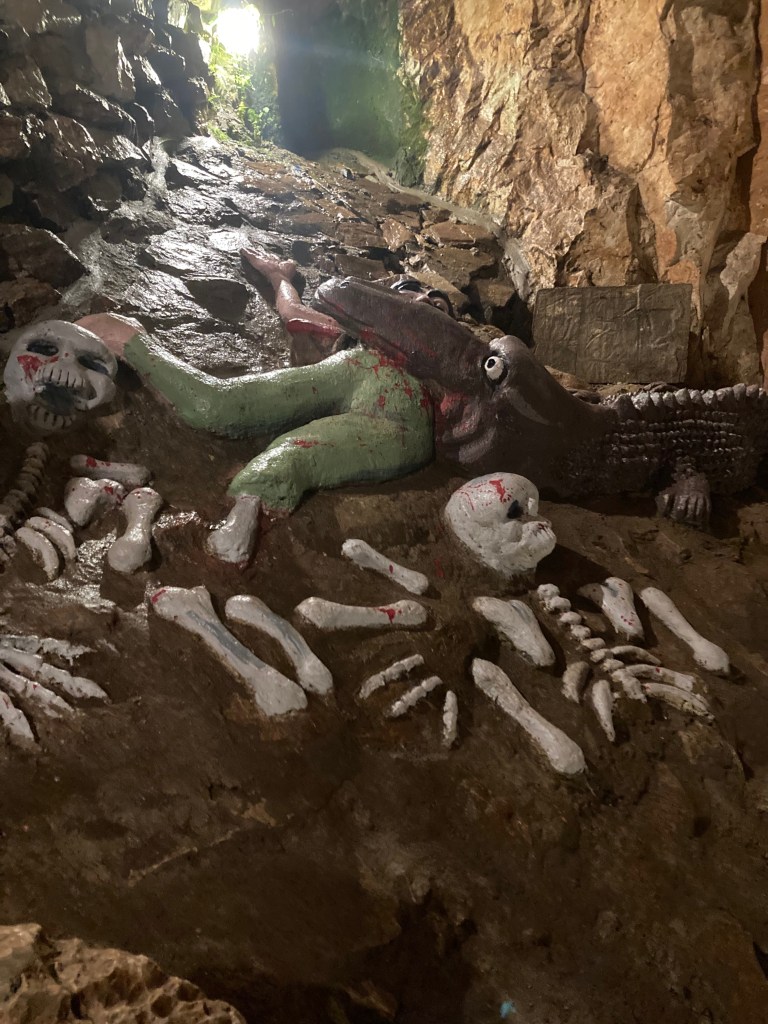
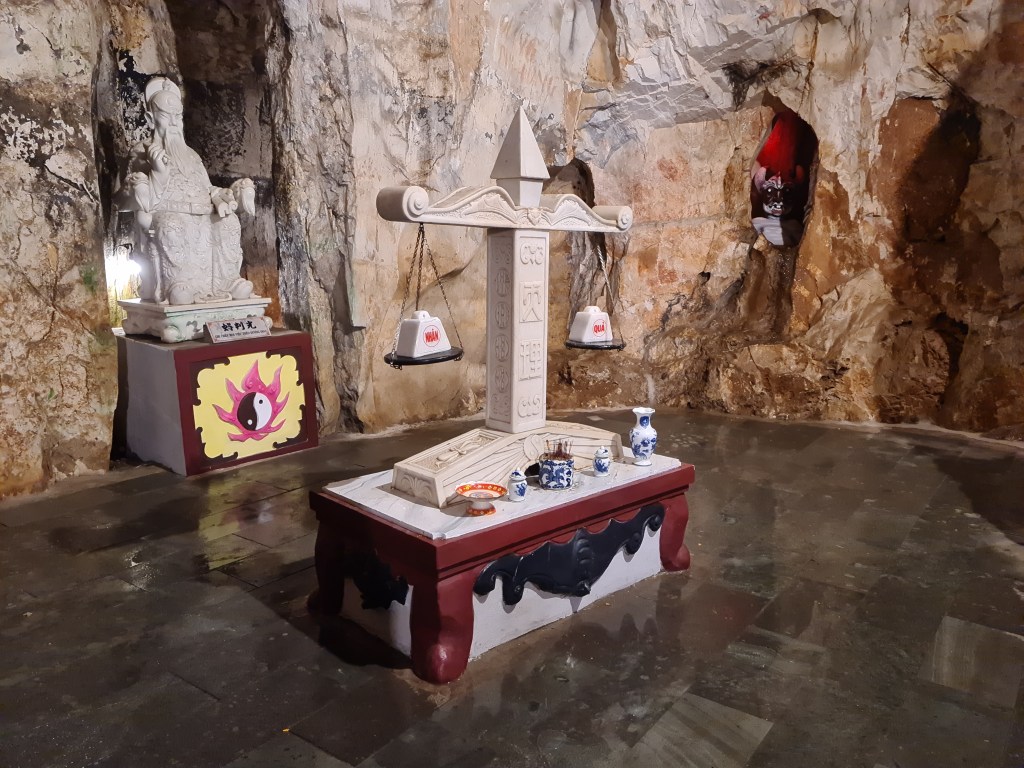
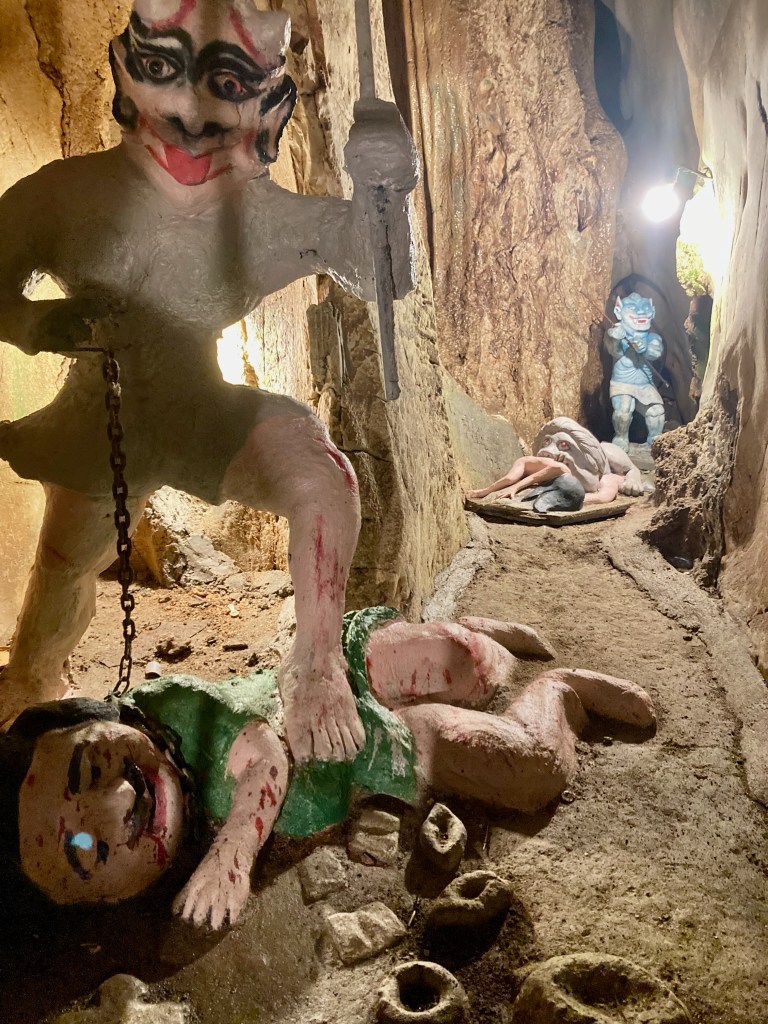
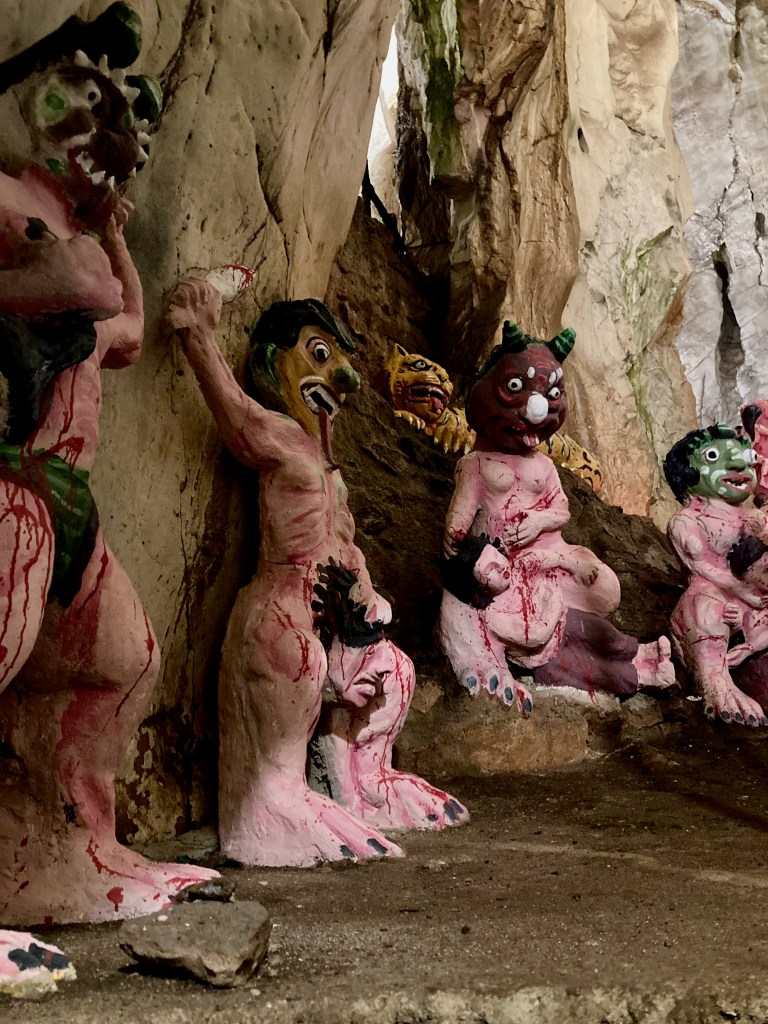
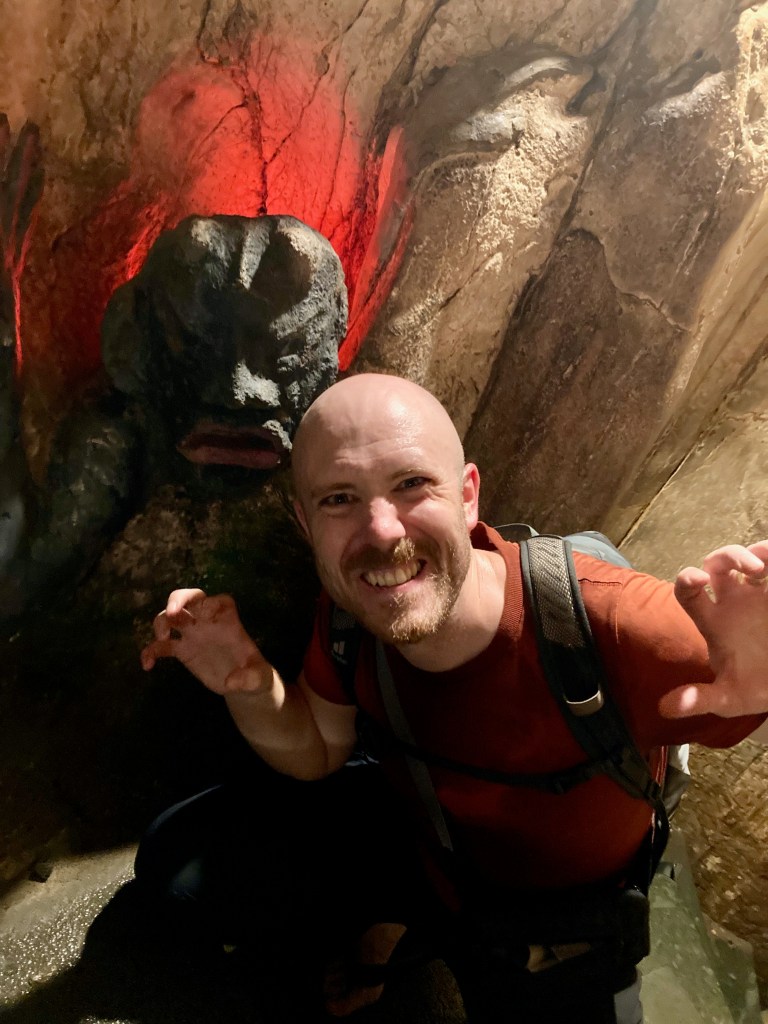
The Am Phu cave is a particular point of interest, as it has been decorated to represent the Buddhist concepts of heaven and hell. Strangely as we descended further into the layers of hell, my back started to ache and I felt a little peculiar. Maybe there really is something spiritual afoot there.

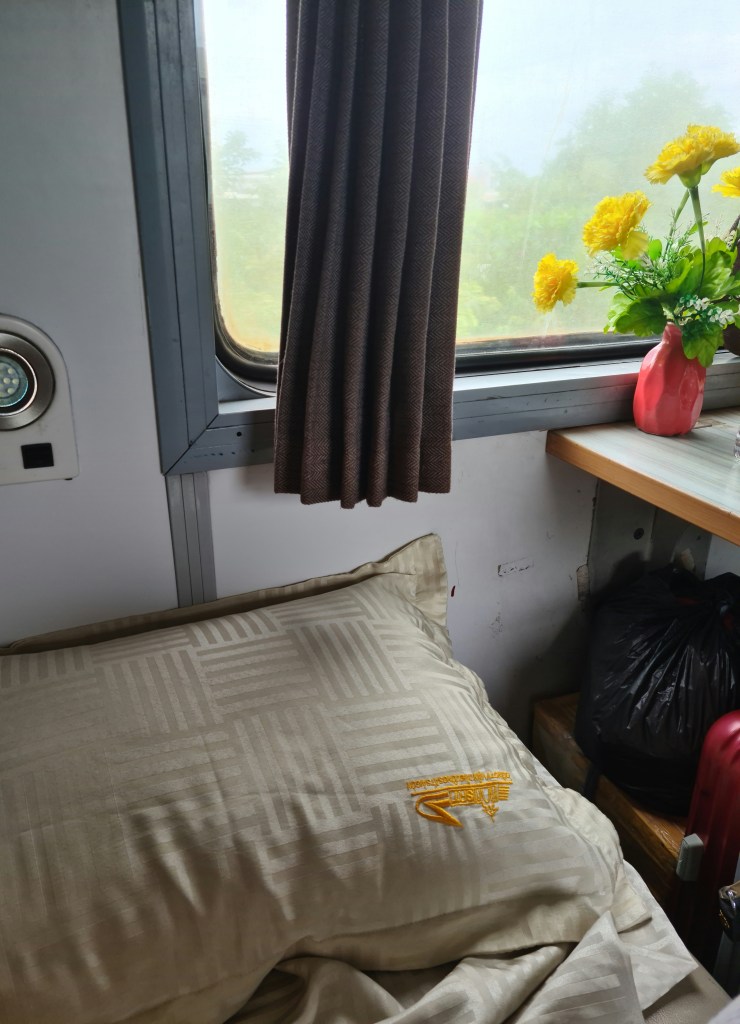
A sleeper train would be delivering us to our final destination in Vietnam, Ho Chi Minh City. At 18 hours, this would be the longest train we take during the year.
Boarding at midnight, our cabinmates were already asleep as we tried to slip in quietly. Perhaps we needn’t have been so courteous – I was woken at about 6am by one of them already on the speakerphone to what sounded like a husband, a cockerel and a klanger. She wasn’t the only one, and most of the carriage seemed to be up and about, hustling and bustling. Thankfully the long journey meant that over the course of the day, there were lulls in energy and it was quite easy to nap to pass the time.

Either Hanoi had toughened me up, or perhaps the absence of an old quarter, meant that Ho Chi Minh didnt feel quite as frenetic as I had expected. It was still suitably busy, but pavements mostly could be used as intended. Mostly.

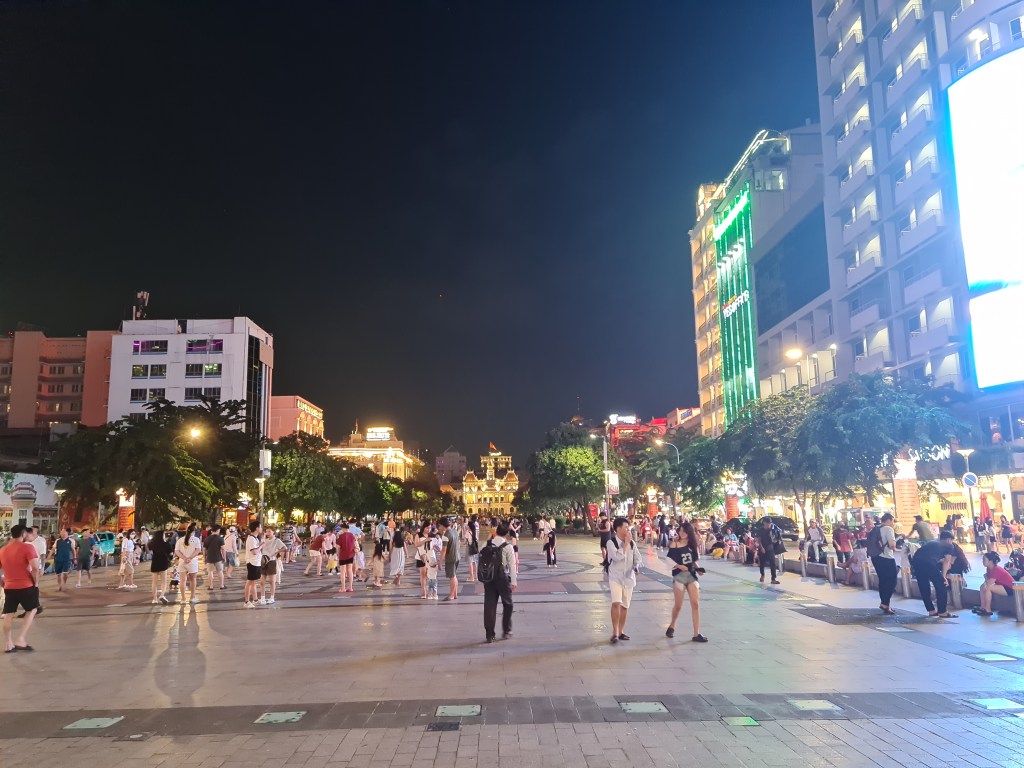


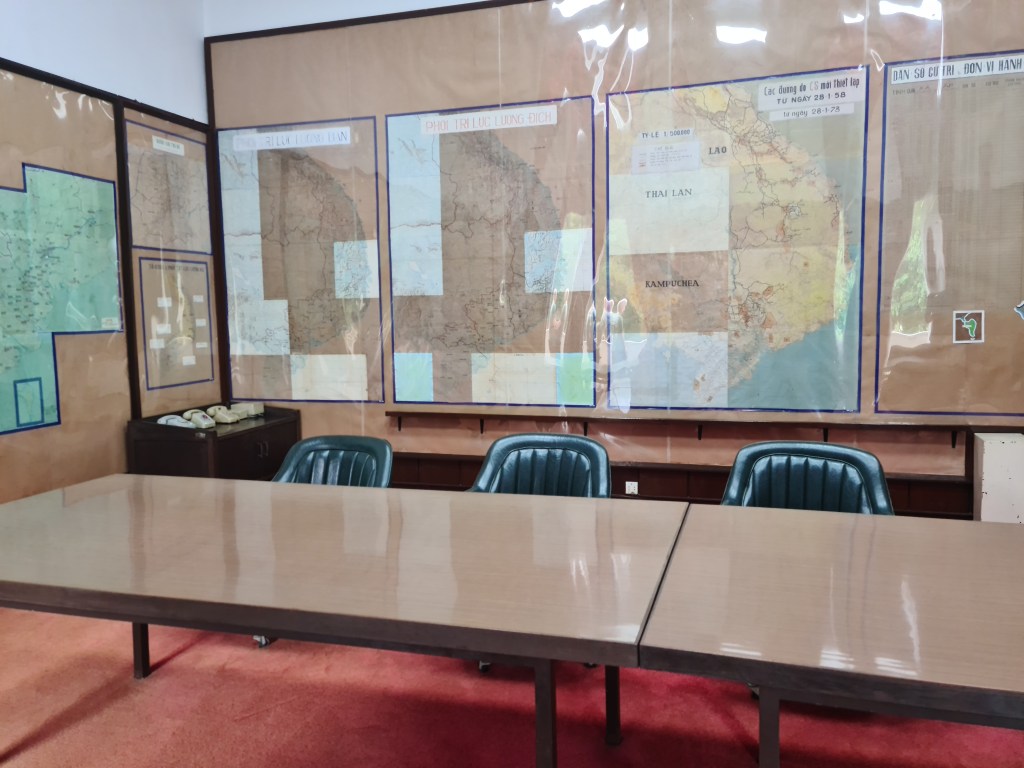


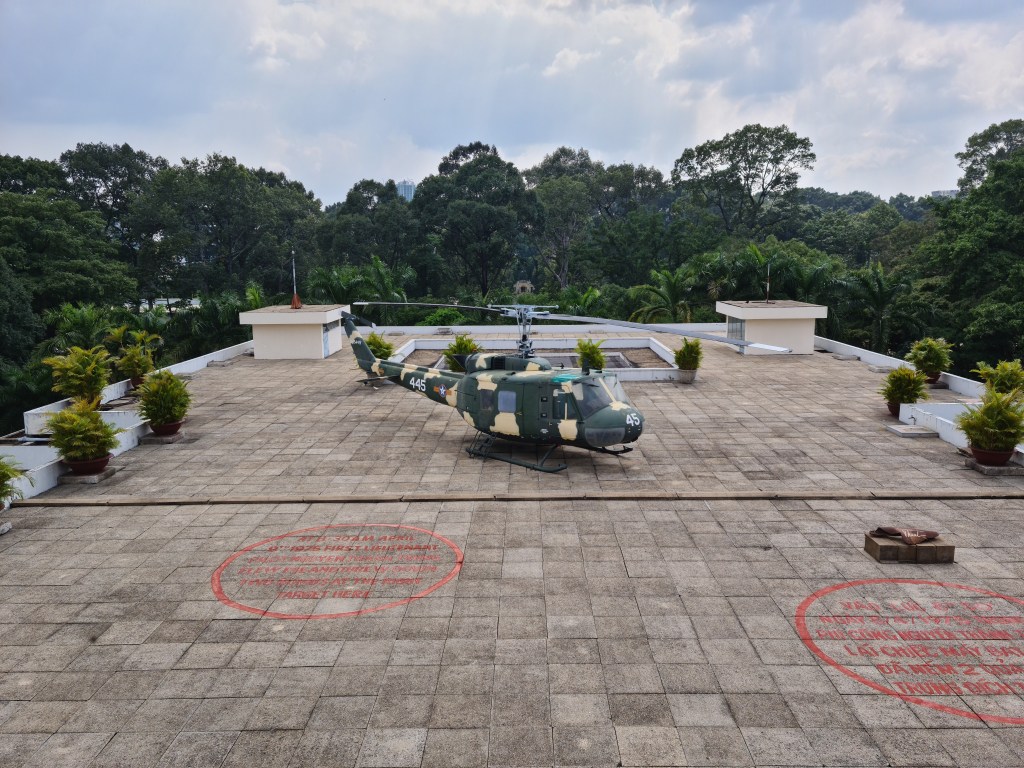
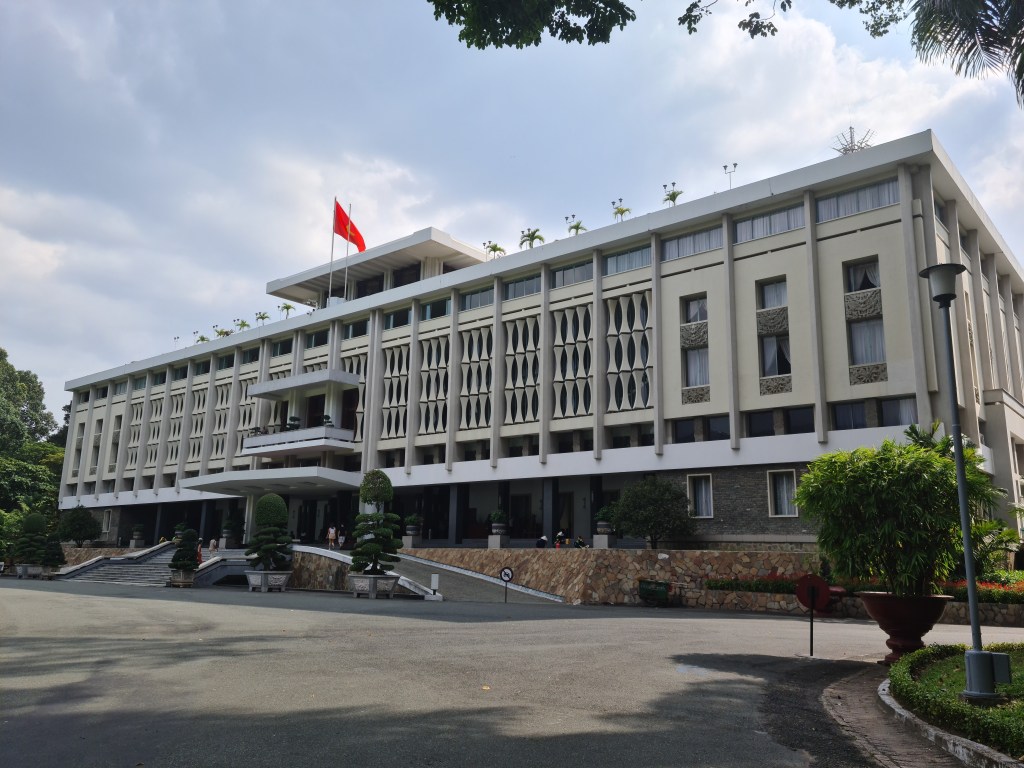
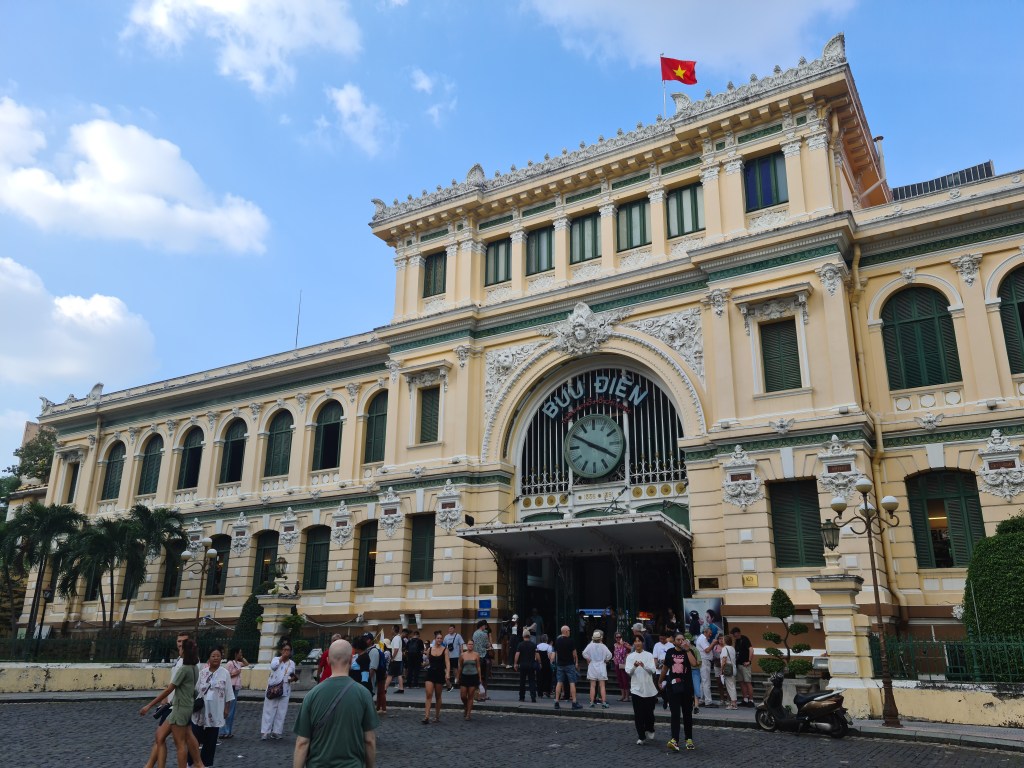
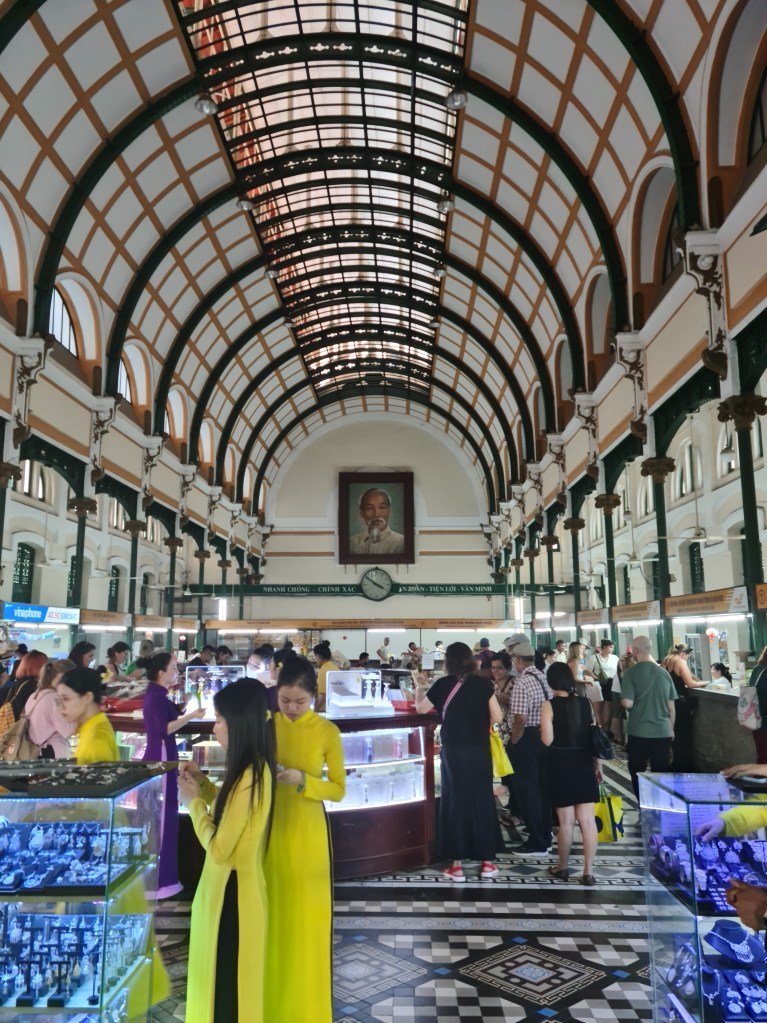
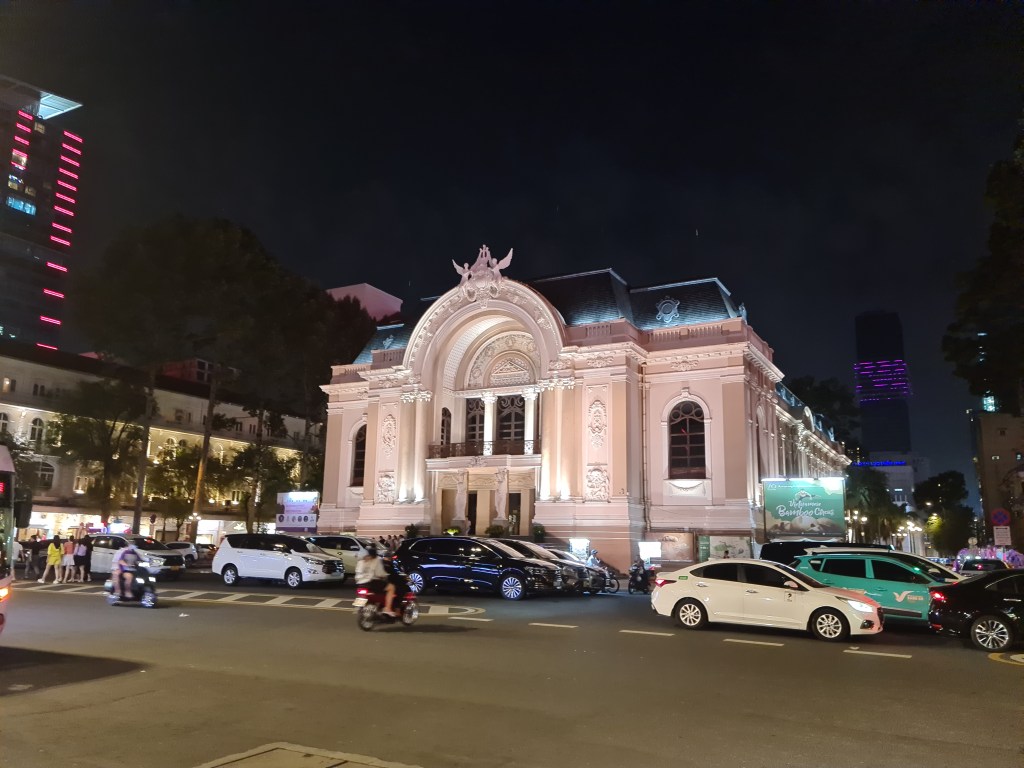

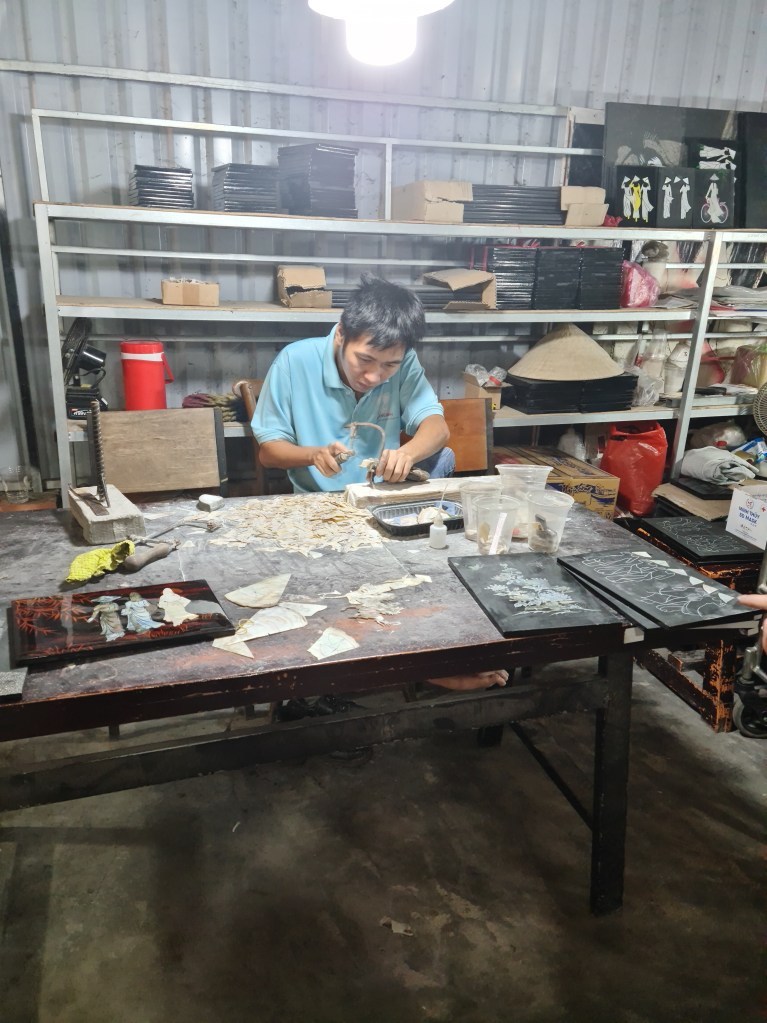
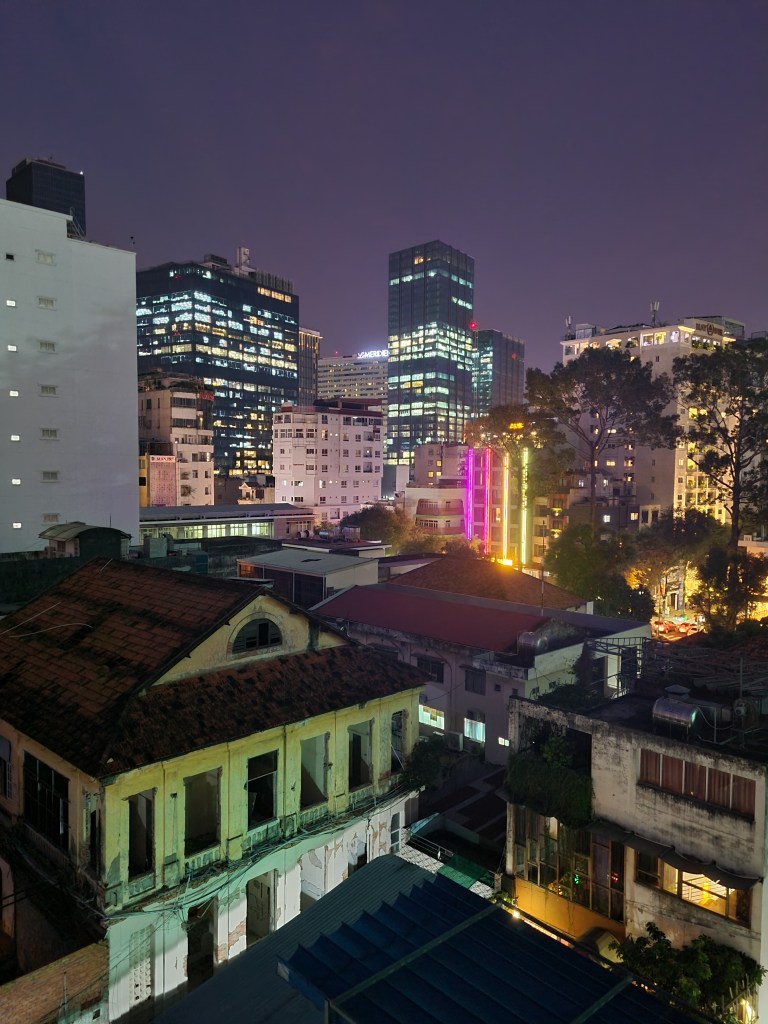

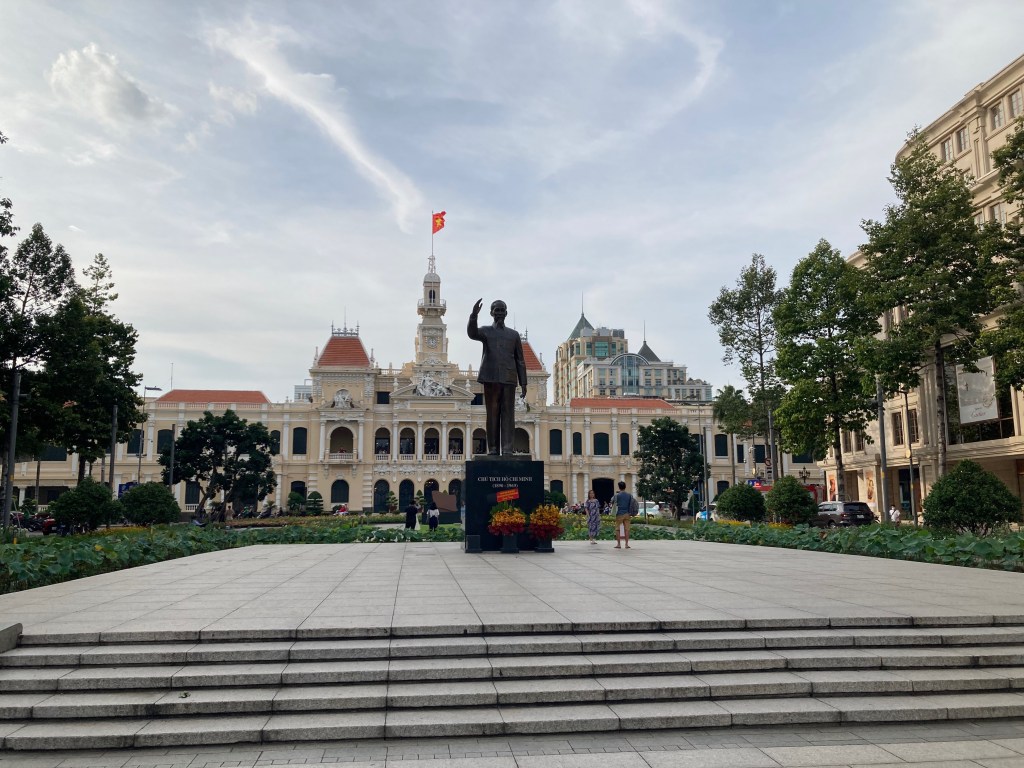
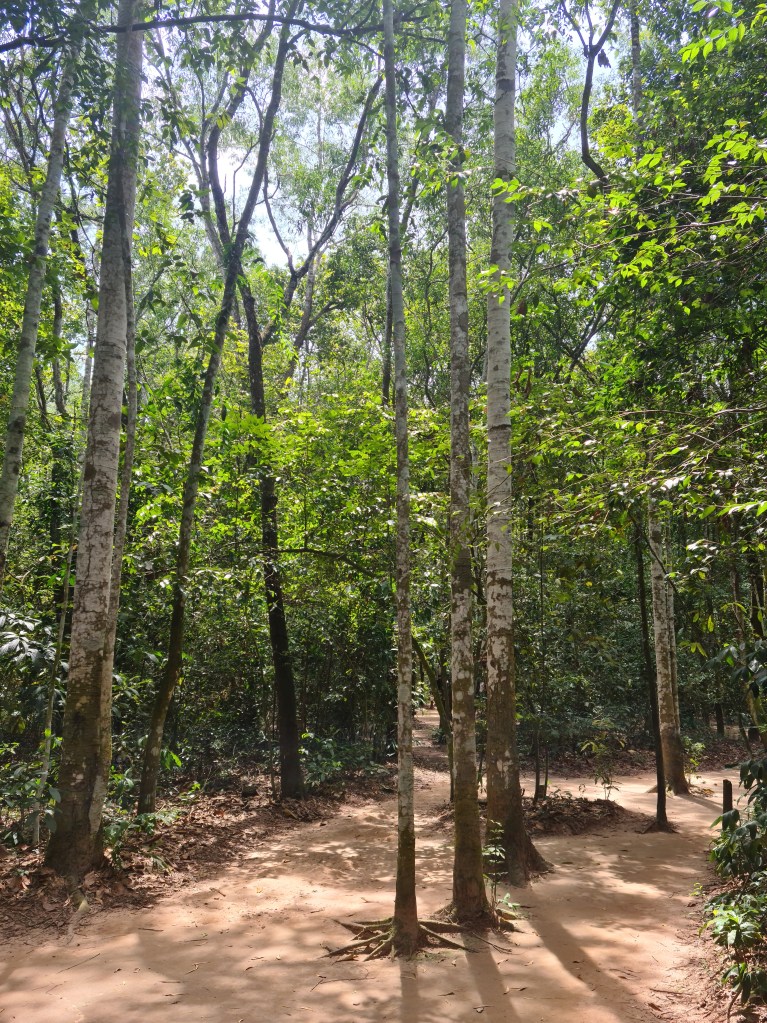
Between wandering around downtown and visiting the national museum, our biggest trip was reserved for the Cu Chi tunnels. Approximately 40km outside of the city, this is an extensive network of underground passages in the jungle, used by the Viet Cong during the Vietnam War. The tunnels served as living quarters, supply routes, and strategic bases for guerrilla warfare.
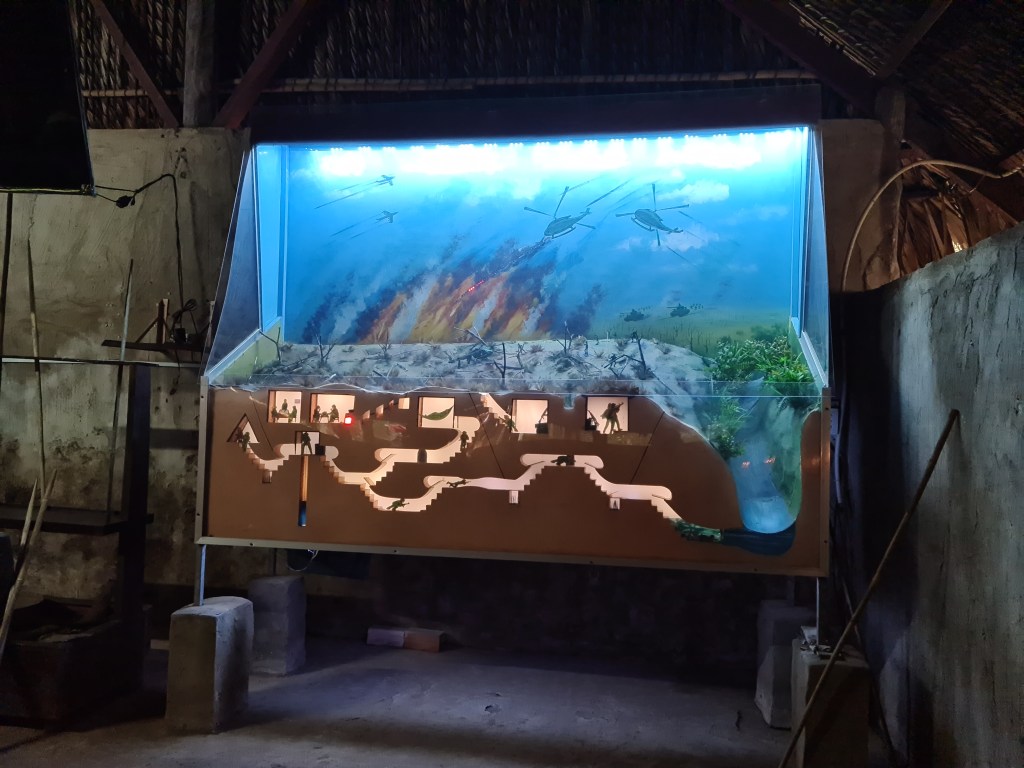
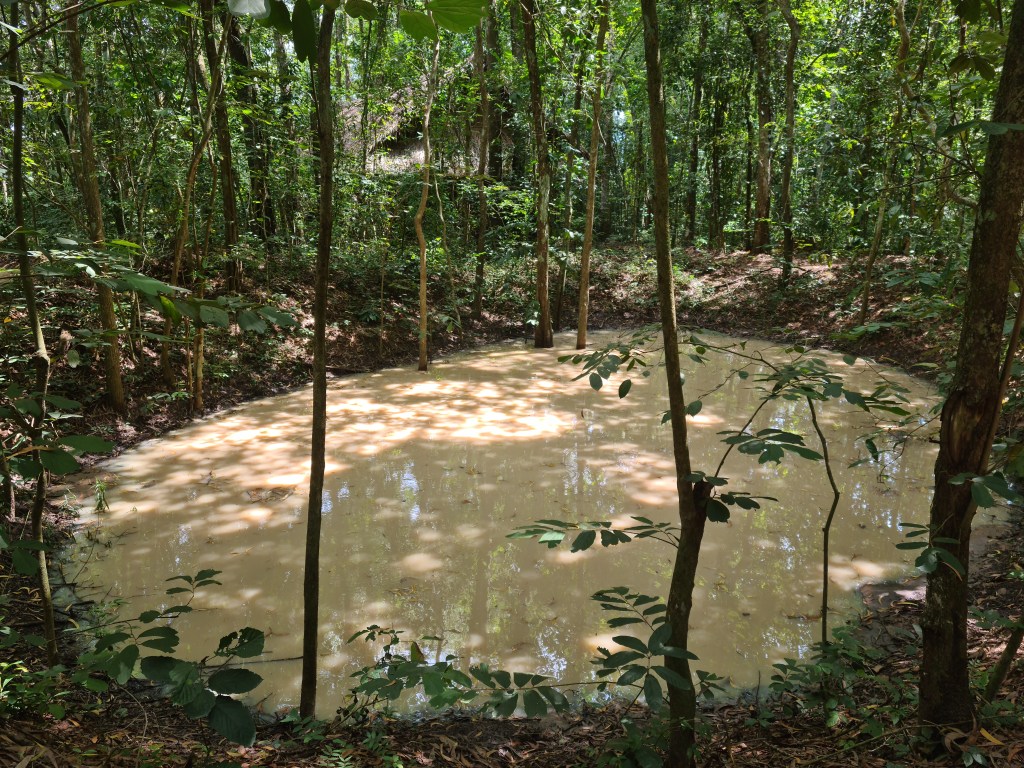

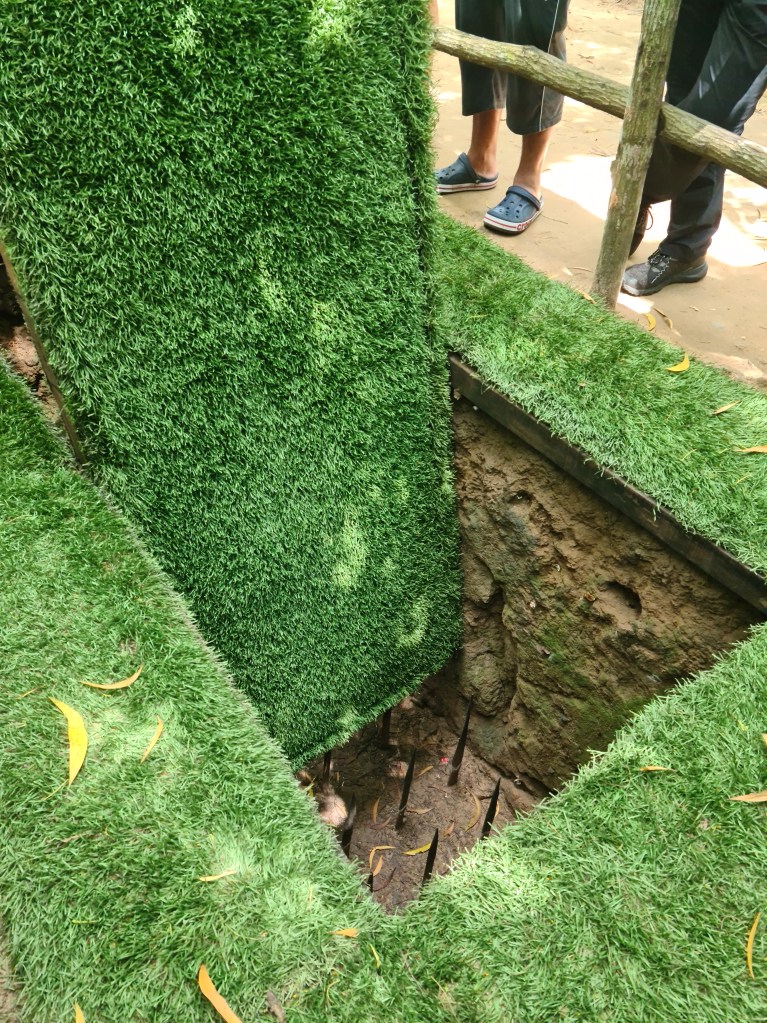

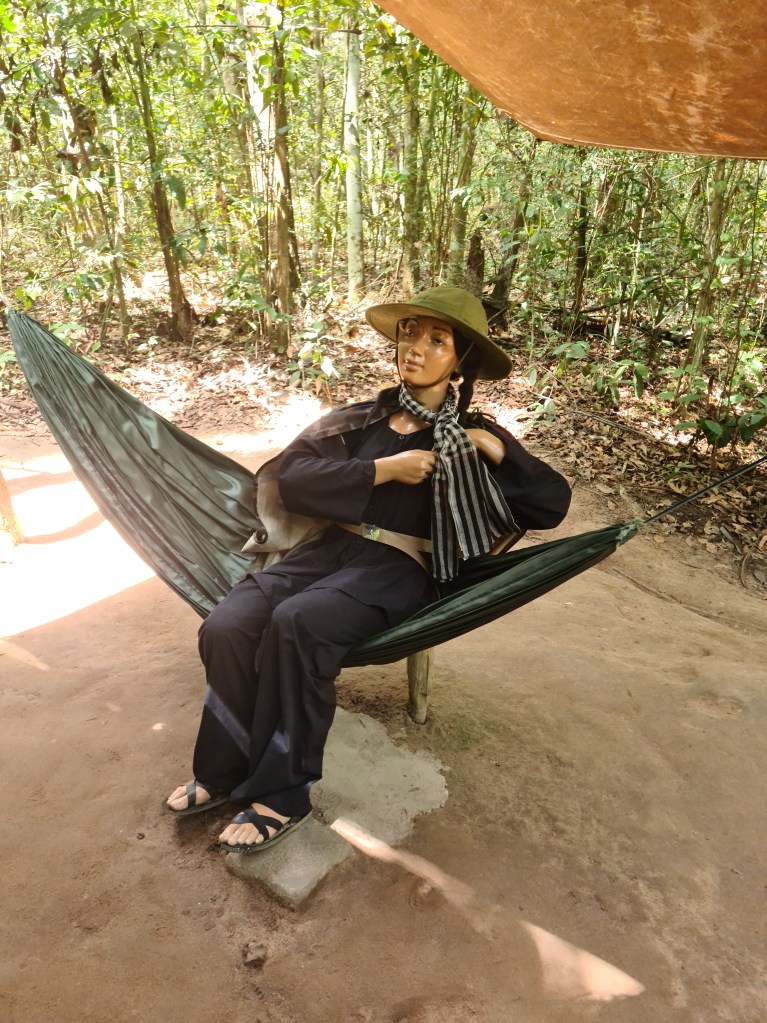
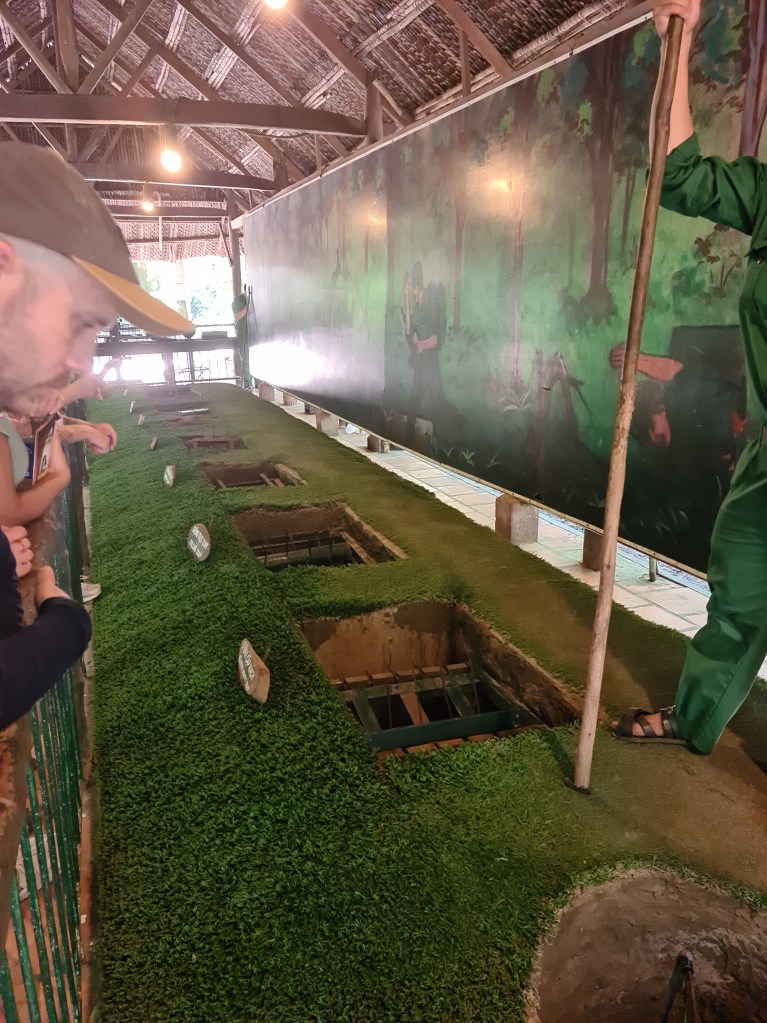
Ricki’s favourite pastime – admiring boobies – traps, that is
I knew the tunnels were an exceptional hiding place, and I knew that Vietnamese people were small, but I was still taken aback by just how narrow they were. Any more “Tash’s Treats” this year, and we would have needed a good dose of lubricant to get out.
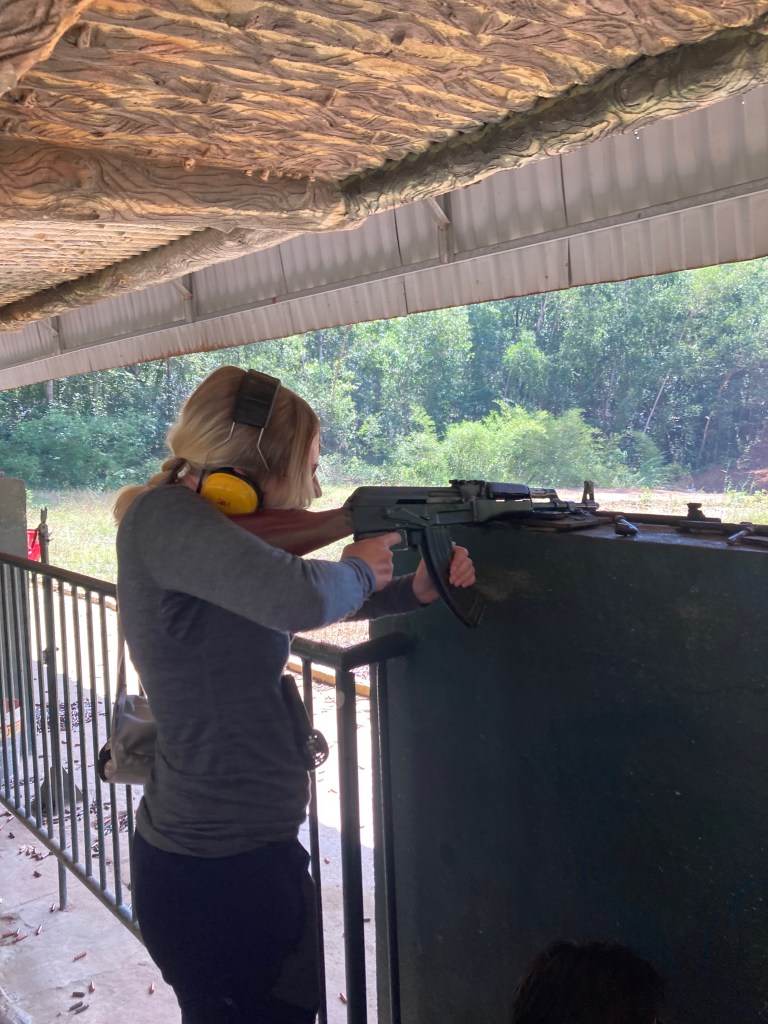
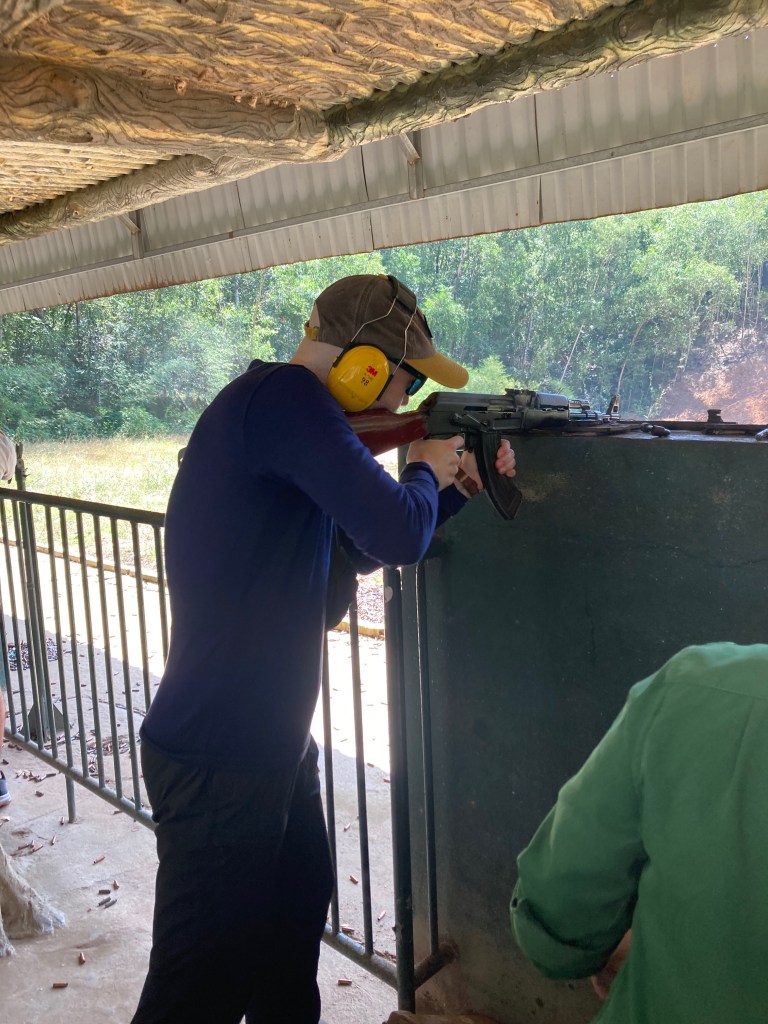
Instead of WD-40 though, we got to play with AK-47s instead. In the spirit of combat education, the tunnels have a shooting range where you could upgrade your ticket to fire various assault rifles. And safety briefing? Who needs those, just get shooting (the guns were screwed into place, don’t worry).
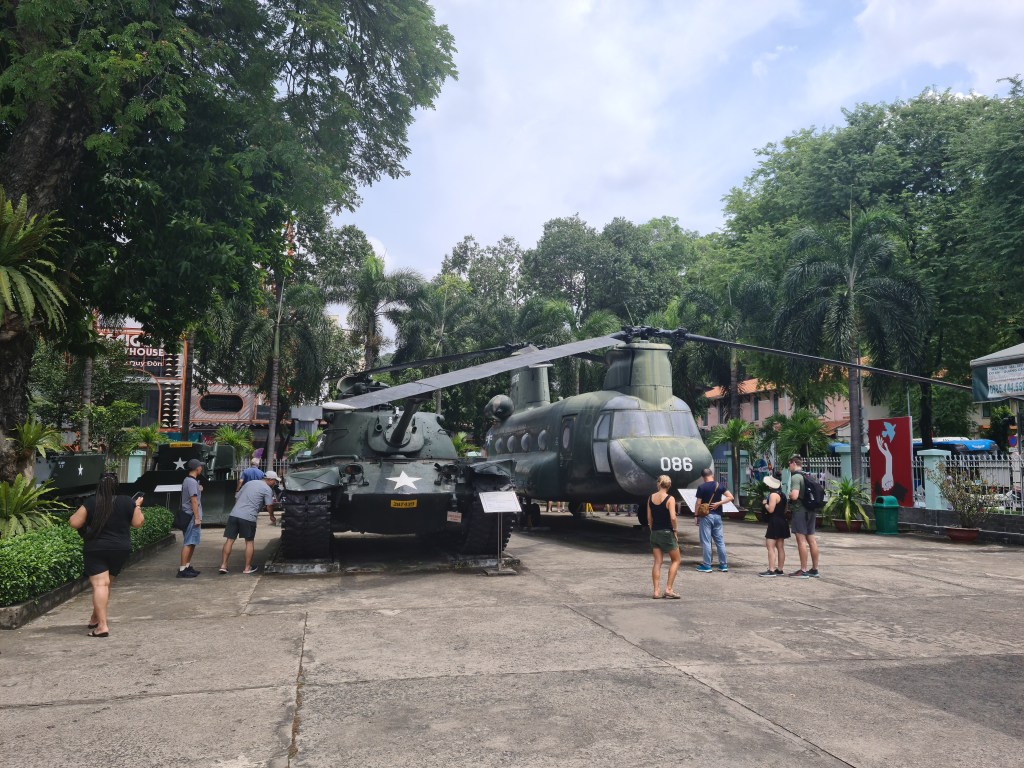
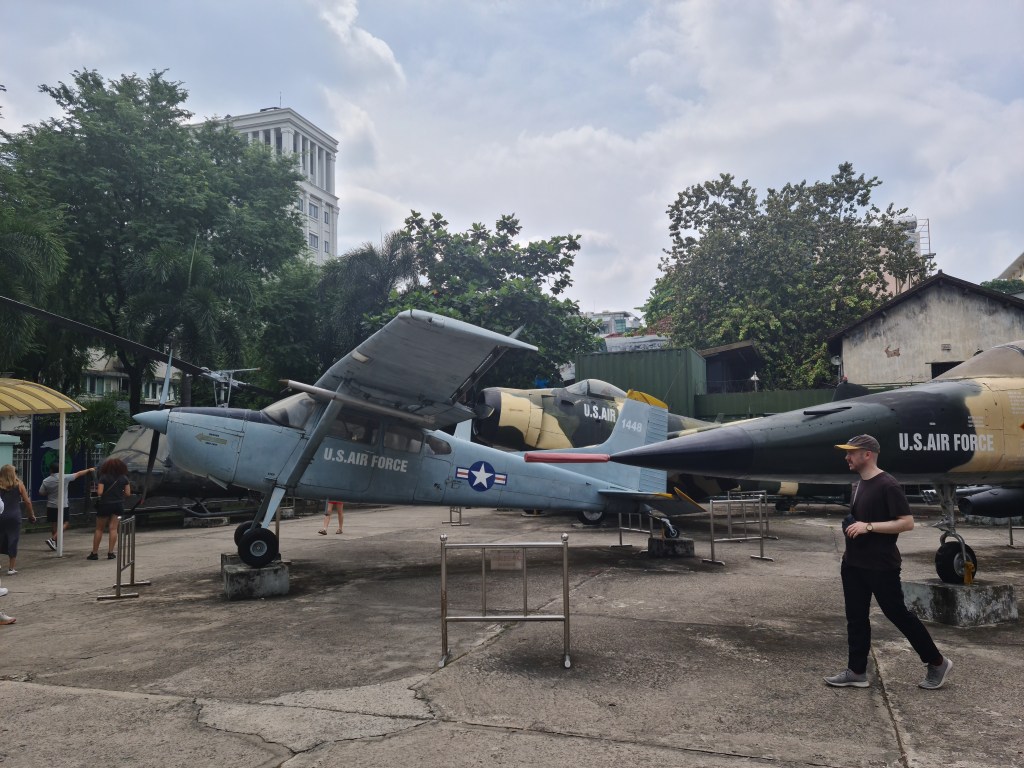
While the Cu Chi tunnels felt like a light way to learn about life of the Viet Congs, one other, more sombre opportunity for education, was the War Remnants Museum back in HCMC. The exhibits, including many photographs, were unflinching in their depiction of the war, and the atrocities that were committed.
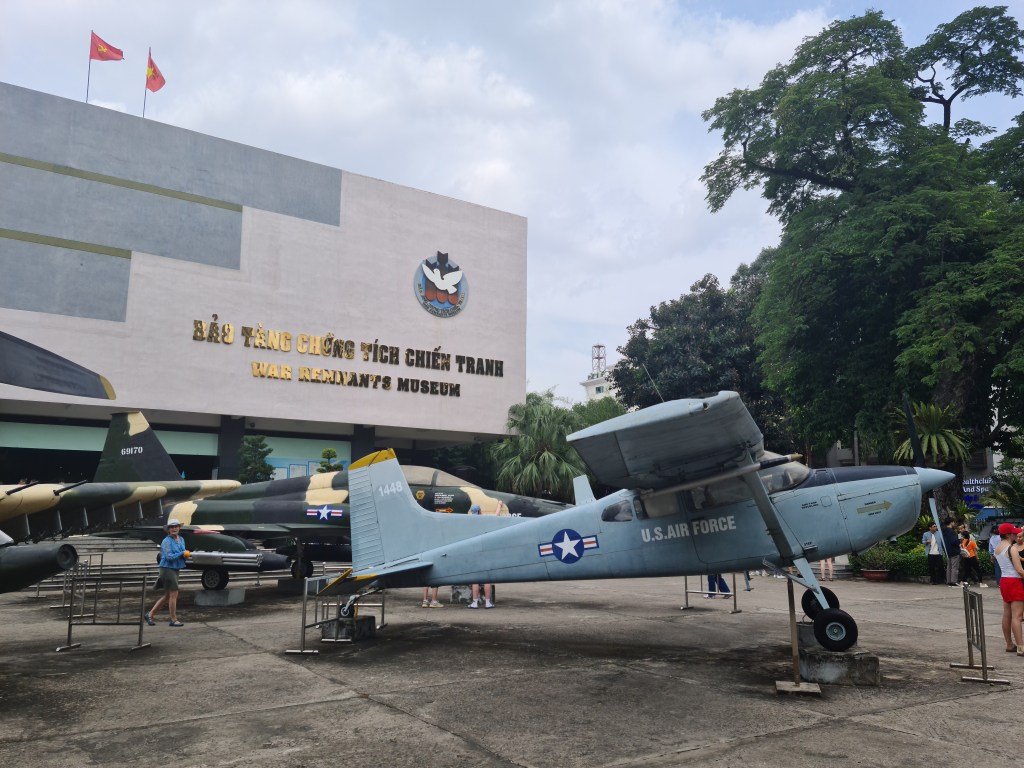
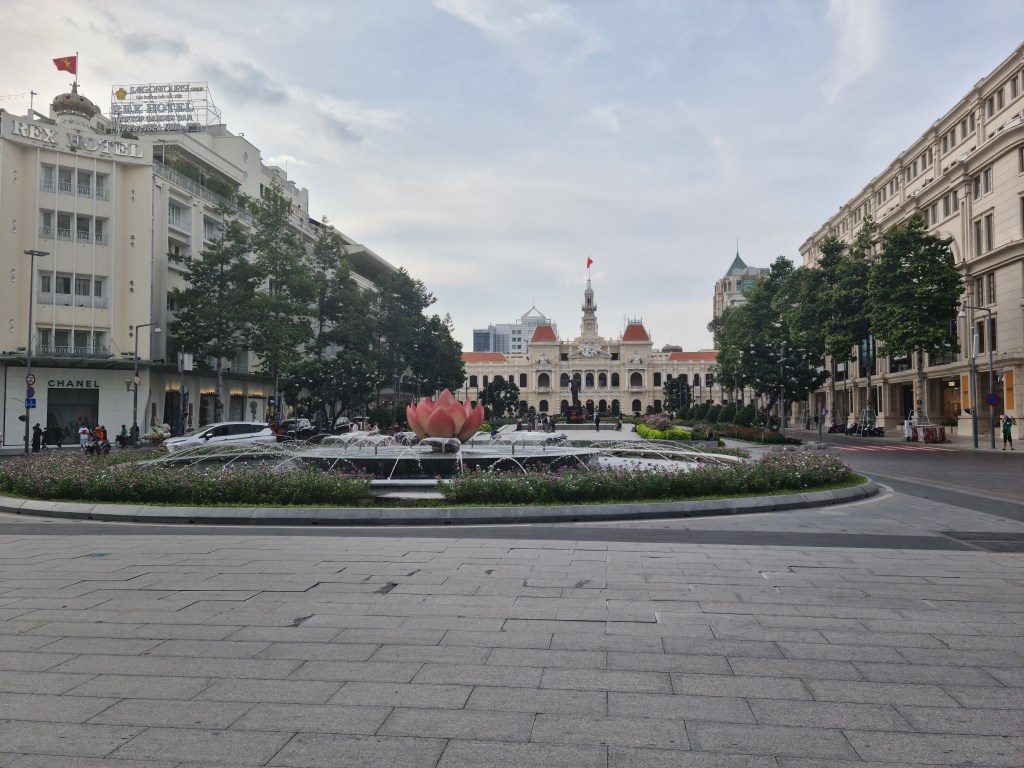
Sadly the war is probably the strongest connotation I had of Vietnam before visiting. But while it is important to learn about such a significant part of the country’s history, there is so much more to experience there. With its rail network, it’s very easy to traverse the length of the country and fit in all the highlights – whether it be history, beaches or arts and culture – in just a few weeks, and we were so pleased that we did. As a country, I would say Vietnam was one of our favourites of the year. All of the above, plus the food and the people make it an excellent destination.
Tash’s Treats
Just a few extras to add after last post’s glut:
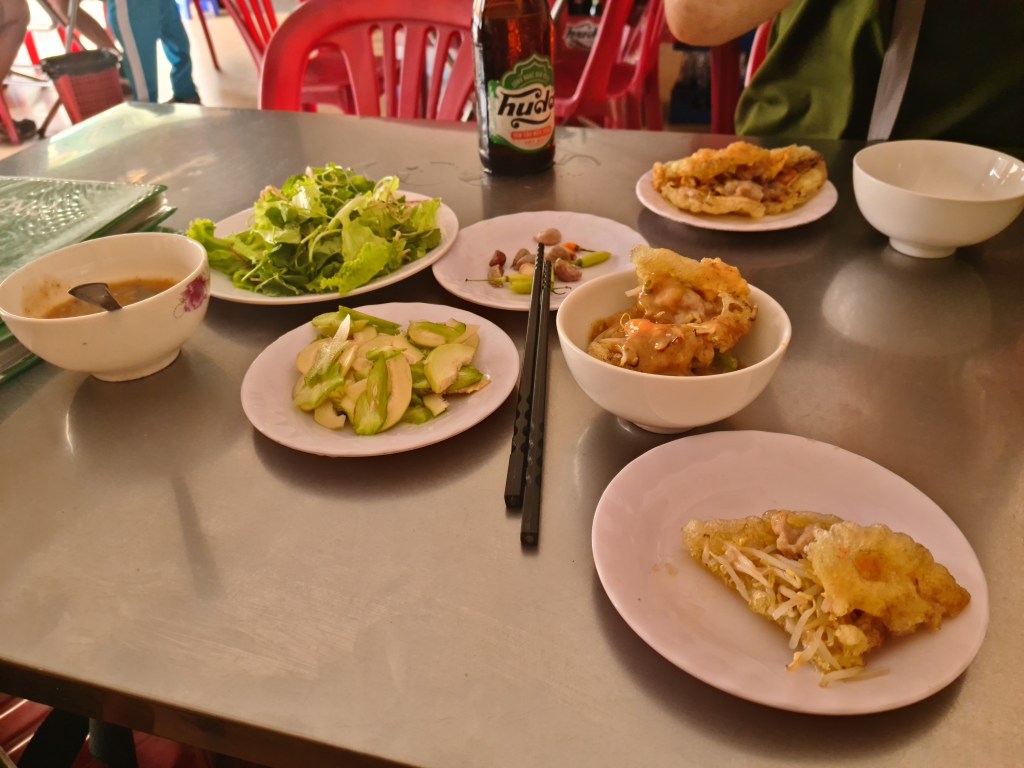
Bánh Xèo – A crispy, savory pancake made from rice flour, turmeric, coconut milk, and stuffed with shrimp, pork, and bean sprouts. It’s served with fresh herbs and dipped in a tangy fish sauce.
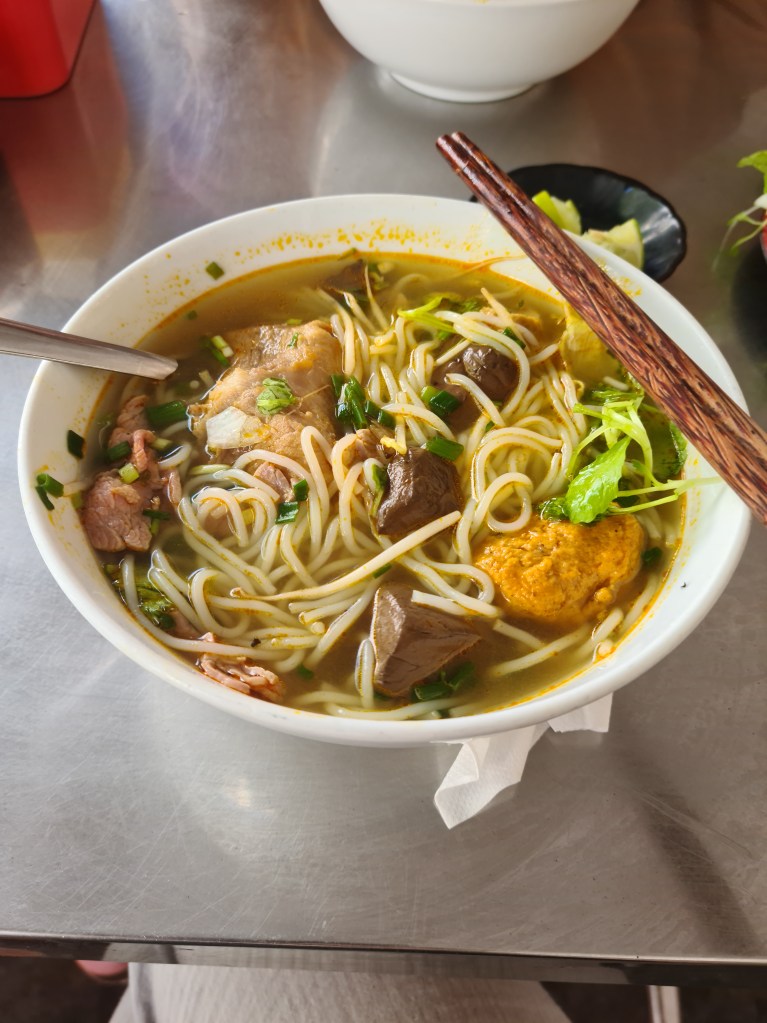
Bún Bò Huế – A spicy and aromatic beef noodle soup from Huế, known for its rich broth flavored with lemongrass, shrimp paste, and chili oil.
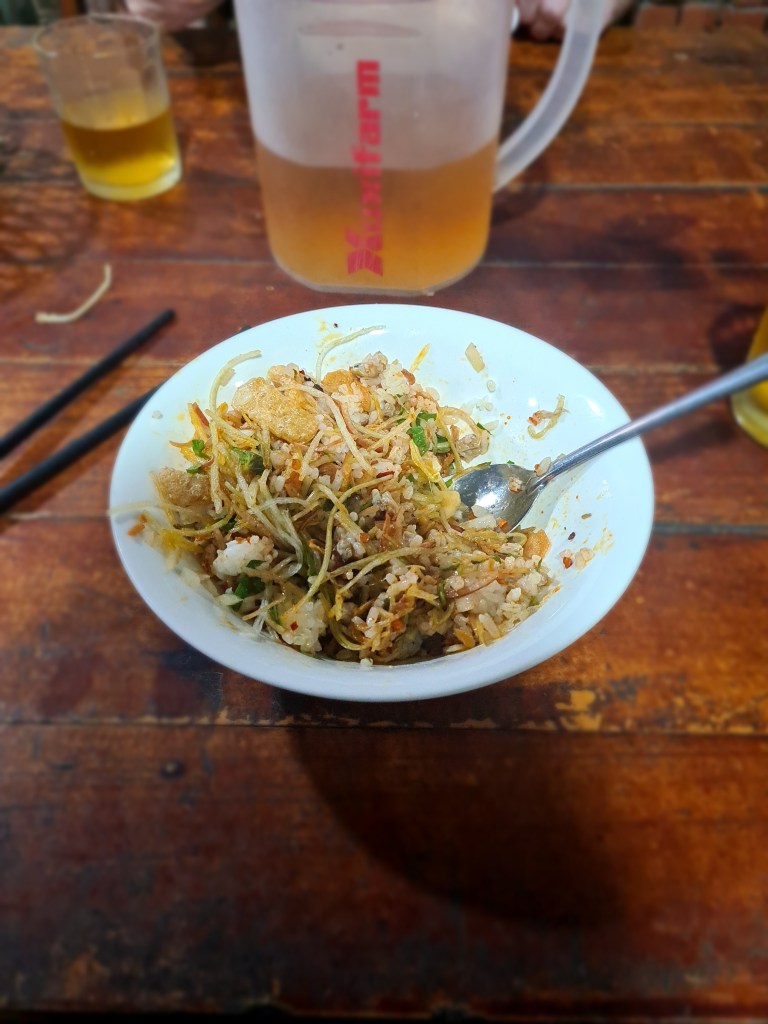
Mì Quảng – a vibrant noodle dish featuring turmeric-infused noodles, shrimp, pork, quail eggs, and peanuts in a small amount of broth.

White Rose Dumplings (Bánh Bao Trắng) – A specialty of Hội An, these delicate, translucent dumplings are filled with minced shrimp and topped with fried garlic.
Hến Xào – Stir-fried mussels cooked with garlic, onion, chili, and spices, often served as a topping for rice or bánh tráng (crispy rice crackers).
Cà Phê Muối (Salted Coffee) – A drink from Huế, combining strong Vietnamese coffee with sweetened condensed milk and a hint of salt, creating a rich and creamy flavor balance.
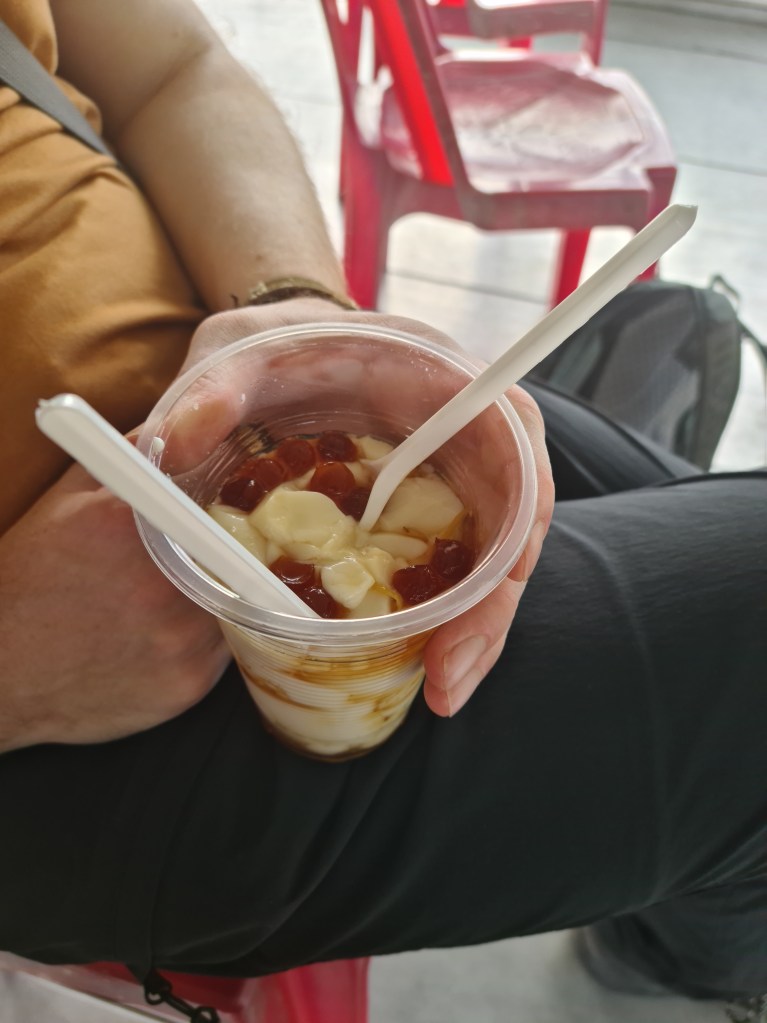
Tao Pho – a tofu pudding with ginger sauce. Not too dissimilar to a creme caramel.

More che, the dessert soup which you might recall from last blog. It didn’t get any less weird.
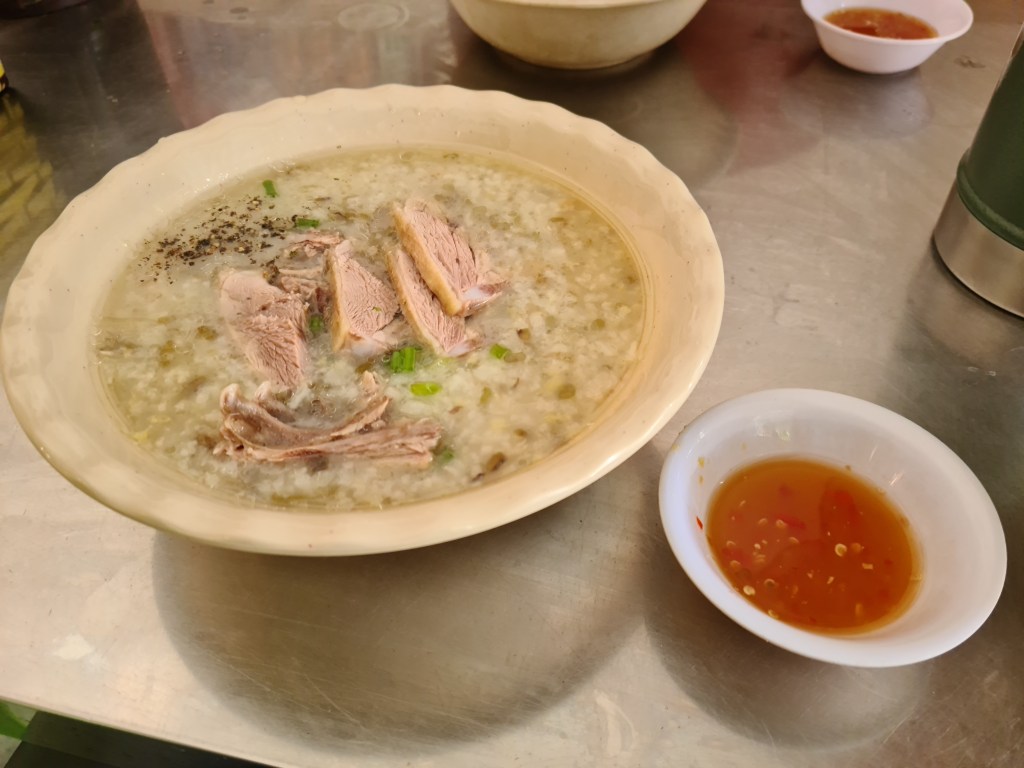
Duck porridge – pretty much what it says on the tin. In South East Asia, porridge is less an oaty breakfast, and more a vessel for meat.
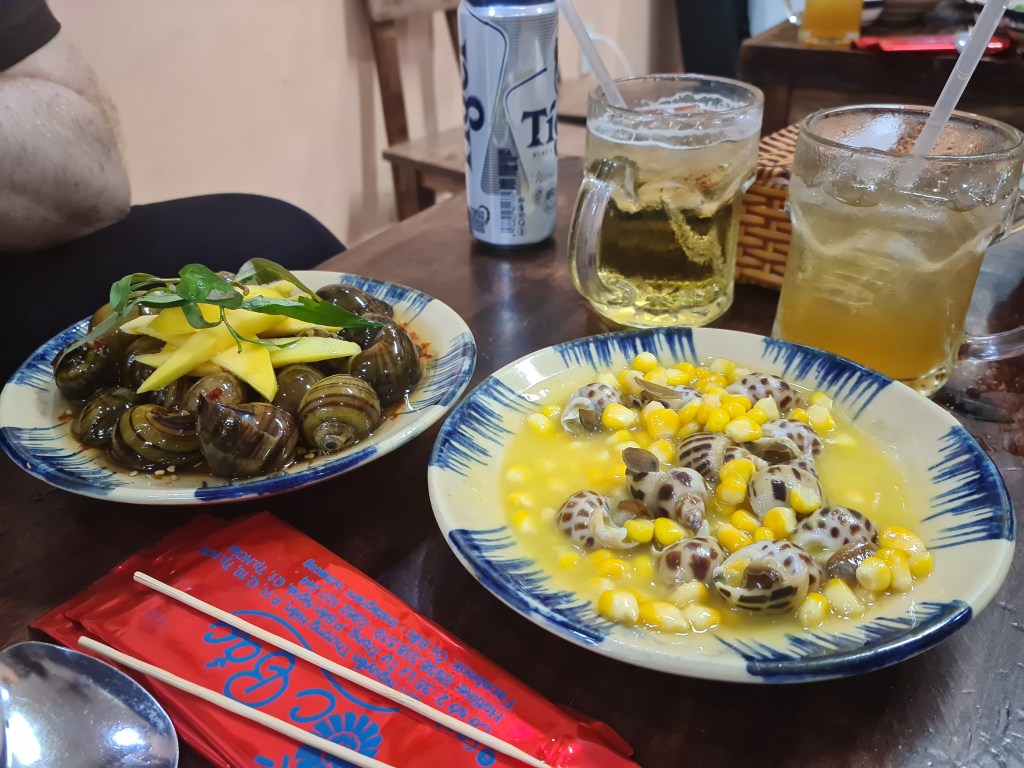
Snails – perhaps unsurprising given the French heritage, sea snails are a popular seafood choice. I particularly liked them in mango and chill sauce, above right.
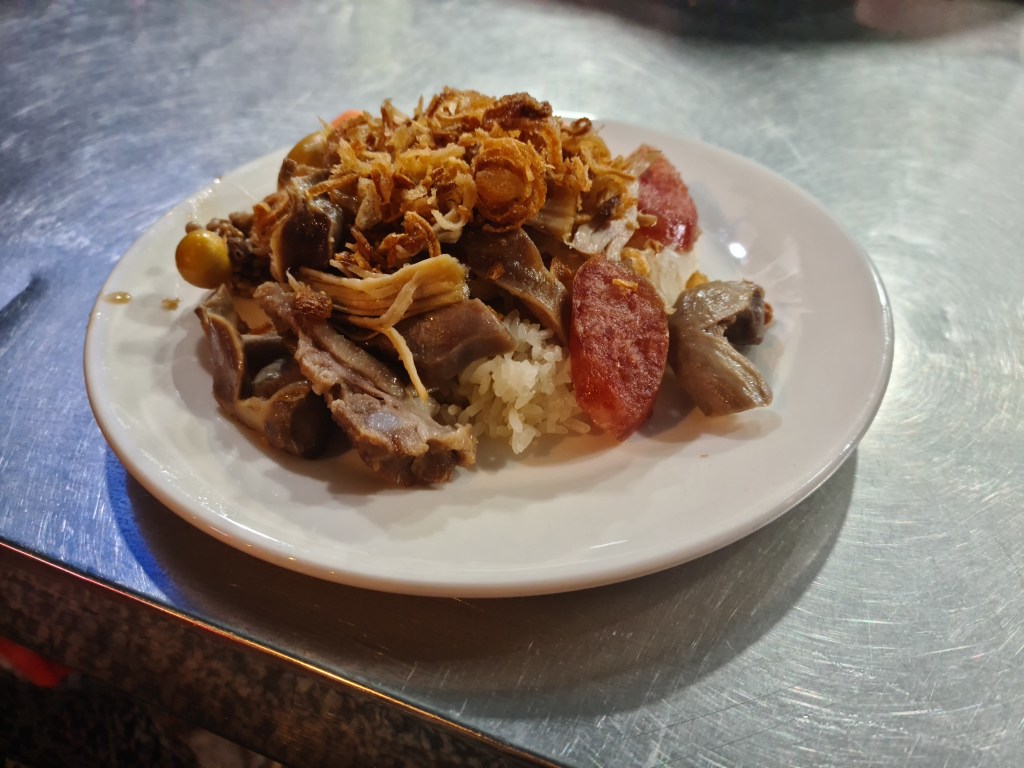
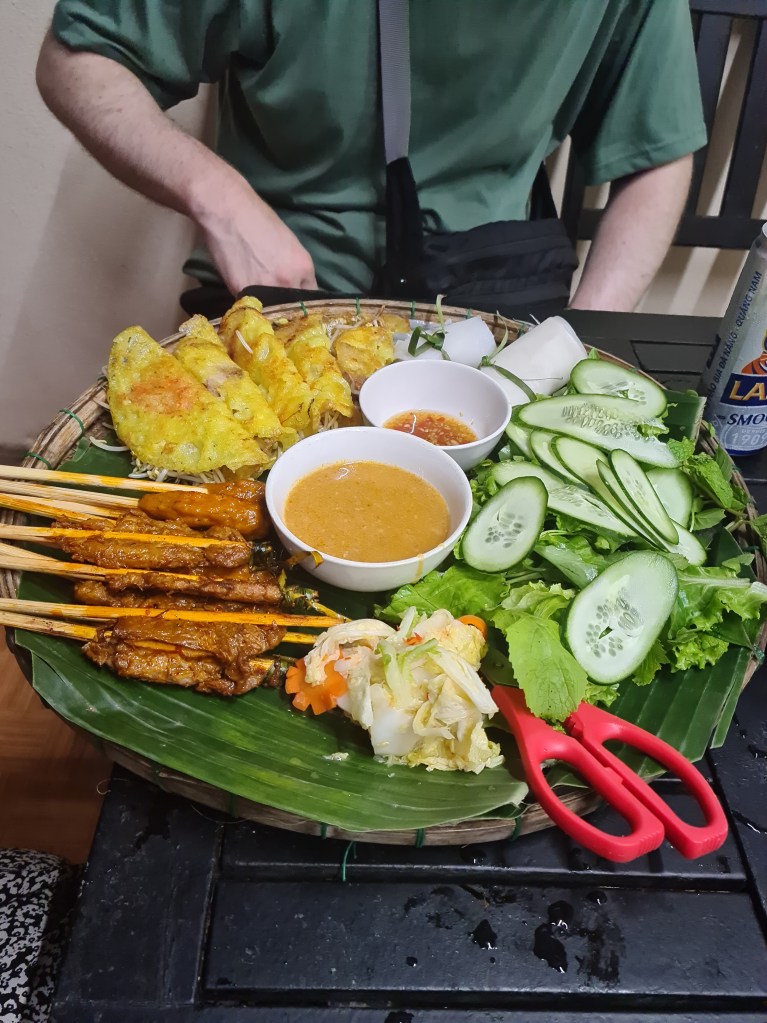
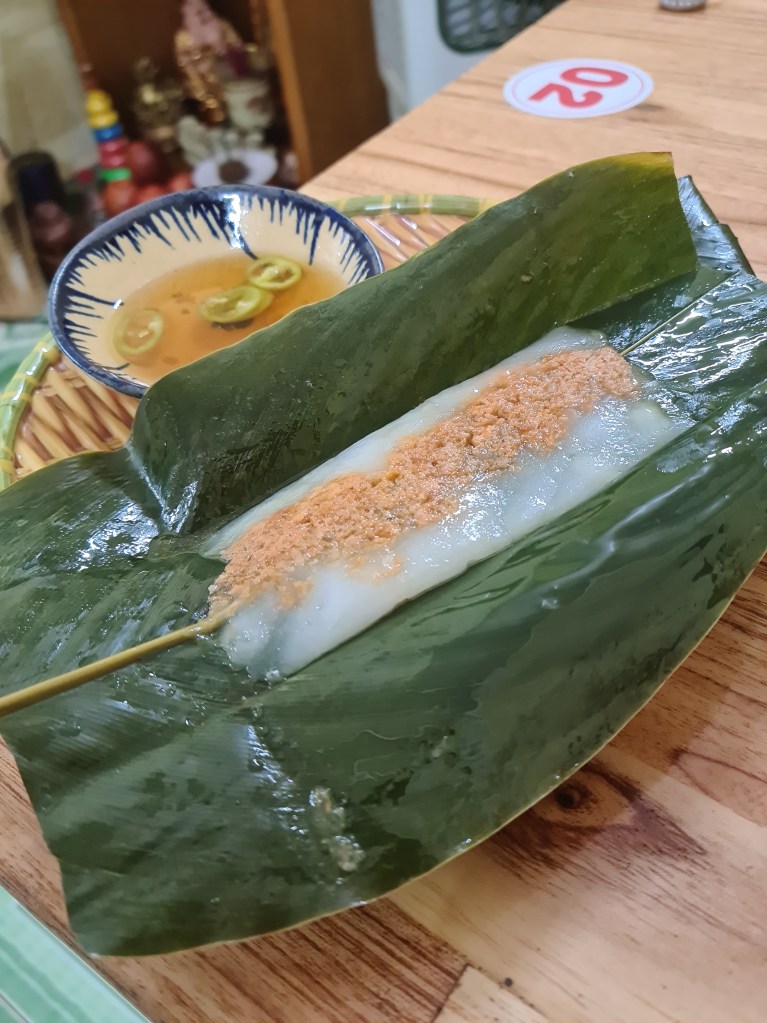
Further dishes lost in the depths of my memory!
 A Place Both Wonderful and Strange - Tash & Ricki's Career Break Travels
Leave a comment